Home Blog Page 62

Club 25 Profile – Scubapro

0

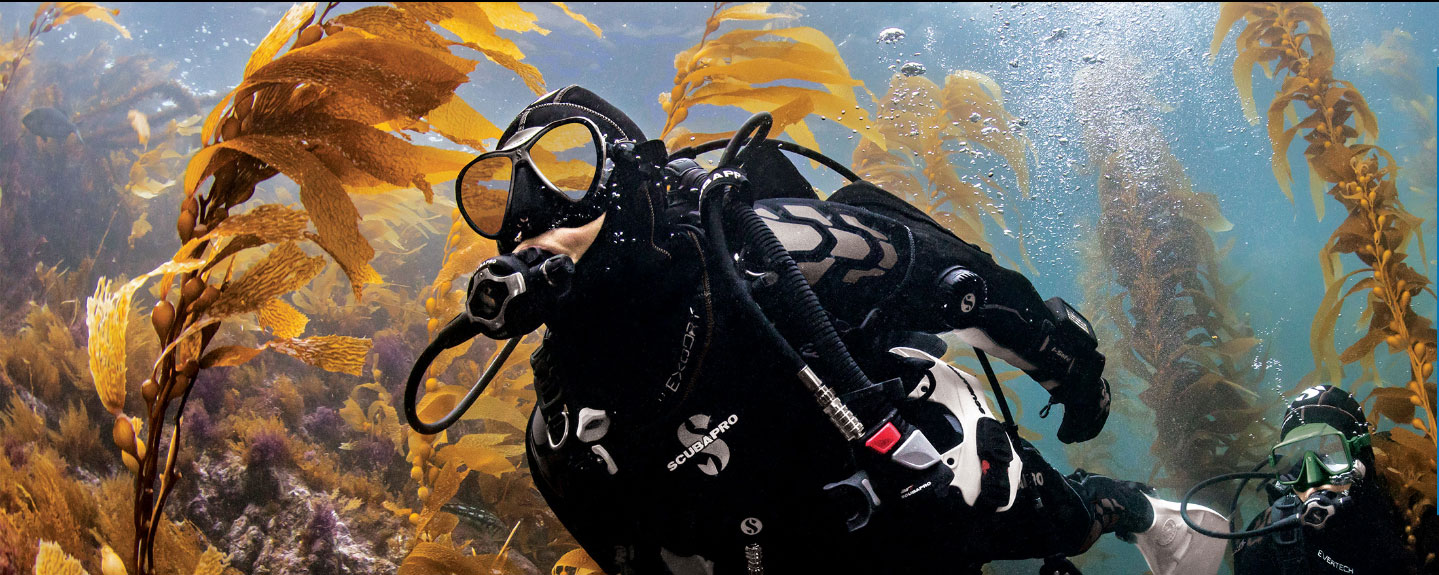
Founded in 1963 by Gustav Dalla Valle and Dick Bonin, SCUBAPRO is one of the most iconic dive equipment brands. Revered in the 1960s and early 1970s as the Rolls-Royce of scuba diving, SCUBAPRO is famous for being able to withstand just about any sort of abuse while providing high performance without compromise.

The first company to seriously challenge Jacque Couteau’s US Divers’ dominance in the scuba diving industry, SCUBAPRO was initially set up by Healthways (a company which sold bar bells and water skis) as a subsidiary to produce diving gear specifically for professional dive stores, a concept Dick Bonin had pioneered while he was working for Swimaster. A former Submersible Operations Officer with the US Navy SEALS, Bonin was brought in by R&D Director Gustav Dalla Valle to help produce diving gear for SCUBAPRO. In 1962, when Healthways went bankrupt, Gustav bought the rights to the SCUBAPRO name for one dollar and using Gustav’s $20,000 European credit line, Bonin and Dalla Valle engaged the most brilliant engineers they could find to push the R&D department in their new venture to produce the industry’s most cutting edge diving equipment.

In the first two years, SCUBAPRO successfully developed the first reliable piston first stage regulator, which reduced maintenance requirements through its simpler mechanism with less moving parts and produced the high air delivery rate that only a balanced piston can deliver. SCUBAPRO also popularized the Jet Fin invented by Rene Beauchat. SCUBAPRO’s many firsts in the industry – the first flowthrough Mark V piston regulator introduced in 1970, the first low pressure BC (buoyancy compensator) inflator, the first back-mounted BC for widespread distribution, the first silicone mask, the first jacket-style BC, the first pilot valve assisted second stage (Air I), the first integrated inflator/second stage regulator (Air II), the shotgun snorkel with an exhaust valve – made it the leader in the diving equipment industry and Bonin’s unprecedented move of offering a lifetime guarantee on SCUBAPRO equipment made the SCUBAPRO brand synonymous with diving excellence. Bonin’s dedication to personally testing, evaluating and approving every item the company was bringing to market, coupled with their usage of the most brilliant minds in the industry enabled SCUBAPRO to constantly push the envelope to produce the most advanced diving products annually.

Gustav sold his shared to Johnson Worldwide Associates in 1974. The following year, he retired to Napa Valley where he created one of the world’s finest wineries, the Dalla Valle Vineyards. Gustav passed away in 1995. Bonin continued as President and lead the company to continued profitability and growth until 1991 when he retired. Dick Bonin passed away in December 2015.

Today, SCUBAPRO remains the industry’s gold standard for innovation, performance, reliability and durability. For the hobbyist to the professional, SCUBAPRO continues to produce industry-leading regulators, dive computers, BCDs, thermal protection, masks, fins, snorkels, gear bags, scuba accessories and divewear. A Johnson Outdoors Inc company, SCUBAPRO employs more than 400 diving enthusiast in 17 locations spread over 13 countries on four continents.
Sea World on Gold Coast Faces Petition to Ban it from Breeding Dolphins in Captivity

0
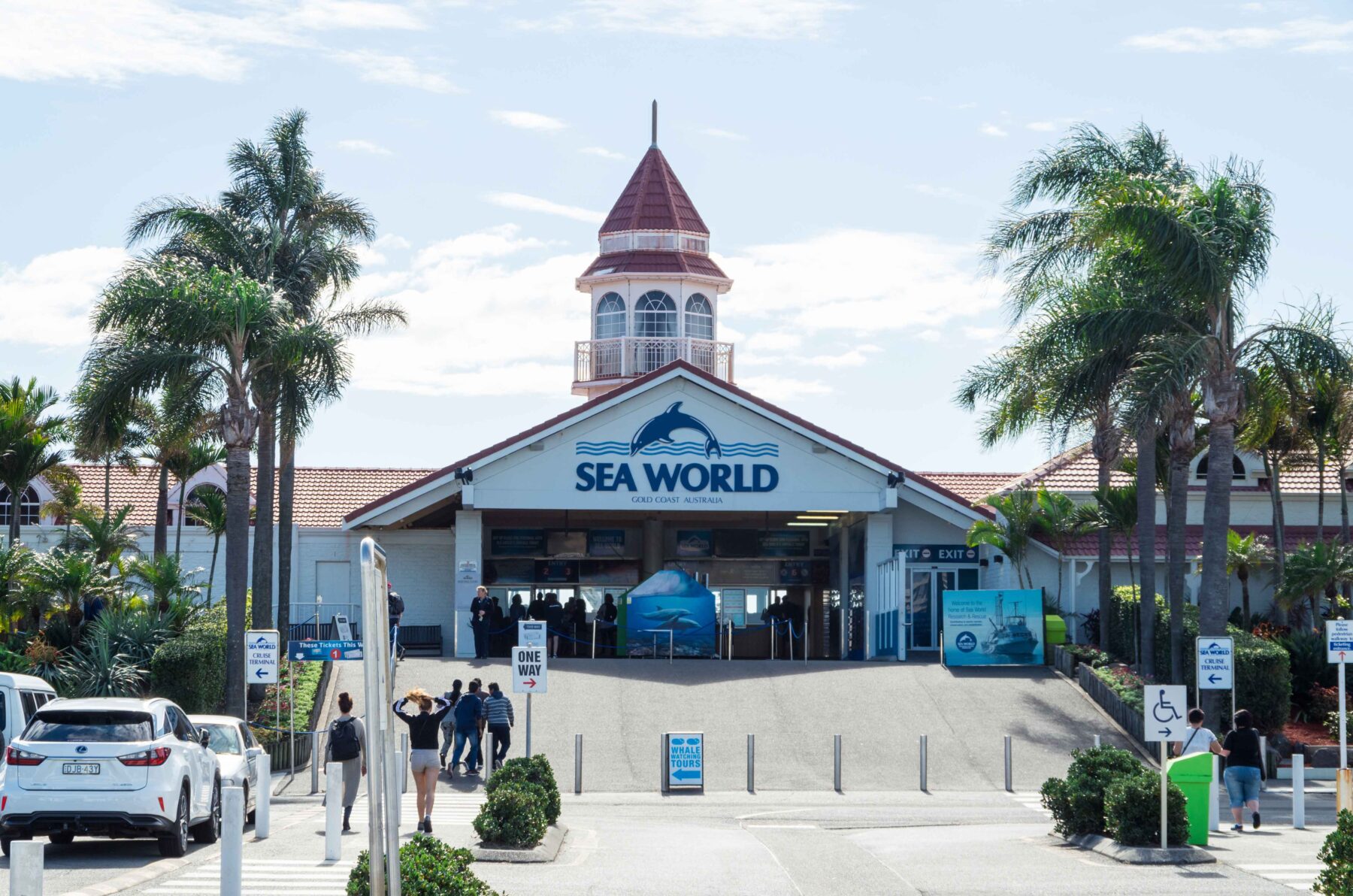
Sea World on the Gold Coast in Australia (photo by shutterstock0

World Animal Protection, an international non-profit animal welfare organisation, has launched a petition online to ban Sea World on the Gold Coast in Australia from breeding dolphins in captivity and keeping them in the park. The petition will be submitted to the Queensland government.

Bottlenose dolphins performing in Sea World Gold Coast (photo by shutterstock)

“We want these dolphins at Sea World to be the last generation kept captive in Queensland. The acceptability of dolphin venues like this is on the way out,” said Ben Pearson, a senior campaign manager for World Animal Protection in an interview with Australian news network, 9News .

“One of the problems in breeding animals in captivity is you can’t then release them into the wild,” Pearson added.

According to Pearson, dolphins in captivity can live up to 50 years, with bottlenose dolphins being able to swim a 100 kilometres in a day and dive up to 450 metres in the ocean – a far cry from the man-made pools found in marine parks like Sea World.

A spokesperson from Sea World defended Sea World’s breeding programme to 9News, “The dolphins at Sea World live in social groups and play and interact with each other as they do in the wild.”

According to Sea World, their breeding programme contains third generation dolphins and other dolphins relocated from other sea parks in Australia and New Guinea that have closed.

The Queensland government has come down firmly on the side of Sea World by stating the required Exhibition Licence held under Australia’s Exhibited Animals Act 2015 by Sea World. It is not known if the Queensland government will address the issues addressed in the petition by World Animal Protection.

Changing the Face of Plastic Waste

0

Although the world’s plastic consumption problem seems herculean to tackle (try coming to terms with the mind-boggling amount of plastic we use and dump), these visionary companies believe that their sustainability solutions work and are set to change the face of plastic waste.

Miniwiz

Miniwiz was founded in 2005 by architect and structural engineers Arthur Huang and Jarvis Liu to address the great disparity between sustainability and environmental consciousness and the lack of financially feasible applications. Modelled around the closed-loop system, the innovative recycling company turns post-consumer waste into high performance materials that can be used in various products such as furniture, iPhone covers and interior and exterior building structures. It was recognised by the World Economic Forum as a technology pioneer in the Energy/ Environment/ Infrastructure category for the positive impact it has made on the world’s environmental and economic development. Miniwiz is dedicated to promote the mass adoption of a zero-waste circular system and has developed more than 1000 recycled materials which have been used in their various projects around the world.

EcoArk Pavilion (Taipei, Taiwan)

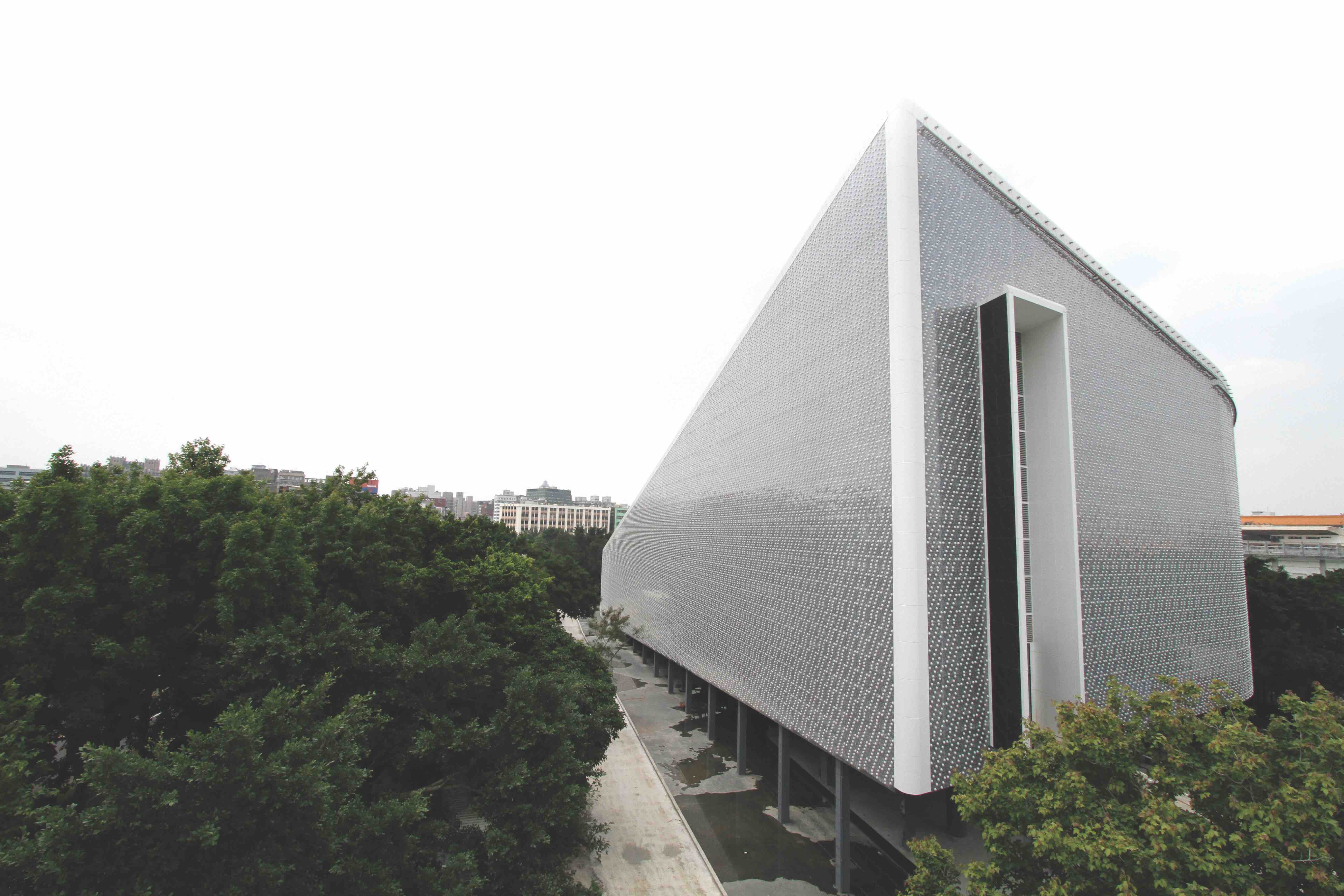
The nine-story high EcoARK Pavilion in Taipei is the world’s first fully functional structure made from POLLI-Bricks a building material innovated by Miniwiz from recycling 1.5 million plastic bottles.

EcoARK Pavillion in Taipei, Taiwan. Photo Miniwiz

House of Trash (Milan, Italy)


With the majority of the trash being sourced locally, the luxurious House of Trash in Milan has what used to be food packaging, mobile phones and fashion waste repurposed into furniture and decorative items all around the office and gallery space.

House of Trash in Milan, Italy. Photo Miniwiz

For the rest of this article (Asian Geographic No.134 Issue 1 /2019 ) and other stories, check out our past issues here or download a digital copy here

The 25th anniversary of the largest and longest running dive show, Asia Dive Expo (ADEX) is set to occur on the 11-14th April 2019. Centred on the theme – Plastic free Future, ADEX is more than just a dive show with its commitment to the environment. Among an exciting lineup of programs, attendees can look forward to a Future Forward Series of Panel Discussion on the Single-Use Plastic Conundrum in Asia, on 13th April.

So join us at the event, get inspired and for all you know, you might just liberate the inner diver in you! More details of the event here

Club 25 Profile – Aqua Lung

0

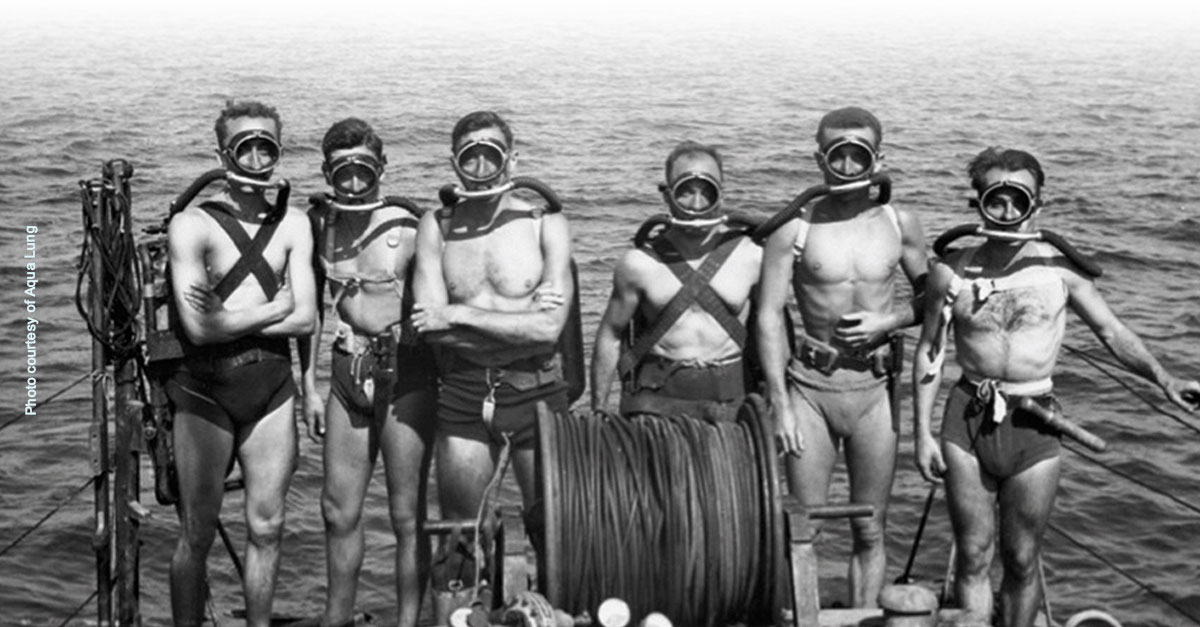
For centuries, humans have been trying to devise equipment to enable us to breathe underwater with the US military coming closest to success with the SCUBA (Self-Contained Underwater Breathing Apparatus) programme designed by Christian Lambert in 1939 that had the unfortunate side effect of leaving divers injured or killed by oxygen toxicity (pure oxygen at increased partial pressures is toxic). Aqua Lung invented the first safe underwater breathing system in 1943 when Jacques-Yves Costeau collaborated with Emile Gagnan, an engineer with L’aire Liquide (a French multinational company specialising in supplying industrial gases and services), to produce an air regulator valve that would regulate your air supply in a variable pressure environment.

Knowing that oxygen and air-pressure would be key to creating a safe underwater breathing system, Gagnan used a similar type of valve used in gas-generator engines to create a pressure regulator that adjusts the air pressure of your breathing gas automatically so that the air pressure inside the diver’s lungs matches the pressure of the water. With Costeau believing that “purified and filtered compressed air was the ideal gas mixture for self-contained breathing apparatuses”, Gagnan and Costeau created a demand valve that delivers breathing gas to the diver when you need it. These three critical and groundbreaking safety innovations made Aqua Lung’s underwater breathing system the first safe and modern underwater breathing apparatus.

With the invention of the modern diving regulator, L’aire Liquide (Air Liquide) founded La Spirotechnique (now Aqua Lung International) in 1946 as a specialised division to conceive and commercialise regulators and other diving equipment. In 1946, Aqua Lung rolled out the first Aqua Lung modern regulator, the CG45, with distribution rights sold to U.S Divers in 1952. Air Liquide acquired US Divers in 1958, renaming it Aqua Lung America.

Today, Aqua Lung continues to be the “leading global designer and manufacturer of scuba dive equipment and water sports gear” with almost every set of modern SCUBA gear around the world using the Aqua Lung system. Aqua Lung equipment for recreational, technical and military applications can be found under the brand names of Aqua Lung, Aqua Sphere, Apeks, OMER, U.S. Divers, MP Michael Phelps and Stohlquist. There are also independently owned Aqua Lung Partner Centres around the world dedicated to helping customers maximise their scuba diving experience.

Asians with a Purpose (Part 2)

0
Photo Credit: Shutterstock)

Spearheading Environmental Change

These individuals with their penchant for making a difference, are pushing themselves to do their bit for the environment.

Photo Credit: Miniwiz


Taiwan
Arthur Huang
Structural engineer & entrepreneur

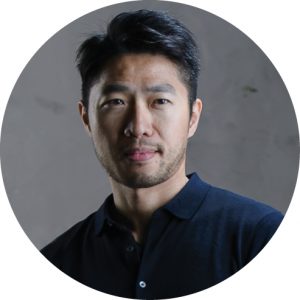
Convinced that there was much more that can be achieved with the heaps of waste that was being generated on a daily basis, structural engineer and architect, Arthur Huang came up with Miniwiz – a cutting edge innovative recycling company headquartered in Taipei. Based on the model of circular economy, the company, under the leadership of Huang is responsible for several innovations that continue to challenge the existing linear supply chain.


Photo Cedit: Goldman Prize


China
Ma Jun
Environmentalist

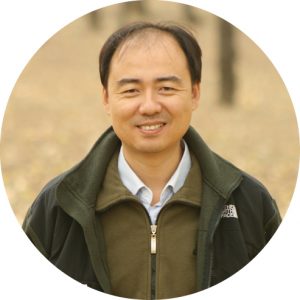
Chinese environmentalist Ma Jun has been credited with creating greater transparency by creating a publicly available database that reveals the environmental supervision records of various companies while also revealing the biggest violators of the national environmental standards. Besides big brands like Apple, Hewlett-Packard and H&M using the database to monitor their suppliers, the database is being accessed by journalists, NGOs
and researchers who are advocating
for change.


Photo Credit: assembly.malala.org


Indonesia
Melati & Isabel Wijsen
Environmentalist

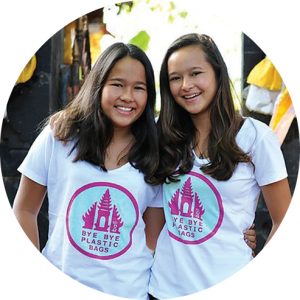
With Indonesia being the biggest plastic polluter after China, two teenage sisters in Bali took it on themselves to change the status quo. They found an NGO – Bye Bye Plastic Bags (BBPB), while they were 10 and 12 years old with the aim of getting the population in Bali to say no to plastic bags. Their efforts have paid off with Bali banning single use plastics in 2018. The sisters continue on their journey with their NGO which has grown into an international movement for youth empowerment, while
still focusing on plastics. 

For the rest of this article (Asian Geographic No.134 Issue 1 /2019 ) and other stories, check out our past issues here or download a digital copy here

The 25th anniversary of the largest and longest running dive show, Asia Dive Expo (ADEX) is set to occur on the 11-14th April 2019. Centred on the theme – Plastic free Future, ADEX is more than just a dive show with its commitment to the environment. Among an exciting lineup of programs, attendees can look forward to a Future Forward Series of Panel Discussion on the Single-Use Plastic Conundrum in Asia, on 13th April.

So join us at the event, get inspired and for all you know, you might just liberate the inner diver in you! More details of the event here

Club 25 Profile – National Association of Underwater Instructors (NAUI Worldwide)

0

Established in 1960, the National Association of Underwater Instructors (NAUI Worldwide) is one of the largest non-profit dive training and certifying organizations in the world, offering recreational and technical scuba diving and freediving training programs of the highest calibre.

As one of the most trusted dive training providers, NAUI’s role as an industry leader has defined diving. Whether in the establishment of scuba instructional standards, equipment development, advancements in diving research or dive training innovations, NAUI leaders have paved the way for scuba divers around the world.

NAUI offers a full range of training programs from Freediver and Scuba Diver to leadership level certifications and designations, including Assistant Instructor, Divemaster, Instructor, Instructor Trainer, Course Director and Course Director Trainer. In addition to its core courses, NAUI offers dozens of specialty courses, including Nitrox, rescue, digital imaging, drysuit, recreational ice, wreck, archaeology, naturalist, hunting & collecting, search & recovery, and many more. NAUI training programs also include beginner and advanced courses in freediving, technical diving, leadership rescue diving, and public safety diving.

NAUI started its first Instructor Certification Course (ICC) in August 1960 at Houston’s Shamrock Hilton Hotel with 72 candidates. Founded by Albert Tillman and Neal Earl Hess, NAUI was formally known as the National Diving Patrol before it was renamed in 1959.

Starting out as a column in the Skin Diver magazine started by Jim Auxier Jr and Chuck Blakeslee in 1951, Neal Hess would review course outlines submitted by diving instructors and would list the names of these new skin and scuba diving “instructors” in the National Diving Patrol column in the magazine. The 1950s was a period of great interest and growth in recreational scuba diving and Sea Hunt, the iconic television series starring Lloyd Bridges, who became NAUI’s first honorary instructor member, and Zale Perry (NAUI #A-12), generated a lot of the early excitement and interest in scuba diving as a recreational activity.

In 1955, Tillman, director of sports for the L.A. County Parks and Recreation, started the world’s first civilian training programme for scuba diving by creating the L.A. County Parks Recreational Underwater Instructor Certification Course (1UICC) with L.A. County lifeguard Bev Morgan. With the National Diving Patrol announced in the May 1960 issue of Skin Diver magazine as an official national organisation to “insure competent underwater instruction and to reduce diving accidents through education”, Hillman, Blakeslee, Auxier and Tillman, who became NAUI’s first instructor, met and organised NAUI’s first Instructor Certification Course (ICC) from 22 to 26 August at the Shamrock Hilton Hotel in Houston. Of the 72 candidates who took part, 53 graduated and together with the staff instructors, they became the first instructor members of NAUI. This NAUI ICC passed into history as the first course to make “diver certification available worldwide”.

NAUI was incorporated in 1961 in California, USA, as a non-profit educational organisation with Al Tillman serving as President and Neal Hess as Executive Secretary. Aqualung inventor Captain Jacques-Yves Cousteau and Albert R. Behnke, a pioneer of diving medicine, were on the original Board of Advisers of NAUI. Tillman administered NAUI’s business out of his home until Auxier and Blakeslee (NAUI #A34) from Skin Diver provided office space and a salary. Skin Diver magazine also published the “NAUI” page as a regular feature to help NAUI to continue to grow. Al Tillman left the NAUI Board and administration in 1967 to manage his resort, the Underwater Explorers Society (UNEXSO) (started in 1965), in the Bahamas and was elected to the newly created position of NAUI Resort Branch Manager. Since then, NAUI has continued to use regional branches (managers) and local Chapters as a way to organise its member populations.

Art Ullrich (NAUI #601) was hired as the new Executive Director of NAUI in 1968 and he moved NAUI’s headquarters to Grand Terrace, California and later to Colton, California. Today, NAUI continues to grow and is currently headquartered in Tampa, Florida with member instructors, resorts, stores, service and training centres in Japan, South Africa, the Middle East, Europe, Brazil and the Pacific Rim. In the United States, the US Coast Guard rescue divers, the US Navy SEALS and other special military forces are all trained to NAUI standards as part of their overall training.

NAUI is based on the principles of democratic self-governance and commitment to excellence. To that end, NAUI members embrace six fundamental values in the pursuit of their mission:

  1. Superior Leadership and Instructor training
  2. Democratic Association of Equals
  3. Trust and Respect
  4. Academic Freedom
  5. Dynamic Growing of Body of Knowledge and Skills
  6. Ever Improving Leadership and Instructor Training

NAUI members and divers are dedicated to the preservation and conservation of the ocean and its inhabitants. The NAUI Green Initiative in association with the Disney Worldwide Conservation Fund promotes awareness and action to safeguard underwater ecosystems.

Asians with a Purpose (Part 1)

0
Photo Credit: Shutterstock)

Spearheading Environmental Change

These individuals with their penchant for making a difference, are pushing themselves to do their bit for the environment.

(Photo Credit: Shutterstock)


India
Jadav Payeng
Farmer

Also known as the “Forest Man of India”, Jadev Payeng created the man-made Molai forest on Majuli Island in Assam – the largest river island in the world. What makes this feat more extraordinary is that he did it all by himself after a reforestation programme to address erosion and flooding was abandoned. Payeng single-handedly planted several types of trees for over 30 years, resulting in an area where wildlife thrives today. Payeng intends to expand his forest and aims to start a similar project in other parts of the state.


(Photo Credit: UNEP)


India
Afroz Shah

Lawyer & environmental organiser

Recipient of UN’s top environmental accolade – Champions of the Earth, the Mumbai based lawyer and ocean lover Afroz Shah initiated the world’s largest ocean clean up at Mumbai’s Versova beach. With dedicated volunteers taking over the efforts, he has now begun cleaning the city’s longest river – the Mithi river and predicts this mission will take at least 5 years, before the river returns to its original state.


(Photo Credit: Greens 2017)


Philippines
Naderev “Yeb” Saño
Climate activist

Filipino climate activist Yeb Saño has dedicated his career to fight against climate change and has been doing so for over 20 years. In the year 2013 when typhoon Haiyan struck Philippines, he made an emotional speech that resonated with many on the need for urgent action on climate change. Continuing his commitment to the environment, he currently leads theenvironmental group – Greenpeace Southeast Asia.

For the rest of this article (Asian Geographic No.134 Issue 1 /2019 ) and other stories, check out our past issues here or download a digital copy here

The 25th anniversary of the largest and longest running dive show, Asia Dive Expo (ADEX) is set to occur on the 11-14th April 2019. Centred on the theme – Plastic free Future, ADEX is more than just a dive show with its commitment to the environment. Among an exciting lineup of programs, attendees can look forward to a Future Forward Series of Panel Discussion on the Single-Use Plastic Conundrum in Asia, on 13th April.

So join us at the event, get inspired and for all you know, you might just liberate the inner diver in you! More details of the event here