The vast waters of Asia and Oceania conceal some of the world’s most extraordinary technical diving sites, where history, geology, and marine ecology converge in the deep blue.
From wartime wrecks resting at extreme depths to cathedral-like cave systems and walls that plunge into the abyss, this region offers technical divers training experiences that push both skills and equipment to their limits. These are not sites for the recreational diver; they demand advanced training, meticulous planning, and a clear respect for the risks inherent in venturing beyond conventional depth limits. For the prepared and well-trained diver, however, the payoff is true exploration.
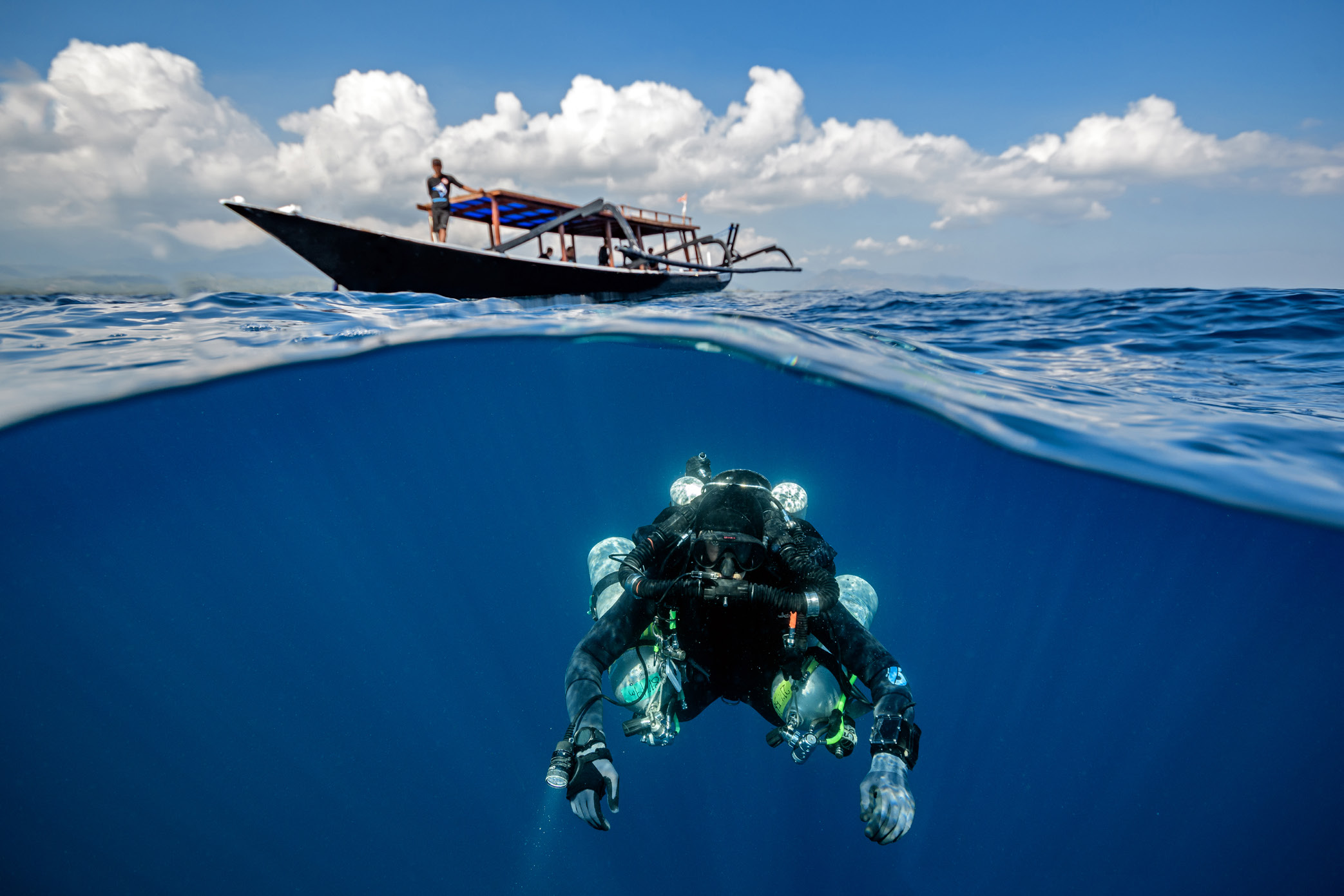
Technical diving – otherwise known as tek, tec or tech diving – encompasses
diving that exceeds recreational limits of 40 metres (130 feet), requires mandatory decompression stops, involves overhead environments, or utilises mixed gases such as trimix or heliox. Typically, the technology involved and training requirements are targeted at high-level, mission-based professionals. These are the folks who require reliable sites and support to keep their skills sharp, learn new tech, and keep certifications up to date. What follows is just a taste of the vast array of technical sites in our region, with well-established local support for elite-level diving.
The Philippines
WRECK DIVING CAPITAL OF SOUTHEAST ASIA
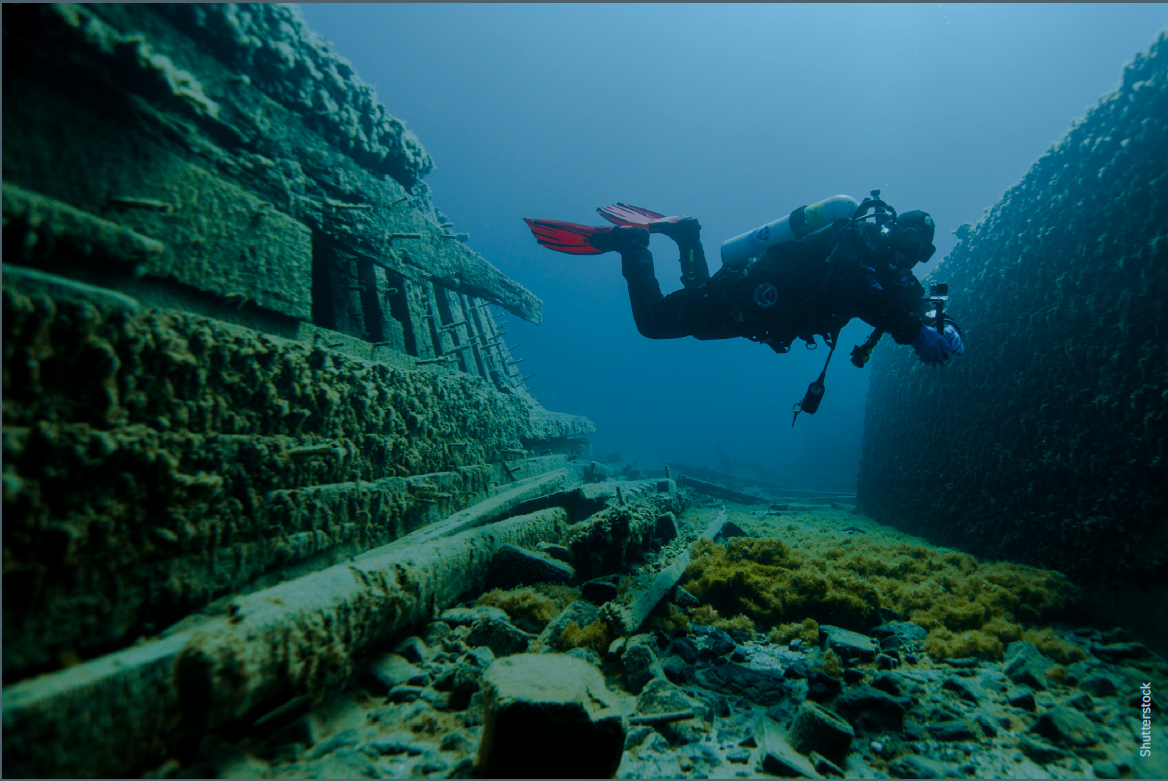
The Philippines has earned its reputation as one of the world’s premier technical diving destinations, largely due to the extraordinary concentration of World War II wrecks in Coron Bay. On September 24, 1944, American aircraft crossed the entire width of the Philippines and attacked a Japanese convoy sheltering in the bay, sinking at least a dozen vessels. The historic attack created both a massive war grave, and what has since become a technical diver’s rather solemn playground.
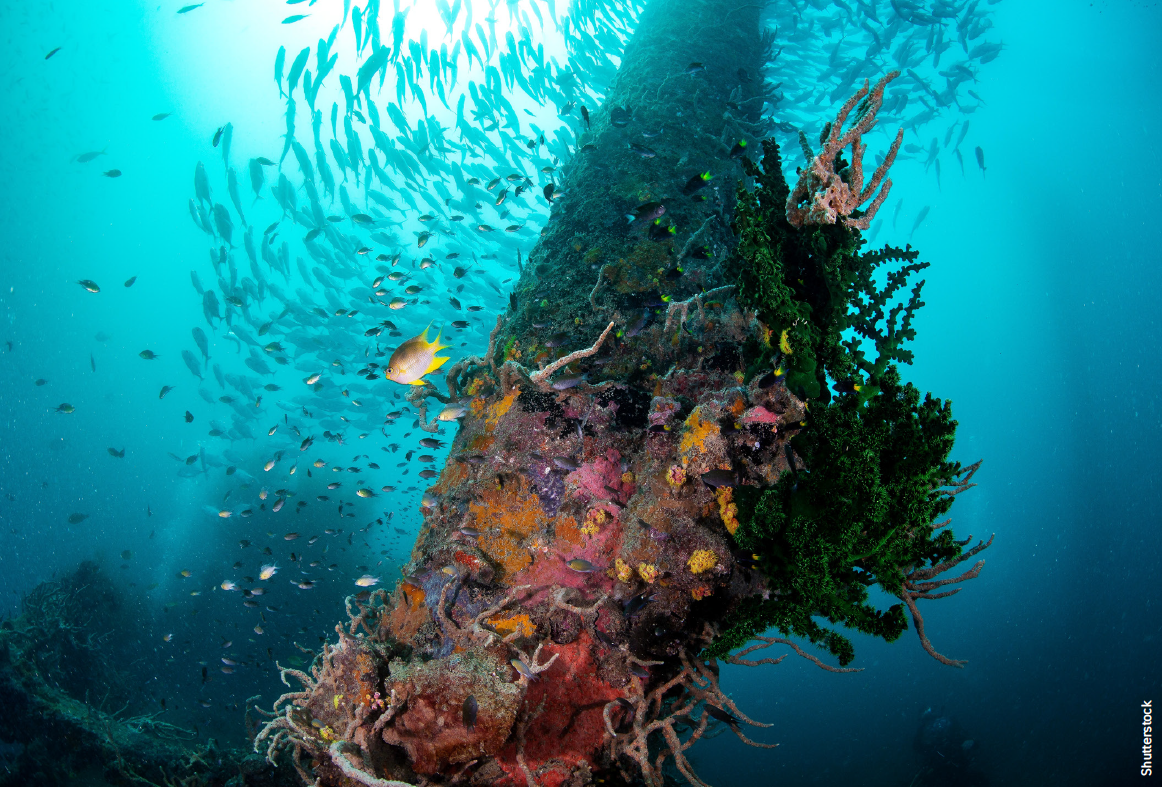
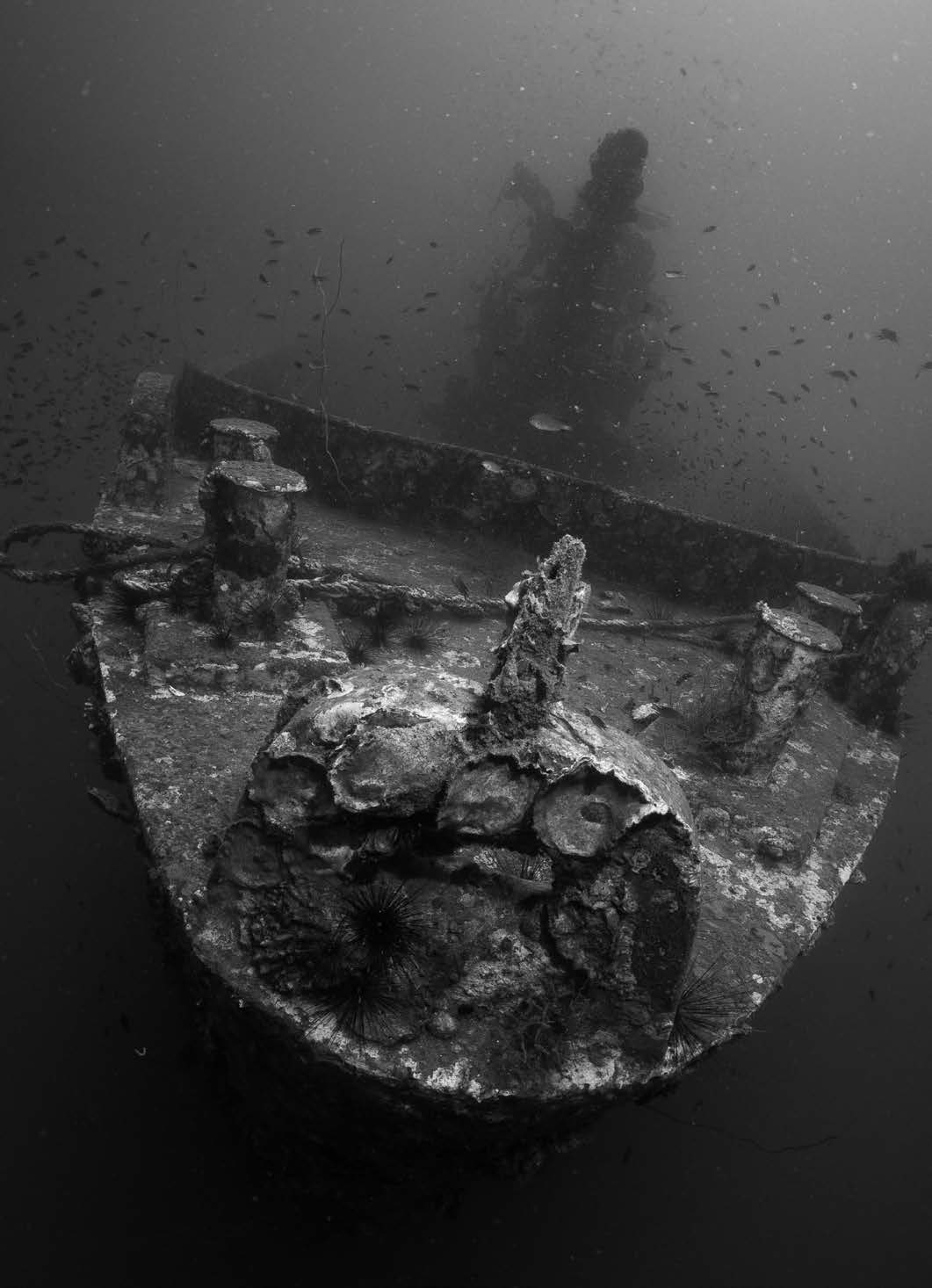
The crown jewel of Coron’s deeper wrecks is the Akitsushima, a former seaplane tender
lying at depths between approximately 20 and 38 metres (65–125 feet). Particularly striking is the intact crane on the stern, still rising from the seabed decades after the ship sank. Penetration opportunities are extensive, but the depth, limited ambient light, and variable visibility require careful gas planning and disciplined execution.
“The crown jewel of Coron’s deeper wrecks is the Akitsushima, a former seaplane tender lying at depths between approximately 20 and 38 metres (65–125 feet).”
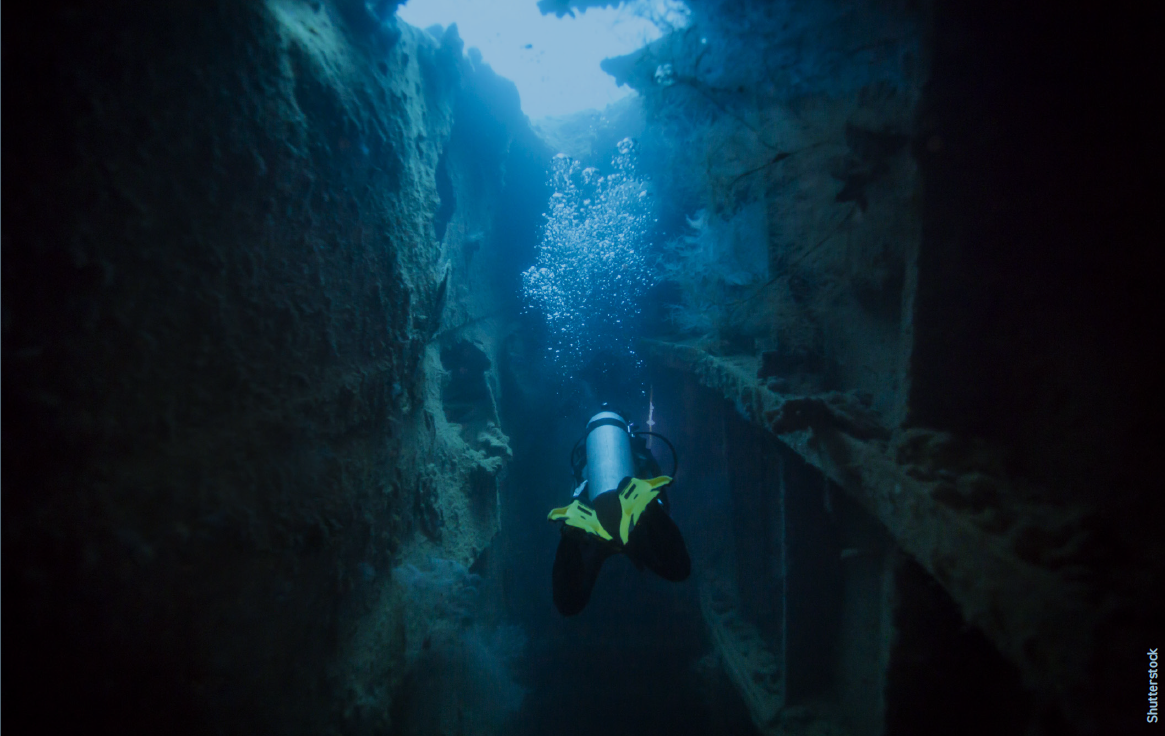
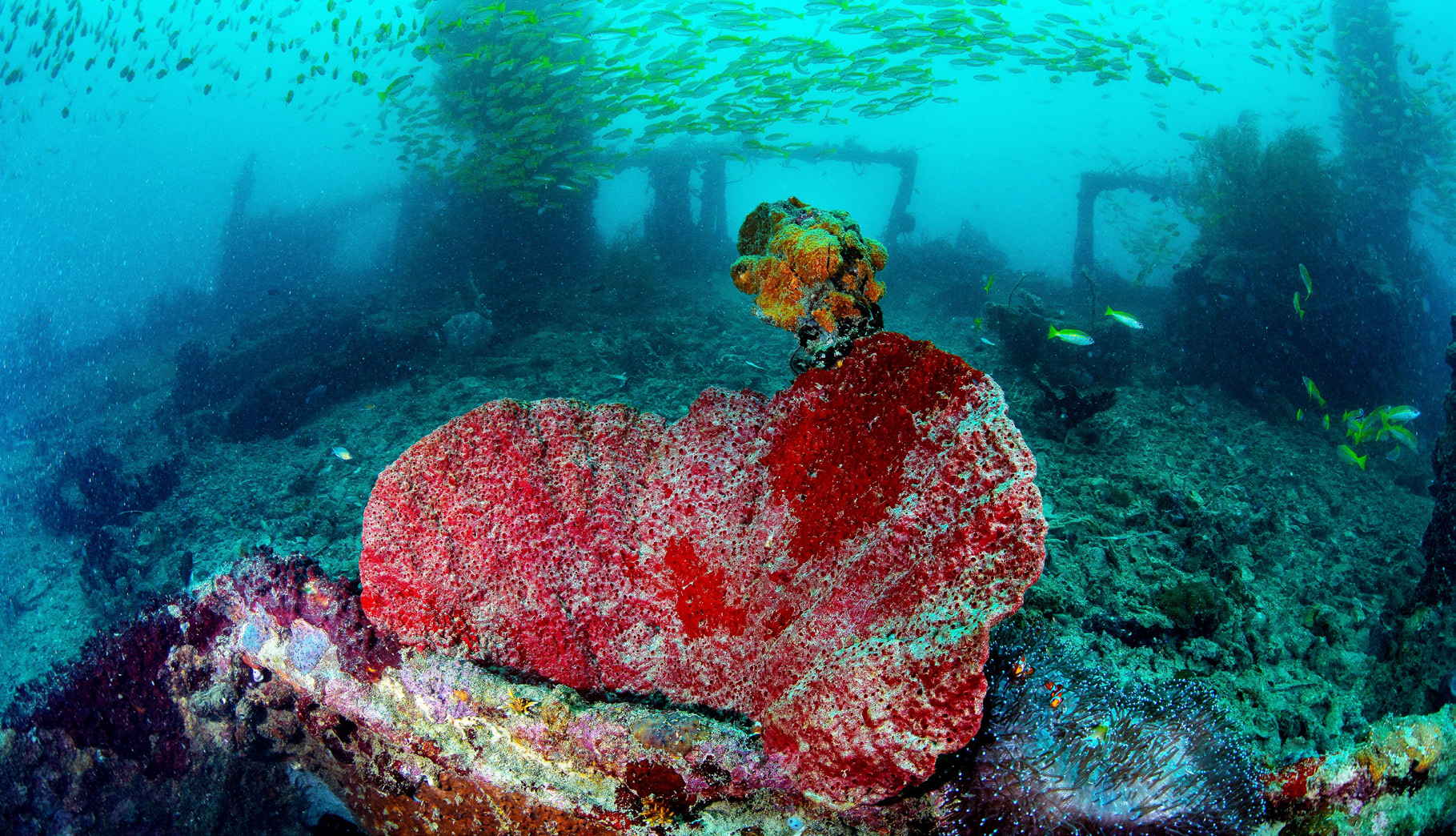
For many, the very large Okikawa Maru presents another demanding dive. This oil tanker rests with sections from 12 to 26 metres (30 to 82 feet), and deeper penetrations place divers firmly into decompression and extended-range profiles. The engine room is a major draw, but accessing it safely requires advanced wreck training, appropriate gas mixtures, and strong situational awareness. Subic Bay, north of Manila, offers another dimension to Philippine wreck diving. The USS New York, an armoured cruiser scuttled by American forces
in 1941 to prevent its capture, lies between 18 and 43 metres (60–140 feet). At approximately 120 metres (400 feet) in length, the wreck is huge. While portions are accessible to advanced recreational divers, comprehensive exploration of the vessel’s interior – particularly the engine spaces and armoured sections – clearly falls within technical diving parameters.
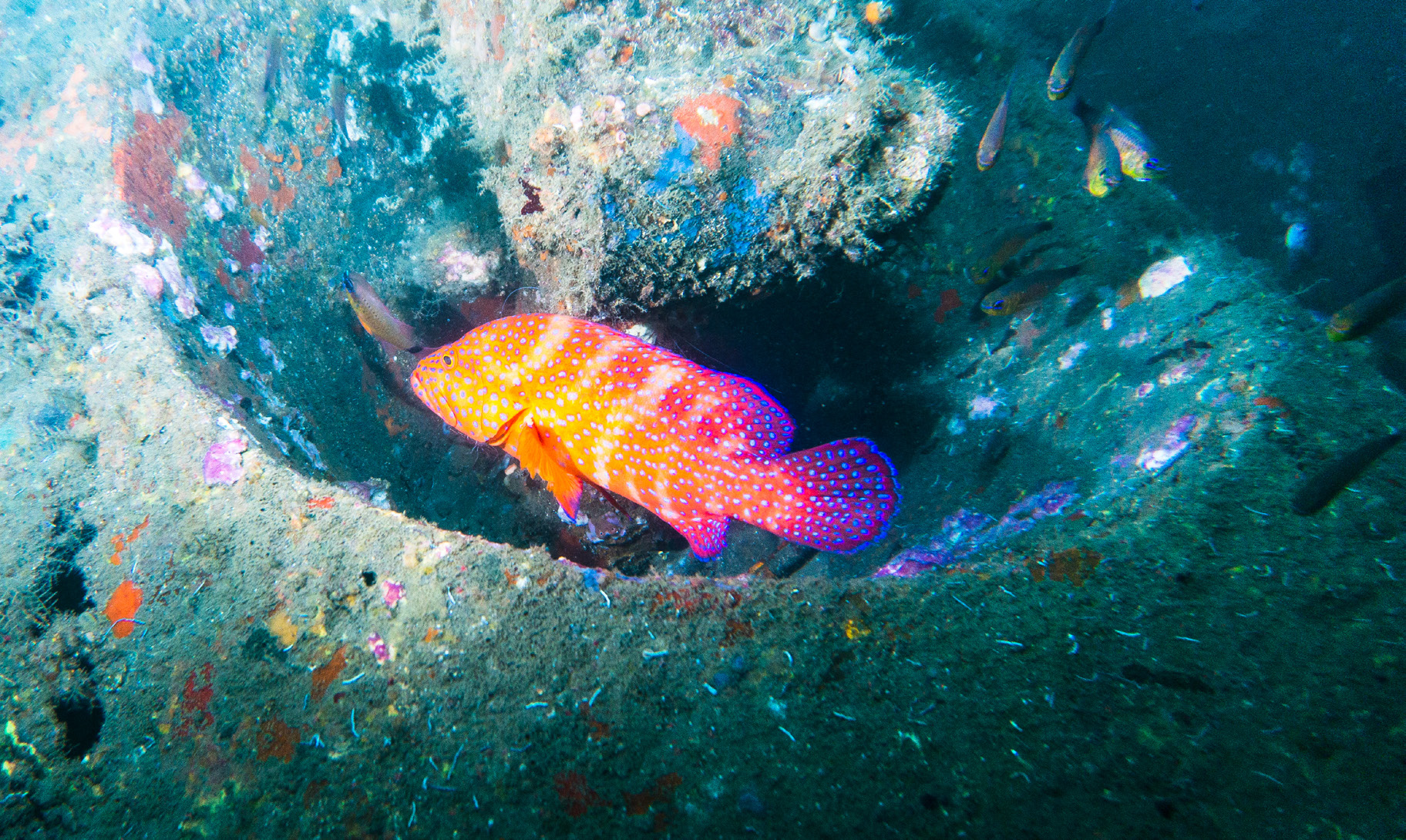
(Credit: Shutterstock)
Chuuk Lagoon
THE GHOST FLEET OF MICRONESIA
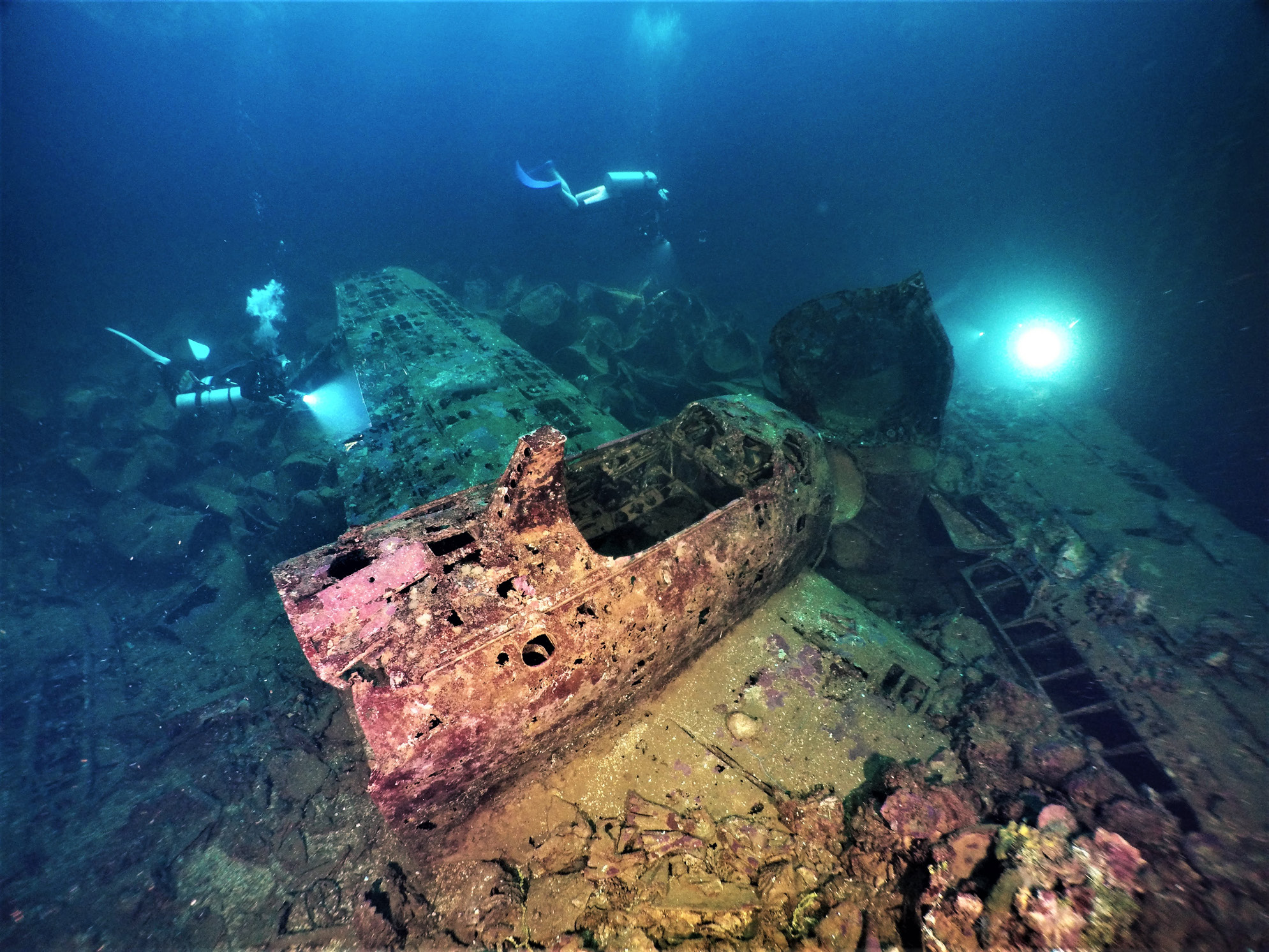
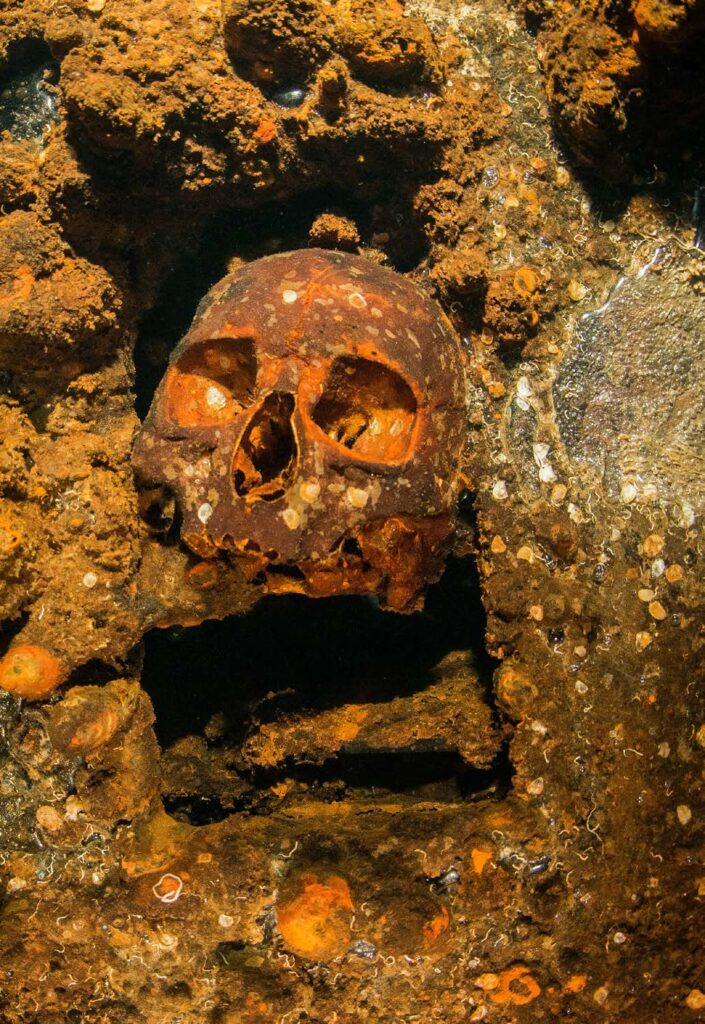
Chuuk Lagoon in the Federated States of Micronesia is arguably the most famous wreck diving destination on the planet. For technical divers, it represents an almost inexhaustible collection of deep shipwrecks. During Operation Hailstone in February 1944, US forces sank more than 50 Japanese ships and destroyed hundreds of aircraft within the lagoon. Upwards of 400 Japanese soldiers were killed in just one of those ships, such was the scale of the battle. Today the area is often poetically referred to as “the Ghost Fleet of Truk Lagoon” and is considered a war grave.
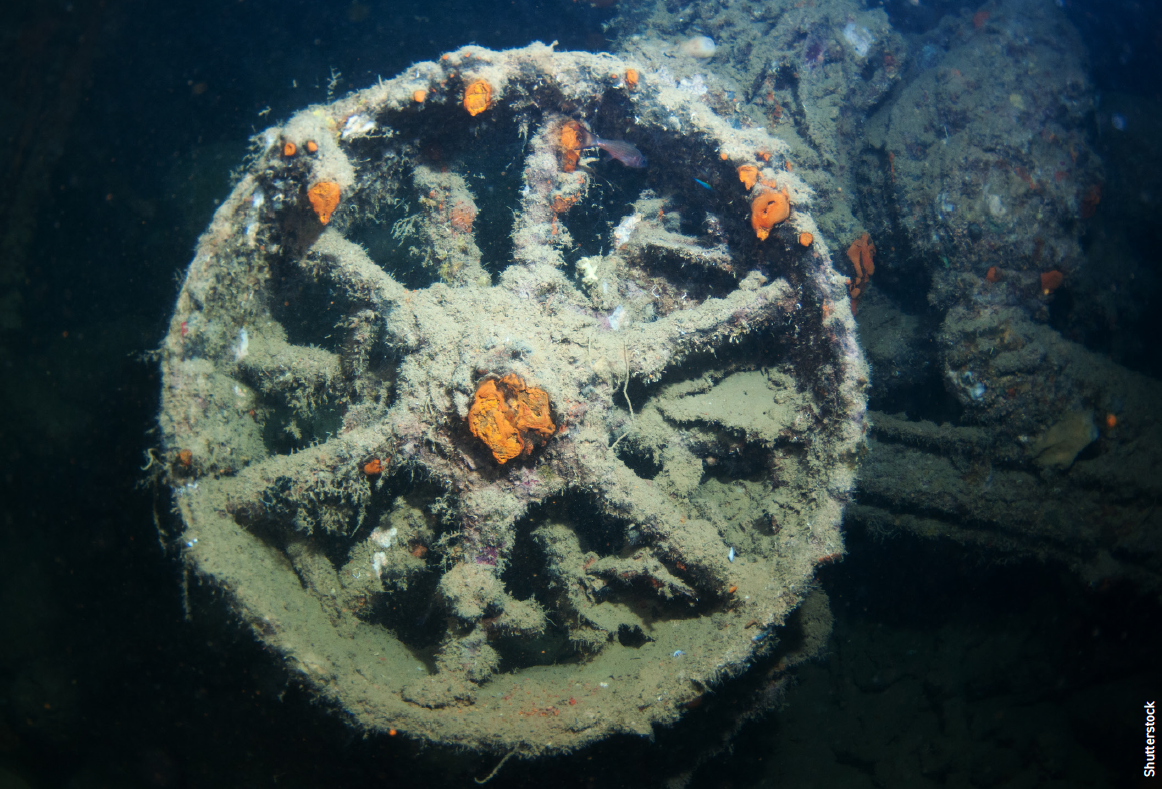
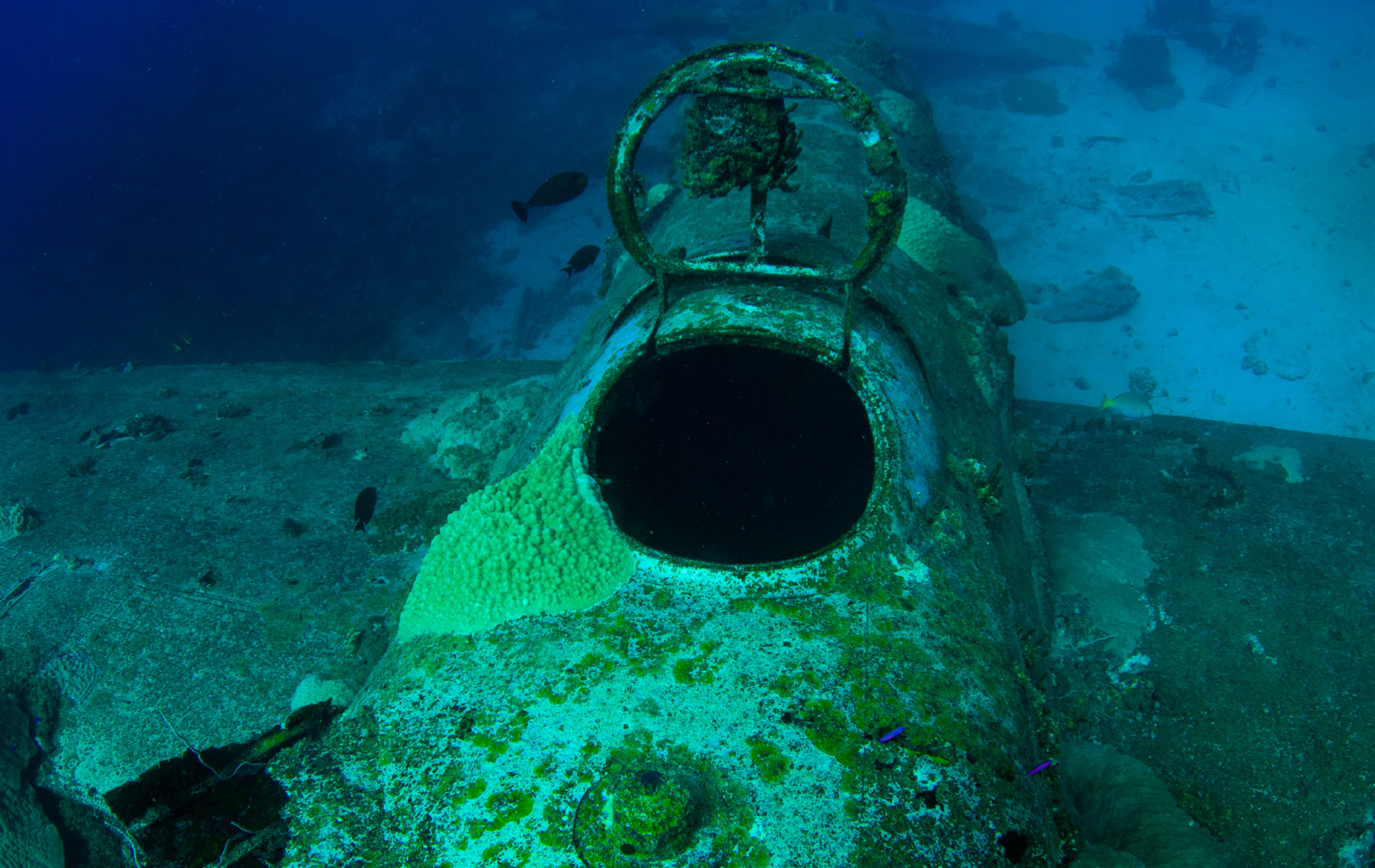
While many of Chuuk’s wrecks lie within recreational depths, several of the most remarkable sites are significantly deeper. The San Francisco Maru, widely regarded as one of the world’s finest deep wreck dives, sits upright between approximately 45 and 62 metres (155–203 feet). Its cargo remains largely intact: tanks still chained to the deck, trucks, naval mines, and ordnance frozen in time. Trimix is most often recommended at these depths to fully
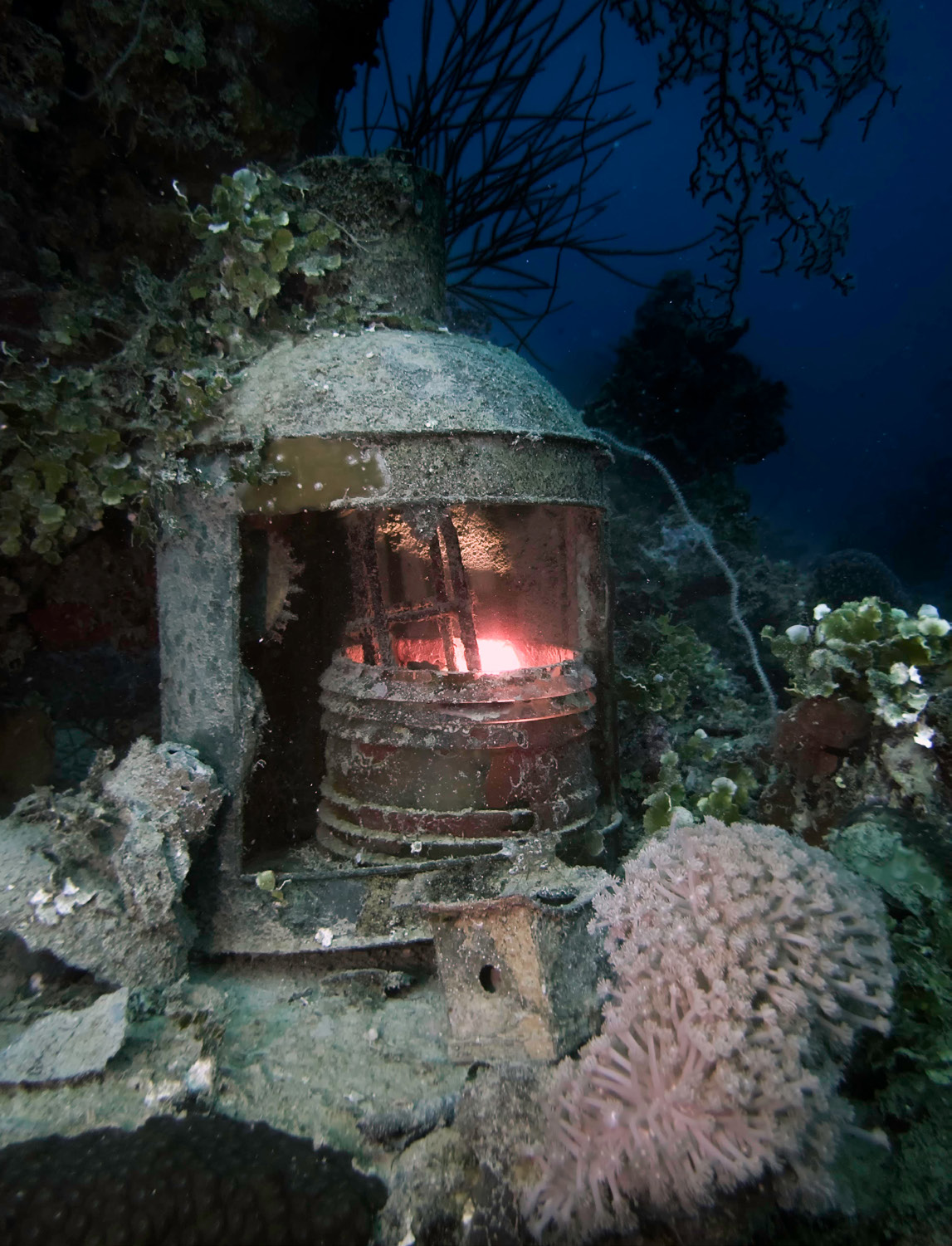
enjoy the site, and to manage narcosis, with substantial decompression obligations. The Japanese submarine I-169 lies at around 40 metres (130 feet) and offers a more accessible yet still serious technical dive. The conning tower remains intact, making it a compelling photographic subject. Penetration of submarines, however, is uncommon and requires specialist training beyond standard technical wreck qualifications. Remember, these dives combine significant depth, complex penetration, and historical sensitivity, demanding conservative planning and high levels of experience.
(Credit: Shutterstock)
Thailand
TEK DIVING IN THE LAND OF SMILES
Thailand is one of Southeast Asia’s most established centres for technical dive training, with its reputation built primarily on deep wreck diving. The Gulf of Thailand hosts artificial and historic wrecks that lend themselves well to extended-range and decompression diving, making the country a popular base for technical instruction and progression.
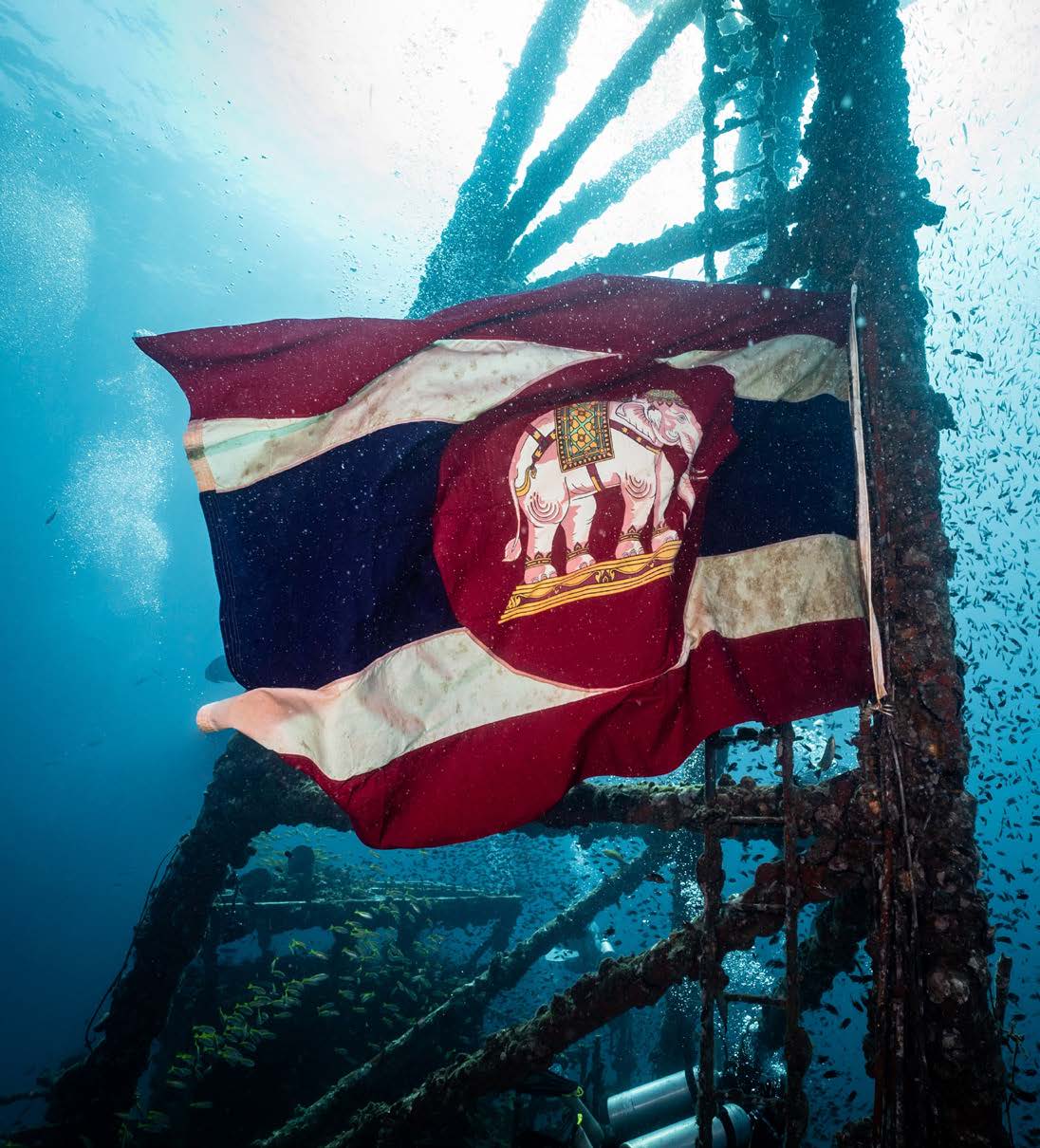
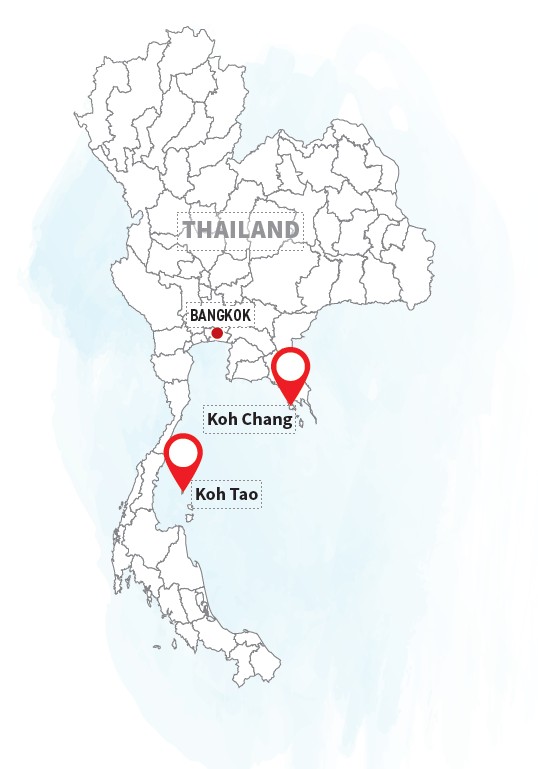
Among the most significant sites is the HTMS Chang, a former Royal Thai Navy landing ship tank deliberately sunk in 2012, near Koh Chang. Lying upright between approximately 15 and 30 metres (50–100 feet), the wreck itself sits within advanced recreational depths, but its size, complex internal layout, and potential for multi-level penetration make it a valuable platform for technical configuration diving and wreck training.
“Thailand’s wreck diving environment presents challenges that are well suited
to technical training: limited visibility, thermoclines, fine sediment, and occasionally strong currents.”
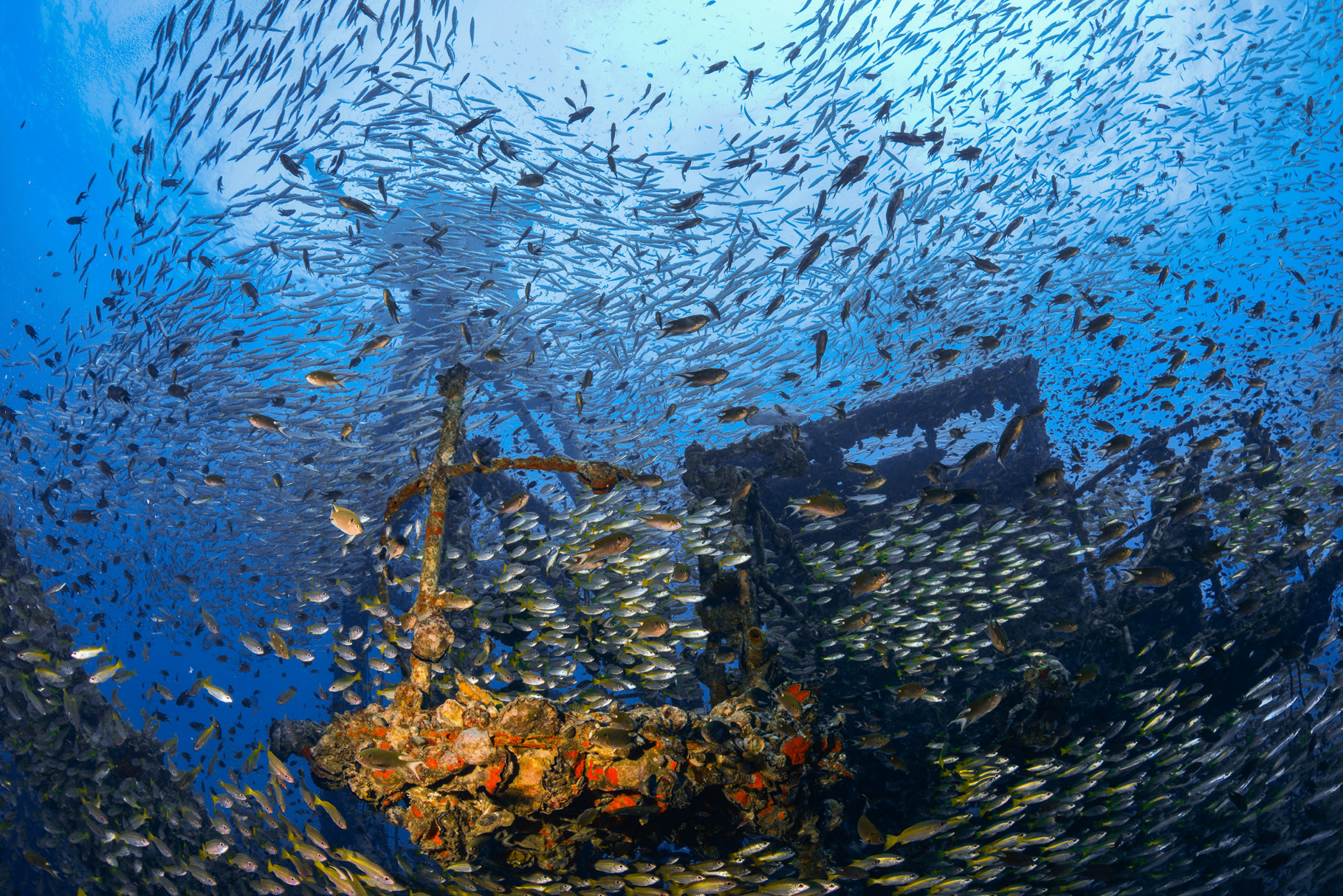
Deeper profiles are found on the HTMS Sattakut, another naval vessel sunk as an artificial reef. Sections of the wreck extend beyond 30 metres (100 feet), and penetration dives can quickly involve decompression obligations, particularly when conducted in the Gulf’s often low-visibility conditions. These characteristics make the Sattakut a common site for technical courses and skill development rather than purely sightseeing dives.
Thailand’s wreck diving environment presents challenges that are well suited
to technical training: limited visibility, thermoclines, fine sediment, and occasionally strong currents. These conditions demand disciplined buoyancy control, line use,
and situational awareness – skills directly transferable to more extreme wreck environments elsewhere in the region.
Indonesia
VOLCANIC VENTS AND VERTICAL WALLS
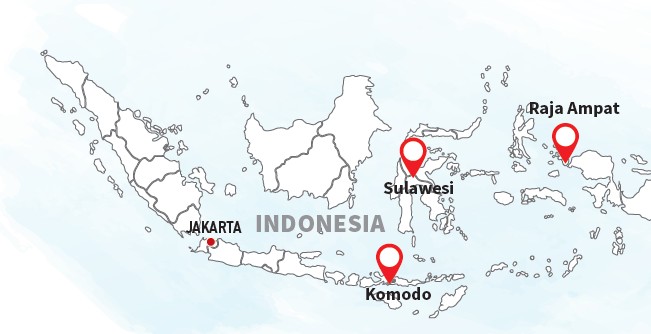
Indonesia’s vast archipelago offers technical divers an extraordinary range of environments. North Sulawesi, including areas around Bangka Island and the Lembeh Strait, is not only known for muck diving but also for steep walls and slopes that drop well beyond recreational depths. Komodo National Park, renowned for its powerful currents, harbours several deep seamounts and pinnacles. Technical divers venturing beyond 50 metres (165 feet) occasionally report encounters with schooling hammerhead sharks and large dogtooth
tuna, particularly during seasonal upwellings. Dive sites like Batu Bolong and Police Corner offer diverse marine life and spectacular deepwater seascapes that Komodo is renowned for. Currents here can be extreme, and dives must be carefully timed around tidal cycles.
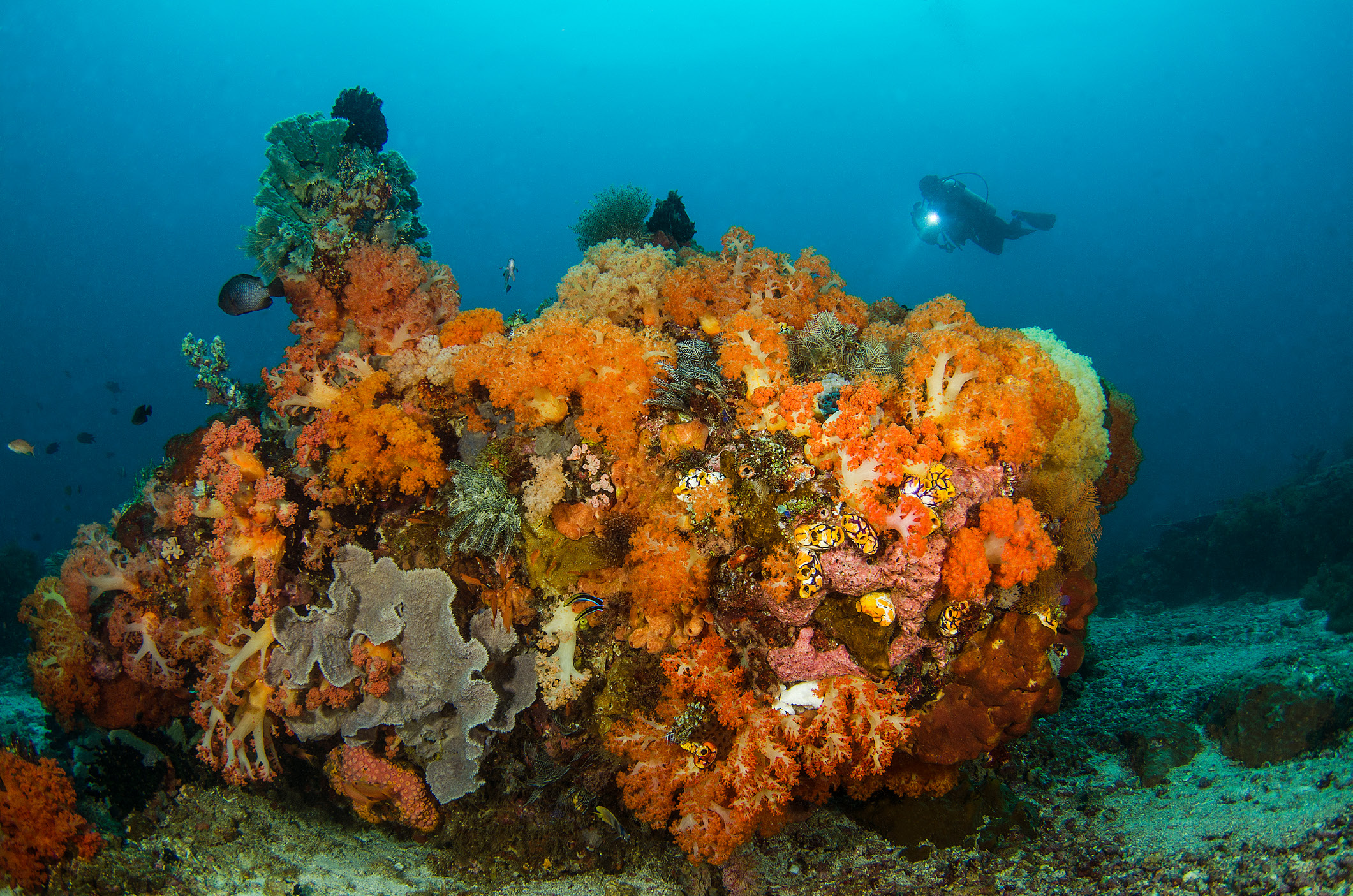
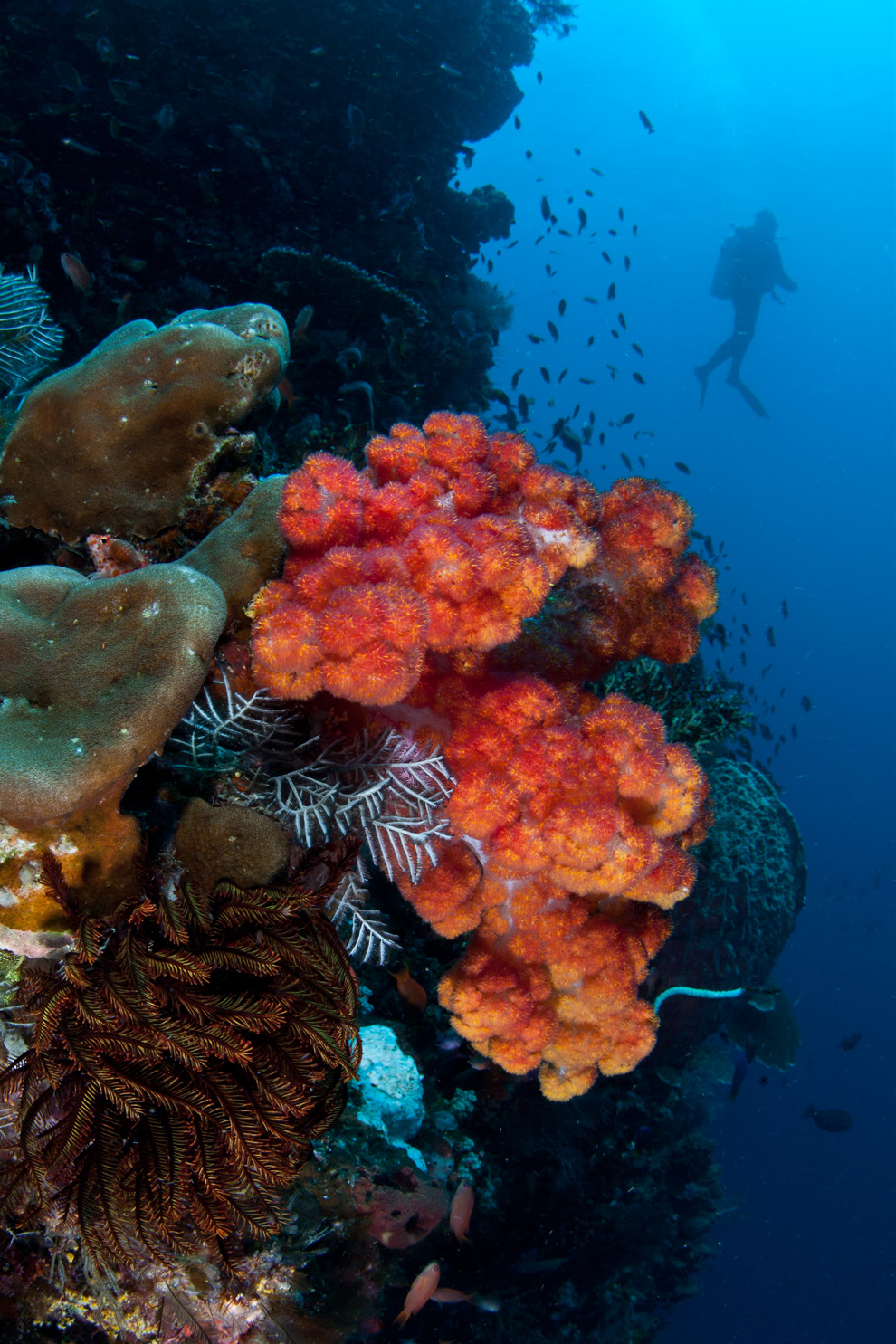
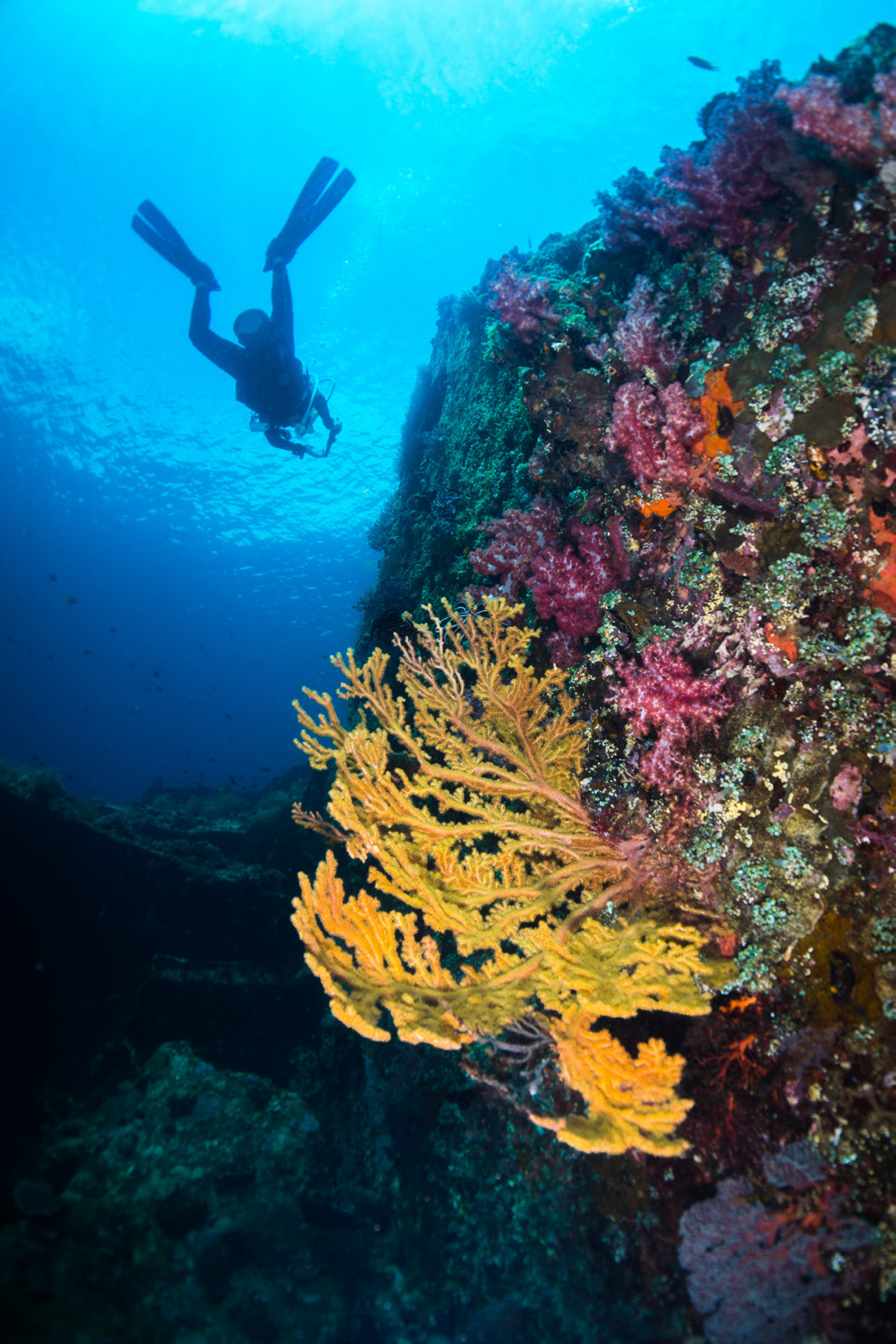
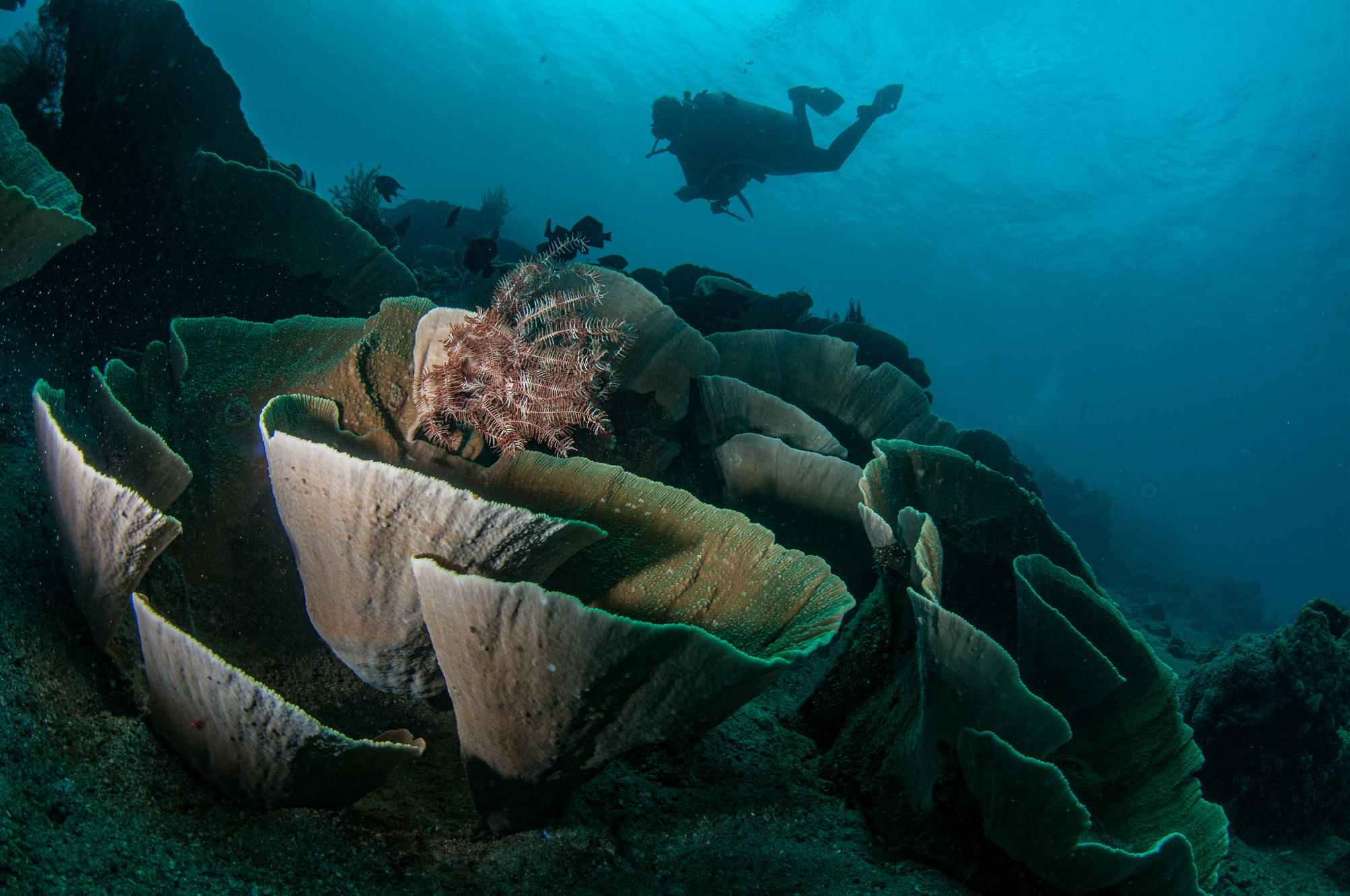
Raja Ampat, in West Papua, offers pristine walls that plunge into deep water. Many sites feature continuous coral growth beyond 60 metres (200 feet), and deeper zones host species rarely seen by recreational divers. Many deeper areas remain pristine and seldom visited, and there is little doubt that Raja Ampat remains one of the richest marine ecosystems on Earth.
(Credit: Shutterstock)
Australia
FROM HISTORIC WRECKS TO WORLD-CLASS CAVES
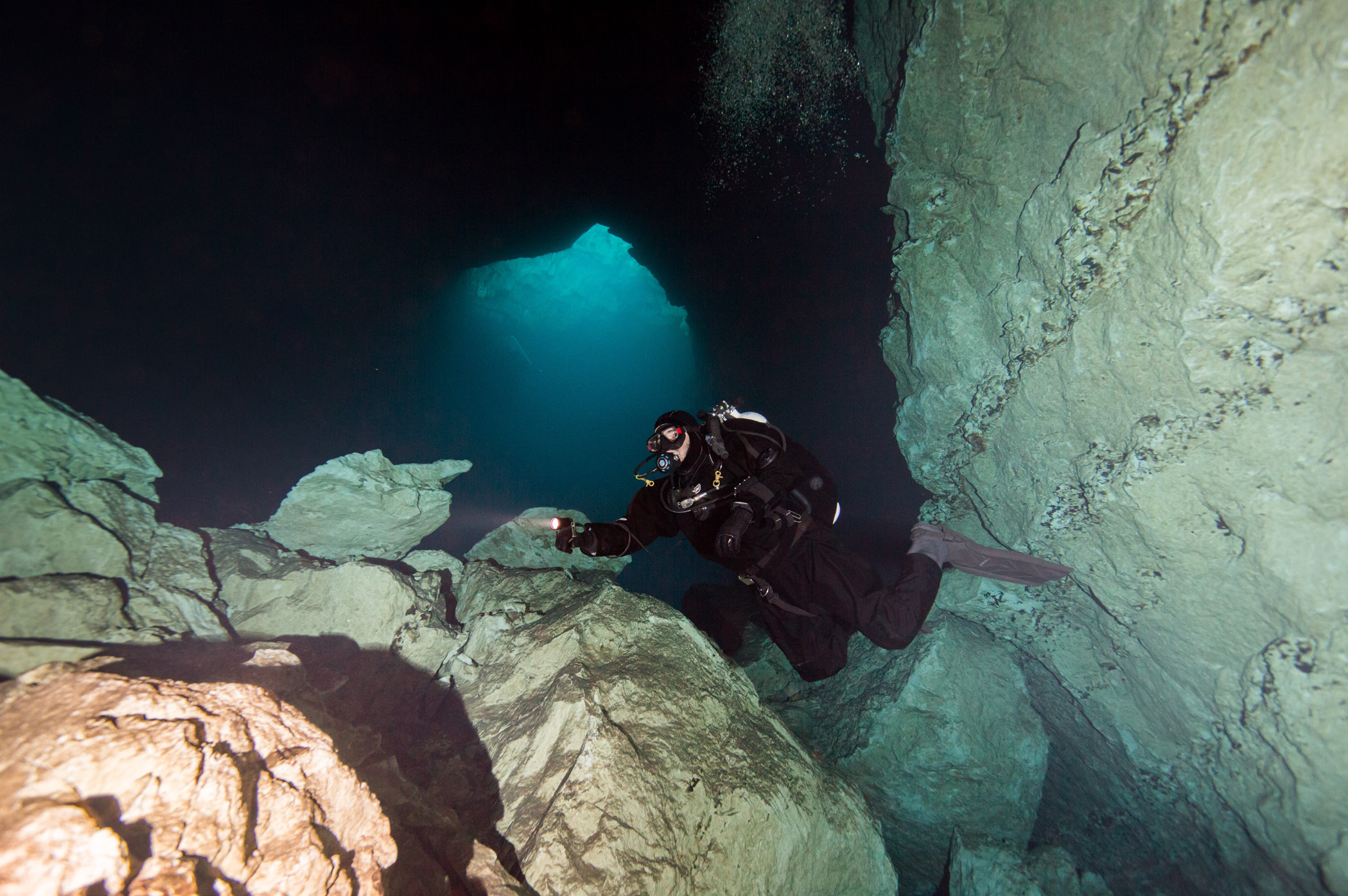
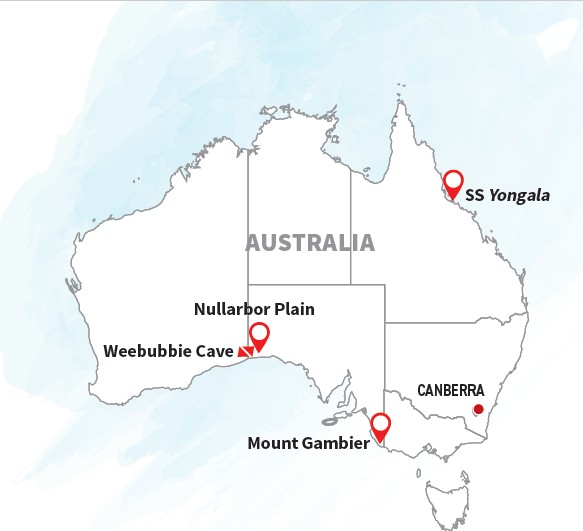
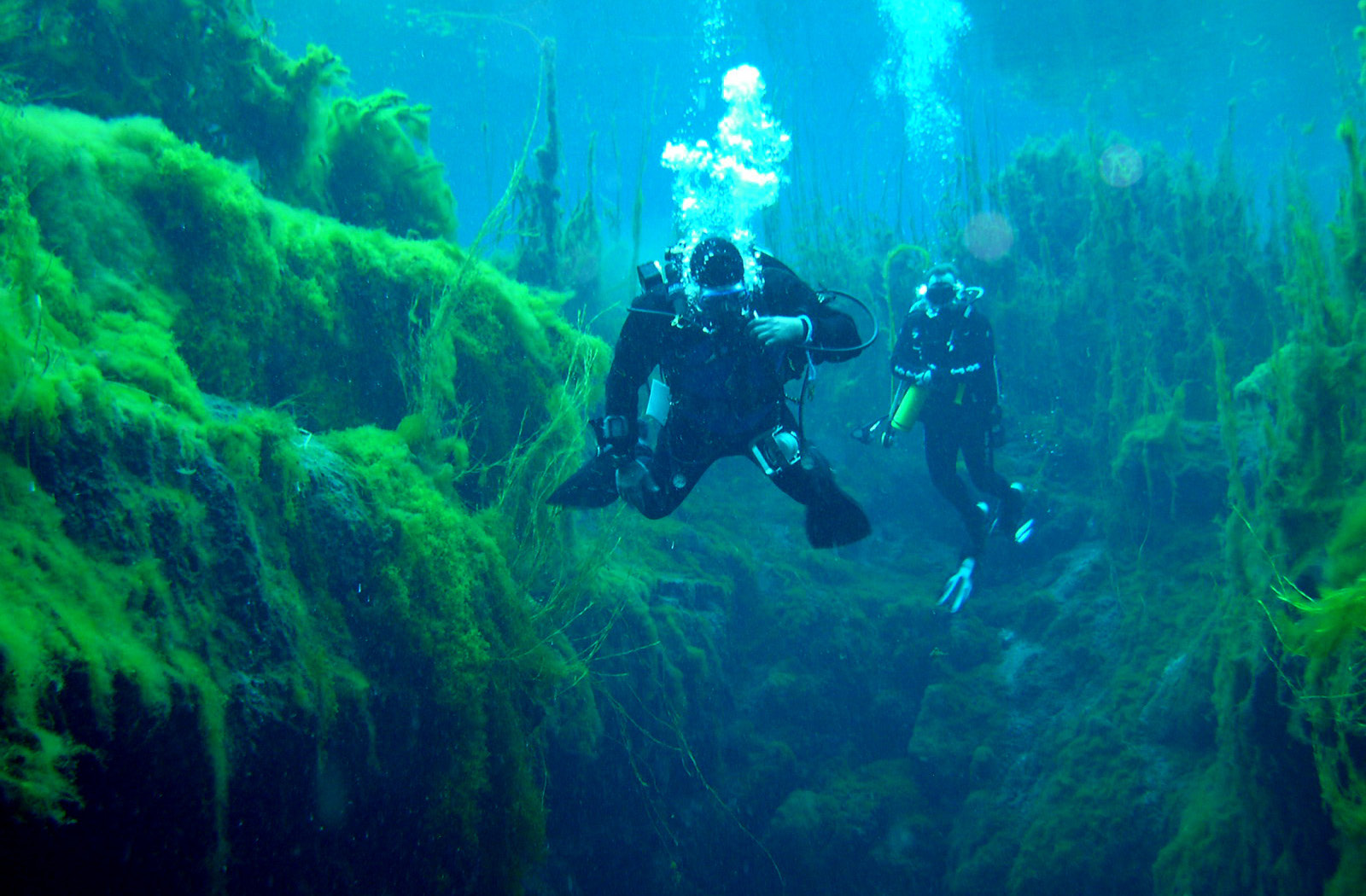
Australia’s technical diving identity has evolved significantly over the past two decades. While the country was once associated primarily with deep wrecks and offshore exploration, it is now internationally recognised as one of the world’s leading destinations for advanced cave diving. South Australia, in particular, has become a focal point for elite technical and cave divers. The limestone aquifers of the Lower South East around Mount Gambier host a dense concentration of flooded caves and sinkholes, including Piccaninnie Ponds, Tank Cave, and Kilsby Sinkhole. These systems are renowned for exceptional visibility, complex navigation, and depths that extend well beyond recreational limits. Dives here often involve long penetrations, staged decompression, and the use of trimix or rebreathers, placing them firmly within the upper tiers of technical cave diving.
Further west, the vast cave systems of the Nullarbor Plain represent some of the most ambitious cave diving on the planet. Penetrations measured in kilometres, expedition-level logistics, and extreme remoteness have made the Nullarbor a proving ground for highly experienced cave divers. Exploration continues, reinforcing Australia’s reputation as a centre for cutting-edge cave diving rather than mainstream technical tourism.
 “Exploration continues, reinforcing Australia’s reputation as a centre for cutting-edge cave diving rather than mainstream technical tourism.”
That is not to say Australia lacks significant wreck diving. The SS Yongala, while
lying within advanced recreational depths at 15–28 metres (50–92 feet), is frequently dived in technical configurations due to its location, currents, and variable conditions. Countless other wrecks in Sydney’s waters and beyond offer varying levels of advanced technical
diving opportunities. However, many Australian wrecks are protected under heritage legislation or lie in exposed environments that limit regular technical access. As a result, while wreck diving remains part of Australia’s technical landscape, it is the scale, complexity, and global significance of its cave systems that help define the country’s standing within the
international technical diving community.
Papua New Guinea
REEFS, WRECKS, AND WALLS
Papua New Guinea remains one of the least-explored dive destinations in the Pacific, which is precisely what attracts adventurous technical divers. The country offers a remarkable combination of pristine reefs, World War II wrecks, and dramatic underwater terrain.
Kimbe Bay features numerous sites with walls descending beyond 100 metres (330 feet). Technical divers operating in the 60–70 metre (200–230 feet) range report encounters with deep-reef species, untouched environments, and even species rarely observed elsewhere.
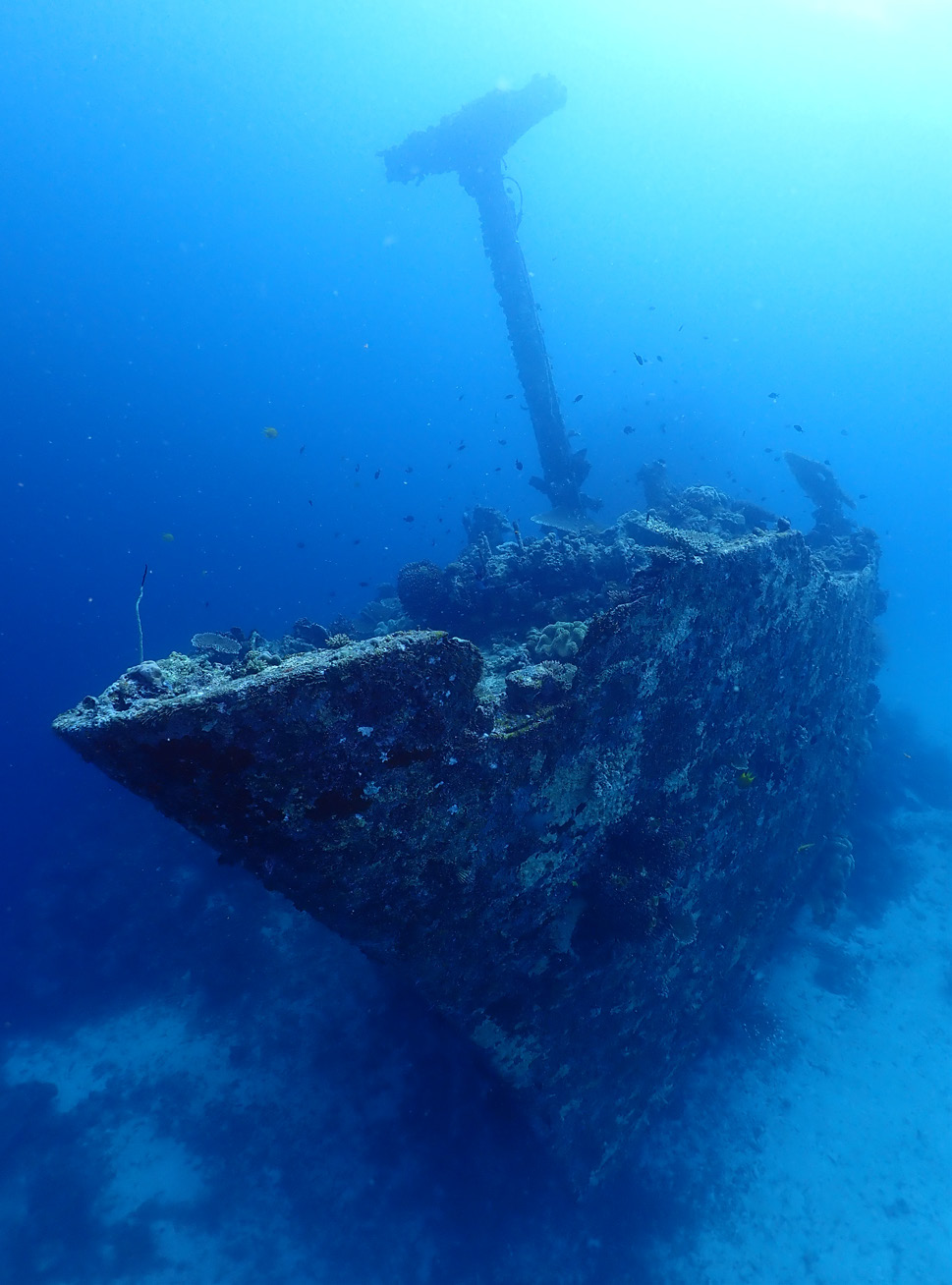
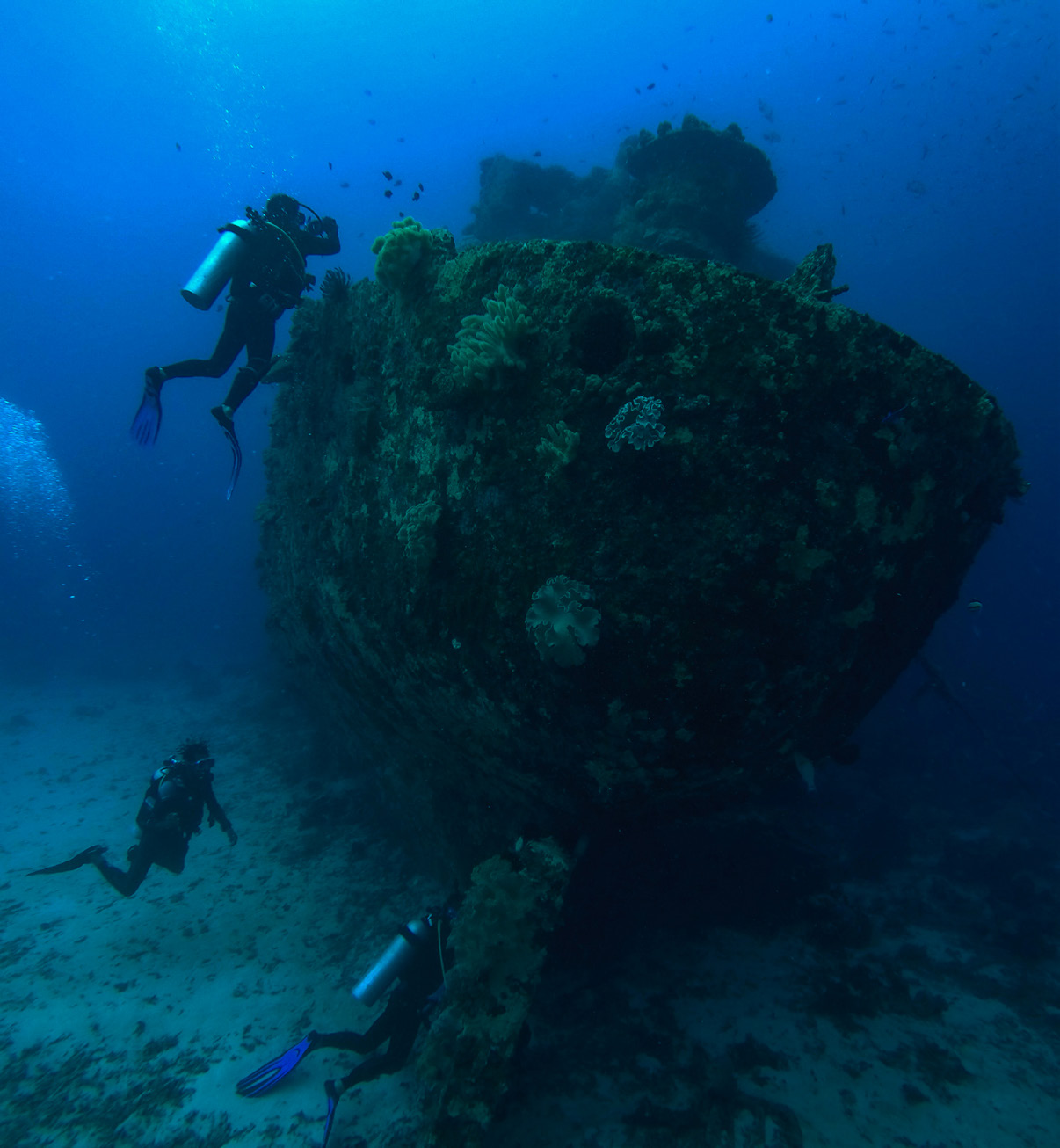
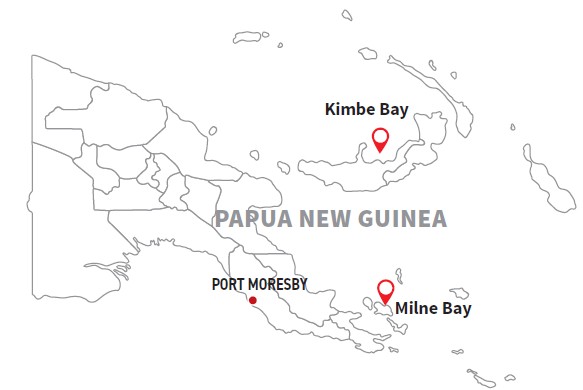
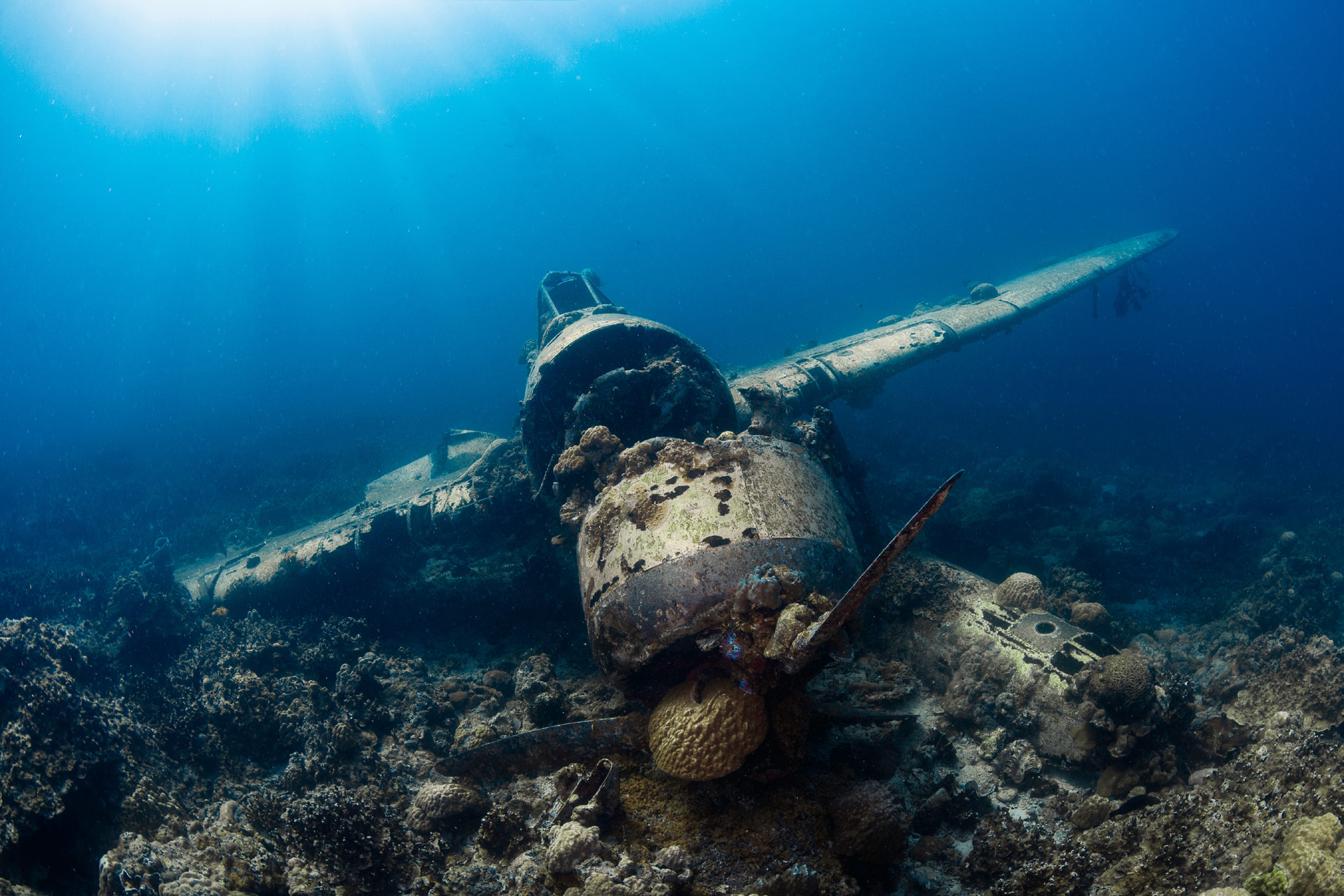
Milne Bay Province contains numerous wartime wrecks, many lying at technical depths and largely untouched. Aircraft such as the B-17F “Black Jack” bomber, which lies at a depth of 50 metres (164 feet) can only be dived locally on special request.
(Credit: Shutterstock)
Palau
THE ULTIMATE BLUE-WATER PLAYGROUND
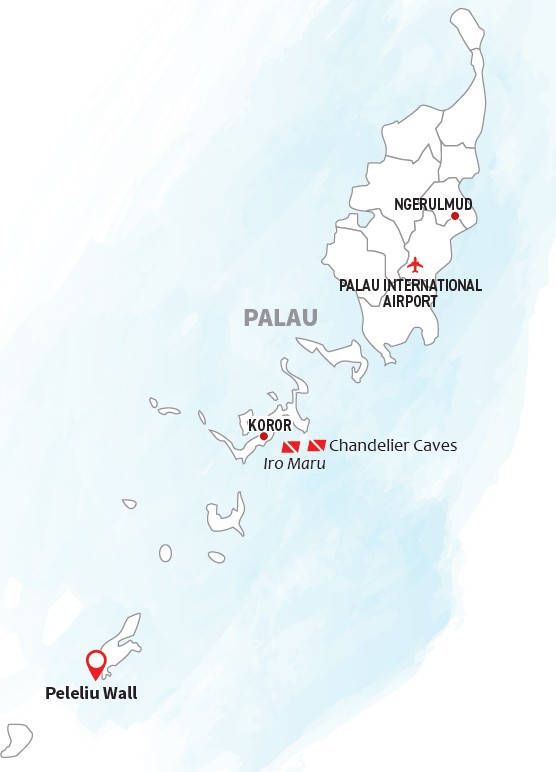
Palau is synonymous with world-class recreational diving, but its deeper walls and outer reefs offer compelling opportunities for technical divers. Sites such as PeleliuCorner feature walls that begin around 30 metres (100 feet), intense current, and drop far beyond safe open-circuit limits.
Strong currents attract grey reef sharks, barracudas, and occasional hammerheads.
Technical divers descending to 50 metres (165 feet) often experience a very different
perspective from the recreational drift above. Several lesser-known wrecks around Peleliu
Island lie beyond 40 metres (130 feet). While not as famous as Chuuk or Coron, they are
lightly dived and historically significant.
“Sites such as Peleliu Corner feature walls that begin around 30 metres (100 feet), intense current, and drop far beyond safe open-circuit limits.”
 Japan
Japan
A MATURE TEK COMMUNITY
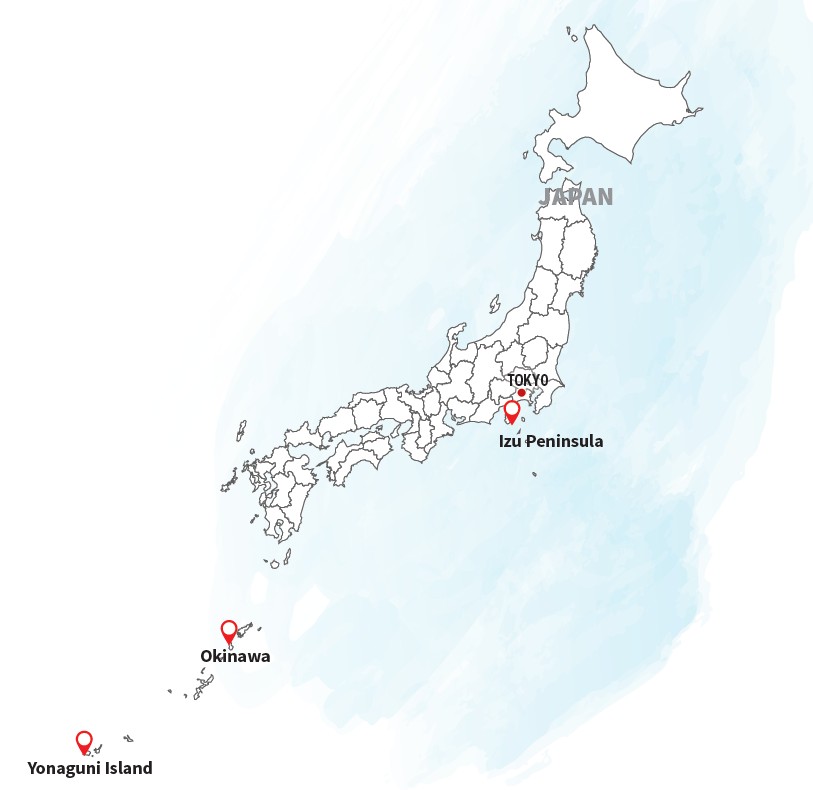
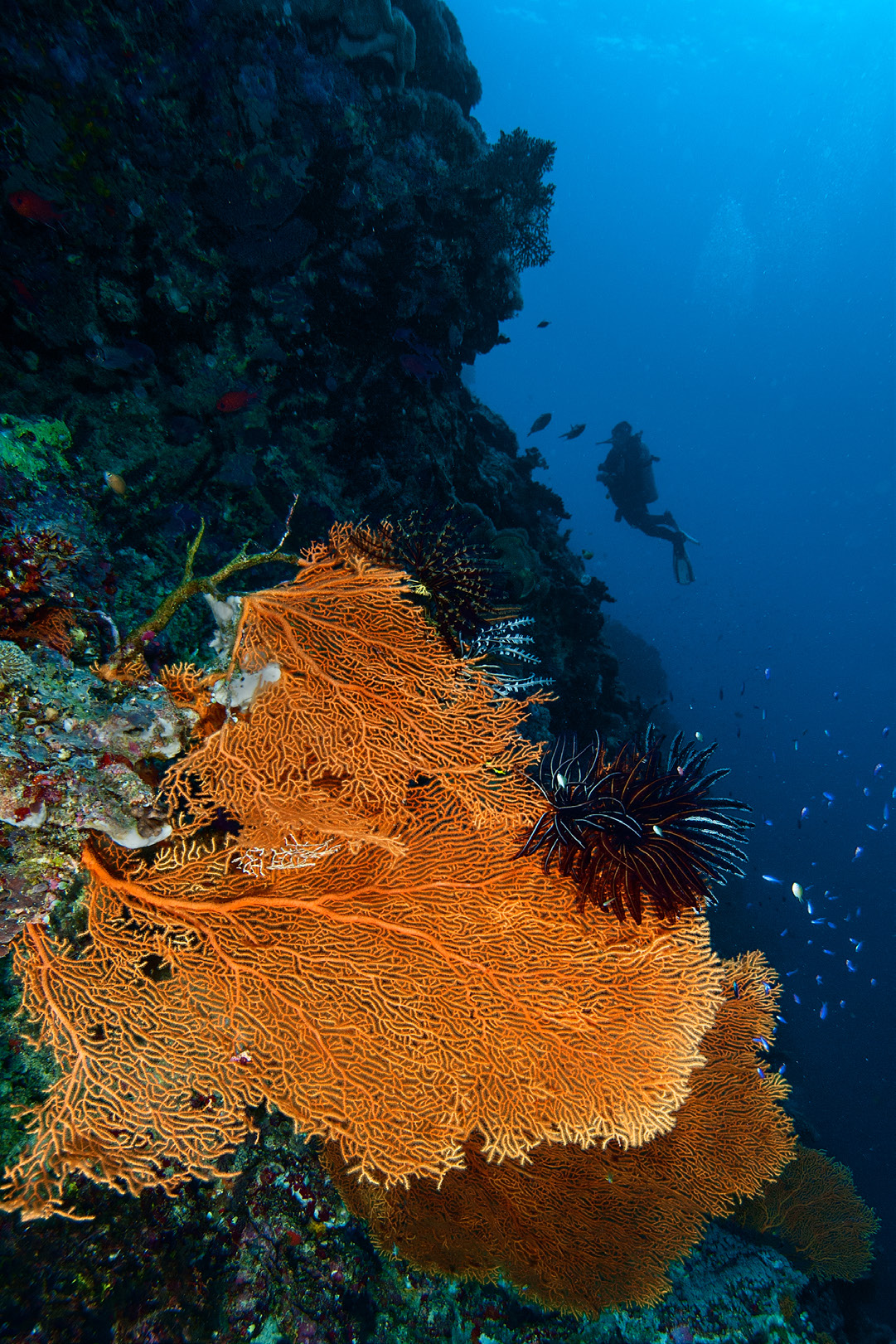
Japan offers a surprisingly diverse technical playground, from subtropical Okinawa to the temperate Izu Peninsula. Deep, current‑swept sites around Yonaguni and other outlying islands see seasonal schooling hammerheads and complex topography in the 30–50-metre (100–165-feet) range, with many dives conducted in technical configurations due to depth,
current, and remoteness. Inland and coastal sites on the Izu Peninsula support mixed‑gas and rebreather operations, with walls, wrecks, and occasional overhead environments that have helped foster one of Asia’s most mature domestic tek communities.
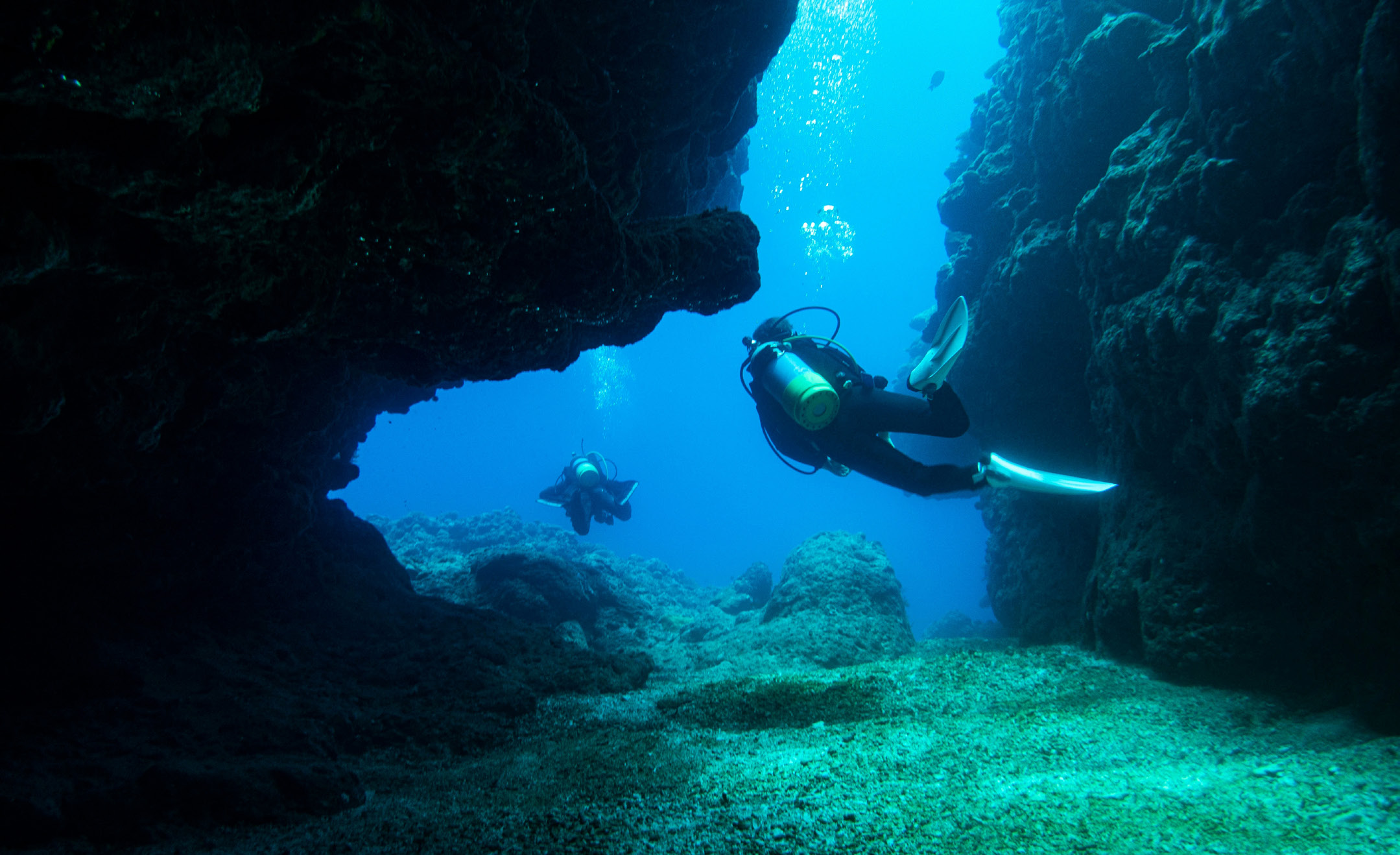
“Deep, current‑swept sites around Yonaguni and other outlying islands see seasonal schooling hammerheads and complex topography in the 30–50-metre (100–165-feet) range”
Malaysia
ATOLLS, PELAGICS AND WRECKS
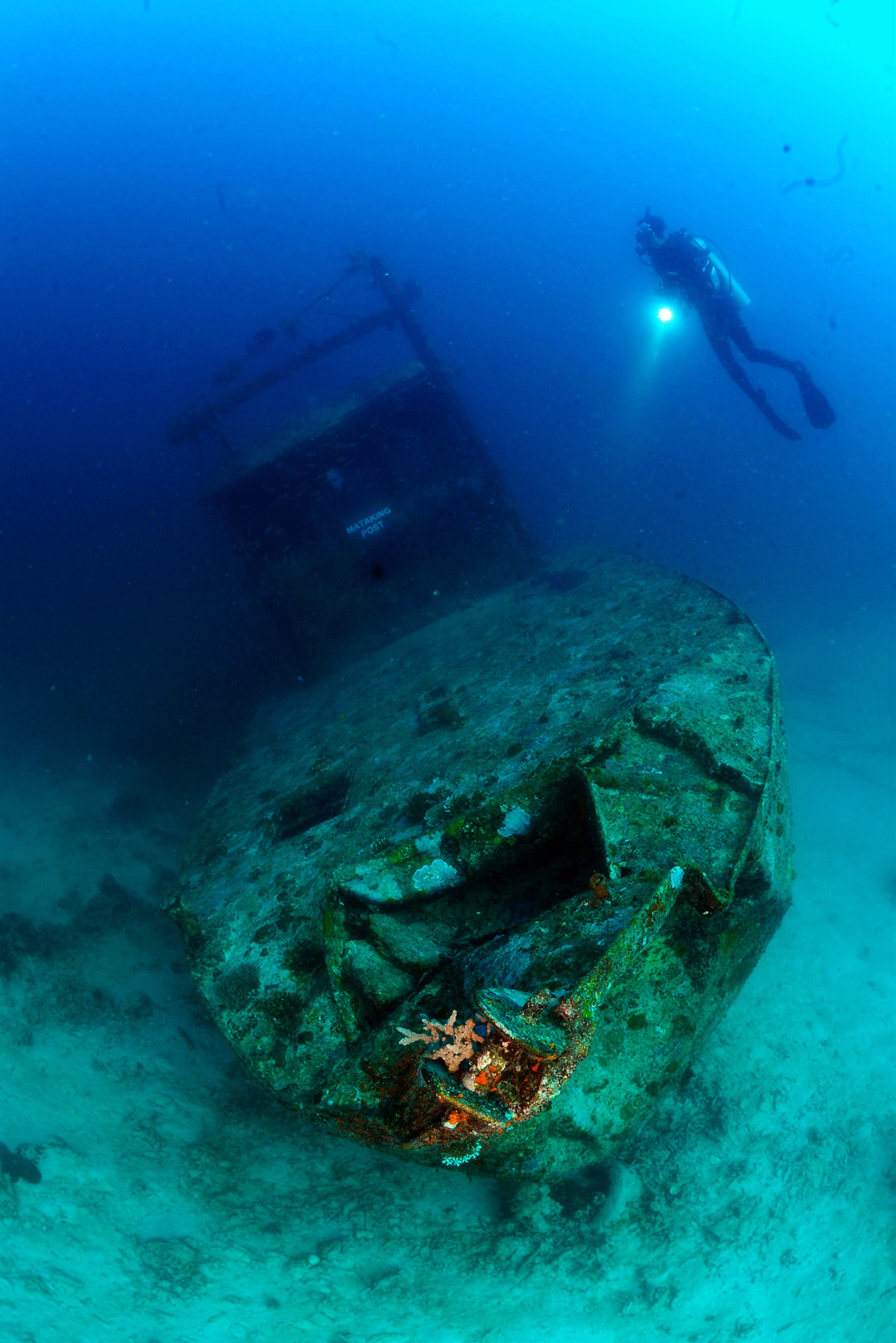
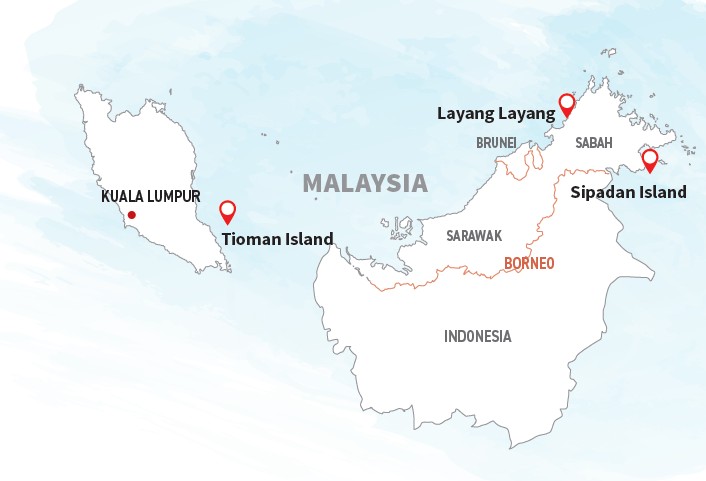 Malaysia’s technical diving scene centres largely (but not exclusively) on Borneo, where offshore reefs and walls drop rapidly beyond recreational limits. Layang Layang and other remote atolls in Sabah offer blue‑water descents, strong currents, and encounters with pelagic species on profiles extending well past 40 metres (130 feet), while deeper wrecks (including WWII ships) off Sarawak and the peninsula provide staged decompression and penetration opportunities. Infrastructure remains more limited than in the neighbouring tek diving centres of Indonesia or the Philippines, but a small number of specialist operators now support trimix, CCR, and expedition‑style trips.
SAFETY CONSIDERATION AND INFRASTRUCTURE
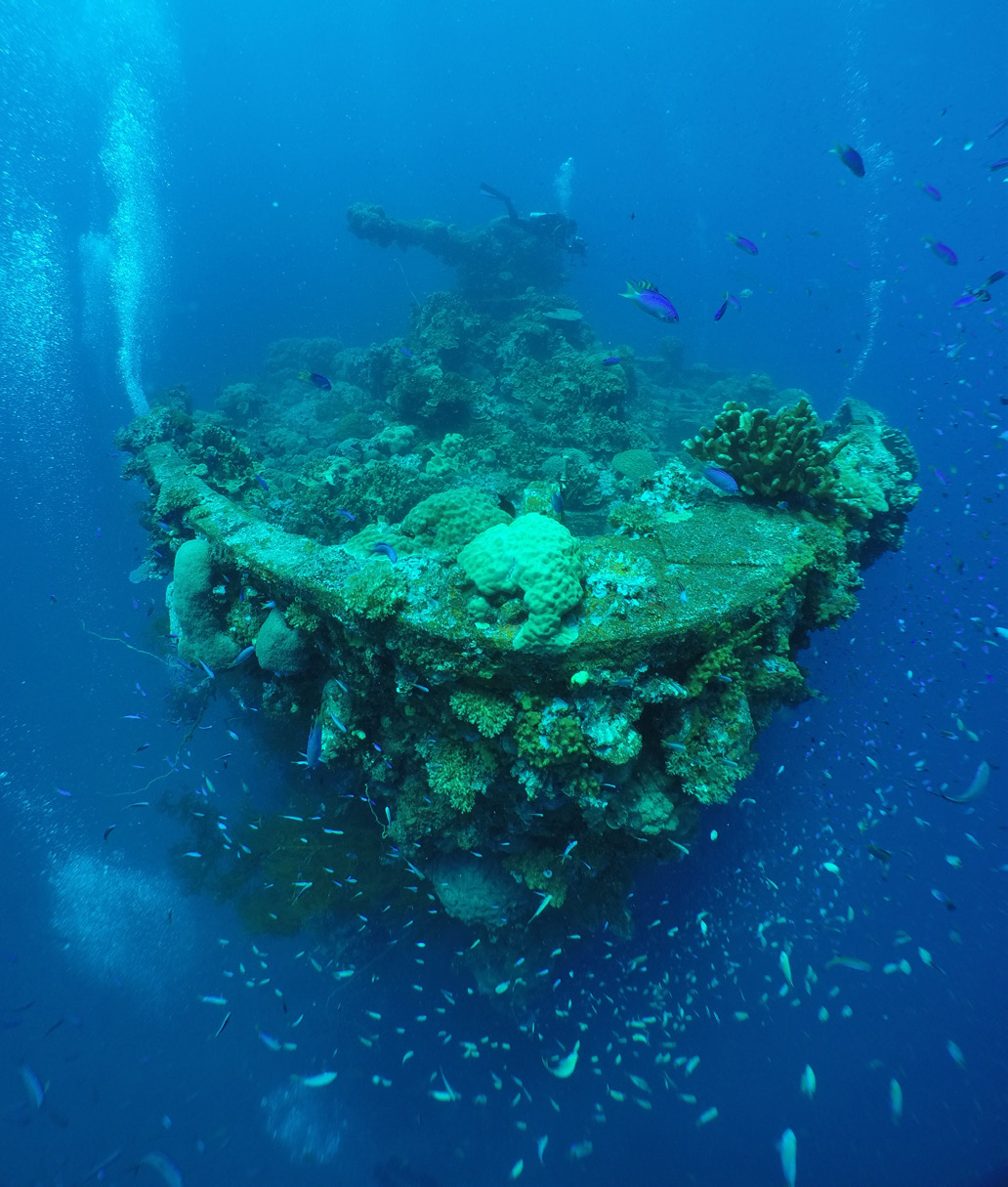
Technical diving in Asia and Oceania requires careful assessment of support infrastructure. Established hubs such as Chuuk, Coron, and parts of Thailand and Indonesia offer trimix-capable compressors, trained staff, and access to hyperbaric chambers.
However, remote locations may lack immediate emergency support. Divers should confirm evacuation plans and chamber access before diving, as the nearest facility may be several hours away. Conservative profiles and robust gas planning are essential.
Seasonal weather patterns, particularly monsoons, strongly influence conditions. Planning around local seasons is critical, as poor visibility, heavy seas, and strong currents significantly increase risk on technical dives.
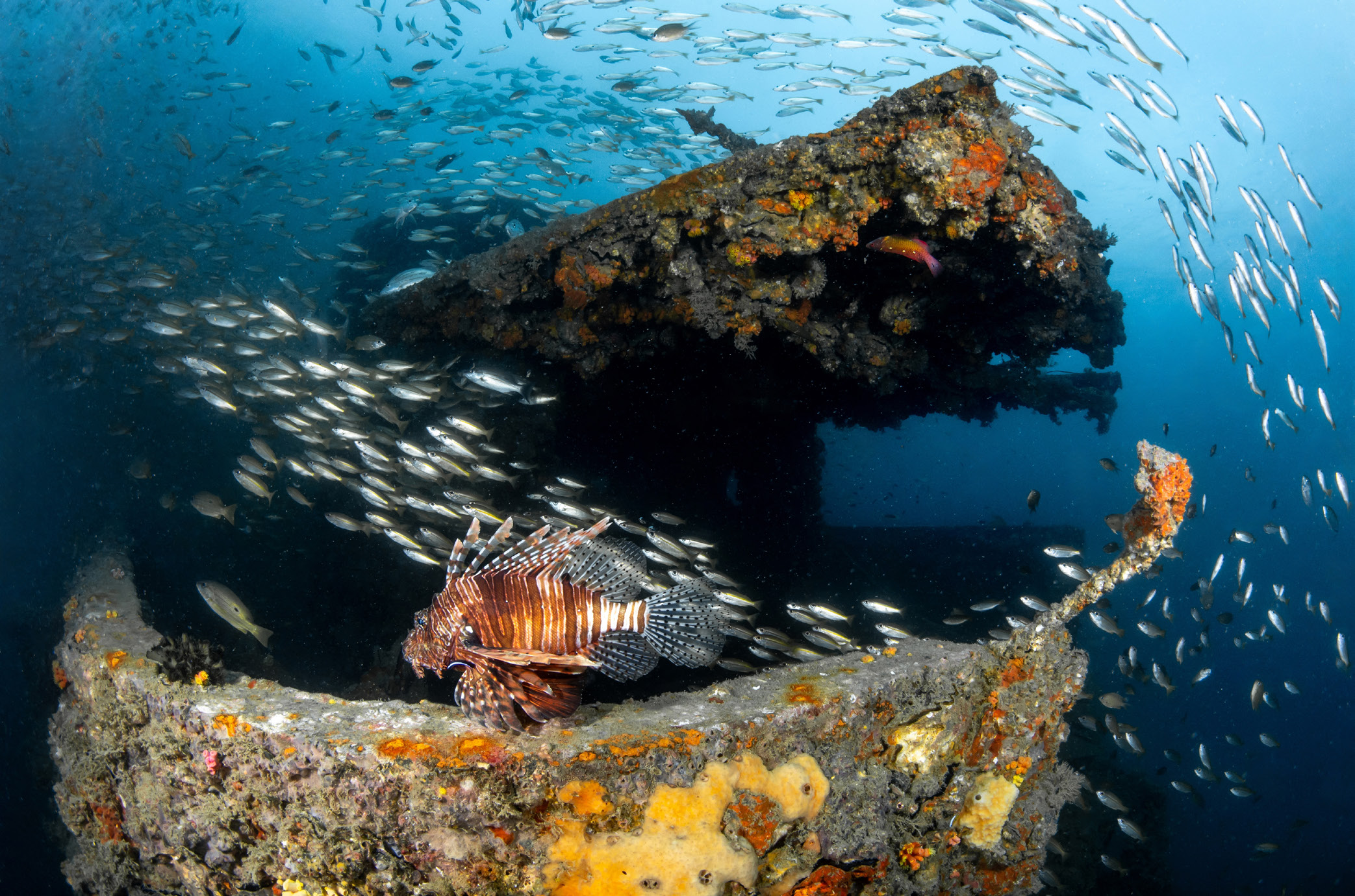
(Credit: Shutterstock)
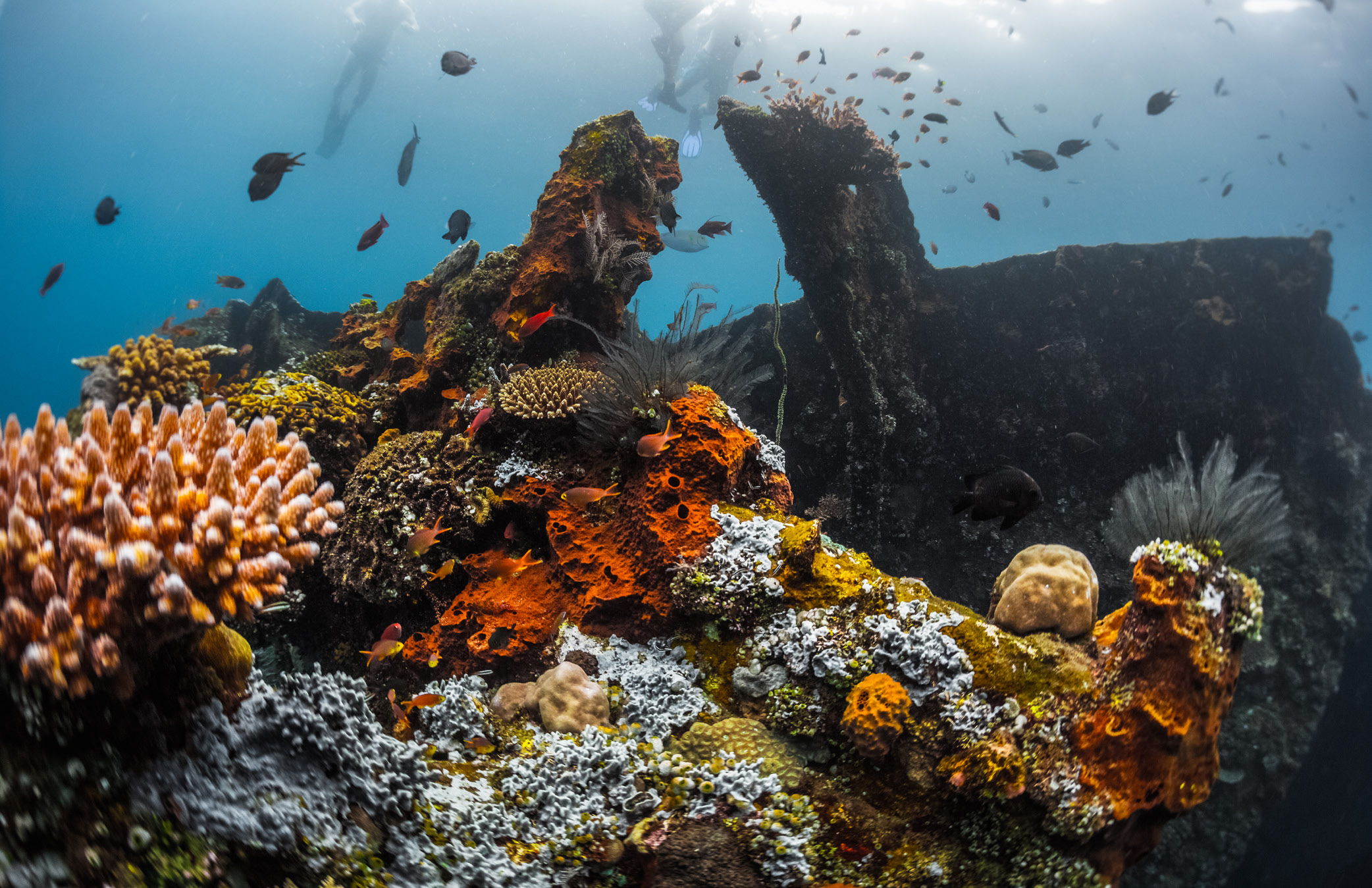
THE FUTURE OF TECHNICAL DIVING IN THE REGION
Technical diving has been called the Formula One of diving for its complexity and inherent
risk factors. Across Asia and Oceania, technical diving continues to evolve. Advances in equipment, training, and rebreather technology have expanded access to deeper and longer dives while improving efficiency and safety when properly applied.
Environmental awareness within the technical diving community is also increasing. Many deep sites remain pristine precisely because they lie beyond recreational limits. Excellent buoyancy, disciplined finning, and minimal-contact techniques are essential to preserve these environments.
Wreck sites face additional pressures from corrosion and, in some regions, illegal salvage. Several countries now protect historically significant wrecks as war graves or heritage sites, restricting access and penetration to preserve them for future generations.
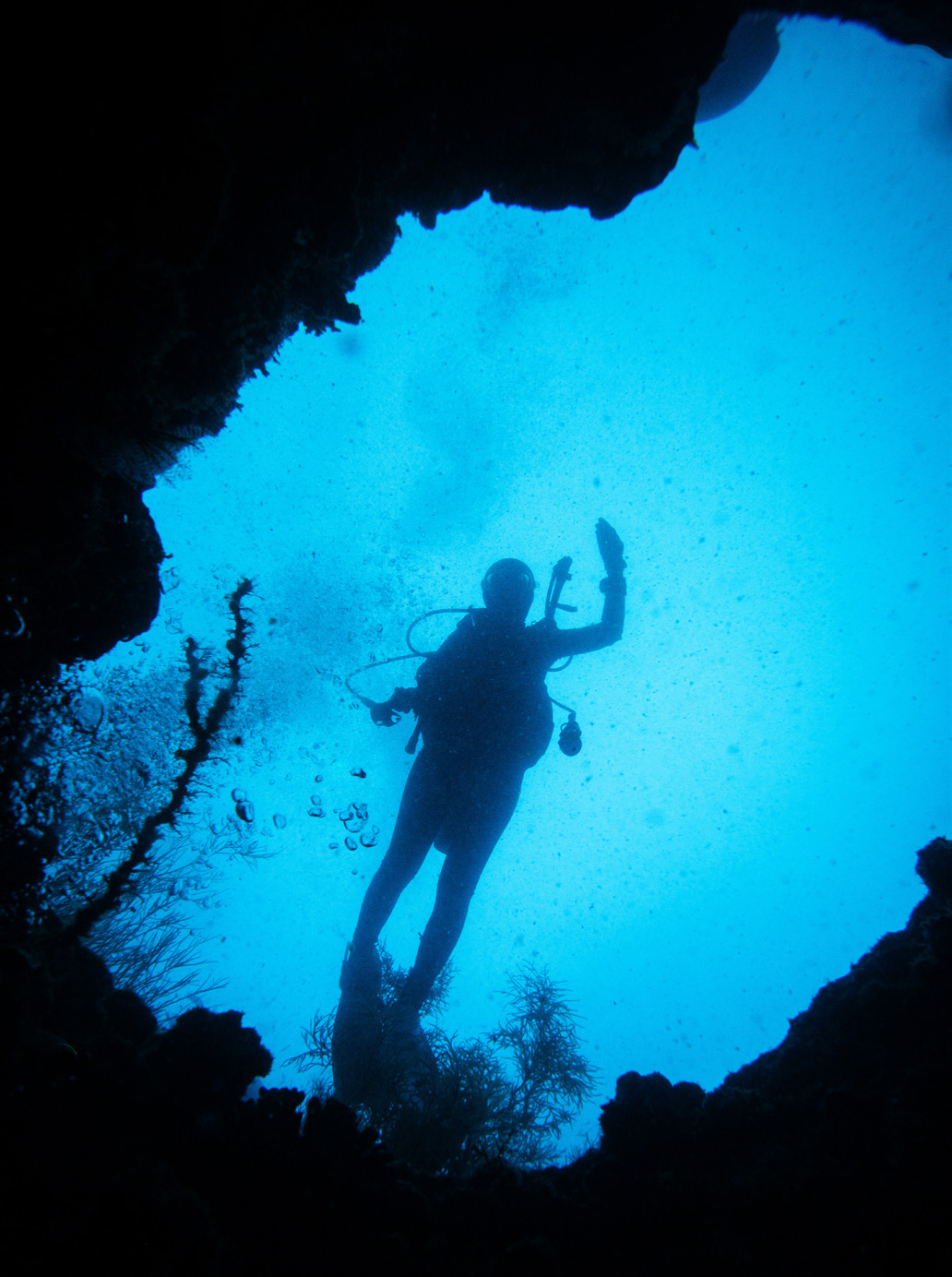
PLANNING YOUR TECHNICAL DIVING ADVENTURE
Divers planning technical trips to Asia or Oceania should ensure their certification and recent experience match the intended dives. Many operators require proof of trimix or cave qualifications and recent deep diving activity. While most established operators can supply cylinders and mixed gases, bringing personal regulators, computers, and exposure protection ensures familiarity and reliability. Liveaboards often provide the best access to remote technical sites, allowing appropriate surface intervals and logistical flexibility.
Technical diving in Asia and Oceania goes far beyond what we can present in these pages, offering experiences few recreational divers will ever encounter. This is by no means a comprehensive catalogue of Asia–Pacific technical diving; the Solomon Islands, Vanuatu, New Zealand and several emerging regions, among many others, all offer equally compelling advanced dives for those prepared to seek them out. From pristine wrecks frozen in time, to deep walls adorned with corals adapted to low light, to the quiet intensity of blue-water descents – all these dives carry inherent risks, but for well-trained, properly equipped divers, the region delivers truly world-class technical exploration.