Home Blog Page 18

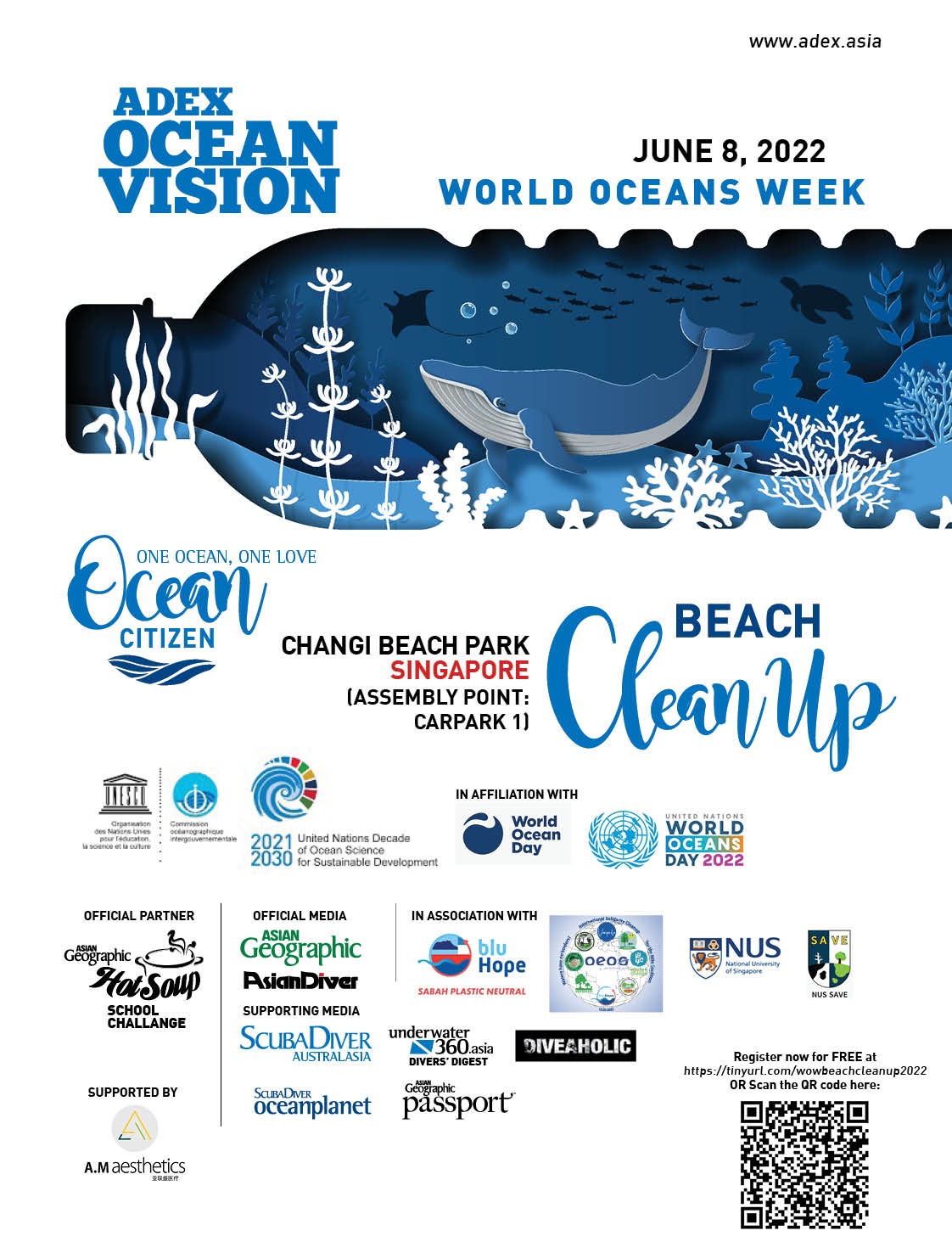
ADEX Ocean Vision celebrates World Oceans Week 2022!

0

Annually, the World Oceans Day is being celebrated on 8 June 2022 to remind us about the quintessential role that the oceans plays in our lives. The ocean is a major source of food and medicine and a critical part of the biosphere. The Day serves to also raise awareness about the detrimental damages mankind has left on the oceans, so as to call for action from the world’s public, for a more sustainable management of the world’s oceans.

Asia Dive Expo (ADEX) has always been a strong advocate of ocean and marine conservation. Through our publications and events, ADEX strives to entertain, educate and engage the public about protecting our oceans and its marine diversity. In tandem with United Nations’ Decade of Ocean Science for Sustainable Development and World Oceans Week, ADEX has organised a beach clean-up session at Changi Beach Park, on 8 June 2022. 

Details of the event are as follow:

Venue: Changi Beach Park, Singapore

Date: 8 June 2022

Time: 9AM to 12NN (Singapore Standard Time)


Located off the beaten track at the easternmost part of Singapore, Changi Beach is one of the oldest coastal parks in Singapore. It retains an air of kampung ambience, which invokes a sense of nostalgia in Singaporeans. The spot is a common haunt for families to have their picnics and for fitness enthusiasts to cycle or kayak. Approximately 3.3km long, Changi Beach Park stretches from Changi Point to Changi Ferry Terminal and overlooks Pulau Ubin. However, with its human traffic, the beach’s pristine white sand has been tainted with litter that are detrimental to the health of the environment and the waters at Changi Beach.
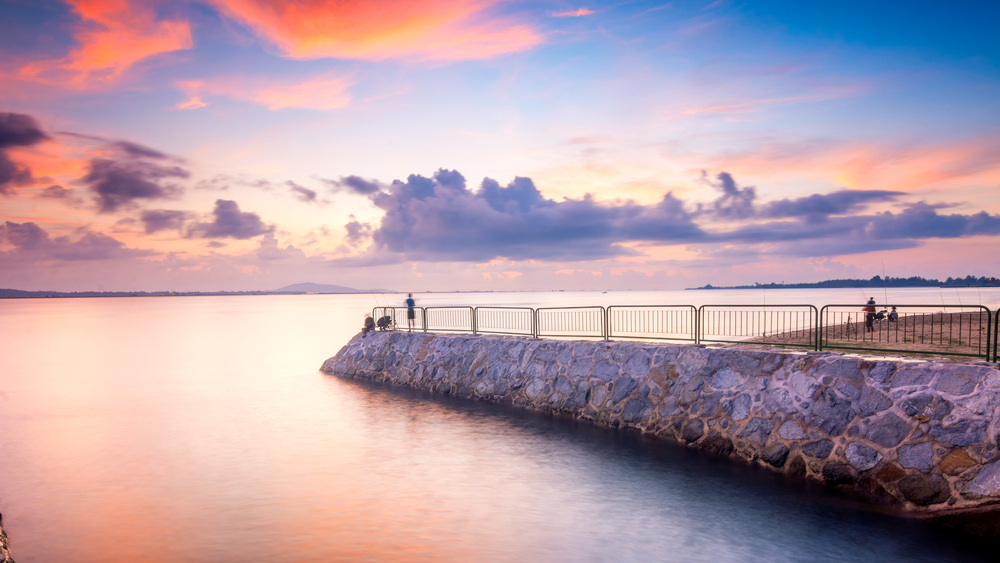
Sunset overlooking Changi Beach, Singapore

Through the beach clean-up, we endeavour to contribute to the maintenance of the cleanliness of our local beaches, and to raise awareness about the importance of ocean and environmental conservation to the public. This clean-up session will hopefully kick-start a series of clean-up efforts by ADEX in the future. We believe that sustained effort in this is necessary in bringing about an effective change in the public’s perception about ocean and environmental conservation. This is also in line with the national efforts of local authorities in sustainable development.

Participants are welcomed to take part in this beach clean-up project to create a more sustainable and litter-free environment at our local beaches. The event is free for all to join and logistics required for the clean-up will be provided by us. To sign up, do head over to tinyurl.com/wowbeachcleanup2022 now!

In commemoration of Coral Triangle Day on 9 June 2022, ADEX will also be holding its monthly ADEX Pixel Expo, with speakers from all across the world sharing about their expertise in different fields relating to the oceans and conservation. The sharings are free for all, so do check out the ADEX Official Facebook Page to tune in to the Pixel Expo!

6 Tips for Safe Diving

0

Image from Shutterstock

Whether you’re a first-time diver or a seasoned one, it’s always good to brush up on some basic safety knowledge when it comes to the activity in question. Here are six important tips for making your diving experience a safe and enjoyable one.

1. BREATHE CONTINUOUSLY while on scuba. NEVER hold your breath.

There is no way you would have missed that one. Every instructor will repeat, repeat, repeat and repeat again! Holding your breath can cause an overexpansion of your lungs. This can result in a pneumothorax (collapsed lung) or an arterial gas embolism, which can lead to a stroke.

2. EQUALISE EARLY AND OFTEN while descending. NEVER go deeper than you can comfortably equalise. 

It is common sense, but many divers forget this rule and risk bursting an eardrum. If that happens, there’s a chance you will get disoriented enough to lose your regulator and drown. So if you have issues equalising, take your time, use a rope to control your descent, go feet first, and never go down when it hurts.

3. ASCEND SLOWLY from every dive and make safety stops.

This rule is directly linked to the first rule. Going slow will minimise the risk of overexpanding your lungs. But it will also reduce the risk of decompression sickness (DCS), caused by your body absorbing too much nitrogen. Be sure to fully deflate your BCD before starting your ascent and never use your inflator button to get to the surface. Unless it’s unsafe to do so, always perform a safety stop between three and six metres, which will significantly decrease your risk of DCS.

4. PLAN YOUR DIVE, DIVE YOUR PLAN and continuously monitor your air supply.

Properly planning your dive is a vital part of ensuring your safety underwater, and sticking to your plan is just as important. Frequently check your gauges throughout the dive. It’s all too easy to lose track of time, and find yourself low on air. Insufficient gas supply is the leading cause of fatal emergency ascents, which can easily be avoided if air supply is properly monitored.

5. DO NOT OVERWEIGHT yourself.

A factor in nearly 30 percent of diver deaths, fatigue is most commonly due to a diver trying to remain on the surface while overweighted. Conserve energy and prevent exhaustion by establishing positive buoyancy at the surface. Inflate your BCD fully, and be prepared to drop your weights if necessary.

6. PRACTISE vital skills. 

Basic skills are vital to diver safety, and performing them in an emergency could mean the difference between life and death. Know how to use your buddy’s alternate air source, how to conduct a controlled emergency swimming ascent (CESA), and how to disconnect your pressure inflator hose. Good buoyancy control will avoid dangerous uncontrolled ascents, and mastering mask clearing will avoid succumbing to panic should a problem arise.


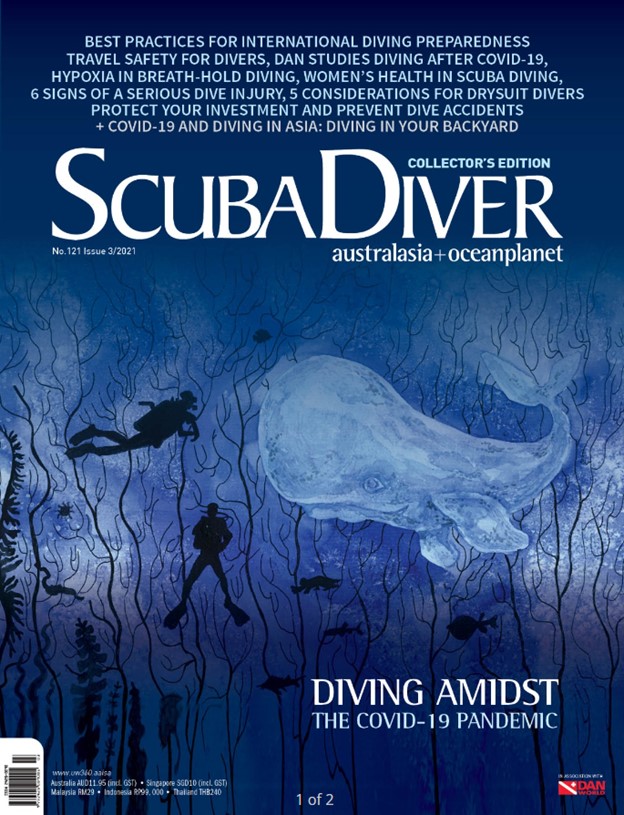
To find out more handy diving tips, as well as several amazing locations to dive in Asia, get your copy of Scuba Diver Issue 3 / 2021 here.

For more insightful features and stories like this, subscribe to Scuba Diver here.

4 Seahorse Species and Where to Find Them

0

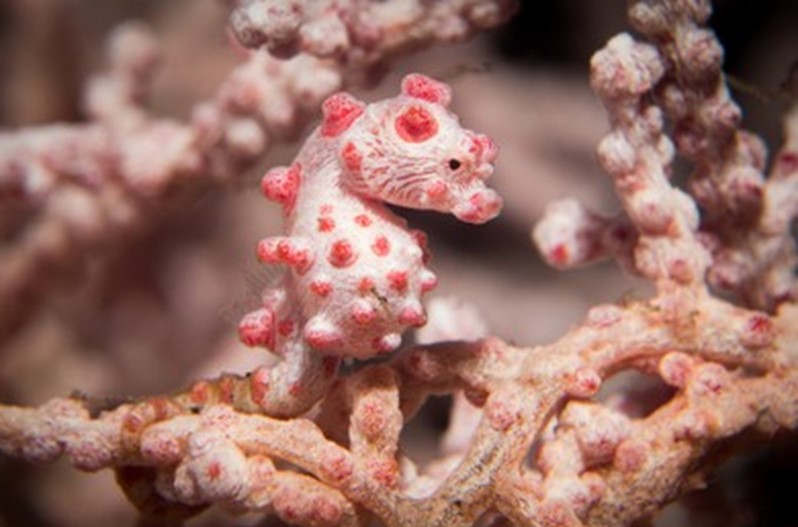
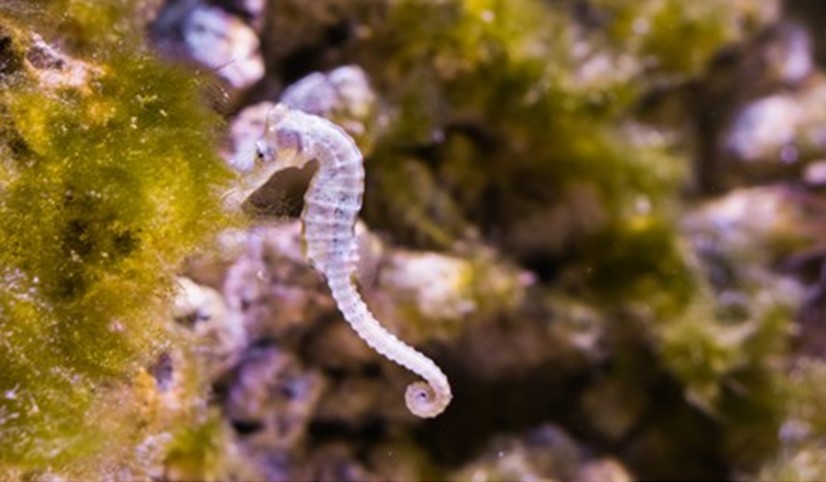
A pink and white pygmy seahorse blends in with similar-coloured coral


Adapted from text by Dr. Dave Harasti, ADEX Ambassador for Seahorses 2016-2017

Image from Shutterstock


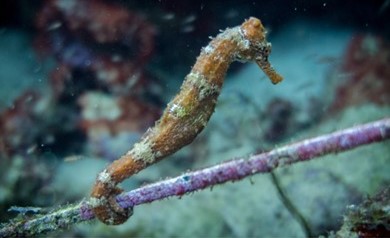
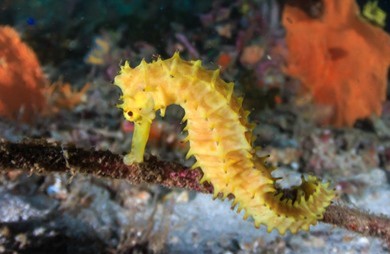
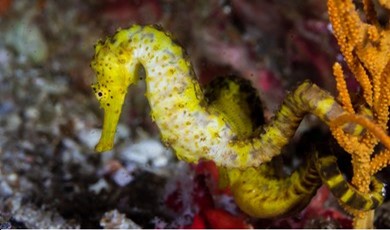
Seahorses are elusive creatures, and are naturally rare in the wild. Nevertheless, there are regions around the world such as Indonesia, the Philippines and northern Australia where lots of different species of seahorses can be found. To become a talented seahorse spotter, here are several places you can look to find 4 seahorse species. 


1. Spotted seahorse (Hippocampus kuda)

The spotted seahorse can be found occurring in seagrass beds.


2. Thorny seahorse (Hippocampus histrix)

The thorny seahorse is often found amongst sponges and on sea pens.


3. Tiger-tail seahorse (Hippocampus comes)

The juvenile tiger-tail seahorse is found in shallow waters living in algal habitats, while adults prefer to live on hard coral reefs.


4. White’s seahorse (Hippocampus whitei)

The juvenile White’s seahorse prefers small yellow gorgonian fans to live on, and as they get older they change habitat and move onto soft corals and sponges.


DID YOU KNOW?
Most seahorse species are found in shallow coastal habitats in less than 20 metres of water, but some species such as the pygmy seahorses are known to occur at depths of up to 150 metres.


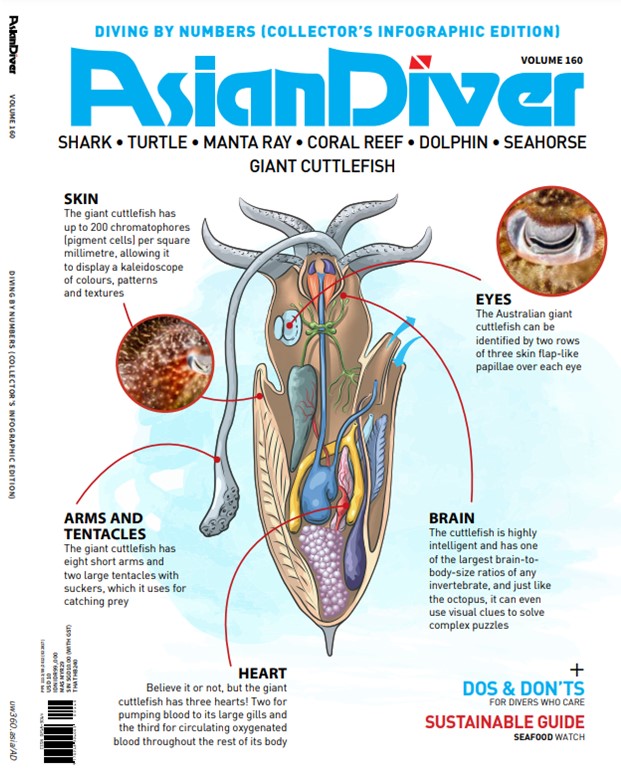
To read up more on seahorses and other fascinating marine life, check out Asian Diver Issue 6/2021 here.
For more insightful features and stories like this, subscribe to Asian Diver here.

6 Tips For Diving into Your Golden Age

0

Text by Rachel Mason
Image from Shutterstock


Diving can be strenuous. There are tanks to lift, currents to fin against, boats to clamber back onto, waves to walk through.

So, we know it’s important to be in reasonable shape for excursions beneath the waves, but does this mean that there is an upper age limit to your diving career? In short, no, but there are things you need to consider if you want to happily dive on into your golden years.


Contraindications & Health Screening
A contraindication is a condition, or circumstance, that would preclude you from diving at any age; however, you need to be particularly aware of those that can develop with advancing years, e.g., heart disease and type II diabetes are considered to be contraindications by DAN. Annual “Fit to Dive” or health screening is a great idea to keep your diving activities alive and finning. Take your “Fit to Dive” certification with you to avoid any problems when you get to your destination!


Waters New?
In the event of an emergency, could you manage a prolonged surface swim, or a buddy tow? Consider changing dive destinations and enjoy environmental conditions that might be less strenuous – warmer waters with great visibility and less current, combined with more conservative dive profiles and increased surface interval times.


Skills Circuit
Our dexterity can deteriorate with age, and our ability to carry out our “skills” is for our safety, and that of our buddy, so a periodic check that you are able and confident in doing them is important. Can you retrieve your regulator from way over your shoulder? Ask the DM or Instructor to do a “skills check” with you on the first dive of the trip. Regular skills circuits will also help to keep your circuits sharp…


On and Off the Boat
“Can I hand my gear up to the crew from the surface'”, “Can I get out of the water?” Some of us have never accomplished a dignified fin up onto the boat edge – more of a heave and face plant into the bottom! But in all seriousness, are you still strong enough? Research options like getting help kitting up or using the ladder, and just as suddenly you are ready to rock and (back) roll!


Go Shopping – Really.
Advancing years is a perfectly legitimate excuse, (sorry, reason), to update your gear: a BCD that is lighter, easier to get in and out of; more powerful fins; and reduced wetsuit wrestling. What are you waiting for?!


Stay Focused!
As we age it becomes more difficult to visually focus on objects dose to you, and whilst an SPG at arm’s length still works, this is not great news for photographers or macro enthusiasts. It is not a happy occasion when you can’t see the pygmy seahorse, let me tell you. Fortunately you can solve this “age-old” problem with replacement prescription lenses or inserts in your mask.


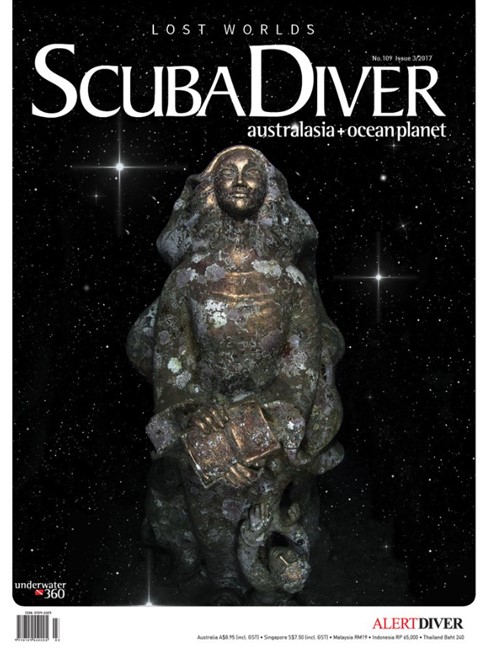
This is an excerpt from an article from Scuba Diver Issue 3/2017, which can be purchased here.
For more insightful features and stories like this, subscribe to Scuba Diver here.

Camiguin & Vigan – Where to go for Divers?

0
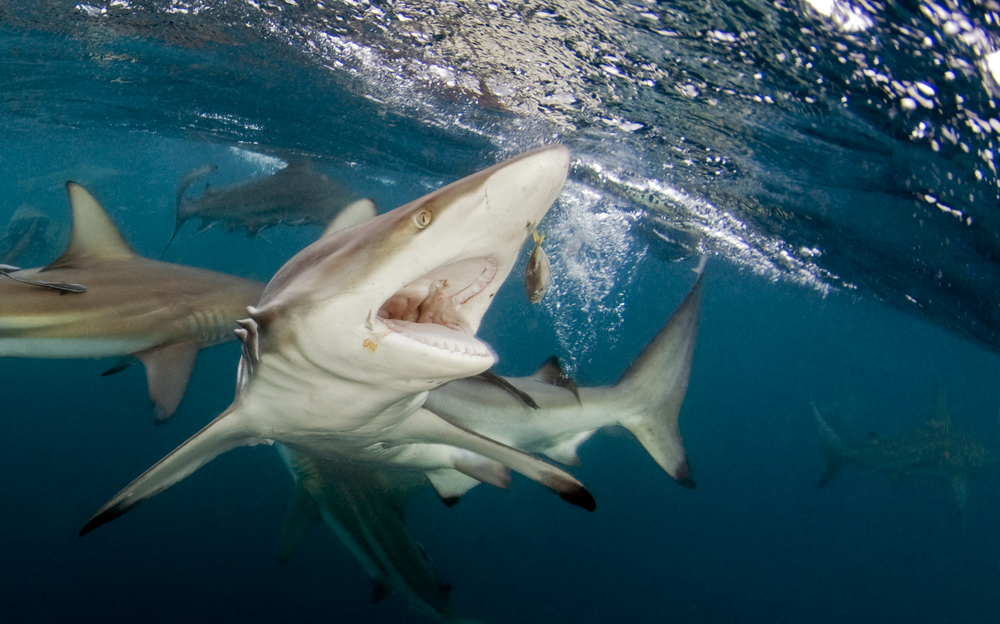
Black tip shark, which could be spotted at the Mantigue Island dive site

Diving at Camiguin and Vigan is wonderful and the exhilarating adventure sports are always inviting to those seeking a thrilling experience. There are plenty of beaches and islands with clear waters that are perfect for your next diving expedition. Whatever you choose, you’re guaranteed to enjoy Camiguin and Vigan and love its diversity.


Dive sites in Camiguin

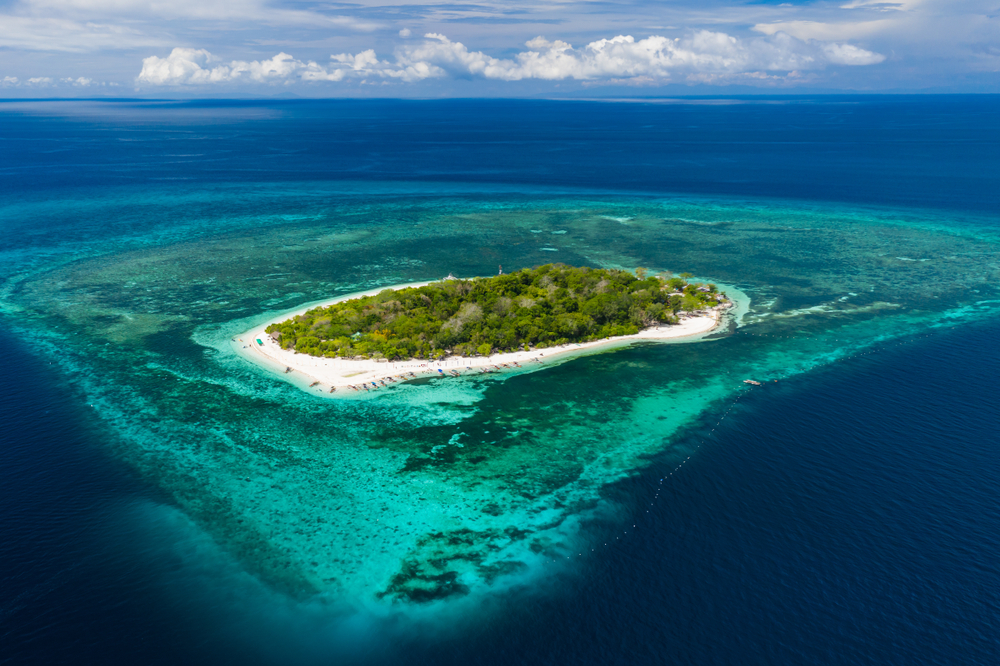
1. Mantigue Island

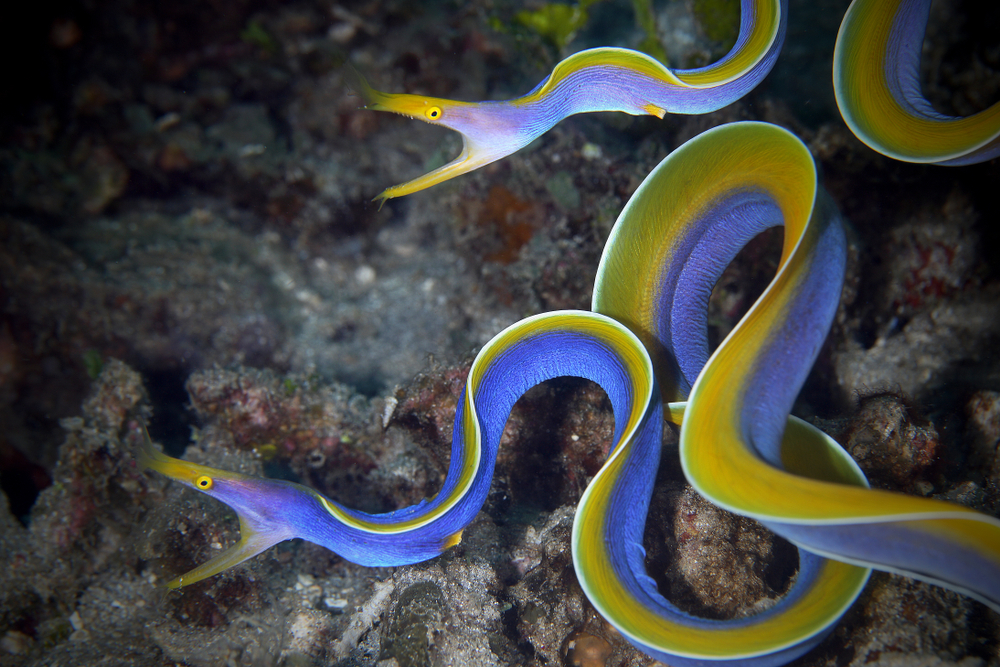
The underwater sanctuary is rich and thriving and divers are guaranteed to spot a sea turtle on their dive. Aside from turtles, divers can encounter ribbon eels, trumpetfish, pufferfish, boxfish, parrotfish, frogfish, barracudas, batfish, sweetlips, and even rays and blacktip sharks.

Aerial view of Mantigue Island in Camiguin
Ribbon eels, which could be spotted at the Mantigue Island dive site

How to get there: Take a boat from Camiguin Island to Mantigue Island. The ride should last around 45 minutes.

2. Kibila White Beach

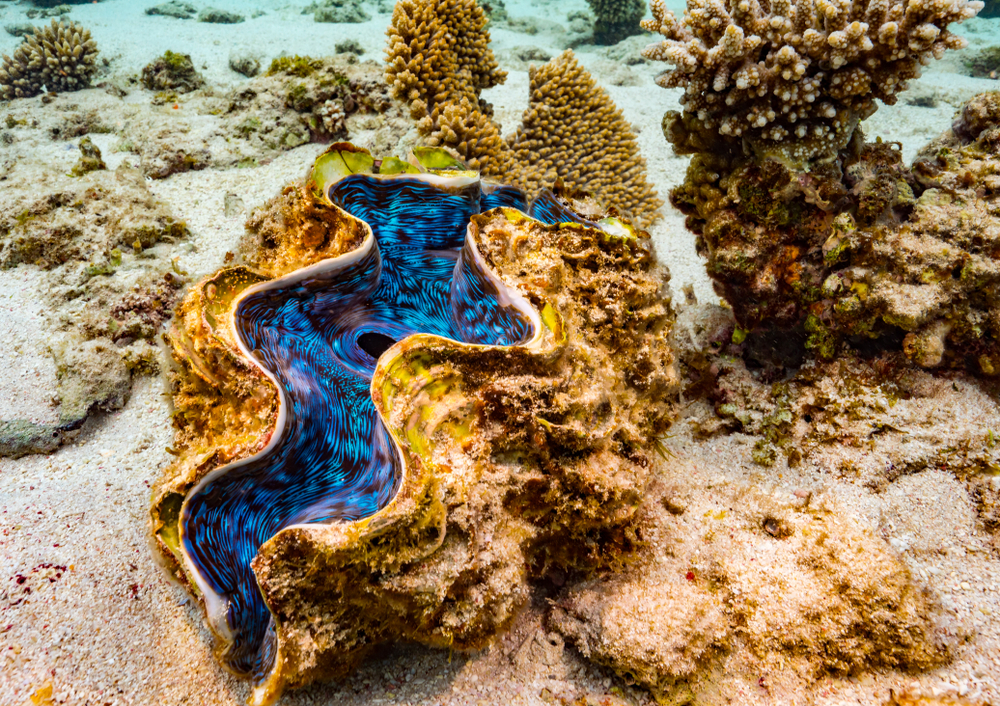
Kibila White Beach is home to magnificent giant clams. These clams thrive in the colorful reefs on the island and learn about the conservation efforts to protect these vulnerable marine species.

Giant clam, which could be spotted at the Kibila White Beach dive site

How to get there: Hire a motorcycle from Mambajao to get to Kibila White Beach and drive down for around 15 minutes.


Dive sites in Vigan

1. Apatot Shipwreck

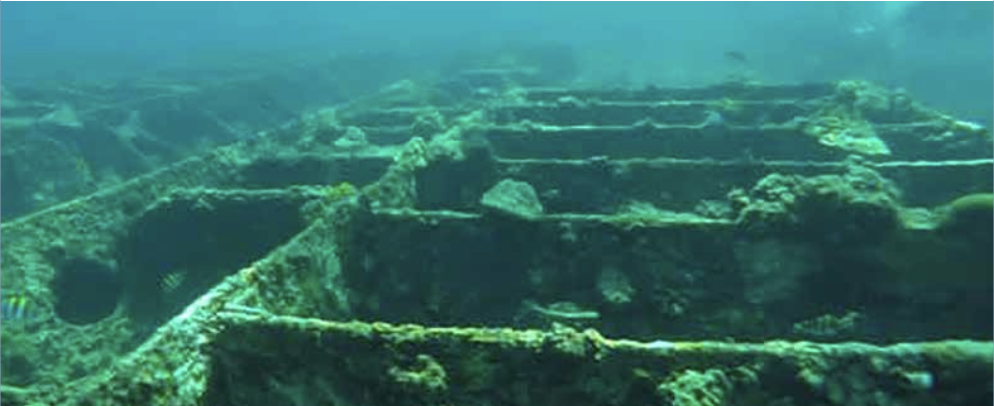
This is an easy wreck and suitable for beginner wreck divers as well. The ship sits on the shallow sea bed and can be observed from its exteriors. It is found around 200 metres from the shore and its deepest point is 15 metres.

Apatot Shipwreck dive site

2. Grotto Special

A colorful reef brimming with an abundance of vibrant fishes and healthy corals, Grotto Special is a dive site for all. Divers can observe macro critters as well as red snappers along the dive. Red snappers could be observed at the deeper parts of the site, while smaller fishes like colourful anthias and fussiliers can be seen in schools around the shallower parts.

Anthias fish, which could be spotted at the Grotto Special dive site

To read more, do check out our Discover the Philippines e-Newsletter series! Both Camiguin and Vigan have plenty to offer for all divers, so do consider them as your next travel destinations to fully immerse yourselves in the tropics and experience all the diving adventures that the Philippines has to offer to you!

12 Dos and Don’ts of Dive Voluntourism

0

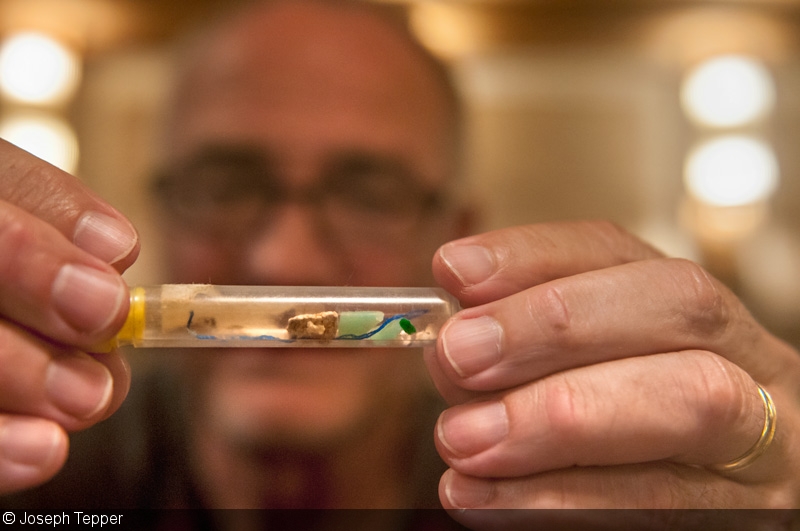
A volunteer examines plastic pollution as part of a dive trip geared towards citizen science


Text and image by Joseph Tepper


In light of the increasingly pressing threats the ocean is facing today, divers are wanting more from their vacation than just pampering. Participation in citizen science projects such as reef surveys, plastic pollution cleanups, or fish ID photography is becoming a popular activity among altruistic divers, and it is certainly a good thing to do, if done properly. If you wish to make a tangible, positive environmental impact on your next dive vacation, here are some dos and don’ts for “voluntourism”.


DO Take Notes:
It’s hard enough to remember the name of the previous dive site, let alone keep scientifically accurate observations. Consider taking a dive slate with you or make cure to take detailed notes in a logbook after every dive.


DON’T Leave Your Camera at Home:
Not only do voluntourism trips take you to some spectacular places for snapshots, but scientists frequently rely on images for making IDs of individual animals and monitoring the health of the reef.


DO Your Own Research:
You don’t need to have a PhD to make a meaningful impact on conservation efforts, but some basic understanding of the local ecology will help prepare you for the tasks ahead.


DON’T Rough It:
Just because you’re working like a scientist doesn’t mean you have to live like one. More and more five-star luxury liveaboards are teaming up with scientists to offer votuntourism itineraries.


DO Donate Funding:
Time and effort are greatly appreciated by researchers. But you know what else is? Monetary donations. Consider a gift of simple or generous proportions to augment your voluntourism.


DON’T Stress Out:
Remember, it’s your vacation too. Try not to take the research too seriously and make time to relax with your favourite non-diving activity such as a massage, the endless editing of photos, or (of course) more diving.


DO Interact with the Local Community:
Community based marine resource management (CBMRM) is an increasingly popular method for conservation, so try to spend some time talking with locals about how they view their marine environment.


DON’T Go Alone:
Voluntourism trips are all the more enjoyable when you have a buddy to help you contribute to science. If you can’t bring a buddy, try reaching out to other guests on the trip before departure.


DO Ask Questions:
Don’t understand something the lead researcher has said or asked you to do? Asking questions makes sure you thoroughly understand the topic and are contributing efficiently.


DON’T Stop After the Trip:
Your trip might end, but conservation and research efforts do not. Follow along the work of your research leader and look out for your efforts making the news.


DO Follow Directions:
Volunteering through physical sampling, photo IDs, or reef cleanups can be tedious, but by following the directions of the leader you’ll produce the best results.


DON’T Be Selfish:
The ocean gives divers so much. You’d be surprised how many dive destinations offer opportunities to give back.


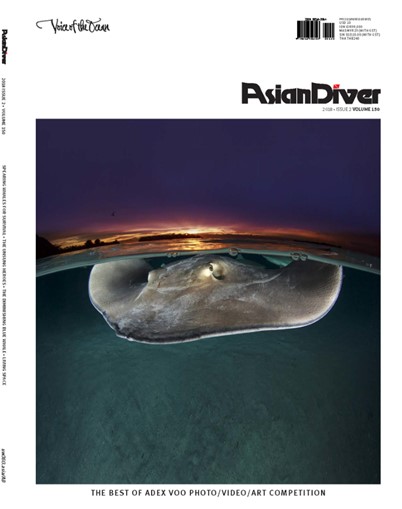
This article is from Asian Diver Issue 2/2018, which can be purchased here.
For more insightful articles like this one, subscribe to Asian Diver here.

Siquijor and Palawan Island – Where to go for Divers?

0
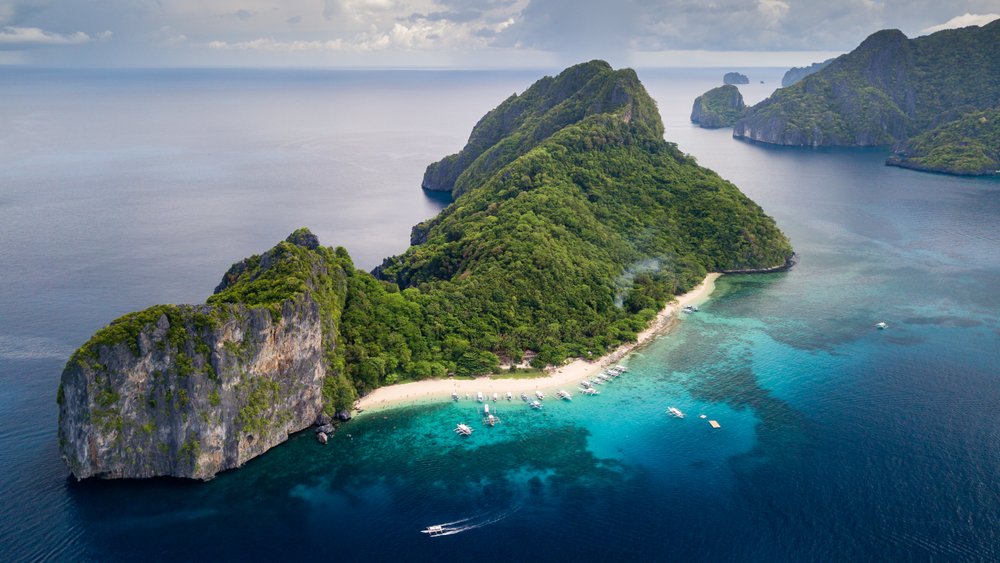
Dilumacad Island in Palawan, the Philippines

Enjoy the tropical Filipino sun on these two popular tourist destinations! There are many beaches in Siquijor and Palawan Island to relax at. Visitors are also greeted with an abundance of dive destinations as well as natural wonders such as the cascading waterfalls.


Top 5 Dive sites in Siquijor and off Palawan Island

1. Paliton Wall

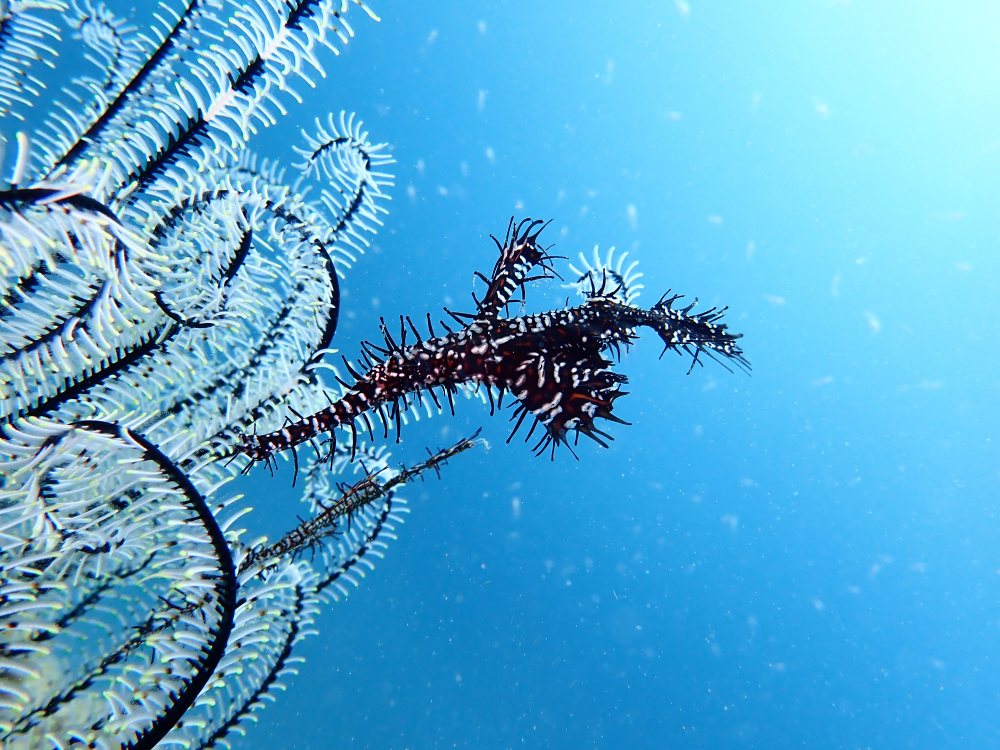
Dropping to 40 meters, Paliton Wall is covered with colorful corals and fans, offering a large overhang and caves. Divers can spot giant frogfish, ornate ghost pipefish and Spanish dancers among the corals.

How to get there: From Paliton Beach, hop onto a kayak and row out the shore, or book a dive trip with a local dive centre.

Ornate ghost pipefish. which could be spotted at the Paliton Wall dive site

2. Tonga Point

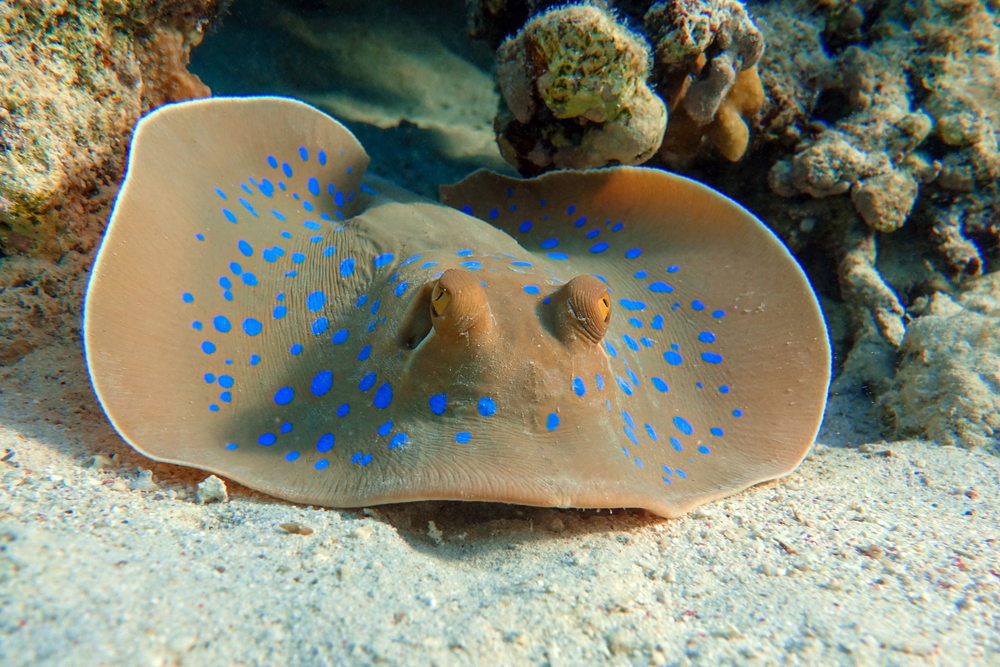
A more challenging dive, Tonga Point begins with a gentle slope to 12 meters that leads to a steep drop-off of 65 meters. An abundance of colorful marine life is observed at the shallow ends, but dive deeper to encounter schools of barracuda, turtles, and blue-spotted rays.

Blue-spotted rays, which could be spotted at the Tonga Point dive site

How to get there: Tonga Point is easily accessible from Siquijor Airport and Siquijor Port.

3. Miniloc Island

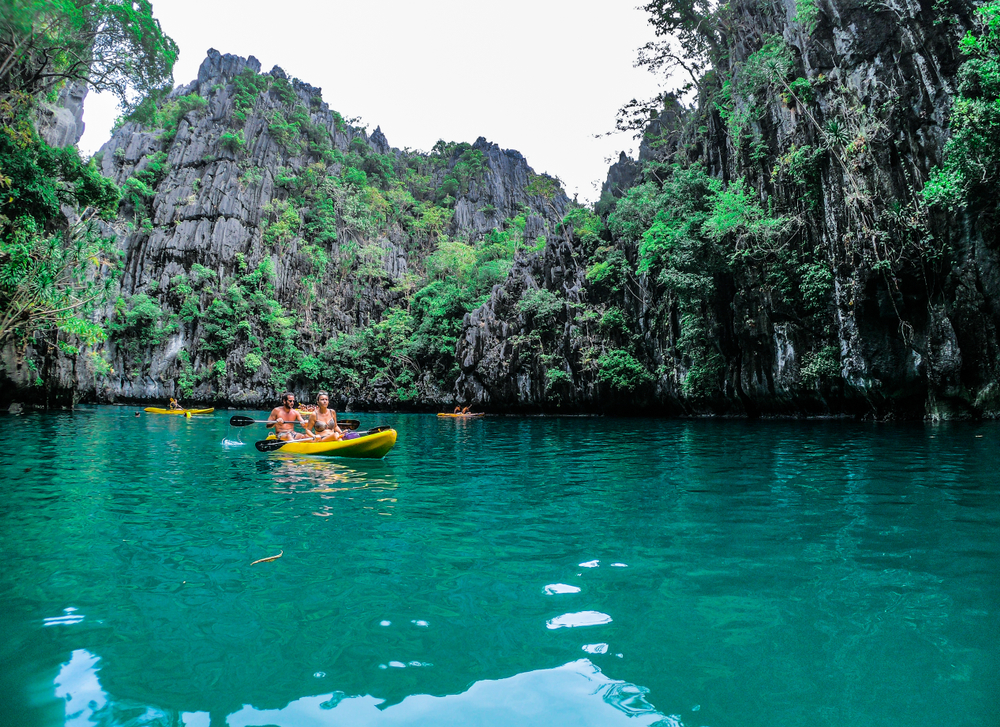
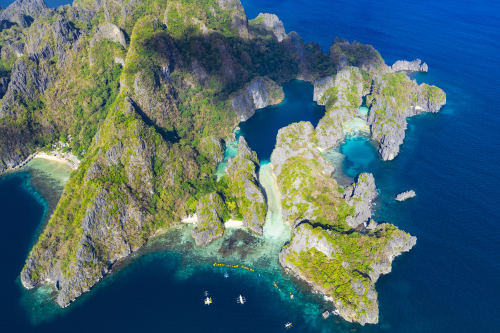
Located near El Nido, the two small Tagbao Islands are home to three reefs nestled in between them. The shallow waters make it suitable for beginner divers. Encounter an abundance of colorful reef fish, corals, and crayfish.

How to get there: A boat ride is provided to Miniloc Island from Palawan Island, which lasts around 40 minutes.

Miniloc Island in Palawan
Aerial view of Miniloc Island

4. Cuttlefish Shawl

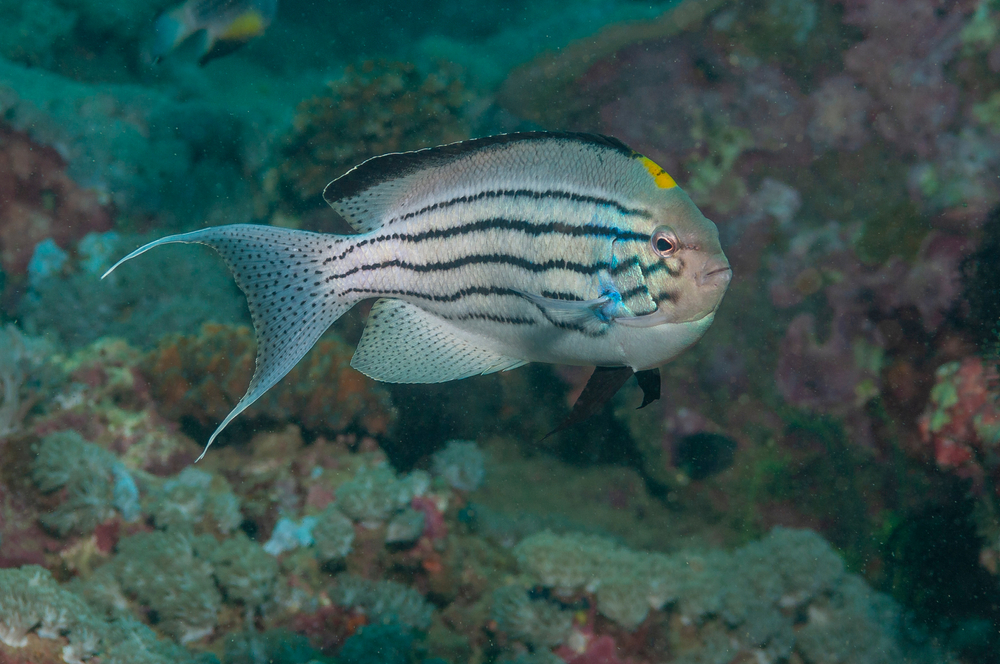
Cuttlefish Shawl is recommended for experienced divers as the dive site has a challenging depth. Divers can observe barracuda, sea turtles, angelfish, and, as the name suggests, cuttlefish.

How to get there: It’s best to find a local guide in Puerto Princesa to locate this dive spot.

Angelfish, which could be spotted at the Cuttlefish Shawl dive site

5. Dilumacad Tunnel

This stunning 115-foot long tunnel was discovered in the 1990s by a Japanese diver, and has since been a ‘must-dive’ spot among divers worldwide! The tunnel starts at a depth of 40 feet and leads divers to a spectacular sandy bottom.

How to get there: Dilumacad Island, home to many other fantastic dive sites, is 15 minutes by boat from El Nido.

Dilumacad Tunnel dive site in Palawan


From walls to caves, the underwater world of this part of the Philippines is one a beginner or experienced diver would not want to miss! To read more, do check out our Discover the Philippines e-Newsletter series! Both Siquijor and Palawan have so much to offer for all divers, so do consider them as your next travel destinations to fully experience all the diving adventures that the Philippines has to offer to you!