

Still considered the greatest zoological discovery of the 20th century, the coelacanth, known as “Gombessa” in Mozambique, had supposedly been extinct for 65 million years until a specimen was found in the nets of a fisherman in 1938.
Saving leatherback turtles from extinction

Sitting on a dark, lonely beach in Irian Jaya, watching the stars move across the sky, waiting to photograph a leatherback turtle, Larry McKenna began to wonder if one would ever appear. Then, almost imperceptibly, a break in the surf line signalled a leatherback hauling herself out onto the beach.
Marine Biologist of the week: Dr. Richard Smith
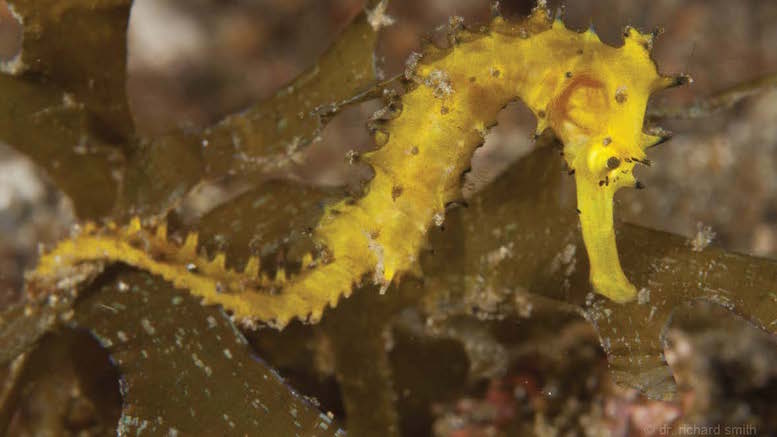
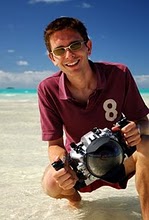
This week we pay tribute to the incredible work of Dr. Richard Smith. A marine biologist by training, Richard is also a fantastic photographer and writer who aspires to promote an appreciation for the ocean’s inhabitants and raise awareness of marine conservation issues through his images.
He is recognised for his pioneering research on the biology and conservation of pygmy seahorses, which he began researching in 2007, and was awarded doctorate for in 2011. His work focuses on the gorgonian associated species, Denise’s (Hippocampus denise) and Bargibant’s pygmy seahorses (Hippocampus bargibanti).
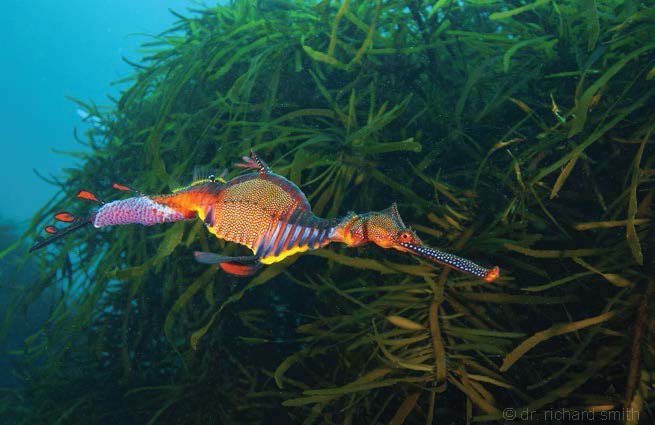
Richard’s award-winning photography and writing has featured in many publications including; Scuba Diver AUSTRALASIA and Asian Diver, and he also has tens of cover shots to his name.
Richard is also known for his engaging speeches and has given marine life lectures for many years. He started out at Wakatobi Dive Resort in southeast Sulawesi, Indonesia as in-house naturalist during his PhD research and later became the resident marine biologst aboard the liveaboard Dewi Nusantara around Raja Ampat, Indonesia. In 2013 Richard began to lead his own trips, which take groups of divers to some of the world’s best diving locations. The aim is for divers to get more from their diving by learning more about the marine environment. Richard gives marine life talks during these charters on various aspects of marine biology.
 Catch Dr. Richard Smith at ADEX 2016!
Cabo Pulmo: Sites to dive before you die
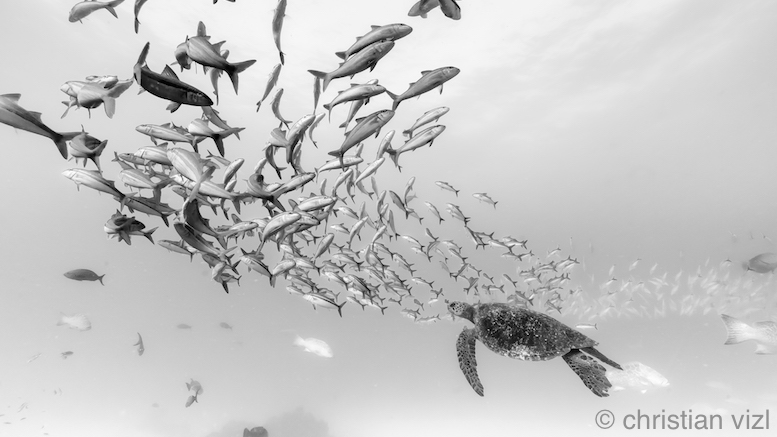
In an age when the world’s oceans are facing grave dangers, a group of local fishermen in Cabo Pulmo, Mexico are giving us all a reason to hope.
Freediving: 13 things you should know
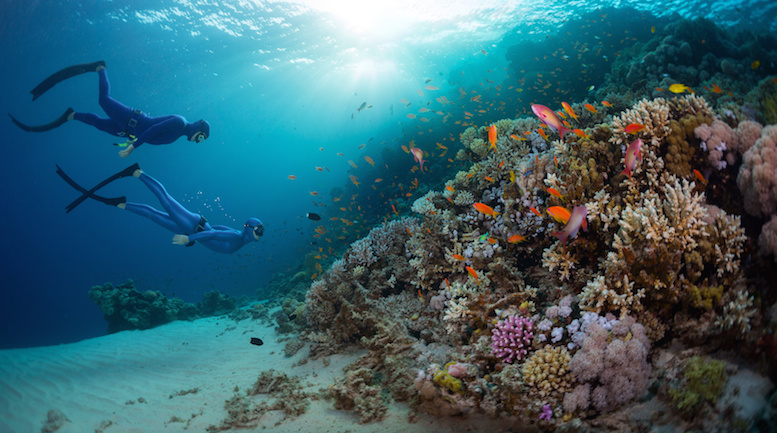
Imagine gliding through coral canyons in formation with a school of manta rays, or coming nose to nose with a dolphin. Freediving lets you experience the underwater world up close, on just one breath, and in turn you become a part of the marine world – almost naturally.
To help you on your journey into the world of freediving, we give you 13 things that you should know before taking the plunge:
Total freedom
Freediving, as the name suggests, is diving with almost total freedom: No heavy, expensive gear, no maximum ascent rates, closer interactions with marine life, and totally new challenges.
Seven disciplines
There are seven different freediving disciplines; some are about maximising the distance swum underwater, or the depth reached; others are about extending the dive time.
Buddy up
Never dive alone! Don’t push your limits without proper education. It’s important to have a buddy on the surface that can monitor you in the water and respond if you have any problems.
Safety rules
There are always risks involved in dropping deep into the ocean. Blackouts can occur and can be fatal. Careful preparation is important.
Top spots
There are some beautiful places to freedive in Asia Pacific: Richelieu Rock, Thailand; Elephant Head Rock, Similan Islands; SS Yongala Wreck, Australia; Crystal Bay, Bali.
Rest
It’s vital to rest between dives. You need to rest for twice the duration of your last dive. Without the proper recovery time to re-oxygenate the blood and rest muscles, the risk factor for your next plunge increases significantly.
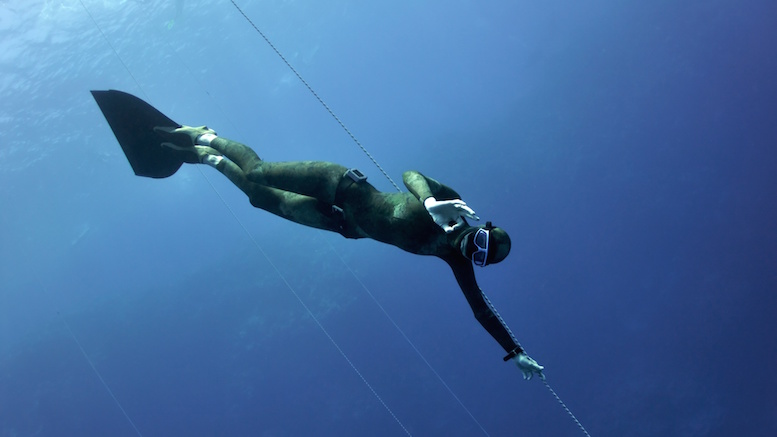
Planning
Safety first! Just like scuba, it is important to know the currents of a dive site, and scout out the good exit points.
Hyper-ventilation
This is not advised! It can lead to a blackout, which is very dangerous.
Meditation
Freediving requires incredible mental concentration. Meditation trains the mind and helps to slow and regulate the breathing and heart rate – vital for good freediving. The heart rates of freedivers on deep dives have been recorded as low as seven beats per minute – about three times slower than that of a coma patient.
20 seconds
Twenty seconds after surfacing, your body’s oxygen level is at its lowest. Keep breathing slowly and deeply through your intervals.
The diving reflex
The second you put your face in the water, your heart rate lowers up to 25 percent, and blood starts rushing from your extremities into the core.
Kicks
Freedivers use three fin strokes: the flutter, frog and dolphin.
AIDA
The worldwide federation for breath-hold diving, the International Association for Development of Apnea (AIDA), offers freediving training for divers of every level, from novice to professional. The initial three courses introduce participants to the skills, knowledge, and protocols necessary to freedive safely.
This article featured in Scuba Diver Australasia (7/2015)
Five ways to get your body dive ready

Diving, when done properly, should be a Zen-like amble through Poseidon’s realms. But to maximise your safety and keep any stress at bay, it’s still important to ensure that your bod is dive ready. We take you through the vital components of your body – how to train them, and why.
Heart and lungs
According to recent research by DAN Americas, around a quarter of dive fatalities involve cardiovascular emergencies. So you need to set your heart on ensuring that you are fit enough to dive. Exercises that involve cardio reduce hypertension (which is associated with an increased risk of cardiovascular disease), increase stamina, and help your breathing. Both running and swimming are great ways to up your cardio, which will not only make those surface swims a breeze, but also help to shed the pounds, making slipping into your wetsuit even easier.
Calves and feet
Kicking into high gear, moving across currents or manoeuvring yourself into position to snap that next SDAA cover shot, your lower legs and feet can get quite a workout underwater. Foot and calf cramps can strike even the fittest of divers, and can be caused by a number of factors, including muscle strain, dehydration or overuse. Be sure you’re properly hydrated, replacing the essential salts as well as the water you’re losing. You can also give yourself an advantage and tone up your calves with exercises like the standing calf raise.
Thighs
From standing up and sitting down while kitted up, to climbing boat ladders, and proper flutter kicks, your thighs are the driver of your journey to and through the blue. Regularly exercising your lower limbs will help improve muscle endurance and flexibility – making for a safer and more enjoyable dive. Exercises like the wide stance squat will help prep your pegs.
Core
Strong core muscles (your abs and lower back) are the key to improved balance and stability. Diving presents unique challenges to the core muscles because the load placed on the body by dive gear is distributed differently than your normal body weight. While most of the time you will be underwater and essentially weightless, lifting tanks, weights, stabilising yourself on the edge of the dive tender, and maintaining good (horizontal) trim underwater will all test your core strength. Try exercises like the plank to avoid muscle strain, lower back pain or injuries, and total wipeouts on the dive deck; plus you can feel like a Men’s Health cover star by getting that middle in shape.
Full body
A certain degree of flexibility is important in diving. We’re not suggesting you need to be able to tie yourself into a pretzel, but being able to competently touch your toes, and reach behind your back is important to allow you to manage your equipment or deal with any issues underwater. Recovering a regulator, picking up dropped pieces of gear, turning to look for your buddy, or removing a cramp will all require some basic suppleness. If you need to up your physical pliability, think about practising some basic yoga or regular gentle stretches.
Feature image copyright: skumer / 123RF Stock Photo
Diving for the Disabled
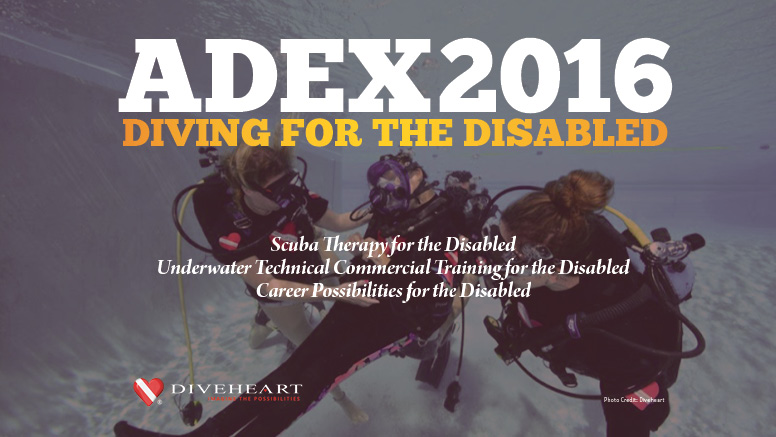
Meet Mr Charles Rowe and the Director of Diveheart Foundation, Mr Jim Elliot at ADEX 2016 Scuba360 Business Forum!
They will be covering topics on Scuba Therapy for the Disabled, Underwater Technical Commercial Training for the Disabled and Career Possibilities for the Disabled to become commercial environmental divers to establish concrete artificial reefs.
There will be free admission to ADEX 2016 for all the Disabled.
About Scuba360 Business Forum
Launching at ADEX Singapore 2016 (Apr 15-17) at Suntec Convention & Exhibition Centre, Singapore, the Scuba360 Business Forum is a series of conferences, panel discussions and presentations involving the industry leaders and key players in the scubaverse. The speakers will be covering seven related areas: marine conservation, marine tourism, branding and marketing in Asia Pacific, scuba gear, underwater photography and video equipment, dive training, and dive safety. Whether you’re a speaker or a spectator, make sure you’re part of this exciting event!
About Charles Rowe
A graduate from the University of Pittsburgh; USA, Mr Charles Rowe entered the offshore oil and gas industry in 1980 as a commercial diver. He arranged and taught underwater technical courses in Singapore and Malaysia from underwater welding and inspection to commercial diving for the past twenty years.
In addition to training, he has been working to apply commercial diving technology to create concrete artificial reefs. This later became the Seacil artificial reef project sponsored by the Singapore Maritime Academy. The Seacil project set the foundation for training and hopefully employing Singaporeans with disabilities to become commercial environmental divers.
About Jim Elliot
Now Founder and President of Diveheart, Jim Elliott was once a volunteer guide for blind downhill skiers. After years of being inspired by the impact that skiing had on individuals with disabilities, Jim—also a passionate scuba diver—decided that scuba diving would be the perfect candidate to replicate this tremendous, positive experience.
In 1996, Jim left his career in the media industry—working with Chicago Tribune, WGN Radio and CLTV News—to become a full-time volunteer and teach individuals with disabilities how to scuba dive. Five years later, in 2001, he founded Diveheart, a volunteer-driven organization focused on building confidence and independence in disabled children, adults and veterans through scuba diving.
About Diveheart Foundation
Diveheart is a not-for-profit organization that provides scuba diving instruction, opportunities and adventures to children, adults and veterans with disabilities.
For more information on ADEX 2016, please visit www.adex.asia.