Mermaids from all over the world are preparing to embark on an extraordinary journey to the ADEX Sabah Ocean Partnership Summit 2023 for the highly anticipated ADEX SABAH Mermaid Competition 2023.
From August 18-20, 2023, the Sabah International Convention Centre (SICC) in Sabah, Malaysia, will become a haven for mermaid enthusiasts, offering an unparalleled opportunity for mermaids to showcase their talent and grace, judged LIVE by esteemed freediving representatives and fellow mermaids from MFI, PADI, SSI.
Through this competition, the organisers hope this will also unify a community that can connect, exchange ideas and inspire one another towards ocean conservation and fostering a sustainable future.
Three categories will be offered for participation – Junior, Fresh and Open – and judged in three rounds. In the first round, contestants will have to “Strike a Pose” as they will be judged on their costumes and visual appeal. Ten participants will be shortlisted for the semi-final round to “Flaunt Your Fins” where they will be required to do a 2-minute performance in the tank. Five contestants will then move on to the final round where they will have to “Share Your Passion” about ocean conservation.
“We’ve devised a unique competition where our mermaids can share equally in our overall messages of ocean conservation and sustainability. I believe the passion of this growing community can make a huge impact in our drive towards a sustainable future for everyone,” ADEX CEO John Thet explains.
This year’s summit will feature global experts and trailblazers from across the globe who will discuss and explore diving disciplines, ocean conservation and sustainability issues, and at the same time offer opportunities to connect, network with industry peers and the wider hospitality, conservation and education arenas.
This will be an excellent platform for leveraging knowledge and expertise, becoming an agent for change towards conservation and education, fostering partnerships for a sustainable future, and positioning brands that will contribute to and enhance the development of a sustainable blue economy.
Please visit www.adex.asia for registration details and further information.
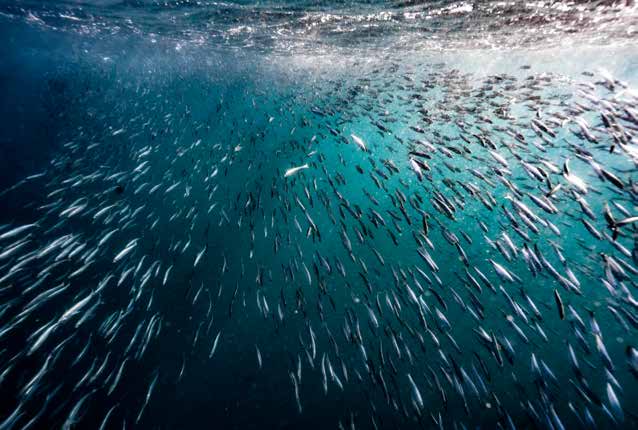
With over 3,000 kilometres of coastline, South Africa boasts an underwater landscape that is just as stunning as its famous topside attractions. The types of diving one can do here are wild – from tropical reefs in Sodwana Bay, to diving with sharks in Gansbaai, to Port St John’s for the region’s world-famous Sardine Run!
The Sardine Run is one of the main draws for divers travelling to South Africa
With one of the southernmost coral reef structures in the world, the waters off South Africa’s eastern coast harbour an enormous biodiversity of fish and invertebrates.
CAPE TOWN
The dive sites of Cape Town are divided between the west coast and those on the other side of the peninsula in False Bay. Dive sites on the west coast are typically colder with better visibility, while those around the False Bay side are warmer and more protected in the winter. Here are some of the best dive sites Cape Town has to offer.
Pyramid Rock, False Bay
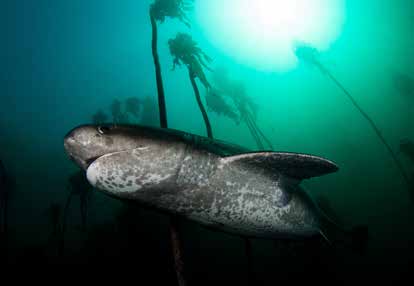
Cape Town’s famous kelp forest presents some spectacular underwater scenery with sunlight filtering through the towering strands of kelp. This is the best place to come face to face with the prehistoric broadnose sevengill shark. These animals can grow to over two metres and naturally congregate in the channel between Pyramid Rock and the shore. Other smaller shark species like the spotted gully shark and several species of cat shark can be found here as well.
Partridge Point, False Bay
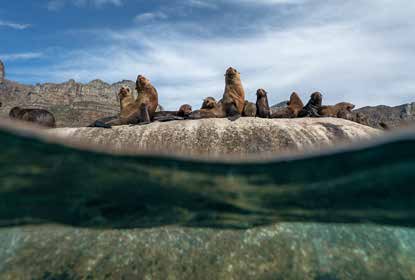
There is a reason the great white sharks are found here – tasty Cape fur seals! The seals are playful and inquisitive, used to divers and very happy to perform for them. The site has interesting topography, with small boulders and swim-throughs covered with cold-water corals and sea fans.
Occurring naturally on islands around the southern African coast, Cape fur seals are found nowhere else on Earth
Duiker Island
This is another popular hangout for Cape fur seals on the island’s granite boulders. The water at Duiker Island is often clearer than in False Bay due to upwelling from the Atlantic depths. For this reason, underwater photographers often choose Duiker Island over Partridge Point. This is, however, a tricky dive on days with a lot of swell. The surrounding reef is also not as picturesque, so seal encounters should be your primary goal.
Batsata Rock, False Bay
Cape Town may be known for its numerous shore diving opportunities, but it’s worth paying a little extra to get out on a boat. This is one of the most popular boat dives for all experience levels, since the rock itself comes within about six metres of the surface, and advanced divers can descend to a maximum depth of around 30 metres. The combination of dense hard and soft coral cover, a diverse topography with plenty of pinnacles and gullies creates the perfect habitat for a wealth of marine life. Look out for schools of yellowtail kingfish and giant short-tail stingrays that can grow to over two metres in diameter!
SAS Pietermaritzburg, False Bay
She started life as HMS Pelorus, a British Navy minesweeper that saw active service in WWII – including during the Normandy landings. After the war she was sold to the South African Navy, where she was renamed SAS Pietermaritzburg and used as a training ship. In 1994, she was intentionally sunk to create an artificial reef off Miller’s Point. Today, she lies at a maximum depth of about 25 metres and is still in good condition despite some of her superstructure starting to collapse. A dive around the exterior of the wreck is rewarding for its abundant marine life as well as its interesting history.
Smitswinkel Bay, False Bay
In the 1970s the South African Navy purposefully sunk five, decommissioned ships in nearby Smitswinkel Bay to serve as an artificial reef. These are the wrecks of two, upright Navy frigates SAS Good Hope and SAS Transvaal, the fishing trawlers Princess Elizabeth and Oratava, and the diamond dredger, Rockeater. Because they are so close together, it is possible to tour all five in a single dive known as the Smitswinkel Swim! The wrecks now support plenty of resident corals and fish life.
A broadnose sevengill shark off the Western Cape
Vulcan Rock, Hout Bay
This pinnacle is situated some 20 minutes by boat from Hout Bay harbour. Its location is on the Atlantic coast and further from shore than many of the False Bay sites. This means that visibility is often very good in the summer. The marine life is excellent too, with schooling game fish and other pelagics attracted by the plentiful reef fish and corals that typically define underwater pinnacles. For an added bonus, Cape fur seals often make an appearance at Vulcan Rock.
Justin’s Caves
This shore dive site is shallow but its primary appeal is its interesting topography, created by boulders stacked on top of one another to create a series of coral-rich caverns, overhangs, tunnels, and swim-throughs, providing great hiding places for critters like crayfish, nudibranchs, catsharks and reef fish.
Pelagic Shark Dives
Only for adrenaline junkies, a bait system is used to attract oceanic shark species like the most commonly seen blue shark, or if you’re very lucky, a shortfin mako, the fastest shark in the ocean. In addition, divers will also see a wealth of other marine life, ranging from pelagic seabirds and game fish like tuna and dorado, to humpback and southern right whales.
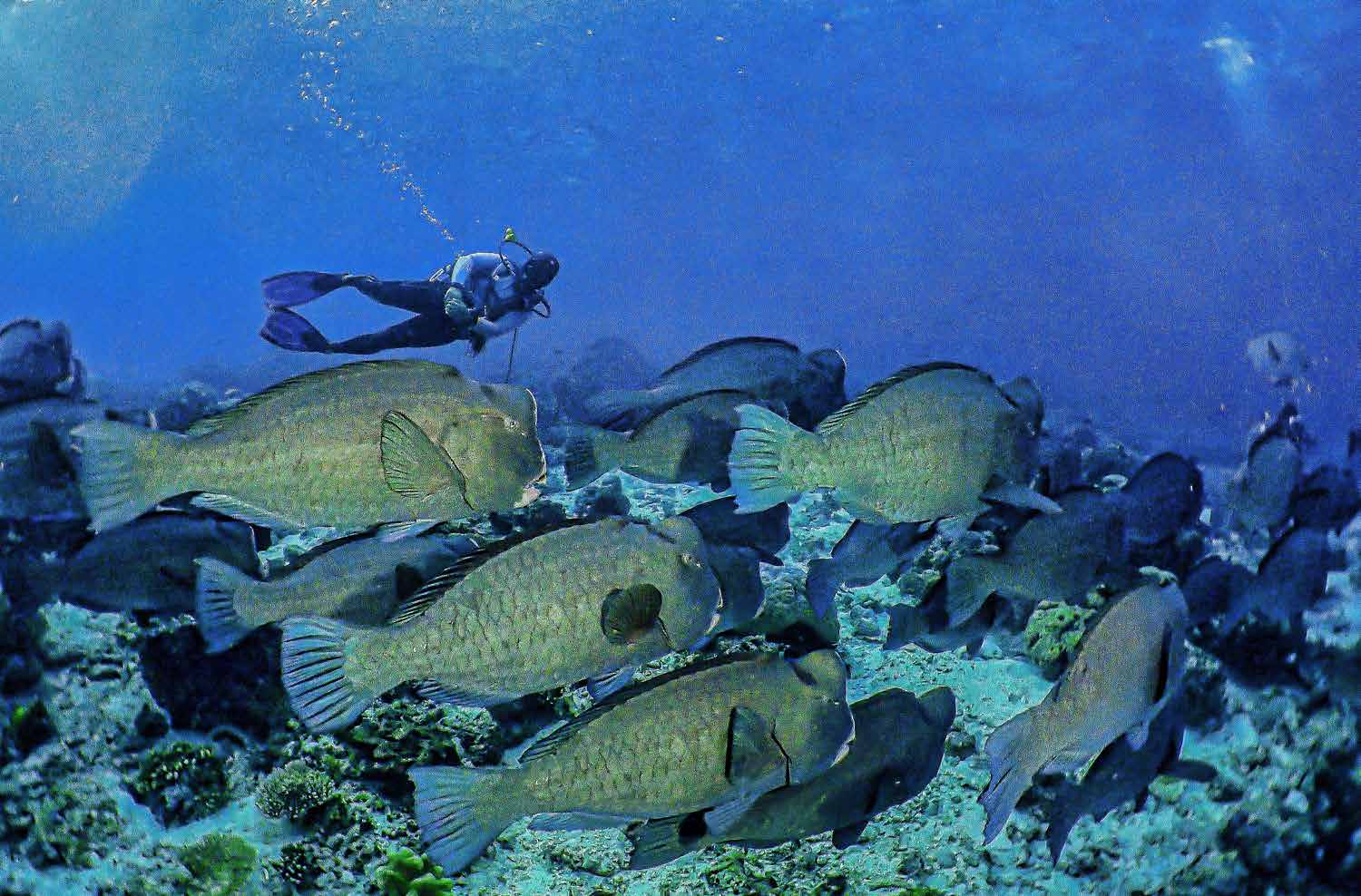
Bumphead
parrotfish off
Sipadan, one of
Sabah’s dive jewels
Sailors christened Sabah the “Land Under the Wind”, perfectly capturing the essence of the area’s geographical location south of the typhoon-prone areas, a haven of untouched beauty and tranquility. Its beauty also encapsulates natural wonders that include lush rainforests, towering mountains, and diverse wildlife on land and beneath the surface.
BIODIVERSITY HOTSPOT
Displayed in the full spectrum of colours, the region is so blessed with some of the richest waters for marine biodiversity that Jacques Cousteau described it as an “untouched piece of art… a jewel”.
SIPADAN
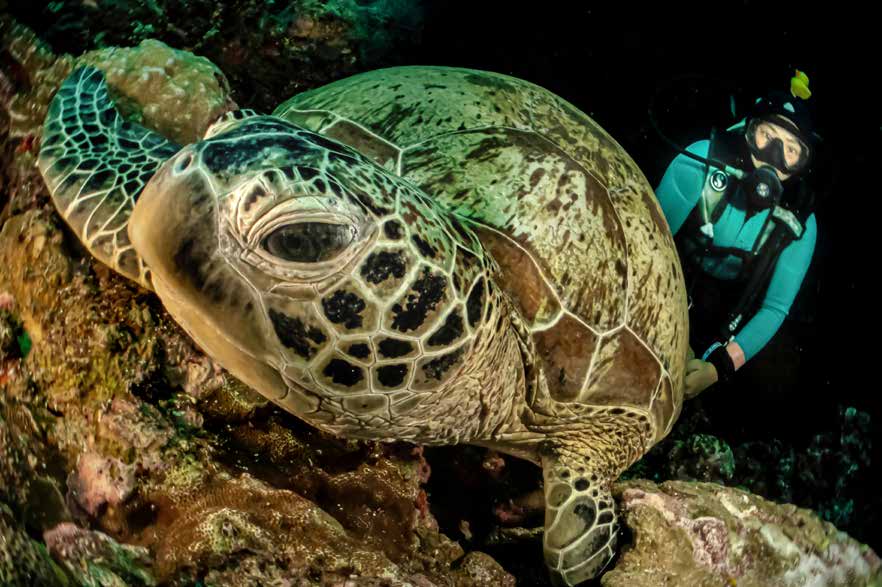
Formed over thousands of years by living coral growing on top of an extinct volcano, this little island off the east coast of Borneo is usually the first destination divers want to go to when planning a dive trip to Malaysia. Deep water currents bring in the nutrients that support one of the richest marine habitats in the world. Be prepared for turtles, grey and whitetip reef sharks, and the world-famous swirling schools of barracuda and jacks.
Expect to see a lot of turtles on your Sipadan dives
MABUL AND KAPALAI
Diving in Sipadan often means also diving the nearby Mabul Island and the sandbar resort of Kapalai. In contrast to the larger creatures around Sipadan, Mabul is a known for its macro dive sites filled with cuttlefish, squid, frogfish, seahorses and mandarinfish inhabiting shallow reefs. Kapalai is also an excellent spot for muck diving.
LANKAYAN
An hour-and-a-half boat ride north of Sandakan, this coral resort island is home to a wide range of species from bumphead parrotfish and leopard sharks to jawfish, dragonets and flying gurnards. Whale sharks visit during the months of April and May while turtle hatchlings start making their maiden voyage into the sea between the months of May and September.
MATAKING
This island is reachable by boat from Semporna, on the southern tip of Sabah. This is an attractive dive spot for its sharks, giant clams, rays, batfish and gorgeous coral reefs.
TUNKU ABDUL RAHMAN PARK
Only a 20-minute ride from Kota Kinabalu, the park is excellent for exploring the reefs for harlequin ghostpipefish and mandarinfish, and where whale sharks and hawksbill turtles are some of the rare finds on a dive.
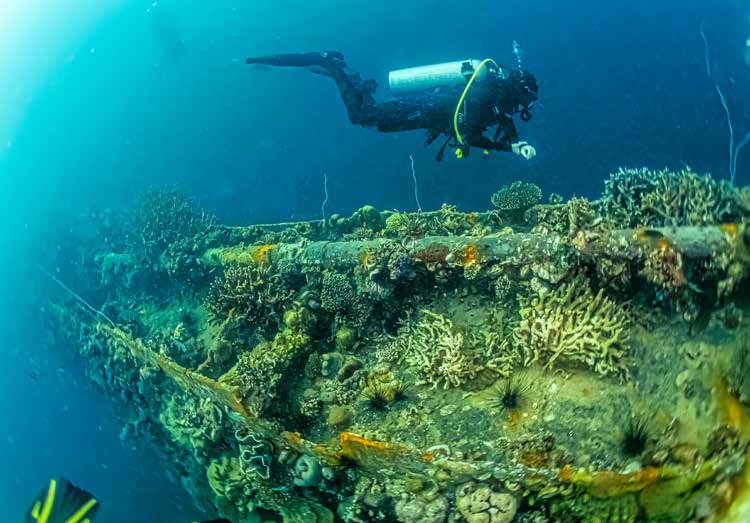
The Timber Wreck, a Japanese vessel that went down in the 1980s with a cargo of timber logs
LABUAN
Some of the best wrecks in Southeast Asia can be found off the coast of the island of Labuan, namely the Blue Water wreck (sunk in 1981), the Cement Wreck (sunk in 1980), the American Wreck (sunk in 1945) and the Australian Wreck (sunk in 1944), which attract thousands of wreck heads every year. Encounters with marine animals like scorpionfish, frogfish, fusiliers, bannerfish, angelfish, snappers, Napoleon wrasse, octopuses and turtles nicely spice up the dives as well.
PULAU TIGA
This group of three islands was formed as a result of a volcanic eruption back in 1897. Located about 45 minutes southwest of Kota Kinabalu, the island was put on the map after the reality show, Survivor, was shot here. The dive sites boast great visibility, healthy corals and animals like nudibranchs, bamboo sharks, and banded sea snakes.
LAYANG LAYANG
This oceanic atoll in the Spratly Islands is surrounded by waters teeming with a rich biodiversity of marine life. The island is only accessible via a flight from Kota Kinabalu, and bookings must be made through the Layang Layang Island Resort. Marvel at the hammerheads, grey reef sharks, leopard sharks, silvertips, and threshers as you swim along the gorgeous underwater caves and clusters of coral reefs.
All images courtesy of Clement Lee
This story was extracted from Scuba Diver issue no. 126. Subscribe now for more great stories!
Come join us for an event of the year in Sabah! Get your tickets here!
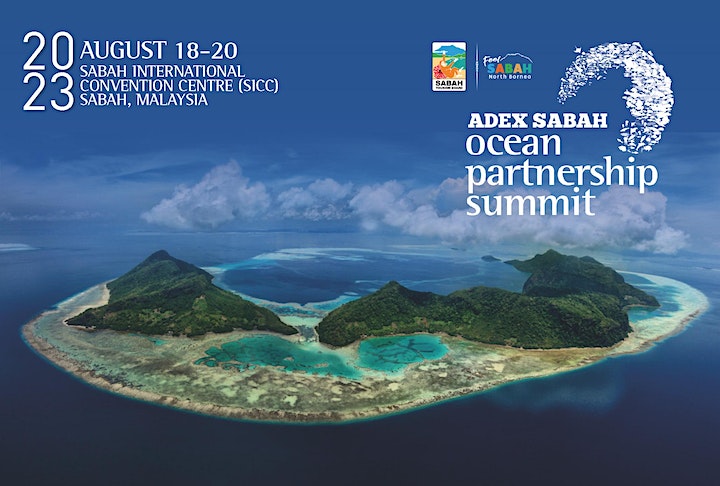
The inaugural ADEX Sabah Ocean Partnership Summit will be held from the 18-20 August 2023 at the Sabah International Convention Centre (SICC), Sabah, Malaysia.
Built on the United Nations announcement for the year 2021 to 2030, which is proclaimed to be the “Decade of Ocean Science for Sustainable Development ADEX SABAH OCEAN PARTNERSHIP SUMMIT 2023 will feature global experts and trailblazers from across the globe to discuss and explore diving disciplines, ocean conservation and sustainability while offering the opportunity to connect, network and throw yourself in the deep end, exposing your work, whether you are in the diving industry, tourism industry, resort or liveaboard world, photography or education.
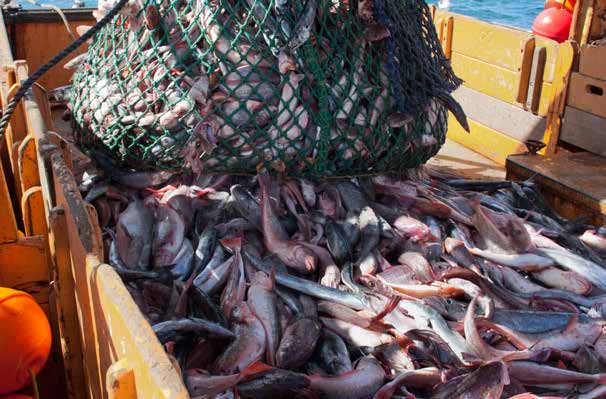
Between 970 and 2,700 billion fish
are caught each year as global fish
consumption continues to rise rapidly
In theory, fish farming was meant to take the pressure off marine fish stocks,
but as it turns out, this “sustainable” method is adding to the problem!
Text and images by Kerry Leach
A POPULAR NOTION
It seemed the answer to overfishing was simple – every fish nurtured on a farm is one less fish taken from the ocean. This was what Frank van der Linde believed; so in 2008, he and his partners started a fish farm to try and save the ocean’s fish from being depleted. But as soon as they started their farm, they were in for a shock – they discovered that this industry was actually emptying the oceans instead!
Feeding Fish with Fish
Most fish farmers in Asia feed their farmed fish with fish caught from the ocean, and in order for a farmed fish to reach one kilogram in weight, it needed 11kg of ocean-caught fish to eat! How was this sustainable?
11kg of ocean-caught fish = 1kg of farmed fish
A Marginally Better Alternative
The more-educated fish farmers used pellets instead, even though it was more expensive. 1.5kg of pellets were needed to grow one fish to 1kg. This seemed like a better solution, but in reality, the overfishing was still worsening – 4.5kg of ocean-caught fish was needed to make 1.5kg of pellets.
4.5kg of ocean-caught fish = 1.5kg of pellets to yield 1kg of farmed fish
VITAL NUTRIENTS FOR GROWTH
A fish needs protein to grow, and the protein in pellets come from fish meal. Therein lies the problem – to make 1kg of fish meal, roughly 5kg of fish are needed! Some bony fish need up to 60 percent protein, which means for every kilogram of pellets made, 600 grams of fish meal is used, and for every kilo of pellets, 3kg of fish need to be taken out of the ocean! Bony fish Between 970 and 2,700 billion fish are caught each year as global fish consumption continues to rise rapidly.
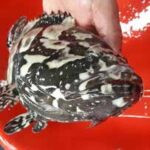
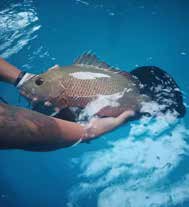
Two species of fish farmed at Eco Aquaculture
groupersnapper
CHALLENGE ACCEPTED
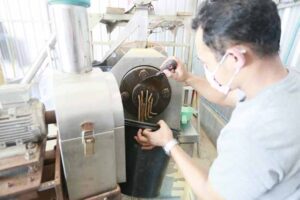
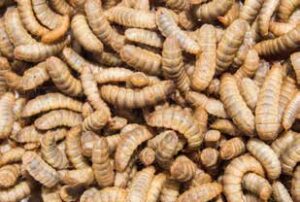
Frank and his partners wanted to farm fish without taking anything out of the ocean. They knew this would require an awful lot of research, testing and trials, but they took on the challenge. They put their own small fish-feed production line on an uncountable number of trials! The ultimate goal was to find a completely sustainable meal replacement that contained the right amount of protein. Finally, after a long period of trial and error, they found the answer in the insect industry – black soldier fly larvae meal (BSFLM). This was a breakthrough! In 2017, they started producing 100 percent sustainable fish feed for any kind of fish, taking NOTHING from the ocean.
Black soldier fly larvae combined with algae is used to feed the fish at Eco AquaCultureBlack soldier fly larvae
Today, Frank’s company, Eco Aquaculture, is likely the only fish farm in the world that holds a formula for fish meal that is made of black soldier fly larvae and algae for that allimportant omega-3 supplement. This success story is one of the first positive steps towards an ocean full of fish and shows the world that fish farming can be sustainable.
If you would like to know more about 100-percent sustainable fish farming or you want to help save the oceans and still be able to eat fish, go to www.ecoaquaculture.asia.
Did you enjoy this story? Why not subscribe? Click the link below!
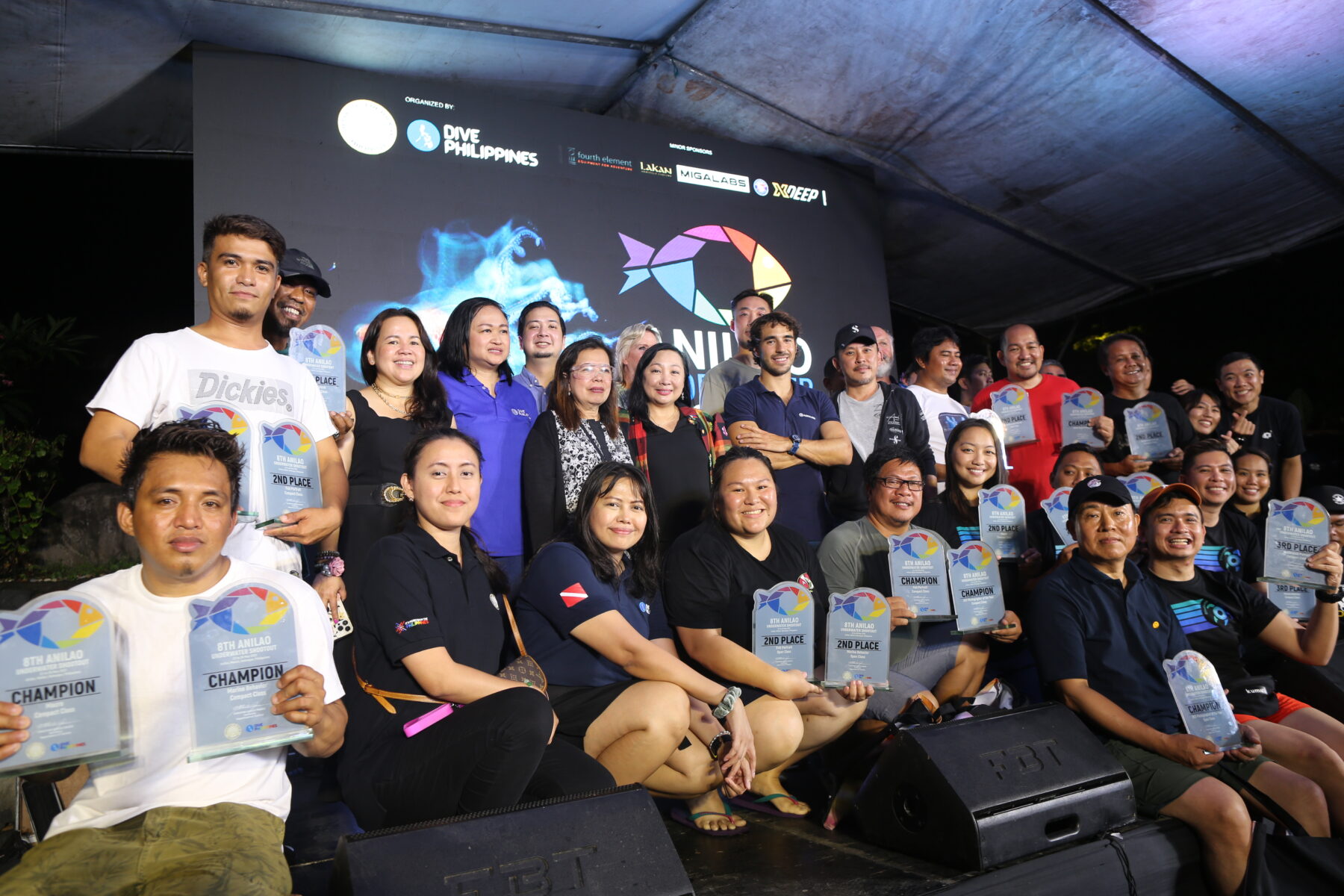
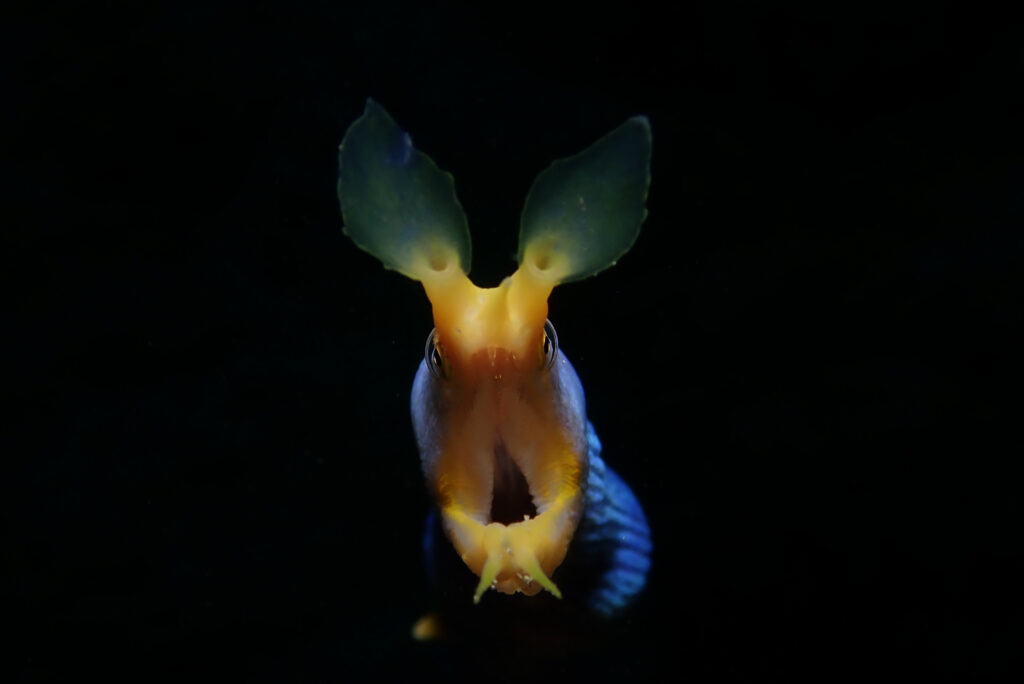
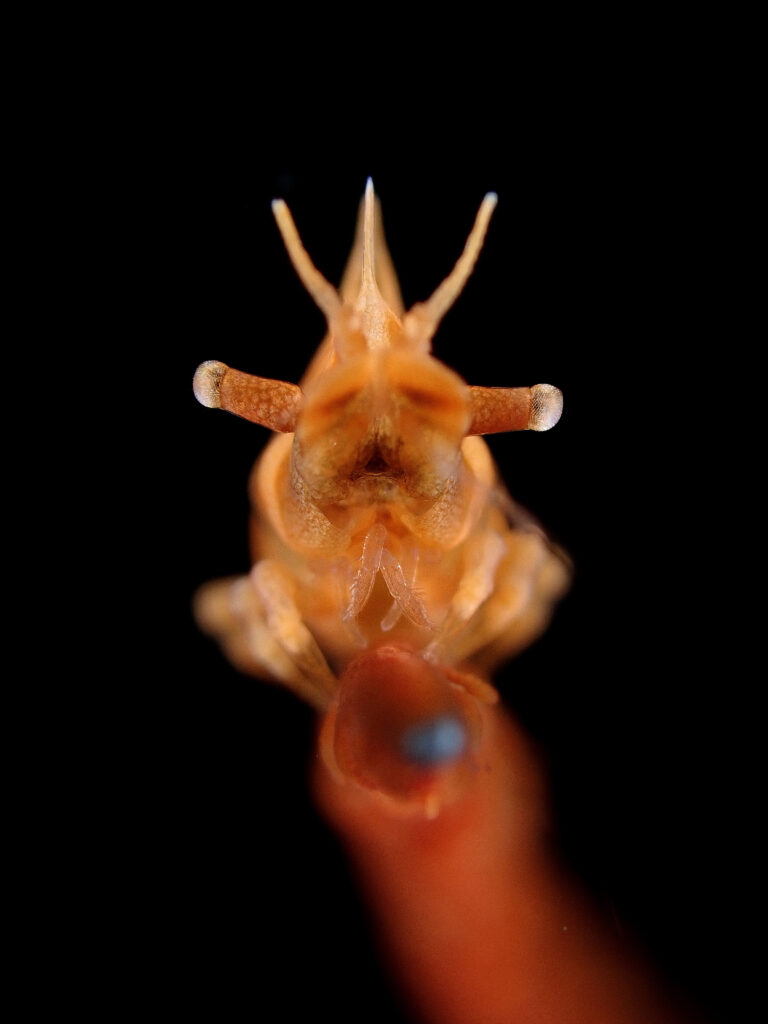
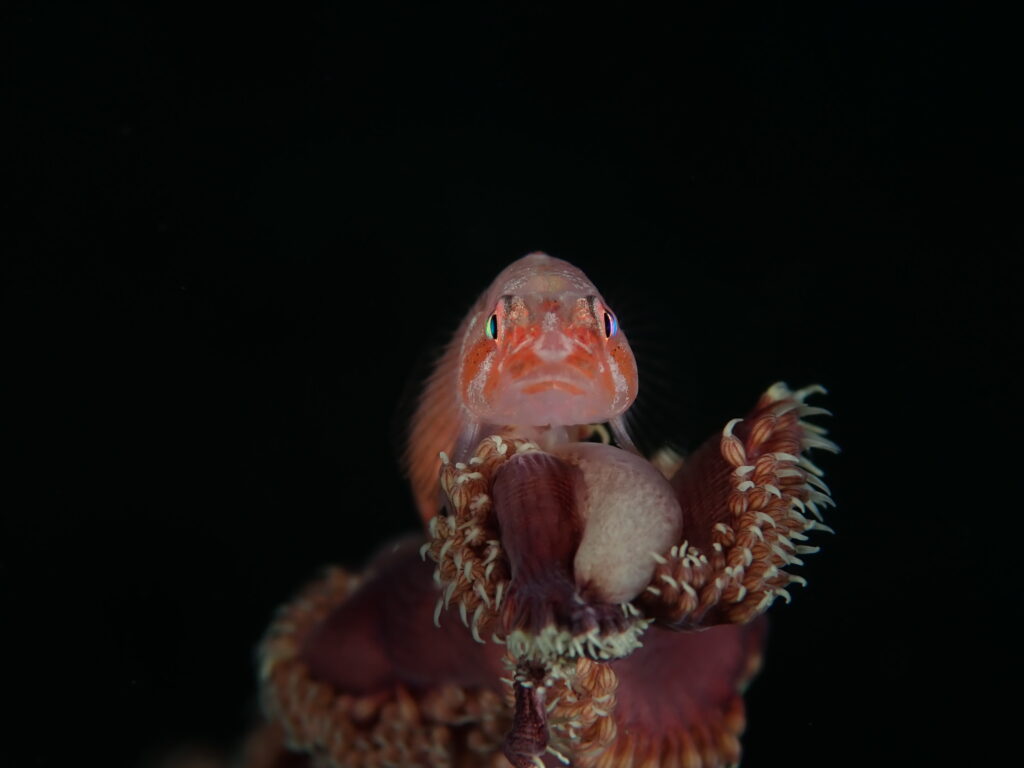
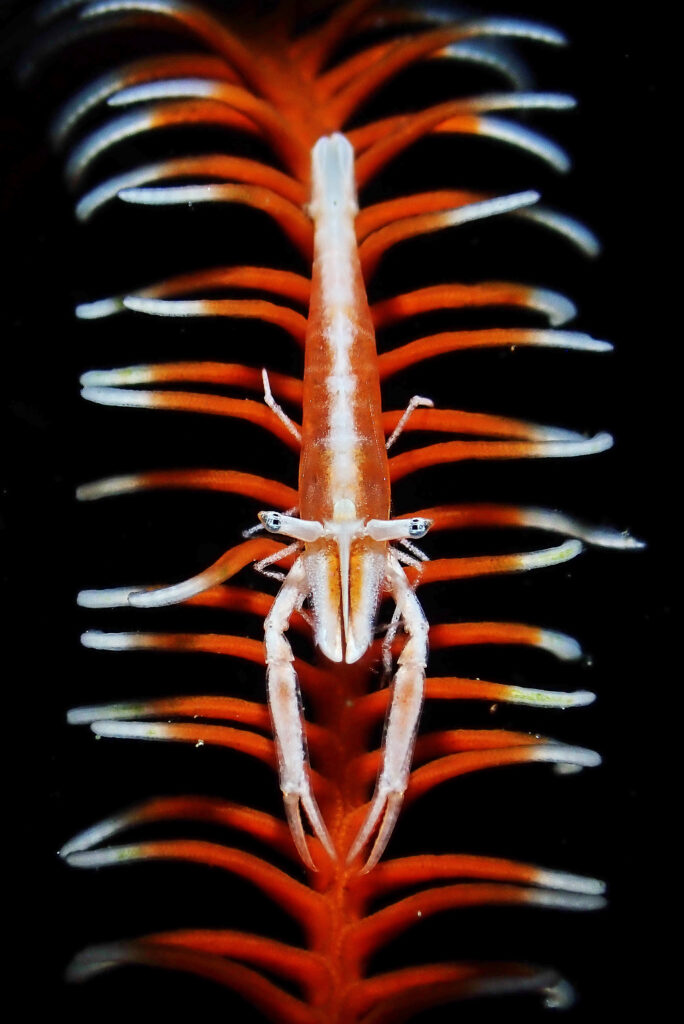
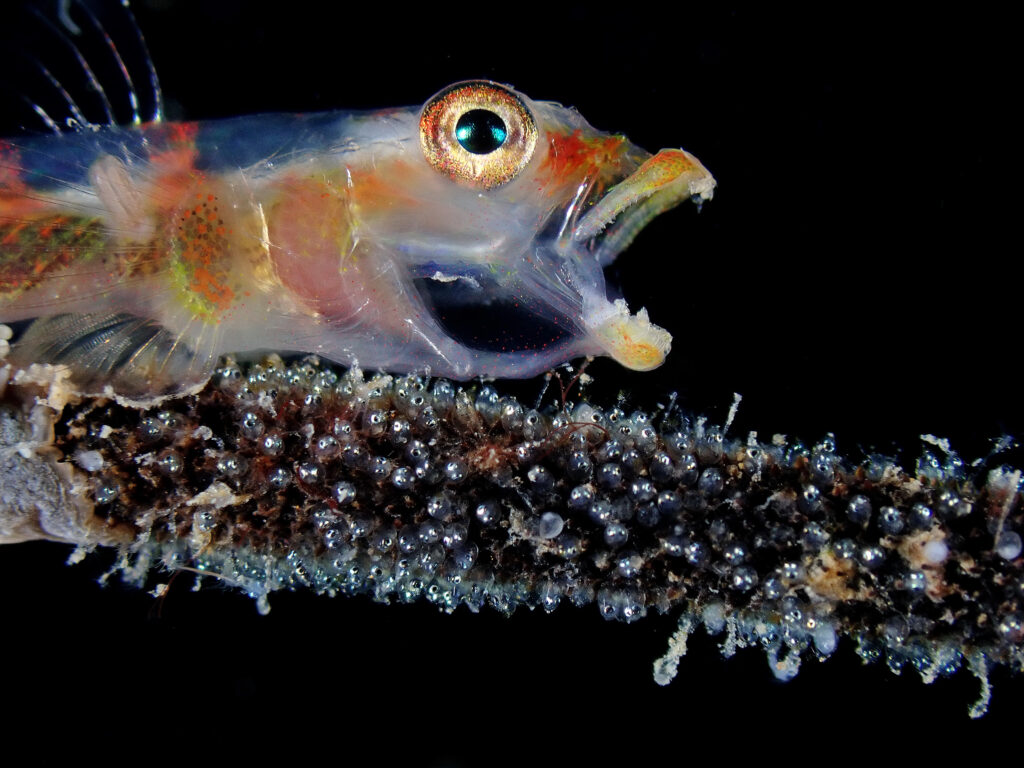
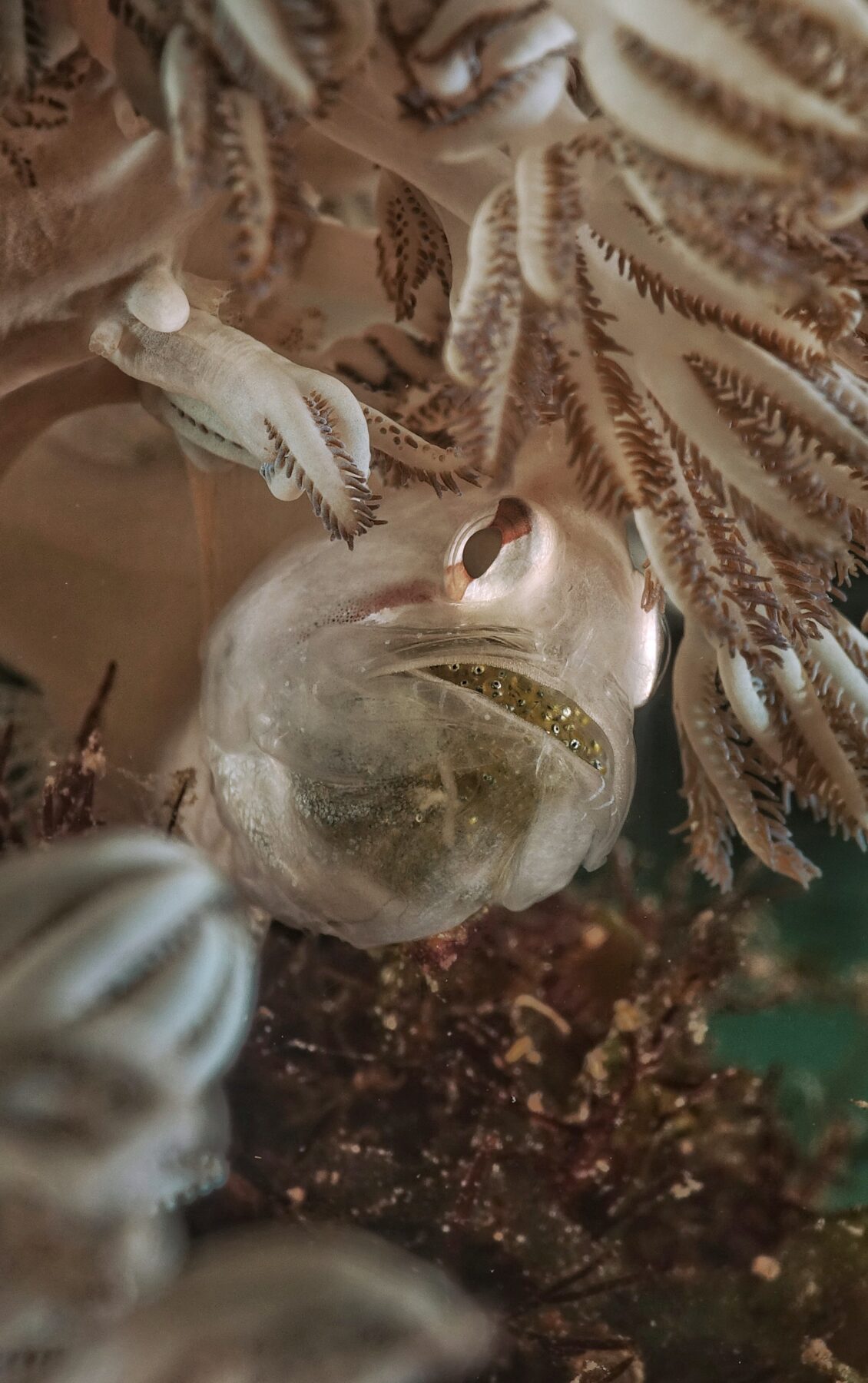
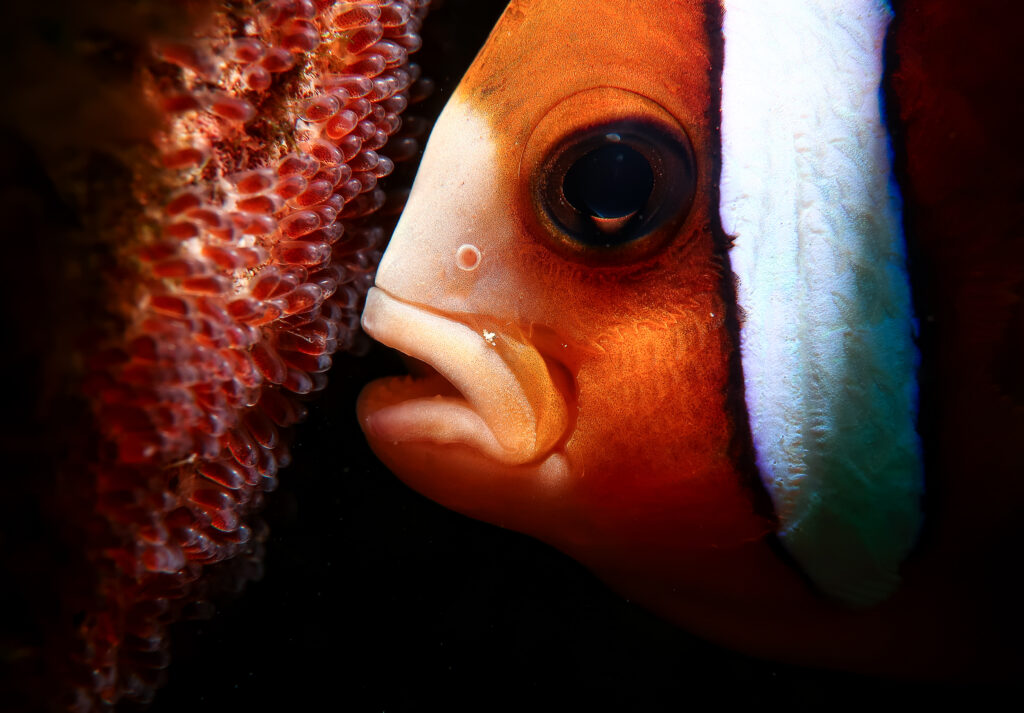
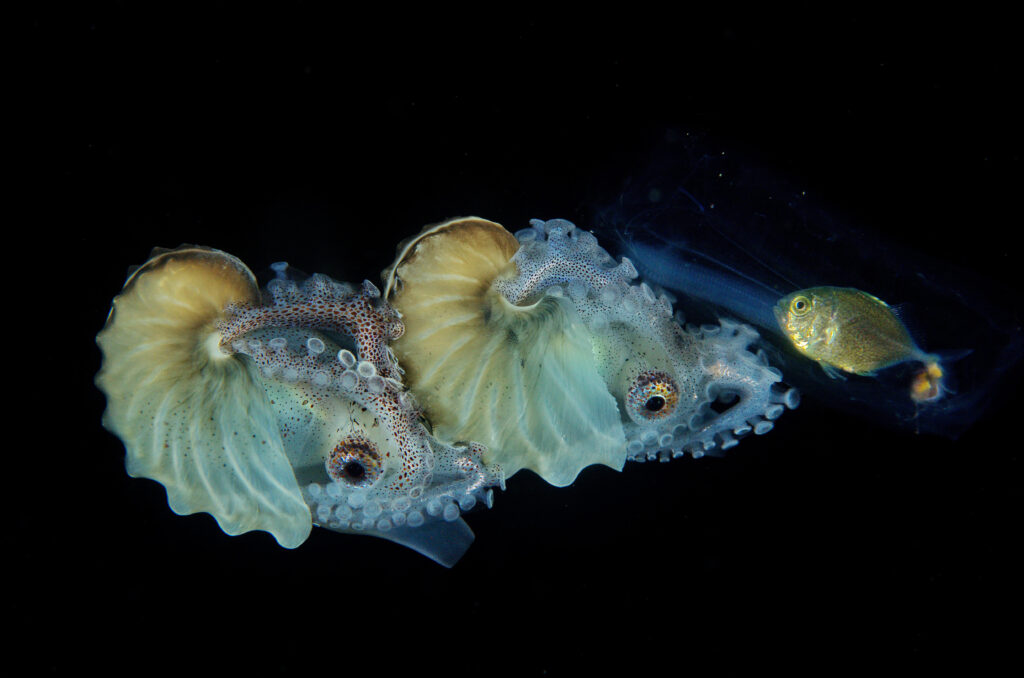
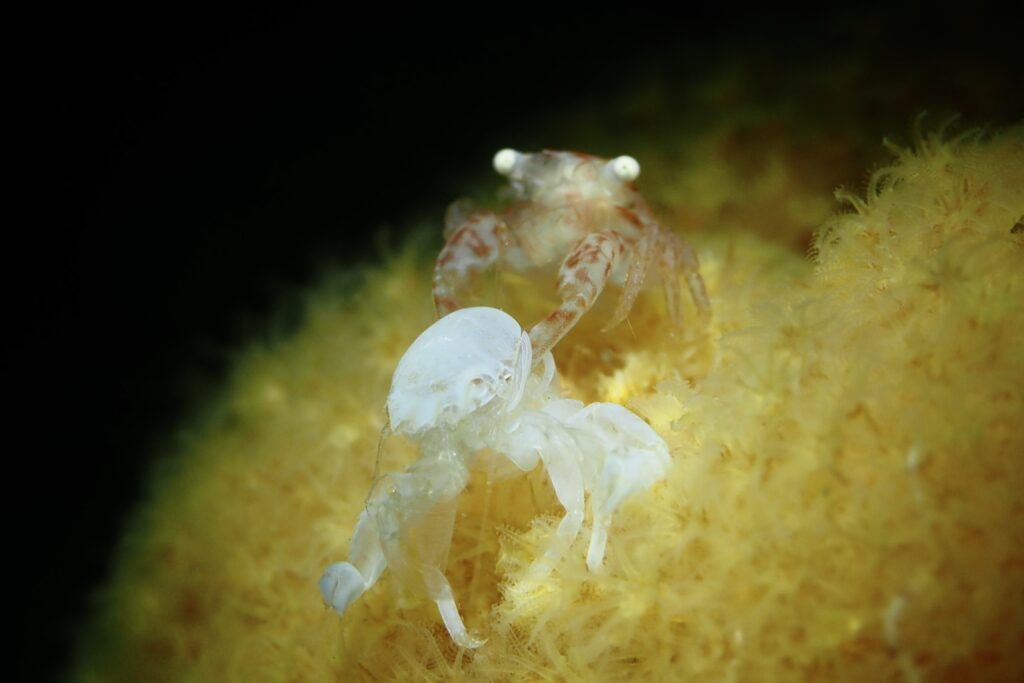
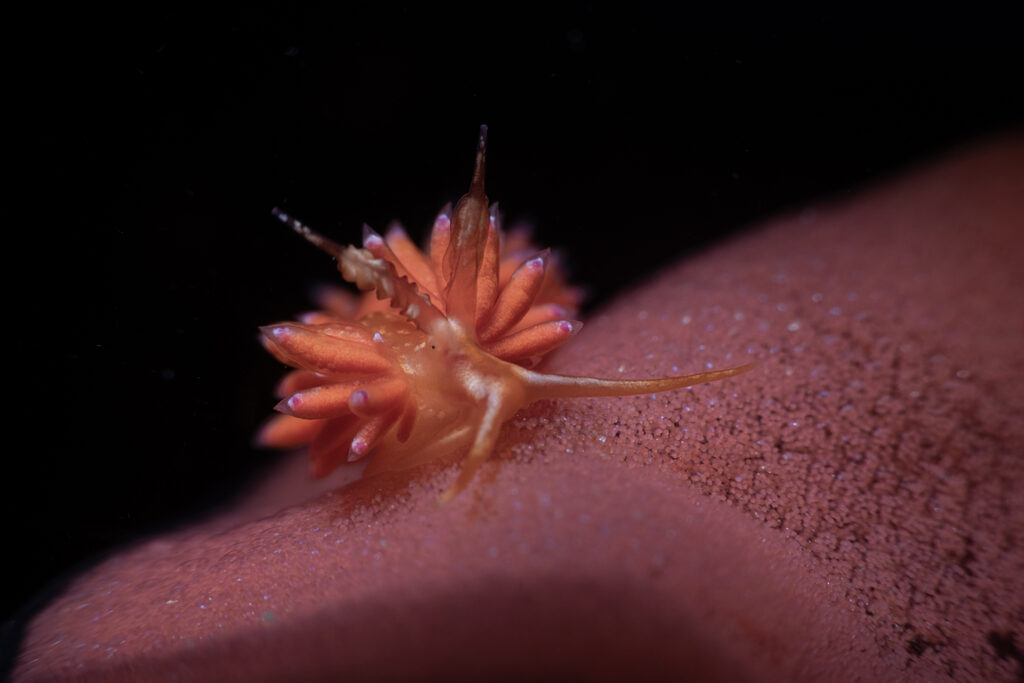
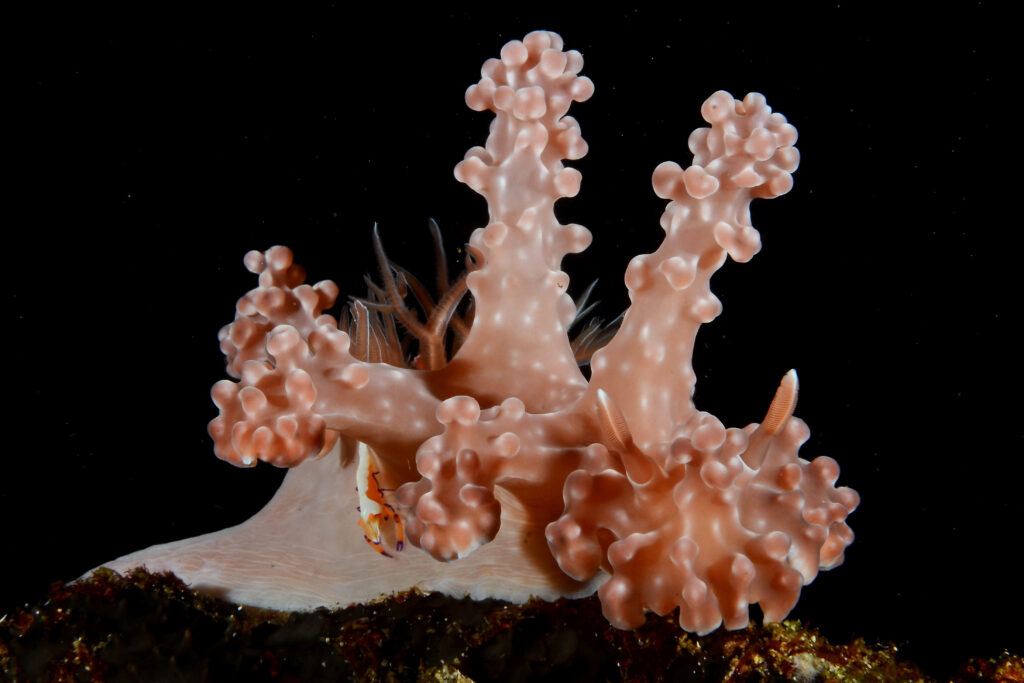
Amateur and professional underwater photographers beautifully captured the teeming marine biodiversity of Anilao in the entries to the 8th Anilao Underwater Shootout (AUS) mounted by the Department of Tourism (DOT) last May 22 to 26.
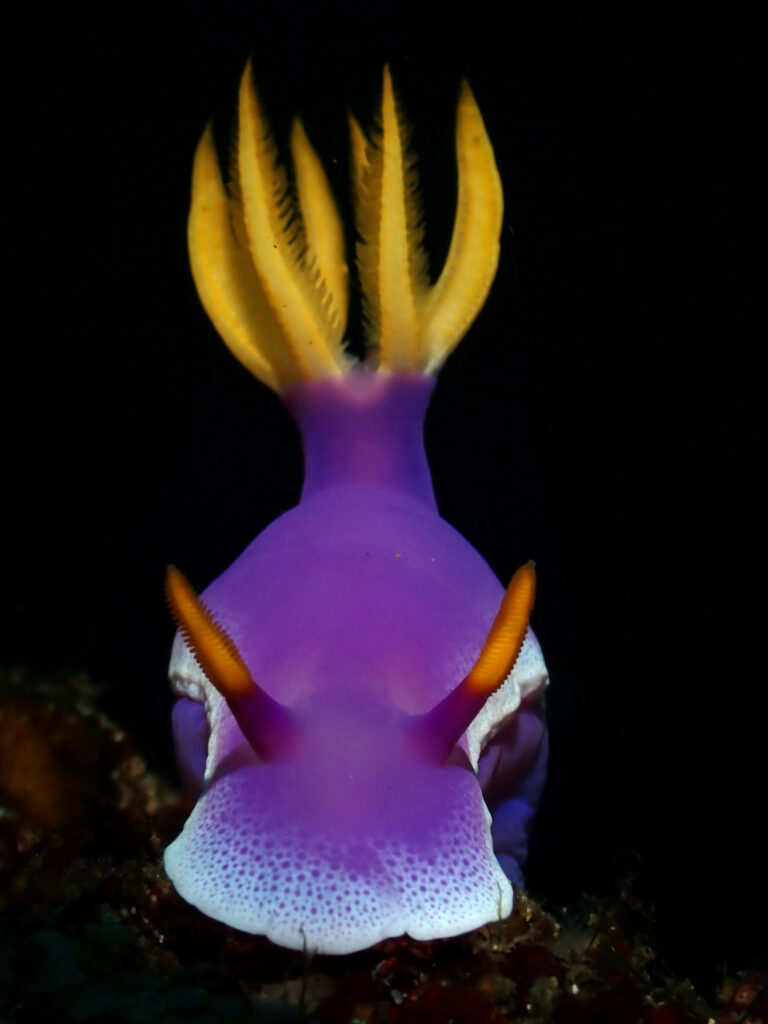
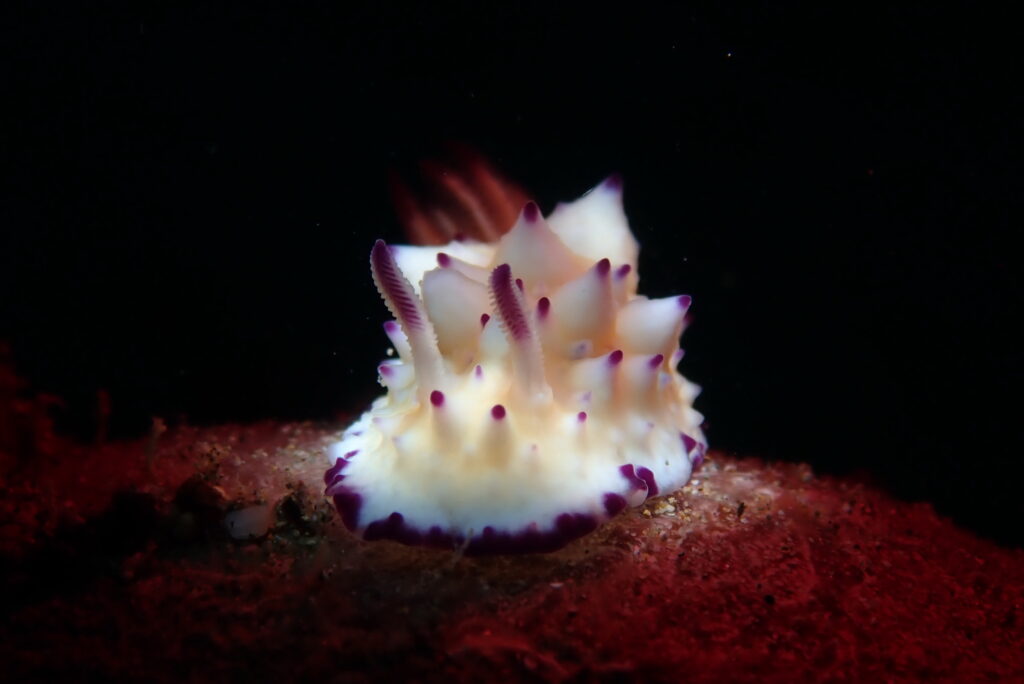
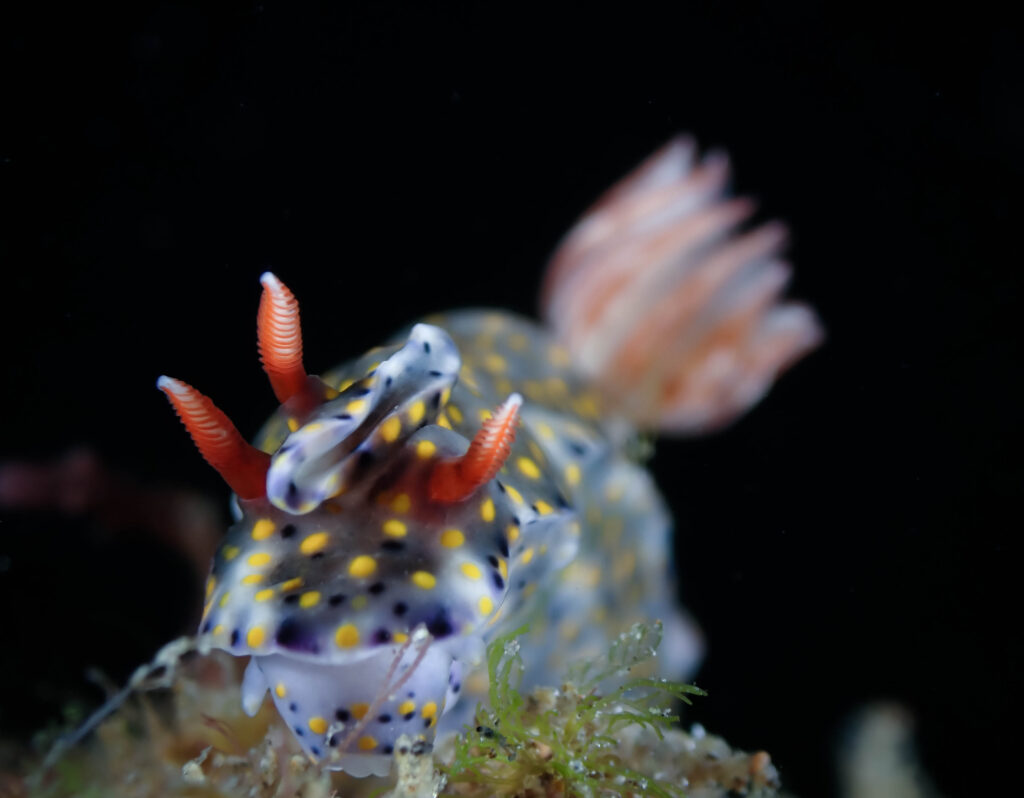
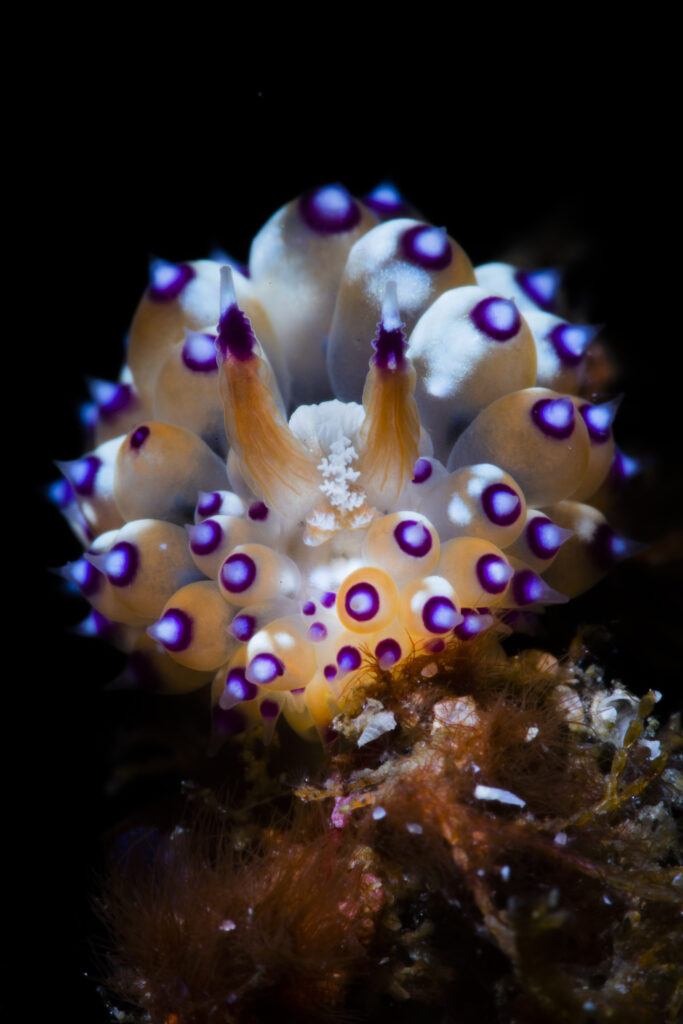
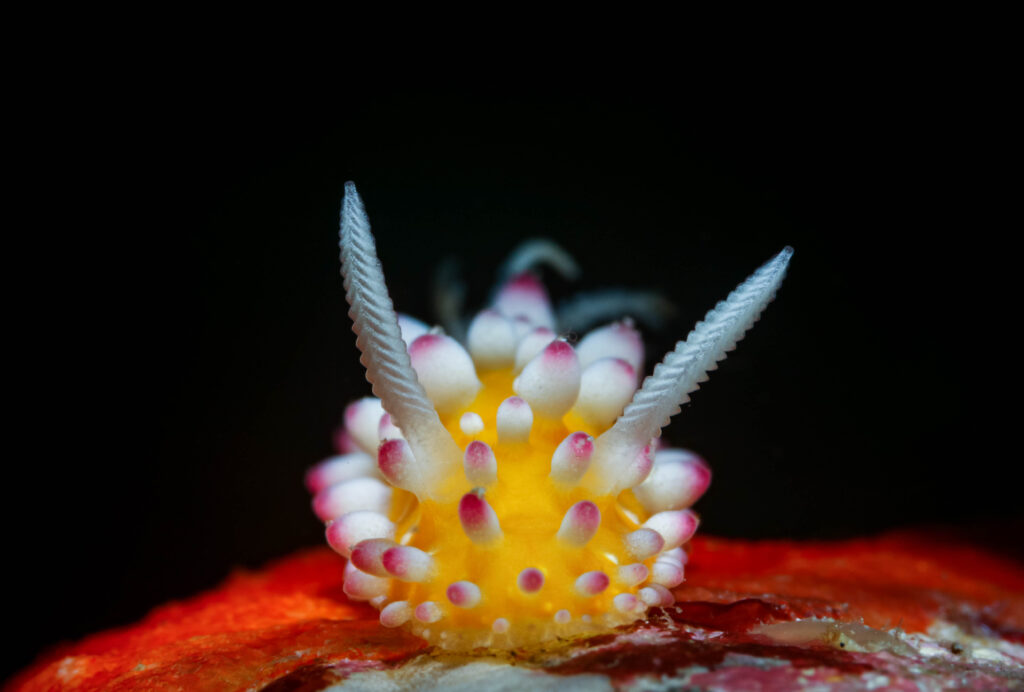
The “World Cup of Underwater Photo Competitions” highlighted the town’s rich biological treasures, including its waters carpeted with colorful nudibranchs.
Tourism Secretary Christina Garcia-Frasco said the event strengthens the country’s position as the world’s leading dive destination.
Through the competition, the DOT seeks to grow the country’s dive market with programs that not only promote the country’s marine biodiversity but also actively advocate for its protection and preservation.
“The department is dedicated to ensuring that the Philippines maintains its standing as the world’s leading dive destination through a coordinated, focused, and fully supported approach to the further development of our dive products across the country,” Secretary Christina Garcia Frasco said.
Gathering a total of 153 participants from 14 countries—including Australia, China, France, Germany, Hong Kong, Indonesia, Japan, Malaysia, Philippines, Singapore, South Korea, Thailand, Turkey, and the United States—the event also spurred tourism activity in Anilao.
“The presence of international participants at the Anilao Underwater Shootout is a big boost to the promotion of dive tourism in the Philippines, and also to the rebooting of the travel and tourism industry. We are thrilled that the passion for diving and underwater photography has brought everyone to Anilao as this year’s edition welcomes international participants for the very first time since the pandemic,” the Secretary added.
This year’s esteemed panel of judges includes award-winning underwater photographers Aaron Wong, Brook Peterson, Franco Banfi, Rafael Fernandez Caballero, and Scott Gutsy Tuason.
This year’s edition garnered a total of 426 entries across the competition’s 14 categories. Winners were awarded 1.7 million pesos worth of underwater photography gear from event partners and sponsors AOI, Divers Point Co., Fourth Element, Marelux, Migalabs, Nauticam, Nautilus Dive and Sports Center, Raptor Case, Scubalamp, Scuba Studio, Squires Sports, and XDeep.
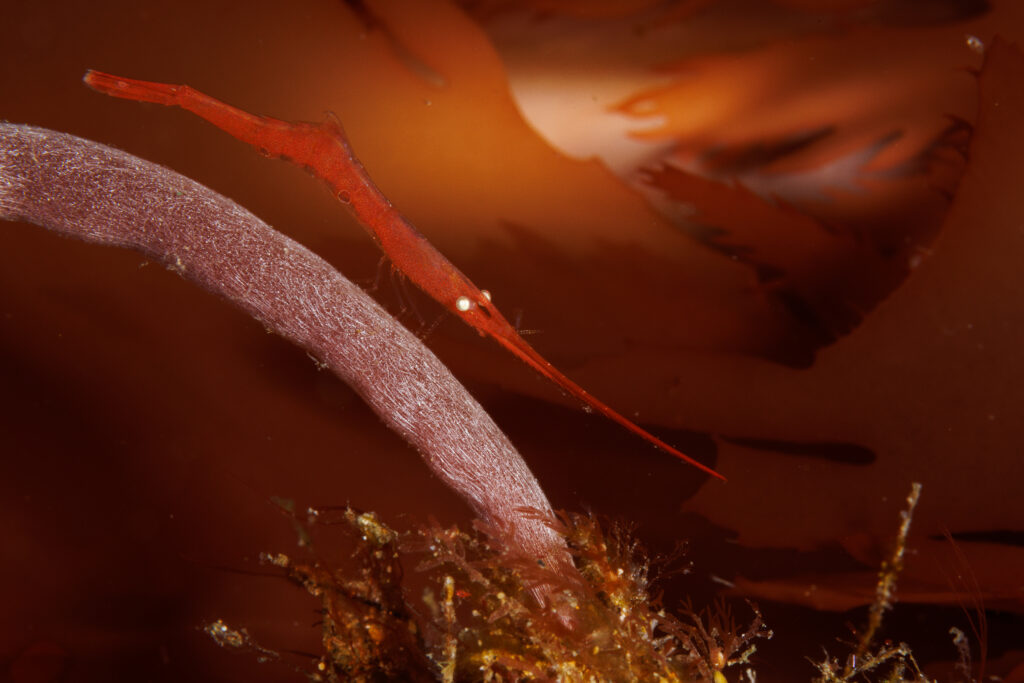
In the Open Class, Macro/Supermacro category, winners are Kim Kyung Shin, 1st place; PJ Aristorenas, 2nd place; Yat Kuen Eric Fung, 3rd place.
In the Marine Behavior category, winners are Dennis Corpuz, 1st place; Patricia Santos, 2nd place; Yat Kuen Eric Fung, 3rd place.
In the Nudibranch category, winners are Dennis Corpuz, 1st place; Mark Chang, 2nd place; PJ Aristorenas, 3rd place.
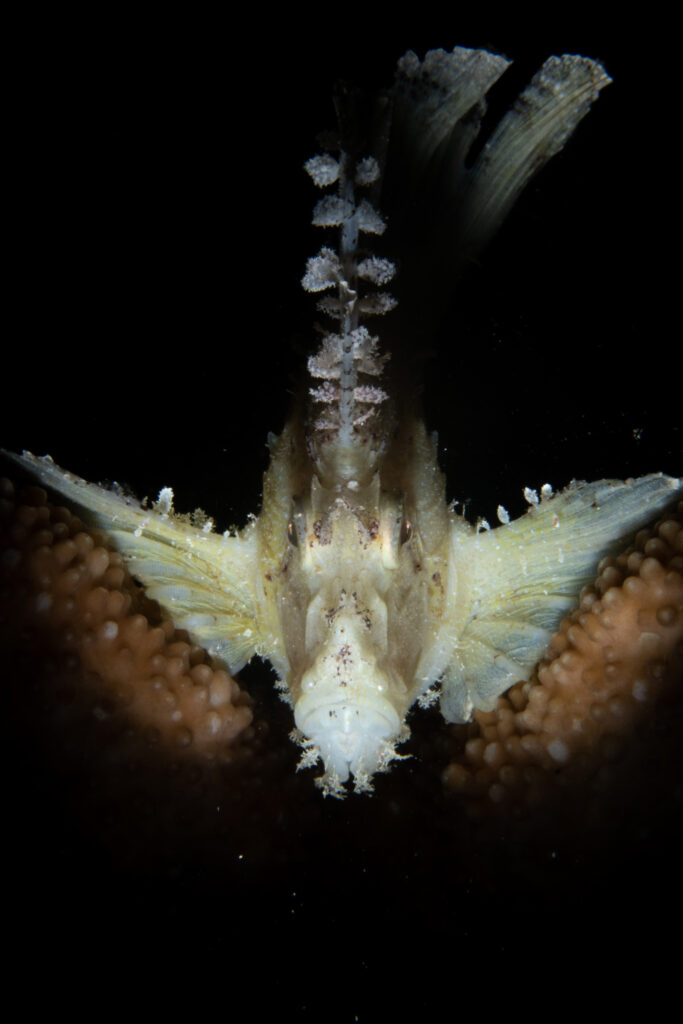
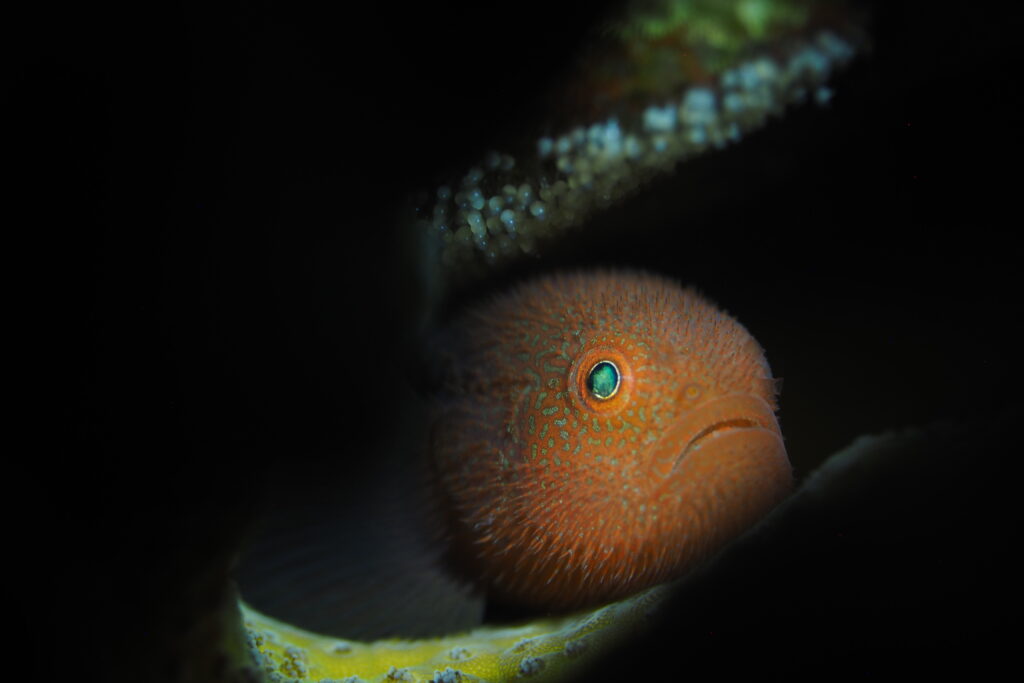
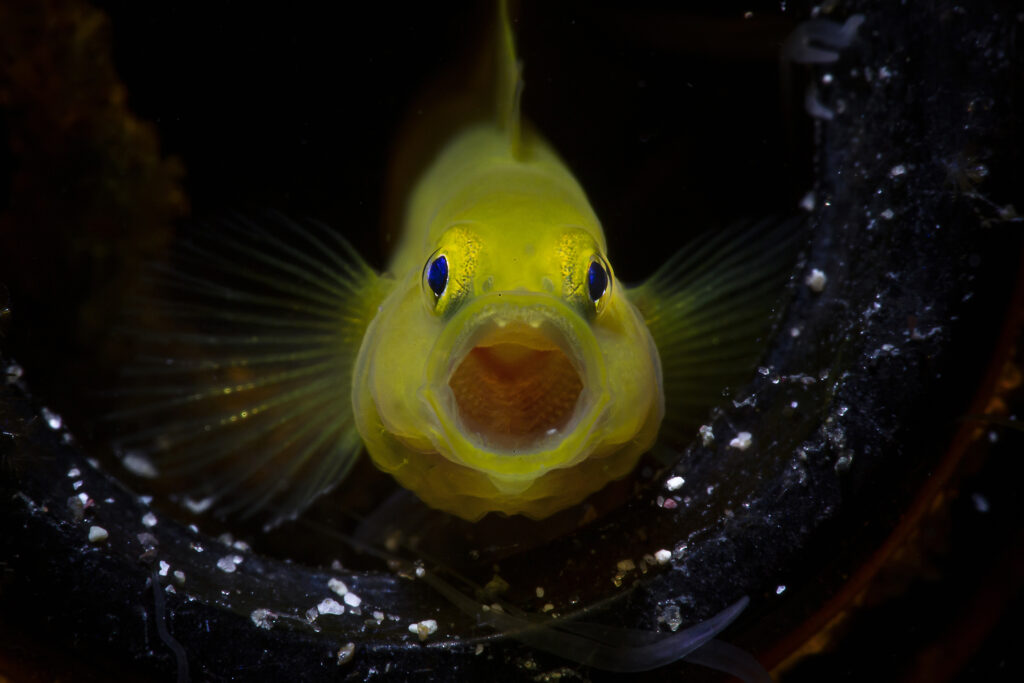
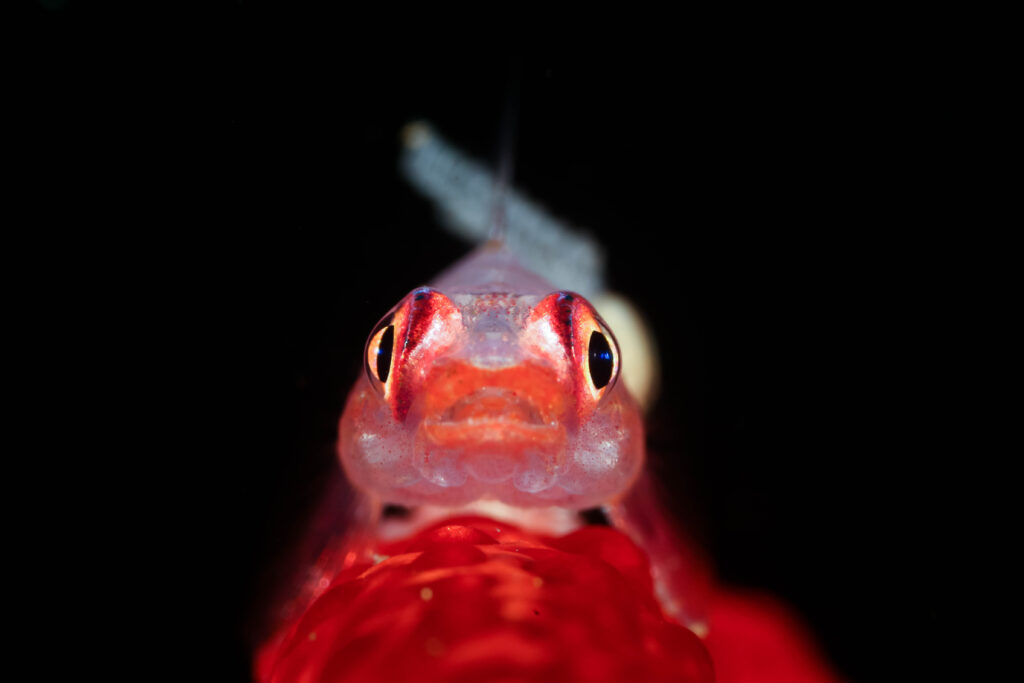
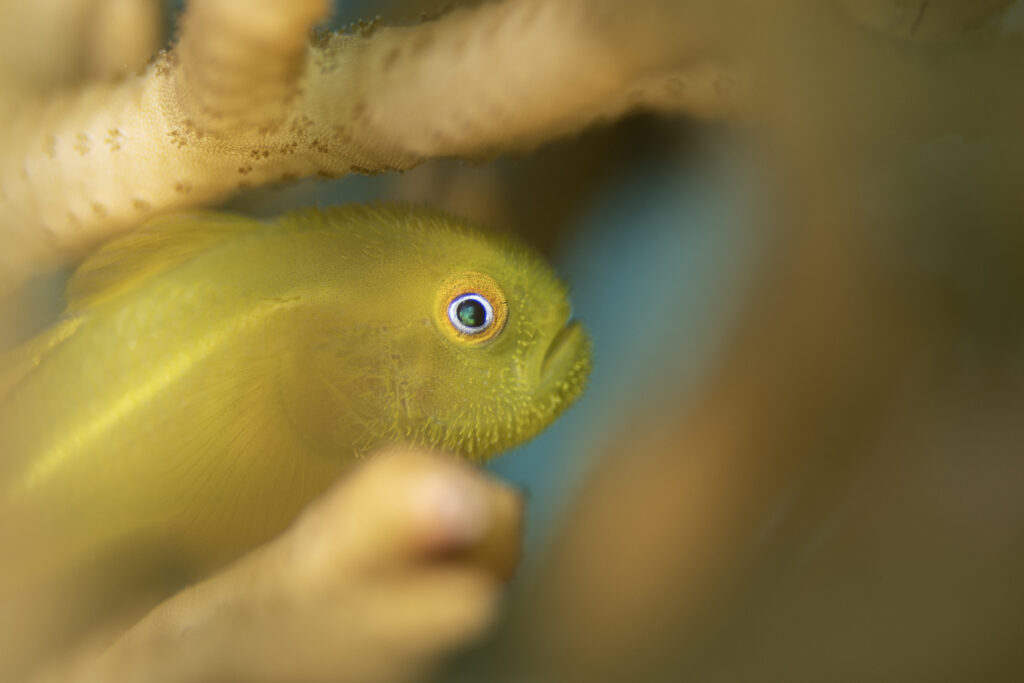
In the Fish Portrait category, winners are Deniz Muzaffer Gökmen, 1st place; Patricia Santos, 2nd place; Mark Chang, 3rd place.
In the Compact Class, Macro category, winners are Regie Casia, 1st place; Luzelle Artillero, 2nd place; Teresa Sy Ortin, 3rd place.
In the Marine Behavior category, winners are Regie Casia, 1st place; Eric Javier, 2nd place; Neil Anthony Torres, 3rd place.
In the Nudibranch category, winners are Jayson Cedrick Apostol, 1st place; Ronilo Corpuz, 2nd place, Jose Antonio Caluag, 3rd place.
In the Fish Portrait category, winners are Eric Javier, 1st place; Jayson Cedrick Apostol, 2nd place; Oscar Rey Maranan, 3rd place.
Special prizes were awarded to Dennis Corpuz in the Blackwater/Bonfire category and Mark Chang in the Wide Angle category.
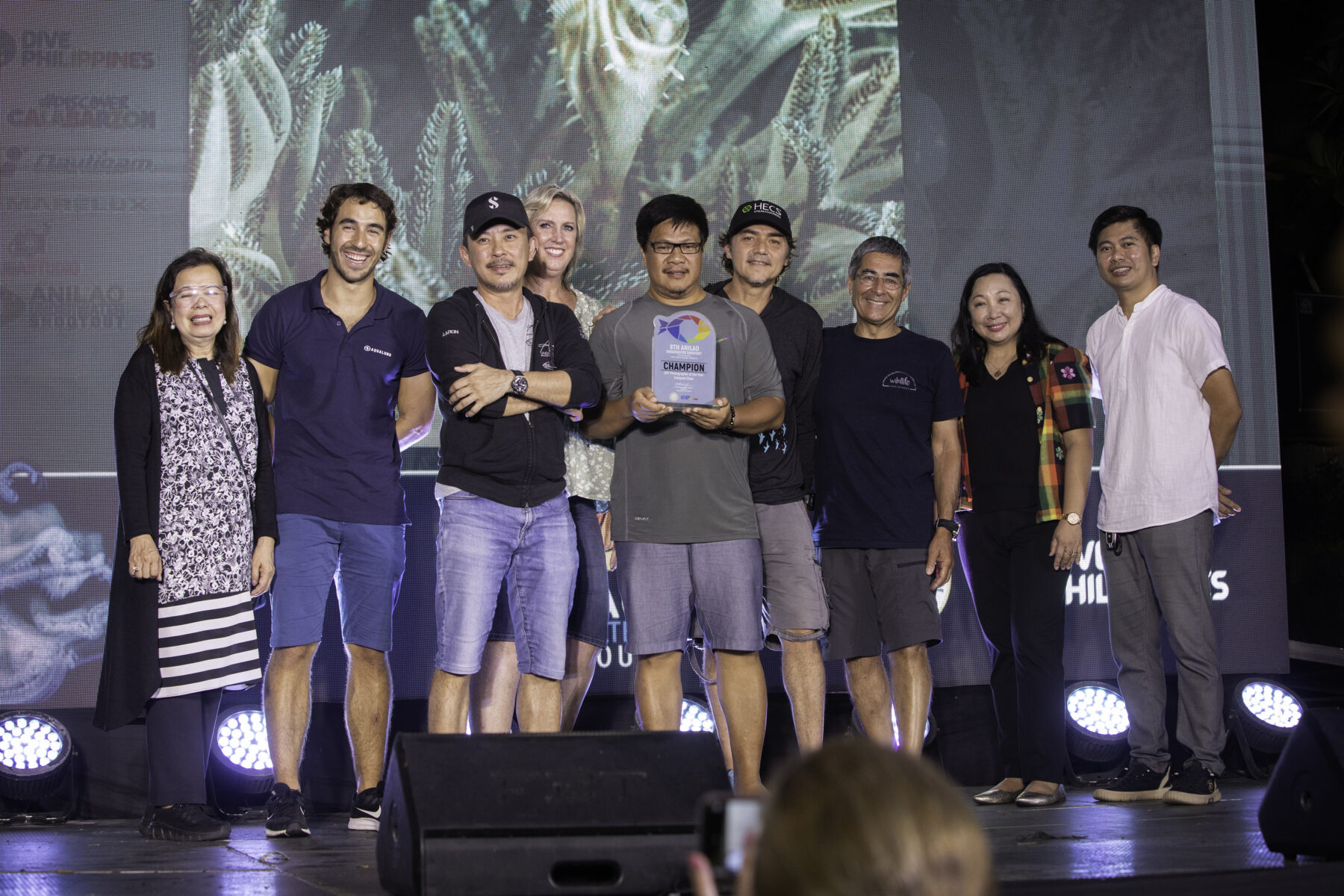
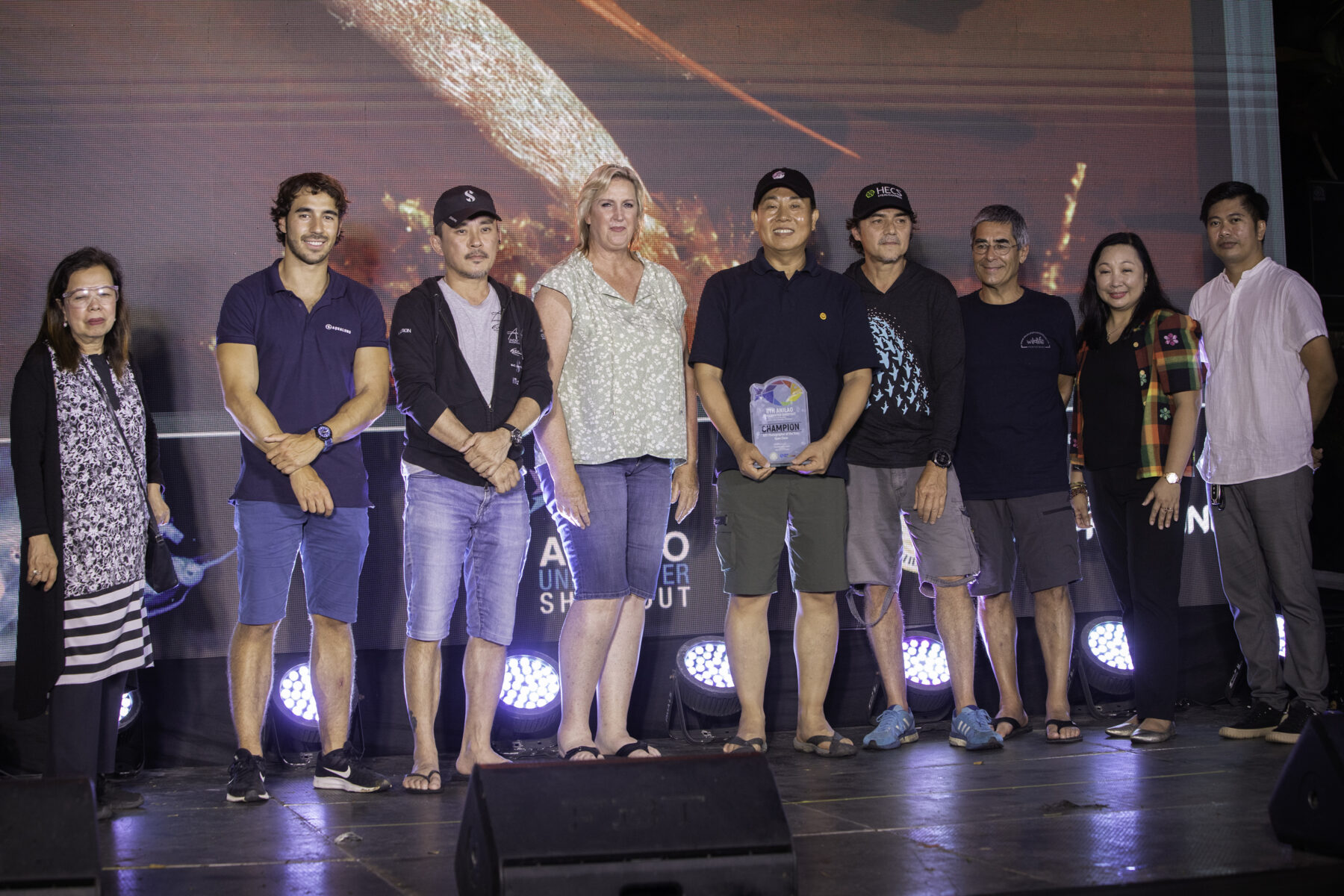
Eric Javier was awarded the DOT Photographer Year title for the Compact class while Kim Kyung Shin took the DOT Photographer of the Year for the Open class.
Meanwhile, Louie Casapao and Roberto Corpuz were named DOT Photographers of the Year Dive Guide for the Compact and Open classes respectively.
The Anilao Underwater Shootout has been organized by the DOT since 2013, in line with the identification of diving as a priority tourism product in the National Tourism Development Plan (NTDP).
The 8th Anilao Underwater Shootout was mounted in partnership with Mabini Tourism, DOT Region 4 A Calabarzon #DiscoverCalabarzon, Solitude Acacia Resort, Aiyanar Beach and Dive Resort, and Lakan. The event is also supported by Underwater 360 and Dive Marketing Media.
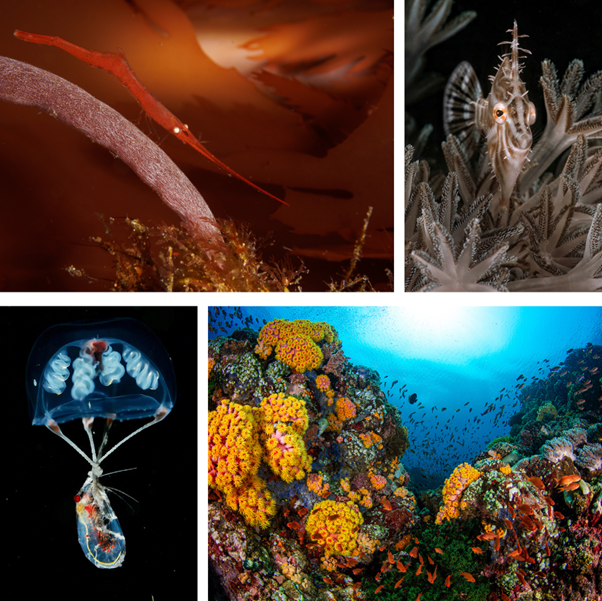
Anilao Underwater Shootout Winning Photos
Compact Class: Fish Portrait
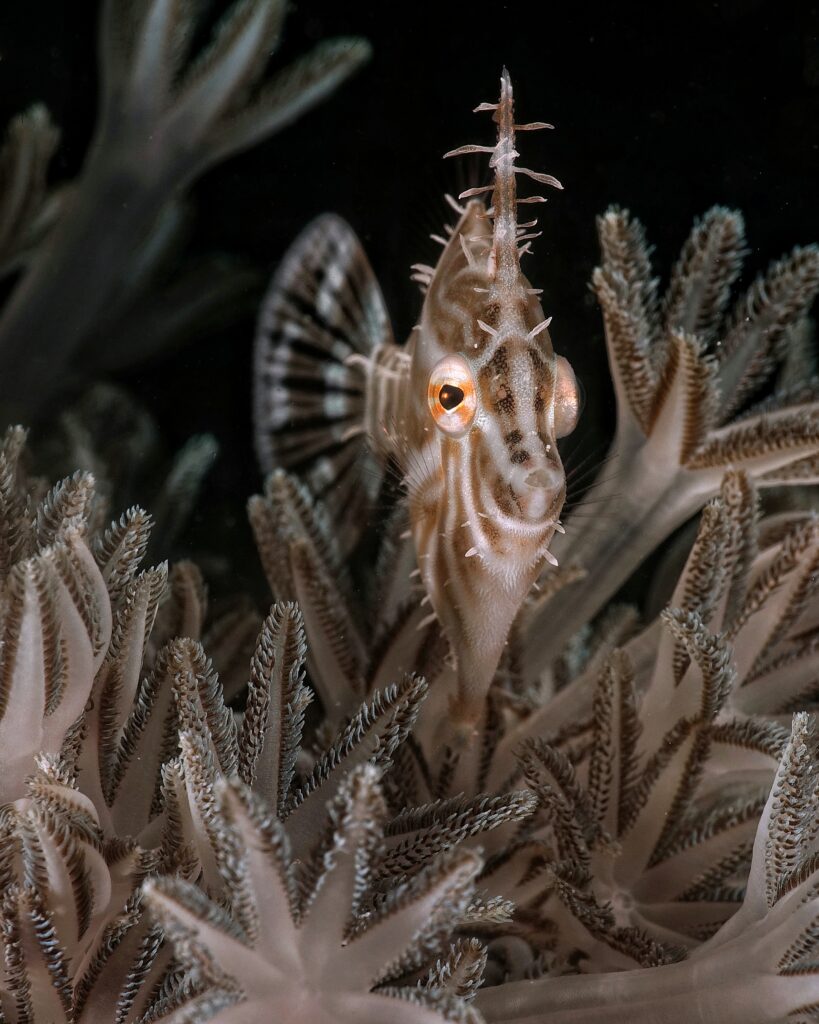
1st place: Radial Filefish by Eric Javier
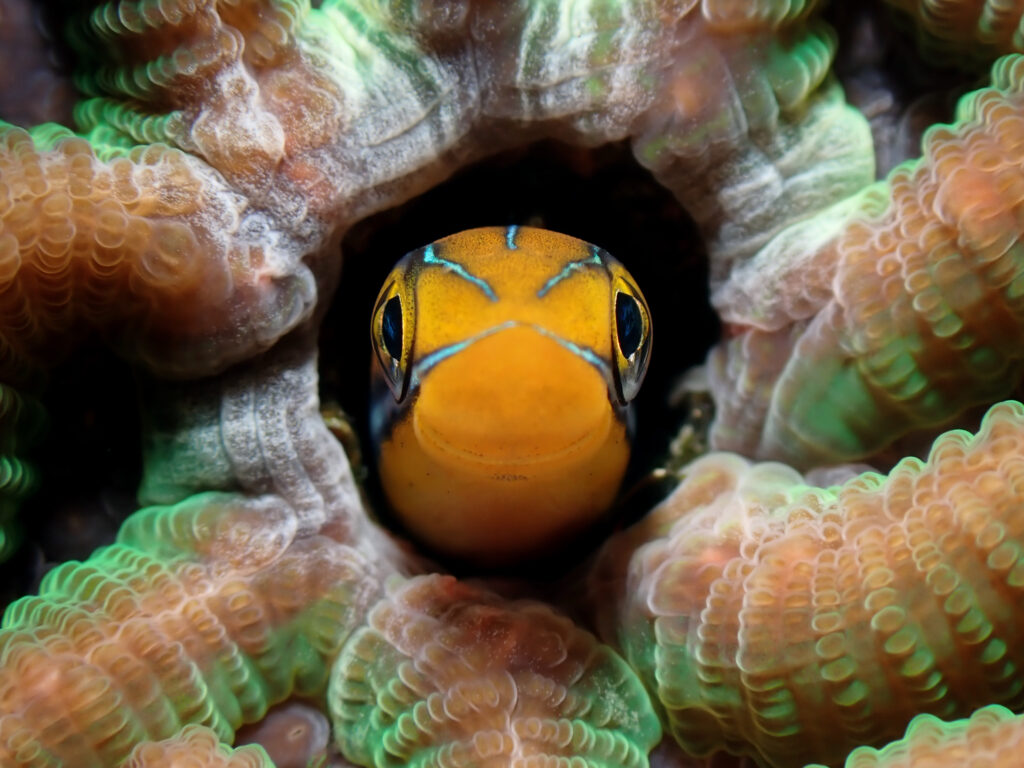
2nd place: Bluestriped Fangblenny by Jayson Cedrick Apostol


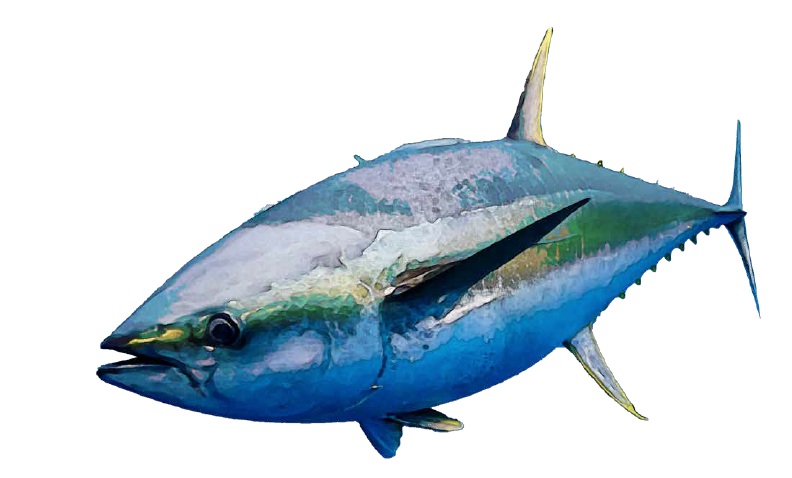
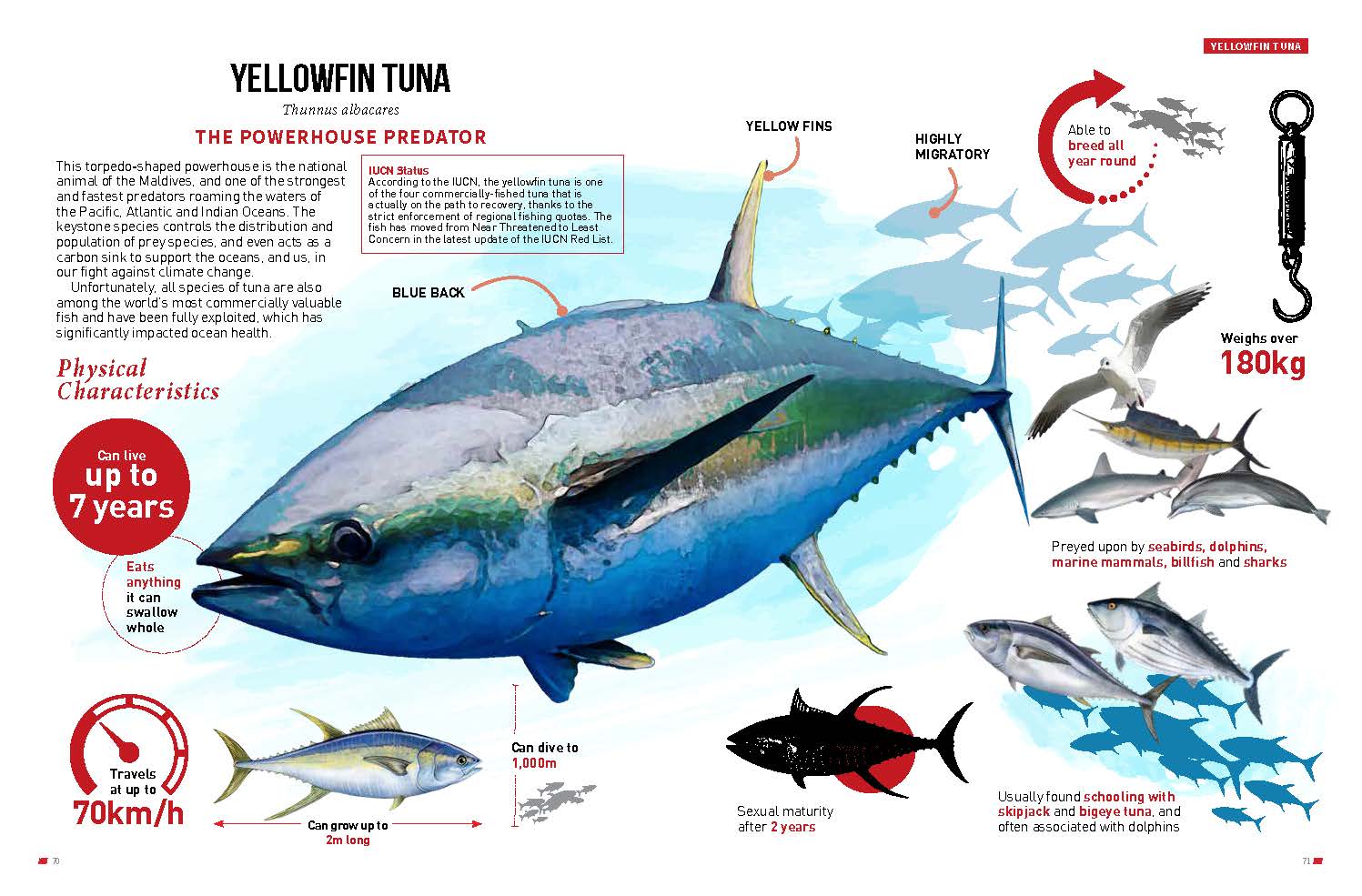
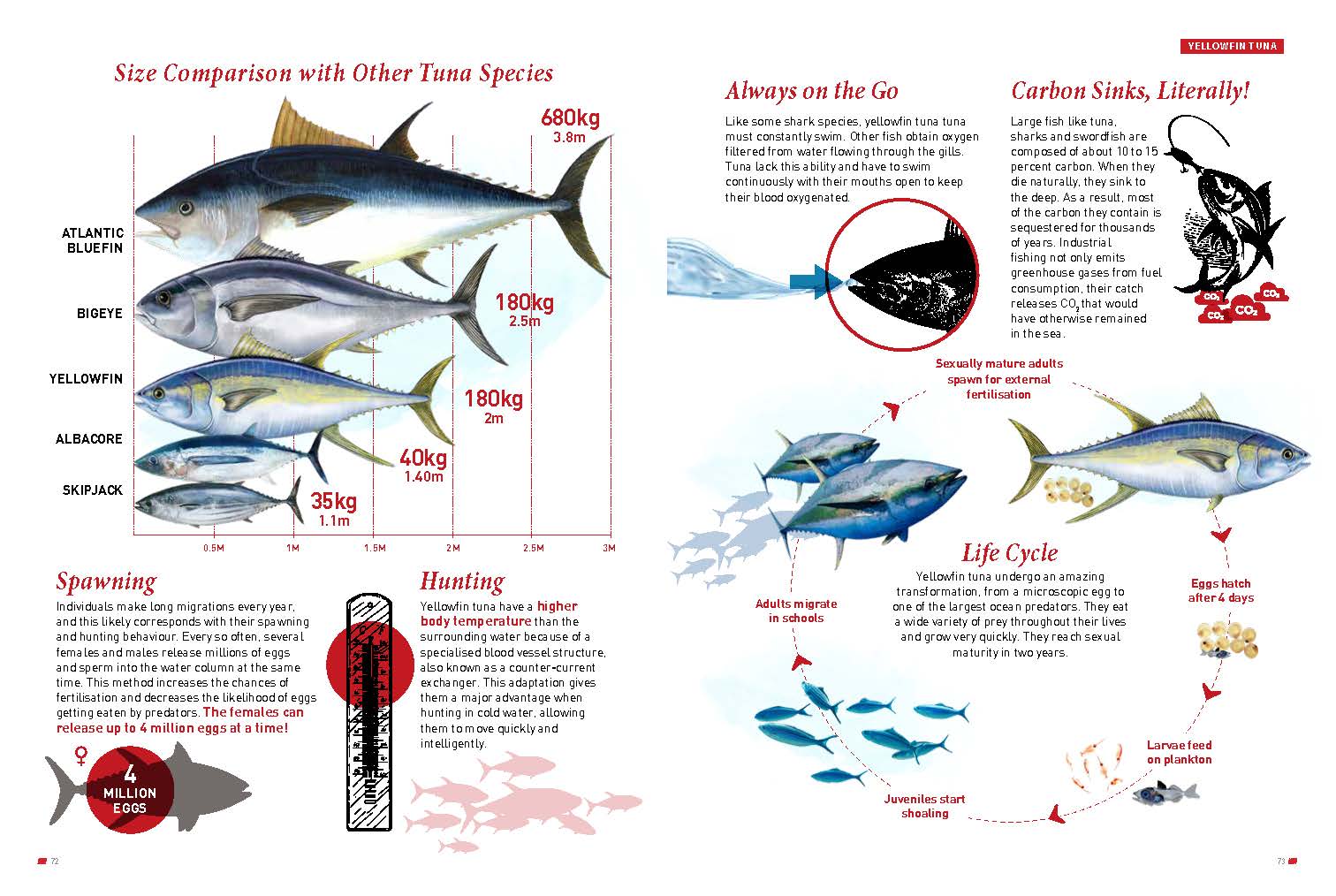 We featured some interesting facts about the yellowfin tuna in our Maldives issue (volume 163), and now you can read it here!