Home Blog Page 146

App Measures Colour Palette of Lakes, Seas, and Oceans

0

Both fresh and saltwater can be many different colours, depending on other substances in the water. Moreover, the colour may vary with time, both seasonally and over longer periods of time. However, research cannot keep up with these changes, and that is why the general public is now asked to join the colour measurements using the Eye-on-Water App on their smartphones. This app was presented at the STOWA conference in Burgers Zoo on April 20-21.

Colour is one of the most conspicuous characteristics that can be used to typify natural water. The apparent colour is the result of various suspended and dissolved substances in the water column. There are three important natural substances that affect the colour and clarity of the water: i) the pigment chlorophyll from phytoplankton; ii) suspended particles such as fine sand and minerals (milky, from grey to brownish black); and iii) dissolved material from dead plants (yellow to brownish).

4WaterColorApp-jpg
Physical oceanographer Dr. Marcel Wernand with the Forel-Ule color scale on the NIOZ Marsdiep jetty. Photo numbers: 1-Atlantic Ocean, 2- Central North Sea, 3-coastal water, 4-coastal water with algal bloom, 5-Wadden Sea and 6-Loosdrecht Lakes.

The colour of water is determined by dissolved substances and suspended particles. The colour of natural water has been recorded on the Forel-Ule scale aboard ships since 1889. Long-term analyses of the Forel-Ule data yield a varied picture with regard to the degree of colour change for each region. Changes in algae concentrations turn some seas and oceans bluer (fewer algae) and other greener (more algae), but the patterns also change over time. Algae form the foundation (“the grass”) of the worldwide food web; without algae there would not be any mussels, fish, birds, or marine mammals. Dissolved organic substances from dead plants and sediment turn the water yellow or brown. This can mainly be seen in freshwater and coastal areas.

On large surfaces, these patterns can be linked to satellite observations. This shows that the link between plankton and climate change is altering not so much on a global as on a regional scale. Observation satellites and local measurement stations enable scientists to monitor large areas of sea.

Citizen Science with an App

This research can now be widened to include colour measurements by the general public using the ‘Water on Eye’ app. The measurements by the app on ground level can be used to validate satellite data. A huge advantage of the app over satellites is that it can also be used on cloudy days. The app is available on Android and Apple smartphones. The principle: you take a picture and compare it to the Forel-Ule scale with 21 standard water colours. Select the colour that is most similar and the app sends the information, including time, date and GPS coordinates, to the central database. In this way, a large database is created. These “citizen data” will be used by oceanographers, marine biologists, and water managers for long-term analyses of water pollution, climatic effects etc.

The initiative for developing this app was taken as part of the EU project “Citizens” Observatory for Coast and Ocean Optical Monitoring’ (Citclops), which has now finished. The EyeonWater color app was developed by NIOZ Royal Netherlands Institute for Sea Research, the company Marine Information Service (MARIS), and media company Veerder as part of this project.

Featured in Ocean News & Technology

7 International Helmets Used in Asia

0
As a dominant military power, the British Empire sold diving equipment around the globe during the 19th and 20th centuries. Some of the helmets that were used by the Royal Navy were also used by Asia-based military units. © Wikimedia Commons

By Leslie Leaney and Bob Ramsay

The colonial powers of the 19th and 20th centuries introduced their diving equipment to the Asian region. The British, with their vast military empire would have brought helmets manufactured by Siebe Gorman, Heinke and possibly others.

The French, who maintained colonial interests in what is now Vietnam and other areas, were also manufacturers of diving helmets. They introduced a helmet with a different method of attachment to the divers dress. Instead of 12 bolts at the edge of the breastplate, Rouquayrol & Denayrouze produced a helmet that had only three bolts. These were attached to the breastplate neck ring and then the bonnet neck ring fitted over them. A diving dress that had three holes around the neck aperture was manufactured, and was attached to the helmet breastplate by placing the three holes over the three bolts. The bonnet was then lowered onto the three bolts and tightened down with nuts, creating a waterproof seal at the neck ring instead of at the outer edge of the breastplate.

Other European colonial powers such as the Dutch and Germans also had interests in the area, but so far we do not have much evidence of their diving equipment being used regularly in the region. During the early 20th century the US began exerting influence in Asia, and their troops saw military action around Japan, Korea, and Vietnam. The helmet the Americans used was the U.S. Navy Mark V, which was in service from 1916 through to the early 1980s.

To offset American influence, the Soviet Union was also active in the region. The country had been manufacturing diving helmets for many years and these were introduced to countries such Korea and China. The Russians constructed helmets of many different designs based upon the 12 bolt and three bolt models.

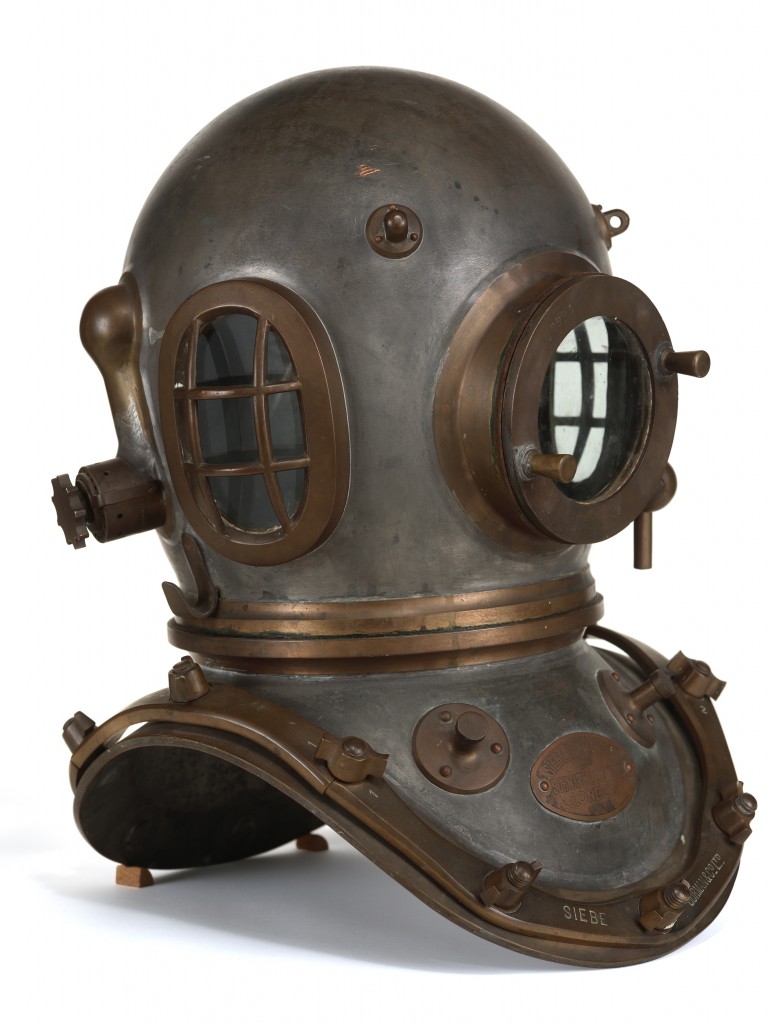
Siebe Gorman 12 bolt helmet (England)

Siebe Gorman & Co. Ltd. 12 bolt helmet with full tinning. Photo © 2014 David L. Dekker. All Rights Reserved.

As a dominant military power, the British Empire sold diving equipment around the globe during the 19th and 20th centuries. Some of the helmets that were used by the Royal Navy were also used by Asia-based military units.

When Augustus Siebe retired in 1868 his company changed its name to Siebe & Gorman. They continued to make technological improvements to the successful 12 bolt design the core of which remained unchanged for the duration of the company’s life. From circa 1868 to around 1904, the company stamped their name into the front of the breastplate, but then started attaching manufacturers plaques to the breastplates. The helmets have their serial numbers stamped into the inside of both bonnet and breastplate neck rings. Several HDS members have compiled information that can correspond a helmet serial number to an approximate year of manufacture. As manufacturing progressed, there were several modifications and improvements to these 12 bolt helmets, most notably the introduction of electronic communications in the late 1800’s.

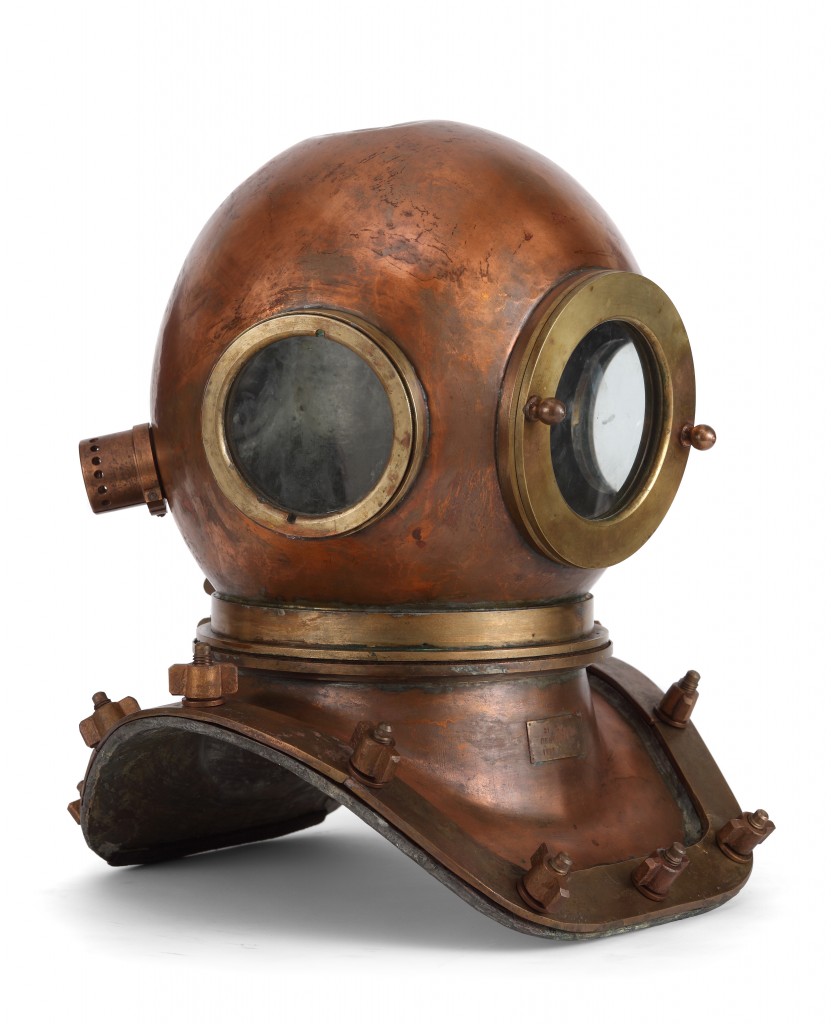
Siebe Gorman & Co. Ltd. six-bolt. Photo © 2014 David L. Dekker. All Rights Reserved.

Siebe Gorman & Co. Ltd sixbolt helmet (England)

Following the success of their 12 bolt helmet Siebe Gorman & Co. introduced a six-bolt pattern helmet around 1905. The helmet was designed by their employee Robert H. Davis who eventually went on to own the company and was later knighted for his work. Many of the helmets manufactured by the company can be found in his book Deep Diving and Submarine Operations, which has been published in nine editions and is one of the essential books for a historical diving library. It is available from HDS USA. The six-bolt helmet functions in exactly the same way as the 12-bolt version, but the straps that attached the breastplate to the divers dress have recesses in them that fit over corresponding ridges in the collar of the dress to effect a better seal. Like the Siebe Gorman 12 bolt, these helmets are not uncommon and are found in numerous museums and private collections.

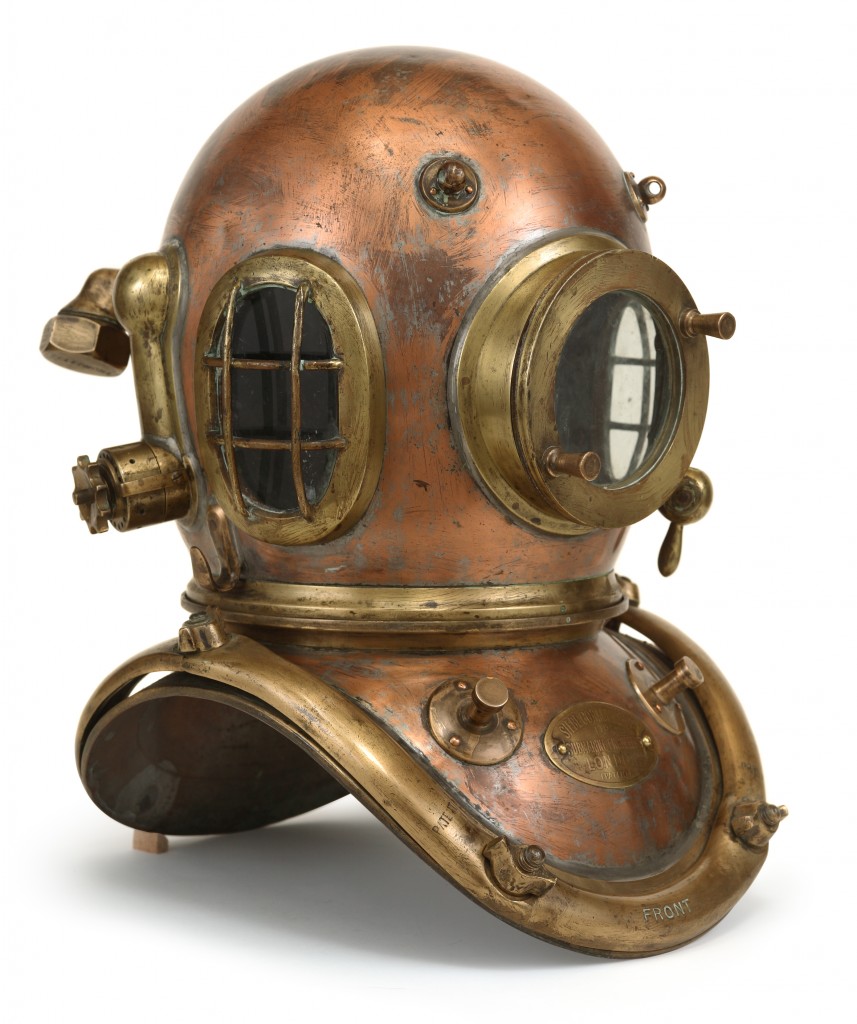
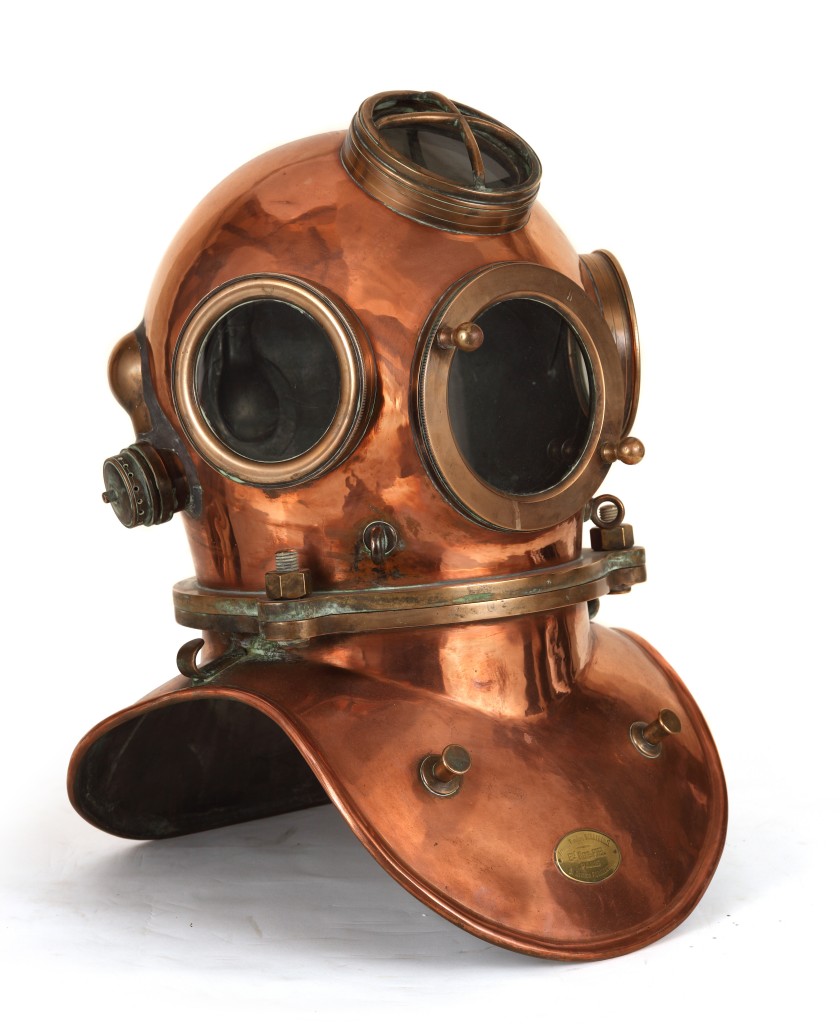
Rouquayrol & Denayrouze three-bolt helmet (France)

Rene Piel 3 bolt helmet. Photo © 2014 David L. Dekker. All Rights Reserved.

The first major successful step away from Augustus Siebe’s 12-bolt helmet design was made around 1870 when French manufacturers Rouquayrol & Denayrouze designed a helmet where by the waterproof seal to the suit was affected at the neck ring of the helmet, rather than the outer edge of the breastplate. They produced a helmet with three bolts set in a triangular design. The neck of the dress would fit over the three bolts on the breastplate neck ring, and the bonnet would be tightened down by three nuts to clamp the neck seal between both surfaces of the neck ring. This design of helmet became known as a “three-bolt,” and it was manufactured by companies in France, Germany, Russia, China, East Germany, and on a much smaller scale by some other nations. The bonnet featured four round view ports with only a port guard on the top port. The model shown here is by the Rene Piel company of Paris.

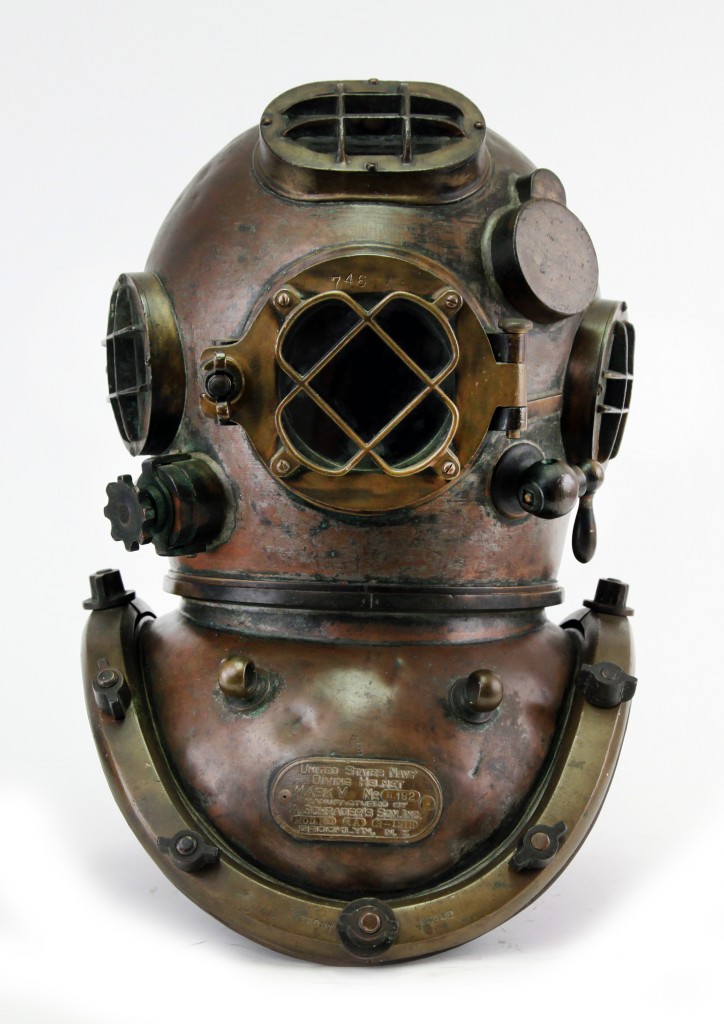
U.S. Navy Mark V. (USA)

A. Schrader’s Son Inc. U.S. Navy Mark V, # H182, May 3, 1918. Courtesy the Leslie Leaney Collection. Photo by Trent Schultz. © 2014 Leslie Leaney Archives. All Rights Reserved.
A. Schrader’s Son Inc. U.S. Navy Mark V, # H182, May 3, 1918. Courtesy the Leslie Leaney
Collection. Photo by Trent Schultz. © 2014 Leslie Leaney Archives. All Rights Reserved.

With no empire in the early 1900s, helmets manufacturered in America were sold predominantly in their domestic market. In 1916, the US Navy established the Mark V diving helmet as their standard helmet. The American military used it from 1916 through to the early 1980’s when the Mark XII, which was built of fiberglass, replaced it. As America’s influence increased during the 20th century the Mark V was adopted by various other countries. It had three round view ports, or lights, and an oval port on the top of the bonnet. All the ports had guards over them and the front port was hinged so that it could open like a door, and could not be lost.

The helmet had an adjustable exhaust valve that was located at the front of the helmet and ran under the right port. A small spit cock was located on the lower left side of the face port. It had a longer breastplate bolt at the lower left front where the diver’s air control valve was attached. The US Navy Mark V was manufactured by four companies under contract to the US government. The original manufacturers were Morse of Boston and Schrader of New York. During World War II, they were joined by Miller Dunn of Miami and DECSO of Milwaukee.

The Mark V saw service in American military actions in Asia and examples still turn up in the region. It is also the helmet that has the most reproductions on the market so members need to be aware of these fakes.
An original Mark V weighs around 30 kilogrammes, whereas most of the reproductions weigh about 20 kilogrammes or less. An original US Navy Mark V is not an uncommon helmet and is one of the most sought after by collectors around the globe. The model shown here is an A. Schrader’s Son from 1918 in original condition apart from the air control bolt being shortened.

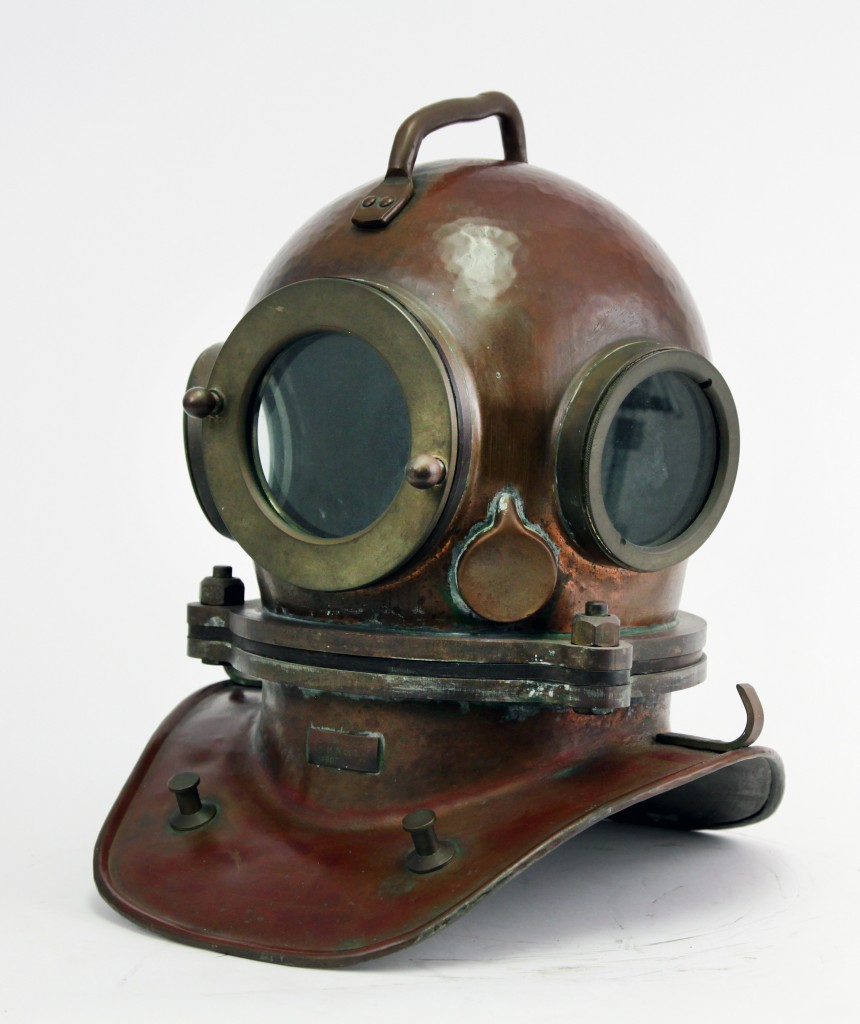
Russian three-bolt military

Russian military three-bolt. Courtesy the Lad Handelman Collection. Photo by Trent Schultz. © 2014 Leslie Leaney Archives. All Rights Reserved.
Russian military three-bolt. Courtesy the Lad Handelman Collection. Photo by
Trent Schultz. © 2014 Leslie Leaney Archives. All Rights Reserved.

During the last half of the 1800s, Russia was an importer of diving equipment. When they started manufacturing their own helmets they copied the French three-bolt design, and over the years, they made numerous styles. The military version had three round view ports and a carrying handle on the crown to make it easier to lift. A small housing for the communications speaker is located at the lower left side of the face port. There were numerous manufacturers of these helmets over the years and they usually have a manufacturer’s plaque attached to the breastplate, which carries the helmet’s serial number. These helmets are very common and can be easily found for sale on the Internet or from reputable maritime dealers. They are relatively cheap and provide an economical way of acquiring an authentic diving helmet. The workmanship is not up to the standards of the majority of European and American helmets and this is reflected in their price, which is currently between US$1,000–1,500 and higher.

Russian 12 bolt helmet. Photo ©2014 David L. Dekker. All Rights Reserved.

Russian 12 bolt commercial

In addition to the French three-bolt design, Russia also followed the Augustus Siebe 12 bolt design. Both of these designs were found in the Russian commercial diving industry and the helmets have three round view ports and no port guards. The style of breastplate is similar to the Pearler design with the straight edges at the front and back. They come with the manufacturer’s plaque on the breastplate and are in plentiful supply on the Internet along with models of similar styles with different component configurations. Like the Russian military helmet, they provide an economical way of collecting authentic helmets but their quality is generally not of the highest standards. The current market prices on these are the same as the military model.

This article originally featured in Dive the Big Blue: A Historical Affair Volume II

11 of the Most Famous Ocean Creatures

0
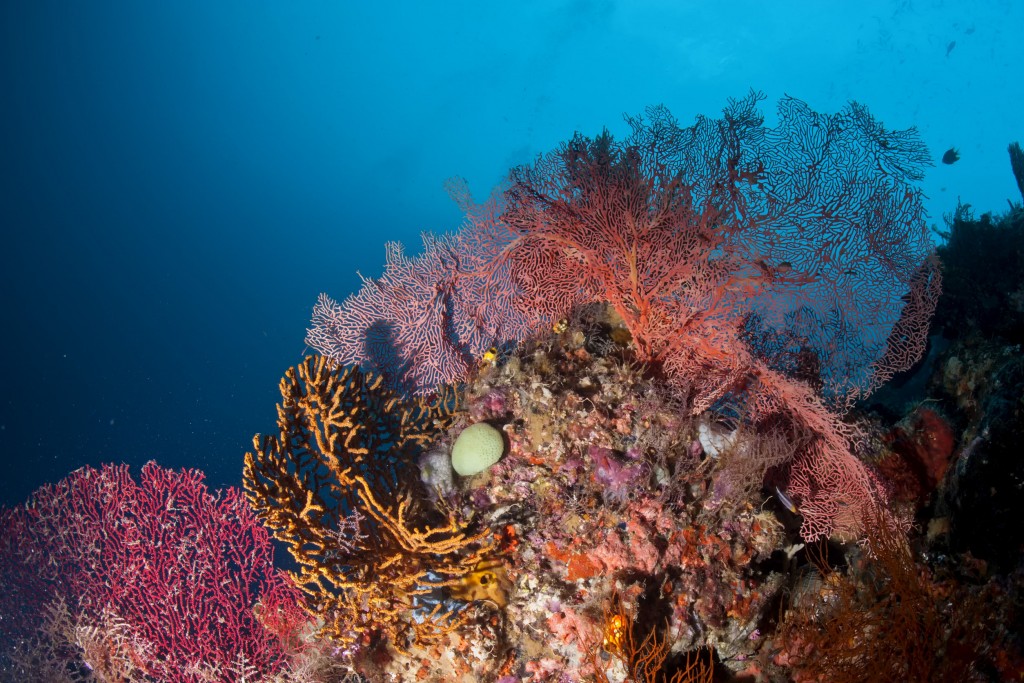
Avoiding paparazzi in the Andaman Coral Reef © Wikimedia Commons

You might not see them pouting on the front cover of OK! Magazine, but marine life has its own clan of entertainers and global superstars. We introduce eleven celebrity species made famous by television and cinema screens:

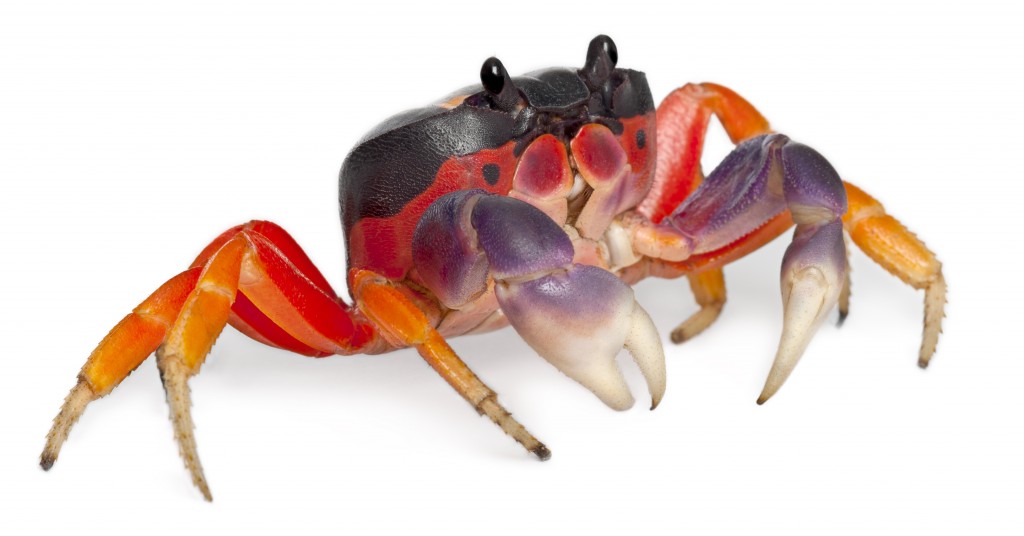
Red Jamaican Crab

Sebastian in The Little Mermaid

While they do hatch in the sea and females do return to the water to release their eggs, in real life these Caribbean crabs spend most of their lives on land.

A red Jamaican crab about to drop the next "Ska" beat to light up Disney screens
A red Jamaican crab about to drop the next “Ska” beat to light up Disney screens © 123rf.com

Sponges

Spongebob in Spongebob Squarepants

Sponges are generally more sedentary that you might imagine from watching children’s television, and some can host up to 16,000 other animals. I wonder how Mr Squarepants would have felt about that?

Phronima

The Alien Queen Xenomorph in Aliens

This deep-sea amphipod carves its home in salp, a barrel-shaped gelatinous zooplankton. Unlike the fictional Xenomorph, phronima are absolutely tiny. But the film would have been much shorter if Ripley had just flushed the beast down the sink…

Great White Shark

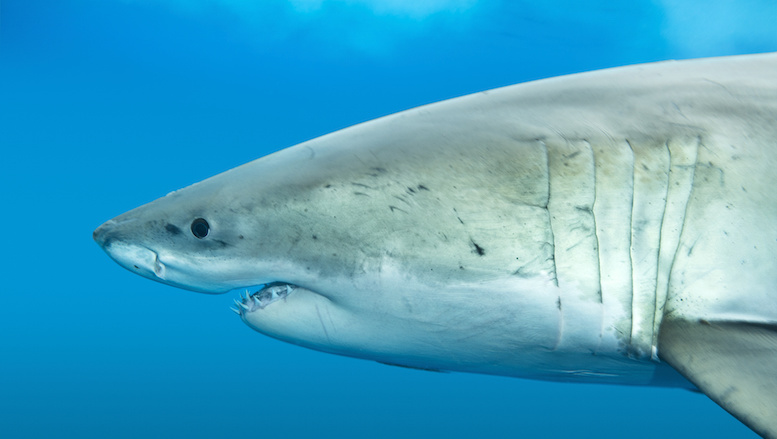
The star of Jaws

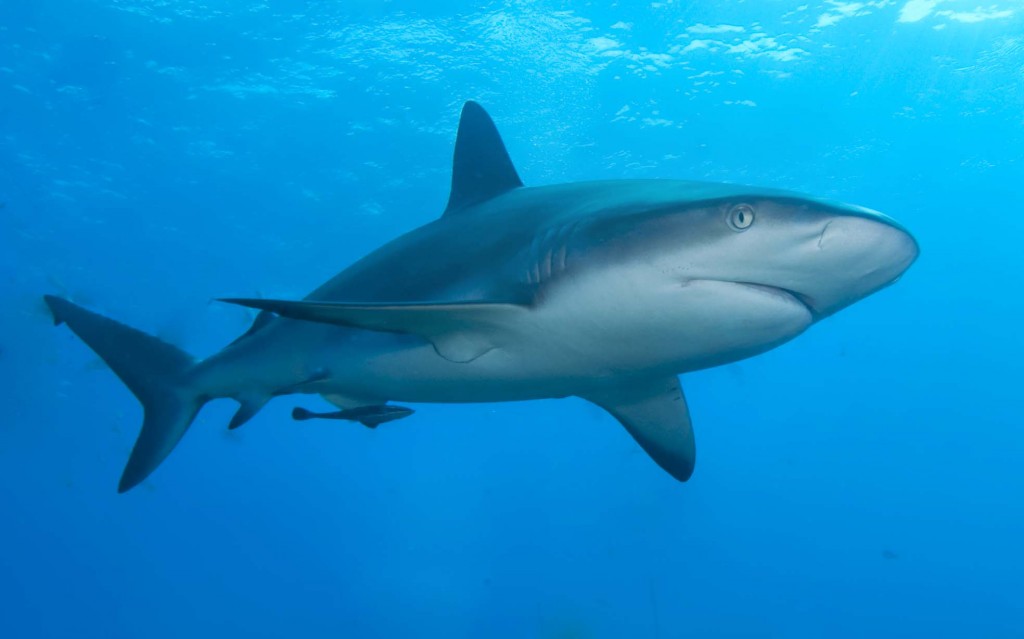
As we have learnt since the hysteria of the 70s and 80s has died down, Carcharodon carcharias are not mindless killers, as people who have freedived with them will testify. They do get through around 30,000 teeth in their lifetime though.

"Any chance of an autograph?" © 123rf.com
“Any chance of an autograph?” © 123rf.com

Giant Squid

The Kraken in 20,000 Leagues Under the Sea

Architeuthis have eyes the size of basketballs for detecting light in the staggering depths at which they live – between 300 and 600 metres. Found throughout the world’s oceans, you’ll want Captain Nemo on your team if you’re planning to go and look for one yourself.


Pacific Regal Blue Tang

Dory in Finding Nemo

Like other tang and surgeonfish, the cute, colourful Paracanthurus hepatus has extremely sharp defensive spines in the fins on either side of their tails, resembling surgeons’ scalpels. Don’t mess with Dory.

Clownfish

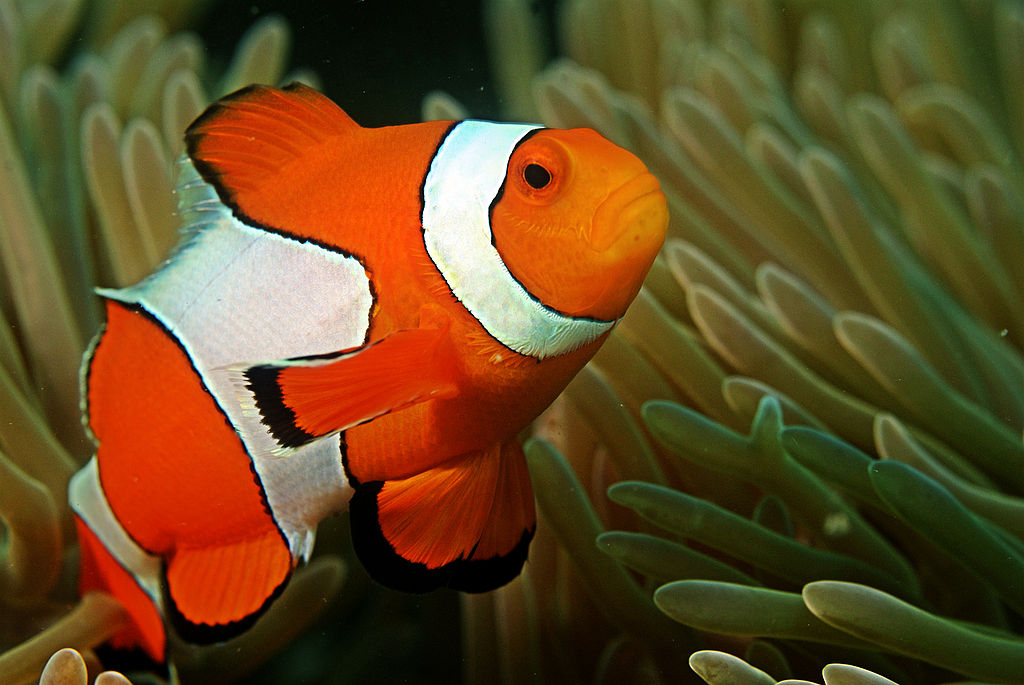
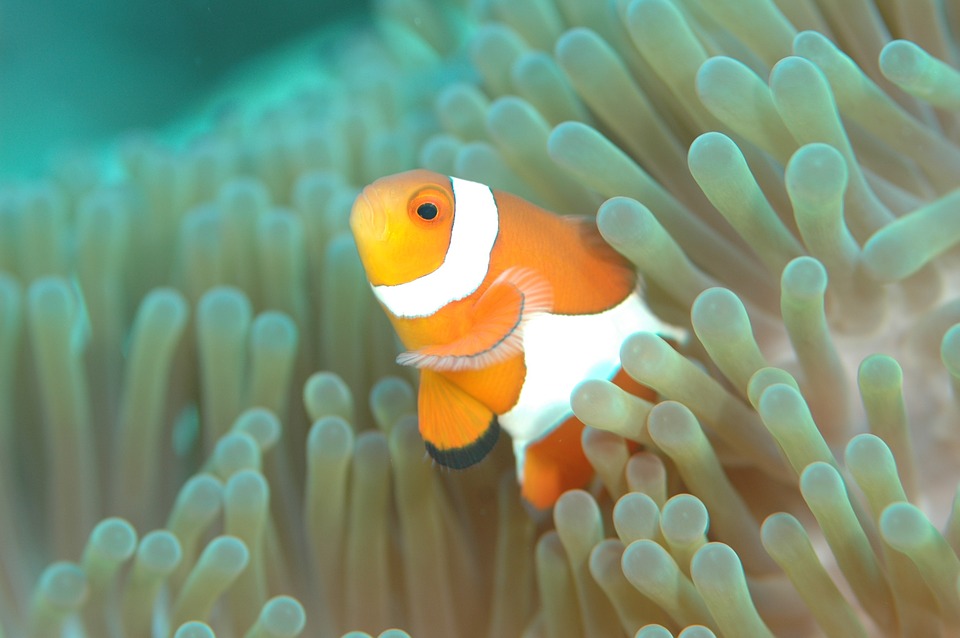
Nemo in Finding Nemo

Sequential hermaphrodites, the largest male of a group of clownfish will switch its sex when the school needs a new dominant female. I wonder how our lovable hero felt on returning home to find that his dad was now his mum?

Some critics have likened this guy to a young David Hasselhoff © pixabay.com

Bluestreak Cleaner Wrasse

Oscar in Shark’s Tale

Another gender-bender, groups of Labroides dimidiatus usually consist of an adult male and a harem of females. If the male dies, the largest female changes sex and takes on the male role.

Best friends who stick together through and through © 123rf.com

Sperm Whale

The white whale in Moby Dick

The brain anatomy of Physeter macrocephalus suggests their intelligence may be around 20 times more complex than ours. Interestingly, Moby Dick is based on the true story of the whaling ship the Essex, sunk by a sperm whale in 1820.

Starfish

Patrick Star in Spongebob Squarepants

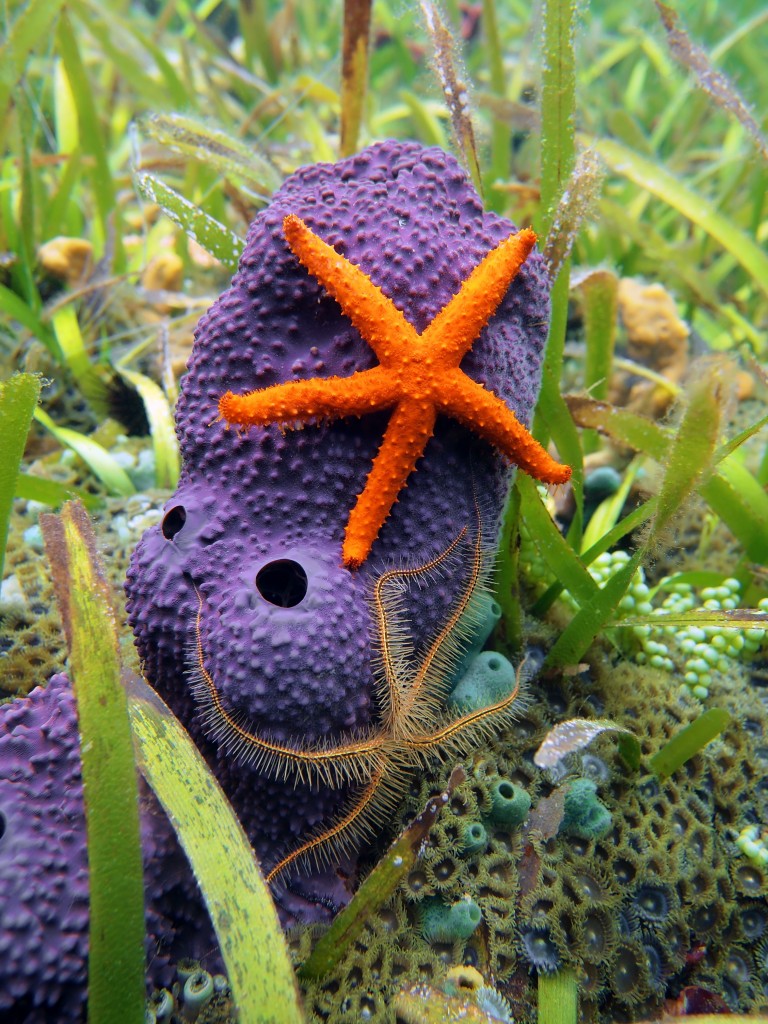
Other than being worthy side-kicks, Asteroidia have some amazing skills, including the ability to regenerate limbs and feed by turning their stomachs inside out – not exactly the stuff of children’s programming.

Bottlenose Dolphin

Flipper

Tursiops truncates use tools, different languages, can categorise objects, and have “double-slit” pupils that enable them to see extremely well in both water and air. Are these the superheroes of the ocean? Warner Brothers certainly thinks so.

This article originally featured in SD OCEAN PLANET “The World of Underwater Film & Television”

14 Dive Destinations from the Movies

0
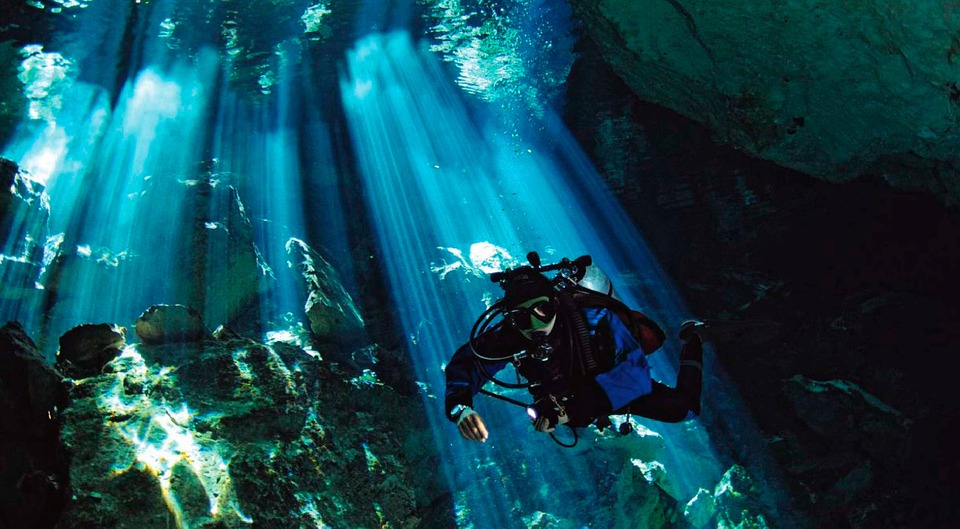
Yucatán, Mexico. Diving in the cenotes © pixabay.com

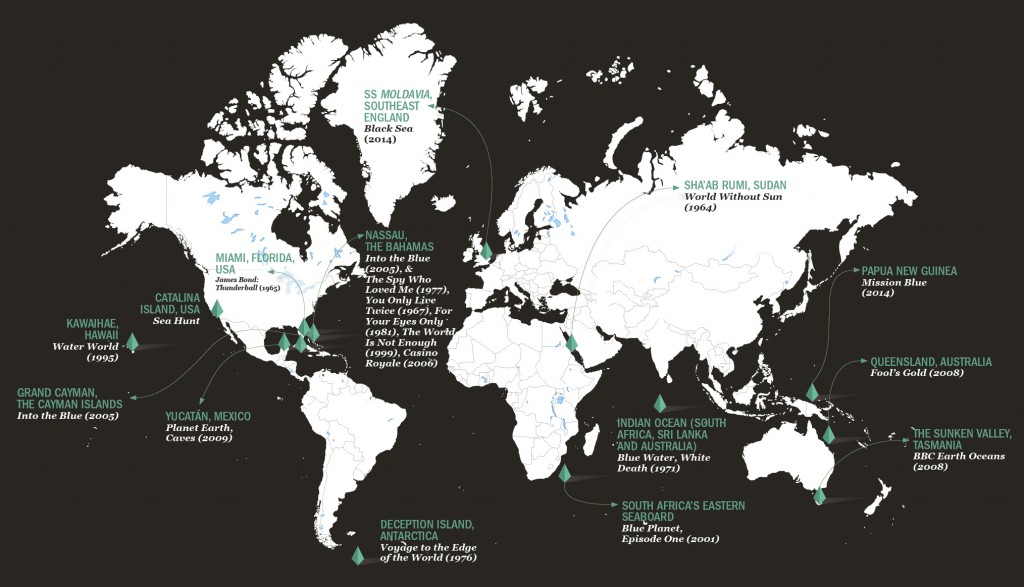
Looking to dive into the realms of where some of the greatest documentaries and movies have been filmed? For those divers inspired by BBC shorts, you can dive into extraordinary settings with the voice of Attenborough echoing around your mind like a grammatically correct Yoda. Those who prefer the action packed James Bond movies, can dive into the underwater landscapes that became the backdrop of so many thrilling Bond scenes. Here are fourteen destinations to dive into the world of celebrity seas:

The World of

Kawaihae, Hawaii

Waterworld (1995)

Outstandingly rich waters; 25 percent of reef fish here are endemic, and the island is visited by 17 different species of toothed dolphins and eight species of baleen whales along with sea turtles, tropical fish, rays, monk seals, and pelagic seabirds.

Grand Cayman, The Cayman Islands

Into the Blue (2005)

With more than 175 dive sites, the Cayman Islands offer steep, deep walls adorned with sponges and corals in a stunning array of colours; shallow reefs filled with schooling solitary fish and small invertebrates; as well as wrecks featuring photogenic structures and curious marine residents.

Catalina Island, USA

Sea Hunt (1958-1961)

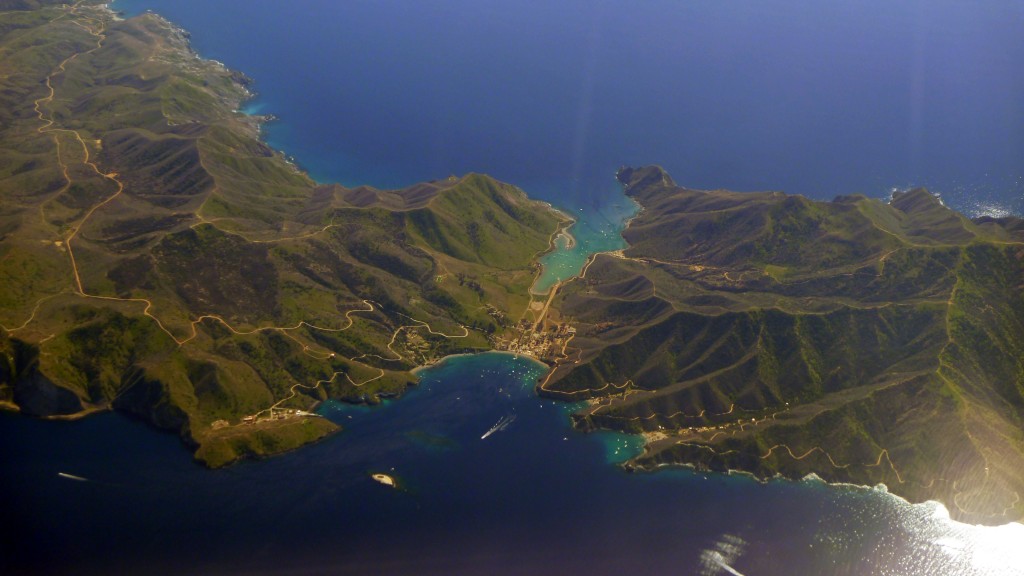
Coves and offshore outcrops provide countless diving possibilities, from easy shallow kelp explorations to a 70-metre plunge to a wreck.

"Coves and offshore outcrops provide countless diving possibilities" © WPPilot
“Coves and offshore outcrops provide countless diving possibilities” © WPPilot

Yucatán, Mexico

Planet Earth, Caves (2009)

Kilometres of flooded, interconnected passageways zigzag beneath this mysterious Mayan region, accessed by dives into the deep, well-like sinkholes of clear, fresh water, known as cenotes.

Miami, Florida, USA

James Bond: Thunderball (1965)

Dramatic wreck diving and fantastic sites for underwater photography on both manmade and natural reefs.


Deception Island, Antarctica

Voyage to the Edge of the World (1976)

Icy waters home to millions of tiny Amphipods and Probiscus worms, along with sea stars and nudibranches.

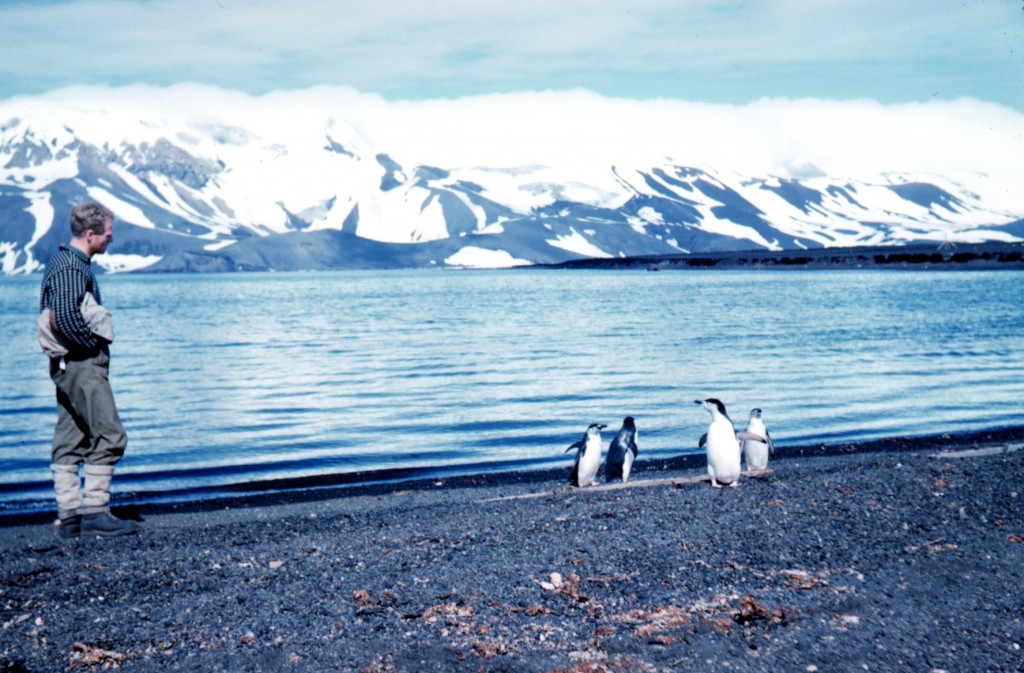
Penguins on deception island (1962) © NOAA/ Wikimedia Commons

Nassau, The Bahamas

Into the Blue (2005), & The Spy Who Loved Me (1977), You Only Live Twice (1967), For Your Eyes Only (1981), The World Is Not Enough (1999), Casino Royale (2006)

Spectacular diving, from sunken Spanish galleons, inland blue holes, underwater caves to forest-like coral reefs teeming with vibrant marine life. It’s no wonder this is Hollywood’s go-to underwater location.

SS Moldavia, Southeast England

Black Sea (2014)

This enormous wreck is full of interesting items, such as massive guns and portholes with their glass and brass fitments still intact.


Indian Ocean (South Africa, Sri Lanka and Australia)

Blue Water, White Death (1971)

The team traversed the productive, clear Indian Ocean in search of sharks. Sri Lanka’s waters are littered with wrecks from many different eras, with over 75 in the Galle harbour alone.

"The team traversed the productive, clear Indian Ocean in search of sharks." © Albert Kok
“The team traversed the productive, clear Indian Ocean in search of sharks.” © Albert Kok

Sha’ab Rumi, Sudan

World Without Sun (1964)

Cousteau’s Conshelf (aka Precontinent II) is now a shallow dive site comprising a pretty coral garden with plenty of soft corals, reef fish and sharks. The hangar for the submersible, some shark cages and a tool shed are still intact.


South Africa’s Eastern Seaboard

Blue Planet, Episode One (2001)

The team spent two seasons attempting to film the annual sardine run, a huge congregation of predators such as sharks and dolphins that assembles to feast on the migrating fish by corralling them into bait balls.

Papua New Guinea

Mission Blue (2014)

In Papua New Guinea the coasts can drop away into water 300 metres deep, visited by big fish like barracuda, trevally, large dogtooth tuna, Spanish mackerel and sharks.

The colourful underwater realms of Papua New Guinea © Andrea Izzoti

Queensland, Australia

Fool’s Gold (2008)

Gateway to the Great Barrier Reef and the diverse, world-class dive sites of fish-filled, clear water at Fraser Island, Hamilton Island, Hervey Bay, and Port Douglas.

The Sunken Valley, Tasmania

BBC Earth Oceans (2008)

Deep-sea species found in relatively shallow, diveable depths in this remote and unique marine reserve. Great buoyancy and permits for diving here are essential.

Sea Shepherd: Going Against the Grind

0
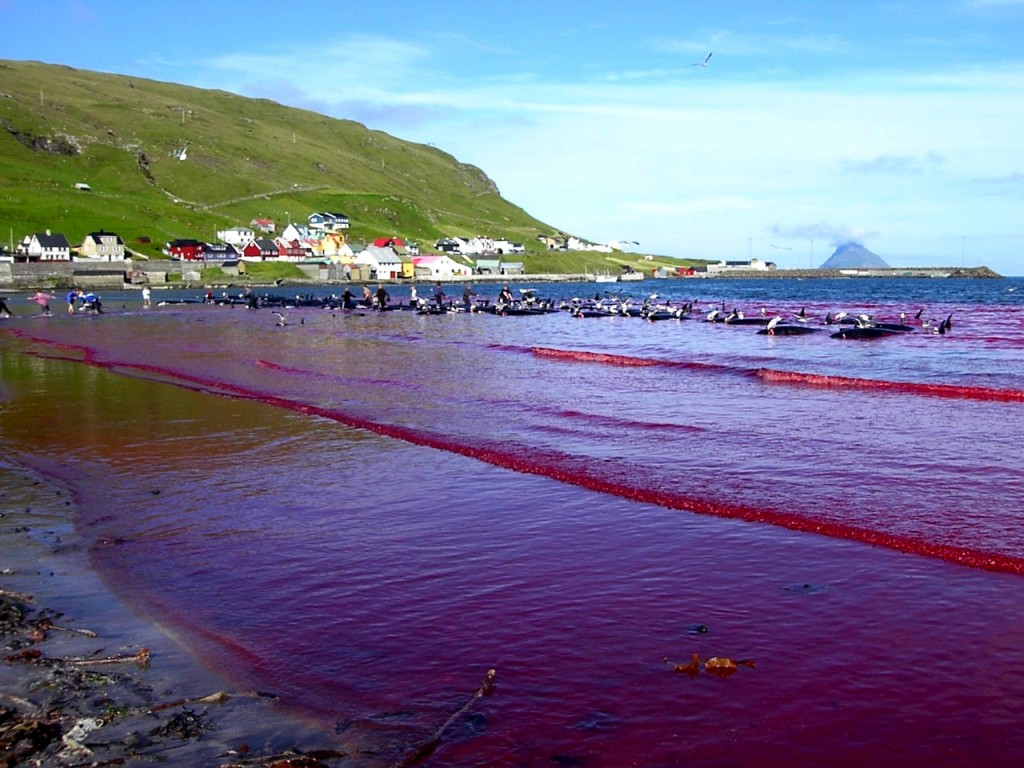
The bodies of pilot whales lined up along the seafront. © Sea Shepherd Conservation Society

By Erwin Vermeulen

The grind, purported to be an ancient, non-commercial, cultural tradition that supplies food for the population, has been condemned by environmental and animal rights groups from around the world. Defenders assert that it is sustainable, no meat is wasted and that the hunt is well regulated.

A grind, or whale drive, is initiated in the Faroe Islands when pilot whales or dolphins are sighted offshore. The animals are herded into a bay with boats and jet skis and pulled up onto the beach with a hook in the blowhole. Their spinal cords are then cut with a knife or lance. Once they are dead, their carcasses are flensed and the meat prepared for distribution.

An Ancient Tradition

Viking age (around AD 825), but the earliest archaeological evidence dates to the late 10th and 11th centuries. Although some claim that cetaceans were part of the diet from the beginning, zoo archaeological evidence at the Faroese National Museum from a ninth to early 13th century site near Sandur (a grind bay today), tells a different story. The evidence shows that in the earliest period the diet consisted of birds, shellfish, fish and domesticated animals, shifting towards a predominantly fish-based diet in the latter part of the period. Nowhere is there any mention of marine mammal remains.

Grind catch statistics exist since 1584, unbroken from 1709 to today, showing an annual average catch of 850 pilot whales. Pilot whales are not the only cetacean species hunted. Four species of dolphin and harbour porpoises can be hunted too. There are no catch statistics for dolphins until the early 1990s, raising questions as to whether killing dolphins is “part of the tradition” and challenging the reliability of statistics.

Conservation Issues

Long-finned pilot whales are currently listed as “Data Deficient” on the IUCN Red List. Still, the IUCN, IWC, ICES and NAMMCO have concluded that with an estimated subpopulation size of 778,000 in the central and eastern North Atlantic, the Faroese catch is probably sustainable. These estimates are from the late 1980s and early 1990s.

Long-finned pilot whales are subjected to a number of threats: Accidental by-catch in fishing nets and entanglement, overfishing of their prey, pollution, anthropogenic sounds and climate change are all factors leading to their declining populations. IUCN reports that due to these threats a 30-percent reduction in the global population of long-finned pilot whales over the past 72 years “cannot be ruled out”.

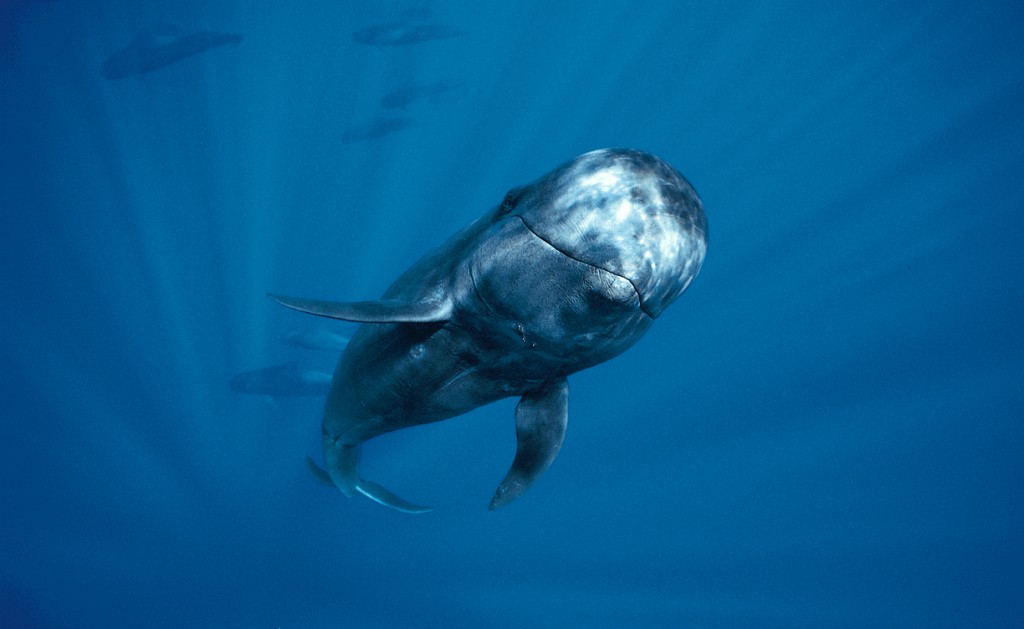
Pilot whales are highly intelligent, self-aware animals with complex, social cultures. © Bob Talbot/ Sea Shepherd Conservation Society


International Law

Pilot whales are classified as “strictly protected” under the Convention on the Conservation of European Wildlife and Natural Habitats. No country that wants to join the EU is allowed to kill whales or dolphins.

In October 1977, Denmark became a party to CITES (the Convention on International Trade in Endangered Species). When ratifying, Denmark informed CITES that the convention would only become applicable to the Faroe Islands when relevant legislation had come into place there. The Faroese authorities have stated that they do not see that CITES can contribute anything positive for the Faroe Islands.

While the Faroes are under the sovereignty of Denmark, they are not an EU territory, yet three percent of their GDP consists of annual subsidies from Denmark, which is part of the EU. Denmark is a party to the Bern Convention, Bonn Convention and ASCOBANS – all agreements that protect cetaceans.

Fit for Food?

Not according to the scientists. In November 2008, the Faroese Chief Medical Officers Pál Weihe and Høgni Debes Joensen announced that pilot whale meat and blubber contains too much mercury, PCBs and DDT derivatives to be safe for human consumption. Dioxin has now been added to the list and the latest Faroese dietary recommendations are clear on the necessity of restricting or eliminating the consumption of whale meat and blubber.

Almost everybody you speak to in the islands will admit that nowadays there is also no need to kill whales for food as the era of isolation is a thing of the past. The Faroese have a high standard of living and the supply of farmed animal products in the supermarkets and restaurants is similar to that of other developed and Western countries.

Waste

As a result of recommendations to limit or avoid the consumption of pilot whale meat, it is suspected that the meat that is distributed is not necessarily eaten and that waste is now part of the reality of the hunt.

Furthermore, on occasion, whole pods of whales have been killed but their meat and blubber never processed. In Vidvik, November 2010, 62 pilot whales were driven onto the beach at dusk. It was too dark by the time they had all been killed and so the flensing had to wait until the next morning. By then, the corpses had already started to rot and most of the whales were discarded. This is not an isolated incident.

Regulated Suffering

The hunt is claimed to be highly regulated and death supposedly comes quickly to the animals. In 2013, the Minister of Fisheries announced that as of May 2015 all persons taking part in the slaughter must take a course in the laws and correct procedures relating to the grinds, and possess the relevant licence to kill.

One of the proposed improvements is the spinal lance. Although a Faroese invention, the spinal lance “pithing” method was first introduced in Taiji, Japan.

The new method involves driving a metal rod into the dolphins’ neck behind the blowhole to sever the spinal cord.

Undercover footage of striped dolphins being killed this way was analysed by veterinarian Andrew Butterworth and his team, and the results were published. The report states: “The method induces paraplegia (paralysis of the body) and death through trauma and gradual blood loss. This killing method does not conform to the recognised requirement for ‘immediate insensibility’ and would not be tolerated or permitted in any regulated slaughterhouse process in the developed world… The process of spinal transection carried out in a fully conscious large animal is likely to be profoundly distressing, traumatic and painful, and creates unnecessary suffering and distress because a complete transection is difficult to achieve.”

The sea stained red with the blood of a whole pod of pilot whales. © Sea Shepherd Conservation Society

Jústines Olsen, Senior Veterinarian in the Faroe Islands and the propagator of the new spinal lance killing method, admits in his paper Killing Methods And Equipment In The Faroese Pilot Whale Hunt, “As the slaughter is done manually it cannot, by definition, be instantaneous, which is the ideal in all forms of slaughter, including traditional slaughterhouse methods as well as hunting.”

The implication is that there are no humane ways to kill a highly intelligent, socially complex marine creature in the wild. In Klaksvík, July 19, 2010, 228 pilot whales were driven ashore, despite the beach only having the capacity to hold 100 animals. Again it was dusk, and the lack of light combined with far too many animals resulted in a two-hour orgy of blood and su
ffering. On July 30, when 267 pilot whales were driven into the bay of Fuglafjørður, it was reported that only four men were available to kill the panicking animals. For more than 90 minutes, they were held in the bay with boat engine noise and blowhole hooks until they were all slaughtered.

More than Monitoring

Sea Shepherd has been leading regular missions against the slaughter of whales and dolphins in the Faroe Islands since the summer of 1983. We are commonly asked why the Sea Shepherd Conservation Society does not concentrate on more immediate and pressing threats to ocean ecosystems. Other than the anti-whaling and anti-dolphin slaughter campaigns in the Southern Ocean, Taiji and the Faroes, Sea Shepherd also works on conservation enforcement in the Galápagos,, studies toxins in the Gulf of Mexico, patrols against illegal fishing around the world and is preparing for a campaign tackling the issue of ocean plastics.

This year Sea Shepherd launched the most wide-ranging and longest Faroe Islands campaign in Sea Shepherd’s history – Operation GRINDSTOP 2014. Only one grind took place this year before Sea Shepherd’s volunteers arrived. Pilot whales have been sighted during our presence in the Faroes, and word has it that grinds have been called by the foremen and then cancelled by the authorities. Our presence is saving lives and that is what Sea Shepherd does.

This article first featured in SD OCEAN PLANET “Cold & Fresh”

13 Things You Need to Know About Drift Diving

0
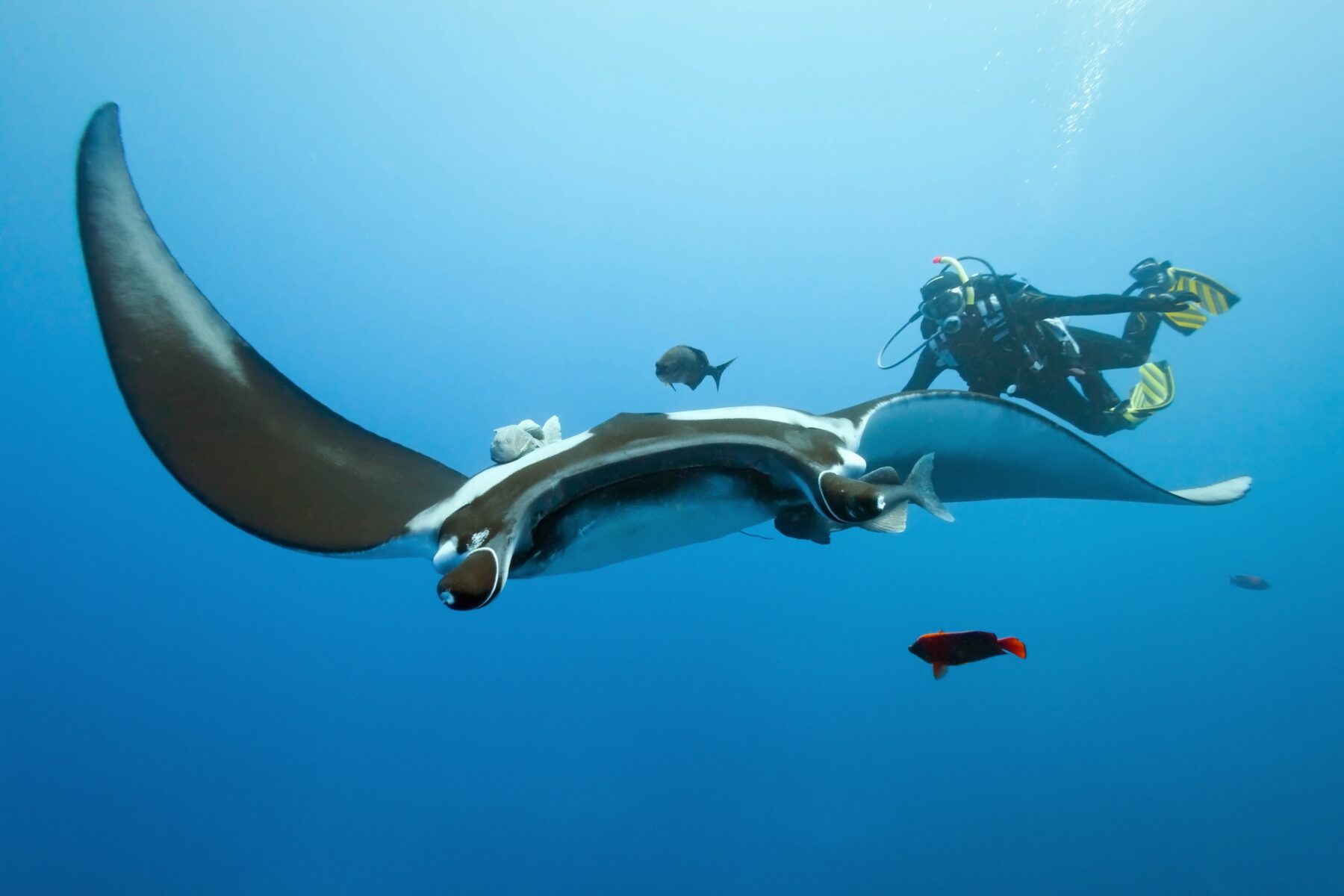
Just go with the flow... drift diving brings about the most incredible encounters. © 123rf.com

By Rachel Mason

Allow us to take you on a journey through the need to knows about this low-effort, pseudo-flying alternative to “normal” recreational diving: 

Flying

It’s about as close as we’re ever likely to get. Picture Nemo riding the “EAC” with the turtles in Finding Nemo!

Surface Support

Standard practice when drift diving is to have a boat that follows the divers, either using an SMB or the divers’ bubbles to guide them.

Currents

When you are planning your drift dive, it is important to consider the strength and direction of currents to avoid being swept into dangerous areas or situations.

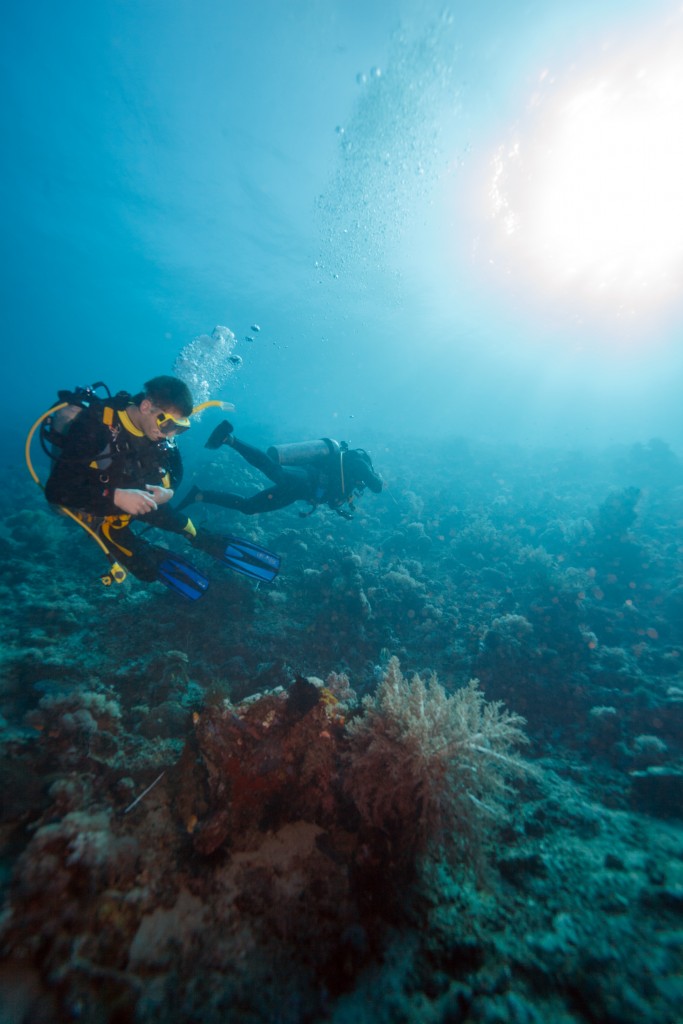
Two buddies play in the current by the sea bed ©123rf.com

Streamlined

Make sure everything is secure – a strong current can exacerbate issues with errant equipment. It should be an exhilarating experience, not a demolition derby!

Learn from the Animals 1

Move like a seal – lead with your head and shoulders, and turn your body to take you where you want to go. Think 80’s body popping! Fluid movements are your friend.

Learn from the Animals 2

Watch the fish – they usually face into the current and swim to maintain their position. Let them tell you what the current is doing and adapt accordingly.

Steady, Eddy

If you want to stay put, you need to use steady, sure finning. Kicking furiously will just wind you and deplete your air supply.

Use Topography

If you want to duck out of the current, use the seascape (rocks, boulders, coral heads) to take shelter. Sheltered areas are also great for critter spotting!

More Time

Because in drift diving there is often less exertion, you tend to use less air than you would normally. But you still need to be checking your gauge regularly!

Buoyancy is Key

Good buoyancy control is essential, particularly where there are up and down currents, and near the surface during safety stops. Another important skill to have is avoiding coming into contact with any marine life as you coast over the reef.

Exit Strategy

Reboarding the boat or determining your exit point if diving from land is the most safety critical part of drift diving. Listen carefully to your briefing, and the instructions from your guide, instructor or boat crew.

Plan Ahead

Notice obstructions up ahead (coral heads, rocks, etc.) and plan your moves ahead of time.

Watch Your Depth

Currents can carry you up and down, so you need to watch your depth gauge like a hawk and set your computer to drift diving mode if you can.

New Aquatica AD500 Housing for the Nikon D500

0

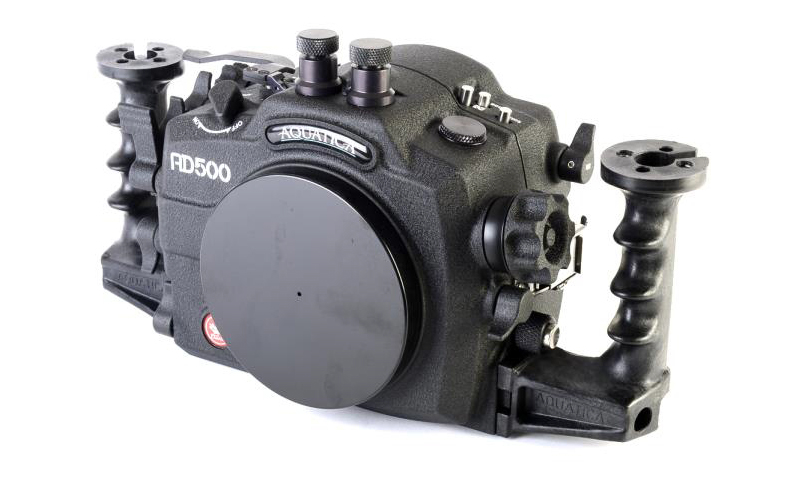
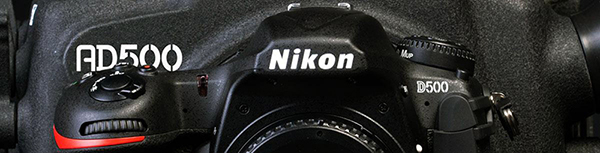
The new Aquatica AD500 housing is designed specifically for the long awaited Nikon D500 camera. With 21mp still image, 4K video possibilities, impressive level of low light performance, this Nikon D500 is a worthy addition to the DX format, a much appreciated sensor size for underwater photography. 

RETAIL PRICE STARTING AT $ 3,195 USD

Available mid-July


Press Release
1465955098

What’s in the Nikon D500 camera?

The Nikon D500 camera finally joins the rank of the popular DX format Nikon DSLRs, to the underwater photographer. It brings interesting features:

  • UHD 4k from a 1.5x crop sensor
    • With flat picture profile for added post processing
    • On screen highlight warning
    • Power aperture control
  • Impressive AF performance
    • 153 point AF module
    • 55 selectable AF points
  • 100% viewfinder, with 1.0x magnification
    • The largest in cropped sensor DSLR
  • 10 frames per second rates
    • With 200 Raw files buffer using XQD
  • Rugged construction of Magnesium Alloy and Carbon fibre composite
1465953821

 THE CONTROL LAYOUT:

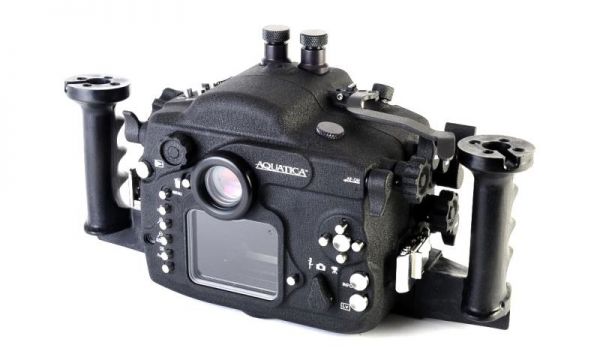
Aquatica designed the AD500 housing by carefully selecting the features that will improve performance for underwater imaging. We then ergonomically placed the vital controls where they were most needed, right at your fingers tips. At the core of this housing design one can trace over 30 years of expertise in this field. Years of knowledge that have pushed us forward in incorporating new ideas, concept and technological advances to these constantly evolving imaging tools.

HOW TO QUICKLY GET TO THE CONTROLS:

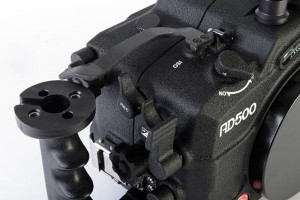
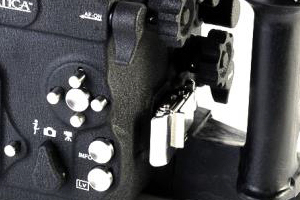
ISO is one of the key controls in managing the exposure in video, hence particular attention was made in bringing this control at your thumb fingertip. Exposure compensation been crucial as well, a 1465954021dedicated lever has been implemented for engaging it quickly when needed. The control pad can also be accessed quickly via a set of extended controls that brings it close to your right hand for easy access, same goes for the AF-ON lever with its wide range of options available through the CSM menu of the camera. The Fn1 lever located in front and Fn2 button on the rear also gives you access to a range of CSM features. Two oversized and conveniently placed buttons give a speedy access to the info and Live View activating features on the camera, recording is as easy as pressing on the dedicated lever placed strategically close to your thumb.
 HANDLING THE HOUSING, THE BEST GRIPS IN THE INDUSTRY:1465954163
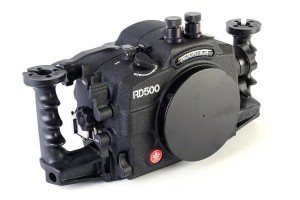
Handling is made with a pair of grips that have become the bench mark in comfort since their introduction over a quarter of a century ago. These grips are a perfect example of Aquatica’s philosophy, change should be implemented to improve a product, and not for the sake of novelty, when grips are as perfect as these are, leave them alone! Our grips are light, sturdy and form fitting. They contribute to making your underwater photography experience more pleasing and comfortable. Mounting points on top of them allows strobes arms, such as those from our Delta 3 line, to be mounted securely, freeing the top of the housing from unnecessary clutter.

VIEWING OPTIONS
1465955179

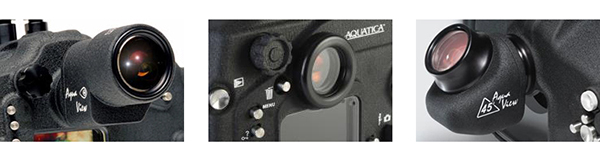
The Nikon D500 already is boasting the largest and best view finder on its category, viewing can further be improved underwater with a choice of two enhanced view finders. Two Aqua View finders are available to improve underwater viewing through the camera finder. The Aqua View 180o finder offers straight through line of sight viewing with a generous viewing area while the Aqua View 45o offer definitive comfort in viewing while shooting upward or for those down in the sand macro situations. Both accessory viewfinders are designed in such way as to minimise the blockage of the rear LCD when shooting using the rear LCD screen.

As a standard feature, the housing comes equipped with a quality multiple elements Galileo type eyepiece and the rear LCD has been angled to give the viewer a more comfortable viewing angle when using this one.

STROBE CONNECTORS

The Aquatica AD500 offers the best available options on the market for connecting strobes with no less than four options to choose from.

20080-UWT

This AD500 housing version features our optional integrated TTL converter circuit board which is compatible with a wide range of underwater strobes. This converter is offering both automatic strobe exposure, either through optical relay using optical fiber or via standard and readily available electrical sync cords from your strobe manufacturers. Alternating between types of triggering is an easy affair, even in the field, with our easily replaceable bulkhead strobe connector design.

20080-OPT

Included with this optically set up housing version is the LED flash trigger. This LED trigger is powered by two popular “off the shelf” CR 2450 batteries and averaging 4,000 to 5,000 burst of light. This LED trigger slides into the hot shoe of the camera like any other hot shoe accessory would. The 20080-OPT version of this housing is ready to accept standard optical fiber sync cable commonly found on the market, there is no need for special proprietary or custom type cord, the optical fiber cord supplied by the strobes manufacturers are ready to use as is.

20080-NK

This version is set up with a pair of time proven Nikonos bulkheads connectors, the same available on all our current Aquatica DSLR housings. It is a well-established standard, which has been the back bone of strobe technology for decades and still by far the most distributed type of strobe connectors in the whole underwater photography industry, every strobe manufacturer offering then as a means of connection. This 20080-NK housing comes with not one, but two of these connectors installed. These, as well as the optical ones are easy to replace in the field, should one decide to alternate between way of triggering their strobes, no special tools are required and the operation is done in minutes.

20080-KT

This version is equipped with a trusted Ikelite strobe connector. Since many hard working underwater professional photographers prefer using Ikelite strobes and connectors for their ruggedness and reliability, Aquatica has made a point to have this housing version available to its users.

PORT SELECTION:

1465955227

The Aquatica AD500 uses our excellent line up of existing ports for the DSLR line of housings. And simply put, a lot of effort has gone into giving you access to the most appealing lenses for this camera with the best port combination for them.

Since ports are such a vital part of the optical formula in any underwater
photographic system, we at Aquatica, have built one of the most comprehensive selection available for underwater imaging. Our flexible modular system of extension rings, dome and flat ports is ready to face the challenge of constantly evolving lenses coming out on the market. The irreproachable optical quality of these ports have long made them the choice of demanding professionals from around the world.

Wide angle imaging requirement can be addressed with dome of 4”/100mm, 6”/150mm, 8”/200mm and 9.25”/230mm, from ultra wide angle close up situations to top quality over/under images. Our dome ports have you covered.

Macro imaging needs can be fulfilled using our recently introduced Mini Macro port, a vital part of the Aquatica ACU System, this port has a narrow frontal signature making lighting in tight corner easier. A bayonet mount is located on its front end for attaching our convenient ACU system flip holder with the potential of attaching up to two ACU wet diopter close-up lenses

Tying the port system together are a set of fourteen locking extension rings, ranging in length from .65”/16.5mm to 3.82”/97.5mm. Port extensions are strategic partners in the optical chain, they 1465954622serves two purposes, in the case of wide angle lenses, it helps optimise the performance of wide angle lens by properly placing their optical center with that of the dome port and for macro lenses, it give added length for accommodating longer focal length lenses such as the 105mm, or when using internal accessories such tele converter which may contribute to the added magnification of a given lens.
SAFETY FEATURES

The Aquatica AD500 comes standard with our own Surveyor moisture and vacuum monitoring sensor circuit installed at the factory. The housing can also be ordered with the optional pressure extracting valve and pump installed at the factory. The visual and audio signal will attract your attention should any of the O-ring become damaged or hindered by sand, hair or any foreign objects that would compromise the sealing integrity of the housing. All that is required are a few simple steps for your peace of mind and knowing that your equipment is safely protected from the environment.

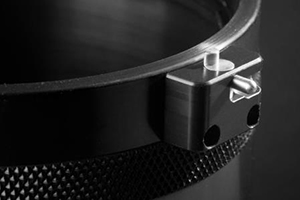
Securing of the housing is done with time proven stainless steel latches equipped with safety tabs. These are non-gimmicky, their solid track record has demonstrated that what they lack in fashion 1465954706style, they more than make up in resistance to failure, jamming up or corroding over time. Chosen as a standard mean of securing highly valuables assets and equipment by scores of sensitive scientific and military equipment manufacturers, this method of securing is beyond reproach when it comes to reliability. Their simple and efficient design makes them reliable and they are a reflection of Aquatica’s commitment to rely on time and field proven technology.
HOW IT’S MADE1465954775
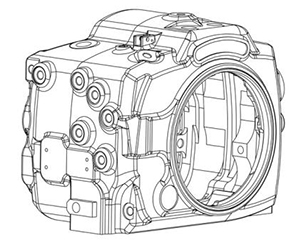
At the core of the design is the shell, designed on cutting edge software by dedicated individuals, machined on state of the art 5 axis CNC machine from a solid block of 6061 T6 aluminum alloy, the same routinely used in aerospace technology. This alloy is acclaimed for its high resistance to corrosion. The shell is then anodized to a MIL-A-8625 Type 2, Class 2 speciation, and finally covered with a tough as nails, black polyester powder coating baked at a high temperature in order to be certified certified to A.A.M.A 2603-98 specification. This kind of protection is not superfluous, as evidently shown on Aquatica housings having logged over 3,000 immersion and which are still on active duty day after days.

Control shafts and push buttons are Type 304 stainless steel, another metal commonly used by the aerospace industry. It is controlled to be free of the iron contaminants that degrade quality and integrity of the metal, such as often found on the less stringent type 316, which unfortunately, is too often used in this industry.

The housing shell has two entry points for connecting strobes plus two others for adapting various accessories. There is a large 16mm diameter access point on the left hand side, ideal for connecting a monitor.  Also located on the left hand side is a standard 1/2” diameter access point for the optional Surveyor pressure valve.

MAIN FEATURES OF THE AQUATICA AD500 HOUSING

  • Well established and proven system of ports, extensions and accessories to attend to your personal lens preferences.
  • Quick and simple installation of enhanced viewfinders; no special tool required.
  • The best selection of strobes connectors on the market.
    • Dual Nikonos bulkheads
    • Optical fiber with flash trigger included
    • Ikelite single bulkhead
    • Built in TTL converter for optical or electrical triggering.
  • Exceptionally good and ergonomic control placement.
  • All controls remain accessible in all dive conditions, either cold or warm, gloves or not.
  • Secure port locking system and easy access lens release button.
  • The most comfortable and sturdy hand grips of the industry, also extendable for larger or gloved hands.
  • Precise camera mounting via a quick release camera tray with angled rear LCD positioning.
  • Two (2) entry point for accessories such as HDMI monitors, remote control or vacuum monitoring systems.
  • Eight (8) threaded standard ¼”-20 holes, one located on top, three on the bottom and four on the grips, to mount strobe arm, brackets, tripods and a wide range of accessories.
  • Depth rating options of 90m or 130m depth at no extra charge.
  • Made with a time proven manufacturing process, using the best material available and state of the art tooling, to offer you many years of dependable and enjoyable service.

For more information contact: info@aquatica.ca or call 514-737-9481