Home Blog Page 157

The Great Barrier Reef Coral Bleaching Explained

0
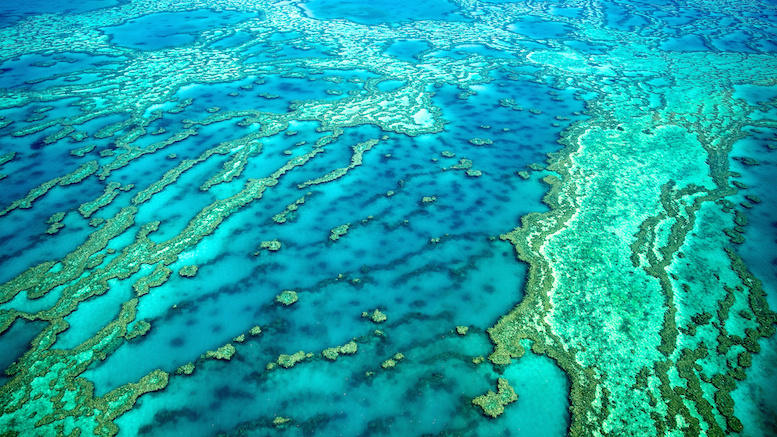
The Great Barrier Reef from above © Tanya Puntti

These last few weeks have appeared particularly bleak for the state of corals in the Pacific Ocean. With headlines hailing the Great Barrier Reef coral bleaching as the “worst bleaching in history”, and a prediction that this event would leave a lasting effect on coral life in the region, it was the inevitable news that those who study and love the ocean feared, and a news story that shocked the wider world. The long-term survival of one of the natural wonders of the Earth, and a peak tourist destination and dive haven, appeared to be in question.

A study carried out by Reef & Rainforest Research Centre provides further information on the northern section of the Great Barrier Reef, which is currently undergoing a major coral bleaching event – a stress response to poor water quality and higher-than-average water temperatures mainly as a result of the present El Niño climate phenomenon. This specific region of the reef is experiencing severe, large scale bleaching for the first time. But the study reports that this isn’t necessarily the end of the coral reefs that form the vast underwater metropoles in the Southern Hemisphere; whilst a significant portion of the coral may die as a result of the bleaching, the corals that survive will be more tolerant of high temperatures in the future.

Coral bleaching explained

Those vibrant underwater coral landscapes of a thousand colours come from the presence of symbiotic algae (zooxanthellae) that live in their tissues and produce 90 percent of the coral’s energy requirement through photosynthesis. Zooxanthellae and the corals share a mutualistic relationship: the coral provides the algae with a protected environment and the compounds they need for photosynthesis. In return, the algae produce oxygen and help the coral to remove wastes.

Bleaching occurs when corals expel the majority of their zooxanthellae, and turn to white. Different varieties of coral have different temperature tolerance levels, but all coral is vulnerable to bleaching.

“There are four levels of bleaching,” says Col McKenzie, the Executive Director of the Association of Marine Park Tourism Operators. “Type one is when only the ‘ends’ and ‘surface coral’ is involved, type two is when the entire coral pales, type three is when the coral bleaches white, and type four is the death of the coral.”

“In types one and two bleaching, the coral should recover with minimal mortality but will then be slow to reproduce.” He then adds that most of the current bleaching is either type one or two, with around five percent to 10 percent of type three, and around one percent of type four.
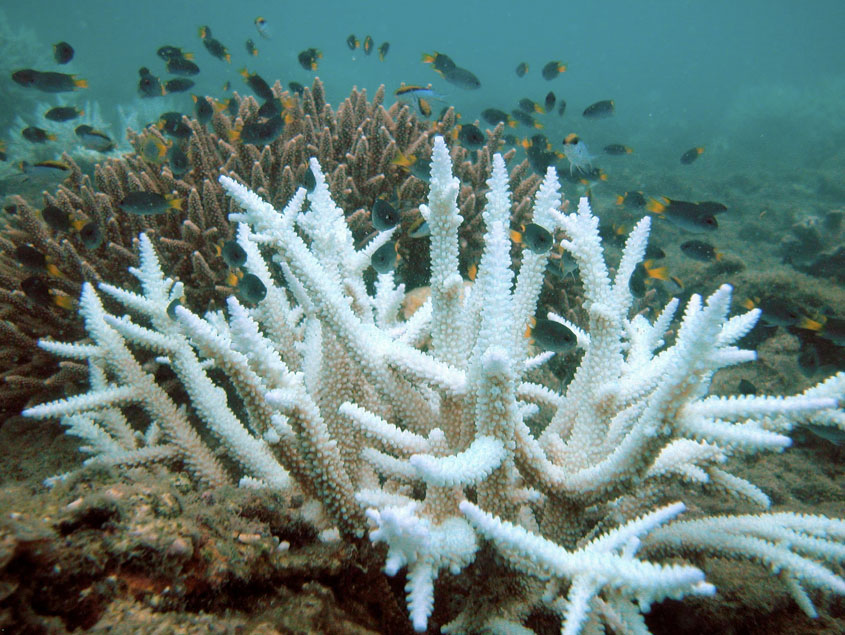
Bleached Acropora coral (foreground) and normal colony (background), Keppel Islands, Great Barrier Reef © Wikimedia Commons

Currently the waters of the northern section of the Great Barrier Reef are stressful conditions for the resident coral, and what determines their fate is all down to how long the event lasts, and if they have suffered from bleaching before. If the stressful conditions persist for an extended period, the corals will eventually starve to death.

If temperature and water quality conditions return to normal, corals can be recolonised by zooxanthellae that have survived the high temperatures, and then return to their normal colour and survive. Although these corals will not reproduce for one or two years, they will likely be more tolerant to higher temperatures, and later El Niño events.

Past GBR bleaching events 

These past two decades have seen several incidents of widespread mass coral bleaching on multiple coral reefs around the world. There have been seven major bleaching events alone on the Great Barrier Reef, with three being particularly widespread – 1981-82, 1997-98 and 2001-2.

Previously, the 1997-98 mass bleaching event saw 74 percent of inshore and 21 percent of offshore reefs having moderate to high bleaching. However, most reefs recovered fully, with an estimated two to five percent of inshore reefs experiencing high coral mortality – that’s an area one-third of the size of London. The central GBR was most affected, with the Palm Island site suffering up to 70 percent coral mortality.

In the summer of 2001-2, there was another mass bleaching event, with evidence of bleaching at 54 percent of the reefs that were surveyed. This time, 41 percent of offshore reefs and 72 percent of inshore reefs showed moderate to high bleaching and an estimated five percent of corals died. Once again the worst affected reefs were situated in the central GBR region.

Again in 2006, sea temperatures in the southern GBR around the Keppel Islands reached 1-2°C above the seasonal average, and bleaching was observed in up to 98 percent of corals with approximately 39 percent coral mortality on the reef flats and 32 percent mortality on deeper reef slopes.
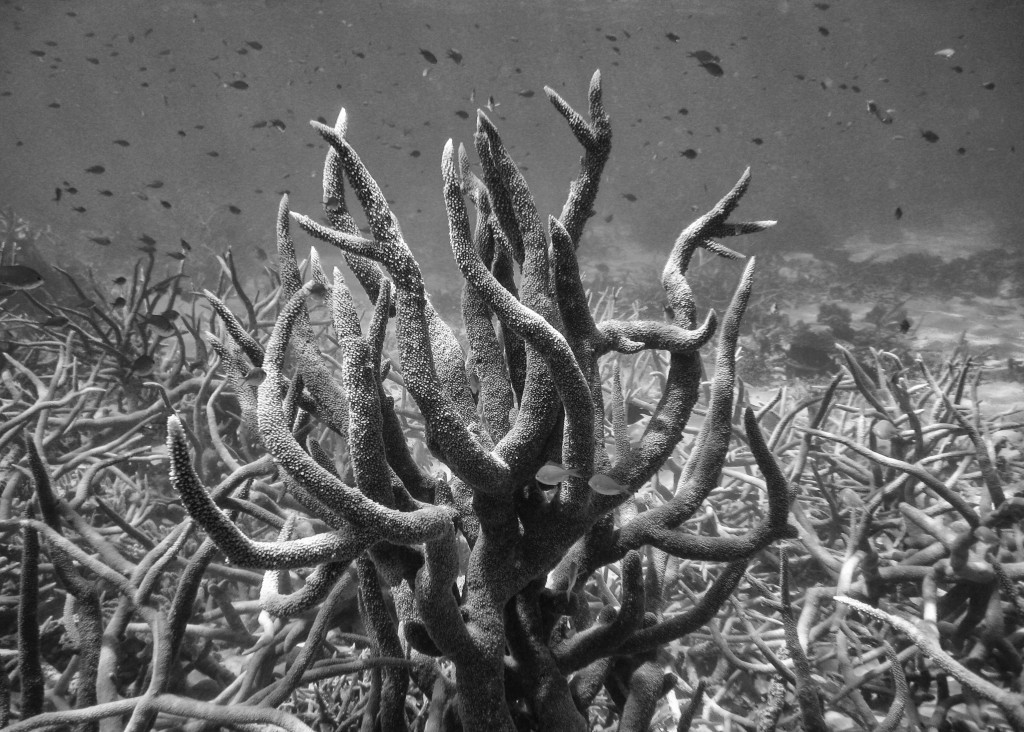
Coral formations © Jovannig

What’s in the future for the reef?

“As long as the water temperature comes down and we get the water quality right, the reef will recover,” Col states, “although there might be some biodiversity lost as the more susceptible types could die out.” 

Previous mass bleaching events have shown that significant coral recovery can occur even after severe bleaching. Importantly, prior exposure of corals to high temperatures is a key determinant in whether they will bleach, and how much they can recover from the bleaching. The GBR is expected to experience more frequent and more serious temperature stresses in the future.

The Australian Institute of Marine Science and the University of Queensland are researching the ability of individual corals to increase their temperature threshold by “shuffling” their zooxanthellae to preferentially host the zooxanthellae that are more tolerant of high temperatures.

It’s difficult to determine the exact state and absolute future of the reefs, but Col McKenzie is adamant to highlight the positives. “There is some good news in that the corals that survive can become more resilient, but a lot more work needs to be done in this field. While large bleaching events do occur as long as the event does not last for weeks on end, the coral can recover very quickly.”

The severity of coral bleaching continues to divide expert opinions. Truly only time will have the final say.
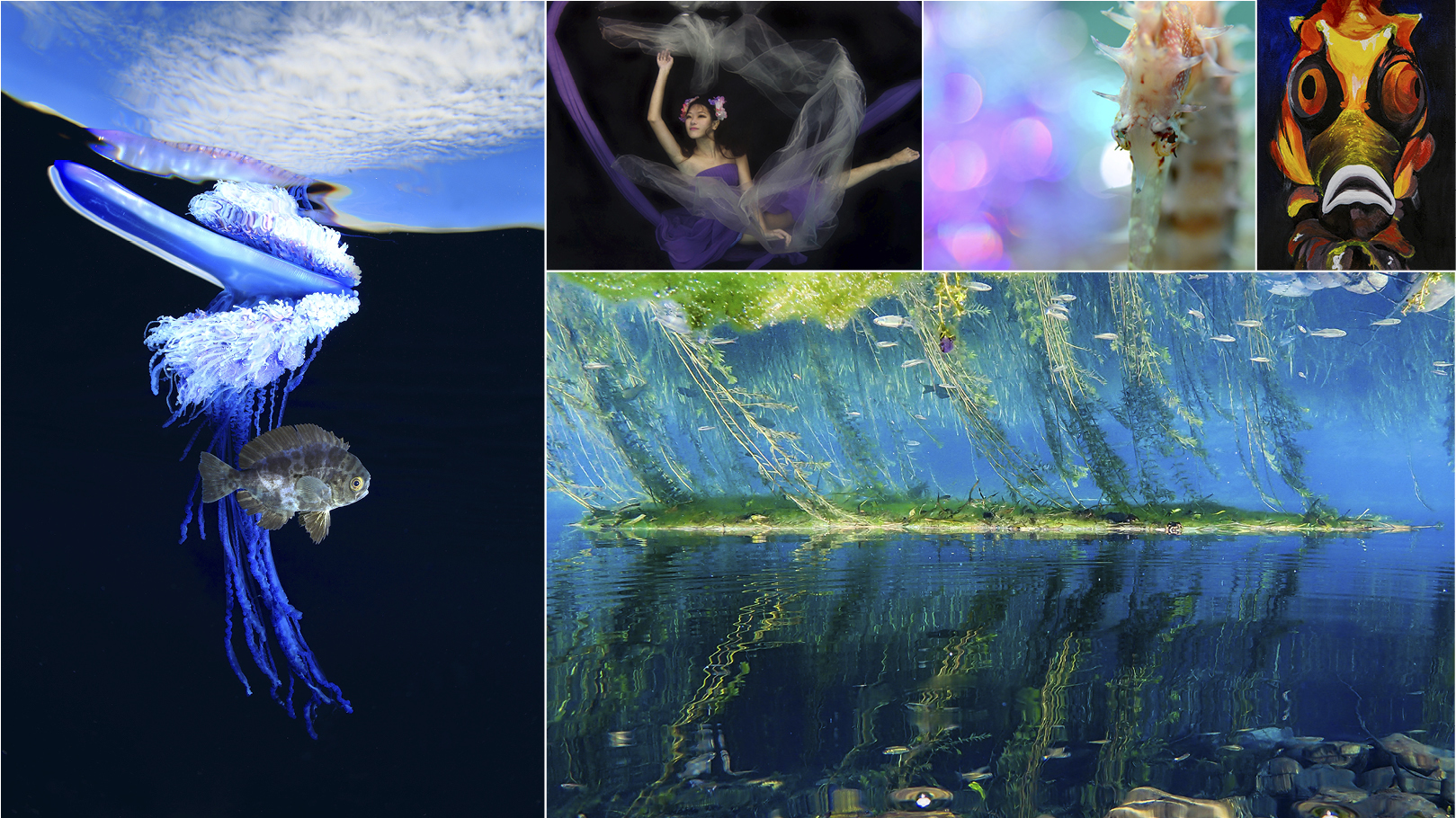
Deepblu ADEX 2016 Voice of the Ocean Winners and Finalists

0

Deepblu ADEX Voice of the Ocean Competition 2016 was a great success. The “X Factor” of underwater photography contests – many incredible images, videos and artworks were showcased on the ADEX main stage and received insightful analysis and straight-up opinions from our star-studded lineup of judges. This year’s judging lineup was particularly special, being headed by underwater photography superstar Alex Mustard (United Kingdom), and consisted of top-underwater photographers and videographers: Iyad Suleyman (Ukraine), Kurt Amsler (Switzerland), Lynn Funkhouser (USA), Matthew Smith (United Kingdom), Pasquale Vassallo (Italy), Rico Besserdich (Turkey), Shawn Heinrichs (USA) and Tim Ho (Malaysia).

Online viewers were able to watch the events and scoring unfold through ADEX’s brand-new live streaming, which also allowed them to express their opinions – digitally – for the picture, video or artwork they were rooting for. With a list of incredible prizes won for these “A-game” pieces of art, we bring you the submissions of our winners and finalists:

Best of Show – Eduardo Acevedo (Spain)

PhotoWinner


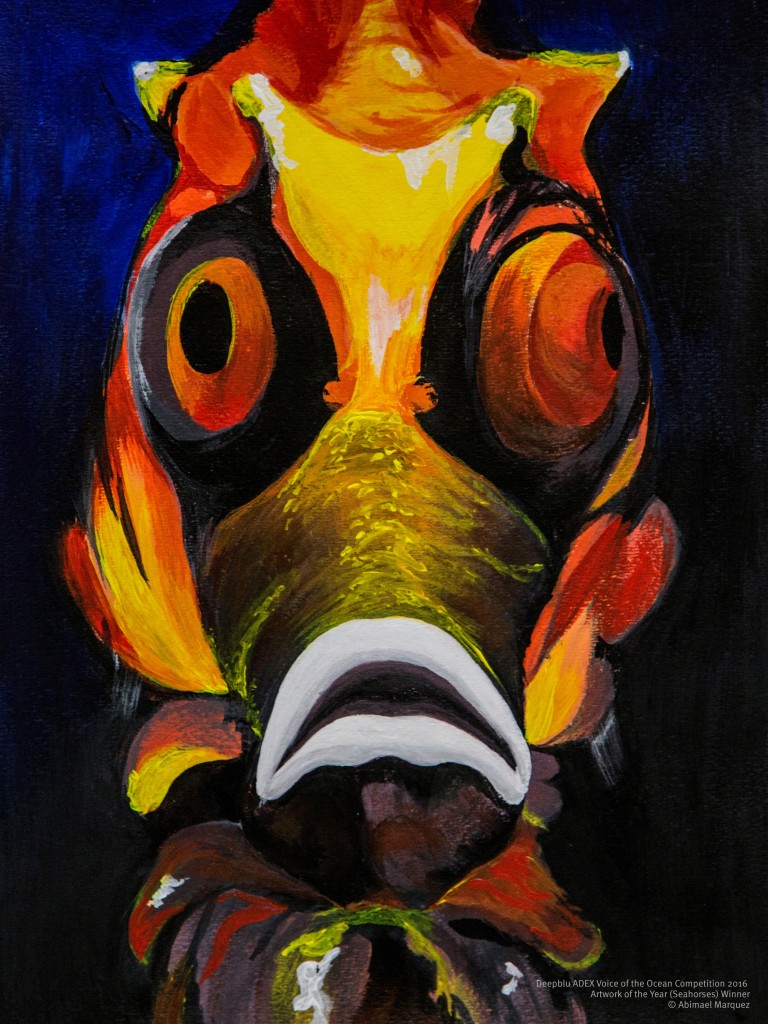
Artwork of the Year (Seahorses)

Winner – Abimael Marquez (Puerto Rico)

ArtworkWinner

Finalists

4. Artwork_DragosDumitrescu_Seahorse_Dauin_01

Dragos Dumitrescu (Romania)


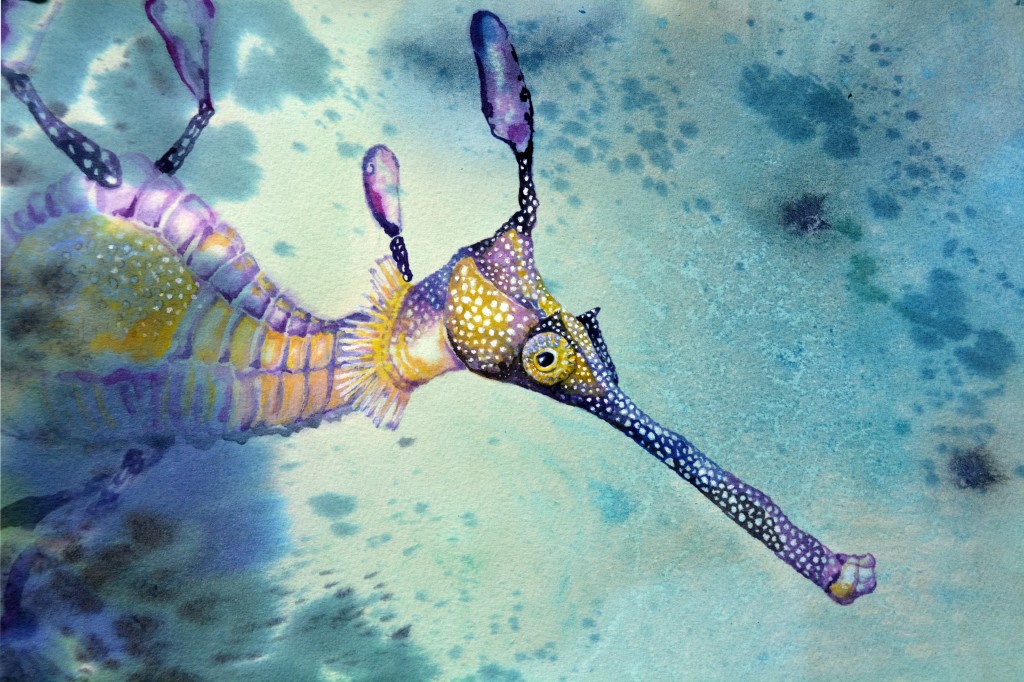
27. Artwork, Olga Suslova, Seadragon, watercolor

Olga Suslova (Israel)


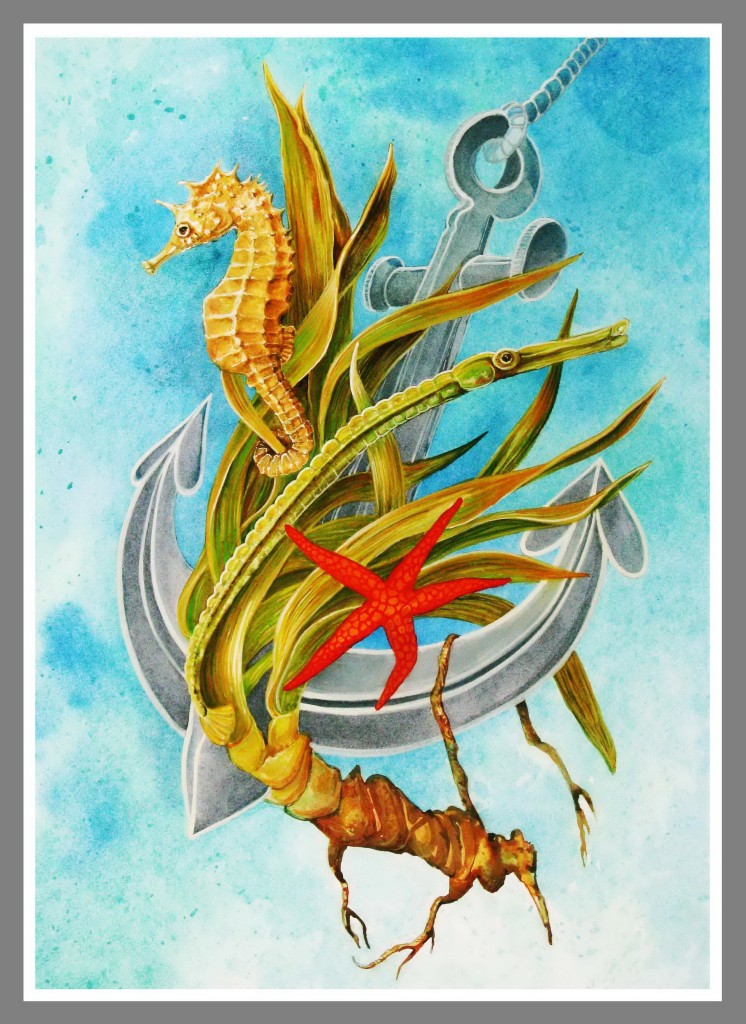
26. Posidonia Protection Poster framed, watercolor_

Olga Suslova (Israel)


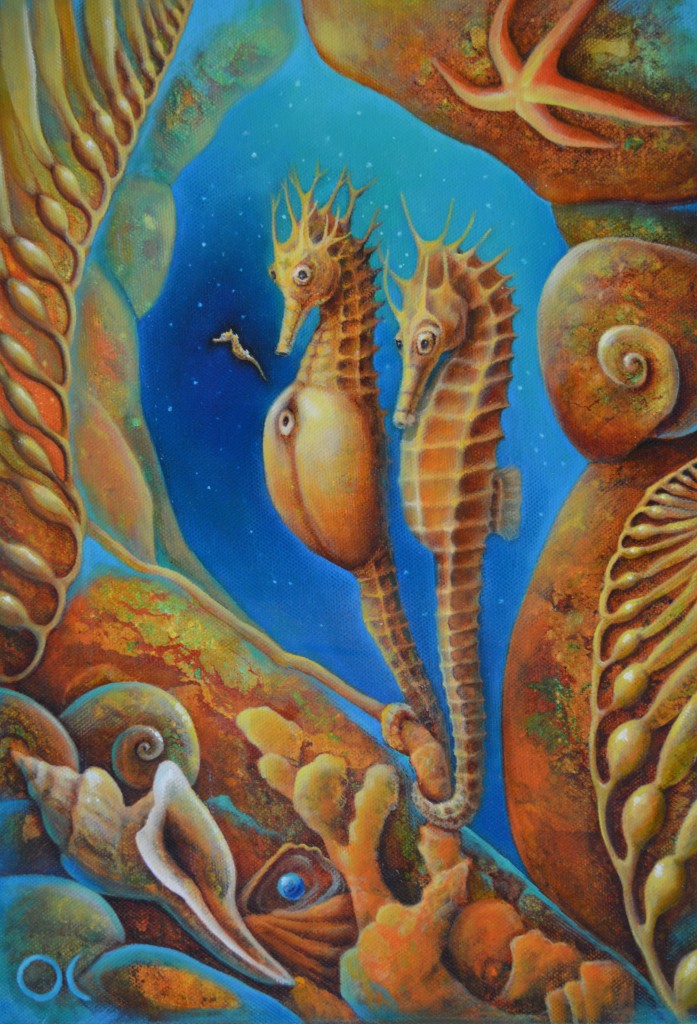
25. Artwork, Olga Suslova, Newborn, oil on canvas

Olga Suslova (Israel)


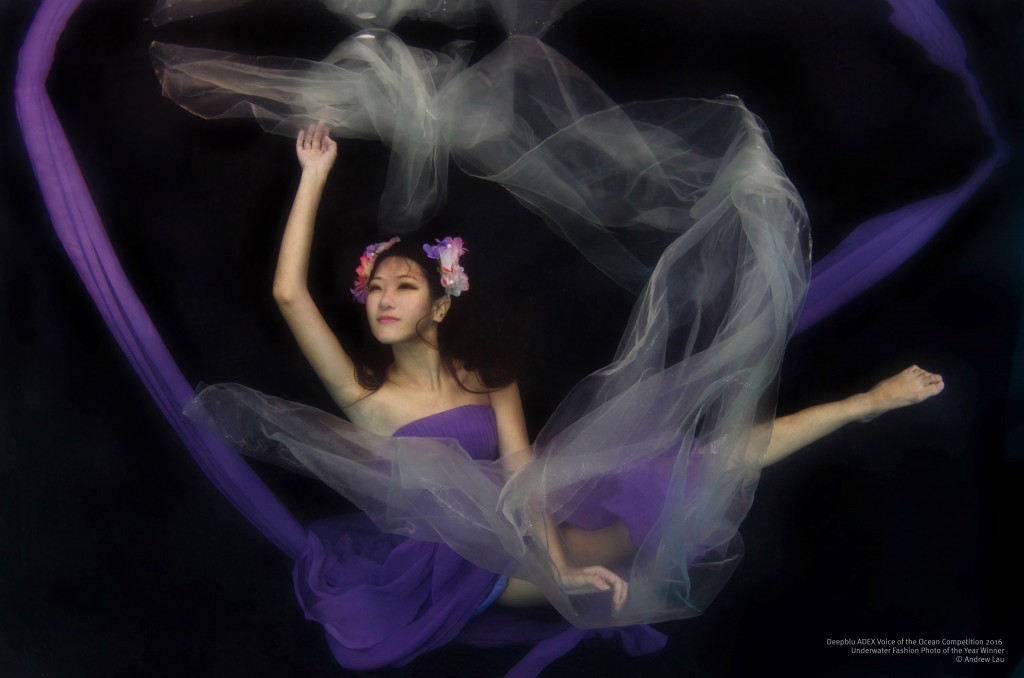
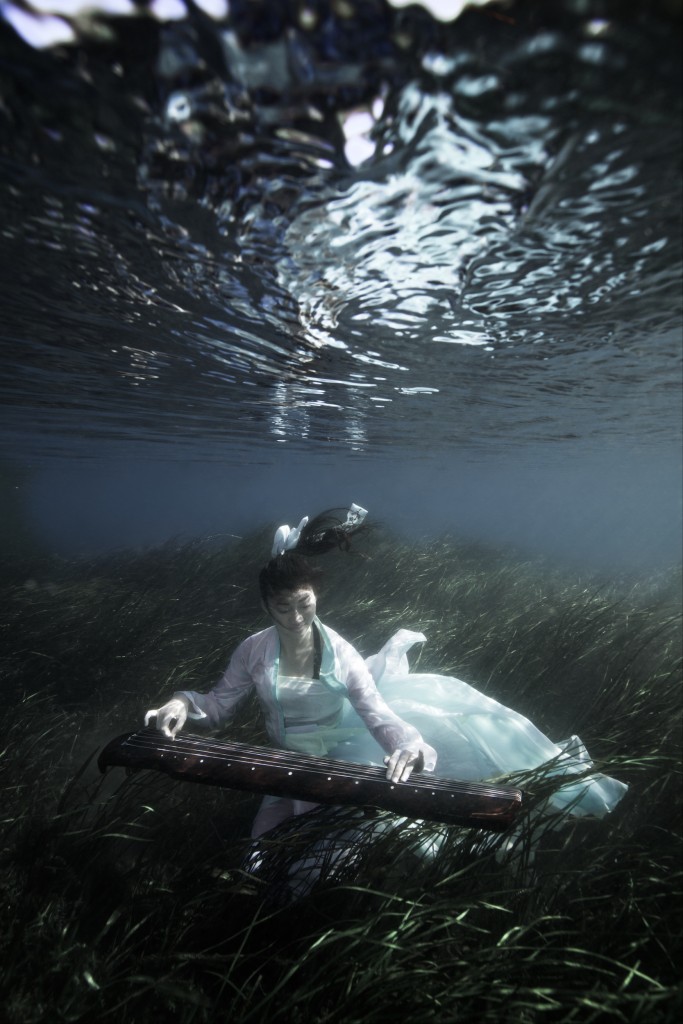
Underwater Fashion Photo of the Year

Winner – Andrew Lau (Hong Kong)

UnderwaterFashionPhotoWinner

Finalists

Studio fotografico Max Giorgetta - Latina tel. +39 388-5873872 www.maxgiorgetta.it

Massimo Giorgetta (Italy)


26. Fashion_Tanakit_Flame_Thailand_03

Tanakit Suwanyangyaun (Thailand)


6. Fashion_Jim_Chen_Taiwan_03

Jim Chen (Taiwan)


8. Fashion_Fan Ping_Oriental Melody_Florida_02

Fan Ping (China)


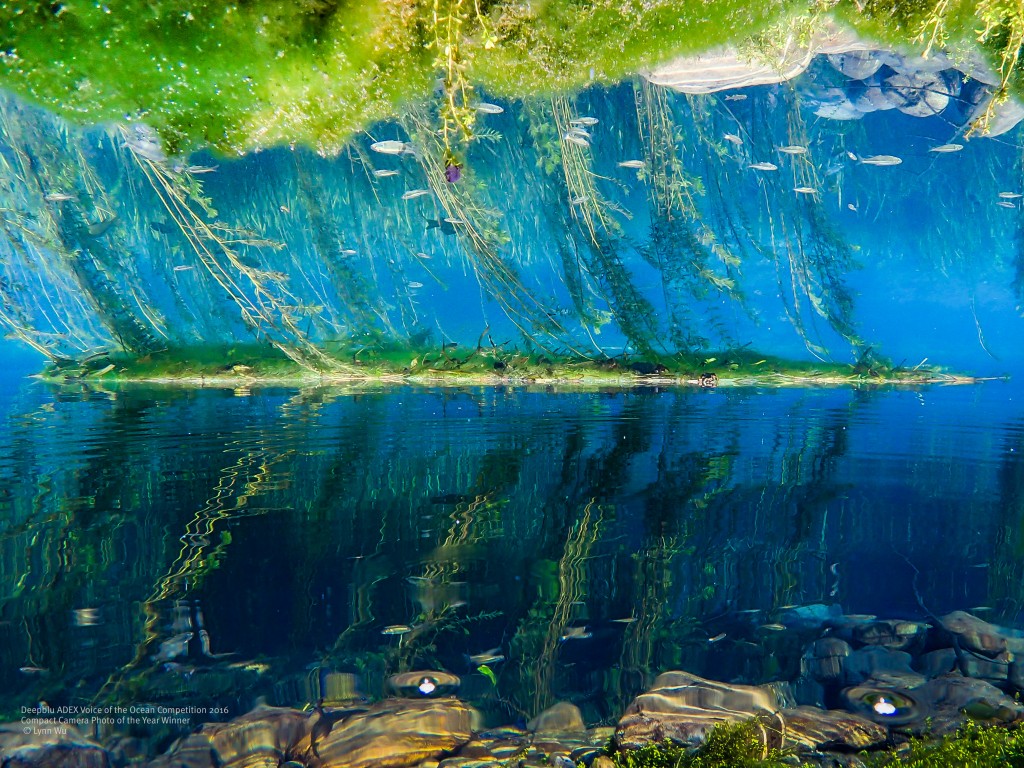
Compact Camera Photo of the Year

Winner – Lynn Wu (Taiwan)

OLYMPUS DIGITAL CAMERA

Finalists

OLYMPUS DIGITAL CAMERA

Chee Wai Cheow (Malaysia)


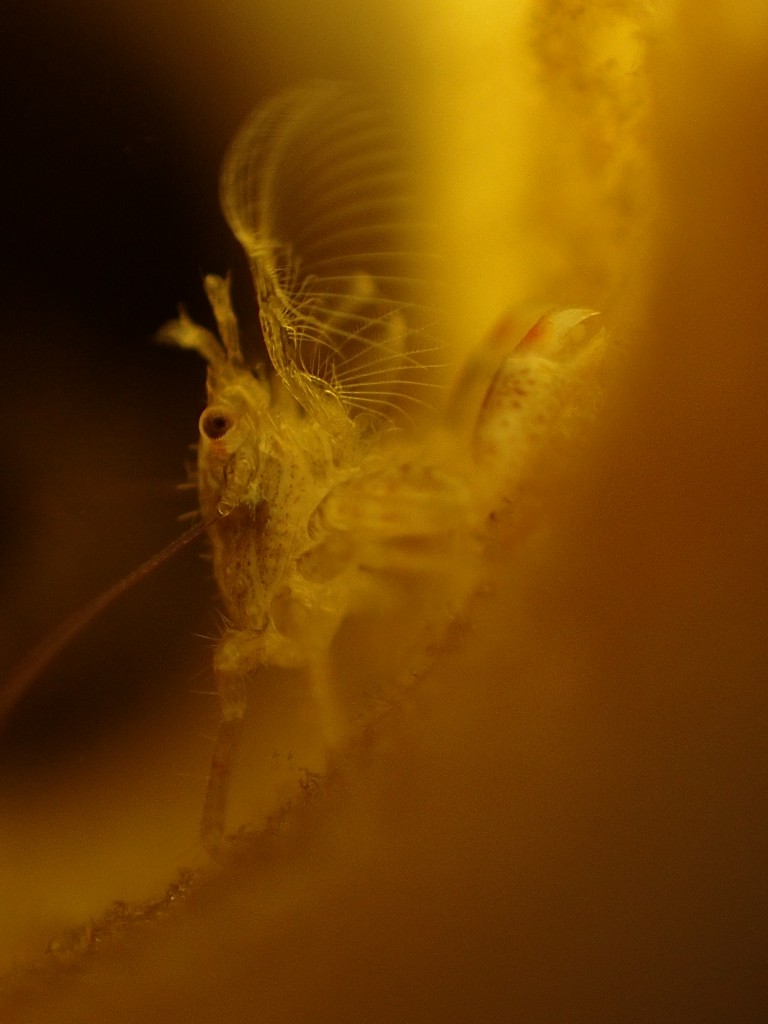
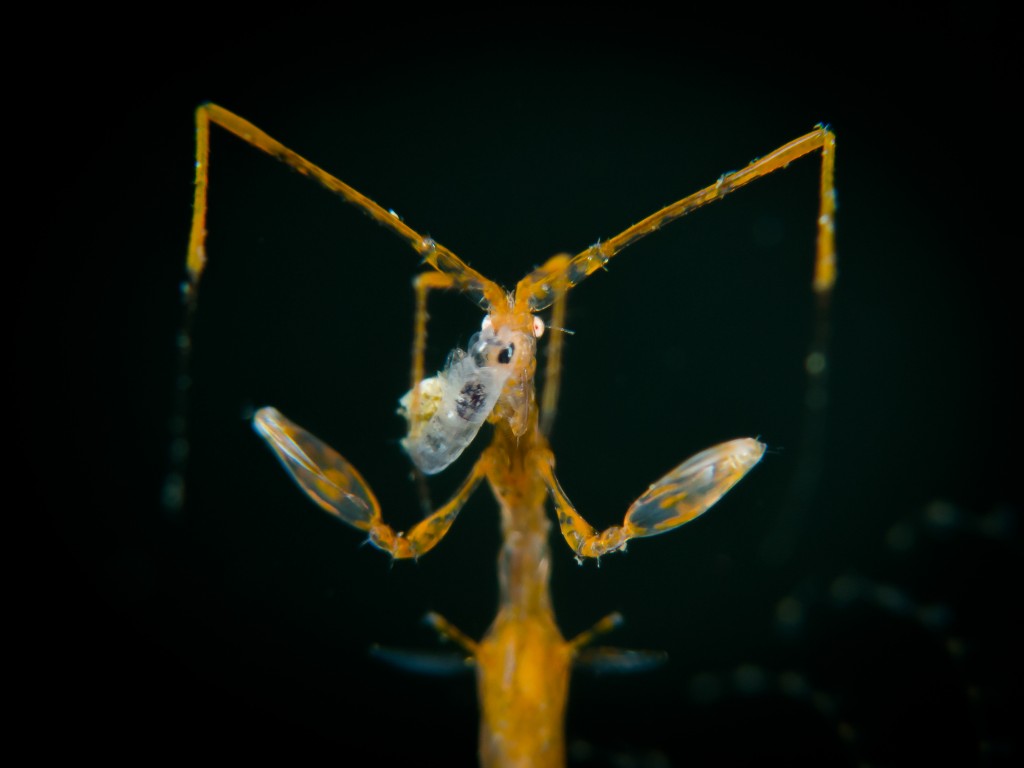
91. Compact_Ipah Uid_skeletal shrimp_lembeh_02

Ipah Uid (Malaysia)


OLYMPUS DIGITAL CAMERA

Lynn Wu (Taiwan)


Location: Ambon, Indonesia Camera: Canon G15 Housing: Canon Housing Strobes: Inon Z240 x 2 Diopter: Subsee +10, Inon UCL-165 M67 Settings: ISO 80, F/8, 1/125

Lilian Koh (Singapore)


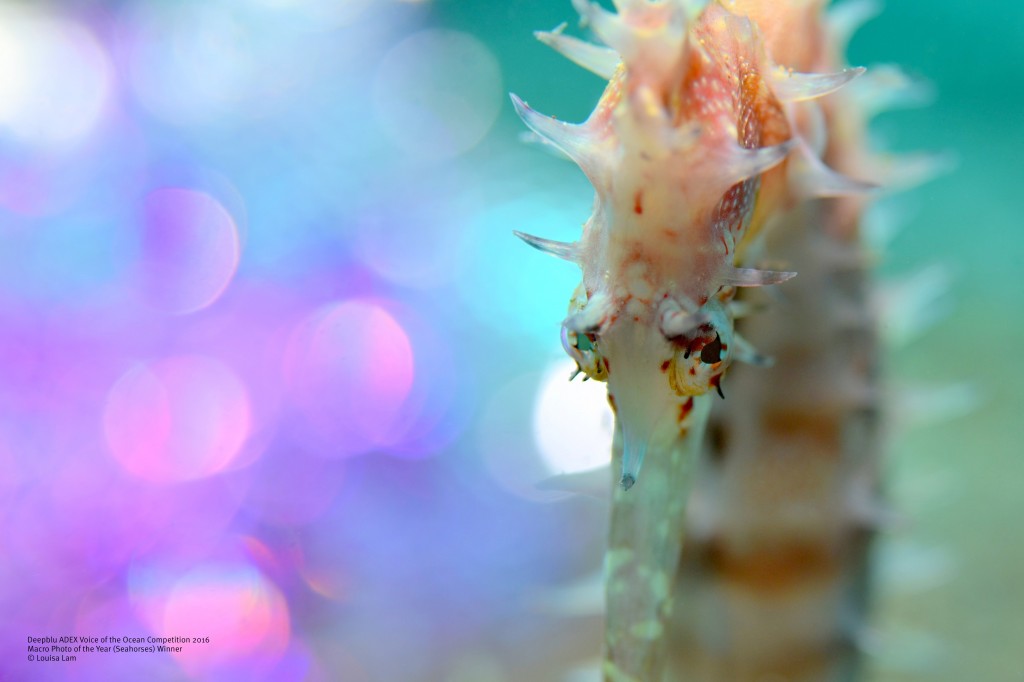
Macro Photo of the Year (Seahorses)

Winner – Louisa Lam (Canada)

MacroPhotoWinner

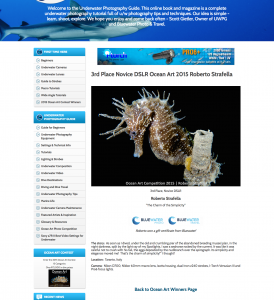
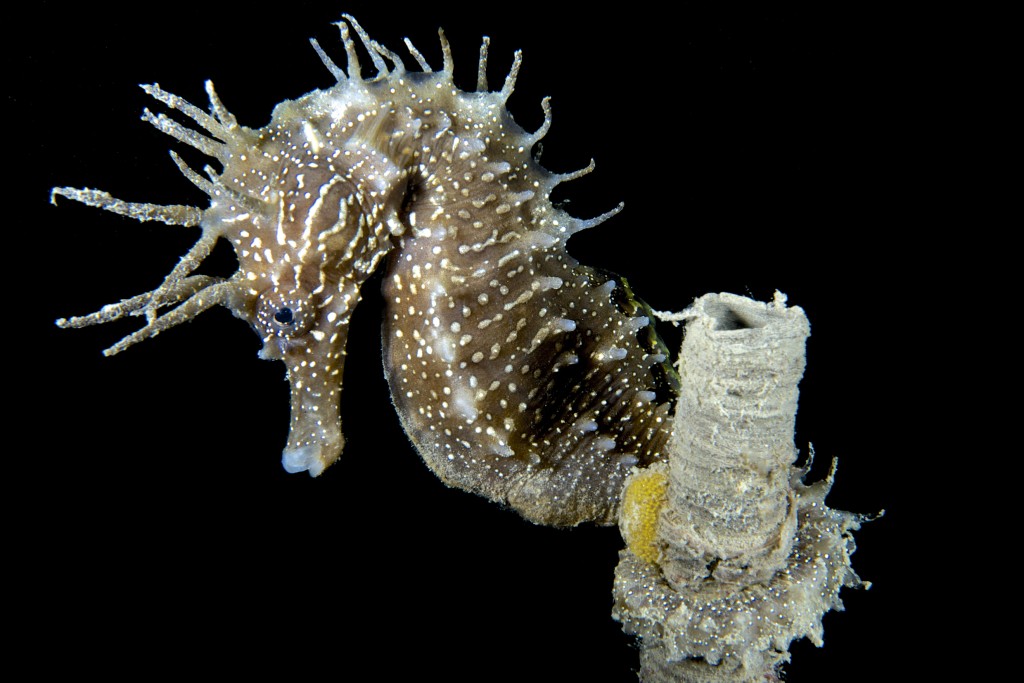
The original photograph selected for Macro Photo of the Year (Seahorses) was unfortunately disqualified as our Rules and Regulations of the competition – Rule number six states that “Images/videos/art works that have won or placed in photo contests announced before 28 February 2016 may not be submitted” (screenshot below). This selected image was previously runner-up.

screencapture-www-uwphotographyguide-com-oa15-3rd-novicedslr-1462423327383

Honourable Mention

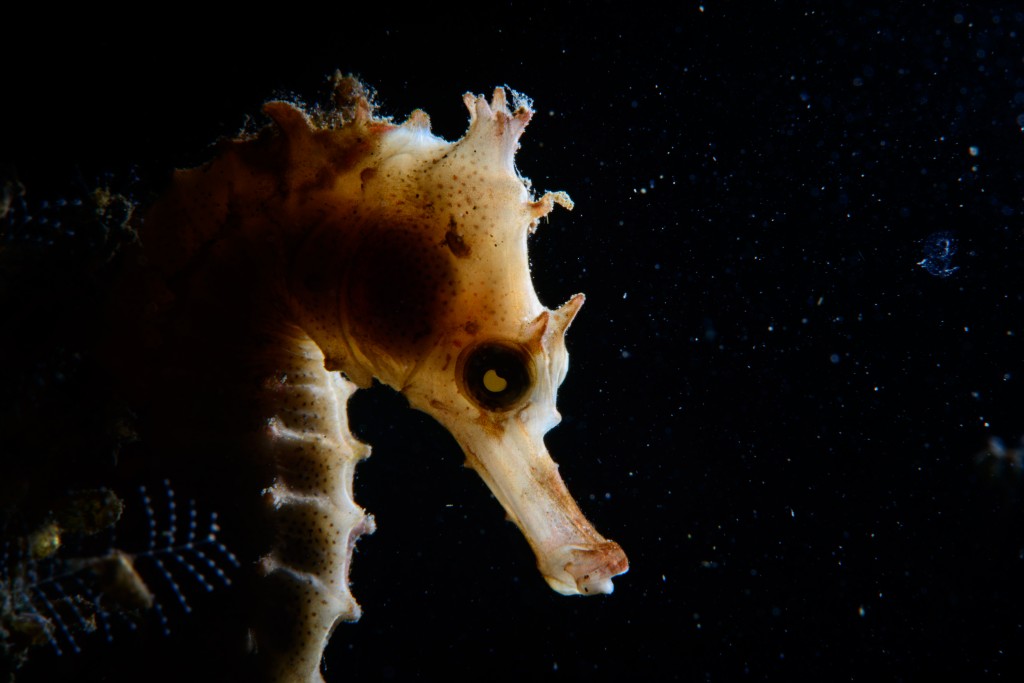
2. Macro_Strafella_Simplicity_Taranto_01

Roberto Strafella (Italy)

Finalists

127. Macro_MiguelPereira_Seahorse_Anilao

Miguel Pereira (Portugal)


80. Macro_VaniaKam_GlowInTheDark_Anilao_01

Vania Kam (Hong Kong)


30. Macro_ChristopheHubert_PygmySeverns_RajaAmpat_03Christophe Hubert (France) 
 

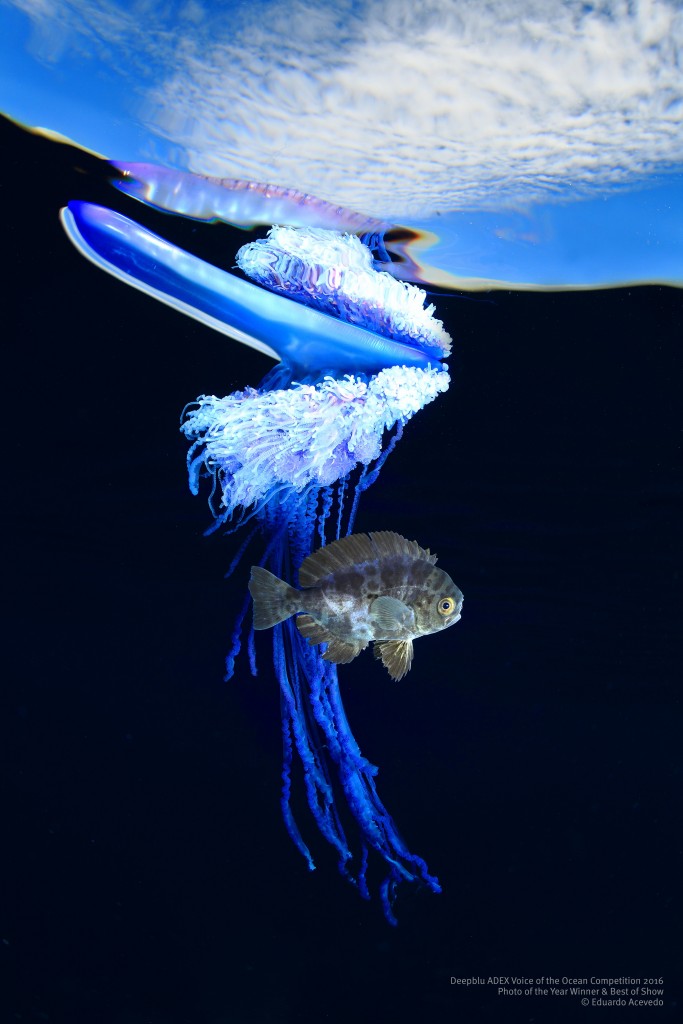
Photo of the Year

Winner – Eduardo Acevedo (Spain)

PhotoWinner

Finalists

132. Photo_VaniaKam_AllYouCanEatEggsBuffet_Anilao_01

Vania Kam (Hong Kong)


29. Photo_DragosDumitrescu_GlowingShelter_Dauin_02

Dragos Dumitrescu (Romania)


190. Photo_Mathieu Foulquié_toad_France_01

Mathieu Foulquié (France)


235. Photo_Plamena_Losted galaxies_Tenerife_01

Plamena Mileva (Bulgaria)


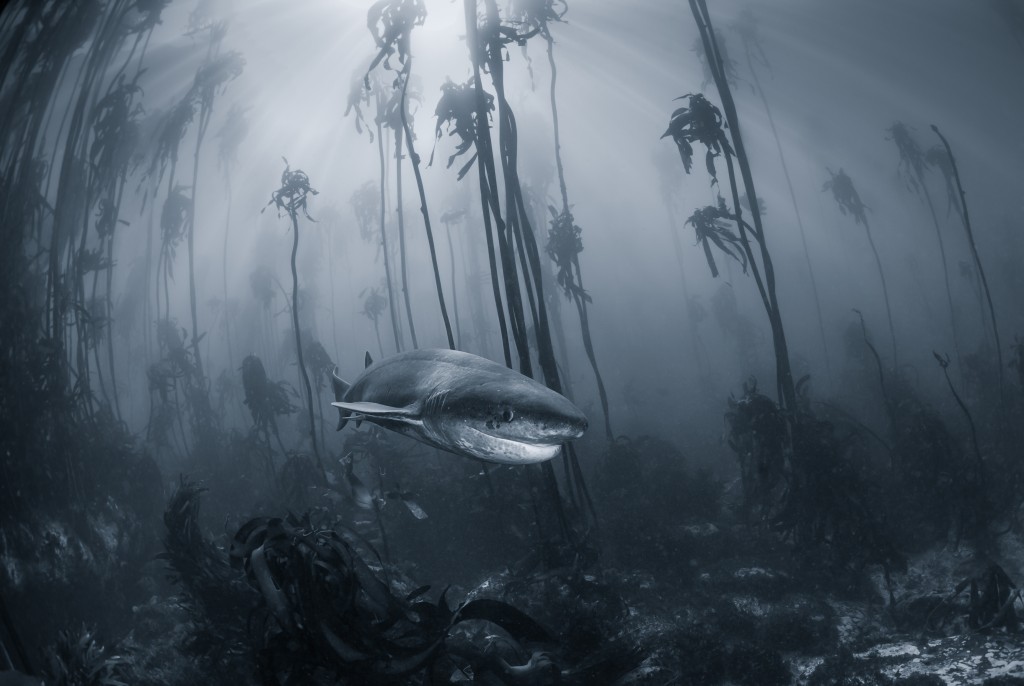
281. Photo_Tracey Jennings_Mysticalforest_Africa_03

Tracey Jennings (UK)


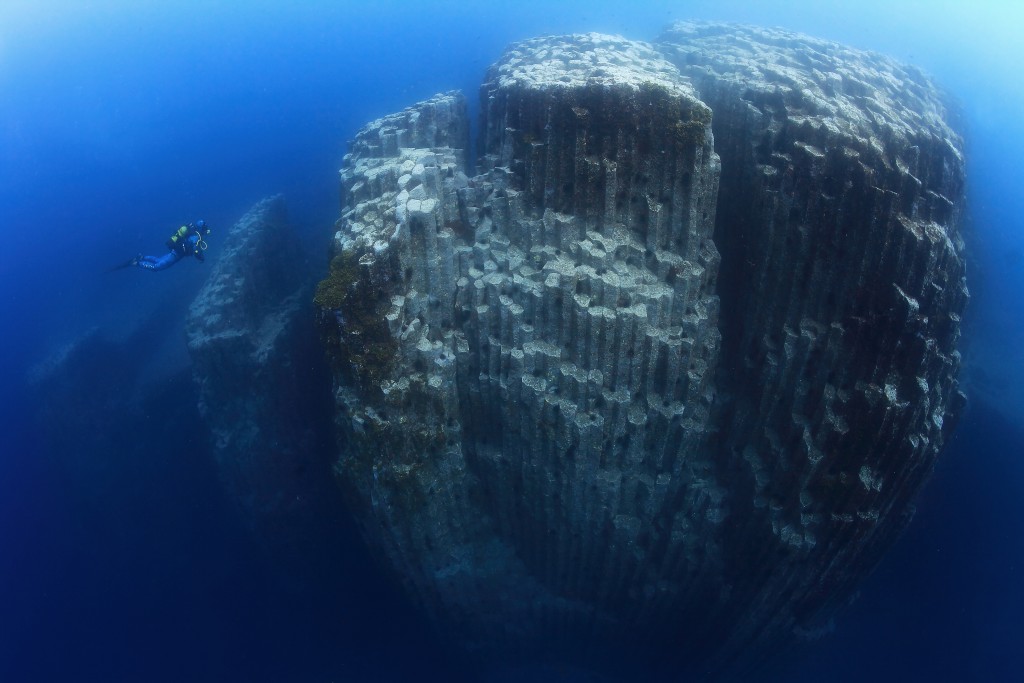
311. Photo_EDUARDO ACEVEDO_Basalto_Tenerife_02

Eduardo Acevedo (Spain)


Video of the Year

Winner – Evan Sherman (USA)


Finalists

Dustin Adamson (USA)


Elisabeth Lauwerys (Germany)


Silke De Vos (Belgium)


Congratulations to the winners!

Hundreds of Baby Dolphin Deaths Linked to BP Oil Spill

0
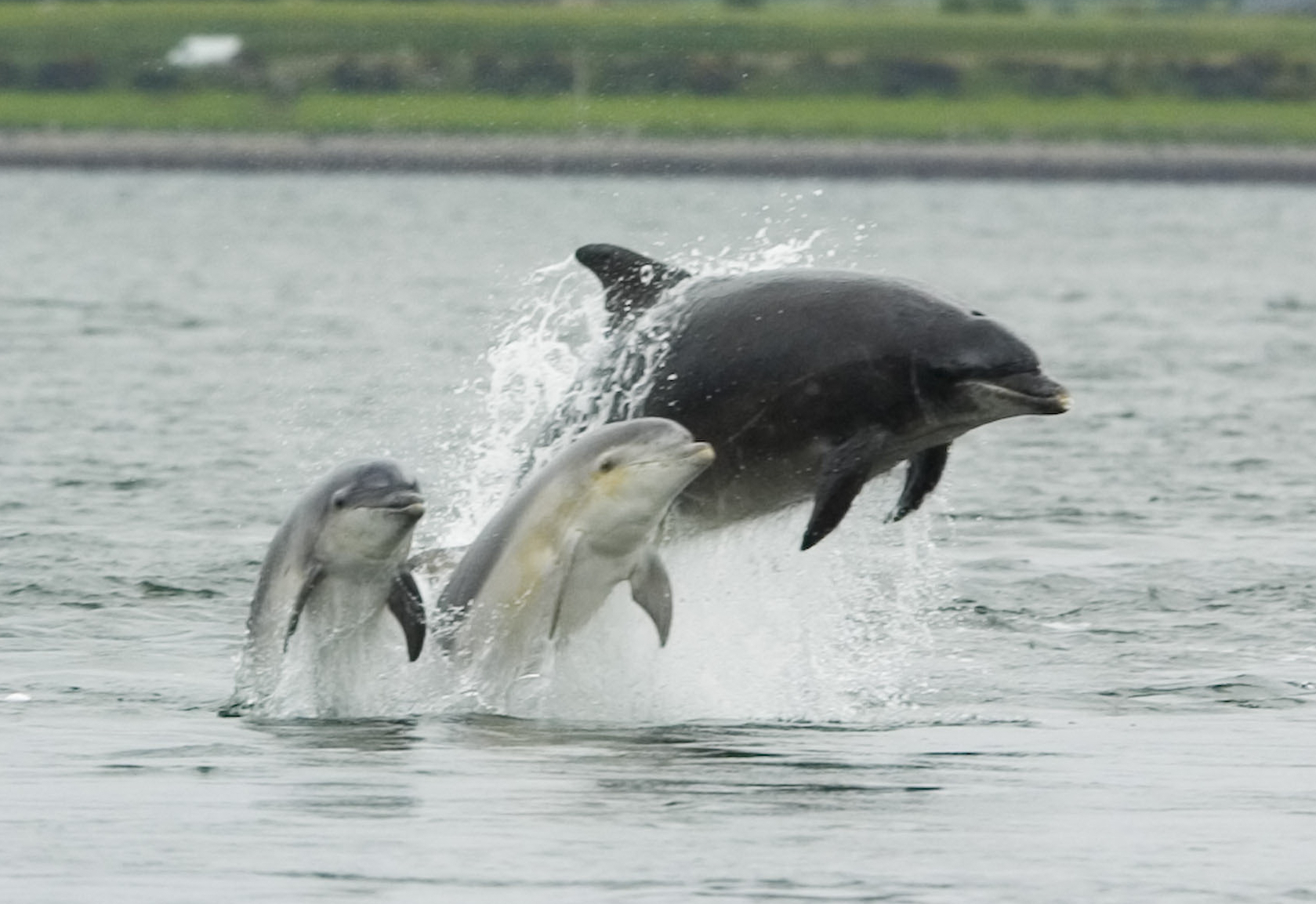
Bottlenose dolphin © Wikimedia Commons

Between 2010 and 2014, more than a thousand common bottle-nosed dolphins washed ashore on the coast of the Gulf of Mexico.

These dolphin strandings were the “largest and longest cetacean unusual mortality event” ever recorded in the Gulf of Mexico, scientists found in a previous study. A large proportion of the dead dolphins were perinates — late-term dolphins that had died inside the womb or very young newborns.

Now, experts say that the unusually high mortality of these perinates may be associated with the 2010 Deepwater Horizon oil spill. Exposure to the oil spill could have caused late-term abortions of the in-utero dolphins, or early death of the newborns, researchers conclude in a new paper published in Diseases of Aquatic Organisms.

Previous studies have linked the oil spill to health abnormalities in dolphins. A study published last year, for example, found that exposure to oil spill had possibly caused lung diseases and other health problems in dolphins in Louisiana in the Gulf of Mexico. These dolphins were unable to produce viable calves, the team found, suggesting that the oil spill may have caused failed pregnancies.

The BP oil spill began in April 2010. To find out whether dolphin strandings on the Gulf of Mexico were linked to the oil spill, a team of researchers examined 69 baby dolphins that had washed ashore on the Gulf of Mexico between 2009 and 2013, and compared them to a control population of 26 dolphins that had stranded in South Carolina and Florida, outside the oil spill area.

The team found that in comparison to the reference dolphins, the Gulf of Mexico bottlenose dolphins seemed to be at greater risk of late term pregnancy failures, signs of fetal distress and development of in utero infections including brucellosis.

Moreover, 88 percent of the dolphins that had washed ashore in the oil spill zones had lung abnormalities, including partially or completely collapsed lungs, the study found. In contrast, only 15 percent of the control dolphins had lung abnormalities.

Bottlenose dolphins are typically pregnant for about 380 days, experts say. Since most number of dolphin strandings occurred in 2011, particularly in Mississippi and Alabama, the scientists speculate that the baby dolphins found dead in 2011 could have been exposed in the womb to petroleum products released in 2010.

“Pregnant dolphins losing fetuses in 2011 would have been in the earlier stages of pregnancy in 2010 during the oil spill,” Kathleen Colegrove, the study’s lead author and veterinary pathology professor at the University of Illinois Chicago-based Zoological Pathology Program, said in a statement.

Veterinarian Teri Rowles, co-author on the study, and head of NOAA’s Marine Mammal Health and Stranding Response Program, added, “Our new findings add to the mounting evidence from peer-reviewed studies that exposure to petroleum compounds following the Deepwater Horizon oil spill severely harmed the reproductive health of dolphins living in the oil spill footprint in the northern Gulf of Mexico.”

Citation:

  • Colegrove, et al. 2016 Fetal distress and in utero pneumonia in perinatal dolphins during the Northern Gulf of Mexico unusual mortality event. Diseases of Aquatic Organisms. 119: 1–16. doi: 10.3354/dao02969

Climate Change Is Drying Up Small Islands, Study Says

0

Sea level rise severely threatens small islands across the globe. But now, these islands have another cause for worry — reduced freshwater access and increasing aridity due to climate change.

According to a new study published in Nature Climate, climate change may dry out 73 percent of the world’s small islands by 2050. This is greater than previous estimates which indicate that 50 percent of the islands would become drier.

Island groups such as the French Polynesia, the Marshall Islands, and the Lesser Antilles are usually smaller than the resolution of the currently used Global Climate Models (GCMs), the researchers write. So these islands often get ignored in the model predictions, they add.

“Paper after paper in my field show changes in drought or aridity,” Kris Karnauskas, the study’s lead author and a professor of atmospheric and oceanic sciences at the University of Colorado Boulder, said in a statement. “But my eye always looks at the maps and graphs in those papers and I wonder why we can’t see islands. Using models, it turns out, is much less straightforward for islands than for places where there are big chunks of land.”

Aerial photo of Mili Atoll (172E, 6N), Republic of the Marshall Islands taken by a drone during our recent fieldwork in the western tropical Pacific. Photo by Jeffrey P. Donnelly.

Instead, to predict the impact of climate change on small island groups, Karnauskas, and his colleagues, decided to look at the ratio of precipitation and evaporation for these small islands. Using this information, the team calculated an aridity change index (ACI) for 80 globally distributed small island groups, and found that rising temperatures and increased evaporation due to climate change put nearly 73 percent of the islands at risk of facing reduced freshwater availability and increased aridity by 2050. This would affect about 16 million people, the authors add.

“By moving beyond rainfall projections and accounting for changes in the climate system’s evaporative demand for water, the picture of future freshwater stress that emerges is variable from one island group to another, but with a clear trajectory for the majority of islands towards a more arid climate—similar to recent continental studies,” the authors conclude in the paper.

Some of the island groups to be affected the most by 2090, according to the study’s projections, are the Juan Fernandez ‘Robinson Crusoe’ Islands, Chile, Easter Island, Chile, the Lesser Antilles, the Tuamotus, French Polynesia, and the Azores.

“Islands are already dealing with sea level rise,” Karnauskas said. “But this shows that any rainwater they have is also vulnerable. The atmosphere is getting thirstier, and would like more of that freshwater back.”

Citation:

Half of World Heritage Sites Threatened by "Harmful Industrial Activities", New Report Finds

0
© Filipe Frazao

Natural World Heritage Sites represent areas that have some of the richest biodiversity, natural beauty and geology in the world.

But these sites of “outstanding universal value”, that cover only about 0.5 percent of the Earth’s surface, are in trouble because of “harmful industrial activities and operations,” a new report by the World Wildlife Fund (WWF) warns.

According to the report, of the world’s 229 natural and mixed UNESCO World Heritage Sites, 114 sites are threatened by industrial activities such as oil and gas exploration and extraction, mining, illegal logging, construction of large-scale infrastructure, overfishing and unsustainable water use.

“World Heritage sites should receive the highest levels of protection, yet we are often unable to safeguard even this important fraction of the Earth’s surface,” Marco Lambertini, Director General of WWF International, said in a statement. “We all agree that these are some of the most valuable and unique places on the planet, now we need to work together to let these sites provide for the well-being of people and nature.”

In 2007, Oman’s Arabian Oryx Sanctuary was de-listed from the World Heritage Site list because the Omani government decided to open 90% of the site to oil exploration activities endangering oryx populations in the site. Photo by Charlesjsharp , Wikimedia Commons, CC BY-SA 3.0.

Industrial activities can sometimes damage World Heritage Sites beyond repair. Oil exploration in Oman’s Arabian Oryx Sanctuary, for example, led to the destruction of the Arabian Oryx’s habitat. Infrastructure associated with oil prospecting also gave poachers increased and improved access into the sanctuary, according to the report. Consequently by 2007, the Arabian Oryx population fell by 85 percent. The Omani government opened up nearly 90 percent of the Arabian Oryx Sanctuary to oil prospecting, and in 2007, the site was removed from the World Heritage Site List, the only natural heritage site to be de-listed so far, the report notes.

Industrial activities are not just damaging the sites and endangering their biodiversity, but are also putting the livelihoods and well-being of people at risk, the report says. About 11 million people depend on World Heritage Sites, the report notes, who could be negatively affected by the industrial activities within the sites.

“In total, the number of people depending on threatened World Heritage sites for their livelihoods and well-being is equivalent to the entire population of Portugal,” the authors write in the report. “These people depend on the sites for their homes, subsistence living, jobs, or ecosystem services including climate regulation and flood prevention.”

For example, destruction of the Belize Barrier Reef Reserve System, a World Heritage Site, has put the livelihoods of about 190,000 people — or more than half of Belize’s population — at risk. Reef-related tourism and fishing is a major source of income for these people. However, unsustainable infrastructure development around the site, extensive clearing of mangroves, and pollution from agriculture run-off has damaged 40 percent of the reef since 1998, threatening the livelihoods of the local communities.

The Blue Hole Natural Monument at Lighthouse Atoll is part of the Belize Barrier Reef Reserve System World Heritage Site and a popular dive site. Photo credit: naturepl.com / Brandan Cole / WWF.

Similarly, Sundarbans in Bangladesh supports over 300,000 people who depend on the mangrove forests for honey, timber, firewood, meat and fish. However, this World Heritage Site is threatened by heavy shipping traffic, pollution, and overpopulation. Moreover, the future of Sundarbans — home to the Bengal tigers — is also threatened by two coal-based power plants planned very close to the site.

The WWF report calls on corporates and private enterprises to make “no go commitments to refrain from activities that threaten to degrade the capacity for protected areas, and World Heritage sites in particular, and to support the livelihoods and well-being of local communities.”

The report also calls on national governments to ensure that no harmful industrial activities are permitted inside World Heritage Sites.

“We need to wake up to the fact that people don’t just protect these sites, these sites protect people,” Lambertini said. “Governments and businesses need to prioritize long-term value over short-term revenue and respect the status of these incredible places. We need to turn away from harmful industrial activities and focus on sustainable alternatives that enhance World Heritage sites, their values and the benefits they provide.”

Article published by Shreya Dasgupta, source: Mongabay

This Week's Defender of the Ocean: Dr Sara Lourie

0
123rf.com

With an endless passion for the natural world, both on land and below the waves, Dr Sara Lourie is this week’s defender of the ocean. Sara studied Biological Sciences at Oxford University, and did a PhD at McGill University on seahorses in Southeast Asia. As a child, she lived in Papua New Guinea. Snorkelling lots, and enjoying the pristine waters of the island, she developed a divine love for marine life.

What got you into marine biology?

I became interested in marine life from my time living in Papua New Guinea, but it was Dr Amanda Vincent (who founded Project Seahorse) who gave me the opportunity to delve into it further.

What’s the hardest thing/best thing about your job?

Studying biology, and especially doing fieldwork, has given me an amazing chance to explore the world, and to marvel at its beauty and intricacies. A lot of my work has been based in museums looking at preserved specimens and it’s neat to follow the discovery of biodiversity through the centuries. It’s heartbreaking however to see how we are destroying the very fabric of life through pollution, development and simple lack of respect.

What’s the craziest thing you’ve ever seen/discovered while on the job?

Finding a new species of pygmy seahorse definitely rates high on the list, and so does watching a pygmy seahorse give birth underwater (and going into serious decompression time as a result), but spending the night in the museum at the Academy of Natural Sciences and coming face to face with a dinosaur skeleton, while looking for the bathroom in the middle of the night, was pretty fun too.

saaralourieWhat do you help to achieve through your work?

I hope to inspire people to love and cherish the natural world, help them understand its diversity, and be motivated to care for it.

Who is your marine biology role model?

Sylvia Earle is one of my role models. She has a deep passion for the ocean, has done some amazing underwater explorations and even lived underwater for several weeks. She is also a passionate advocate for the oceans and their conservation. 

What do you think lies ahead for marine ecosystems?

Marine ecosystems are undergoing some major changes as oceans are warming and acidifying. This is bad news for corals and organisms with shells, as they are literally starting to dissolve. Corals are also “bleaching” (i.e. expelling the algae with which they have a symbiotic relationship) and dying. This is a problem for all species that call coral reefs their home. Overfishing is also causing huge ecological imbalances, and pollution is creating giant garbage patches and dead zones. At the moment, I only see these things getting worse, but I am hopeful that people are becoming more aware and starting to focus on ways to better their relationship with the oceans.

What can the average person do to help protect life in the oceans?

Remember that the sea is downstream from everything. Make sure that trash is properly disposed of and doesn’t end up in rivers, or the ocean. Avoid unsustainably harvested seafood. Reduce your use of fossil fuels. Educate others to learn about, love and care for the oceans. Support marine conservation organisations.