Can’t make it to Singapore for Asia’s largest dive expo, ADEX? Fear not, as the official ADEX media partner, www.uw360.asia will be first-stop for live event news and coverage.
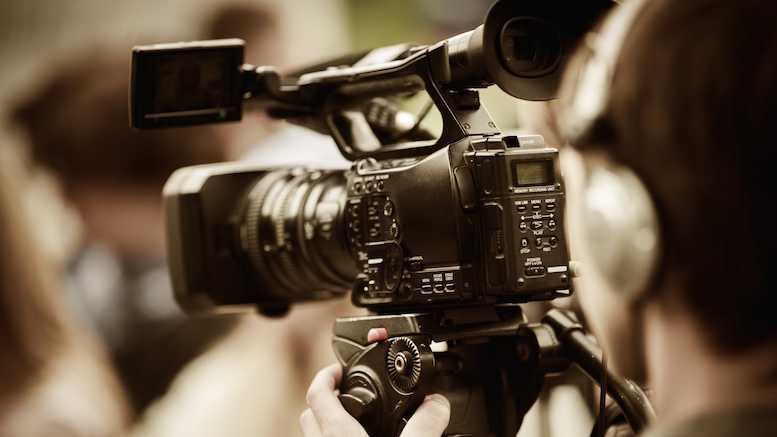
Visit us and get updated with all the latest news rolling in, from live video streaming of speaker talks, to personal interviews and other event happenings. For the first time ever, ADEX is being streamed live to the general public.
Live video streaming
From both HERE and the ADEX Facebook page, you can gain exclusive access to behind the gates of the event via our live stream. We provide video coverage of the top happenings within ADEX; from the opening ceremony to the freediving mermaids. With live streaming, you’ll have all the best moments on your laptop, or mobile device. We’ll also be conducting behind-the-scenes interviews with speakers and VIPs, and giving you a lowdown on the whole event.
Constant updates
With constant text updates, including images from the event, you’ll be able to stay truly up-to-date. We’ll bring you a round up of each day – the highlights, the prizes, the fantastic underwater art – and provide a feast of diving experiences more exciting than being face to face with a great white, or smiled at by a frogfish.
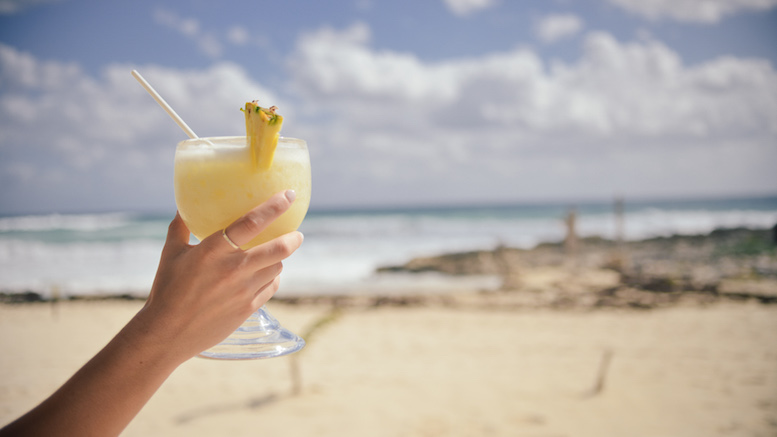
That tropical dive-holiday brochure scene wouldn’t be complete without a chi-chi cocktail with a tortured pineapple slice clinging to the rim of the glass. But is opting for the liquid dinner really the safest option after a dive? To drink or not to drink? Finally, the experts answer the question:
DANDiver Question: I often see divers gathering for a beer or two after a long day of diving, and some, let’s face it, drink more than just one or two! Are there any serious risks divers should take into account before heading off to join the night party at the bar?
DAN Answer: I have to admit that I do like to have a drink in the evening after a long hard day. Before any drinking, however, it is useful to weigh the risks both non-diving and for diving.
Binge drinking (or drinking heavily over a short time) is well known to cause nausea, vomiting, memory loss, unsteadiness and slowed reaction time, slurred speech, poor co-ordination, impaired judgement and of course the lack of inhibition. The person drinking may be unaware of their limitations. Severe alcohol intoxication or poisoning can be lethal. Drunken people are more accident-prone from falls and have a high incidence of assault and robbery, loss of property, motor vehicle accidents, etc. Alcohol is a depressant drug and these effects begin even after only one alcoholic drink.
To go diving after drinking alcohol is very risky, even the following day. It can take more than 12 hours for the blood alcohol to fall to normal. A hangover is disabling; headache and nausea increase risk of seasickness. Dizziness, poor co-ordination and judgement will impede physical and mental performance. Dehydration can be severe and increases the risk of decompression illness.
Nitrogen narcosis symptoms may be amplified and brought on at a shallower depth than normal. You not only put yourself at higher risk but also your buddy.
I recommend limiting your alcohol intake to no more than two standard drinks the night before a dive and retiring to bed at an early time. There should be no alcohol intake the day of diving until all dives have been completed. Before taking any alcohol ensure you have drunk plenty of water and are well hydrated. Be safe and sober.
Dr Parker is a diving physician and Senior Dive Medical Consultant for DAN AP. www.danap.org
Did You Know?
Most divers (possibly around 90%) who get DCI have been diving within the limits of their dive computer or tables. However, the risk of DCI increases when a diver exceeds these limits. This indicates that the limits cannot accurately account for individual differences between divers and the various factors that can influence nitrogen uptake and elimination during a dive. All divers should add conservatism to their decompression calculations.
Safety Tip: Enter DAN as a contact in your phone. DAN is available 24/7 365 days a year to assist all divers; however, DAN can only arrange an emergency evacuation and pay for treatment costs for a current DAN Member, within the limits of their coverage.
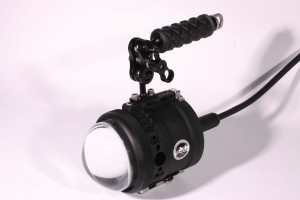
One of the most important components of any underwater photographer’s set up, underwater strobes are the bassist of the band – not the stand out act, but you’ll sure notice if they’re not involved. They can reduce that awful backscatter that hinders any ocean backdrop, and they can allow the photographer to play around with different lighting options. After getting hold of a reliable underwater housing, strobes should be your next purchase. We suggest nine of the best:
Ikelite Gamma Light
MSRP USD300
400ft (120m) depth rating
350 lumen concentrated 10° beam
Colour temperature 6,500K
Over 10 hours run time
Accepts 2 CR123 batteries
Weighs only 4 oz (113 g)
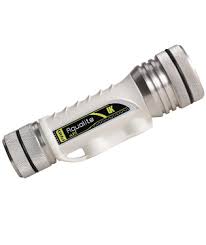
Aqualite Pro 100
MSRP USD290
Four power settings, SOS feature
Smooth wide-angle beam
Corrosion resistant
Waterproof to 150 metres
Includes three photo accessory mounts, one rechargeable lithium ion battery, USB charge cable and wall adapter
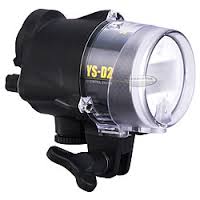
Sea&Sea YS-D2 Strobes
MSRP USD719
Improved recycle time (1.5 seconds with Ni-Mh batteries)
Redesigned control knobs; unlike YS-D1, the knobs won’t be moved easily when adjusting strobe position
Dual powered target light with red filters
Brightly-lit rear control panel – great for night dives and low-light scenes
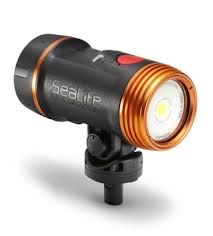
Sea Dragon 1500 Photo/Video Light
MSRP USD300
Colour temperature of 5,700K
1,500 lumens
Wide 120° beam angle
One button control for easy operation
Three brightness levels: 100%, 50%, 25%
70 minute burn time at full power and constant brightness
Includes Flex-Connect Micro Tray and grip
Depth tested to 60 metres
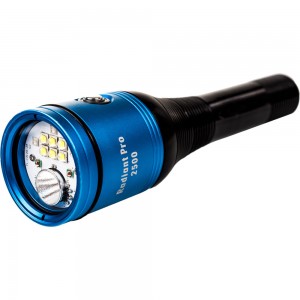
Fantasea Radiant Pro 2500 Video Light
MSRP USD500
Offers a range of operating modes (wide bright light, narrow bright light, ultraviolet and blue, red, bright flashing, and red flashing)
2,500 lumens maximum
100-metre depth rating
120-degree beam angle on wide, and 15 degree narrow
Overall weight: 367g (without batteries)
Burn time of 50 minutes (on high power)
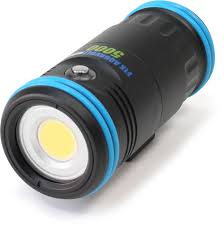
Fix Neo Aquavolt Mini 5000 Light
MSRP USD1,199
5,000 lumens maximum, 100-degree beam angle
Burn time of 55 minutes (on high power)
Overall weight: 565g, 150-metre depth rating
Li-ion battery system
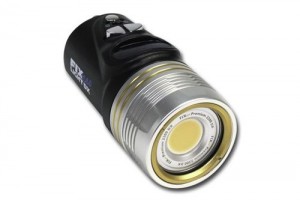
Fix Neo Premium 2200 DX Video Light
MSRP USD799
Colour rendering index (CRI) of 95 and colour temperature of 4,000K for sharper images and more natural-looking hues
2,200 lumens maximum, 100-degree beam angle
Burn time of 55 minutes
Overall weight: 355g, 100-metre depth rating
Li-ion battery system
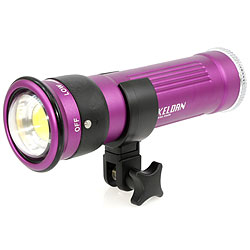
Keldan Video 8X Light
MSRP USD2,025
10,000 lumens maximum, soft 110-degree beam angle
Burn time of 45 to 170 minutes
Overall weight: 700g (220g in water)
Uses a rechargeable Li-Ion battery pack
Features an eight-stage charge level display so you can monitor battery life while charging/diving
Seawolf Expedition EX2260 Video Light
MSRP USD3,411
Lightweight option next to the SeaWolf 2260
Neutrally buoyant in seawater, made from carbon fibre and 6082 aluminium
22,000 lumens maximum
Burn time of up to six hours (depending on power and usage)
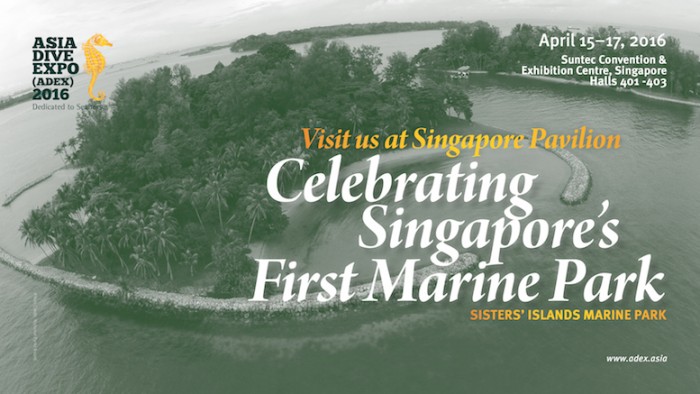
Organised by the Blue-Green Alliance and National Parks Board, the inaugural Singapore Pavilion celebrates the Sisters’ Islands Marine Park, Singapore’s first marine park, and showcases key milestones in Singapore’s marine biodiversity and conservation efforts. Learn more about our rich marine life at our interactive booths and activity stations!
Marine Biodiversity Exhibition
Discover the rich marine biodiversity in our local waters and find out more about the Sisters’ Islands Marine Park and its interactive dive trail! Learn about efforts in marine conservation by various groups and agencies since the 1900s!
Photo Booth
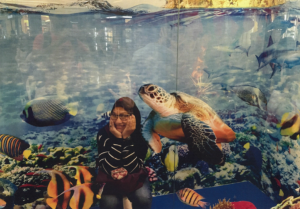
Join us at our photo booth where you can don dive gear and appear like you are diving underwater or pose as a seahorse. Stand a chance to win a prize with your most creative pose!
Stations
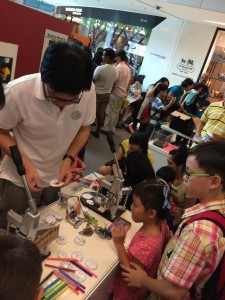
Visitors can look forward to activities from children’s games to DIY badge-making, and view the specimens showcase at booths set up by various partners of the Sisters’ Islands Marine Park!
For more information on ADEX, please visit www.adex.asia.
About Blue-Green Alliance
The Blue Green Alliance (BGA) was launched with the signing of a Memorandum of Understanding by Asian Geographic Magazines Pte Ltd, Raffles Marina Ltd and Nature Society (Singapore) during the opening ceremony of ADEX 2014 (11 April, 2014). The aim of the Blue-Green Alliance is to promote the wellbeing of Singapore’s land, intertidal and marine natural heritage and ecosystem, particularly in Aseanarean. This is done through consultation, co-operation and corporate social responsibility, as well as by leveraging on each organisation’s attributes, visions and missions, to identify and realise synergies, and pursue projects. These may include supporting the Singapore Blue Plan, planning and executing fresh Aseanarean Expedition Series and new biodiversity conservation and appreciation projects, as may be initiated by each of the partners and to which the other partners are agreeable.
About National Parks Board (NParks)
NParks is dedicated and committed to providing and enhancing the greenery of Singapore. Beginning with the first Tree Planting Campaign in 1963, NParks has come a long way in greening up our island city, with 4 nature reserves and more than 350 parks sprawled across Singapore to date and still growing. Adding to this is the extensive streetscape, or roadside greenery, that forms the backbone of our City in a Garden. An island-wide Park Connector Network is also being developed to link major parks, nature areas and residential estates. Beyond building and rejuvenating green infrastructure, NParks is actively engaging the community to make green spaces an integral part of our lifestyle with initiatives such as the Community in Bloom project and volunteering opportunities at Singapore’s parks and nature reserves.
About Sisters’ Islands Marine Park
The Sisters’ Islands Marine Park, which spans about 40 hectares around Sisters’ Islands and along the western reefs of both St John’s Island and Pulau Tekukor, will be a platform for outreach, educational, conservation and research activities related to our native marine biodiversity. The location was chosen due to its variety of habitats including coral reefs, sandy shores and seagrass areas. This new initiative aims to give Singaporeans a first-hand experience of our rich biodiversity, which is submerged most of the time. The Sisters’ Islands Marine Park will protect Singapore’s coral reefs, which support an ecosystem inhabited by rare and endangered species of seahorses, clams, sponges and other marine life. More than 250 species of hard corals can be found in Singapore’s waters out of over 500 species within the region. Being located in close proximity to one of the world’s busiest ports, the Marine Park will provide a safe refuge for the teeming biodiversity around the Southern Islands and its surrounding waters, as well as safeguard our natural heritage. For more information, please visit www.nparks.gov.sg
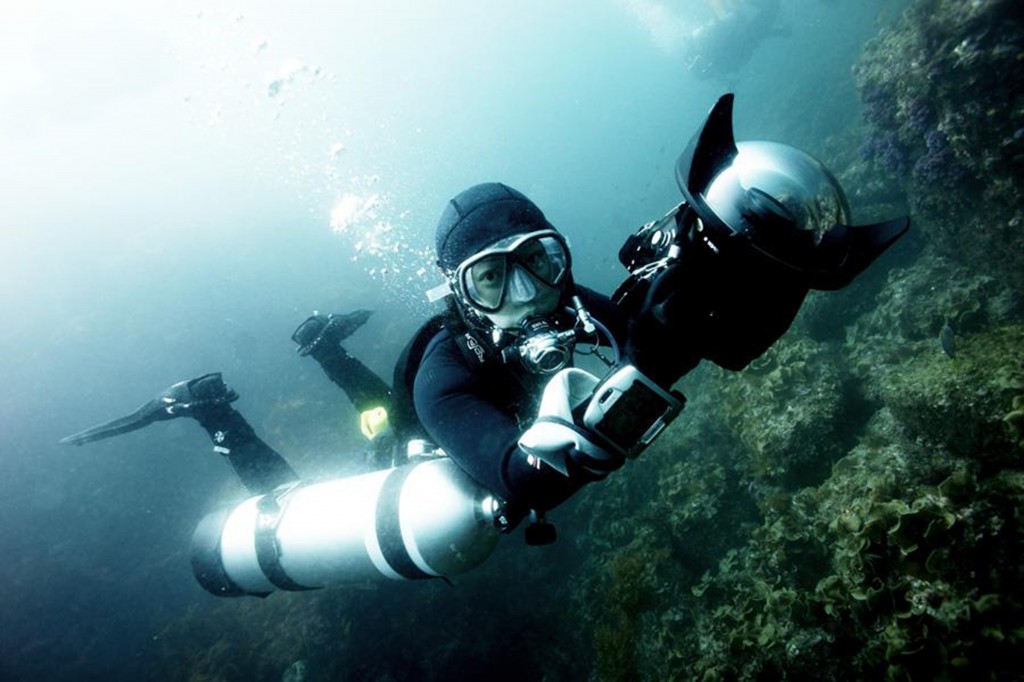
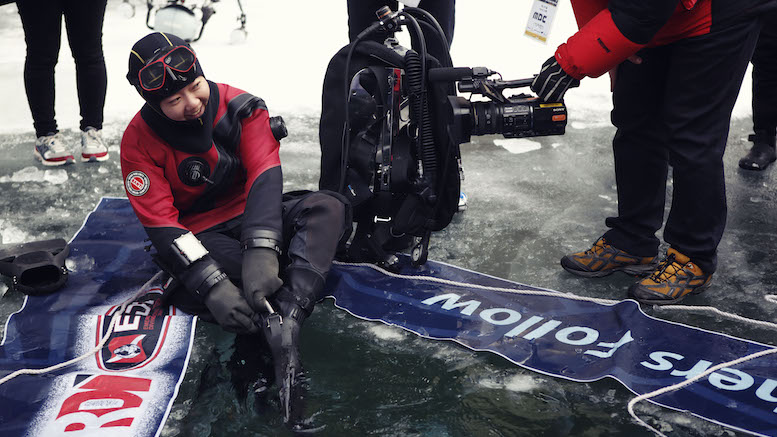
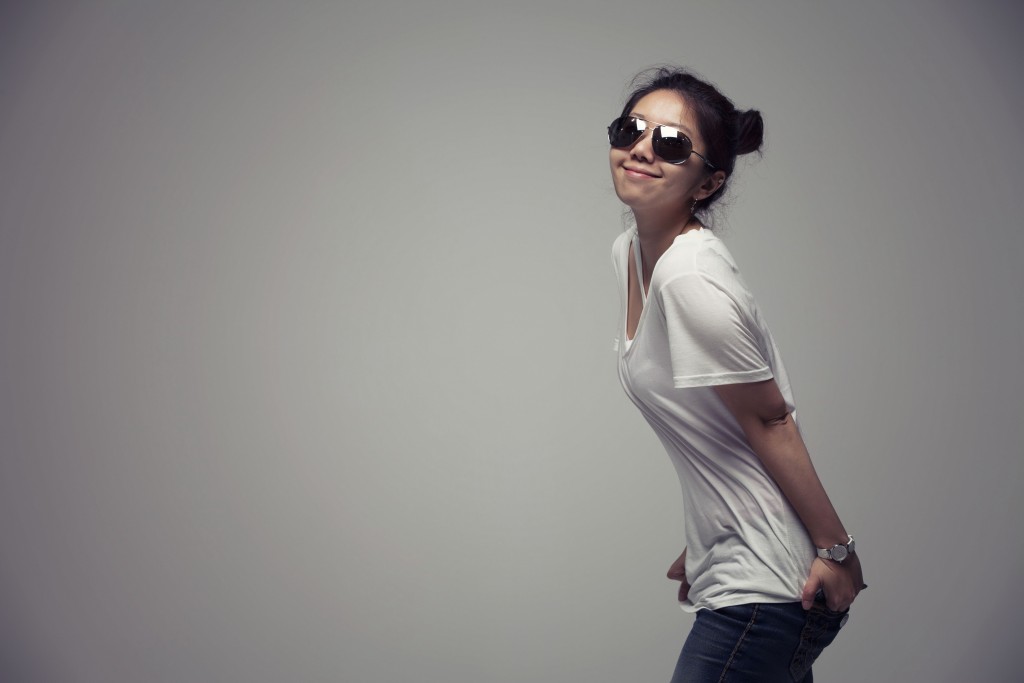
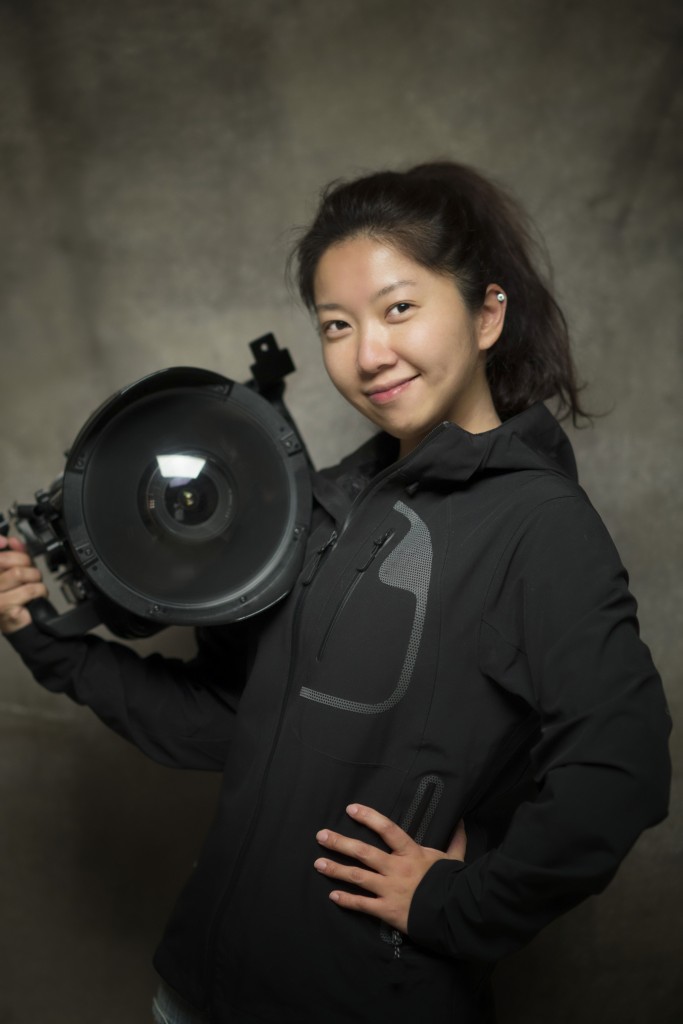
ADEX Singapore 2016 Photo Video speaker Y.Zin Kim is one of the most widely-known photographers in Korea, and the very first female sidemount cave diver in Asia. She is introducing high-quality underwater photography techniques and underwater modelling education to her home country. Y.Zin has also worked on posters and commercials for movies, soap operas and magazines. UW360 spoke to her about her career, and the stories behind her famous shots:
What made you want to become an underwater photographer?
I pursued a career as a commercial photographer, and I now take photos for advertising and marketing campaigns. However, I still work on many underwater projects, aiming to deliver a different kind of message to readers. Every project I undertake has a different story and message.
Your first underwater shoot?
My first underwater shoot was the main poster for Korean TV drama Obstetrics. It was a shot of a model who embodied the image of embryo.
The story behind your most memorable underwater shot?
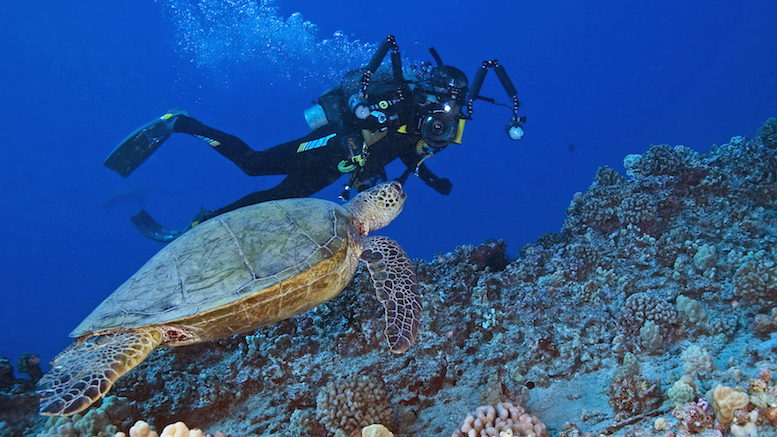
I met a giant turtle in Sipadan, Malaysia, and I believe we shared some similar emotions as we stared at each other for a while. It’s my most lasting and most beloved memory of all [my underwater experiences] so far.
Where is your favourite dive destination?
I often explore the underwater caves of Mexico, sourcing new information and a deeper affection for the underwater world.
The site you’d most like to dive, but never have?
Maybe the Bahamas? I really hope I can stay there for long enough and have the opportunity to work on some great underwater shoots.
The weirdest thing you’ve seen underwater?
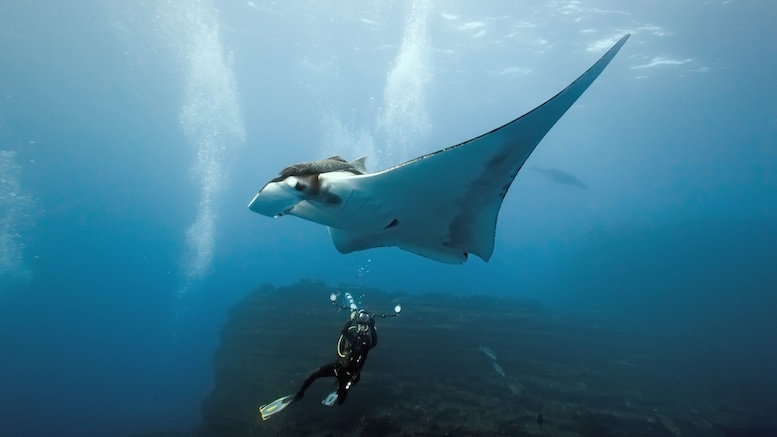
I once had a rare encounter when I dived in the Maldives. I met a whale shark and manta swimming around me and at that moment, I can say I felt some energy – like Nature’s force from the depths of the ocean. After I got out of the water, I was sitting bewildered for a moment because the image of the whale shark in cobalt blue was still stuck in my mind.
What camera equipment are you currently using?
I mainly use the Nikon D5 and D810 with Seacam housings. I use GoPro for shooting video.
What is the highlight of your career?
I am currently working with National Geographic Korea, and I am also the Korea Ambassador for GoPro. The highlight of my career was probably when I achieved the sidemount 101m world record with my husband, who is a top TDI (Technical Diving International) trainer.
Y.Zin’s passion – sidemount diving
…And the low point?
Well, I can’t think of any but if I had to pick one, it would be that I have been too busy to have a baby, due to being incredibly busy travelling the world!
Is there any particular shot that you still want to get?
I am working on a project to promote Jeju Island and the Hae-Nyeo (old female freedivers of Jeju Island) in Korea. I hope to shoot a unique portrait of the Hae-Nyeo, one that exemplifies and captures their spirit.
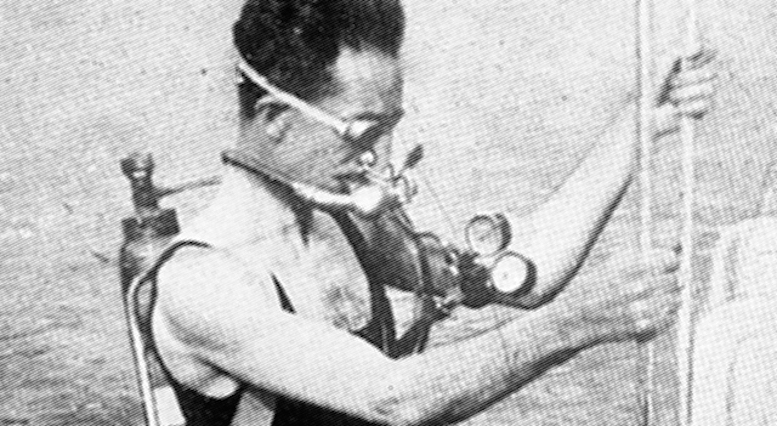
Yves Le Prieur was born on March 23, 1885 and followed his father into the French navy. As an officer he served in Asia and was one of the first people to use traditional deep sea diving equipment.
He studied Japanese and became proficient enough to be promoted as the military attache and translator at the French Embassy in Tokyo. While there he became the first Frenchman to earn a Black Belt in judo and the first person ever to take off in a plane (a glider) from Japanese soil.
His military career was very distinguished and he invented several new technical appliances including a giro-clinometer. He ended WWI as one of the most decorated officers and continued his career in aviation. In 1925 he discovered the Femez diving apparatus and worked with Femez to develop the free flow Fernez – Le Prieur scuba system which featured a compressed air cylinder on the divers back.
In 1933 he patented the Le Prieur scuba system which featured an adjustable free flow system with the cylinder located at the divers front. Using this system he started filming underwater and giving diving exhibitions. In 1935 he and film maker Jean Painleve opened the scuba diving Club des Sous I’Eau in Paris. They gave a Grand Gala in 1936 featuring 33 club members diving, seven of who were women and one who was a five year old girl.
He went on to develop several other items of diving equipment including a demand regulator in 1946, and published his book Premier de Plongee (First to Dive) in 1956. The International Scuba Diving Hall of Fame holds a copy of this book in its collection.
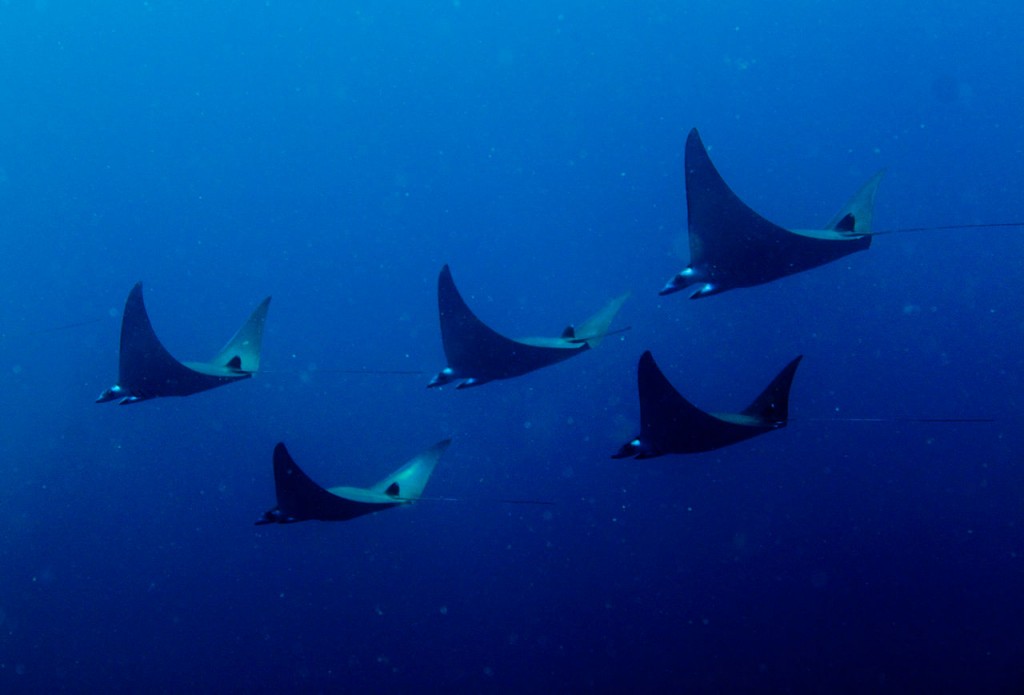
Andrea Marshall and Tom Kashiwagi take us through the history of manta rays:
Can you imagine sharing this planet with another species of human? Let’s say with the Neanderthal man. The two of us might occupy entirely different hemispheres or continents (allopatry). Alternatively, we may co-exist in close proximity, side by side in every country, city, town and village (pure sympatry). Intermediately, we might have some habitats just for us, and others, just for them, peppered with a few shared habitats where we “mix” (mosaic sympatry). If there were another species of human on the planet, what would they be like? Would they look like us? How would they differ? Would we continue to evolve separately as different species? Or would some members of our species (or theirs) cross the species boundary one day and start hybridising? Perhaps the most intriguing question of all is, when and why did the split between our species and theirs (speciation) take place?
These are the types of questions that fill the mind of an evolutionary biologist – a never-ending suite of uncertainties and intrigues. We closely scrutinise detail after detail looking for clues that might answer these questions and more. As scientists, we can learn many things from studying the appearance, distribution and behaviour of a species in the field. These days, however, answering these questions invariably forces us into the lab, where we can delve deeper into the complex world of DNA. Over the last decade, our team of scientists have been investigating such questions about manta rays. One piece of the puzzle at a time, and using an ever-expanding array of techniques to help us along, we are unravelling the mystery behind the evolution of the world’s largest ray.
The classification of the genus manta has been notably convoluted, with the group having as many as 25 different species names over time. These numbers are not surprising given the unique appearance of manta rays and their impressive size, both of which prompted many early ocean explorers to lodge reports of their encounters with this giant ray. However, the rarity of adequate specimens in collections or the accessibility of those from fisheries stymied early taxonomic efforts to accurately describe manta rays. Today, these same problems continue to thwart efforts to clarify taxonomic issues within this genus, leaving many of us frustrated yet challenged.
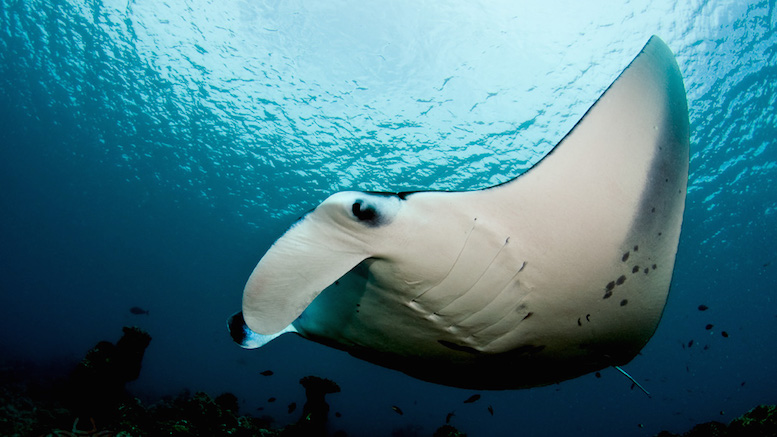
Having previously been considered a monotypic genus, with a single recognised species, our ground-breaking study in 2009 split the genus manta into two visually distinguishable species, Manta alfredi, the reef manta, and Manta birostris, the giant manta. It is not often that the world recognises the existence of such a large previously-unrecognised giant! How were these species different and what drove them to speciate in the first place?
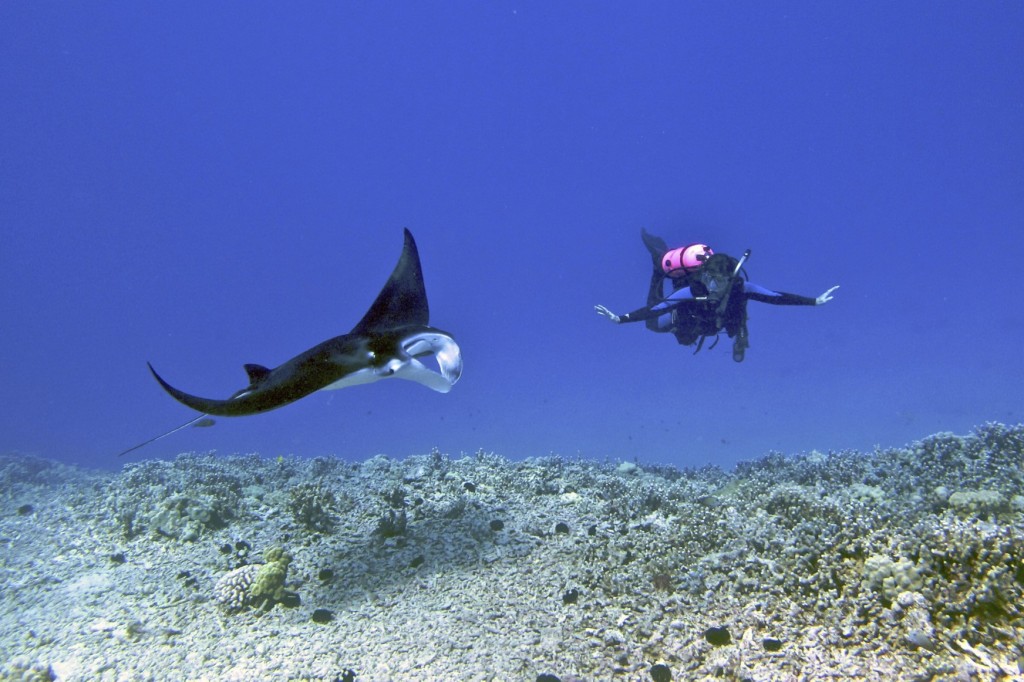
Since their separation, we have learned that both species have wide distributions around the globe and share the world’s oceans in mosaic sympatry. For example, only the giant manta ray has been sighted in the eastern Pacific Ocean, in locations such as Mexico, Costa Rica and Ecuador. In other areas, like along the eastern coast of Australia, only the reef manta ray are seen. While habitat occupancy by the two species in the Philippines or Indonesia are quite intermingled, it is only along the eastern coast of southern Africa, most notably Mozambique, that both species are regularly encountered on the same dive.
It also appears that the two species have very different habits. Over the past decade we have determined that the reef manta typically has a smaller, more distinct home range and prefers warmer, stable conditions whereas the giant manta is a bit of an ocean nomad, travelling across international borders and into high seas. This fact could have played a significant role in their initial speciation from one another and their subsequent population of different regions across the world.
The initial separation of the two species of manta was based on morphometric measurements and external characters including colouration, teeth, denticle and spine morphology, as well as size at adulthood and maximum size. In most cases, DNA studies tend to strengthen and add depth to more traditional studies, so we were eager to see what genetic analysis would reveal to us.
For our purposes, DNA analyses involve extracting tiny bits of muscle tissue with an underwater biopsy. Our team has amassed the largest tissue database in the world for manta with samples from most of the word’s major oceans and each of the continents within their respective distributions. In the lab, DNA is extracted with an established protocol. Then, chosen genes from nuclear DNA and mitochondrial DNA are amplified to millions of copies by a procedure called PCR. Nuclear DNA is inherited bi-parently, while mitochondrial DNA is inherited maternally (only from the mother). Thus we can analyse both types of genetic signals. Amplified PCR products go through sequencing reactions, which enable us finally to read the sequence of DNA at molecule level, e.g. “G, G, C, A, T, T, C, G, T, A, G, C, (nucleotide names abbreviated to letters)”. Data acquired in such way are then analysed with all sorts of techniques and the results interpreted. In essence, it is expected that DNA profiles of the same species of the same population are much more similar than the ones in distant populations. Similarly, DNA profiles of different species in the same region differ even more than the ones from the same species in distant locations.
Our DNA analyses supported that reef manta ray and giant manta ray are genetically distinct and separate species. Interestingly, we discovered that their origins are however very recent. In fact, the timing is not much older than the split of us humans and Neanderthal man. The difference is that the Neanderthal went extinct. In the case of manta rays, both species of manta ray survived the Pleistocene ice age cycles and are still in existence. While the origin and timing of speciation events is still a hotly debated topic, even in the most extensively studied species (i.e. us, Homo sapiens), we can say that we have established an important yard stick for understanding when these species began their journeys along these separate paths. As to the question of why they speciated when they did and how they have evolved since the split, well, there are still some mysteries that need unravelling! Besides these questions at species’ level, DNA analyses can also tell us a lot about population level questions. These include population connectivity such as degree of migration among populations and population size and their genetic health. These studies will become important in coming years.
To add to the intrigue, one of our recent taxonomic studies of manta suggest the presence of a third, potential species, referred to as Manta sp. cf. birostris, after specimens in the Atlantic turned out to be distinctly different from both recognised species. Our team has launched a full-blown study and the findings of this study are due out later this year or in 2013.
Ultimately, the recent scrutiny of the genus manta and the efforts to accurately separate out all of the species within it, continues to provide researchers and the public with aids to properly differentiate these species in the wild. This work has also proven timely for conservation, by allowing scientists to highlight the specific, and often very different threats (e.g., targeted fishing, bycatch fisheries, boat strikes and habitat degradation) facing the different species and populations of manta across the globe. In recent years, this has culminated in the elevation of both species of manta to vulnerable status on the IUCN red list and the listing of the giant manta as a vulnerable migratory species on the Convention of Migratory Species Act (CMS). As is often the case, the more we understand about species, the easier it becomes to protect them.
Dr Andrea Marshall was the first person in the world to complete a PhD on manta rays. After completing her thesis in 2008, Andrea stayed on in Mozambique to spearhead the conservation efforts of this species along this remote coastline. Shortly after she, along with other members of her team, founded the Marine Megafauna Association, which grew into the now widely known Marine Megafauna Foundation. Her passionate commitment to the eastern African coast has shaped her goals as a conservation biologist. Vowing to dedicate her life to the preservation and management of the manta ray population in southern Mozambique, Andrea continues to campaign for their protection and use her scientific background to formulate plans for their management.
Tom Kashiwagi is a geneticist and PADI Divemaster who works on a population of manta rays in Japan as well as Dr Andrea Marshall’s geneticist on her various global projects. Tom is finishing up his PhD at the University of Queensland.


 The story behind your most memorable underwater shot?