Home Blog Page 159

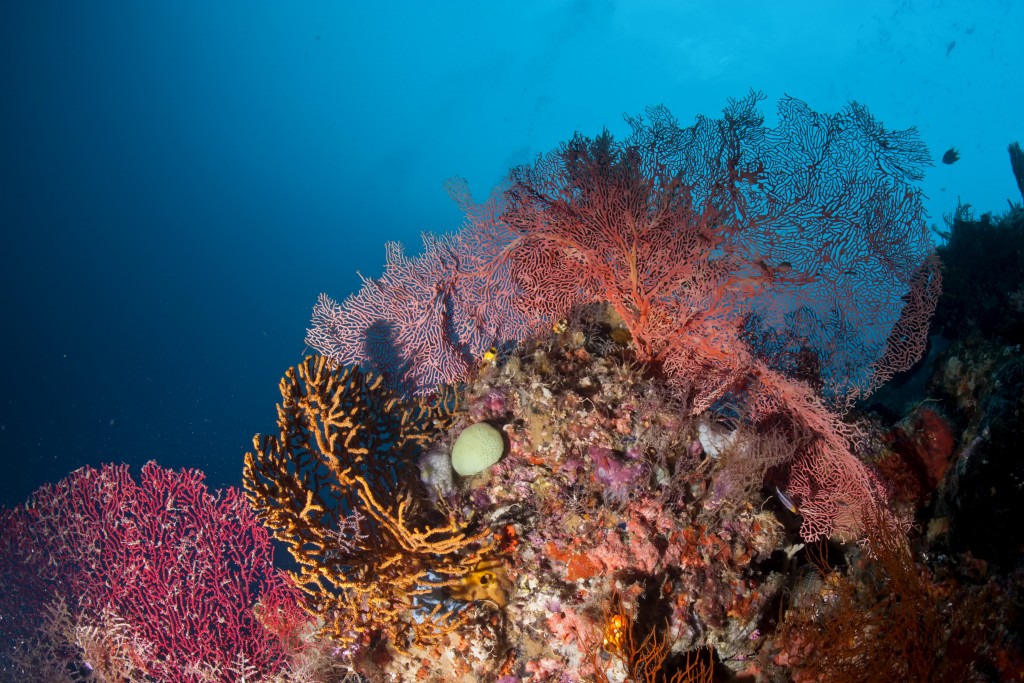
The Economic Value of Muck Critters

0
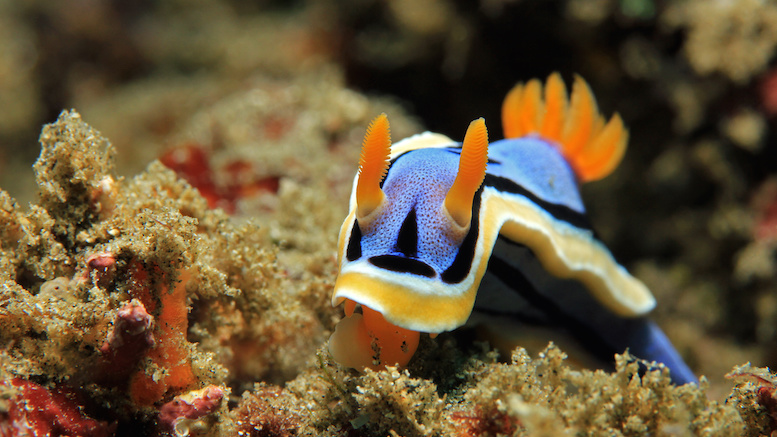
Chromodoris Annae from the front. Padang Bai, Bali, Indonesia © andamanse

ADEX Singapore 2016 Conservation and Scuba360 Business Forum Speaker, Maarten De Brauwer explains why keeping muck critters is good for business:

Scuba diving and particularly underwater photography has seen a huge increase in popularity in recent years. Few destinations offer better chances of shooting amazing critters than muck dive sites in Indonesia and Philippines, so the rising popularity of muck diving does not come as a surprise.

The question is, just how popular is muck diving? How many people visit destinations that would never see a diver if not for the presence of critters to photograph? Which critters are the ones that draw people to these dive sites? And what effects do all these divers have on those critters? The answers to these questions are not only of interest to dive centres who want to attract guests, but also to scientists and conservationists trying to study different species and how protect them from potential impacts. We tried to answer some of these questions in a collaborative study between Curtin University in Perth (Australia) and Hasanuddin University in Makassar (Indonesia).

Our first results indicate that the value of muck diving might be a lot higher than expected. Per year, close to 80,000 divers visit sites across Southeast Asia primarily to go muck diving. They generate an income for more than 2,500 people who are employed in the resorts and dive centres that specialise in critter diving. Combined, these divers could be spending as much as USD100 million per year in pursuit of elusive critters! Despite generating such a large income, very little is known about the species which are the main drawcard for this type of diving.

Should these species disappear, so will the divers and the incomes they create. Understanding species such as Mimic Octopus or Frogfish is crucial for the sustainability of muck dive tourism. The problem is that very little research is being done on them. At present we simply don’t know why species appear where they do, how old they get, if they are endangered or even what the major impacts are that could cause populations to decline. If we don’t know what could cause pygmy seahorses or blue-ringed octopuses to disappear, we can’t protect them either.

Protection for muck dive critters is still mostly non-existent besides a few local initiatives, often started by enthusiastic dive centres. The species divers treasure are the foundation of a sustainable way of enjoying the marine environment. More research into these species will help to ensure it stays this way.


Maarten De Brauwer

Maarten is a marine biologist at Curtin University, Perth, Australia. His main interests are rarity and extinction risk in marine fishes. His current research investigates the ecology and socio-economic value of critters important to the muck dive industry. He is also a dive instructor who has worked and trained divers all across Southeast Asia.

For more of Maarten’s work, click here

Catch Maarten at the Scuba360 Business Forum April 17, Sunday 14:25-14:55, and on the Main Stage April 15, Friday 18:30-18:50
Indonesia Blows Up Illegal Fishing Boats in Its Waters

0
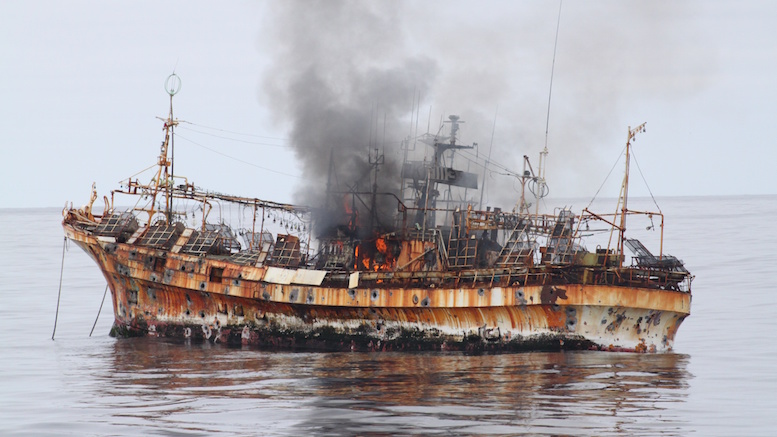
A sinking illegal fishing vessel © Wikimedia Commons

Reports have stated that Indonesia has been blowing up foreign boats confiscated for illegal fishing in the country’s waters. Twenty-three boats – 13 from Vietnam and 10 from Malaysia – were all blown up at the same time in seven different ports on April 5. The move comes two weeks after Jakarta heavily criticised Beijing for alleged poaching by a Chinese fishing boat.

China’s increasingly forceful efforts to claim ownership of most of the South China Sea have made Southeast Asian countries who depend on the resourceful seas more protective of their territories. Previously ministers from the Association of Southeast Asian Nations (ASEAN) pledged to step up efforts to deal with what they see as a threat from China. This latest action from Indonesia is seeing this pledge put into force.

Maritime Affairs and Fisheries Minister Susi Pudjiastuti gave the order in a live-streamed message from her office for the Indonesian navy and police to sink the vessels via explosives. Indonesia has taken a tough stance against illegal fishing since President Joko Widodo took office in 2014, sinking a total of 174 boats. Currently the fate of 20 others await court rulings.

Parliament passed a law in 2014 that authorised the seizure and destruction of foreign boats found to be trespassing in local waters. Yet would-be poachers have still made attempts to disguise their intentions: The Jakarta Post reported that at least two of the boats sunk on Tuesday had been caught flying Indonesian flags in an attempt to fool the navy.

Last month, Indonesia destroyed the Nigeria-flagged vessel dubbed “The Viking”. It was wanted by Interpol – the world’s largest international police organisation – for poaching toothfish, a valuable deep-water species known commercially as Chilean sea bass.

There has been no known reaction from either Vietnam or Malaysia.

5 of the Best Places to Dive With Mola Mola

0
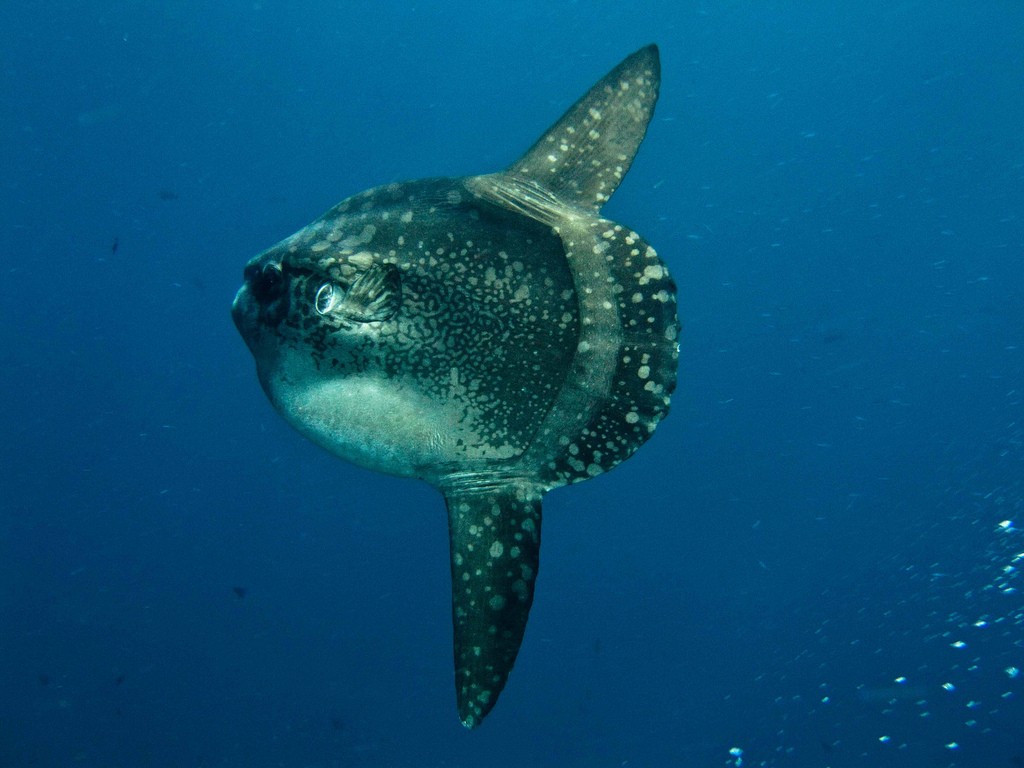
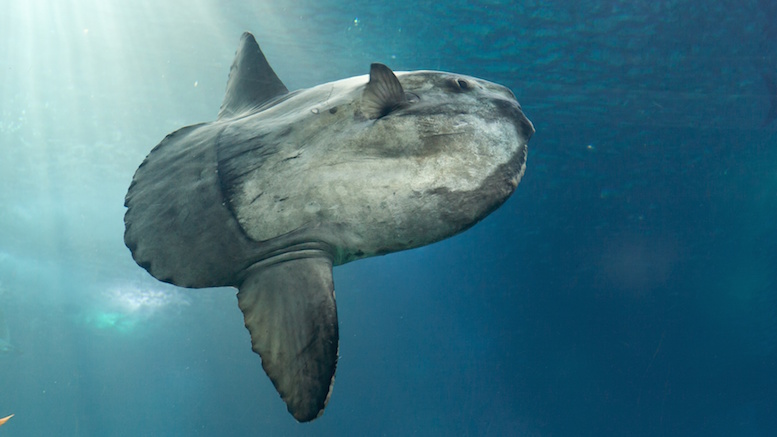
Mola mola in Palau Sardinia © Manuel Teles

The mola mola, or sunfish, is the largest bony fish in the ocean and perhaps one of the most unusual looking. Like an oversized head with fins – the Germans named it “Schwimmender Kopf” (swimming head) – they are usually found lying flat at the surface or cumbersomely swimming in deep oceanic waters. But if luck blows your way, one of these odd-creatures might just bob into view on your next dive. We bring you six of the best places to dive with mola mola:

Galapagos, The Americas

A dive region of legendary status. The Galapagos Islands are often considered by experienced divers to represent something of a pinnacle in their scuba careers. Just taking a dinghy ride along the cliffs of Punta Vicente Roca will allow the opportunity to sea mola mola basking in the sun, but dive below the water’s surface and you can swim alongside them.

Nusa Penida, Indonesia

An island located between Bali and Lombok, the deep-water trenches and nutrient-rich waters of Nusa Penida are renowned as one of the top places to spot mola mola. To those who know, Crystal Bay is your best chance of an encounter as the sunfish often use the coral bay as a short-stop cleaning station.

Sunfish at Nusa Penida © Wikimedia Commons

Inner Hebrides, Oban, United Kingdom

Relatively unknown outside of the UK diving circle, mola mola are known to frequently visit this location. Offering incredible natural beauty on the West coast of Scotland – and post-dive whiskey and shortbread – the fantastic underwater scenery of Northern Britain is also a backdrop for the infamous basking shark. 

Alboran Sea, Spain

The gateway to the Atlantic and the Strait of Gibraltar happens to have one frequent passer through their turnstile, mola mola. There are plenty of places along the Southern coast where divers can encounter these fish, and with over 300 days of sunshine a year the odds are considerably high on betting to spot one.

Palau Sardinia, Italy

Palau Sardinia offers a range of diving to suit almost every taste: caves, wrecks, corals, crustaceans, etc. Enter from the shore or giant-stride off the boat-side and become submerged in an underwater landscape that is full of a variety of marine life – most namely the mola mola.

Sunfish in Palau Sardinia, Italy © Wikimedia Commons


Wildlife of the Week: Goldfish

0
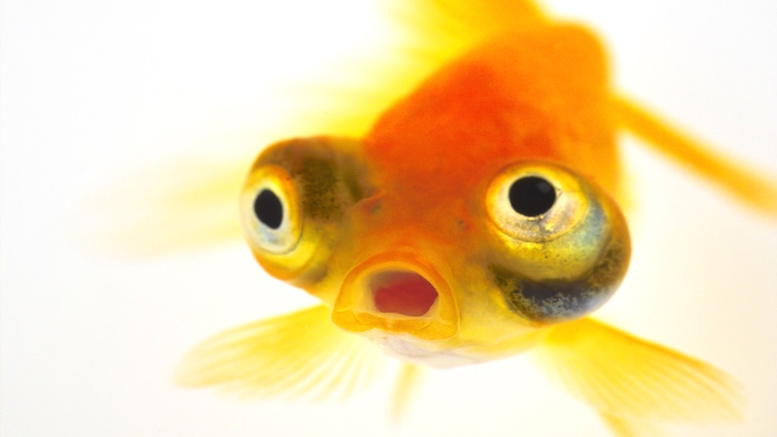
© 123rf.com

The earliest fish to be domesticated and a distant descendant of carp, goldfish are perhaps one of the most surprising of fish in the marine kingdom. Constantly underestimated for their intelligence, and with incredible eyesight the goldfish is our Wildlife of the Week:

Species: Carassius auratus

Status: Actinopterygii

Diet: Crustaceans, insects, and various plant matter

Size: Up to 48 centimetres

Weight: Up to 2.3 kilogrammes

Life span: Up to 25 years

Behaviour: Goldfish are gregarious, displaying schooling behaviour, as well as displaying the same types of feeding behaviours

Distribution: Goldfish do not really live in the wild. They were bred to be pets and are now in aquariums all over the world. The Prussian carp, the goldfish, were bred from Asia

Ecosystem: Quiet backwaters of streams and pools, especially those with submerged aquatic vegetation

5 fast facts: 

  • It is widely thought that goldfish have a memory of just a few seconds, but this has been proven to be only a myth. Goldfish have a memory span of at least three months – you can even train them

  • Goldfish have been kept as pets for over 2000 years, records of domesticated goldfish date back to ancient China

  • A school of goldfish is known as a “troubling”

  • Once the female reaches sexual maturity, she begins to release pheromones. This triggers the male to begin his pursuit by chasing the female around and poking at her stomach. This behaviour is can be confused with fighting
  • Goldfish can see more colours than humans can, they are able to see ultra-violet and infra-red light

ADEX 2016: Ocean Artists

0

This year’s ADEX welcomes more artistic talents to celebrate the breathtaking colours and textures of our oceans. Come by and observe how these maters of artistic expression use their art to convey important messages of conservation.


ag dakila

AG Saño (Philippines)

ADEX Ambassador for Dolphins

AG, a conservationist and widely published professional photographer, began his career as an assistant to art mentor Fernando Sena. He established Dolphins Love Freedom, which aims to protect dolphins and whales. AG has also undertaken assignments and environmental work with reputable NGOs and institutions and co-founded www.balyena.org, a nonprofit marine mammal conservation group.


AlexanderBelozorAlexander Belozor (Ukraine)

Guinness World Record Holder for the Largest Underwater Painting

Alexander Belozor was born on January 8, 1963. He graduated from the Graphic Arts department of Odessa Pedagogical Institute. Alexander is the first artist to paint underwater in the CIS countries. He works in different genres of painting, and has particpated in many art and special exhibitions in Ukraine and abroad. He lives and works in Kiev.


anuarlowres

Anuar Abdullah (Malaysia)

ADEX Ambassador for Coral Reefs

Anuar is the founder of Ocean Quest Southeast Asia (previously known as Ocean Quest Malaysia) and is involved in coral reef rehabilitation in the southeast Asian region. His projects include coral propagation education and empowering the public in coral conservation. He is also the author of a book on coral reef rehabilitation.


GregoryBurns

Gregory Burns (USA/Singapore)

Gregory Burns is an internationally acclaimed athlete and artist who began scuba diving and a paralympic swimming career in 1977. He now travels the globe painting, speaking and sharing his views on creativity and motivation.


VanWangye

Van Wangye (Singapore)

Van Wang Ye has been working in the creative world since 2000. He graduated from Nanyang Acedemy of Fine Arts, Singapore, majoring in publishing co illustration. He has worked as an illustrator for various wildlife conservation societies worldwide: WWF Thailand, Mekong Turtle Conservation Center, The Animal Concerns Research and Education Society (ACRES), just to name a few.


For more information on ADEX, please visit www.adex.asia.

Gender Bending Fish Suggests There Is Something in the Water

0
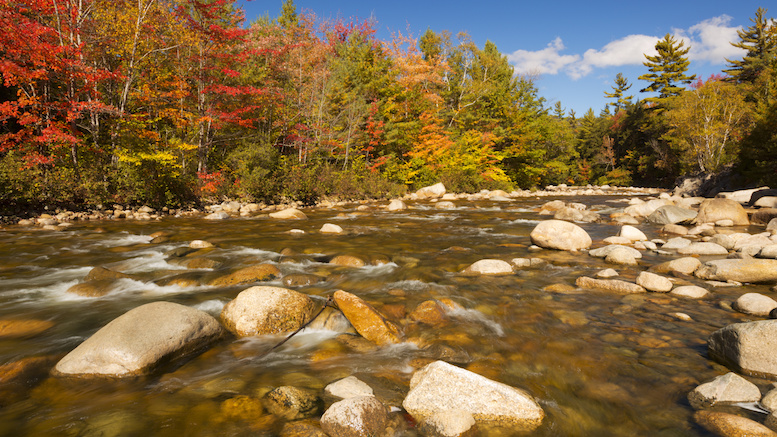
Multi-coloured fall foliage along a river. Photographed at the Swift River, White Mountain National Forest in New Hampshire, USA. ©123rf.com

Scientists have recently discovered that fish in the Northeastern U.S. are changing gender – and it has nothing to do with the keen hand of any surgeon. A groundbreaking study in the journal Ecotoxicology and Environmental Safety has found that male fish are turning into females. The phenomenon, known as intersex, is when a creature is born with a reproductive or sexual anatomy that doesn’t seem to fit the typical definitions of male or female. 

It is believed that this is due to chemical pollution, specifically estrogenic endocrine disrupting chemicals (EEDCs), man-made chemicals that alter the way the body functions and cause various health defects by interfering with the synthesis, metabolism, binding or cellular responses of natural estrogens. The researchers found that around 85 percent of smallmouth bass (Micropterus dolomieu) and around 27 percent of largemouth bass (Micropterus salmoides) from 19 National Wildlife Refuges from Maine to Virginia, showed signs of intersex.

The concern now is whether more than just fish have been affected, as there is a large diversity of species that frequently visit the refuges. If it can effect fish, who’s to say that these effects cannot spread to other wildlife?

Where EEDCs come from

EEDCs can be found in chemicals in soy plants and soy-derived products to synthetic pharmaceuticals such as some birth control pills, certain plastic products, natural sex hormones in livestock manures, and pesticides and herbicides. Extreme concentrations of estrogen – the primary female sex hormone – is capable of hindering the natural hormone system of fish, topside wildlife and even humans. It can cause reduced sperm count and viability, reproductive failure, and population decline.

It was found that EEDCs were present in all types of water bodies sampled – rivers, reservoirs, lakes and ponds. Now researchers are focusing on how to stop these chemicals entering the water, and how to mitigate harm to the resident wildlife.

CITATIONS
Department of Biology (2016), Estrogen-like endocrine disrupting chemicals affecting puberty in humans–a review, www.ncbi.nlm.nih.gov/pubmed/19478717 
Christina Selby (2016), A sex change phenomenon in fish, news.mongabay.com

7 of the Best Dive Sites in Papua New Guinea

0
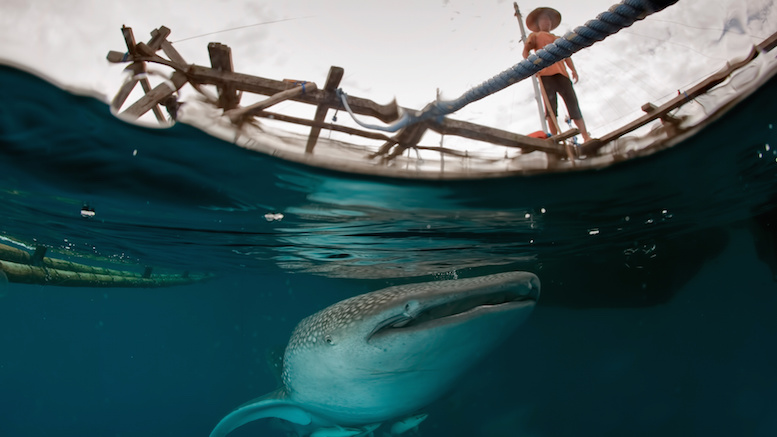
Whale shark under platform in Papua New Guinea ©123rf.com
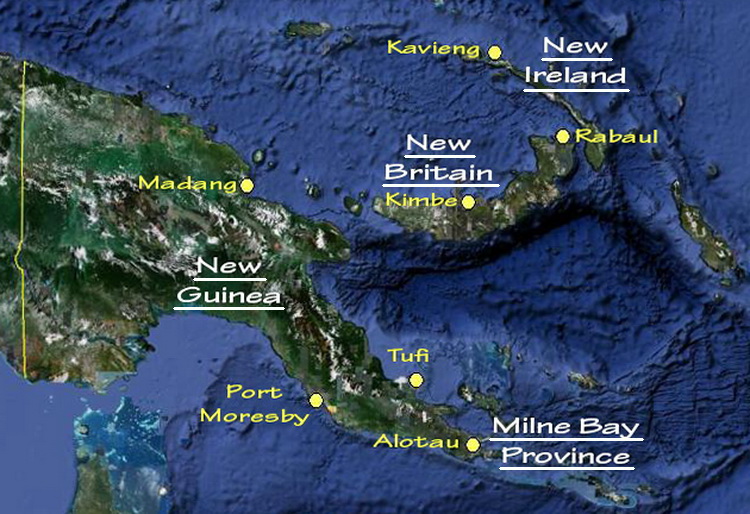
Map of the main scuba diving locations in PNG. Photo courtesy of Indo Pacific Images

Papua New Guinea has long been a divine Ithaca for divers and snorkellers alike – standing as the ultimate underwater finale for those who have spent their lives logging dives into a scruffed-up notebook, or re-watching ocean documentaries to get their weekly fix. Located in the Indo-Pacific area, experts suggest that the oceans surrounding Papua New Guinea have up to twice as many marine species as the waters of the Red Sea and up to five times as many as the Caribbean. With a huge diversity of dive sites, including barrier reefs, coral walls and underwater wrecks from the second World War, we showcase this once-in-a-lifetime destination as our destination of the week:

Madang

Just offshore from the town of Madang is the volcanic seamount known as Planet Rock. With the seas surrounding the submarine mountain plummeting to a depth of over 600 metres, it can be both an intimidating and thrilling encounter with one of the more grand topographies of the Indo-Pacific. Riding the strong ocean currents that surge through Astrolabe Bay, schools of predatory, pelagic fish that feast on the marine biodiversity of the islands’ waters will come within a fins’ distance from divers. Inhabitants of this site include clown triggerfish, agate-eyed moray eels, blue fins trevally, silver tip sharks and on occasion hammerheads. A common sight is a seemingly never ending wall of silvery jacks.

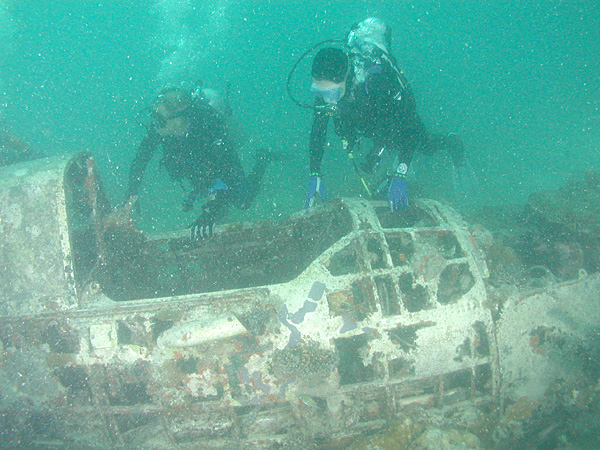
Divers next to cockpit of Aichi E13 "Jake" floatplane wreck, Kavieng harbor, New Ireland. Papua New Guinea. © Aquaimages
Divers next to cockpit of Aichi E13 “Jake” floatplane wreck, Kavieng harbour, New Ireland. Papua New Guinea. © Aquaimages

Kavieng

Fin-kicking through this narrow passage, you can come up-close to some of the most majestic creatures of the sub-aqua world. Swim alongside eagle rays, mobula rays, big dogtooth tunas, barracudas, grey reef sharks and plenty of other fish. Divers can scale the site’s large wall – overgrown with many different types of corals – and they can carefully investigate the macro world of nudibranchs, scorpionfish and pygmy seahorses. Kavieng has it all, from action-packed displays from pelagics to bizarre macro behaviour.

Rabaul

Once the Japanese submarine safe-haven in World War II, Rabaul’s “Submarine Base” is a site cut in half by a 300 metre vertical wall which is circled by myriad schools of tropical fish, pelagics, sharks and dugongs. Offering both wall and drift diving, this site also allows divers to come up close to a fallen piece of military history. Biplane Peter. A Mitsubishi World War II Japanese spotter aircraft which stands in excellent condition upright, has become coveted by tropical marine life and visited by countless divers.

Kimbe

It is recorded that over half the world’s species of coral is on display in the waters of Kimbe Bay, and what a display – pristine and colourful corals provide a technicolour home for a variety of fish, crustacean and invertebrate life. Divers can explore the incredible reefs that host resident schools of barracuda, tuna and jacks and a range of shark species are regularly sighted. Take a short boat ride and you can dive down to the incredible Susan’s Reef – the perfect coral garden. A range of vibrant hard and soft corals have stood as the leading image for countless magazine cover shots, and provide a colourful contrast to the darker sunken remains of huge extinct volcanic caldera.

Tufi

Many divers will never have seen a dive destination quite this varied; from diving the fjords to World War II wrecks, the Tufi offers constant visibility of 30 metres plus an eclectic mix of marine life. The House Reef sits in the 10 metre shallows and is home to gobies, mandarin fish, ghost pipefish, nudibranchs and other incredible creatures that give it it’s “Must-Dive” status. Ideal for the macro photographer, the site can also be the perfect breeding ground for wide-angle photography as gentle currents bring in schools of pelagics.

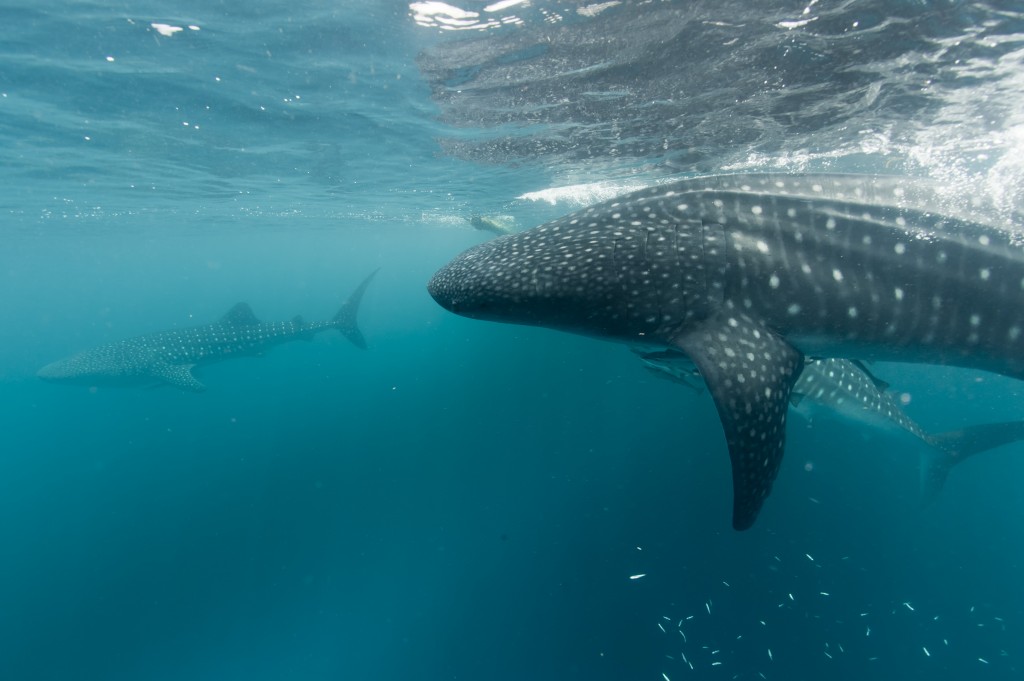
Three whale sharks visiting Papua waters ©123rf.com
Three whale sharks visiting Papua New Guinea waters ©123rf.com

Port Moresby

A short boat ride from the capital, divers can swim below with schooling golden sweetlips and batfish among plenty of colourful tropical fish and coral. At 12-30 metres this almost untouched bombora (offshore reef or rock) offers divers a smorgasbord of corals and fish life. On a clear day, the diving here can be world-class. Holding an abundance of reef fish, black coral trees, soft corals, gorgonian fans, and many more. Fancy going that extra nautical-mile? Located 90nm Southwest of Port Moresby in the Coral Sea is the spectacular Eastern Fields, a submerged atoll rising over 1200metres and covering over 1000 square kilometres.

Alotau

Milne Bay, the place that put Papua New Guinea on the international scuba map, is visited by some of the most prolific species in the sea animal kingdom. Divers can spend a number of days exploring this destination whose inhabitants include octopods, lion fish, seahorses and a variety of macro life. The fantastic reefs, walls and coral gardens hold many wrecks from the past World Wars and can sometimes reveal rare marine life. This underwater sanctuary is the beating heart of Papua New Guinea’s dive tourism.

The colourful underwater realms of Papua New Guinea ©123rf.com