Home Blog Page 167

9 Awesome Brand New Species You Need to Know

0

Already it’s been a great year in terms of discovering brand new marine life – from a friendly looking octopus to ghostly whales caught on camera that had previously only ever been traced through DNA from their corpses. With the current buzz surrounding ocean exploration, and underwater technology getting better by the dive, it’s no wonder that new species are entering into scientific textbooks faster than scribbled annotations or juvenile doodles. We showcase nine of the most awesome brand new species that you need to know:

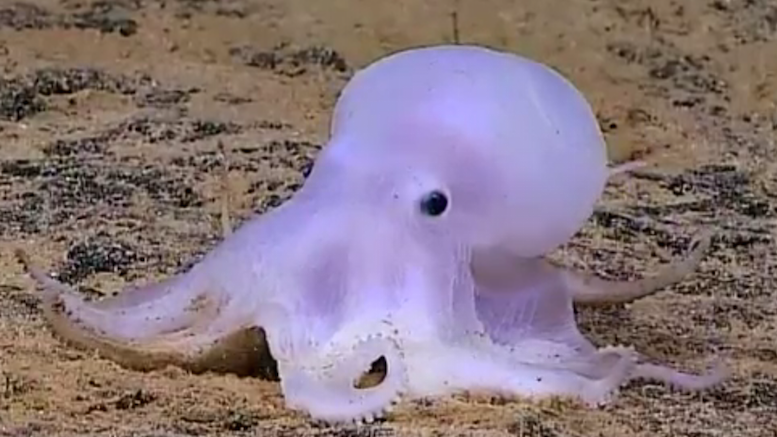
The “Casper” octopod
Source: Youtube

Species: TBD

Genus: Octopus

Date discovered: March 2016

Location: Hawaii, Pacific Ocean

Researchers with the National Oceanic and Atmospheric Administration (NOAA) discovered what may be a new species of “dumbo” octopod at a depth of 4,290 metres during a deep ocean expedition near Hawaii’s Necker Island. The ghost-like, incirrate octopod (meaning without fins) was the first of its kind to be discovered at such a depth; in other words, it shouldn’t have been that far down – perhaps that explains its blush-pink skin colouration. Scientists say that it could be a number of years before the new species is given a proper name.

Find out more about “Casper”

Glow-in-the-dark polyps

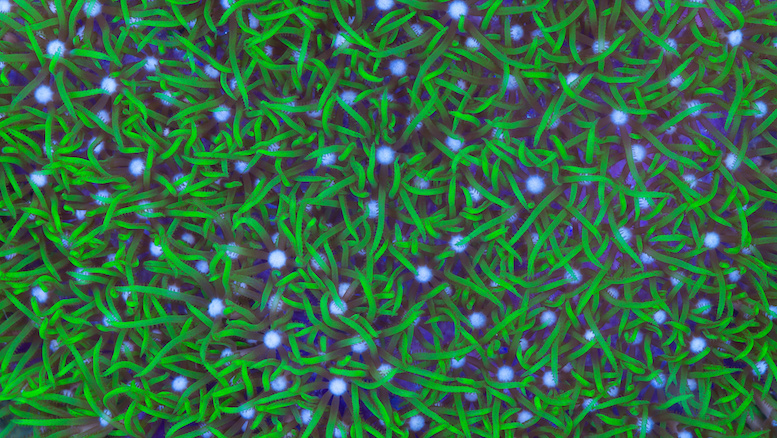
A mat of green star polyps encrusting a rock

Species: TBD

Genus: Cytaeis

Date discovered: February 2016

Location: Southern Red Sea

Russian and Japanese scientists discovered what could be a new species of luminous polyps that light up mud snails like a mobile Christmas decoration. The newly discovered sea hydroids are tiny – about 1.5 millimetres in length – forming what looks like green “fluorescent flashlights”. Like the distantly related freshwater hydra, a sea hydroid or polyp is a life stage of a group of small marine predators called Hydrozoa. So far, fluorescence has only been reported from the hydroids of six species.

Find out more about glow-in-the-dark polyps

New electric fish
new electric copy

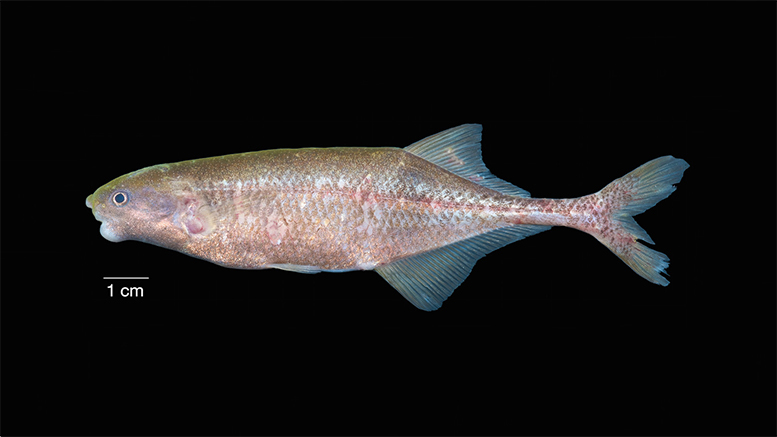
Species: Cryptomyrus ona/Cryptomyrus ogoouensis

Genus: Cryptomyrus

Date discovered: February 2016

Location: Continental fresh waters of Africa

The discovery of the new species of mormyrid, a “weakly electric” fish endemic to the continental fresh waters of Africa, led to the creation of a new genus containing not one but two new species. Mormyrids emit electric discharges so weak that humans can’t feel them. The fish have highly sensitive receptor cells on their skin, however, allowing them to use those electric discharges for navigation – they detect objects in their way as a distortion of the electric field they produce – as well as for communicating with other mormyrids.

Find out more about the new electric fish

Ghost whale
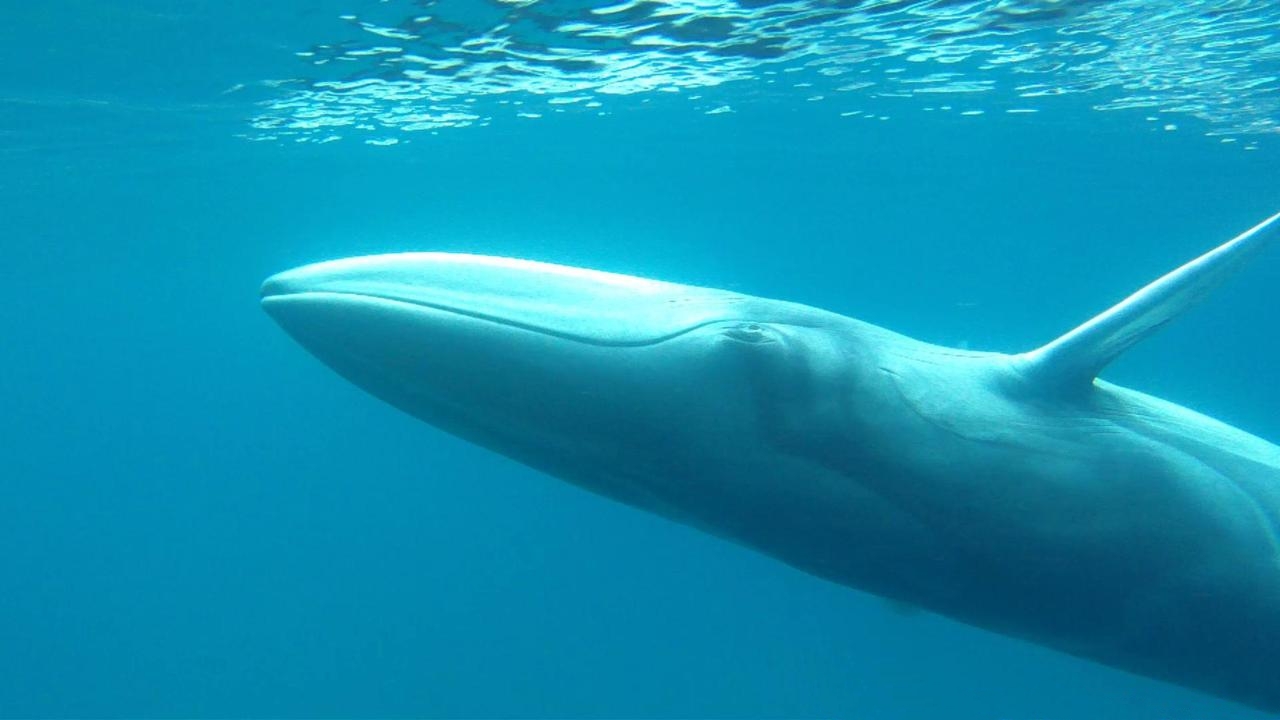
Balaenoptera_omurai,_Madagascar_-_Royal_Society_Open_Science_1

Species: Balaenoptera omurai

Genus: Balaenoptera

Date discovered: DNA samples discovered from dead specimens in 2003; first time discovered alive: 2016

Location: Madagascar

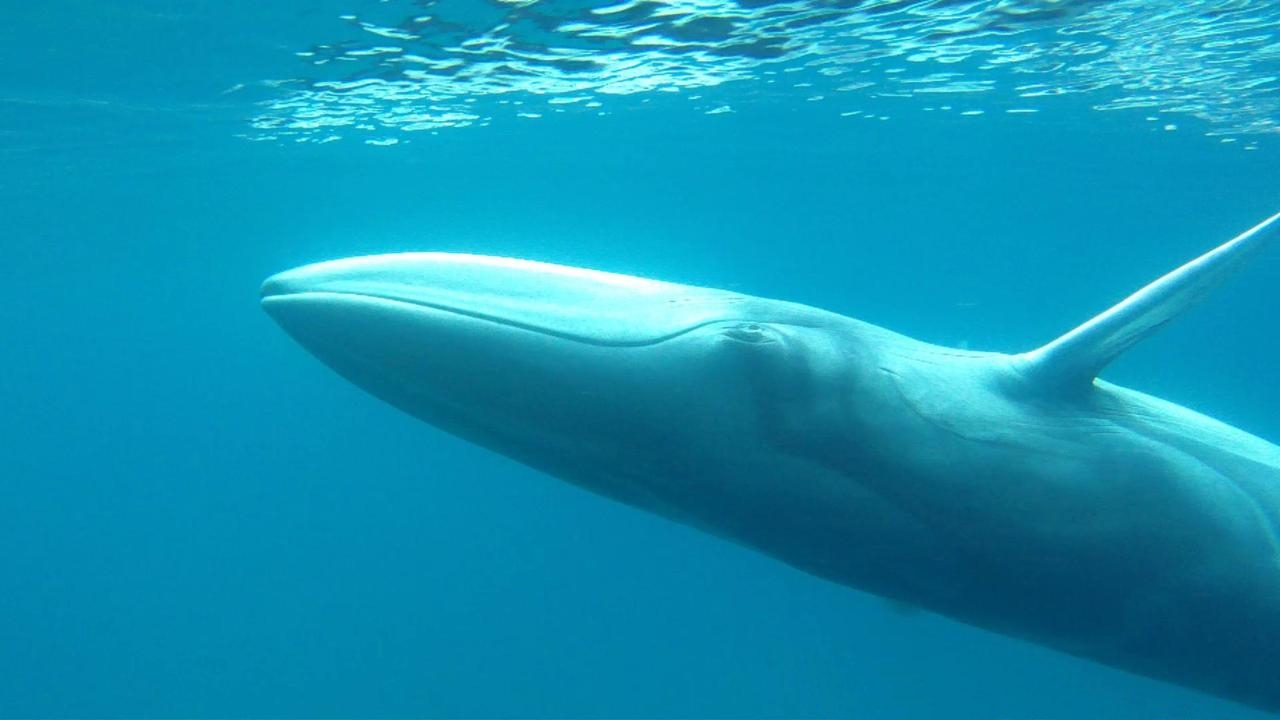
Scientists finally encountered living members of a species of whale known only from old, dead specimens. Shaped like a sleek submarine, with unusual asymmetrical markings, the elusive Omura’s whale has for the first time been documented in photos, videos, and audio recordings. In the 1970s, scientists initially classified eimadaght whales killed by Japanese whalers in the eastern Indian and western Pacific oceans as Bryde’s whales (Balaenoptera edeni). It wasn’t until 2003 that another team of researchers, examining DNA evidence from the eight whaling specimens and a stranded animal, concluded that the whales actually belonged to a new-to-science species that came to be called Omura’s whale (B. omurai). Up to this year, however, there have been no firsthand observations of living Omura’s whales described in the scientific literature that could shed light on the animals’ behaviour, biology, or ecology; only a handful of unconfirmed sightings.

Find out more about the ghost whale

A new anglerfish
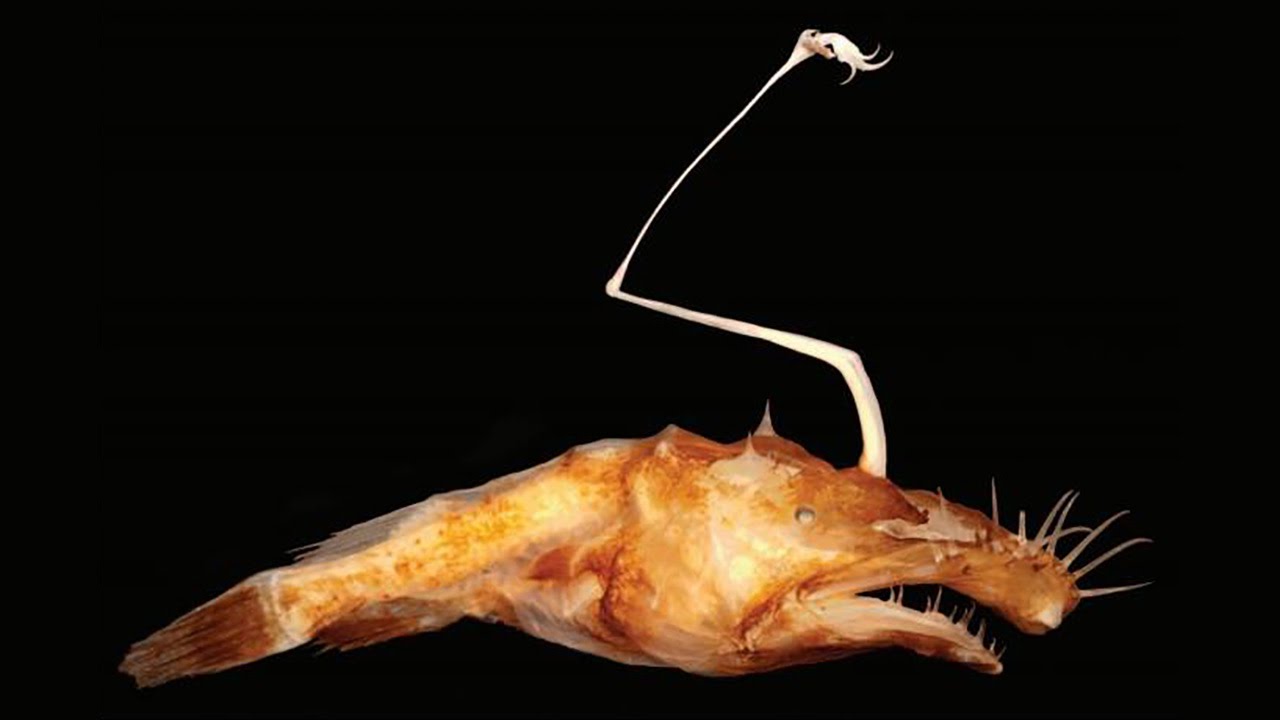
maxresdefault (2)

Species: Lasiognathus regan

Genus: Lasiognathus

Date discovered: August, 2015

Location: Northern Gulf of Mexico

Looking like a hideous sock puppet you’d use to terrify your neighbour’s children with (if normal sock puppets aren’t terrifying enough), Lasiognathus regan is the latest addition to the family Melanocetidae. In size, they range from 30 to 95 millimetres, and are adapted to life between 1,000 to 1,500 metres below the ocean. Just like every other anglerfish, this one carries the typical fleshy “Pixar-light”-cum-fishing rod that dangles over its nose, and resides in the dark depths of the ocean.

Ninja lanternshark
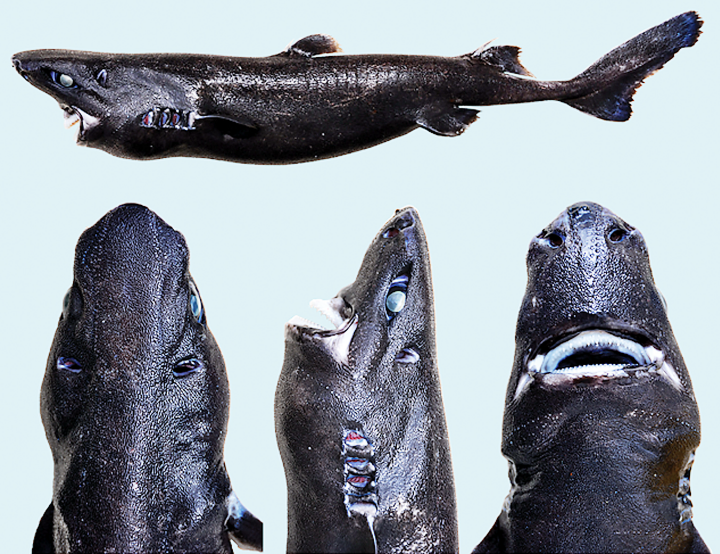
Ninja_lanternshark_Vasquez_et_al_2015
© deepseanews

Species: Etmopterus benchleyi

Genus: Etmopterus

Date discovered: 2010; described for first time: December 2015

Location: Pacific coast, Central America

Living almost two kilometres beneath the ocean surface, the all-black ninja lanternshark is one curious find. The species would be near-impossible to see in the murky depths of the ocean if it wasn’t for special organs in its body which produce light. This light, which is a common feature of lanternsharks, is likely used to communicate with other sharks, for camouflage and perhaps to attract prey. It likely feasts on small fish and crustaceans that – due to the shark’s ninja-like concealed appearance – presumably have no idea what is consuming them.

Ruby seadragon
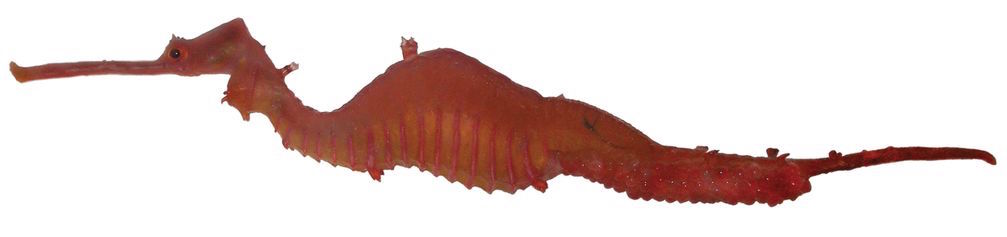
Ruby_seadragon

Species: Phyllopteryx dewysea

Genus: Phyllopteryx

Date discovered: February 18, 2015

Location: Coast of Western Australia

While researching the two known species of seadragons as part of an effort to understand and protect exotic and delicate fish, scientists at Scripps Institution of Oceanography made a startling discovery: a third species of seadragon. Often confused with seahorses – who are aesthetically alike, and similar in size – seadragons are covered in strange appendages that help them to blend into their backgrounds. Scientists believe that Phyllopteryx dewysea inhabits deeper waters than the leafy and common seadragons, due to its red shading that acts as camouflage in the deep depths.

The dusky snout catshark
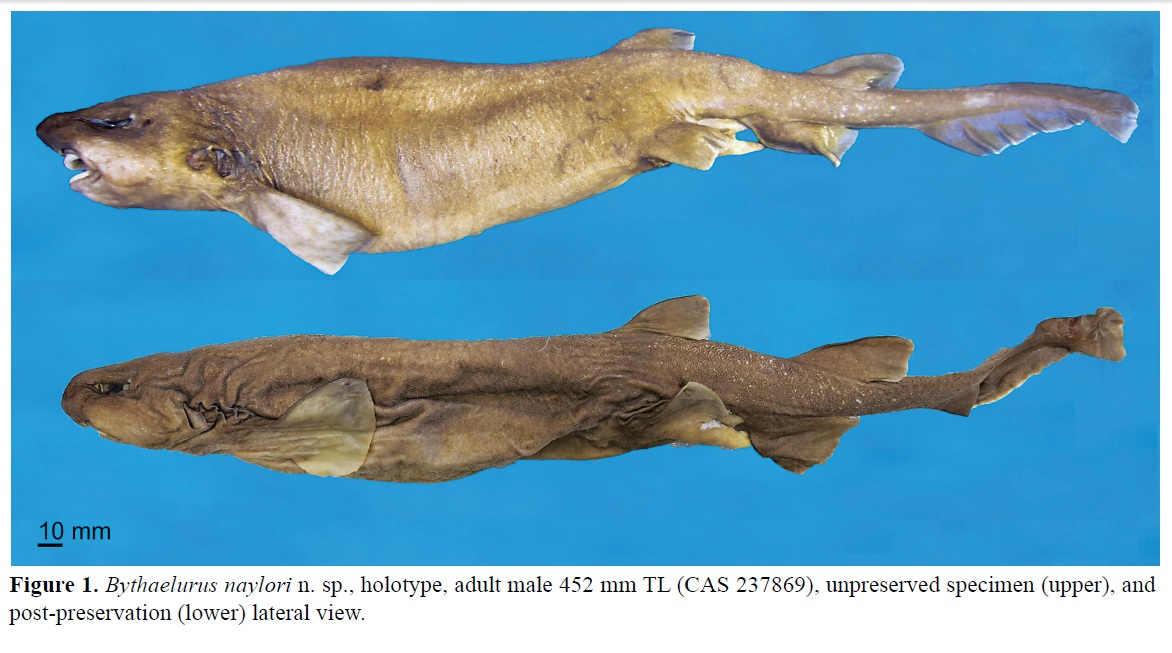
dusky-snout-catshark-1
© sharkrooth

Species: Bythaelurus naylori

Genus: Bythaelurus

Date discovered: June 2015

Location: Southwest Indian Ridge

Growing to a length of just under half a metre, and living at depths of 90 metres to just under two kilometres below the surface, the dusky snout catshark’s skin appears similar to that of a shrivelled up leather glove.

New flatworm
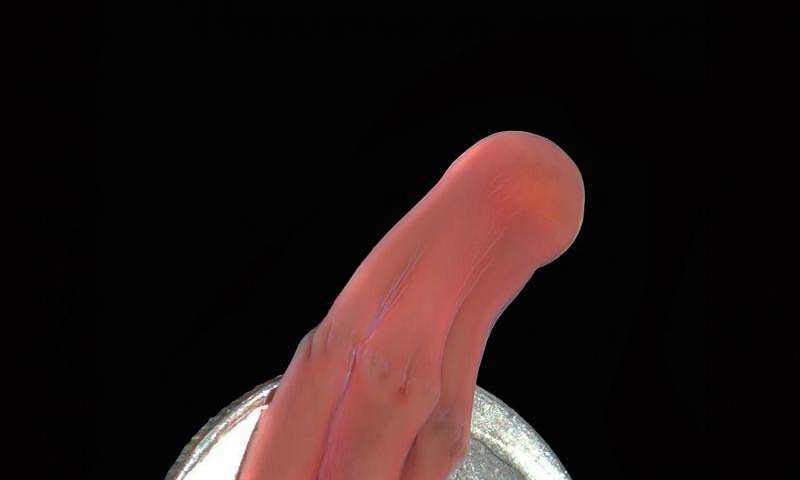
1-scrippsledte
© livescience

Species: Xenoturbella hollandorum

Genus: Xenoturbella

Date discovered: February 2016

Location: Sweden

Looking like a deflated whoopee cushion, and without any brain or eyes, the latest discovery of flatworm has amazed scientists searching the waters in Sweden. With no recognisable face or limbs, their bodies are simply blobs that look more like empty socks than animals, and are wrinkled by muscular folds and propelled by cilia. A mouth opening at one end leads to a gut sack, but there is no anal opening in the back end. They have no digestive system, no excretory system, and no reproductive organs, but they probably don’t worry about that too much because they don’t have brains, either – just a neural network.
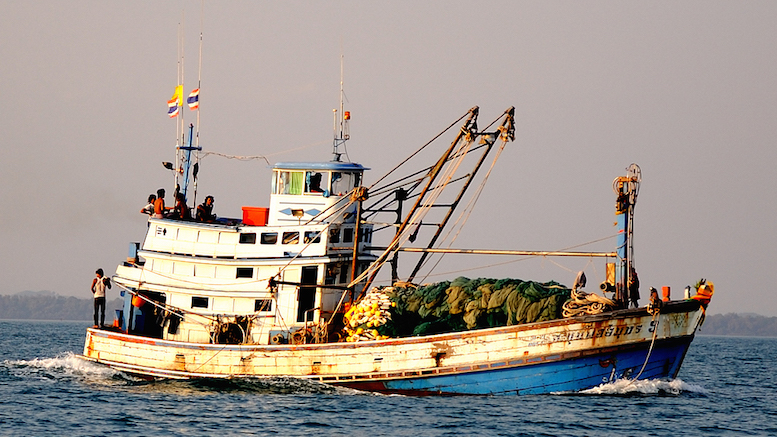
End of the Line for Foreign-Made Fishing Boats in Indonesia?

0

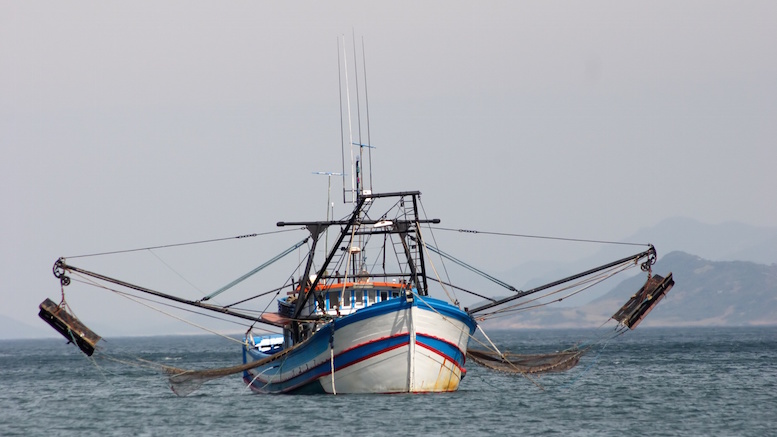
Indonesian fisheries minister Susi Pudjiastuti is purging the archipelago of foreign-made fishing boats, which she believes are being widely used as fronts for illegal foreign fishing operations.

The action follows a 2015 audit of 1,132 foreign-built boats. Of those, 328 were cited for major infractions, have been “blacklisted” and will be sunk by the government; and 390 were cited for minor infractions and are being asked to deregister. The other 414 have reportedly fled the country.

In a recent interview with the investigative weekly Tempo, Pudjiastuti said that although the boats had appeared to be legitimately purchased from abroad, they were actually still controlled by foreign outfits. These outsiders, she said, had made a practice of establishing “phoney companies” in the archipelago in order to reflag as Indonesian and gain access to the country’s rich fisheries.

“If the purchases are legitimate, where’s the evidence of transfer?” Pudjiastuti told the magazine. “They have all lied.

“We don’t just impose bans. If we make mistakes, we are inviting [the aggrieved parties to file] lawsuits with the state administrative court.”

Many of the purported owners of the boats cited for minor infractions, including the tycoon Tomy Winata, have agreed to deregister; others are still resisting, according to Pudjiastuti. “If further investigated, all of them will be seen as committing fraud,” she said. “Then we could just sink their vessels.”

Deregistered boats will be allowed to “return home,” she added.

Many of the boats that fled are moored in the Thai port town of Mahachai, according to Mas Achmad Santosa, the head of Pudjiastuti’s special illegal fishing task force. He told Tempo that Indonesia would ask Interpol, the international police agency, to assign them “purple status” so their movements could be tracked.

Last year, the head of a Thai fishery association told Tempo that of the 300 Thai-skippered boats that normally operate in Indonesia, “all are owned by Thai fishermen.”

“We are able to [fish in Indonesia] because we only need to look for the right connections,” Praporn Ekouru said. “Our fishermen only need to provide them with the documents needed.”

If enforced, the prohibition on foreign-made boats will put the brakes on an arrangement experts say has allowed illegal, unreported and unregulated fishing to flourish in maritime Indonesia, costing the nation an estimated $20 billion a year and trapping thousands of mainland Southeast Asian migrants in slavery at sea.

Published by Philip Jacobson, source: Mongabay

Marine Biologist of the Week: Neil Garrick-Maidment

0
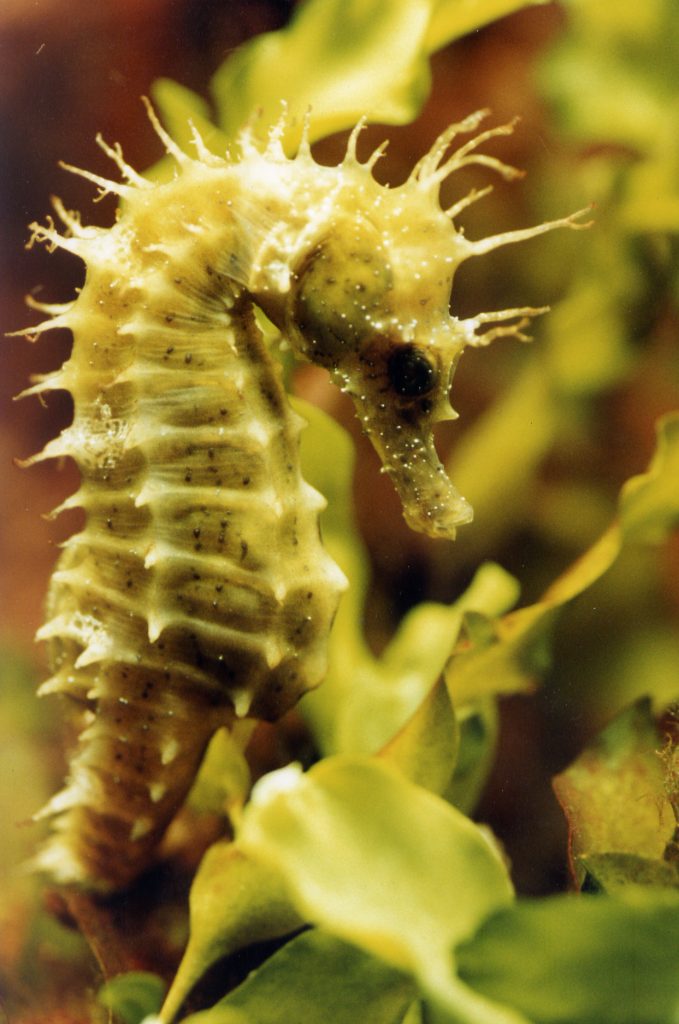
A seahorse sits alone on the seabed © Neil Garrick-Maidment
This week we talk to marine biologist Neil Garrick-Maidment, who discusses future ideas of humans residing below the waves, the craziest moments of his diving career, and what it takes for mankind to save the ocean:
 
© Neil Garrick-Maidment
What got you into marine biology?
A passion for the natural world, no matter how big or small the creature and no matter where it lives, land or sea. I prefer to call myself a naturalist rather than a biologist as I feel this encompasses so much more, and allows you to open your mind more to what is going on without the strictures of being a biologist. I was very lucky to grow up in Malta, where I was in the water every day. It was from this that I fell in love with diving, and saw my first – and only – great white shark in its waters. This experience, and having some great mentors, and living in an age of Jacques-Yves Cousteau, gave me a passion for the ocean – exploring and trying to understand the Big Blue and what makes it tick.
 
What’s the hardest thing/best thing about your job?
People are the hardest thing about my job – what they do, their own selfishness and their own agendas. The second hardest thing is fundraising: Being in charge of a small charity is thwart with problems, especially fundraising when money is so short these days; we live on a knife edge all the time financially. But saying that… the best thing about my job can also be the people and of course, seahorses; I get to meet some amazing people and hearing of their experiences with seahorses – and the natural world – are fascinating. There are so many inspiring people out there and to be able to dive with them and discover seahorses and the natural world is a pleasure.
 
What’s the craziest thing you’ve ever seen while on the job?
This is a difficult question because there are so many things when it comes to the natural world and seahorses. I am very proud to have made so many discoveries about seahorses, but I have only scratched the surface and there is so much more to learn. We are just entering a new golden age of ocean exploration partially because of the breakthroughs in technology and partly because of the thirst to discover more about our own planet.
 
One of the most amazing things I have seen is a hammerhead shark in the Sudan. I assisted a friend on an expedition to survey the whole of the coast of Sudan in 2006, and on one dive he told me to go away for a while as he needed to sit very still on the edge of the reef to wait for a particular behaviour he was filming. So I dropped off the edge of the reef, to possibly a little deeper than I should have been (safe in the knowledge that we had staged spare bottles and experienced divers watching me), and was studying the cliff face when a large female hammerhead cruised along and spent some time watching me. I dropped away from the cliff face as she swam by and just cruised with her for 10 minutes along the drop-off – two different species occupying a shared space. The sense of awe I felt for that shark was beyond anything I have ever felt before or since; she was stunning. I could have stayed all day but she soon let me know she was mistress of the sea and she pulled away and after a quick flick of the tail, disappeared into the blue, out of sight.
 
© Neil Garrick-Maidment
What do you hope to achieve through your work?
Knowledge. First and foremost because without knowledge we have no respect, and with no respect we ruin things.
 
Secondly to let others know about this amazing world that lives beneath the waves. We divers are very privileged to be able to go into a realm very few others can go, and so it is incumbent on us to tell the world about what we see, hear and experience. Only by educating and inspiring others, as I was taught and inspired when I was younger, can we ever hope to save our blue planet.
 
Who is your marine biology role model?
Two people: The first is Jacques-Yves Cousteau for obvious reasons; he was such an inspiration to a whole generation and was really a man of his time and of the future. I grew up on his TV series. The second was a local schoolteacher, a naturalist called Les Jackman who in his spare time set up public aquariums and helped to set up the Natural History Unit for the BBC (I later went on to work for his son on Life on Earth and the Living Planet as an assistant cameraman). Les was such an amazing man and I started to help him out while I was still at school (when we were on holiday from Malta) researching marine animals. He got me into seahorses 36 years ago. He always said to me, “Look beneath the waves,” and I live by that.
 
What do you think lies ahead for marine ecosystems?
Being the eternal optimist, I am sure the knowledge we are gathering will help us to stop the destruction of the oceans, but it will be long, hard work educating people that the ocean is not a dustbin! I also strongly feel that humans living underwater is not so far away, and that one day we will become a permanent resident underwater. There are already restaurants underwater and a number of hotels planned to be completely submerged, and with the pressure on land there will be a natural colonisation of the seas. We are already involved in a project in the Philippines that is planning an underwater hotel and combining it with conservation and a massive marine park. This will then be the greatest test of the human species; how will we live in harmony with the ocean, become part of it and not destroy it?
 
What can the average person do to help protect life in the oceans?
Talk about it, respect it, protect it a
nd understand it is a very fragile, sensitive environment that has taken millennia to develop, and we are killing it in just a few generations.


Sea Shepherd Global Launches Sea Shepherd Dive

0

Following a successful presence at dive shows in the United Kingdom, Germany and the Netherlands, Sea Shepherd Global is proud to announce the official launch of a new initiative, Sea Shepherd Dive.

Sea Shepherd Dive has been developed to provide a “support and report” network to enable the dive community to get involved with Sea Shepherd and its worldwide mission to stop poachers and illegal operations that are destroying our marine environment.

Through the Sea Shepherd Dive website, divers and dive operators can report environmental crimes that they witness while diving, anywhere around the world. Acting on behalf of the person who has reported the crime, Sea Shepherd will then contact local, regional or national authorities to notify them of the suspected criminal activity.

The initiative enables Sea Shepherd to act as a buffer for divers who may otherwise not report the crimes they see, for fear of repercussions.

“Sea Shepherd Dive takes the world’s most effective marine conservation organisation and joins forces with like-minded, environmentally conscious dive centers. This formation of a global report network will enable Sea Shepherd to have eyes on the ground in far flung destinations where wildlife crimes, habitat destruction and over-exploitation is occurring daily,” says Sea Shepherd Dive Director, Gary Stokes.

In addition to the reporting features, Sea Shepherd Dive provides divers with a number of support services. These include a growing list of responsible dive operators and information on courses, aimed to educate divers on how they can take direct action to help our precious marine environment.

For dive operators who are looking to partner with Sea Shepherd Dive, the website provides the opportunity for exposure to Sea Shepherd’s worldwide supporter base, and endorsement of dive businesses that adhere to the Sea Shepherd Dive Code Of Conduct.

Visit Sea Shepherd Dive site for more information.

120x120xlogo-ssdive-round-180x180.png.pagespeed.ic.X29uYcX-mX

Want to End Illegal Fishing? Make All Ships Trackable, Say Researchers

0

Governments have been establishing enormous marine protected areas (MPAs) spanning hundreds of thousands of square kilometres where fishing is restricted. And the United Nations last June began work developing an international treaty to manage biodiversity on the high seas, the vast stretches of ocean subject to no nation’s law. But how will we enforce paper protections over areas far too big and remote to patrol by boat or plane?

Make vessels, especially fishing vessels, trackable by satellite and the resulting data publicly available, says a group of researchers writing today in the journal Science. Then law enforcement will be able to see in real time which vessels are in a given area and intercept any that appear to be involved in illegal fishing or other activities.

Each year, illegal fishers are estimated to net up to 26 million tons of seafood worth up to $23.5 billion annually, according to a 2009 study. Illegal fishing undermines conservation efforts and is associated with slave labor and human trafficking.

The world’s oceangoing vessels are already part way there. Many carry automatic identification systems (AIS) — devices that transmit data about the vessel’s identity, position, and course that is intended to prevent collisions. Until recently transmission occurred via VHF radio, but recently satellites have begun picking up the job, transmitting mass AIS data to anyone interested in reviewing it, anywhere on the globe.

Groups like SkyTruth, a West Virginia-based nonprofit, are already analysing this data to assist law enforcement officials in apprehending illegal fishing vessels.

The problem, according to Douglas McCauley, lead author of the Science paper, is that fishing vessels often don’t carry AIS devices, and that requirements to do so vary from place to place.

“The International Maritime Organization has done a good job getting member states to require publicly accessible tracking of large cargo ships and passenger ships, but a poor job building coverage for fishing vessels,” McCauley, a marine ecologist at the University of California Santa Barbara, told Mongabay.

“The EU is strict, Ecuador and Mauritius require all fishing vessels to do this, but US is fairly lax and Canada doesn’t require any fishing vessels to comply,” he added.

To prove their point that satellite AIS data can help monitor vast stretches of sea, McCauley and his coauthors, including SkyTruth’s chief technology officer Paul Woods, took a look at the data from purse seine fishing vessels on 26 million square kilometers of high seas in the tropical Pacific. The data showed “hot spots of purse seine activity” around Ecuador’s Galapagos Marine Reserve and Kiribati’s Phoenix Island Protected Area.

They also zoomed in on the Kiribati protected area, which is about the size of California, and examined AIS data showing ship traffic there before and after the area was closed to fishing on January 1, 2015. Happily, the MPA appeared to be working well. The data showed plenty of fishing activity before the closure that dropped off sharply after.

Of course, it’s possible vessels were fishing illegally in the reserve that had turned their AIS transponders off, a common practice among fishers that don’t wish to be tracked. Other tricks include falsifying positional data and transmitting inaccurate identification information, according to the paper.

“Unfortunately, current lack of legislative support for AIS has stunted this system into a service that best observes vessels that don’t mind being seen,” the authors write.

Several analytical techniques are now being used to outsmart the cheaters, and even more AIS-capable satellites are scheduled to come online soon, which will improve data access.

But McCauley and his coauthors argue that three new policies are needed to transform AIS into the illegal-fishing-busting machine that it has the potential to be.

First, they write, the International Maritime Organization and its 171 member countries must require all commercial fishing vessels longer than 15 meters and all large vessels to carry “publicly accessible, tamper-resistant” AIS devices. Second, vessels carrying these AIS devices must be required to obtain and maintain unique identification numbers. And third, countries must enforce vessels’ proper use of their AIS devices.

The rewards of such a system wouldn’t be limited to busting fishing scofflaws, according to the paper’s authors.

“If we got to a future where all types of vessels used AIS responsibly the intelligence of ocean management would jump up by 100 IQ points. We could reduce whale ship collisions; zone the oceans to find optima that maximized biodiversity yields, fishery profits, shipping efficiency; track real-time the beginnings of seabed mining…a long list,” McCauley writes in a press sheet sent to journalists.

“Widespread implementation of publicly accessible AIS would efectively bring an end to the era of marine anonymity,” the authors conclude, adding that “failure to close loopholes will continue to foster illegal activities that steal income and biodiversity from developing nations, promote social injustice at sea, and undermine eforts to cooperatively manage the sustained vitality of our shared marine resources.”

Citations
• McCauley, D.J. et al. (2016). Ending hide and seek at sea. Science 351(6278): 1148-1150.
• Agnew D.J., et al. (2009). Estimating the Worldwide Extent of Illegal Fishing. PLoS ONE 4(2): e4570.

Published by Rebecca Kessler, source: Mongabay

Tropical Dive Trips: 10 Tips for Safer Diving

0

In a previous article I proposed ten tips for planning your overseas dive trip. Well, the planning is over, and you have arrived at your tropical dive destination for the holiday of a lifetime. Here are some tips to make the whole experience safer.  

None of these suggestions should surprise you, but occasionally common sense takes a back seat when travelling divers succumb to the urge to cram more into their short overseas stay.

Stay well hydrated

The link between dehydration and an elevated incidence of DCS is well established. You also put yourself at increased risk of heat disorders. The best hydrating liquid is water.

Limit alcohol

Excess alcohol will impair your judgement, promote dehydration, and is thought to increase the risk of DCI. Late night drinking sessions can result in an intoxicated diver on the following AM dive, as well as reducing essential sleep.

Do a complete equipment check before EVERY dive

This rule is especially important in places where your dive guides assemble your gear for you. As much as it seems like a luxury to have someone else do it, assume NOTHING until you have personally checked. Are all of your straps correctly positioned and tightened? Is your cylinder full? Is your air properly turned on? Are both demand valves working properly? Does your BCD inflate? Are your computers turned on and functioning? Is your mask sealing? Do your torches work? A few minutes pre-entry ensuring that all of your gear is rigged properly, fits comfortably, and is working, is time well spent. Repeat this before EVERY dive. Never assume that your gear is right just because it was OK when you last used it.

Do an extra safety stop

With all of the added risks of DCI for travelling divers, a few extra minutes spent off-gassing in 3-5 metres could be time well spent. Besides, it is rarely a chore in tropical water.

Limit sun exposure

Many a tropical trip has been ruined by sunburn, or by problems associated with overheating.  Cover up if you are outdoors, and frequently apply sunscreen.

Have a half day off mid-trip

Multi day diving has been identified as a potential risk factor for DCI, as your levels of residual nitrogen never have adequate surface time to drop back to normal. Give your body a chance to re-set itself by having a scheduled break. This break takes on even more importance if your diving program has  you doing four or more dives in a day.

Dive within the limits of your training and experience

Stick to depths and profiles you know you are capable of doing. Unless you are suitably trained, limit overhead diving.

Don’t scare yourselfor anyone else

If you do, you are diving in an unsafe manner, and you are inviting problems.

Know when to say NO

If a dive sounds beyond your capability, it almost certainly is! Do not be influenced by peer pressure, or bullied by dive guides. Be assertive in speaking out if the operators or your fellow divers are trying to persuade you into dives that exceed your abilities and your levels of comfort. These could include dives that are deeper than you want to go, dives in current, or dives into overhead environments such as wrecks and caves.

NEVER overrun your safe limits

When you reach your air cutoff point or your agreed bottom time, declare it to your buddy and the dive leader, and begin your ascent. Resist any peer pressure to extend your dive beyond what you believe to be safe limits.

An overseas trip should be a hugely enjoyable and memorable adventure. Help to make it so by being sensible about known risk factors that could lead to bad experiences.

Article by DAN AP Director and Instructor, Stan Bugg


Check out this incredible offer from DAN Asia-Pacific and UW360:

1 YEAR DAN Asia-Pacific Membership + 1 YEAR Subscription to Scuba Diver AUSTRALASIA + OCEAN PLANET Want to get your hands on this package? Click here.fd493c7d-1611-41db-b305-7f81ee2c24cc


Ocean Still a Noisy Place, 11 Kilometres Deep

0

For three weeks, a titanium-encased hydrophone recorded ambient noise from the ocean floor at a depth of more than 11 kilometres, in the Challenger Deep trough in the Mariana Trench near Micronesia. Researchers from NOAA, Oregon State University, and the U.S. Coast Guard were surprised by how much they heard.

“You would think that the deepest part of the ocean would be one of the quietest places on Earth,” said Robert Dziak, a NOAA research oceanographer and chief project scientist. “Yet there is almost constant noise. The ambient sound field is dominated by the sound of earthquakes, both near and far, as well as distinct moans of baleen whales, and the clamour of a category four typhoon that just happened to pass overhead.”

The hydrophone also picked up sound from ship propellers. Challenger Deep is close to Guam, a regional hub for container shipping with China and the Philippines.

The project, which was funded by the NOAA’s Office of Ocean Exploration and Research, was designed to establish a baseline for ambient noise in the deepest part of the Pacific Ocean. Human-created noise has increased steadily in recent decades and getting these first recordings allows scientists in the future to determine if the noise levels are growing and how this might affect marine animals that use sound to communicate, navigate and feed, such as whales, dolphins and fish.

Getting these first recordings wasn’t easy in an underwater trough deep enough to hold Mount Everest.

“The pressure at that depth is incredible,” said Haru Matsumoto, an Oregon State ocean engineer who worked with NOAA engineer Chris Meinig to adapt the hydrophone. “We had to drop the hydrophone mooring down through the water column at no more than five meters per second to be sure the hydrophone, which is made of ceramic, would survive the rapid pressure change.”

While atmospheric pressure in the average home or office is 14.7 pounds per square inch (PSI), it is more than 16,000 PSI at the bottom of the Mariana Trench.

Researchers deployed the hydrophone from the Guam-based U.S. Coast Guard Cutter Sequoia in July 2015. The device recorded sound continuously over 23 days, completely filling the flash drive. However, scientists had to wait until November to retrieve the hydrophone due to ships’ schedules and persistent typhoons. The device remained anchored to the seafloor until scientists returned.

Another OSU co-investigator on the project, Joe Haxel, will lead a planned return to Challenger Deep in early 2017, where the researchers will deploy the hydrophone for a longer period of time and attach a deep-ocean camera.

Dziak, Matsumoto, and Haxel all work for NOAA’s Pacific Marine Environmental Laboratory in the Acoustics Program located at OSU’s Hatfield Marine Science Center.

Haxel and Matsumoto are also affiliated with the Cooperative Institute for Marine Resources Studies in Newport, Oregon. The acoustic project in Challenger Deep is one of a number of projects in which the U.S. Coast Guard partners with NOAA to support scientific research.

Here is what researchers found:

https://www.youtube.com/watch?v=Ce7-9by7Ty4

Source: Ocean News & Technology