Home Blog Page 166

5 Ancient Underwater Cities to Discover

0
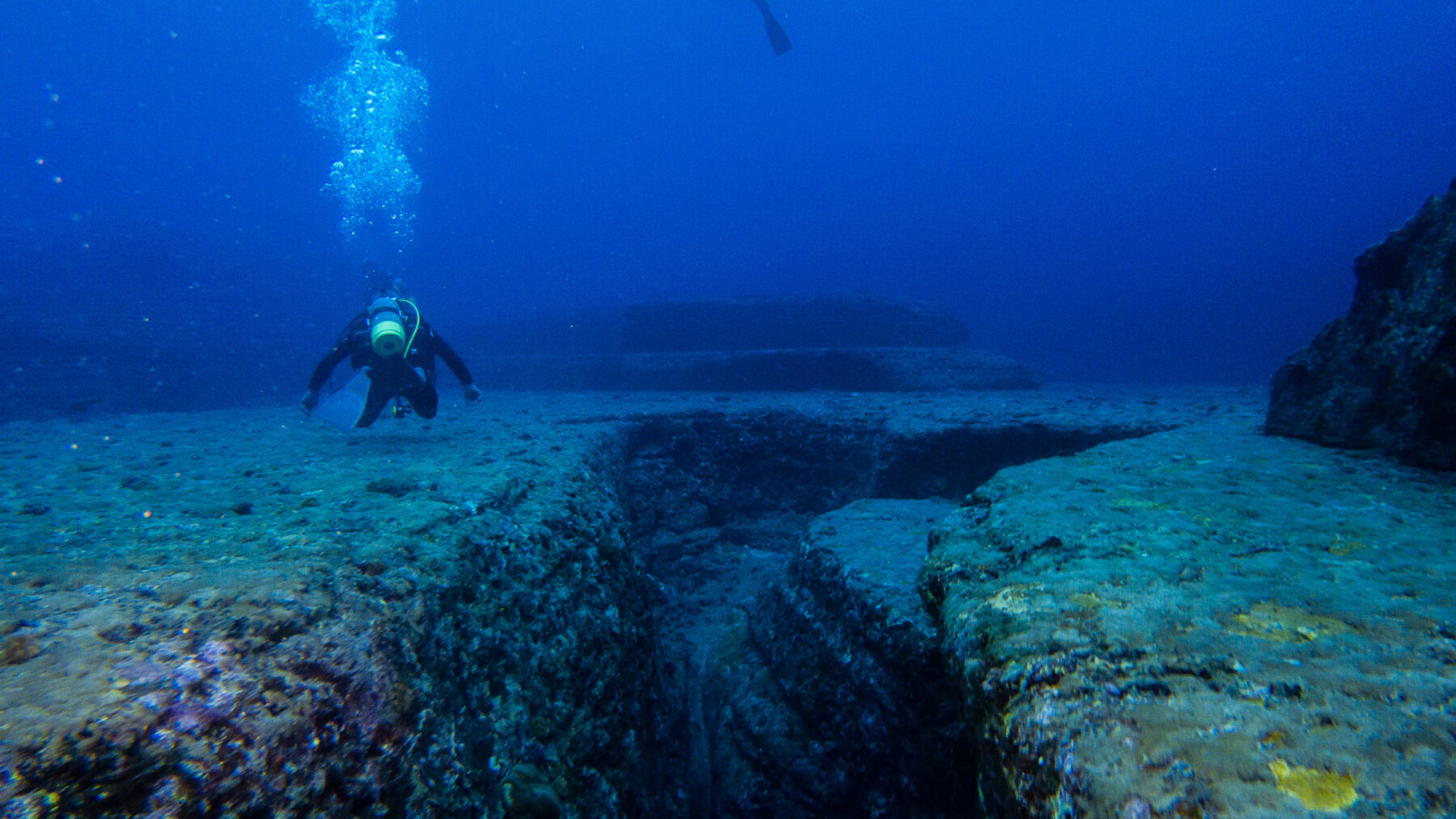
A diver inspects the famous Yonaguni Monument, Japan.

For as long as humankind has existed, civilisations have risen and fallen. Some ruins of past societies have been discovered on the top of mountain peaks, while others have slipped below the waves, their once great statues and temples reduced to rubble on the seabed. As divers, we know the remains of lost civilisations are some of the most exciting wonders one can witness below the waves. We bring you five of the top ancient underwater cities to discover:

Baiae, Italy

The remains of an ancient Roman city that catered for the rich and powerful of the Roman elite. Located over natural volcanic vents, the city was famous for its healing medicinal hot springs that enabled the building of spa resorts, and attracted emperors and generals to its hedonistic streets. Unfortunately, the good times did not last and the city was sacked by Saracens in the eighth century. By 1500, the remains of the seaside resort city were abandoned, and rising waters slowly drowned the ruins under the shallow waters of the bay. Today the submerged remains have opened up an alternative underwater museum for divers, allowing them to get up close to history.

An artist's impression of the landscape of Baiae before it drowned below the waves.
An artist’s impression of the landscape of Baiae before it drowned below the waves. © Wikimedia Commons

Yonaguni-Jima, Japan

Discovered by a wayward diver who noticed a peculiar underwater rock formation, Yonaguni became one of the most hotly debated underwater discoveries in decades. The debate, which still continues to this day, is whether these incredible structures are man-made or a quirk of Nature. Swimming around the site, it’s hard not to imagine that it was something crafted by human hands. The huge pyramid with carved steps is believed to have been constructed during the last Ice Age, 10,000 BC, when the sea level was much lower than it is today. This supposed city of a lost civilisation could have housed an empire that extended to the Americas, only to now be hidden below the waves.
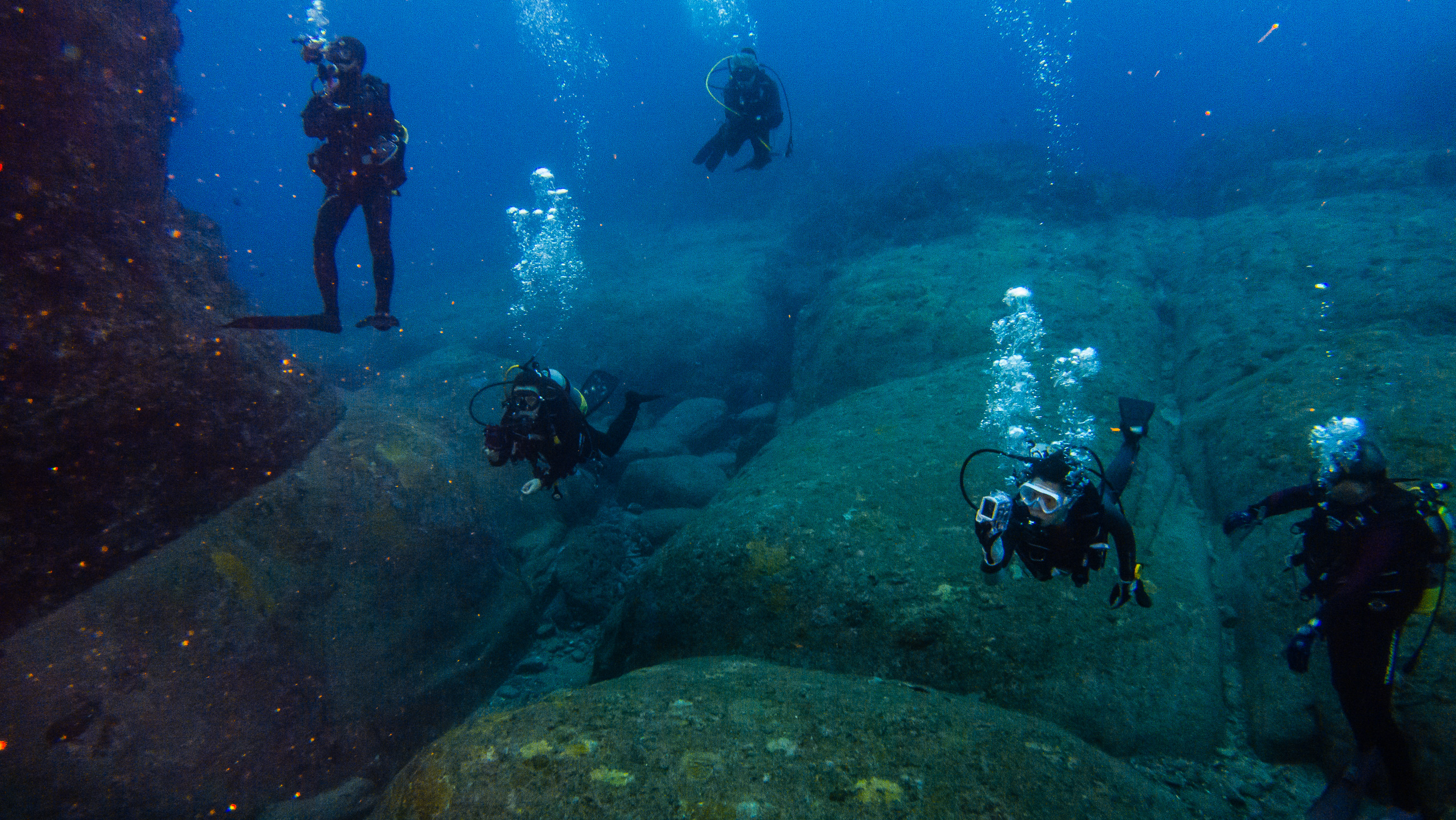
Divers explore the supposed manmade pyramid of Yonaguni © Wikimedia Commons

Gulf of Cambay, India

The year 2002 saw the discovery of an incredible ancient city in India’s Gulf of Cambay, an inlet of the Arabian Sea along the country’s west coast, in the state of Gujarat. Sitting beneath almost 40 metres of water, it was accidentally discovered by an organisation conducting a study of water pollution. The city, which is still being researched by archaeologists and scientists, is believed to predate everything that’s currently known for archaeological ruins – by 5,000 years. Pieces of pottery, beads and sculptures have been excavated and even human bones and teeth. Carbon dating has put the age of the human remains at nearly 9,500 years old. Built in a time when ocean water levels were lower than at present, the ancient city would have been a coastal settlement.

Lion City of Qiandao Lake, China

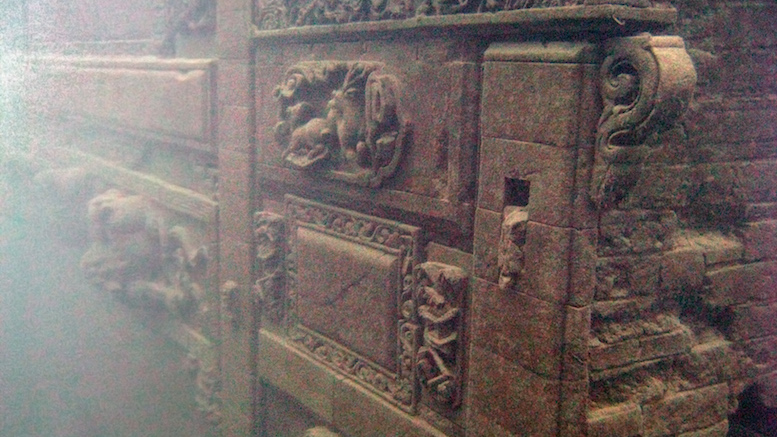
The “Atlantis of the East”, the underwater city of Shi Cheng is a mysterious time capsule of Imperial China. Some of the stone architecture dates back to the old Ming and Qing dynasties (which ruled from 1368 to 1912) and stands perfectly preserved 40 metres under Qiandao Lake in Zhejiang province. The Lion City was purposely flooded in 1959 to make way for the Xin’an Dam and its adjoining hydroelectric station. The project resulted in 300,000 people being relocated, some whose family trees had been firmly rooted in the city for centuries. The underwater ruin was rediscovered in 2001, and more ancient features like city gates, archways and carved dragons were later discovered when people began to dive there more frequently.
Ancient_city_-_Qian_Dao_Lake
Close up of a ruin from the Ancient city in Quiandao lake.

Cleopatra’s Palace Alexandria, Egypt

What is thought to be the palace of Cleopatra is located just off the shores of Alexandria. The once-upon-a-time home of the ancient Egyptian queen was believed to be cast into the sea by an earthquake over 1,500 years ago and lay undiscovered until recent years. Unfortunately for divers, all the well-preserved remains have been removed from the water to tour the world’s museums. But there are still some interesting artefacts for divers to see and the site hasn’t lost its eerie, historical ambience. 
 

Marine Educators Across the Pacific Unite

0

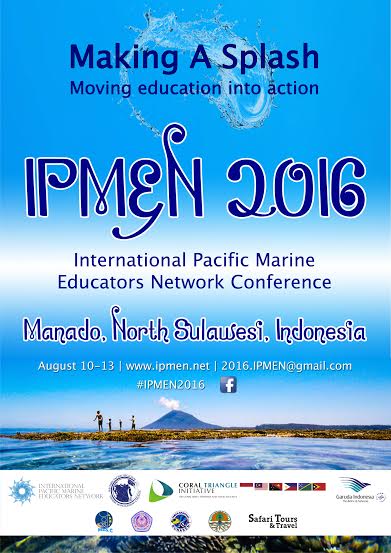
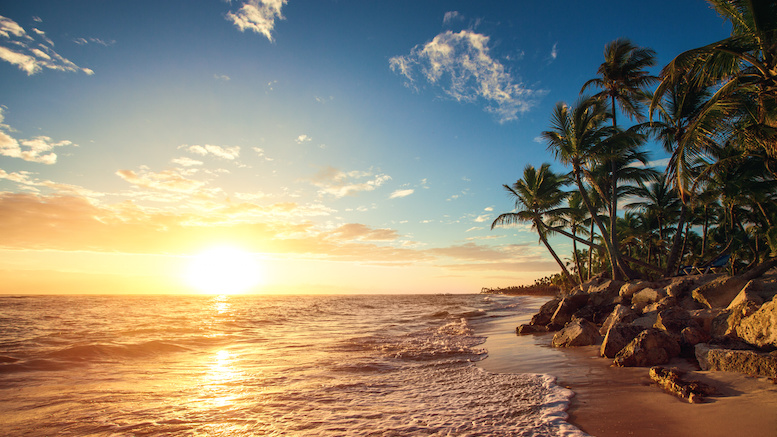
In August marine educators from across the pacific will be making a splash in Manado, Indonesia for the biannual International Pacific Marine Educators Network conference.

7fb84713-e1cb-4c6d-9a4f-b0db748f5a3aMarine educators from all backgrounds will travel to this tropical paradise to meet like-minded people and create a shared learning community across the globe. A variety of educators from universities, schools, aquariums, conservation NGOs and more will have the opportunity to exchange knowledge, experiences and ideas to improve the quality and effectiveness of teaching about the marine environment, conservation, resources and human impacts.
The conference will take place from August 10 -13 in Manado, North Sulawesi. The conference immediately follows the first meeting of the Indonesian Marine Educators Network and a special welcome dinner on August 9 will allow these two groups to get together.

IPMEN was created in Hawaii in January 2007 at a meeting of marine educators from around the Pacific. This meeting, organized by the Western Pacific Regional Fishery Management Council, resulted in the establishment of a network of marine environmental educators from 18 Pacific nations and territories. The mission of IPMEN is to foster collaborative relationships that will create the resources, programs, training and leadership necessary to build ocean literacy at every level of society in the Pacific region. IPMEN has grown to become a regionally important organization and invaluable support for marine educators across the Pacific and currently has several hundred active members and typical conference attendances of 50-100 participants.

The overarching theme of the 2016 IPMEN conference will be Making a Splash: Moving education into action. It aims to address the question of how to effectively communicate information about the marine world, and create a more marine-literate global community with the capacity to make wise decisions regarding human-marine interactions.

The conference will feature inspiring keynote speakers, ocean game presentations, school visits and web conferencing. Participants will have the opportunity to share their own work, and get to experience the local area and marine world with excursions to Bunaken National park, the Coral Triangle Initiative Centre and Sam Ratulangi Univeristy. The conference is focusing on hands-on experiences and so will feature a beach clean-up with local schools and coral transplantation activities. It will be a fully immersive experience in all facets of marine education.

Registrations are now open for potential presenters and participants. Visit www.ipmen.net for more details and to register for this wonderful experience.


International Pacific Marine Educators Network (IPMEN)
Making a Splash: Moving education into action

August 10 -13 Manado – North Sulawesi, Indonesia

Basic overview of conference

Marine educators from across the Pacific will gather in Manado, Indonesia (and elsewhere via web conferencing) in August 2016 to exchange knowledge, experiences and ideas to improve the quality and effectiveness of teaching about the marine environment, conservation, resources and human impacts. They will build on previous work by IPMEN and continue to share resources and develop collaborations. The conference is scheduled to immediately follow a two day meeting of the Indonesian Marine Educators Network.

The conference will include field trips to:

  • Bunaken National Park to snorkel and visit local schools
  • The Coral Triangle Initiative building
  • The University of Sam Ratulangi
  • Local beach clean-up and coral transplantation

Conference themes:

  1. Innovation in Marine Education – using new and different teaching methods to deliver the marine message and reach a wider audience.  
  2. Sea Stories and Coastal Culture – integrating traditional knowledge into formal and informal marine education.
  3. Partnerships for Change – connecting across the seas to achieve common goals and strengthening projects through collaboration.
  4. Sustainable Seas – utilizing the oceans’ resources to ensure their survival for future generations.
  5. Making Science Accessible – demonstrating the relevance of science in our everyday lives and helping to create a more marine literate society.

IPMEN background

IPMEN was created at a meeting of marine educators from around the Pacific in Hawaii in January 2007. This meeting, organized by the Western Pacific Regional Fishery Management Council, resulted in the establishment of a network of marine environmental educators from 18 Pacific nations and territories. The mission of IPMEN is to foster collaborative relationships that will create the resources, programs, training and leadership necessary to build ocean literacy at every level of society in the Pacific region. IPMEN has grown to become a regionally important organization and invaluable support for marine educators across the Pacific.

Dates for registration:

Early bird registration closes – April 31st, 2016
Registration closes – July 1st, 2016
To register or for more information visit: ipmen.net/ipmen-indonesia-2016
Contact: 2016.ipmen@gmail.com


Obama Administration Will Not Allow Oil Drilling off Atlantic Coast

0
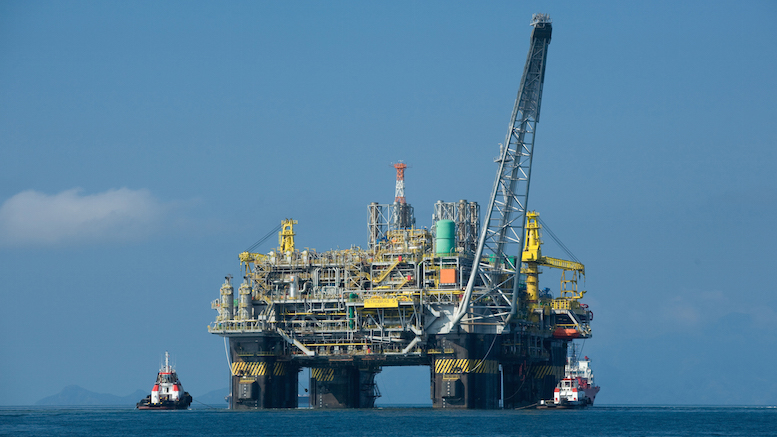
Photo from Wikimedia Commons CC BY-SA 3.0BR

America’s Atlantic coast will remain off limits for oil and gas drilling for now.

Following uproar from coastal communities and environmental groups, the Obama administration announced Tuesday that it was reversing its initial plan of allowing oil exploration off the shores of Georgia, North Carolina, South Carolina and Virginia between 2017 and 2022.

The Pentagon, too, had expressed concerns that oil exploration activities off the Atlantic Coast could interfere with their military drills and missile tests.

“We heard from many corners that now is not the time to offer oil and gas leasing off the Atlantic coast,” Sally Jewell of the Department of Interior said in a statement to reporters. “When you factor in conflicts with national defence, economic activities such as fishing and tourism, and opposition from many local communities, it simply doesn’t make sense to move forward with any lease sales in the coming five years.”

In 2014, the Interior Department estimated that about 4.7 billion barrels of recoverable oil and 37.5 trillion cubic feet of natural gas lies beneath the Atlantic’s outer continental shelf. Then early last year, the Obama administration announced that it would open up — for the first time – a vast area of the Atlantic Ocean, starting 80 kilometres off the coasts of four U.S. states (Georgia, North Carolina, South Carolina and Virginia), for offshore drilling.

However, the draft proposal received more than 1 million comments, the Interior Department said, mostly opposed to the plan.

The proposal’s reversal has been criticised by advocates of the oil industry. Some groups, like the Independent Petroleum Association of America, say that this move “closes the door to more American jobs and opportunities for the American economy.”

Conservation groups are, however, seeing this as a victory.

“President Obama has taken a giant step for our oceans, for coastal economies and for mitigating climate change,” Jacqueline Savitz, U.S. vice president of Oceana, an advocacy organisation focused on ocean conservation, said in a statement. “This is a courageous decision that begins the shift to a new energy paradigm, where clean energy replaces fossil fuels, and where we can avoid the worst impacts of decades of our carbon dioxide emissions.”

Other aspects of the draft proposal, such as plans to offer leases in the Arctic and the Gulf of Mexico, still remain on the table. This decision has some groups worried.

“President Obama has spared the people of the Atlantic coast from another oil catastrophe, but in allowing new drilling in the Gulf and Arctic, he’s keeping all of us on course for climate catastrophe,” advocacy group CREDO Climate Campaigns Director Elijah Zarlin said in a statement. “Any new offshore drilling is incompatible with a stable future and it is incompatible with the commitments that President Obama has made.”

Article published by Shreya Dasgupta, source: Mongabay

4 of the Best Places to Dive with Crocodiles

0

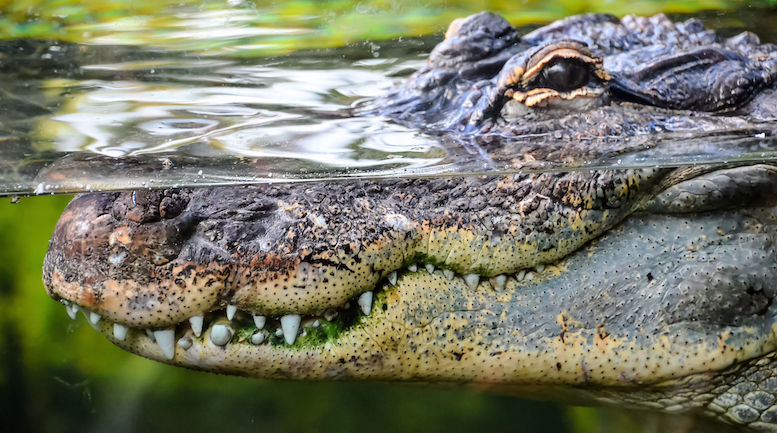
While shark diving is the latest craze-current to sweep through the waters of the dive industry, another perhaps even more daring encounter is sending divers to the murky rivers of remote locations—diving with crocodiles. Hugging the riverbed, creeping within a scaly-tail swipe’s distance of this prehistoric predator is now a fully established “thing to do”. So, where to go to explore this latest trend? We bring you four of the best, and most croc-friendly, places to dive with crocodiles:

Okavango Delta, Botswana

Described as one of the few truly wild places left on Earth, Botswana’s Okavango Delta gets flooded with around 29 cubic kilometres of water every year. This creates an ideal sanctuary for the many animals from the surrounding areas to produce one of the planet’s greatest concentrations of wildlife. Among this large variety of creatures, there are approximately 3,000 Nile crocodiles – some of which reach six metres long and have the strongest bite in the animal kingdom. When the time is right, you can dive down to the riverbed to witness them calmly still against the flow of the river current.

Aktun Ha Cenote, Mexico

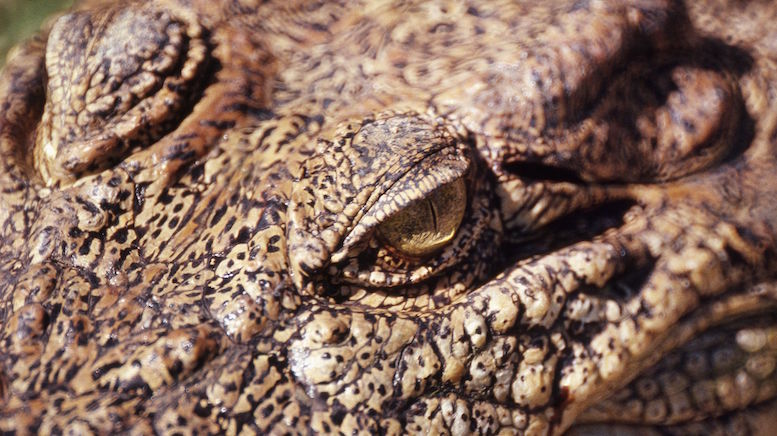
It means “Cave Water” in Mayan, and is known to locals as the “Car Wash Cenote” due to it being a former bath for taxi drivers’ cabs. But don’t let that put you off – “cab bathing” is an out-of-date practice, and the cenote itself is now known as one of the best places in the world to dive with crocodiles (although for the less daring amongst you, this would also act as a deterring factor). Witnessing a crocodile is all down to luck, and they are often mistaken by the untrained eye for floating forest debris on the water’s surface – where they sit still like carnivorous water lilies. When they are about in abundance, you can spot them gently breaching the surface, or dive down to see them on the riverbed.

17307475_l

Banco Chinchorro, Mexico

Banco Chinchorro, the Western hemisphere’s largest coral atoll, has earned a reputation as being one of the last unspoiled dive destinations in that part of the world. It benefits from being both far-flung and with access requiring special permits from the Mexican Federal Government. Here you can visit crocodile-filled lagoons where the animals lie silent and still on the surface, and you can dive below to see them silhouetted against sun rays or submerged by weeds on the riverbed.

Papua New Guinea

Face-to-face with the largest of all living reptiles, Crocodylus porous, is an experience that would chill the dreams of even the most lion-hearted divers. Of course, dangerous to stalk without experience in the wild, there are now controlled diving expeditions that allow divers to get closer than ever before to these prehistoric predators.

Crocodile diving is a dangerous practice. Before jumping into open water, any river or lagoon, you should take care for both your’s, and the creature’s, safety. Unfortunately, due to its adrenaline-pumping addictiveness, un-croc-friendly attractions offering dives with imprisoned crocodiles in pools are popping up throughout the land faster than the moles in Whack-a-mole, these Jurassic Park-esque attractions are something that we strictly oppose.


Safety measures to take when diving with crocodiles

  • Dive with crocodile experts
  • Only dive in winter months or when the water is cold; crocodiles are less active and lose their appetites in the cooler water
  • Get in and out of the “danger zone” quickly; crocodiles attack at the water’s surface
  • Stay close to the riverbed; crocodiles attack objects silhouetted against the light
  • Always keep out of striking range of a crocodile’s head
  • Look for smaller-sized crocodiles; they may be less likely to attack anything bigger than themselves
  • Learn to read a crocodile’s attitude; only get close to crocodiles that appear to be comfortable with divers

Scuba360 Business Forum

0

ADEX 2016 introduces the Scuba360 Business Forum!

Taking place on 16 April at the Suntec Singapore Convention & Exhibition Centre, level 3, the inaugural business forum will consist of a series of conferences, panel discussions and presentations involving the industry leaders and key players in the scubaverse.

The speakers in the forum will be covering seven related areas:  

Marine Conservation
Calling all scientists, marine biologists, environmental journalists, NGO workers and volunteers: Sign up now to be a part of the dialogue on issues ranging from marine parks to shark finning to livelihoods for coastal communities.

Marine Tourism
Join tourism board representatives, resort and liveaboard owners, dive operators and others to discuss strategies, campaigns, and other initiatives to support sustainable marine tourism.

Branding and Marketing in Asia Pacific
Thinking of introducing a revolutionary idea or brand to the scuba diving world? Looking to explore marketing opportunities for your brand in Asia Pacific? Want to discover new ways to maintain your brand awareness? Whatever your goals, don’t miss this opportunity to witness fellow dive entrepreneurs and pioneers share their branding and marketing tips and tricks.

Scuba Gear
Distributors, dive gear manufacturers, dive shop owners and managers: Plunge into the world of masks, fins, wetsuits, regulators, and more as you talk shop and focus on the latest technology, cutting-edge concepts, and all things related to scuba equipment. Discuss how to find more regional dealers and buyers and expand your brand to more countries in Asia Pacific.

Underwater Photography and Video Equipment
Do you have a business manufacturing, selling or distributing cameras, housings, lenses, lights, and accessories? Then get together with your peers, and the image-makers and filmmakers that use the gear, to exchange ideas about underwater photography and video equipment, the business of getting your images out to audiences, and how you can better market your brand in Asia Pacific.

Dive Training
If you’re a dive instructor or the owner of a dive centre somewhere in Asia, and you have some involvement in, and are passionate about, quality dive training, this session is a must for you. Learn how you can find more dive centres to offer your dive courses.

Dive Safety
Meet fellow dive doctors, dive guides, insurance experts, decompression chamber operators, and even those who’ve been involved in dive incidents. Discuss the latest developments in dive medicine, share anecdotes, share information, and help improve dive safety and accident management throughout the region.   The Scuba360 Business Forum constitutes a major opportunity for businesses in Asia Pacific to share information and get the inside track on the trajectory of the industry.

Don’t miss this out! Scuba360 Business Forum is supported by Scuba360 eMagazine.  

About Scuba360 eMagazine

The first of its kind in the region, Scuba360 eMagazine is a quarterly B-to-B publication that focuses on all things related to the business of scuba diving. Look forward to vital industry news and information, as well as engaging reads in the form of in-depth articles, interviews, and more!

As long as you’re involved in the scuba diving industry or any business that’s related to ocean-based tourism, or even if you’re hoping to make a career out of scuba, be sure to read Scuba360! To get your free subscription, visit www.scuba360.asia.  

Speakers and Topics

Scuba360 Speakers  

Scuba360 Speakers1

Scuba360 Speakers2

 (*Subject to change)


For more information on ADEX, please visit www.adex.asia.

Horizon Surpass Traditional Drilling Expectations With Revolutionary 200kN Seabed CPT in Denmark

0

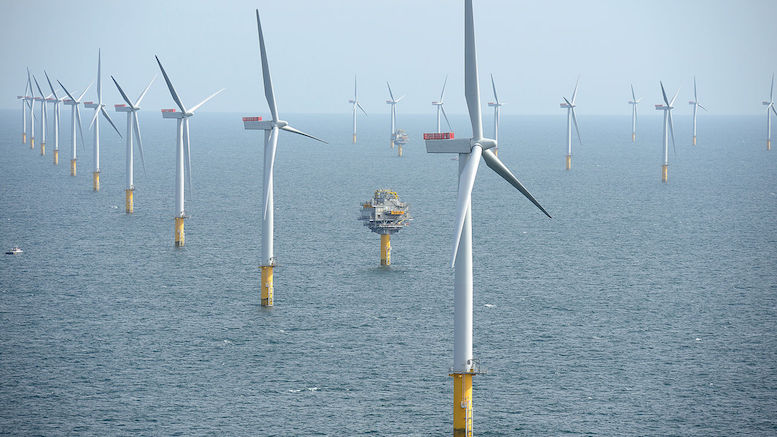
Horizon Geosciences’ revolutionary, 200kN Seabed CPT system was used recently with great success on a complex geotechnical site investigation for Vattenfall, offshore Denmark. Horizon’s scope of work centred around turbine locations in the North Sea windfarm as well as infield cable routes. The program of work included downhole sampling and CPT testing, seismic CPT testing, pressuremetre testing, P-S Logging, vibrocoring and seabed CPTs.

Project Manager for Vattenfall, Mr Wolfekart Semm confirmed;

“Works conducted included 7 combined geotechnical sampling boreholes. Seabed CPT testing in excess of 1300m was completed.”

Horizon’s digital CPT System is designed to achieve a continuous profile to depths in excess of 40m into the ground. Senior Project Manager for Horizon Geosciences Limited, Mr. John Cudden highlighted the importance of this feature;

“Building an accurate ground model is crucial to the development of offshore wind farms, therefore a high volume of quality CPT data is needed, often within tight timescales. This is where Horizon’s 200kN CPT can surpass traditional drilling expectations in terms of production and cost.

Coupled with the ability to conduct seismic CPT tests with this seabed system, tied in to pressuremeter and borehole logging data from adjacent boreholes, we provide the data for the full determination of both lateral and horizontal engineering properties across the site.”

The 200kN Seabed CPT System can be deployed from any DP1 or DP2 vessel, the Horizon Geobay was assigned in this case due to her full Geophysical and Geotechnical spreads, containerized laboratory and capacity to operate in shallower waters.

Project Manager for Vattenfall, Mr Wolfekart Semm concluded;

“ The Horizon Geobay was used as a platform throughout the whole campaign and has proven to be a very capable DP2 vessel, especially as shallow water conditions were prevalent. All operations were conducted safely and in-line with HSE requirements with a very positive HSE attitude and awareness of safety shown by the entire crew.”

Visit Horizon Geosciences on stand H350 to find out more about this project, the Horizon Geobay and their continued work in the Renewables and Oil & Gas sectors in the North Sea and beyond.

Source: Ocean News & Technology

NASA Sees a Different Kind of El Niño

0

A new NASA visualisation shows the 2015 El Niño unfolding in the Pacific Ocean, as sea surface temperatures create different patterns than seen in the 1997-1998 El Niño. Computer models are just one tool that NASA scientists are using to study this large El Nino event, and compare it to other events in the past.

“The start of an El Niño is important,” said Robin Kovach, a research scientist with the Global Modelling and Assimilation Office (GMAO) at NASA’s Goddard Space Flight Center in Greenbelt, Maryland. The visualisation shows how the 1997 event started from colder-than-average sea surface temperatures – but the 2015 event started with warmer-than-average temperatures not only in the Pacific but also in in the Atlantic and Indian Oceans.

Goddard’s computer models, with input from ocean buoys, atmospheric models, satellite data and other sources, can also simulate what ocean water temperatures could do in the coming months. The GMAO seasonal forecast, which takes 18 hours to complete, and creates more than 9 Terabytes of data, shows that this 2015 El Niño could be different until the end.

“In the past, very strong El Niño events typically transition to neutral conditions and then a La Niña event,” said Kovach. February computer model runs forecast a return to normal sea surface temperatures by June. The latest Feb 5, 2016 forecast does not yet predict below normal sea surface temperatures that would result in a large La Niña. As of Feb. 14, 2016, the latest ocean computer model shows colder-than-average water temperatures off the South American coast from Ecuador to Panama. “This current El Niño has been different so it will be interesting to see what happens in the next forecast and the coming months.”

By Kate Ramsayer, source: Ocean News & Technology