Home Blog Page 165

OceanGate and iXBlue Form Strategic Partnership

0
© Wikimedia Commons

Recently in our “Top 4 Subermersibles” post we discussed the incredible new technology released by OceanGate, you can view it by clicking here.

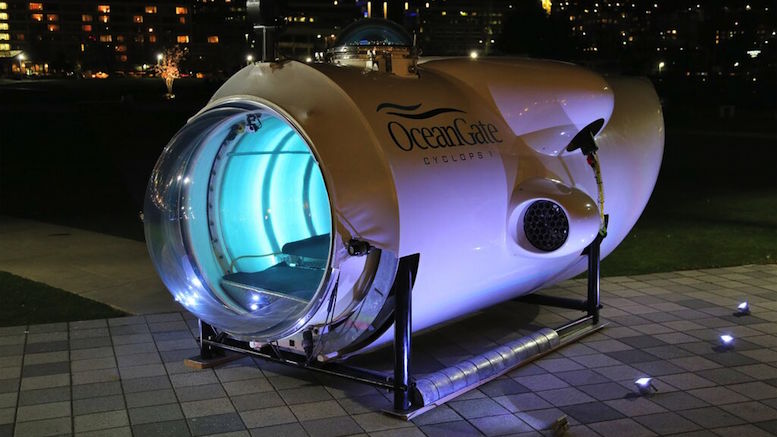
OceanGate and iXBlue, a global leader in navigation, positioning and imaging solutions, have formed a strategic partnership to expand the application and use of advanced marine navigation and sonar equipment to explore the world’s deep oceans. As part of the alliance, OceanGate has selected the iXBlue PHINS Inertial Navigation System for use aboard its fleet of Cyclops series manned submersibles.

In a world first, the PHINS system has been installed on a manned submersible to deliver real-time navigational data directly to the pilot. The PHINS system provides accurate position, heading, attitude, speed, and depth data as the submersible explores archeological sites and other undersea targets. With the use of PHINS, submersible pilots no longer need ship-based tracking and a topside communications link to obtain accurate position data.

“Previously our pilots relied on voice commands from the surface team who tracked the sub’s location to help vector us to the target. Now with iXBlue PHINS, the pilot can navigate autonomously throughout the dive and communicate the sub’s position back to the surface”, said Stockton Rush, CEO of OceanGate.

PHINS has been integrated into Cyclops 1 in preparation for OceanGate’s expedition to survey the iconic wreck of Andrea Doria in June 2016. This Italian flagged passenger liner sank in 1956 about 50 miles from Nantucket. The 697 foot long wreck, often referred to as the ‘Mt. Everest of scuba diving’ due to its location and 240 foot depth, tests the limits of diving on compressed air.

The seven day expedition will fully survey the exterior of the wreck with high-definition video and multi-beam 3D sonar. The expedition plan includes 10 dives and 30 hours of diving to create nearly 50 individual sonar scans needed to accurately map the wreck and debris field. After the expedition, the sonar scans will be digitally assembled into a complete virtual 3D model to illustrate the full scope of the wreck and document its current condition.

“More accurate position data gives us higher quality sonar models. And with PHINS, the dive team can better track the areas of the dive site that have already been scanned or filmed, and then use this data to eliminate redundant scans and reduce the risk of missing key images of the wreck”, said Rush.

Mack Barber, iXBlue General Manager, said: “We are extremely excited to be participating in such a great project. At iXBlue we are proud of our high quality products and are very pleased that OceanGate trusts us in providing highly controlled and accurate navigation with such important survey.”

Source: Ocean News & Technology
The Making of a Mermaid – Tips for Underwater Modelling

0
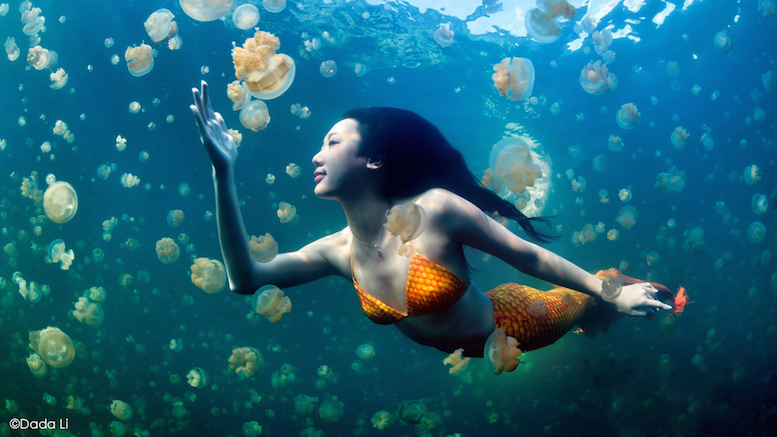
In Palau's jellyfish lake, Dada models for a shoot for a marine conservation exhibition.

Dada Li takes us through her tips for underwater modelling:

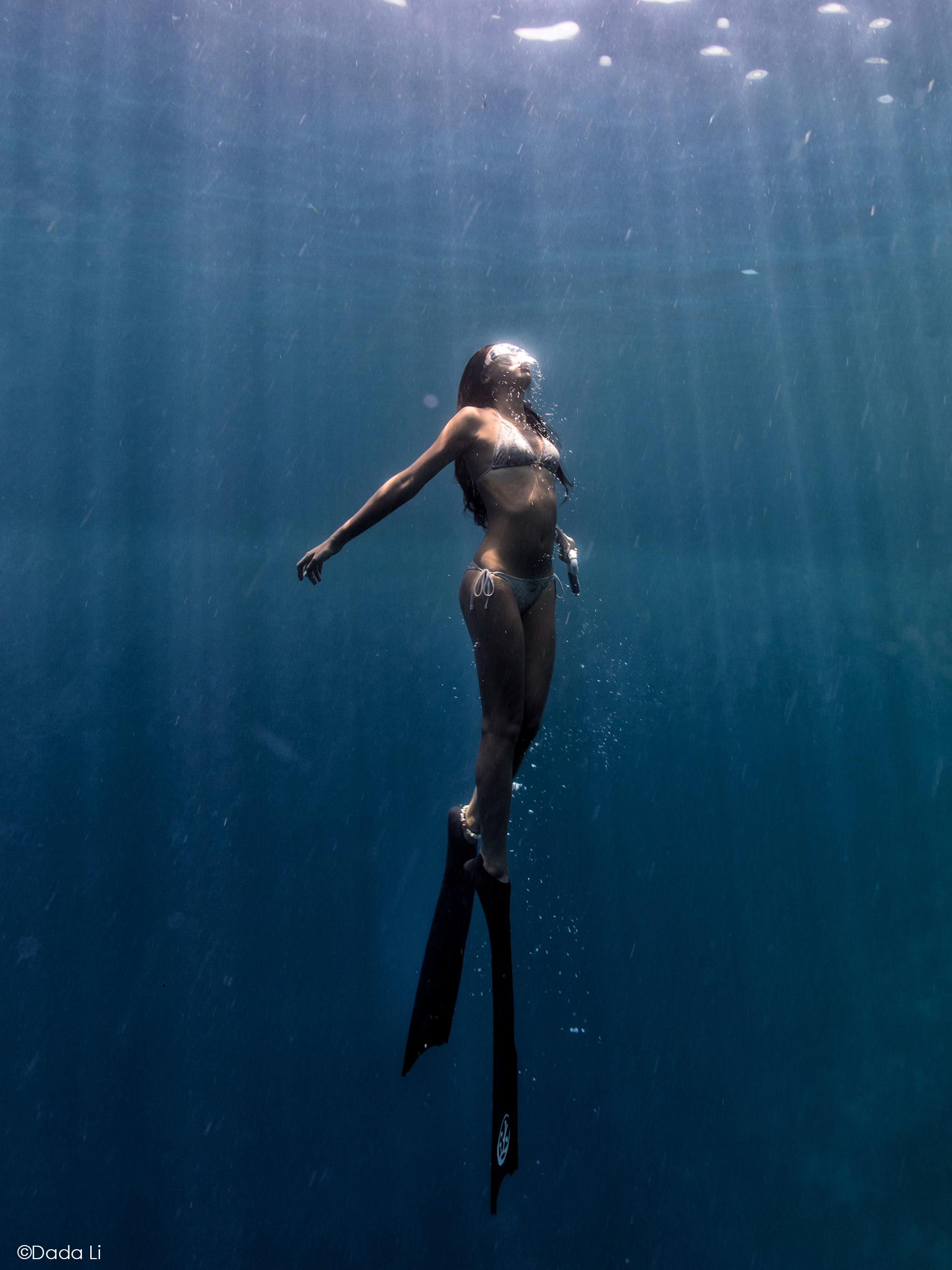
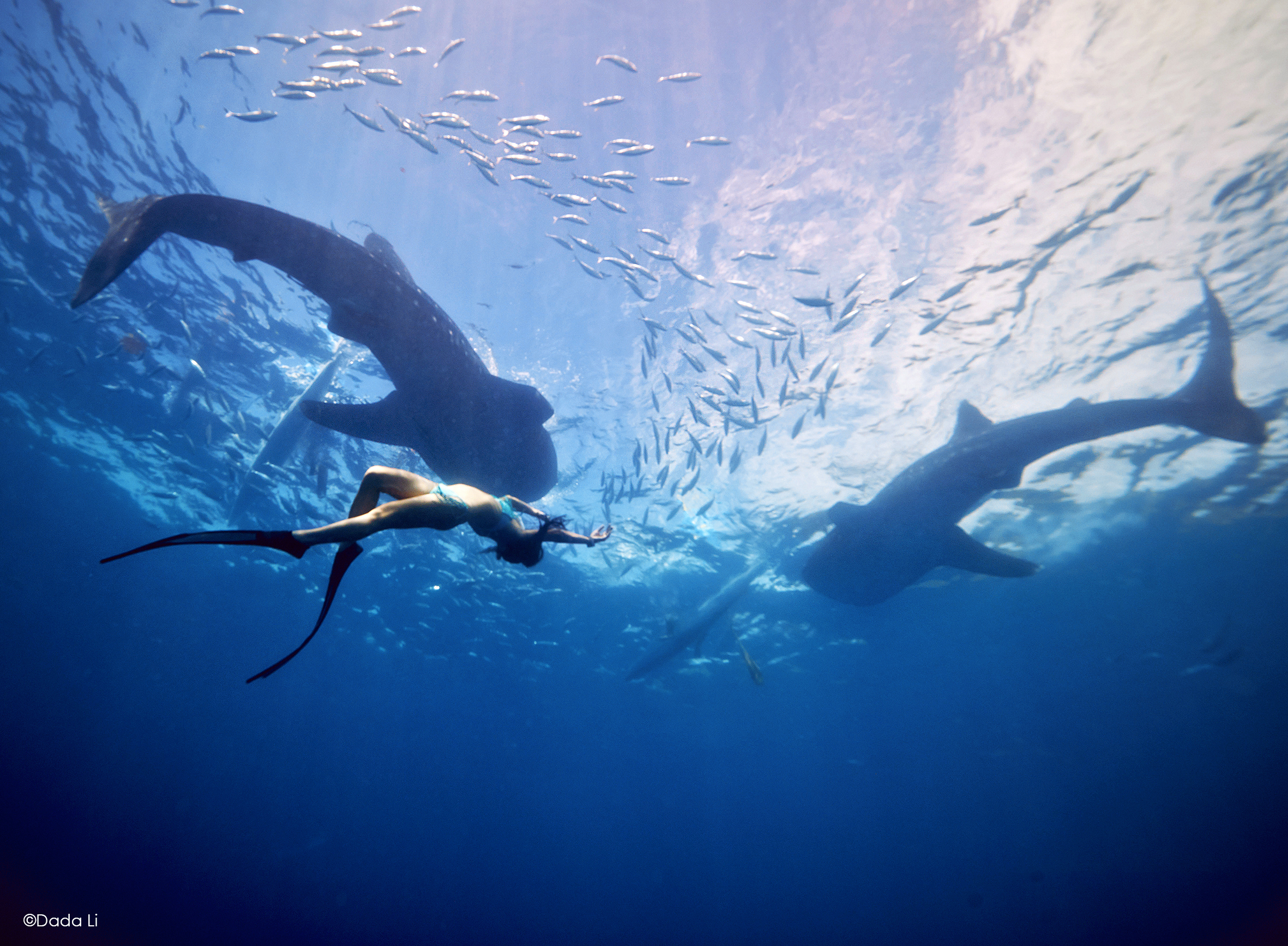
Freediving, it changed my life; I have been falling in love with this sport from the moment I first dived into the sea. Today, I am both a freediving instructor and freediving competition judge, but I’ve also got two other surprising titles: “underwater model” and “mermaid”. I never would have thought that I could actually make a job out of these last two. My friend took the first picture of my first dive. It certainly wasn’t a professional picture, taken by a camera wrapped in a plastic waterproof bag. It is not clear at all, but it was the first time I had seen myself in the water, and I loved the way I looked in it. I seemed taller and more slender, fully relaxed, flowing in space, surrounded by a school of fish.

The dive reminded me of feelings I could only recall having had in dreams… To pursue this wonderful feeling, I started to take freediving courses, diving more and more, getting addicted to this fascinating sport.

Underwater photographers started to approach me, wanting me to be their underwater model. I was very flattered, and I started working with some of them, creating a lot of stunning freediving images, and that is how my “modelling” career started.

40Dada’s tips for underwater modelling
To become an underwater model isn’t that easy; modelling in the sea is hard. Firstly, you have to be a good freediver; all the techniques you learn in freediving courses will help you a lot with staying comfortable underwater. Relaxation and confidence are the key things for underwater modelling.

It is also important to find a good balance between your dive time and breathe up time. You shouldn’t dive to your time limits, as it takes longer to recover. In some cases, your photographer is on scuba and so the shoot normally lasts for just under an hour. So, 30 second to one-minute dive times are enough to get several movements and postures into one dive without feeling out of breath, and then, after a 30 second to one-minute surface time for recovery, you will be ready for the next dive.

Breathe up slowly, deeply, adequately before holding your breath. You should never hyperventilate as it accelerates the heart rate and increases the risk of losing consciousness underwater. Carbon dioxide tolerance training is also very useful for repeated dives and extends your underwater comfort.

Improve the control of your body in the water and do away with all unnecessary movement. This might require practice in a swimming pool or open water, to learn to adjust your body position so that you are able to present yourself properly in front of the camera as soon as you dive into the water.

If you are wearing long freediving fins, proper finning will always result in nice postures. You should also try to turn your side towards the camera so that you will be captured in beautiful streamline. While you’re wearing a monofin or mermaid tail, the photographer will normally prefer to capture the shape of the whole fin, so you should try to show more of the front or back side of your “tail” by turning to the right angle towards the camera.

Good communication with your photographer will make the shoot much easier. You need to know the conditions of the dive site (depth, temperature, visibility, underwater environment, etc.), your photographer’s vision, how he is planning to shoot, and the focal length of the camera lens. You need to try not to get too close to the camera if the focal length is long, and not to go too far when the photographer is using a fisheye lens. Know where the photographer is and make sure he is ready to shoot before you dive, otherwise you might waste a dive. Dive to a suitable depth without going too deep. The ideal range in terms of making the best use of sunlight is normally above 15 metres. If you wish to go deeper, your photographer will need good strobe lighting to illuminate your body properly.

For me the most difficult part is diving without a mask: Water goes up the nose, stings the eyes and blurs the vision – none of which is enjoyable! But wearing nose clips or goggles doesn’t make you look like a real mermaid, so the only thing you can really do is get used to it. But there is a trick to prevent too much water going into the nose and sinuses: by controlling the muscle of the soft palate, you can “close” the nasopharynx so that air can’t go in or out. This closes off a small air space that stops water flushing into the nose. But it is still hard, and you mustn’t forget to have a relaxed facial expression at the same time!

One last important thing to be emphasised is there must always be a qualified freediving buddy to ensure your safety, especially when you are wearing a heavy mermaid costume and diving without a mask. Your buddy should be with you while you are surfacing. The shooting process will be a lot smoother with a good buddy.

So, all in all, being a mermaid is easier said than done. A wonderful underwater portrait is the result of the skills of both the photographer and the model, and the more you practise and prepare, the better shoot you’ll have.

20

Dada Li, from China, is an AIDA freediving instructor and competition judge. She also works as an underwater model.

This article originally featured in Asian Diver (Issue 1/2016)

12 Awesome Gadgets Every Diver Needs

0

Now you’ve got all the gear, it’s time to explore the gimmicks. From quirky signalling devices to multi-coloured keychains, we bring you 12 of the most awesome gadgets that every diver needs:

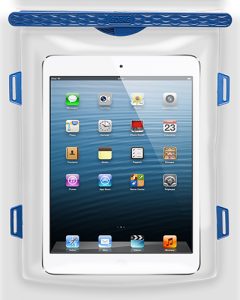
H2Odyssey Go Bagipad

MSRP USD25–45

  • The only magnetically self-sealing dry bag on the market
  • Earth magnets lock together to protect your personal belongings
  • No risk to cell phones or credit cards
  • Waterproof to 30 metres
  • Four different sizes/models

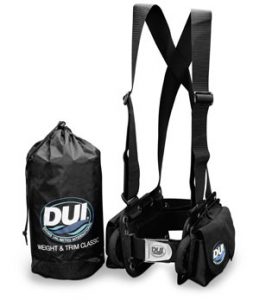
DUI Weight & Trim SystemDUI-weight-and-trim-system-

MSRP USD124

  • A weight harness for increased diving comfort
  • Wear up to 40lbs (18kg)
  • Adjust the weights up and down, forward and back so you can put your weights right where you want them
  • Can be worn with any BC

Underwater Kinetics Hangair Hanger500 (1)

MSRP USD65

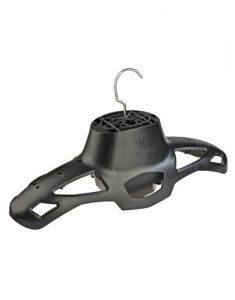
  • Dries gear in hours rather than days
  • Nylon body made from 100% recycled plastic, stainless steel hook
  • Supports 100lbs, wide shoulders prevent creases in fabric
  • Powered by cord to wall adapter

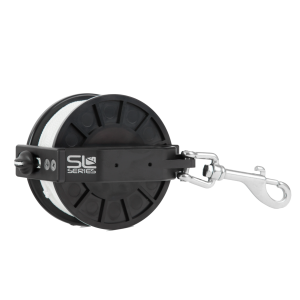
Dive Rite SL Series Reelsreel_slseries_1

MSRP USD159

  • Easy to deploy “sidewinder” style reels with only one hand operation.
  • Utilise the Dive Rite exclusive “slide lock” that allows for locking the reel instantly with a thumb flick
  • Features a shack snap to insure a secure connection

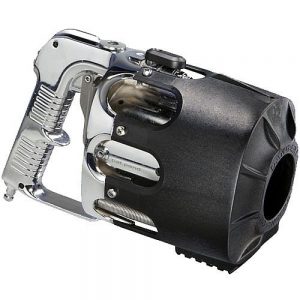
H2Odyssey Torid Pulseh2o-torid-pulse-big-1

MSRP USD140 (WITHOUT HOSE)
MSRP USD170 (INCLUDES 40” BLUE LP HOSE)

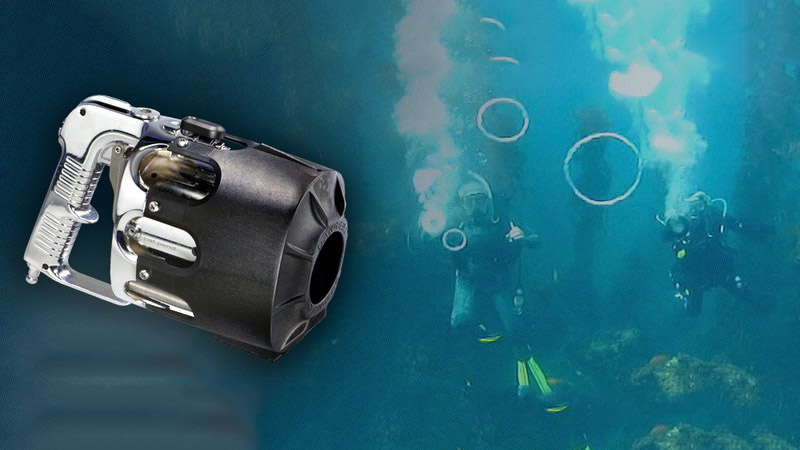
  • An underwater device that shoots bubble rings up to 35 feet (10 metres)!
  • Can be used just for fun or as a signalling device in poor visibility
  • Lets you play underwater games such as tag, capture the flag, or just have some fun target practice competitions

Beuchat Pluma

MSRP USD100

  • A perfect buoy for snorkelling, swimming and freediving
  • Easier to drag while swimming, especially over long distances
  • Bright red to ensure visibility
  • High resistance nylon
  • Three durable bladders – two on the side and one as cushion

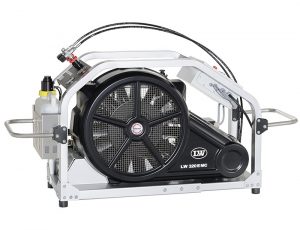
L&W 400 E MC CompressorLW320EMC_01

MSRP USD10,800

  • Super lightweight aluminium frame with carrying handles for mobility
  • Compact frame created to suit dive centres, boats with limited space
  • Robust and powerful compressor block suitable for continuous operation with long service intervals

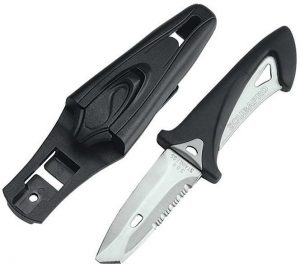
Scubapro White-Tip Knifewhite_tip

MSRP USD419

  • Excellent cutting edge
  • Stainless steel, rust resistant blade
  • Includes locking sheath and BC attachment

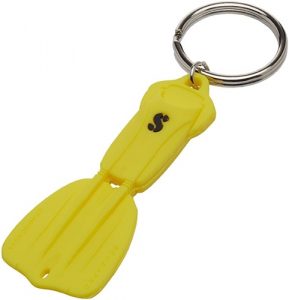
Scubapro KeychainSCU507150001

MSRP USD4

  • Take your love of diving with you wherever you go with this fun key chain

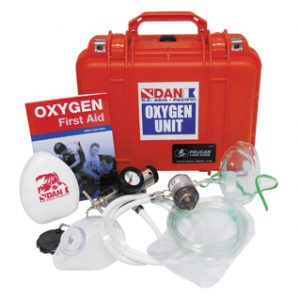
DAN Asia Pacific Mini Oxygen Unitmini_unit

MSRP USD650

  • Be oxygen prepared, especially if you are venturing somewhere remote
  • “Cylinder-less” design takes the hassle out of air travel
  • Includes a multifunction regulator, demand inhalator valve, clear Tru-Fit mask, resuscitation mask, nonrebreather mask, valvewrench/ hand-wheel with chain, and a Pelican 1400 waterproof case
  • All you need to do is arrange to hire an oxygen tank at your destintaion
  • Fits in most airline overhead compartments and dive bags
  • Weighs just 4.5kg

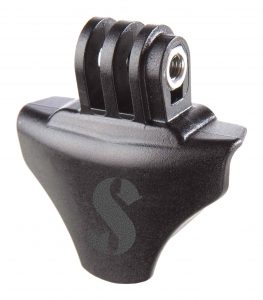
Scubapro GoPro Mask Mountgopro_mask_mount

MSRP USD10

  • Lightweight GoPro mask mount fits virtually every double lens mask on the market
  • Easy to install and remove

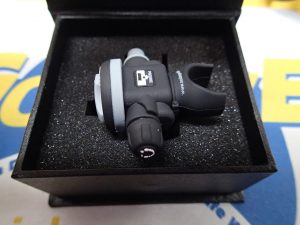
Scubapro S600 USB DriveP8280004__87811.1440727195.1280.1280

MSRP USD64

  • Back up all your dive info with this fun 16GB USB drive, shaped like an S600 regulator

All prices are guide prices only and will vary. Prices may not inlcude GST, costs of shipping, or reflect other national variables such as exchange rates.

Find out more in Scuba Diver DIVEAHOLICS

5 Ways to Channel Your Inner Cousteau

0
© Wikimedia Commons

Matt Weiss, Publisher and Editor-in-Chief of DivePhotoGuide.com, takes us through how to shoot stunning underwater videos:

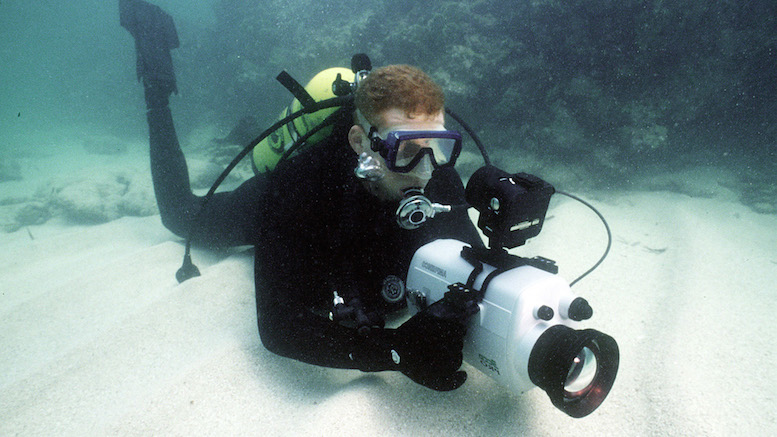
There has never been a better time to be an underwater videographer because the barriers for entry, in both creating and distributing films, have never been lower. The line between a stills and a video camera has become increasingly blurry because most cameras are capable of shooting high-definition (HD) video. So, the chances are, if you have any kind of camera, you can use it to shoot video. However, just because it’s easier to get started, that doesn’t mean it’s any easier to make a great video. Here is a little help with the basics for you to get started on making your first underwater film.

Understanding video resolution and frame rate

If you’re just getting started in video, it’s not necessary to get too caught up in the technical jargon. However, there are a few key settings to understand. The two most basic settings choices are deciding the size of each frame, known as resolution, and how many frames you will capture every second.

Resolution is essentially a measure of how many pixels an image contains and is usually expressed as image length times height. Nowadays, almost all cameras, including mobile phones, action cams, and compact cameras, shoot HD video, which refers to resolutions of either 1280×720 or 1920×1080. These standard image resolutions are often referred to by just their height as 720 or 1080.

Frame rate refers to how many frames your camera will capture in a second and is therefore usually measured in frames per second (fps). Typically, your options will be 24, 30 or 60fps. Higher frame rates are used when you want to slow down footage in post-production for slow motion. Setting your camera at 1080 resolution with a frame rate of 30fps (or 24fps) is a good place to start. You might encounter that setting in a shorthand version, expressed as 1080p30.

sea-86425_960_720

Extra equipment

If you have a camera, there’s not too much additional gear you need to get started, but a few extra accessories will go a long way.

  • Batteries: Unlike for stills, when you’re shooting video, your camera is always engaged, and if you’re using a compact camera or a DSLR, you’re using your LCD screen all the time, which will drain your battery more quickly. If you’re doing a few dives a day, it makes sense to have one or two backups so you can have a fully charged battery after every dive.
  • Memory card: Card capacity is another aspect to consider when shooting video, because the demands on your memory card are SDTTL 92 different. While an 8GB card can hold about 2,000 JPEGs from a 12-megapixel camera, it’s only going to have room for just over an hour of 1080p30 video. A 32GB card, on the other hand, can hold about 4.5 hours of HD video, which should last you an entire day’s worth of diving.
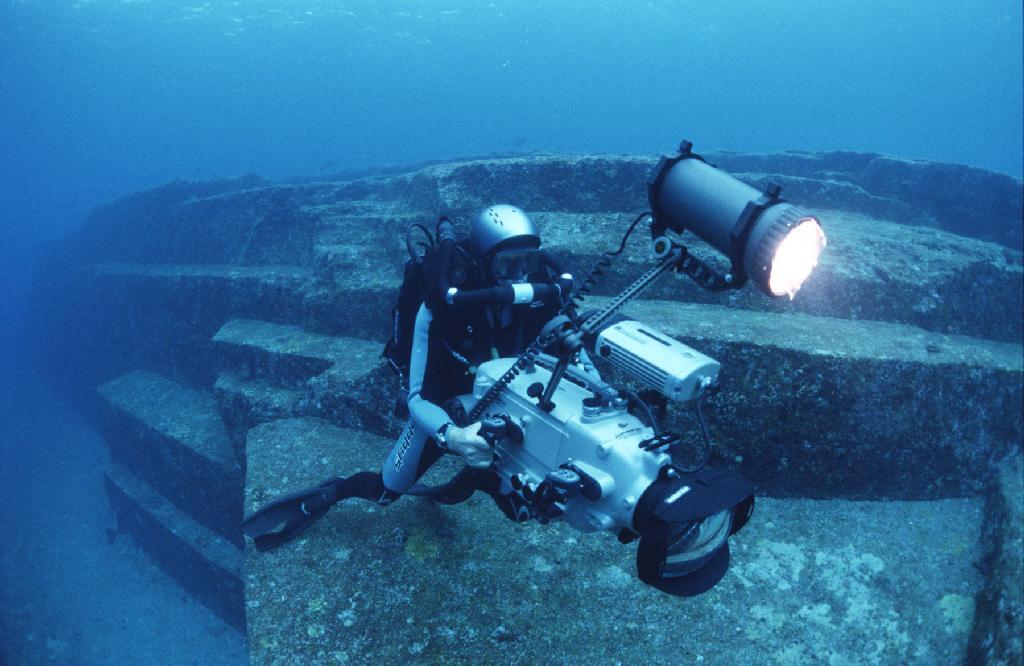
  • Stabilisation: If you’re using a compact camera or an action cam like a GoPro, you’ll also want to add a tray to your setup to help stabilise your footage. A tray with one or two handles adds weight to reduce shake, and gives your hand a better surface to grasp onto and stay still.

Get your colour back

One of the biggest challenges for any underwater image-maker is gaining back the colour lost due to light being absorbed by the water column. If you don’t compensate for this, then your imagery will look blue and boring. The most common and effective way to solve this problem is through artificial lighting, but this is also very expensive. There are two cheaper ways for videographers to add colour back into their footage: white balancing and filters.

  • White balancing: This is one of the most crucial aspects of taking successful video. Manually white balancing allows you to tell the camera what colour is white, so it can compensate for the colours lost at depth. Bringing a white slate down with you will be helpful. When white balancing, you should ideally have the sun coming from behind you to maximise the amount of sunlight shining on your slate. Every time you change depth, or the light changes, the white point will change, so it’s important to white balance often.
  • Filters: Filters are another good way of adding colour back into your images. There are filters specifically made for underwater imagery that sit outside the lens, bringing back the warm colours of the reef and making the blue water pop. The Flip 3.1 Filters from Backscatter Underwater Video & Photo are built specifically for the GoPro, since it doesn’t allow you to fully customise your white balance settings. There are different filters for different depths, which easily flip over the lens depending on which is needed.

f1a3bb12-8d64-4c35-b5ba-f437b67b8abf-large

Getting the right shot

Compelling footage isn’t just about turning the camera on and letting it roll. Simply following around your subject with the camera will get boring. Here are some pointers for getting engaging shots:

  • Let the subject exit the frame: Seeing a beautiful subject and then letting it swim out the frame takes a certain degree of courage. Sure, you risk the chance of missing some amazing behaviour, but by allowing the subject to leave the frame, you have a natural place to cut to the next clip.
  • Watch your composition: Just as with stills, the rule of thirds applies to video. Rather than placing your subject in the dead centre, situate it on either the left or right third of the frame.
  • Keep clips short: Unless there is some exciting behaviour unravelling, a clip should not last longer than about five seconds, and often shorter.

The key factor

Perhaps the most important part of any video, however, is that you tell a story. There should be a beginning, middle and an end. That’s what will separate your film from just a bunch of nice moving images. A good story involves no technical skills or equipment at all; just a great idea.

This article featured in Scuba Diver Through The Lens (Issue 2/2015)

ADEX Singapore: Introducing our freedivers!

0

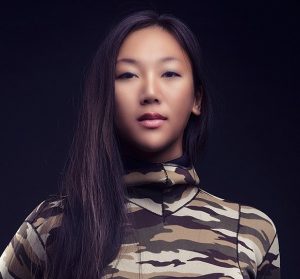
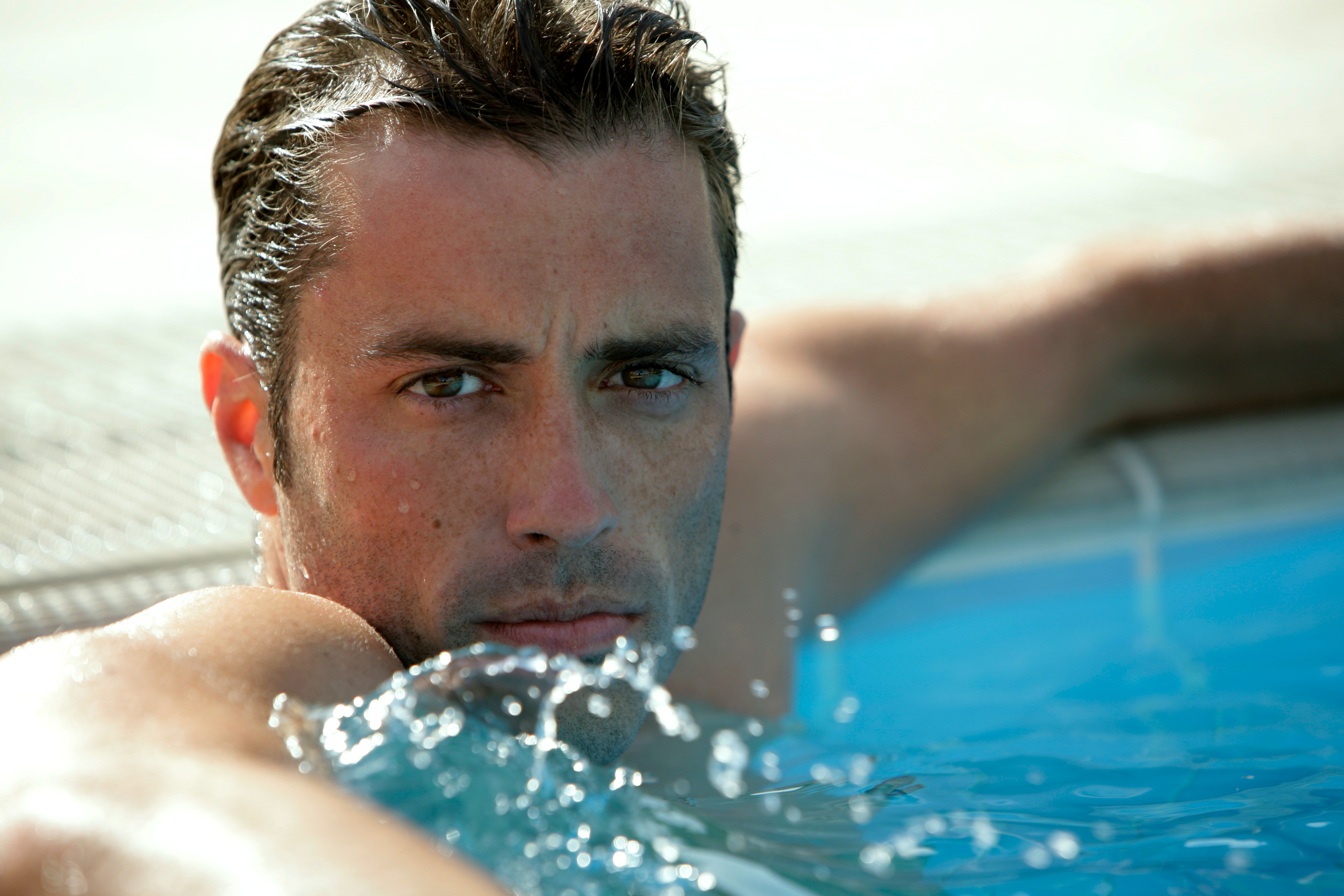
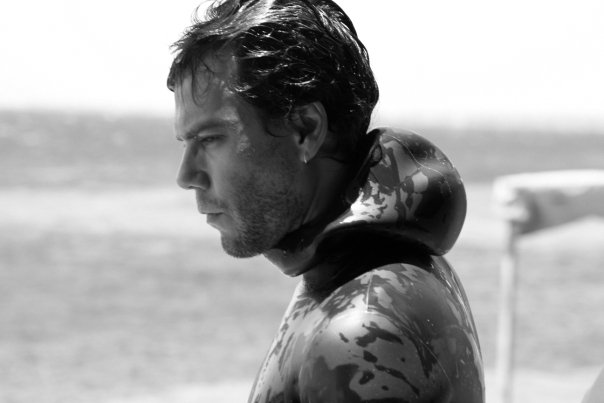
We’re excited to announce that at the Asia Dive Expo (ADEX) Singapore 2016, top freedivers Dada Li, Christian Redl and Pepe Arcos will be our guest speakers on the main stage. 

Hae-Nyeo divers from Jeju Island will also be coming down to showcase their freediving skills!  

Also, get the chance to try freediving with our local freedivers from Singapore Underwater Federation (SUF)!


Dada Li

Dada Li 2


A girl who got hooked on the feeling of freedom, ever since her first free dive in the crystal blue ocean made her believe she was a mermaid once upon a time. With this belief, she practiced almost every single day, making her own tail to become her mermaid dream. Her name is Dada Li. She has been wandering within the blue, advancing to become an underwater model, as well as an AIDA international Freediving Instructor and Judge.


Christian Redl

Christian RedlKnown as the Iceman, Redl is considered to be one of the foremost freediving specialists of his generation. He holds several world freediving records, the most impressive being the longest-ever swim under ice (100 metres), although his crossing of several underwater caves in Mexico cannot be forgotten. This Edox ambassador is also a freediving instructor (level 3), instructor-trainer and is involved with SSF’s new programme, looking at standards, course outlines and materials.


Pepe Arcos

Pepe Arcos

Arcos is a devoted freediver instructor and underwater filmmaker. As well as winning the Spanish Championship title, he has achieved various national records in freediving. He has also competed in international events such as the European and World Championships.


Jeju Island Hae-Nyeo Divers

YZIN4088-NI-CMYK1

For the first time, catch the remarkable Hae-Nyeo divers at ADEX 2016! They will be showcasing their breath-hold skills for everyone to witness at the ADEX dive tank!

Hear their amazing stories from YZin Kim, who will be speaking at the Main Stage while they freedive, and find out how these Hae-Nyeo divers go about day by day at Jeju Island!


Try Freediving with SUF (Singapore Underwater Federation) with

Chris Kim

ChrisKim


Chris’ love of freediving began a decade ago with an encounter with humpback whales off of Kona, Hawaii. Since then he has been obsessed with becoming an ocean inhabitant and teaching others about the calm, full-body meditation that is freediving. In his own words, “Freediving is not a sport as much as a perspective, an experience and a way of life.” 


Michelle Ooi

MichelleOoi


Michelle started freediving 5 years ago in Australia and feel in love with the feeling of being underwater with minimal gear. She has since made it her life’s mission to freedive with as many marine creatures in as many places as possible and to help others experience the sport that changed her life.


Jonathan Chong

JonathonChong


A 13-time national record holder, Jonathan first began his freediving journey in Australia with some of the region’s best. By March 2014, he held all 6 South-East Asian records and in 2015, came out top against the SEA’s top contenders in a regional freediving competition, the Malaysian Nationals.


For more information on ADEX, please visit www.adex.asia.

Plankton Carries Carbon to Safe Resting Spot, Ocean Study Reveals

0
© vimeo.com

The ocean’s power to rein in carbon and protect the environment is vast but not well-understood.

But now, an international team of scientists has begun to illuminate how the ocean plucks carbon from the atmosphere, where it contributes to global warming, and shuttles it to the bottom of the sea.

The new study establishes the important role of plankton networks in removing carbon from the atmosphere and depositing it deep in the ocean. And it opens up opportunities for caring for the ocean in ways that encourage it to absorb more carbon.

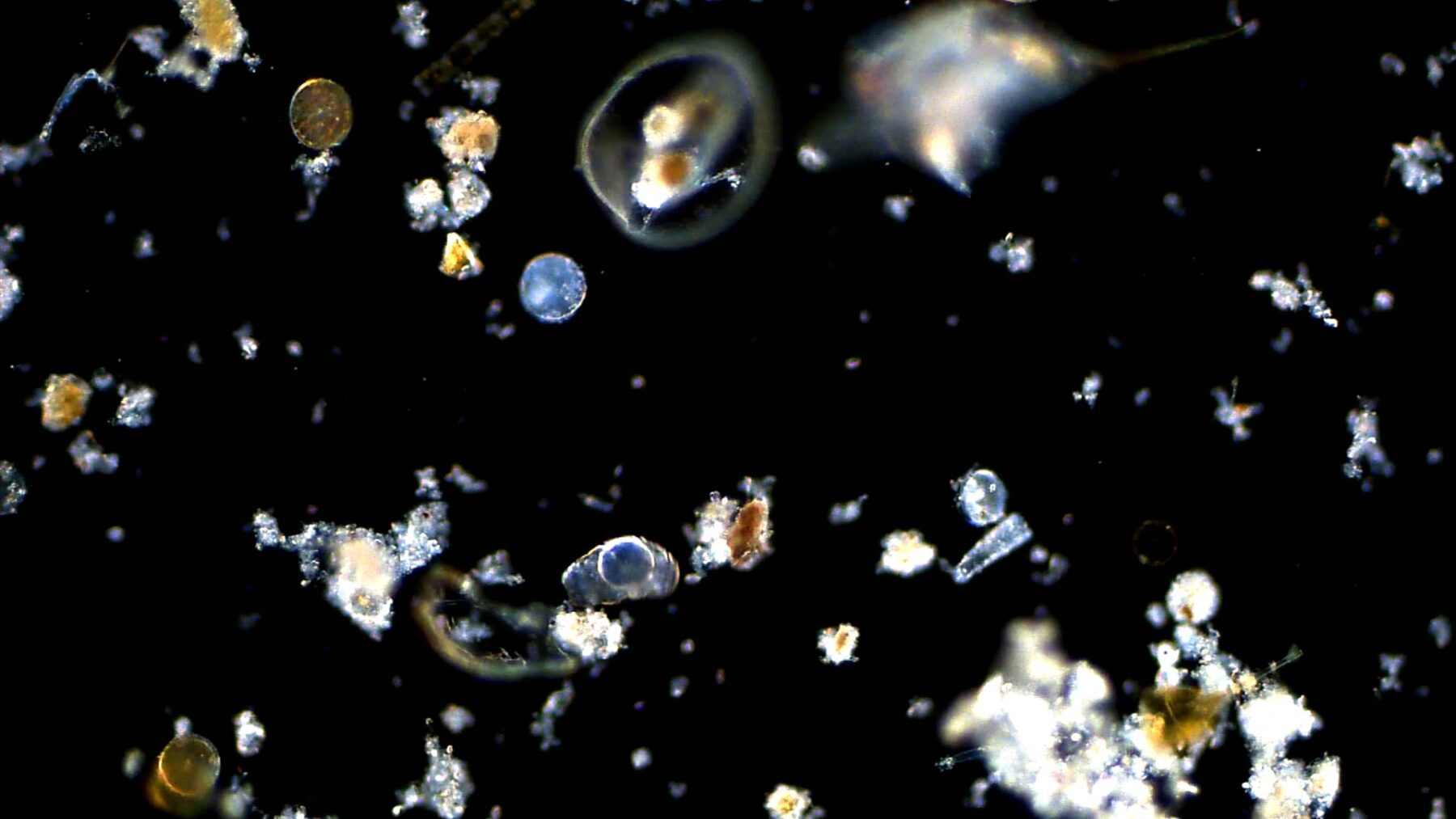
The knowledge comes out of the unprecedented three-year Tara Oceans Expedition, in which a team of more than 200 experts took to the sea to catalog and better understand the unseen inhabitants of the ocean, from tiny animals to viruses and bacteria.

The latest in a series of studies from the project appears in the February 10th issue of the journal Nature and includes work byMatthew Sullivan, an assistant professor of microbiology at The Ohio State University, and Jennifer Brum and Simon Roux, postdoctoral researchers in Sullivan’s lab.

“We’re trying to understand, ‘Does carbon in the surface ocean sink to the deep ocean and, if so, how?’” Sullivan said.

“The reason that’s important is the oceans help mitigate our carbon footprint on this planet.” The Tara team used advanced genetic sequencing to survey tiny ocean dwellers and, through a complex analytical approach, was able to identify those clusters of ocean inhabitants most linked to depositing carbon in the deep ocean.

“It’s the first community-wide look at what organisms are good predictors of how carbon moves in the ocean,” Sullivan said.

Phytoplankton, or the plants in the sea, are known to be able to take carbon from the atmosphere and carry it deep into the ocean. However, few of the thousands of phytoplankton species have been studied in this way.

This new work employed cameras to capture images of organisms at different depths of the ocean to better identify sinking patterns for all plankton. These measurements, combined with new knowledge about the interplay between organisms and advanced analyses, enabled the researchers to determine which phytoplankton best predict the movement of carbon from the ocean’s surface to the deep sea. And the strongest predictors were surprises.

Sullivan’s team played a key role in better understanding the role of viruses in this process, by providing a global map of virus abundances. After the numbers were crunched, it appears that the abundance of relatively few bacterial and viral genes can predict variation in sinking carbon. The most important viruses appear to infect tiny cells called cyanobacteria.

The Tara project’s approach (fishing with a very large net rather than studying a limited number of organisms) allowed the team to establish a relationship between tiny viruses and carbon export in the phytoplankton community, Roux said.

“What was really surprising was that only a handful – less than 10 out of more than 5,000 – viruses seem to be specifically linked to carbon export. This means that we can now go after these key players specifically and try to characterize their impact on the ecosystem,” he said. The Tara work could also help scientists understand how high carbon levels in the atmosphere are affecting the ocean, Sullivan said.

More carbon entering oceans acidifies the waters, which stresses marine organisms and alters marine life. Ultimately, this could mean the difference between whether there’s enough tuna for your sushi dinner, Sullivan said.

The study also included first-of-its-kind computer modeling that helps the team identify hotspots in the ocean where more carbon movement is happening, based on the microorganisms that are present.

“These findings help us better understand how the ocean works, but these new approaches can be used by anyone studying microbial processes in any ecosystem,” he said.

The Tara project included thousands of samples of ocean life collected at hundreds of sites in the Indian, North Atlantic, South Atlantic, South Pacific and Southern oceans and in the Mediterranean Sea. It has allowed for a better understanding of the interplay of organisms in the ocean and of their role in the health of the planet.

By: Misti Crane

The Gordon and Betty Moore Foundation supported Sullivan’s part of the work.

Source: Ocean News & Technology

Boeing Unmanned Undersea Vehicle Can Operate Autonomously for Months

0
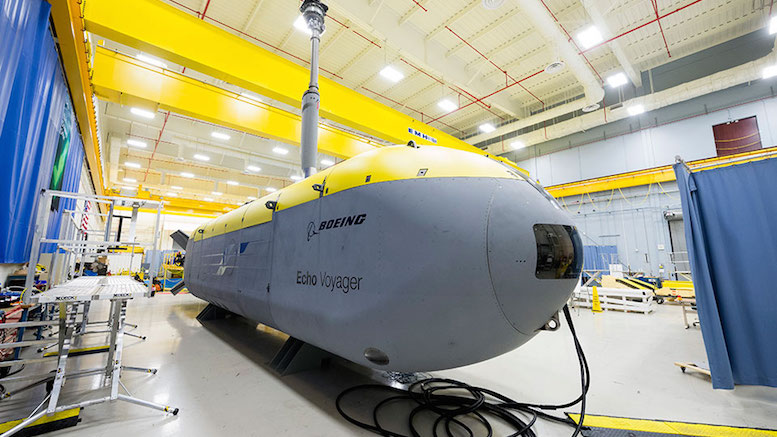
Echo Voyager. Photo courtesy: Boeing

Boeing introduces Echo Voyager, its latest unmanned, undersea vehicle (UUV), which can operate autonomously for months at a time thanks to a hybrid rechargeable power system and modular payload bay.

The 15 metre long vehicle is not only autonomous while underway, but it can also be launched and recovered without the support ships that normally assist UUVs. Echo Voyager is the latest innovation in Boeing’s UUV family, joining the 10 metre Echo Seeker and the five metre Echo Ranger. “Echo Voyager is a new approach to how unmanned undersea vehicles will operate and be used in the future,” said Darryl Davis, president, Boeing Phantom Works. “Our investments in innovative technologies such as autonomous systems are helping our customers affordably meet mission requirements now and in the years to come.”

Echo Voyager will begin sea trials off the California coast later this summer. Boeing has designed and operated manned and unmanned deep sea systems since the 1960s.

“Echo Voyager can collect data while at sea, rise to the surface, and provide information back to users in a near real-time environment,” said Lance Towers, director, Sea & Land, Boeing Phantom Works. “Existing UUVs require a surface ship and crew for day-to-day operations. Echo Voyager eliminates that need and associated costs.”

In 2016 Boeing celebrates 100 years of pioneering aviation accomplishments and launches its second century as an innovative, customer-focused aerospace technology and capabilities provider, community partner and preferred employer. Through its Defense, Space & Security unit, Boeing is a global leader in this marketplace and is the world’s largest and most versatile manufacturer of military aircraft.

Source: Ocean News & Technology