Home Blog Page 164

6 Top Places to Dive with Sea Turtles

0

Spotting these ancient reptiles on a dive can often make the dive, or take it to a new level. Divers often look for the more spectacular of aquatic species when they’re underwater, and the turtle is hardly an average Joe. Either flapping their boomerang shaped fins at the surface, or grazing on seagrass like an oceanic cow, turtles are a must-see. We bring you six top places to dive with sea turtles:

Grand Cayman, Cayman Islands

Grand Cayman is home to one of the world’s largest pseudo-turtle farms – which has released over 31,000 sea turtles since 1981. The lack of predators means hawksbill turtle hatchlings survive, and almost thrive in the islands’ waters. If you can’t see them breaching the water’s surface from the shoreline, chances are they’ll be hanging around like biker gangs below the waves.

Maui, Hawaiian Islands, USA

Located off the coast of Hawaii you’ll find the deep blue volcanic atoll that is an aquatic mammal paradise. Behold “Turtle Town”, the green turtle equivalent to balmy LA, with a wealth of foreign visitors – dolphins, sharks, plus many more showstoppers – who vacate to these waters to explore the unique lava formations caused by ancient submarine-volcano eruptions.
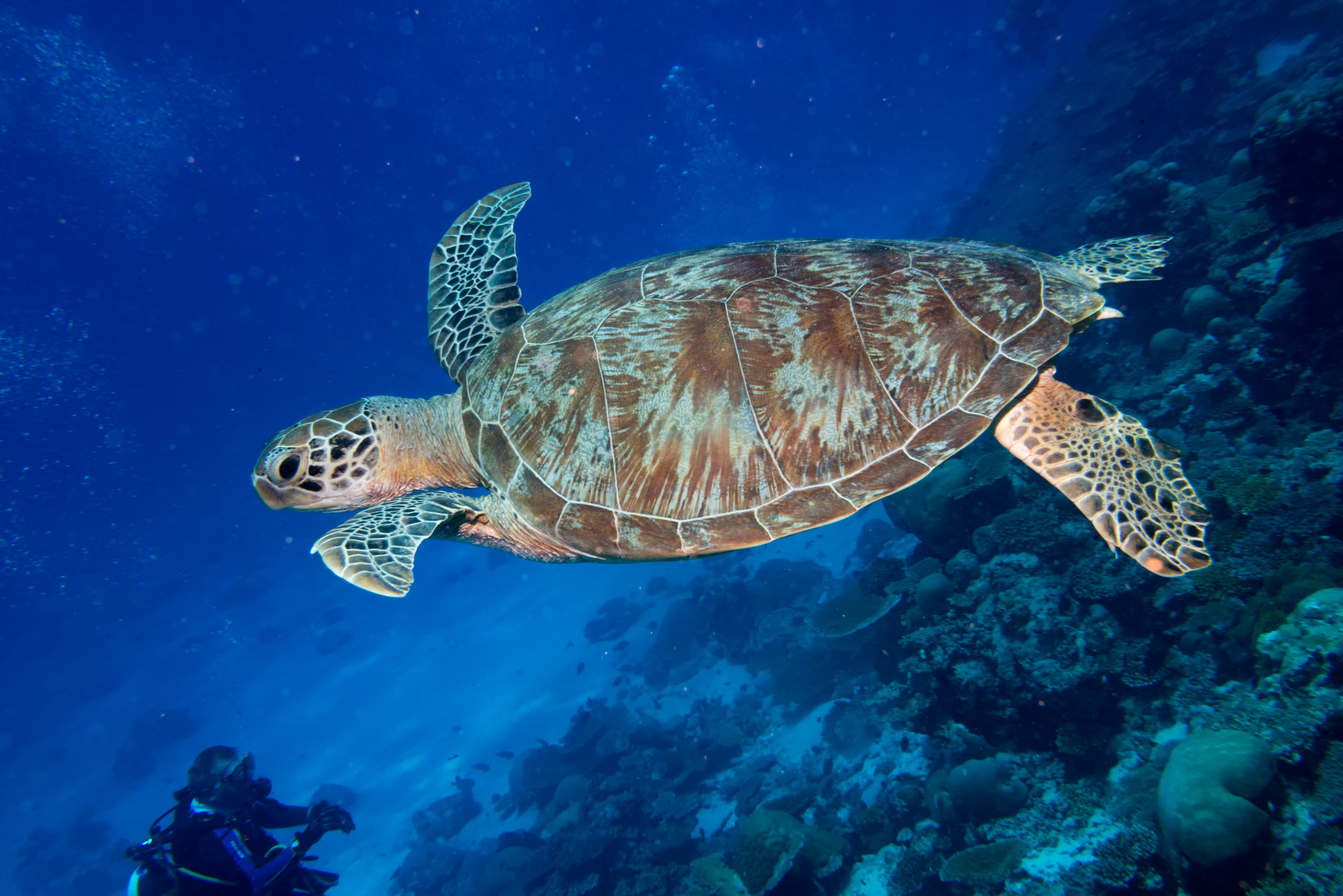
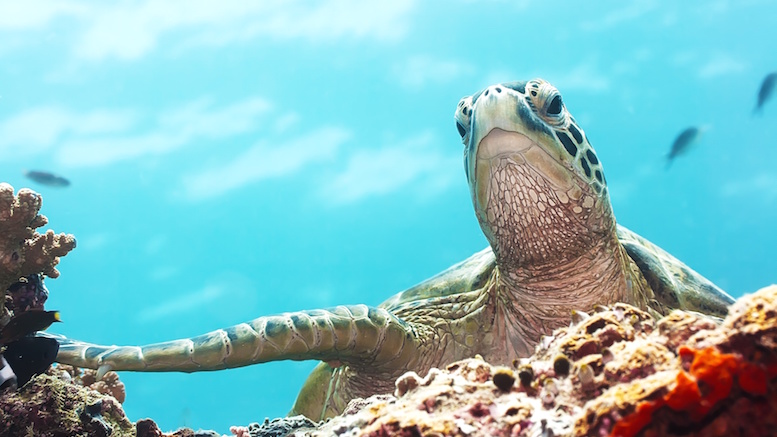
turtle coming to you underwater

Barbados

Barbados hosts the largest of all living turtles, the endangered leatherback sea turtle, which bathes, feeds and ponders in the clear waters with hawksbill turtles. Local community members and fishermen have put forth preservation acts to increase the turtle’s population. Now scenic tours offer dive trips to swim alongside groups of the hard-shelled reptiles. You’ll find turtles that have been given the full body-spa treatment from fishermen who have dropped their nets to help scrape barnacles off of the turtles’ backs.

The Great Barrier Reef, Australia

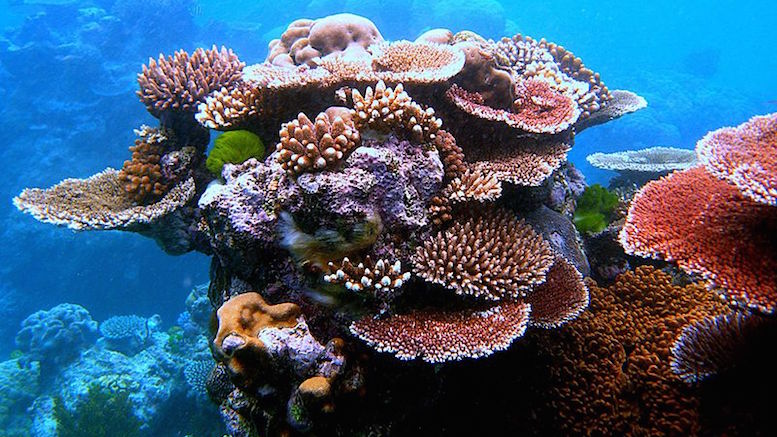
The elephant of the reef world and known as one of the world’s most majestic wonders, the Great Barrier Reef is a breeding ground for six of the seven existing species of sea turtles. Take a trip anytime of the year and enjoy warm waters and beautiful sites. And if timed right, you may just come across a turtle laying some eggs.
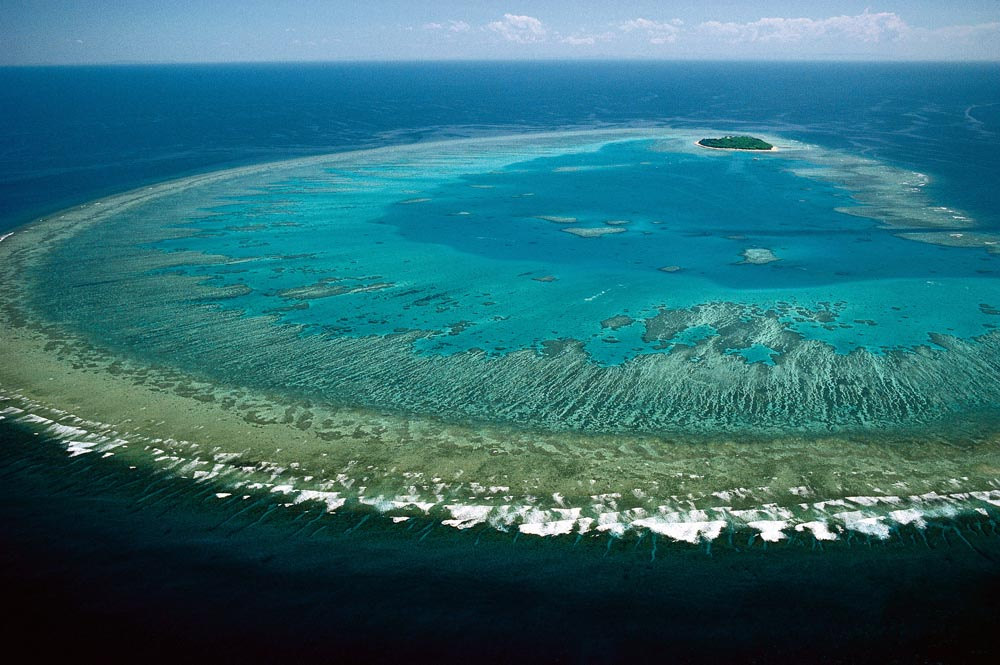
© Flickr
© Flickr

Sipadan, Malaysia

Ranked highly by many in the list of “top dive destinations of the world”, the island of Sipadan is the perfect location for swimming with turtles. A turtle-nesting site, Sipadan almost guarantees the diver to spot up to 20 or 30 sea turtles on only one dive.

Akumal, Yucatán, Mexico

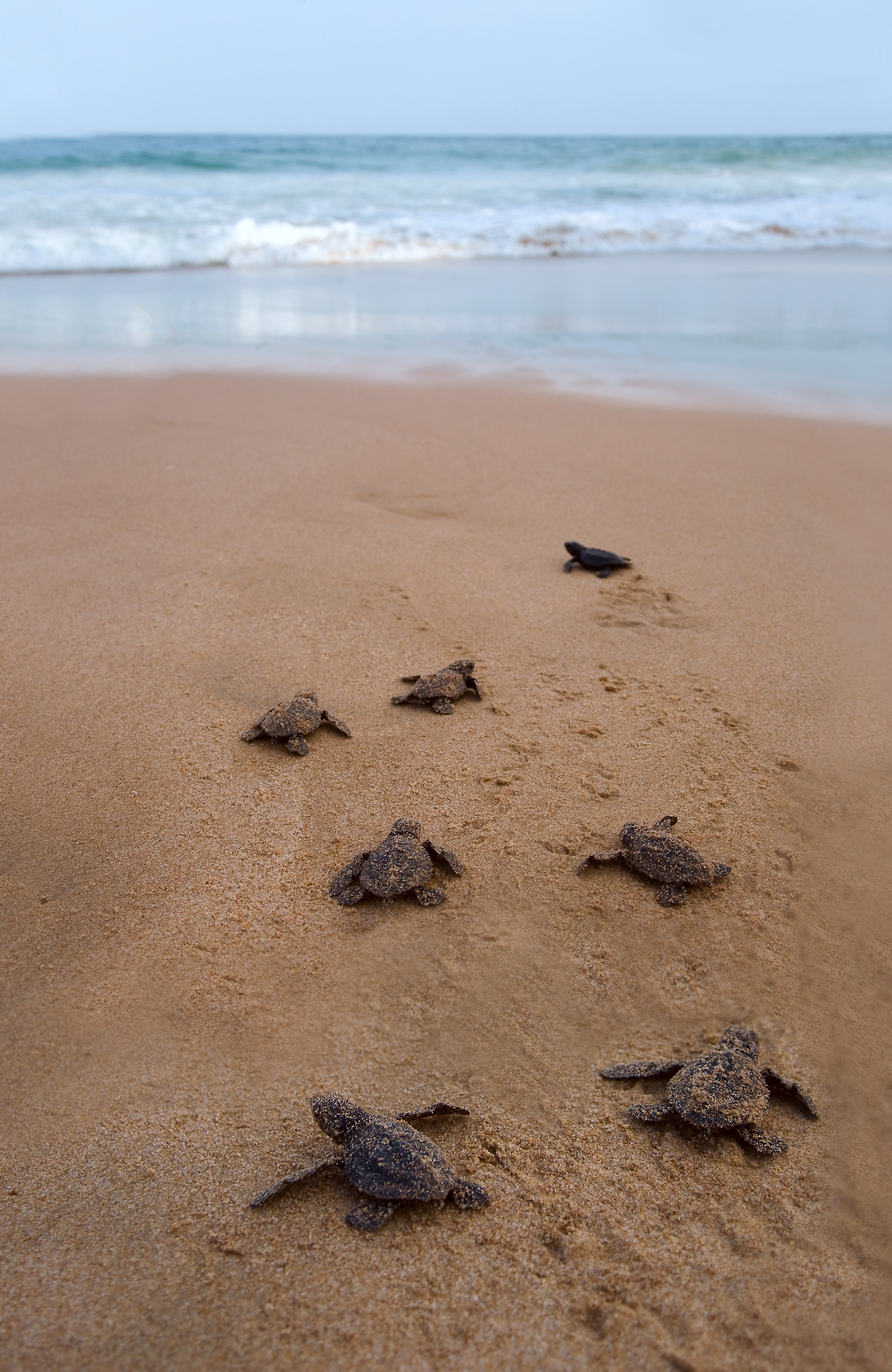
Meaning “place of the turtles” in Mayan, Akumal – with its small beach town located between Playa del Carmen and Tulum – certainly lives up to its name. During the months of May and October, green sea turtles lay their eggs in the sand, and once the babies have hatched, you can witness a large team of them limping towards the sea.

 

Ship Carrying 1,235 Metric Tons of Coal Sinks in Sundarbans

0
This satellite image shows the forest in the protected area. The Sundarbans appears deep green, surrounded to the north by a landscape of agricultural lands, which appear lighter green, towns, which appear tan, and streams, which are blue. © Nasa (Public Domain)

Yet another coal-laden ship has capsized in the Sundarbans, the world’s largest mangrove forest.

On Saturday, “MV Sea Horse-1”, a cargo vessel carrying 1,235 metric tons of coal, sank in the Shela River in Sundarbans. The sunken vessel is currently lying at nine to 12 metres below the surface of the water, and hasn’t been salvaged yet, media reports say.

The incident occurred near Tambulbunia, which is a critical habitat for the threatened Irrawaddy dolphin (Orcaella brevirostris) and the endangered Gangetic dolphin (Platanista gangetica), according to Abdullah Harun Chowdhury, a Professor at Khulna University in Bangaladesh.

Sundarbans, a UNESCO World Heritage Site, is also home to the endangered Bengal Tiger (Panthera tigris tigris), and several other threatened and rare species of fish, crabs, otter, crocodiles, birds and other wildlife. Capsizing ships severely threaten Sundarban’s unique ecology and wildlife, experts say.

In December 2014, for example, an oil tanker collided with a cargo vessel, spilling over 350,000 litres of Heavy Fuel Oil into the Shela River. Then, in May last year, a ship carrying 500 metric tons of fertilizer sank in Bhola River in the Sundarbans. A few months later in October, a coal-laden cargo vessel carrying 510 metric tons of coal sunk into the Passur River in the Sundarbans.

Following Saturday’s incident, the Bangladesh government has suspended other ships from plying the Shela River. Instead, the Shipping Ministry has asked all shipping vessels to use the Mongla-Ghashiakhali channel until further notice, according to local media reports.

However, similar bans in the past have been withdrawn quickly. For example, after the December oil spill, the government had banned cargo ships from plying the Shela River. But within a month, the ban was lifted and the route was re-opened.

Conservationists have repeatedly warned that permitting movement of cargo vessels through a sensitive region, such as the Sundarbans, poses a serious threat to Sundarbans’s wildlife and people.

Chowdhury’s team, for example, showed that the December oil spill has been catastrophic for the Sundarbans. Their investigation revealed that the oil has seeped into the forest floor, contaminated the waters and killed several animals such as otters, crocodiles, dolphins, fish, and frogs.

Coal, too, can be disastrous for the Sundarbans. According to Chowdhury, coal and coal waste products, including fly ash, contain heavy metals like arsenic, lead, mercury, nickel, vanadium, beryllium, barium, cadmium, chromium, selenium and, radium. When coal-carrying vessels sink, these heavy metals mix with the water, endangering aquatic life, he said.

“Mercury from coal is converted into methyl mercury, a toxic compound that harms people and others animals like crocodiles, dolphins, birds, fishing cat, and otter that consume contaminated fishes,” he said. “Population of the aquatic animals will decrease and long time impact on aquatic lives like loss of breeding capacity, habitat loss, injury of respiratory organs, hearts, eyes and skins will happen due these heavy metals.”

Heavy metals can also affect the growth and survival of major mangrove trees such as the Sundari tree (Heritiera fomes), Chowdhury said. Moreover, the mixing of coal, fly ash and fertilizer in the Sundarbans can also damage the spawning grounds of shrimp, he added.

The forest department has filed a case against the owner of MV Sea Horse-1 and five others, seeking nearly $640,000 in compensation. The department has also formed a four-member committee to investigate the sinking of the vessel.

Conservationists say that cargo ships carrying coal, oil, fertilizer and other chemicals simply add to the numerous threats that already plague the Sundarbans, such as deforestation, increasing salinity, natural disasters, poaching and illegal wildlife trade. Moreover, despite major backlash, Bangladesh is planning on a coal-fired power plant close to the Sundarbans.

To protect the Sundarbans, all kinds of chemicals and fly ash containing ships must be prohibited inside, Chowdhury said.

“Alternative river transportation routes must be launched from Mongla port to other parts of the country as soon as possible,” he added. “The rules and regulations of international conventions like Ramsar, UNESCO Natural Heritage Site, and the Convention of Biological Diversity must be implemented properly. A national political commitment is necessary to stop all kinds of activities which may create a problem for the fragile ecosystem of the Sundarbans.”

Article published by Shreya Dasgupta, source: Mongabay

7 of the Best Dive Sites in Spain

0

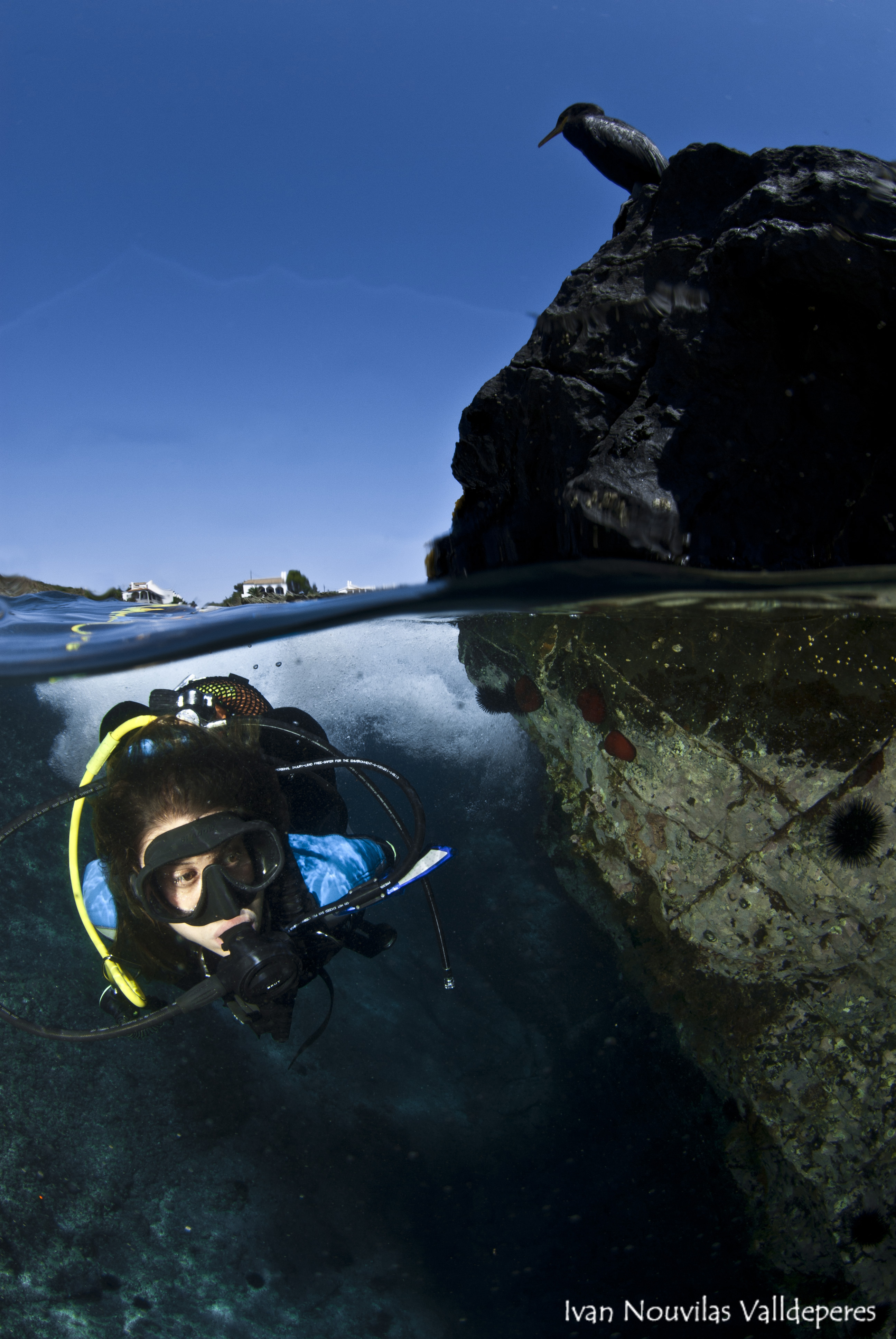
Diving in Spain may seem to some as predictable as Barcelona winning this season’s La Liga, sipping sangria on a restaurant terrace in Ibiza or being handed a bull-fighting flyer on the streets of Pamplona – mild water temperature, “regular” visibility and lots of groupers. Photographer and avid diver, Ivan Nouvilas, aims to deflate this perception by bringing us seven of the best dive sites to visit in Spain:

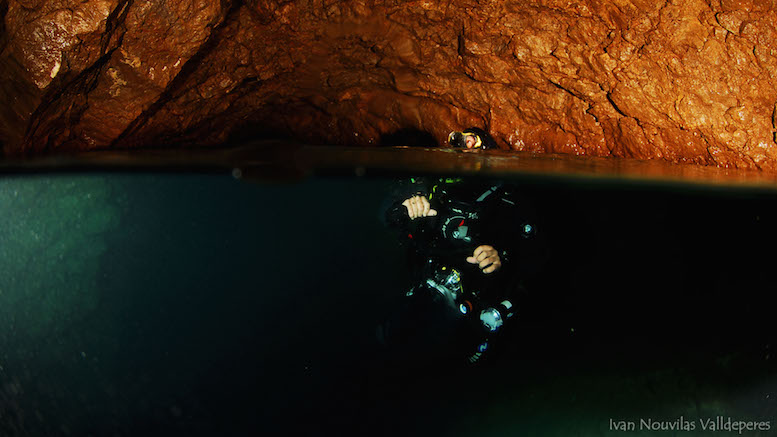
Mia Cormoran firmadaSpanish waters are filled with history, hiding sunken shipwrecks and fallen aeroplanes. Get the chance to know it, and you’ll realise that these waters are exciting and vibrant, offering incredible cave dives, infinite colours in giant gorgonian gardens and floors filled with bright green Posidonia seagrass.
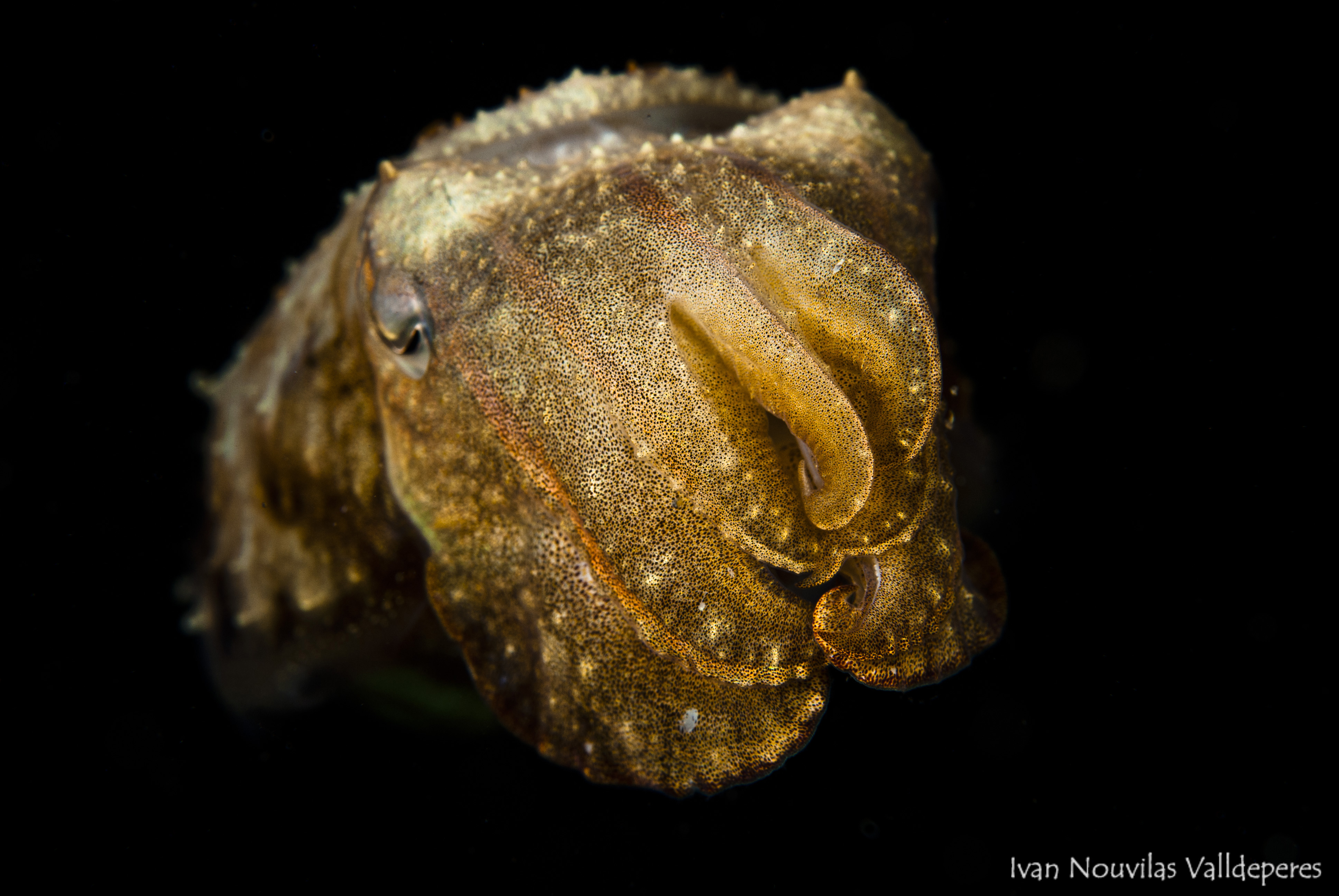
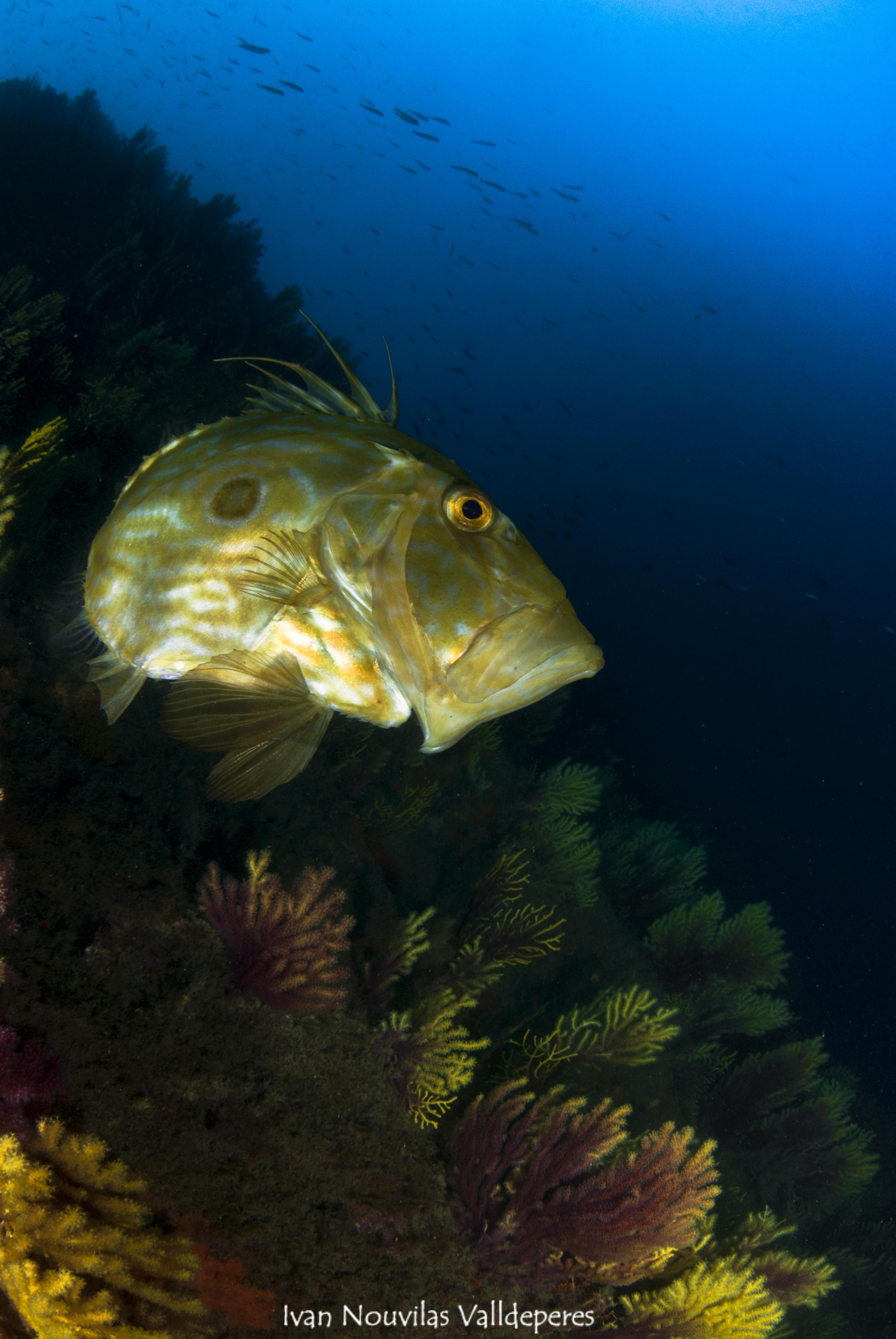
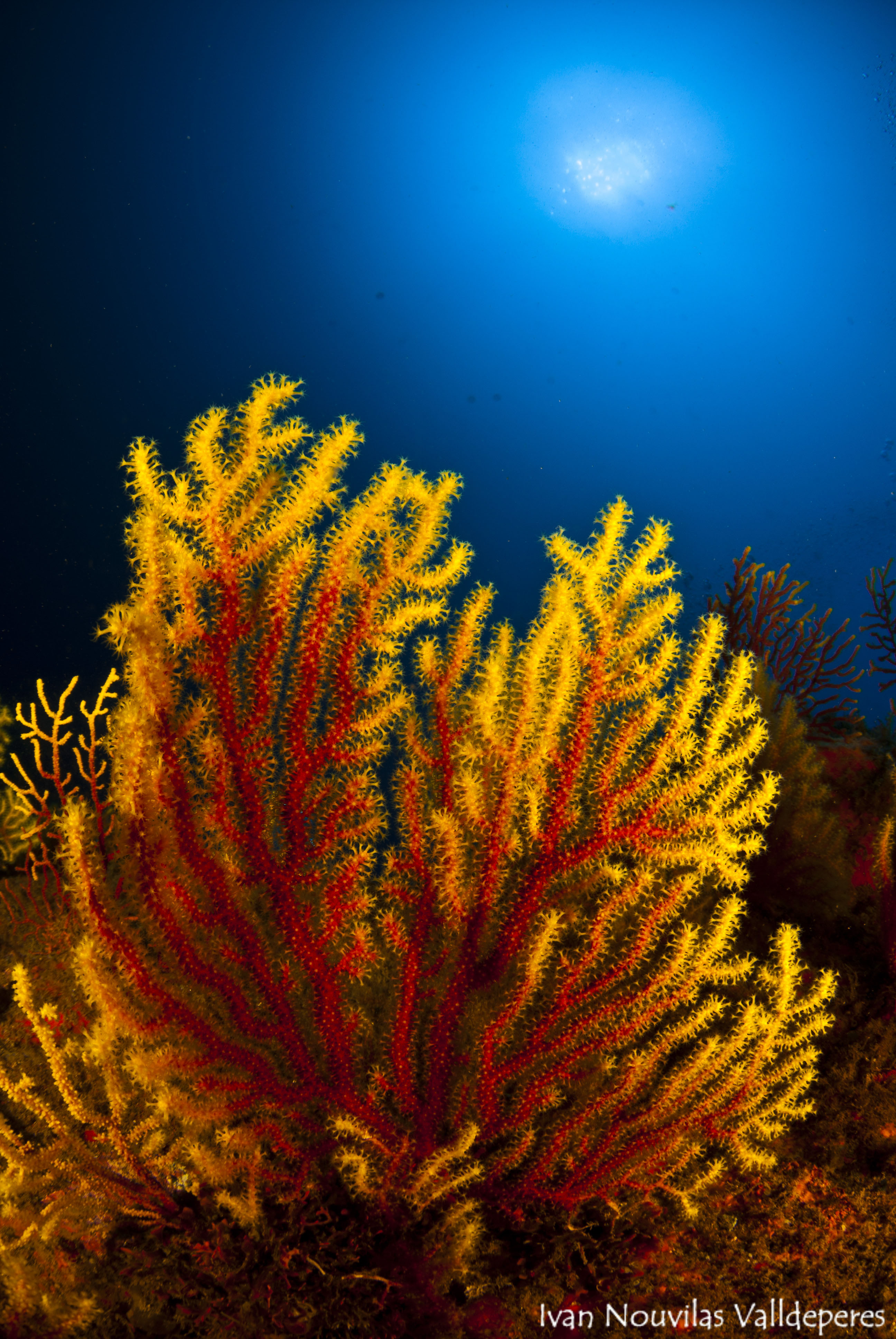
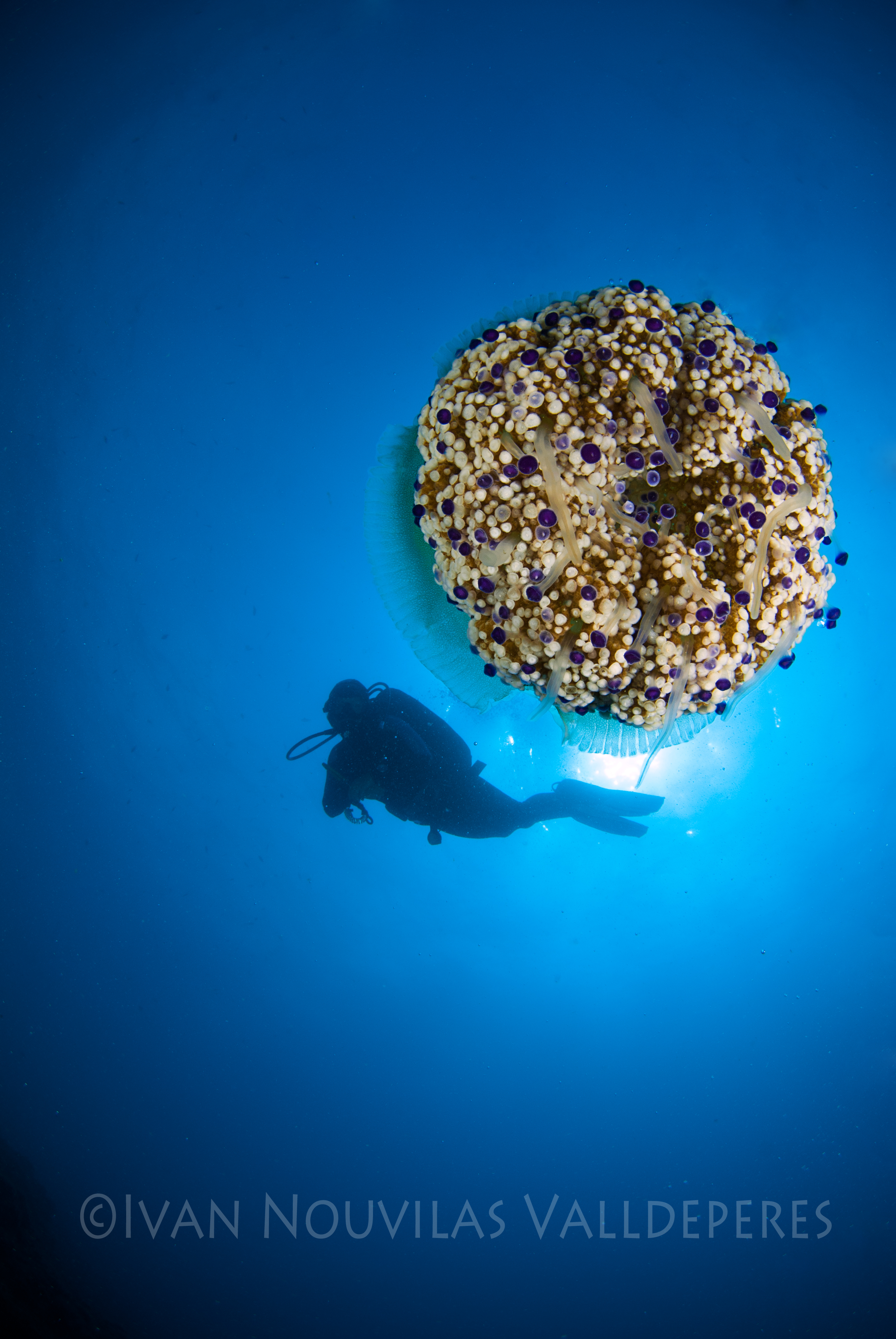
Depending on the time of year, different animal visitors will stop over. In the summer you’ll find colourful jellyfish, with monkfish and John Dory appearing in the winter. You may even come across orcas and dolphins in the Gibraltar Strait.

Spain also hosts many natural marine reserves along its coastline, where one can appreciate how wild and gorgeous the waters are without human interference. But diving in Spain is not only tied to the sea; it also offers fantastic lake diving. In many areas, diving in the mountain lakes is a popular attraction – offering frozen waters in winter for ice diving, and crystal-clear visibility for diving in spring.

Canary Islands: Pure Atlantic Sea

The Canary Islands archipelago consists of seven volcanic islands. Their waters are electric blue and harbour a large diversity of life, from tiny nudibranchs and seahorses to large dolphins and finback whales.

Some of the most loved marine animals in the waters of the Canary Islands are the frequently visiting turtles: They are the headline act and around these islands alone you can find six of the seven different extant species.

sépia nocturna firma

Cabo de Gata: Land of cliffs

Cabo de Gata is a natural marine reserve located just south of Spain. The protection of this area has turned it into one of the wildest and most untouched places in the Mediterranean Sea. Its depths are sandy and rocky – perfect for critter spotting – and certain areas are covered in Posidonia seagrass. You’ll also find big schools of giant grouper and barracuda swimming alongside historical wrecks.

Columbretes Islands: Refuge for birds and marine faunaSant Pere firma

Columbretes is a volcanic archipelago just under 50 kilometres from the coast. As one of the major natural marine reserves, it is protected against fishing. These far-flung islands offer giant lobsters and beautiful red coral, as well as huge schools of fish.

These islands also act as a natural refuge for the marine birds migrating between Africa and Europe, offering divers and sightseers great wildlife photo opportunities both above and below the waves.

Costa Brava and Pyrenees: Sea and mountain

The Costa Brava is one of the most interesting areas on the Spanish coast (in the northeast of the country, close to Barcelona). It has a range of dive sites directly accessible from the shore or by boat. Some of the most famous areas of this coast are the Medes Islands (also a nature marine reserve), seven little islands where you can find underwater caves and tunnels, gorgonian coral, and marine life aplenty – including 30-kilogram groupers. If you’re lucky, you’ll even encounter sunfish and rays.

Up to the north, there’s the Catalan Pyrenees, a mountain range with peaks over 3,000 metres. In this area there are numerous lakes that in winter offer the opportunity to ice dive.

GorgoniaBalearic Islands: Crystal-clear waters
The Balearic Islands are an archipelago of five islands that contain seven marine reserves. Here, you can find pure Mediterranean marine life: barracuda schools, groupers and an abundance of macro life, from nudibranchs to seahorses.

These islands harbour the longest underwater cave in Europe, Sa Gleda cave, which is ideal for tek divers. Topside, it’s also beautiful, with grand beaches and coves lapped by crystal-clear waters.

North of Spain: The Cantabrian Sea

While the Cantabrian Sea is often rough and the temperature is cooler than the Mediterranean, it has excellent dive sites that will sometimes conjure the unexpected, such as the blue shark or the moonfish. It is recommended to go with a dive centre that knows the best spots to explore.

Mia medusa firma

Cabo de Palos: Diving among wrecks

A natural marine reserve, Cabo de Palos plays host to a large variety of aquatic life, including groupers, gorgonian coral, and moonfish.

At different depths you can discover a number of wrecks. The famous Syrian ocean liner, “El Carbonero” (SS Thordisa) or the “Naranjito” wreck are extremely popular and will offer a new perspective on the underwater world of Spain.

For more of Ivan’s incredible photography, check him out on Instagram

All You Need to Know About the Scuba360 Business Forum

0

We bring you all the topics that will be covered by our experienced speakers at the Scuba360 Business Forum. Hear from industry leaders and key players presenting subjects from sustainable dive tourism to career possibilities for the disabled. This is a major opportunity for businesses in Asia Pacific to share information and get the inside track on the trajectory of the industry.

Citizen Science, Diving Tourism and the Power to Protect

Marine wildlife watching is one of the fastest growing tourism industries in the Philippines. Unregulated and poorly managed tourism practices are increasingly becoming the norm in many locations. The engagement of the diving community through citizen science can promote sustainable diving practices while providing long-term datasets for the proper management of key biodiversity habitats. Education, communities’ participation and tourist engagement are essential for the long-term conservation of coral reef ecosystems throughout Southeast Asia. The Philippines is leading the way with many successful shark and turtle citizen science programmes.

Presented by Alessandro Ponzo

21588262_xxlA New Turtle Adventure: Diving Tourism and Citizen Science – How Your Dive Can Make a Difference
Even with some form of protection in place in many countries in Southeast Asia, all species of sea turtles are endangered and every year fewer females return to lay their eggs on our beaches. With most of their life cycle spent offshore, studying the dynamics of sea turtle populations is costly and often impossible for researchers. A new initiative in the Philippines is allowing divers to join conservation efforts and to contribute through their photographs. These images can deepen our understanding of the turtles’ movements and habitat use, providing essential information to protect them before it’s too late.

Presented by Alessandro Ponzo

Saving Seahorses Means Saving the Seas

Learn how the world of business can be a notable partner in seahorse conservation. From participating in science to engaging with clients, the dive and tourism industries can make the ocean healthier.

Presented by Amanda Vincent

Scuba Therapy for the Disabled

This talk discusses how financial reimbursement to care, nurture and protect life beneath the sea, using disabled commercial divers, could serve to clear sediment from the sea that could be harvested for pharmaceutical and cosmetic purposes.

Presented by Jim Elliot

Underwater Technical Commercial Training for the Disabled

This presentation explains the viability of training the disabled and others to become commercial environmental divers and underwater landscape artists using commercial diving equipment and modification of existing technology for use underwater.

Presented by Charles Rowe

How Protecting Marine Flora and Fauna Can Reward Your Dive Business

This session addresses the establishment of a garden beneath the bay to nurture and protect marine flora and fauna as an underwater showcase for tourism and a subsea laboratory. Recycling of materials into the concrete artificial reefs serves as a foundation for the underwater garden.

Presented by Charles Rowe

Indonesia

The Role of the Dive Industry in Marine Conservation

The dive industry is fortunate enough to experience the joys of the underwater world while earning a livelihood from it, but with that joy comes a responsibility to protect and conserve. There are numerous ways in which a dive operator or company can get involved in conservation, particularly if in conjunction with the local communities. As the dive industry brings significant income into the surrounding areas, this talk examines how the influence our industry has can be used to best effect. 

Presented by David McCann

Dive Tourism and Its Impact on Marine Conservation and Livelihoods for Local Fishers

Dive tourism focuses on coral reefs in the tropics, which is also home to some of the world’s poorest communities. Providing livelihoods for fishers is important to reduce pressure on coral reefs. This research investigates what dive tourism does for marine conservation and livelihoods and the effect on coral reefs and levels of destructive fishing and overfishing. A model of best practice for dive tourism’s contributions to marine conservation will also be developed.

Presented by Judi Lowe

Scaling Up Sustainable Marine Tourism Initiatives in the Coral Triangle

This presentation will discuss the significant role that sustainable marine tourism plays in protecting and sustaining the extraordinary biodiversity of the Coral Triangle. It will also touch on the various ways that sustainable marine tourism initiatives can be scaled up across the region through the adoption sustainable tourism guidelines and standards for developments and investments in the Coral Triangle’s marine protected areas.

Presented by Rili Djohani

Working with Local Communities to Promote Sustainable Marine Tourism

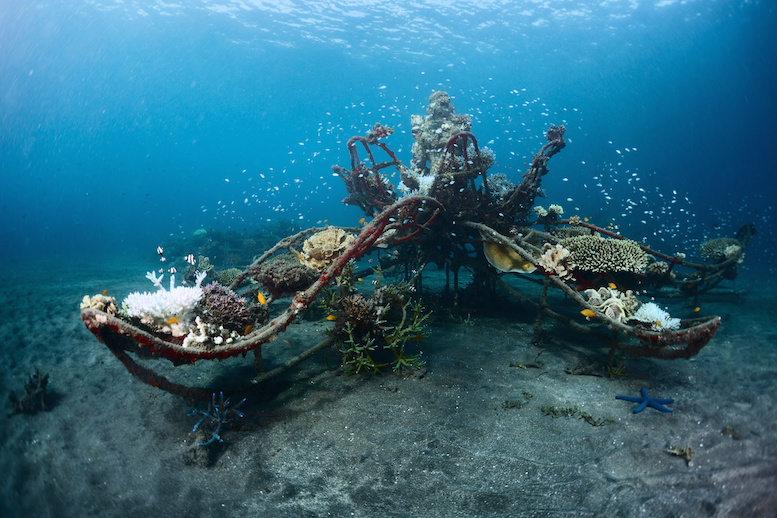
This talk discusses, from the private sector’s perspective, how and why it makes sense to work with communities to promote sustainable marine tourism and protect coral reefs in Pemuteran, North Bali. One of these projects is the Reef Gardeners, which trains and creates jobs for young fishers to actively protect the coral reefs. Reef Gardeners, trained as PADI Rescue Divers, remove crown-of-thorns starfish and Drupella snails, repair broken corals, monitor Biorock installations, and maintain the Temple Garden.

Presented by Chris Brown

Using Technology to Strengthen Sustainable Marine Tourism in the Coral Triangle

This session discusses how new technology can strengthen marine resource management and sustainable marine tourism initiatives on the ground, increase engagement, and play a role in scaling up the best practices across countries.

Presented by Mark Kaplan

18183909_xxl

Change Is Sweeping the Scuba Industry – What You Don’t Know Will Kill Your Business

There is a big shift happening that’s affecting the dive industry and it’s being driven by a type of consumer who is geared to make or break your business. Armed with a new set of values, this growing consumer segment is putting new demands on traditional dive business model. In this session, you’ll learn about the wave of change this consumer is creating, what you need to know about this “consumer-who-cannot-be-ignored”, and specific steps to take (and dangers to avoid) to position yourself to attract this growing market segment – and keep yourself in business.

Presented by Laurie J. Wilson

The Elephant in the Ocean – Dive Industry Leaders Speak Out About Ocean Issues We’ve Been Ignoring

The “elephant in the ocean” is an obvious industry issue that is either being glossed over or completely unaddressed. It is the idea that the largest terrestrial animal on the planet would be impossible to overlook if it were found basking in diving hotspots. In this session, you’ll hear from some of the top thinkers in our industry who are willing to speak up about “the elephant”, and how dive businesses are taking lead roles in facing the elephant head on. Hear from Sylvia Earle, Jean-Michel Cousteau, Stan Waterman, Sharon Kwok, John Thet, and more.

Presented
by Laurie J. Wilson

The Economic Value of Muck Critters

While muck diving is booming in popularity, research and conservation has not followed suit. This presentation explains just how much money is generated by muck dive tourism and which are the top species generating this income. The talk will explain the general profile of muck divers and how this information can lead to better conservation practices.

Presented by Maarten De Brauwer

Innovation in Underwater Optics

Presented by Edward Lai

Launch of Deepblu Innovation

Media launch event introducing Deepblu, where the company will unveil its social network platform tailored for divers as well as the next innovation in dive computing: the COSMIQ Dive Companion.

Presented by Brad Chen and James Tsuei

Scuba360 Business Forum Time-Table

FRIDAY, 15 APRIL

Time

Speaker

 Topic

1000 – 1100


SSI Members Update


1100 – 1200


SSI Members Update


1200 – 1300

Beauchat

Beauchat Seminar for Asia Distributors (By invitation Only)


1300 – 1400

Beauchat

Beauchat Seminar for Asia Distributors (By invitation Only)


1400 – 1500

Beauchat

Beauchat Seminar for Asia Distributors (By invitation Only)


1500 – 1600


Opening Ceremony


1600 – 1700


Opening Ceremony


1700 – 1800

Indonesia Tourism

Press Conference

SATURDAY, 16 APRIL 2016

Start Time

Speaker

 Topic

1010 – 1040


1050 – 1120

Charles Rowe

Underwater Technical Commercial Training for the Disabled

1130 – 1200

Chris Brown

Working with Local Communities to Promote Sustainable Marine Tourism

1210 – 1240

Laurie Wilson

The Elephant in the Ocean – Dive Industry Leaders Speak Out About Ocean Issues We’ve Been Ignoring


1250 – 1320

Brad / James

Launch of Deepblu Innovation

1330 – 1400

Mark Kaplan

Using Technology to Strengthen Sustainable Marine Tourism

1410 – 1440

Judi Lowe

Dive Tourism and its Impact on Marine Conservation and Livelihood for Local Fishers

1450 – 1520

Amanda Vincent

Saving Seahorse Means Saving the Seas

1530 – 1600

Alessandro Ponzo

Citizen Science, diving tourism and the power to protect

1610 – 1640

Rili Djohani

Scaling up Sustainable Marine Tourism Initiatives in the Coral Triangle

1650 – 1720

Indo Tourism

Sustainable Tourism (Sbj to Change)

1730 – 1830

Panel Discussion

Sustainable Marine Tourism

(Speakers Presenting on Sunday)

Judi Lowe (Moderator)

Charles Rowe

Chris Brown

Laurie Wilson

Mark Kaplan

Amanda Vincent

Alessandro Ponzo

Rili Djohani

John Thet

SUNDAY, 17 APRIL 2016

Start Time

Speaker

 Topic

1010 – 1040

Jerker Tamelander

TBC

1050 – 1120

Charles Rowe

How Protecting Marine Flora and Fauna can Reward your Dive Business

1130 – 1215

Edward Lai

Innovation in Underwater Optics

1225 – 1255

Alessandro Ponzo

A New Turtle Adventure: Diving Tourism and Citizen Science – How your Dive can Make a Difference

1305 – 1335

Laurie Wilson

Change Is Sweeping the Scuba Industry –
What You Don’t Know Will Kill Your Business

1345 – 1415

David McCann

The Role of the Dive Industry in Marine Conservation

1425 – 1455

Maarten De Brauwer

The Economic Value of Muck Critters

1505 – 1535

Jim Elliot

Scuba Therapy for the Disabled

1545 – 1615

Mark Kaplan

Using Technology to Strengthen Sustainable Marine Tourism in the Coral Triangle

1625 – 1655

Judi Lowe

Dive Tourism and its Impact on Marine Conservation and Livelihood for Local Fishers

1705 -1805

Panel Discussion

The Impact of Climate Change towards Marine Tourism

 (Speakers Presenting on Saturday)

Charles Rowe

Jerker Tamelander

Alessandro Ponzo

Laurie Wilson

David McCann

Maarten De Brauwer

Jim Elli
ot

Mark Kaplan

Judi Lowe

Coral on a Chip Cracks Coral Mysteries

0

We know that human-induced environmental changes are responsible for coral bleaching, disease, and infertility. Loss of the world’s stony coral reefs – up to 30% in the next 30 years, according to some estimates – will mean loss of their services, including sequestering some 70–90 million tons of carbon each year and supporting enormous marine biodiversity. Yet despite many advances, we are still far from understanding the causes and processes contributing to the corals’ demise. Weizmann Institute researchers have developed a new experimental platform for studying coral biology at microscale resolutions, which is already providing new insights into this complex problem.

The tiny – often less than a millimetre in diameter – animals that build coral reefs create a thin layer of living tissue surrounding the calcium-based skeleton. These animals live in symbiosis with single-celled, photosynthetic algae that provide nutrients and oxygen in return for carbon dioxide and shelter. “In order to understand what happens during bleaching, when this symbiosis is broken,” says Dr. Assaf Vardi, “we need to understand what happens to these organisms at the cellular and molecular levels under various conditions.”

Vardi and his team – Orr Shapiro, Esti Kramarsky-Winter and Assaf R. Gavish of the Weizmann Institute’s Plant and Environmental Sciences Department – together with Roman Stocker of MIT (currently at ETH, Switzerland),created a system they call “coral on a chip.” For the first time, the scientists were able to examine living coral polyps in the lab, under highly controlled conditions. This system is based on microfluidics technology, which had been developed to track cellular processes under life-like conditions. Taking a small piece of coral, Vardi and his team induced stressful conditions – in this case by increasing salt content – which caused the corals to release polyps, a process sometimes referred to as “polyp bail-out.” Settling the bailed-out polyps into prefabricated microfluidic wells, the scientists were able to observe, via continuous observation under a microscope, how miniature coral colonies called “micropropagates” grow and behave in different conditions.

Using their system, the team recorded, for the first time, the growth of individual aragonite crystals – the basic building blocks of the coral skeleton. The group was also able to directly visualize the initiation of coral disease, pointing to a little-known path of infection. Subjecting coral micropropagates to high light intensities, known to induce coral bleaching, enabled the team to follow the elimination of the symbiotic algae, one cell at a time.

Vardi’s lab group is already in the process of adapting the coral-on-a-chip system to track the nutrient and carbon cycles of reef-building corals, as well as delving further into disease and bleaching processes. “Many corals are running out of time; it is crucial to know how our actions are affecting their survival, and how they affect ours,” he says. “Our method can help researchers investigate everything from the coral genes that affect survival, to the strategies coral use to build reefs, to their effects on the marine carbon cycle.” Indeed, as corals represent an early stage in the evolution of multicellular organisms, Vardi envisions the coral-on-a-chip platform establishing coral micropropagates as a new model system for research.

Dr. Assaf Vardi’s research is supported by the Benoziyo Fund for the Advancement of Science; the Angel Faivovich Foundation for Ecological Research; the Rothschild Caesarea Foundation; Dana and Yossie Hollander, Israel; Roberto and Renata Ruhman, Brazil; Selmo Nissenbaum, Brazil; the Brazil-Israel Energy Fund; the Lord Sieff of Brimpton Memorial Fund; the European Research Council; the estate of Samuel and Alwyn J. Weber; the Germaine Hope Brennan Charitable Foundation, and the Human Frontier Science Program (HFSP). Dr. Vardi is the incumbent of the Edith and Nathan Goldenberg Career Development Chair.

Source: Ocean News & Technology

Building Reefs, Restoring Livelihoods

0
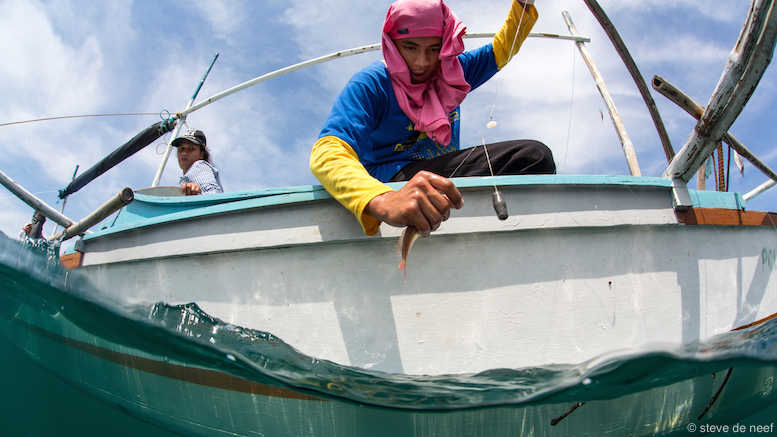
Ian Vincent Dela Cruz catches a small fish while fishing with his parents. The whole family has to help out to make a living from fishing

“I’m not sure where they went, maybe they got scared by the typhoon just as we did….”

Those were the words of Nolito Dela Cruz, a fisherman from Polopina Island in the Philippines. He wasn’t referring to his relatives or friends but to the fish he used to catch right in front of his island.

Typhoon Haiyan hit Polopina hard on November 8, 2013. Haiyan devastated the island and went down as the strongest typhoon to ever make landfall anywhere in the world. Nolito and his family lost their house, possessions and their banca (their traditional Filipino fishing boat), but they were happy to escape alive.

What they didn’t expect was that the typhoon would still be impacting their livelihoods months after it struck.’

Haiyan’s hidden cost

Apart from the major destruction this super typhoon caused on land there was also significant damage to a resource that millions of people rely on. Fish is one of the main sources of protein for many Filipino families and the coral reefs that fish stocks rely on took a big hit in the typhoon. In some areas, reefs were completely reduced to rubble and all the fish were gone. A healthy coral reef can produce upwards of 15 tonnes of fish per year; a damaged reef on the other hand might only produce five tonnes or less. It’s easy to see that for a country like the Philippines the health of coral reefs is critical to many people’s livelihoods.

In the months following the typhoon, the affected fishing population started noticing that their local catch was decreasing and, in some cases, they had to go further and further afield to catch anything at all. Humanitarian organisations came to help by rebuilding homes and boats, but some took it one step further and looked at what could be done to ensure more long-term stability for their livelihoods. It became clear that while providing fishermen with new boats would allow them to go fishing immediately, in the long-term their livelihoods still wouldn’t be secure.

Scientist Emelinda Abian and her assistant study the health of a coral reef near Concepcion one year after Typhoon Haiyan destroyed many reefs in this area.
Scientist Emelinda Abian and her assistant study the health of a coral reef near Concepcion one year after Typhoon Haiyan destroyed many reefs in this area © Steve De Neef

Bringing back the fish

Concern Worldwide, an NGO (nongovernmental organisation) that focuses on humanitarian aid, started to work with the local government of Concepcion, the region of which Polopina Island is a part. Together they came up with the idea of establishing marine protected areas (MPAs) to increase fish stocks and starting a coral reef rehabilitation project, in addition to their other humanitarian projects. When an area of productive coral reef is protected, local fishermen will benefit from the overspill of fish. As long as the MPA is left alone it will continue to produce fish. Results can take some time, even years, but in the long run it’s a win-win situation.

Restoring coral reefs is no easy feat. Concern Worldwide started by training local fishermen how to dive and help scientists in their rehabilitation efforts and to understand the importance of a healthy coral reef. The first step was collecting live fragments of coral that were broken off in the typhoon. These fragments would then be placed on an underwater floating structure in the MPA to allow them to grow.

Concern Worldwide also built jackstones (stones consisting of six prongs), which were then placed in the MPA to serve a dual purpose. Firstly, they prevent fishermen illegally fishing the area, as nets get caught and damaged by these stones. Secondly, their complex structures also provide shelter for fish in much the same way as a coral reef does. When the coral fragments reach an appropriate size, they are then attached to the jackstone structures to once again create a thriving reef that attracts fish and increases fish stocks, which, in turn, help sustain the livelihood of the local fishermen.

Natural resilience

Another aspect of Concern Worldwide’s work was the rehabilitation of the mangroves. This critical habitat is often overlooked but provides protection from coastal erosion and can even mitigate some of the damage wreaked by storms like Haiyan; it is a true buffer between ocean and land. Mangroves are also important breeding and nursing grounds for many marine species.

It is very encouraging to see NGOs taking steps to not only help the victims of these extreme weather events in the short term, but also looking at building long-term resiliency. Without coral reefs or other critical habitats such as mangroves, coastal communities are increasingly vulnerable to storms like Haiyan. Investing in our natural resources has never been more important; if we take care of Nature, it will take care of us.

For more information about Concern Worldwide’s work visit www.concern.net

This article featured in Scuba Diver OCEAN PLANET (Issue 2/2015)

This Week's Defender of the Ocean: Judi Lowe

0

This week, to fully celebrate all the fantastic work that is being done to protect our oceans, we expand our title-awarding-criteria – from “Marine Biologist” to “Defender of the Ocean”. We’ve realised that there are people out there working to protect what lies below the waves who don’t necessarily hold all the credentials to qualify as a marine biologist, yet dedicate their life – or spare time – to preserving the ocean’s beauty. On this note, it is our pleasure to introduce ADEX Singapore’s 2016 Scuba360 Business Forum speaker Judi Lowe, an Accountant and a Lawyer who has held senior executive roles in the private sector and government. Her expertise in fisheries and management, finance, legislation and marine tourism and 25 years as a Dive Instructor create a perfect background for specialisation in sustainable dive tourism, and an ideal candidate for this week’s title of underwater360’s “Defender of the Ocean”:

What got you into marine conservation?

I grew up on a famous surf beach, Scarborough, in Western Australia. My parents had us at the beach every morning before, and after school. My father was a helmet pearl diver in Broome and a fisherman who taught me a great deal about diving. My mother continued our education and love of beach camping and our oceans.

In my professional career, I worked for Australia’s largest fishing company and for Government on all elements of fisheries management and marine environment, including climate change and international fisheries agreements. I took time out to work as a dive instructor on the Great Barrier Reef and to help local people develop marine tourism in Asia and the Pacific. I realised that neither Government nor business would take me closer to my interests in dive tourism and its impact on marine conservation and livelihoods for local fishers, so I committed to my PhD research. I miss my executive salary but I love what I do. I couldn’t be happier.

What is the hardest thing/best thing about your job?

Communicating the elements of sustainable dive tourism to stakeholders with different motivations, which are often in conflict with each other. The most important stakeholders are dive tourism operators, marine conservation managers, fishers who rely on coral reefs for food and income security, the international development community (for example; the World Bank and the Asian Development Bank) and dive tourists.

The science generated by my PhD research to build the model of sustainable dive tourism is the first step. The second challenging step is communicating the science to change the practices of each stakeholder group, to ensure that dive tourism has a positive impact on coral reefs and marine resources.

What is the craziest thing you ever discovered on a job?

The complete absence of fish and marine resources on once abundant coral reefs has made me cry. Descending in gin clear, blue water and dropping down walls without a single fish or shark in sight, is heartbreaking. Governments often want to promote dive tourism to bring income to remote coral reefs on stunning islands affording few other income options. They overlook the fact that fishing levels, legal and illegal, diminish fishery resources to below sustainable levels and preclude them from offering what would otherwise be a destination capable of attracting international divers and higher levels of tourism income. Managing fisheries and diversifying the livelihoods of local fishers is crucial for the health of coral reefs, fisheries and marine resources and for dive tourism.

What do you hope to achieve through your work?

My PhD research is generating the model of best practice, sustainable dive tourism, which can then be a basis of discussion, education and change in less developed countries around the equator on how dive tourism can reliably make positive contributions to the conservation of coral reefs and marine resources. On completion of my PhD, I look forward to continuing my work with stakeholders to implement the model of best practice sustainable dive tourism in less developed countries of the tropics.

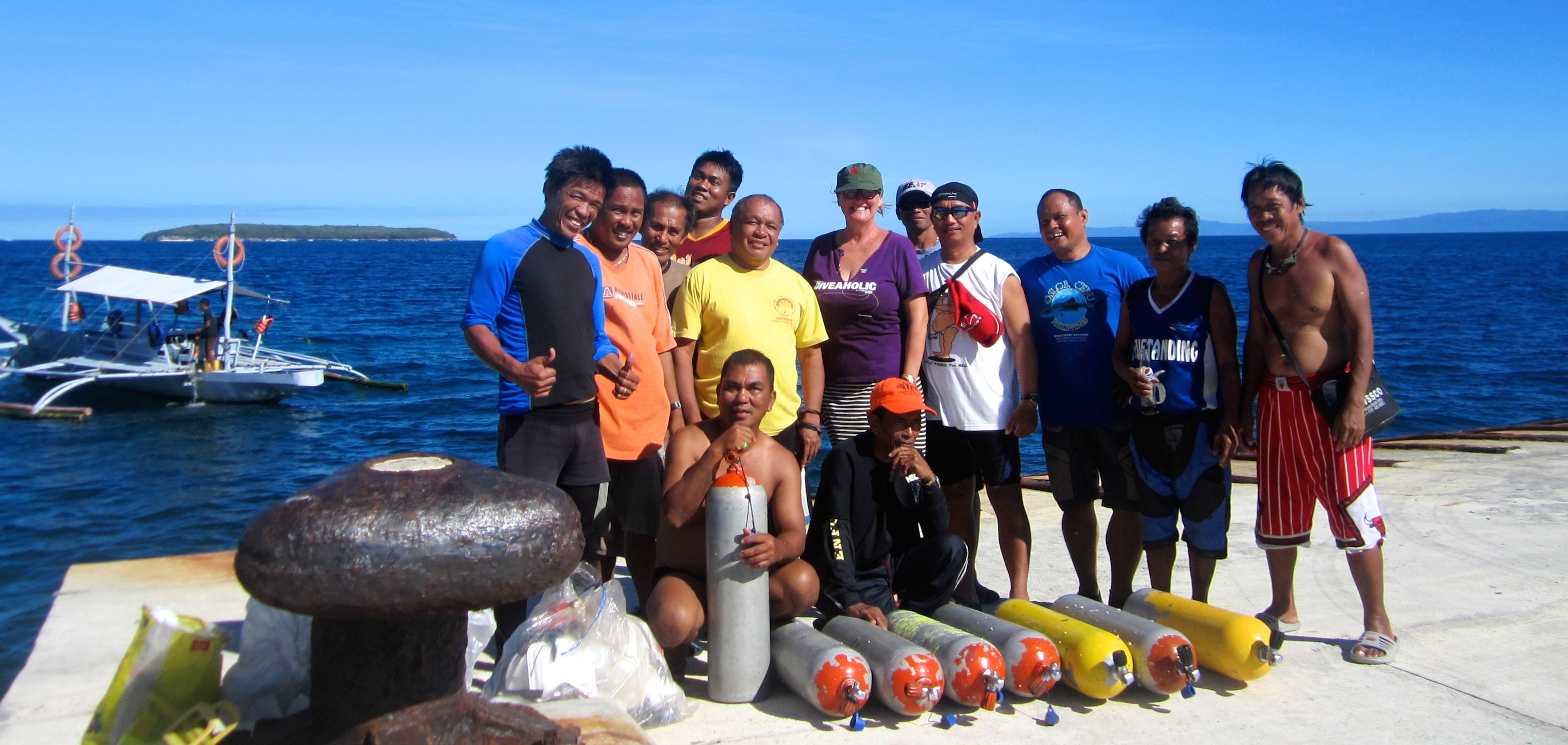
With the Bantay Dagat, or Sea Wardens of Oslob, preparing to place marker buoys in the marine sanctuary of Sumilon Island, Oslob, the Philippines. February 2016.

Who is your marine biology role model?

I am impressed by and grateful for marine science that addresses practical problems with application in private sector, policy and legislative settings. As an early career scientist who has held senior roles in the private sector and in Government, I have seen the magic of the three sectors working together to solve issues of importance to marine ecosystems, where science is communicated to a broader audience to create real change. The work of icthyologists Gerry Allen, Roger Steene and Mark Erdman and coral scientist Charlie Veron continue to inspire me.

What do you think lies ahead for marine ecosystems?

The outlook for coral reefs and marine resources is dismal given the anthropogenic threats of climate change, ocean acidification, pollution, growing populations, destructive fishing and overfishing.  If we, as consumers, do not change our habits and force change in the way we manage coral reefs, fishery and marine resources, the outlook for marine ecosystems is grim. My daughter will never see the huge schools of pelagic fish and sharks I have known. Macro diving seems to have become popular in some locations because fish and shark stocks are simply gone. Photographs of the harm we do to coral reefs and marine mega fauna through pollution alone, will make you cry. Divers have a role in reversing the dismal outlook for the marine ecosystems we love.

What can the average person do to help protect life in the oceans?

Love all the little, big and mysterious things of our oceans, from seashells on the shore, to coral reefs, fish, sharks and whales. Be curious. Learn. Care. Make choices that support our oceans. As a diver, choose dive operators who make positive contributions to marine conservation and choose to diversify the livelihoods of local fishers and their communities to help them rely less on coral reefs for food and income security. Create change by supporting those dive operators who are leading change.

Catch Judi Lowe at the Scuba360 Business Forum, ADEX Singapore 2016