Home Blog Page 28

PHIDEX 2021 Makes a Splash in the International Dive Market

0

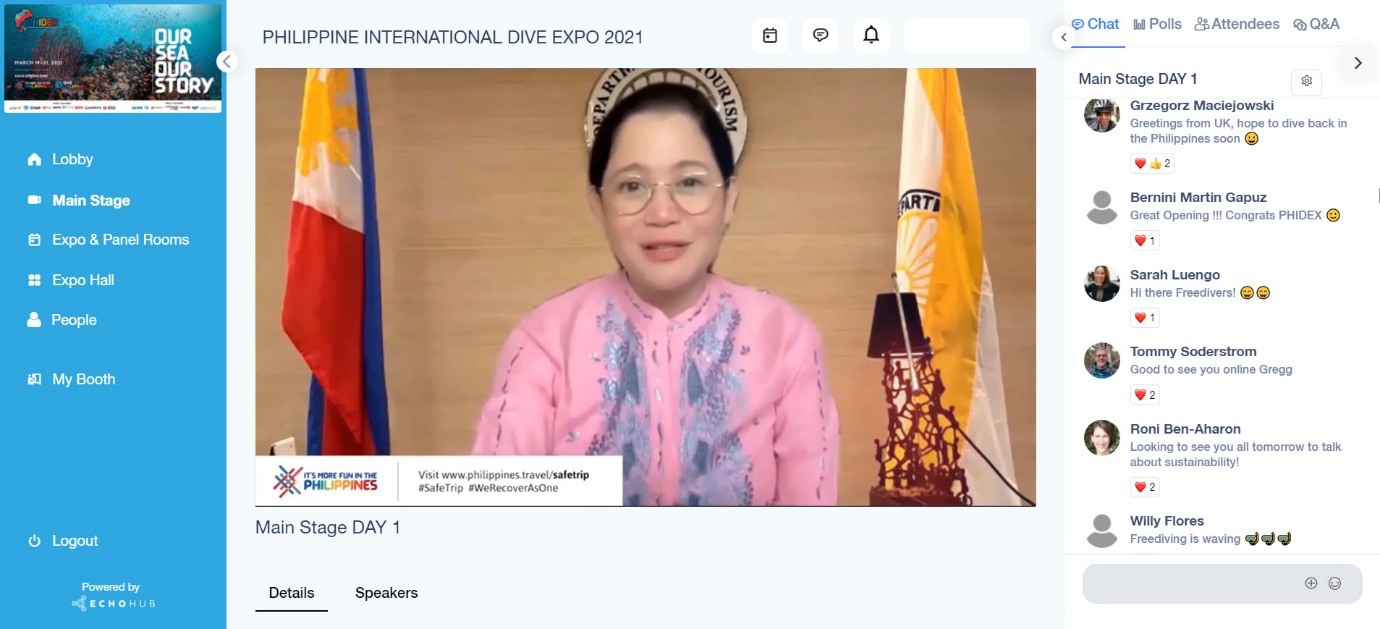
Secretary Bernadette Romulo-Puyat officially opens the virtual edition of the Philippine International Dive Expo


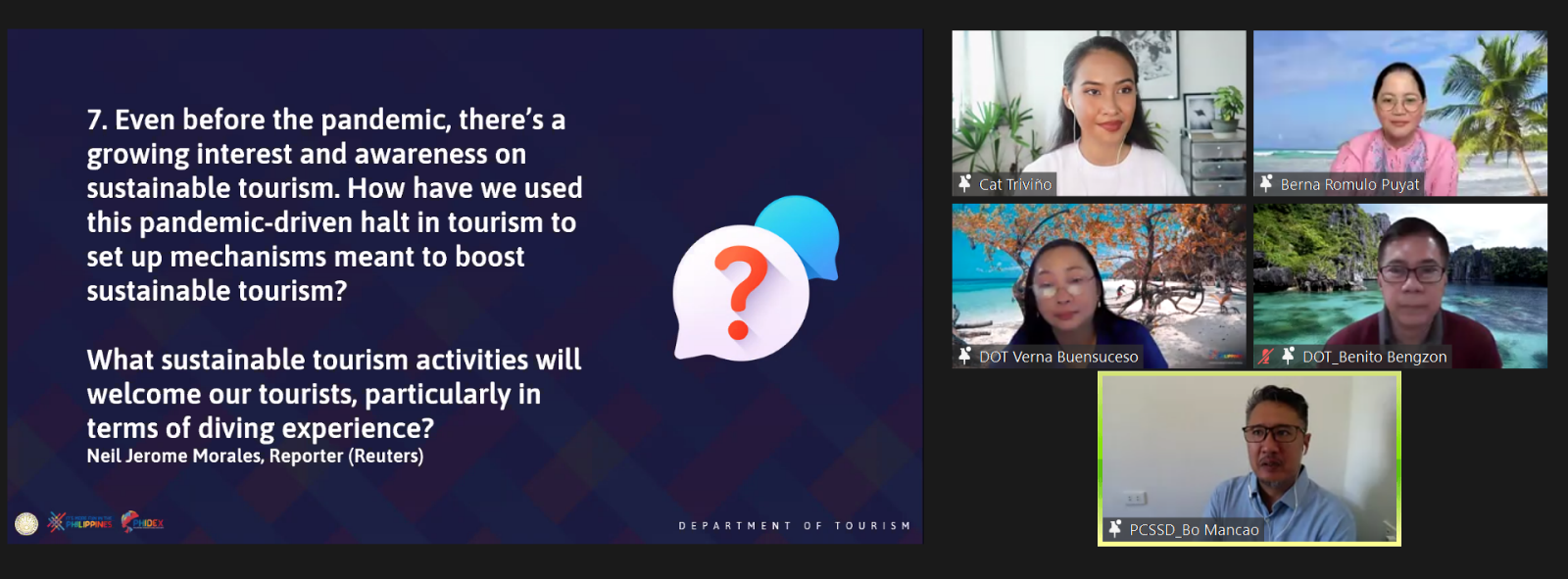
MANILA – The challenges of the global COVID-19 pandemic could not stop diving enthusiasts and industry experts from coming together in the first-ever all-digital Philippine International Dive Expo (PHIDEX) organized by the Department of Tourism (DOT), from March 19 to 21 via virtual conferencing.


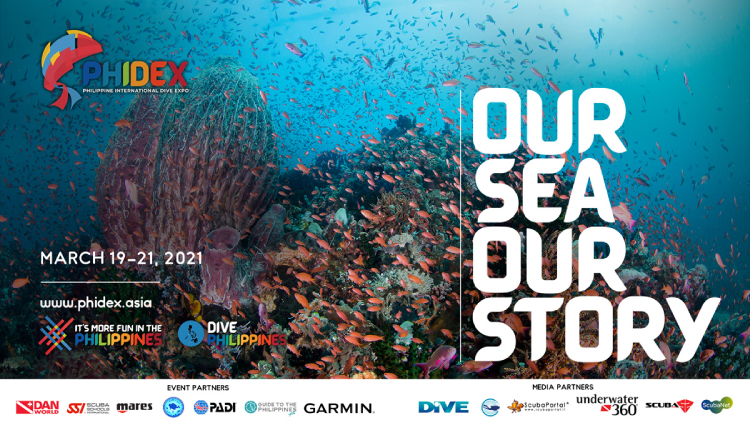
Over 2,000 diving enthusiasts from around the world attended this year’s iteration of the Philippines’ largest platform for the diving community, which was established in 2019. This year’s event, themed “Our Sea, Our Story,” brought everyone together to raise awareness and discuss solutions for the local diving industry’s recovery.


“With the gradual activation of dive travel and tourism in various parts of the country, an event such as this is even more crucial for the recovery of the dive industry,” said DOT Secretary Bernadette Romulo-Puyat in her opening speech on the first day of the expo.


“As the Philippines is widely recognized by scientists as the center of marine biodiversity, it is fitting that we lead the region in mounting an event that reflects our world-class diving.”


Various international leaders and experts in their respective fields spoke in 17 different panel discussions and talk sessions at the three-day expo, with around a hundred attendees watching each session. These include California Academy of Sciences Curator Dr. Terry Gosliner, French-British underwater photographer Henley Spiers, Emmy Award-winning husband-and-wife documentary team Howard and Michele Hall, Professional Association of Diving Instructors (PADI) Ambassador and Philippine Commission on Sports Scuba Diving (PCSSD) Commissioner Bo Mancao, University of the Philippines marine economist and community scientist Tara Abrina, and German underwater photographer Tobias Friedrich, just to name a few.


PHIDEX’s main thrust is to advocate for the sustainability of the local diving industry and marine environments, with a number of key sessions on the topic.


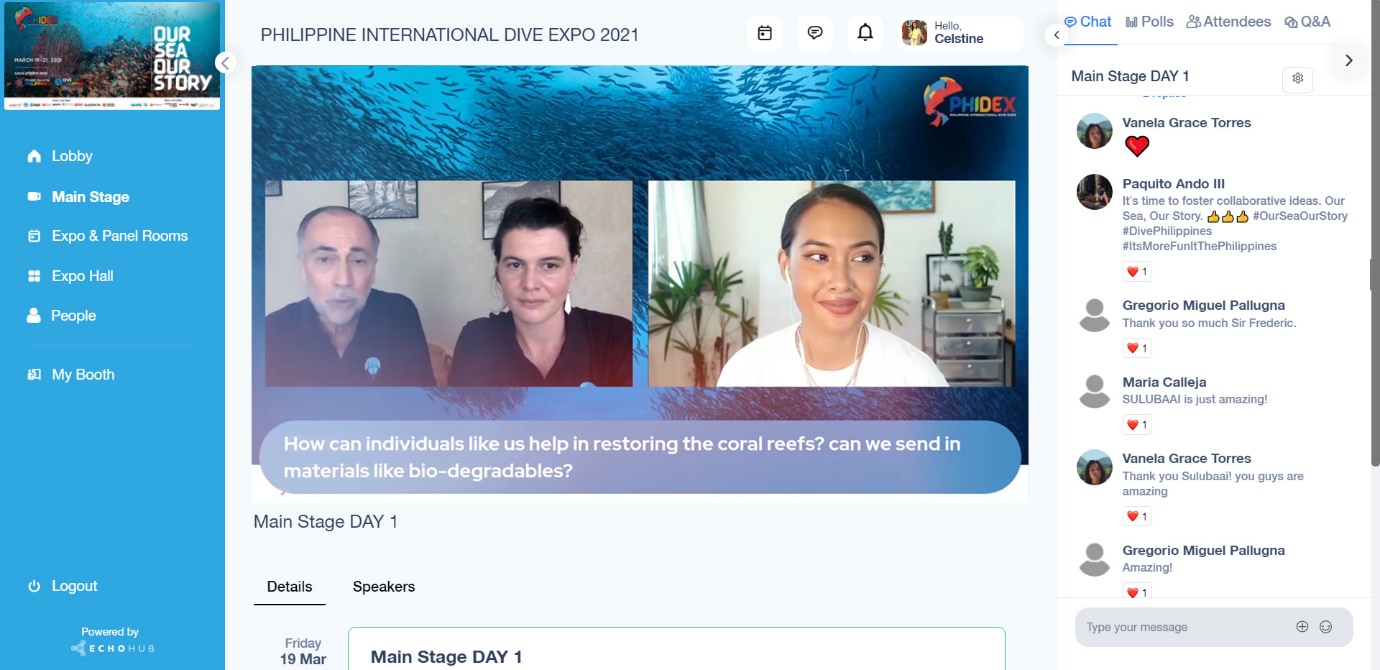
Sulubaai Environmental Foundation Founder and President Frederic Tardieu and project manager Laure Thierry de Ville D’avray talk about Marine Protected Area (MPA) management in Pangatalan Island, Palawan


One was the talk of Sulubaaï Environmental Foundation president Frederic Tardieu, in which he tackled the management of Marine Protected Areas (MPAs) and restoration of ecosystems. Tardieu and project manager Laure Thierry de Ville D’avray went into great detail about their work in creating 150 hectares of MPAs around Pangatalan Island in Palawan and sharing these efforts and knowledge with the locals.


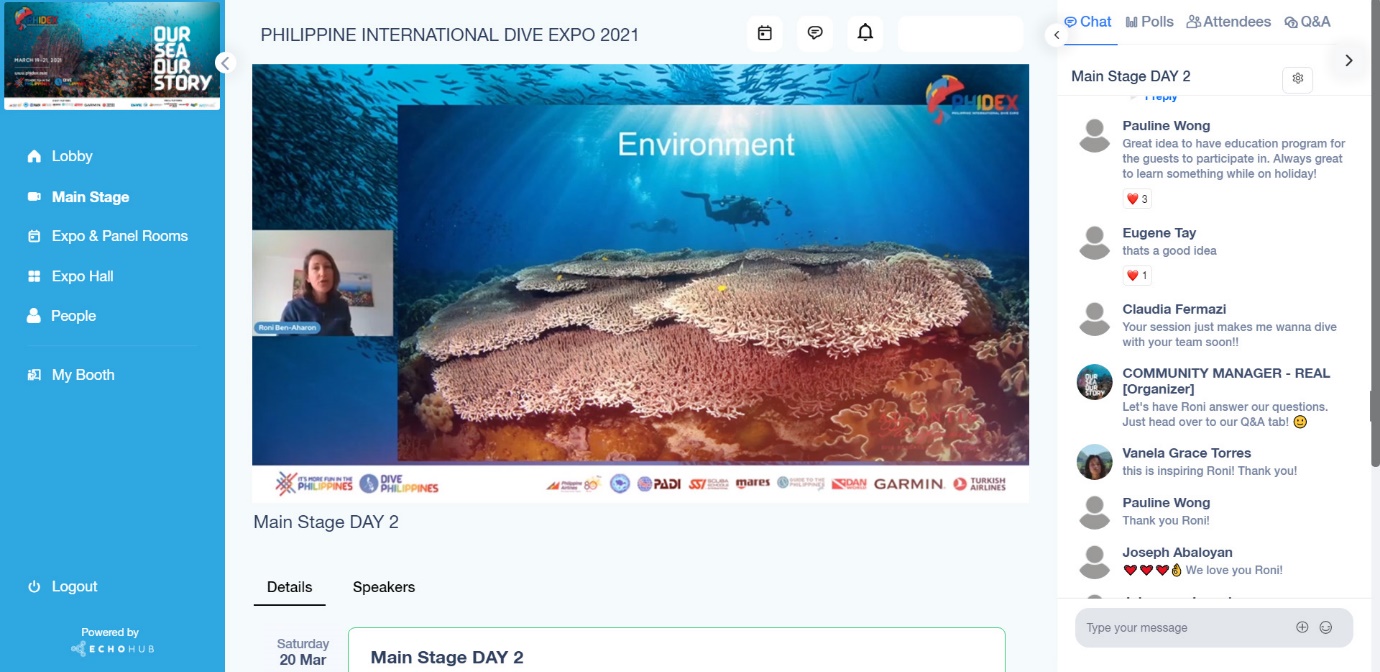
Roni Ben-Aharon from Atlantis Dive Resorts and Liveaboards shares sustainable tourism practices in the dive industry


Another was the session by Atlantis Dive Resorts and Liveaboards Sales Manager and Roni Ben-Aharon on sustainable tourism practices in the dive industry. Ben-Aharon zeroed in on three important factors of sustainability: the environment, the people affected, and the communities that operate in the area. She shared easy-to-do measures that locals can take to help protect marine environments, citing cases from different places in the Philippines.


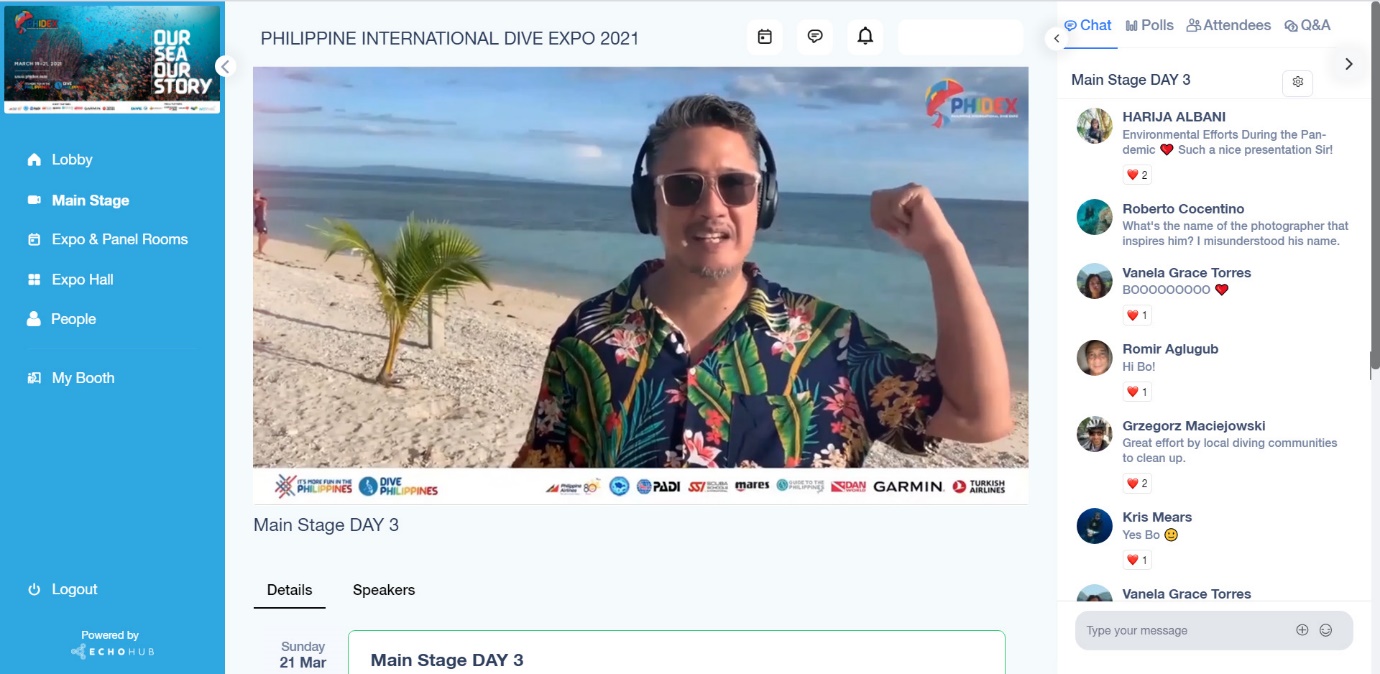
PADI Ambassadiver and PCSSD Commissioner Bo Mancao discusses the local dive industry’s environmental protection efforts in his talk entitled “Lockdown Blue: Environmental Efforts During the Pandemic”


A third talk was that of Philippine Commission on Sports Scuba Diving (PCSSD) Commissioner and PADI Ambassadiver Bo Mancao, in which he discussed the environmental efforts of the local dive industry during the pandemic-induced shutdown and issues that arose because of it. Mancao shared stories of coastal clean-ups and preservation drives around Cebu, and also shed light on the resilience of the residents of Malapascua Island.


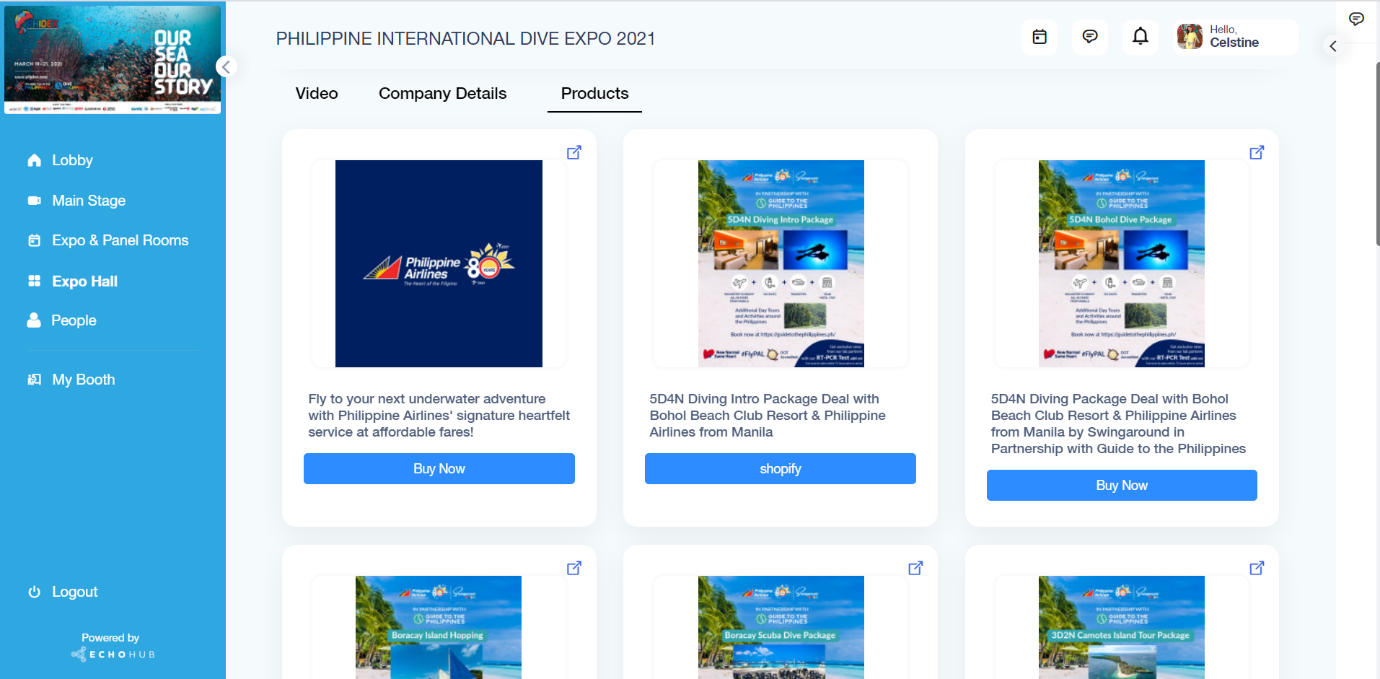
Philippine Airlines and Guide to the Philippines offer discounted fares and dive holiday packages through their virtual booth


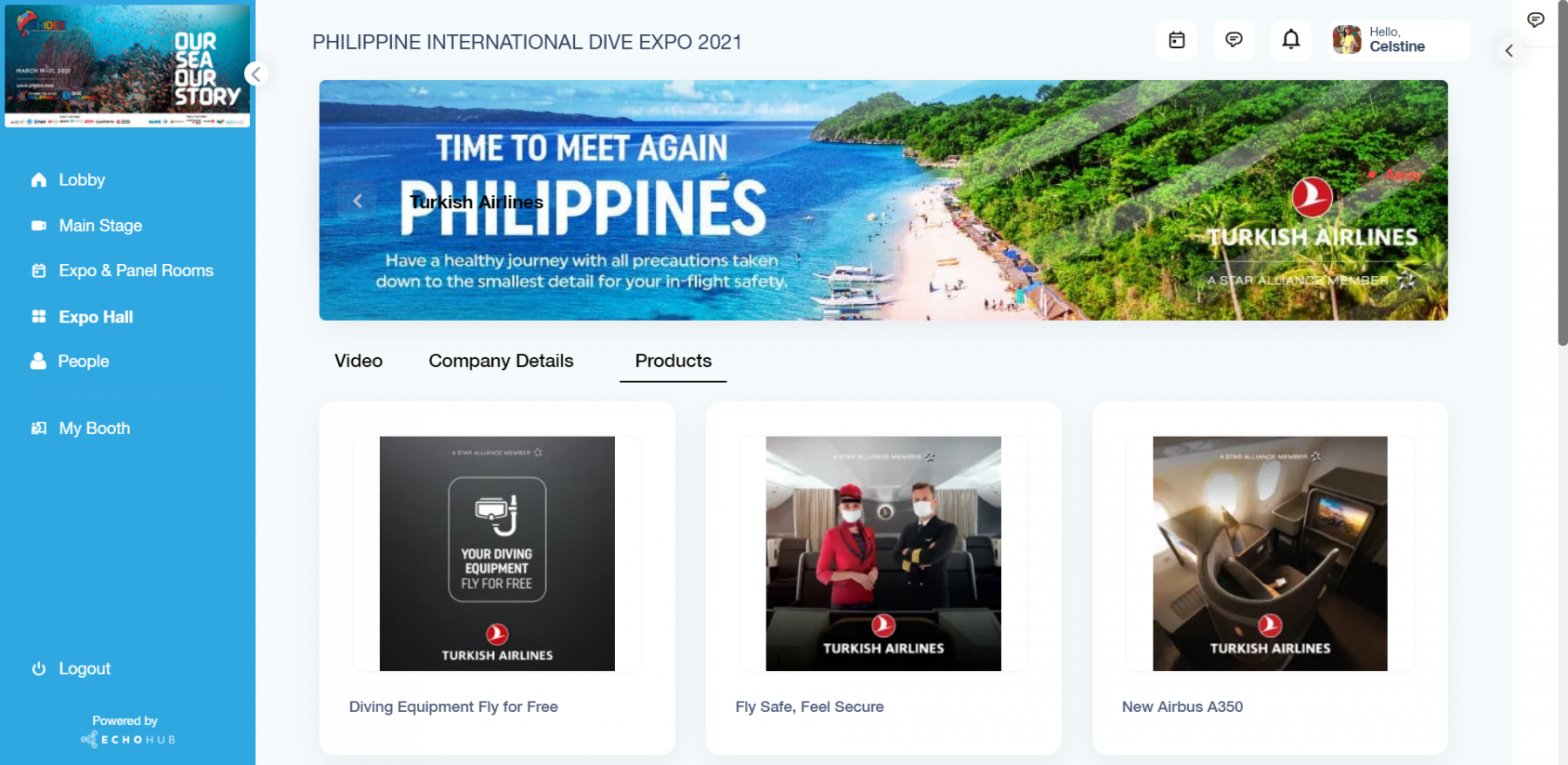
Turkish Airlines promotes their “Diving Equipment Fly for Free” program through their virtual exhibition booth


Expo-goers also had the opportunity to score exclusive PHIDEX deals on diving equipment, accessories, and travel experiences from the 64 exhibitors, dealers, and partners present in the event’s virtual exhibition. Over 2,000 business and networking leads were generated by the Dive Travel Exchange (TRAVEX) meetings.


“With health and safety protocols in place to ensure the safe reopening of our destinations, we are taking this opportunity to pivot towards sustainable solutions,” Puyat stressed.


Mares virtual exhibition booth features discounted dive equipment and gear on sale


For more information and updates on PHIDEX and the Philippine dive industry, like Dive Philippines on Facebook at facebook.com/DOTdivephilippines, follow @dotdivephilippines on Instagram, or visit www.phidex.asia.


PHIDEX 2021 “Our Sea, Our Story” now virtually opens from March 19 to 21

0

by UW360


Commenced its second edition digitally to raise awareness on the Philippines’ rich marine biodiversity and fostering growth and development of the dive tourism industry while sustaining as the premier dive destination in the world!


Philippine International Dive Expo [PHIDEX] 2021, the largest dive platform in the country, aims to gather and mobilize industry experts, stakeholders and divers in one communal space, to foster the collaboration of innovative ideas, sustainable solutions and economic opportunities. With the gradual activation of dive travel and tourism in various parts of the country and the world, PHIDEX is even more crucial for the recovery of the dive industry.


“Widely recognized as the ‘Center of the Center of Marine Biodiversity’ it is fitting that we lead the region in mounting an event that reflects the world-class diving that the Philippines are promoting.” says Tourism Secretary Bernadette Romulo-Puyat.


“The Philippine Department of Tourism recognizes that diving is a major tourism product and hopes to further grow the Philippine dive industry through an event that advocates for the sustainability of our marine environment.”


Distinct from other dive shows, the event will feature a Dive Travel Exchange (TRAVEX) or B2B program solely for the dive market, post familiarization trips to complement the trade expo. Through these event components, we underscore the Philippines’ competitive advantage in the region, both as a dive destination and as a dive travel business hub, as our counterpart operators and media get to see and experience first-hand our dive products and services, to sell and promote these more effectively.


Phidex 2021 will also feature renowned global experts who will share their experiences and knowledge on a variety of subjects and interests involving dive tourism recovery, industry sustainability, underwater photography, marine conversation, and more. The program and line up of activities over the next three days will cover topics such as conservation through adventure and wildlife photography, science-based conservation, exploration of our heritage wrecks and underwater caves, freediving and marine conservation, dive training, agency and product updates from our global dive partners, and work opportunities for dive professionals, and more.


There will also be a virtual marketplace that enables consumers and buyers to make sustainable and smart choices when purchasing deals for diving experiences and equipment and the opportunity to go beyond borders the international dive market participation from 16 countries  – Australia, China, France, Indonesia, Israel, Italy, Japan, South Korea, Netherlands, New Zealand, Spain, Sweden, Thailand, Turkey, UK, and the USA. While representing the Philippines’s businesses and operators, do lookout for the top and emerging destinations, such as Anilao in Batangas; Panglao, Balicasag and Cabilao in Bohol; Moalboal and Malapascua in Cebu, Coron and Tubbataha in Palawan, Dauin in Negros Oriental; Sipalay in Negros Occidental; Camiguin and Misamis Oriental; Davao; Donsol in Sorsogon; and Ticao Island in Masbate.


“Tourism will only be sustainable when we commit to protecting our marine resources. We see divers as our allies in this advocacy, as the diving community is often at the forefront of environmental protection initiatives. Let us continue to work together toward the vision of developing and promoting the Philippines as a premier diving destination.” says Tourism Secretary Bernadette Romulo-Puyat.


“We are all here because of the love we share for the ocean and marine life. We hope to build a fruitful relationship with all of you as we navigate industry recovery in the next normal, for a stronger and more competitive Philippine dive tourism industry.”


With the COVID-19 pandemic still a global issue that affects everyone, there are health and safety protocols in place to ensure the safe reopening of destinations, with opportunities to pivot towards sustainable solutions. Once areas have little to no active cases of COVID-19, the borders will open up once the health and safety protocols tailored to each destination are met.

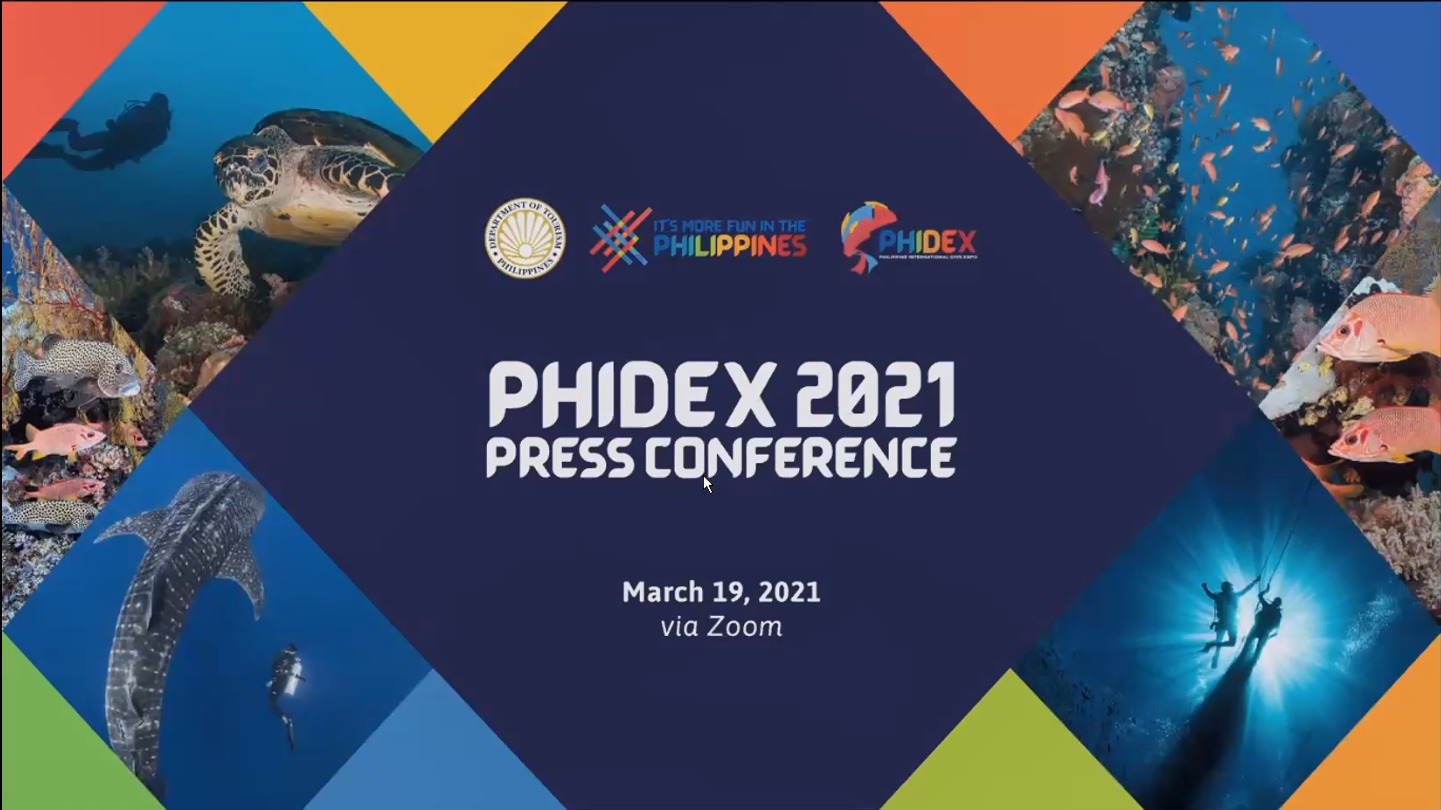
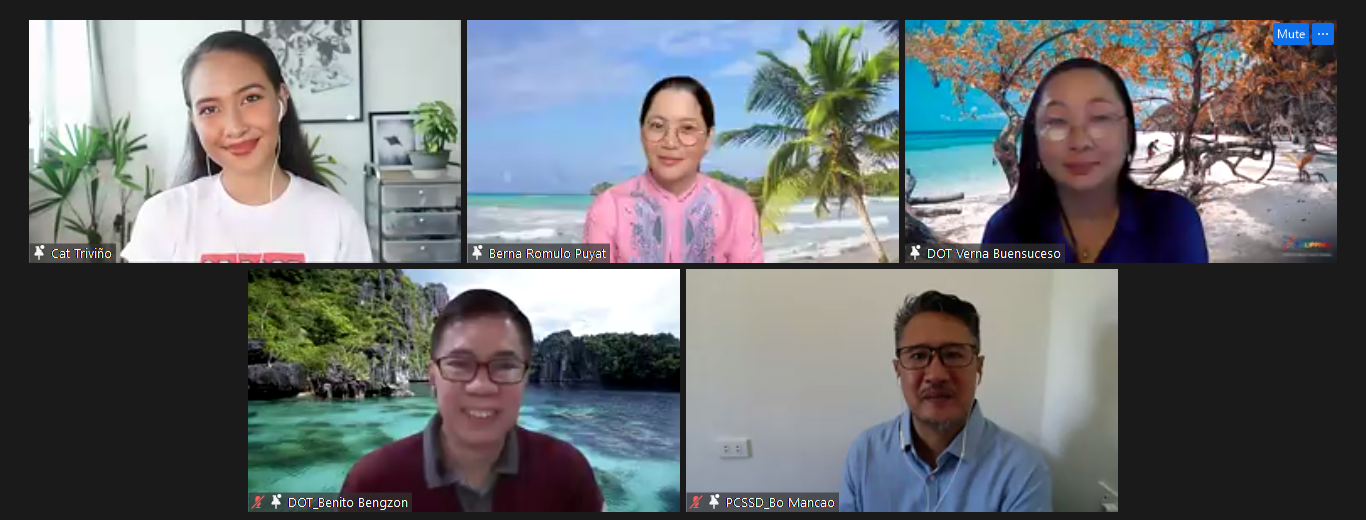
Watch the full PHIDEX 2021 press conference here!


[embedyt] https://www.youtube.com/watch?v=k2Eht2eX9Ho[/embedyt]


###

Divers and enthusiasts can now register for PHIDEX 2021 for free at https://phidex.asia/ until March 21.

For more information and updates on the Philippine International Dive Expo, like PHIDEX on Facebook at facebook.com/DOTdivephilippines, follow @dotdivephilippines on Instagram, or visit www.phidex.asia.


Best Wreck Dives In The World

0

Article by Thomas Collins


There is something about a shipwreck that haunts the imagination. Maybe it’s the horrifying thought of a ship going down and the loss of life entailed – or maybe it’s the way once glorious vessels that sailed the oceans lie broken on the seafloor. Whatever the reason, they hold a magnetic appeal for adventurous divers and photographers.

Since the scuba diving industry was born, people have been fascinated by shipwrecks. Whether it was finding new wrecks, salvaging old ones or treasure hunting, many of the most important advances in scuba diving were motivated by wreck diving. Today, there is a wreck for every ability level. We pick some of the best to explore.


Mary Celestia, Bermuda
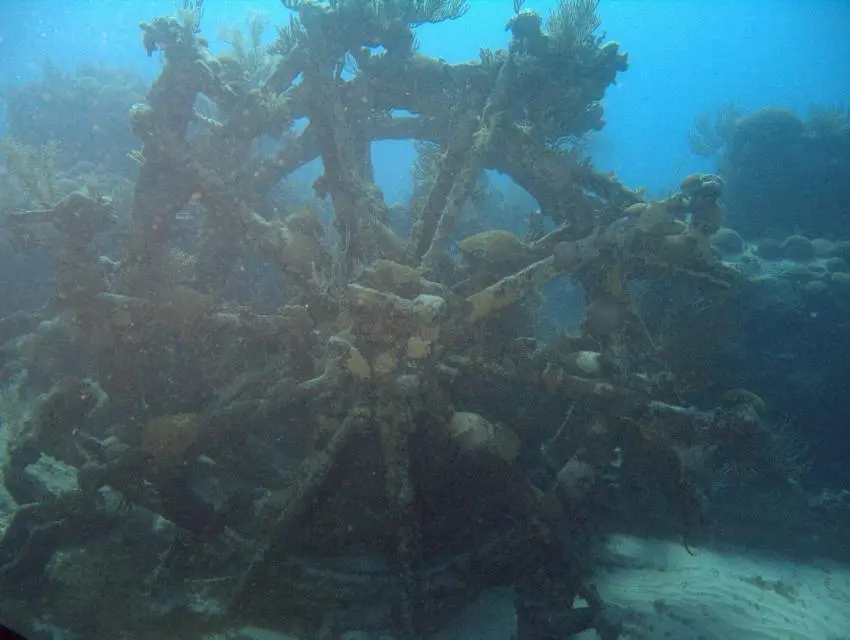
 

Divers are spoilt for choice in Bermuda as the island has more shipwrecks per square mile than anywhere else in the world. However, if you are limited for time, Mary Celestia is a must.

The side paddlewheel steamer was used by the Confederate Army during the American Civil War as a blockade runner while smuggling guns, ammunition and supplies to the troops. She is believed to have made at least five successful trips to the south before she sank in 1864 while being piloted by local Bermudian John Virgin.

The ship hit headlines again in June 2011 when a group of international marine archaeologists discovered five bottles of fine wine — 147 years after she first sunk. One of the bottles was uncorked in March last year but unfortunately was reported to taste primarily of seawater.

Mary Celestia lies in approximately 17 metres of water and as well as searching for old bottles of wine there is plenty to see with artefacts such as the boilers, anchor and part of the bow clearly visible.


San Francisco Maru — Chuuk
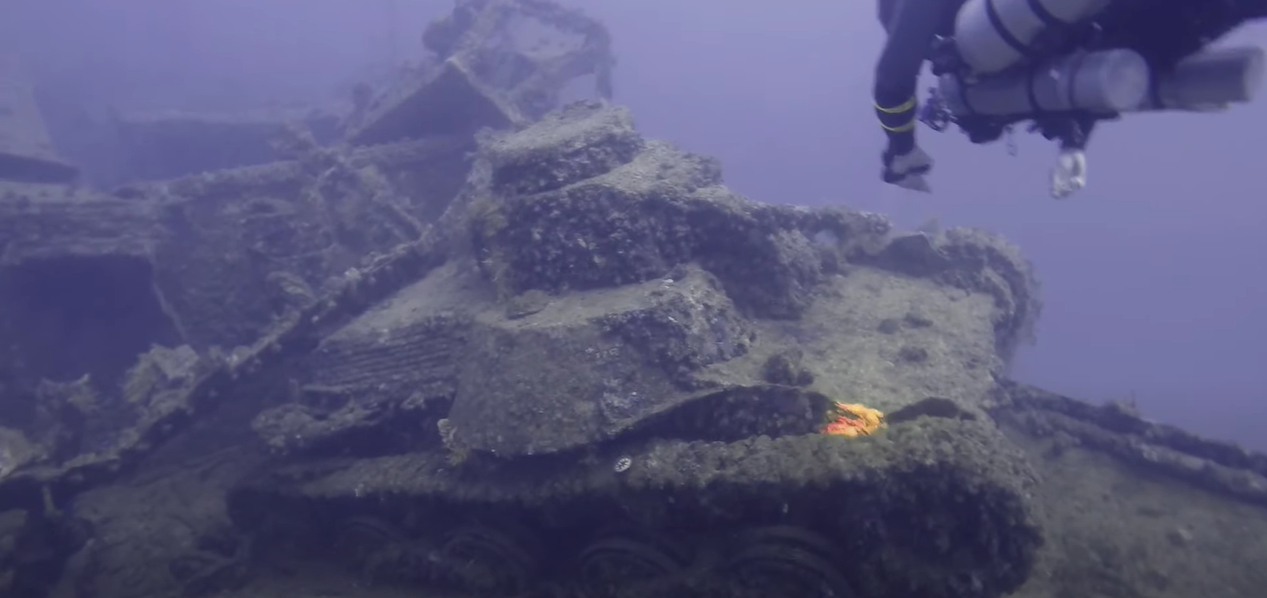
 

For those with tech training and experience, the San Francisco Maru beckons from 200 feet below. View the three Mitsubishi tanks on the deck at 160 feet. One sits atop another, a result of the shock this cargo vessel experienced when six 500-pound bombs ripped it open and sent it racing downward, smashing into the bottom. If time and gas allow, trucks in the forward hold at 170 feet also await discovery.


USAT Liberty, Bali, Indonesia
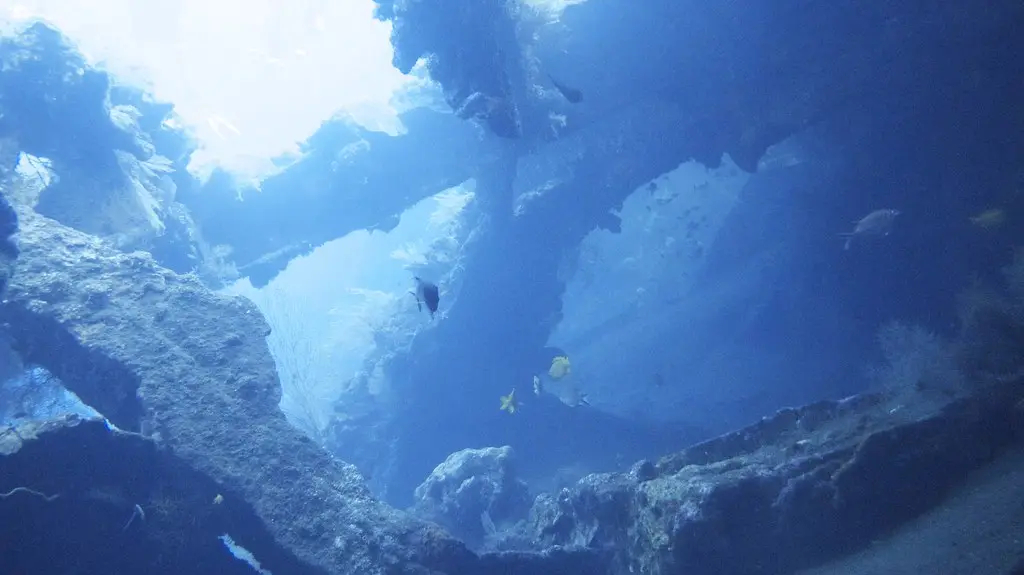
 

The Liberty sits on a black sand slope, almost parallel to the beach and is only 30 m offshore. She lies between 9 and 30 m of water and is totally encrusted in fabulously coloured anemones, gorgonians and corals. The wreck is 120 m long and is pretty broken up so you can’t enter it, but you can still see the guns, toilets, boilers, anchor chain and such. There is some confusion as to the history of Liberty. Many people refer to it as the Liberty Glo, but this is a different ship that sank off the coast of Holland. The difficulties probably arise as the ship had several designations during her life. The US Navy Museums site, tells us that she was originally the USS Liberty (1918), then the SS Liberty and finally the USAT (United States Army Transport) Liberty. On 11 January 1942, she was torpedoed by the Japanese submarine I-166.

The USAT Liberty is located in Tulamben, a small village on the northeast coast of Bali.


U.S.N.S. General Hoyt S. Vandenberg
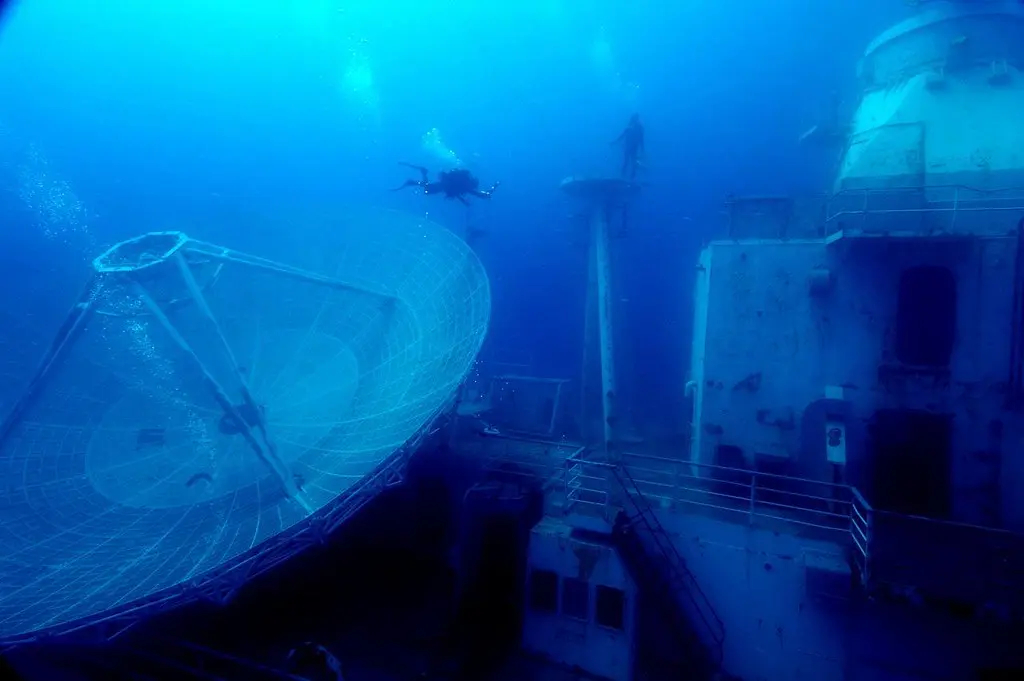
 

For advanced divers, the thrill of the 158m  starts with a drop-down one of the 11 elevator shafts, choosing any floor to enter. Those with less technical training can still freefall into the elevator and cargo shafts of this Air Force missile-tracking ship off the coast of Key West, Florida.

Downed in 2009, this artificial reef has been cleaned of hazards and made safer with doors removed and blowtorch-added exit points. Unique to the ship are the 2m resident goliath grouper and the ship’s satellite dishes that divers pop out of following swims through the interior. Oh, and the vessel served as a set for the sci-fi flick Virus – hence the Russian lettering in the passageways.


Zenobia, Larnaca Bay – Cyprus
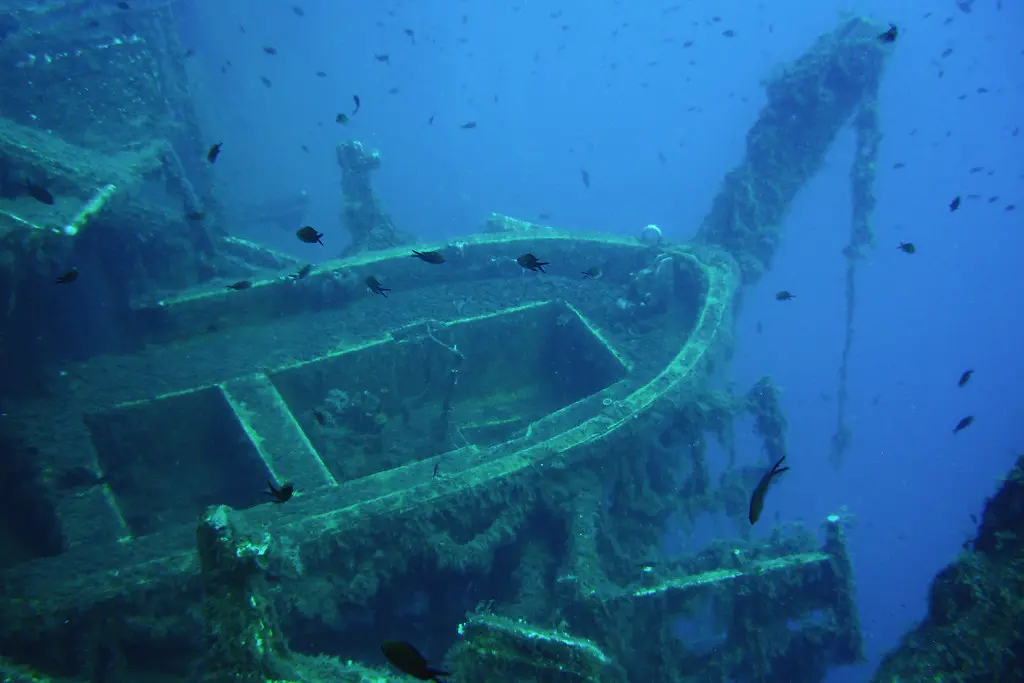
 

Only 10 minutes away from the amazing holiday resort, Larnaca lays the resting place of the 10,000-ton ferry known as Zenobia, which sunk on its maiden voyage in 1980. Carrying more than 120 vehicles as well as Lorries, this dive site is an incredible wreck dive for an experienced and qualified wreck diver. Lying at a depth of 39m / 128ft, there are numerous dives to explore. Starting at 16m / 52ft, this is a great dive for any beginner wreck diver, however, if you are looking for a more complex and technical dive then there are many diving tours that take you down to explore the lower car decks. With a huge variety of marine life that has made this wreck there home, this wreck will leave you wanting more.


Hilma Hooker – Bonaire
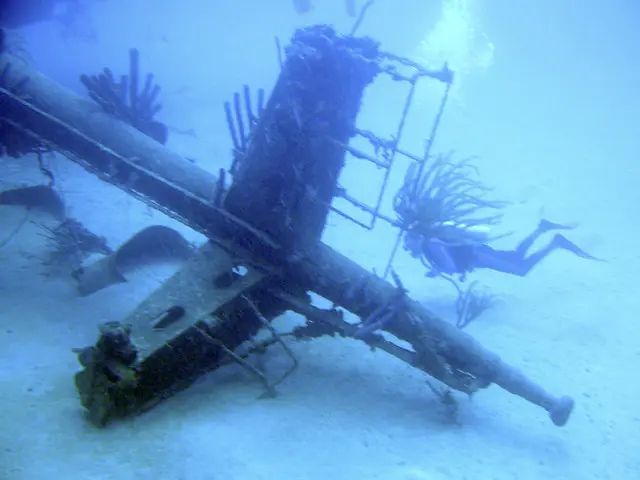
 

An interesting wreck, with an even more exciting story. Situated near Kralendijk, this huge wreck is surrounded by sponges as well as large sea fans, this wreck has something to offer every diver. In 1984, customs officials discovered nearly 12 tons of marijuana on the Hilma Hooker. The captain and all of the crew were detained and the ship was moored at the docks. At the time, the Hilma Hooker was in a state of disrepair and the authorities feared that the ship would sink and therefore cause an issue with incoming and outbound ships. At this time, the divers of Bonaire petitioned for the Hilma Hooker to be sunk, creating a new dive site. The ship was then sunk between a two reef system, creating what is one of the best dive sites in the world.


B17 Bomber, Corsica

[embedyt] https://www.youtube.com/watch?v=25Z06EM0jhc[/embedyt]


This wreck dive certainly stands out and provides divers with a totally unique experience. Resting 27 metres below the surface, the fascinating remains of a World War II B17 Bomber plane can be explored by advanced divers. The American aircraft was deployed in February 1944 for the purposes of destroying the railway system in Verona, which had been seized by the Germans. However, it never succeeded in its mission as it was damaged on the way. After being hit by Geman fighter pilots, captain Lieutenant Charplik was forced to make an emergency landing on water, consequently losing 4 men from his crew.

The impressive plane, which has a 32-metre wingspan, is in excellent condition. Divers will be able to clearly identify the pilot seats and aviation instruments, which have been left intact in the cockpit. The engines and remaining machine guns are other highlights of this fascinating dive.

The marine life is vibrant in this area, and divers may catch a glimpse of seahorses, stingrays or even dolphins while exploring the wreck. This is also an excellent opportunity to see live coral, such as brain coral and red and yellow gorgonian fans, which have made their home inside the plane.


USS Saratoga CV-3 — Bikini Atoll

[embedyt] https://www.youtube.com/watch?v=ySXLXxflalU[/embedyt]


A 1946 nuclear test blast sunk this 880-foot aircraft carrier off Bikini Atoll in the Marshall Islands. Although this South Pacific destination is a commitment to reach — it’s approximately 30 hours by boat from the airport on neighbouring island Kwajalein — the ship is worth the effort to get here. The bridge starts at 40 feet, and the deck at 90, giving divers relatively ample time to explore.


Lady Thetis & Constandis, Cyprus
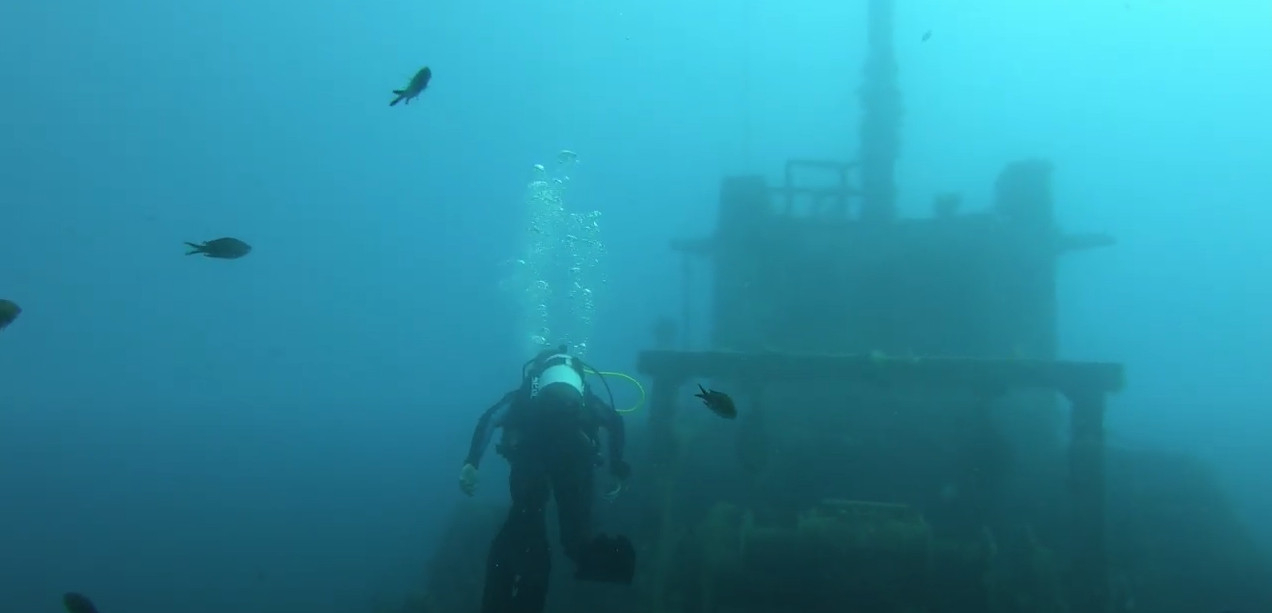
 

Lady Thetis is one of three popular wreck dives just off the Limassol coast, including the Constandis and Akrotiri. Further up the coast in Larnaca lies the Zenobia wreck, which is on most people’s diving bucket list.

Lady Thetis is a 30-metre passenger ship that was purposefully sunk in 2014 along with Constandis, a 23-metre fishing vessel, to create an artificial reef and recreational dive site. The latter was built in 1989 in the Soviet Union and was used as a trawler, while Lady Thetis was built in Hamburg in 1953.

Both now rest between approximately 19 and 25 metres deep and host a huge array of marine life in a location where all fishing is strictly prohibited. The project is being financed by the EU fisheries programme, the Cyprus Tourism Organisation and the Cyprus Dive Centre Association in an attempt to replenish the declining fish population around Cyprus.

Divers can hope to spot large groups of parrotfish, turtles, barracuda, monk seals, sea bream, groupers jacks and damselfish while exploring the amazing swim-throughs that the two wrecks offer, which includes storerooms, engine rooms, staircases, hatches and various decks.

It’s easy to visit this beautiful part of Cyprus by superyacht thanks to the nearby Limassol Marina, which can accommodate luxury yachts up to 110 metres. After a day exploring the two wrecks unwind with a spa treatment at the Sanctum Spa or a cocktail at the elegant Marina Breeze lounge bar.


Jake Seaplane — Palau
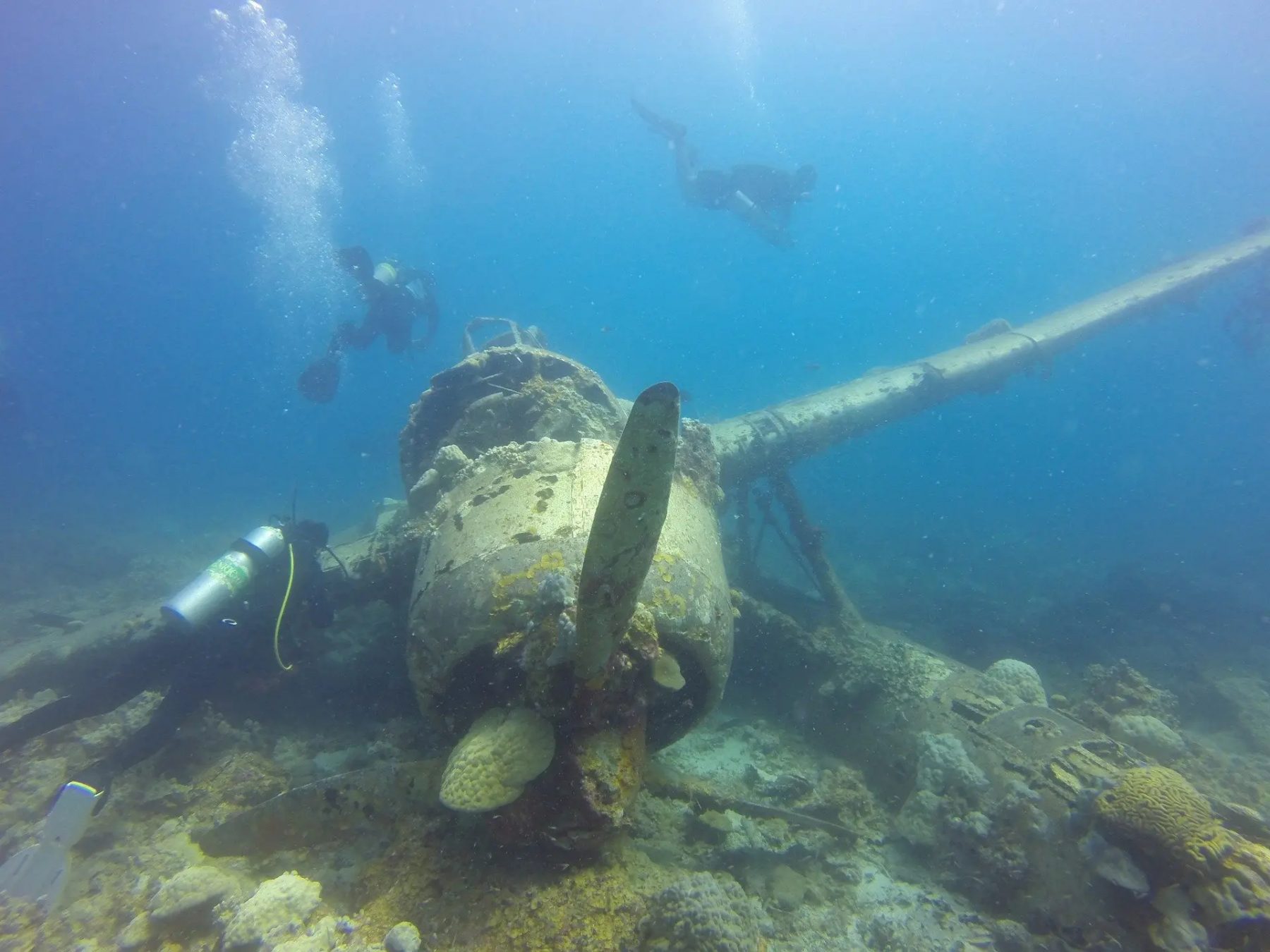
 

Resting on one float, its wing tilted off the 45-foot sea bottom, this Aichi E13A seaplane is Palau’s most photographed aircraft wreck. That’s because the water is super clear at high tide and — seen from the front, at least — the wreck looks surprisingly intact. But move aft, and you’ll see that the tail and second float broke away on impact. Pose for pics near the cockpit, but be careful — there’s still a live hand-dropped bomb near the gunner’s position.


Sea Tiger — Oahu, Hawaii
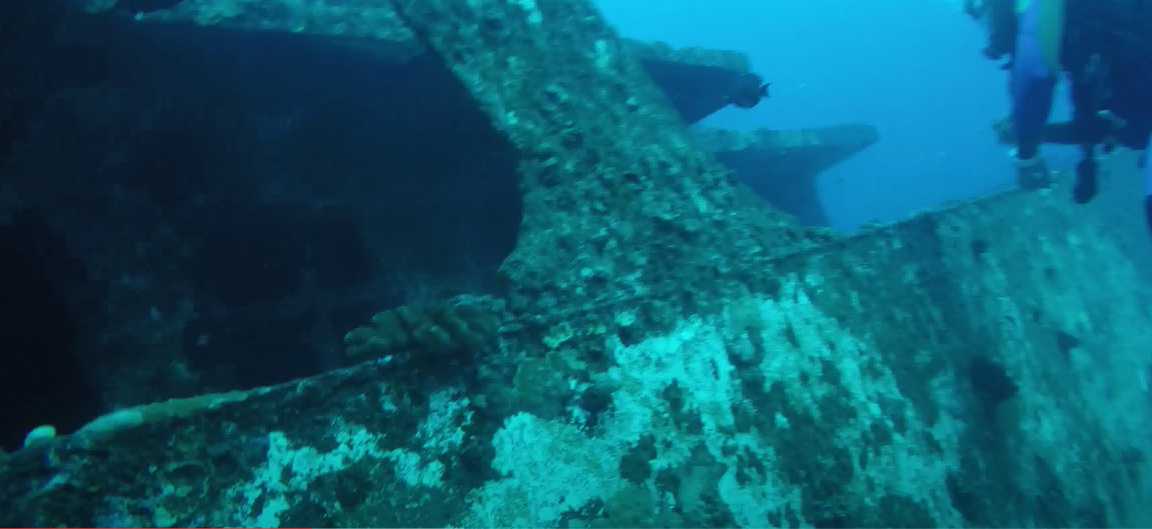
 

Originally apprehended carrying 93 illegal Chinese immigrants, the Sea Tiger now sits just a short boat ride away from Waikiki Beach. Sunk as an artificial reef in 1999, it features marine life including squirrelfish, filefish, moray eels, green sea turtles, sharks and spotted eagle rays. Depth ranges from 80 to 127 feet, making this site best for intermediate to advanced divers.


U.S.S. Kittiwake
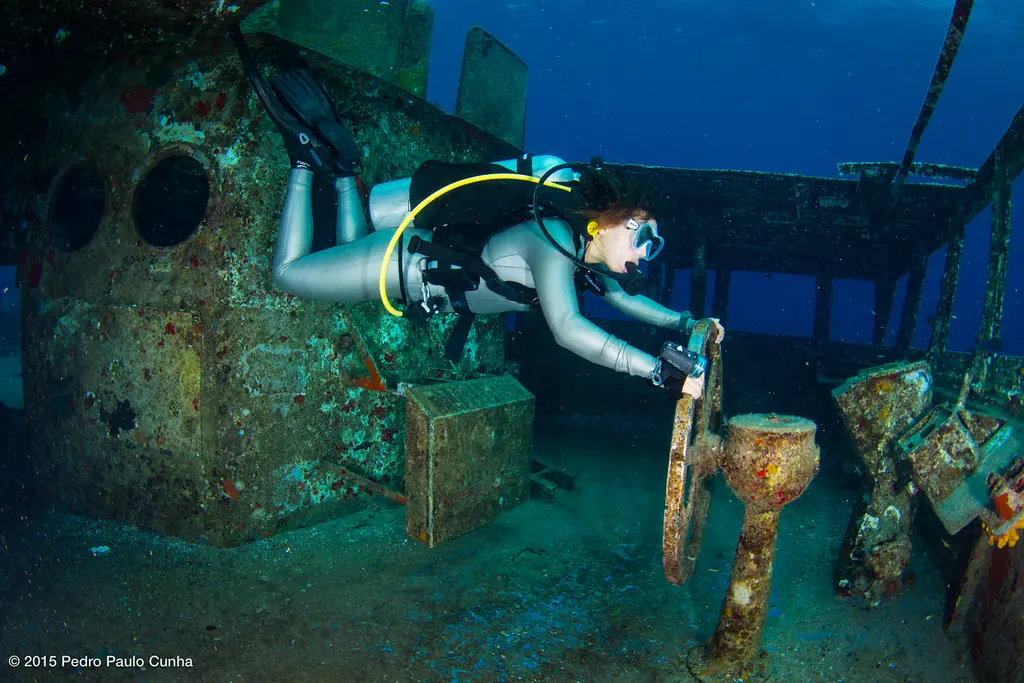
 

The ship is ideal for first-time wreck explorers, the Shallow waters mean you can dive all day. Purpose sunk off Grand Cayman’s Seven Mile Beach in 2011, the 76.5m long Kittiwake was stripped clean of hazards before sinking. Doors and hatches were removed, giving each room at least one exit point.

Those with wreck diver certification cards can penetrate all five of the ship’s levels. The wheelhouse is shallowest, housing the wheel and compass. Two recompression chambers and the artificial diving bell are also highlights.


Therefore, is wreck diving dangerous?

Like any type of diving, wreck diving carries inherent risks, but with proper training, these dangers can be minimized.

The most common risk in wreck diving is entanglement. This can occur in non-penetration wreck diving as fishermen’s nets and lines often become ensnared on ship structures. A reliable dive knife can go a long way in solving this issue.

Another risk to consider is a silt-out. In a limited penetration situation, a silt-out can become endangered if the nearby exit is blocked from view. Limited visibility causes confusion and often divers will progress further into the wreck accidentally. For this reason, excellent buoyancy is essential to wreck diving.

Finally, in a full penetration situation, many dangers are present. Past the light zone, a multiple light failure or a disruption in air supply can prevent a safe exit of the wreck. For this reason, only fully trained wreck divers should venture so far into a sunken ship.


###


This article and images source is provided by “Best Wreck Dives in the World

For more blogs on wreck sites, UW360 recommends “The 11 Best Liveaboard Diving Destinations in the World


PHIDEX 2021 “Our Sea, Our Story” Dives into Digital this March 19 to 21!

0

Be a part of the Philippines’ largest diving platform and join the discussion in accelerating the industry’s recovery


In its thrust to help support and sustain the country’s diving industry, the Department of Tourism (DOT) is presenting this year’s Philippine International Dive Expo (PHIDEX) online via virtual conferencing from March 19 to 21, 2021.

PHIDEX is the Philippines’ largest platform for the diving community since 2019. The global COVID-19 pandemic has resulted in the event going digital for the time being, but the new format will allow the expo to reach even more members of the diving community.

As COVID-19 has hit the local diving industry and those who depend on it, this year’s PHIDEX, themed “Our Sea, Our Story,” aims to raise awareness and discuss solutions into accelerating the industry’s recovery.


“As the Philippines is known around the world for its diving destinations, it is truly important that we do everything we can to sustain the local diving industry. The latest recognition we received was from the 2020 World Travel Awards which named the Philippines as the World’s Leading Dive Destination.


This year’s PHIDEX is a step in the right direction to sustain our gains toward recovery, for all to enjoy the natural wonders our archipelago can provide,” said Tourism Secretary Bernadette Romulo-Puyat


This year’s PHIDEX will host discussions and talks by a number of prominent international personalities who are experts on the sea.

Some notable names confirmed for the event are California Academy of Sciences Curator Dr. Terry Gosliner, French-British underwater photographer Henley Spiers, Emmy Award-winning husband-and-wife documentary team Howard and Michele Hall, PADI Ambassador and PCSSD Commissioner Bo Mancao, University of the Philippines marine economist and community scientist Tara Abrina, and German underwater photographer Tobias Friedrich, to name a few. Each speaker will be going in-depth on topics relevant to the diving industry and the protection of the Philippine seas.

Expo participants will be able to view all these lectures and panel discussions on the event website, which will host three stages: the main stage, the expo stage, and the panel stage. The website will also serve as a space for divers and enthusiasts to purchase experiences and equipment from partners and exhibitors, as it will also have a virtual marketplace section called the Dive Travel Exchange or TRAVEX.

###

Divers and enthusiasts can now register for PHIDEX 2021 for free at https://phidex.asia/ until March 21.

For more information and updates on the Philippine International Dive Expo, like PHIDEX on Facebook at facebook.com/DOTdivephilippines, follow @dotdivephilippines on Instagram, or visit www.phidex.asia.


Diving Talks Portugal 2021 – Tróia Portugal, October 8 – 10

0

Portugal’s Dive Destination Tróia Peninsula + 26 Talks by International Keynote Speakers + Diving!!!


A date to remember, October 8 – 10, probably, the most important international diving event in 2021, organised by Portugal Dive, United by the Sea and BEST Emotions, DIVING talks is a three-fantastic-day event at one of the most extraordinary places in Portugal; the Tróia Peninsula. Tróia Peninsula is a sanctuary in a gigantic dune forming over thousands of years, with the Atlantic Ocean to the west and the Sado estuary to the east. A sanctuary for many reasons, spectacular sights of underwater species, amazing nature that frames the landscape, and an enjoyable one memorable weekend escapade for a plethora of diving-centric talks and activities. A destination for ALL, your family or partner, explore Portugal as a whole family or team unit!


DIVING talks will feature 26 Talks by international keynote speakers. Housed in one location together with experienced professional divers like Ahmed Gabr, Armando Ribeiro, Belen Andres, Jill Heinerth, Krzystof Starnawski, Marissa Eckert, Mark Powell, Martyn Farr, Natalie Gibb, Phil Short, Sabine Kerkau, Sami Paakkarinen, only to name a few.


[embedyt] https://www.youtube.com/watch?v=FCfpZ5wQCns[/embedyt]


If you have time and are curious enough, DIVING talks can also be the grand introduction for divers wishing to discover Portugal underwater. In association with Portugal Dive, a boutique dive concierge that organizes dive trips to Portugal – the mainland and in the Azores and Madeira archipelagos, diving recreational or technical, you can expect the European Atlantic most transparent waters full of life, schools of fish, the big pelagic, and even monk seals. Wrecks, inland caves, you name it, Portugal is a dive destination for every type of diver. Plan your arrival one-week earlier or leave one-week later, chose the stay and dive program for your type of diving and preferences!


For more details, visit here – Diving Talks 2021 website


###

Image credit: YouTube – Portugal Dive


Glow-in-the-dark sharks found near New Zealand

0

Scientists have discovered glow in the dark sharks – three deepwater species, to be exact, living off the waters of New Zealand


The sharks were found at an area of ocean floor, Chatnam Rise to the east of New Zealand, with the study reporting the finds in January 2020. They live within the mesopelagic, or twilight, zone. The zone ranges from a depth of 200m to 1,000m, the maximum depth that sunlight can reach.

Bioluminescence was discovered in the kitefin shark, the blackbelly lanternshark and southern lantern shark. The kitefin shark, capable of growing up to 1.8m (5ft 11in), is now the biggest known luminous vertebrate. It is the first time that bioluminescence has been discovered in these larger sharks, though other marine animals and insects like fireflies are able of creating their own light.

Researchers suggest that bioluminescence occurs through thousands of photophores – light producing cells, located in the sharks’ skin. Their glowing underbellies can aid these sharks in hiding from predators or other threats in deeper depths. As these sharks live within an environment with no hiding spots, bioluminescence can be used as counterillumination to serve as a form of camouflage.

The scientists from the Université Catholique de Louvain in Belgium and the National Institute of Water and Atmospheric Research in New Zealand explain the importance of bioluminescence for marine creatures in the study: ‘often been seen as a spectacular yet uncommon event at sea, but considering the vastness of the deep sea and the occurrence of luminous organisms in this zone, it is now more and more obvious that producing light at depth must play an important role structuring the biggest ecosystem on our planet.’


Story Source: Materials provided by BBC.
Image Credit: Mallefet, Stevens and Duchatelet/BBC

Sharks are banned from all menus in the United Arab Emirates

0

The Ministry of Climate Change and Environment (MOCCAE) will impose the annual ban on shark fishing and trade from March 1, 2021


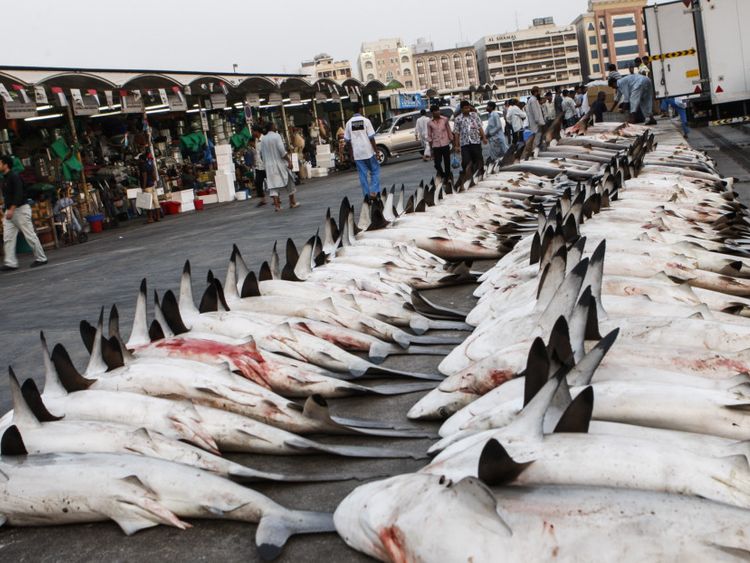
Sharks are likely to go temporarily off the menu in the UAE from next week as the annual ban on fishing and trade of sharks will come into effect from March 1.

The Ministry will impose the ban coinciding with the spawning season of the fish, the ministry announced on Wednesday.

The ban will continue until June 30 in line with the Ministerial Resolution No. 43 of 2019 regulating shark fishing and trade, the ministry said in a press release.

The resolution allows fishermen, who use permitted shark fishing gear and run registered lynch boats, to fish sharks from July 1 of each year until the last day of February of the following year. The resolution has permanently banned pleasure vessels from fishing sharks.


“The seasonal ban on shark fishing and trade aligns with the Ministry’s strategic goal of preserving ecosystems and marine life, as it helps sustain the population of the species through giving them time to reproduce.”

says Halima Al Jasmi, Head of the Fisheries Section at MOCCAE


The Ministerial Resolution No. 43 of 2019 is an effective tool for alleviating the pressure on sharks due to overfishing and habitat degradation.


Permanent Ban on Some Species

In addition to the seasonal ban, it imposes a permanent ban on fishing shark and ray species listed in the Convention on International Trade in Endangered Species of Wild Fauna and Flora (CITES), the Convention on the Conservation of Migratory Species of Wild Animals (CMS), and the Federal Law No. 23 of 1999 concerning the exploitation, protection, and development of living aquatic resources in the UAE and its amendments.

It also permanently prohibits the import and re-export of shark fins — fresh, frozen, dried, salted, smoked, canned, or in any other form — excluding fins that are imported for scientific purposes, subject to approval of the Ministry.

MOCCAE said it has joined forces with federal and local stakeholders, including fishermen societies, to ensure compliance with fishing bans.

This is done through awareness campaigns and workshops aimed at helping fishermen understand how such measures protect and develop fisheries, and enhance their sustainability in the long term.


Story Source: Materials provided by Gulf News.
Image Credit: Ahmed Ramzan/Gulf News/archive