Home Blog Page 41

ADEX Beijing Ocean Fiesta 2019 Kicks Off with a Brand New Partnership

0

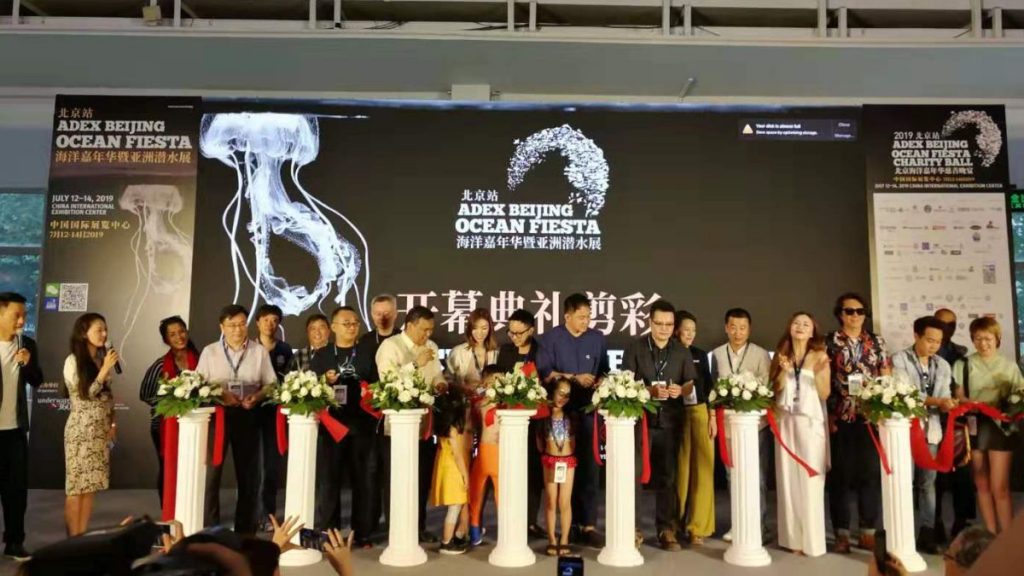
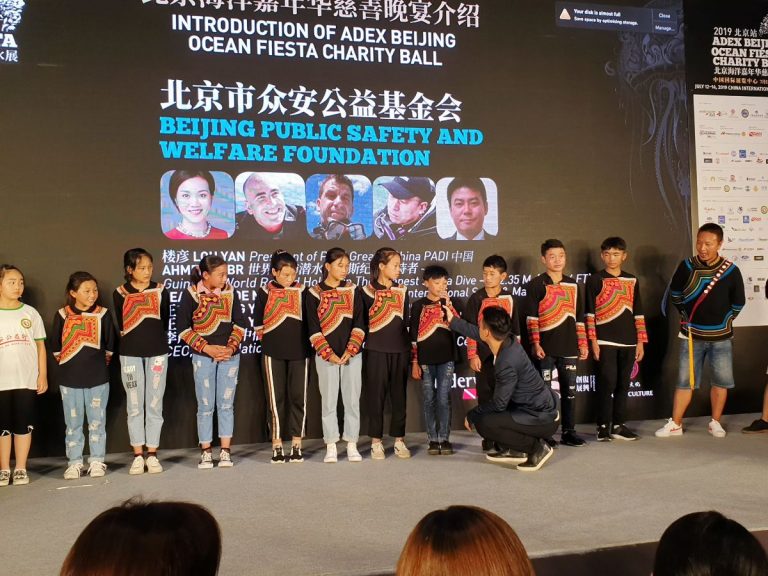
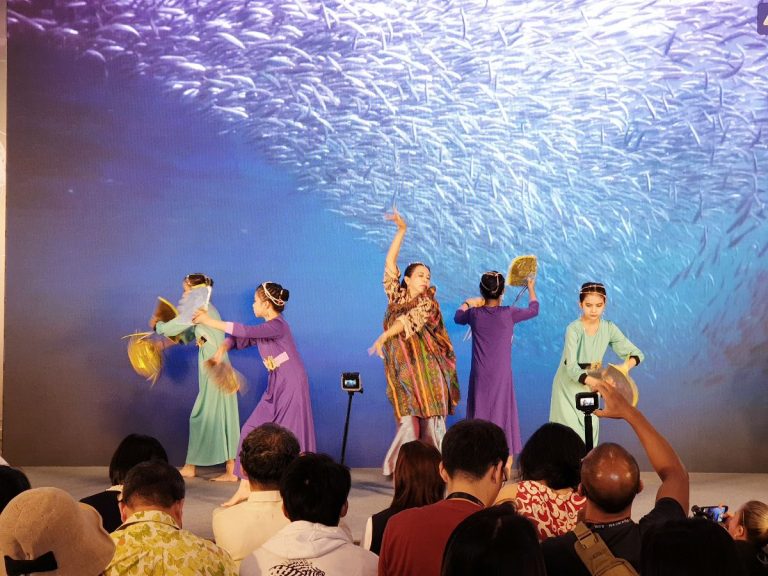
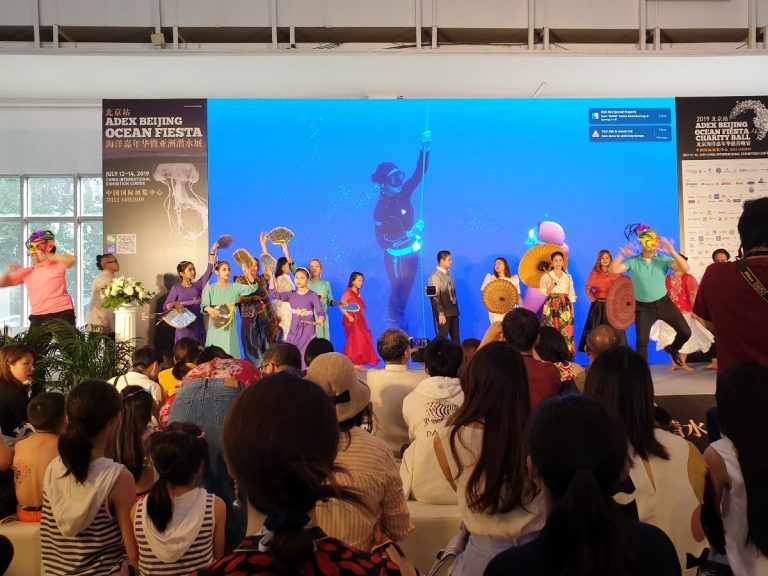
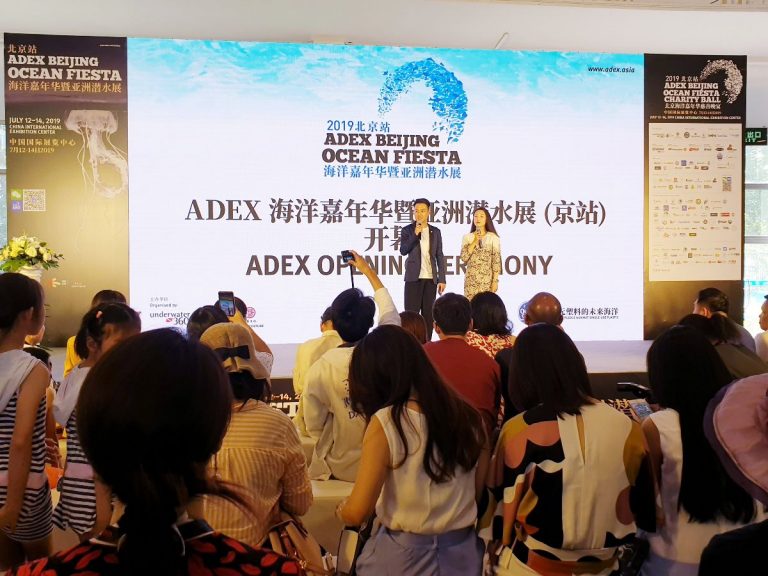
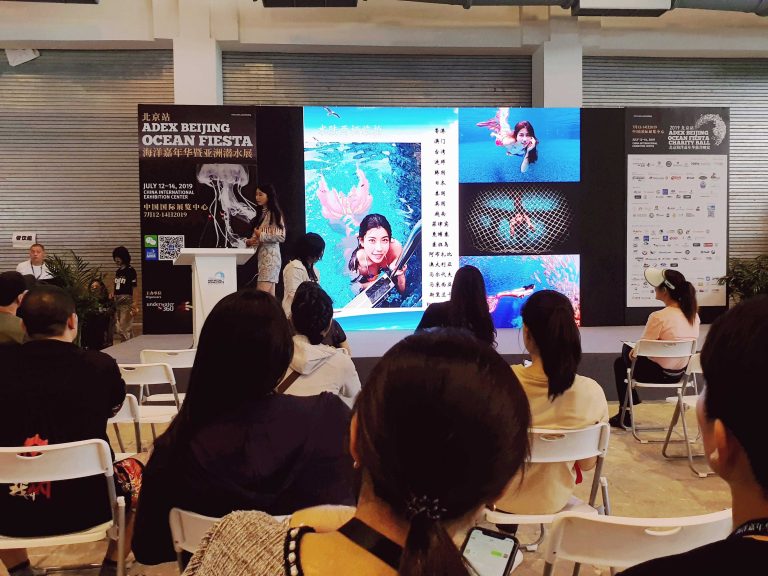
ADEX Beijing Ocean Fiesta saw an accumulating crowd of China divers and non-divers during the opening ceremony at the China International Exhibition Center, Hall 8B in partnership with Enlightened Creations and Guoye Culture. During the opening ceremony, visitors to ADEX Beijing Ocean Fiesta were treated to a cultural-exchange performance by the Tourism Promotions Board Philippines and heartwarming introductions by the “Left-Behind Children” of China. Aside from that, headlining the programmes for the next couple of days were both local and international industry speakers and thought leaders.

China’s “Left-Behind Children” first time in Beijing.


ADEX Beijing Ocean Fiesta 2019 Photography & Videography Speakers.


ADEX Beijing Ocean Fiesta 2019 Mermaid Speakers


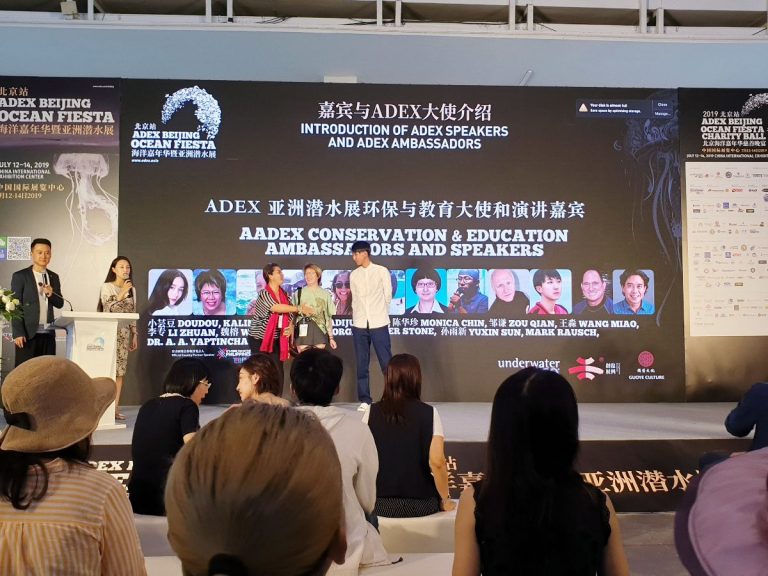
ADEX Beijing Ocean Fiesta 2019 Conservation & Education Speakers


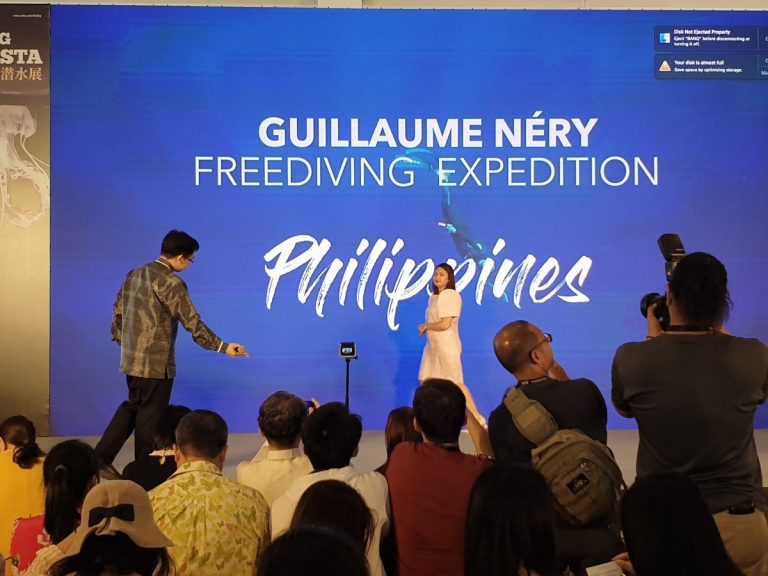
A performance set with the background of Guillaume Nery Freediving Expedition to the Philippines.


Lovely Filipino cultural dance of varying exhilarating beats.


The performance brought to ADEX Beijing Ocean Fiesta 2019 by the Official Country Partner – Philippines.


ADEX Beijing Ocean Fiesta 2019 hosts, Jin Tao and Alexandra Ao.


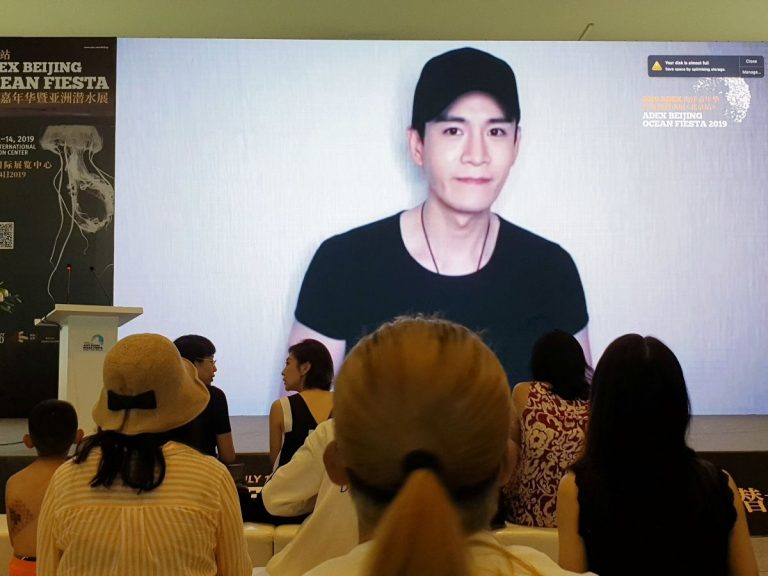
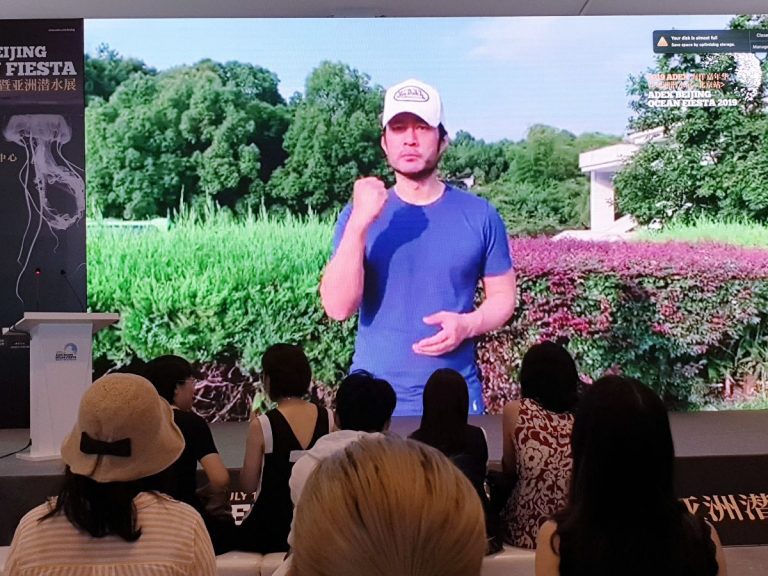
ADEX China Marine Public Welfare Ambassador, Celebrity Jing Chao


ADEX China Marine Public Welfare Ambassador, Celebrity Tan Kai


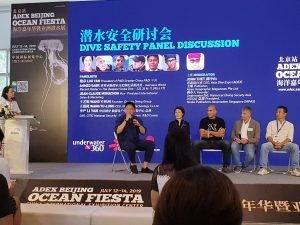
The Dive Safety Panel Discussion was moderated by John Thet, CEO of ADEX. Panel includes Lou Yan, President of PADI Greater Chna, Ahmed Gabr, Guinness World Record Holder in the Deepest Scuba Dive of 332.35m, Jean Claude Monachon, vice president of international sales & marketing of SSI and Wang Yi Kun, founder of Dragon Diving Group. The topics include how to reduce dive risks, and organisations that have safety standards systems.

The Freediving Panel Discussion of Mainstage at 1pm is moderated by Dada Li, ADEX Freediving Ambassador, and attended by Wang Aolin, ADEX Freediving Ambassador (China), Potti Lau, professional freediver, and Maggie Yang, professional freediver. Audience get to learn about their daily routines, training,dangerous situations overcame through intense willpower, and even a glimpse of their younger days.


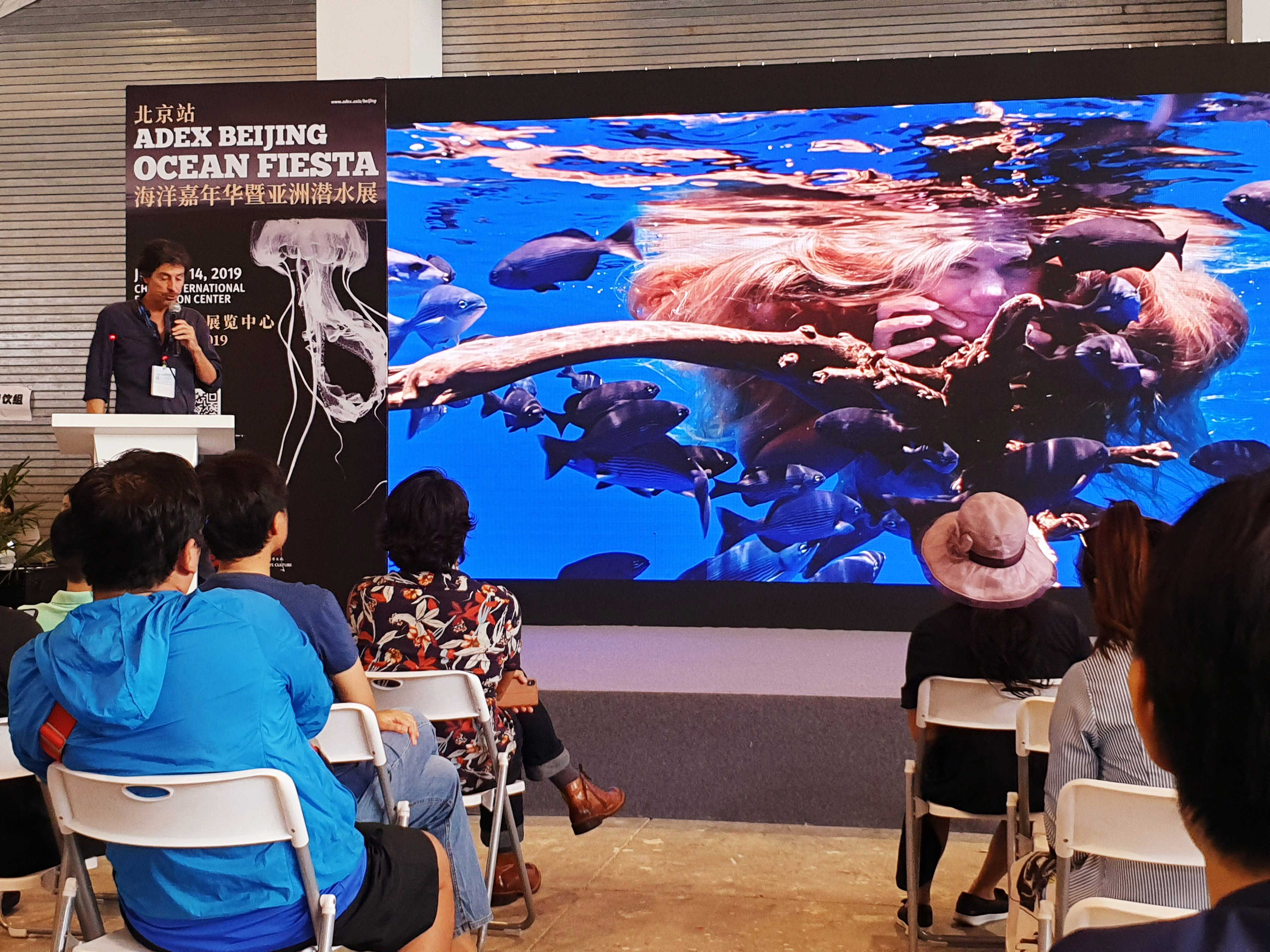
Renowned underwater photographer Christian Vizl shared on the complexity of marine creature behaviours and ocean conservation. He beautiful images remind us of the beauty underwater, but “life of the fish is very difficult in the era of humans”. He shares how important it is for everyone to be aware of.


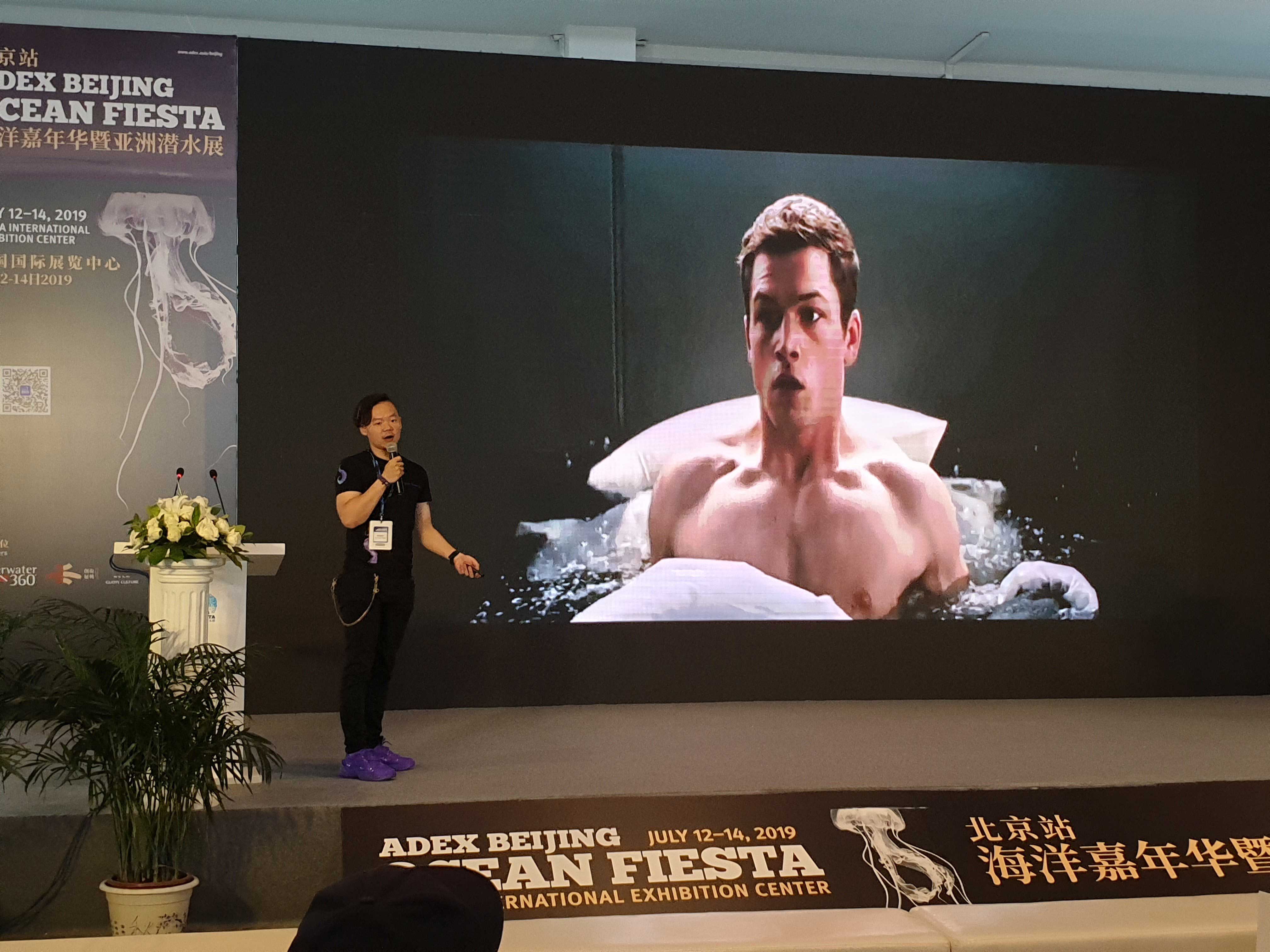
Torch Sun shared on the main stage about the history of underwater cinematography. He uses examples from movie behind-the-scenes to showcase the beauty and challenges encountered in the process of underwater cinematography projects.


August Ho shared on her travels and her mermaid lifestyle.


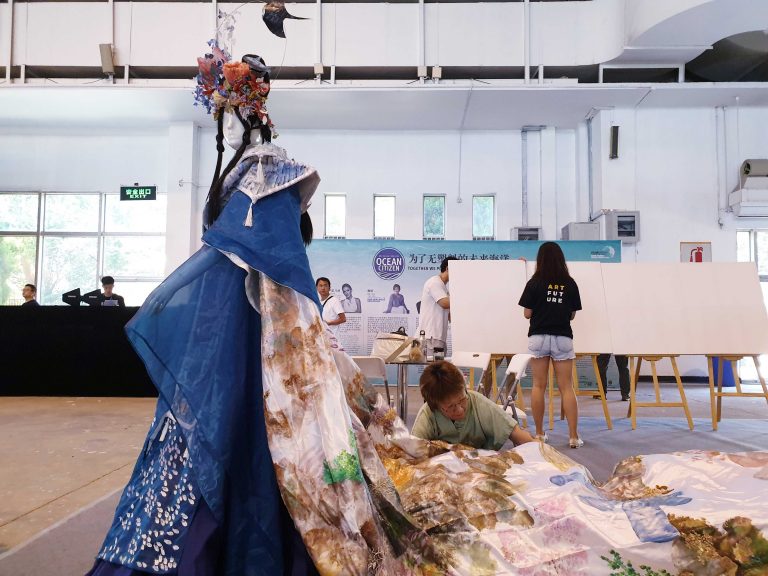
The Ocean Empress Gown by Ocean Trash Artist Kalindava.


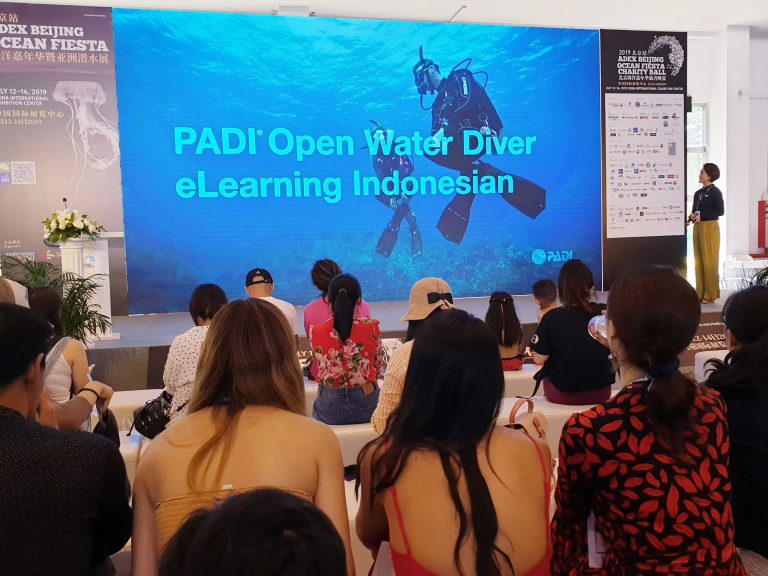
Ms Lou Yan, President of PADI Greater China presents on the pain points and opportunities in China.

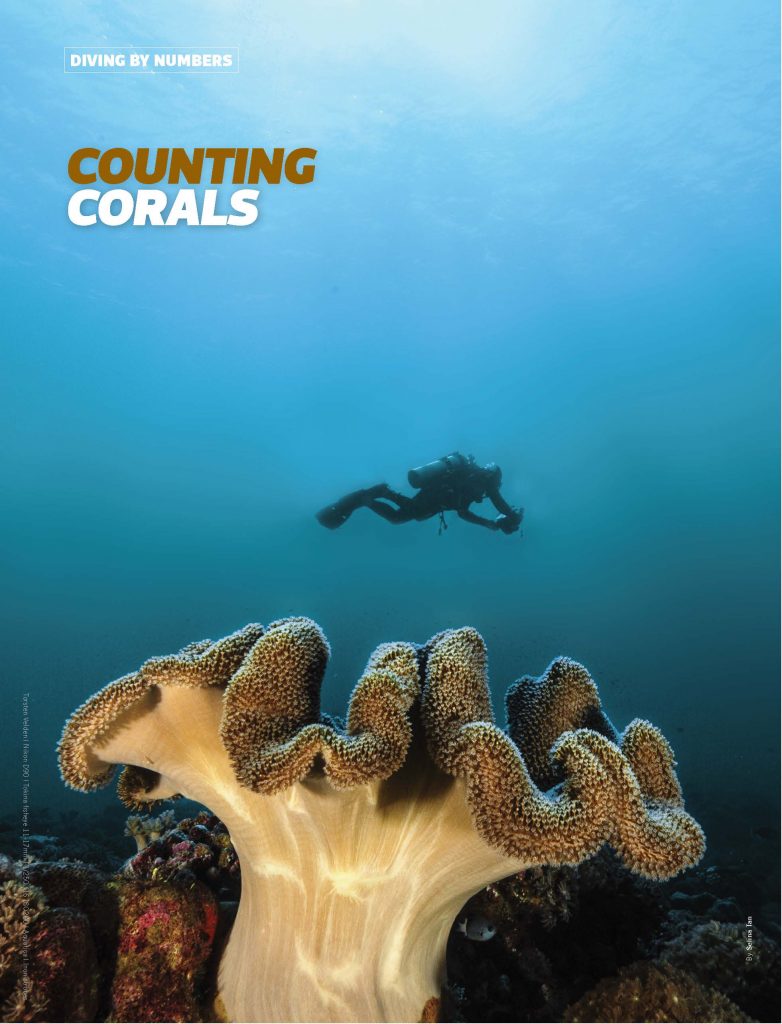
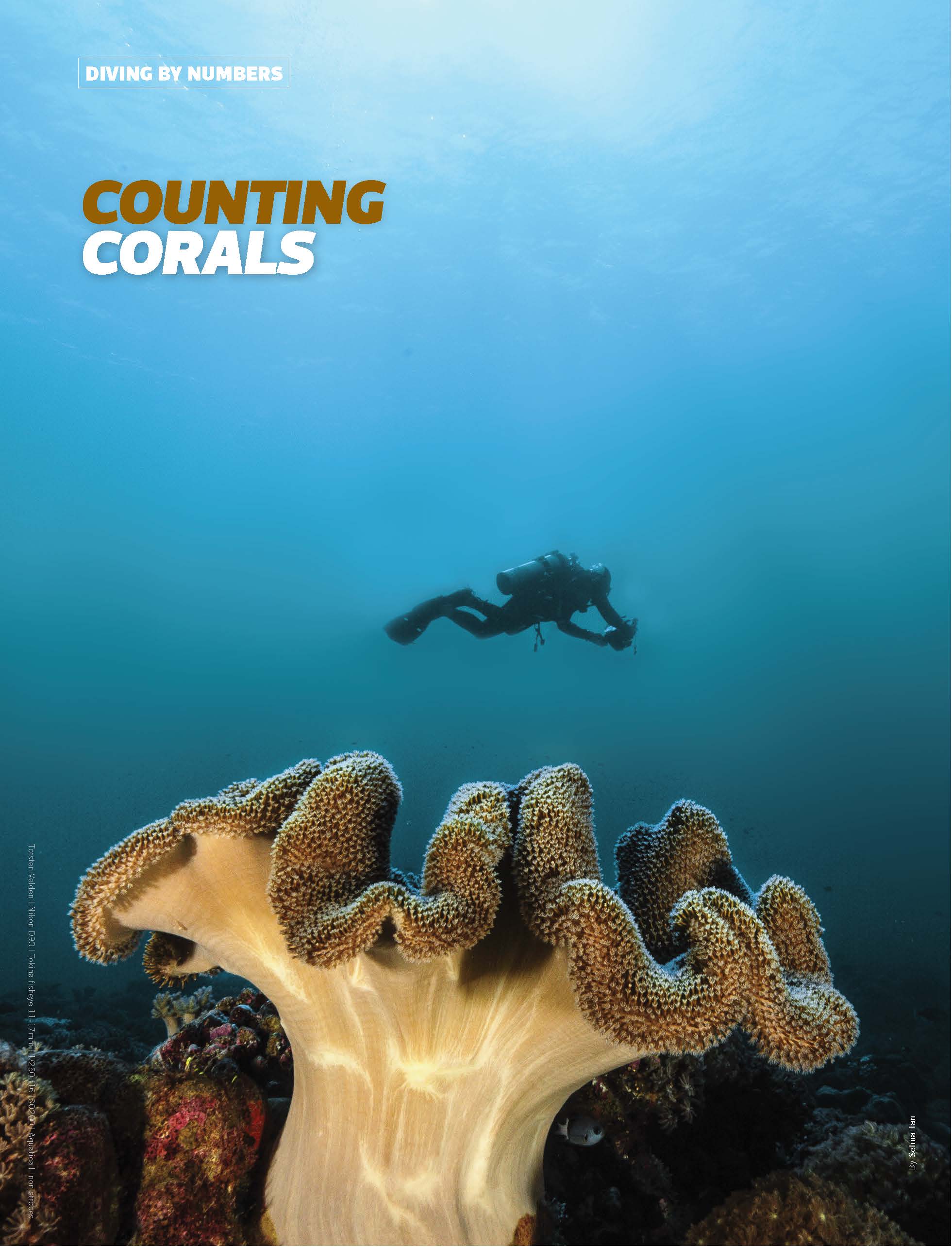
Diving by Numbers: 10 Amazing Facts About Counting Corals

0

There’s something about our gaudy marine invertebrates that keeps the big blue buzzing with exciting revelations. Suss them out in greater depth as Underwater360 brings you 10 amazing facts about corals.

1.

The Fungi sp. have single polyps that can grow to 25cm in diameter

2.

Palau is home to 525km² of coral reefs

3.

Coral larvae have to travel over 20 kilometres each year to keep pace with a 3°C temperature rise

4.

The Great Barrier Reef was first formed 15,000 years ago

5.

85% of Southeast Asian coral reefs are already under threat

6.

Bird’s Head Peninsula (Indonesia) hosts 72% of all coral species in the world

7.

Deep-sea corals can survive at depths of up to 6,000 metres

8.

Aldabra, the world’s largest raised coral atoll, boasts a total land area of 140km²

9.

At least 400 Biorock reef structures have been built in more than 20 countries

10.

The total economic value of Indonesia’s reefs is estimated at US$1.1 billion annually

For the rest of this article and other stories, check out our latest Asian Diver Issue 2/2014 Vol.131)  here or download a digital copy here.

Diving by Numbers: Top 5 Amazing Facts About the Ocean!

0

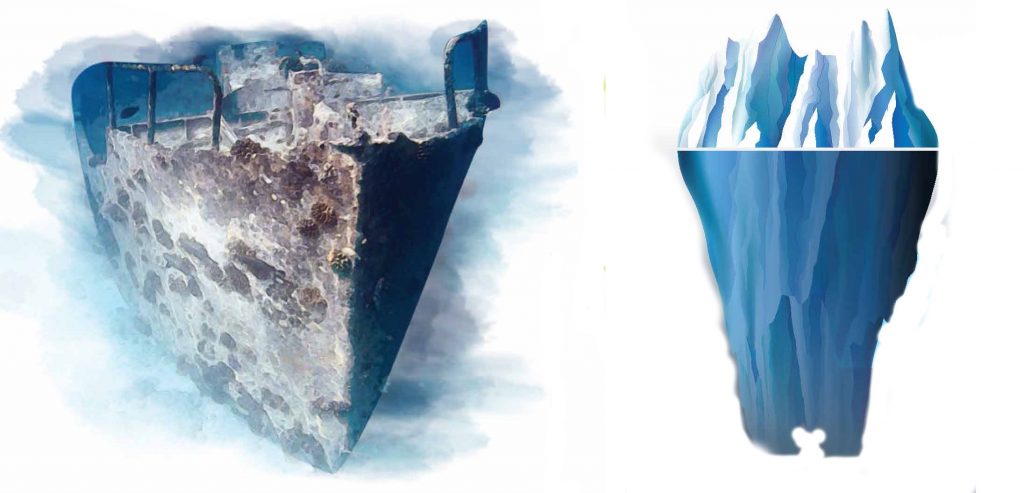
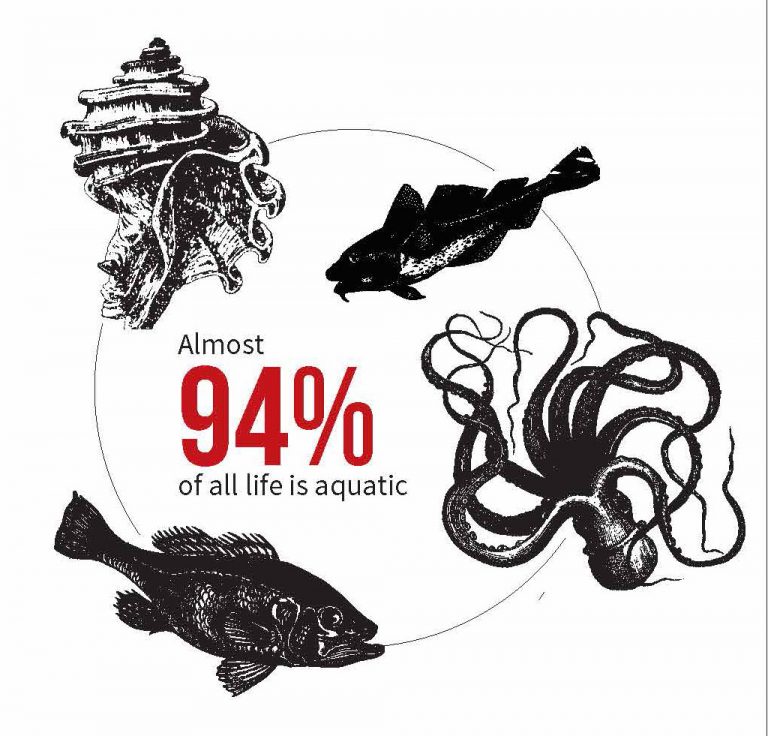
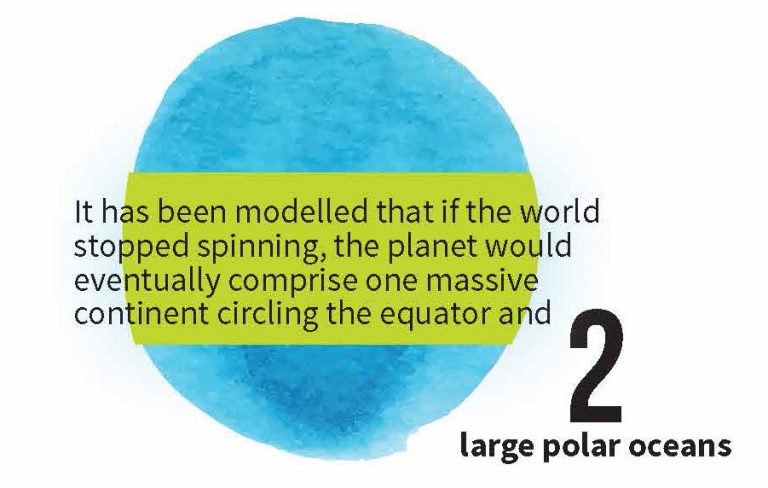
The Ocean is one of the most mysterious places known to humans. Read on as Underwater360 brings you the top 5 amazing facts about the ocean!

1.

2.

3.

4.

5.

For the rest of this article and other stories, check out our latest Asian Diver Issue 3/2016 Vol.142)  here or download a digital copy here.

Dos & Don’ts: Prep For the Unexpected

0

PART OF THE THRILL of diving is encountering the unexpected; you never know what is going to emerge out of the blue, or what critter you might discover hiding in the muck.

But there are certain surprises we would rather do without underwater; running out of air, losing our buddy, becoming entangled, taking a hit of DCS are just some of situations that we can do our best to avoid with a little bit of planning and a good dose of common sense.

Make sure you are prepared for the unexpected with these basic guidelines.

DO Plan your dive and dive your plan. Talk through the whole dive with your buddy and/or dive guide, including all emergency procedures and entries and exits, and don’t deviate!

DO Dive with a responsible operator. Make sure that the dive centre you choose has well-maintained gear, an emergency plan, oxygen on the boat, and properly trained guides

DO Get kitted out. Your standard dive kit should be well maintained and should include basic safety gear. Speciality dives will need speciality equipment – don’t dive without it!

DON’T Scrimp on the kit. Dive gear is life support gear, and cheap or second-hand equipment could cost you when push comes to shove

DON’T Dive if you’re not well or have had a heavy night. Illness, alcohol in the system, and dehydration can impair your judgement and put you at increased risk of injury

DON’T Worry about calling off a dive if it’s not going well. Conditions might surprise you once you descend, and it’s okay to decide that you don’t want to continue

For the rest of this article and other stories, check out our latest Asian Diver Issue 3/2017 Vol.147)  here or download a digital copy here.

The Dos and Don’ts of Muck Diving

0

Over 100,000 of us visit muck dive sites in the Coral Triangle and spend up to US$150 million each year. That is a substantial industry built on “just sand”. The sand itself is a habitat, an ecosystem, that should be treated with the same respect as the coral reefs they are often adjacent to. Here are some tips and tricks provided by the UN Environment’s Green Fins initiative for making sure that we are protecting these weird and wonderful critters on our next dive trip.


DO Practise good buoyancy: This is a good tip for all types of diving but it is acutely important during a muck dive. Not only do you want to make sure you’re not squashing any critters with your body, equipment or fins, but stirring up the fine sediment and reducing visibility for the whole group will make you a very unpopular dive buddy!


DO Dive in trim and frog-kick: Did you know 88 percent of divers make at least one contact with the substrate on a dive and 36 percent are unaware that they do so? Diving in the trim position and using the frog kick reduces your chances of touching the bottom and gets you better air consumption, so you can stay longer with your favourite critters.


DO Keep an eye out for seagrass: Many muck dive sites are in silty, shallow waters that overlap with seagrass beds. Seagrasses are important marine plants that serve as a carbon sequestration powerhouse and vital habitat for many fishes and invertebrates. It’s very sensitive and easily uprooted. Treat it carefully, like coral.


DON’T Touch or harass marine life: This is the most important thing you can do to ensure you aren’t having a negative impact. Several studies have shown that touching and manipulating critters results in a severe behavioural response from animals, reflecting stress. Just as it is in humans, this stress can have serious implications on their health.


DON’T Move or break coral and other substrate to get a glimpse or a shot: Cryptic creatures are hard to find and often hide or use substrate to camouflage themselves. Ask yourself if your photo or sighting is worth damaging the very parts of the ecosystem that allow that animal to exist in the first place. Wait for the next opportunity or get creative with your photos!


DON’T Kick up the sediment: Don’t be that diver with a cloud of sediment following them around – it will make you very unpopular with your fellow divers and can send critters into a tornado of sand and water. Learn how to frog-kick and move slowly, taking the time to be aware of your surroundings to avoid this.

For the rest of this article (Asian Diver Issue 3/2018 Vol.151) and other stories, check out our past issues here or download digital copy here.

Towards a Plastic-Free Ocean: Wakatobi’s Cleaning Team

0

The world is waking up to the realisation that the oceans are not a dumping ground. And while some are calling for plastic bans and government regulations, a growing number of organisations and communities are confronting the issue head-on by organising waste reduction, recycling and cleanup projects at a local level. This is the case at Wakatobi Resort. More than two decades ago, Wakatobi’s founder, Lorenz Mäder, established a community-based conservation programme that provides proactive protection for some 20 kilometres of coral reef. This initiative has helped restore and maintain these reefs in near-pristine condition by eliminating destructive fishing practices, anchor damage and other human impacts. And these efforts don’t stop at the waterline. Lorenz and others at Wakatobi are committed not only to protecting the reefs, but to keeping waters, beaches and the islands free of trash and waste through sponsoring a variety of local campaigns and engaging hands-on projects.

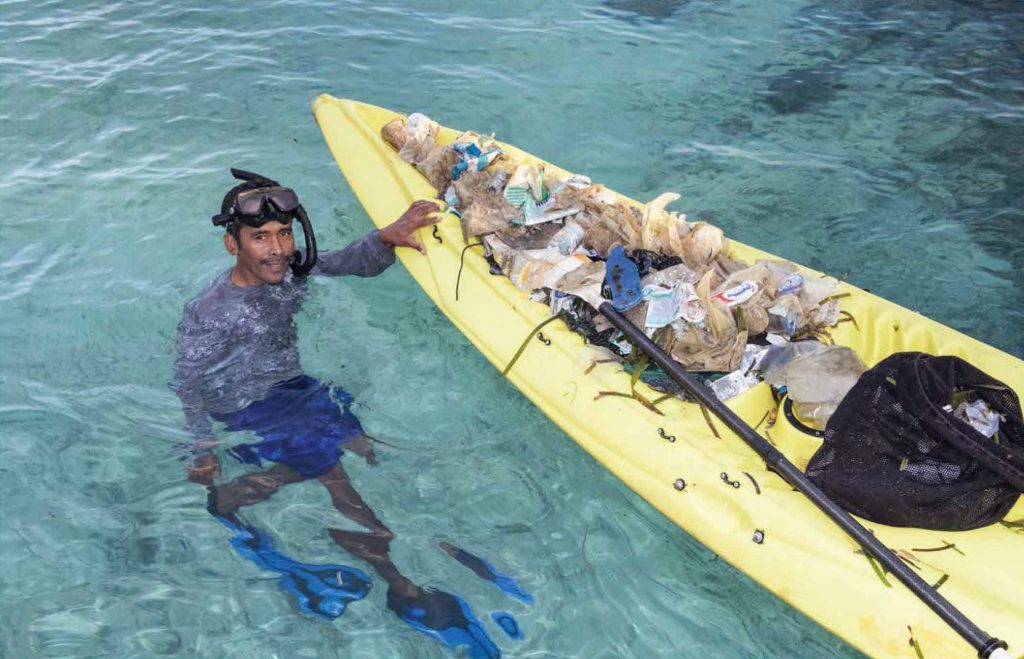
This all begins at the resort Wakatobi has established its own recycling station, and actively works to reduce the use of disposable plastic items in all phases of resort operations. This includes measures such as providing guests with reusable aluminium water containers to eliminate the use of disposable plastic water bottles. To combat the problem of plastic waste carried by ocean currents, the staff engages in a number of ongoing debris removal efforts. Four times a day, the staff cleans more than a kilometre of surrounding beaches, removing plastics and any other debris that may wash ashore. On a daily basis, the dive teams remove any trash and debris that may collect on the reef, while team members working from the dive centre, operating taxi boats and otherwise assisting snorkellers and divers make similar efforts to keep the shallow reef tops clean.
Divers scour Wakatobi’s waters for discarded plastic (Walt Stearns)


Wakatobi’s commitments to environmental protection and cleanup go far beyond the resort boundaries. The resort sponsors weekly village cleanups that involve up to 100 local people, and works closely with local communities and governments on the issue of waste management. Wakatobi provides waste bins, organises waste collection vehicles and sponsors additional waste storage and removal mediums for the adjacent island of Tomia. To enhance local awareness of the issues, and promote sustainable practices, the resort pays a team of 20 well-respected community leaders and influential individuals. These spokespersons use their social status within the community to increase public awareness on the issues of reef conservation and waste management on Tomia.

Lorenz also remains personally committed to the issues of waste management and water quality. “In my voluntary function as an ecotourism consultant, I had countless discussions with ministers, governors and other high-ranking politicians and policy makers,” he says. “I always urge them to improve nationwide waste management on land and on boats.”

As coastal communities around the world increasingly come to terms with the urgent need for more responsible waste management practices, and the equally important need for the control and removal of debris already polluting our oceans, community-based programmes such as those initiated by Wakatobi Resort may emerge as one of the best solutions to the issue.

For the rest of this article and other stories, check out our latest Scuba Diver Issue 2/2019 No.115)  here or download a digital copy here.

Telltale Symptoms of Decompression Sickness (DCS)

0

Decompression sickness (DCS) can be deadly. Unfortunately, symptoms of DCS do not immediately occur after a dive and may be delayed, thereby increasing your health risks if you do not schedule your flight with the appropriate waiting period after your dive. Here are some of the telltale symptoms to look out for to see if you are experiencing Decompression Sickness.


Mild DCS

Type 1

Musuloskeletal or joint pain


Skin rashes, mottling or swelling


Tissue tenderness associated with skin manifestations


Mild constitutional symptoms

Serious DCS

Type 2


Numbness, tingling or muscular weakness


Difficulty walking or loss of coordination


Confusion or impairment of cognitive functions


Vertigo or spinning sensation


Chest pain or difficulty breathing


Bladder or bowel dysfunction


Tinnitus or hearing loss

For the rest of this article (Asian Diver Issue 2/2018 Vol.150) and other stories, check out our past issues here or download digital copy here.