Home Blog Page 84

Dive Guides: The Unsung Heroes

0

Though they rarely get any recognition, dive guides are more often than not the ones responsible for the beautiful images captured by underwater photographers

Text and images by Wade Hughes

Underwater photographers do more than create pretty pictures. By documenting undersea landscapes and marine life, they become ambassadors for the ocean. It’s often been said that humans only value and protect the things they know and understand. If this is true, the creation and sharing of underwater images with the broader non-diving public serves to heighten awareness and appreciation for the marine environment, and the need for the protection of these unique ecosystems.

The photographers who create these images are justifiably lauded for their technical and artistic ability. But as many of these same shooters will be the first to attest, creating these portfolio prizes is often a team effort that includes topside support and, most importantly, an experienced dive guide. This fact isn’t lost on veteran underwater photographer Wade Hughes, who is a Member of the Explorers Club and a Fellow of the Royal Geographical Society. “Photo dive guides almost never appear in the picture credits, but they are the ones that can make the difference underwater,” he says.

Wade has documented underwater sites in some 30 countries and territories around the world, and now focuses an increasing amount of his time photographing the reefs and marine life of Indonesia’s Wakatobi region. Wade recently wrote about some of his experiences working with Ketut Suardika, who is one of the highly-experienced guides working at Wakatobi Resort.

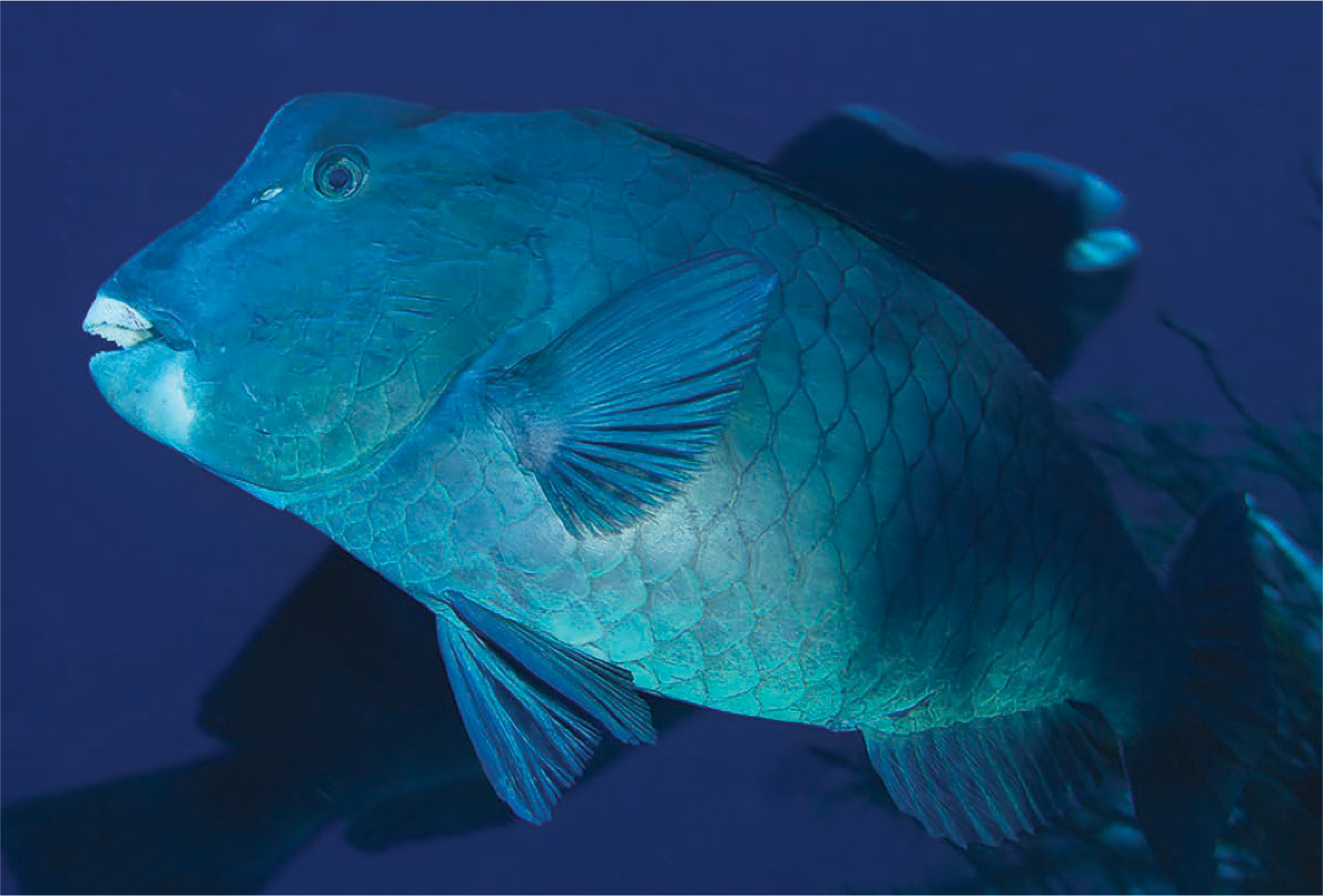
Bumphead parrotfish
Bumphead parrotfish spiral up to the reef top from deeper water. They’ll crunch and grind their way through living corals, digesting the soft tissue and excreting the pulverised sand.

Night Moves

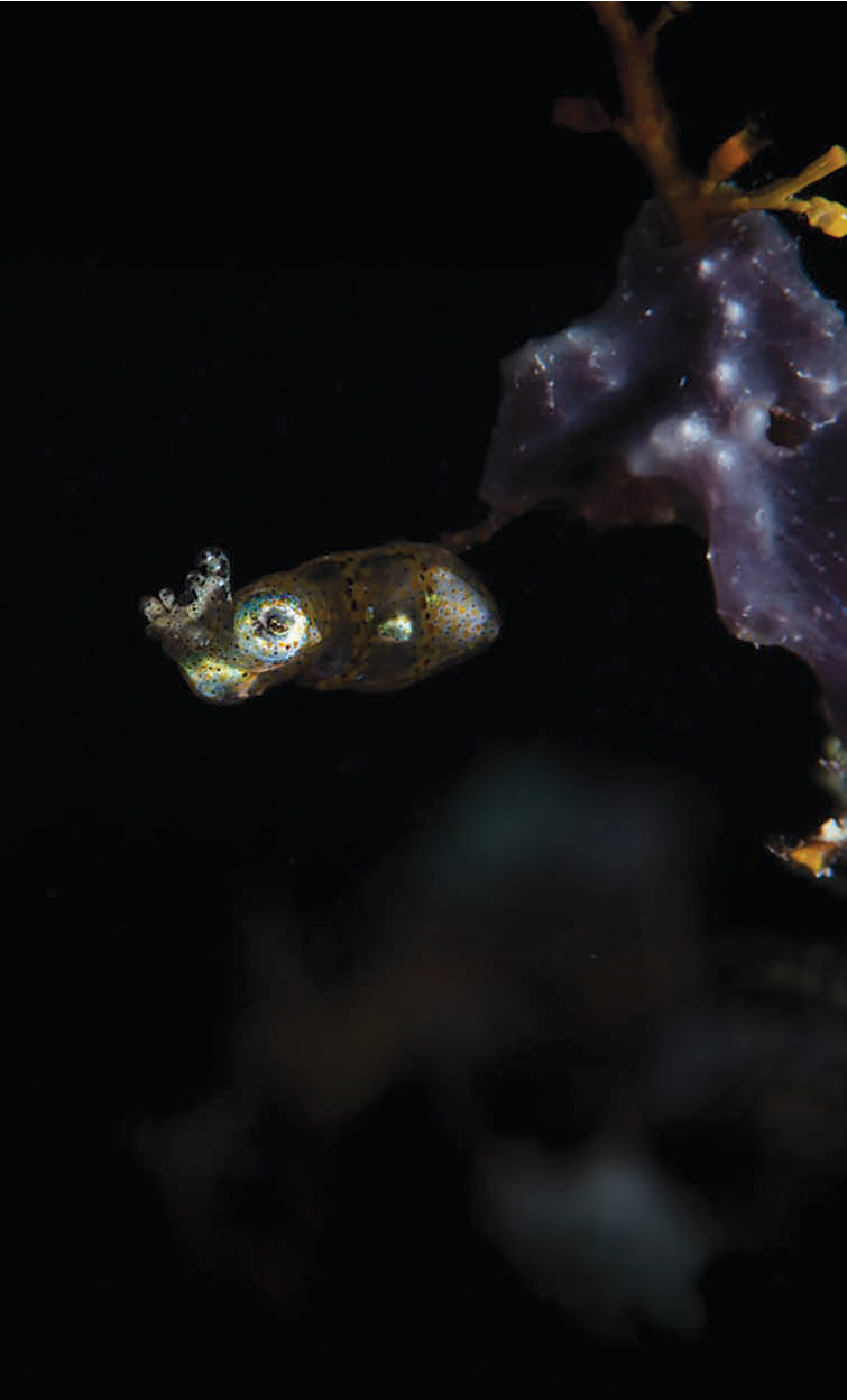
It’s dark. Out of the gloom, Ketut’s slate suddenly materialises in front of my face, weakly illuminated in the few rays of his dive light escaping between his fingers. He’d written one question on the slate: “bobtail?” It was a classically understated question. What Ketut had found in the blackness – and was asking me if I wanted to photograph – was a juvenile bobtail squid, about a fifth of an inch long.

The minuscule squid was hunting around a hydroid, seemingly picking off pixel-sized crustaceans. It was flitting around on a jutting corner of reef, and being swirled randomly back and forth, up and down, by the eddies of a current that, in open water, was almost too strong to swim against. Ketut finding it in the first place was impressive enough, but then he turned and led me back through the darkness and the current, and somehow relocated it. There followed 20 minutes of that all-too-familiar cramping exertion underwater macro photographers experience when the only thing not moving is the reef itself. Ketut sidled in like a living beanbag to help brace me against the current. With my legs and fins pumping, hands attempting to hold the camera steady, neck craning, and eyes squinting hard through the viewfinder in search of the squid, I eventually resorted to just squeezing off a frame every time something blundered into focus.

Ketut’s benighted, bobbing and weaving miniature squid

Read the rest of this article in 2018 Issue 2 Volume 150 of Asian Diver magazine by subscribing here or check out all of our publications here.

World’s Deepest Pool Set to be Completed in 2019 in London

0

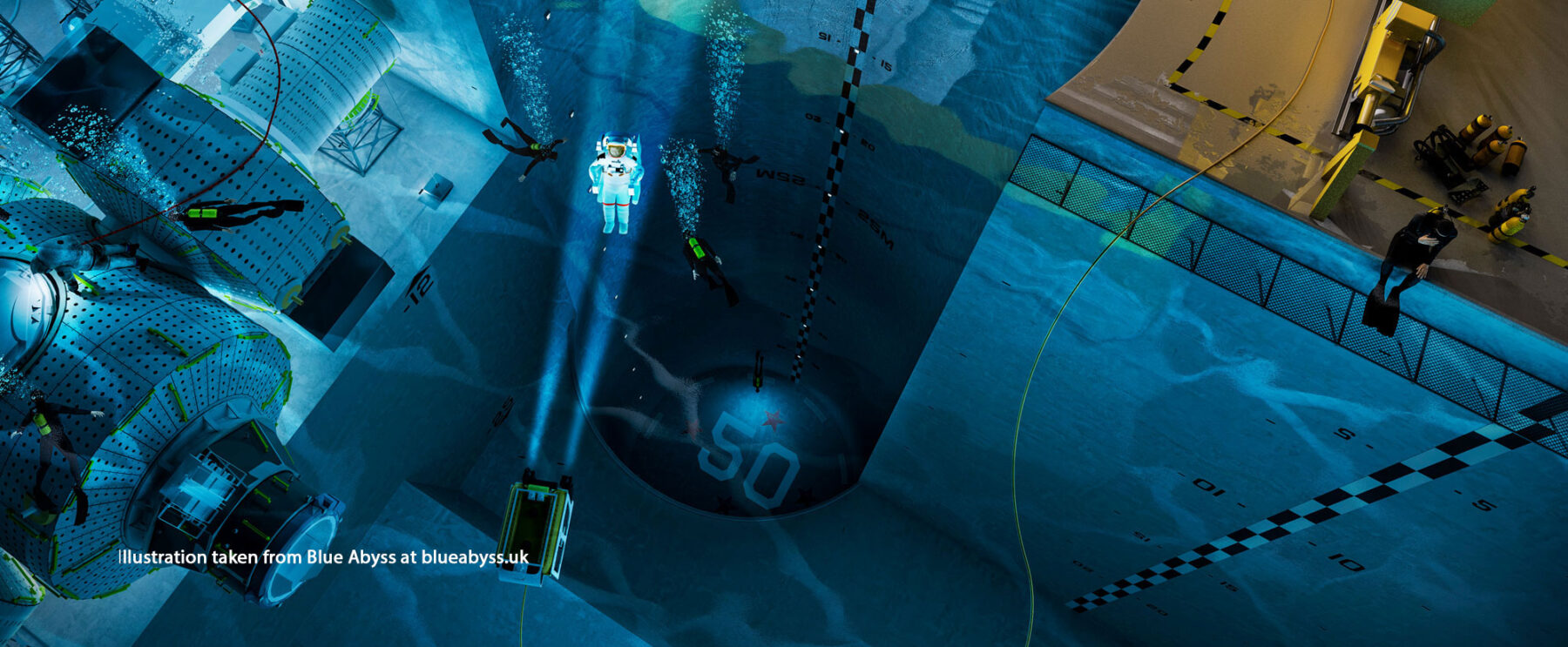
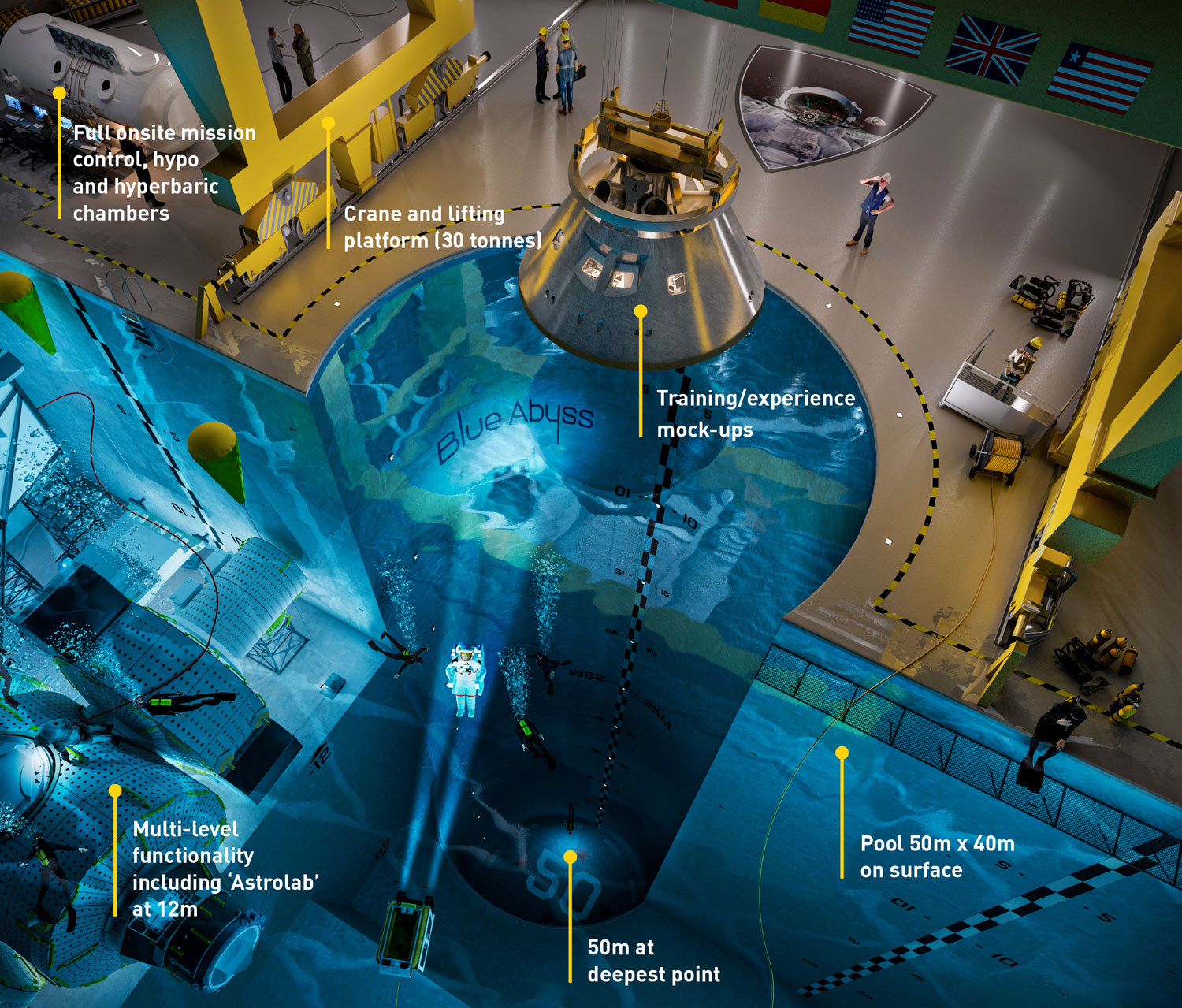
Diving into the Blue Abyss need not be an outdoor activity anymore. Next year, Blue Abyss, the biggest, deepest indoor pool in the world will open in Colchester, near London. Reaching as deep as 50 metres, the Blue Abyss is ten metres deeper than the Y-40 in Italy and is set to be the most comprehensive deep sea and space research training and test facility of its kind in the world. By offering an unmatched array of training configurations, Blue Abyss will be able to simulate extreme environments to develop both human and robotic missions for industries such as the offshore energy industry to the growing human spaceflght sector and even adventure tourism.

The brainchild of John Vickers, a former IT consultant from London, the pool is set to be 40 metres wide with a long tunnel reaching 50 metres deep at the far end of the pool. It will hold 42,000 cubic metres of water, which is five times more than the capacity of Y-40. The facility will have hyperbaric chambers, commercial diving and micro-gravity facilities. With high definition cameras positioned strategically in the pool and controls which can mimic sea and lighting conditions in the pool, Blue Abyss will enable the commercial diving sector to conduct the most realistic testing, training and pre-operational exercises. Its 30-tonne crane, tie-down points and lifting platforms and roof access allows for the insertion of large training craft into its pool. There is also a highly qualified dive team, supervisors and a hyperbaric support team.

An artiist impression of the completed Blue Abyss. Illustration taken from Blue Abyss at blueabyss.uk

Its hyperbaric chambers are able to simulate operating depths of thousands of metres for submersible craft training with the pool offering depths of 50 metres to practice manoeuvres. Blue Abyss will also have a Research and Development department supported by leading universities and commercial partners to help take new ROVO and AUV sub-systems to market.

Blue Abyss will also prove to be a boon to spaceflight training with neutral buoyancy, parabolic flight and centrifuge training facilities along with hyoer and hypobaric chambers and a micro-gravity simulation suite.

The Kuehnegger Human Performance Centre at Blue Abyss will also house specialist astronaut and athlete test and evaluation facilities. The centre’s microgravity simulation suite with a “traversable, full-body suspension system plus hypobaric chambers” will enable “hypoxia and altitude training, rehabilitiation and physiological studies”.

The Best New & Recently Renovated Liveaboards for 2018

0
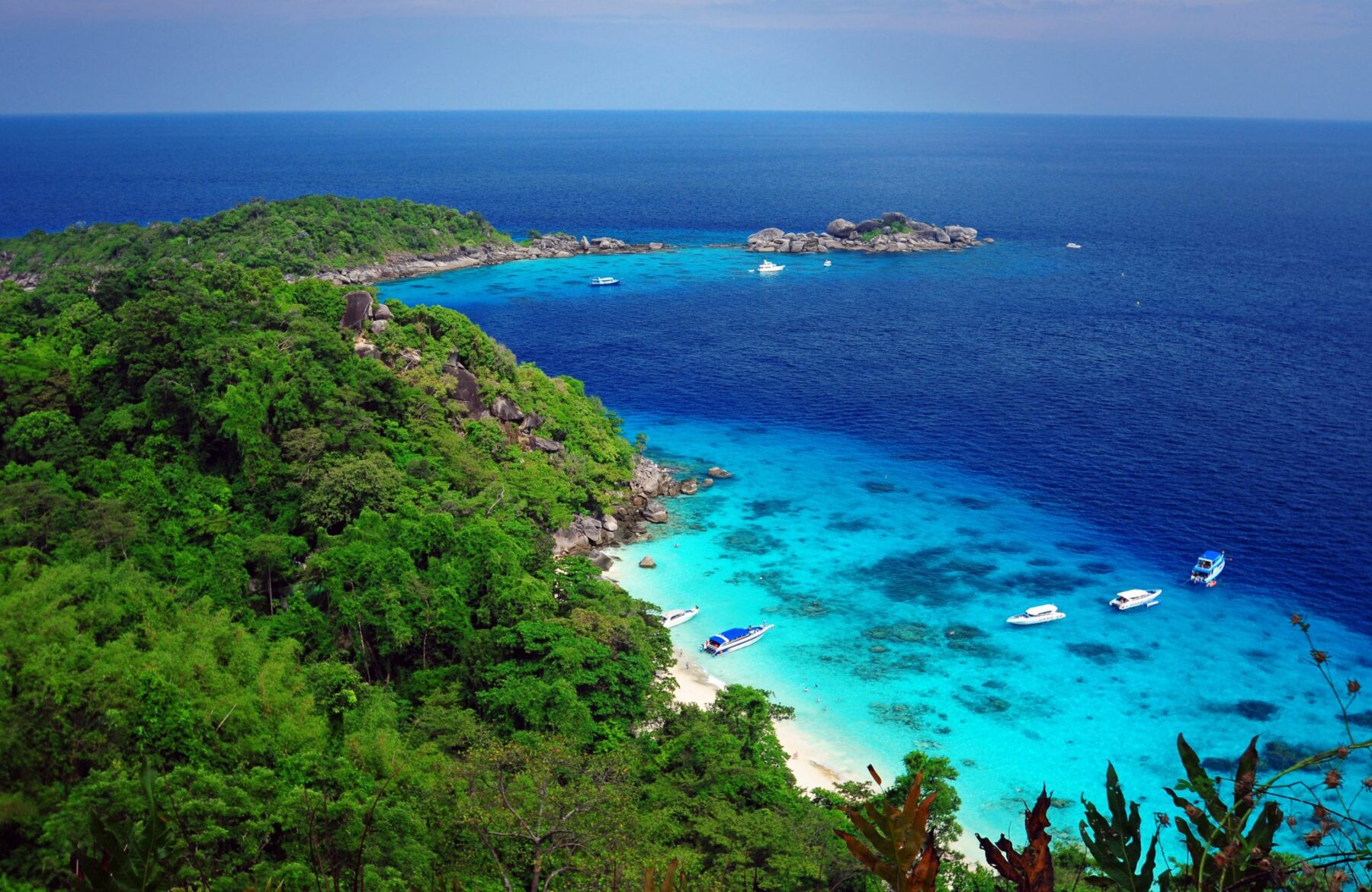
The Similan Islands has a beguiling variety of coral and marine life

As the liveaboard diving industry grows, new boats are introduced every year and existing boats are renovated with updated amenities. These wonders of modernity have everything you could ever need on a floating scuba diving vacation – from air conditioning to onboard Jacuzzis. The new liveaboards for 2018 traverse waters around the world, including routes in the Caribbean, Indonesia and Egypt. Grab a spot on one of these well-equipped liveaboards for one of the best scuba diving vacations available in 2018.

1. Cayman Aggressor V

One of the newest additions to the esteemed Aggressor Fleet, the Cayman Aggressor V is the luxury liveaboard the Cayman Islands deserves.
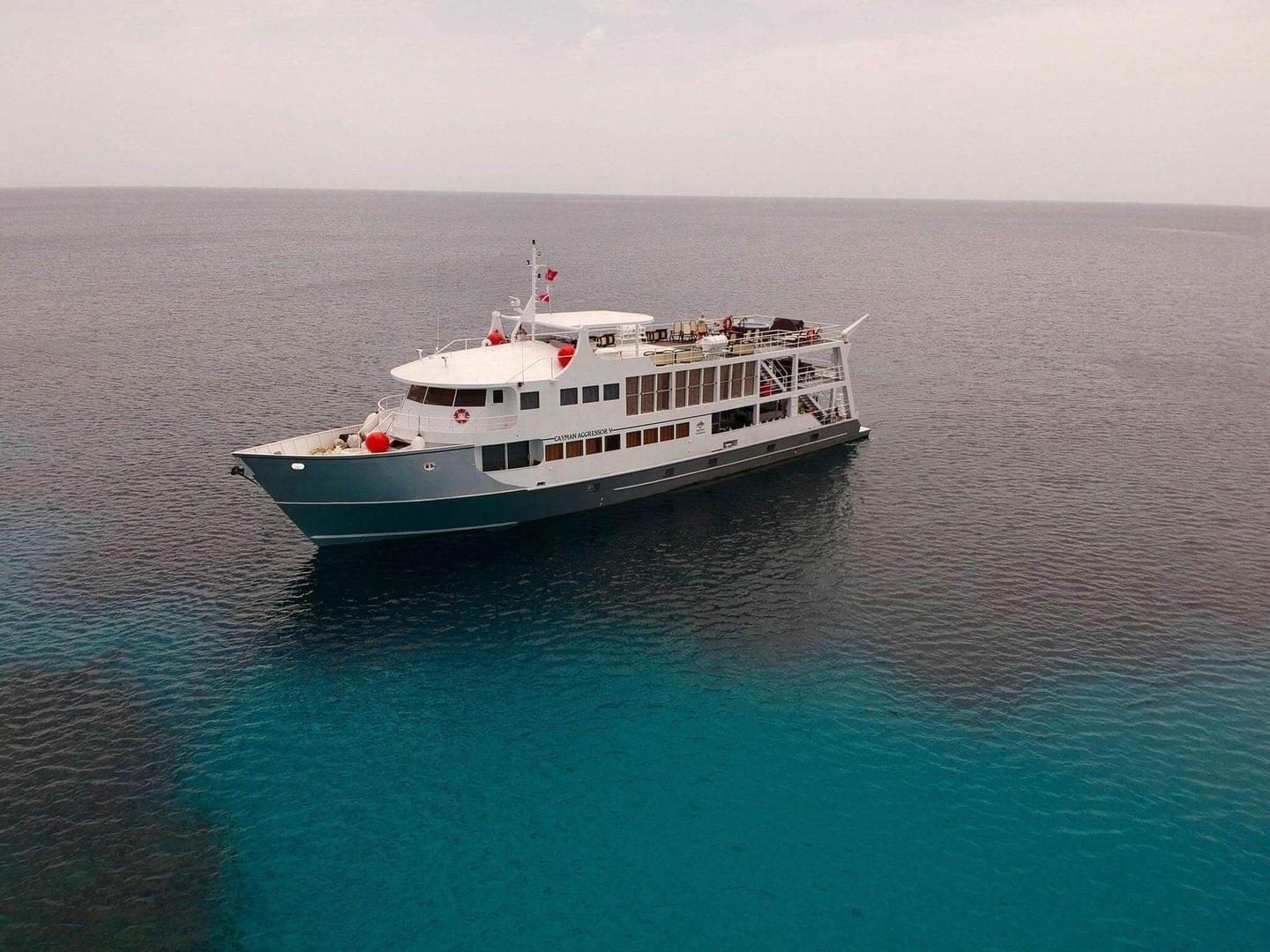
 

While divers are busy exploring the reefs and wrecks of Grand Cayman, Cayman Brac and Little Cayman Island, the crew are preparing to make the journey smooth and enjoyable. Trips on the Cayman Aggressor V include 4 to 5 dives per day at some of the best dive sites in the Caribbean. In addition to diving, guests can enjoy deluxe accommodation, a complete photo editing centre, the Jacuzzi on the sun deck and complimentary beer and wine.


View Pricing and Availability

2. Bahamas Master

New to the Master Fleet in 2018, the Bahamas Master has recently been renovated to meet and surpass guests’ needs.
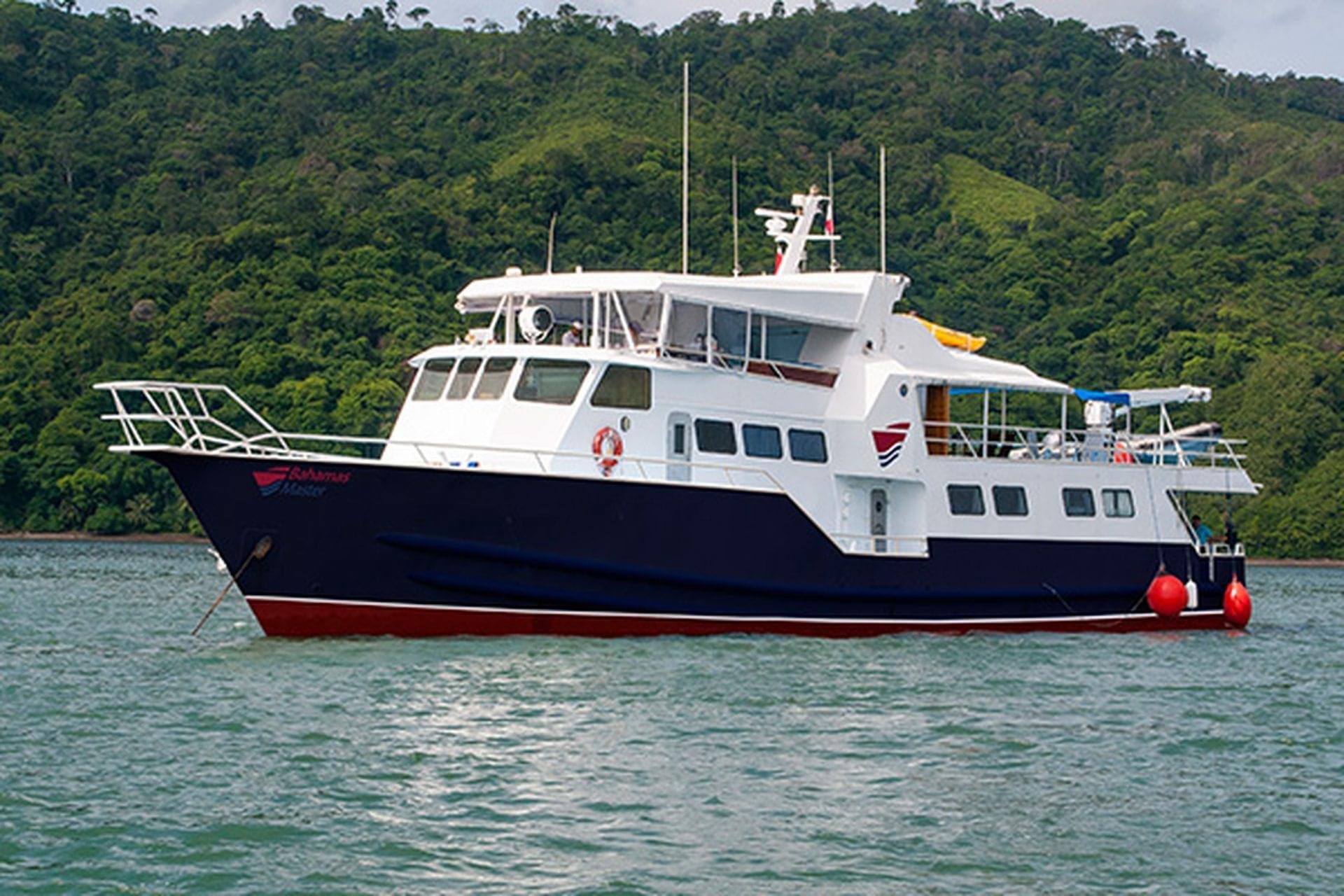
 

The 35-metre ship boasts comfortable accommodations and plenty of space to relax between dives, but the best feature of the boat is the panoramic windows in all the cabins. Waking up on the water has never been better. And after four dives a day (including plenty of shark diving), guests can enjoy a sumptuous international buffet in the outdoor bar and dining area. A trip on the Bahamas Master is one of the best ways to explore this Caribbean diving paradise.


View Pricing and Availability

3. Jardines Aggressor II

Another new addition to the Aggressor Fleet, the Jardines Aggressor II is sailing the most popular scuba diving destinations in Cuba, namely the Bay of Pigs and the Jardines de la Reina.
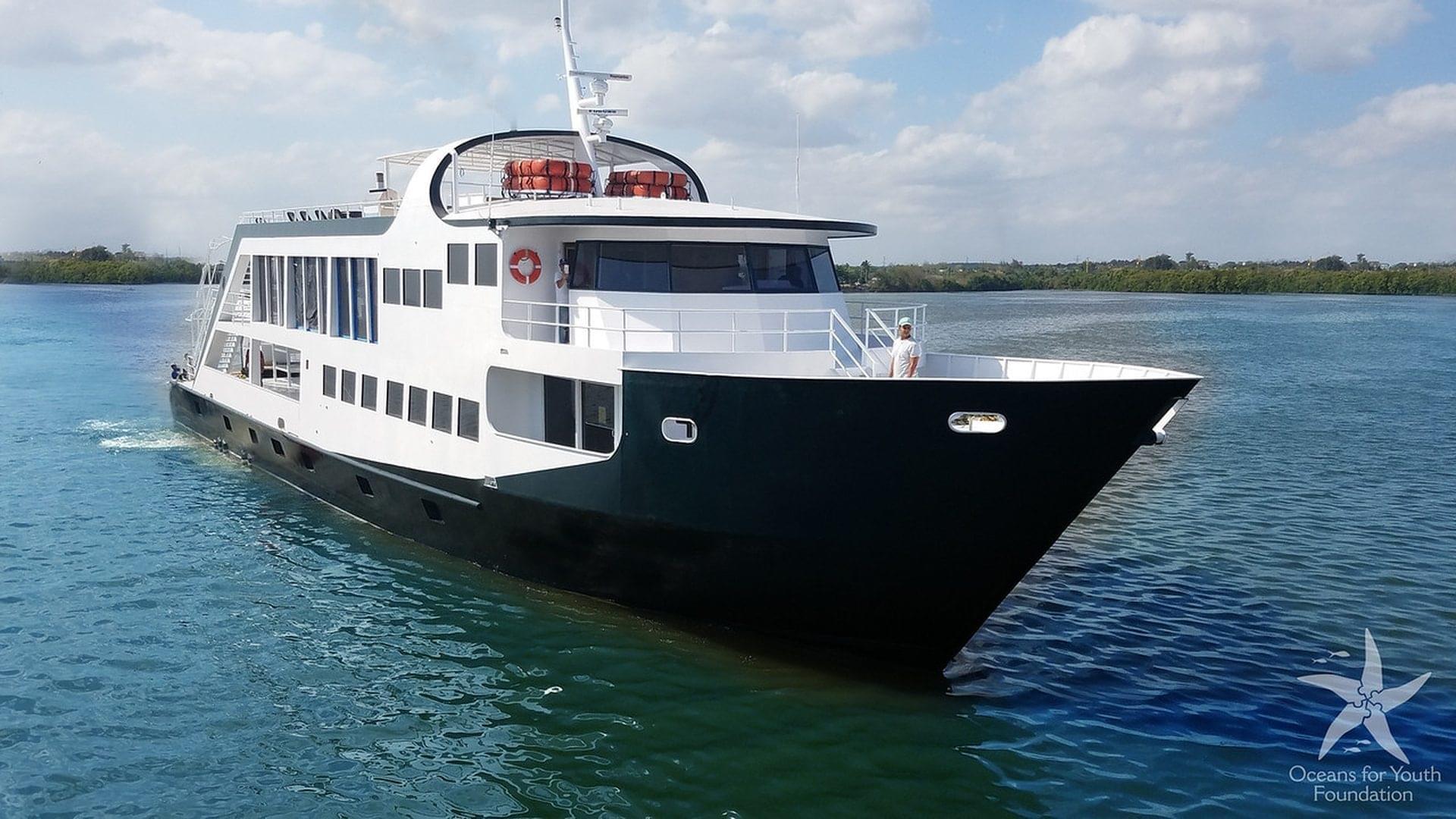
 

This shark diving hotspot can be enjoyed from the luxury ship thanks to its 12 well-equipped cabins and full service staff. Onboard, guests will enjoy the Jacuzzi on the sundeck, complimentary beverages (alcoholic and non-alcoholic) and shore excursions. But the real beauty of the Jardines Aggressor II is its photo centre. Underwater photographers will love the camera table complete with a blow dryer, dedicated rinse bins and an indoor photography room with a desktop computer for photo editing.


View Pricing and Availability

4. Vortex

The Vortex joins the Pelagic Fleet in 2018 as the most luxurious liveaboard vessel travelling to the Socorro Islands and Guadalupe in Mexico.
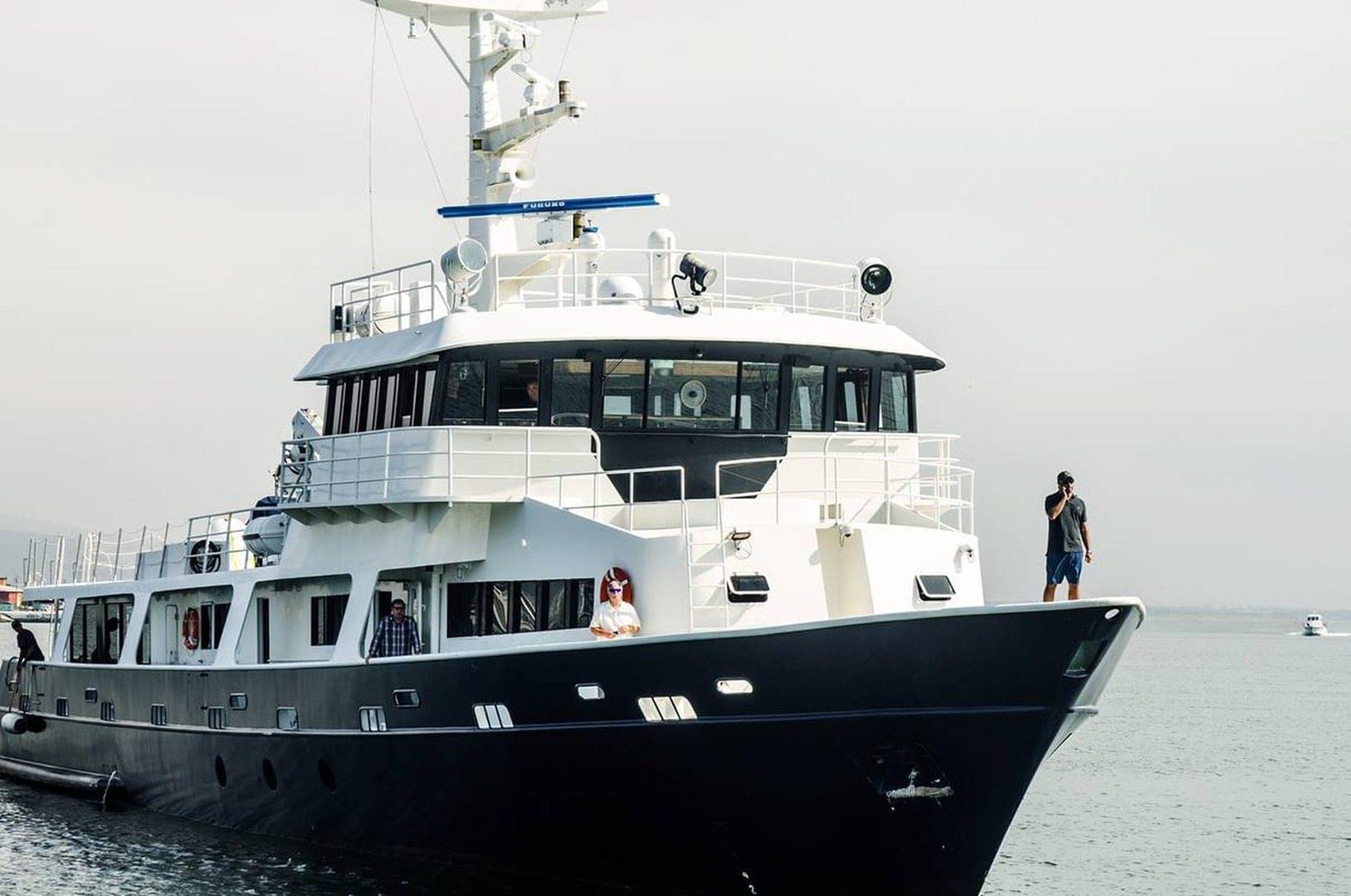
 

The former Canadian Coast Guard vessel has been completely refitted with the needs of discerning scuba divers in mind. As such, it features complimentary WiFi, complimentary drinks which can be enjoyed at the sky bridge bar, a helipad and even submarine capabilities for deep-sea exploration. Furthermore, guests will enjoy gourmet food and high-quality mattresses in each cabin. This ship was built for adventure but fitted with all the comforts of home.


View Pricing and Availability

5. Lighthouse Miracle 1

Originally built in 2005 but renovated in 2018, the Lighthouse Miracle 1 combines years of experience on the Red Sea with modern amenities.
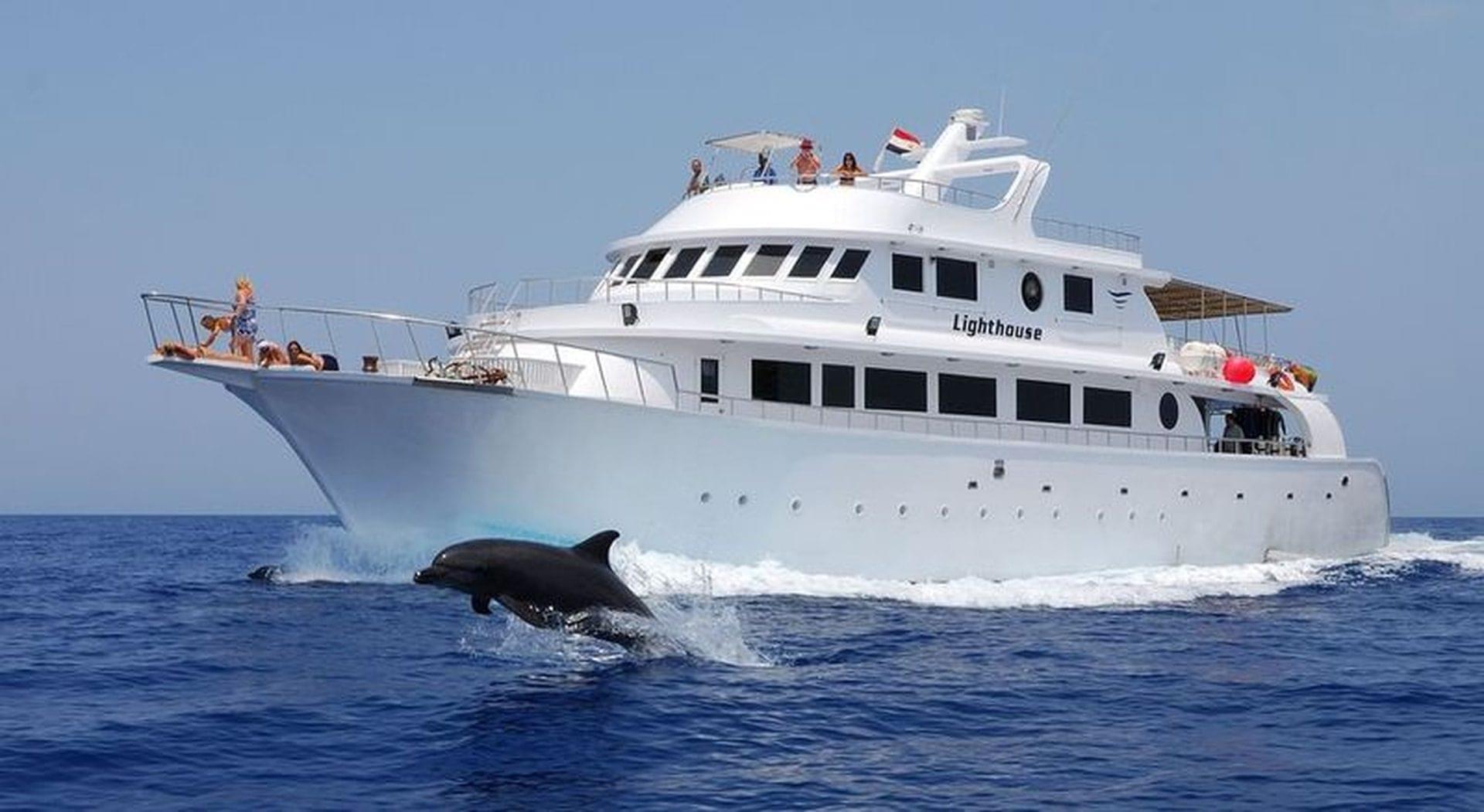
 

She features 12 oversized cabins, all with separate bathrooms and adjustable air conditioning. Free internet is available throughout the ship. Furthermore, the food onboard is outstanding thanks to the experienced chef, and draft beer and wine is available for order each evening. As a final note, safety is of utmost importance on the Lighthouse Miracle 1, and the boat has been fitted to the highest standards.


View Pricing and Availability

6. MY Samira

The second recently renovated liveaboard on our list that’s cruising the Egyptian Red Sea, the MY Samira received an update in 2018.
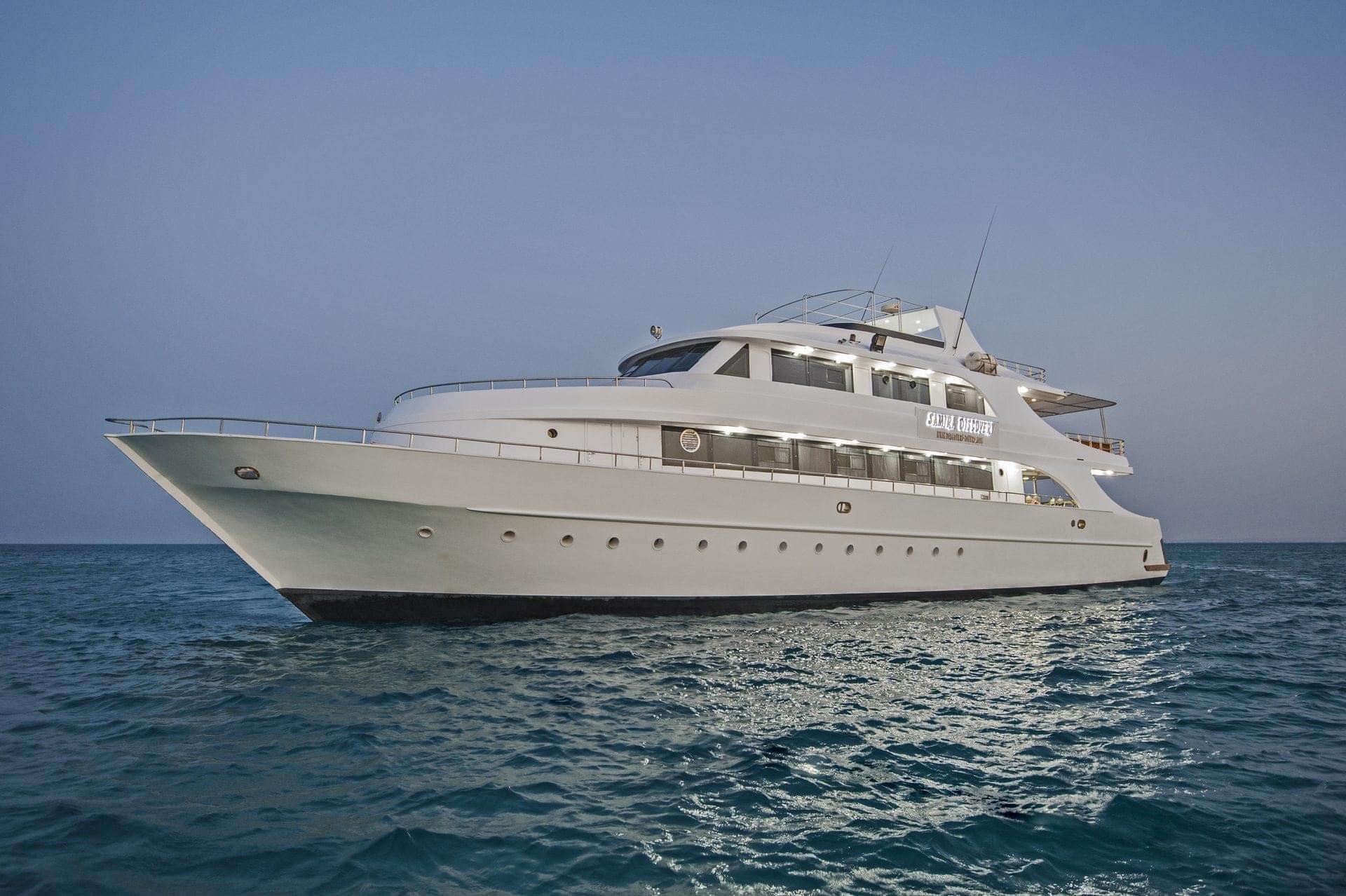
 

The 37-metre ship is a beautiful wooden vessel designed for the comfort of scuba divers. There’s plenty of space in the 11 double cabins and the communal areas for everyone to relax between dives. Plus, free WiFi is available throughout. In addition, the diving facilities on the MY Samira are top-notch and Nitrox is available free of charge for certified divers.


View Pricing and Availability

7. MV Mermaid II

With a spacious dive deck and gorgeous accommodations, the newly renovated MV Mermaid II shuttles divers to the finest dive sites in Indonesia.
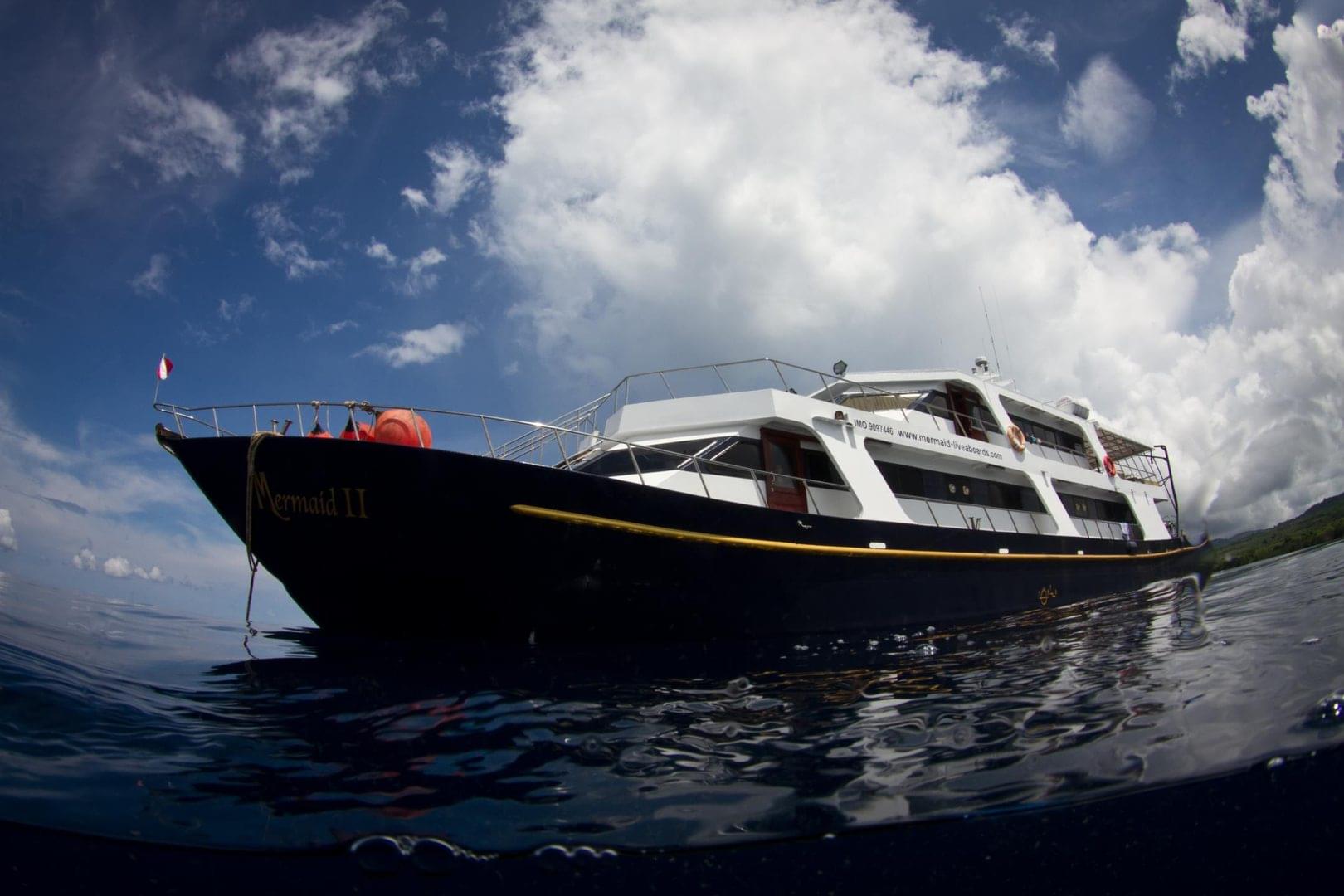
 

One of the best features of this boat is the ease of diving. Nitrox and rental equipment is available, and there are plenty of dive guides on the boat. The average dive guide to diver ratio is three to one. Plus, the MV Mermaid II boasts an amazing amount of leisure space. In addition to the main saloon with its panoramic windows, most of the cabins now have large windows for beautiful ocean views. A trip on the MV Mermaid II is truly an escape both above and beneath the surface.


View Pricing and Availability

8. Ratu Pelangi

In 2018, the Ratu Pelangi went from being any old Phinisi liveaboard to being a beautiful ship full of modern amenities.
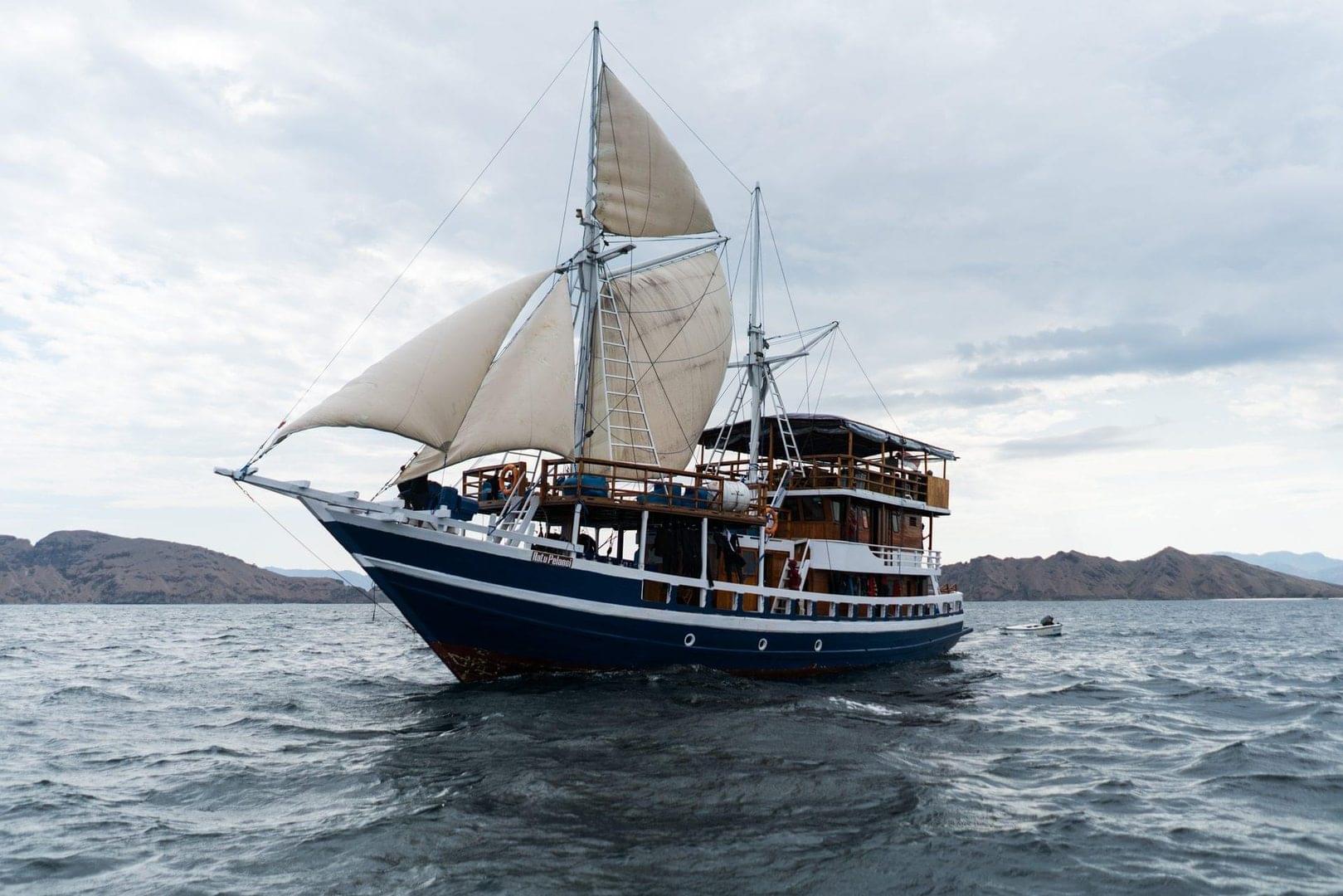
 

A trip to Indonesia on this sailing ship will open your eyes to the beauty found above and below the waves. The ship was made using a method perfected over several centuries in Indonesia. Materials include Borneo solid teak wood planks and an iron wood hull that keeps this ship strong and sturdy. However, inside this traditional construction, you’ll find modern luxuries like great accommodations, air conditioning and a huge upper deck full of sun beds and a shaded sofa.


View Pricing and Availability

9. The Phinisi

Traversing Thailand’s Andaman Sea, the Phinisi is a gorgeous liveaboard.
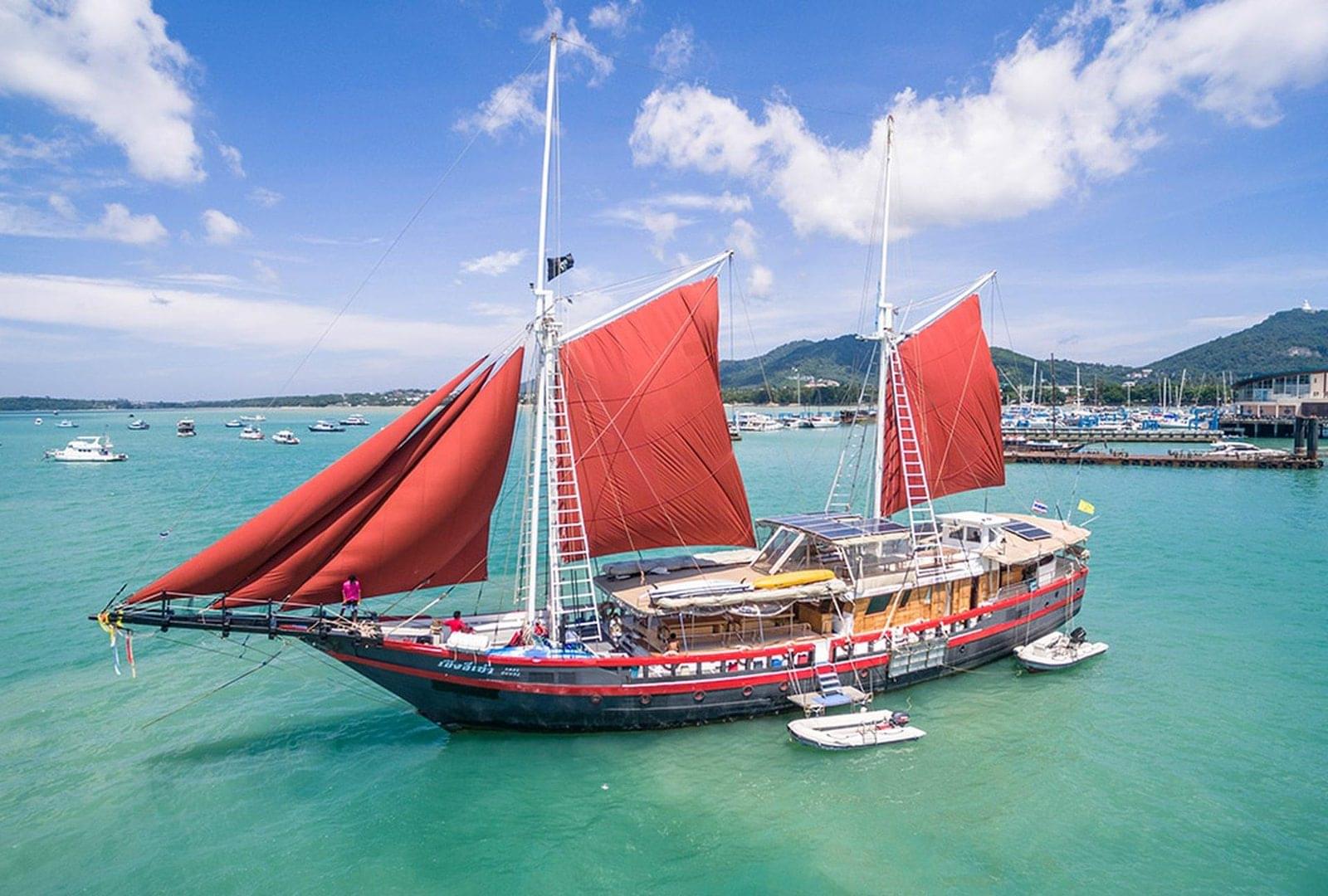
 

Extensively renovated in 2018, this boat, which is now officially known as Cheng I Sao, is a traditional, Indonesian, gaff-rigged Phinisi style yacht with 7 sales. She boasts 7 en-suite cabins that can comfortably accommodate up to 18 guests. The main deck features a spacious lounge area with a full multimedia system, while the large sun deck is half-covered and has plenty of cushioned sun loungers for relaxation between dives. In addition to being newly renovated, the Phinisi will add an additional dive destination in 2019. From February to April, this liveaboard will be offering trips to the Mergui Archipelago in Myanmar.


View Pricing and Availability

If you’d like any more information about these new liveaboards or you’d like to book a vacation on one of them, PADI Travel would be happy to answer all your questions.

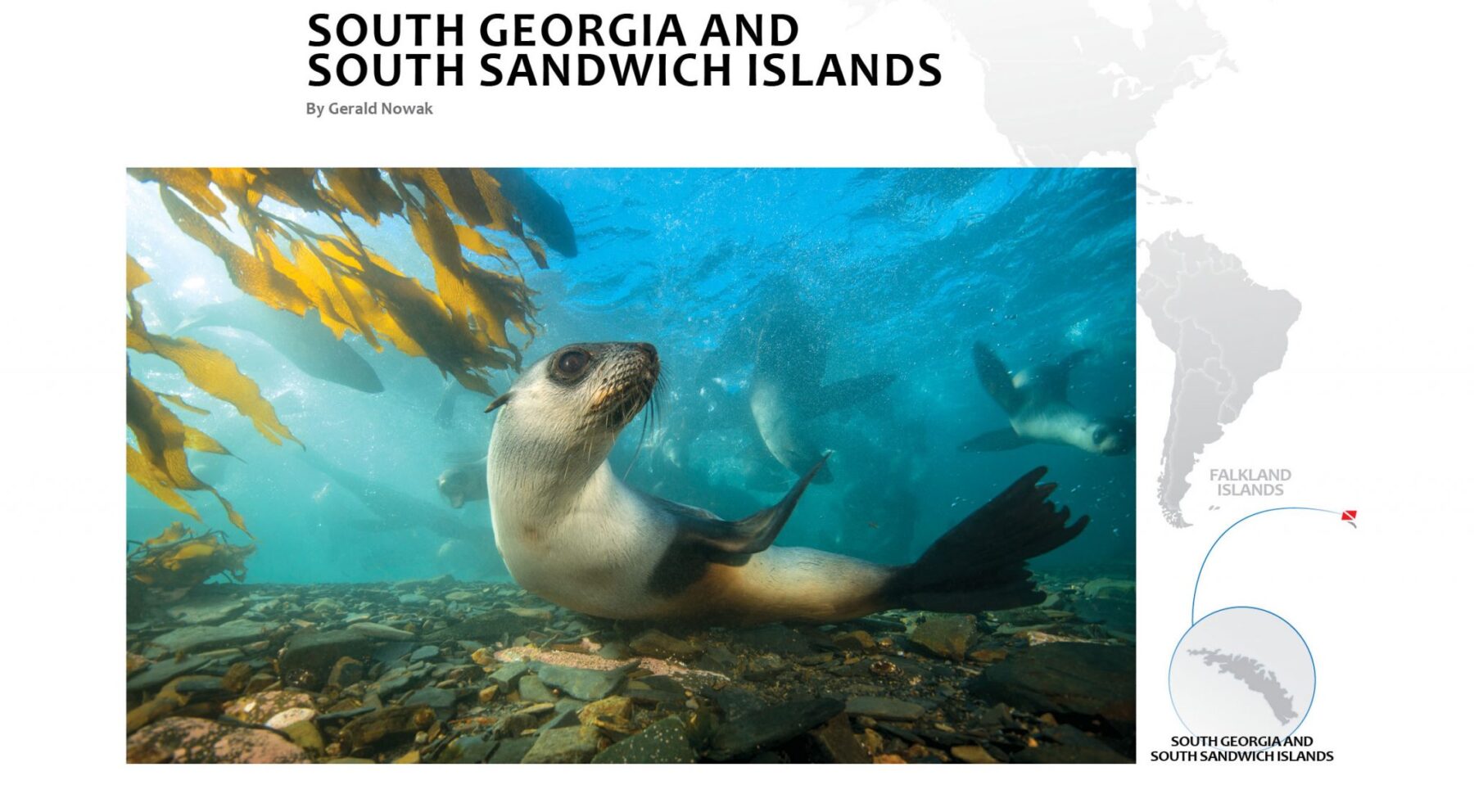
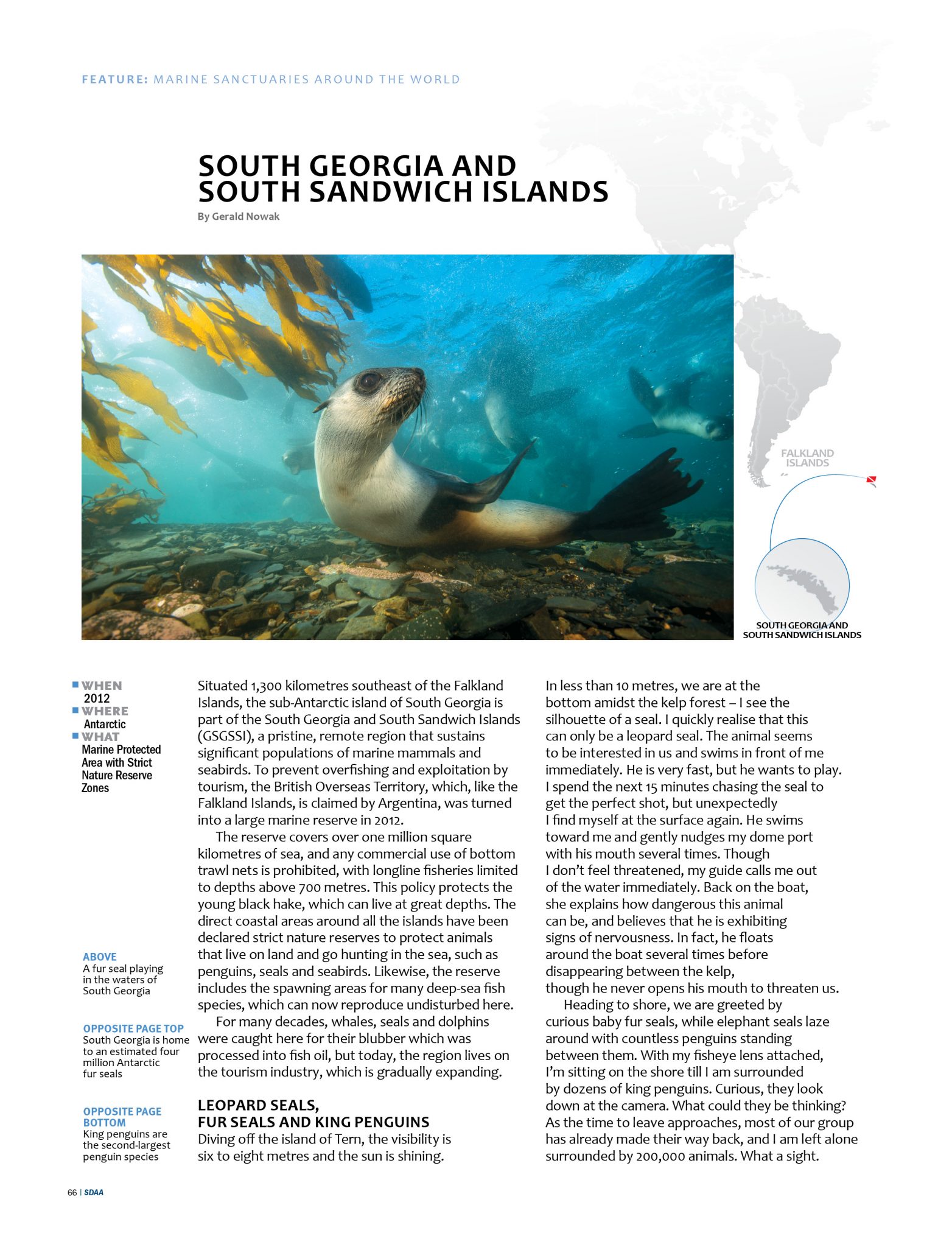
MPAs: South Georgia And South Sandwich Islands

0

Read the rest of this article in No.112 Issue 2/2018 of Scuba Diver magazine by subscribing here or check out all of our publications here.

Canon EOS_1DX Mark II: The Giant of Professional Flagship Cameras

0
A blenny shot with the Canon EOS-1DX Mark II, f/16, 1/160s IMAGE: ACE WU

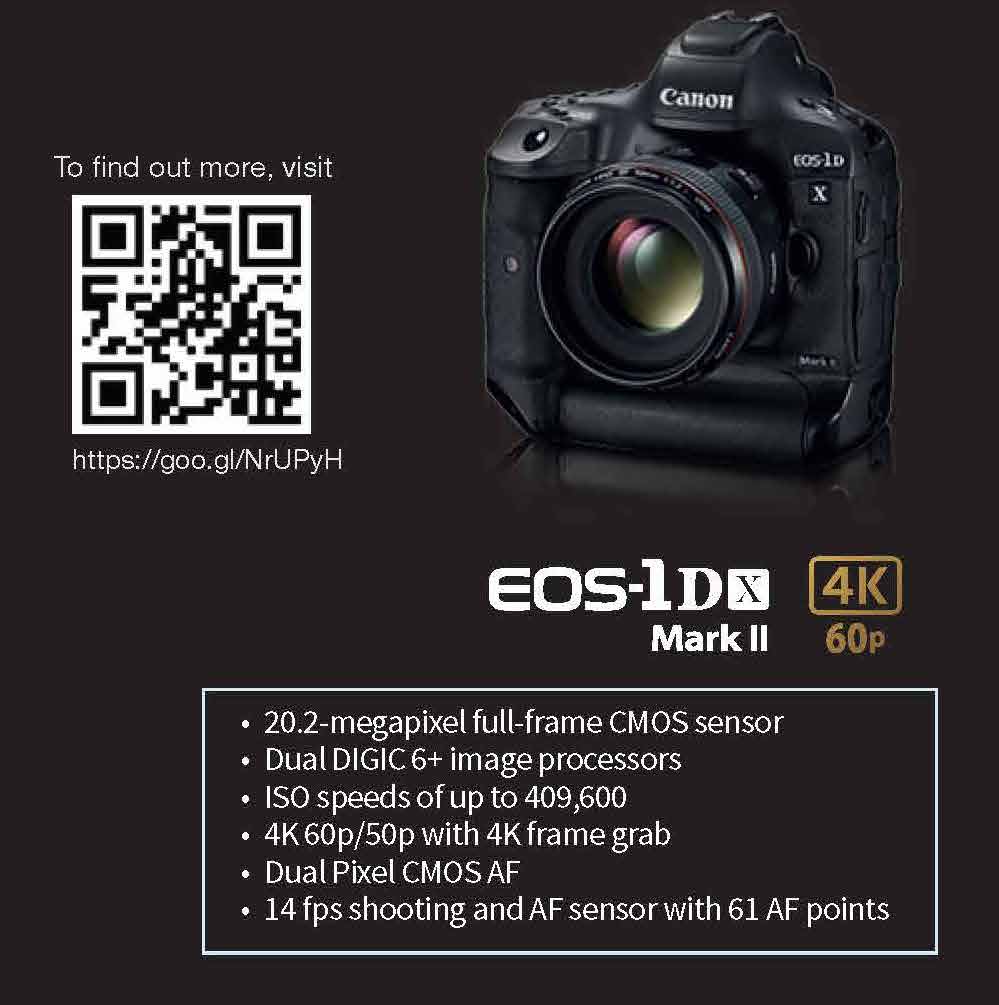
As a professional photographer, I’m always trying to push the envelope, so I need a camera that helps me realise my creative vision. Canon’s flagship DSLR, the EOS-1DX Mark II, has proven that it can deliver.

Underwater photography presents tremendous challenges for any camera: Some fish may be tiny and blend perfectly into their surroundings, while others might have highly reflective bodies and move very fast in huge schools. But the EOS-1DX Mark II makes light work of these tough shooting conditions. The high-resolution full-frame sensor produces vibrant colour and crisp detail even at higher ISO settings, and its incredibly fast and accurate autofocus nails focus every time.

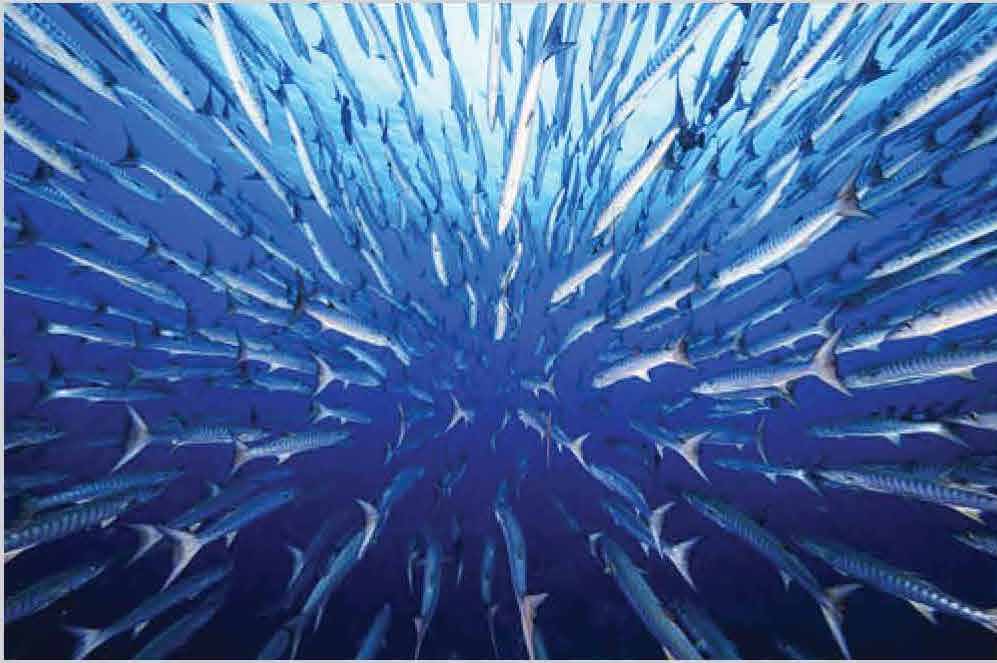
A school of giant barracuda shot with the Canon EOS-1DX Mark II, f/11, 1/125s IMAGE: ACE WU

In one instance, I followed a resident school of barracudas for several days at Blue Corner in Palau. By the fifth day, the fish seemed to accept my presence and allowed me to swim among them. Relying on the amazing accuracy of the autofocus system in the EOS-1DX Mark II, I was able to concentrate fully on composition and make the most of a once-in-a-lifetime opportunity to capture how the school must appear from an individual’s perspective. The exceptional dynamic range of the camera’s sensoralso made it possible to bring down the highlights in post-processing, and extract all of the stunning details in these shiny fish.

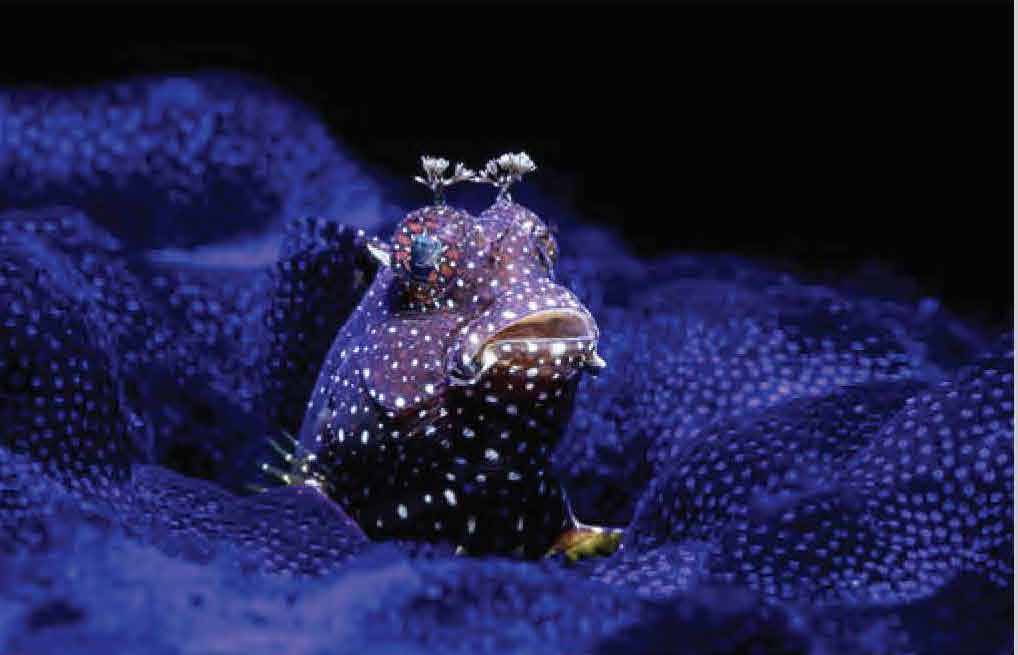
A blenny shot with the Canon EOS-1DX Mark II, f/16, 1/160s IMAGE: ACE WU

In another example, my aim was to produce a more dramatic environmental fish portrait. The idea was to use a light with a filter to colour the background a dramatic blue, and then attach a snoot (essentially a cylindrical tube) to a second light to direct a beam of white light onto the body of the fish. Here, the EOS-1DX Mark II’s Artificial Intelligence (AI) Servo Autofocus mode, working with the EOS Intelligent Tracking and Recognition (EOS iTR) AF technology, closely tracked the fish as it moved and ensured pin-sharp focus when I hit the shutter.

Canon Imaging Asia Facebook / Canon Asia Youtube / @canonasia Instagram / Snapshot Canon-Asia 


South and Southeast Asia Regional Headquarters: Canon Singapore Pte Ltd. 1 Fusionopolis Place #15-10 Galaxis Singapore 138522. CANON WEBSITE.  

India’s Volcanoes

0

Largely closed off to tourists, the volcanic islands of Narcondam and Barren offer some of India’s most pristine and exotic dive sites. But these islands are facing a grim reality, and it’s time for divers to step in and intervene.

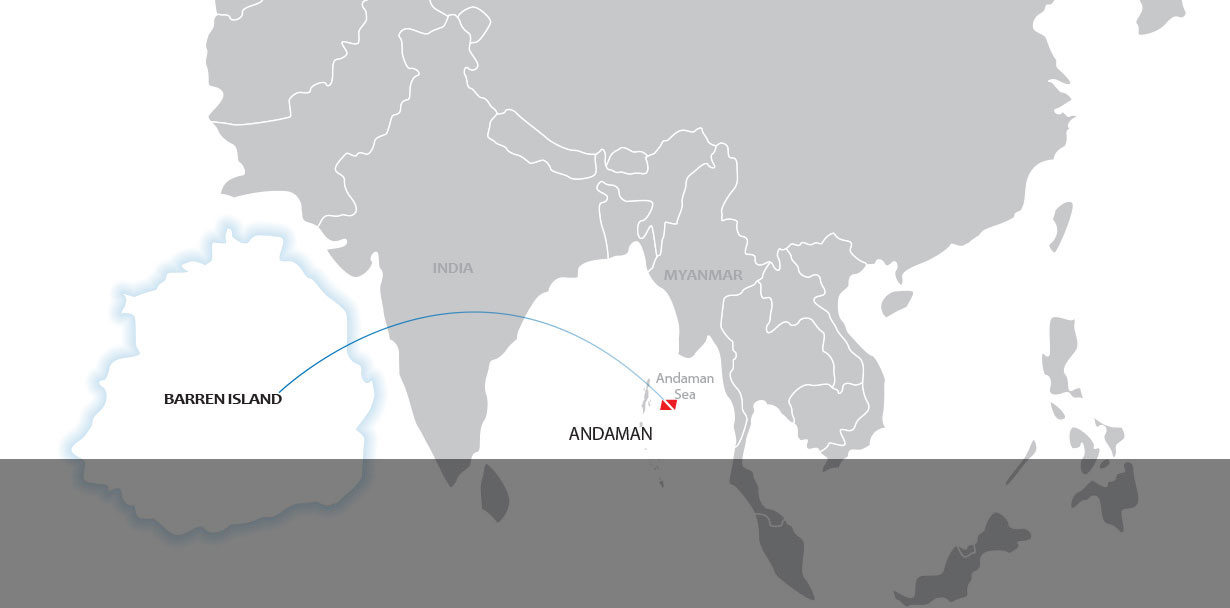
The first islands in the Andaman chain to witness a new day dawning are India’s two volcanic islands – Narcondam and Barren. These two sentinels stand alone, further eastward into the Andaman Sea, with Thailand being the next great landmass 500 kilometres away. Barren and Narcondam are located along the north–south trending volcanic arc extending between Sumatra and Myanmar, with Barren still erupting to this day.

The two volcanoes are isolated mountains in the Andaman Sea, with the foundations of Barren Island resting more than two kilometres below sea level. It is only natural, therefore, that both the active Barren Island and the dormant Narcondam Island have aroused curiosity and a sense of adventure in those of us who like to wander. And with the bureaucratic and administrative whimsy regarding visits to these islands – making them sometimes accessible, and at other times off-limits to civilians, tourists and diving vessels – these are adventures for the taking, should the opportunity arise!

Barren Island

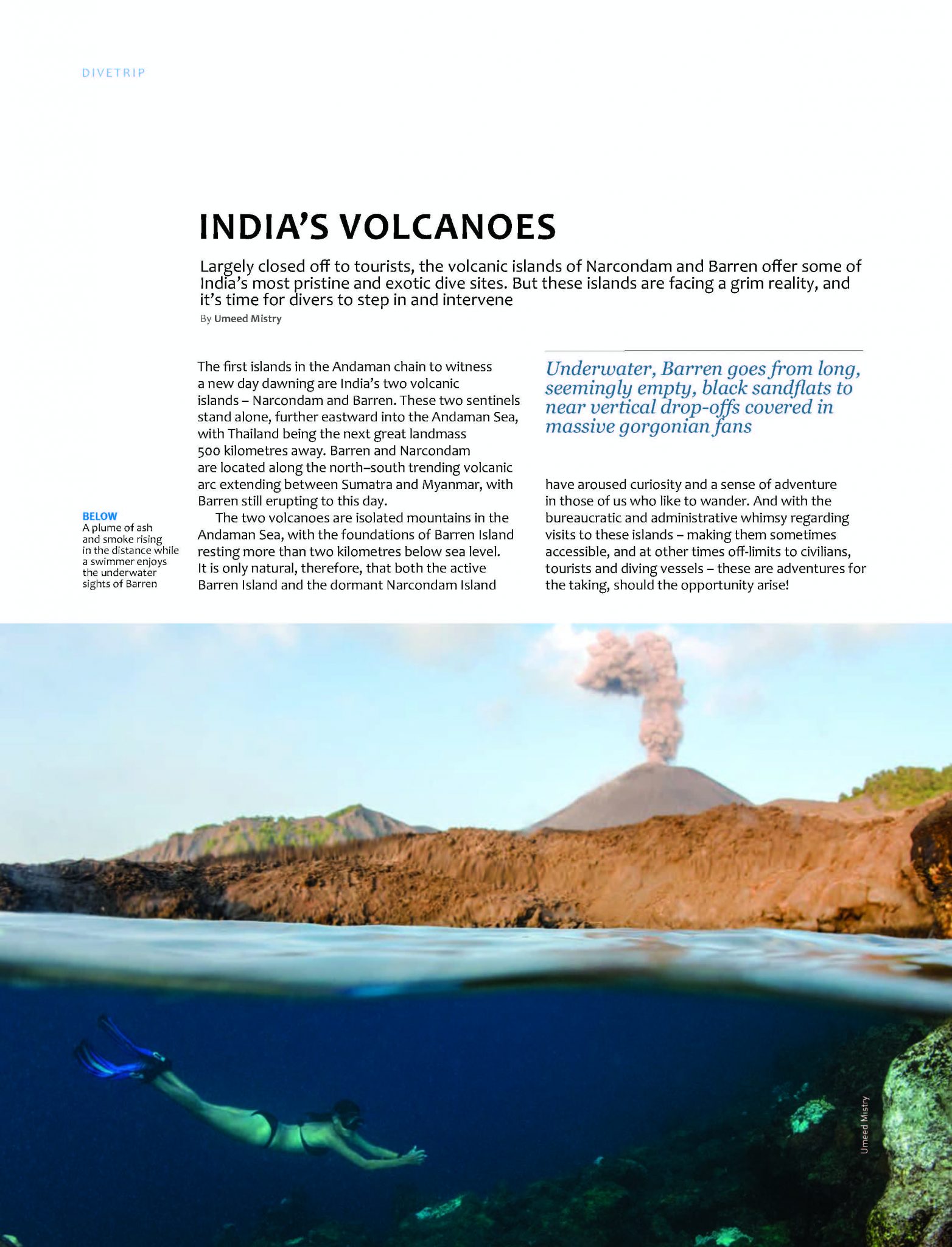
There are many things that are unpredictable about a visit to Barren island. Sometimes the island is quiet, almost serene against an absurdly blue sky and a placid sea. Other times, a giant plume of ash and smoke rises from its caldera, blotting out the sun, raining ash into a sea that roils with crazy currents. The eastern and southern side of the island have trees that have colonised the parts of the landmass that no longer are affected by the lava flow. White-bellied sea eagles, feral goats left there by British sailors, bats, rats and crabs inhabit these areas. The western side, in direct contrast, is an ash-brown lava slope ending in jagged rocks at the ocean’s edge.

Underwater, Barren goes from long, seemingly empty, black sandflats to near vertical drop-offs covered in massive gorgonian fans. A submarine circumnavigation of the island reveals grottos, weird geometric rock formations, slopes and ridges carpeted in purple soft coral, sheer dark drop-offs that have no visible bottom, and shallow coral gardens that sparkle in the sunlight. There are days when the visibility is so good, and the water so still, that a manta ray near the surface can be spotted while observing coral-covered shelves 60 to 80 metres below. The black substrate is sometimes almost devoid of life, until the next corner where, supposedly, the high mineral content of the lava flowing into the water has created a bay of some of the most healthy and fast-growing coral in the entire Andaman chain.

One part of the dive, a site called Washing Machine, has divers clinging to the wall, their fins flailing towards the surface in an up-current that threatens to shoot them up and over the shallow anthias-covered ridge. Round the next corner, just 30 metres away, exhaled bubbles are swirling downwards along the steep drop-off, disappearing into the blue-black. Manta rays always seem to be around Barren, sometimes solitary and other times in small groups. Whether they are transient visitors or year-round residents is hard to say, because nobody has spent the time diving Barren through the year. Dive boats tend to visit these sometimes treacherous waters only in the calmer months of February to May.


Read the rest of this article in No.113 Issue 3/2018 of Scuba Diver magazine by subscribing here or check out all of our publications here.

Mucking About On Koh Tao

0
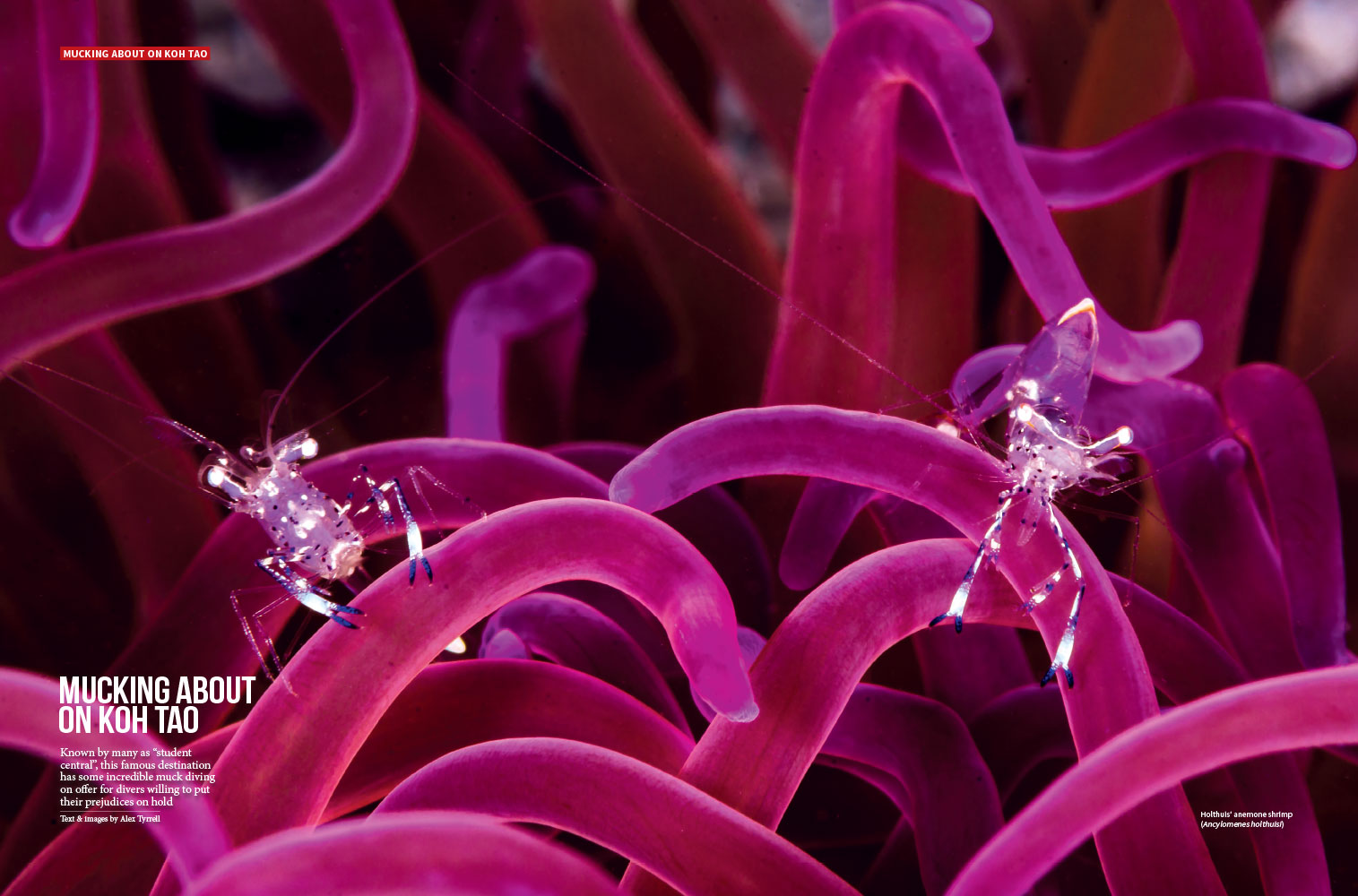
Holtuis' anemone shrimp (Ancylomenes holthuis) (Text and Images by Alex Tyrell)
Holtuis’ anemone shrimp (Ancylomenes holthuis) (Text and Images by Alex Tyrell)

Known by many as “student central”, this famous destination has some incredible muck diving on offer for divers willing to put their prejudices on hold

“MUCK” AND “CRITTERS” are two words not normally associated with the popular dive destination of Koh Tao, located in the Gulf of Thailand. Renowned for diver training, there being more dive certifications issued here than anywhere else in Asia, the hope of most visiting divers, plus the majority of working dive professionals, is to see a turtle or a sea snake whilst on a dive. Those with greater ambitions have the largest fish in the ocean, the whale shark, at the top of their wish list of marine life encounters.

However, away from the tried and tested dive sites, out in the sand, there is another world to discover that is home to many different creatures not encountered on the reefs. You need to know where to go though, as not all sand is the same. You need to find the nutrient rich “muck” that supports a variety of benthic marine life: sea pens, various species of algae, solitary corals, heart urchins and stinging hydroid colonies. Areas that can be prone to current are rich in fields of soft coral in the genus Dendronephthya. This is a completely different environment to the established dive sites around the island, which are formed from granite boulders or pinnacles, covered in hard coral growth.


Read the rest of this article in 2017 Issue 3 Volume 147 of Asian Diver magazine by subscribing here or check out all of our publications here.