Home Blog Page 85

Indonesia’s Cenotes

0

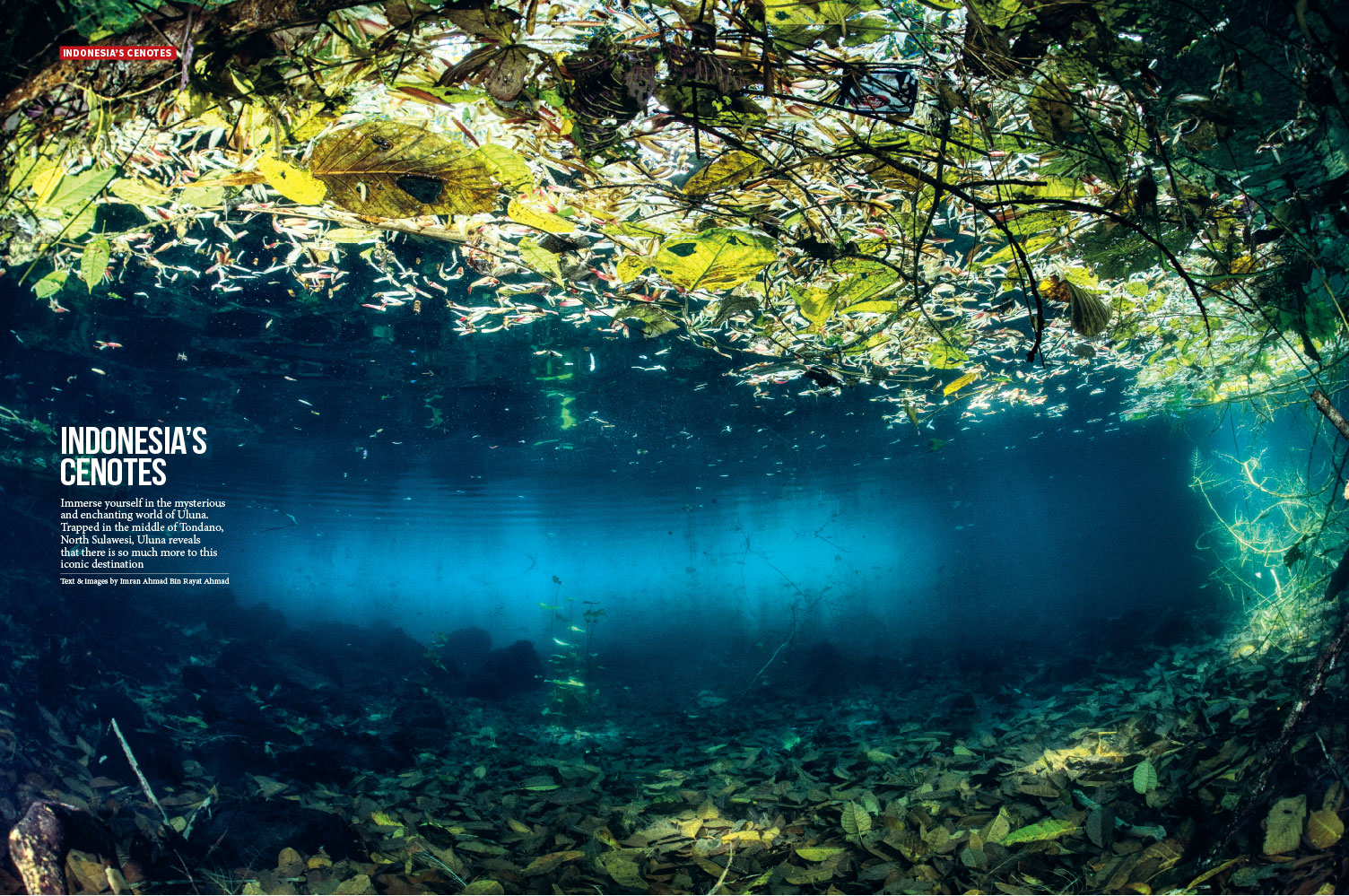
Immerse yourself in the mysterious and enchanting world of Uluna. Trapped in the middle of Tondano, North Sulawesi, Uluna reveals that there is so much more to this iconic destination

For years, Uluna has been a secret known only to the locals; this is their magical, private swimming pool. Children from the village would come after school with their friends to swim and enjoy an afternoon of relaxation.

It was their amusement park.

Four years ago, while searching for my next project, I heard rumours that a local guide used to talk about a lake of clear water in the mountains. My first guess was that he was talking about the Tondano Lake, but, to my surprise, he wasn’t. Roy Legi discovered this beautiful space and invited me to photograph it. It took four years to get the word out and attract the attention of local and international divers. Was it worth it? Yes.

I always remind myself that it’s never just about the location or the camera; it’s about the idea or about making something ordinary, extraordinary. Anybody can buy a ticket to a beautiful place, but not everybody can change people’s perspectives.

An hour-and-half’s drive from Manado, a two-tank dive in a water just three-metres deep with a temperature of 25 degrees Celsius and you could be photographing something so unique that it is comparable to being in the cenotes in Mexico.   

As you take on the role of an underwater photographer with an assignment in mind, you will soon discover how easy it is to turn Nature into a fairy tale.


Read the rest of this article in 2017 Issue 3 Volume 147 of Asian Diver magazine by subscribing here or check out all of our publications here.

Why Is The Sea Blue?

0
Air molecules also absorb the reds and reflect blue light, and so the same process is responsible for the sky being blue!

Even though small amounts of water appear to be totally clear and colourless, larger bodies of water look blue. What’s going on?

All colours are the result of matter absorbing some parts of the visible (white) light spectrum, and reflecting others. The parts of the spectrum that are reflected back to us, give objects their colour.

But how can something that appears colourless, like water, also have an intrinsic colour?

Some of what we see as water’s colour is caused by it reflecting the colour of the sky, and some of its colour will depend on any impurities or suspended particles. But water itself also absorbs, reflects, and scatters light. Water molecules absorb light with longer wavelengths more easily that light with shorter wavelengths. Red, orange, yellow and green light have longer wavelengths than light at the blue end of the spectrum. So, the blue light, which is not absorbed, is reflected by the water molecules and gives water its colour.

This is why the colour of water actually becomes deeper and darker the more of it there is: Swimming pools with white surfaces will appear light turquoise and shallow water over white sand is aquamarine, while deep, clear seawater will look dark, indigo blue, as the blue light penetrates deep into the water column and continues to be reflected and scattered throughout the process, further accentuating the blue colour of the water body.

However, the purity of seawater varies. Particles suspended within it can increase the scattering of light. Sand and silt carried into the sea from rivers, or kicked up from the seafloor by waves and storms, can affect the colours of coastal waters. And organic detritus such as decayed plant matter – known to scientists as colour dissolved organic matter – can also complicate the picture, by adding greens, yellows or browns.

Phytoplankton are also responsible for changing the apparent colour of a body of water. They also absorb electromagnetic radiation in the red and blue parts of the visible light spectrum, and reflect green light. So, water that is very green is likely to be full of plankton or algae.


Read the rest of this article in No.108 Issue 2/2017 of Scuba Diver magazine by subscribing here or check out all of our publications here.

10 Things You Need To Know About Mangrove Forests

0

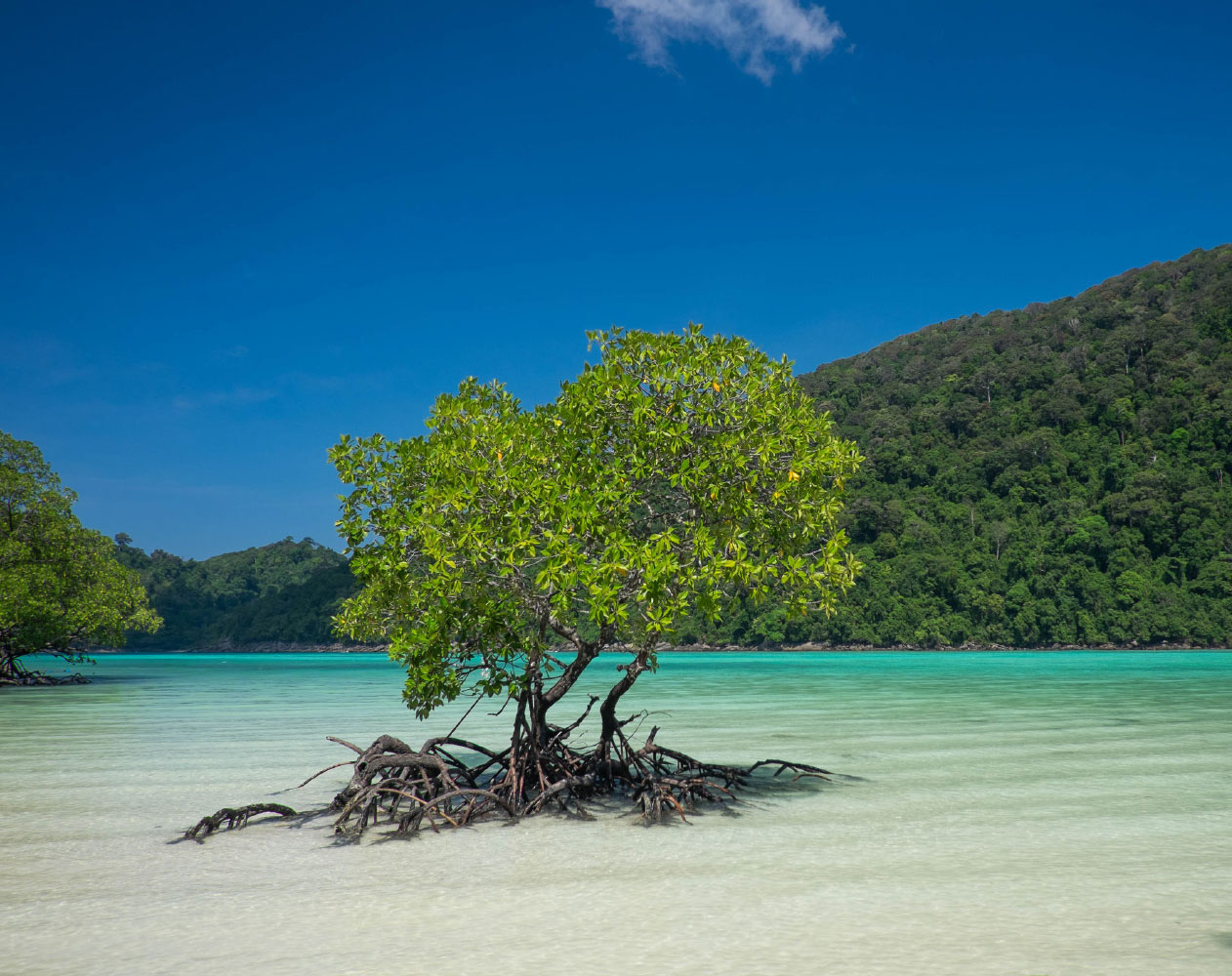
1 Mangroves are some of the most important ecosystems on Earth

2 Mangrove forests grow in intertidal zones and estuary mouths between land and sea. They anchor and protect coastal ecosystems, and make up a transitional zone between land and ocean, connecting and supporting both

3 Most mangroves live on muddy soils, but they also can grow on sand, peat, and coral rock

4 Mangroves vary in height from small shrubs to 40-metre-tall trees

5 Mangrove forests are comprised of salt-tolerant plant species that are highly adapted to their environment of highly saline water and soil. Mangroves have specially adapted aerial and salt-filtering roots and salt-excreting leaves which enable them to occupy saline wetlands where other plant life cannot survive

6 Some mangroves have unique “breathing roots”, called “pneumataphores”. They contain pores called “lenticles” through which the plants absorb oxygen. They are not active during high tide, when they are submerged. These delicate lenticels are highly susceptible to clogging by pollutants (such as oil), damage from parasites, and prolonged flooding. Over time, environmental stress can kill large swathes of mangrove forest

7 The largest remaining tract of mangrove forest in the world is found in the Sundarbans on the edge of the Bay of Bengal

8 There are 54 to 75 species of mangroves worldwide, with the greatest mangrove diversity found in Southeast Asia

9 Mangrove forests are essential nursery grounds for all kinds of marine life including fish, rays, and invertebrates

10 They also provide critical habitat for a number of threatened and endangered species including manatees, tigers, and hundreds of species of birds

REPRODUCTION

• Mangroves reproduce through a process known as “viviparity”

• During this process, the “embryos” will germinate on the trees themselves. These are called “propagules”. During this phase, these propagules gain essential nutrients from the parent tree that prepare them for the next phase of their growth

• The propagules will then drop into the water beneath the tree, and may take root there, or they may float for a period of time, dispersing to another area

ESSENTIAL SERVICES

• Recent research shows that mangroves are incredible carbon sinks, sequestering more carbon than any of their terrestrial counterparts. Mangrove forests sequester approximately 1.5 metric tons/hectare/year of carbon

• Mangroves protect coasts from erosion and from violent storms, and provide a host of economic benefits and ecosystem services to human communities

DISTRIBUTION

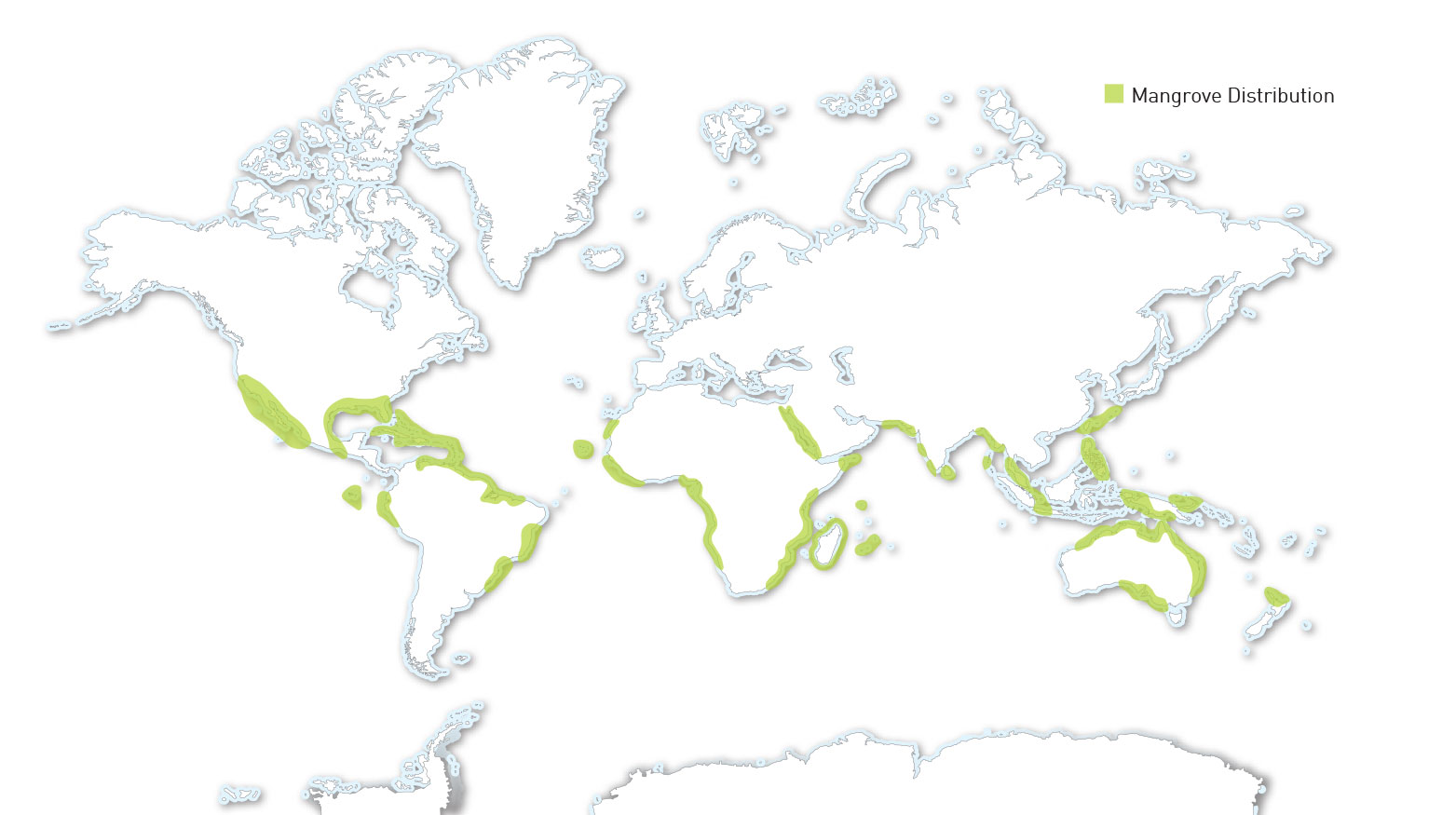
• Mangrove forests are found between the latitudes of 32°N and 38°S, along the tropical and subtropical coasts of Africa, Australia, Asia, and the Americas

• The distribution of mangrove forests is mostly determined by sea level and its fluctuations. Other factors are air temperature, salinity, currents, weather patterns, shore slope, and soil substrate
THREATS

More than one in six mangrove species worldwide are in danger of extinction as a result of a number of factors, including coastal development, climate change, logging and agriculture.

We have already lost over half of the world’s original mangrove forest area, estimated at 32 million hectares (approx. 80 million acres).

About half of mangrove loss has occurred in the last 50 years, mostly in the last two decades, due to:

• Shrimp farming

• Tourism

• Urbanisation

• Expansion of agriculture

• Roadways

• Marinas and ports

• Other coastal development

The current rate of mangrove loss is approximately 1% per annum (according to the Food and Agriculture Organization – FAO), or roughly 150,000 hectares (approx. 370,000 acres) of mangrove wetlands lost each year.


Read the rest of this article in No.108 Issue 2/2017 of Scuba Diver magazine by subscribing here or check out all of our publications here.

EU Approve Measures For Single-Use Plastic Ban

0

After a proposal was tabled in May by the European Commission to ban the top 10 single-use plastic products that pollute oceans and beaches, Members of the European Parliament (MEPs) have voted 571-33 to approve measures that would ban commonly used plastic items like plastic bags, plastic straws, cotton swabs, disposable plastic plates, cups and cutlery by 2021. The directive also included measures to collect 90 percent of single-use polyethylene terephthalate (PET) bottles by 2025. The ban is expected to be enshrined in EU law by the end of the year.

The new measures introduced compel plastic producers to cover the costs of waste management and cleanup in addition to raising awareness about the polluting impacts of plastic packaging. The directives also include targets for the reduced usage of certain plastics to be met. Plastic fishing gear, which is often found in marine litter, will also be subject to harmonised standards with minimum collection and recycling targets set as well. Producers of plastic fishing gear will also be compelled to cover the costs of waste collection in ports. Synthetic textiles and non-decomposable microplastics in cosmetics are however not covered under the new measures.

Lise Kingo, the executive director of the United Nations Global Compact, the world’’s largest corporate sustainability initiative with more than 13,500 signatories from 170 countries, had warned at the European Forum of Industrial Biotechnology and the Bioeconomy (EFIB) that “our oceans will contain more plastics than fish” by 2050 if our current plastics usage habits are unchanged. The figures presented at the EFIB indicated that less than 10 percent of plastic waste in Europe is recycled if incineration is excluded. Plastics in the ocean are broken down into nanoparticles and ingested by micoorganisms and eventually end up on our dining table.

Read more about how plastics are polluting our oceans in our upcoming Muck Diving issue by subscribing here or check out all of our publications here.
What Makes a Shark a Shark?

0

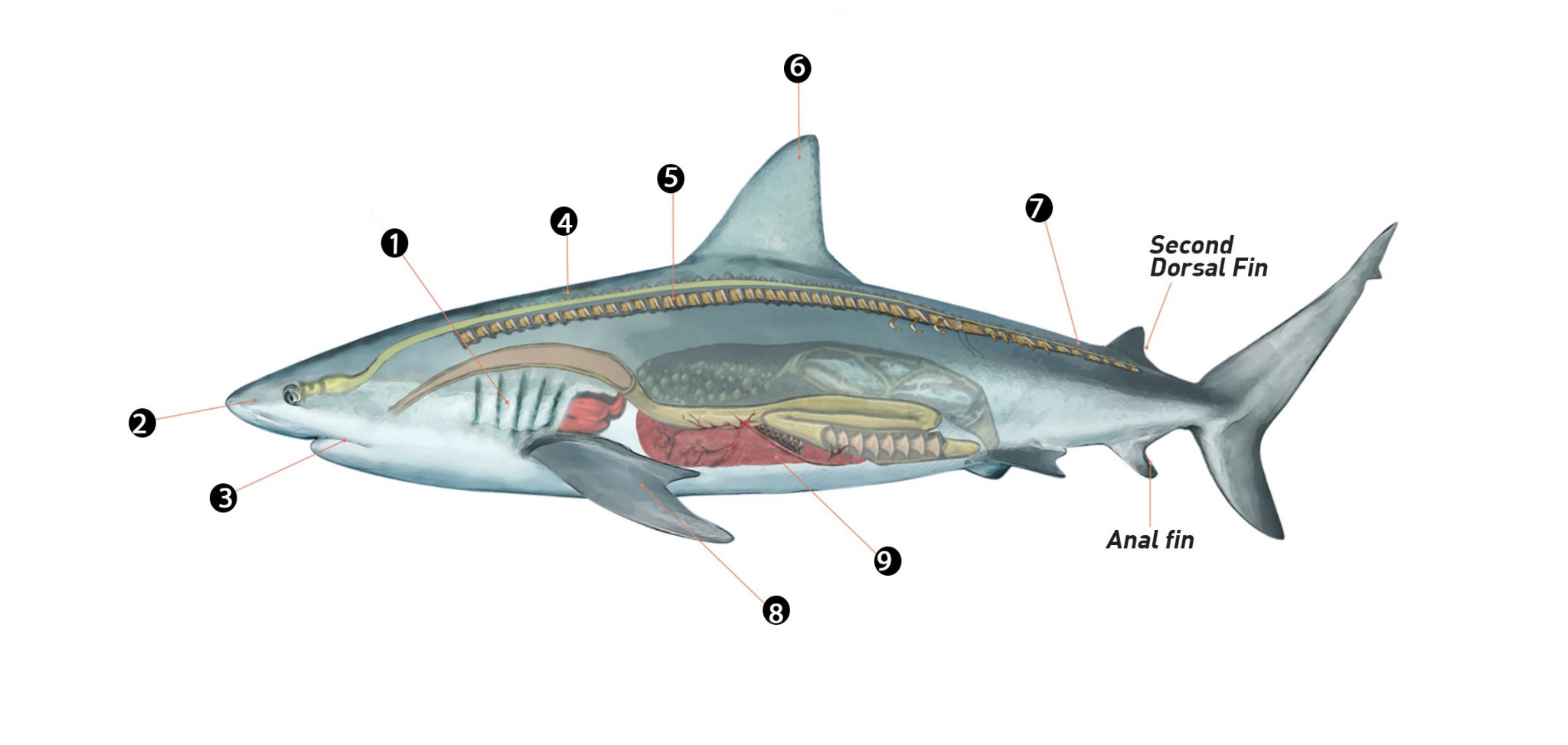
Sharks are a group of fish that first appeared around 420 million years ago and have since diversified into over 470 different species that inhabit every ocean on our planet. Their size ranges from the tiny dogfish measuring only 17 centimetres to the incredible whale shark, the biggest fish in the ocean, which can reach lengths of up to 12 metres and weigh over 20 tons. Although these fish come in many shapes and sizes, they all share unique characteristics that make them a shark.

1. MULTIPLE GILL SLITS

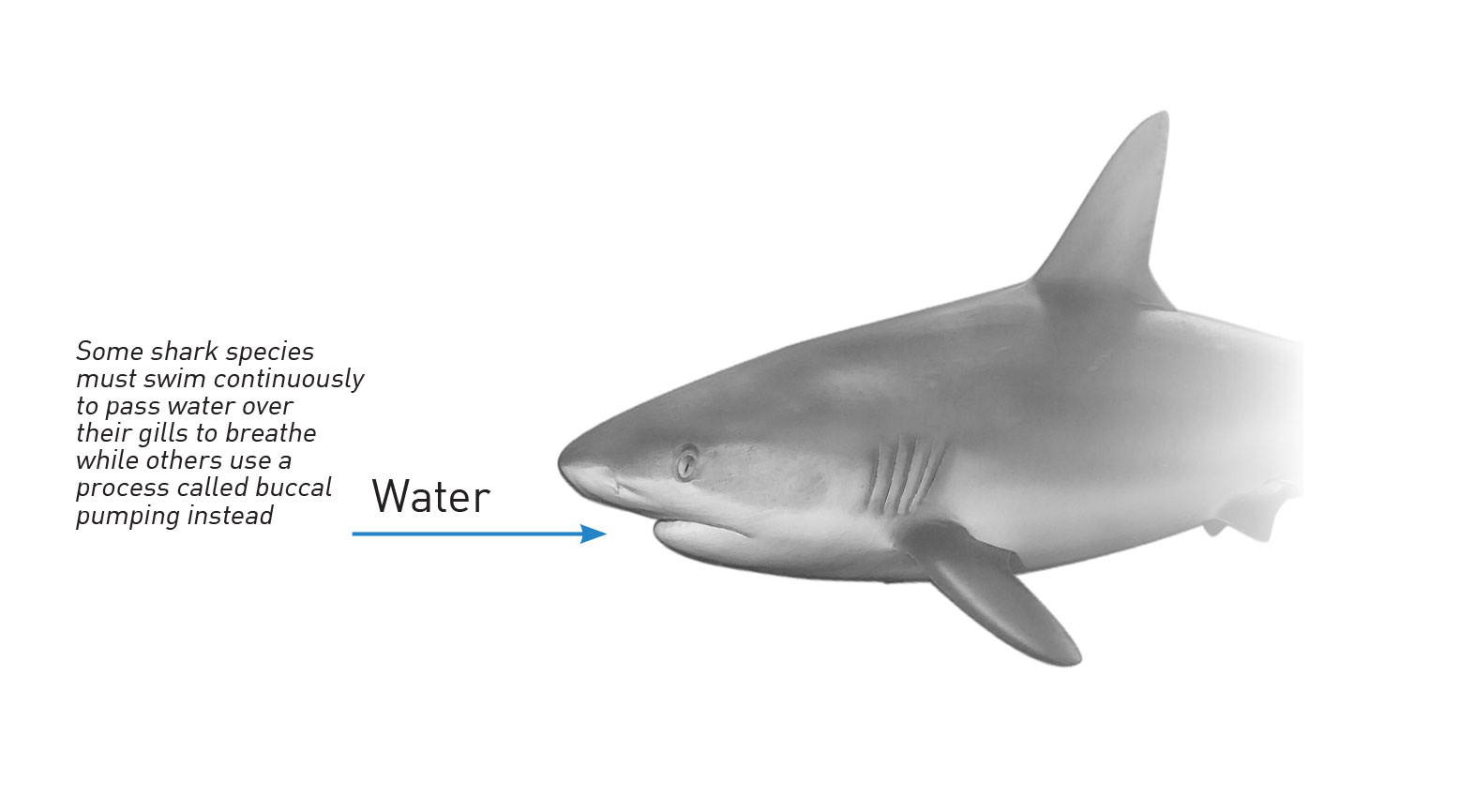
Most species of sharks have five pairs of gill slits, but a few have six and even seven, typically located on the side of the head. Tiny membranes in the shark’s gills extract oxygen from the water.

2. AMPULLAE OF LORENZINI

Located near the nostrils, around the head and on the underside of the snout are small jelly-filled pores. These sensory organs are able to detect electrical fields underwater and are used by sharks to help locate prey and navigate.

3. JAWS AND TEETH

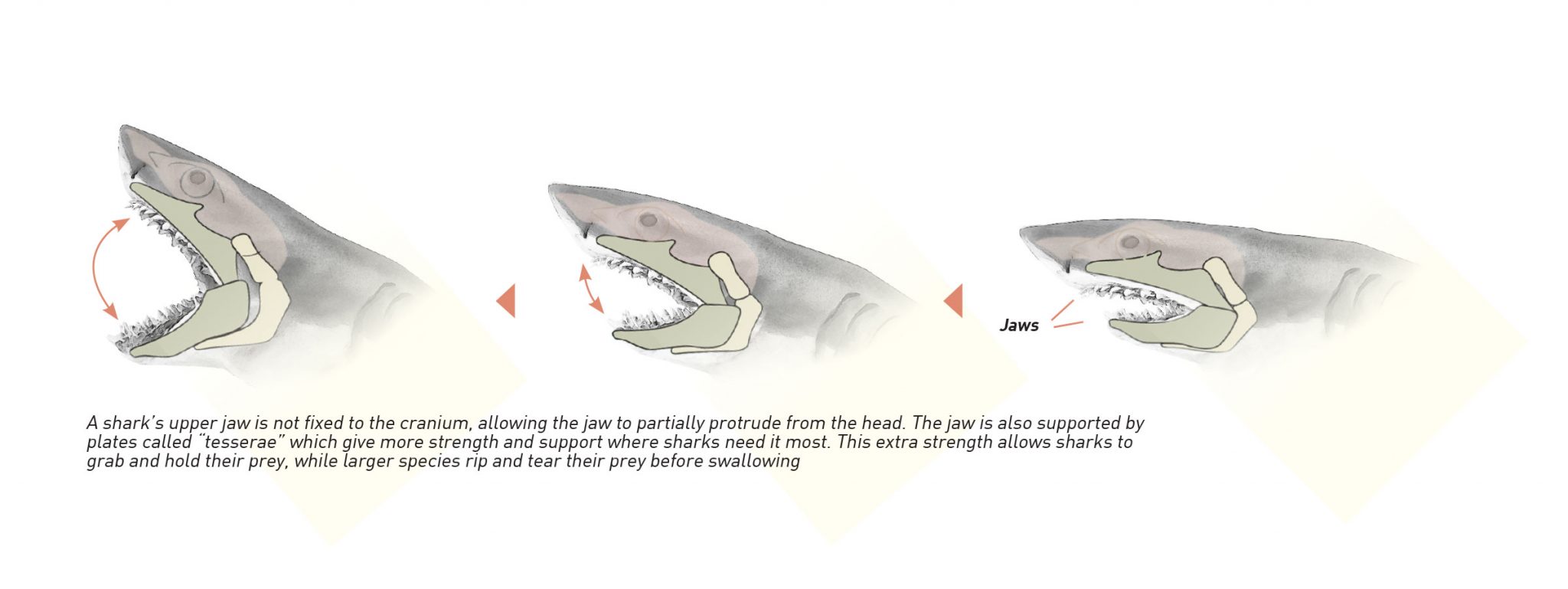
Most sharks have multiple rows of teeth that continue to grow and replace the ones that are lost throughout their lifetime. Much of what we know about sharks has been learnt from fossilised shark teeth, as unlike the rest of the body, they can remain intact on the seabed for hundreds or even thousands of years

4.  DERMAL DENTICLES

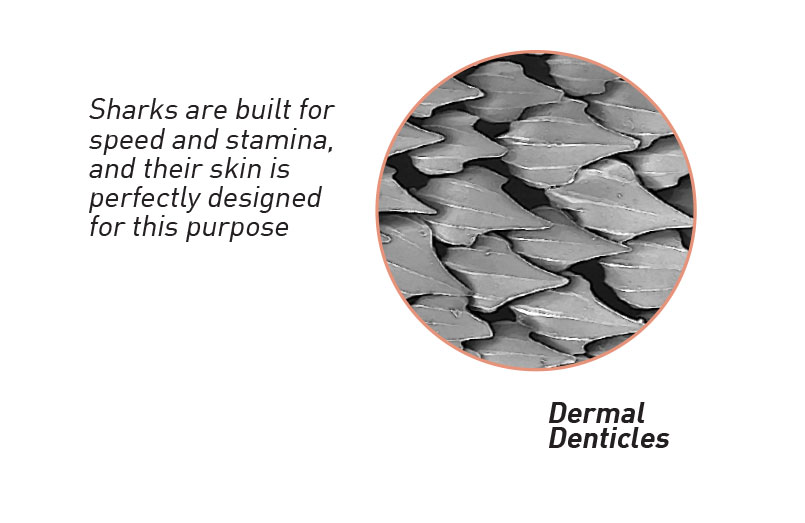
A shark’s skin is composed of hundreds of tooth-like scales called dermal denticles. These ‘teeth’ are what makes a shark’s skin tough and also incredibly effective at reducing drag.

5. CARTILAGINOUS SKELETON

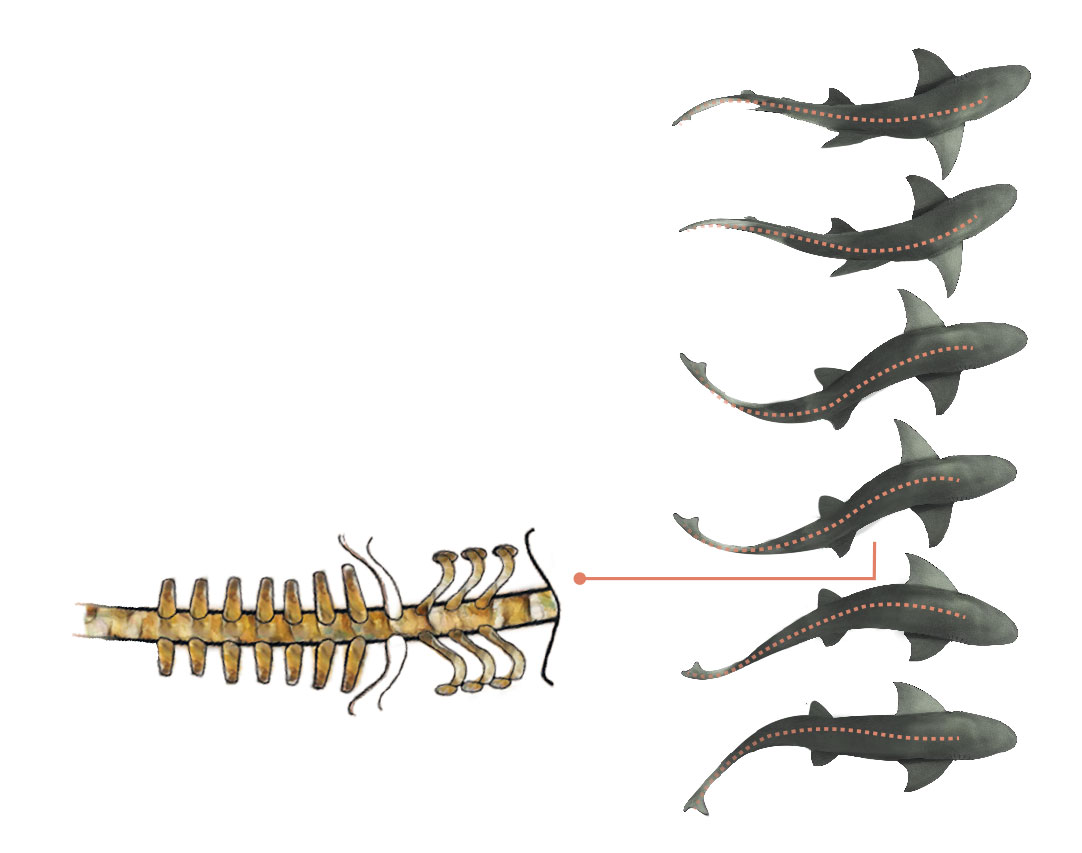
Unlike other fish, sharks’ bodies contain no bones and their skeleton is made of cartilage. This material is considerably less dense and more flexible than bone, making sharks lighter and more agile. Sharks use forward movement to control vertical position. In most species, the tail acts as the shark’s propeller while the pectoral fins are used for balance and direction

6. Prominent Dorsal Fin

Most sharks have a prominent dorsal fin that is located on top of the animal behind the head. This fin is often seen breaking the surface and it plays a vital role in propulsion, buoyancy and direction

7. Lateral Line

A visible line along the side of the shark’s body consisting of sensory organs that help to detect movement and vibration in the surrounding water, providing spatial awareness and the ability to navigate

8. Pectoral fin

Like most fish, sharks have two pelvic fins behind the head, but these are rigid, not flexible, often elongated and are used for buoyancy and steering

9. LARGE LIVER

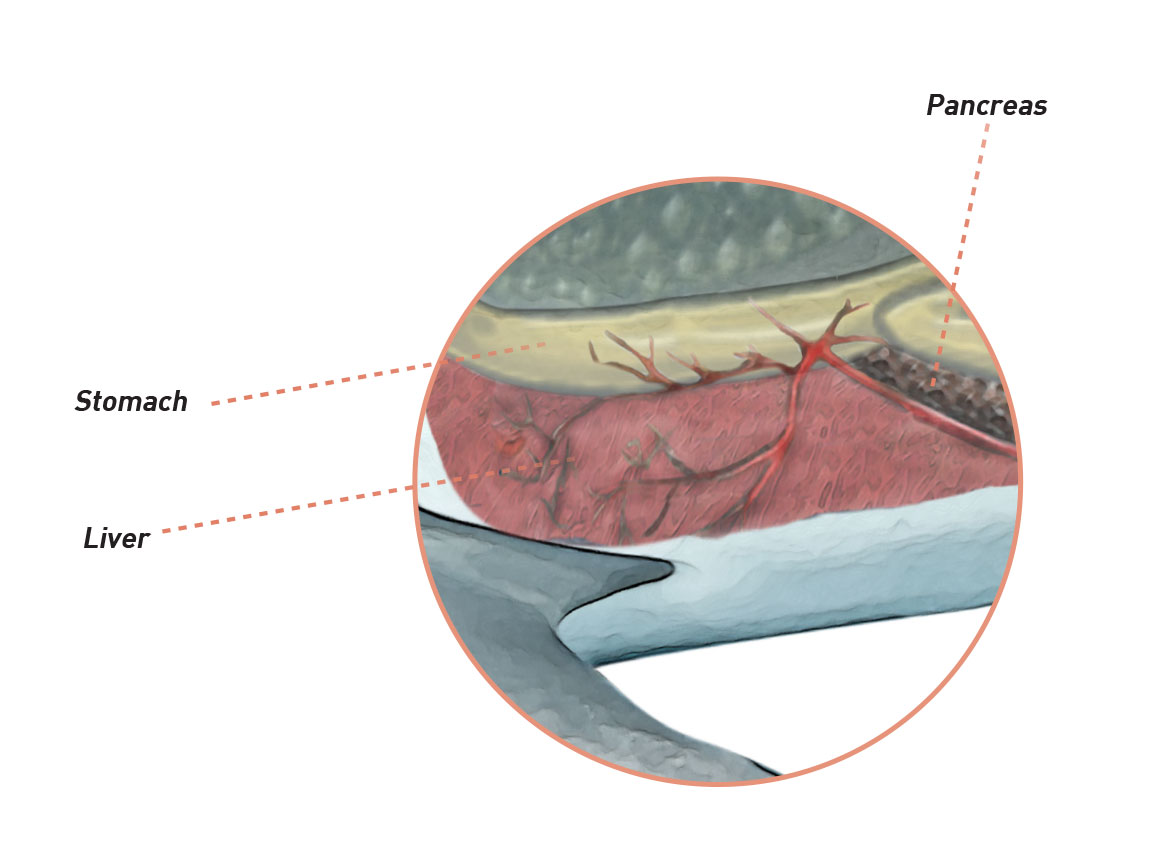
Most fish have a swim bladder that they fill with air to help control their buoyancy but sharks rely instead on a large, oil-filled liver to reduce their overall density and provide some measure of hydrostatic lift


Read the rest of this article in 2018 Issue 1 Volume 149 of Asian Diver magazine by subscribing here or check out all of our publications here.

The Immortal Jellyfish: 7 Amazing Facts

0
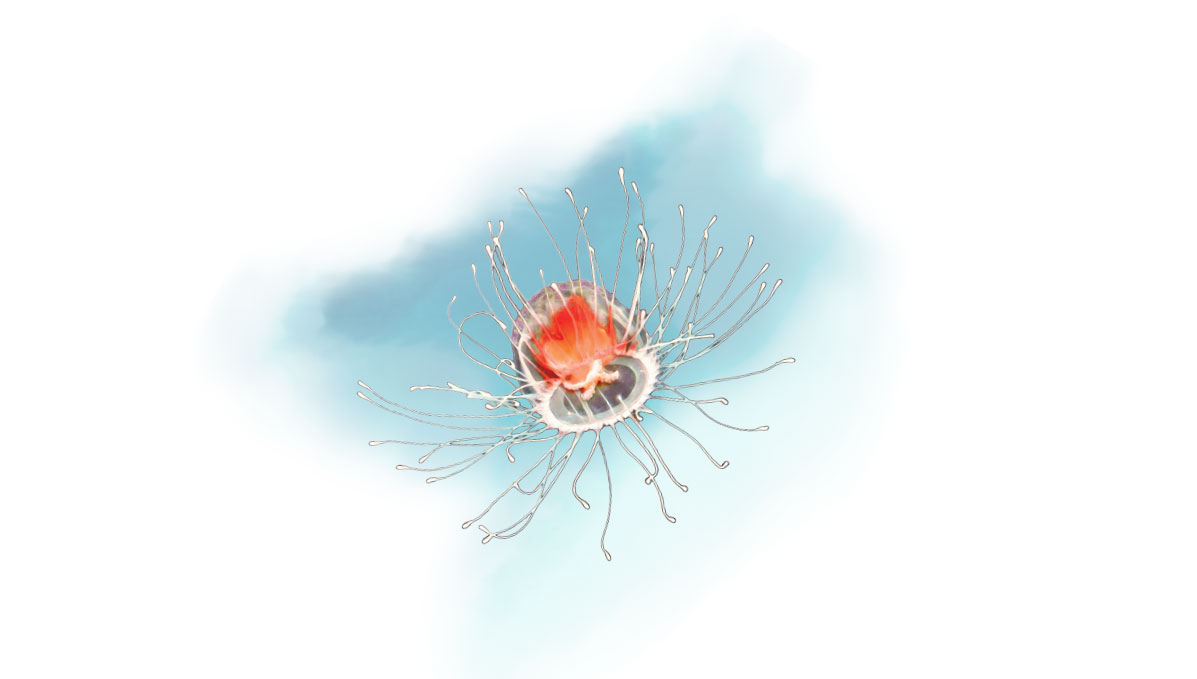
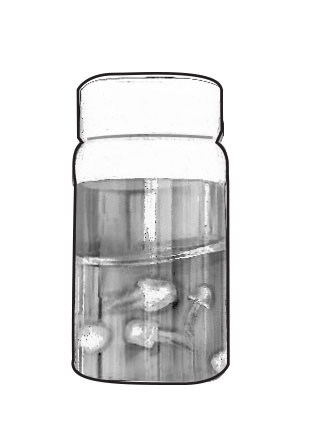
This jellyfish has a bright-red stomach, seen in the middle of its transparent bell. Its edges are lined with 80 to 90 white tentacles, though given its small size, they are barely visible.

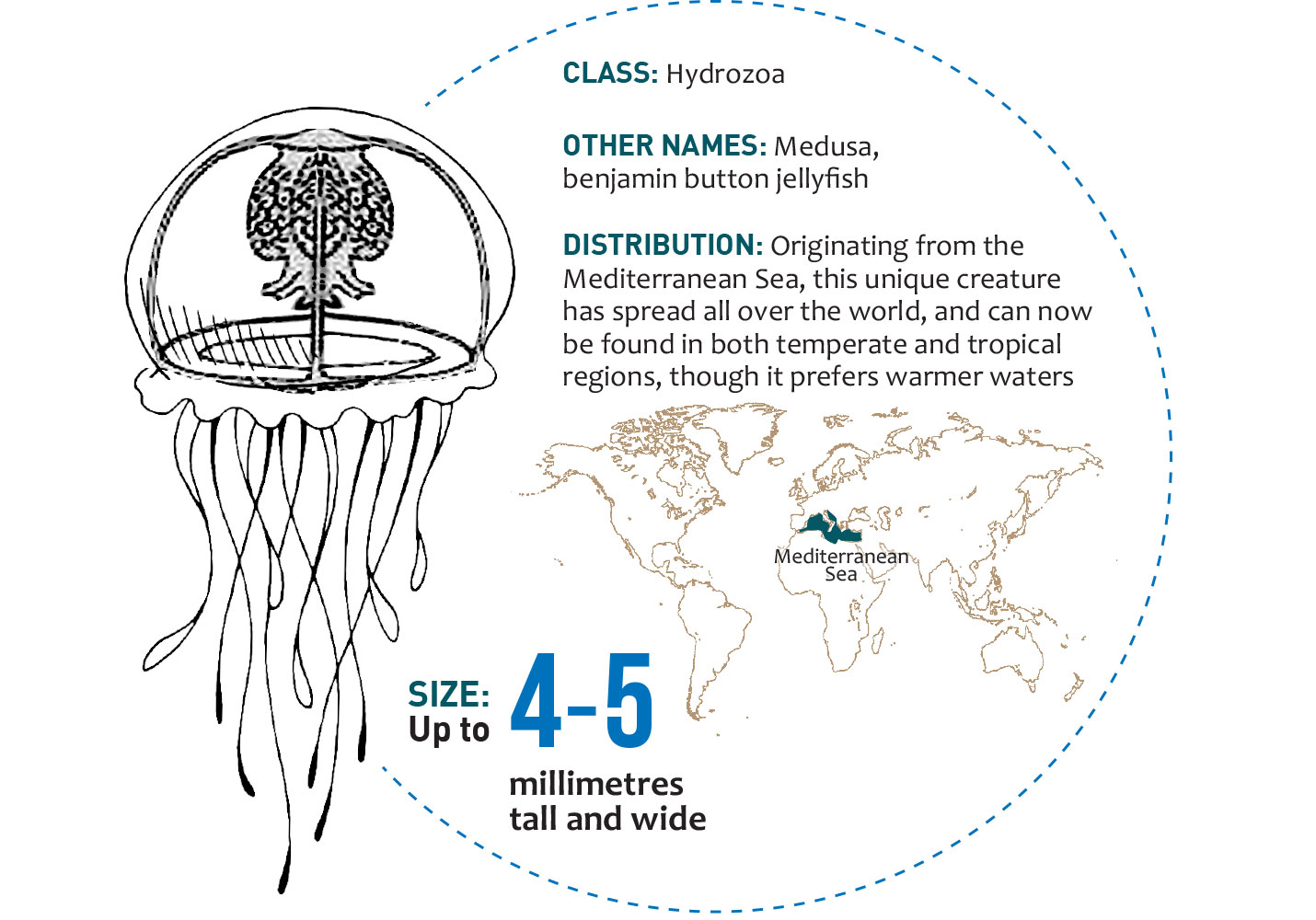
No bigger than a human pinky, Turritopsis dohrnii, commonly referred to as the immortal jellyfish, possesses the baffling ability to live forever – that is, until a predator pounces.

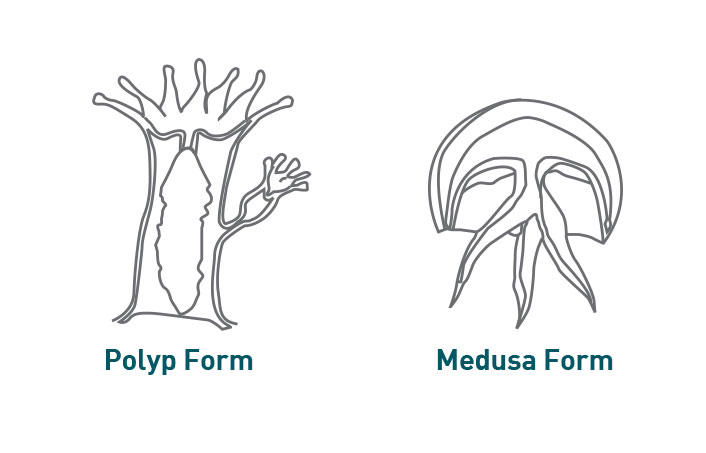
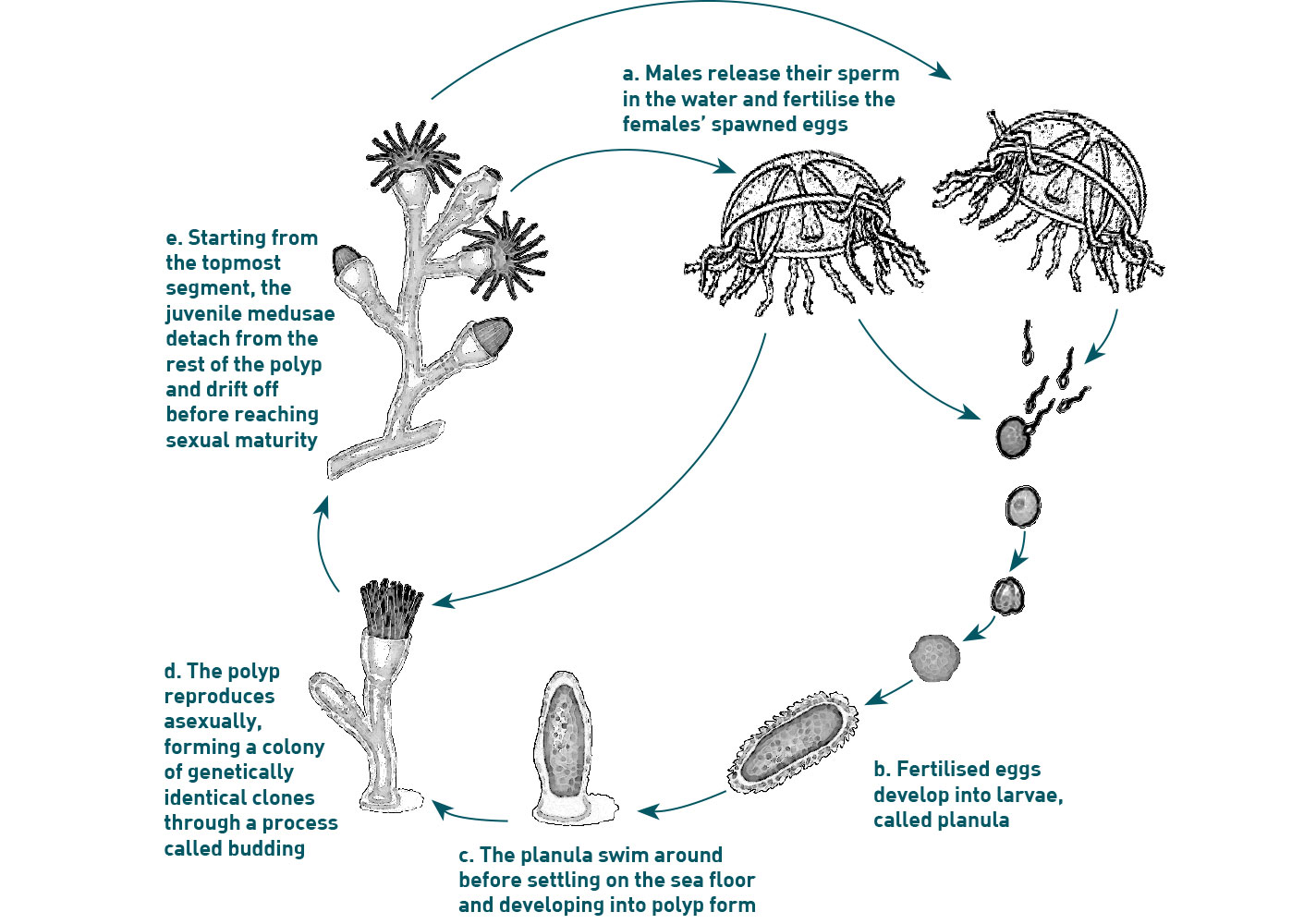
1 All jellyfish exist in two forms: polyp form and medusa form. While most grow from polyp to medusa, the immortal jellyfish can alternate between both forms

2 Like all jellyfish, it has no brains nor a heart

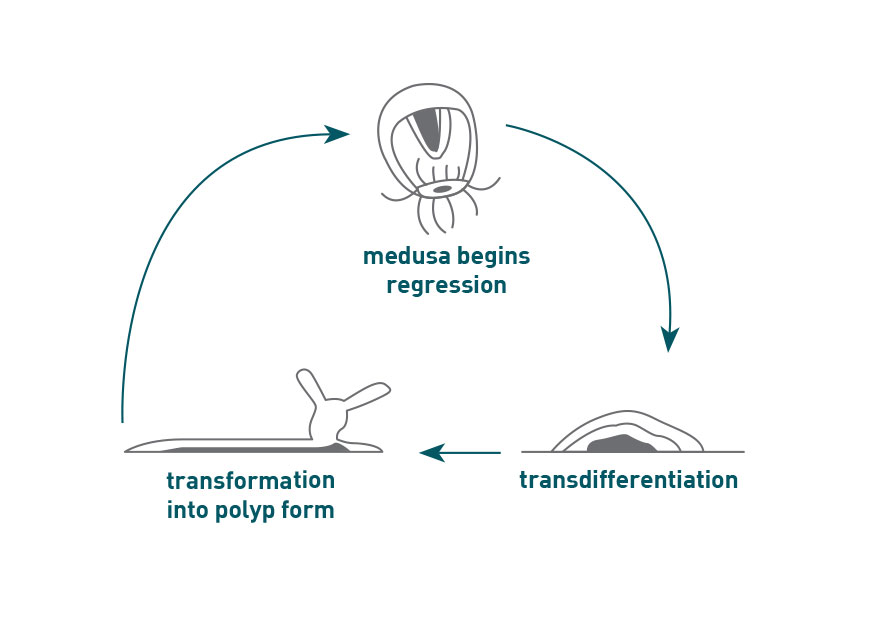
3 The immortal jellyfish reproduces both sexually and asexually. When on the brink of death, the immortal jellyfish can revert back to the polyp stage and start its life cycle all over again. Fortunately, there is no limit to the number of times they can do this!

4 This ability is achieved through a rare process called transdifferentiation: the action of a mature, specialised cell transforming into a completely different mature, specialised cell. Scientists have been studying this cellular mechanism for its potential use in medicine

5 Despite being discovered way back in 1883, the special ability of this species was only realised in the mid-1990s

6 Scientist Shin Kubota, who has spent more than 15 years studying these organisms at Kyoto University’s Seto Marine Biological, found that certain conditions prevent reinvigoration: starvation, large bell size and water colder than 22 degrees Celsius

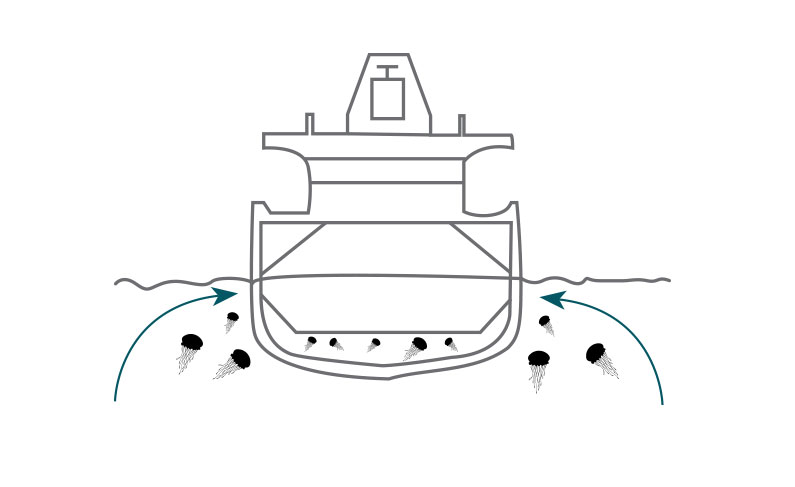
7 Immortal jellyfish are also known to be “hitchhikers”. They have been recorded hitching rides on cargo ships that use seawater for ballast. This phenomenon has allowed the species to rapidly populate the world’s oceans in recent decades


Read the rest of this article in No.113 Issue 3/2018 of Scuba Diver magazine by subscribing here or check out all of our publications here.
Apo Island: The Road to MPA Status

0

In the unassuming province of Negros Oriental in the Philippines, Roni Ben-Aharon walks you down the timeline of how Apo Island, the oldest continuous marine protected area in the Philippines which is home to 650 documented species of fish and over 400 documented species of corals, became a Marine Protected Area

The Road to Protection

Apo Island’s population reaches near a thousand, but infrastructure, access to fresh water and electricity are lacking, so a heavy reliance on the ocean has been instilled. Traditionally, the fishermen used the unsustainable practices of dynamite fishing and muroami – a destructive method of fishing that involves smashing large rocks or cement blocks onto the reef to scare fish into huge nets. In the past, no one saw this as a problem, as they assumed that the abundance would prevail. But gradually, their catch started depleting, and concerns developed.

1974

The Marine Science Department of Silliman University initiated a marine research project in Sumilon Island. This project was led by Dr. Angel Alcala, a pioneer scientist who grew up in a fishing community in Negros. The project studied the effects a pilot marine protected area would have on the surrounding fishing communities.

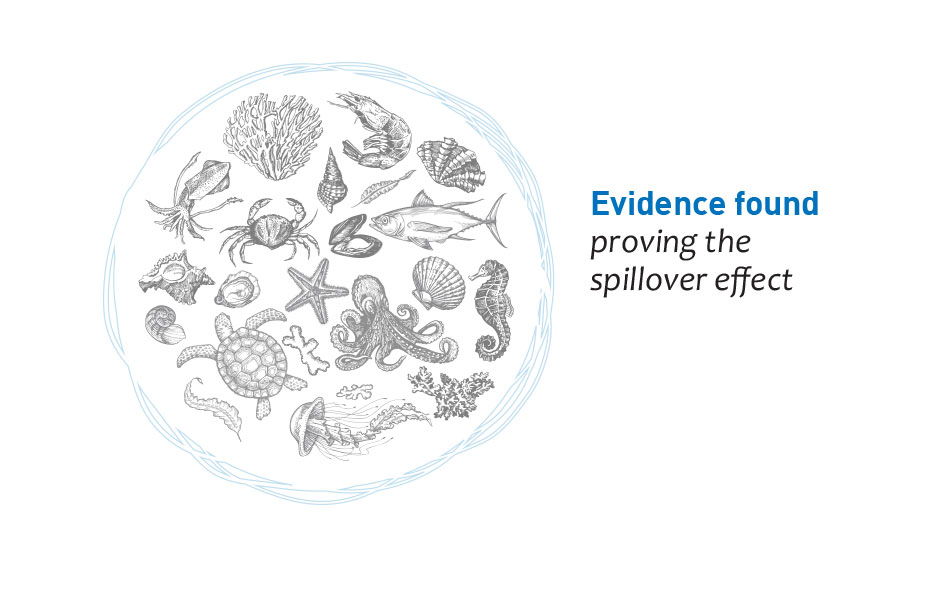
The idea – to sell the concept of marine conservation to the local fishing communities as a method of improving yields – was revolutionary. Dr. Alcala’s theory was that a marine protected area would benefit the fisheries around it through two factors:

  1. There would be a spillover of adult fish from the protected area into the surrounding area, where the protected area functions as a shelter for fish to escape, mature and spawn
  2. Fish spawning in the protected area would produce larvae that is carried by the currents to other communities on the reef

As such, Sumilon Island became the Philippines’ first small marine protected area, where fishing and other human activity was banned.

1980

Seeing political forces clouding conservation efforts, Dr. Alcala understood the importance of involving the community in marine protection efforts. So when he went to Apo Island in the early 1980s, he carried the gospel of marine conservation as a means to achieve greater fish yields for the local community. Those who heard him may have only been teenagers at the time, but today they have become influential political forces.

1982

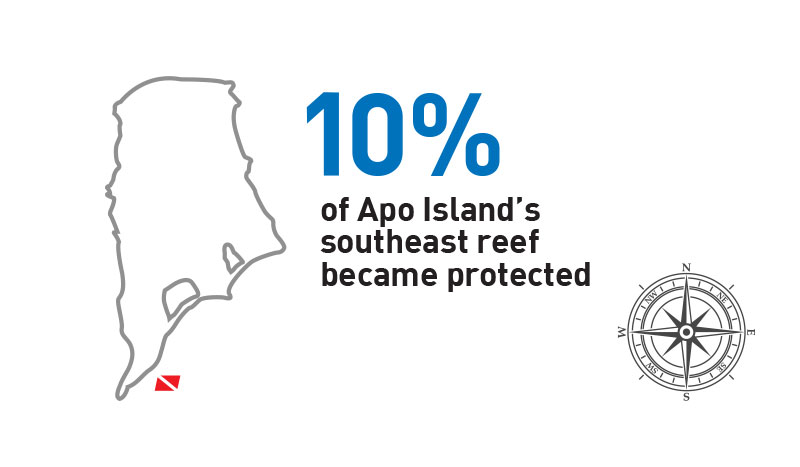
Despite the skepticism, the Apo Island community declared about 10 percent of the reef area of the southeast side of the island as a marine protected area.

1984

Dr. Alcala and Garry Russ of James Cook University in Australia successfully proved that the spillover of adult fish from the marine protected area had a positive effect on the surrounding fishing communities.

Being able to prove this relationship not only validated the need for marine protected areas from a conservation perspective, but also attached a solid economic value to it. 

Unfortunately, the political support in sustaining the nation’s first marine protected area were inconsistent, and local elections marked the end of Sumilon’s protected area. 

1986

Apo Island’s Marine Management Council was established, and declared the end of unsustainable fishing practices, allowing only line and spearfishing, traps and gill nets. It also appointed the Bantay Dagat – gatekeepers to enforce their no-take policy. These practices are still in effect to this day.

1992

Dr. Alcala was appointed the Secretary of the Department of Environment and Natural Resources

1994

Apo Island became part of the National Integrated Protected Area Act (NIPA) and under the jurisdiction of the Protected Area Management Board (PAMB), a national plan to conserve aquatic and terrestrial treasures.


Read the rest of this article in No.112 Issue 2/2018 of Scuba Diver magazine by subscribing here or check out all of our publications here.