Home Blog Page 86

Gorgeous Georgia

0
About as far off the beaten path as you can get, discovering Georgia’s little-known rivers and canyons is not for the faint of heart! (Photo by Viktor Lyagushkin)

When Viktor and I I travelled to Georgia for a holiday, we thought it would be exciting to find somewhere to dive. The Black Sea, which washes Georgia’s western shore, did not attract us; it is dull and lifeless, the same as the waters of the Russian coast. We couldn’t find anything else on the Internet, and so we decided we’d need to do some more digging….

Via National Geographic Georgia, we finally track down Irakli Julakidze, a professor at Kutaisi University; he is an avid traveller, and head of the youth travellers’ club “Tetnuldi”. We ask him about places to dive, and, at first, he just shrugs. But then he shows us a short video that has been taken by some members of his squad – young guys having fun splashing about in a mountain river in a beautiful canyon. The water looks calm… and quite deep!
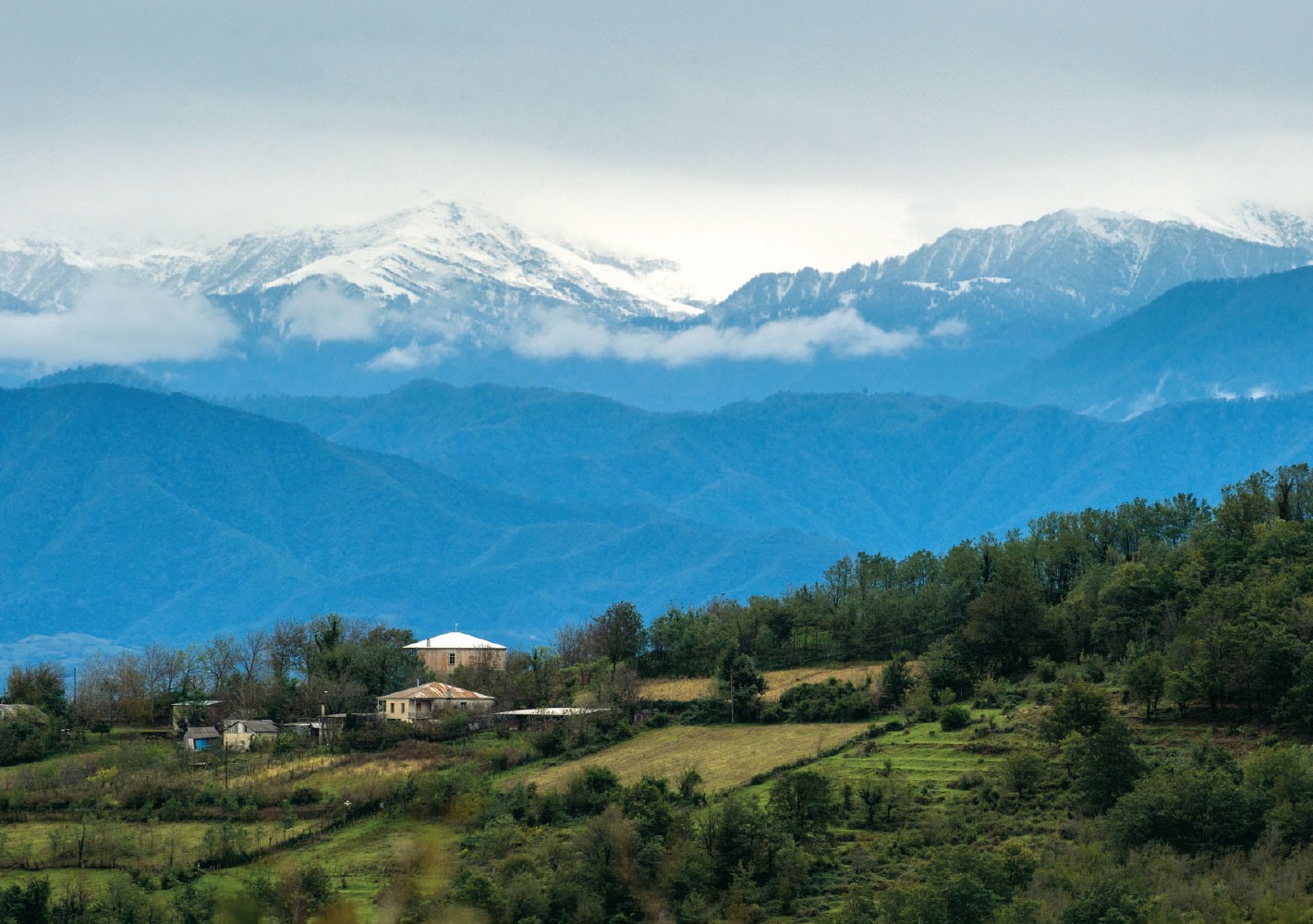
Georgia is a magical land of forests, mountains, and hidden canyons (Photo by Viktor Lyagushkin)

Water is the world’s greatest sculptor, and here it is displaying the very best of its artistry. The rocky canyon is carved into whimsical patterns, like something from the pages of Tolkien, a place elves might dwell. Clear waterfalls, falling from steep cliffs covered with ferns, hanging branches of ivy resembling festive lights; everything is insanely beautiful. Viktor is immediately inspired to go and explore, to dive and photograph this “undiscovered” place…

“Beware! The water is so cold!” Irakli tells us, frightening us into our 5mm wetsuits. And we are off.

Jungle wanderings

For two hours, we walk along a riverbed of ankle-deep water, as the sun rises ever higher. The heat is unbearable. Even the stones along the river can’t withstand the onslaught of the scorching sun on one side and the cold mountain water on the other; punished by these extremes of temperature, they crumble into dust.
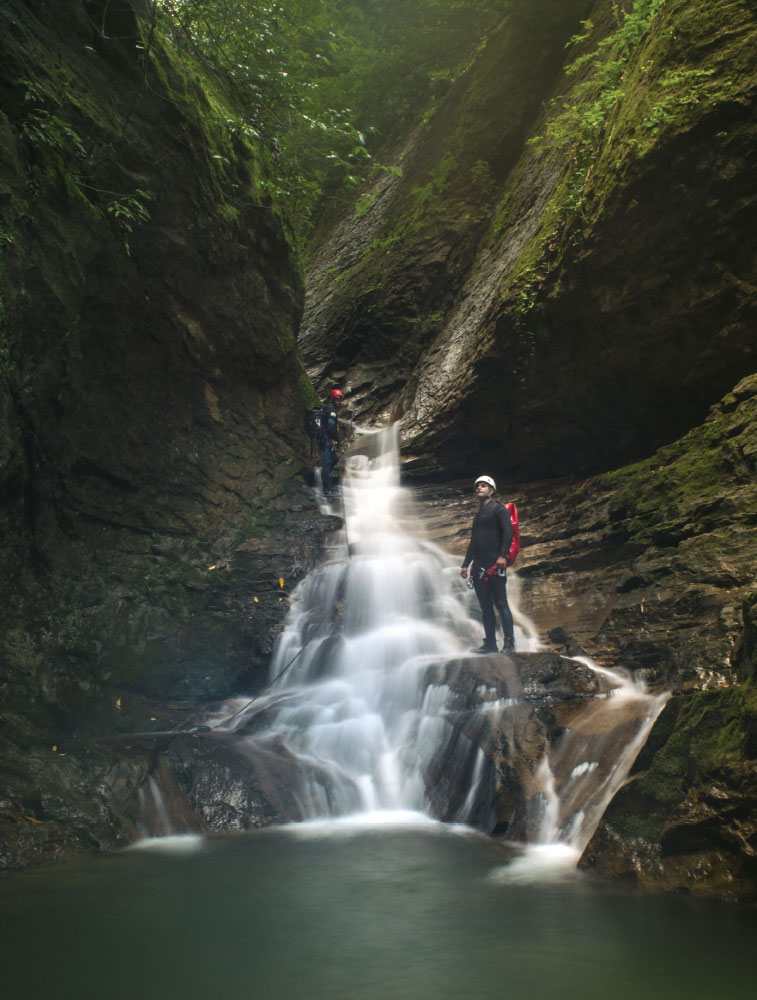
Scaling waterfalls to find a good dive spot. (Photo by Viktor Lyagushkin)

I am no longer able to play the lady and start sitting down in every puddle, using my helmet to pour water over my head to cool me down. Finally, the canyon begins, the temperature drops, and we all perk up a little. But after just one hour, Irakli informs us that the “difficult part” is yet to come.

Telling us that the path ahead would be risky for our photographic equipment, he invites us to bypass that part of the route, and take a detour guided by another club member. We are to meet him on the other side.

So, we crawl into the jungle in the 45-degree heat, and wander there for six hours. The thorny creepers make it impossible to strip off our stifling wetsuits. From time to time our guide approaches the edge of the canyon and pitifully shouts down, “Irakli!” There is no answer.

This time, Viktor’s photographic vision is left unrealised.

Round two

So, it’s hard to explain why we would agree to go looking for undiscovered canyons with Irakli again. Maybe because the blessed land of Georgia casts a spell that puts everyone into a warm and happy mood? This magical sorcery is probably the reason why Georgia has survived for thousands of years – all invaders quickly lose their sense of aggression and forget why they actually came. The only other reason we can think of is that Irkali is the only guide we have.

And so, we set off again, in search of a new canyon. The road leads us through many villages, lined by the typical Georgian landscape: wooden houses with intricate staircases, buried in greenery and vineyards. Cows block our way from time to time, standing idle or lying prostrate in the road, determined not to let us pass. The only other place we have ever met cows with such a blatant sense of entitlement was India. We ask the shepherd for directions. He explains there is a fork in the road, and that we need to be sure to take the correct path. “I know, I know!” answers Irakli – though, of course, taking the wrong route…

Yet finally, incredibly, we do find the canyon. We put on our wetsuits and masks and descend into the clear, cool water. At five to six metres, it is certainly deep enough. But only for a while; rounding a bend in the cliff, the river grows shallow. And again, we find ourselves wading through water up to our knees. Wetsuits quickly dry in the hot summer sun. Irakli throws up his hands, “Only one in every 30 expeditions is successful! Therefore, we must also be wrong 27 times, and by the 30th, we’ll find what are looking for!”


Read the rest of this article in 2017 Issue 2 Volume 146 of Asian Diver magazine by subscribing here or check out all of our publications here.
From Giants to Dragons

0
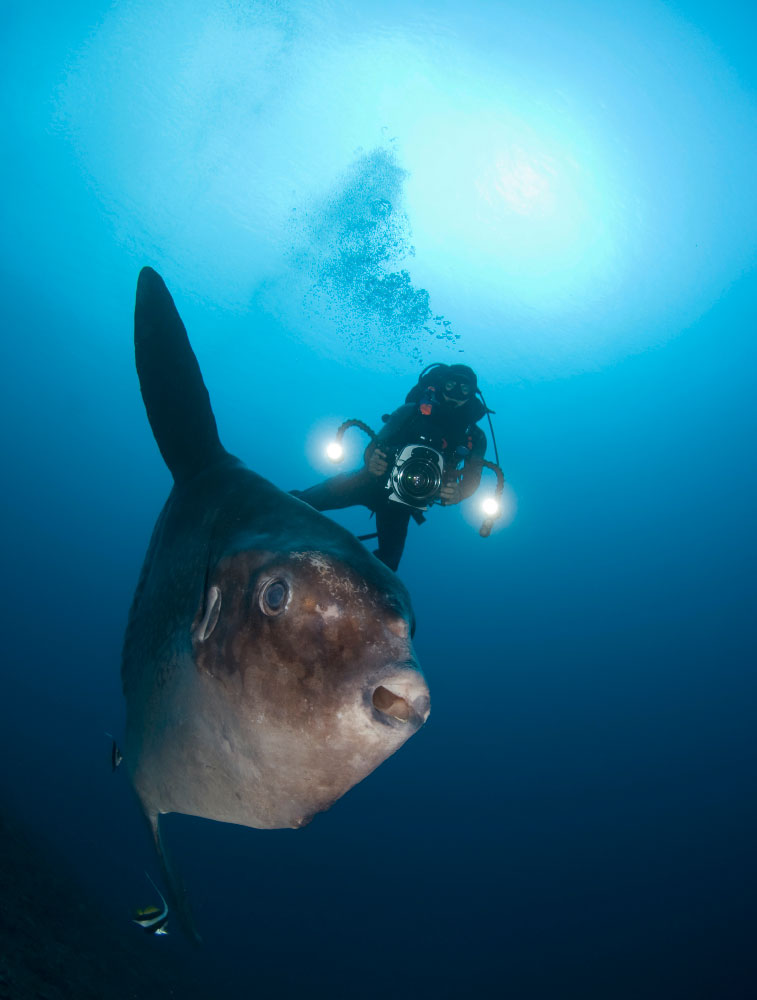
Ocean sunfish, Mola mola, being filmed for Great Ocean Adventures shoot, Bali, Indonesia © Simon Enderby/scubazoo.com

The Indo-Pacific encompasses the richest marine ecosystems on the planet, and houses some of the most incredible marine life. Here, the staff of Scubazoo picks our personal favourites, to showcase some of the wonderful creatures that would be on most divers’ wish lists, ranging from the tiniest critters to the biggest animal that has ever lived. How many have you ticked off your list so far, and which will you choose next?

Blue Whales: Sri Lanka 

Over the last few years, Sri Lanka has opened up to tourism, and people are now flocking to meet the greatest of cetaceans. Blue whales can be seen throughout the year off the south of the island. Most people get a whale-watching boat early in the morning and spend the day watching dolphins, sperm whales and blue whales. However, if you want to get in the water with them, you will need to arrange a special tour to (hopefully) get close enough to catch a glimpse of these gigantic creatures from below the surface. Patience and stamina are required, but swimming with the biggest animal ever to have lived on Earth is not something that many people can say they have experienced.

Several manta rays, Manta birostris, feeding, Baa Atoll, Maldives © Adam Broadbent/scubazoo.com

Humpback Whales: Vava’u, Tonga

As with most large nomadic ocean creatures, coming across a passing whale is a rare experience for a diver, and it is only by knowing more about their behaviour that we can up the chances of seeing them underwater. Humpback whales migrate from colder feeding grounds to warmer waters, where they mate and give birth, and Tonga is now one of the places where they can be seen regularly. These animals are, thankfully, protected by strict laws so permission has to be obtained to swim with them, but the effort is well worth the unforgettable experience of sharing the sea with an inquisitive mother and her playful calf.

Manta Rays & Whale Sharks:
Hanifaru Bay, Maldives

Now a UNESCO World Biosphere Reserve, Hanifaru Bay is one of the few places in the world where you can encounter two of the largest and most majestic fish in the ocean and watch the behaviour of both in a relatively small area. Large schools of manta and whale sharks gather in this bay to feed on the plankton trapped there by the ocean currents. In what appears to be an orchestrated dance, trains of mantas feeding in formation can be seen “barrel-rolling” through the rich waters, sometimes up to 150 at once, whilst huge whale sharks suck large volumes of water through their gills to extract the tiny plankton.


Ocean sunfish, Mola mola, being filmed for Great Ocean Adventures shoot, Bali, Indonesia © Simon Enderby/scubazoo.com

Mola Mola: Bali, Indonesia

The largest bony fish in the sea, the Mola mola, otherwise known as the sunfish, is also one of the most bizarre looking. These huge animals are best seen when visiting cleaning stations; they wait patiently in line for bannerfish to rid them of parasites. Currents can be strong and unpredictable, and the water can be (relatively) cold, but the experience is a must-have for many divers. Sunfish sightings are better during certain stages of the moon, so make sure you check your lunar calendar before you go.

Great White Sharks: Neptune Islands, Australia

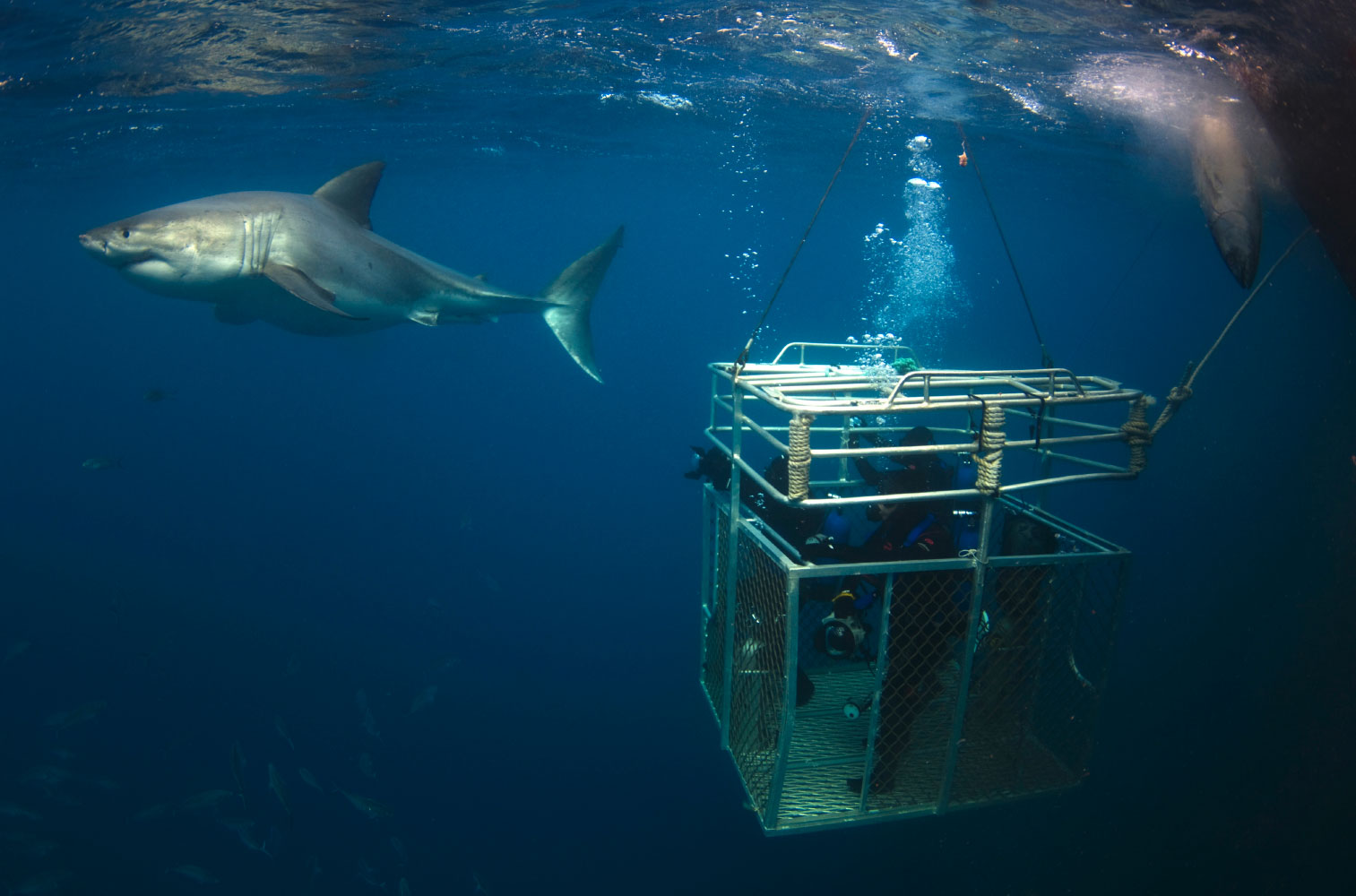
For the most dramatic and exciting underwater experiences, diving with sharks is as good as it gets for most divers, and great whites are the ultimate encounter. Nothing can match the rush of adrenalin you get when you encounter a great white shark face-to-face for the first time, when you experience their sheer size and power up-close. Diving off the Neptune Islands in South Australia offers you the chance to see these magnificent creatures from cages at the surface and on the seabed.

Hammerhead Sharks: Layang Layang

Layang Layang, lying off the west coast of Borneo in the South China Sea, is Malaysia’s only atoll. It is blessed with stunning coral reefs, colourful and diverse fish species, and even hawksbill and green turtles. But this is not what divers come for. Divers here spend most of their time hanging out in the blue waiting for pelagic fish to swim by, the highlight of these being huge schools of hammerhead sharks. Hammerheads are solitary hunters by night, but during the day they can be seen en masse in social groups, sometimes numbering hundreds of individuals.

Great white shark, Carcharodon carcharias, swimming past shark cage with divers, Neptune Islands, South Australia © Jason Isley/scubazoo.com

Thresher Sharks: Malapascua 

Malapascua Island in the Philippines is still the place to go for sightings of the beautifully elusive thresher shark. Its large eyes are an indication that this shark usually spends its time in the depths of the open ocean, so the best chance of catching a glimpse of its streamlined body is when it visits shallow reefs and accepts the services of cleaner wrasse and other cleaning species that remove parasites from its body. Rare sightings of the shark using its long tail to stun shoals of sardines are also possible around this area.

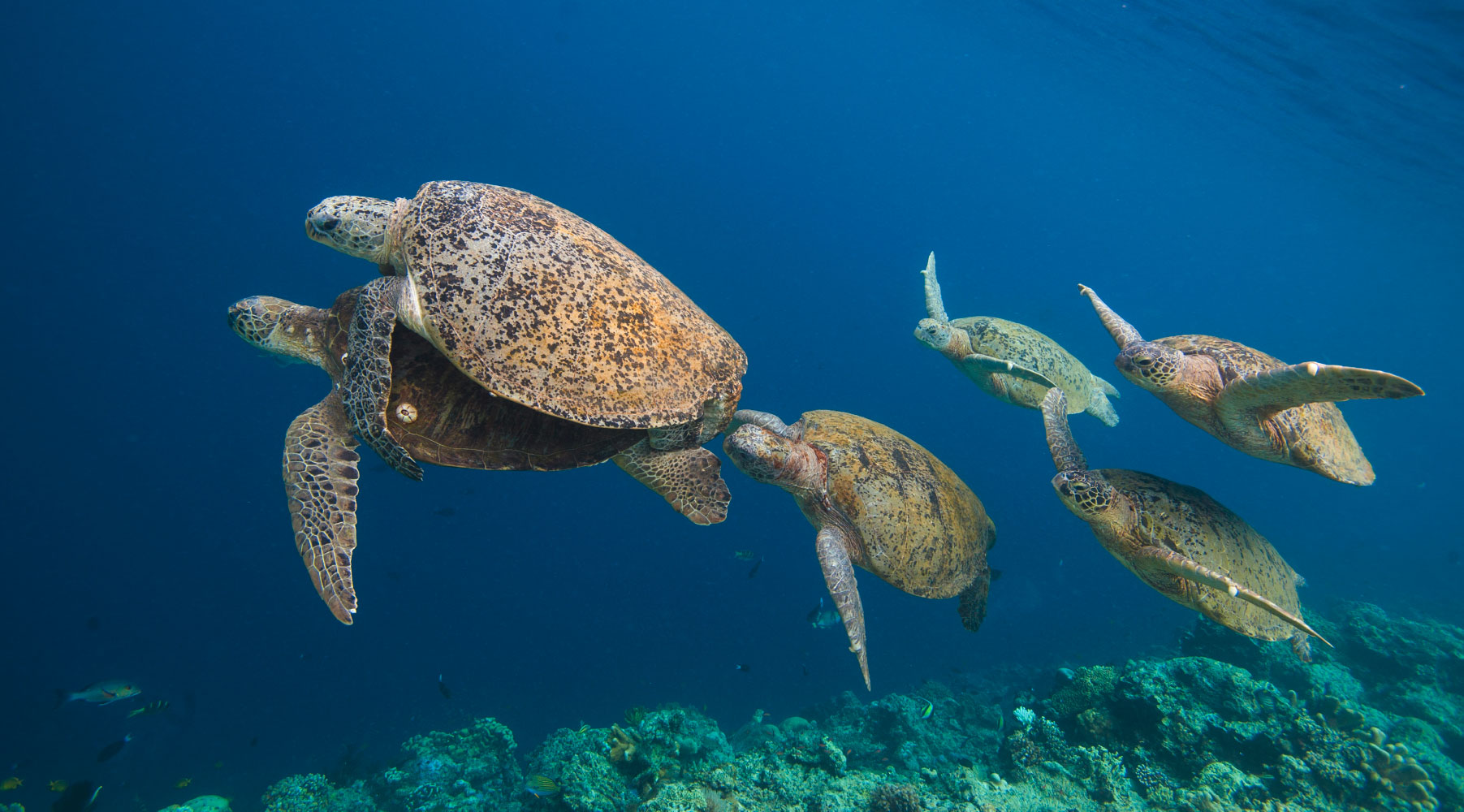
A pair of mating green turtles, Chelonia mydas, being chased by rival males, Sipadan Island, Borneo, East Malaysia © Gil Woolley/scubazoo.com

Turtles: Sipadan, Borneo

Sipadan Island off Borneo is a famous dive site for many reasons. Some say it has everything – stunning corals, sharks, huge schools of barracuda, turtles, and even passing mantas and whale sharks. At certain times of year though (around July we have found) the turtles there get somewhat frisky, and it is possible to see several pairs mating during a dive! This is a frantic time for the turtles and it is possible to see many males competing to mate with a single female over many hours, leaving the female struggling for breath as she desperately attempts to reach the surface under the weight of the pursuing pack.


Read the rest of this article in Issue 3/2014, AA No.78 of Scuba Diver magazine by subscribing here or check out all of our publications here.
Iceland: Diving Where The World Rips Apart

0
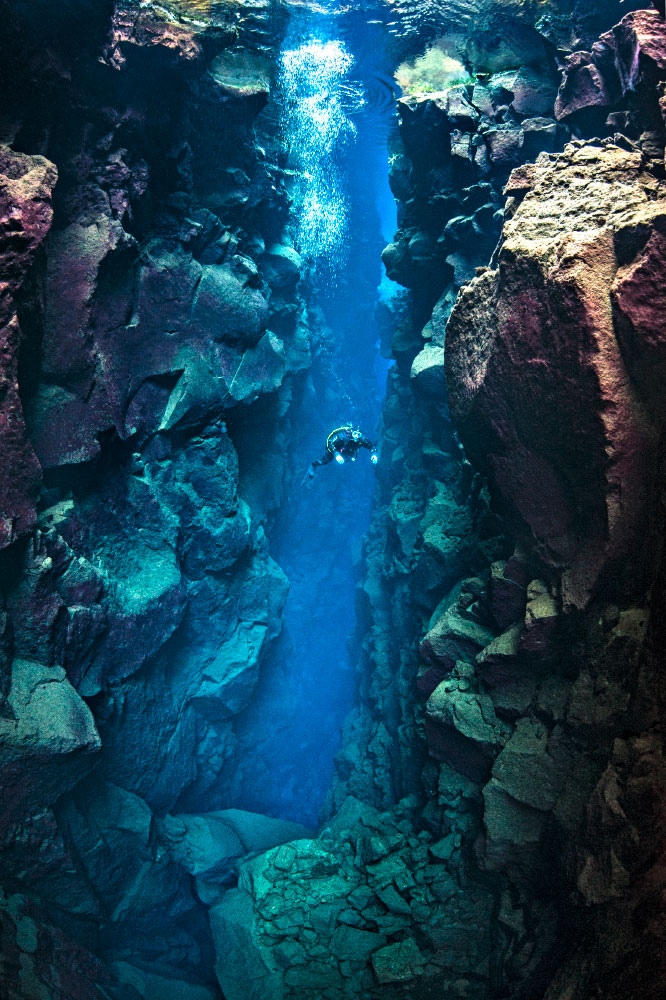
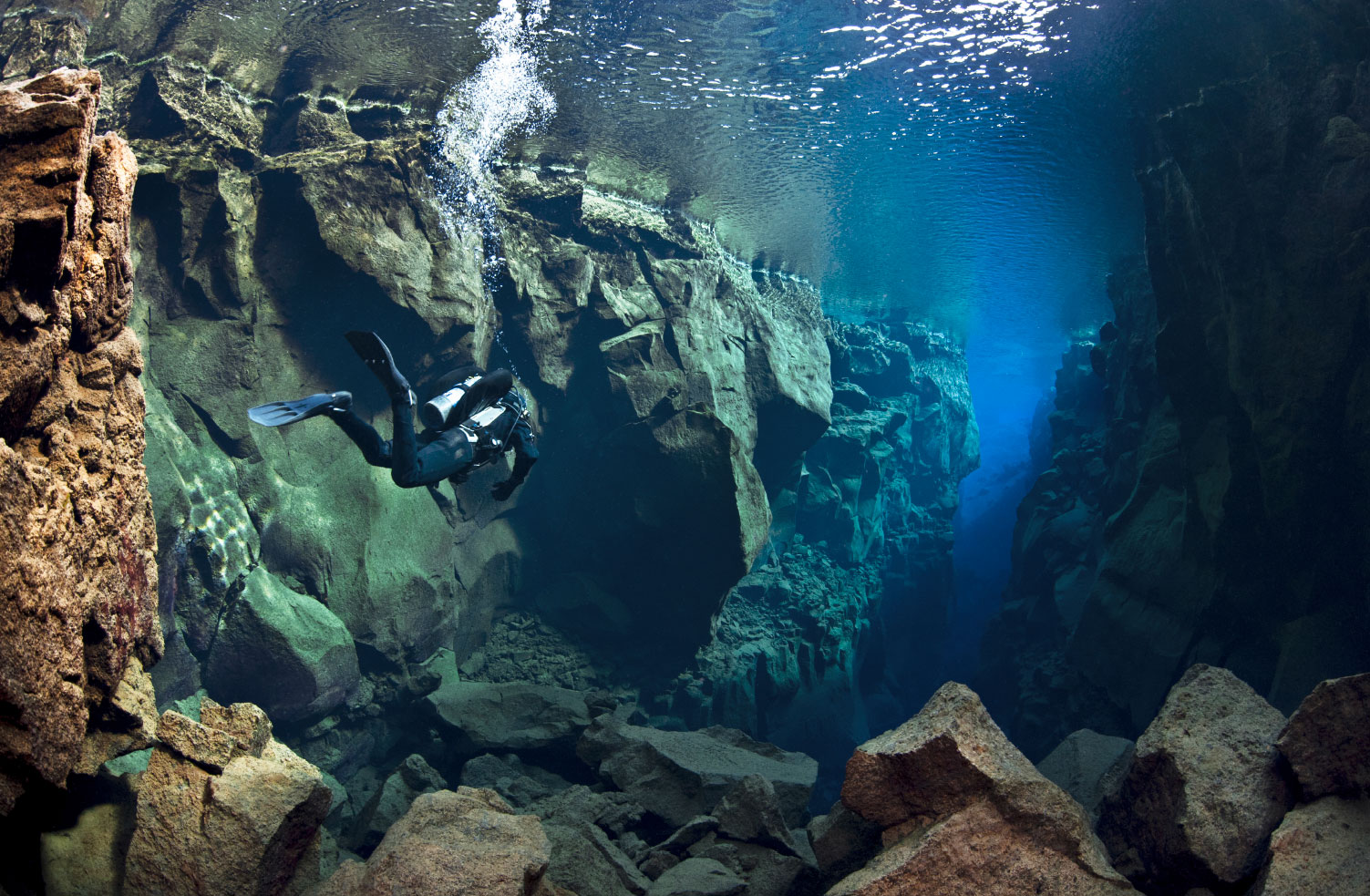
Heading into Silfra fissure in Thingvellir, Iceland – a dive between the American and Eurasian tectonic plates, where the continents are pulling away from each other Settings: f/13, 1/50s, ISO 640 (Photo by Alex Mustard)

Unusually, the wow moment comes right at the start. When diving in the crystal clear waters of the Silfra canyon, it is the process of dipping your mask beneath the surface that really blows your mind.

Silfra is Iceland’s most famous dive site – it even has a celebrity fan club. Movie stars Tom Cruise and Ben Stiller have both logged its total immersion assault on the senses. For such a celebrated dive, the start is incongruous, with a clumsy climb down a swimming pool ladder into the fissure, followed by a minute or two where you bob about on the surface, buoyed by your layers of thermal insulation. Once the group is ready, it is time to submerge, and that moment of brain scrambling, sensory overload.

“Silver” canyon gets its name because the dark waters, shaded by the narrow walls of the canyon, conspire with the smooth surface to reflect the white clouds above. The mirror-like surface reveals very little of what lies beneath. It’s only at the moment of submergence that you pass through the looking glass and everything is revealed.

The unparalleled visibillity of Silfra is impossible to measure as the canyon winds and twists along its length
Settings: f/11, 1/25s, ISO 800 (Photo by Alex Mustard)

The cold water (1–3˚C) bites into any exposed skin on your face and you inhale sharply. Reeling, your eyes struggle to make sense of the scene. The scale of the chasm is suddenly apparent, and because you can see so much more than you could from above the silver surface, at Silfra you get the feeling that the water is even clearer than the air. In fact, the stunning visibility is almost impossible to gauge because, despite the scale of this jagged fracture that divides the North American and Eurasian continental plates, you can never see far enough in a straight line to judge it. There is always a turn in the canyon before the visibility runs out. The water is glacial melt, which has filtered through the porous volcanic rocks over hundreds of years and is pure enough that it could be bottled and sold as mineral water. In fact, it is delicious to sip during the dive.

“Silfra always gets amazing reactions from people,” Finni Finnbjornsson of Scuba Iceland tells me. “Wow!So unique! I hear these every day. Divers are always surprised by the visibility, however much they have read about it before.”

There is little life to see in Silfra, but the visibility and scenery secures its place firmly on almost every diver’s bucket list. It is less than an hour’s drive from Iceland’s capital, Reykjavik, and many people travel to Iceland specifically to dive it. All the dive centres have first-class rental gear and can teach you to use a drysuit, so you just really need to arrive to dive.

Silfra is clearly world class, but I am interested in what other diving adventures Iceland offers. Is it a place to visit for a weekend and just dive Silfra, or come for a week or two and take in a range of dive sites with tongue twisting names?  As Finni says enticingly, “What I like most about Iceland diving is that it is almost entirely unexplored underwater. Icelanders have been diving Silfra for more than 30 years, but it has only been attracting overseas divers for little more than a decade. And all our other sites are dived much, much less. We’ve 1,600 wrecks in Iceland and we dive fewer than eight regularly.”


Read the rest of this article in Issue 6/2014, OP No.1 of Scuba Diver magazine by subscribing here or check out all of our publications here.
Uluburun – Oldest Shipwreck In the World

0
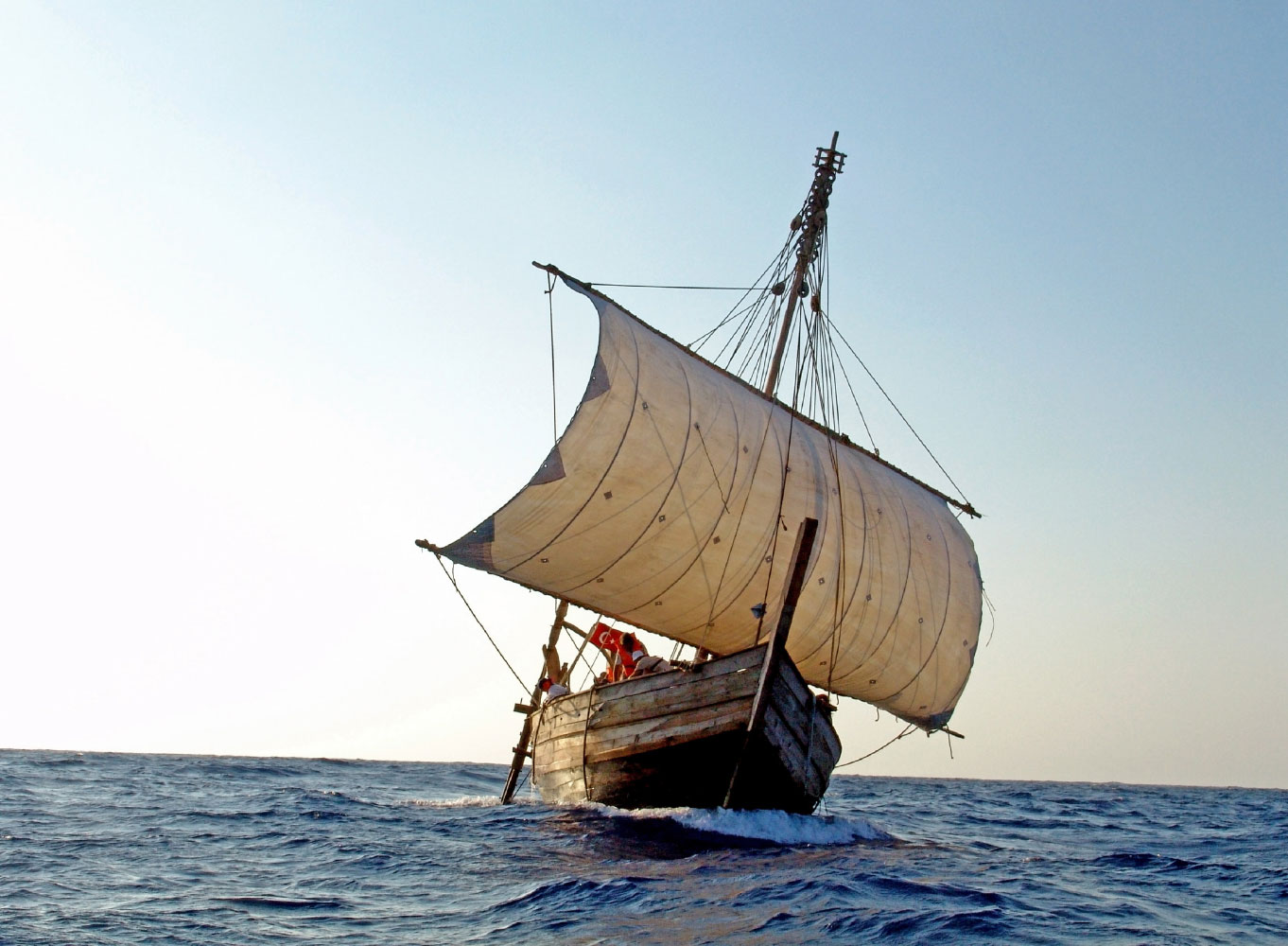
The Uluburun II, a replica of the original one, built by the Turkish scientific group "360 degrees" using same technologies as used in the Bronze Age, here, cruising in Aegean waters. (Photo of the Uluburun II is published with kind permission of the 360 degrees research group, Turkey)

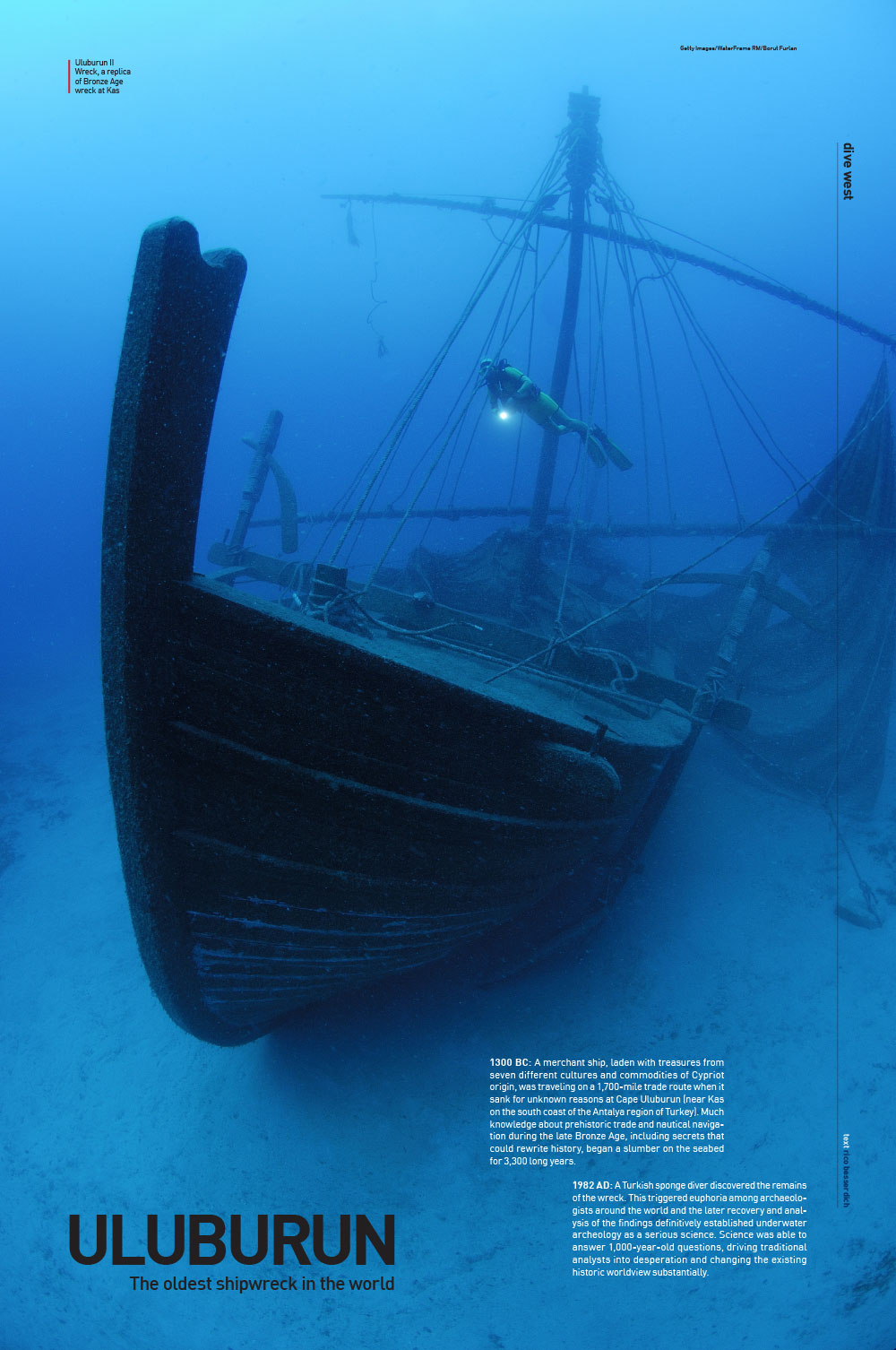
1300 BC: A merchant ship, laden with treasures from seven different cultures and commodities of Cypriot origin, was traveling on a 1,700-mile trade route when it sank for unknown reasons at Cape Uluburun (near Kas on the south coast of the Antalya region of Turkey). Much knowledge about prehistoric trade and nautical navigation during the late Bronze Age, including secrets that could rewrite history, began a slumber on the seabed for 3,300 long years.

1982 AD: A Turkish sponge diver discovered the remains of the wreck. This triggered euphoria among archaeologists around the world and the later recovery and analysis of the findings definitively established underwater archeology as a serious science. Science was able to answer 1,000-year-old questions, driving traditional analysts into desperation and changing the existing historic worldview substantially.

Named after the place where it was discovered (Cape Uluburun), the Uluburun is the oldest known shipwreck in the world and a finding of superlatives. She brought answers to many questions, but she also introduced many new mysteries that science has yet to explain, even today.

The Bronze Age

The Uluburun sank during the so-called Late Bronze Age. The Bronze Age – it sounds terribly old, doesn’t it? It is! It was a time when the invention of the wheel was as remarkable as the invention of social networking today.

The Bronze Age succeeded the Stone Age and is the predecessor to the Iron Age. It lasted from about 2200 to 800 BC, but did not occur everywhere at once, because different cultures experienced different stages of development.

The namesake of this period was the metal alloy bronze, which comprises 90 percent copper and 10 percent tin. The use and processing of metals was already known to human, but it was limited to sterling metals (naturally occurring pure metals), such as gold, silver and copper.

The “invention” (mainly in Europe and the Middle East) of Man’s first alloy (which was much harder than copper) triggered a worldwide change with lasting consequences. We could say the last trip of the Uluburun was, in some way, a consequence of these changes.

Along with the invention of bronze, the necessity to organise a “metallurgy chain” became apparent. Production needed tin, which was rare and not available everywhere. The appropriate logistics became essential.

Uluburun II Wreck, a replica of Bronze Age wreck at Kas (Getty Images/WaterFrame RM/Borut Furlan)

With bronze, it became possible to accumulate wealth that was easy to transport: Bronze ingots were a common payment currency of the time and where there is wealth, conflicts arise. The simultaneous emergence of heavily fortified settlements and the invention of the sword show that our ancestors experienced troubles with jealous neighbours who tried to get a piece of the pie.

Bronze also caused a serious upheaval in the social structure. The access to, and control of, resources (such as metals, metallurgy, communications and trade routes) resulted in the emergence of an upper social class and induced differentiation among people, the consequences of which we still feel even today.

The geographically uneven distribution of metal deposits (particularly tin) resulted in a far-reaching and almost global trading network that also spread cultural ideas in addition to goods. Bronze was essentially pioneering the cross-border communication of knowledge between cultures. Even today, good ol’ bronze has an essential word to say in the world of digital communication: No computer works without the elements of bronze. No bronze would mean, no online social networks.

While Uluburun sailed the seas, the world-famous bust of Nefertiti was made in Egypt. Odysseus returned home from his long odyssey. The Egyptian Pharaoh Echnaton established the first monotheistic religion. Moses’ successor Joshua led the Israelites and the Hittites dominated an area five times larger than Germany. These were turbulent times from Haithabu to Karnak, as well as at Cape Uluburun on the southern Turkish coast, and this is where a merchant ship with a cargo of priceless goods sank to its grave.

The Uluburun II, a replica of the original one, built by the Turkish scientific group “360 degrees” using same technologies as used in the Bronze Age, here, cruising in Aegean waters. (Photo of the Uluburun II is published with kind permission of the 360 degrees research group, Turkey)

The ship

The ship was built of cedar using the so-called “spigot technique”, which involves building the outer hull first and adding the underlying “skeleton” (the frames and bars) later. One thousand years after the demise of the Uluburun, this technique was still used to build Roman and Greek ships.

Archaeological finds in Egypt suggest that the archetype for this ship probably came from ancient Egypt. In particular, Pharaoh Echnaton drove the development of more resilient oceangoing ships to advance trade and transport at the time.

However, a fine structural difference with the Uluburun is that its pegs were not secured by wooden pins. This technique would later be called “Fenike-mortising” by the Romans. The Uluburun was certainly built for use at sea, which refutes the thesis that sailing in the Bronze Age was done exclusively within sight of the coast.

Because only about 3 percent of the ship’s original hull was recovered, drawings from ancient Egypt, specifically the pictorial representation of the “fleet of Queen Hatshepsut in the land of Punt” (1500 BC), provided a significant visual reference for reconstructing the ship.

After extensive research, we now know that the Uluburun was 15 metres long, five metres wide and had a draft of 1.4 metres. Her cargo is estimated to have been 20 tonnes. The width of the ship’s trim was six centimetres, and the pegs were at a distance of 20 centimetres.

The ship used a triangular sail, which provided a maximum speed of two nautical miles per hour, and two rudders to manoeuvre.

The Turkish research group “360” proved this ship was oceangoing in 2005. By using techniques and materials from the late Bronze Age only, the “360” group built an identical replica of Uluburun and successfully sailed the Mediterranean.

This was the probable route of the Uluburun: From her homeport on the Levantine coast, she sailed fully loaded to her (unknown) Mycenaean destination port. At night, she anchored in ports along the Turkish coast. The planned way back may have then taken her towards Marsa Matruh in northwest Egypt. The currents and winds in the area suggest such a route, as the Uluburun was unable to cross winds due to her simple sail.


Read the rest of this article in 2013 Issue 1 Volume 124 of Asian Diver magazine by subscribing here or check out all of our publications here.
Scuba 101: Fit To Dive

0

Diving, when done properly, should be a Zen-like amble through Poseidon’s realms. But to maximise your safety and keep any stress at bay, it’s still important to ensure that your bod is dive ready.

Full body

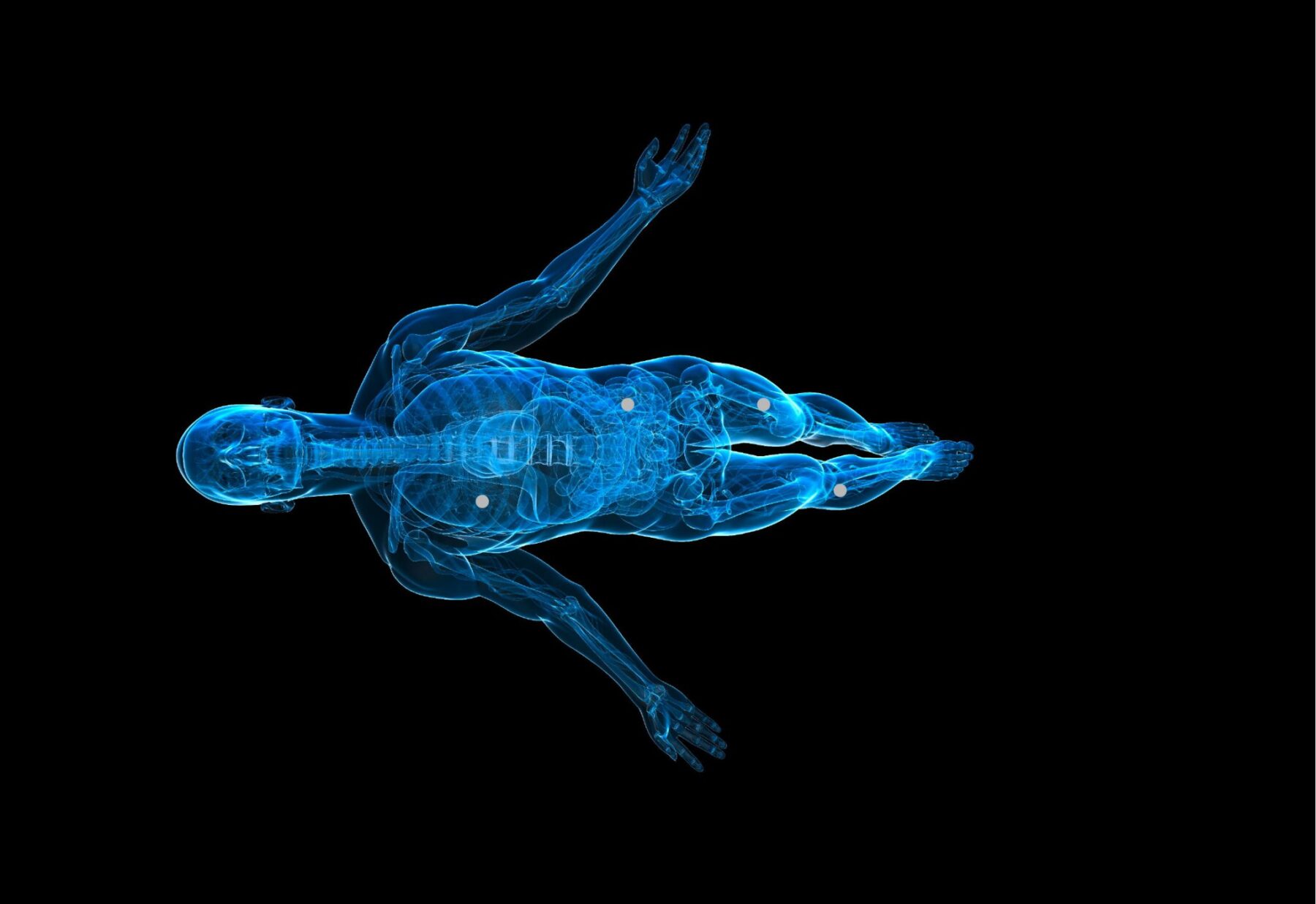
A certain degree of flexibility is important in diving.  We’re not suggesting you need to be able to tie yourself into a pretzel, but being able to competently touch your toes, and reach behind your back is important to allow you to manage your equipment or any issues underwater. Recovering a regulator, picking up dropped pieces of gear, turning to look for your buddy, or removing a cramp will all require some basic suppleness. If you need to up your physical pliability, think about practicing some basic yoga or regular gentle stretches.

1. Heart and lungs

According to recent research by DAN, around 26 percent of dive fatalities involve cardiovascular emergencies. So you need to set your heart on ensuring that you are fit enough to dive.

Exercises that involve cardio reduce hypertension (which is associated with an increased risk of cardiovascular disease), increase stamina, and help your breathing. Both running and swimming are great ways to up your cardio, which will not only make those surface swims a breeze, but will also help to shed the pounds, making slipping into your wetsuit even easier.

2. Core

Strong core muscles (your abs and lower back) are the key to improved balance and stability. Diving presents unique challenges to the core muscles because the load placed on the body by dive gear is distributed differently than your normal body weight.  While most of the time you will be underwater and essentially weightless, lifting tanks, weights, stabilising yourself on the edge of the dive tender, and maintaining good (horizontal) trim underwater will all test your core strength.

Try exercises like the plank to avoid muscle strain, lower back pain or injuries, and total wipe outs on the dive deck; plus you can feel like a Men’s Health cover star by getting that middle in shape.

3. Thighs

From standing up and sitting down while kitted up, to climbing boat ladders, and proper flutter kicks, your thighs are the driver of your journey to and through the blue. Regularly exercising your lower limbs will help improve muscle endurance and flexibility – making for a safer, and more enjoyable dive. Exercises like the wide stance squat will help prep your pegs.

4. Calves and Feet

Kicking into high gear, moving across currents or manoeuvring yourself into position to snap that next SDAA cover shot, your lower legs and feet can get quite a work out underwater. Foot and calf cramps can strike even the fittest of divers, and can be caused by a number of factors including muscle strain, dehydration or overuse.

Be sure you’re properly hydrated; replacing the essential salts as well as the water you’re losing. You can also give yourself an advantage and tone up your calves with exercises like the standing calf raise.

**Note for disabled divers: Diving is not off limits to many people with disabilities: there are alternative ways of entering, exiting and moving around under the water, and other exercises that can help strengthen the specific muscles you will using. Divers who have a physical disability are starting at exactly the same point as any other new diver – with zero experience. For more information visit Disabled Divers International at www.ddivers.org

Read the rest of this article in Issue 7/2015, AA No.84 of Scuba Diver magazine by subscribing here or check out all of our publications here.
Body Matters

0

Have you ever wondered why you need to pee as soon as you hit fifteen metres? Or why diving gives you a mouth that’s dry as the Sahara? Does effective equalising elude you? Or are you yet to get your head around the freaky phenomenon that is narcosis?

Ponder no longer. We have the answers.

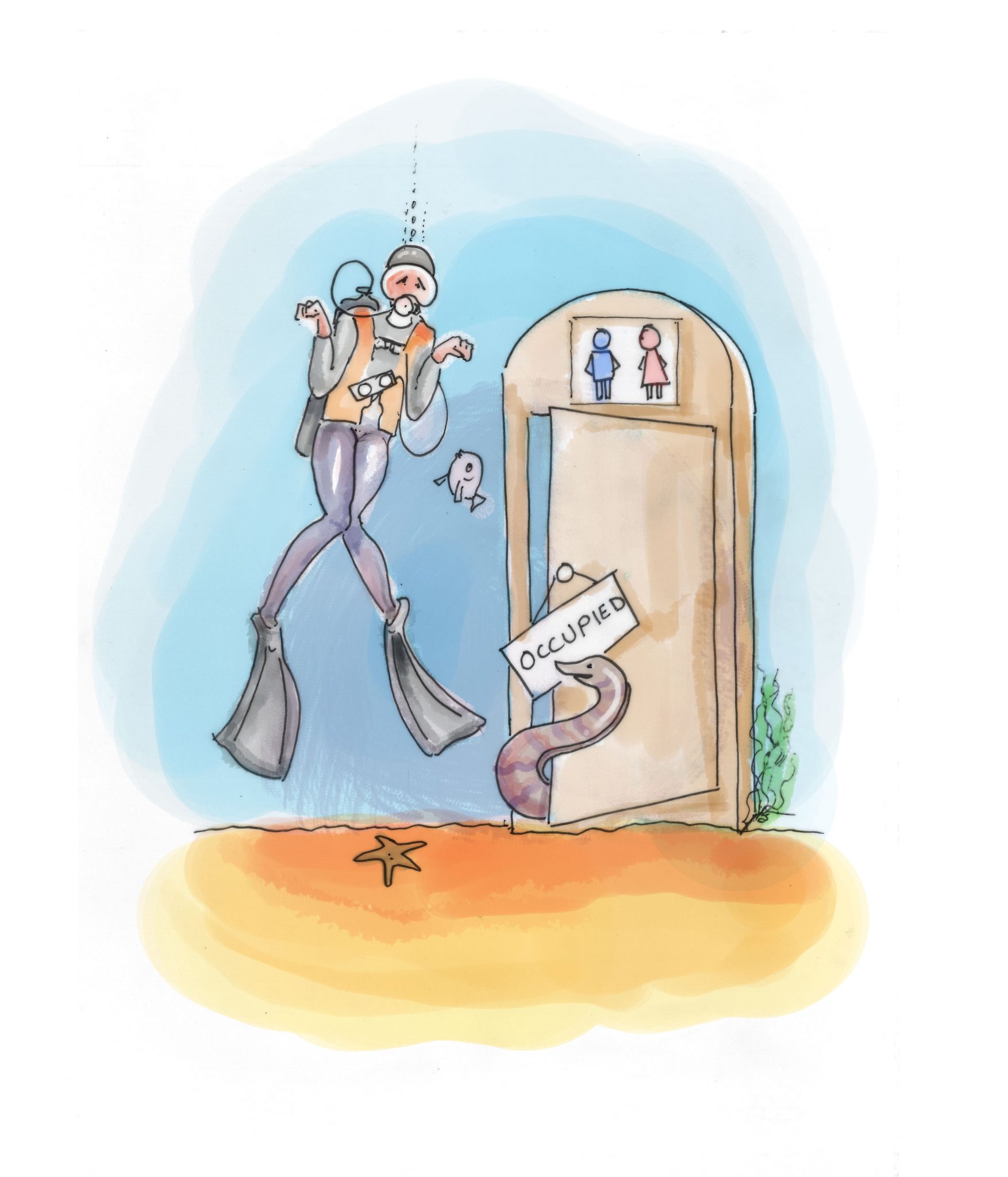
The urge to pee is caused by immersion diuresis and is a result of the body’s response to cold water. (Illustration by John Grainger)

The Science Behind The Narc

Narcosis. Some divers like it, some divers really don’t, and others claim they aren’t affected by it at all. For many, it’s simply a gentle buzz – the high without the low. But going deep to get the hit is a risky business.

The reported effects of narcosis are a variety of emotions and sensations that can manifest at a whole range of depths. Along with a sense of joy and wellbeing, narcosis can result in anxiety, fear, giddiness, euphoria, blackouts, and silly behaviour. Some divers even claim not to experience narcosis at all. Physical differences and susceptibility aside, never feeling a thing seems a little unlikely. But how does it work, physiologically?

Under pressure

Research is on-going and scientists are still divided over the exact causes of nitrogen narcosis. We do know, however, that it involves the effect of the “partial pressure” of the gas you are breathing. Under one atmosphere of normal air (i.e. on the surface, with nothing but that big blue thing above our heads) we are subjected to one atmosphere of pressure (which figures), or 1 ATM. With nitrogen making up around 21 percent of the air that we are breathing, the amount of this pressure that the nitrogen is responsible for exerting is 0.21 ATM. We call this the partial pressure.

As we take this air underwater, the partial pressure of the nitrogen increases as the ambient pressure increases. At 10 metres, the ambient pressure of the air we are breathing is 2 ATM and the nitrogen is now responsible for around 0.42 ATM of it. As we continue to descend, the pressure increases, and, as the partial pressure of the nitrogen goes up, so does its narcotic effect. But why?

According to the Meyer-Overton hypothesis, narcosis happens when the gas (nitrogen in this case but other inert gases can have the same effect) penetrates the lipids of the brain’s nerve cells causing interference with the transmission of signals from one nerve cell to another. Recently, specific types of receptors in nerve cells have been isolated as being involved with narcosis, but the general idea of nerve transmission being altered in areas of the brain, remains unchallenged.

Susceptibility varies from one individual to the next, but also from one day (or even one dive) to the next. Some factors that influence the effects of narcosis are hard work, cold water, alcohol (even the effects of a late night the day before), fear, descent rate, fatigue and illness, and medication, to name a few.

The Martini Effect

In diving circles, some people refer to this as the “Martini Effect” to express the amount of mental impairment that we can expect to occur at different depths. The exact depth at which narcosis starts to have an effect is not precise and is very much dependent on physiological differences, susceptibility, physical fitness and environmental factors. But thirty metres (100 feet) is a widely accepted, rough starting point for the initial sensations.

People liken being at 30 metres to the feeling of having had one martini on an empty stomach. The idea is that if you continue to descend past 30 metres, for every subsequent 10 to 15 metres the effect on mental impairment is the equivalent of having had one more martini.

In the same way that being a little drunk is unlikely to kill you, narcosis itself is not life threatening, but your actions or reactions due to your “inebriated” state could be. Three martinis on an empty stomach might not be lethal, but getting in your car could well be, endangering yourself and possibly others. Food for thought?

Read the rest of this article in Issue 5/2014, AA No.79 of Scuba Diver magazine by subscribing here or check out all of our publications here.
Conservation Legacy of Paul Allen Lives On

0
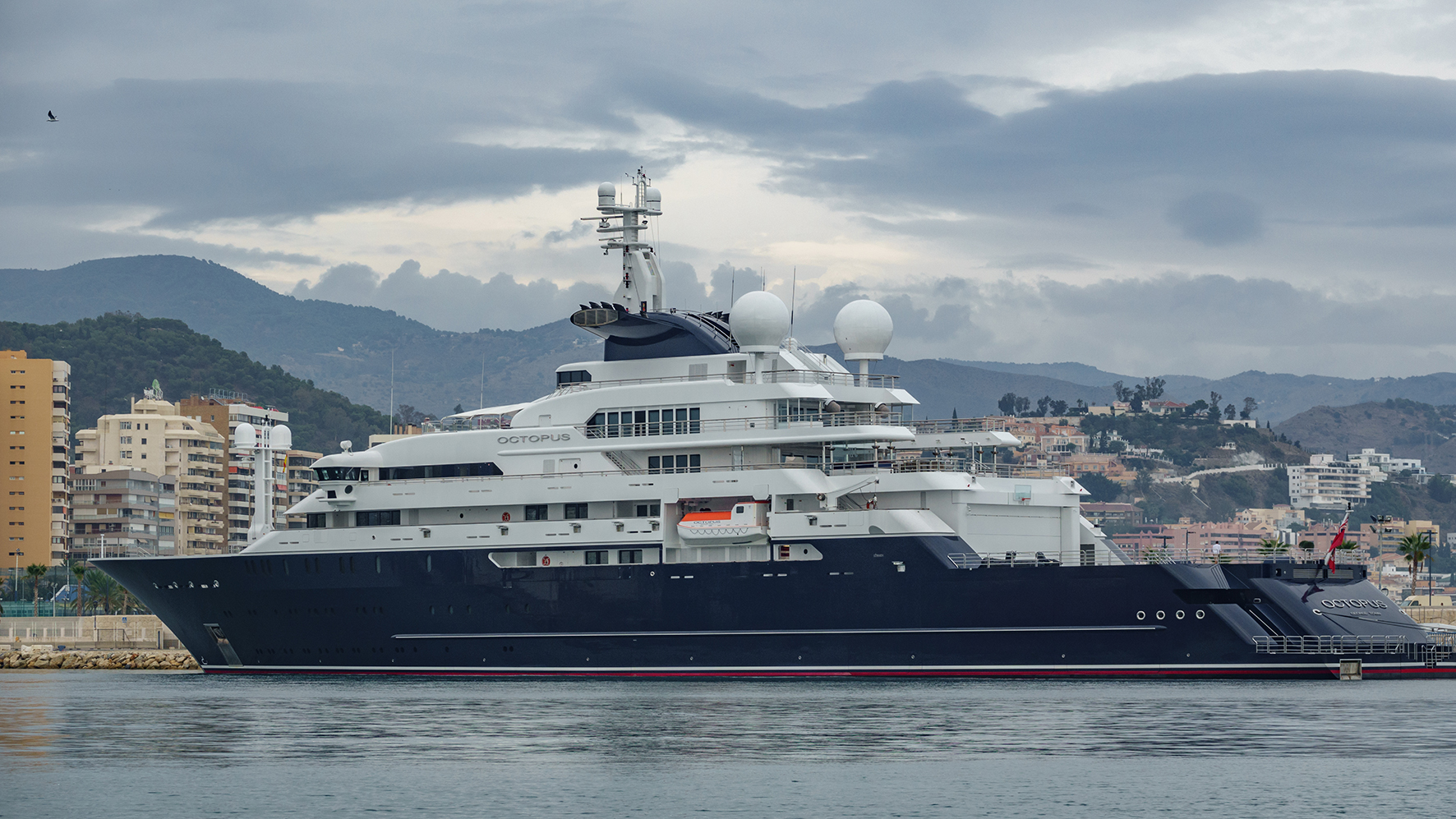
Paul Allen often deployed his megayacht Octopus for research and exploration missions for marine conservation organisations.

Paul Gardner Allen, the co-founder of Microsoft, who invested his wealth in philanthropy and was an avid diver who fought for conservation and the health of the ocean, has passed away from non-Hodgkin’s lymphoma in Seattle on 15 October 2018. He was 65.

Allen’s death was announced by his company, Vulcan Inc.

Allen was a passionate advocate for marine conservation. He set up Global FinPrint, the world’s largest reef shark and ray survey. Global FinPrint brings together research teams from StonyBrook University, Florida International University, James Cook University, Australian Institute of Marine Science, Curtin University, Dalhousie University and a network of collaborators in a global effort to assess coral reef sharks and rays, understanding how they affect vanishing ecosystems and informing emerging conservation actions. With one quarter of the world’s sharks and rays threatened with extinction and the rest either approaching threatened status or are too poorly studied to be assessed, Global FinPrint’s role in educating the public on the endangered status of these marine animals is essential to their survival.

Through his charity foundation, Allen was also one of the founding partners of the Shark Conservation Fund (SCF). The SCF was set up to protect the most endangered sharks and rays by enhancing legal protections in priority countries and international forums. It also combated unsustainable trade in shark and ray products by listing the top species of sharks and rays in global trade that meet CITES listing criteria and promoted the sustainability of shark and ray fishing through the adoption and implementation of conservation and management measures through international forums and in priority countries.

Paul Allen often deployed his megayacht Octopus for research and exploration missions for marine conservation organisations.

Allen’s passion for marine conservation saw him support many research initiatives like the University of British Columbia’s Sea Around Us initiative. He also conducted exploration work on his own research vessel, the RV Petrel. Allen had a passion for wreck diving as his father served in the Second World War. The crew of the Petrel helped discover the wreck of the U.S.S. Indianapolis in August 2017, the U.S.S Astoria in February 2015 and the world’s largest sunken battleship, the Musashi in March 2015. Besides the Petrel, Allen would also deploy his megayacht Octopus for research and exploration missions for other marine conservation organisations.

After leaving Microsoft, Allen dedicated his energies to philanthropy, starting the Allen Institute to further research in bioscience and giving away more than USD$2 Billion to conservation, science, technology, education and the arts and community.

Leonardo Di Caprio, whose Leonardo DiCaprio Foundation (LDF) is also a founding partner of the SCF, paid tribute to Allen on Monday.

“Sad to hear of the passing of Paul Allen, who was a strong advocate for environmental protection. He and the team at Vulcan played a pivotal role in developing the Shark Conservation Fund alongside LDF. His legacy lives on via his incredible work as a philanthropist and investor.”

Of all his achievements, Allen will probably be remembered most for co-founding Microsoft with Bill Gates. Gates toasted his old friend in a written statement.

“Paul loved life and those around him, and we all cherished him in return. He deserved so much more time but his contributions to the world of technology and philanthropy will live on for generations to come.”