The last sensation you want to feel when 20 metres below is a burning or pain in the upper part of your stomach. It’s a pain that makes moving around uncomfortable, takes the fun out of any situation, and potentially ruins a dive. Indigestion, the broad term given to such a feeling, is the topic of this week’s discussion with the experts – what it is, how to prevent it and how to treat it:
Diver Question: “Sometimes when I dive, I get terrible acid influx/reflux (Gastrointestinal Issues), why is this and how can I prevent it?”
DAN’s Advice
The Condition: “Reflux” is a backward flow of acid or food from the stomach into the oesophagus. Symptoms include burning upper abdominal or chest pain, sour taste or food regurgitation, which can happen when divers are in the head-down position.
Why it occurs?
The symptoms of reflux can be exacerbated by:
drinking alcohol
smoking
an ulcer or hiatal hernia
certain medications such as aspirin or non-steroidal anti-inflammatory drugs (NSAIDs)
a tight-fitting belt or wetsuit
head-low positioning
Treatment:
Physicians treat reflux with medications or through surgery in more severe cases.
However, you might not need any treatment at all. Indigestion often goes away on its own after a few hours. But let your doctor know if your symptoms get worse.
Any treatment you get will depend on what’s causing your indigestion. You can also do some things on your own to ease your symptoms:
Try not to chew with your mouth open, talk while you chew, or eat too fast. This makes you swallow too much air, which can add to indigestion.
Drink beverages after rather than during meals
Avoid late-night eating
Try to relax after meals
Avoid spicy foods
If you smoke, quit
Avoid alcohol
Fitness and Diving: While most people may experience occasional mild heartburn, if reflux of gastric contents occurs while one is diving, a diver could be at significant risk.
Aspirating food or acid into the lungs or into the regulator could be fatal, and individuals with significant reflux should not dive.
Given you described your reflex as ‘terrible’; you should arrange a consultation with your doctor as soon as possible. You may also achieve relief by actioning any of the above bullet points that apply to you.
Christmas is coming. As high streets fill with desperate shoppers eager to find the best deals just before the big day, we reveal some incredible last-minute buys to get for your loved-ones. From cameras to necklaces, UW360 reveals some of the hottest diving and photography merchandise to hit the market:
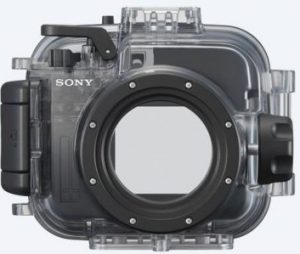
Underwater Housing MPK-URX100A
With the ability to dive down to 40 metres and shoot in pristine Cyber-shot RX100 series digital still camera quality, this is looking to be a heavy-hitter in the underwater photography market. In-built flash, and an easy-to-use design, means that this could be a useful addition to any photographers’ setup.
S$399
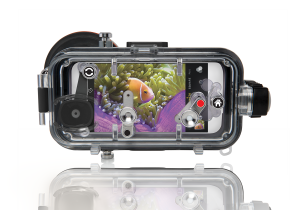
IPHONE 6/6S Underwater Housing
Take your phone below the waves. Designed for both everyday users and professionals alike, the LenzO™ iPhone 6/6s housing has all the features you expect from your phone while incorporating professional controls for serious underwater pictures and video. LenzO™ offers an optically correct dome lens to ensure sharp, clear images in every shot. Can go to depths of 100 metres.
S$427
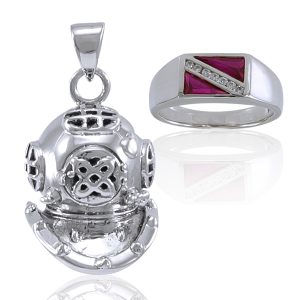
Dive Helmet Sterling Silver Pendant & Dive Flag Sterling Silver Ring
Available in fine sterling silver, 14, 18 or 22 kt gold or platinum upon request, this beautiful Dive Helmet and Dive Flag make an excellent gift for the Dive enthusiast.
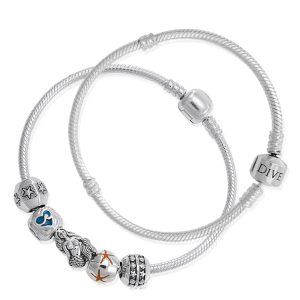
DiveSilver Sterling Silver Bead Bracelets
DiveSilver, armed with all of the power and emotion of the deep blue sea, has created a Memory Journey Bracelet Exclusively for the Dive Industry. Create and celebrate your Dive Journey today!
DiveSilver Sterling Silver Bead Bracelets
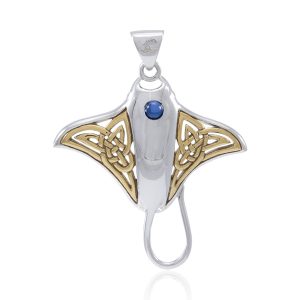
Manta rays are graceful, majestic creatures, moving effortlessly along the sea floor. Meticulously handcrafted from fine sterling silver with 14 kt. gold accents and a shimmering deep blue created Sapphire gemstone, this Celtic Knot Manta Ray Pendant is inspired with a Celtic twist, and makes the perfect gift for anyone who loves mystery of the ocean.
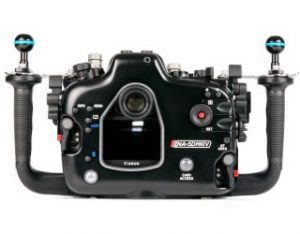
Nauticam NA-5DMIV Housing
While extremely similar to the 5D Mark III and 5DS cameras that came before it, small dimensional changes in the Mark IV body forced a new housing design. The core control layout, proven by generations of existing housings in the field, is retained here. This design consistency results in immediate familiarity with the control layout for people that have used Nauticam housings before, and a thoroughly refined and field tested design for newcomers to the brand. The new Nauticam NA-5DMIV housing incorporates technology from the Nauticam housings that came before it, but features enhanced ergonomics, more and better control access, and reduced size / weight thanks to cutting edge manufacturing processes.
S$5,500
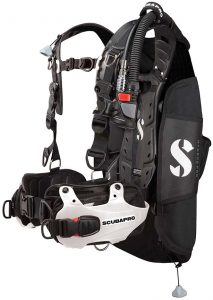
HYDROS PRO
The HYDROS PRO is a true breakthrough in dive comfort and convenience. The moldable Monprene®, adjustable fit and multi-attachment points combine to make this the most customizable and comfortable BC ever. Winner of the 2016 Red Dot award for product design, the HYDROS PRO is an incredible feat of SCUBAPRO engineering, built for anyone who loves to dive.
Interchangeable straps, a packable design and an included backpack with room for your entire dive kit make the HYDROS PRO perfect for any destination and any dive.
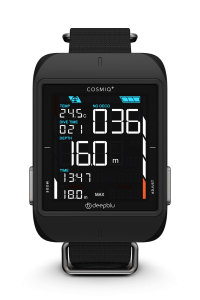
COSMIQ+
The COSMIQ+ is a refresh of the original COSMIQ model, introducing an advanced bottom timer function for technical divers and a range of gorgeous new colour options. With modes for freediving, recreational and technical diving, COSMIQ+ will appeal to divers of all walks and skill levels. At the push of a button, you can sync with the Deepblu App, allowing you to effortlessly create an interactive dive log and re-experience your dive after surfacing.
S$432
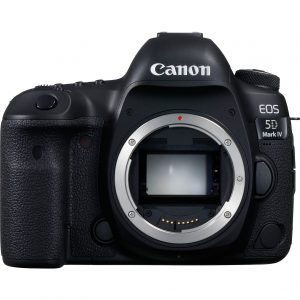
Canon EOS 5D Mark IV Body
Versatile and fast. From stunning shots to 4K movies, take your creativity to new heights with the full-frame EOS 5D Mark IV. Flip through menu functions and settings easily. Control your camera with a 1,620,000-dot 3.2-inch touchscreen LCD. Versatility that lets you tackle any subject, from weddings to photojournalism and from landscape to portraits. Shoot it all with the flexible, and responsive EOS 5D Mark IV. Shoot captivating stills wherever you are, day or night. 30.4-megapixel resolution delivers extraordinary detail.
S$6484.40
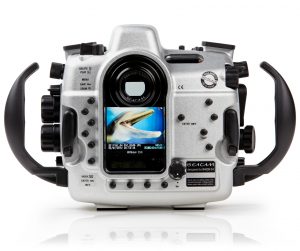
SEACAM silver NIKON D4/D4s
The SEACAM silver for the NIKON D4/D4s sets new standards in design and ergonomics. Due to the special construction, the mounting of the camera is especially easy. The housing is milled out of a saltwater-proof light metal alloy twice hardened and high-value anodised. It’s a top pick, and has been tested by some of the leading photographer’s in the industry.
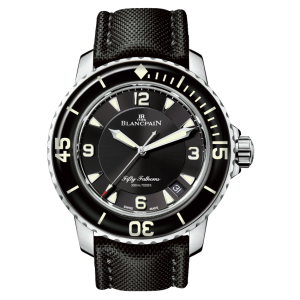
5015-1130-52 FIFTY FATHOMS AUTOMATIQUE
The Fifty Fathoms collection embodies Blancpain’s passion for the underwater world that was originally expressed in 1953 with the creation of the first modern diver’s watch. Ever since, Blancpain has been accompanying divers and underwater photographers in their exploration and discovery of the oceans’ fragile beauty, thus contributing to the knowledge of this fascinating universe and to the motivation to protect it.
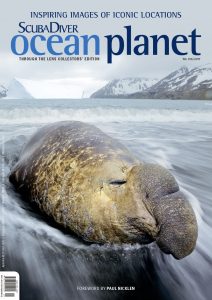
SD OCEAN PLANET SPECIAL EDITION
Coming this January 2017, we bring you the most inspiring images from some of the industry’s greatest photographers. With a foreword by Paul Nicklen, stories behind the most incredible underwater shots, and photography tips and techniques, this is looking to be one of our most exciting special editions yet.
Poorly managed equipment can severely compromise your safety. A common example of poor gear management is any equipment that is allowed to dangle.
Common “danglies” are combo gauge units, octopus regulators, torches, SMBs and slates.
These freely hanging items can:
• Catch on the boat as you enter the water
• Snag on reefs or wrecks underwater and on to boat ladders as you exit
• Become damaged when they snag
• Become contaminated with sand, mud and rust
• Cause gear to be dislodged and lost, or mis-located so you can’t get to it in an emergency
Octopus regulators
Do not just let them hang. They should be attached to the front of your body in an area we call the AIR TRIANGLE. This is the triangle formed by your mouth at the apex, and your nipples.
There are numerous ways to attach your octopus regulator, but whatever you use:
• The octopus regulator should be easily accessible for YOU and your buddy.
• The attachment is secure, yet it is easy to remove the octopus regulator for use.
HP gauges and combo gauges
They should be clipped close to your body and onto the BCD near your waist or armpit where it is still easy to lift the gauge up to read it.
Torches, SMBs and slates
These should be stowed in waist or leg pockets, or clipped directly onto your BC harness with no lanyards.
Talk to a dive professional about attachment and stowage options.
By DAN Asia-Pacific Director and Instructor Stan Bugg
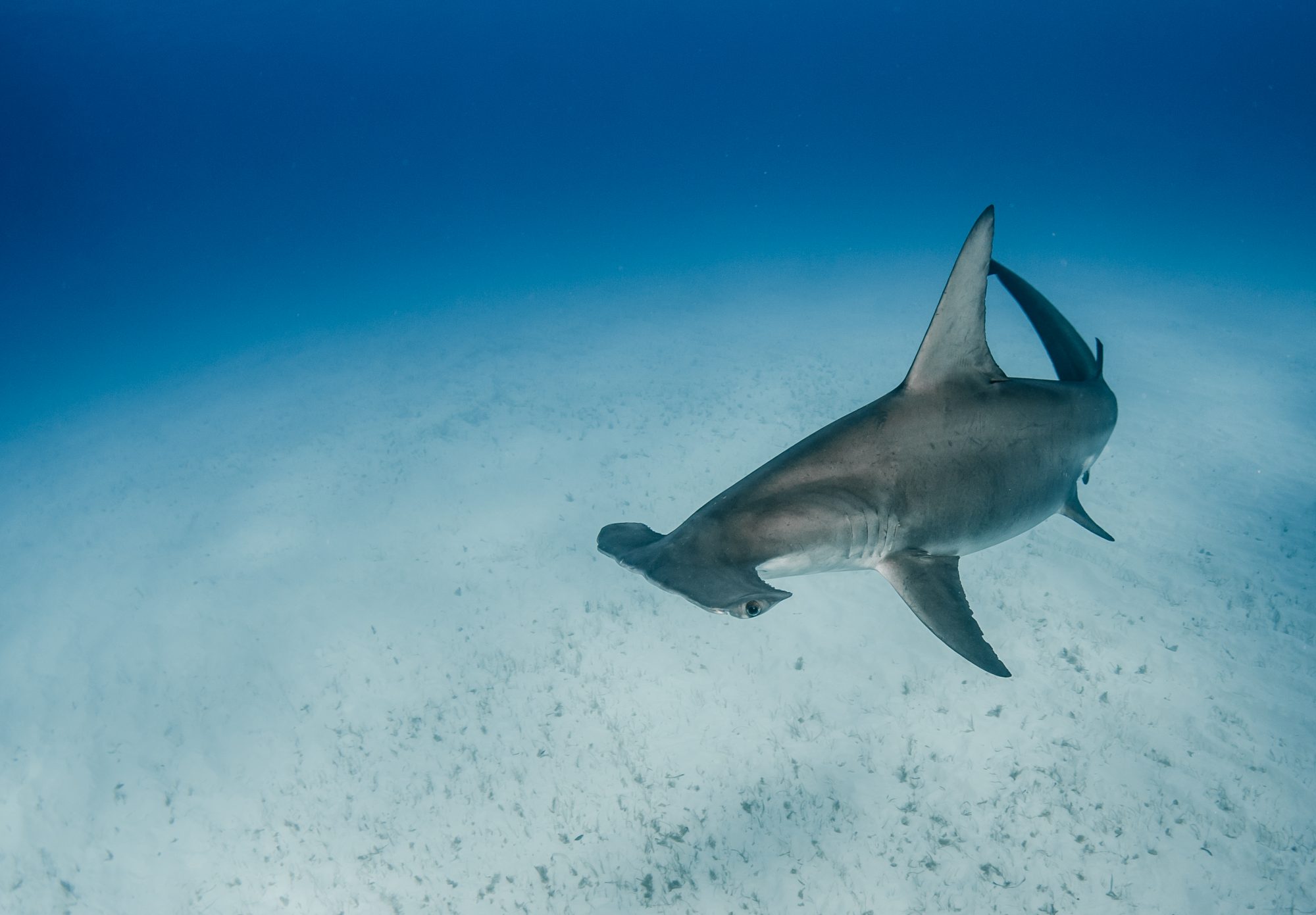
Shark-obsessed Daniel Norwood has a knack for capturing stunning underwater shots. Growing up in the U.K., where visits to the coast were rare as an English sun, Norwood’s dream to swim with sharks seemed ever-distant. But through learning to scuba dive on one of his holidays, it changed everything.
From then on, Norwood describes his attitude towards the big blue as an addiction. Through this enchanting world, he could fulfil a lifelong ambition – to dive with great white sharks. And so he purchased a small underwater camera and set off to South Australia where dream met reality.
Since then, Norwood has created a body of work that has captured his passion for the inhabitants of the underwater world. Through various awards, and being published in some of the world’s most famous ocean magazines, his images have managed to reach a wide-audience and have aided in the conservation of sharks. We spoke to the man to find out more about his fantastic imagery, and photography story:
What made you want to become an underwater photographer?
An obsession with sharks! My first real dive adventure was a liveaboard trip with Rodney Fox Shark Expeditions in South Australia in 2007 where I would fulfil my childhood dream of coming face to face with the great white. I wanted to capture some images of the experience to share with my friends and family so I bought a small compact camera and plastic housing and I haven’t looked back since!
Your first underwater shot?
A close up of a huge white shark! When I joined the trip I really had no idea about settings and other things that are important to capture good underwater images but the sharks in Australia come so close at times, that all I had to do was point and shoot! I remember being amazed with the results (although they really were nothing special) and it instantly made me want to learn more and photograph all kinds of other marine life. I began to study images by well known wildlife photographers and aspired to do the same thing, explore the underwater world and capture my adventures on film.
The story behind your most memorable underwater shot?
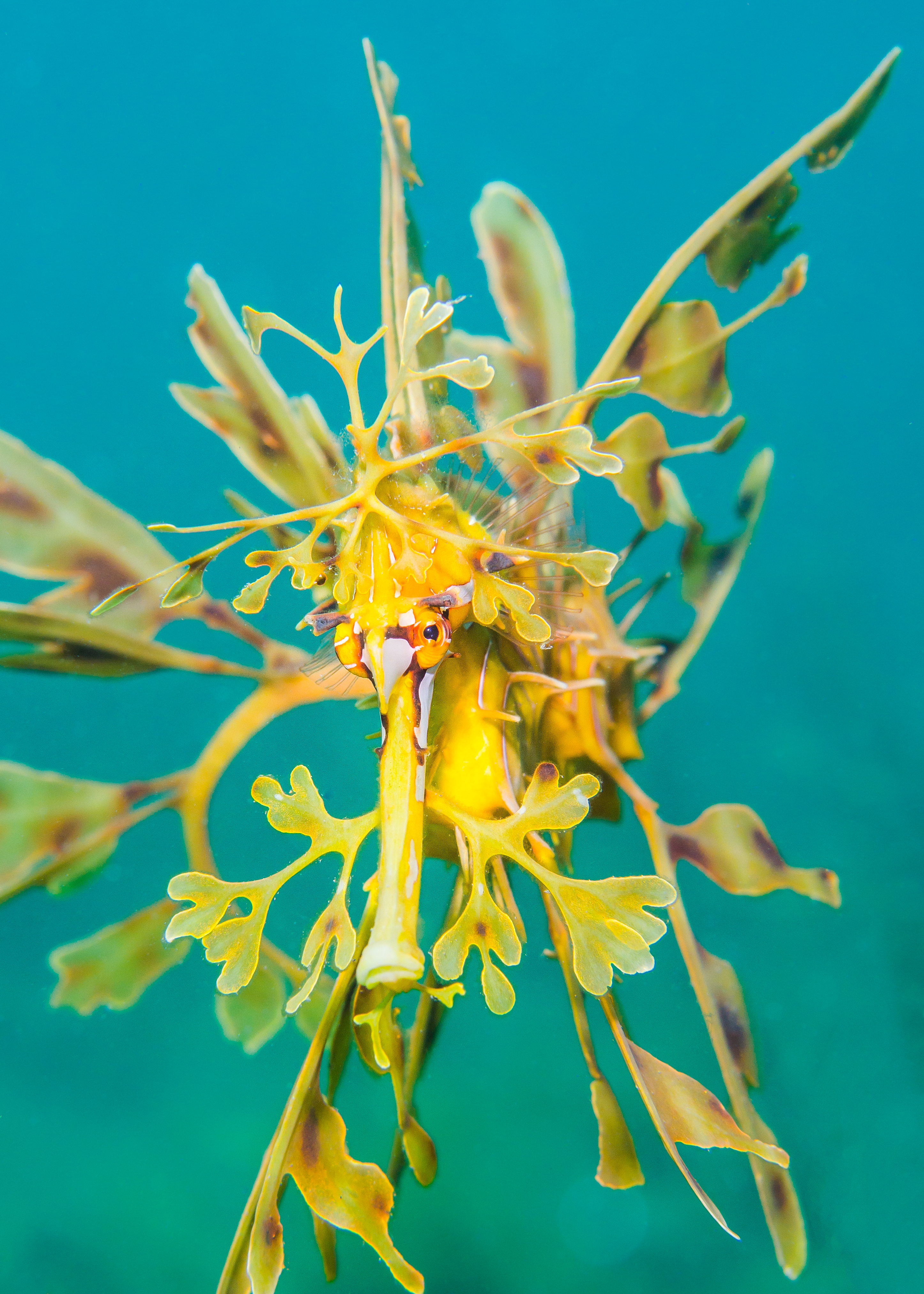
Although I only got one image I really like of the amazing leafy sea dragon, a lot of effort went into getting the shot.
At the time many sharks had been sighted in the area and just days before I arrived a diver had been attacked and killed by a great white. As a precaution many people were staying out of the water but I had travelled thousands of miles to see this strange creature and was determined to still dive.
Luckily I found a buddy who was happy to join but we were both a little nervous as we entered the water and the dive site was unusually and eerily quite. Although I knew it was very unlikely we would encounter a white shark, I could not help feeling that something was out there watching me as I fiddled with settings and tried to capture the shot I had planned. Like most of the seahorse family, the leafy sea dragon can be particularly camera shy and it took nearly an entire dive before I was able to get the shot I wanted.
Happy to have completed the dive without any further drama we made my way back to the shore only to be confronted by a baffled local fishermen who informed us that a huge white shark had recently been seen swimming under the pier and that we were crazy to even consider getting in the water in the first place!
Where is your favourite dive destination? I am currently working with my partner to set up our own sustainable shark diving operation, so most of the diving I have been doing in the last two years has been with sharks as part of the research for our project. The Bahamas and Fiji are undoubtedly the best places to have close up encounters with bull sharks and tigers and I never tire of visiting these destinations and spending time underwater with my favourite animals. hopefully soon we will be able to add a new location to that list!
Aside from dedicated shark dives my favourite place in the world is the Galapagos.There really is nowhere else like it and I particularly enjoy the cold water diving where you can see Mola mola, sea lions, penguins and even swimming iguanas all in one day!
The site you’d most like to dive, but never have?
So many! Although I am constantly travelling there are many places I have not been diving. Cocos Island, Costa Rica is high on the list and I have never been to South Africa either. I really want to spend a month or two exploring both on land and underwater and try to pick the right time to experience the sardine run during the peak of the action. I can’t imagine there are many better experiences than finding oneself surrounded by birds, dolphins, sharks and whales that are all feeding on thousands of other fish!
The weirdest thing you’ve seen underwater?
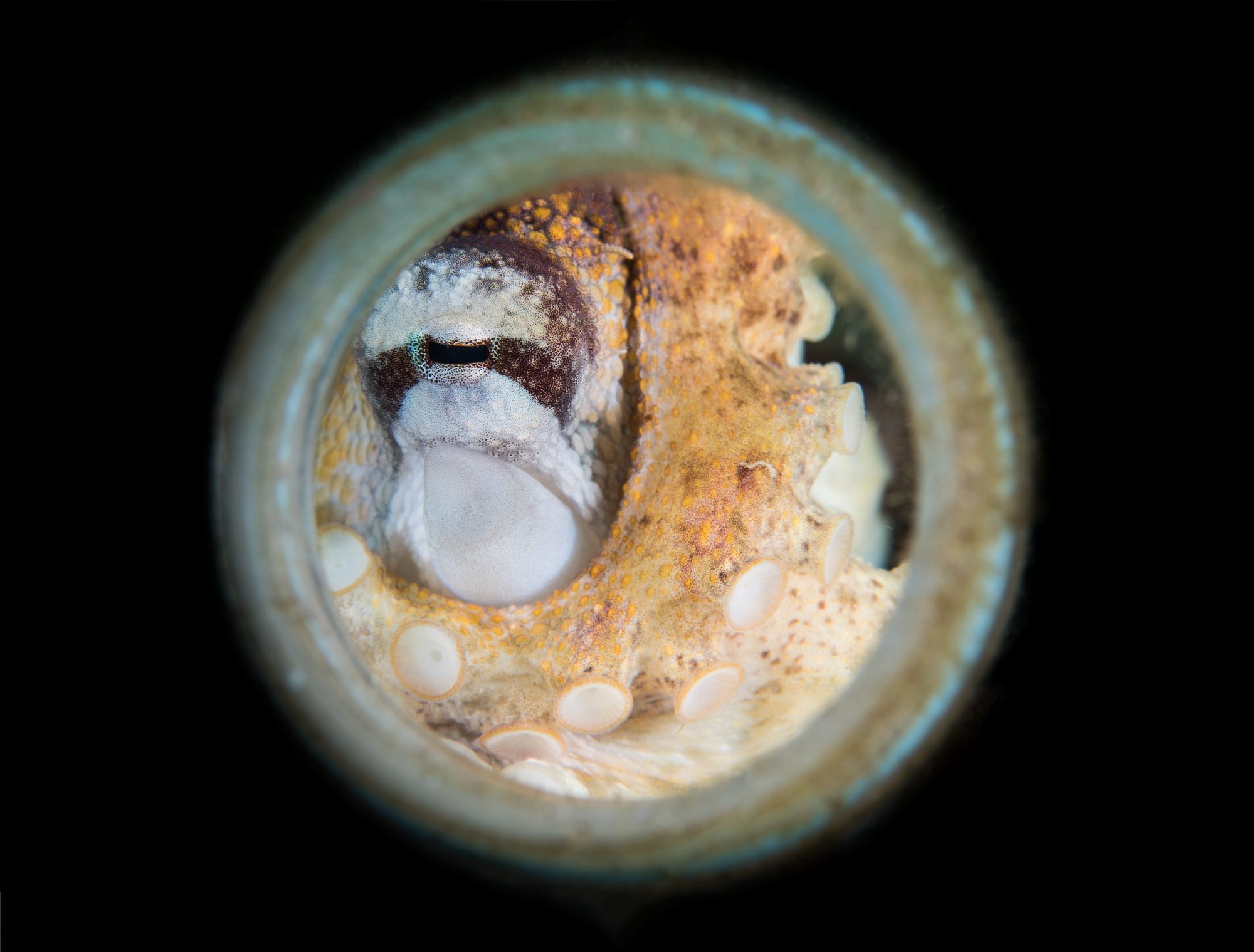
I find most of the animals I see underwater quite weird! While I prefer to shoot big stuff, I am also fascinated by the hundreds of strange critters that can be found muck diving in places like Indonesia and the Philippines. Cephalopods particularly interest me and I recently spent an entire month diving in Dumaguete shooting macro which made a nice change.
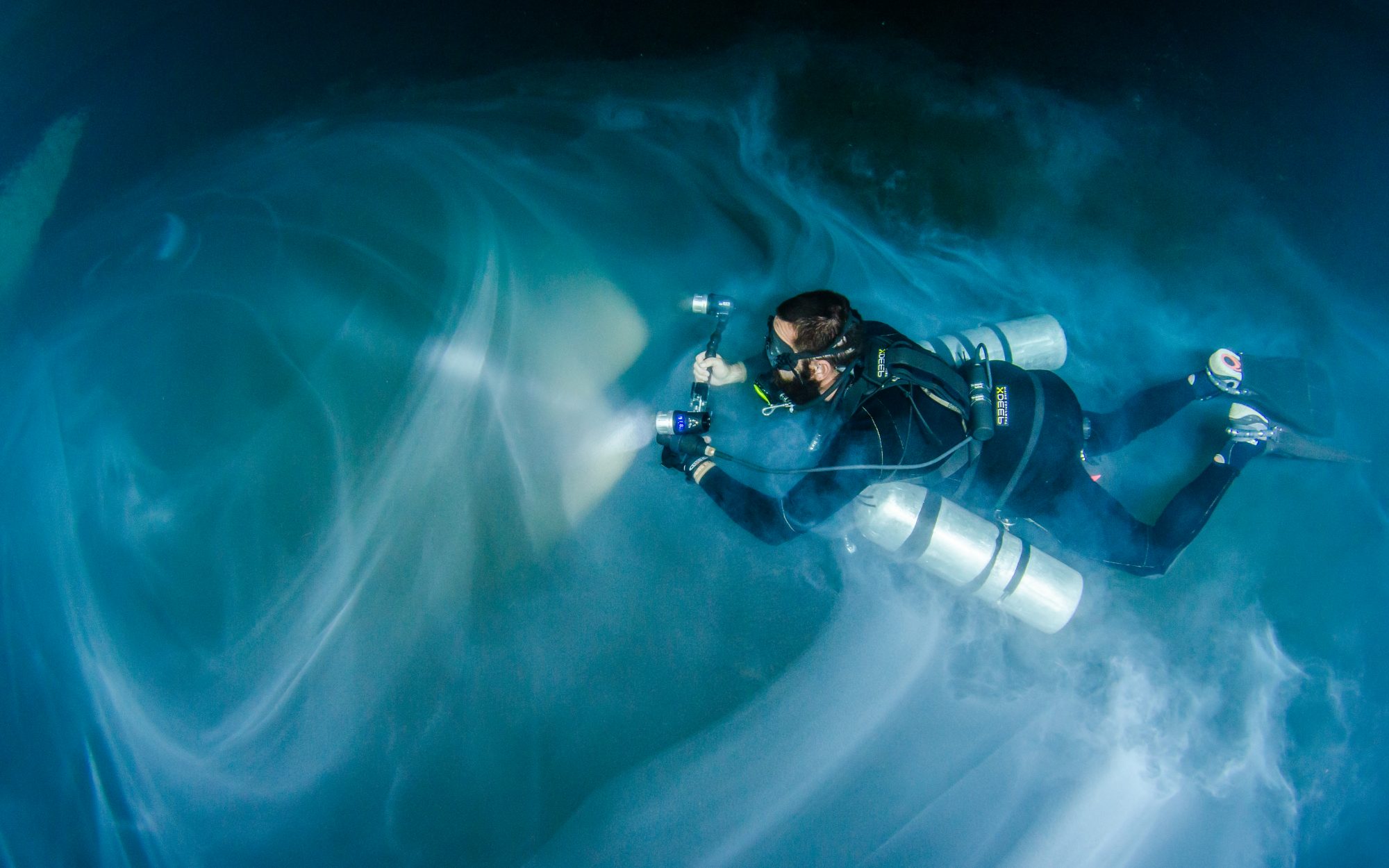
One of my strangest dives was in a private Cenote in Mexico. Nobody had visited the site for weeks and on the surface it resembled nothing more than a dirty pond. I soon discovered why my guide was so excited about diving in such conditions when I reached the bottom and found myself swimming among a huge sulphur cloud. The patterns created by our movements and dive lights as we moved around the dive site created an effect that I have never seen anywhere else.
What camera equipment are you currently using? This summer I upgraded to the Nikon D500. I have always been a Nikon DX format shooter (my previous camera was the D7000) and the fast shooting rate and autofocus system of the D500 made the upgrade a “no brainer”. I use Nauticam housings and could not be happier with the ergonomics and the service. Another reason I love using a cropped sensor camera is its compatibility with the popular Tokina 10-17 fish eye lens. This is probably the most versatile wide angle lens available to underwater photographers and it perfectly matches my photographic style and my preference for shooting big animals.
What is the highlight of your career?
Although I have been diving and taking photographs underwater for a while, I feel like my career in underwater photography is just getting started! I am happy that my work is becoming more recognised and published more often. It is great to be featured on platforms, such as Underwater360, that have previously covered so many other famous and successful underwater photographers.
…And the lowpoint?
I wouldn’t say there has ever really been a low point but there are a few things that can sometimes get tiring. Constantly travelling with bags of dive and photography equipment is not particularly fun and the ongoing battle with weight restrictions is a constant problem. I also spend a lot of time in front of a laptop sending emails, editing photos and video, arranging travel and writing articles. Most of my friends and family think I am on one long never-ending holiday but the truth is underwater photography is a lot of work! That being said I wouldn’t change a thing and consider myself very fortunate to be doing what I love.
Have you any advice that you’d like to give aspiring underwater photographers?
I often see people who spend tens of thousands of pounds on a camera rig yet do not take the time to learn how to use it properly. To me this is crazy, especially when you consider the resources available to them that make it so much easier to learn.
I would say to anyone starting out to buy what they can afford and take it from there. It is possible to get amazing images with even small compacts these days and for people who only get to dive once or twice a year, the money it costs to buy a big DSLR rig may be better spent on an amazing dive trip. Also try not to get to caught up in recent trends or become obsessed about winning competitions or getting new likes on Facebook. Shoot what makes you happy and enjoy every dive!
Is there any particular shot that you still want to get?
Where do I start! Orcas, makos, orcas hunting makos! There really is an endless list. I am quite hard on myself so even when I have nice images of a subject I always think I can do better. That being said I try not to focus to much on one particular image or subject and hope that one day I will have the chance to photograph all of the amazing animals that have eluded me so far!
For more of Daniel Norwood’s incredible imagery, click here!
Daniel Norwood is one of our incredible shooters featured in the SD OCEAN PLANET Through The Lens Collectors’ Edition “Inspiring Images of Iconic Locations” on newsstands in January 2017
Judi Lowe is about to release the results of her groundbreaking new PhD research, which will change the way we think about dive tourism and the conservation of coral reefs, forever. Soon to be internationally recognised as the expert on sustainable dive tourism, with a revolutionary new approach that could be the key to safeguarding coral reefs, fish stocks and megafauna, Judi agreed to give Senior Editor Alice Grainger a tantalising glimpse into the results of her extraordinary research.
Tell us what, in your opinion, is real “eco-tourism”, or “sustainable” tourism?
Eco-tourism is an important concept, defined by Ceballos Lascurain in Mexico in 1983 and adopted by the IUCN in 1996, to mean responsible travel to natural areas that promotes conservation, has low impact and provides benefits to local people.
Sustainable tourism is defined by the UN World Tourism Organization as “Tourism that takes full account of its current and future economic, social and environmental impacts, addressing the needs of visitors, the industry, the environment and host communities”.
For dive tourism to be sustainable, it must actively conserve coral reefs, not just passively enjoy them. Since 95 percent of the world’s coral reefs lie in the tropics, with fishers living in poverty along their shores, the future of coral reefs and local fishers cannot be separated. For dive tourism to be sustainable, there must be tangible benefits to local fishers.
Why hasn’t “ecotourism” been delivering the results we need in terms of conservation? How have most of us been missing the mark until now?
Eco-tourism is a popular concept and it sells well. Sadly, it has become a much-abused marketing tool, promoting the perception that a tourism product is sustainable when it is not. Science shows that most dive tourism is anything but sustainable.
There are many eco-tourism certification schemes but they are designed for terrestrial tourism, not marine. Principles tend to be general and vague and their effectiveness stops at the high tide mark. Eco-tourism has failed to deliver the conservation of coral reefs, fish, sharks, whale sharks, whales, manta rays, and turtles.
Coral reefs are under threat from destructive fishing and overfishing, climate change and pollution. Of these, destructive fishing and overfishing are the greatest threats.
How is your research about to change all this?
My research shows that when dive operators in the tropics use integrated coastal management and recognise the traditional rights of local fishers to fish coral reefs, then provide livelihoods to fishers and their communities, they conserve coral reefs and reduce destructive fishing and overfishing around dive sties. This is a result every marine protected area manager in the world wants to know how to do.
My PhD research produces a best practice model of sustainable dive tourism, capable of letting dive operators know what they need to do to conserve coral reefs and reduce destructive fishing and overfishing. This is a fresh approach to the role of dive tourism in conserving coral reefs. It makes dive tourism a valuable contributor, which deserves a seat at the table in the management of coral reefs.
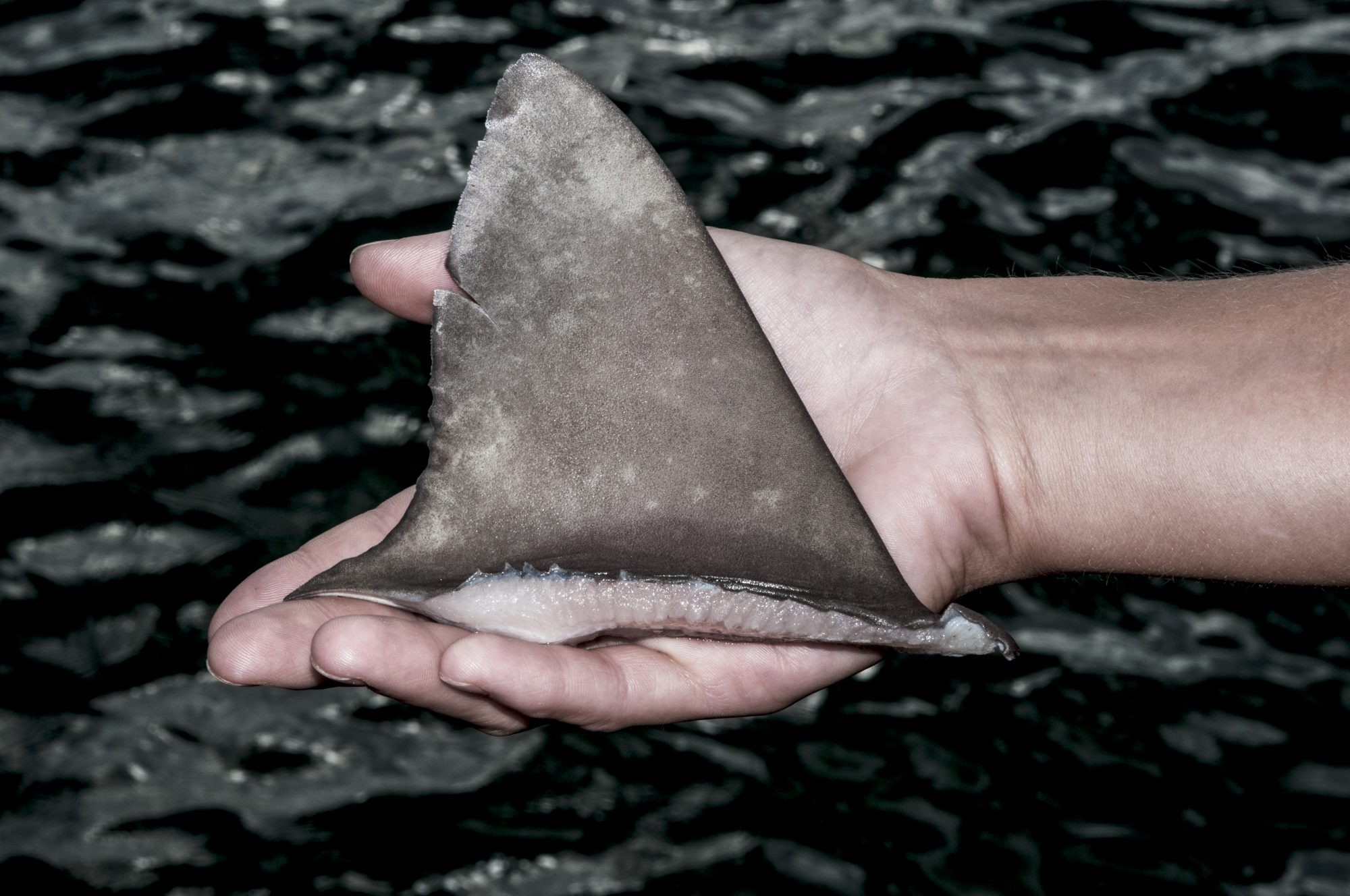
Shark finning is highly lucrative. Sustainable tourism can create alternative livelihoods for people and help halt this fishery
Are there any examples out there of a truly sustainable marine tourism model?
Happily, there will be soon. My best-practice model of sustainable dive tourism is based on the most widely accepted model for conserving coral reefs, fish and megafauna, called integrated coastal management (ICM). ICM was developed from lessons from major coral reef conservation projects in the Philippines and Indonesia. There are 10 things you need to do to conserve coral reefs. Soon, I will explain these 10 factors in detail and why they are important to dive operators.
What’s the next step? How are you planning to take this out of the academic world and into the real world?
Scientific journal articles can be expensive to access and hard to read, so I will also publish my results in dive magazines around the world. I will roll out the best-practice model of sustainable dive tourism to interested parties on completion of my PhD early in 2017. Happily, the model can also be adapted to other forms of marine tourism including beach going, surfing, sailing and cruise ships.
What obstacles do you foresee with the implementation of this new approach? Have you been able to identify ways to overcome them?
The most common objections from dive operators about engaging in conservation are “I don’t have the money for that” and “That’s the government’s job”. Firstly, coral reefs and fish stocks are a dive business’s primary assets. Not protecting them runs down the value of the business over time. Divers are prepared to pay more to see healthy coral reefs, fish, sharks, manta rays, whales sharks and turtles. When a coral reef is damaged and fish disappear, divers simply go somewhere else. Conservation is an investment.
Secondly, in a perfect world, governments would have the resources and will to protect coral reefs. In the tropics, where most coral reefs lie, governments don’t always have the funds or the will to conserve them.
Given government failure, or low capacity, who is going to step in? Dive businesses make money from coral reefs. They are out on the water every day. It makes perfect business sense that dive operators would contribute, becoming partners in protecting coral reefs.
It has never been more important for dive tourism to be truly sustainable, to help secure the future of coral reefs and the communities they support
Why did you decide to undertake this herculean task?
I’ve always loved diving. On my first dive travel to the Solomon Islands in 1990, I was mesmerised by untouched coral reefs, plentiful sharks and huge schools of pelagic fish. The dive manager had to ask village chiefs for permission to dive. That’s when the importance of recognising traditional rights to coral reefs first occurred to me.
Diving 18 countries but over 25 years, I’ve seen the same things: The huge schools of pelagics are gone; sharks are very hard to find; muck diving has become a big thing, in part because there are no fish or megafauna around. At this point in life, I want to give back.
That’s why I’m doing my PhD research, which develops the best-practice model of sustainable dive tourism.
How vital is it that we get this right and move towards a truly sustainable approach?
You know, Facebook and media confront us with tragic ocean images every day. Marine science is full of intractable issues. I couldn’t do this if I thought it was hopeless. So many people are researching, doing and caring. Best of all, I see dive operations where conservation is working. My Bright Spots are case studies of dive operators that are making a big difference. We can learn from them.
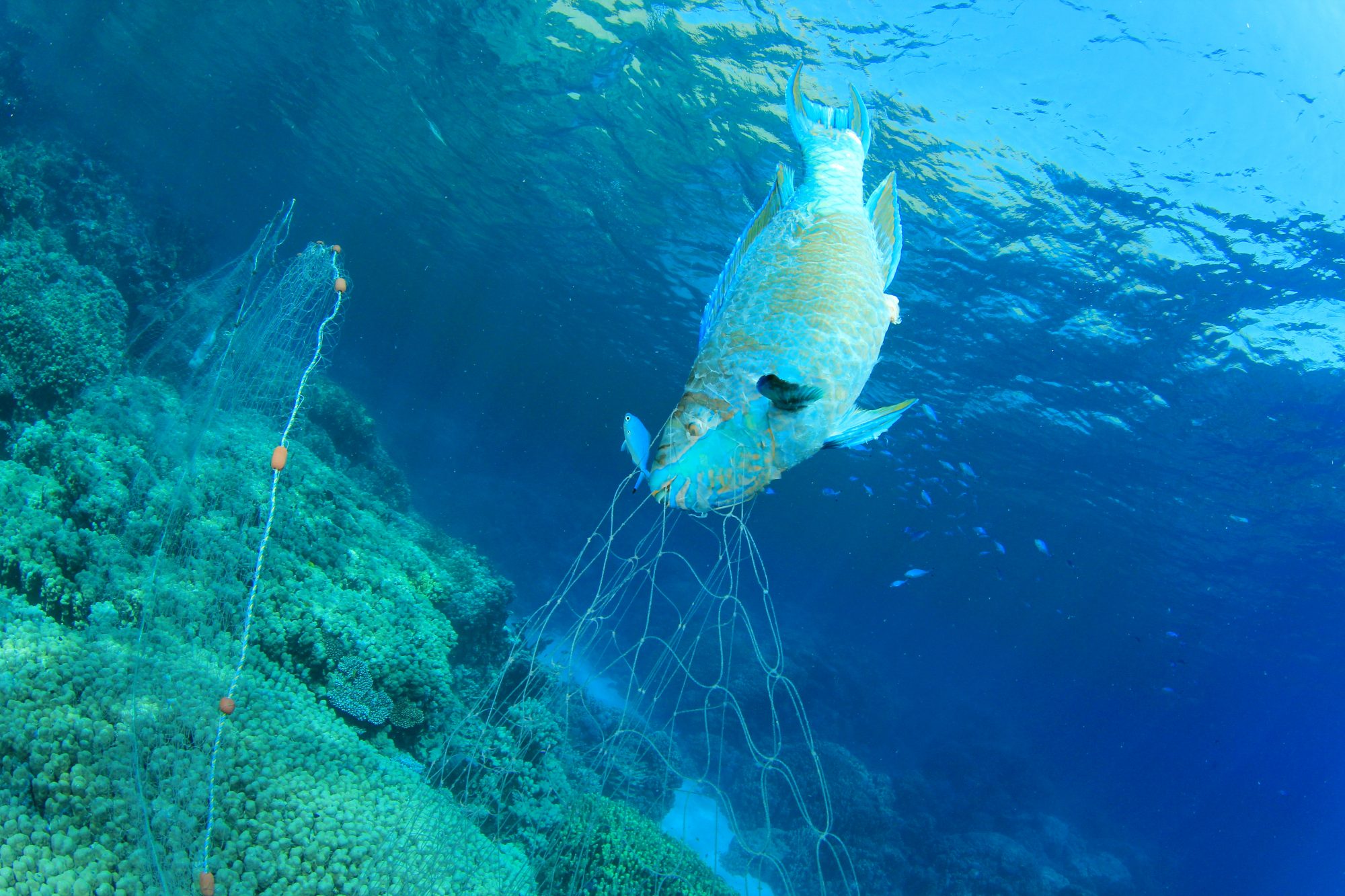
A parrotfish, an ecologically important herbivore, killed by a ghost net
Do you feel optimistic about the future of sustainable marine tourism? Absolutely. Most divers and dive operators care. Other marine tourism doesn’t see coral reefs from the same perspective but they enjoy the same ocean environment – sun, sand, sea and local people in beautiful tropical locations. Marine tourism can bring much-needed foreign exchange to influence politicians and governments to conserve coral reefs.
This best-practice model of sustainable marine tourism will help us make marine tourism sustainable. It would be good to see dive tourism earn a seat at the table in the management of coral reefs.
Judi Lowe is a marine science PhD candidate at Southern Cross University, New South Wales, Australia, with an unusual background. Using her experience as a diver, accountant and international lawyer, Judi’s research takes a fresh approach, solving practical, real-world problems in the conservation of coral reefs, fish and the marine megafauna we love to dive with.
This article featured in Asian Diver, click here for more information, or to get your hands on this fantastic issue.
Some photographs are just timeless. A snapshot of a moment, or a feeling, frozen in a frame. Top photographers just seem to have an eye for these moments, an intuition to know when to push the shutter.
Ernest H. Brooks – ambassador to the marine environment, photographer, adventurer, diver and educator – has captured profound images in the blue. Armed with the same camera that he’s used to document life below the waves for over 40 years, through the trademark black and white imagery that he’s used to beautifully present the ocean, Brooks has amassed a portfolio unlike any other.
Winning countless awards, and being published in myriad international publications, Brooks has earned an almost legendary status within the underwater photography community. We caught up with the man to talk about his work and incredible career: What made you want to become an underwater photographer?
I was destined to become a photographer, growing up in a photographic family. My grandmother was a portrait photographer and she handed me her box camera in 1939.
I published my first photograph, in the Lompoc newspaper, of my kindergarden teacher superimposed over my classmates. My uncle was a landscape photographer following in the footsteps of Ansel Adams. My father became a world-famous flower photographer for the Burpee Seed Company in Argentina. Because of my love for swimming, and being raised in Santa Barbara, I chose the ocean!
Your first underwater shot?
My very first underwater photograph was of a jellyfish in 1949 – and of course in black and white.
The story behind your most memorable underwater shot?
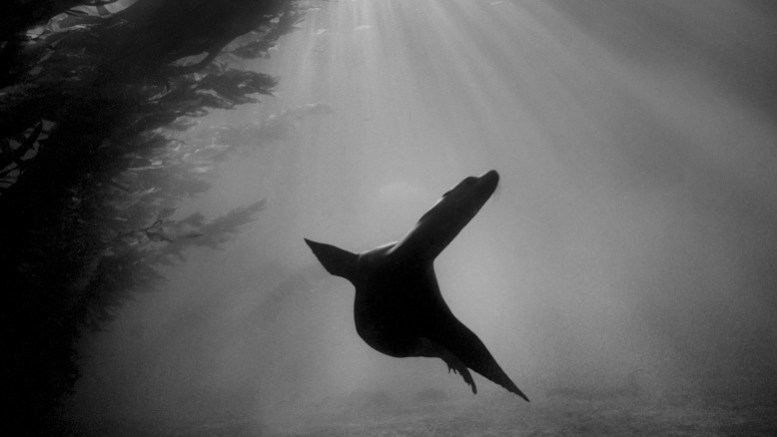
The most memorable shot just happens to be my favourite: “Spot”. At Anacapa Island in 1990, while enjoying freediving in the early morning light, I spotted this harbour seal in the kelp beds. The light was perfect, so I returned to my boat, Just Love, and in doing so this harbour seal swam behind me and stole my snorkel! One of my students aboard handed me my 38mm SWC Hasselblad camera and I swam back to where the harbour seal was in the kelp. Diving down to around 15 metres, and shooting at 1/125s at f/8, I focused at six feet and there she was. I called her “Spot”, and she also stole my heart! Where is your favourite dive destination?
My favourite dive destination will always be on our ocean planet! Every location has its beauty and charm. I have been so fortunate as to dive in all kinds of locations. Now approaching 82 years of age… maybe just a swimming pool filled with children who love the feel of water. The weirdest thing you’ve seen underwater?
The weirdest thing I’ve witnessed within the oceans just happens to be the killing of marine life: whales, sharks, mantas, sailfish, marlin, turtles, and depleting the most precious life on our planet. As photographers, we need to illustrate their place in the chain of life, by presenting their beauty, design and placement in our lives. What camera equipment are you currently using?
I have used the same camera for over 40 years, a gift from Victor Hasselblad in 1960: a Hasselblad SWC with 38mm lens housed in a corrected port with my favourite film, Kodak T-MAX – 12 exposures!
On the surface I use an infrared camera by Canon, and underwater I use my remaining eye to capture the scene once captured on film. Is there any particular shot that you still want to get? Maybe there is one image I would enjoy capturing in black and white even though I’ve attempted it a few times, and that would be the surface of each ocean, showing a sunrise and a sunset. That would complete my journey.
Underwater360 is about to look very different. From a new look website, to exciting festivals that will offer our followers more than ever before. The diving group has got some incredible announcements to make, and here are five of them to look out for:
Launch of OCEAN WEEK and Ocean Festivals 2017
Asia’s largest dive expo, the Asia Dive Expo (ADEX), has announced plans to dedicate a week entirely to the ocean in 2017. Ocean Week Singapore is celebrating the world below the waves, and with this, aiming to combat climate change and kickstart a revolution within the dive industry.
Taking place from April 1 to April 9 in 2017, the inaugural celebration will feature a plethora of events, activities, exhibitions and workshops which will showcase the fragile world under the sea and how humanity has impacted these ecosystems.
Organised by the dive media group, underwater360 and in collaboration with the I Say No to Plastic campaign by Asian Geographic, the focus of Ocean Week is to combat climate change. The week is organised with the hope of raising awareness of the ocean and the extreme threats that it currently faces.
Through various mediums such as film, photography, books and circulations as well as various events organised by underwater360 and partners, the week aims to inform, educate and advocate change in daily human behaviour to reduce human impacts on the ocean.
The festival will cover various art styles; film, literary, visual and auditory as well as an insight given by the artists on the background and inspiration behind their works. The week will cumulate at ADEX Singapore 2017 with the theme of climate change being brought out through the various exhibits and stage programs displayed and presented during the weekend.
New-look Website this Friday
The underwater360 website is currently undergoing a revamp to make it more accessible for our committed readers. From incredible videos and images, to much-loved content that will be clearer, more interactive and easily accessible. Through our new underwater photography gallery, readers will be able to filter searches to take a look at their preferred shots, and find out more about the image itself. You’ll also be able to preview our upcoming print issues, as well as purchase them online. With a range of interactive media at your disposal, we’re going that one-step further to supply you with the best information.
Online Booking Platform
Avoid any hiccups on your next dive holiday by booking ahead online – coming soon to the ever-growing UW360platform! Strategic partner in Australasia, Divebooker.com, is collaborating with Underwater360 to bring our readers the top offers and best advice on booking their trips.
We’re going to make it a breeze to browse and compare diving opportunities all over the world, and we’ll help you plan and instantly book the perfect diving vacation. So if you’re taken with a destination that we’ve featured, such as our UW360 trip report on diving Komodo National Park, and you fancy heading there yourself, you can easily check out the deals and offers from each operator in the area, in this case, Komodo Island, on Divebooker.com, to find you the best bang for your buck.
SD OCEAN PLANET SPECIAL EDITION
Coming January 2017 the annual SD OCEAN PLANET showcases some of the best in underwater photography, from some of the most exciting underwater shooters in the industry. This year’s edition “Around the World in 80 Shots” presents iconic dive destinations from around the world, and includes the secrets behind the shots as well as insights into the gear that the professionals use. Showing off the world’s hottest dive destinations, with some of the most inspirational underwater photographs ever, SD OCEAN PLANET is a must-have for dive travellers and aspiring photographers alike.
UW360 TV
Coming to the UW360 platform: UW360 TV is the new multimedia stage which shows off the best work from our contributors and team. Through incredible imagery, both above and below the waves, you’ve never seen the underwater world quite like this. We give our readers an insight into some of the best experiences out there in the deep blue – watch this space for incoming media that will change the way you view the ocean.


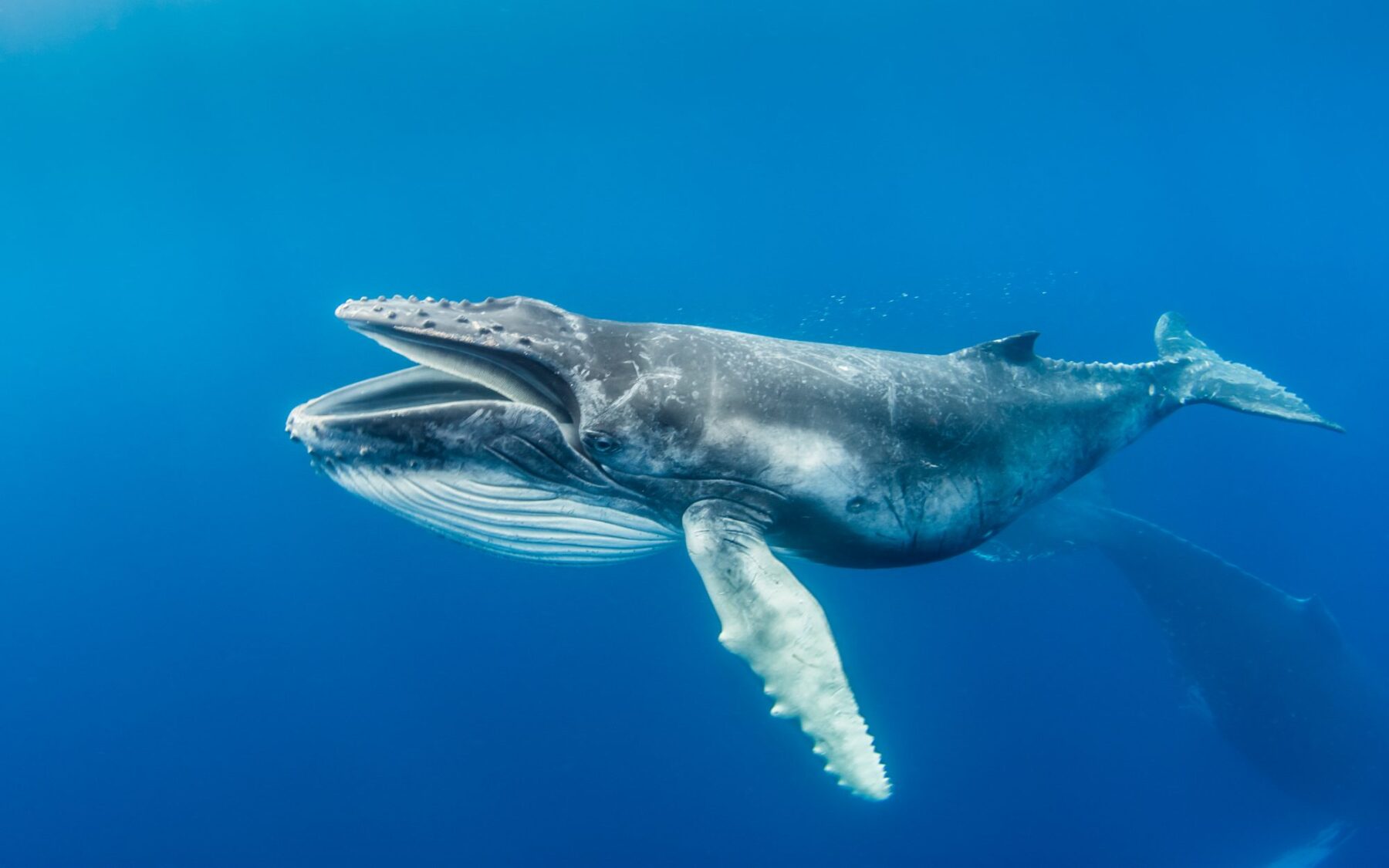
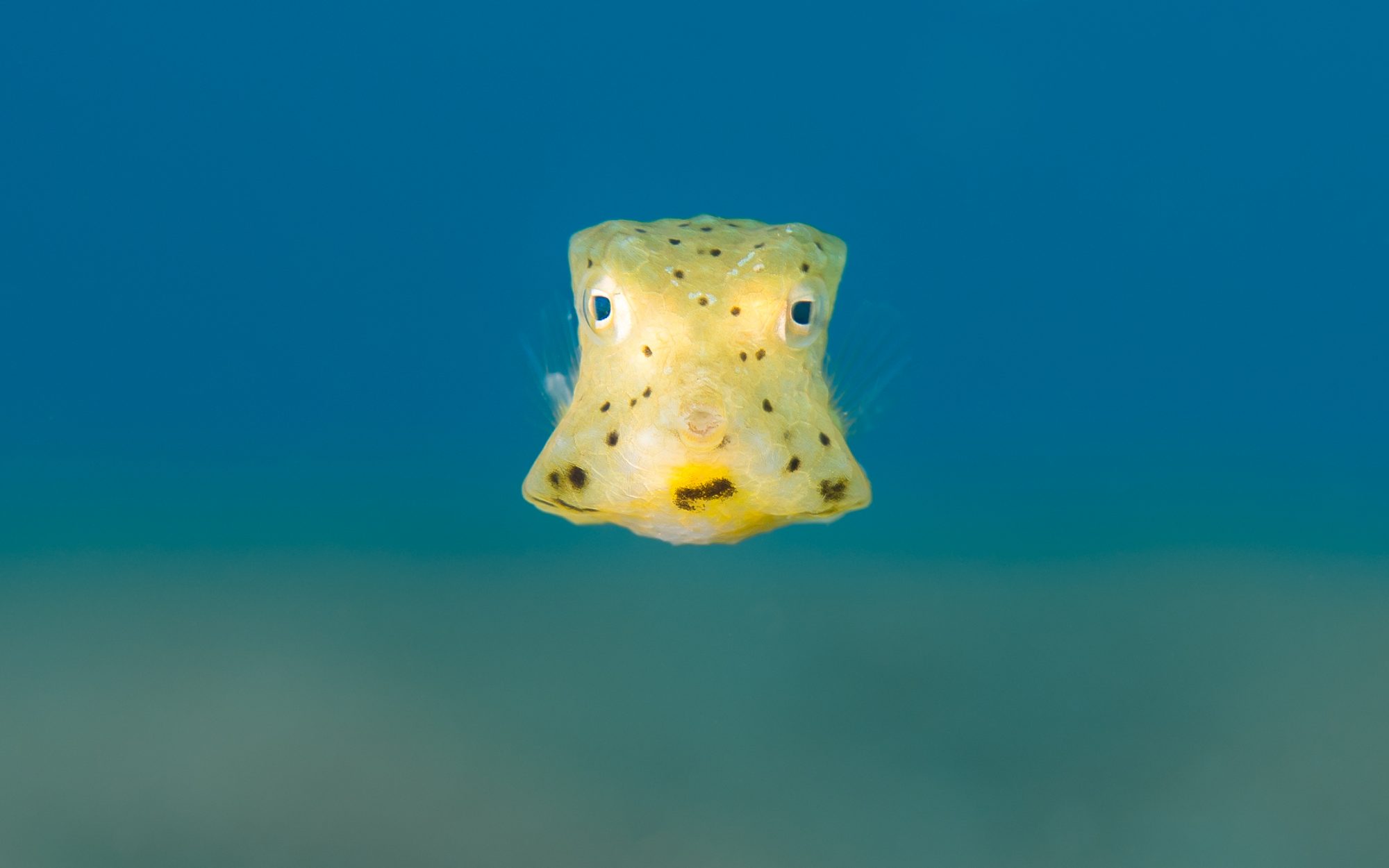
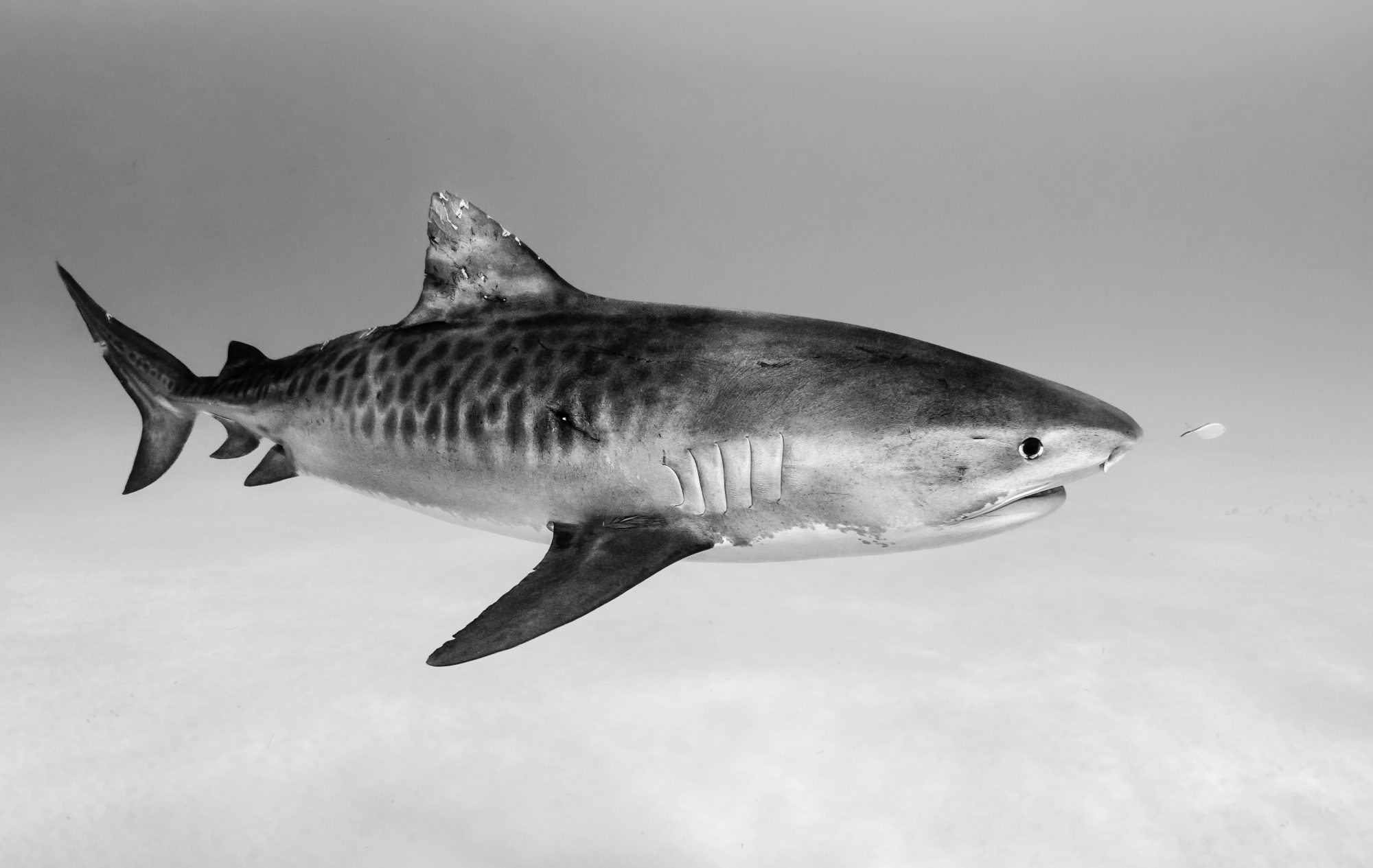
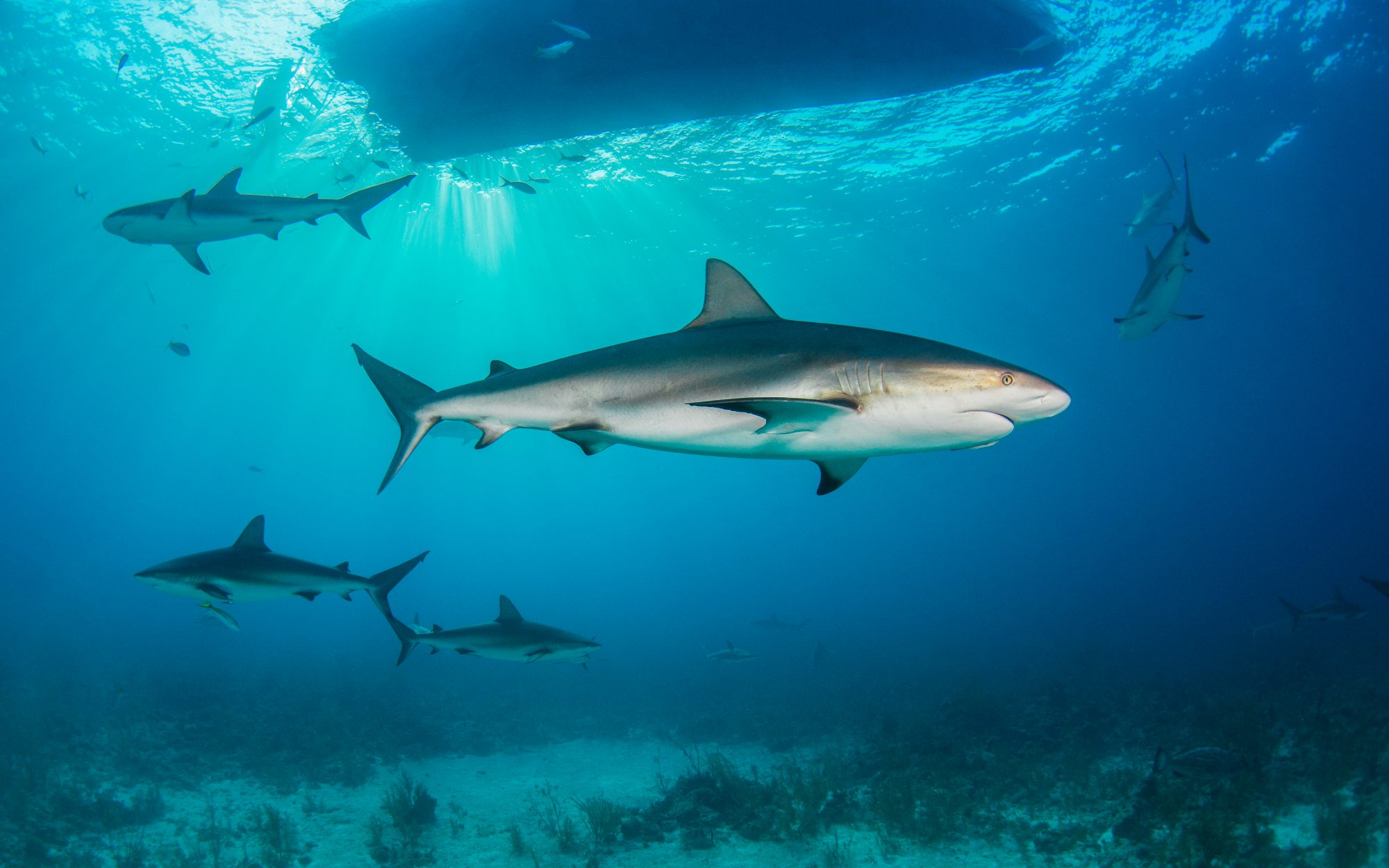
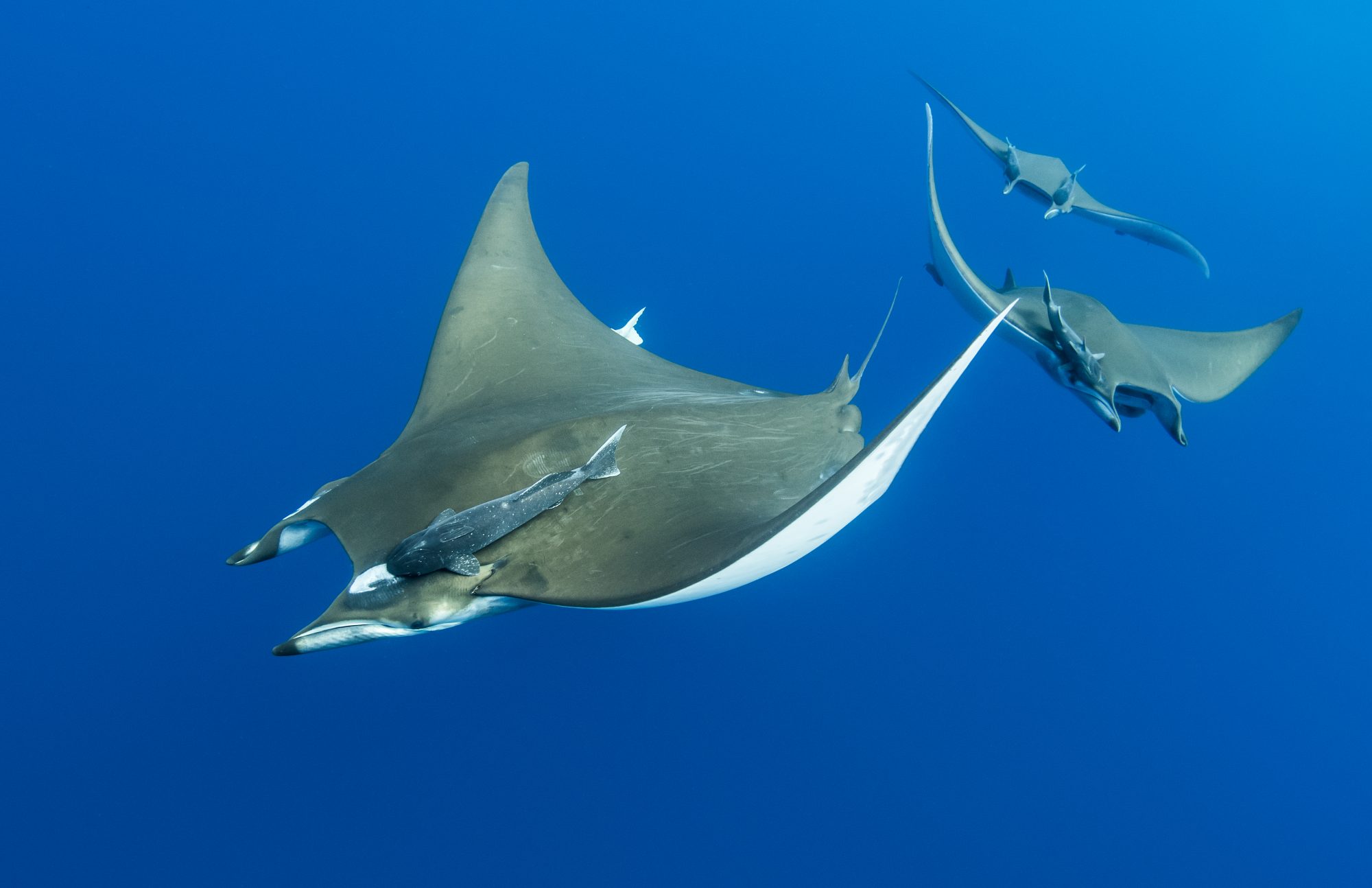
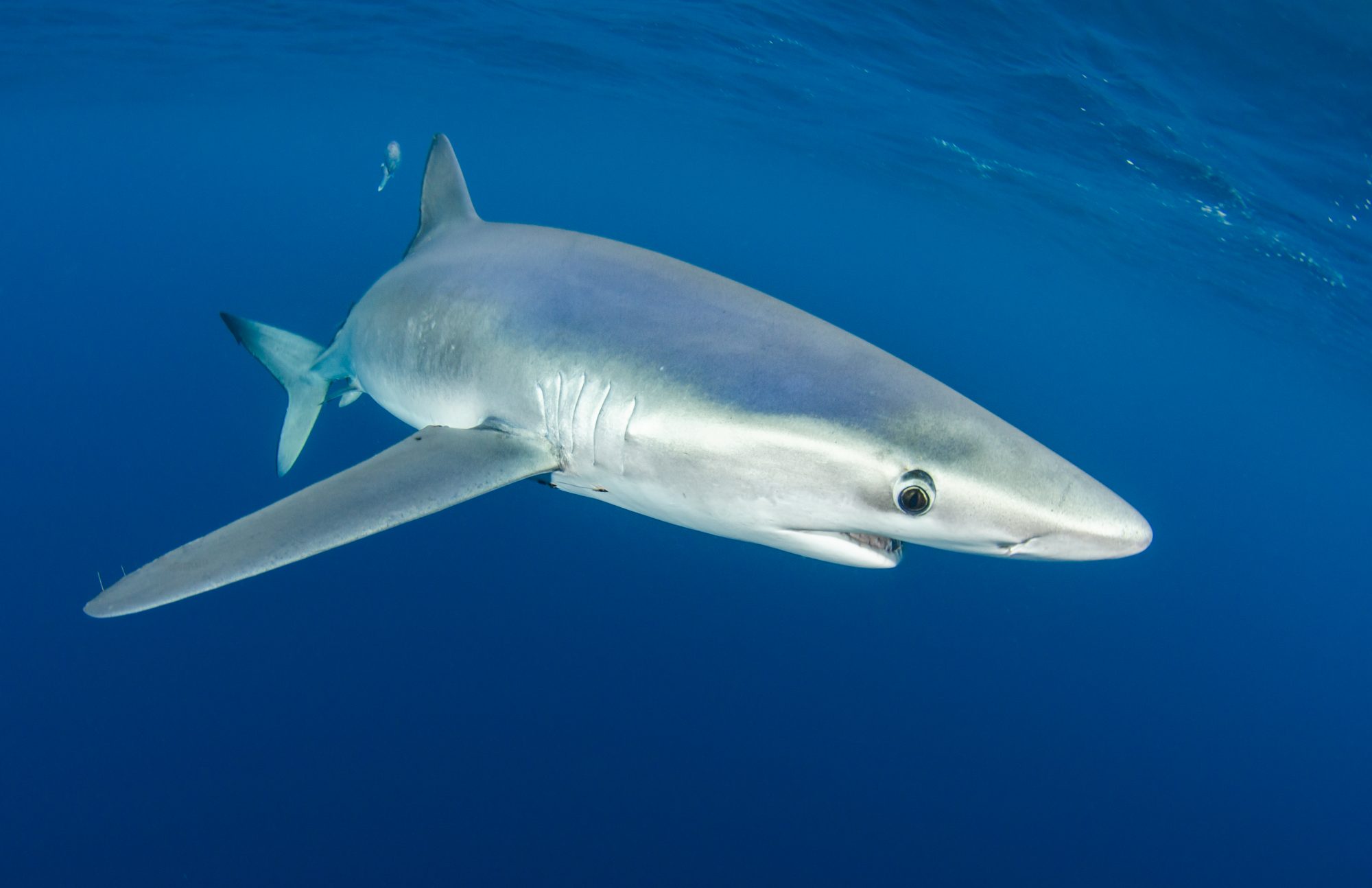
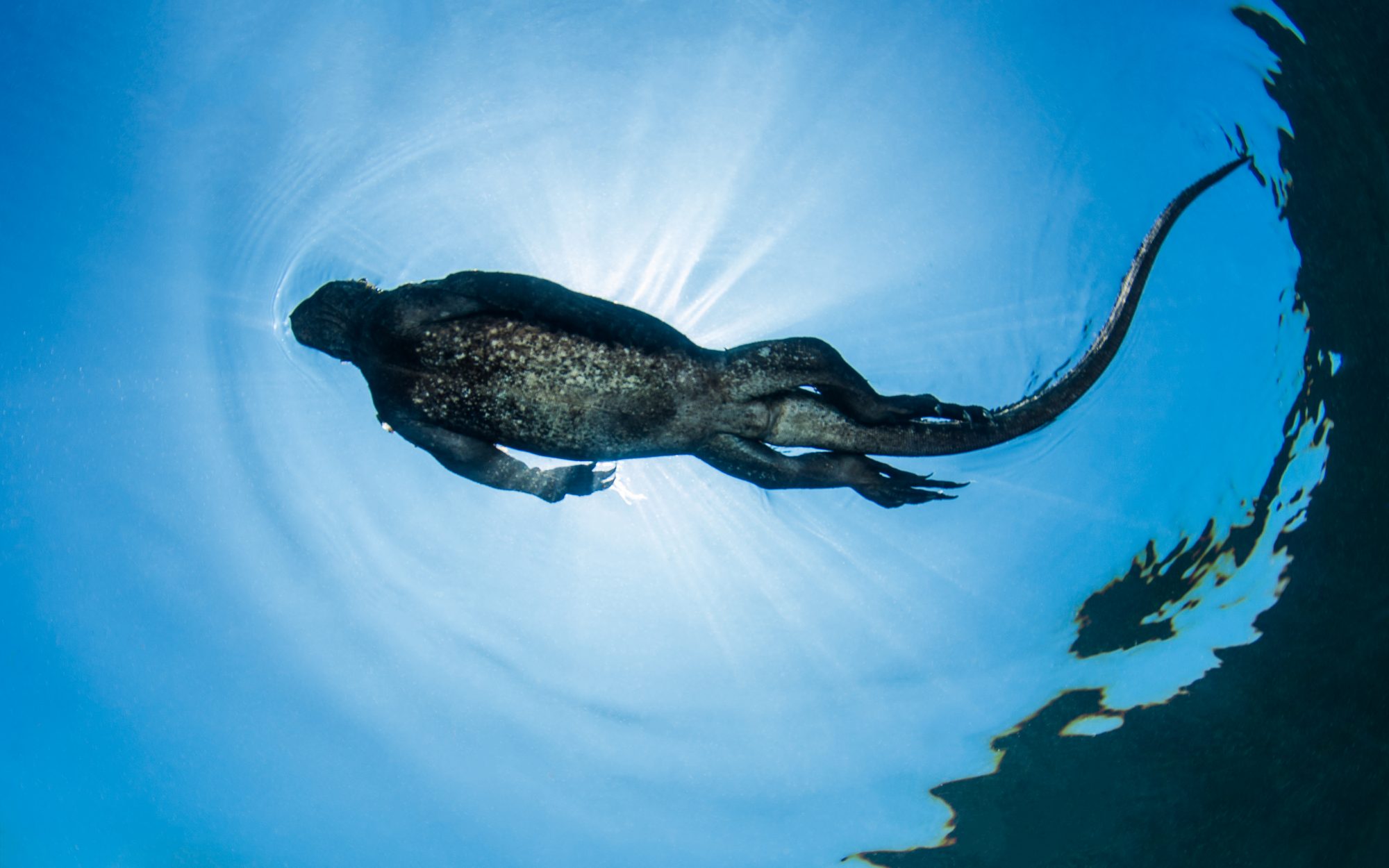
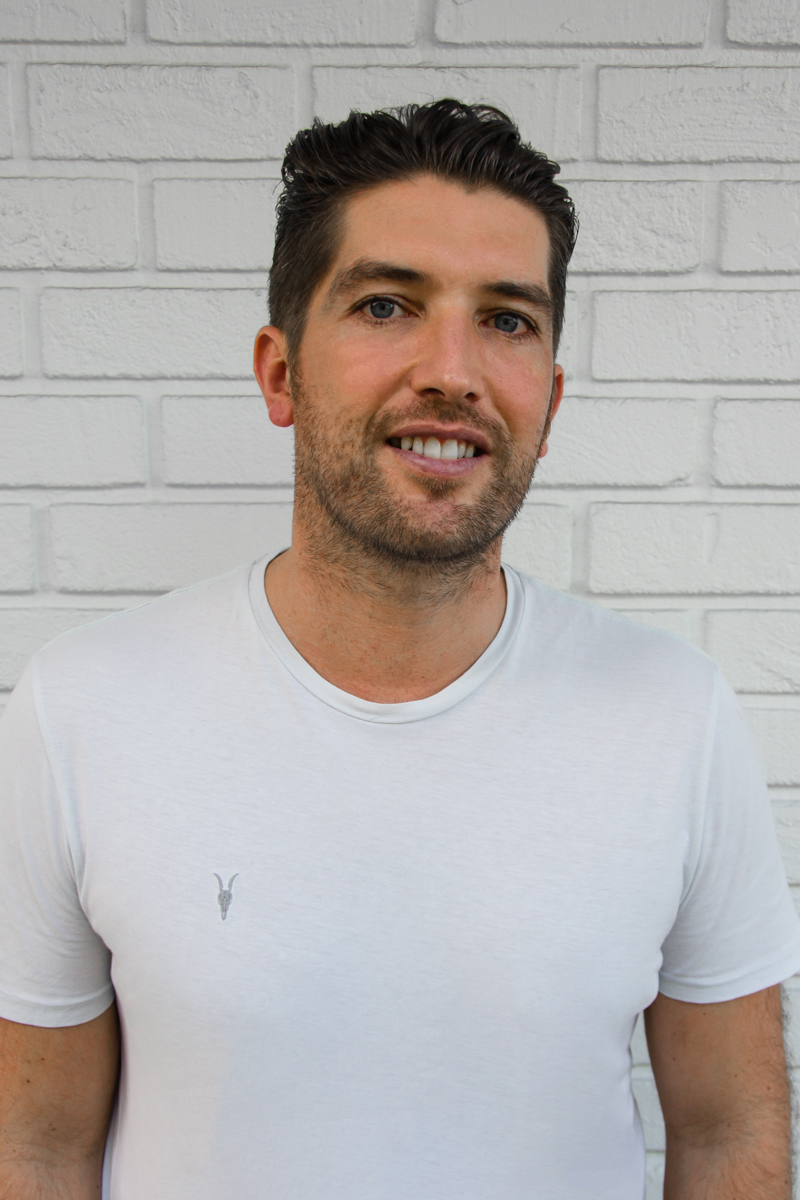 For more of Daniel Norwood’s incredible imagery, click here!
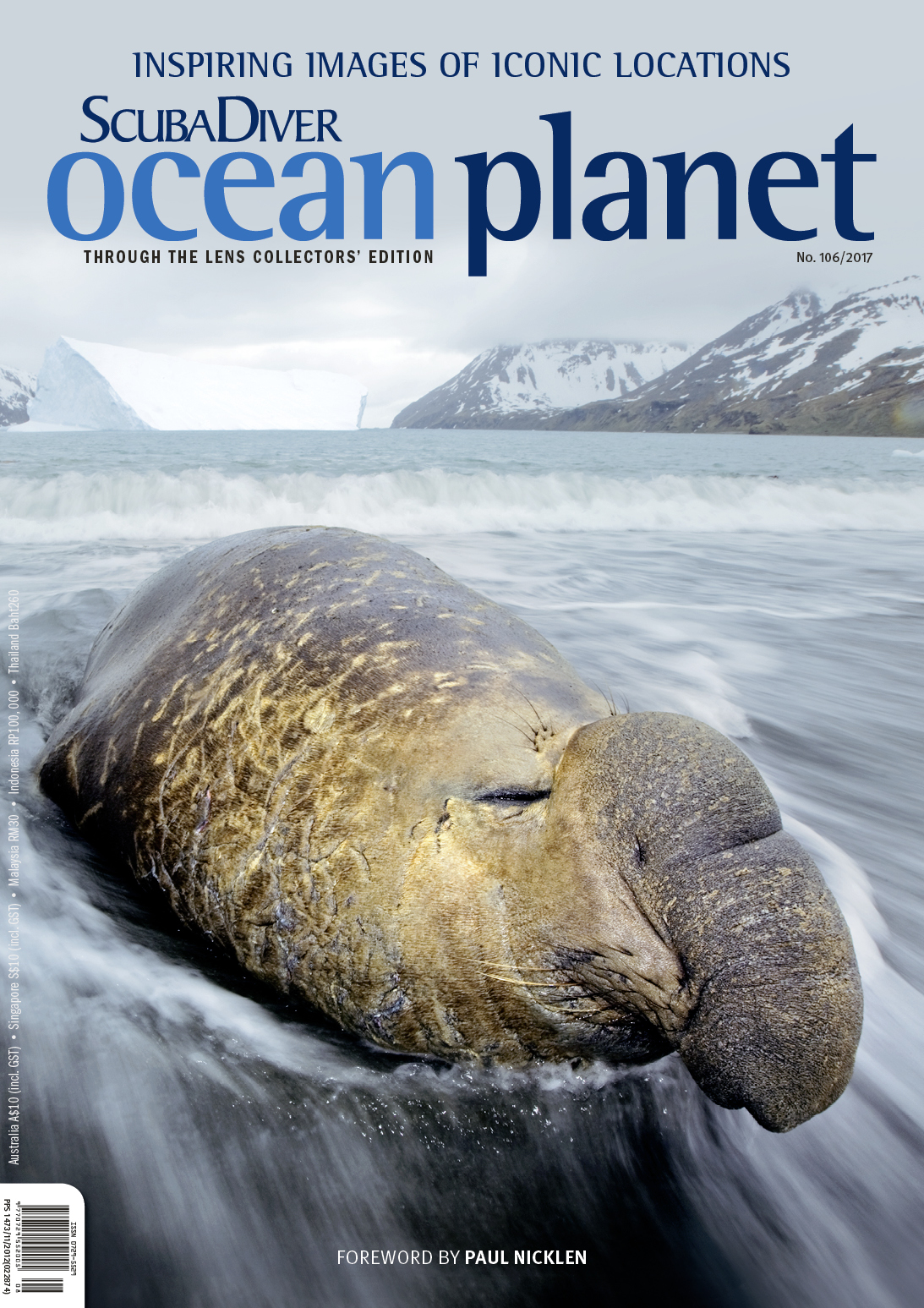 Daniel Norwood is one of our incredible shooters featured in the SD OCEAN PLANET Through The Lens Collectors’ Edition “Inspiring Images of Iconic Locations” on newsstands in January 2017
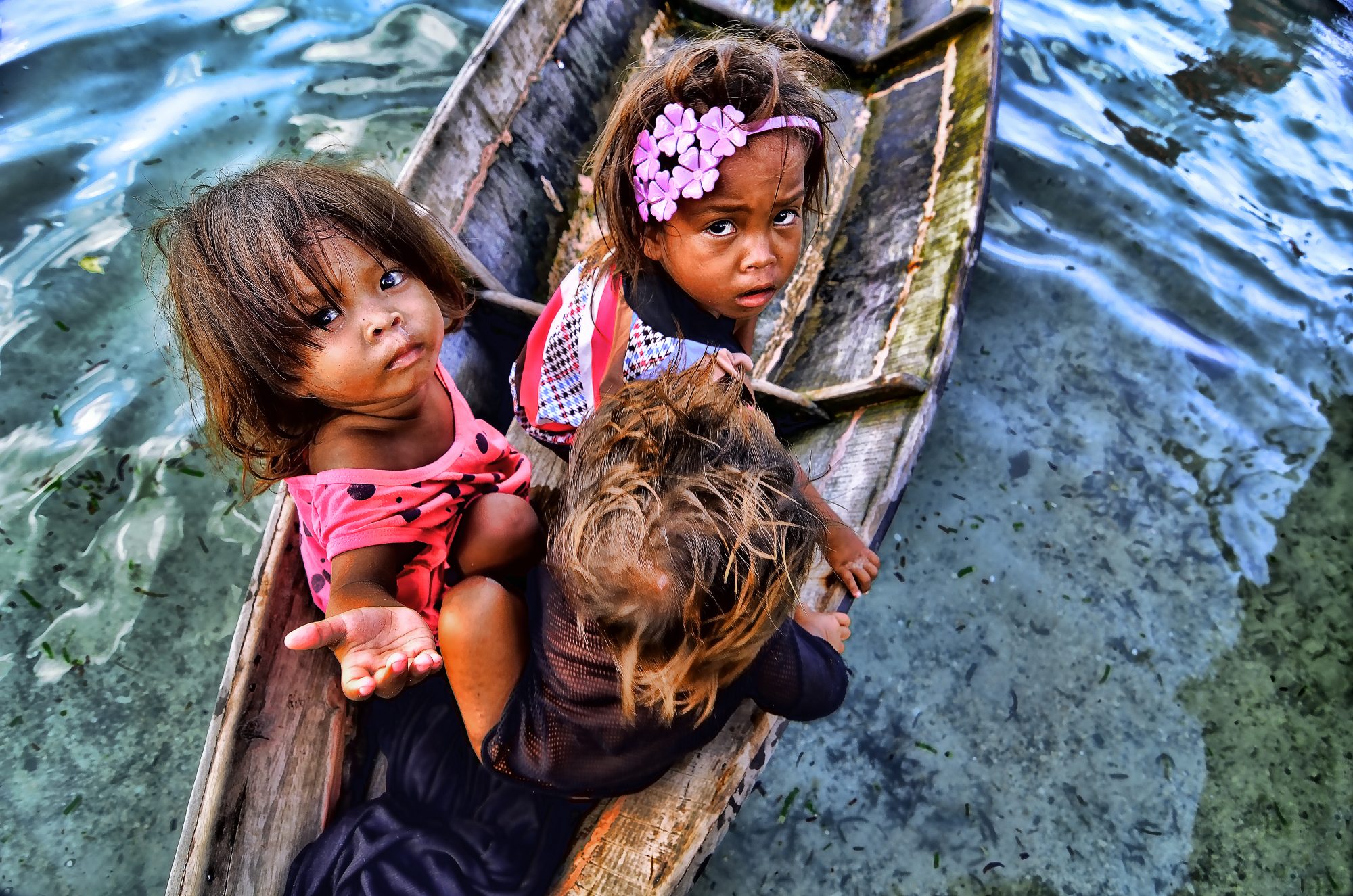
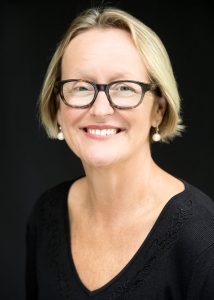 Judi Lowe is a marine science PhD candidate at Southern Cross University, New South Wales, Australia, with an unusual background. Using her experience as a diver, accountant and international lawyer, Judi’s research takes a fresh approach, solving practical, real-world problems in the conservation of coral reefs, fish and the marine megafauna we love to dive with.
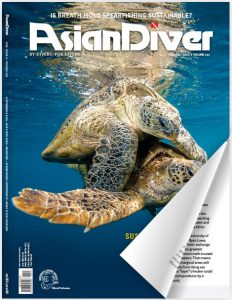 This article featured in Asian Diver, click here for more information, or to get your hands on this fantastic issue.