Home Blog Page 125

Banda Blues and Hammers: The Epic 2016 Underwater360 Expedition (Part 3)

0
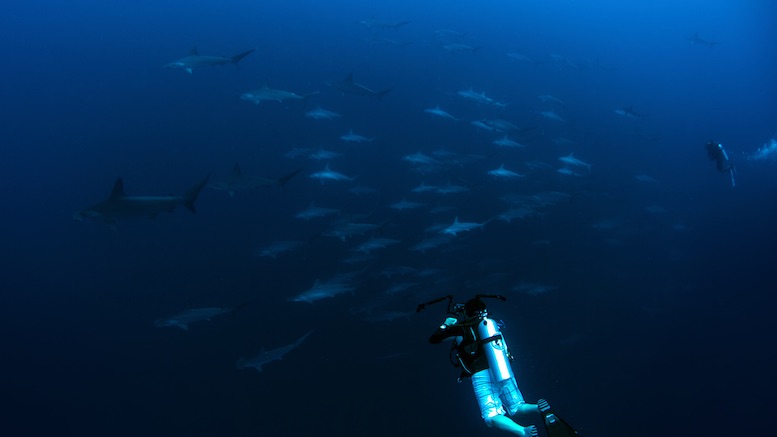
"Everyone is hanging in the water, completely still, it is a staggering sight." © Aaron Wong

Avid diver and Nature writer Rachel Mason is back with the final instalment of her thrilling series on the Underwater360 Expedition to the Banda Sea. After being teased by hammerhead sharks, the team are about to encounter a moment that will forever last in their memory:

Part Three: Hammer time
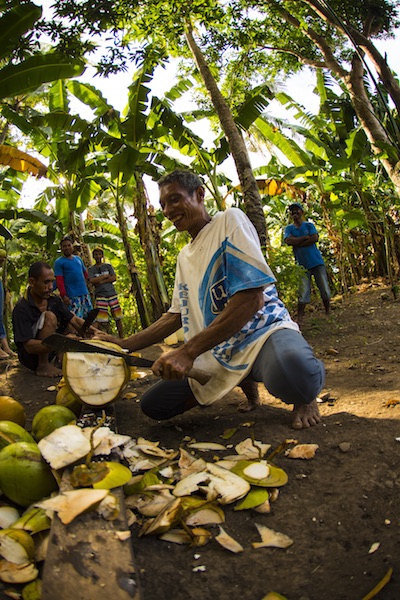
"We take a trip over to “Hammer Island” and are given a hugely warm welcome by the villagers and Chief." © Aaron Wong
“We take a trip over to ‘Hammer Island’ and are given a hugely warm welcome by the villagers and chief.” © Aaron Wong

As if awaiting our arrival at “Hammer Island” a solitary hammerhead shark almost immediately emerges from the gloom, scoping the scene, about five metres long, muscular and powerful. He dips away from sight, and, apparition-like, over 120 hammerheads appear, schooling their way through the blue.

Everyone is hanging in the water, completely still, it is a staggering sight. We fin after them as they pass but they are gone as mysteriously as they appeared. I slowly turn back towards the reef and I am staggered to see the sentinel just three metres behind me, maybe five metres long. He weaves his way in pursuit of the school, for a heart-stopping moment appearing to come towards me as he snakes past. Huge dogtooth tuna, and big-eyed trevally follow, and I barrel-roll in wonder and look up and see the volcano 25 metres above me then sloping into nothingness, thousands of metres below; how tiny and insignificant we really are.

We take a trip over to “Hammer Island” and are given a hugely warm welcome by the villagers and chief. We donate some diesel, a radio, rice and some sugar. Tarpaulins are laid out with cloves in different stages of drying in the baking heat; this is one of the things these Spice Islands are famous for. The village has existed for around 150 years. They use traditional medicine from the plants they grow and their greatest challenge is lack of fresh running water. They fish the reef here, but are already doing this sustainably, only taking what they need for their people to survive. There is much that can be learned from them, and we have so many questions. Judi Lowe has some time with the chief of the village to ask him what the people want for their island and community over the next 15 years, whether they welcome tourism, and what that would mean for their community. This is all extremely valuable information for the Expedition and to continue Judi’s research (you can learn more about her research here at Asian Diver). The chief accompanies us back to the Samambaia ahead of our sunset dive, to say a prayer for more hammer sightings and sure enough some of us reap the rewards!
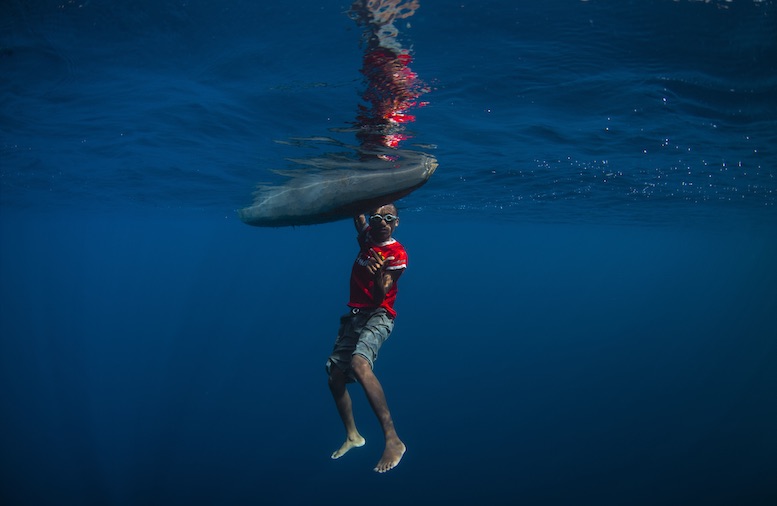
"They fish the reef here, but are already doing this sustainably, only taking what they need for their people to survive." © Aaron Wong
“They fish the reef here, but are already doing this sustainably, only taking what they need for their people to survive.” © Aaron Wong

We have another opportunity to give back to the local community at the next stop, when the women who weave the beautiful ikat drift across the water to show us their wares. We are spoiled for choice with traditional cream and blue colours to bright turquoise and red.

Water-time with the whales
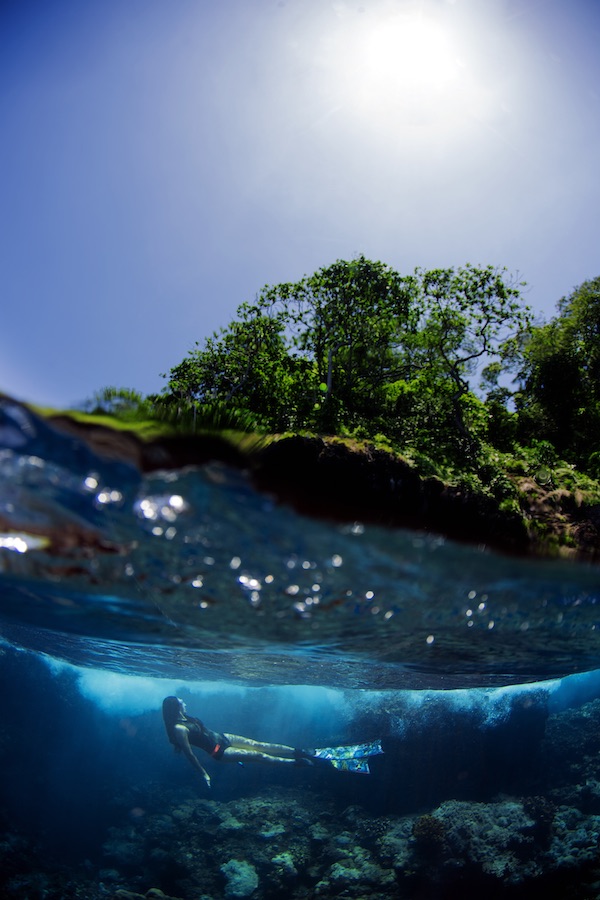
Pepe Arcos is hoping to film Dada interacting with the cetaceans, filming her on breath-hold too. Sadly it wasn’t to be; as soon as we drop into the water, they flee. © Aaron Wong
“Pepe Arcos is hoping to film Dada interacting with the cetaceans, filming her on breath-hold, too. Sadly it wasn’t to be; as soon as we drop into the water, they flee.” © Aaron Wong

A solitary blue whale sighting the following day is out of character; evasive and elusive, and we soon lost him. The reason for this would become clear in a couple of days.

Huge pods of dolphins and melon-headed whales surround us and present us with an opportunity to get in the water with them. Award-winning filmmaker and freediving champion, Pepe Arcos, is hoping to film Dada interacting with the cetaceans, filming her on breath-hold, too. Sadly it wasn’t to be; as soon as we drop into the water, they flee. We have to be content with the bottlenose dolphins bow-riding the speedboat. The water is crystal clear and they appear almost like animation as they duck and weave and play with us.

Our final stop of the expedition is Pantar. It’s muck diving and critters galore – a thorny seahorse, mandarinfish and a jawfish with eggs in her mouth. An outstanding night dive with blue spotted rays, dwarf cuttlefish, bumblebee shrimp, emperor shrimp, dragon sea moth and many crab species, there was not enough space in my dive log to write everything down!

Our last long push now to Kupang, and the final opportunity for whale watching. After a quiet couple of days, we all hope we are going to finish the trip with something spectacular. Despite perfect spotting conditions, it’s all suspiciously quiet, even the hydrophone failing to identify a presence. Finally in the afternoon we hear the call of a sighting, “BLOW!”.  It’s a species we have not seen before, and very soon the elusiveness of the last few days is explained when we realise that we are looking at orcas. The other species have been running scared! The orcas also quickly disappear; it’s a mere fleeting glance. We bob quietly in the water hoping to get closer to them, but sadly after an hour and half, we have to continue the last leg of what has been a truly epic journey.
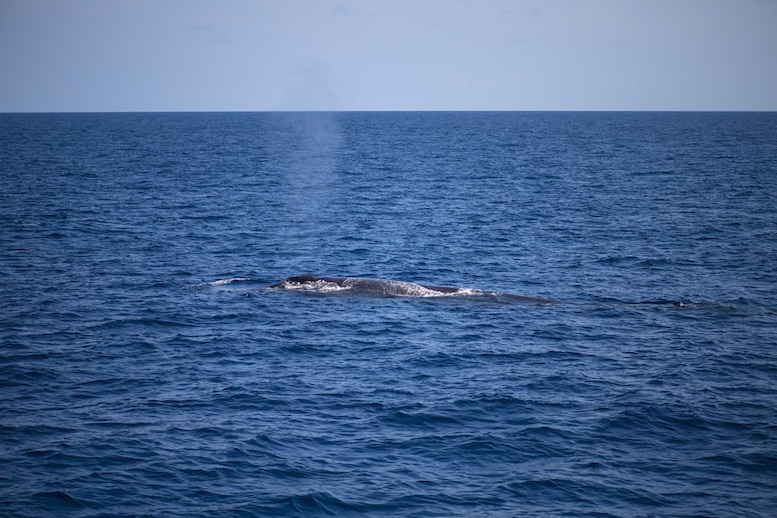
"A solitary blue whale sighting the following day is out of character; evasive and elusive, and we soon lost him." © Aaron Wong
“A solitary blue whale sighting the following day is out of character; evasive and elusive, and we soon lost him.” © Aaron Wong

Epilogue

I open my Facebook feed this morning, to a Doris Lessing quote: “Whatever you are meant to do, do it now. The conditions are always impossible.” This expedition, as we start to put the Banda Sea on the map for dive tourism, sustainably, has been a very small part of a huge undertaking, but the time is now if we are to secure the long-term future of this truly breathtaking place, and the marine life within it.
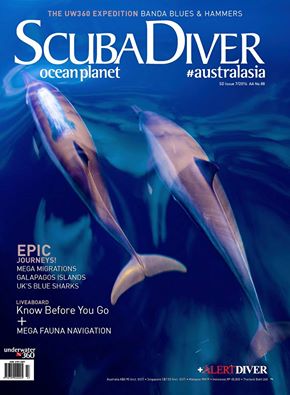


14925646_10154152683210197_4183864328808888640_nRead more about the incredible UW360 Banda Sea Expedition in Scuba Diver AUSTRALASIA, coming to newsstands soon!


p1030199


Banda Blues and Hammers: The Epic 2016 Underwater360 Expedition (Part 1)
 

dsc_7931b

Banda Blues and Hammers: The Epic 2016 Underwater360 Expedition (Part 2)

Ask the Experts: Does Dehydration Contribute to Decompression Stress?

0
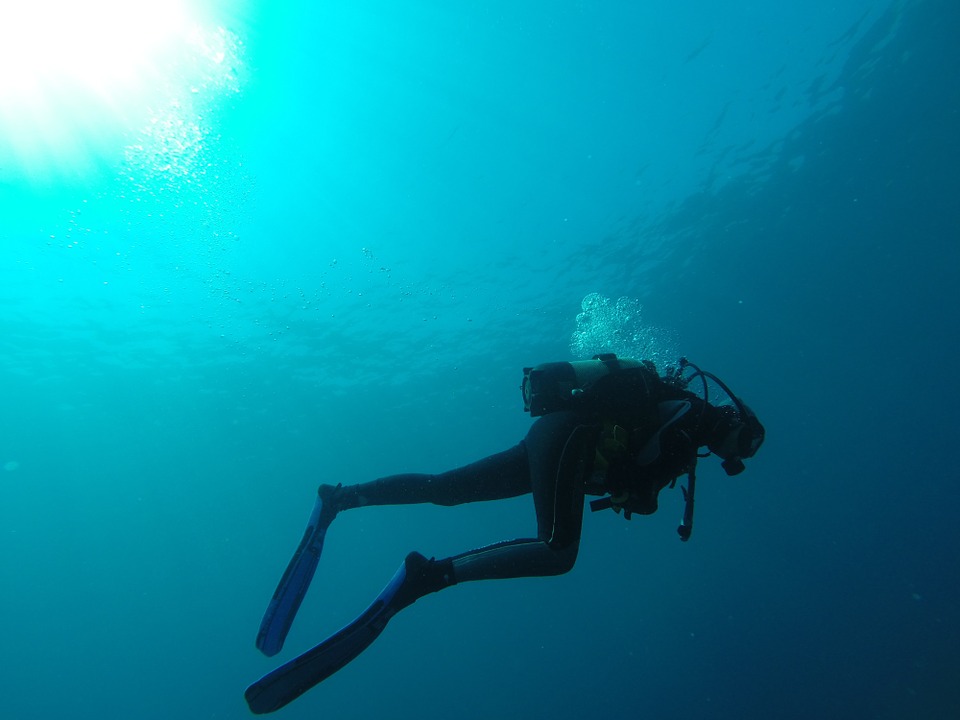
Diver immersed in the ocean on scuba air. © Pixabay
Of course, to stay hydrated on a dive, we recommend using a sustainable water bottle than any throw away plastic © Flickr

A reader approaches the DAN Medical Team this week with a question on dehydration and if it can contribute to decompression stress. Dehydration is when the body does not have as much water and fluids as it should. A lot can cause this, from not drinking enough water or fluids, to pressurised airplane cabins, alcohol and scuba air. It can effect the health, but how will it effect your diving? The experts have an answer:

Dehydration gets a substantial amount of attention as a risk factor for DCS, but probably more than is warranted. Sound hydration is important for good health, both for general and for diving health, but for your dive profile, thermal stress and exertion level are far more important risk factors for DCS. The undue focus on dehydration is probably a result of two issues. The first is that substantial fluid shifts can result from DCS, often creating a need for substantial fluid therapy and creating an impression that this was a cause, rather than a consequence, of the disease. The second issue is human nature — the understandable desire to assign blame for a condition that is capricious. DCS is fickle. A diver may adhere to a similar dive profile many times without incident but then develop DCS while following the very same profile. It is comforting to try and identify a single causal agent, even if this is more wishful than factual. It is important for divers to realise that a multitude of factors can subtly affect the risk on any one dive and that there is a probabilistic nature to the disease. Focusing on a range of strategies to reduce risk is more effective than trying to put all the blame on one.

Answer provided by the Divers Alert Network Medical Team

The Origins of Pearl Diving in the Persian Gulf

0

Life in the Persian Gulf revolved around the natural pearl for centuries, according to archaeological evidence dating back to the Late Stone Age in 6000–5000 BC. It was this object – occurring spontaneously in the world – that not only brought a specialty dhow trade to the Gulf, but also incredible risks to the divers who endeavoured to find it.

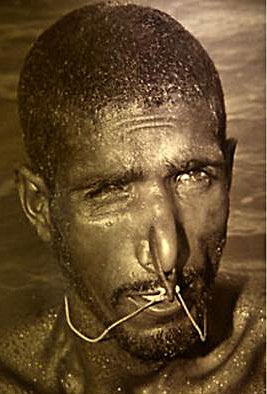
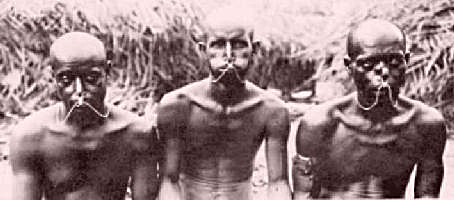
Divers would head to the pearl banks for a few months every summer with the most basic necessities, including a nose clip, finger protectors, a stone weight and sometimes a cotton suit to guard against jellyfish

The Epic of Gilgamesh, a poem from 700 BC Mesopotamia that is among the first recorded examples of literary fiction, describes how the hero dived to the depths with weights tied to his feet for the “flower of immortality”, a well-known early allusion to pearling. By 100 AD, Pliny the Younger had declared that pearls were the most prized goods in Roman society, with those from the Gulf reigning as the most esteemed.

For the humble men who harvested the pearl, it was much more than an object of beauty; it was a way of life. They were mostly after Akoya pearl oysters (Pinctada imbricata fucata), known locally as mohar, which grew to a shell length of 60–80 mm; “Lingah shells”, named after a place on the Arabian side of the Gulf; and the sudaifee or zinni (P. margaritifera), a cream or light grey species that reaches up to 200 mm in length.

Pearl grounds originally stretched on the Arabian side from Kuwait along the coast of Saudi Arabia to Bahrain, Qatar, the United Arab Emirates and the Sultanate of Oman. They also ran along nearly the whole coast of the Persian side of the gulf, from near Bandar-e Bushehr (Kharg island) to Bandar-e Lengeh (Kish island) in the south and even further south into the Strait of Hormuz. The Phoenicians, who likely held the first monopoly on the pearl trade, were succeeded by early Arab seafarers undertaking long, arduous journeys in their primitive sailing ships, dhows.

The fishing season was usually concentrated between April and September. At first the shallow waters were fished, leaving the deeper areas for the warmer season, which were fished in rotation in order to ensure they were left fallow for several years. An important person aboard the dhow was the nahhams, who sang the ritual prayers that determined the schedule of the day.

The divers, equipped with nose clips, descended to the bottom in an upright position, carried down rapidly by a weight

The captain, called the nokhata, had absolute command of the pearl divers, known as the ghai ghawwas. These early freedivers were equipped with a wooden nose clamp (fitaam), cotton soaked in oil for the ears, a basket (dadjin) to hold their catch, and a knife for removing the oysters from the bottom. On their fingers and toes they wore small leather caps, khabbal, to protect their digits from sharp coral, rough shells and the occasional encounters with poisonous marine creatures.

According to historical evidence, a diver descended on two ropes, which his assistant, the saib, held and controlled from the ship. He would remain underwater for 60 to 90 seconds, typically reaching depths of between six and 20 metres. With as many as 40 divers per ship, each individual usually went beneath the surface 30–40 times daily. A crew of 30 divers could harvest a staggering 8,000 pearl oysters in a single day. In certain areas of the Gulf, some divers were taught to grease their bodies to conserve heat in an effort to combat low water temperatures. The most skilled could manage dives of as much as 26 metres on a single breath. But such depths were undeniably life threatening.

Even though deep diving was a daily affair, there were many rituals surrounding the practice. One of the most significant was the firing of pistol shots heralding the auspicious find of a large pearl – the sound of which could be heard in far away places on the coast. The captain would collect all the finds in a traditional red cloth, and after selling the first pearls, he would pay the divers in cash. However, the unfortunate ghai ghawwas took the smallest cut, and the majority of them was still subjected to a vicious cycle of poverty. Nonetheless, for men with access to few resources on land, the wild pearl offered a wealth of opportunity to feed their families.

From the mid-18th century, pearls from the region were exported to India, Persia and Turkey and sold on to European and Chinese markets; the Gulf ’s pearl industry boomed with the integration into global markets. It attracted divers from Yemen, the Indian Ocean island of Socotra and Oman’s Batinah Coast. By around the middle of the 19th century, approximately 60,000 people, nearly the whole population of the Arabian side of the Gulf, were working in the pearl fisheries.

In less than 120 years, from 1790 to 1905, the value of pearls grew six-fold. Between 1830 to 1900, Gulf pearls generated significant global revenue of about US$1.75 million a year, and by the early 20th century, this figure had risen to US$4 million. These “jewels of the sea” had not only become one of Asia’s most treasured commodities, they left a legacy of tenacity and fearlessness that embodies the spirit of the modern-day freediver.

This article featured in Asian Diver “What Lies Beneath”

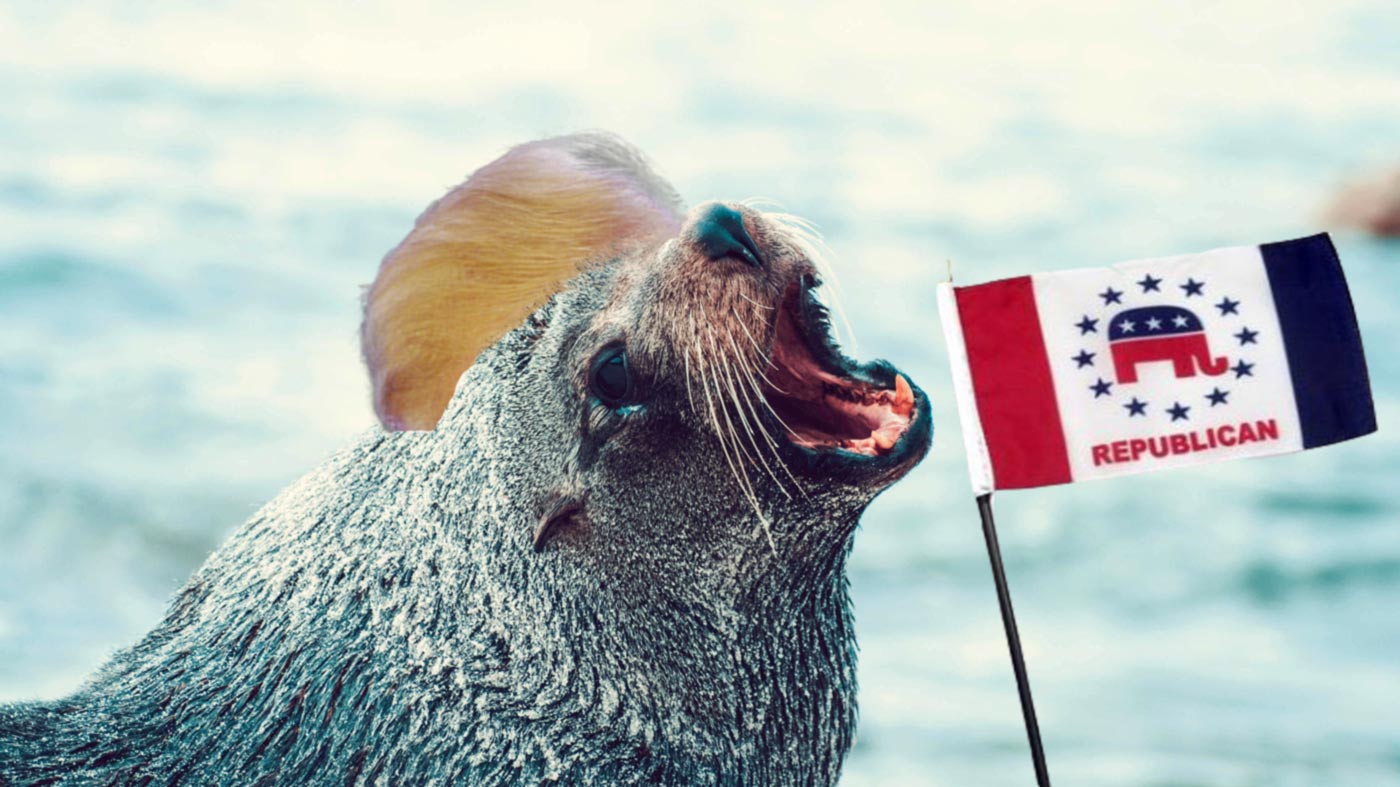
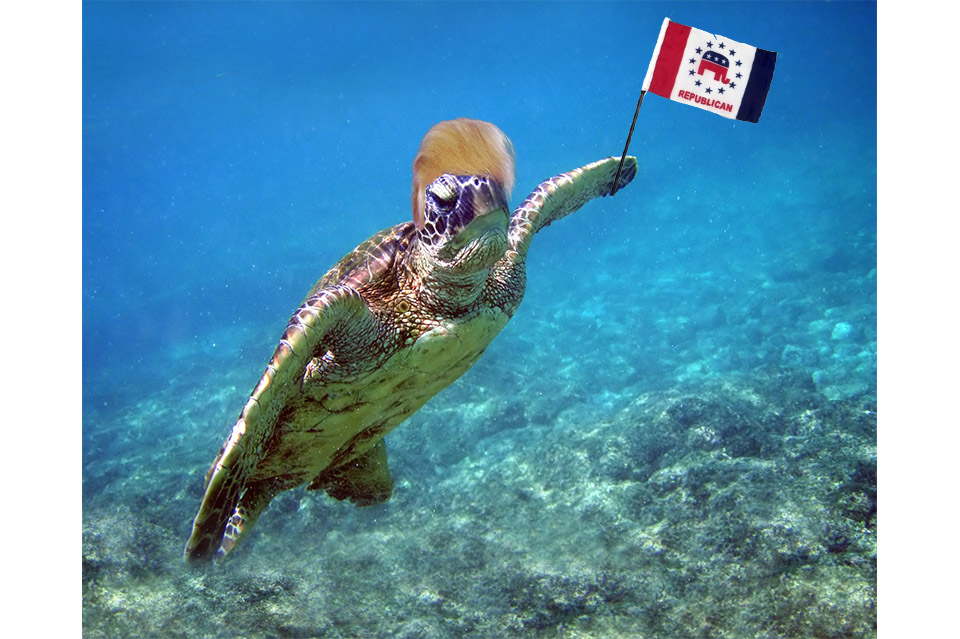
7 Marine Species with Donald Trump’s Hair

0

As a world stands in shock, after a night spent staring wide-eyed at TV screens and poll swings – the fate of the environment remains unclear. The new president, global warming “conspiracy theorist” Donald Trump, has been elected U.S. President.

The man has made quite a name for himself with his controversial views, not least on the subject of climate change. Describing the Paris Agreement as “unbelievable”, Trump promised to remove the US from its signatories, and also bizarrely claimed global warming was a hoax perpetrated by China.

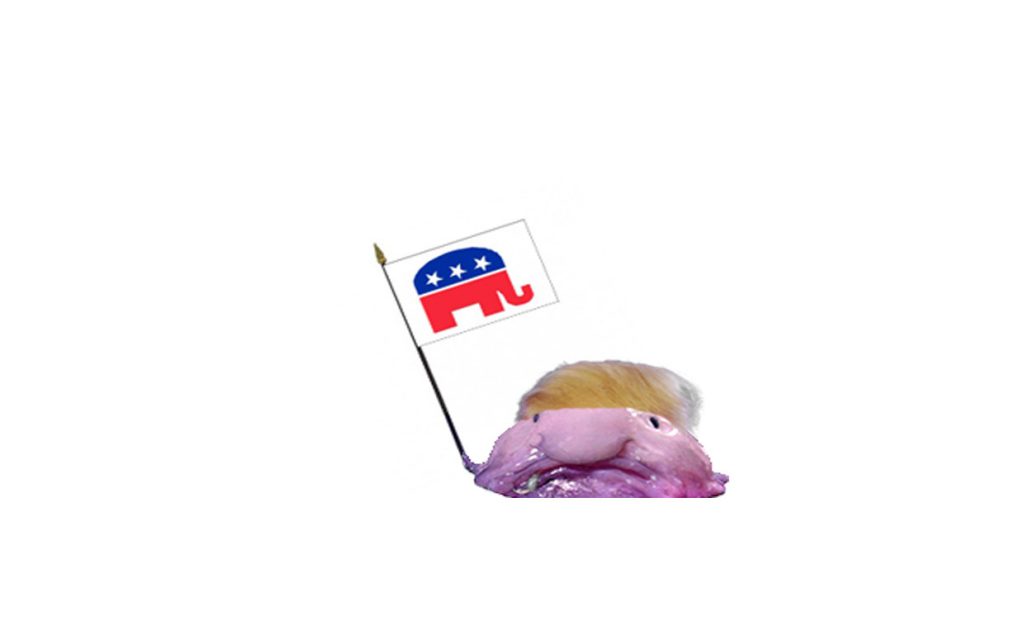
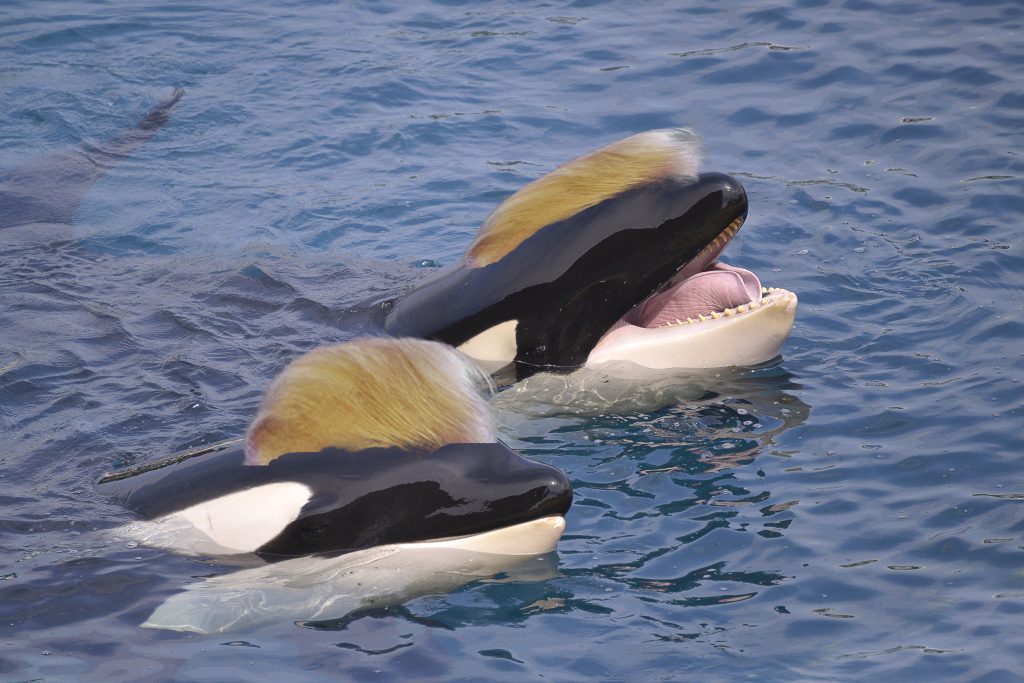
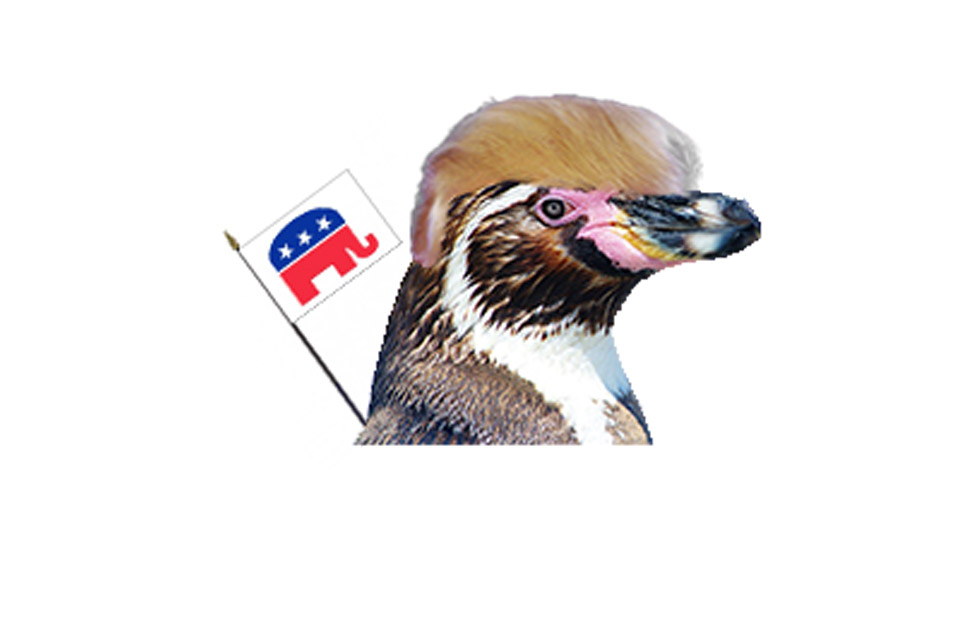
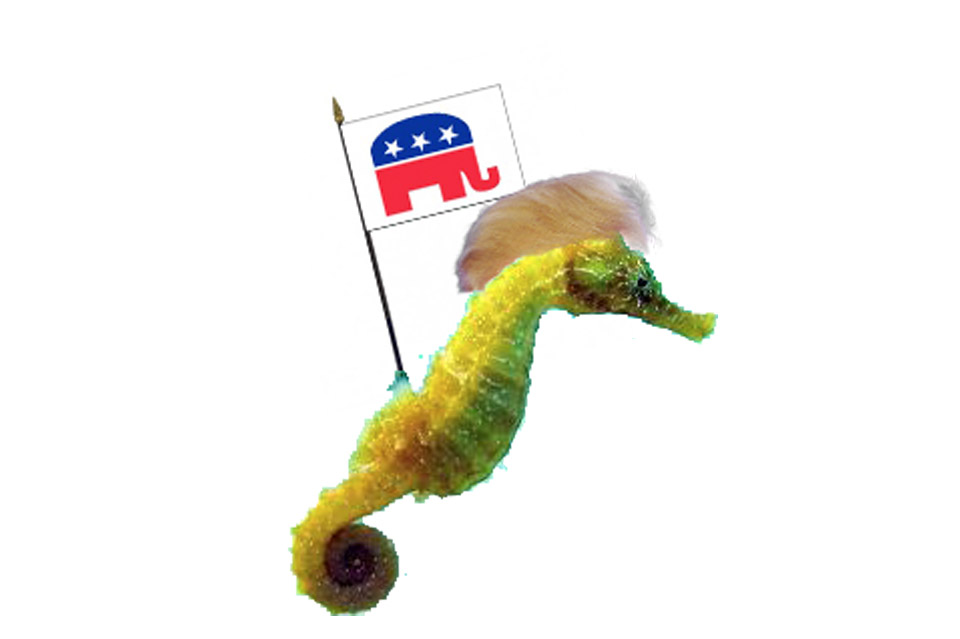
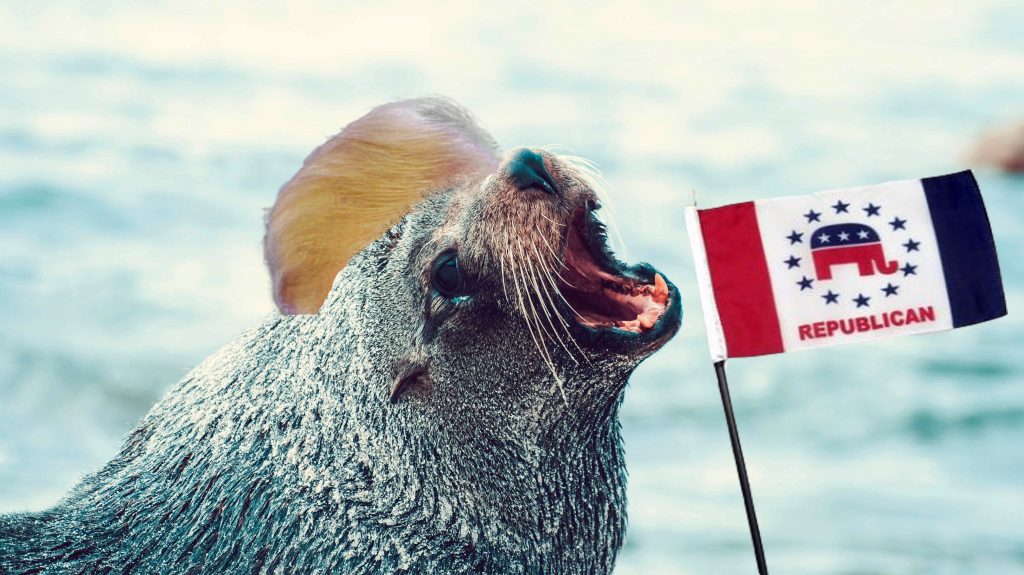
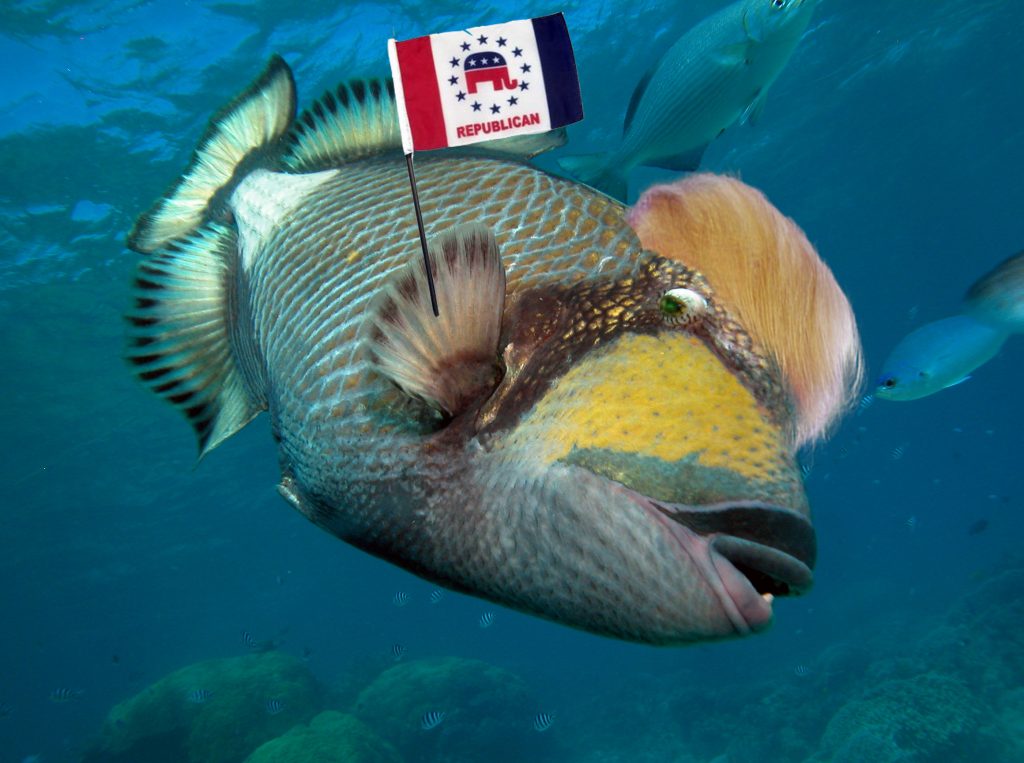
So what could the world below the waves, and its inhabitants, look like with “The Donald” presiding over the planet’s great superpower? UW360 investigates how various species, and the way they go about this sub-aqua world, may change – we bring you seven marine species with Donald Trump’s hair:

Blobfish Trump


blobfish-trump

Killer Trumps


orca

Trump-uin


penguin

Seatrump


seahorse

Strump


SONY DSC

Titan Trigger Trump


trigger-fish

Trumple


turtle

If you’re still in as much shock about the result as we are, then we hope that this little animal gallery will provide you with a light relief!

The Underwater360 Team

ADEX 2017 T-Shirt Design Competition

0

Every year Asia’s biggest dive show, the Asia Dive Expo (ADEX), kits out its visitors, speakers and exhibitors with quality t-shirts of our own in-house design. This year, for the first time ever, ADEX will be asking artists from around the world to design an original official ADEX T-shirt inspired by the ADEX 2017 theme, Climate Change.

ADEX 2017 is dedicated entirely to Climate Change and the impact it is having, and will have, on our oceans. As the biggest challenge facing nature and humanity, we think the dive industry needs to face it head on and lead the way in combatting this threat to life on our blue planet. With this, we’re looking for top T-shirt designs that catch our eye and really communicate across our theme’s message.

Things to consider:

  • How is diving and Climate Change linked
  • What message with regards to Climate Change can we convey
  • How can the design about Climate Change convey the message to the wider audience

Prizes

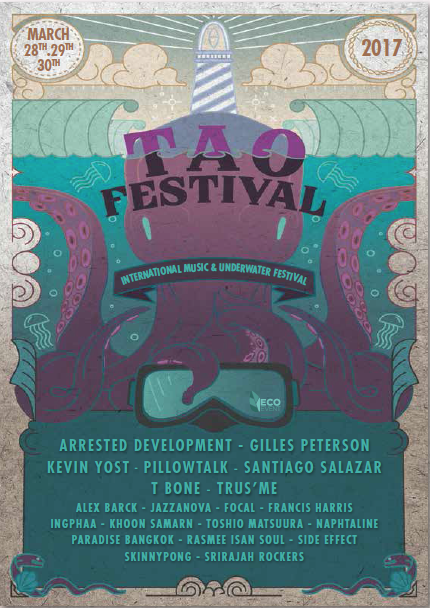
1. Winners will stand to win tickets to the Tao International and Music Festival held on the 28th, 29th and 30th of March 2017 on the amazing island of Koh Tao, Thailand worth over SGD$1000! (Includes Airfare from Singapore to Koh Tao Island, Thailand, 3 nights accommodation and entry to the Tao Festival)screen-shot-2016-11-08-at-3-11-30-pm

2. Winners will also be invited to be our speakers for ADEX 2017 to speak out about the background and inspiration for their design work!

How to enter:

  1. Download the design kit HERE!
  2. Submit all entries to Asian Geographic Pte Ltd via the submission link. The closing date for submissions will be 16 January 00:00(+8 GMT)
  3. A panel of judges will decide on the top FIVE designs by 18 January 2017
  4. Asian Geographic will post the top five designs on ADEX 2017 Facebook Page and will conduct a Facebook competition where the top design will be decided by the highest number of likes to be closed by 1 February 2017 00:00 (+8 GMT)
  5. All contest entries will have to adhere to the terms and conditions set by Asian Geographic Pte Ltd

submitSubmit your gorgeous designs here!


Please read our competition’s  Terms and Conditions 


About ADEX Singapore 2017

ADEX is the longest running and the largest dive expo in Asia celebrating its 22nd year in 2017. A must-attend event for anyone interested or involved in the world of diving, the event has seen a continuous increase in visitors over the past few years, with ADEX 2016 attracting a total of 57,793 visitors over three days!

Taking place from April 7 – 9, ADEX 2017 proudly presents world-renowned marine life artists, conservationists and photographers to speak about their passion and work towards marine life. It is organised by Underwater360 (UW360), and is an event being endorsed by major organisations in the industry such as DEMA (USA), the Singapore Tourism Board (STB) and the Singapore Underwater Federation (SUF).

There is no need to vote for the ADEX dedication for 2017. Instead of a marine creature, ADEX will be dedicated entirely to Climate Change and the impact it is having, and will have, on our oceans. As the biggest challenge facing nature and humanity, we think the dive industry needs to face it head on and lead the way in combatting this threat to life on our blue planet.

With its success in Singapore, ADEX expanded to China in 2014 with both shows now running annually, ADEX Singapore happening every April and ADEX China taking place in Beijing every September.

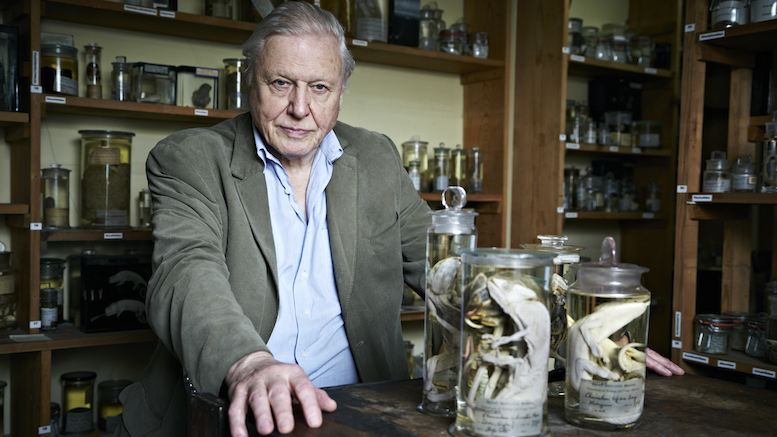
Ocean Defender of the Week: Sir David Attenborough

0
"I’ve seen lots of things that I never thought I would be seeing but if I’m honest, one of the big revelations for me in my career was diving the Great Barrier Reef for the first time."

In the midst of the launch of Planet Earth II, UW360 revisits SD OCEAN PLANET‘s interview with one of the industry’s leading pioneers:

David Attenborough may reject the title “national treasure”, but there are few others who dispute it.

“I’ve simply been doing my job,” he says. “Admittedly, I’ve done it for over half a century, but it’s something I absolutely love, and I take immense pleasure from it. A life is a life – you either sit on it, or do something with it.”

At 87, his restless drive to explore planet Earth and all its curiosities shows no signs of abating, and, as he explains here to us, what lies beneath the oceans’ surface arguably fascinates him the most.

"At 87, his restless drive to explore planet Earth and all its curiosities shows no signs of abating."
“At 87, his restless drive to explore planet Earth and all its curiosities shows no signs of abating.”

David, are there any underwater frontiers that you haven’t yet explored?
Oh, the natural world is infinite for me. No human being in half a dozen lifetimes could see all there is to see of the world. There is always sometimes new. We now have pictures of the undersea world, but of course sea cover two-thirds of the planet, and that is the least explored part of our planet. People say it’s a shame we haven’t been able to explore that yet. I disagree! It’s marvellous we still know so little, because wouldn’t it be terrible if all the answers were mapped out there in front of us?

What was your most memorable experience of filming life below the surface?
Well, the Galápagos Islands are so fantastic in that they showcase their own unique ecological base. I recently filmed a piece there on the marine iguana which, having been swept by the seas across from mainland South America – and lived to tell the tale – adapted its very being in order to be able to survive on seaweed (the only plentiful vegetation), swim, and even dive to the foot of the ocean.

This animal’s physical structure has evolved as well to enable it to do this, and it’s this utter uniqueness that fascinates anyone passionate about wildlife and Nature. And the iguanas are one of many incredible “one-offs” on the Galápagos Islands, both in terms of animals and plants.

What has been the most important development for underwater filmmaking and why?
The ability to go as freely as people do and the arrival of a group of extremely skilled, brave, intrepid underwater cameramen. There are about half a dozen who are head and shoulders above the rest, and who have produced amazing shots and taken us to the bottom of the ocean. And there are also the deep-sea rovers, the things that can take the cameras down to depths that human beings can’t survive in.

Can you tell us a bit about your diving career?
I was never much of a diver. I can dive in tanks and so on. And when you dive alongside really good divers, you realise how inadequate you are, and I don’t dive much now – I snorkel!

I must never stop saying that I am a very fortunate member of a large team, and when it comes to shows like Blue Planet my part is limited to words. I didn’t get those extraordinary shots; they were done by skilled divers. I wish I had that skill, but I don’t!

What is the best or most memorable place you’ve ever dived?
I’ve seen lots of things that I never thought I would be seeing but if I’m honest, one of the big revelations for me in my career was diving the Great Barrier Reef for the first time. It was completely mind-blowing, and every time I’ve gone back, it’s never ceased to amaze. The sheer variety, the sheer beauty and abundance was a massive personal revelation. It’s a wonder that simply cannot be missed.

What’s the most extraordinary marine creature you’ve come across?
I suppose a giant squid would be a good place to start, and the Japanese have just filmed it. It’s about 15 metres long with these giant tentacles; it’s an enormous beast. The problem with filming it is that because it lives in the very depths, nothing lives there, you can’t push a human being alongside him, so you see this looming shape, but you have no idea how big it is. It’s this excitement but also this faint disappointment, because you can’t really appreciate the size of it until it’s washed up dead on the shore.

If you could erase humans permanently from an ecosystem which would it be?
If I could erase humans permanently from an ecosystem, I would take them away from the Great Barrier Reef. It is an awe-inspiring place, and every time I’ve gone back, it has offered something bigger and better than the previous occasion. But it’s incredibly fragile and already mass bleaching is showing us the effect the human population is having on it. So keeping humans away from the Great Barrier Reef would be my choice – I would isolate it completely and lock it within Mother’s Nature’s grasp.

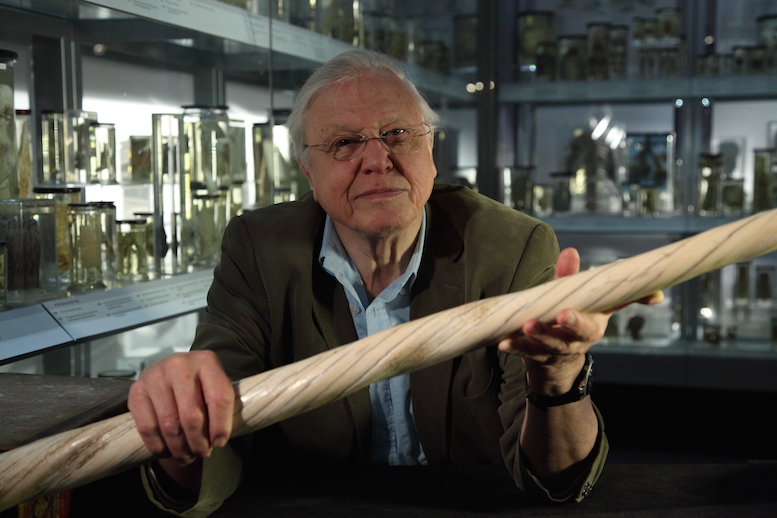
David holding a narwhal tusk. "We’ve lost several ice shelves from the poles; the evidence is there for all to see. And there is definitely more extreme weather about."
David holding a narwhal tusk. “We’ve lost several ice shelves from the poles; the evidence is there for all to see. And there is definitely more extreme weather about.”

What is your predication for the future our oceans?
Climate change obviously remains a huge problem for the planet. The Earth is getting warmer year on year, considerably so, although it’s not a uniform increase either, which can complicate the issue somewhat. In the Arctic, the increases in temperature are happening very fast, but in the Antarctic places are getting much colder and this, I imagine, gives something for certain lobbyists to cling to. That way they can tell everyone there’s nothing to worry about. But the world is a big place: There are no uniform characteristics, so there are quirks and contradictions everywhere. But overall, the planet is getting much warmer, very quickly. I have seen huge ice floes and icebergs dramatically decrease in size. We’ve lost several ice shelves from the poles; the evidence is there for all to see. And there is definitely more extreme weather about. We are steaming towards disaster, at a faster rate than was ever anticipated.

I hope some sort of paralleling solution can be found before long. And hopefully there will be one, as we have many talented, worthy, diligent individuals out there striving to make a difference, and I salute them all.

But all we seem to hear about these days is climate change, the ice caps melting, the fluctuating weather patterns that result. In short, the uncertain future we face. But the more serious problem – so serious in fact that most governments seem reluctant to even address it – is the issue of global population growth.

Do you agree that wilderness is becoming peripheral and ever more in danger?
Oh yes. Since I started making television programmes there are three times as many human beings on Earth. We’ve tripled in size. And everybody like you and me, and everybody else, wants houses to live in and we want schools for our children and roads to travel upon. And most of these things have to come from the natural world. There’s less space for Nature.
It isn’t necessarily a disaster, but what we need to do is to recognise what the problem is, and then we can be a bit more sensible about how we invade the natural world, and do it more economically and efficiently and carefully, and with a real conscience.

And let’s swing this back to the oceans: There is no place in the ocean, even the most remote part of the Pacific Ocean, as far away as you can get, where you won’t find plastic floating on the surface of the sea. That’s a tragedy and it’s our fault. Plastic is long-living and we can’t get rid of it, yet we are polluting the world with it. Dreadful.

What is the most important thing to you about the legacy you will eventually leave to the planet?
I’ve always felt that my voice is just a vehicle for expressing what an incredible natural world we have. I’m certainly proud of the work I’ve done over the years, but I’m lucky that I’ve loved what I’ve been able to do. I’ve been granted a tremendous opportunity, afforded relatively good health, and even stepped into the realms of longevity, when you look at my age. I’m simply a lucky person. And nothing will ever quench my thirst for more, for seeing more, for discovering more about the world.


magazineCoverThis interview featured in SD OCEAN PLANET “Underwater Film & Television” Issue…

Click here to read on!

Celebrating Dive Professionals: ADA Appreciation Night 2016

0
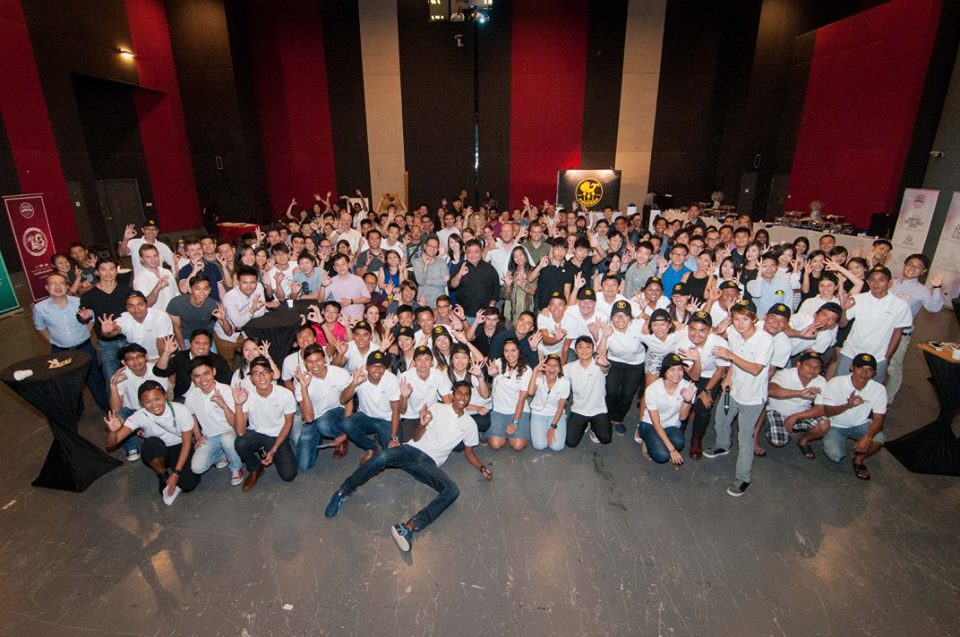
"That year, close to 300 dive professionals, their families and students showed up with special guests from PADI and major resorts around the region also participating."

Being a dive professional is not always easy. They go through many things that are literally “below the surface” and unseen.

When Asia Dive Academy (ADA) first had the idea that dive professionals should be celebrated and honoured, they started with their partner shops and booked out a small restaurant along Arab Street. There was no formal ceremony or real tokens of appreciation, but ADA realised that a mere certificate and recognition of the passion, blood, sweat and tears dive professionals put in with each and every diver is enough to affirm their sense of purpose.

The next year, ADA decided that it wasn’t only dive professionals that needed recognition – but industry players as well. They had awards for industry partners that supported dive centres with equipment, transport, resorts as well as corporate groups. An important inclusion at the event was also an award for conservation. The ADA Appreciation Night that year saw over 180 dive professionals and their families come together for the first time to celebrate diving in Singapore.

For 2015, the ADA Appreciation Night was held at Scape* and more awards were added, with dive professionals winning diving trips and dive equipment from a range of sponsors.

“Dive professionals are the lifeblood of the diving industry. We honour their passion for teaching, spreading the conservation message, as well as building the dive community and industry. Because dive professionals and industry players are at the forefront of growing the local dive industry, we would like to make the effort to recognise them.” says CEO of ADA, Jacki Ng.

That year, close to 300 dive professionals, their families and students showed up with special guests from PADI and major resorts around the region also participating.

This year, the ADA Appreciation Night looks set to be the biggest yet. With a showcase of major agencies, resorts and equipment brands at the event, admission is free and is open to both divers and non-divers alike. Expect a good dinner and a night full of good company as we close the dive season celebrating our dive professionals and the local dive industry.

appnight-2016-banner


Event details:

Head to appnight.asiadiveacademy.com to RSVP

Date: 27 November 2016

Time: 5pm – 9pm

Place: Imaginarium Auditorium,

           113, Eunos Ave 3, Level 4,

           Singapore 409839