Home Blog Page 131

Featured Destination: Verde Island

0
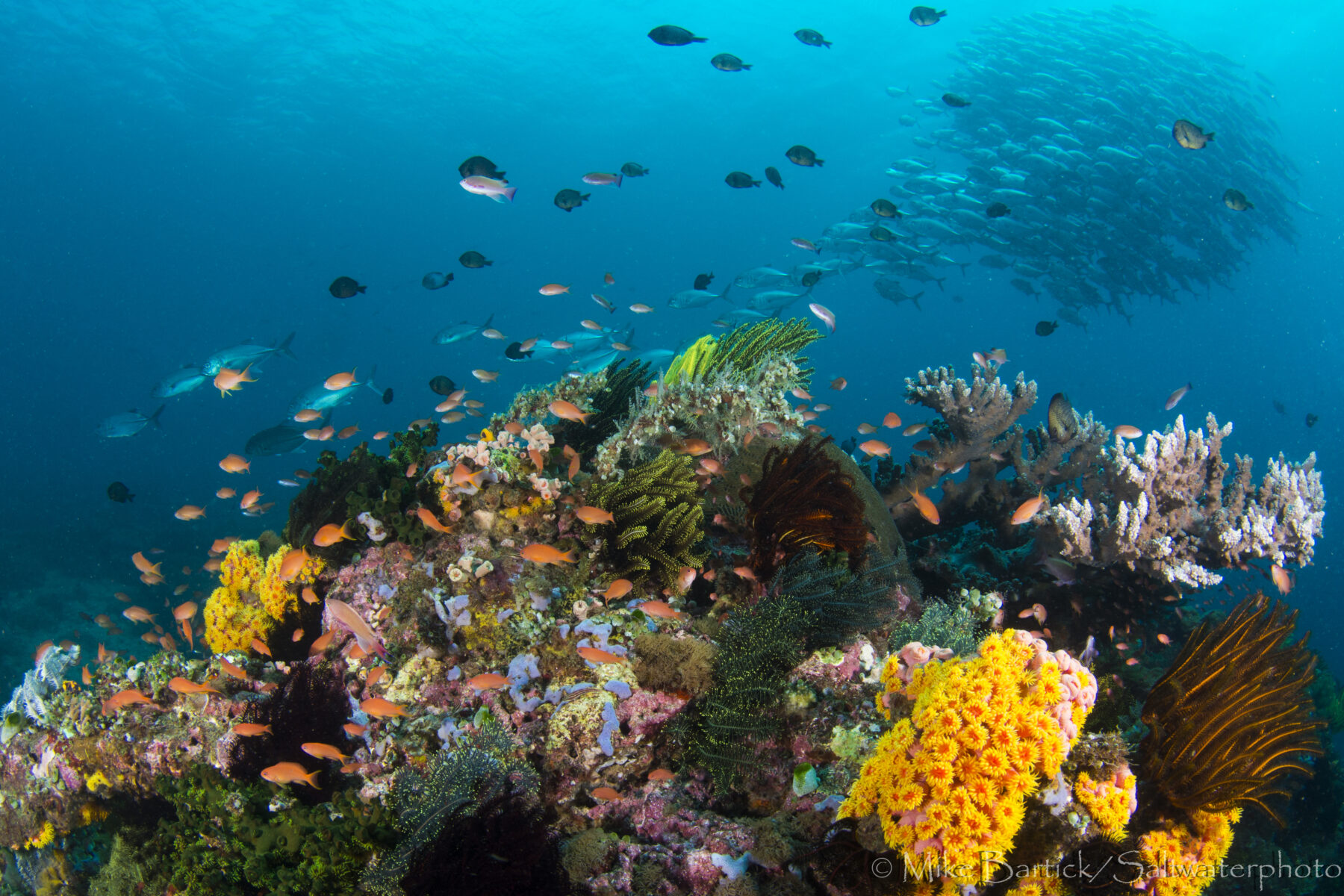
Holding the record for the highest number of shorefish species recorded, the Verde Island Pass is a place of stunning diversity © Mike Bartick

My first trip to Verde Island was so simply incredible that it had me altering our dive schedule to include several more returns during that visit. We were staying in Puerto Galera – the jumping off point for Verde Island. Puerto Galera has a thriving nightlife with restaurants, dancing, floating bars and live bands all set on a crescent shaped beach lined with resorts and palm trees. The village backs onto picturesque and lush tropical jungle and clear tropical waters lap the shoreline from the front. The dive sites are just minutes from the launch and can vary from drifting over lush coral-scapes and wrecks to some very interesting critter dives.

A reef to be reckoned with

After a 30-minute speedboat ride from Puerto Galera/Sabang we arrived at Verde Island’s eastern-most tip where the only thing visible from the surface was a small spine of rocks and a mooring line. So far, from the surface, the area looked like any other but all of that quickly changed as we casually descended to the pinnacles below us. The pull of the current was almost immediate and comfortably pushed us along allowing us to get our first glimpse of the reef.

Changing directions we finned over to the pinnacle where “The Washing Machine” was and peeked our heads over the top of the saddle hoping to see the schools of pelagic fish on the other side. As I peered over the ledge the onrush of the mighty current was felt at once, making my mask vibrate and shooting our bubbles straight back. Ducking under the current again, everything was calm. I took a few deep breaths and powerkicked myself over the top and again experienced the calm eddy below the ridge. Looking back towards the pinnacles I was amazed at the colours and growth of sponges, tunicates, and corals all packed in layers on top of each other with hardly any exposed or lifeless rock. Bright orange and yellow Tubastraea cup corals and giant sea fans decorated the walls and pinnacles while an eye-popping variety of colourful reef fish buzzed with energy and movement. Schooling pelagic fish can also be seen in the blue and it is not uncommon, as I learned, to see bumphead parrotfish, rare red-tailed wrasse, sea turtles, sea snakes, tunas, jacks, giant trevallies, sweetlips, snappers, and barracudas.


The Lowdown

  • The Verde Island Pass is washed with ocean driven currents and has a nutrient-rich tidal flow
  • The corals here are some of the most varied and abundant on Earth
  • The island and its dive sites have been elected as a UNESCO World Heritage Site
  • Verde Island itself has been designated as “the centre of the centre for marine shorefish biodiversity” for the first time in 2006 and again in 2015 by teams of conservationists and scientists
  • The tip of the Coral Triangle extends through the Batangas portion of Verde Island Pass and includes Puerto Galera, Anilao and surrounding islands in the Mindoro Batangas area
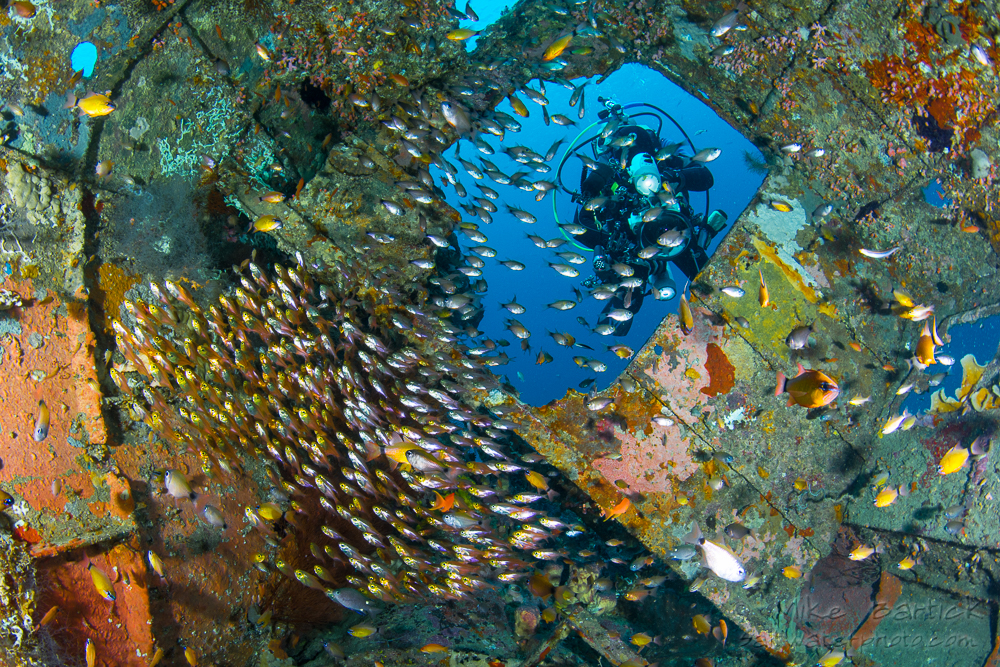
 

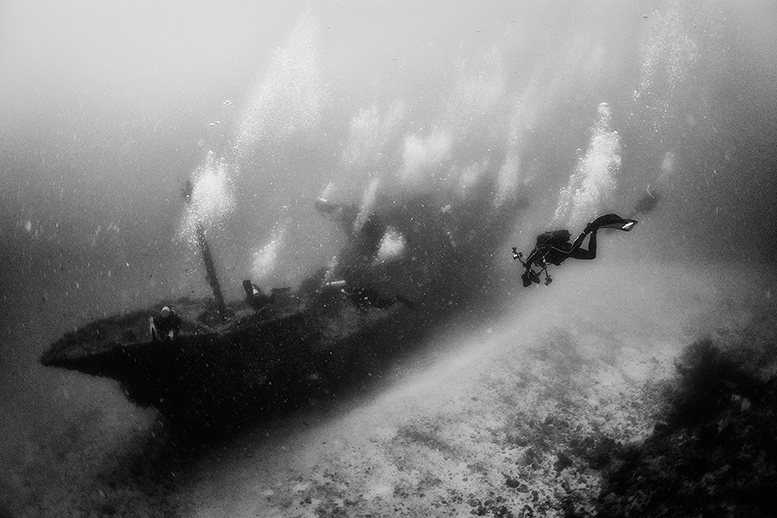
Exploring Bruce Wreck of Verde Island. © Mike Bartick

Maximum macro

More than just Verde Island awaits in this lesser known area, with some of the best macro and wreck dives in Sabang bay. Be sure to book early and ask for packaged rates to get the best value on your next trip. You can even experience the best of both worlds on a 10-day trip split between Puerto Galera and Anilao and maximise your time in one of the world’s richest dive destinations!
How Scuba Diving Brought Happiness to a Woman with Distal Muscular Dystrophy

0
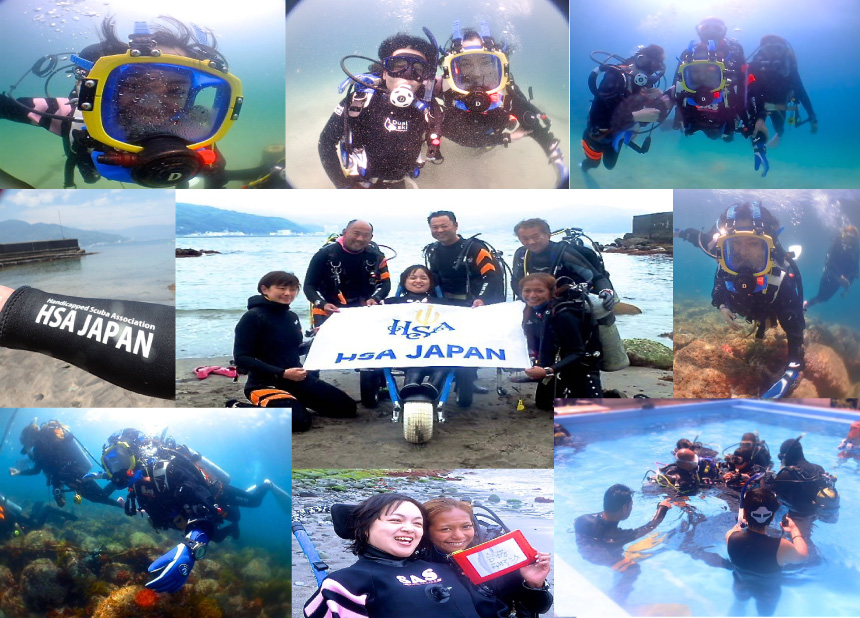
The Handicap Scuba Association is responsible for certifying hundreds of handicapped divers every year. © HSA

Aki Nakaoka, from Kyoto, Japan, a woman who can only move her neck and fingertips, has successfully completed her scuba course and was certified HSA C-level scuba diver. She says, “Dreams can become true when people with disabilities have the bravery to move one step forward, and are lucky to meet people who can and will support them.”

This July, in Ito city, on the Izu peninsula, in Japan’s Shizuoka Prefecture, Aki’s smiling face appeared at the waters’ surface after finishing her final certifying scuba dive. She was filled with accomplishment, saying, “It was great! And I couldn’t believe I was able to dive!” All of HSA Japans’ staff gave a big applause and were as happy and filled with accomplishment as Aki.

Aki was working as an airline cabin attendant when at the age of 25 she was diagnosed with distal muscular dystrophy, a disorder that caused her muscles to decline slowly. Within three years she needed a wheelchair. Now, she can still speak and eat but can only move her neck and fingertips slightly. Most of the time, she stays in bed at her home.

She became disheartened at the beginning, as the disability began to cause considerable inconvenience in her daily life. When friends invited her for camping, she wouldn’t participate because she was concerned about causing trouble for them. But her true feelings were: “Honestly, I would like to spend time with them camping, but shouldn’t make that decision because I can’t do it.” But then something happened to cause her to think, “I should challenge and enjoy my life.” It hit her strongly when she was questioned by her friends: “Aki, you don’t want to have fun with us?”

Just like she became a cabin attendant, being fascinated by the world of flying, the unknown underwater world called to her, and an image of scuba diving came to her. She got information from the Internet that the Handicapped Scuba Association Japan would be running a course in Ito and decided to make contact.

She met Mikio Ota, President and Instructor of HSA JAPAN, and he accepted her into the scuba course. The highly experienced Ota, who has spent 17 years as an HSA Instructor, has issued scuba certifications to approximately 670 handicapped scuba divers.

Aki was taken into the sea using an amphibious wheelchair. HSA Instructors floated her from the chair in waist-deep water and towed her to deep water to start the dive. Even though she needed this physical support, she had repeatedly practised her scuba skills until she was able to perform them correctly.

“I felt Nature doesn’t offer any [special privileges] for people with disabilities,” said Aki, after becoming a certified scuba diver, “but instead it offers big room to accept anyone equally, if they are brave.”

Now Aki enjoys exploring the incredible underwater world. Bravely facing the challenges that her disability throws at her, through scuba diving and her own strong will, she is able to enjoy life once again.


About the HSA

PrintFounded by Jim Gatacre in 1981, the Handicapped Scuba Association (HSA) has been dedicated to improving the physical and social wellbeing of the estimated 58 million Americans with disabilities, and millions of others worldwide, through their unique aquatic therapy and rehabilitation programmes, snorkelling, scuba diving and dive travel.
Working closely with the National Association of Underwater Instructors (NAUI) and the Professional Association of Diving Instructors (PADI), HSA developed an alternate set of physical performance requirements and multi-level certification, providing safe methods to certify Open Water Scuba Divers with a wide range of disabilities. In 1986, encouraged by PADI and NAUI, Jim wrote and taught the first HSA Instructor Training Course, and HSA became an independent Certification Agency. For his work in the field of underwater education, Jim has received the 1995 NAUI Contribution to Diving Award, SSI Pro5000 Diver Certification, and 2015 DEMA Reaching Out Award.

Made up of over 8,000 specially trained underwater educators, dive buddies and scuba divers with disabilities, in over 40 countries, the HSA’s unique all-inclusive programmes assure that people with disabilities are given the opportunity to receive quality “life-changing” scuba and snorkel diving education and inclusion in mainstream activities through dive travel adventures. Interaction between the person with disabilities and their environment is the final stage of rehabilitation.

You can support HSA and their divers by becoming an HSA Instructor, Dive Buddy or Supporting Member. Those with disabilities that wish to become Open Water scuba divers or snorkel/skin divers, visit www.hsascuba.com or email hsa@hsascuba.com for more information.

Could Kelp Save the Ocean from Acidification?

0
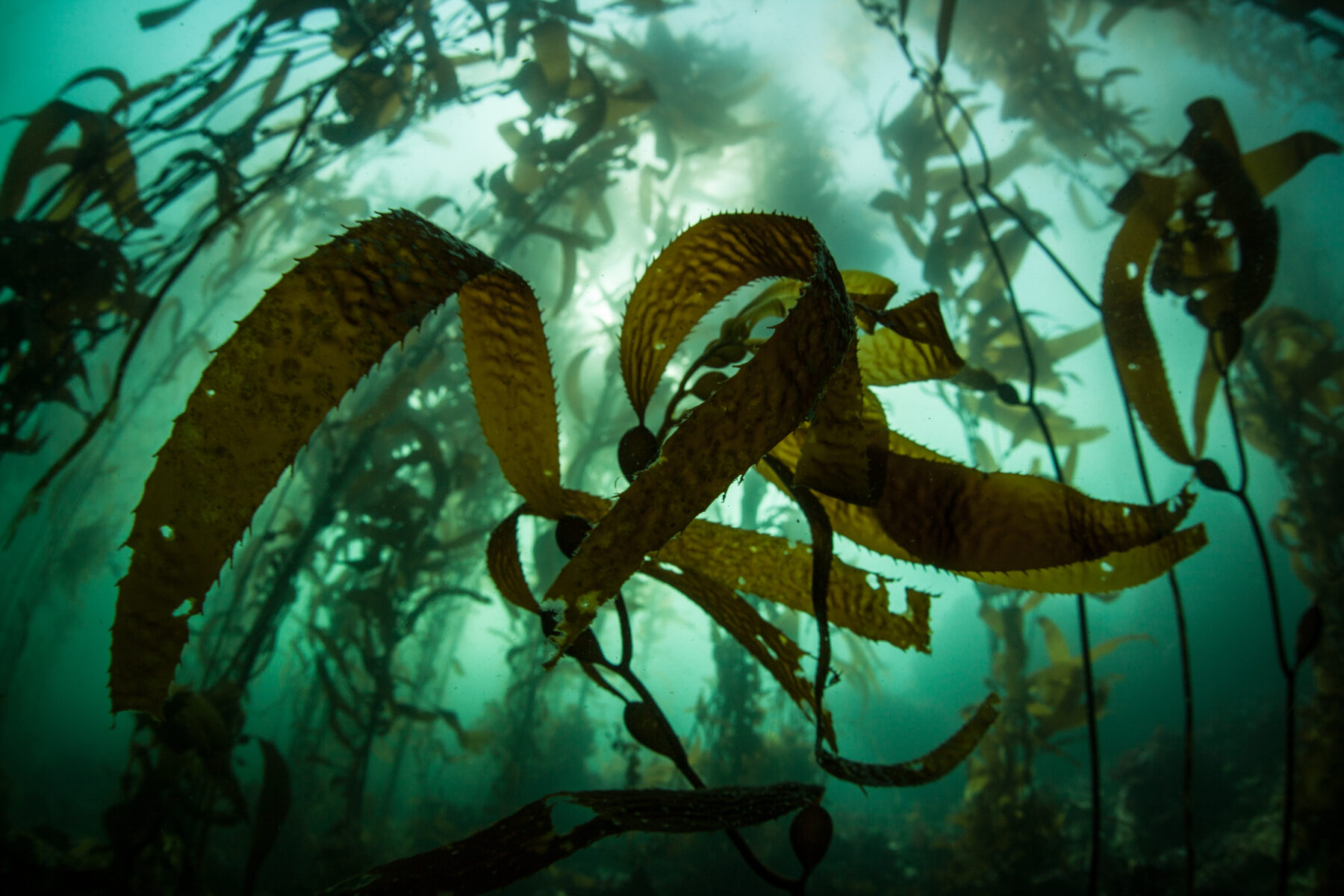
The incredible kelp forests also create interesting dive sites © Shutterstock

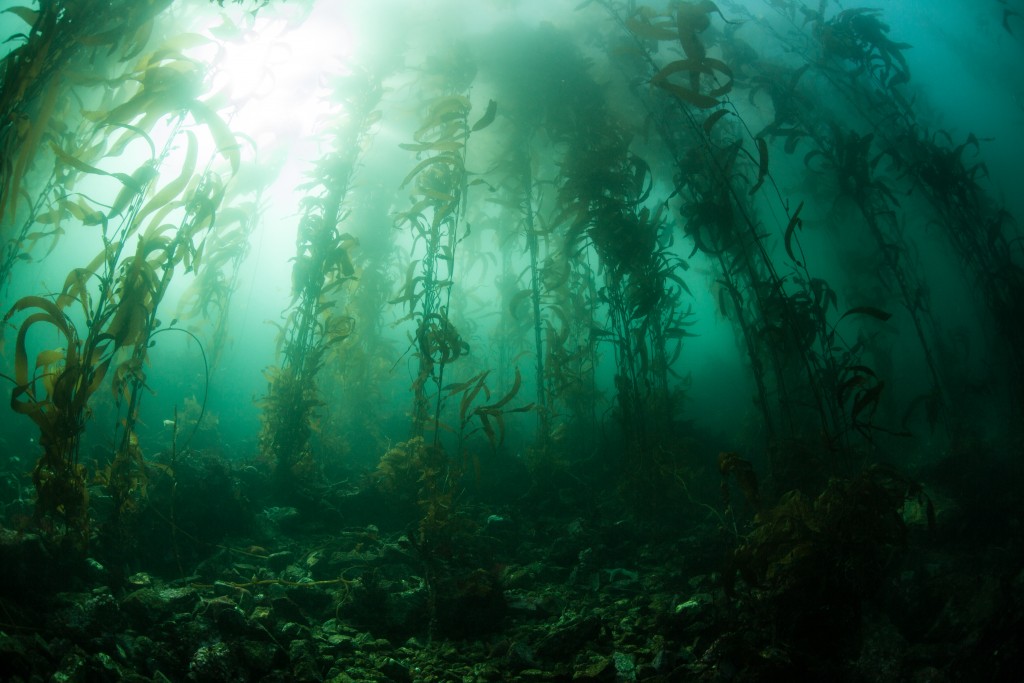
It’s a widely accepted theory that protecting and restoring forests on land will help mitigate climate change and improve air quality. But a new theory, in reaction to rising ocean acidification levels, takes a look at the jungles below the waves. Scientists are looking to kelp: giant brown algae that thrive in shallow, temperate seas and provide habitats for numerous species.

Ocean acidification is a pressing issue that is stripping the ocean of its life – bleaching corals, starving marine life and contaminating fish. Scientists believe that by sucking up carbon dioxide from seawater just like land plants do from air, kelp forests can help mitigate the nasty side effects of ocean acidification.

Professor Terrie Klinger, Director of the School of Marine and Environmental Affairs of the University of Washington, plans to test this theory through “experimentally cultivating kelp at a site in Puget Sound, Washington”. As the kelp grows, the water chemistry will be tested to determine whether helpful changes occur.

“Kelps naturally consume carbon dioxide [CO2] in the process of photosynthesis. In areas with restricted flow [for example, bays and inlets and places like Puget Sound, Washington], it’s hypothesised that kelps might be able to consume enough CO2 to moderate local pH and reduce the local effects of CO2.”

Looking through the underwater jungle © Shutterstock

Both climate change and ocean acidification are born from the same problem: a huge influx of carbon dioxide into the atmosphere due to burning fossil fuels and humans slashing terrestrial forests. This is, in turn, threatening the survival of many kinds of marine life, cutting the current food-chain to pieces by removing animals that have been within this global system for millennia.

If the theory is proven successful, then the next best step would be to renew efforts to maintain and protect natural stands of kelp – keeping what we already have. “After that, restoring kelp where it has been lost due to habitat degradation could make sense, followed by larger-scale cultivation in carefully selected areas.”

Amazingly, in this ever-acidifying underwater world, kelp does not seem to be negatively affected by declining pH – at least, not at the levels that are currently observed.

Kelp is currently grown for food in Asia and has long been used as fertilisers for agriculture in many regions. It’s a dark horse in terms of standing as an ocean super plant – also holding promise as being an effective biofuel – and if the theory proves true, then it could help save a dying ocean.

Climate Change Dominates Opening of 71st Session of the UN General Assembly

0
U.S. President Barack Obama arriving at the conference © Image Courtesy of United Nations General Assembly

The United Nations General Assembly kicked off on Tuesday, September 20 in New York City. Over 140 Heads of State were expected to attend in a yearly tradition of speeches made to the 193 members States of the chief deliberative, policymaking and representative organ of the United Nations. This year marked the 71st session of the UN General Assembly (UNGA) convened under the theme “The Sustainable Development Goals: a universal push to transform our world,” including Goal #13: Take urgent action to combat climate change and its impacts.  

This high-level week with world leaders was an opportunity for the Kingdom of Morocco to promote the 22nd Conference of the Parties to the United Nations Framework Convention on Climate Change (COP22) set to take place in Marrakech, November 7 to 18, 2016. Salaheddine Mezouar, Minister of Foreign Affairs and Cooperation was on hand for a series of side-events and bilateral meetings aimed to reinforce and promote Morocco’s climate initiatives including those on energy, agriculture, capacity building, adaptation and finance, to discuss global warming issues affecting the most vulnerable countries and island states, and to mobilise the international community for an ambitious global climate action agenda in Marrakech to implement the Paris Agreement. 

On September 21, the United Nations Secretary General Ban Ki-moon hosted a special event to encourage Parties to ratify the Paris Agreement. The Kingdom of Morocco was among approximately twenty countries to deposit their instruments of ratification to the Agreement here in New York. For the Paris Agreement to enter into force legally 55 countries equaling 55% of global emissions must deposit their ratification documents. According to the UNFCC, as of today, 29 Parties have ratified the Agreement accounting for 40.12%

During his opening remarks, United Nations Secretary General Ban Ki-moon underscored the importance of the climate change agenda. “With the Paris Agreement we are tackling the defining challenge of our time. We have no time to lose. I urge you to bring the Agreement into force before the end of year. We need 26 countries more countries equaling 15% of global emissions for entry into force,” he stated.

US President Barack Obama, during his last speech to the UNGA, called on the international community to keep working together to solve global issues including climate change.  “The Paris Agreement gives us a framework to act, but only if we scale up our ambition,” he stated.

UNGA President, Peter Thomson, the first from a Pacific Island nation (Fiji) underscored the need to act on climate change to avoid its negative impacts. “We are steadily moving towards the ratification of the Paris Agreement. We must not delay any further.”

Brazilian President, Michel Temer affirmed his country’s commitment to fighting global warming, ‘Tomorrow I will deposit Brazil’s instruments of ratification of the Paris Agreement.”

As the first African Head of State to address the UNGA, Idriss Déby Itno, President of Chad highlighted the importance of working with the international community to fight global warming on the continent. “It’s not about giving charity to Africa, it’s about true partnership with Africa to tackle climate and global challenges.”

The traditional roll call of speeches to the UNGA start with United Nations Secretary General followed by the President of the UNGA, President of Brazil (first Member State to speak in the general debate since the 10th session of the General Assembly) and President of the United States (host country). For all other Member States, the speaking order is based on the level of representation, preference and other criteria such as geographic balance. ‬‬

Underwater Photographer of the Week: Anuar Patjane

0
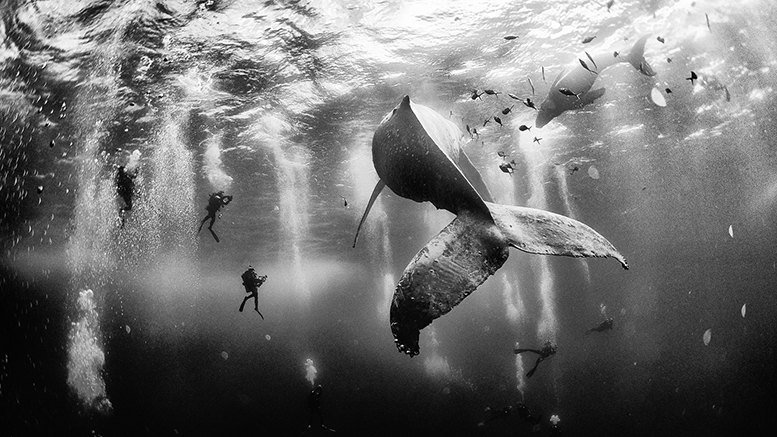
Anuar Patjane’s award-winning “Whale Whisperers”, shot in Mexico’s far-flung Revillagigedo Islands © Anuar Patjane Floriuk
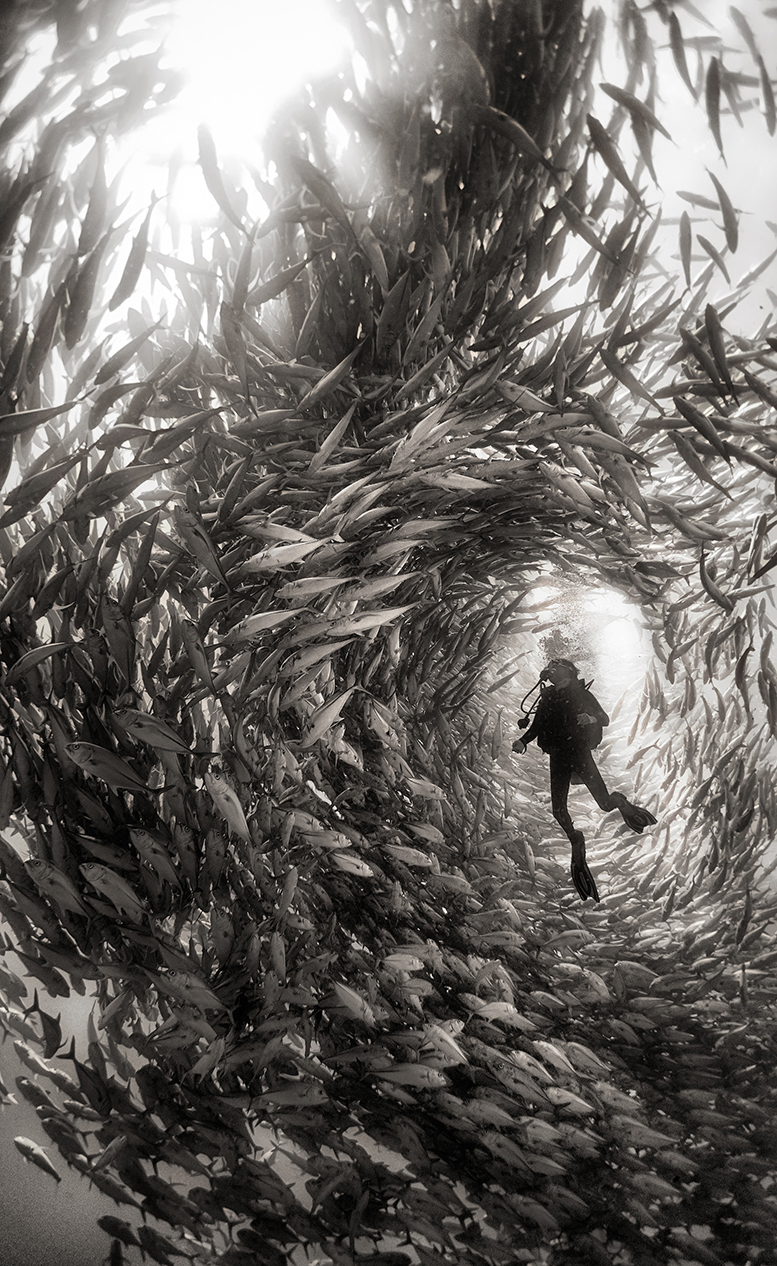
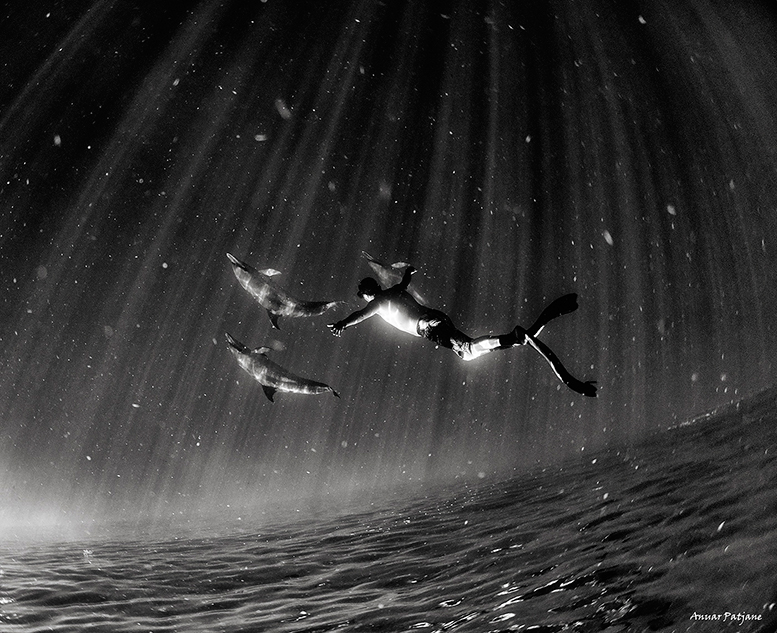
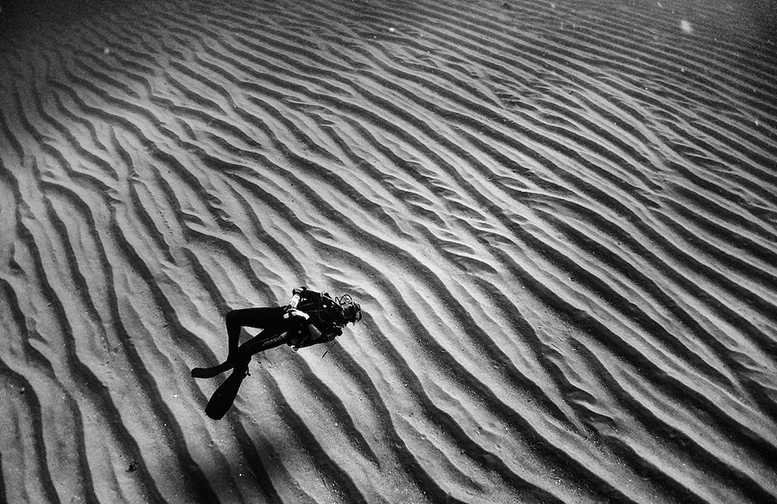
Mexico-born Anuar Patjane may have only recently begun capturing images underwater, but the self-described social anthropologist and photographer has spent his entire life taking pictures of the natural and man-made environment around him. The result is an impressive portfolio of “topside” images from across the world, many rendered in exquisite detail in black and white, recalling the beauty and power of Ansel Adams’ work.
 
Just a few years ago, Patjane began to take his art below the waves and, with a landscape photographer’s trained eye for composition, has created some breathtaking underwater imagery recognised in various prestigious competitions. His stunning shot of divers with a humpback whale and her newborn calf, entitled “Whale Whisperers”, took first place in National Geographic Traveler’s 2015 Photo Contest and second place in the Nature category of the 2016 World Press Photo Contest. Here, we showcase just some of Patjane’s incredible work and find out a little more about his passion for photography and conservation.
 
“I still don’t see myself as an underwater photographer. I enjoy and do photography above and below the water, so I see myself as a photographer in a more general way.” © Anuar Patjane Floriuk
What made you want to become an underwater photographer?
I still don’t see myself as an underwater photographer. I enjoy and do photography above and below the water, so I see myself as a photographer in a more general way. Underwater photography caught my interest during a diving expedition in the Galápagos in 2012. Witnessing the beauty and grandeur of that place made me realise the vast possibilities of photographing underwater and that’s how I began in underwater photography. 
 
Your first underwater shot?
A photo of a Galápagos sea lion, if I remember correctly.
 
The story behind your most memorable underwater shot? 
The “Whale Whisperers” photograph. While on an expedition in Roca Partida, in the Revillagigedo Islands, we kept encountering a mother humpback whale, her baby calf and an escort whale. The whale mother and her calf started swimming towards the rest of the diving team, and that’s when I got the shot. The day after I took the photograph, two male orcas arrived and hunted down the baby whale. It was an impressive thing to witness – the beautiful and brutal side of Nature at the same time. 
 
Where is your favourite dive destination?
Galápagos and Isla Del Coco. I’m also diving in Iceland right now and I’m loving it!
 
The site you’d most like to dive, but never have? 
Below the ice in the Arctic, or with blue whales.

“[My career] highlight is witnessing my images being used in conservation campaigns around the globe.” © Anuar Patjane Floriuk
The weirdest thing you’ve seen underwater?
Haloclines in the sinkholes in Mexico. Also, I’ve not seen but rather heard incredibly weird sounds, very mammal-like sounds. But maybe it was just narcosis or some kind of inner ear problem!
 
What camera equipment are you currently using?
Underwater, I use a Sony RX100 in Nauticam housing and Nauticam wide-angle wet lens (WWL-1). Sometimes, I also use a Sony RX1 in Recsea housing. Above water, I shoot with a Nikon D800 and Leica M, and many different lenses, especially the 21mm, 28mm and 50mm.
“At the beginning, it was hard to get my work seen or used, but this is very normal.” © Anuar Patjane Floriuk
What is the highlight of your career?
The highlight is witnessing my images being used in conservation campaigns around the globe. 
 
…And the low point?
No low point so far. At the beginning, it was hard to get my work seen or used, but this is very normal. 
_dsc4003-2
“Pretty photos are not enough. Powerful messages are what we need.” © Anuar Patjane Floriuk
Have you any advice that you’d like to give aspiring underwater photographers?
Find your style, your voice and your vision. Don’t try to copy the images or the look of other photographers. Pay more attention and respect to the ocean and the planet than photography or your own success. Pretty photos are not enough. Powerful messages are what we need.
 
Is there any particular shot that you still want to get?
Yes, so many, but I cannot tell you – they exist only in my mind. You will see them when I get them!
anuar-patjane
For more of Anuar’ amazing images, click HERE.

4 Top Macro Wet Lenses for Compact Camera Users

0
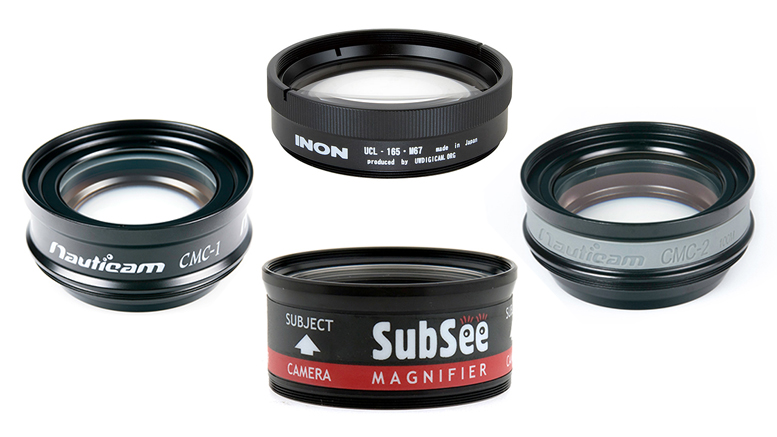
Some of the top macro wet lenses for underwater photography with a compact camera

The latest generation of compact cameras is capable of producing top-quality underwater images for a wide range of subjects and in various conditions. But compacts are only as flexible as the focal length range of their built-in zoom lenses, and users who want to get the most from their camera will need to add either a wide-angle wet lens for big subjects, like reef scenes or wrecks, or a macro wet lens for the small stuff, such as nudibranchs and shrimp.

Placed in front of your housing’s port, a macro wet lens reduces the minimum lens-to-subject distance, allowing you to get closer and fill more of the frame with your subject. Otherwise known as a close-up lens, diopter, magnifier or macro converter, these lenses are offered by a variety of manufacturers and vary by optical power, mount type, and price. The major distinguishing factor, optical power, is typically measured in “diopters” (a higher number means higher power) but this is only a guide, as actual magnification depends both on your camera and your port configuration.

Here we look at four of the top choices for macro wet lenses for your compact camera.

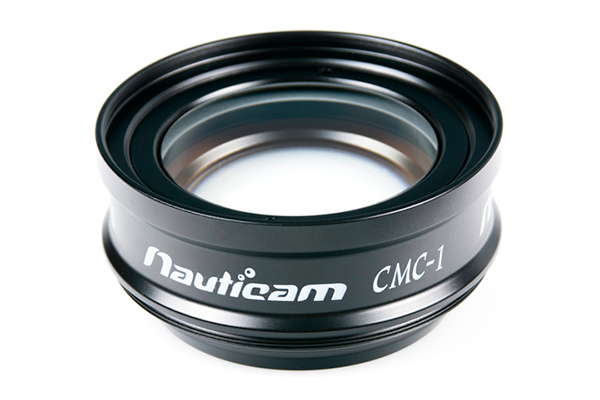
Nauticam CMC-1

nauticam-cmc-1

Inspired by Nauticam’s Super Macro Converter (SMC-1) for DSLRs, the CMC-1 offers similarly impressive magnifications for compact cameras. The CMC-1 is quoted as giving an average magnification of 4.5x, which Nauticam compares with the optical power of a +15 diopter lens. Equipped with a standard 67mm thread, the lens can be mounted on almost any compatible housing. For use with its own housings, Nauticam suggests using their flip lens holder, which is designed to position the lens close to the lens port on the housing when shooting, and flipped out of the way when not in use. The CMC-1 weighs 260 grams and costs US$320. www.nauticam.com

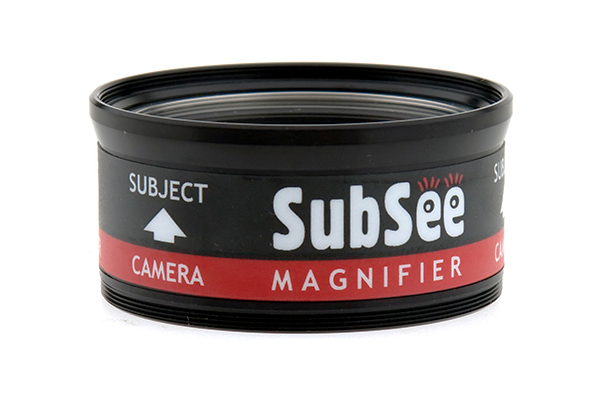
ReefNet SubSee +5

reefnet-subsee

ReefNet’s SubSee Magnifier comes in a two-element version with an optical power of +5 diopters and a four-element version boasting +10 diopters. With its standard 67mm thread, the lens can be mounted directly onto most housing ports or used with ReefNet’s flip adapters. The SubSee has the added flexibility of being designed for both compacts and full-frame cameras. The ReefNet SubSee +5 weighs 240 grams and costs US$195. www.reefnet.ca

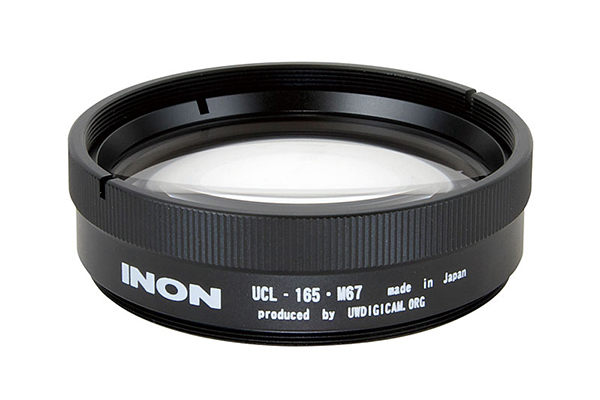
Inon UCL-165M67

inon-ucl-165m67

One of the most popular and most highly regarded close-up lenses, the Inon UCL-165M67 is designed to work equally well whether you’re using a compact, mirrorless or DSLR camera. This dual-element lens has an optical power of +6 diopters, and greater magnifications can be achieved by stacking multiple lenses. As the name suggests, the lens has a standard 67mm thread, but Inon make various other versions with different mounts to provide compatibility with almost any housing. The Inon UCL-165M67 weighs 140 grams and costs US$175. www.inon.jp

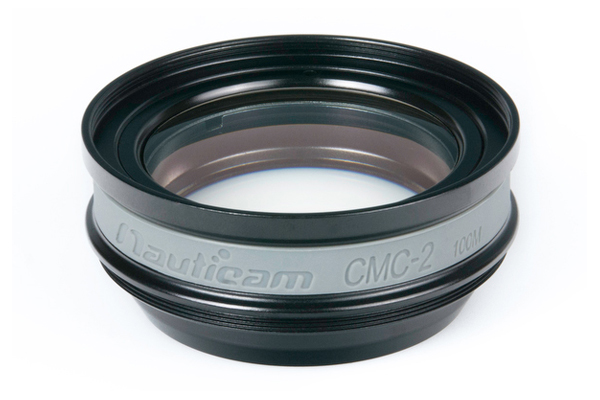
Nauticam CMC-2

nauticam-cmc-2

Offering an average 2.8x magnification, the recently announced CMC-2 is designed to be used side by side with the CMC-1, which boasts a magnification average of 4.5x. Nauticam don’t quote its lenses’ optical power in diopters, but the CMC-2 is likely around half as powerful as its sibling, making it not only easier to use but also a great choice for larger macro subjects. The CMC-2 is constructed using low-dispersion optical grade glass with broadband anti-reflective coatings, and features a 67mm threaded mount. The CMC-2 weighs 220 grams and costs US$290. www.nauticam.com


Underwater Photographer of the Week: Nicholas Samaras

0
“The sea is the natural environment of other living species. Respecting any living organism and the different environmental conditions is very important.” © Nicholas Samaras
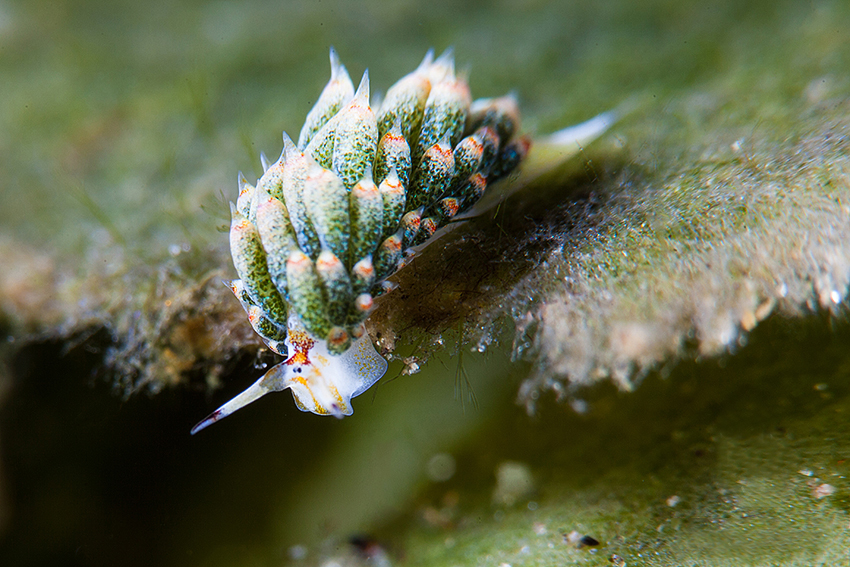
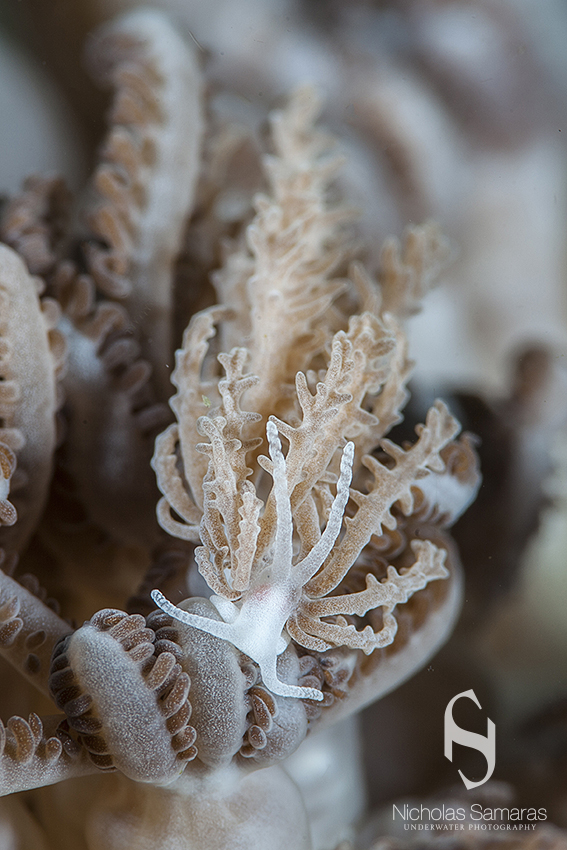
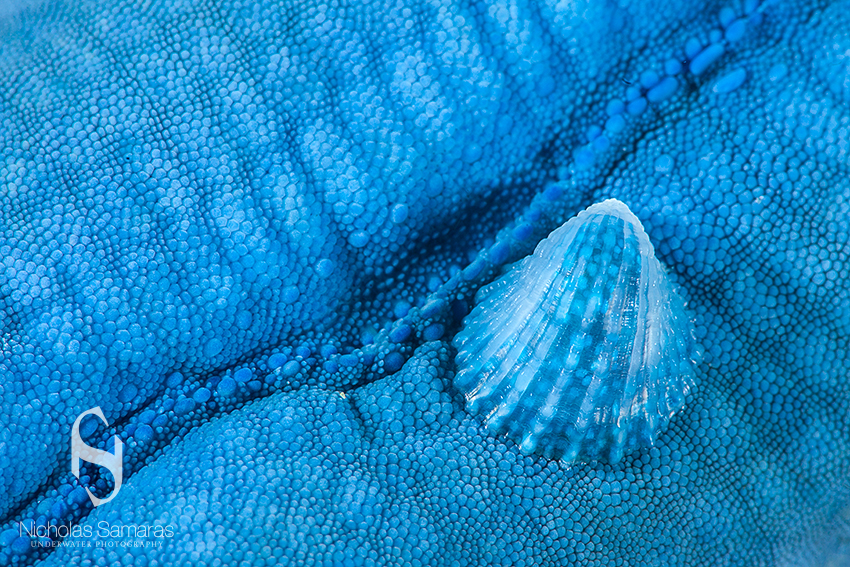
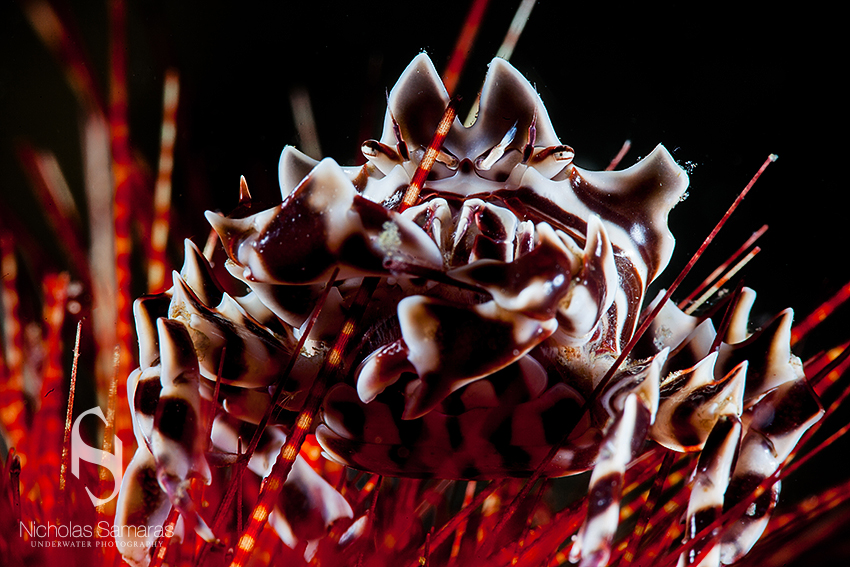
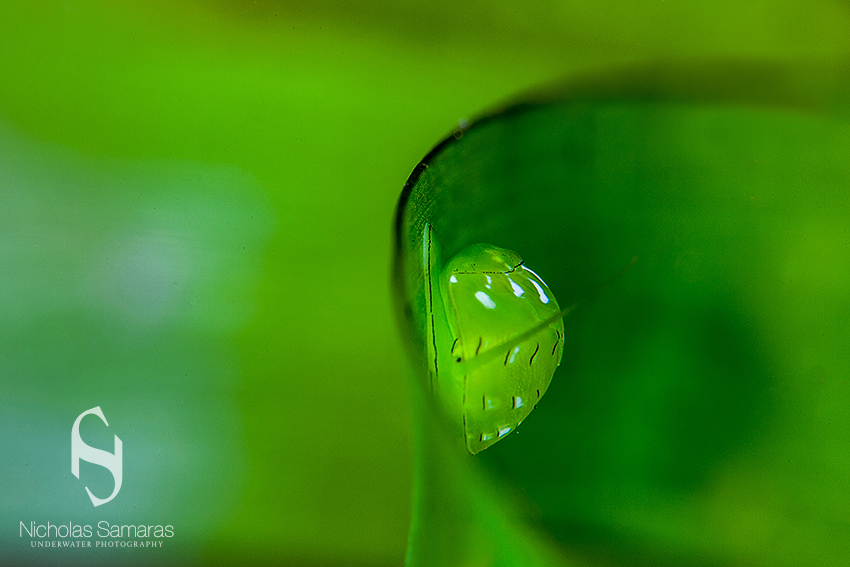
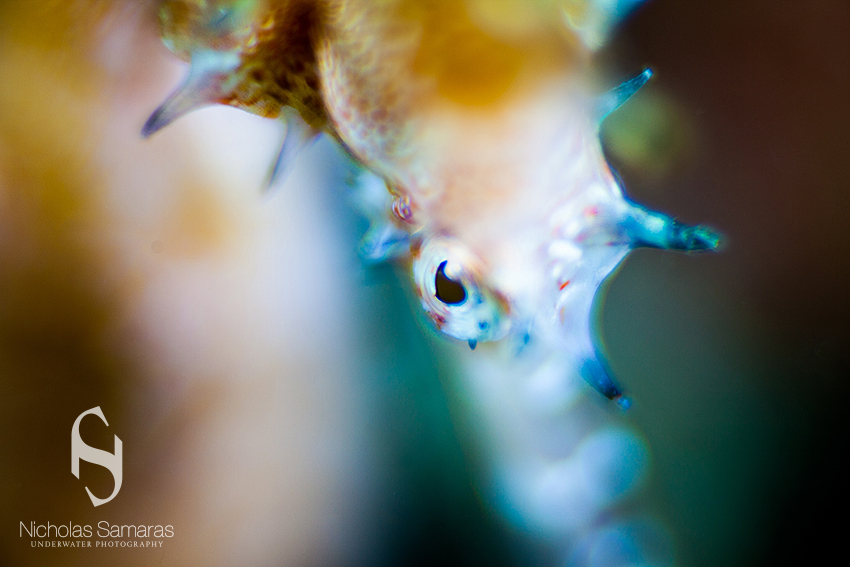
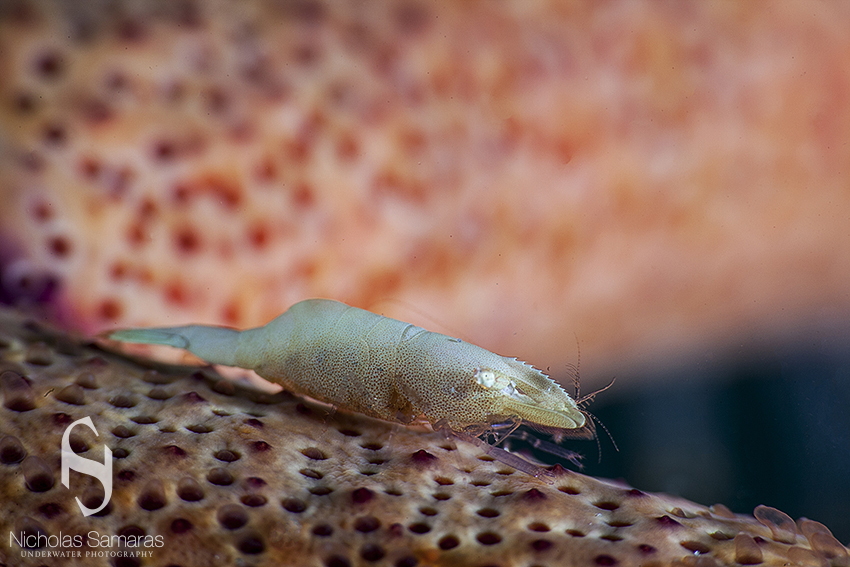
Award-winning photographer Nicholas Samaras has lived a life dedicated to the sea and its creatures. Bringing to the surface much of the beauty from the underwater world in his own unique way, Greek born Samaras has amassed a stunning body of work from countless dive destinations around the globe, with a portfolio of images that have been featured in the world’s top diving magazines and won many international awards. We caught up with the man to showcase his top photographs and ask him about his incredible career:
 
At some point in time I felt the need to bring with me to surface the beauty of the sea because words and memories were not enough." © Nicholas Samaras
“At some point in time I felt the need to bring with me to the surface the beauty of the sea, because words and memories were not enough.” © Nicholas Samaras
What made you want to become an underwater photographer? 
Underwater photography was a natural continuation of me interacting with the sea through scuba diving. At some point in time I felt the need to bring with me to the surface the beauty of the sea, because words and memories were not enough.
 
Your first underwater shot? 
My first shot, not the actual first click but the first shot that I felt was impressive, was during a night dive in Chalkidiki [Greece] with my first underwater camera. The shot was a great image of a John Dory [St. Pierre or Peter’s fish] with a black background, which was also the first image I entered into a contest, and it gave me my first prize!
 
The story behind your most memorable underwater shot? 
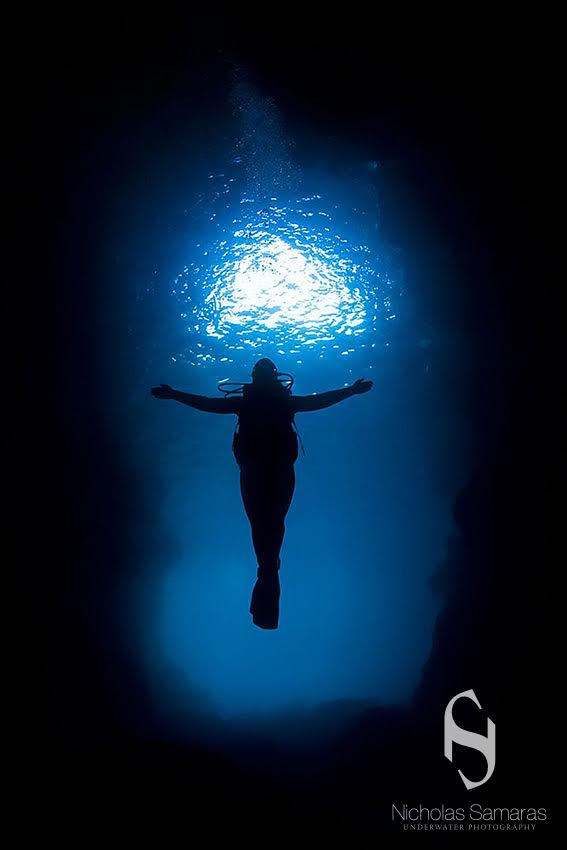
I had completed two very successful trips to the Red Sea and had very good material from my dives in the Greek seas, and I was feeling ready to organise my first underwater photography exhibition – but I was missing the lead photo. At that time I had been visiting a diving centre in Sithonia, Chalkidiki to spend my summer vacation, and during a cave dive my model moved to the entrance of the cave and posed like the “Christ the Redeemer” statue in Rio de Janeiro, Brazil – a pose we’d been discussing some time before. The timing was amazing! She remembered our discussion and felt it was that time to do it! The sun was low, lighting the entrance of the cave from the surface, and the framing from the rocks was spectacular. That photo inspired the name of the exhibition, which was “Soulfly”, and still creates strong emotions every time I see it.
 
"At that time I had been visiting a diving centre in Sithonia, Chalkidiki to spend my summer vacation, and during a cave dive my model moved to the entrance of the cave and posed like the "Christ the Redeemer" statue in Rio de Janeiro, Brazil – a pose we’d been discussing some time before. The timing was amazing!" © Nicholas Samaras
“At that time I had been visiting a diving centre in Sithonia, Chalkidiki to spend my summer vacation, and during a cave dive my model moved to the entrance of the cave and posed like the “Christ the Redeemer” statue in Rio de Janeiro, Brazil – a pose we’d been discussing some time before. The timing was amazing!” © Nicholas Samaras
 
Where is your favourite dive destination? 
I would definitely say Indonesia. The richness of the sea there is indescribable! There are uncountable places to visit and dive to take amazing photographs for visitors of any budget, from the most luxury liveboards and resorts to the simplest accommodations and diving centres offering shore dives. 
 
nicholas_samaras_06
"Top in my bucket list [to dive next] is Papua New Guinea and the Galápagos Islands. Those places have charmed me from my childhood..." © Nicholas Samaras
“Top of my bucket list is Papua New Guinea and the Galápagos Islands. Those places have charmed me from my childhood…” © Nicholas Samaras
 
The site you’d most like to dive, but never have? 
Top of my bucket list is Papua New Guinea and the Galápagos Islands. Those places have charmed me from my childhood, as I watched documentaries with the voice of Sir David Attenborough speaking directly to my heart!
 
The weirdest thing you’ve seen underwater? 
Every time I say, “Okay, that’s the weirdest thing I have ever seen and photographed,” something new comes up – usually when I’m shooting something in the macro and super-macro kingdom. The sea is a classroom, and what catches my attention are weird behaviours, strange symbioses, and collaborations for survival.
 
nicholas_samaras_09
"Every time I say “Okay that’s the weirdest thing I have ever seen and photographed!” Something new comes up." © Nicholas Samaras
“Every time I say, “Okay, that’s the weirdest thing I have ever seen and photographed,” something new comes up!” © Nicholas Samaras
 
What camera equipment are you currently using? 
Mostly I use a Canon EOS-5D Mark II in a Sea & Sea housing with Canon EF 8–15mm f/4L USM Fisheye lens for wide-angle and Canon EF 100mm f/2.8L IS USM macro lens, but lately I have been experimenting with older lenses like the Meyer-Optik Görlitz Trioplan 2.8/100 with some interesting results. 
 
What is the highlight of your career? 
I think the highlight of my career was two of my photographs being part of the exhibition and award ceremony of the German Nature Photographers European Wildlife Photographer of the Year 2013, and also the publication of a six-page article in National Geographic about a very important discovery I made with my diving team – Mediterranean black coral.
 
…And the low point? 
The low point was not a matter of success or not, but a lack of luck. It was the unfortunate moment when I washed my housing with the camera inside and a very expensive lens without checking the clips… I was without underwater photography equipment for three months – that seemed like ages during a high season period.
 
nicholas_samaras_08
nicholas_samaras_05
“Scuba diving and underwater photography are two interrelated, equally important elements and require equal skills.” © Nicholas Samaras
 
Have you a
ny advice that you’d like to give aspiring underwater photographers? 
Scuba diving and underwater photography are two interrelated, equally important elements and require equal skills. A good photographer should primarily be an experienced and certified diver who has attended all the necessary schools and understands the importance of his personal safety and thereby the safety of his diving buddies.
 
The sea is the natural environment of other living species. Respecting any living organism and the different environmental conditions is very important too. Do not frighten or harass marine life, and finally always remember that no photo is worth a man’s life or a serious injury. Don’t put yourself in danger. Remember that diving should always be relaxing and a time to enjoy Nature. To improve your skills in underwater photography, never forget to read, learn, practise, practise, practise! There is always more to learn, so keep your eyes and ears open.
 
Is there any particular shot that you still want to get? 
Ha! About 500 themes in 100 places! Underwater photographers are greedy! We always want more and more! My dream theme is to shoot sperm whales. I think I would go crazy during the first encounter. I love whales.
 
nicholas_samaras
 
For more of Nicholas’ fantastic images, click HERE.