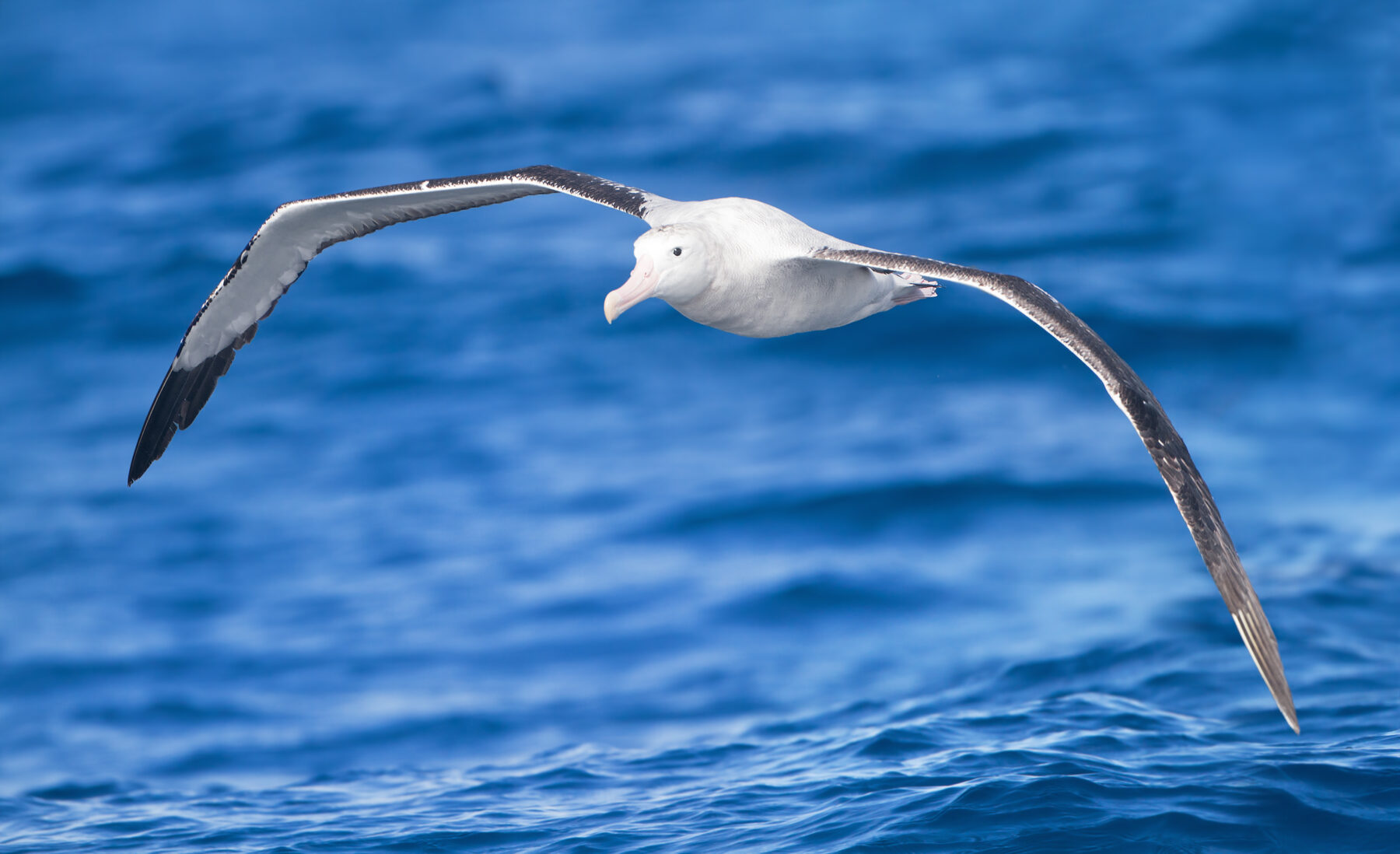
One of the world’s largest flying seabirds, the wandering albatross, is also one of the most far ranging birds. Some individual wandering albatrosses are known to circumnavigate the Southern Ocean three times in just one year. We bring you this incredible species as our Wildlife of the Week:
Species: Diomedea exulans
Class: Aves
IUCN Status: Vulnerable
Diet: Feed at sea, mainly on cephalopods and fish
Size: Wingspan, 2 – 3.4 metres
Behaviour: Satellite tracking data indicates that breeding birds travel at very long distances from colonies and that foraging strategies change throughout the breeding system. Rarely seen on land, gather only to breed
Distribution: Circumpolar distribution
Ecosystem: Typically forage in oceanic waters, however considerable time is spent over shelf areas during certain stages of the breeding system
5 Fast Facts:
These giant birds have the longest wingspan of any bird, up to 3.4 metres
Juvenile wandering albatrosses have chocolate-brown feathers and a white face mask but over time the white colouration expands, leaving only black edges of the wings and tail tip
Unusually amongst birds, albatrosses have tubular nostrils on either side of their upper bill
They can live into their sixties, some have even been recorded to live into their seventies
Albatrosses pair for life, but don’t practice monogamy: Almost all couples stick together until one part dies, however a study found that one female had sex with 49 partners over a seven-week period
“You see, what I found after twelve years of work with dolphins is that the limits are not in them, the limits are in us. So I had to go away and find out, who am I? What’s this all about?” Dr John Lily
What is intelligence? How do you measure it? For us, we tend to only accept intelligence displayed on the same evolutionary wavelength as our own – think little blue men with lasers and spaceships. We think of intelligence as the harnessing of technology, and the ability to think abstractly about striving to achieve growth and progress. Perhaps it is this that has made it easy for humans to reject the concept of intelligence in other species. But what if a species didn’t need technology to thrive; rather, what if that “technology” was in-built within that species?
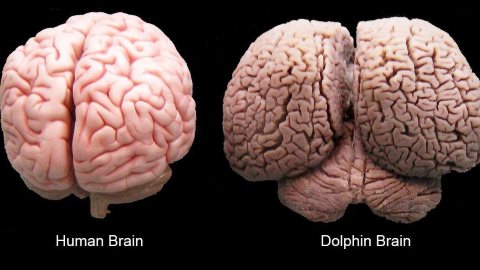
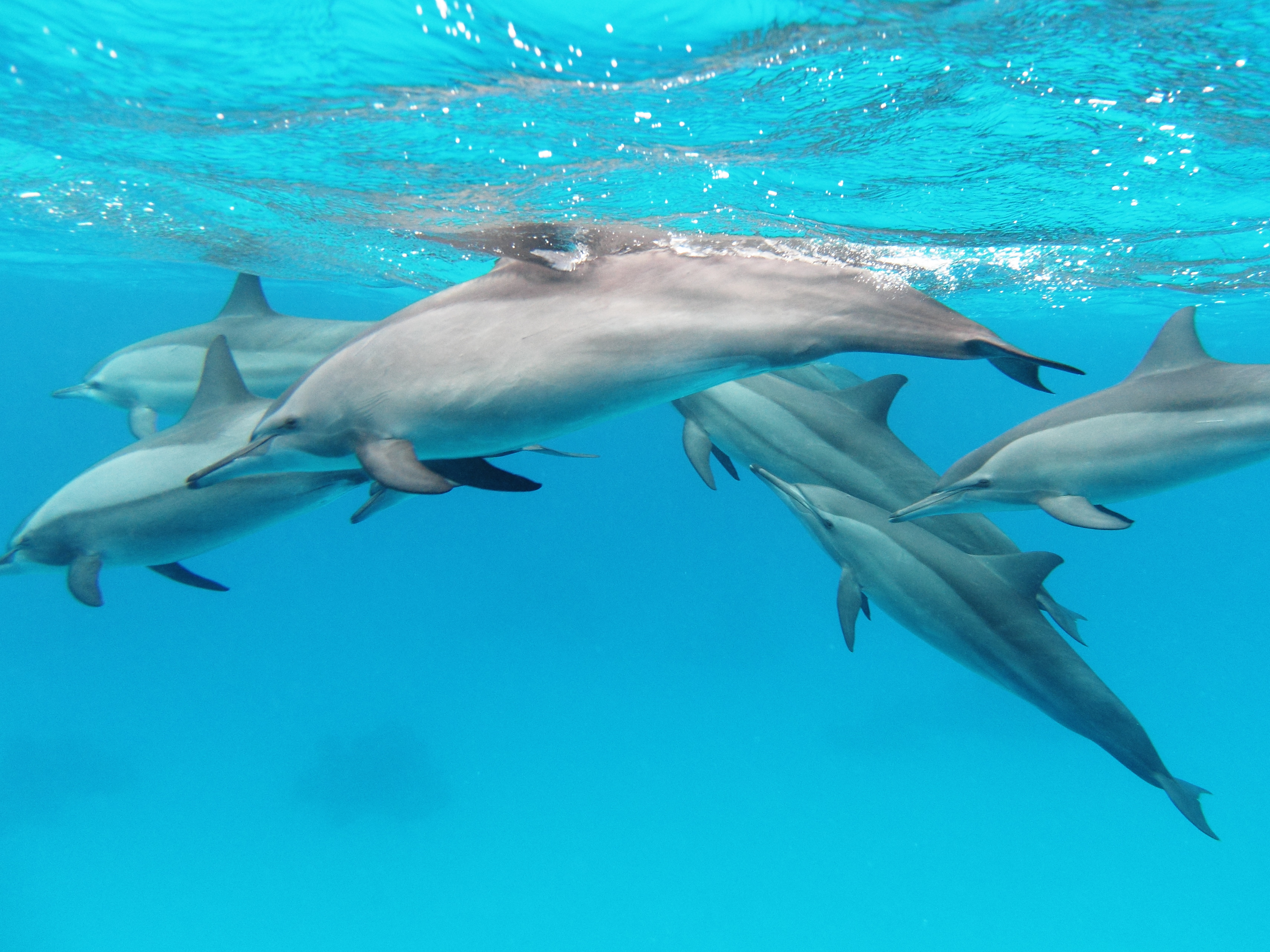
To help us get to grips with this idea of other intelligent species, we take a look at the brains of one of the potentially smartest groups of animals on our planet, cetaceans.
Side by side you can see the difference between a human and dolphin brain
Size Matters
Body-to-brain ratio is a widely argued concept for assessing intelligence. Still, if we were to base intelligence on the size of a brain in relation to the body, the hummingbird would be the world’s most intelligent animal. Nevertheless, many scientists do believe that size matters: In this case the largest brains that ever developed on this planet belong to sperm whales. With the largest brain mass of any extant animal, sperm whale brains are 8,000 – 9,000 cubic centimetres, whereas human brains are only around 1,300 cubic centimetres. Evidently, this cannot be a definitive measure of intelligence. The quality of the brain tissue is also important – and that is much more challenging to quantify.
To back up this idea of intelligence correlating with brain size, sperm whales (and some dolphin species) have displayed certain abilities associated with high intelligence – abilities that even our best technology struggles to compare to. For instance, certain cetaceans host sonar-like devices and are able to use sonar to actually see the internal workings of other animals – just like ultrasound used in medicine. Studies have also shown that they commonly use this ability to read emotions and states of health. Sperm whales have even developed a sort of “sonic ray-gun”, which allows them to stun prey using a head filled with spermaceti oil to amplify and project a sonic blast.
The Cerebral Cortex
Perhaps the greatest sign of evolution in animals, the cerebral cortex is the outer layer of advanced brains and is the throne of all higher mental functions. It plays a key role in memory, attention, perception, awareness, thought, language, and consciousness. All animals have this to some degree, but in primates and cetaceans it is extremely well-developed.
In determining how developed a brain is, scientists consider the brain’s “encephalisation” to be a significant factor, since encephalisation – the sinuous folds on the brain’s surface – increases the amount of surface area for the cerebral cortex. Thus, the amount of encephalisation is, in turn, considered an important factor in intelligence.
Significant encephalisation is only present in primate and cetacean brains. In fact, cetacean brains have even more encephalisation than human brains, with the dolphin brain having 40 percent more cerebral cortex than a human. The cetacean cerebral cortex is also divided into distinct layers, just like the human’s, and it is thought that this indicates a higher level of complexity and development.
The human brain can be differentiated into different lobes: the reptilian complex, the limbic system and the supralimbic (which is covered by the cerebral cortex). However, with cetaceans we see a radical evolutionary jump with the inclusion of a fourth segment. This segment, called the paralimbic, features between the limbic and supralimbic lobes. Neurobiologist Lori Marino discovered that the limbic system of a whale is so large that it actually erupts into the cortex in the form of an extra paralimbic lobe. This extra lobe of tissue has something to do with processing emotions, but also something to do with thinking that we humans just don’t have. It’s highly elaborated in most cetaceans and not at all or not nearly as much in humans or other mammals, so it suggests that there’s something that evolved or adapted in the brain over time that did not occur in other mammals, including humans.
This unique evolution of the cetacean’s entire limbic system, which is a combination of multiple structures in the brain that deal with emotions and the formation of memories, suggests that cetaceans have the ability to process more complex thoughts and emotions than humans. Since the system is so large in cetaceans, and the unique paralimbic lobe merges with the cortex, it is believed that the lobe may create a mixture of both emotional and cognitive thinking.
The paralimbic lobe is also believed to be a continuation of the sensory and motor areas found in the supralimbic lobe in human brains. For humans, projection areas are widely separated from one another, meaning anything we perceive from sight, sound and impulses must travel along fibre tracts with a great loss of time and information. The cetacean’s paralimbic lobe brings this all together in one, processing information rapidly with a richness that we cannot understand. For example, there are strong possibilities that cetaceans can project an auditory image that replicates a sonar message that they may receive. So a dolphin wishing to convey an image of a fish to another dolphin can literally send the image of the fish to the other animal – it’s similar to a Star Wars hologram, or sending an image via Facebook Messenger.
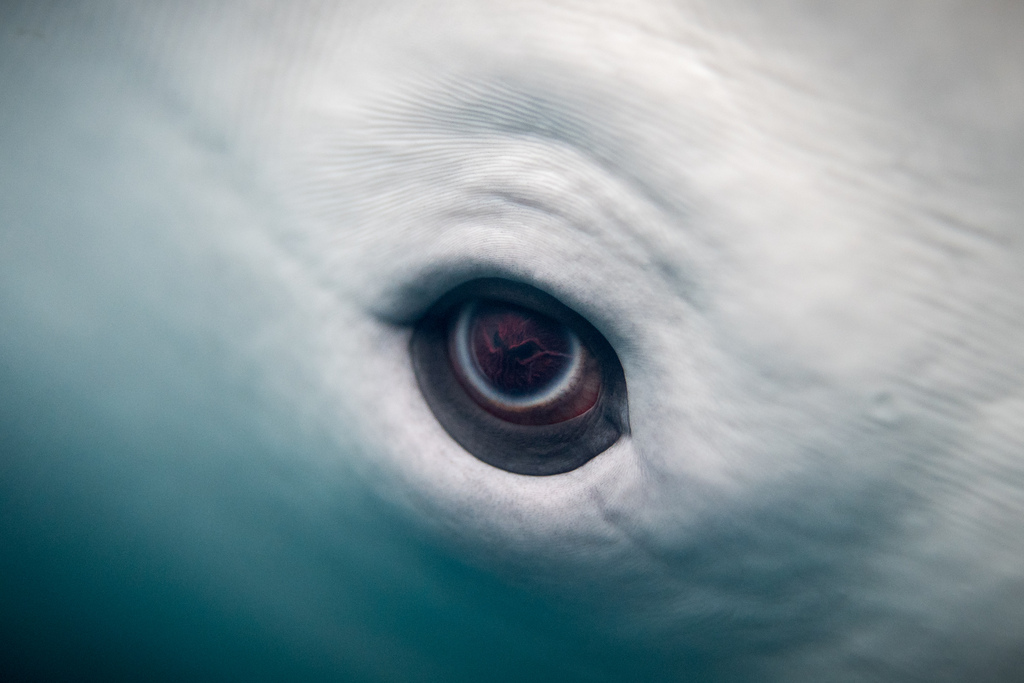
Due to environmental and evolutionary obstacles, both primate and cetacean brains differ physiologically. A different environment requires a different pattern of thinking, and in time this affects the biology of an animal. The ocean is a completely different realm to that of land, and it demands a different brain construction to master. In the ocean, light is no longer the primary source of sensory input and vision can only work to around 30 metres, so cetaceans primarily live in a tactile and auditory sensory world and they have a brain structure to fit this.
Even with sleep cycles, cetaceans do it differently. Captive dolphins have been observed to allow half their brain to sleep at any given time, whilst the other part will stay wide awake and aware. This is likely due to the ocean environment – with few places to hide this keeps the dolphins aware at all times. Cetaceans are also considered to be incredible planners: They lack automatic breathing, meaning that they must consciously breathe. For sperm whales, being an air-breather living in water, they have to take into account factors such as how long it will take to return to the surface, weather conditi
ons, and such.
It’s certainly challenging to qualify the intelligence of cetaceans, since many of these ideas on their intelligence rely on speculation and short studies. However, by analysing the anatomy of their brains, humans can start to understand that this concept of “intelligence” is incredibly difficult to measure. The world is filled with myriad species biologically different to one another, and the idea that not every brain works the same could change the way scientists understand and analyse animal behaviour in the future. For now, it’s important to conserve cetaceans so we can further understand just how “intelligent” they are.
Indonesia has joined the UNWTO International Network of Sustainable Tourism Observatories (INSTO) with the opening of three sustainable tourism observatories, as announced at the PATA Travel Mart 2016 in Jakarta, which position Indonesia as a regional hub for sustainable tourism practices.
The observatories, located in the regions of Sesaot, Senggigi Lombok Barat, Pangandaran and Sleman, will be hosted by the Bandung Institute of Technology, Gadjah Mada University and the Mataram University. The newly created bodies will monitor and ensure sustainable practices of the tourism sector in these regions. They will be looking for examples of evidence-based decision making and timely measurement and management of resources and activities, each indispensable factors of sustainable tourism development.
Together with the opening of the three observatories, Indonesia has endorsed 20 regions to test pilot sustainable tourism projects and chosen ten priority destinations for the projects. “The more we preserve, the more prosperous we become,” said Arief Yahya, Minister of Tourism of Indonesia. “These observatories will contribute to Indonesia’s sustainable practices in other fields,” he added.
UNWTO Secretary-General Taleb Rifai welcomed Indonesia’s strong commitment to sustainable tourism: “Institutional support is essential to ensure the sustainable development of the tourism sector and Indonesia is exemplary in coordinating all stakeholders to make these observatories a reality.”
The establishment of the three observatories in Indonesia is timely, coming only a few months before the International Year of Sustainable Tourism for Development is launched in January 2017. During the celebrations the observatories will be prominently featured as crucial elements for ensuring the sustainable development of the tourism sector.
INSTO provides a framework for the regular gathering, analysis and communication of information on tourism’s environmental, social and economic impacts in destinations. Currently, the Network includes a total of 14 observatories (eight in China, three in Indonesia, one in Greece, one in Mexico and one in Brazil).
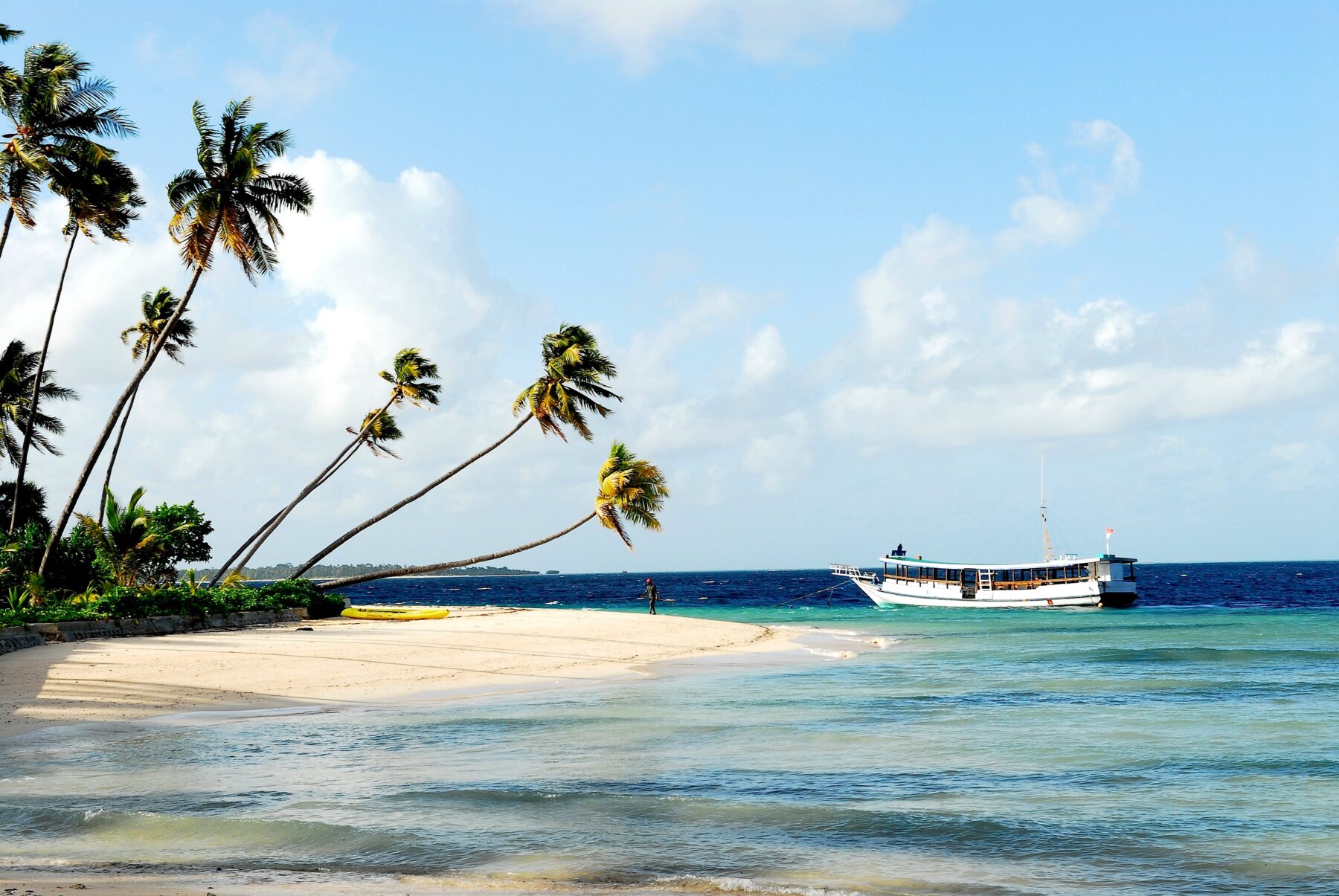
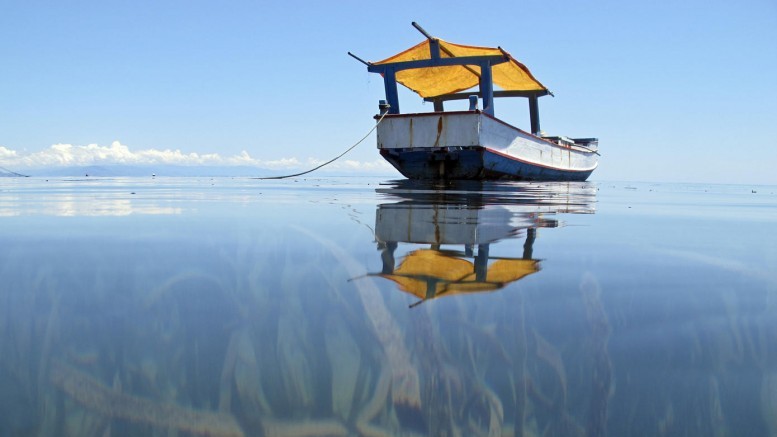
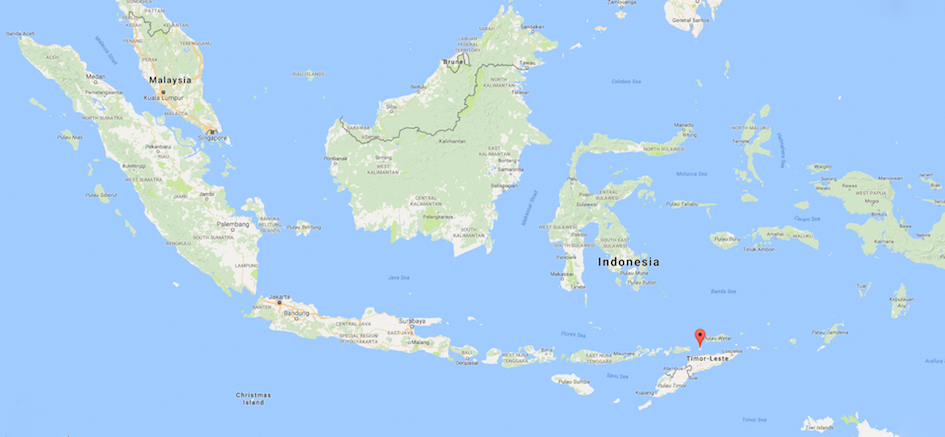
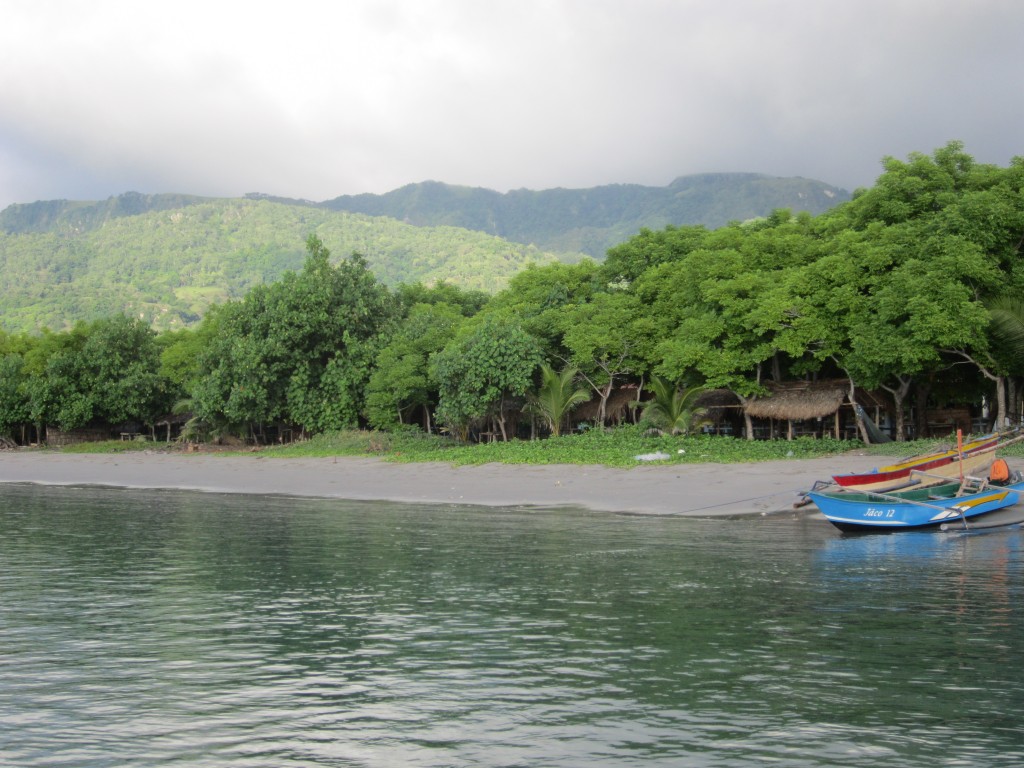
These days it seems that everything has been done before. “Rare” landscapes have been mapped out by Google satellites, and new species have become news headlines around the globe – this planet is so well covered that there appears no stone left unturned. Yet still in this brilliantly connected world are people finding never-before-seen sights. We now know that Ataúro Island, a small and relatively unknown island a short boat ride away from the East Timorese capital, Dili, has the most biodiverse waters in the world – a fact that has only just been discovered, and scientists are going crazy over it.
Ataúro Island is located within the Coral Triangle
The discovery came during a Conservation International (CI) survey to support the local government in achieving its goal of protecting and maintaining its “natural capital” – a country’s stock of natural assets. To protect this natural capital, the government has to fully understand what they are dealing with, so that the correct planning can take place to benefit the environment. With East Timor being a developing country, its data were insufficient – and, at the time, there were no data on the marine environment at all. CI were employed to examine the environmental conditions and went onto make the discovery.
What they discovered broke all previous known records for species of reef fish per site: Each site examined within the area had an average of 253 reef fish species, surpassing the previous record for Raja Ampat, which had an average of 216 species at each site. Ten study sites surround Ataúro Island were examined for the survey, and one site boasted 315 species – which is the third highest globally for a single site, and just over 20 species fewer than that at Fak Fak-Kaimana Coast, West Papua.
In total, the scientists discovered 643 species across the 10 sites, amongst which several species were thought to be new or extremely rare in other locations. UW360 asked Trudiann Dale, East Timor director at Conservation International, about how many of the area’s resident species were thought to be unique to the area, and why this might be:
“We are still counting! Timor-Leste is a unique island as it has been created through volcanic action and uplifts. The island of Ataúro is even more unique as it has not had a connection with another landmass. This means that all the species on the island have arrived there by air, transported by a living raft or attached to an airborne species, or travelled on the marine currents, or were introduced by man. The isolation of this type of island allows species to adapt to the environment and either create endemic species or totally new species. These unique species will only occur in this unique environment so it is of conservation concern to protect their habitats.
“Due to Timor-Leste’s unique position with the Timor Seas (Arafura Sea and The Ombai Strait), it receives a constant flush of clean water, nutrients and food that keeps the reefs in great condition and offers an opportunity for fish diversity.”
As East Timor is becoming an increasingly popular tourism destination, the news will be greatly received for those looking to put the region on the map as a top diving location.
“If you are into reefs then this is some of the best diving around,” says Dale. “Like the rest of Timor-Leste the island is surrounded by a narrow band of reef, up to around 200 metres wide, which then falls off to a depth of up to four kilometres. This creates very compact and diverse reef systems as everyone is vying for a good position!
“This unique feature of a narrow band next to deep waters allows cetaceans to come very close to the island, and [be] clearly visible from land. It also provides constant clear water flowing past which is rich in nutrients for the fish and corals. As the island has no flowing rivers, there are no sediment pollutants such as you find on a mainland. On Ataúro, they found corals believed to be up to centuries old, due to the pristine conditions.”
The visibility is good all year round, but during the December-to-February wet season, and July to September when the seas are rough, some sites become unavailable due to currents and turbidity. The peak season is October to November.
“The majority [of reefs] are excellent to pristine,” says Dale, “but some still have scars from previous bad fishing practices such as blast fishing.” During the survey, CI found clear evidence of overfishing within the area: Reefs had been damaged by blast fishing, and there was a notable absence of larger reef fish.
In May this year, new regulations were put in place to combat the decline in fish by the Ministry of Agriculture and Fisheries – regulations that included adding 19 new species to the country’s Marine Protected Species list (including sharks, dugongs and spotted eagle rays), as well as a minimum catch size of commonly eaten market fish to reduce juvenile fish catches and educate communities.
Dale also highlights the diversity of diving around the island. “I would say [a diver can spot] over 180 [different species] at the sites further out from Dili and Ataúro Island, while some of the more-visited sites less than that. Like all places, Timor-Leste has different dive sites highlighting different species.”
With such an exciting discovery, officials will be keen to conserve all they can in a bid to lift the region’s tourism. What’s remarkable is how such a small island has brought into focus new species and newfound locations for existing species, both terrestrial and marine. CI are looking to make a submission for the entire island and its waters to become a protected area.
“Protecting an area, especially one where communities are living and earning a livelihood, takes some time as the entire area needs to undergo a zoning process. This zoning plan is undertaken with the communities, stakeholders, and government, and identifies the core areas or ‘no-take zones’ as they are known, for the highest protection, and then the remaining zones according to the needs of the people and government.
“The communities of Ataúro Island have a full appreciation of how special their island is, and one community has already assigned a marine no-take zone for their village. It is a key turtle nesting area, but also a source of ecotourism income, as the village charges USD1.50 for tourists to go snorkelling there. Developing this type of ecotourism income is key to the future of the island’s people, and relies directly on the preservation of the reef diversity. CI i
s working with this community and several others on the island to develop more locally managed marine protected areas (MPAs), as well as fisheries management plans for the areas in-between the MPAs.”
With many of the world’s “pristine” areas seemingly being overrun by badly-managed tourism, officials will be cautious about how to market and develop the area in such a way that protects the environment. But for divers with a sensibility for sustainability, the excitement surrounding this discovery could place the destination as a new diving Mecca.
Northern Norway in winter. The sun moves slowly over the horizon and the days are graced with only a few hours of light. But here, every year during this twilight season, an incredible natural spectacle takes place – the Norwegian Arctic becomes the backdrop for tremendous hunting scenes.
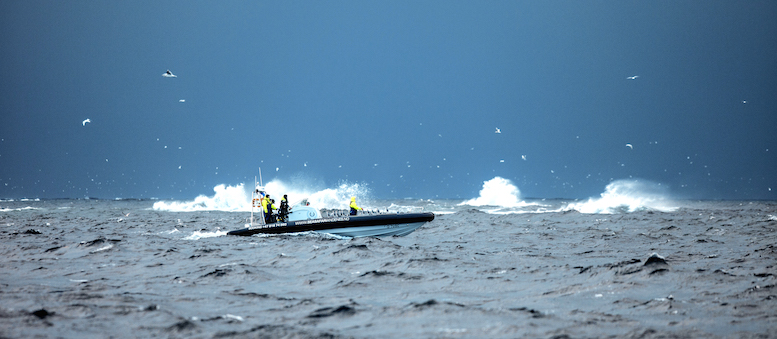
The Sjøblomsten, or “Seaflower”, ploughs its way through the ice-cold water. Again and again the bow dives into the foaming sea, spraying salty water over the deck. “Actually, this is quite good weather,” explains the skipper, Per-Gunnar Mikkelsen, in broken English. Nevertheless, most of the passengers have moved into a corner of the ship or are seeking protection below deck. The Sjøblomsten is a former fishing boat and offers plenty of space for passengers to warm up. But the sea is rough and the waves are giving the vessel a battering.
“It’s winter and we are quite a distance above the Arctic Circle. You simply have to expect conditions like this,” says Sven Gust, the leader of the expedition and owner of Northern Explorers A/S. Throughout the year, he organises tours in the Arctic: Greenland, Svalbard, Iceland and this one – a whale safari in the fjords of the Vesterålen, north of the Lofoten Islands in Norway, where orcas, humpbacks and fin whales are gathering to hunt for herring. And we are going to witness this spectacular behaviour.
This kind of hunting is not new to Norway: For more than 20 years orcas have been hunting herring in the Tysfjord, south of the Lofoten, and, over the years, a large whalewatching industry grew up around them. But, suddenly, fewer orcas are now coming to the Tysfjord. Why?
The key to everything is the herring: After spawning in spring, in the summer, the population migrates out into the northern Atlantic Ocean, where they lay down their fat reserves for winter. Usually, they would spend the winter in the open Atlantic, but since the herring population was mercilessly overfished in the 1960s, the animals’ winter waters have shifted to the fjords of the Norwegian coast, which probably ensured their survival. In addition, the fishery was eventually regulated, so that the herring is sustainably protected and stocks have now recovered.
But there was another problem at Tysfjord: Huge numbers of fish can reduce the water’s oxygen content, causing the fish to suffocate in the small fjords, and posing a risk to local salmon farms. In January 2013 a huge shoal of herring led to a dramatic drop in the oxygen content and caused 250,000 salmon to perish within a few hours.
So, once again, the herring changed their wintering grounds, moving further north around the city of Andenes, between the islands of Senja and Andoya, where the fjord is wider and the small fjords nearby provide better shelter. But here the orcas are not the only predators: humpback and fin whales are joining in. “We don’t yet know why the larger whales are coming here as well. They clearly avoided the Tysfjord a few years ago,” says French-born Eve Jourdain, who has taken up residence in Andenes to study the whales. “The orcas specifically control reefs in the area in order to hunt there,” explains Jourdain, “and we try to document them every year in order to understand the animals better.”
Up Close and Personal
Using photo IDs, Eve tries to match the animals with those she has seen in previous years. Individuals can be identified through the greyish patch just below their dorsal fin, which is as unique as a human fingerprint.
But it is not only the whales’ migrations that are being explored, but also behaviours that are still not fully understood, like slapping the surface with their tails. Observations suggest that, among other things, the whales use this as a warning to approaching boats when they get too close.
Knowing when to approach the animals and when not to is a major factor in Northern Explorers’ well-run tours: Sven Gust wants to get his guests as close to the animals as possible, which can mean a long wait. This is why he offers maximum comfort on board the Sjøblomsten. “We serve warm tea, in a heated cabin, while it’s very cold on the rubber boats of other providers,” says Gust. Everything has its advantages and disadvantages: The manoeuvrable rafts can cover long distances in a matter of minutes, reaching the action very quickly. The fishing boat is slower, but can offer its guests protection from the elements, and patience increases the chance of having exciting encounters.
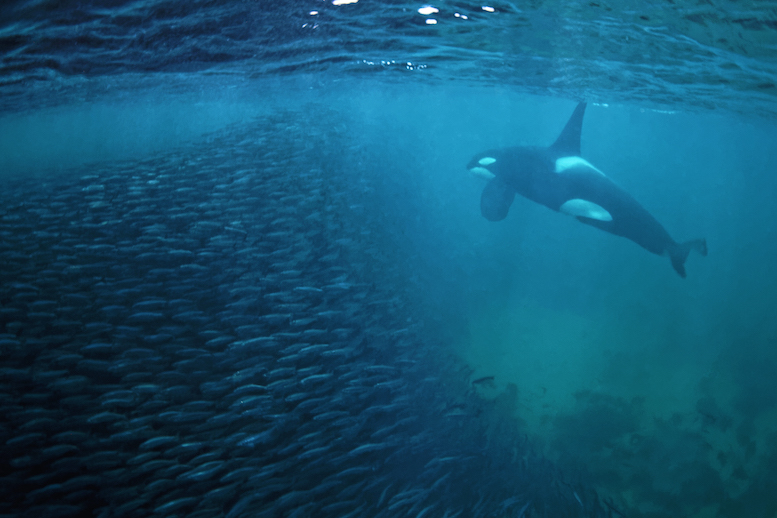
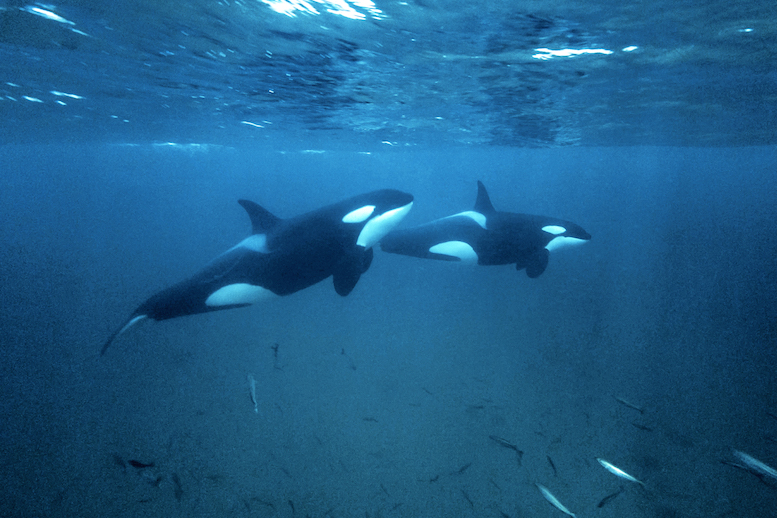
But, however it happens, once the whales are found, all the effort is quickly forgotten. Then the challenge is getting a good look at them – not so easy when the orcas are chasing the herring, often at a depth of around 80 metres in the middle of the fjord. Yet, if they herd the fish towards the surface, the action becomes clearly visible, with fish jumping out of the water in fear. But there is no escape; the orcas, skilfully coordinating their attacks, stun the herring with their tail flukes, leaving the prey motionless in the water.
Unlike the orcas, the humpback and fin whales adopt a different strategy. They look for a denser shoal and then swim through the swarm with their mouths wide open. They can devour several hundred kilos of fish with one attack, for which the orcas would have to put in significantly more effort.
These hunts only last for about 15 to 30 minutes and everything has to happen very quickly if you want to observe the animals underwater. The best opportunities are when the hunters push their prey towards the coastline. There, they can control the school in a restricted area, where the fish cannot disappear into the depths and the hunts can take place over several hours. Now, guests can get into their drysuits and approach the animals slowly in the dinghy in order not to disturb them.
Seeing an eight-metre-long adult male orca is something very special. “Madness! As the male slowly swam next to me, I could see exactly how he looked at me!” says Michael excitedly after snorkelling. Orcas can’t actually see very well underwater, processing the environment visually using broad variations in brightness.
One theory suggests that this is why they have big black and white patches along their sides, so that the animals can identify each other.
Seen from above or below, the orca is very well camouflaged. Orcas don’t have any natural enem
ies. They only seem to avoid pilot whales, as they occur in larger groups and probably scare away the orcas with their extremely high noise levels. Orcas adapt their communication depending on the species they hunt: If they are after seals, they need to be as silent as possible as other mammals are disturbed by their clicking noises, but when they are hunting fish, they are very noisy. “It’s an indescribable feeling, listening to the orcas hunt,” says Torsten. “To be so close to the action is something special.”
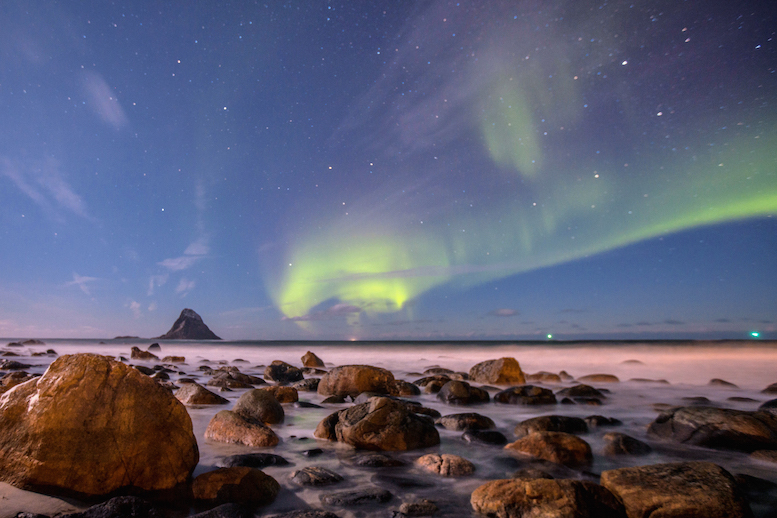
But Nature rarely delivers according to our plans, and the exact time and place of a hunt is difficult to predict. The Arctic weather can also throw a spanner in the works, with especially windy days forcing a break ashore. This is not always the worst option, as, despite the short days, the Norwegian winter landscape is beautiful, and, under cloudless skies, with sufficient solar wind, the famous Northern Lights can be observed in all their ethereal magnificence.
“The tour here is sometimes rough,” warns Gust, “but for this we are rewarded with spectacular encounters only comparable with those in British Columbia in Canada. But here you can get into the water with the animals.”
It is worth grabbing the opportunity to witness this fantastic natural phenomenon, now, because who knows when the herring will once again change their winter habitat, and the search will begin again?
Tobias Friedrich is a professional underwater photographer living in Germany. His images have been published in over 30 different magazines and online news sites, and honoured in a number of underwater photography competitions. He has also written a book titled Underwater Photography that is available through Amazon in both English and German. Tobias leads expeditions and workshops around the world that are open to anyone. www.BELOW-SURFACE.com
This article featured in SD OCEAN PLANET “Edgy & Extreme” and was both written and photographed by Tobias Friedrich
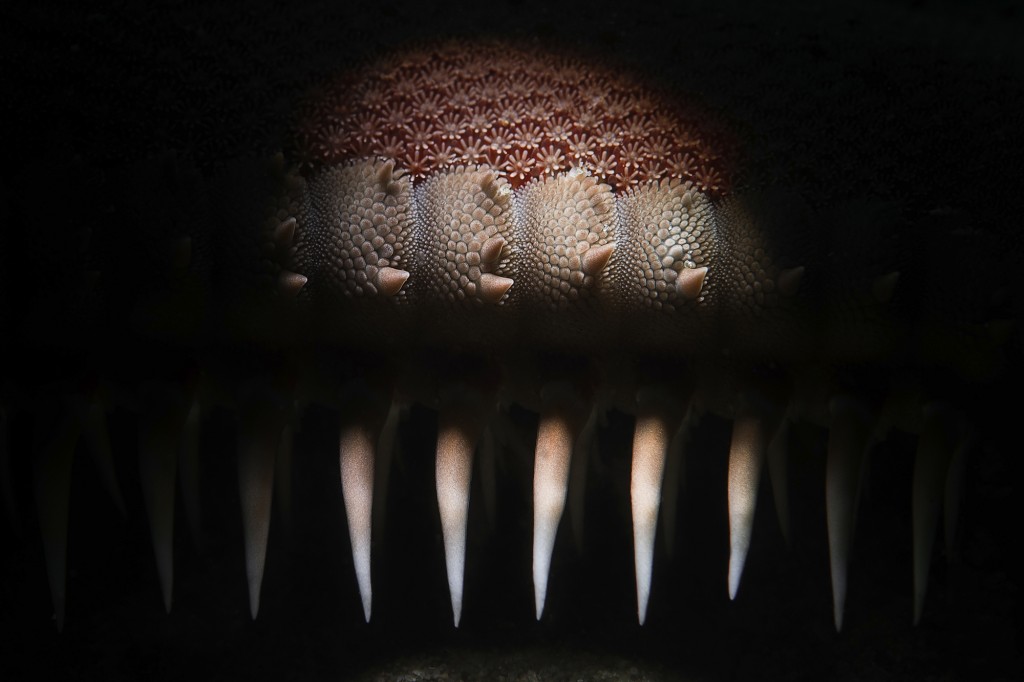
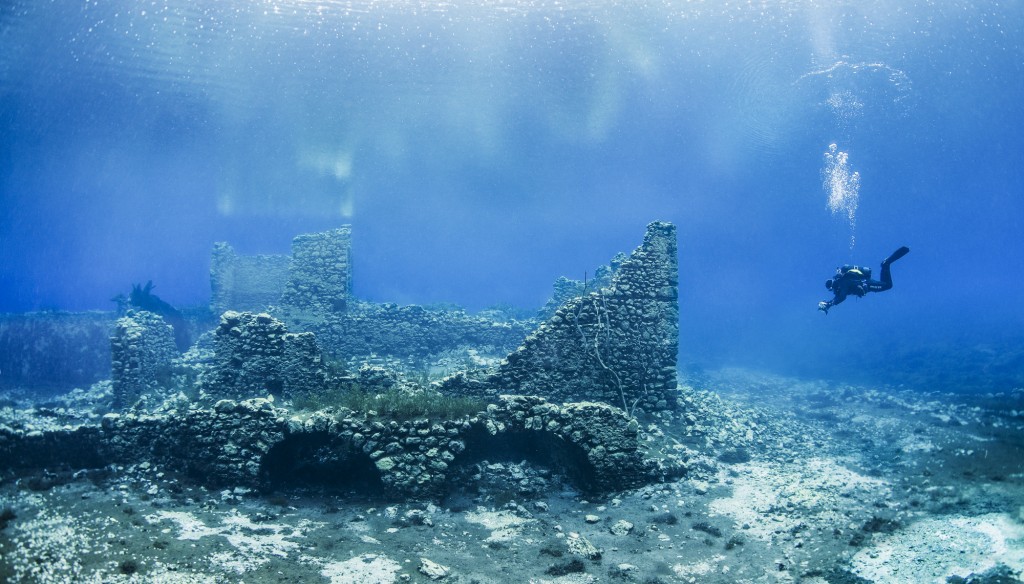
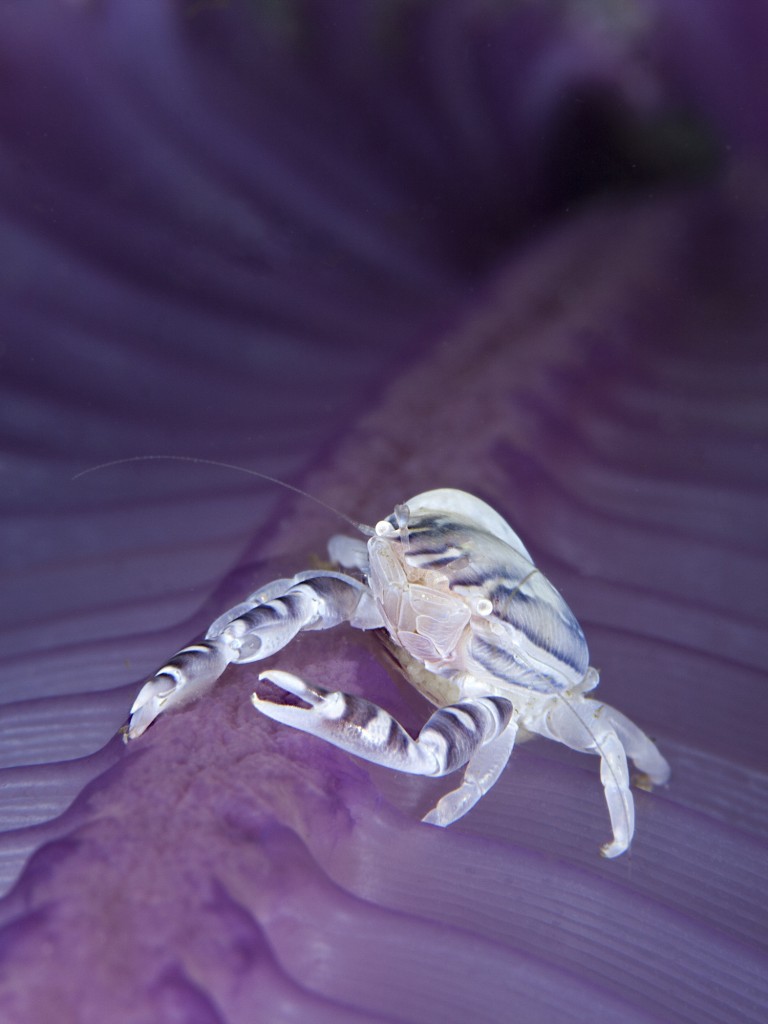
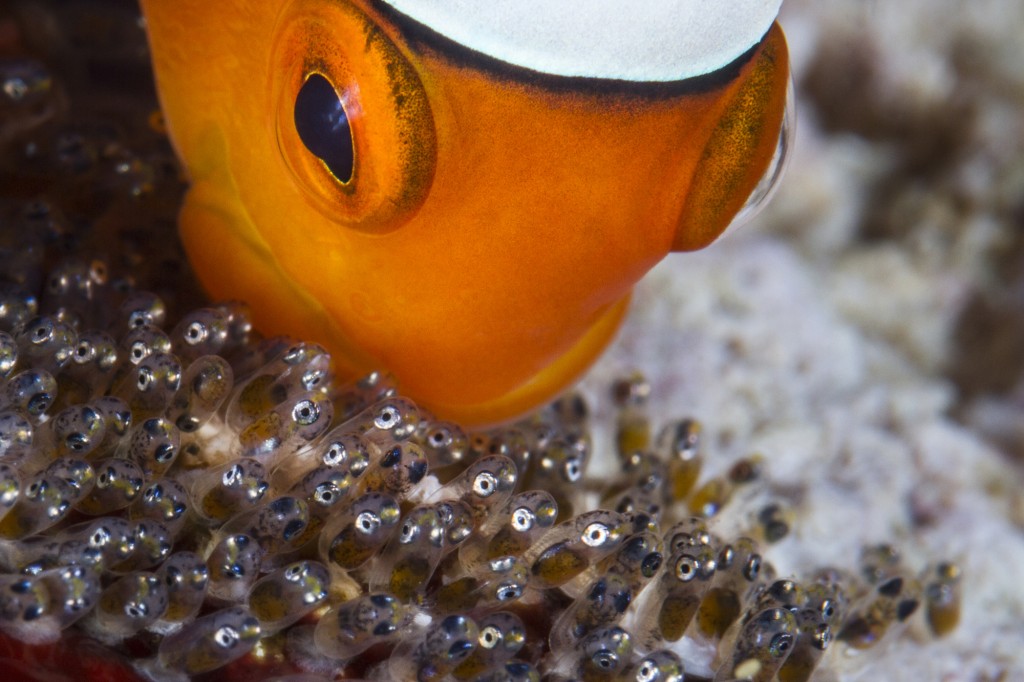
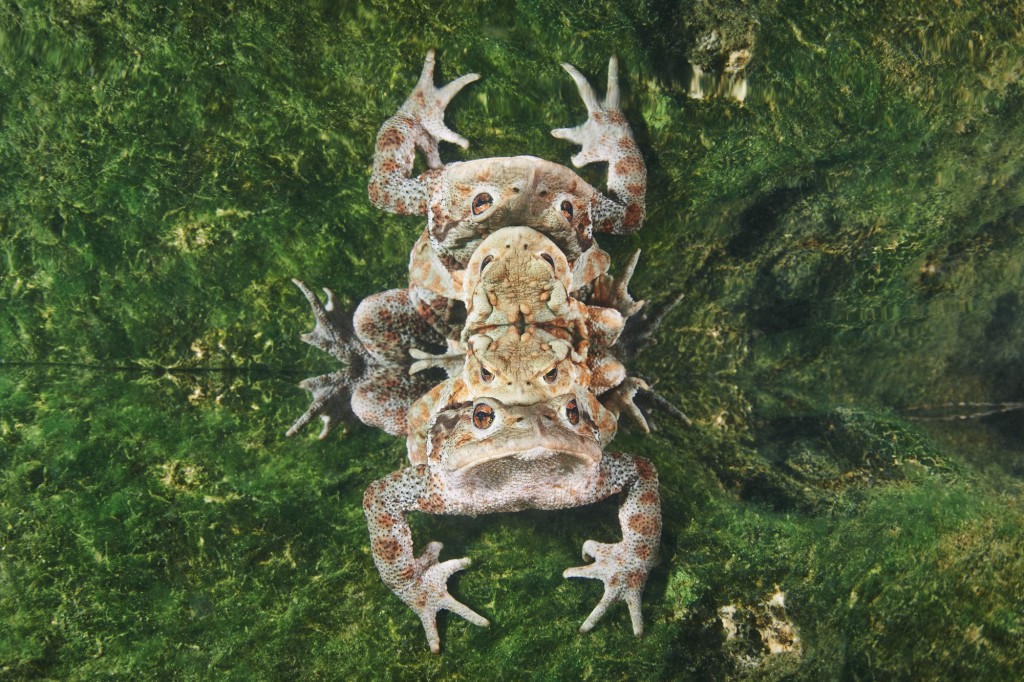
Award-winning underwater photographer Davide Lopresti was born in Fezzano, Italy, and has enjoyed a special relationship with water from childhood. A competitive swimmer for several years, Davide’s big discovery, instead, was photography – a passion he claims conquered him. With a stunning portfolio of images, and impressive accolades to his name, Davide is UW360’s Underwater Photographer of the Week. We caught up with him for a quick Q&A and to showcase his top images:
What got you into underwater photography? I started taking pictures underwater in 2010 and, starting directly in digital, I was immediately at ease with the various file developments and post-production programs, but without ever forgetting that the post-production is just a part (fundamental and unavoidable) of the production process of a photograph. It all starts from the study and preparation during shooting, the search for the best light, the best shot and the perfect colour scheme. It is a process that takes place in many ways and to dismiss it only to post-production is quite reductive.
I was fortunate to emerge rather quickly in underwater photography through various contests and magazines, managing to put myself out there right away. More difficult instead was searching and creating my own style, always without forgetting to experiment and try new techniques that have a strong value and are not misrepresented as art to conceal their weakness. A good photo should arrive “straight”; it must amaze and surprise. If this does not happen, it means that something is not working…
In my career as an underwater photographer, my travels [have been] almost entirely devoted to photography by searching for far-flung locations, and at the more common destinations, looking for a different and innovative point of view and trying to photograph the most common subjects with special techniques or devices.
What made you want to become an underwater photographer? I think it was my love for the sea. Having been born in a small village overlooking the sea has further expanded this relationship by creating a connection that still feels strong.
Your first underwater shot? My first photograph was with a reflex system and I can still remember it: a seahorse. I was excited about the encounter, and I had on hand an outfit so complex and demanding, equipment that then over the years has been with me in many other dives.
The story behind your most memorable underwater shot? One of my most famous shots is definitely “Gold” – a photograph which recently won the “Underwater Photographer of the Year 2016” in London. It is a particularly technical picture in which there is a sense of movement and grace. To achieve it I had to use a long exposure to give the sense of movement in the background, combined with a flash with a snoot focused on the horse to freeze movement.
Where is your favourite dive destination? My favourite destination is Bali. It stole me with its colours and its smells. The people of the place are amazing and the marine life is a constant discovery. It is one of those destinations I go back to every time I have the opportunity. Bali enters your heart and it is difficult to get her out.
The site you’d most like to dive, but never have? For now on my wishlist are the crocodiles of the Chinchorro and the Sardine Run in southern Africa. I hope shortly to be able to tick off these two incredible destinations.
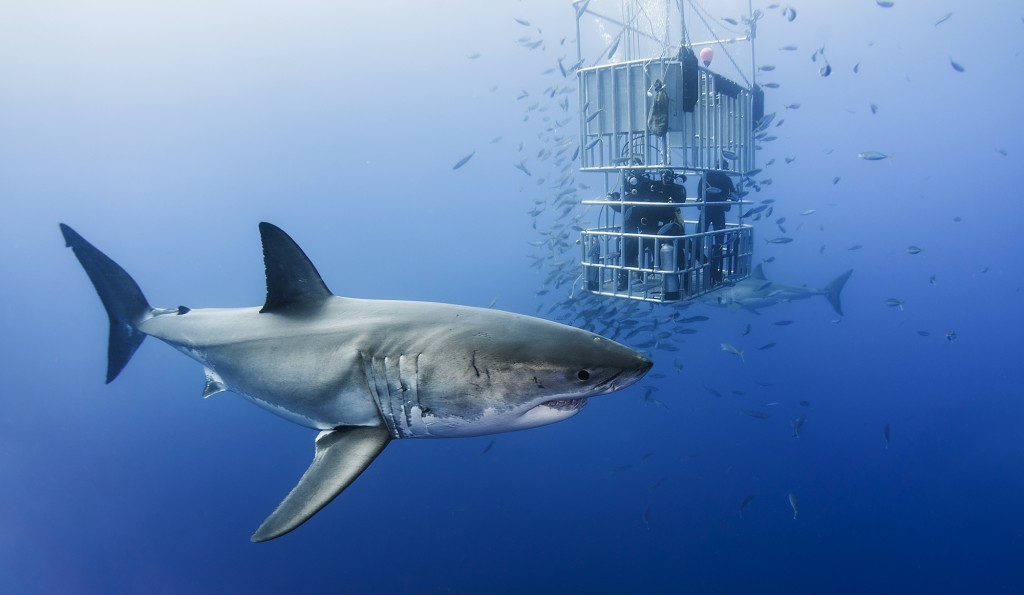
The weirdest thing you’ve seen underwater? The most curious thing, for me, was to see an adult seal bite the fins of two white sharks several times as they circled our cages. I found it was absurd behaviour that you do not expect, but it is actually quite common. The adult seals try to leave “an imprint” on the sharks to prevent them attacking their pups.
What camera equipment are you currently using? Now I am shooting with a Nikon D600 and a Nikon D750 in Nimar housing and Inon flash, and of course the inevitable 105mm and 60mm macro and 15mm Sigma Fisheye.
What is the highlight of your career? I think it’s now, at this moment. I started aquamarine, a photographic studio with my wife Silvia, and Aquapixel, a digital laboratory dedicated to underwater photography, with my friend Marcelle.
…And the low point? For now I have not had a low point. There was a period where I was stuck creatively, but it was not a low point. I just hope that the low point is not around the corner
!
Did you know? The majority of divers DAN AP has managed with Decompression Illness (DCI) have been using dive computers and diving within the limits advised by their computers.
Most divers these days use dive computers and appear to be reasonably confident that they will avoid DCI as long as they dive within the limits of these devices. Interestingly, the majority of divers DAN AP has managed with DCI have been using dive computers and diving within the limits advised by their computers.
The issue is that dive computer algorithms are based on decompression models, which are generalisations of what might be occurring within a diver’s body. These models have inherent inaccuracies and cannot cater for the broad individual variation between divers and the type of dives undertaken.
Deeper dives, longer dives, short surface intervals and repetitive diving can all lead to higher inert gas loads, greater bubble formation and consequently less accurate decompression calculations. Divers need to be aware that deeper diving is associated with a higher risk of DCI and the resulting DCI is more likely to affect the nervous system. Very long dives also carry a higher risk of DCI.
Bubbles can often be found in a diver’s venous blood after surfacing from a dive and this is common after recreational dives. These bubbles are usually detectable within the first hour after diving and can continue to appear in peak numbers for several hours. Therefore, in most circumstances, it is a good idea to extend surface intervals as long as possible between dives. Although it is often convenient and relatively common on dive boats to have surface intervals of around one hour or so, it is probably safer to extend these to at least two – three hours, preferably longer, especially after deeper dives.
In reality, relatively few divers suffer DCI given the enormous amount of diving that takes place around the world. However, for those that do, it can be a very unpleasant, disruptive and, in some cases, life-changing experience. Therefore, it is wise to balance the benefits of the extra depth, dive times and dives against the potential problems that can arise, and make an informed choice about the level of risk one is willing to take.


 This article featured in SD OCEAN PLANET “Edgy & Extreme” and was both written and photographed by Tobias Friedrich
!["To achieve it [this shot] I had use a long exposure to give the sense of movement of the background, combined with a flash with a snoot focused on the horse for freeze movement." © Davide Lopresti](http://staging.uw360.asia/wp-content/uploads/2016/09/GOLD-1024x658.jpg)