Home Blog Page 14

7 Diving Hotspots in Pondicherry

0

Text by PADI and UW360
Image from Shutterstock


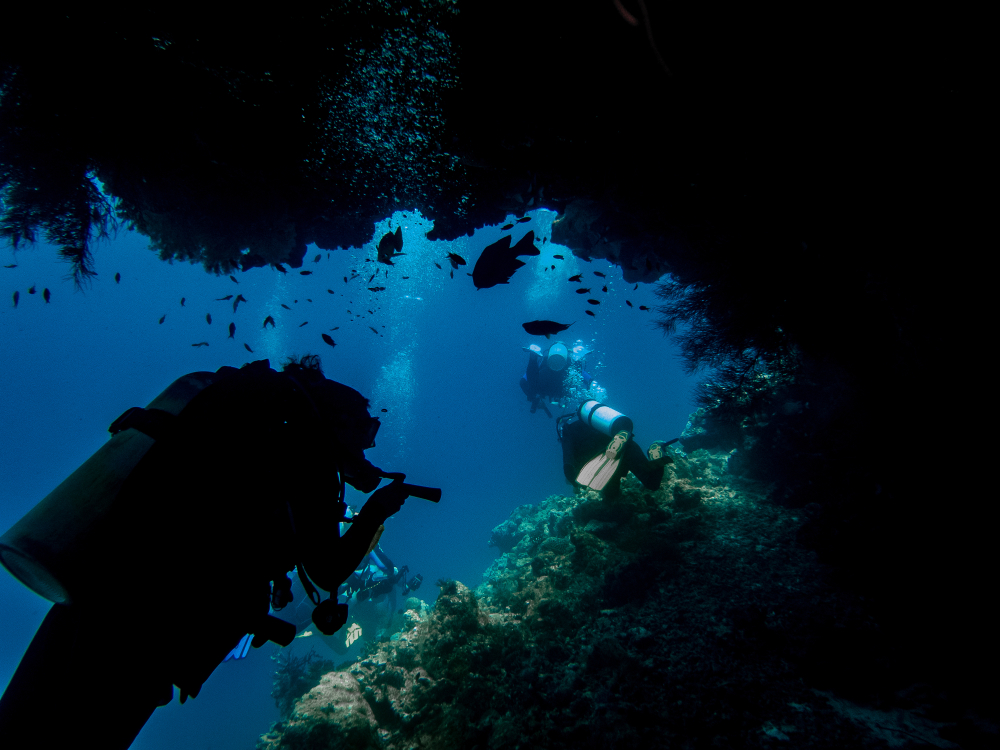
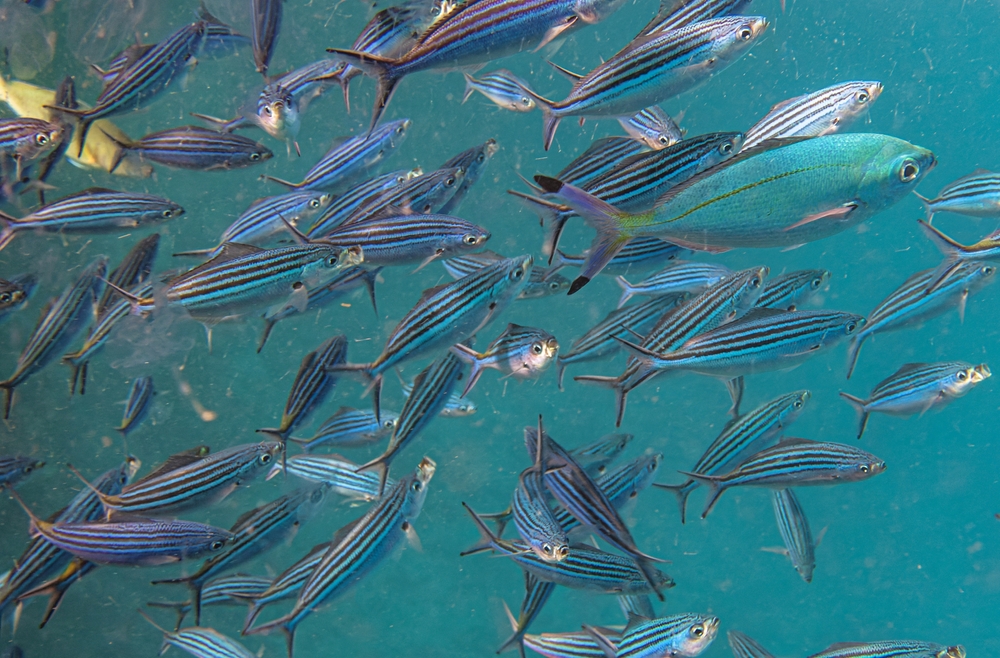
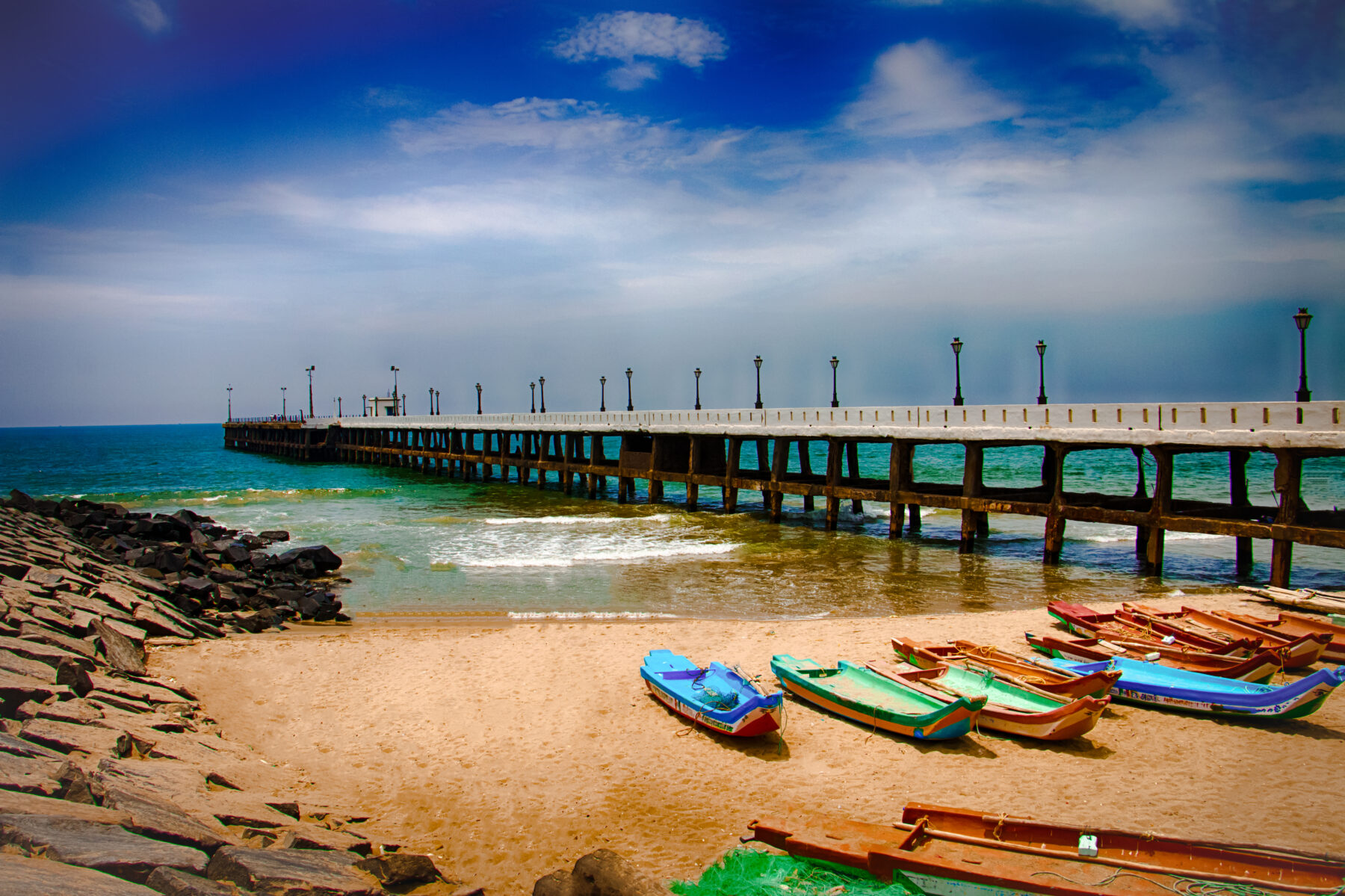
Pondicherry, also known as Puducherry, is the capital and the most-populous city of the Union Territory of Puducherry. The city is located on the southeast coast of India, surrounded by the state of Tamil Nadu. As one of the only east coast dive destinations in the country, Pondicherry is a must-visit for those looking to explore the waters of South Asia. Featuring beautiful reefs, incredible underwater caves, vibrant schools of fish, unique aquatic creatures, and a variety of marine flora, Pondicherry has plenty in store for divers of all levels.

Here are 7 spots worth diving in Pondicherry.


1. TEMPLE REEF

Temple Reef is an artificial reef constructed by Temple Adventures, and in spite of its age, remains wildly popular. Spanning a distance of 30 metres, the man-made reef consists of four different areas: the “Original” Temple Reef, Parking Lot, Beer Garden, and Wreck City. Each spot is built entirely out of recycled materials, including concrete, iron bars, trees, palm leaves, and rocks.

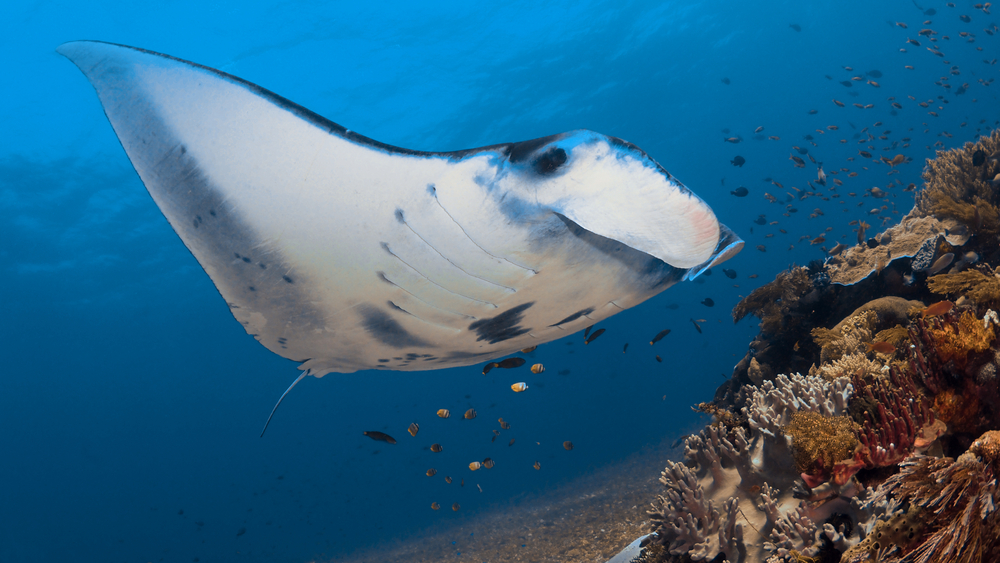
Expect to encounter over a 100 different species of aquatic wildlife, including 50 species of corals and 75 species of sea creatures. Divers can get up close and personal with lionfish, angelfish, moray eels, and bannerfish, or marvel at the majestic beauty of manta rays as they cruise by.

Located at a maximum depth of 18 metres, this dive location is suitable for beginners and upwards.


2. CORAL SHARK REEF

As the name suggests, Coral Shark Reef is teeming with reef sharks. Located at a depth of between five and 23 metres, this site is suitable for divers of all levels. Look forward to playing near the sandy seabed, admiring the coral formations and gaping in awe at the resident reefies.


3. ARAVIND’S WALL

Renowned as one of India’s top scuba diving sites, Aravind’s Wall is an adventure waiting to be had. Owing its name to a massive rock formation that spans over 2.5 kilometres, the wall is perfect for drift dives and promises an enigmatic diving experience.

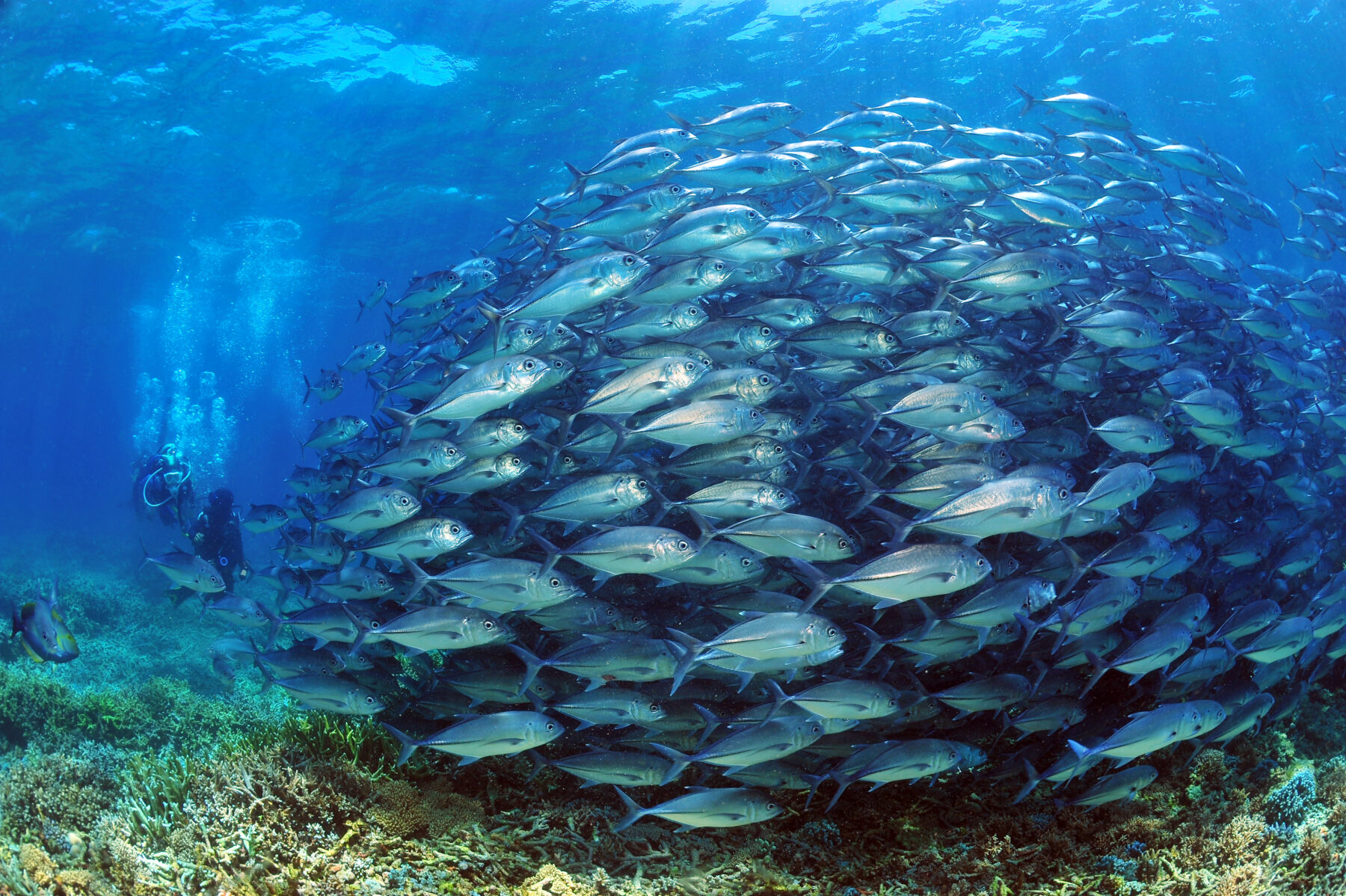
Home to countless species of marine animals, Aravind’s Wall is a great place for those looking to bask in the presence of the biggest and brightest in the ocean. From gigantic manta rays to multicoloured fusiliers, bannerfish, snapper, and jackfish, there is something for everyone.

Situated at a depth of around 40 metres, this site is suitable only for Advanced Open Water divers who are looking for an exciting drift diving experience.


4. FOUR CORNERS

Four Corners is what is colloquially known as an oldie, but a goodie. As one of the oldest dive sites in Pondicherry, it has almost become tradition for divers to take a dip in the chillier waters of Four Corners when they visit the region.

Dotted with palm trees on land and adorned with over 70 coral species under the waves, Four Corners has more than earned itself a place among India’s best dive sites. Beyond the seemingly endless coral reef, look forward to seeing excitable dolphins, lionfish, butterflyfish, torpedo rays, and more.

The site is found at a depth of 18 metres, so is best enjoyed by intermediate and advanced divers.


5. THE HOLE

As its name suggests, The Hole is one of the deepest dives in India. Growing deeper the further away you are from shore, this dive site promises an unforgettable adventure for those experienced enough to take on the challenge. However, as you go deeper, visibility decreases so make sure to bring a torch along.

Aside from experiencing the thrill of sinking into the seemingly endless void, The Hole is a hotspot for large schools of fishes and gorgeous hard corals. Shine your torch on the seabed and be mesmerised by the hidden gems just waiting to be discovered.

Descending to depths of 30 metres, this site is strictly reserved for advanced divers.


6. RAVINES

Named after its flowing rocky reed bed, Ravines is a fantastic diving spot for beginners looking to explore some new and interesting underwater topography. Located at an average depth of 12 metres, the site is famous for its cruising manta rays. There is also a diverse coral reef and a menagerie of colourful reef fish to look forward to.


7. TEMPLE ADVENTURES

One cannot complete a brief guide to diving in Pondicherry without mentioning Temple Adventures. Whether you are looking to dip your toes into scuba diving for the first time or are a seasoned dive veteran looking to gain more experience, Pondicherry’s award-winning dive centre is the one stop-shop for all your diving needs.

Beginners can enjoy diving at a wide range of shallower sites, while more advanced divers can choose to dive some of the deeper and more challenging sites. There are also various pools and inland freshwater lakes that are ideal scuba training grounds for kids. All the lessons imparted maintain international diving standards and are conducted by highly trained, multilingual instructors.
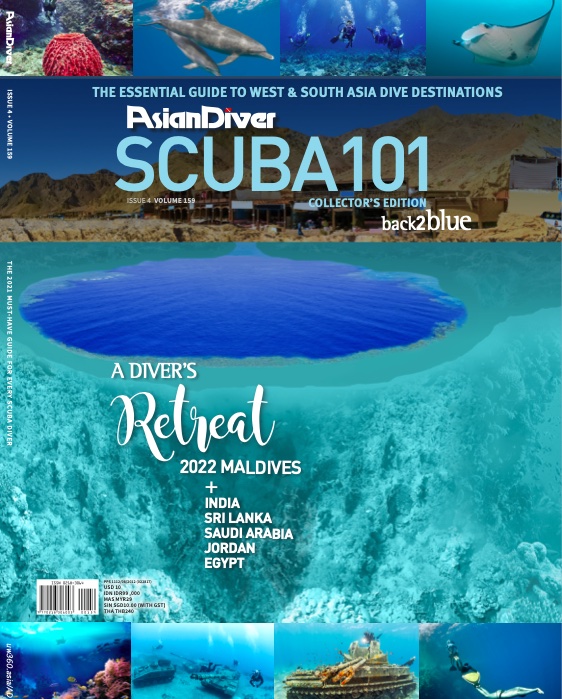


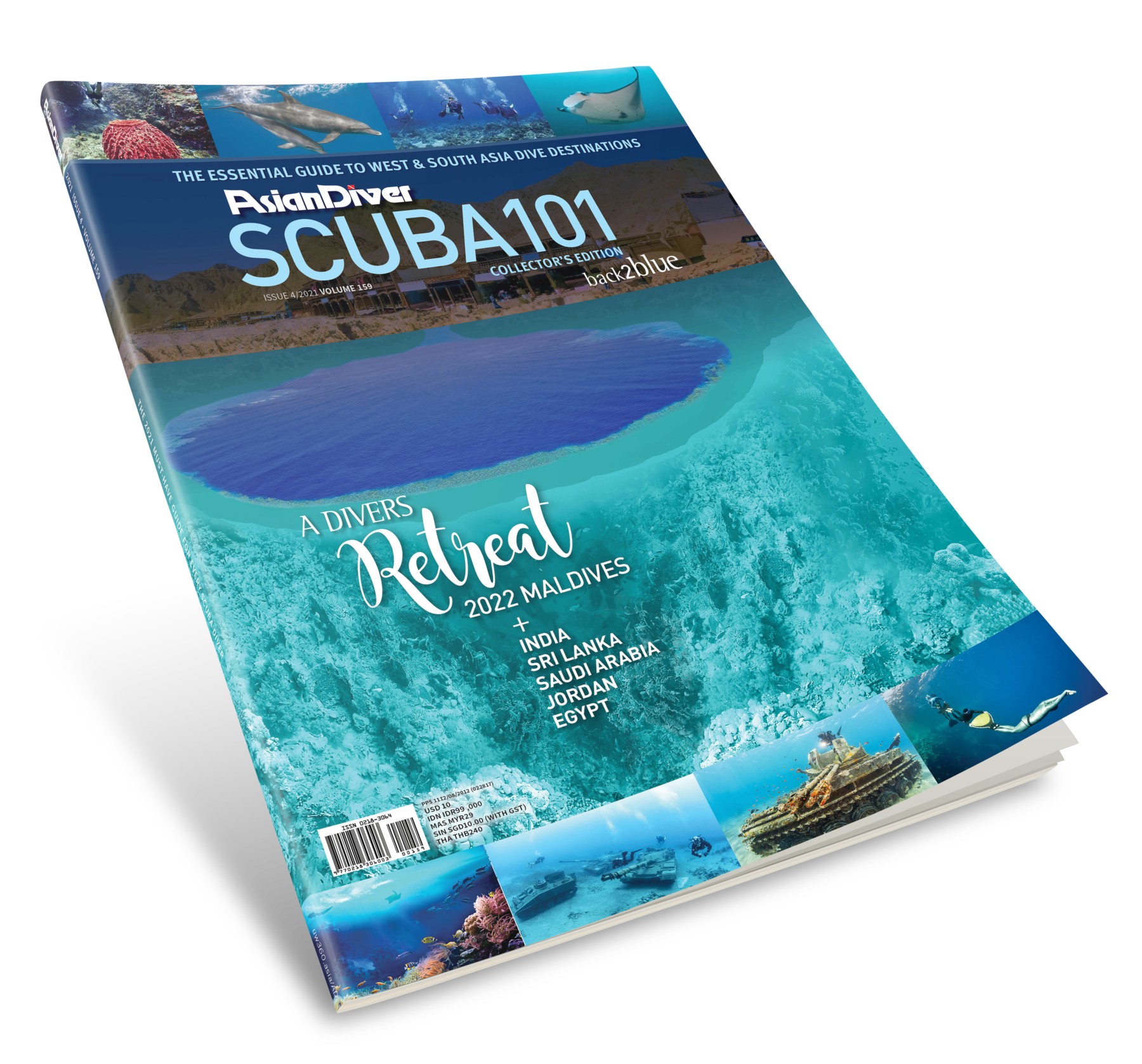
To check out more beautiful dive locations in South Asia, get your copy of Asian Diver Issue 4 / 2021 here.

For more insightful features and stories like this, subscribe to Asian Diver here.

5 Magical Island Adventures in the Asia Pacific

0

By various contributors
Images from Shutterstock

For some big experiences, you need to seek out some of the region’s tiny islands. From towering columns rising from the ocean floor, swept by huge currents and frequented by megafauna, to isolated sandbars wreathed with palms and colourful critters, isn’t it time you get “Castaway” from it all…?


1) GUNUNG API

Location: Indonesia

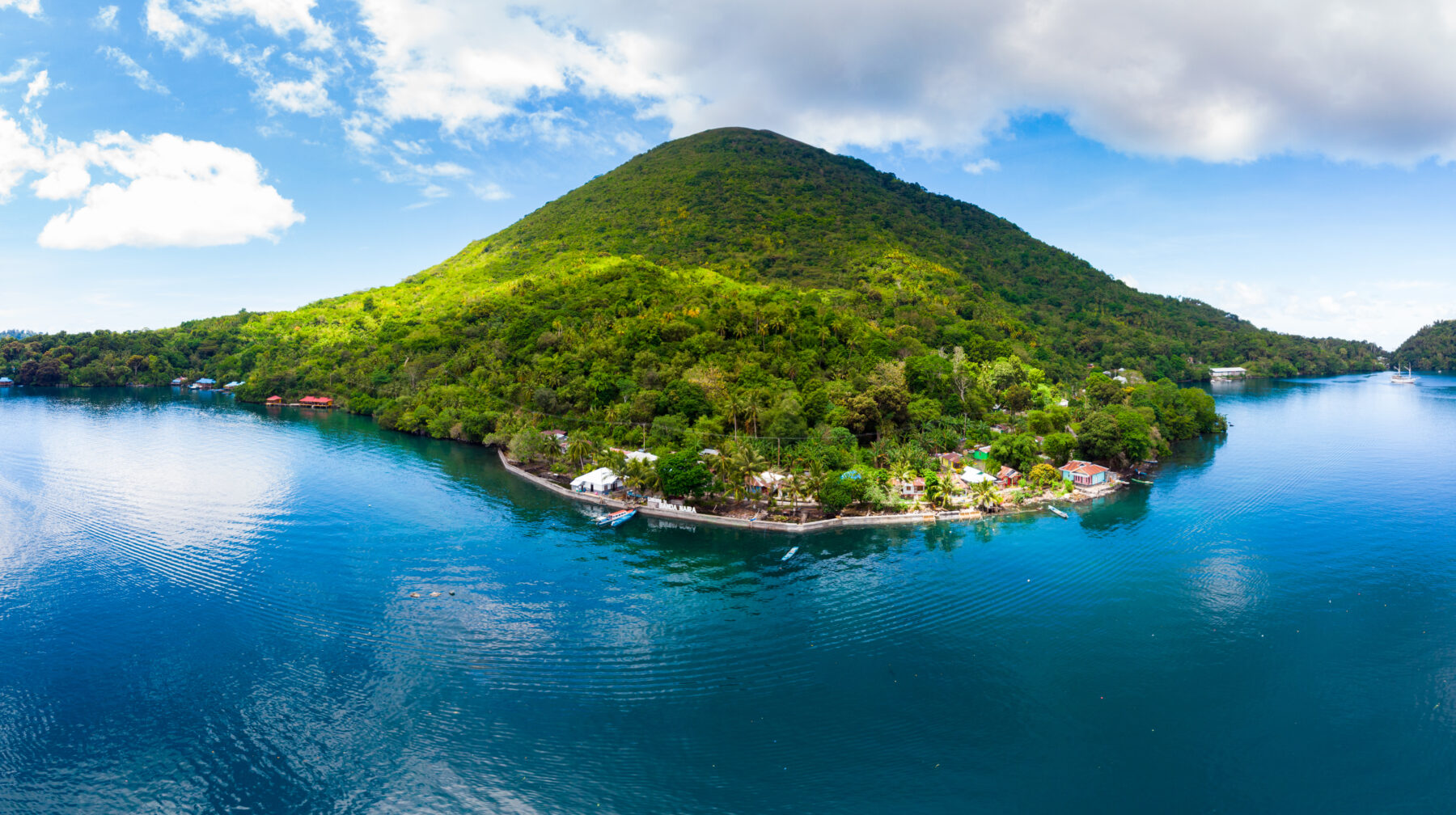
Gunung Api, or Snake Island, is one of the most isolated and rarely visited dive spots n the middle of the vast Banda Sea, one of the “Forgotten Islands”. This tiny island extends upwards from a depth of around 4,000 metres, ending in the 240-metre-high, perfectly cone-shaped summit of a partly active volcano. The first divers here, more than 20 years ago, where shocked by the exceptionally large population of sea snakes that inhabit the shallow water close to the rocky shore.

Today, the place almost guarantees a close encounter with more than 100 sea snakes on a single dive. They are curious and unafraid of divers, swimming up, brushing against you and swimming away. Some will buddy up with you as you descend the wall to depths of more than 30 metres. Extraordinarily, these airbreathing reptiles have been recorded diving to up to 180 metres, breath holding for up to two hours. Most are Chinese sea snakes, Laticauda semifasciata, an oviparious species. And this is probably the secret of their numbers – the rocky shore is full of tiny crevices and caves where the snakes can hide their eggs from greedy seabirds.


2) RESTORFF

Location: Papua New Guinea

Despite the devastation of the slash and burn agriculture on land, the underwater world of Kimbe Bay remains an important biodiversity hotspot boasting more than 60 percent of the coral species of the entire Indo-Pacific. Because of a massive die-off of coral worldwide due to pollution, human activities, and global warming, Kimbe Bay has become increasingly important, since it is seen as one of the last holdouts for coral should the degradation continue. In this amazing bay in the Bismarck Sea a pearl stands out more than others; Restorff Island is a small island of fascinating beauty, and not just below the surface…

The emerald green water shines at dawn, the uncontaminated and virgin vegetation make the island look like something out of the movie Jurassic Park. But Restorff Island underwater is even more splendid, with a rich reef of colourful hard and soft corals, sea fans and giant sponges. Schools of different species of fishes surround you on every dive, and at night incredible critters welcome you to the deep blue….


3) KALANGGAMAN

Location: Philippines

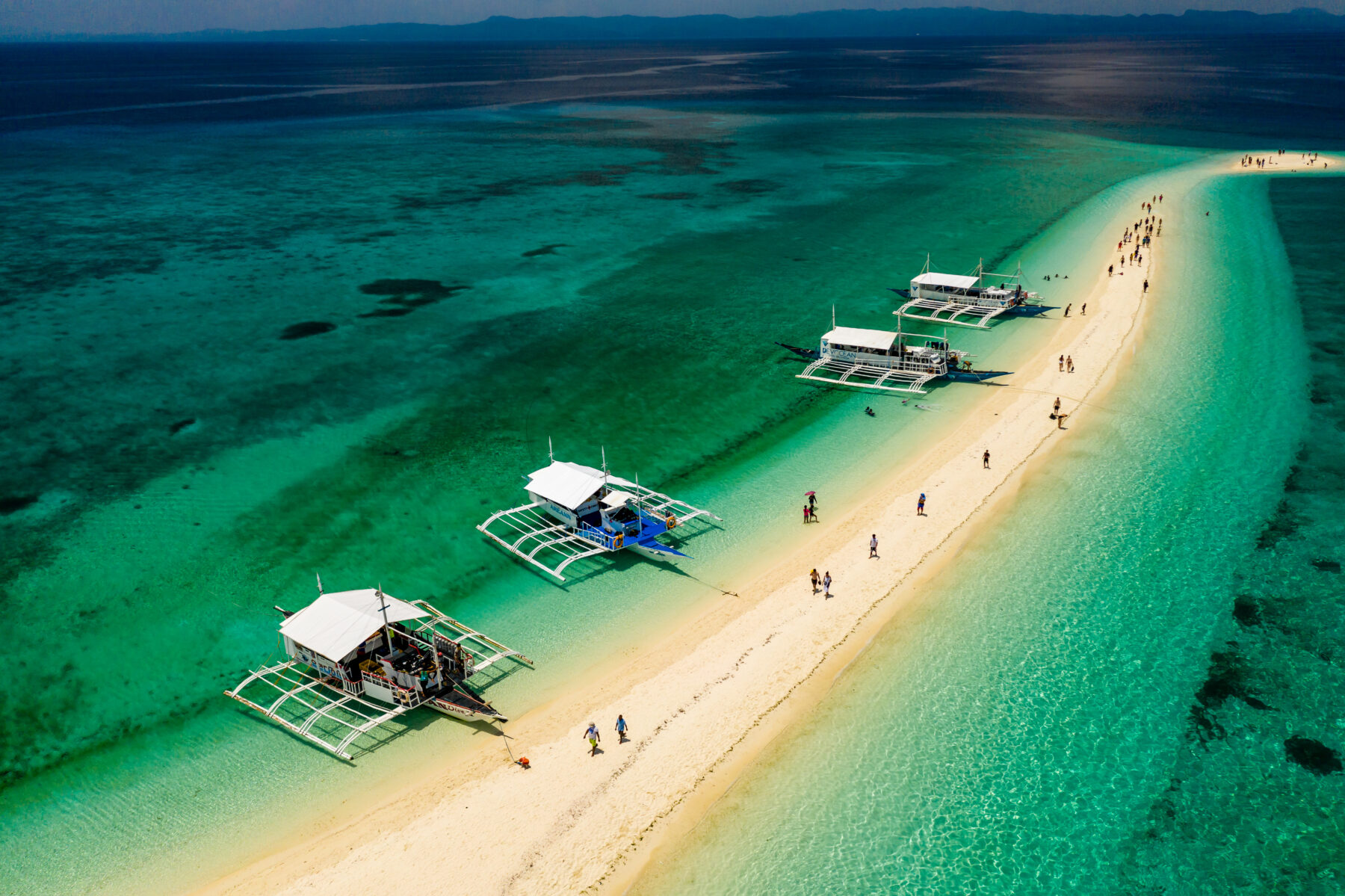
Kalanggaman, an island of white sand, is a short boat ride from Malapascua and makes a very nice day trip. The island’s sand banks are formed between currents, extending dramatically outwards. Dives here are mostly wall dives but there are shallow areas too, with coral bommies and a sandy bottom. On a sunny day the colours are amazing and the fish life is extremely impressive, with smaller fish, nudis, and shrimps great targets for the macro shooter. Between dives, you can have your lunch served on this beautiful little island, resting in the shadow of the palm trees.


4) SIPADAN

Location: Malaysia

A short boat ride from Mabul Island, where the vast majority of resorts are located, Sipadan Island pokes its head above the horizon, a tropical paradise with white sands dividing the palm trees from the turquoise water. This must-dive site runs on a permit ticketing system, limiting diver numbers and making it a haven for fish life and pristine untouched coral walls.

From the moment your mask clears of bubbles after rolling off the boat, a vast city of underwater life opens up. Fish of every size and colour dart in schools like peak hour in a capital city. With bright fan corals and huge plates and branching coral clusters bustling with life, this dive site is a list topper for almost everyone who has the privilege of visiting it. The highlight of this site? The tornadoes of barracuda contrasting their silver blue against the Technicolor reef system and the morning train of bumphead parrotfish coasting across the shallow reef, right on schedule.


5) COCOS (KEELING) ISLANDS

Location: Australia

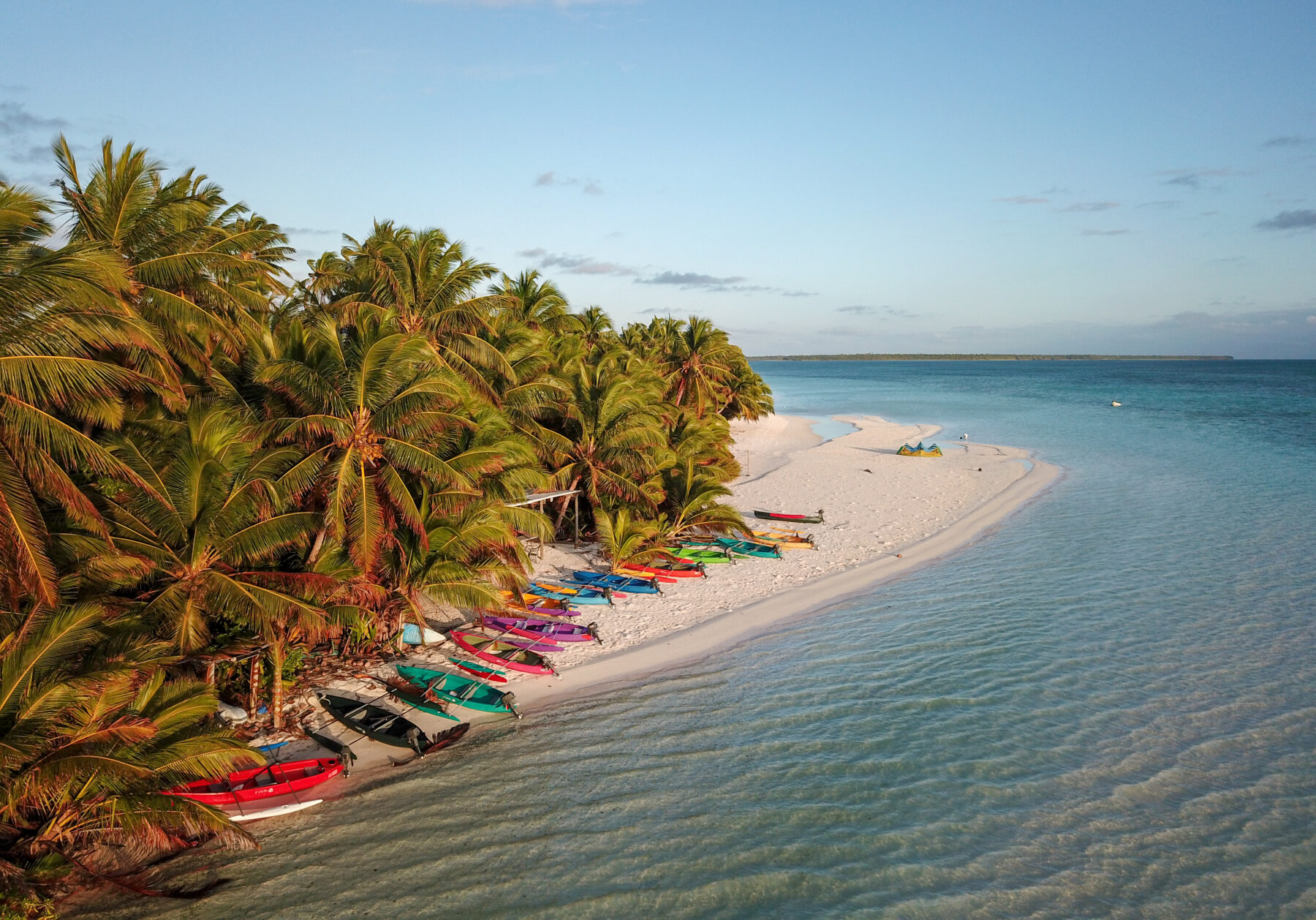
This isolated coral atoll located in the middle of the Indian Ocean offers a picture postcard island getaway. Comprised of a ring of 27 low-lying sandy islets covered in rustling palm trees and bright yellow sandy beaches, the most prominent feature of the dreamy destination is the electric blue waters that circle the outer island reefs and sheltered lagoon.

The diving here is dramatic: Walls drop away to 3,000 metres and are often vertical, the deeper parts are cover in forests of gorgonian seasons and sea whips, whilst hard corals dominate the shallow sections. Expect to encounter brightly coloured Cocos angelfish, which are only found in these waters, as well as grey reef, whitetip and blacktip sharks, manta rays, green turtles and reef octopus. And, if you’re lucky, a lone dugong occasionally visits groups of divers off the northern end of Direction Island.


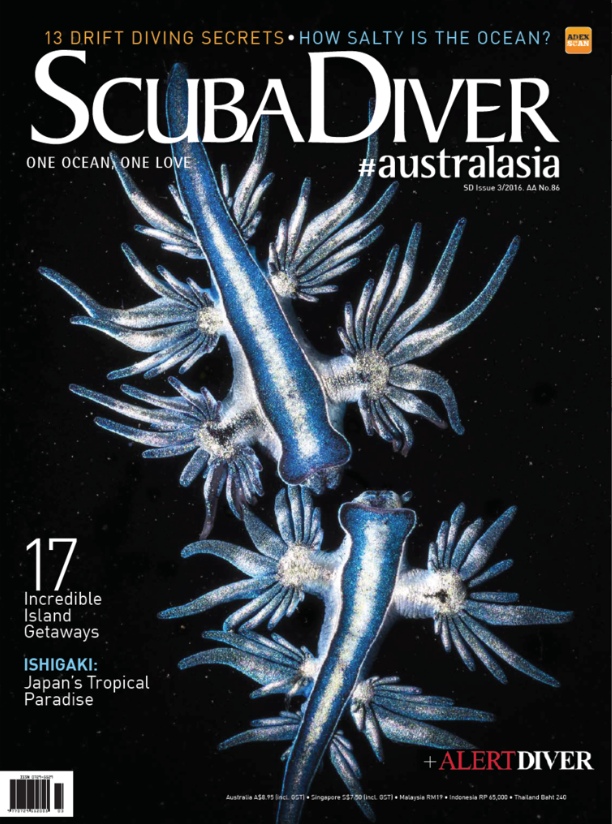
This is just a small snippet from an article titled “17 Magical Island Adventures in the Asia Pacific”. To find out about the other 12 island wonderlands in the region, check out Scuba Diver Issue 3 / 2016 here.

For more insightful features and stories like this, subscribe to Scuba Diver here

12 Dos and Don’ts of Discovering New Dive Sites

0

Image from Shutterstock


Our planet’s oceans are vast, and there are still countless beautiful reefs out there to discover.

Planning to head off into the blue to find new dive sites is an exciting prospect, but you need to be sure that you know what you’re doing, that you have the right level of experience, and that you’re properly prepared for the endeavour.

Here are a few things to take into consideration if you’re tempted to head off to dive an unexplored patch of ocean.


6 DOs of Discovering New Dive Sites:


DO


  • Talk to local dive shops and dive pros to get an idea of what divers already know about the area, the places that have yet to be mapped, and the kinds of conditions they normally encounter.


  • Make sure you have the right experience for the conditions you’re likely to find, and make sure the same is true of the divers you will be diving with. You need to be confidently prepared for conditions like dangerous currents or low visibility.


  • Talk to local fishermen – they will know where there are fish to be found, and where there are fish, there is likely to be good diving! If you can, think about inviting (and paying?) an experienced local fisherman to come on the trip with you.


  • Make a plan and stick to it. If you’re diving an unfamiliar place, you need to be even more stringent about sticking to your dive plan. If you find something interesting, don’t extend your dive time, mark the spot on your GPS and come back to it.


  • Take the right kit! If you have access to a depth finder, it will make it easier to identify interesting underwater topography worth checking out. Take a GPS, SMBs, dive flags, and proper safety equipment, including a reliable means of communicating with your land support.


  • Be sure your boat captain and crew are experienced and know the area. A good surface support crew will make all the difference to a safe and enjoyable expedition. They should be able to read the conditions and advise you accordingly.


6 DON’Ts of Discovering New Dive Sites:


DON’T


  • Dive beyond your limits. We don’t recommend that novice divers go out on exploration dives, but if exploration is something you’re excited about doing, you can work up to it with the right courses, and build on your diving experience.


  • Be disappointed if you don’t find anything. Part of the fun of exploratory dives is the exploration itself. The ocean is huge, and there is always tomorrow!


  • Leave without telling people where you’re going. Make sure you have a solid plan in place and people who know where you’re going, when you’ll be back, and how to contact you. Check in with your landbased support regularly and keep them updated.


  • Go off on your own. This should go without saying, but solo exploratory diving is a recipe for disaster. You might feel confident of your abilities, but you don’t know what conditions you might encounter.


  • Forget to check the weather forecasts and tide tables and make sure you’re planning your dives when the conditions are on your sideslack tides and calm seas are your friends and will make for a more enjoyable adventure.


  • Explore dangerous places without the proper training and equipment. Leave the exploration of caves and cavern systems, and areas known for very strong currents and unpredictable weather, to the professionals.


To discover more intriguing stories and tips, check out Asian Diver Issue 2 / 2017 here.

For more insightful features and stories like this, subscribe to Asian Diver here.
Maldives Dive Directory — Hulhumalé (Part 2)

0

Hulhumalé is the fourth-largest island in the Maldives, located on the northeast coast of North Malé Atoll, about 6.5 kilometres away from the Velana International Airport. The artificial island is home to the first smart city to focus on sustainability and of course, to address the social, economic, and environmental impact posed by rising sea levels. Previously, we introduced four Hulhumalé dive sites that you can visit when you are at Maldives. Now, take a look at these three other Hulhumalé dive sites that await you!


Nassimo Thila 

One of the most spectacular dives in the Maldives, this marine protected area features magnificent coral boulders that are covered with a blanket of beautiful soft and hard corals at various depth from 18 to 25 metres. With plenty of spots worth exploring between the overhangs and crevices of the broken reef, there is a wealth of fish and marine life to be seen at this site! However, this site is more suited for the more experienced divers only.

Oriental sweetlips spotted at Nassimo Thila, Maldives


Reef type: Thila

Diving depth: 8 to 30 metres

Travel time from Hulhumalé: 35 minutes

Experience: Advanced divers

Highlights: Oriental sweetlips, turtles, Napoleon wrasses, jacks


Fish Tank

Some call it Fish Tank, some call it Stingray City, but another name, Fish Factory, fits best — this dive site is right next to a tuna processing facility, and the leftovers, discarded straight into the water, attract countless species of marine life. The highlights include multiple kinds of stingrays, a wide variety of eels, schooling bannerfish, guitar sharks, and more!

Fish Tank, Maldives


Reef type: Wall

Diving depth: 4 to 30 metres

Travel time from Hulhumalé: 20 minutes

Experience: All levels of diver

Highlights: Stingrays, moray eels


Maldives Victory Shipwreck

The Maldives Victory is a 110-metre long vessel that sank on the night of 13 February 1981 in North Malé Atoll while carrying general cargo from Singapore. She now rests in 35 metres of water near the house reef of Hulhalé Island (where Malé’s international airport is situated), and has become one of the Maldives’ most popular wreck dives.

Descend to discover an ethereal carcass brought back to life by corals and sponges attracting a cornucopia of marine life, from turtles to big fish schools. The depth of the wreck means you should only attempt the dive if you’re an advanced diver, and you’ll also need to be comfortable dealing with sometimes strong currents.

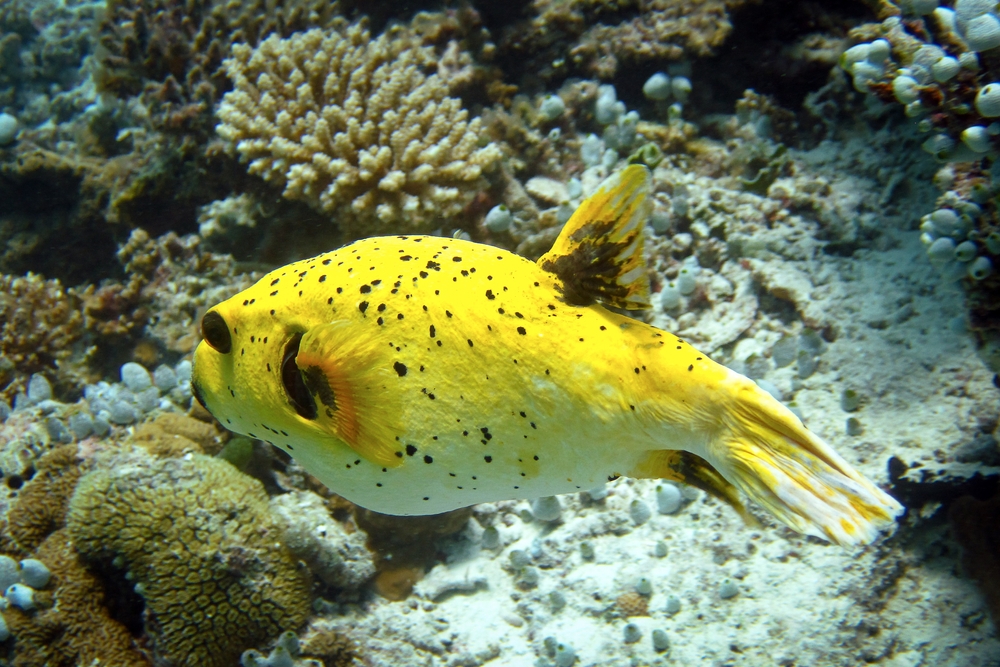
Pufferfish, which can be spotted at the Maldives Victory Shipwreck


Reef type: Wreck

Diving depth: 35 metres

Travel time from Hulhumalé: 20 minutes

Experience: Advanced and expert divers

Highlights: Corals, schools of trevallies, turtles, grouper, batfish, pufferfish, lionfish, soldierfish and hawkfish


How to get to Hulhumalé: Sinamalé Bridge links the islands of Malé, Hulhulé and Hulhumalé, and there’s a shuttle bus from the airport to Hulhumalé. There are also direct ferries that run between Malé and Hulhumalé. Unlike the congested capital, Hulhumalé has wide roads and generous pavements.

Hulhumalé is a dive destination suitable for all levels of divers and has plenty of marine life that you can catch sight of! If you are interested in embarking on a dive expedition in the Maldives, be sure to consider joining ADEX Maldives Retreat taking place on 18-23 October 2022! For more information, visit www.adex.asia/adex-back2blue-maldives-retreat/. To read up more about Maldives as a dive destination, do head over to shop.asiangeo.com/product/asian-diver-issue-04-2021-no-159/ to get a copy of Asian Diver No.159!

Maldives Dive Directory — Hulhumalé (Part 1)

0

Hulhumalé is the fourth-largest island in the Maldives, located on the northeast coast of North Malé Atoll, about 6.5 kilometres away from the Velana International Airport. The artificial island is home to the first smart city to focus on sustainability and of course, to address the social, economic, and environmental impact posed by rising sea levels. Check out the list of dive sites that await you at Hulhumalé below!


Banana Reef

This banana-shaped reef was one of the first sites discovered. Adorned with pristine Acropora coral and sea fans, Banana Reef has some of the best coral coverage in the Maldives. Marvel at the varied topography including overhangs, caves, and caverns, as you enjoy a drift dive on he gentle currents.

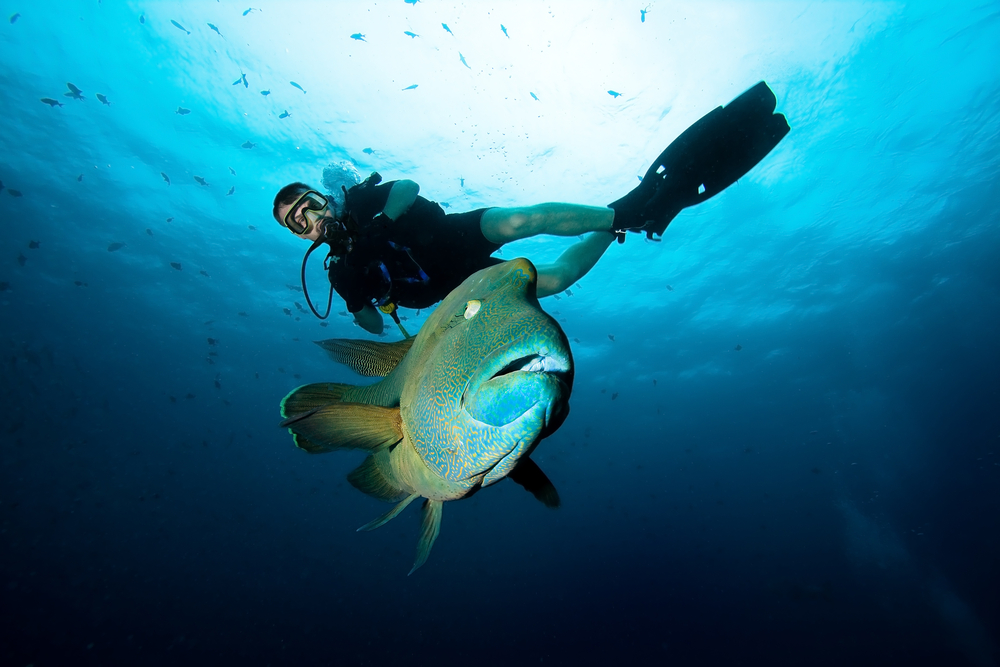
Napoleon wrasse, which can be spotted at Banana Reef


Reef type: Thila

Diving depth: 4 to 30 metres

Travel time from Hulhumalé: 15 minutes

Experience: All levels of diver

Highlights: Schooling reef fish, moray eels, Napoleon wrasses, jacks


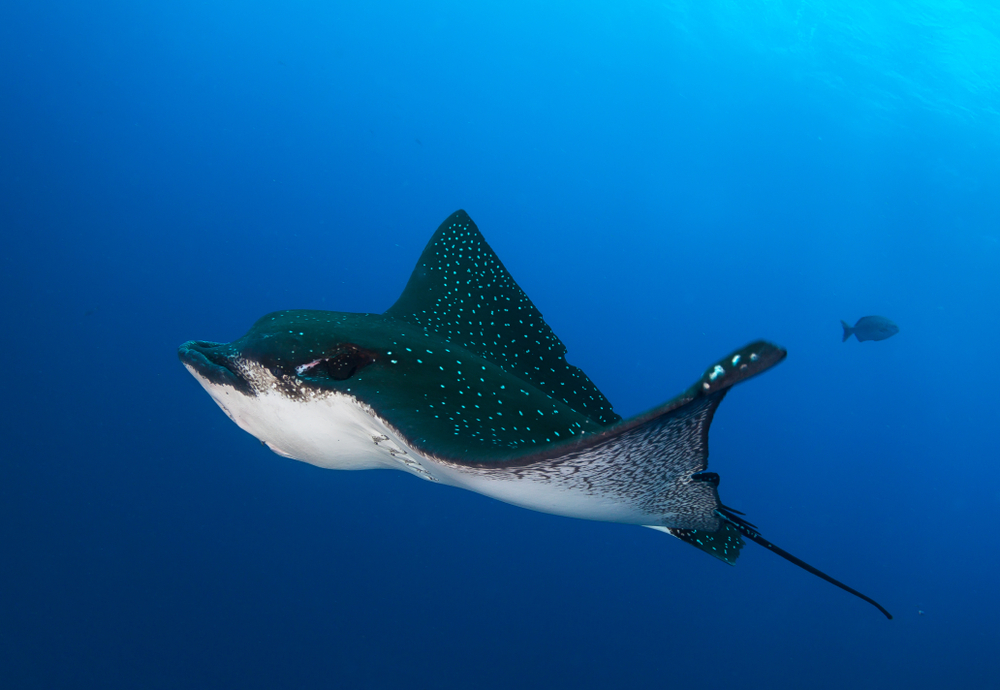
Eagle rays, which can be spotted at Furana North
Furana North

With a top at 10 metres and sloping down to the seabed at 25 metres, this “thila” is decked with hard corals and home to an abundance of red-tooth triggerfish, basslets, Napoleon wrasses, and honeycomb, giant, bearded and undulated moray eels.

Reef type: Thila

Diving depth: 5 to 30 metres

Travel time from Hulhumalé: 20 minutes

Experience: All levels of diver

Highlights: Eagle rays, sharks, tuna


Manta Point

Manta Point is one of the several cleaning stations where one can witness manta rays having parasites and dead skin removed by cleaner wrasses. Look out for schools of jacks, barracudas, oriental sweetlips, Napoleon wrasses, hawksbill turtles, morays, octopuses as well as whitetip reef sharks resting on the sandy bottom.

Manta Point, Maldives


Reef type: Outlying reef

Diving depth: 5 to 30 metres

Travel time from Hulhumalé: 35 minutes

Experience: All levels of diver

Highlights: Manta rays, sharks, tuna


Sunlight Thila
Lionfish, which can be spotted at Sunlight Thila

Created through the formation of two small reefs, Sunlight Thila is the place to go to watch manta rays swimming magnificently in the turquoise water — and enjoying a good grooming session from cleaner wrasses. Among the coral formations, expect to see schools of reef fish, triggerfish, and turtles. Macro photographers should keep an eye out for the small stuff as well.

Reef type: Thila

Diving depth: 4 to 20 metres

Travel time from Hulhumalé: 30 minutes

Experience: All levels of diver

Highlights: Manta rays, triggerfish, lionfish, turtles


How to get to Hulhumalé: Sinamalé Bridge links the islands of Malé, Hulhulé and Hulhumalé, and there’s a shuttle bus from the airport to Hulhumalé. There are also direct ferries that run between Malé and Hulhumalé. Unlike the congested capital, Hulhumalé has wide roads and generous pavements.

Hulhumalé is a dive destination suitable for all levels of divers and has plenty of marine life that you can catch sight of! If you are interested in embarking on a dive expedition in the Maldives, be sure to consider joining ADEX Maldives Retreat taking place on 18-23 October 2022! For more information, visit www.adex.asia/adex-back2blue-maldives-retreat/ ! To read up more about Maldives as a dive destination, do head over to shop.asiangeo.com/product/asian-diver-issue-04-2021-no-159/ to get a copy of Asian Diver No.159!

Check out Part 2 of this list of Hulhumalé dive sites here!

7 Stunning Dive Sites at Apo Reef

0
Beautiful coral formations at Apo Reef. PHOTO: GREG PIPER


Text by Roni Ben-Aharon

Apo Reef in the Philippines has over 20 declared dive sites, mostly located around Apo Island. Here are 7 of these beautiful underwater wonders to explore on a dive.


1. APO ISLAND EAST

A school of Heniochus butterfly fish. PHOTO: GREG PIPER

Dive in a cloud of butterflyfish while whitetip sharks circle around. The white sand slope is an easy dive with mild current, and an excellent place to spot turtles. Watch out for the school of teira batfish in the blue!


2. APO ISLAND NORTH

This site is a dramatic, deep wall with massive tube corals. Spot the shy lobsters hiding amidst the rocks, swim alongside curious hawksbill turtles, and observe schools of yellow sweetlips cruising around. Between December and March, hammerhead sharks have been sighted by the deep wall. The edge of the wall is also a great spot to meet grey reef sharks.


3. SHARK RIDGE

An outer reef dive spot on the northeast side of Apo Reef, Shark Ridge is a plateau flattened by the strong open ocean currents, with small caves and rocky hideaways lining the ridge. Groupers, moray eels and sharks can be spotted here. The plateau drops into a dramatic wall carpeted with massive gorgonian fans, where sweetlips and schools of tuna can be sighted.


4. BINANGAAN DROP-OFF

Look out for schools of snappers and tuna, and a couple of spotted eagle rays gliding in the blue while they smile under their beak-like nose.


5. CORDE POINT

On the shallow, sandy bottom of Corde Point, hard corals abound. An afternoon dive is recommended, for the midday sun penetrates the clear water and paints everything in an orange glow. Hundreds of orange anthias and yellow pyramid butterflyfish swarm this coral garden.


6. APO WRECK

Wreck lovers should definitely pay a visit to Apo Wreck, an unidentified ship that is crusted with hard corals. Swarms of reef fish such as trumpetfish and snappers reside here.


7. APO 29

For experienced divers who love currents, this exciting blue water dive features an underwater mound that sits at about 25 metres below the surface. Do note that the currents can be unpredictable and at times relatively strong.


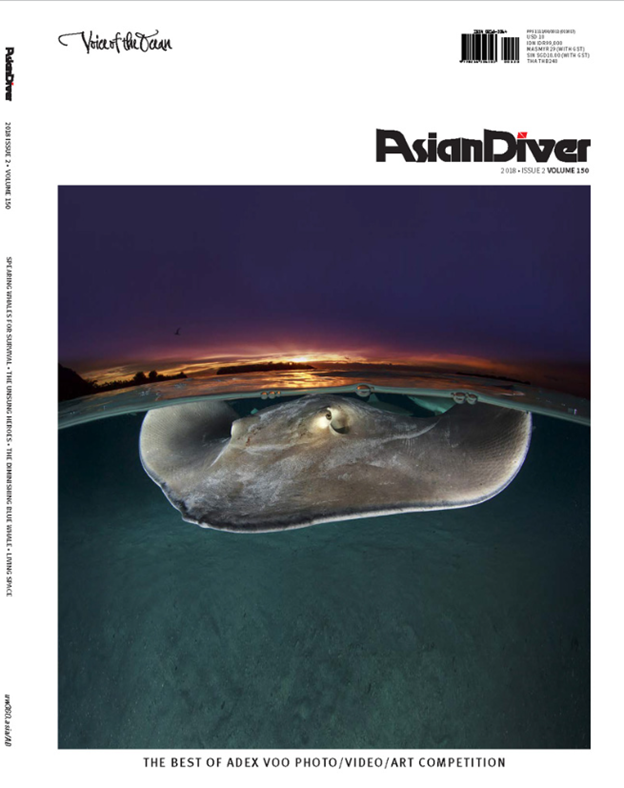
To read more intriguing stories related to marine life and environments around the world, get your copy of Asian Diver Issue 2 / 2018 here.

For more insightful features and stories like this, subscribe to Asian Diver here.
Maldives Dive Directory — Malé Atoll (North and South)

0

The Maldives is an archipelagic nation located in the Indian Ocean that stretches across the equator from Ihavandhippolhu Atoll in the north to Addu Atoll in the south. The island country has 26 paradisiacal atolls that promise dreamy white sand beaches, while its nutrient-rich waters are home to about three percent of the planet’s coral reefs. Join us as we bring you through different dive destinations around Maldives and be fascinated by the marine life and diving experiences that the dive spots have to offer!

North Malé Atoll, Maldives

Why not consider Malé Atoll as your next dive destination? With a quarter of a million people living on a little over eight square kilometres, Malé is the beating heart of the Maldives, but it doesn’t take long before you leave the hustle and bustle of the capital to discover the beauty of this unique archipelagic country, both above and below the waves. Some of the republic’s best diving is right here in the two separate atolls — north and south — that make up Malé Atoll.


North Malé Atoll

With the capital city located at its southern edge, North Malé Atoll (also known as Kaafu Atoll) is one of the most popular among visitors and divers alike, as the resorts are within easy reach and the diving is still among the best the Maldives has to offer. The highlight is Manta Point, a prime spot for encounters with large numbers of manta rays, as well as schools of barracuda, turtles, and Napoleon wrasses. North Malé Atoll is also the home of Girifushi Thila, or Rainbow Reef, which is a contender for “soft coral capital of the world” due to its dazzling display of decorative corals.

Manta rays spotted at Manta Point

For advanced and technical divers, another famous dive site is the wreck of the Maldives Victory, which hit a reef and sank in 1981. The nutrient-rich currents have transformed this 83-metre-long vessel into a bustling artificial reef, complete with gorgonians, hard corals, turtles, groupers, batfish, and schools of trevallies. Sitting upright on the seabed at 35 metres, this iconic wreck should only be explored by experienced divers that know how to tackle the currents.


South Malé Atoll 

Divers exploring a small cave near Guraidhoo Corner at South Malé Atoll

South Malé Atoll is the quieter half of Malé Atoll. Although it doesn’t offer quite the same marine diversity as the northern atoll, the southern atoll makes its claim for dramatic topography and large pelagics. Diving in South Malé Atoll can be equally exciting and challenging, with deep channels and rapidly changing conditions. Guraidhoo Corner is one dive site that does boast an immense variety of marine life, including schools of reef fish, Napoleon wrasses and both grey and whitetip reef sharks cruising the washing machine-like currents.

Another worthy mention is Cocoa Thila, a 400-metre pinnacle that attracts fusiliers, tuna, sweetlips, red snappers, trevallies, eagle rays, and reef sharks.

Fusiliers, which can be spotted at Cocoa Thila, South Malé Atoll

To the north, Vaadhoo Caves provide shelter from the strong currents and a chance to explore the more unusual species found in the semi-dark. Unicornfish, soldierfish, and the occasional turtle linger in the calm waters, while reef sharks and tuna can also be spotted. There’s something for everyone here, although most of the sites cater to intermediate and advanced divers.

How to get to Malé Atoll: From Velena International Airport, transfer to your resort by seaplane or speedboat. Local ferries are also an option but take much longer.


Malé Atoll is a dive destination suitable for all levels of divers! If you are interested in embarking on a dive expedition in the Maldives, be sure to consider joining ADEX Maldives Retreat taking place on 18-23 October 2022! For more information, visit www.adex.asia/adex-back2blue-maldives-retreat/. To read up more about Maldives as a dive destination, do head over to shop.asiangeo.com/product/asian-diver-issue-04-2021-no-159/ to get a copy of Asian Diver No.159!