Home Blog Page 15

5 Top Spots for Island hopping, Snorkelling and Diving around Phuket, Thailand

0
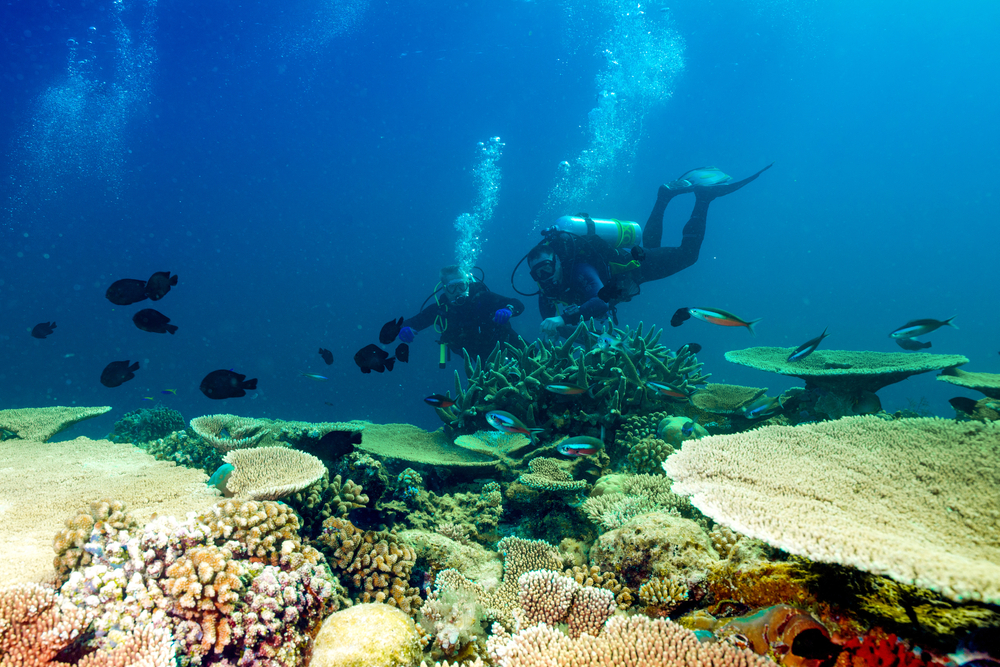
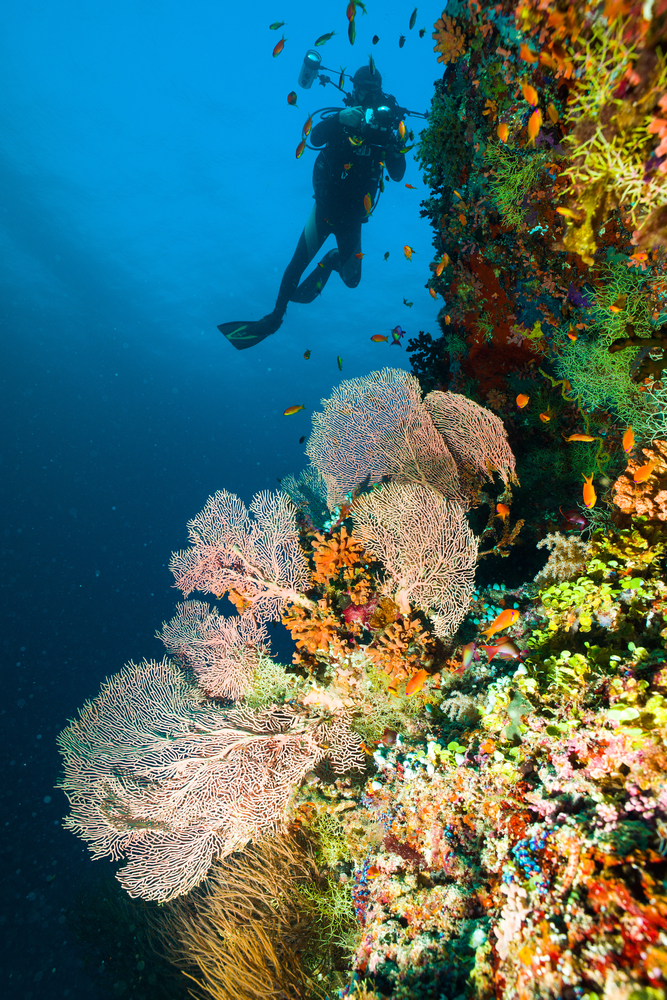
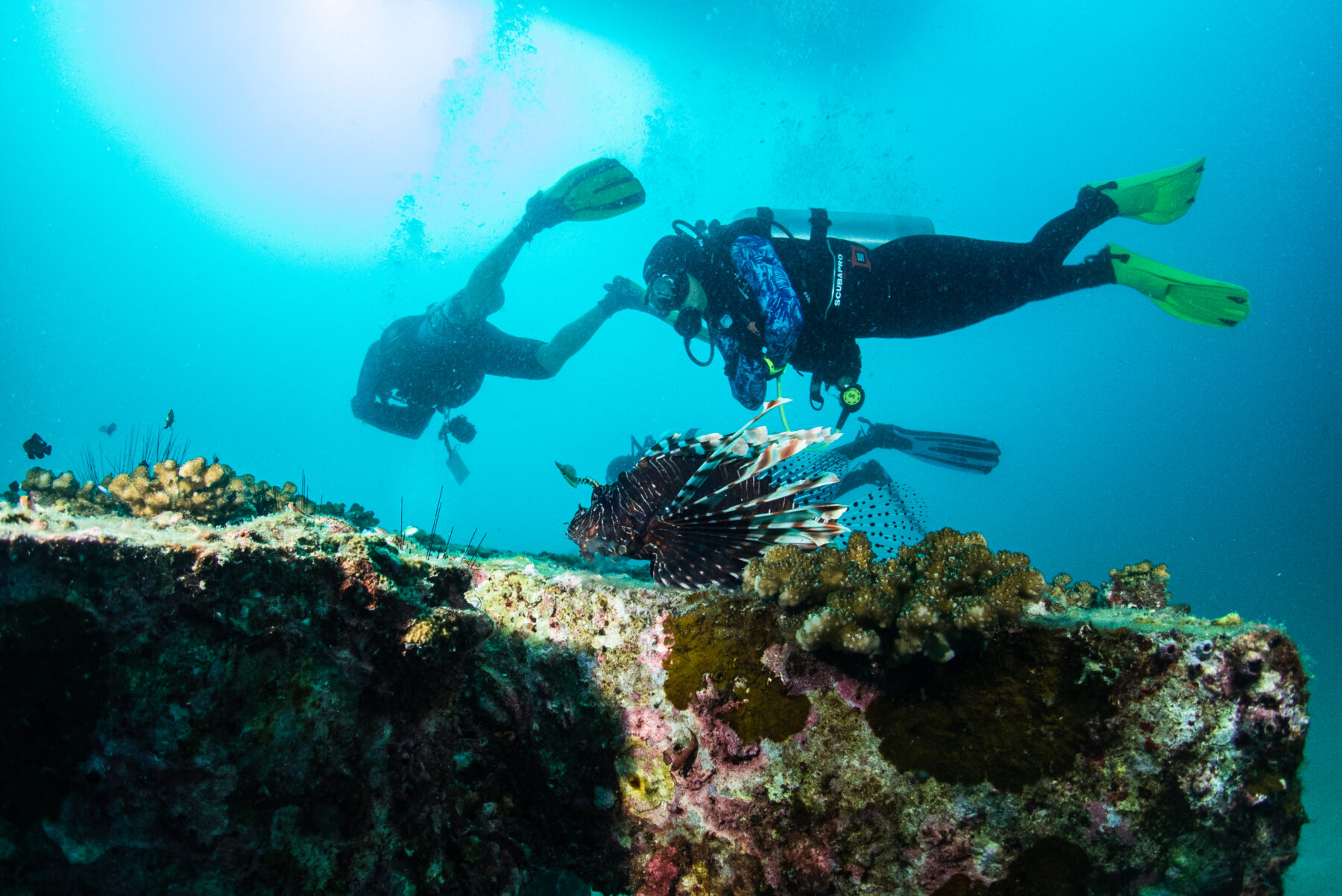
Divers amongst Lion fish at a coral reef off Racha Island

Phuket is the perfect place to get your diving qualification. The water conditions here are impeccable. PADI offer a freediving open water course at basic, silver and gold levels. Their packages include trips around the Racha islands which are known for pristine visibility underwater and soft silky white sandy bottoms with a series for both hard and soft corals. The island hopping and free diving or recreational diving experience with the outcome of becoming a certified diver is an appealing prospect in such a beautiful location.


Top 5 spots to island-hop, snorkel and dive around Phuket, Thailand 

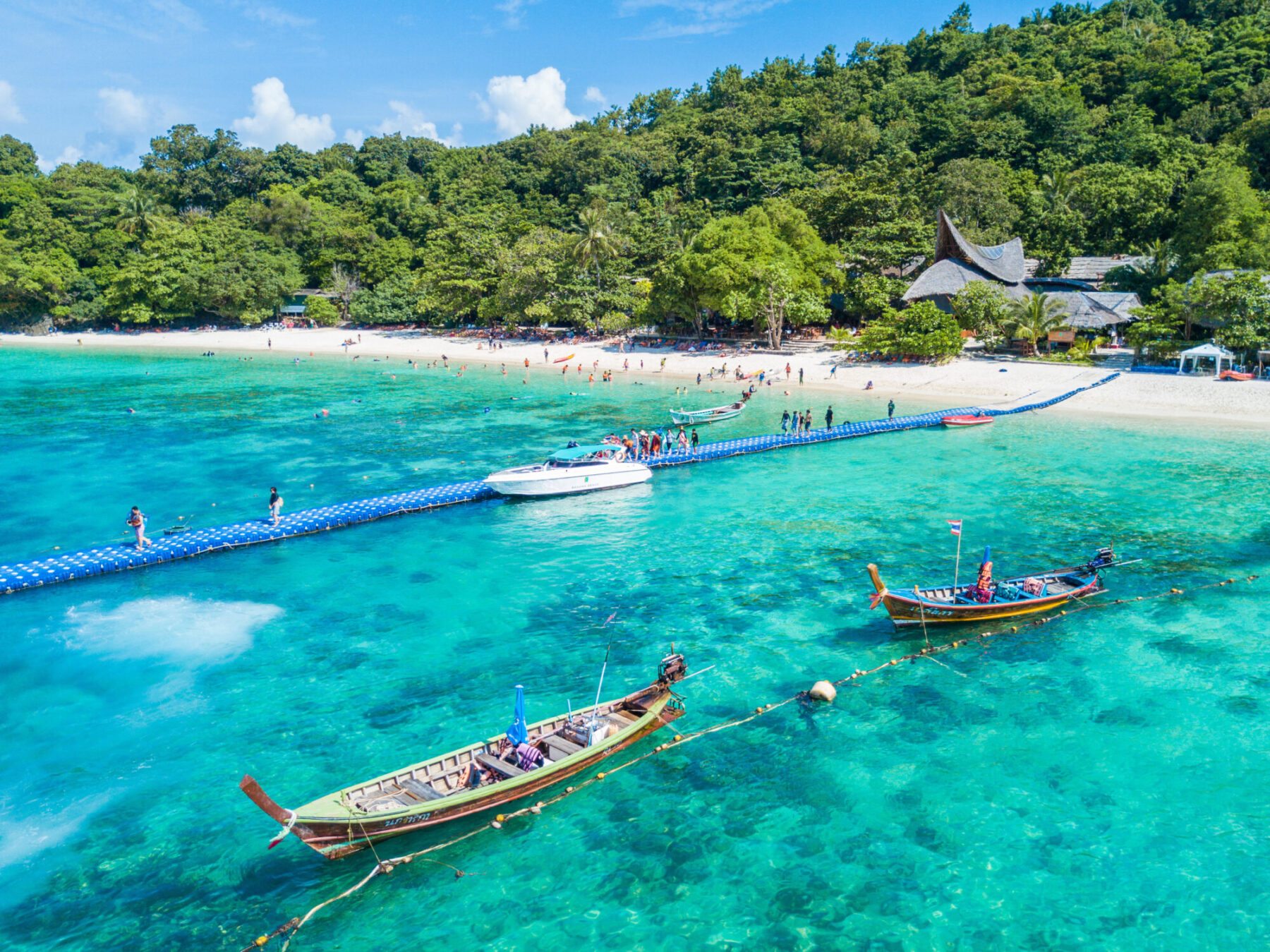
1. Coral Island 

Coral Island, also referred to as Koh Hey, is an idyllic little island just under 20 minutes from South Phuket if you take a boat from Rawai Beach. The two most popular beaches, Banana Beach and Long Beach, are home to sweeping long bays with soft light sands and both offer much relaxation. The atmosphere is busier in high season and around midday but is a fun and family-friendly attraction by day and a tranquil escape by nighttime. The waters are shallow by the beaches so are perfect for snorkelling and scuba diver beginners. There are also plenty of water sports to try here!
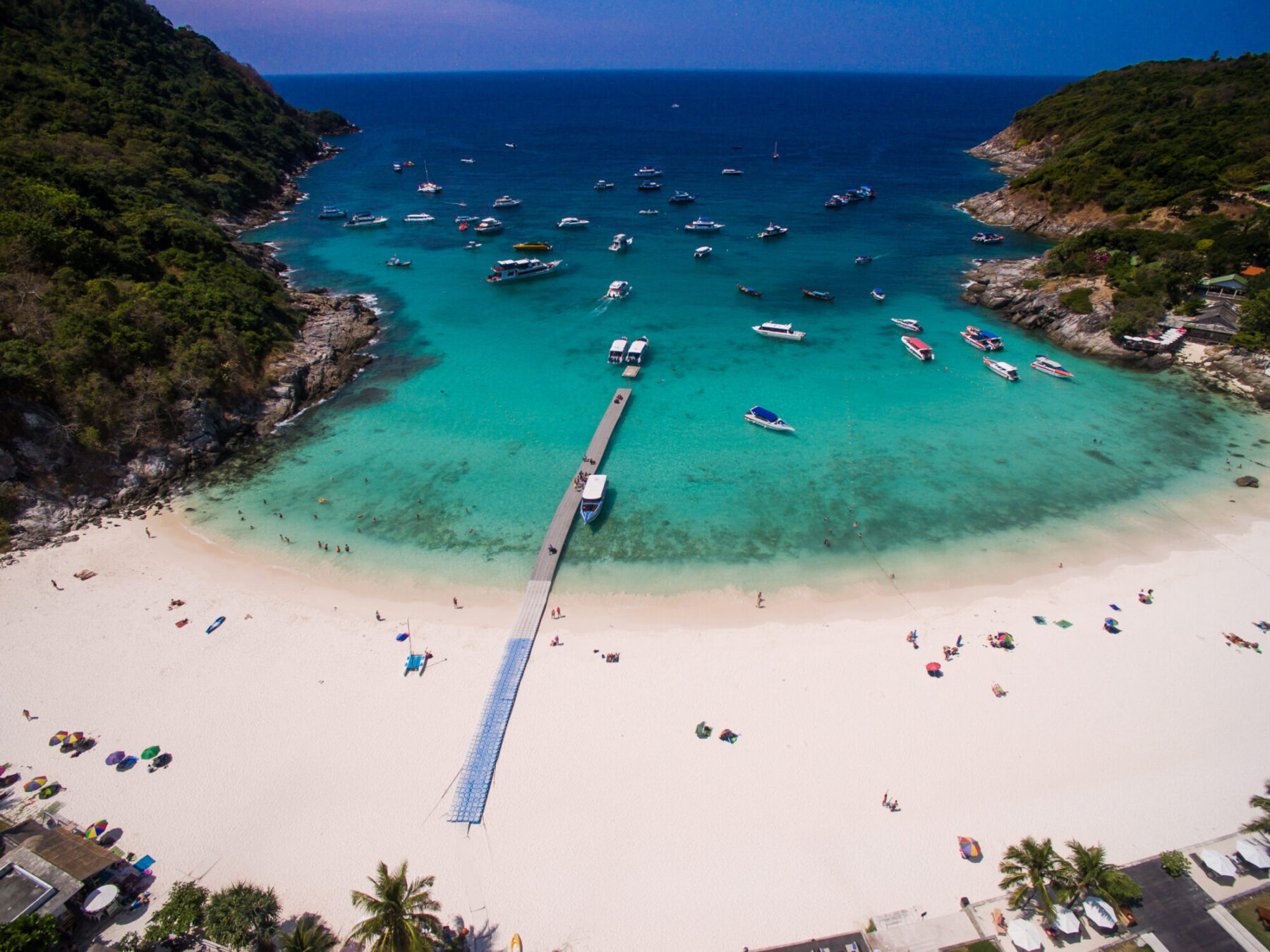
2. Racha Islands

The Racha Islands are located just 20 kilometres south of Phuket and consist of twin islands Racha Noi and Racha Yai. These two serene islands were once a kept secret but now have risen to fame. Nearby, Koh Phi Phi, thanks to the film “The Beach” which bolstered its popularity, was closed down due to over-tourism. In contrast, the Racha Islands remain pristine and idyllic. Crystal clear waters catch the rays of the sun and here you’ll find the best snorkelling and scuba diving conditions with vibrant coral reefs and schools of colourful fish. It’s one for the family to make a splash in, friends to explore or a romantic escape.
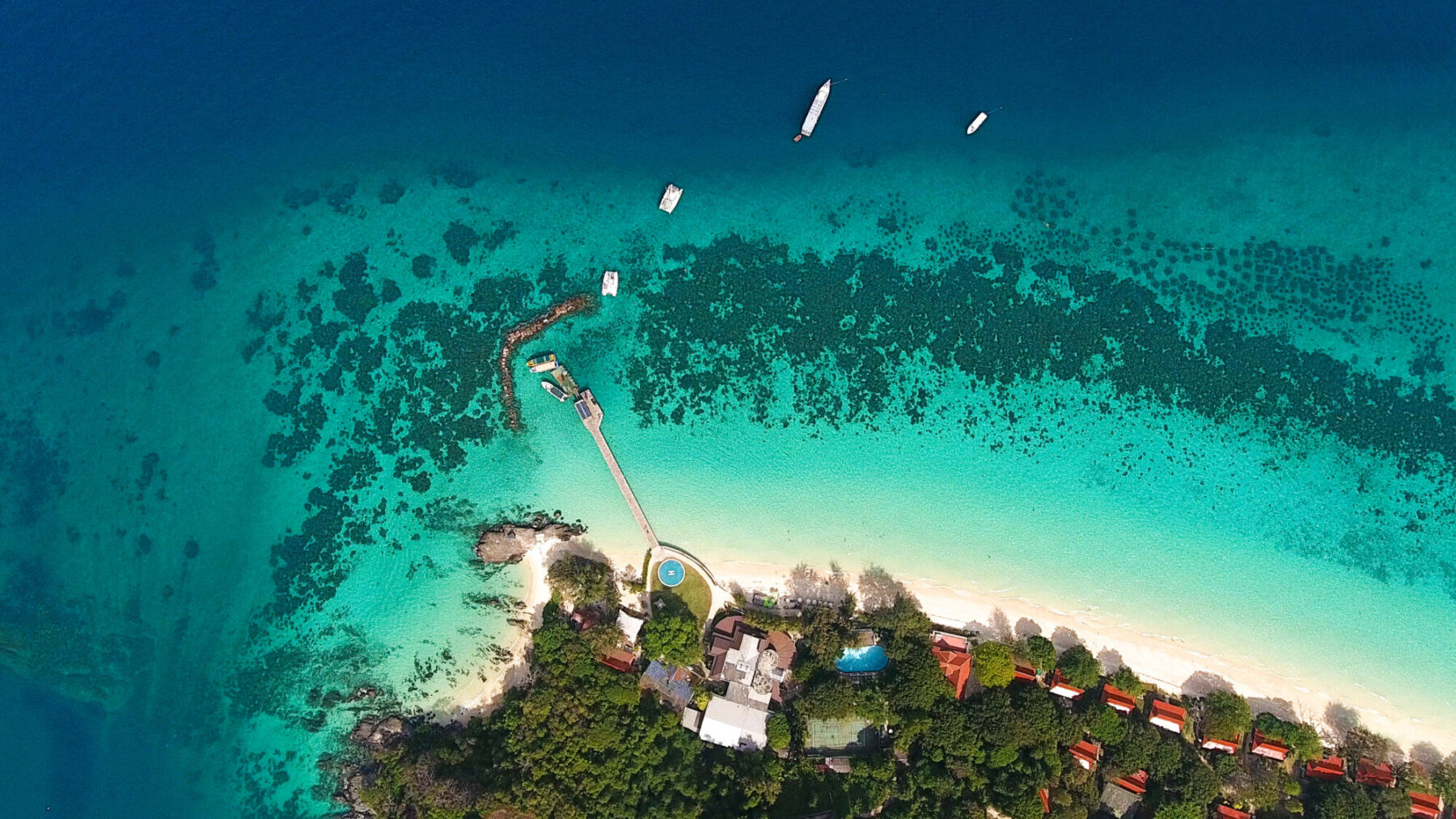
3. Maiton Island

Maiton Private Island is just off the east coast of Phuket and spans 2.5 kilometres with long, sweeping gold sands dotted with tall palm trees. The beach is privately owned so tours and boat hires are the best way to access the shores here. It is unspoilt by the masses and so is the quietest and most peaceful place to visit. A swim or picnic lunch here on a boat trip would be a real treat to indulge in!
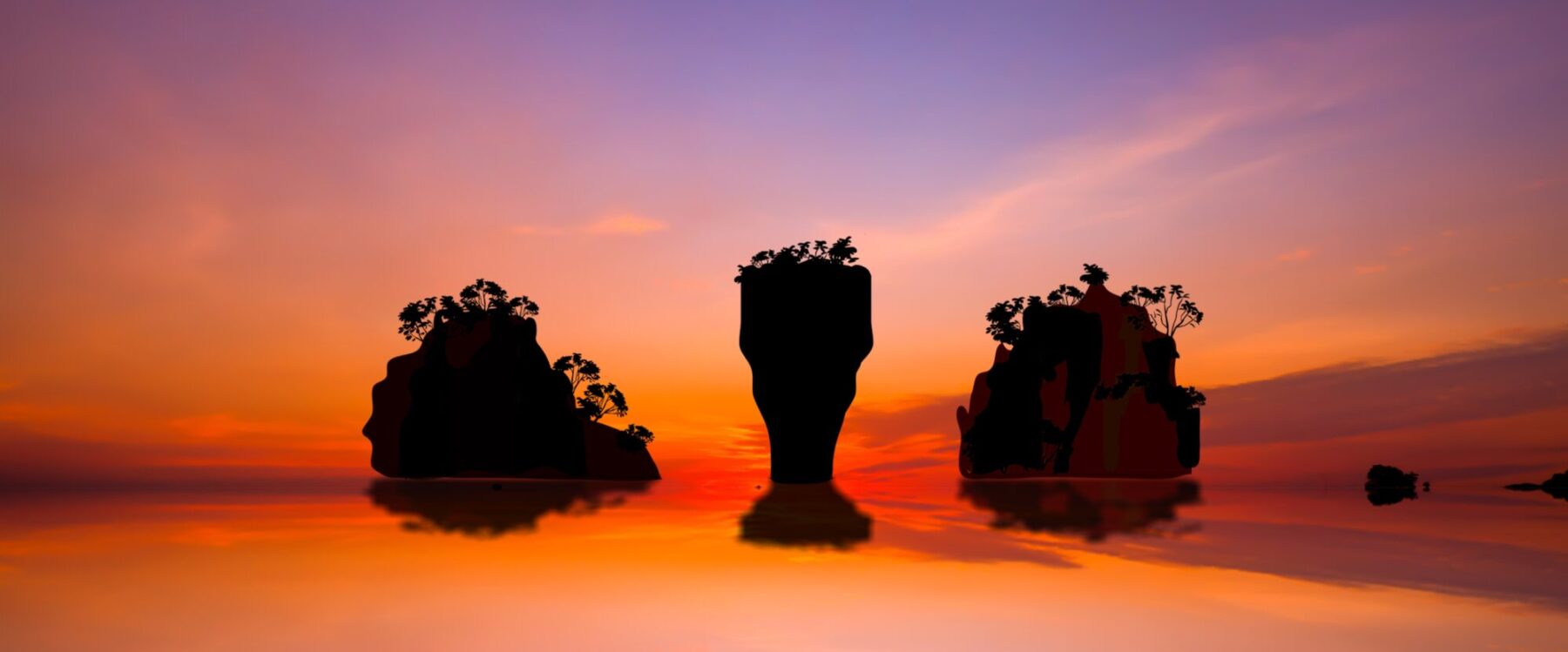
4. James Bond Island Luxury Sunset Cruise

Several different cruise companies sail to James Bond Island, a famous landmark in Phang Nga Bay an hour away from Phuket, and most do it in style! From bottomless drinks to buffet meals, from catamarans to yachts,  James Bond Island, Lawa Island, and others neighbouring these islands are stunning sites and perfect snorkelling spots. James Bond Island’s international fame and place on the tourist map was paved by its starring role in the James Bond movie, “The Man with the Golden Gun”. The striking sheer number of sharply cut limestone cliffs and the dazzling bright emerald-green water deservedly catches anyone’s attention. Sunset remains the ultimate time to experience this exciting outing and to feel like you’re on a movie-style mission yourself, but certainly with less exhilaration and much more relaxation in the luxury conditions.
5. Phi Phi Islands and Maya Bay Tour

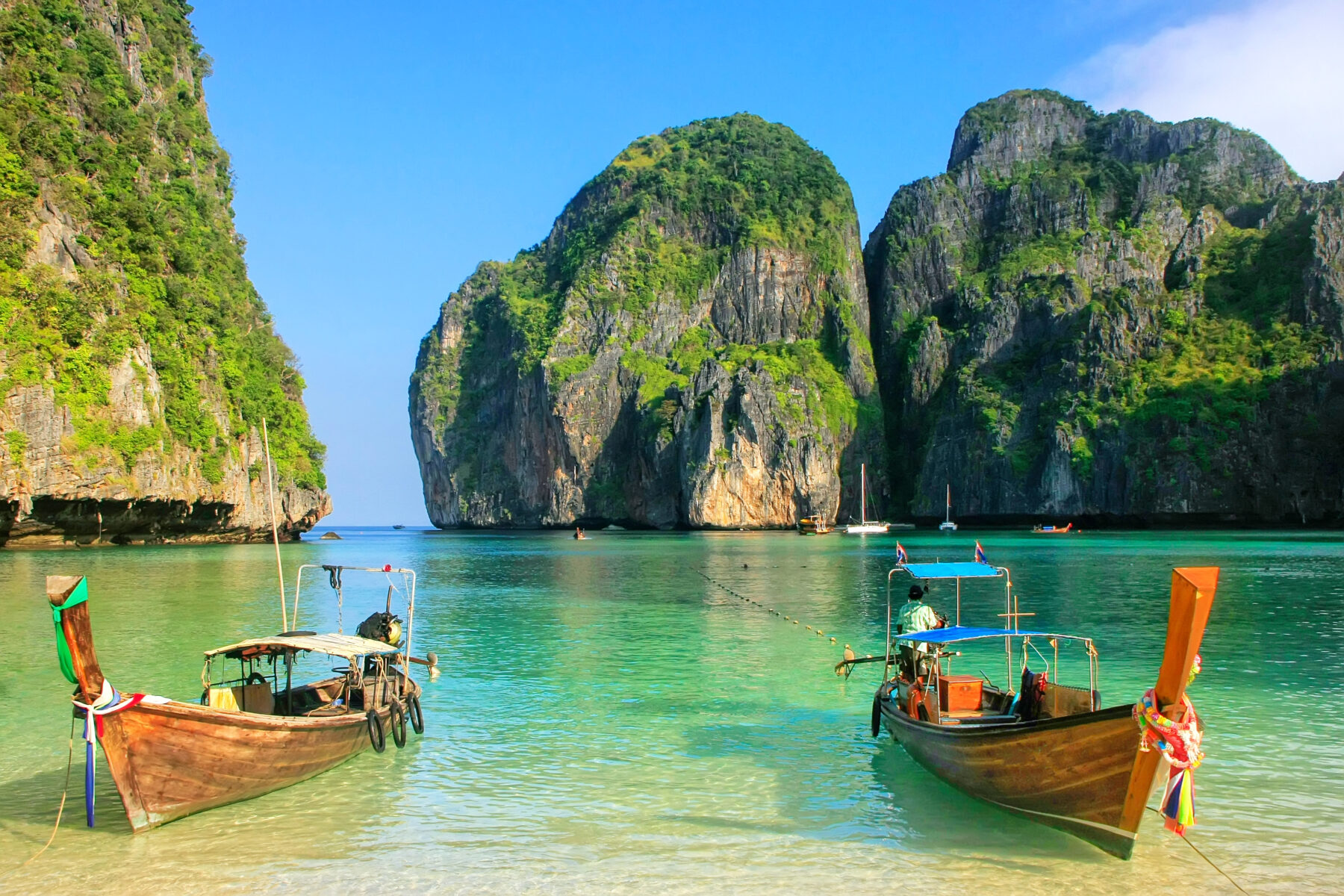
Maya Bay, situated in the heart of Thailand’s Phi Phi Islands, off the coasts of both Krabi and Phuket, is known for its silky soft white-sand beach and jaw-dropping limestone cliffs surrounding it. The crystal clear waters are abundant with schools of tropical fish and so it is a dream for snorkelling. Venturing inland to see the lush greenery and stunning scenery from within has been indefinitely closed as tourism grew but the boat tour trips allow the site to at least to be seen and admired from the water. It is advised to go in a long boat for an authentic approach and to go early in the morning to beat the crowds of boat traffic and make the most of the water. Often, the tours will organise all the transport onshore too from Phuket, with bus services and private taxis to take you anywhere you need to be! Hassle-free and very much affordable, this is a tour of islands and an unforgettable underwater experience!
All Images Sourced from Shutterstock

Diving for 50 hours: What It Feels Like

0
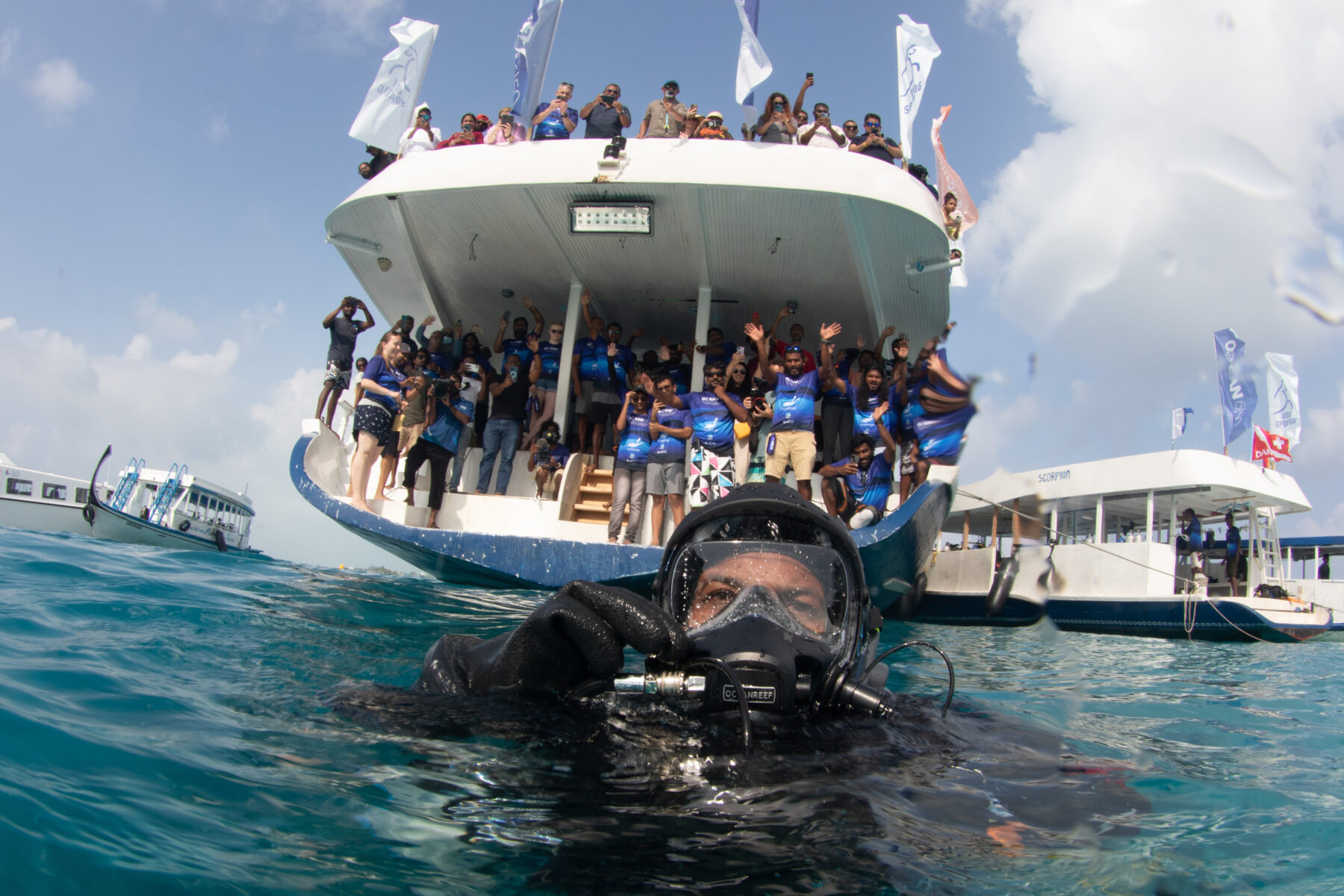
Naeem having just completed his dive

Text by Shaff Naeem

Images by Saeed Rashid

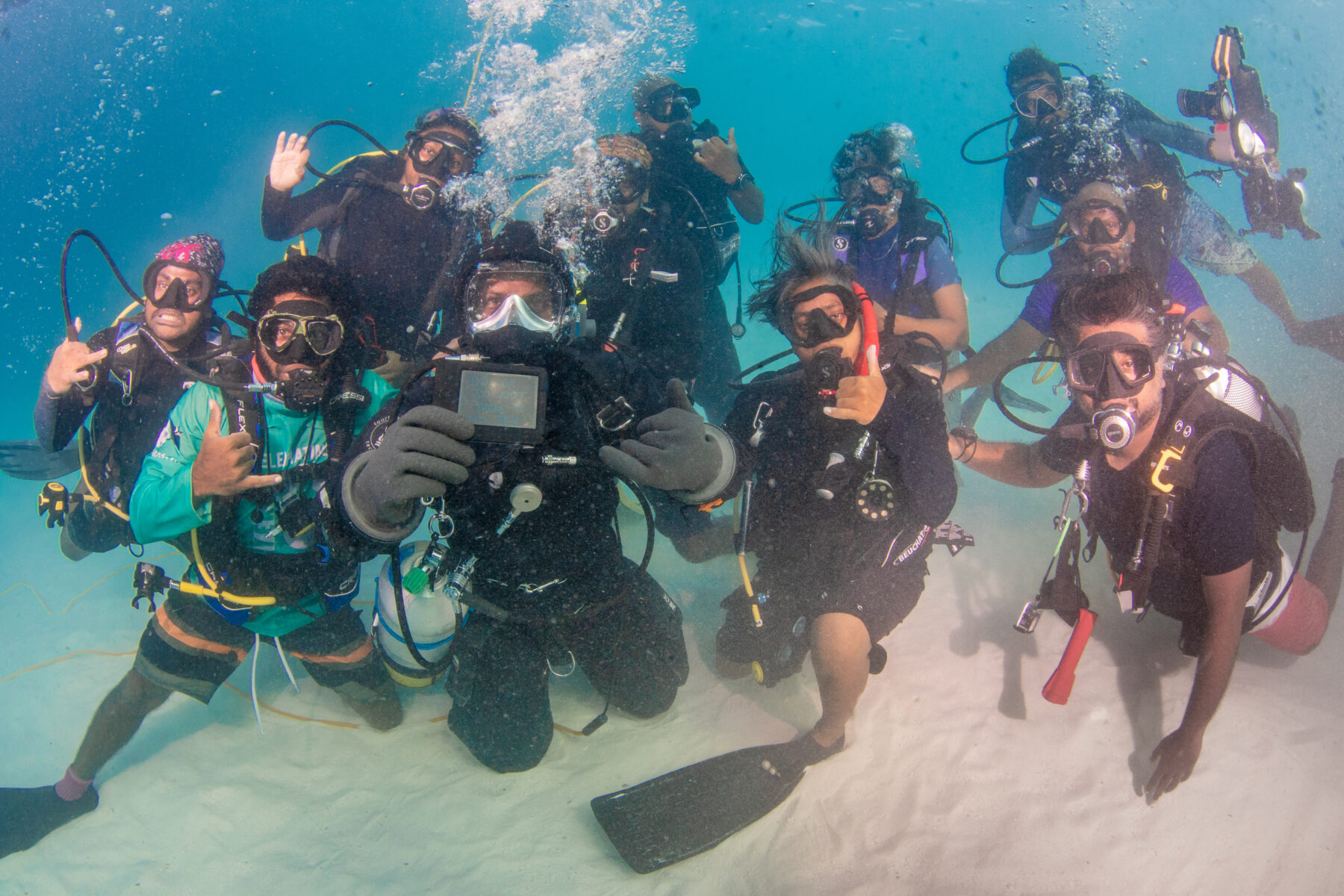
It all started in 2016 after I did a dive event called Dive48, where I had a team of divers diving every hour in the same location for 48 hours. After that event, I planned to do a 24-hour dive just by myself but I couldn’t get the support I needed and it was delayed. Then last year, the Minister of Tourism of Maldives announced that 2022 was the 50th Anniversary of Tourism in the Maldives. That got me thinking: Why not do a 50-hour dive?

It took a lot of planning, logistics, and a good team to pull this dive of. Plus, I had a great team of divers and an event management team supporting me.

I was really nervous on the day of the dive. A lot of things were going through my head – a lot of “what ifs”. But one thing that I worried the most about was if Ben Reymenants would be able to make it on time, as he was the one who handled the gas management plan and emergency plans. I was relieved when I got the news that Ben was on the way to the location and he made it almost one hour before jump time!

Shaff and his crew moments before he took the plunge!

I descended at 3:30pm and already started facing problems. My buoyancy was not ideal and I had some issues with my full face mask. But that was sorted out underwater in under 20 minutes by my team.

Around 10:30pm, negative thoughts took over my mind. “What the hell am I doing?” “I can just stop this crazy dive, go up, and say it’s over.” With these thoughts running through my mind, it was difficult to switch to a positive mindset but I did – I got it under control and pressed on. I didn’t want to let down my team and all the people who had worked hard for me to achieve this dive.

On the morning of the second day, another problem arose. The hood had cut into my neck and it was excruciating. To make things worse, the neck seal of the drysuit started leaking. Water was seeping in slowly and by around 9:30am, all my thermal undergarments were wet. I didn’t feel cold until an hour before it was time to ascend. I got my mind of the cold somehow. I had two members of my team always with me and I had my two sons join me for a while as well underwater.

After two days underwater, it was time to go up to the surface. I was very emotional when I ascended to the surface, surrounded by my hardworking team.

Shaff’s team was instrumental in allowing him to accomplish the 50-hour dive

Seeing all the people waving and supporting me when I popped my head out of the water was unbelievable. I will never forget that feeling. The best feeling of them all was when my wife and two sons were hugging me when I walked onto the support vessel.

I couldn’t have accomplished the 50-hour dive without the help and support of my team. If I do another crazy dive like this, I will definitely call on the same team. SDAA


Biography:

Shaff Naeem is an ex-military dive instructor with more than 25 years of experience in the diving industry, now based in the Maldives. He has trained hundreds of divers and instructors and also divers from the Maldivian Coast Guard, Special Forces, and Marines. Shaff has explored different deep cave systems and reefs in the Maldives and instrumental in is a published underwater photographer.


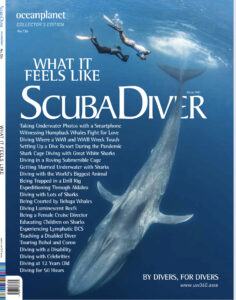
To read more inspiring stories with unique encounters divers have had, pick up your copy of ‘What it Feels Like’ Scuba Diver issue No.124/2022 here

From underwater marriages to being courted by belugas, there are some beautiful and entertaining pieces you won’t want to miss!


Maldives Dive Directory — Ari Atoll (North and South)

0

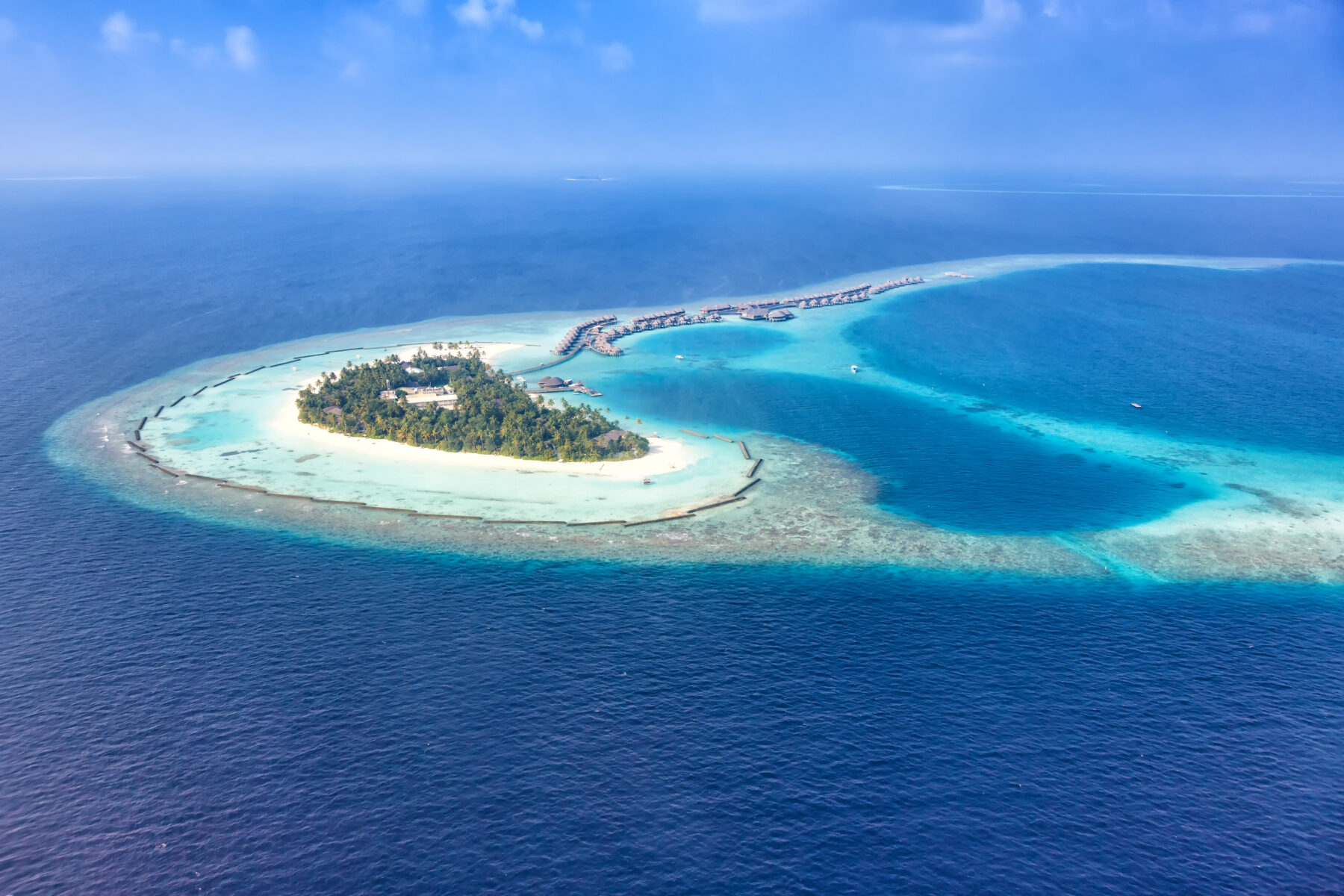
The Maldives is an archipelagic nation located in the Indian Ocean that stretches across the equator from Ihavandhippolhu Atoll in the north to Addu Atoll in the south. The island country has 26 paradisiacal atolls that promise dreamy white sand beaches, while its nutrient-rich waters are home to about three percent of the planet’s coral reefs.

Join us as we bring you through different dive destinations around Maldives and be fascinated by the marine life and diving experiences that the dive spots have to offer!

In this article, let us introduce Ari Atoll as an ideal dive destination for all! Located to the west of Malé, Ari Atoll is famous for its superb diving and pelagic experiences. The nutrient-rich water that flows out to the open sea through large channels between the North and South Ari Atolls attracts magnificent marine species such as mantas and whale sharks.

Ari Atoll, Maldives


North Ari Atoll

Esteemed as a must-go for pelagic lovers and as one of the world’s best place to dive, the bustling Maaya Thila offers plenty to see and photograph, from nudibranchs, frogfishes and octopuses to schools of hungry trevally, patrolling grey and whitetip reef sharks, squadrons of eagle rays, and even elusive hammerhead sharks cruising through the blue.

Mushimas Migili Thila, also known as Fish Head, is another highlight of Ari Atoll. The 80-metre-wide square-shaped reef is interspersed with overhangs, ledges and caves filled with coral bushes and impressive sea fans. Look out for sharks, schools of fusiliers and giant trevally, and Napoleon wrasses.

In the shallow, protected waters of Fasdhoo Lagoon, you’ll find a small population of manta rays that congregate beneath the lights of liveaboards at night. Hover above the sand as the mantas swoop and barrel-roll and if you’re really lucky, you might witness the mantas performing their amazing cyclone feeding behaviour.


South Ari Atoll 

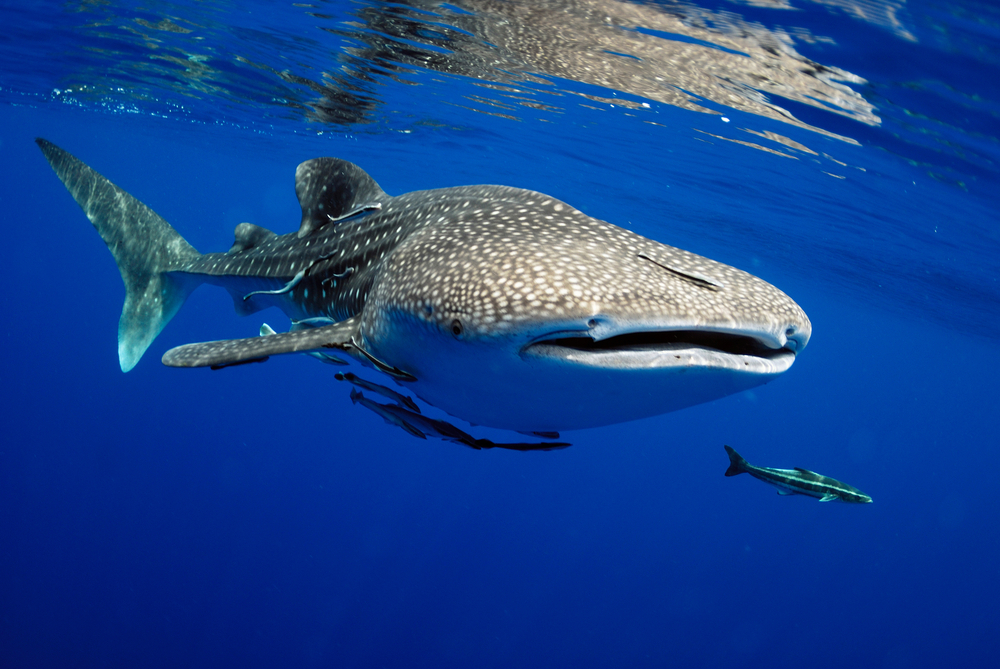
Whale sharks, which can be spotted at South Ari Atoll

If you want to see the ocean’s biggest fish, South Ari Atoll’s Maamigili Reef is one of the world’s few places where whale shark encounters are possible almost any day of the year. They tend to head to the west side during the northeast monsoon (December to April) and then move over to the east during the southwest monsoon (May to November), but wherever they are, you’ll be mesmerised by these gentle giants as they cruise and feed along the reef.

Macro enthusiasts are encouraged to explore the Machchafushi Wreck, otherwise known as the Kudhimaa shipwreck, which was intentionally sunk in 1998.

How to get to Ari Atoll: From Velana International Airport, take either a 30-minute seaplane flight or an hour’s speedboat ride to North Ari Atoll. The local ferry service is another option but it takes around six hours.


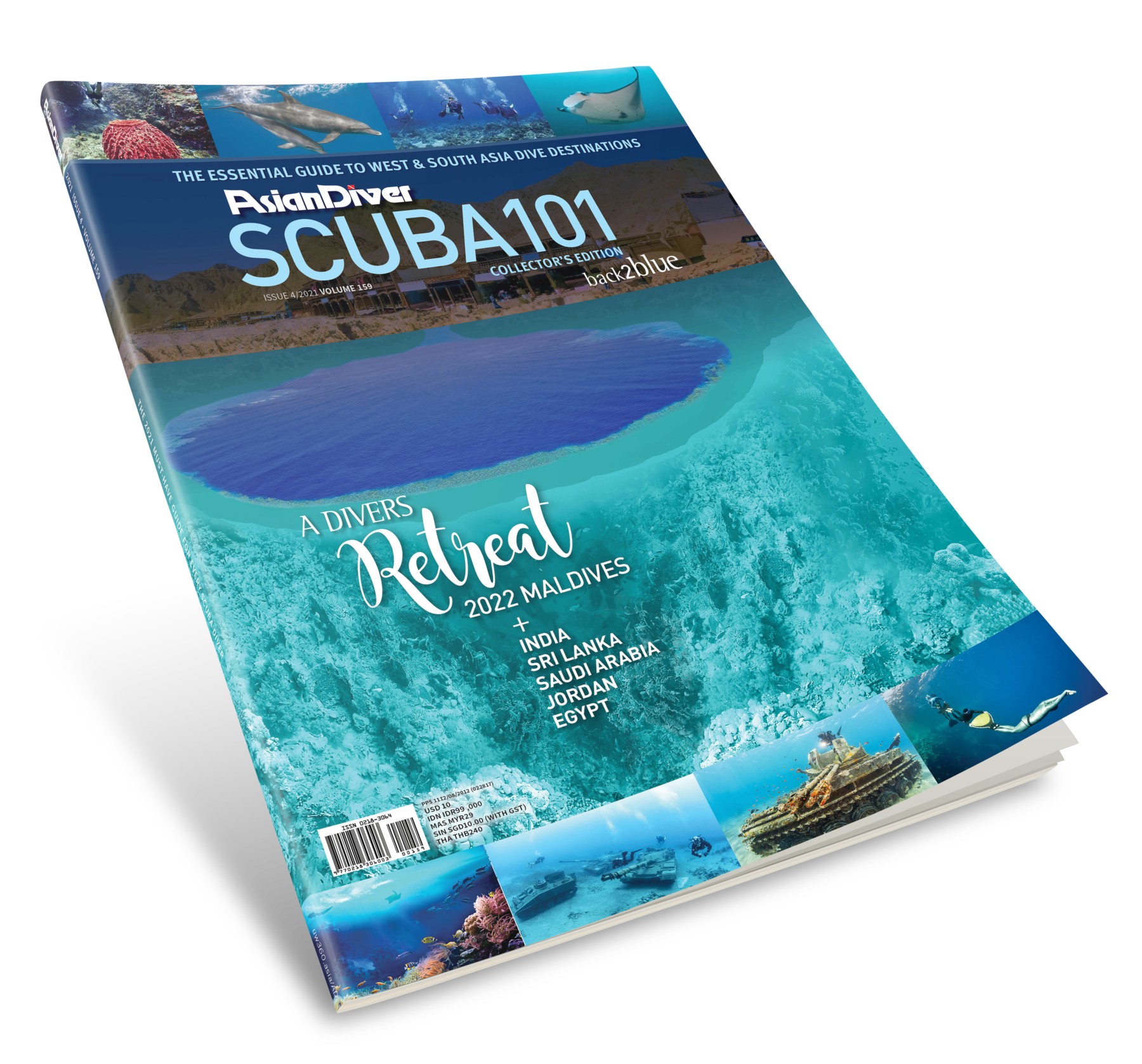
With a wide diversity of marine life and scenic beaches at Ari Atoll, your diving experience at the Maldives is certainly going to be a fun-filled and satisfying one! If you are interested in embarking on a dive expedition in the Maldives, be sure to consider joining ADEX Maldives Retreat taking place on 18-23 October 2022! For more information, visit www.adex.asia/adex-back2blue-maldives-retreat/! To read up more about Maldives as a dive destination, do head over to shop.asiangeo.com/product/asian-diver-issue-04-2021-no-159/ to get a copy of Asian Diver No.159!

5 Underwater Wonderlands of the Asia-Pacific

0

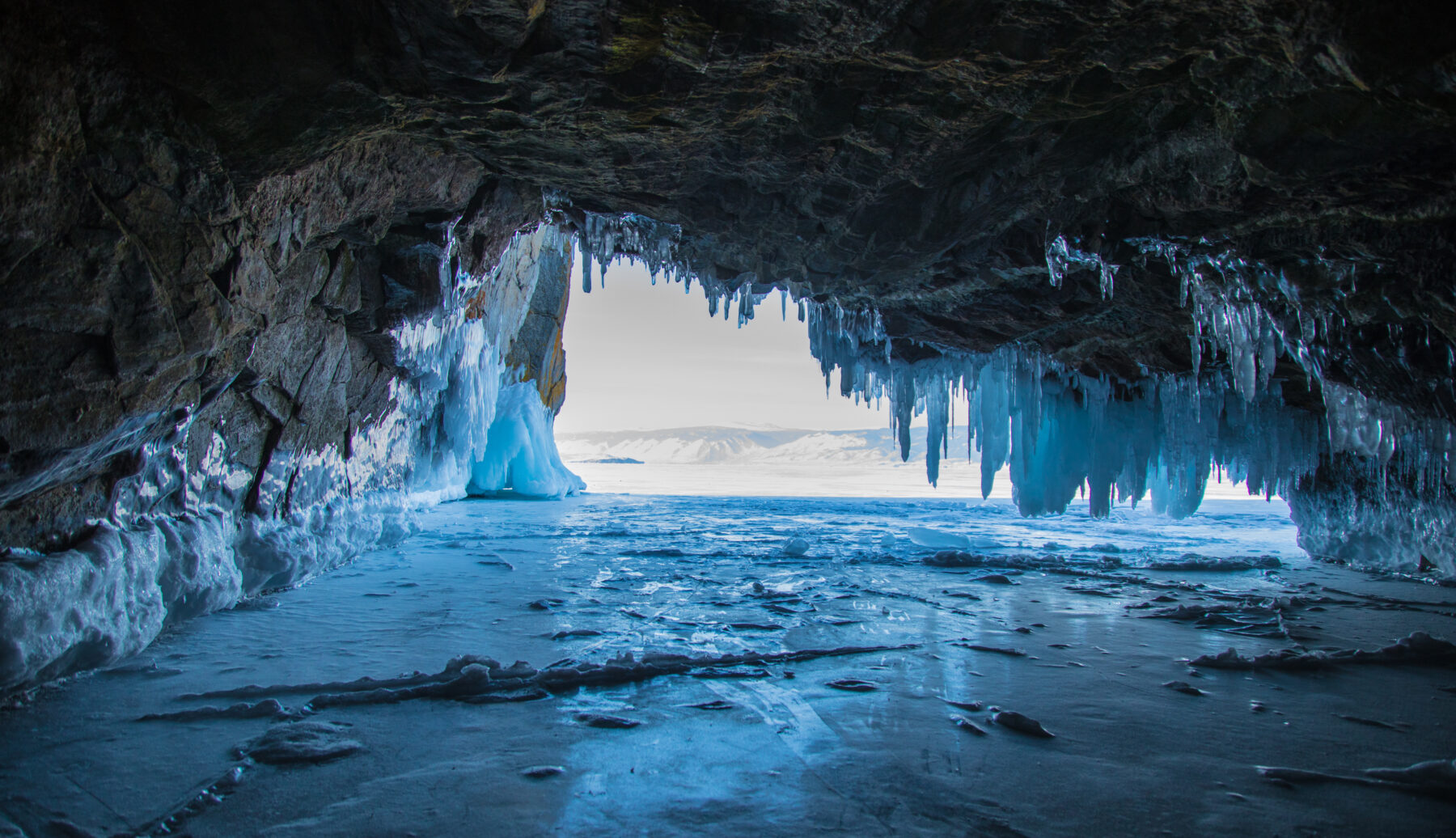
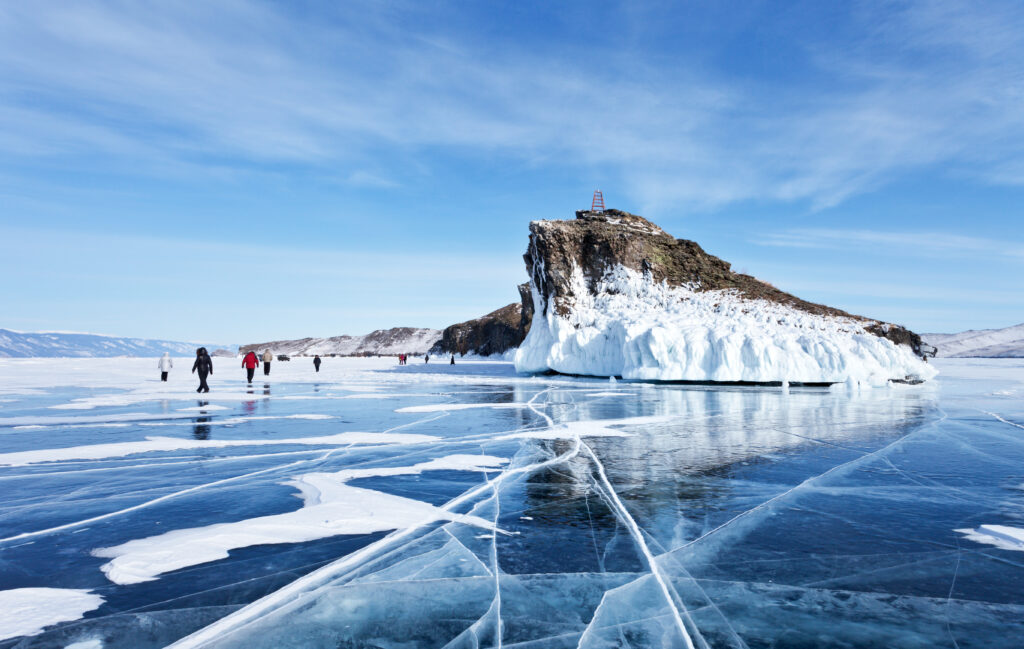
An ice cave in Lake Baikal – a surprising dive site in the Asia-Pacific region


Text by various contributors
Images from Shutterstock


Slipping beneath the surface of the ocean is to enter another world without leaving this one. Some dive sites, however, are so breath-takingly otherwordly, with topography so strange and wonderful that they can make us feel as if we have drifted into a fairy tale. 

Here is just a small selection of these kinds of whimsical underwater wonderlands in Asia and the Pacific. 


1. LAKE BAIKAL


Location: Irkutsk, Russia

A place like nowhere else on Earth, Lake Baikal is the world’s oldest and deepest lake. In places, the seascape is dominated by vibrant green sponges thriving on the rocky substrate. Alien-like amphipods live among these moss-green filter-feeders. The water is cold and clear and looking up at the ice above you will be forgiven for thinking you’ve entered another dimension…


2. CLAUDIO REEF


Location: Red Sea, Egypt

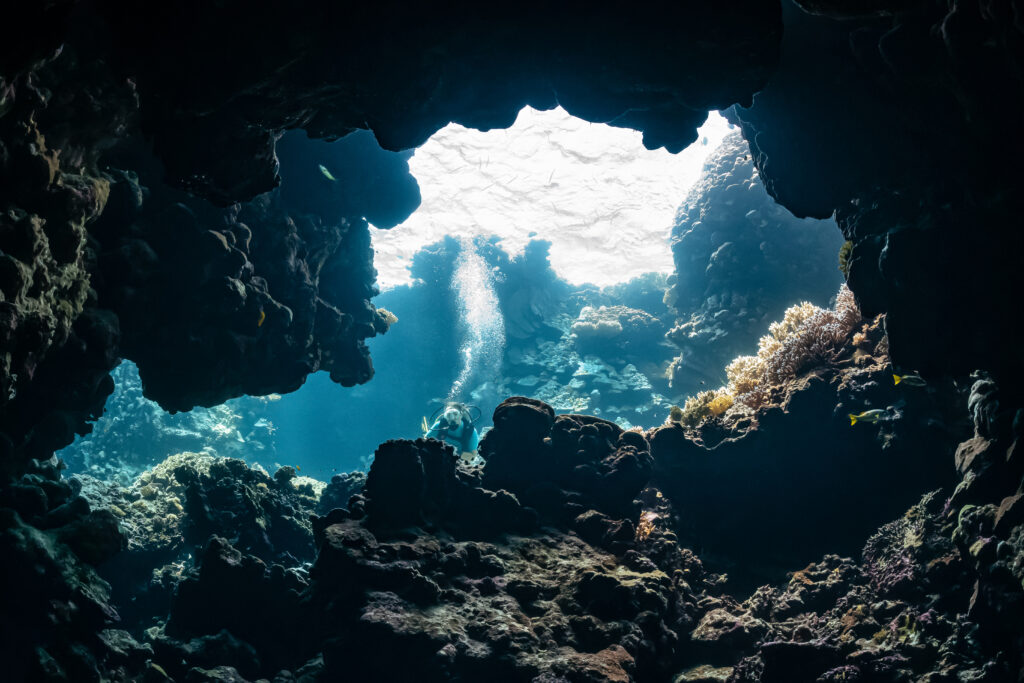
Claudio Reef, in the Egyptian Red Sea’s Deep South, is famous for its shallow caverns. Even though divers can penetrate deep into the reef, they are relatively safe as there are many entry and exit points, and several windows in the roof. If you’re in the right place at the right time, you can see the dramatic “cathedral light” in the dim caverns. A wonderland you might want to set up home in!


3. TINY MARINE LAKE

Location: Palau

There are over 50 marine lakes of different shapes, sizes, and depths scattered throughout the Rock Islands of Palau. Each one is an exceptional petri dish of marine life. Jellyfish Lake is of course the most famous but many others enclose amazing aesthetics and out-of-the ordinary marine communities. The problem is finding the lakes, many of which are completely enclosed by rugged limestone. Not far from the main city of Koror, a hidden, dark tunnel winds about 18 metres through a limestone island finally opening into the quaint Tiny Marine Lake. Upon entering this magical location, onecan’t help but admire the everchanging interplay between light, shadows, soft colours, corals and fish. This is one of the oddest, yet picturesque, sites one will ever experience.


4. THE CATHEDRAL

Location: Pescator Island, Cebu, The Philippines

The Cathedral is well-known as being home to hundreds of thousands of sardines but also for an incredible cave at 30 to 40 metres deep that gives the site its name. It has a number of window-like openings, but when one swims into it, it looks less like a cathedral and more like the carved features of a Halloween pumpkin! Though you need a deep speciality or advanced certification to get to the cave, it is an easy dive and most of the time there is no current at all.


5. WAWATUM

Location: Alor, Indonesia

Dropping into an underwater world beneath a living and breathing volcano is a cool experience no matter how many dives one has done. This far-flung site, not far from the island of Alor, is composed of a critter-laden black sand slope that leads upwards to a shallow, rocky substrate where spiky pneumatophores from black mangrove trees rise towards the surface. The pneumatophores give the area an eerie aesthetic. After exploring this peculiar marine environment, one looks up and views a daunting volcano billowing smoke. Otherwordly indeed.


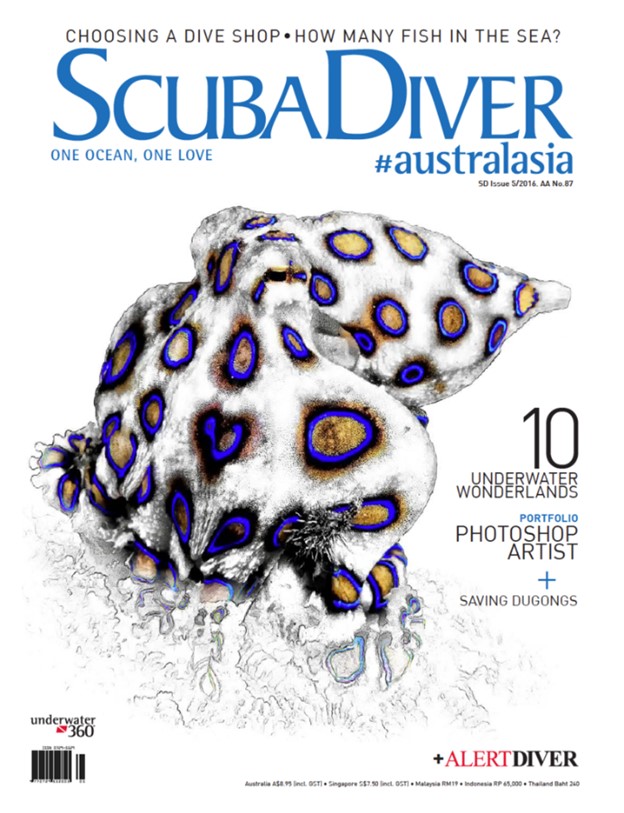
This is an extract from an article titled “10 Underwater Wonderlands”. To find out about 5 more fascinating dive sites in the Asia-Pacific, get your copy of Scuba Diver Issue 5 / 2016 here.
For more insightful features and stories like this, subscribe to Scuba Diver here.

4 Must-Dive Sites in the Kerama Islands

0

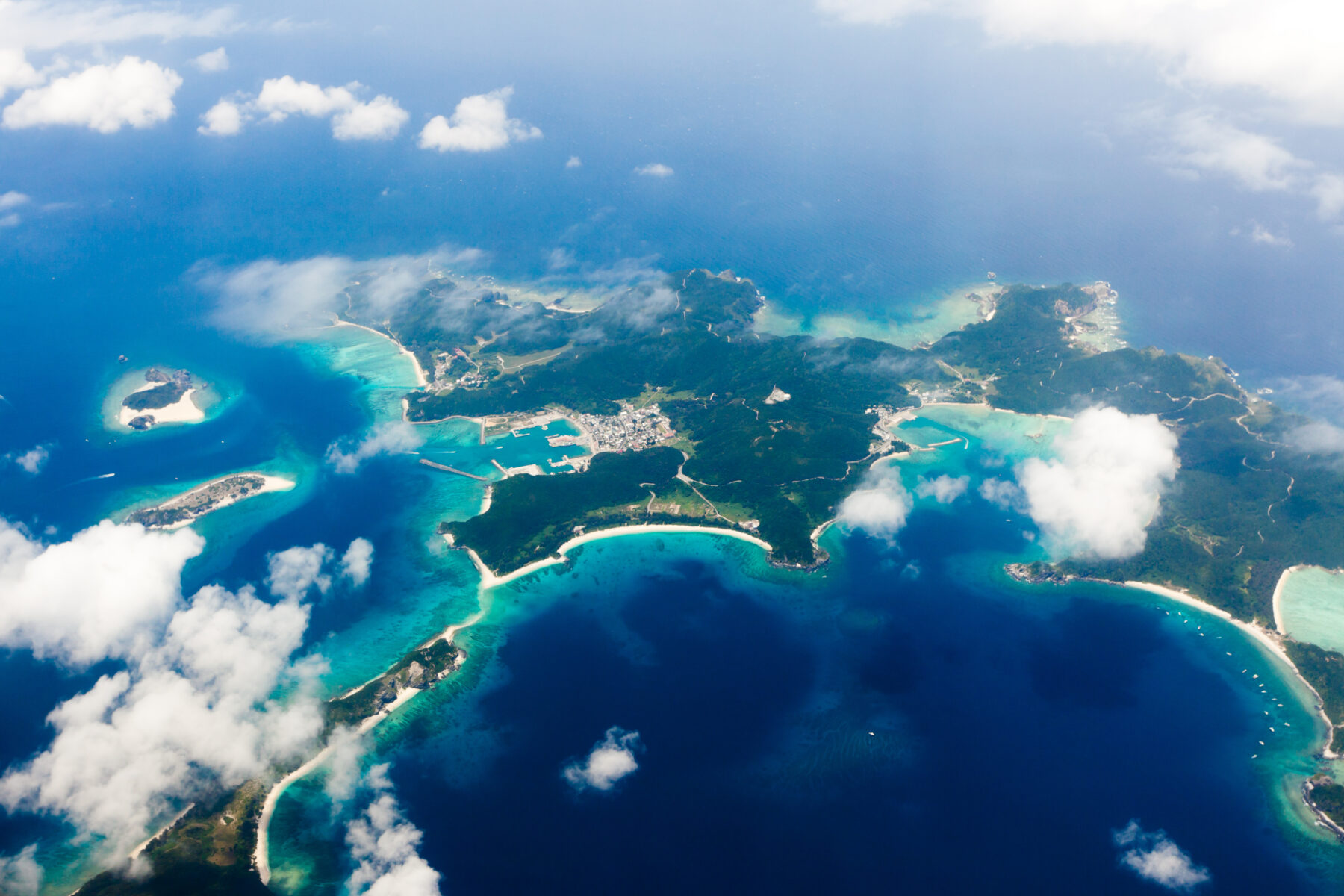
Aerial view of the Kerama Islands in Okinawa, Japan


Text by Elizabeth Lim
Images from Shutterstock


Located about 40 kilometres west of Naha, the Kerama Islands have a long history as one of the places to go for diving in Okinawa. Boasting more than 100 dive sites, the Kerama Islands are also known as having some of the world’s clearest waters. There are various dive operators and resorts on Aka Island and Zamami Island that can take you to the sites of your choosing.

Some popular dive sites around the islands include:


1. ljyakajya (Yakabi Island)

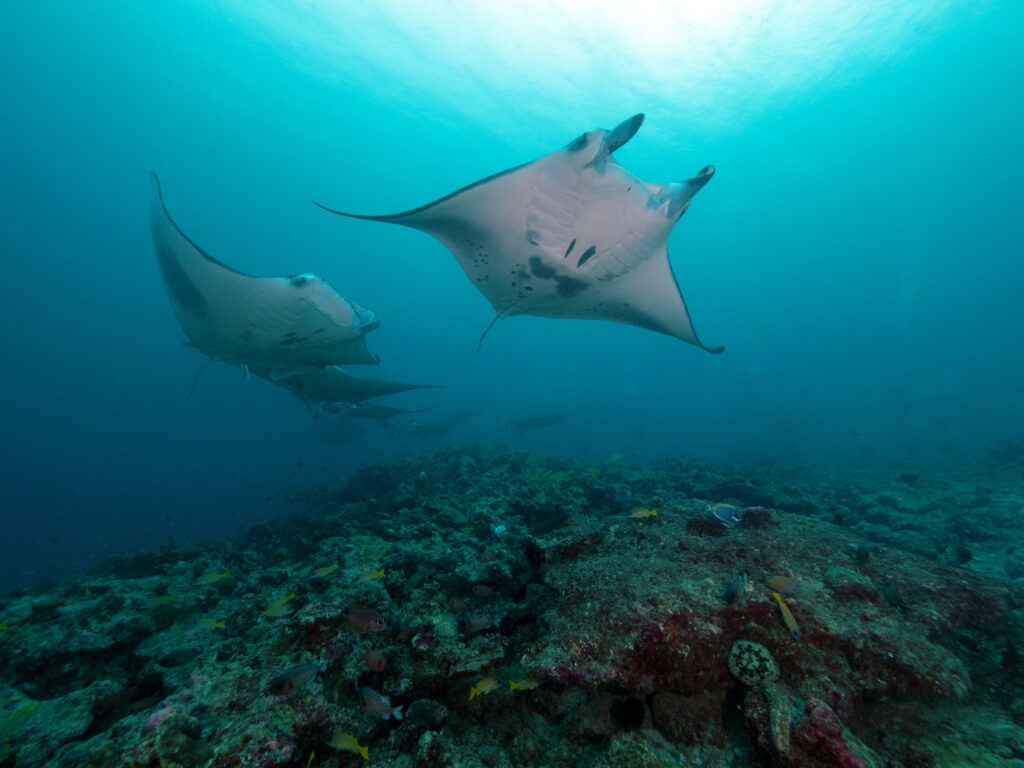
Manta rays are a common sight at ljyakajya

A known manta cleaning station, ljyakajya is the best spot in the Kerama Islands to get up close and personal with these magnificent rays. The site has a maximum depth of 30 metres and currents are mild, so the dive can be enjoyed by divers of all levels.


2. Cave Nita (Zamami Island)

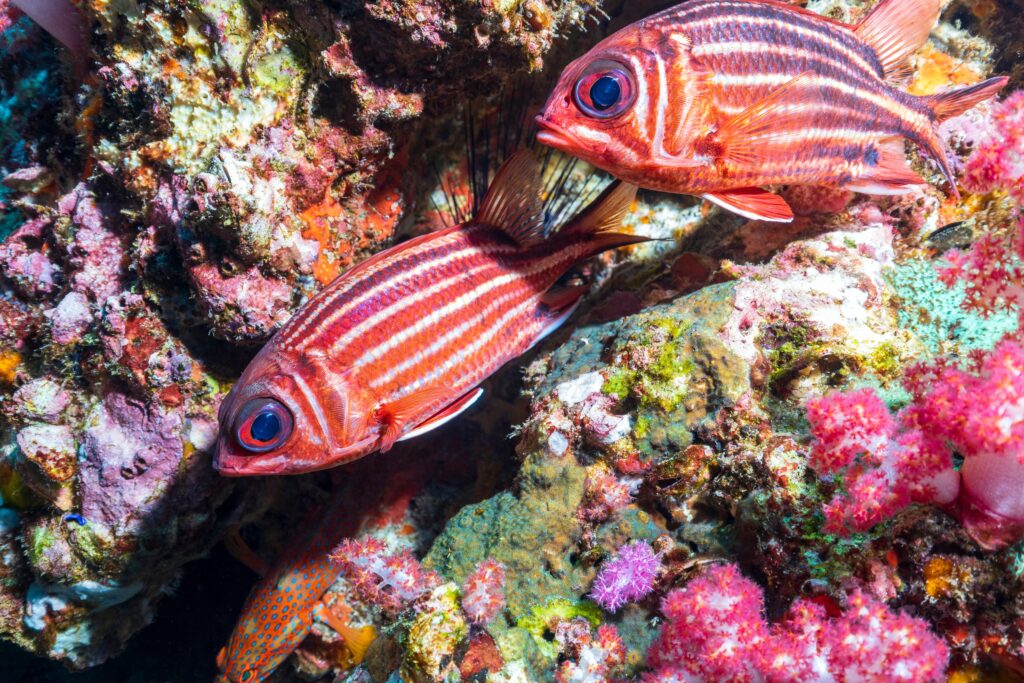
Red soldierfish can be spotted in the underwater cavern of Cave Nita

This site features an underwater cavern at a depth of 15 metres with an entrance underwater and an exit at the surface. Here, divers have the opportunity to encounter big schools of silver sweepers and big-eyed red soldierfish. Due to the unpredictable conditions and nature of cave diving, this site is only recommended for intermediate divers and up.


3. Nishibama Beach (Aka Island)

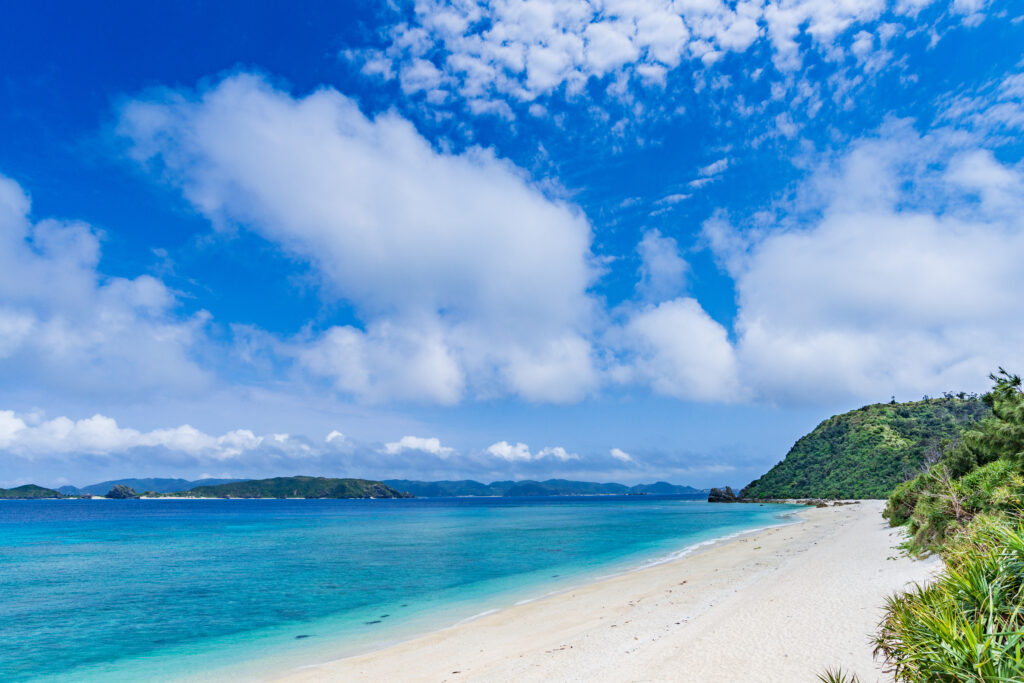
Nishibama Beach is considered to be one of the best dive sites in the Kerama Islands

Considered one of the best spots to dive in the Kerama Islands, Nishibama features pristine corals teeming with reef fish alongside a perfect stretch of white sand. The easy beach-entry dives are ideal for snorkellers, while scuba divers are able to explore further out to depths of around 26 metres.


4. Whale Watching (Around Kerama Islands)

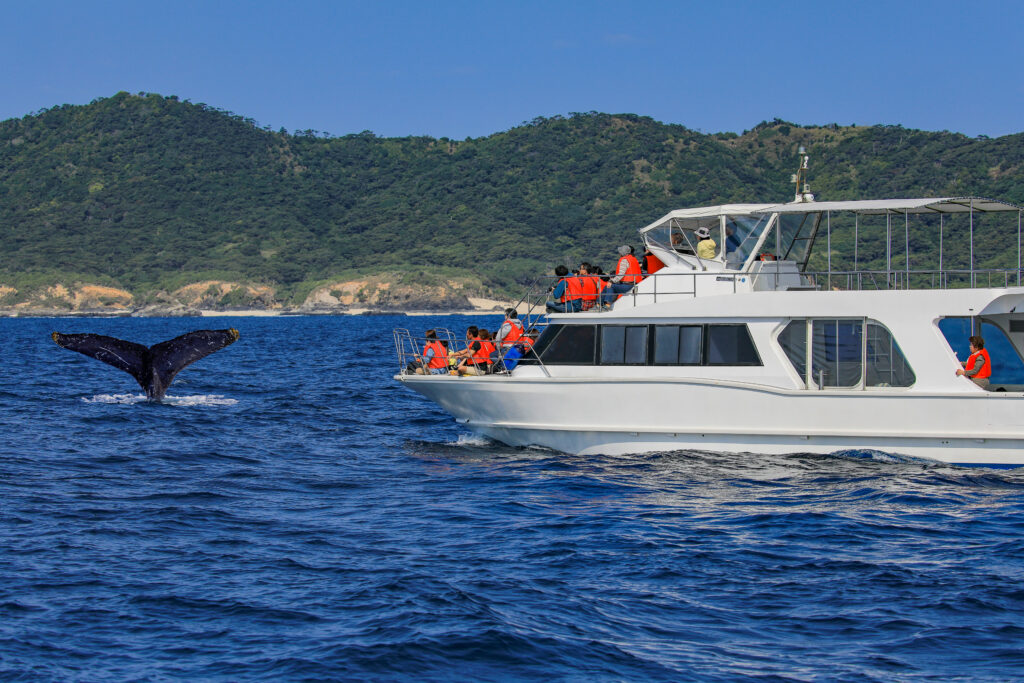
Whale watching boat tours are popular at the Kerama Islands

The Kerama Islands are a breeding ground for humpback whales, one of the principal reasons for the area’s designation as a national park. The season that migrating whales visit the islands for courtship, giving birth and nurturing is winter, from January to April. Whale watching boat tours are hugely popular and the humpbacks can generally be relied upon to put on a thrilling show. If you want to dive with the whales, however, you’ll have to find an operator with the experience to get you in the water with these impressive animals.


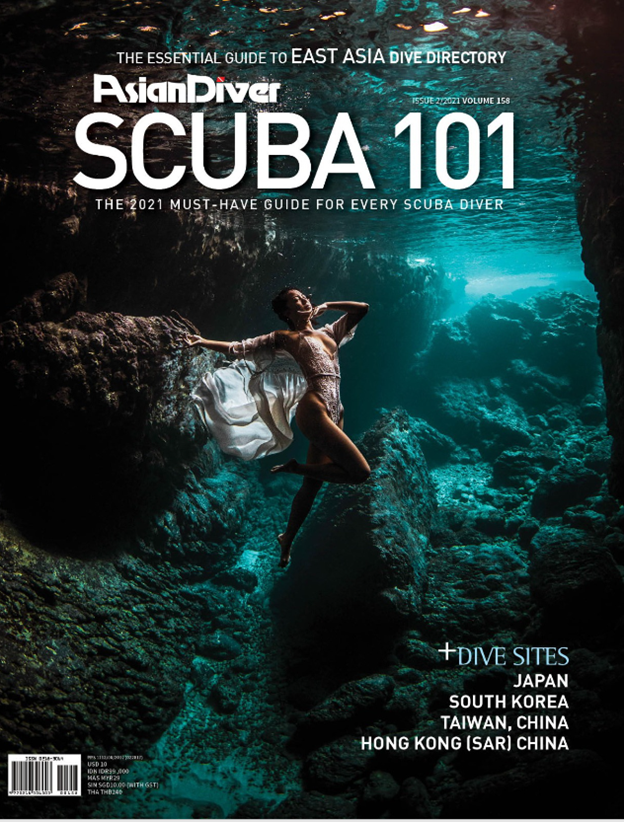
To discover more enthralling dive sites in East Asia, get your copy of Asian Diver Issue 1 / 2021 here

For more insightful features and stories like this, subscribe to Asian Diver here.

Maldives Dive Directory — Noonu Atoll & Addu Atoll

0

The Maldives is an archipelagic nation located in the Indian Ocean that stretches across the equator from Ihavandhippolhu Atoll in the north to Addu Atoll in the south. The island country has 26 paradisiacal atolls that promise dreamy white sand beaches, while its nutrient-rich waters are home to about three percent of the planet’s coral reefs.

Join us as we bring you through different dive destinations around Maldives and be fascinated by the marine life and diving experiences that the dive spots have to offer!


Noonu Atoll

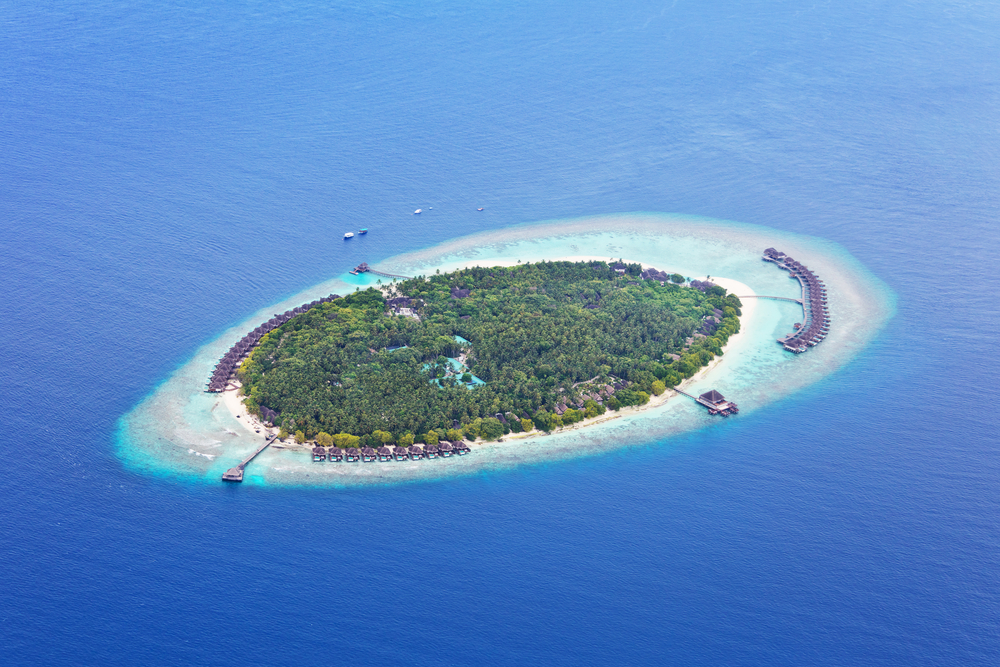
Noonu Atoll, Maldives

Noonu Atoll offers a variety of diving ventures suitable for different levels of experience, including some exciting drift dives and unique shark encounters. Christmas Rock, a submerged island with a top at 15 metres, is home to whitetip reef sharks and stingrays, while the occasional nurse shark can be spotted snoozing in the cracks of the reefs.

The more-advanced Orimas Thila drops to 30 metres and divers can witness large groups of grey reef sharks, as well as leopard and guitar sharks, and rays. Other unique sightings include red-toothed triggerfish, stingrays, spotted eagle rays, barracuda, jacks, morays, schooling blue-striped snapper and turtles. Around the substantial table corals, you can also find oriental sweetlips and pufferfish. Iridescent mantis shrimps shyly emerge from holes, and nudibranchs spatter the reefs with vibrant colours.

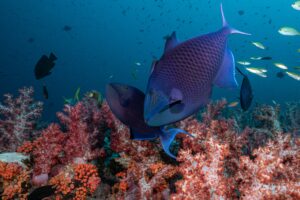
Red-toothed triggerfish, which can be found at Noonu Atoll

How to get there: From Velana International Airport, you have the option of hopping on a plane to Hanimaadhoo before taking a ferry to Manadhoo, the capital of Noonu Atoll. You can also fly directly to your resort via seaplane. Either way, resorts can organise everything for you.


Addu Atoll 

Diving in Addu Atoll is superb and diverse. With incredible visibility, and dive sites with weaker currents that are appropriate for beginner divers, Addu is an ideal dive destination for any diver. A whole range of memorable dive experiences are on offer, from stumbling into 20 grey reef sharks at Shark Point to getting up close and personal with rays, turtles, jacks, trevallies and and barracuda at the far-flung Gan Inside.

Addu Atoll, Maldives

For the more advanced divers, Addu Atoll offers the opportunity to explore the largest wreck in the Maldives — the British Loyalty oil tanker. At 134 metres long and weighing almost 6,000 tonnes, the wreck lies between 15 and 35 metres and offers several large entries that provide the “explorer at heart” with a glimpse of the vessel’s World War II history while enjoying the breathtaking diversity of marine species that surround the table corals, soft corals and gorgonian fans.

How to get there: From Malé Velana International Airport, take a domestic flight to Gan International Airport on Addu Atoll’s Gan Island. There are regular flights from Malé as well as direct flights from Colombo airport in Sri Lanka.


Both Noonu Atoll and Addu Atoll have so much to offer for all divers! With a wide diversity of marine life and scenic beaches at these atolls, your diving experience at the Maldives is certainly going to be a fun-filled and satisfying one! If you are interested in embarking on a dive expedition in the Maldives, be sure to consider joining ADEX Maldives Retreat taking place on 18-23 October 2022! For more information, visit www.adex.asia/adex-back2blue-maldives-retreat/. To read up more about Maldives as a dive destination, do head over to shop.asiangeo.com/product/asian-diver-issue-04-2021-no-159/ to get a copy of Asian Diver No.159!

Maldives Dive Directory — Raa Atoll & Baa Atoll

0

The Maldives is an archipelagic nation located in the Indian Ocean that stretches across the equator from Ihavandhippolhu Atoll in the north to Addu Atoll in the south. The island country has 26 paradisiacal atolls that promise dreamy white sand beaches, while its nutrient-rich waters are home to about three percent of the planet’s coral reefs.

Join us as we bring you through different dive destinations around Maldives and be fascinated by the marine life and diving experiences that the dive spots have to offer!


Raa Atoll

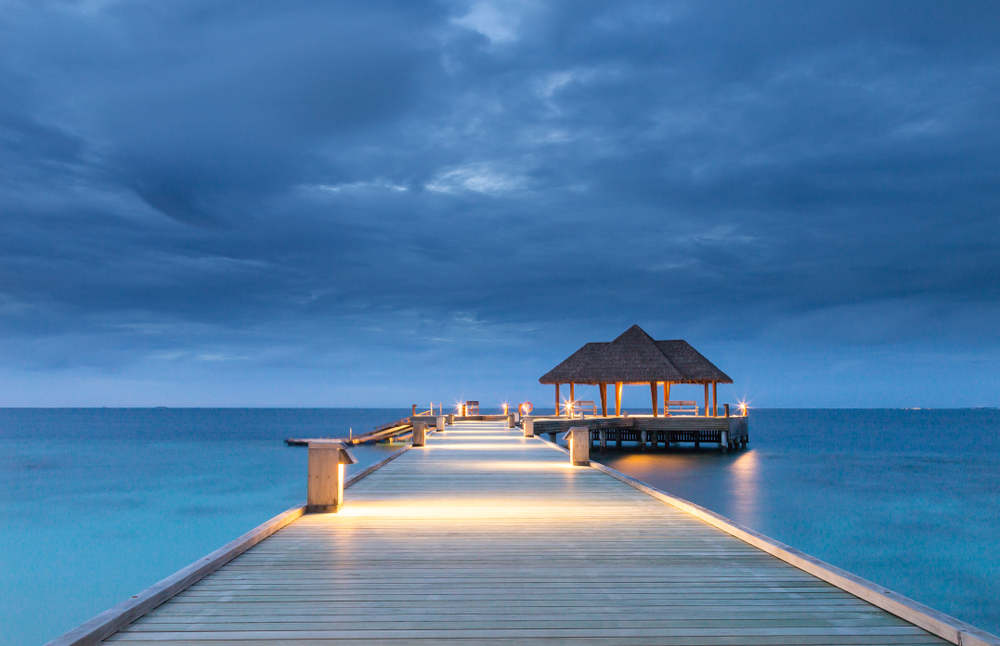
Pier at Raa Atoll, Maldives

Raa Atoll is situated on the northwestern edge of the Maldives. For those looking for a sense of remote, pristine tranquility, the Raa Atoll delivers as it opened up to tourism only in the late 1990s. Home to pristine beaches, authentic Maldivian culture, and exceptional diving, the sandy bays blend effortlessly into turquoise lagoons, where manta rays, dolphins, sharks, and more, thrive among the stunning reefs. Raa Atoll is suitable for divers of all levels too!

One of the most popular sites here is the Labyrinth, an enchanting pinnacle at a depth between 12 and 35 metres that offers large gorgonians and vibrant soft corals smothering canyons, tunnels, and swim-throughs. Batfish, grey and whitetip reef sharks, moray eels and groupers are common sights.

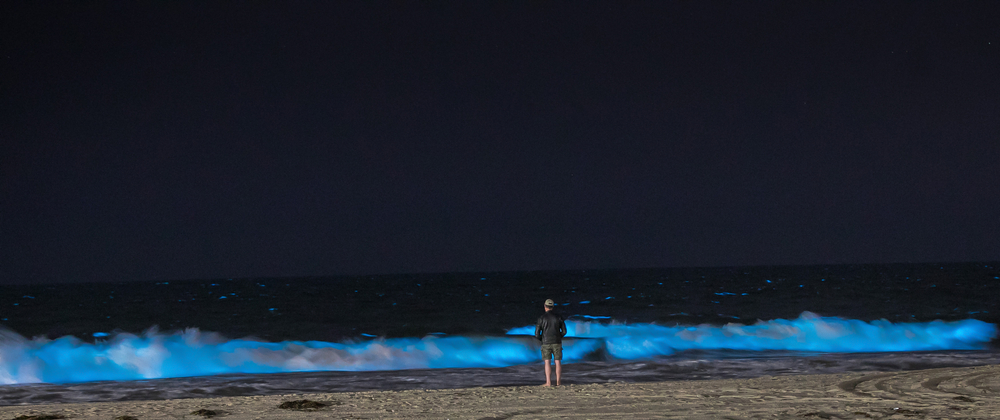
And of course, don’t miss Vaadhoo Island, one of the best places to witness the spectacular “sea of stars” phenomenon, where bioluminescent plankton glow a brilliant blue under the moonlight.

“Sea of stars” phenomenon of bioluminescent waves

How to get there: From Malé Velana International Airport, take a domestic flight to Raa Atoll’s airport on Ifuru, or opt to take a seaplane. It takes around 40 minutes to an hour, and resorts will be happy to organise your transfer for you.


Baa Atoll 

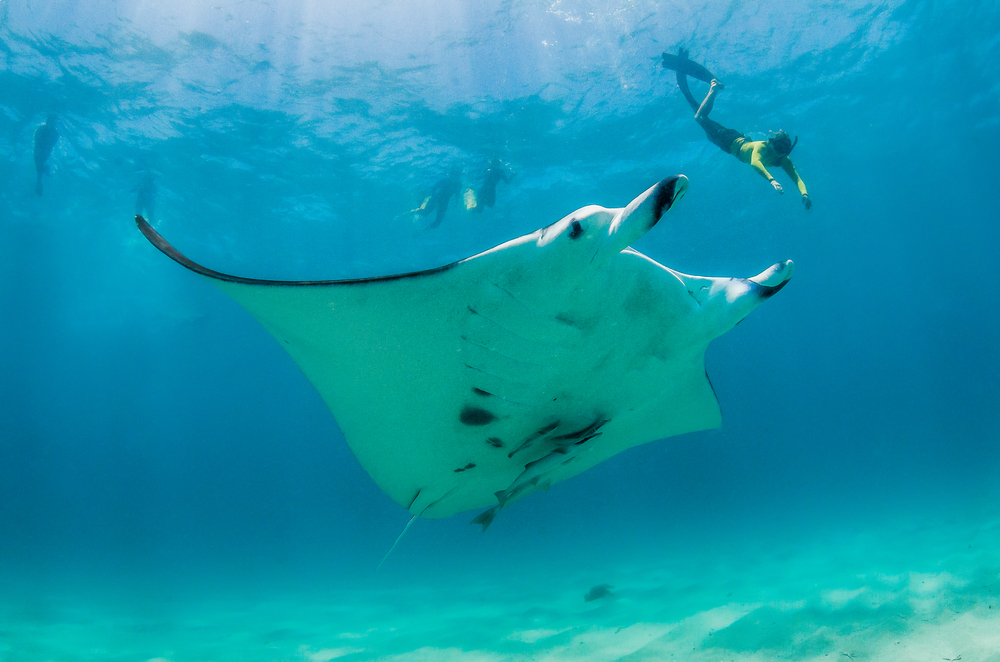
Manta ray, which can be spotted at Baa Atoll

Renowned as the spot for the world’s largest congregation of manta rays, at the legendary Hanifaru Bay, Baa Atoll supports some of the Maldives’ most diverse and unique marine life. Declared as a UNESCO Biosphere Reserve in 2011, Baa Atoll is the place to witness jaw-dropping encounters with manta rays and whale sharks. Manta lovers on snorkel may be treated to dozens and sometimes hundreds of manta rays as they swoop and roll through plankton blooms for two to three hours, like graceful synchronised dancers, during high tide between May and November. If you are lucky, whale sharks might even join in the action! Baa Atoll is also suitable for divers of all levels!

At Baa Atoll, the protected marine sanctuary of Dhigala Haa has become a firm favourite for spotting grey reef sharks, and there are several small caves and overhangs that provide shelter to the schools of fish, while snapper, jacks and barracuda can usually be seen in the blue.

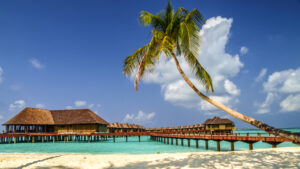
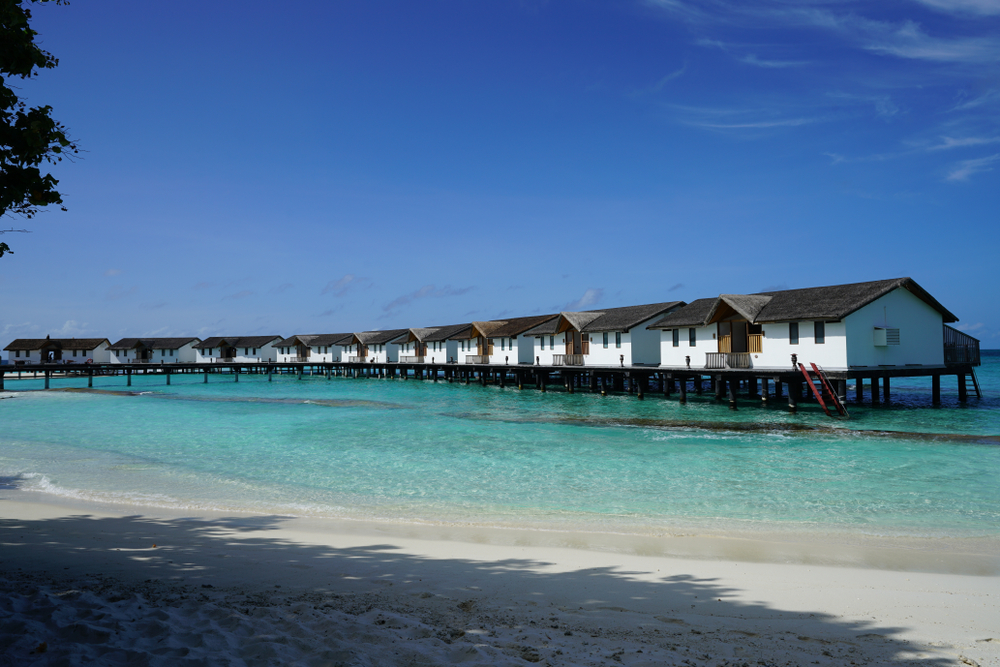
Water villas along a beach at Baa Atoll

How to get there: From Malé Velana International Airport, take a domestic flight to the local airport at Dharavandhoo, which takes around 45 minutes, followed by a boat ride to your resort. You also have the option of getting to your resort directly via seaplane.


Both Raa Atoll and Baa Atoll have so much to offer for all divers! With a wide diversity of marine life and scenic beaches at these atolls, your diving experience at the Maldives is certainly going to be a fun-filled and satisfying one! If you are interested in embarking on a dive expedition in the Maldives, be sure to consider joining ADEX Maldives Retreat taking place on 18-23 October 2022! For more information, visit www.adex.asia/adex-back2blue-maldives-retreat/ ! To read up more about Maldives as a dive destination, do head over to shop.asiangeo.com/product/asian-diver-issue-04-2021-no-159/ to get a copy of Asian Diver No.159!