Home Blog Page 13

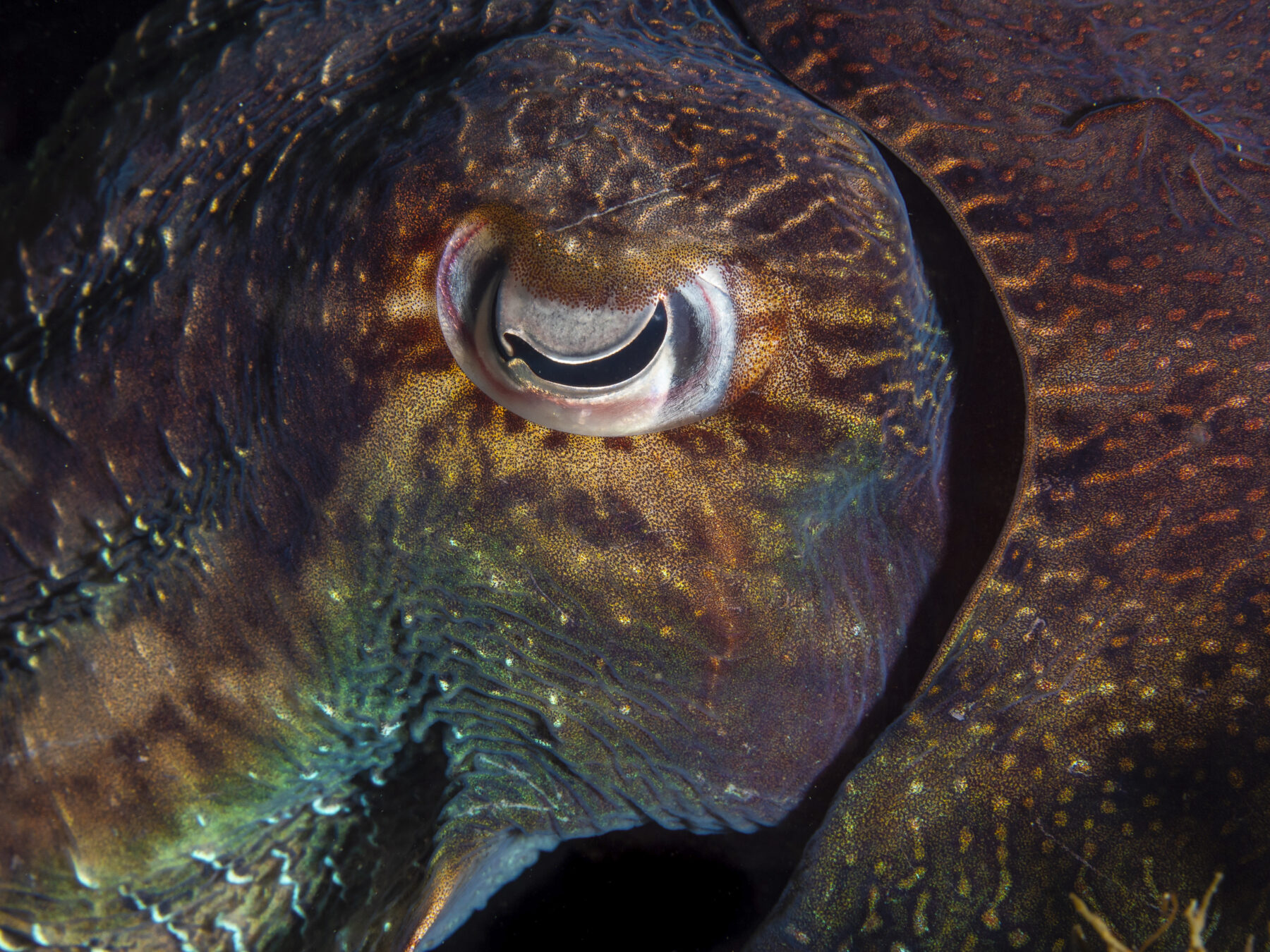
A Win For The Australian Cuttlefish!

0

Text by Anita Verde

Images by Anita Verde and Peter Marshall


Some of you may remember reading our article ‘It Takes More Than Two to Tango’ (Volume 160 of Asian Diver) published in April this year where we outlined some of the challenges the population of Australian Giant Cuttlefish we’re facing at their breeding grounds at Point Lowly, in South Australia’s Upper Spencer Gulf. Well, it seems these intelligent aliens have remained a hot topic and there is great news! 


Following a change in Government in South Australia in March this year; the newly elected Labour Government overturned the previous government’s 2020 decision to lift the fishing ban on Australian giant cuttlefish, a ban that had been in place since 2013 when cuttlefish numbers were decimated from 200,000 to just 13,000 over the course of a few years. The fishing ban imposed in 2013 saw numbers recover to a record 247,146 in 2020. Yet that very same year, the ban was removed; more than halving the number of cuttlefish aggregating, with just 107,847 visiting a the breeding grounds in 2021 – a clear sign that fishing was having a considerable impact on the cuttlefish population and that numbers would once again plummet.


Pleasingly however, through sustained advocacy by concerned locals, the new Labour Government acted swiftly on its pre election promise, reimposing the fishing ban for cuttlefish in May, just in time for the 2022 mass aggregation. And the numbers speak for themselves, with this season’s cuttlefish aggregation attracting more than 137,000 individuals, an increase of 28 percent on last year.
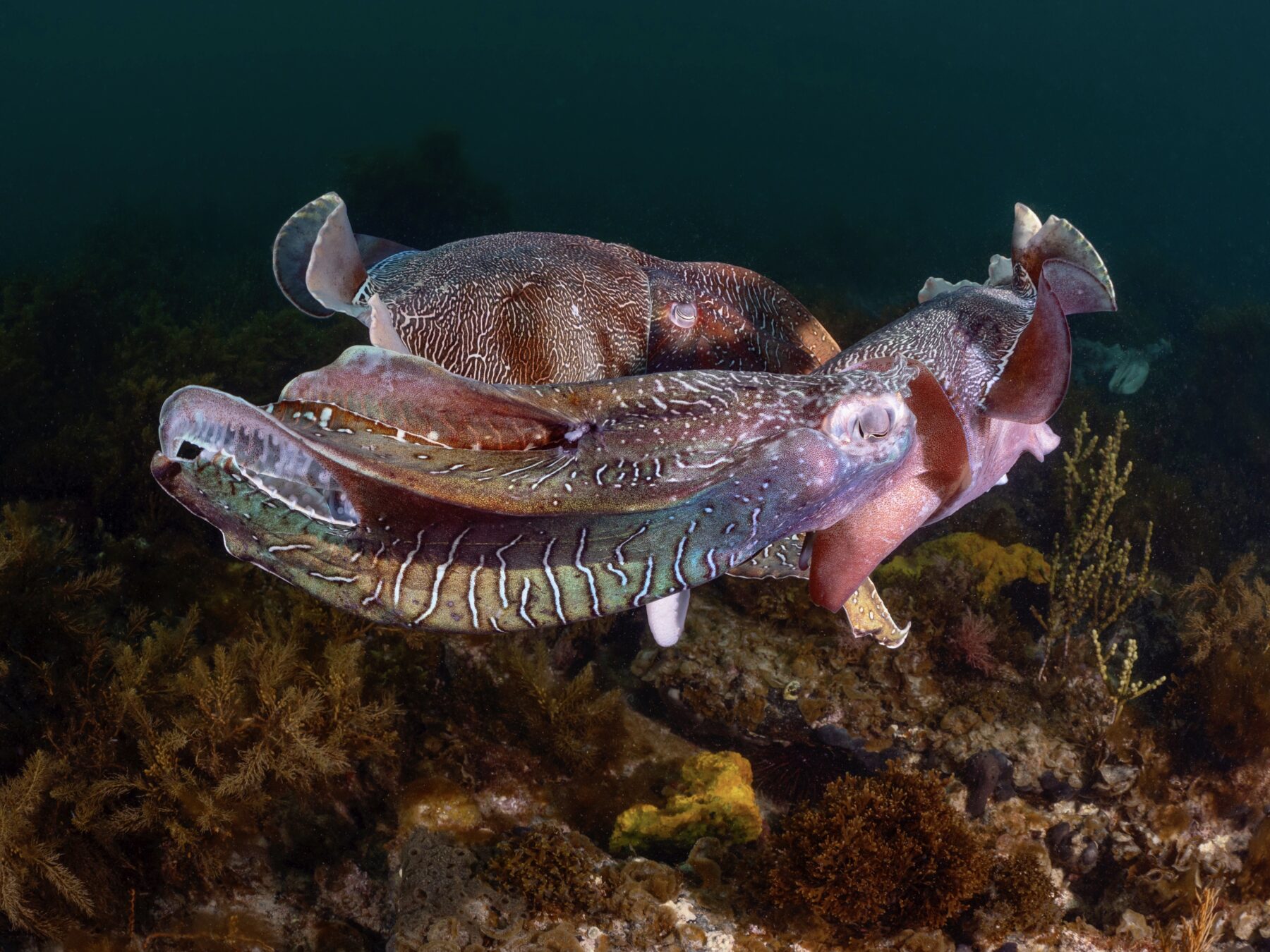


The reinstatement of this fishing ban which previously lapsed under the former Liberal government in 2020, means that the migratory paths the giant cuttlefish take to reach their important breeding grounds are once again protected. This closure is in addition to the permanent cephalopod (squid, cuttlefish, octopus) fishing closure in place the Point Lowly breeding grounds.


Although at the moment classed as ‘temporary’ – remaining in place until May 2023, the government is considering ways to make the fishing ban permanent once again. 


South Australian Minister for Primary Industries and Regional Development Clare Scriven said: “Local MP Eddie Hughes has been instrumental in fighting for this protection, which will provide extra insurance for this iconic South Australian population, particularly when cuttlefish are moving to the spawning grounds, and during the spawning season”


We will be watching this space carefully!
 

Diving Around Goa: PADI’s Picks

0

Text by PADI


Getting to Goa

Goa is situated in the middle of India’s west coast, which offers a convenient airport (Dabolim) with flights from most major Indian cities, making it a key portal to the country’s west coast diving. Goa can also be reached by train, and by the many buses connecting the state with Indian cities (primarily Mumbai, Mangalore and Bangalore).

The coastline of Goa stretches along the Arabian Sea and boasts pristine beaches such as Baga Beach and Calangute Beach, exciting nightlife, places of worship and architectural gems that are part of the World Heritage List. Goa is also home to incredible dive sites that have made it a staple on any dive vacation to Western India.

Located south of Goa, Grande Island, otherwise known as Bat Island, is the region’s epicentre of water sports. Scuba divers can expect to swim with barracuda, batfish, angelfish, lionfish, sweetlips, scorpionfish, parrotfish, moorish idols, moray eels, flounders, stargazers, squid, and rays. Aside from the unbelievable array of marine life, you can look forward to spectacular underwater pinnacles and shipwrecks, such as the famous Suzy’s Wreck.

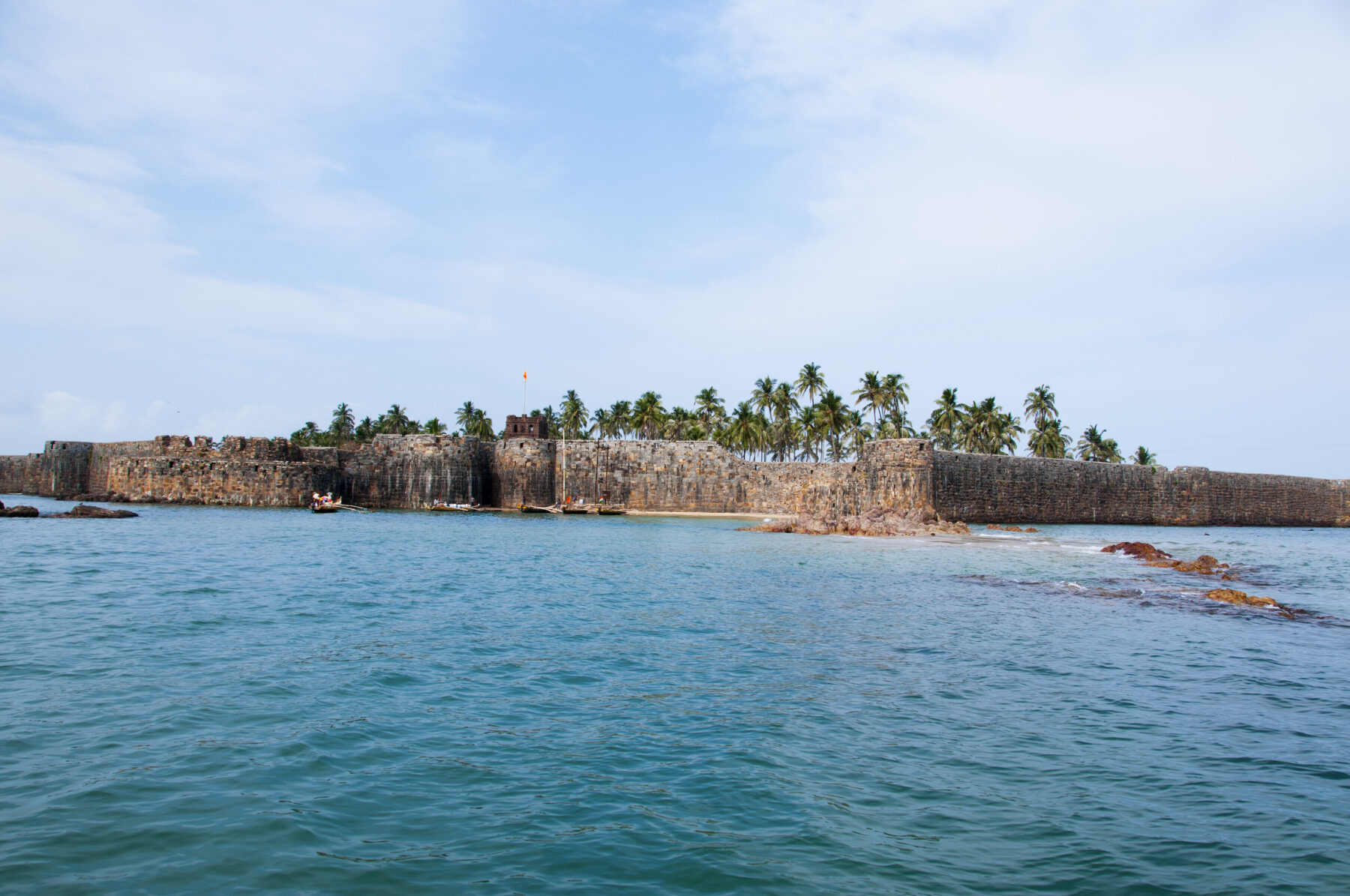
Alternatively, head to the sleepy fishing harbor of Malvan, located just north of Goa. Due to how secluded Malvan is, its majestic coral gardens and marine life have flourished relatively untouched by humans. Expect excellent visibility near Sindhudurg Fort and the island of Trakali.

Sindhudurg Fort


South of Goa, further down the coast of Karnataka and situated about 20 kilometres off the temple town of Murudeshwa, is Netrani Island. From shallow dives in The Nursery and Grand Central Station to deeper ventures into The Abyss, Netrani Island is open to all divers, no matter the experience level.

On the southwest coast is the rich landscape of Kerala and the gateway to the Lakshadweep Islands, which boasts rich marine life and unspoilt reefs. The dive sites at Lakshadweep include sloping reefs, caves, coral gardens, overhangs and shipwrecks.

Diving Courses

Goa’s operators offer a wide variety of scuba diving courses, including for those looking to experience diving for the first time. Through courses like PADI’s Discover Scuba Diving programme, first-time and beginner divers can widen their skillset while exploring the underwater wonders Goa has to offer. There are also courses suitable for experienced divers looking to further their experience with more advanced diving techniques and training.

DIVE EXPERIENCE = All levels, from beginner upwards

BEST TIME TO DIVE = Late October to early May

WATER TEMPERATURE = 27-30°C

VISIBILITY = Up to 5 metres

DEPTH = 16 to 24 metres


For your essential guide to West and South Asia Dive Destinations, seek no further than our no.159 Collector’s edition!

Pick up your copy here


11 Do’s and Don’ts of Diving Back In

0

Text by Lauren Kieren, SDI
Image from Shutterstock


Picture a clear sky, a slight breeze, warm sun beating down on calm flat seas, and limitless visibility underwater…What could make this picture-perfect dive day go from fantastic to terrible? Having to skip out on a dive! If you are a new diver or this is your first dive of the season, there are a few do’s and don’ts to consider before taking a giant stride in and having to skip out on a dive.

This list by no means covers every item to consider, but it’s a good head start to dive back in.


5 DOs of Diving Back In

DO


  • Participate in an SDI Inactive Diver or refresher course if you have not been diving within the past 12 months. It’s better to go through a tune up in a pool or confined open water setting under the guidance of an active dive professional versus trying to figure everything out during your initial descent


  • Check in early for your dive trip. You might be able to pick the best spot on the boat or find an empty bench if you’re shore diving. Allow yourself some time to set up your gear without rushing and verify all of your equipment is on, functioning. and ready to dive.


  • Make a checklist of necessary dive equipment for the day. Lay everything out before packing it, and only bring what you need. If you are diving off a boat, store your empty gear bag under the bench and be attentive to keeping your equipment streamlined and confined to your space.


  • Keep an eye on your personal dive computer and pressure gauge during the dive, in addition to your depth, time, no decompression limits, and air consumption rate. Get to know the functions of your computer and learn how to read the displays before making the dive. Take a proactive approach to safety in the water and be aware of your limitations.


  • CYA – computerise your ascent. Your dive computer is a necessary piece of equipment, no different than your mask and fins. It’s a fantastic tool to utilise to enhance the safety of your dives. During your ascent, pay close attention to your computer. Most modern-day computers have an ascent alarm to warn you if you’re going up too fast. If your computer does not have an ascent alarm, watch your depth and time to ascend no faster than 18 metres (60 feet) per minute.


6 DON’Ts of Diving Back In:

DON’T


  • Compare scuba diving to riding a bicycle. We all know the saying. “If you don’t use it, you lose it and the saying applies to diving as well. Regardless of how many certification cards are in your wallet or how many dives you have logged, after a period of inactivity. your skills will diminish over time.


  • Forget your certification card while prepping for your dive trip. Nothing is worse than having your gear packed while you’re getting excited for the dive, and you get turned away during check in for not bringing your certification card. If this happens and the location has Internet access, you can verify your SDI certification online without missing the dive and order a replacement card.


  • Be “that guy” (or gall on the dive boat or at the shore site with a suitcase full of scuba equipment exploding all over the place. This can cause people to trip over it and it can be invasive to their personal space to set up.


  • Get yourself in trouble or put yourself at unnecessary risk of decompression sickness (DCS) by not paying attention to your personal dive computer. Don’t be “that guy” (or gal) who ends up back on the dive boat or shore location with a screaming dive computer sounding like a fire engine coming down the road.


  • Ascend faster than your bubbles.


  • Forget to have fun!


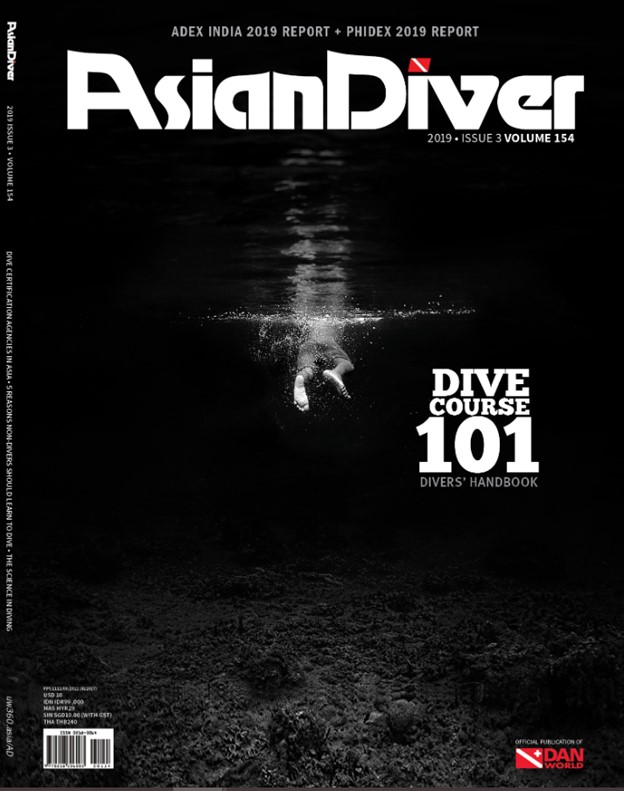
To find out more tips about diving as well as recommended diving gear and courses, check out Asian Diver Issue 3 / 2019 here.  
For more insightful features and stories like this, subscribe to Asian Diver here.

13 Things First-time Freedivers Should Know Before Taking the Plunge

0
Freediving – a.k.a diving without any breathing apparatus and only holding one’s breath – is the purest form of diving.
Here are thirteen tips you must remember before taking the plunge. 


Text by SDAA
Image from Shutterstock


1. TOTAL FREEDOM

Freediving, as the name suggests is diving with almost total freedom: No heavy, expensive gear, no maximum ascent rates, closer interactions with marine life and totally new challenges.


2. DISCIPLINES

There are seven different freediving disciplines; some are about about maximising the distance swum underwater, or the depth reached; others are about extending the dive time.


3. BUDDY UP

Never dive alone! Don’t push your limits without proper education. It’s important to have a buddy on the surface that can monitor you in the water and respond if you have any problems.


4. SAFETY RULES

There are always risks involved in dropping deep into the ocean. Blackouts can occur and can be fatal. Careful preparation is important.


5. TOP SPOTS

There are some beautiful places to freedive in Asia Pacific: Richelieu Rock, Thailand; Elephant Head Rock, Similan Islands; SS Yongala Wreck, Australia; Crystal Bay, Bali.


6. REST

It’s vital to rest between dives. You need to rest for twice the duration of your last dive. Without the proper recovery time to re-oxygenate the blood and rest muscles, the risk factor for your next plunge increases significantly.


7. PLANNING

Safety first! Just like scuba, it is important to know the currents of a dive site, and scout out the good exit points.


8. HYPER- VENTILATION

This is not advised! It can lead to a blackout which is very dangerous.


9. MEDITATION

Freediving requires incredible mental concentration. Meditation trains the mind, and helps to slow and regulate the breathing and heart rate – vital for good freediving. The heart rates of freedivers on deep dives have been recorded as low as seven beats per minute – about three times slower than that of a coma patient.


10. 20 SECONDS

Twenty seconds after surfacing, your body’s oxygen level is at its lowest. Keep breathing slowly and deeply through your intervals.


11. THE DIVING REFLEX

The second you put your face in the water, your heart rate lowers up to 25 percent, and blood starts rushing from your extremities into the core.


12. KICKS

Freedivers use three fin strokes: the flutter, frog and dolphin.


13. AIDA

The worldwide federation for breath-holding diving offers freediving training for divers of every level, from novice to professional. The intial three courses introduce participants to the skills, knowledge and protocols necessary to freedive safely.


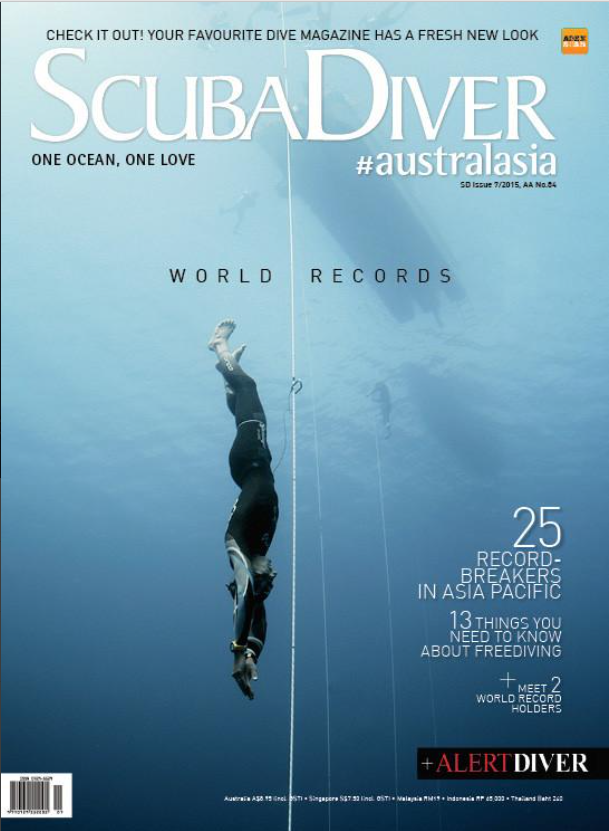
To check out more awesome articles like this one, check out Scuba Diver Issue 7 / 2015 here.
For more insightful features and stories like this, subscribe to Scuba Diver here.

7 Deep-sea Discoveries of South Java

0

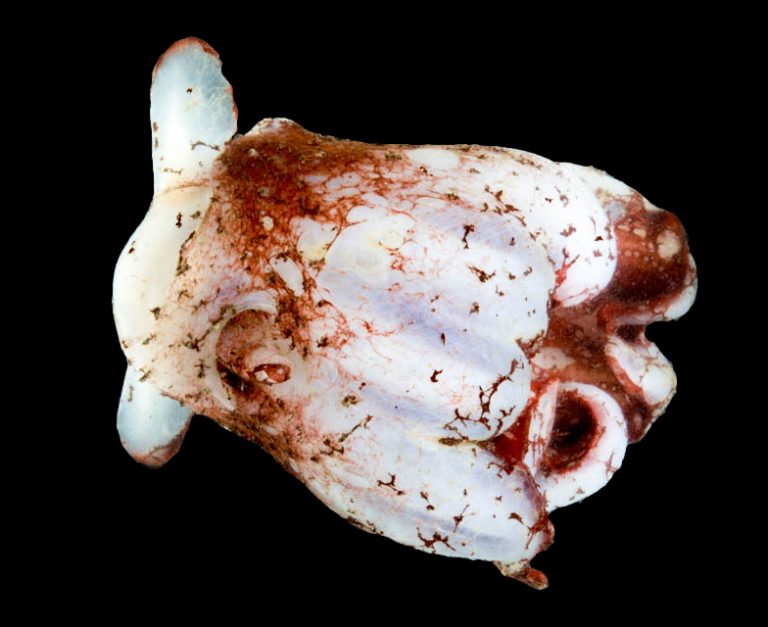
The dumbo octopus was just one out of thousands of creatures discovered on an expedition to survey the deep seas off the coast of Java, Indonesia


What lies in the depths of the South Java sea?


Text by National University of Singapore
Images from SJADES 2018


Despite a stormy start thanks to Cyclone Marcus, scientists who participated in the South Java Deep Sea Biodiversity Expedition 2018 (SJADES 2018) collected more than 12.000 creatures during their 14-day voyage to survey the unexplored deep seas off the southern coast of West Java, Indonesia. SJADES 2018 is the first concerted deep-sea biological exploration conducted by Singapore and Indonesia, aimed at studying deep-sea marine life in the largely unexplored part of the waters off the southern coast of West Java.

Some 800 species of sponges, jellyfish, molluscs, starfish, urchins, worms, crabs, prawns and fish were found during the expedition. Out of these findings, the team discovered over a dozen new species of hermit crabs, prawns, lobsters and crabs, and over 40 species of various kinds are new records for Indonesia.

Here are just 7 of the many bizarre and fascinating creatures that were discovered during this eye-opening expedition.


1. ICE CREAM CONE WORM

This is not an ice cream cone you lick. The deep sea tube-dwelling worm uses its tentacles to slick sediment grains to the pre-existing conical tube as they grow. forming a structure which resembles an ice cream cone. These worms have a characteristic set of golden paleae (spines) surrounding the mouth, which they use for digging into soft sediments.


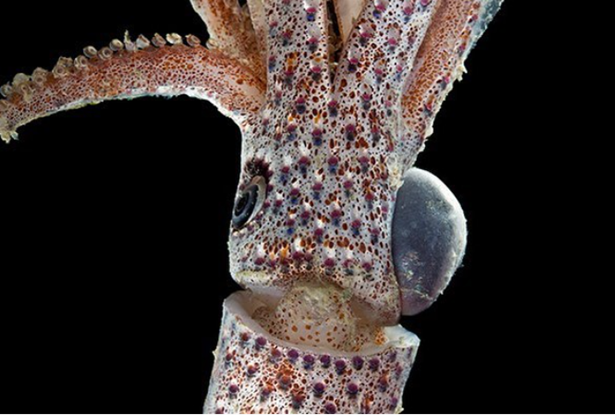
2. COCK-EYED SQUID

This peculiar squid has one eye naturally much larger than the other. It swims with the larger eye looking downwards for food. whilst the smaller eye peers upwards. presumably on the lookout for predators.


3. SEA TULIP

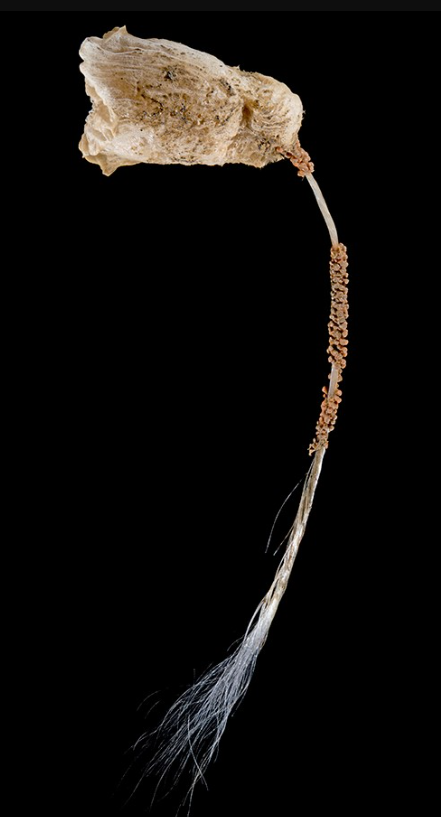
Another peculiar-looking creature, the actual glass sponge (Hyalonema sp.) itself is the blob on top which resembles a tulip. It is supported by a twisted tuft of glass fibres which is anchored to the seabed. The -tulip” sways side to side with the current, filtering the seawater for organic matter.


4. CHAINSAW LOBSTER

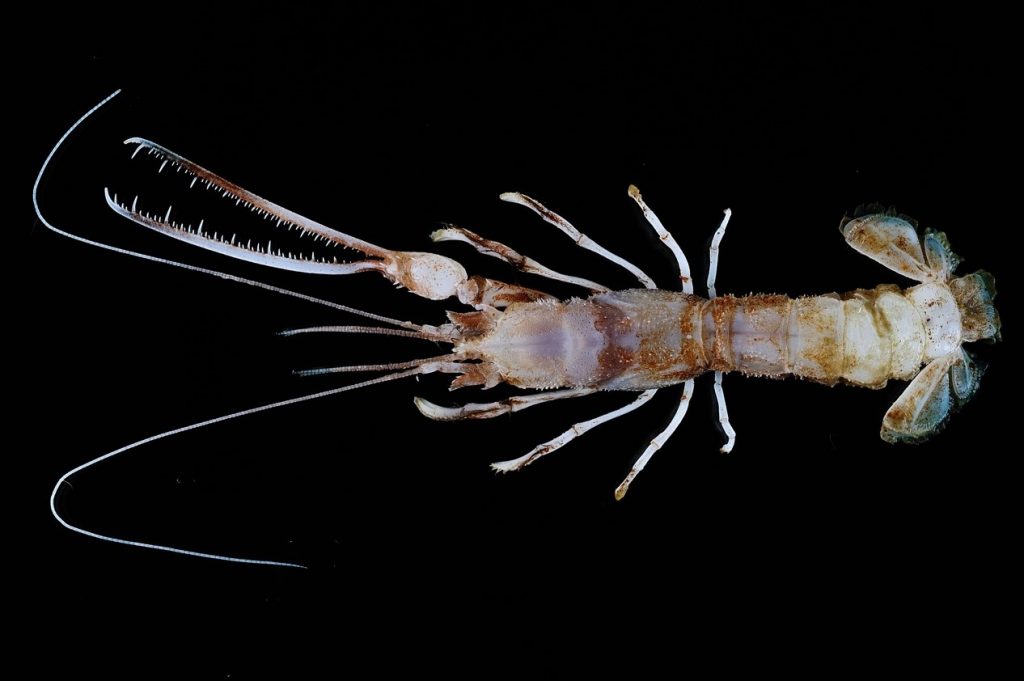
Nicknamed the chainsaw lobster, Thaumastocheles massonktenos is a rare deep-sea blind lobster with a terrifyingly large right claw lined with many sharp teeth. Scientists, however, suspect that the frightening claw is not a predatory device but is used to sieve bottom substrates for small animals to eat. These lobsters are rarely collected because they dig deep burrows.


5. FANGTOOTH

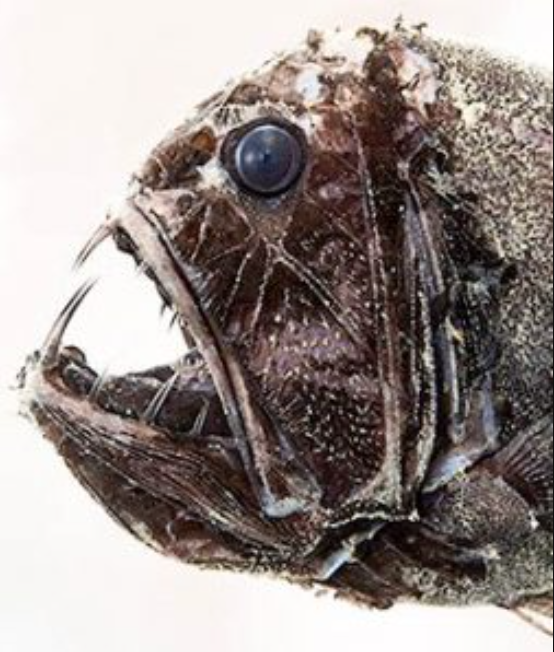
When you live in the deep sea. food is hard to come by. So if you encounter a tasty shrimp or fish, you must ensure it does not escape your grasp. The aptly named fangtooth (Anoplogaster cornuta) does this with wicked-looking long teeth. No escape for any prey if it happens to get into this mouth!


6. TWIG-DWELLER

This slender twig-dwelling hermit crab with a straight body has adapted its body to live inside the narrow cavities of hollow twigs and sticks. It relies on sunken wood as a major source of food or substrate.


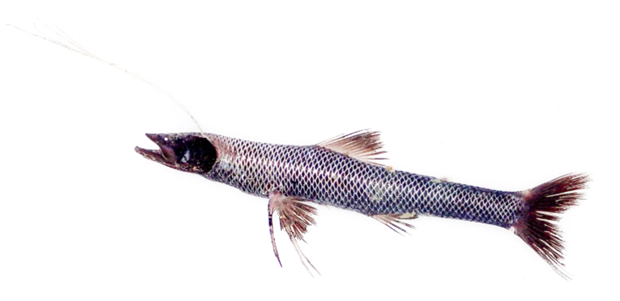
7. TRIPOD FISH

The deep-sea tripod fish (Bathypterois sp.) is strange all around. It has peculiar fins and filaments with which it balances itself on soft bottoms to help it detect small prey swimming past as it faces the current. Its eyes have no lenses so it is unable to focus on objects. And to top it off, it is a hermaphrodite – meaning that it has both male and female reproductive organs.


Want to find out about 7 other amazing creatures of the deep discovered on this expedition?
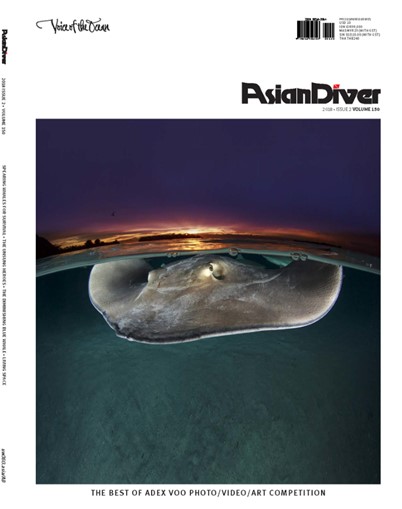
Get your copy of Asian Diver Issue 2 / 2018 here.

For more insightful features and stories like this, subscribe to Asian Diver here.

[Press Release] DOT’s Philippine International Dive Expo (PHIDEX) returns to Manila in August 2022!

0

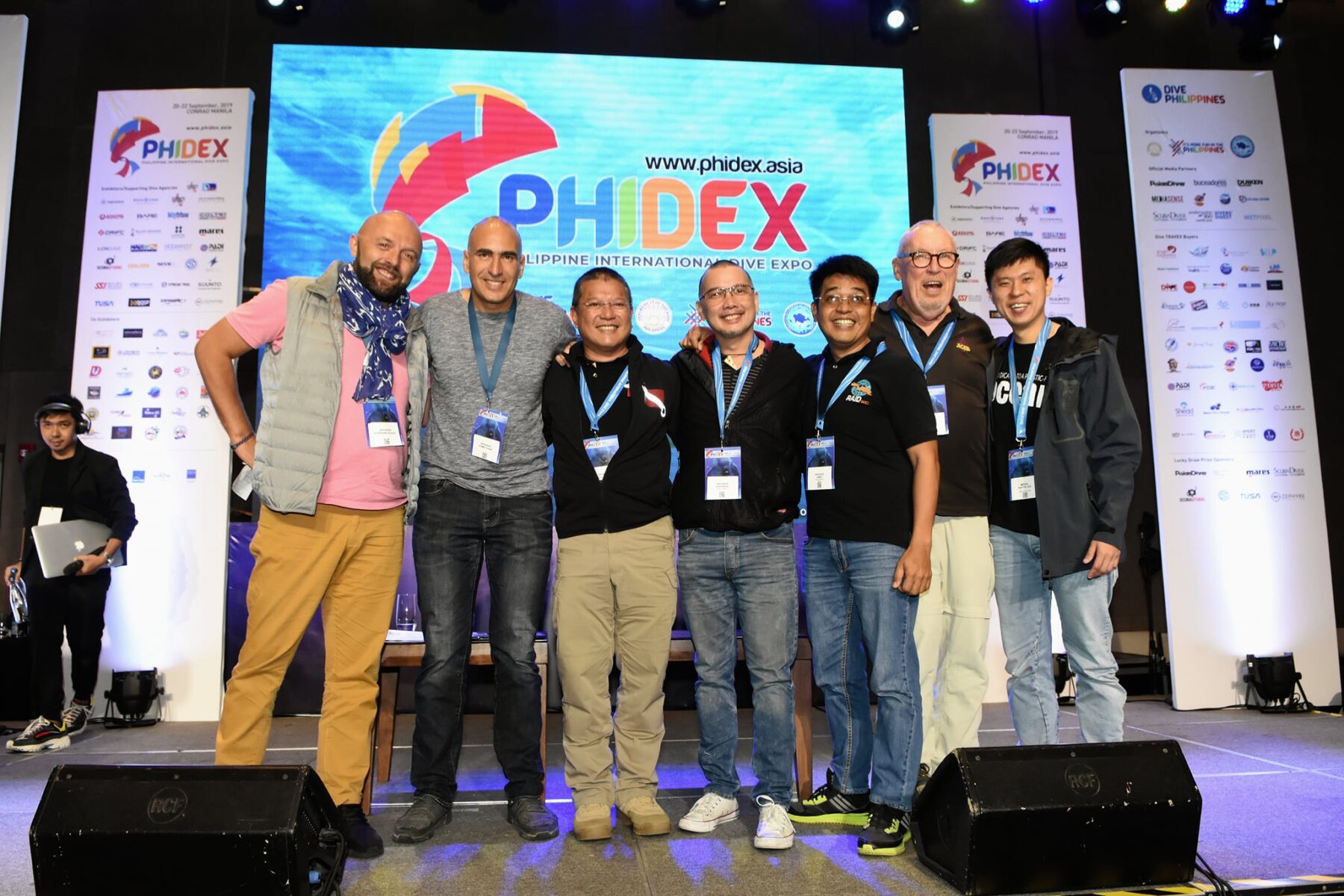
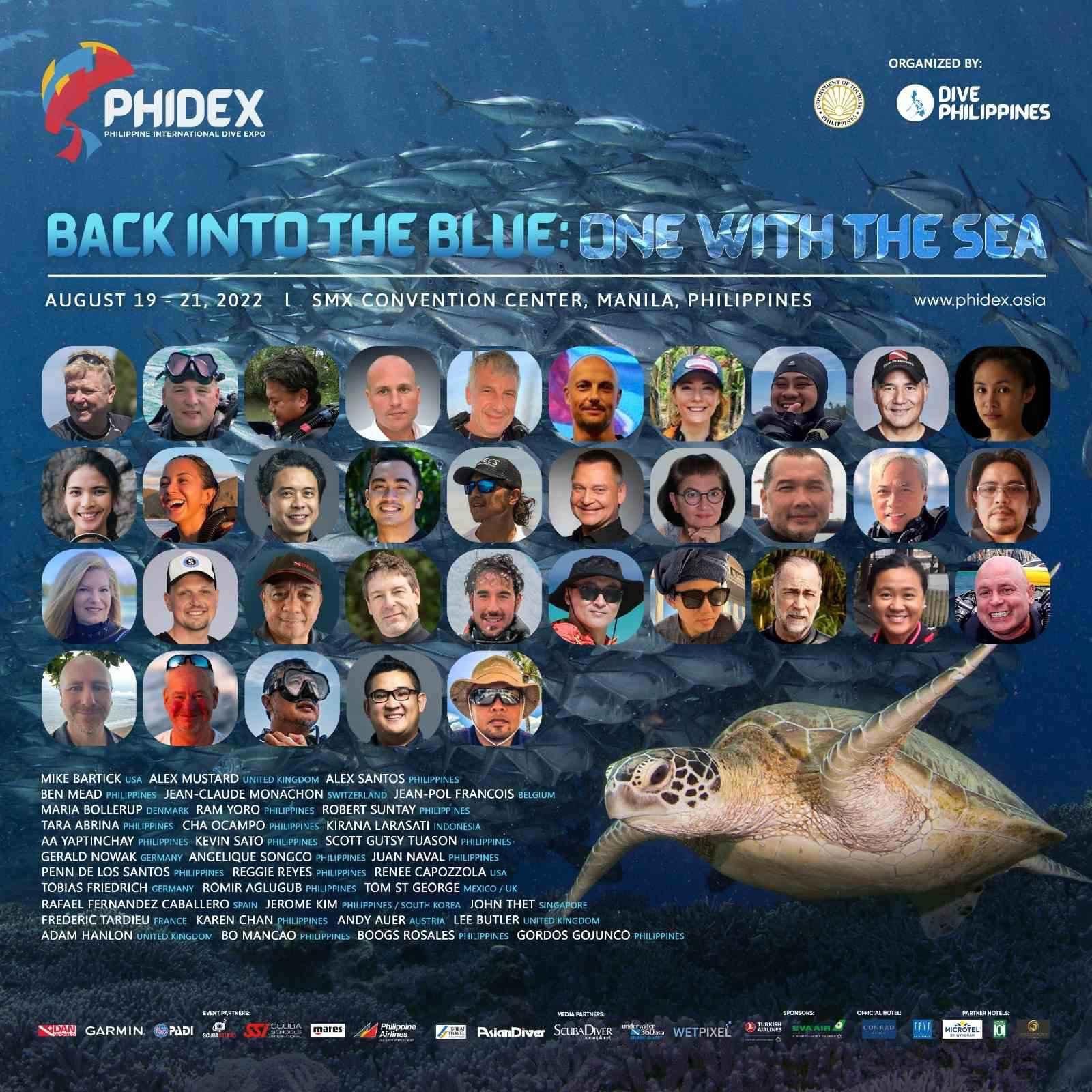
MANILA — Divers and dive enthusiasts, time to gear up as the Department of Tourism (DOT) brings back the Philippine International Dive Expo (PHIDEX), the country’s biggest platform to highlight and promote the dive industry, from August 19 to 21, 2022, at the SMX Convention Centre, Pasay, Manila.

On its third year, PHIDEX 2022 amplifies the importance of conservation, community, and convergence in the diving industry with the theme “Back into the Blue: One with the Sea”.

PHIDEX 2022 sends out the strong message that the Philippines is ready to welcome dive tourists from all over the globe, gathering local and international dive industry experts, dive tour operators, and partner businesses to share their ideas and experiences.

PHIDEX is the only dive show in the world that combines in one event a Dive Travel Exchange (TRAVEX), a business-to-business (B2B) meeting program for local and international dive operators, dive conference and seminars, and familiarization tours to top and emerging Philippine dive destinations. Exhibition booths will showcase dive resorts and centers in different destinations, as well as top-rated dive gear and equipment.

In the conference, participants will also have a chance to learn about new dive destinations, product updates from key dive destinations, as well as up-to-date underwater photography gear. International dive operators will also get to inspect and assess top and emerging dive destinations such as Anilao, Bohol, Camiguin, Coron, Dumaguete, Malapascua, Moalboal, Puerto Galera, Southern Leyte, and Ticao Island through familiarization tours.

At least 100 local and international dive buyers and media from the Philippines, US, France, Italy, Spain, Germany, Korea, Japan, Australia, Israel, Thailand and Singapore, are expected to attend the expo. Meanwhile, activities such as Dive TRAVEX and Dive Conference will be accessible online for participants unable to attend due to international border restrictions.

This event is also made possible by the participation of event partners Professional Association of Diving Instructors (PADI), Divers Alert Network (DAN) World, Garmin, Scuba Studio, and Scuba School International (SSI) – Mares; as well as media partners Asian Diver, Scuba Diver Australasia, Underwater360 Asia, Wetpixel, and Great Travel.

What are you waiting for? With over 30 distinguished local and international speakers specialising in underwater photography, diving and marine conservation and diversity, PHIDEX 2022 is a must-attend event to learn, discover and be creatively inspired!

Registration as consumer and trade visitors and exhibition booth reservation will open on June 24, 2022 through register.phidex.asia/. For more information regarding the PHIDEX activities, follow Dive Philippines on Facebook (facebook.com/DOTdivephilippines) and Instagram (instagram.com/dotdivephilippines/) or email the PHIDEX Organizing Committee at phidex@tourism.gov.ph.

3 Super Facts About the Science of the School

0
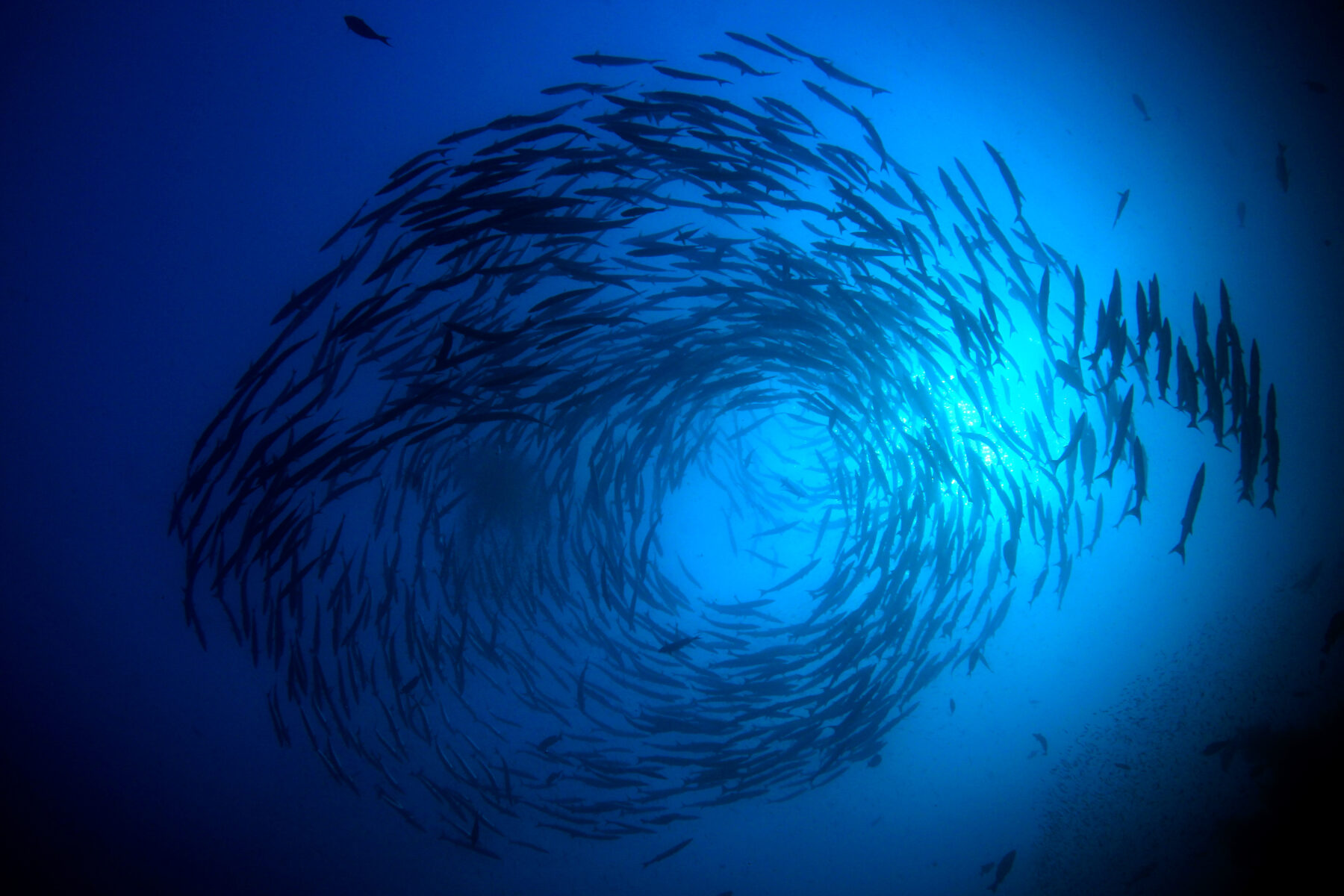
A massive school of Chevron Barracuda

The three rules of schooling: Avoid collisions with your neighbours, remain close to your neighbours, and move in the same direction as your neighbour


Text by Scuba Diver Ocean Planet
Image from Shutterstock


It’s a hypnotic, awe-inspiring sight – thousands of fish moving in sync, as if with one mind. Schooling fish is a phenomenon that arises from something known as “swarm intelligence”, in which independent units spontaneously form organised structures or patterns. But how exactly does it work? The process is far simpler than you might imagine.


1. THE BENEFITS OF LEADERLESS GOVERNANCE

It’s a form of aquatic anarchy – in a school of fish there is no single leader, no one individual controlling or determining the direction or structure of the collective. In a school, decisions are made according to the collective behaviour of self-organised systems. Self-organisation is when structures appear at the global level of a system as a result of the interactions of its lower level components (Bonabeau et al., Swarm Intelligence, 1999); these patterns on the global level emerge as intelligent ones, but are probably unknown to each individual agent.

It has been found that each fish is only responding to the behaviour of its nearest neighbour at any one time. Research published in the journal Proceedings of the National Academy of Sciences shows that fish coordinate their movements according to a simple set of rules, using mainly visual clues, and adjusting their position based on that of their neighbours.

According to the lead researcher, James Herbert-Read of Sydney University’s school of biological sciences, the rules include accelerating towards neighbours that are far away and decelerating when neighbours are right in front. They also found that a fish only responds to a single nearest neighbour at any one time.

So, when any fish finds itself close to a predator, it naturally moves away from it, its neighbours then follow suit, and the information is passed, fish to fish, between the whole school.


2. WHY FISH SHOULD STAY IN SCHOOL

Not only does swimming with the crowd minimise the chances of an individual being picked off by a predator, but a study published in the journal Current Zoology suggests that hundreds or thousands of creatures moving in sync also has a physical impact on the environment, generating waves of sound and pressure, and that these vibrations are thought to confuse the senses of predators, specifically affecting their lateral line receptors, electrosensory perception and auditory ability.


3. SCHOOLING BY NATURE

Schooling has also been shown to be a genetic predisposition, rather than learned behaviour; it makes sense that fish would evolve to swim together to better protect themselves from predators. Research also shows that most fish species will school at some point in their life cycle,

The gene identified for the schooling instinct is connected to the gene for the lateral line – a strip of sense organs along the side of the fish’s body that picks up vibrations in the water much like the tiny hairs in our ears pick up vibrations and interpret them as sound. Interestingly though, fish navigate and school based on visual information, with the information they receive through their lateral line playing a secondary role.


BONUS FACT: DID YOU KNOW…

Schooling and shoaling are technically very different behaviours. Fish that are loosely swimming together, all following the general direction, but maybe foraging and feeding, are said to be shoaling. But schooling fish swim in synchronised patterns in tight formations, often as a means of defence.


To find out about more fascinating facts about marine life and diving destinations, check out Scuba Diver Issue 4 / 2015 here.

For more insightful features and stories like this, subscribe to Scuba Diver here.