Home Blog Page 142

Ask the Experts: I'm Taking this Medication… Can I Dive?

0

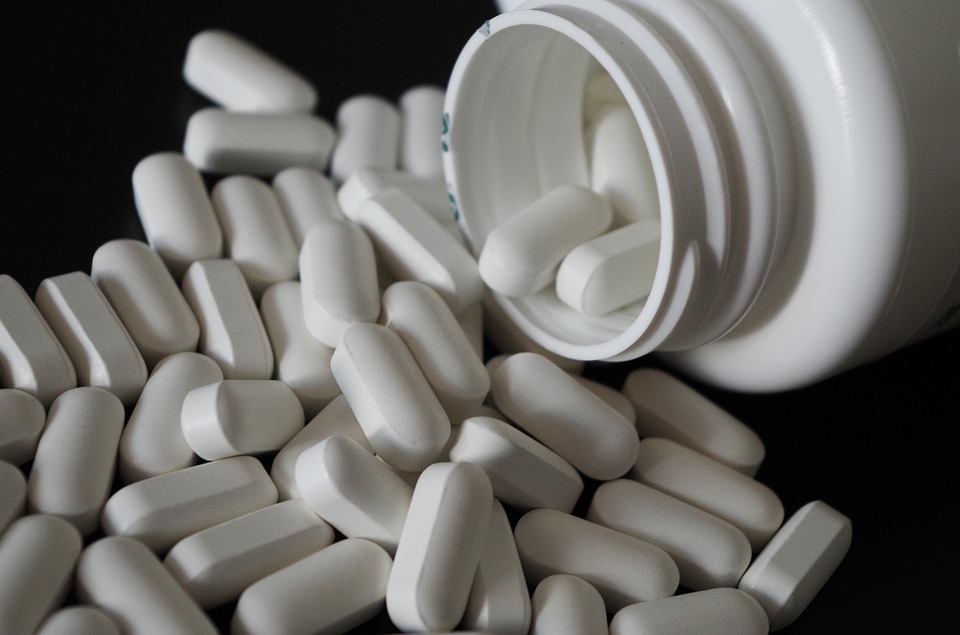
One of the most frequent inquiries we receive at DAN concerns whether it’s safe to dive while taking a particular medication. The answer is rarely straightforward.

Many divers assume DAN has a repository of data on how various medications are affected by the diving environment. Unfortunately, such data do not exist. Ethical concerns preclude formal research trials that would evaluate the influence of drugs on human divers in an underwater environment. Anecdotal reports of dive accidents are of limited value in determining whether it is safe to dive while taking a particular drug; there are too many physical and physiological factors involved to allow isolation of a single variable.

This is not to say it is impossible to provide sound advice when the question is asked. By considering the medical condition being treated, the physical demands on humans in the diving environment and known facts about a drug from clinical trials conducted on land, recommendations can be made about the suitability of diving on medication.

General Considerations

When divers ask DAN about using medications while diving, they are often most concerned about the likelihood of new side effects occurring at depth. It is theoretically possible that certain drugs might potentiate (enhance) or be potentiated by the narcotic effect of nitrogen. This possibility should be considered if a diver plans to dive deeper than 24 metres while taking a drug that warns against drinking alcohol or operating heavy machinery. Aside from this theoretical concern, most drugs are not suspected to incur specific biological hazards due to immersion, pressure or breathing gas mixture. It is understandable for divers to be apprehensive about new side effects occurring during a dive, but the more important issue to medical professionals is whether the underlying medical condition might make diving less safe. The injury or illness being treated is much more likely to exclude someone from diving than the medication.

Diminished physical fitness is not uncommon among people who are being treated for medical conditions. Although diving itself is a relaxing activity for most recreational divers, lifting and wearing heavy equipment as well as entering and exiting the water can be strenuous. Divers should always have sufficient physical capability to fight a current, perform a long surface swim or help a buddy in the event of an emergency. They should not be at increased risk of barotrauma due to congestion, and they should not have symptoms like numbness, tingling or pain that might be confused with decompression sickness (DCS) after a dive.

In addition to the implications of the underlying condition, it is important to consider whether a diver has experienced any side effects from a medication, how long he or she has been taking it, and what other drugs are taken. Before diving with a particular drug, a diver should have experience taking it on land. For most prescription medications, 30 days is recommended in order to ensure the dosage is correct and reveal any side effects the diver is likely to experience. At least one doctor should be aware of all medications an individual is taking to minimise the risk of drug interactions. A diver should not dive if he experiences any side effects that could cause distraction or decreased awareness if they occur underwater.

In addition to these general considerations, there are some specific questions and points for discussion relevant to particular types of medications. The following are questions that should be addressed during the physician’s evaluation of the diver as well as in the diver’s self-assessment.
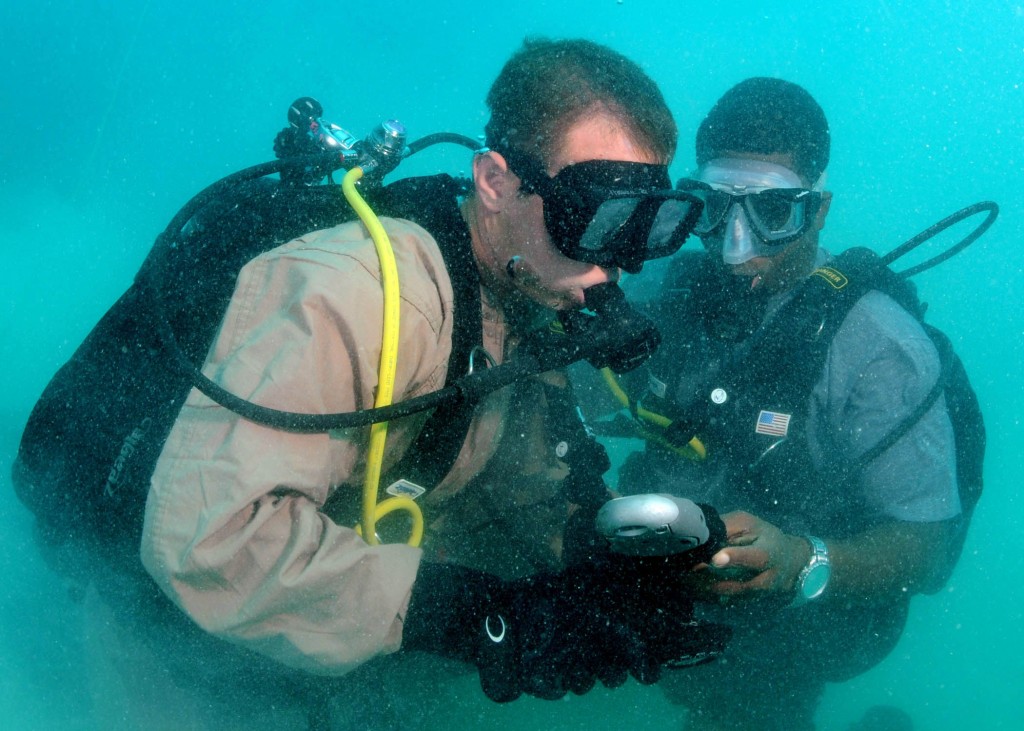
Two buddies checking their gauge together © Wikimedia Commons

 Orthopaedic Pain Medications and Muscle Relaxants

  • Could pain or impaired mobility cause distraction or physical limitation during a dive?
  • Might heavy dive gear exacerbate an injury?
  • Could side effects of prescription-strength pain relievers diminish a diver’s alertness or awareness?
  • Might soreness, numbness or tingling be confused with decompression sickness after a dive?

Neurologic Drugs

  • Are the diver’s physical capabilities diminished?
  • Has the diver ever experienced a seizure?
  • Could any drugs the diver is taking cause side effects that might be confused with DCS?

Psychiatric Medications

  • Might symptoms or drug side effects impair judgment, behaviour, awareness or ability to handle stress?
  • Is the patient’s condition managed successfully or in remission?

Gastrointestinal Drugs

  • Is the patient at risk for gas trapping that could cause barotrauma on ascent?
  • Is the diver dehydrated due to vomiting or diarrhoea?

Cardiovascular Drugs

  • Does the patient have the cardiovascular health and exercise capacity to safely dive?
  • Is a stress electrocardiogram (EKG) needed to confirm good cardiac fitness?

Respiratory Medications Including Inhaled Corticosteroids

  • Is there any reason to suspect air trapping or impaired ability to breathe while diving?
  • People with asthma should undergo an exercise challenge test. This consists of pulmonary function testing before and after exercise.

Decongestants, Antihistamines and Intranasal Steroids

  • Is the diver congested (and therefore at increased risk of barotrauma)?
  • Has he or she been congested recently?
  • Consider the possibility of the medication wearing off at depth.
  • Consider the potential sedative effect of antihistamines.

Hormones, Insulin and Medications Used to Treat Diabetes

  • Are the patient’s hormone levels stable and close to normal?
  • Is the diabetic diver at risk for hypoglycaemia with exercise?
  • Divers with diabetes must have good health and fitness and experience managing blood glucose level while exercising.

Antibiotics

  • Does this patient have an illness or infection that might be complicated by diving?

Chemotherapy Drugs

  • Is the person physically fit to dive?
  • Lung cancer warrants particular consideration.
  • Med ports are generally not a problem, but should be padded well.

These points should be considered in the context of both the symptoms of the medical condition and the side effects of any drugs used to treat it. The focus should be on whether any of these factors might lead to impairment of a diver’s physical capabilities, awareness, reaction time or judgment. This list is by no means exhaustive, but it highlights some of the concerns that accompany certain medical conditions and the drugs used to treat them. Any medical condition or medication should prompt a diver to seek a physician’s approval prior to diving. As always, DAN is available to discuss the relevant concerns of injuries, illnesses and the medications used to treat them. If you have any questions, contact DAN via email or call +61-3 9886 9166.

By DAN’s Brian Harper, EMT, DMT


Check out this incredible offer from DAN Asia-Pacific and UW360:

1 YEAR DAN Asia-Pacific Membership + 1 YEAR Subscription to Scuba Diver AUSTRALASIA + OCEAN PLANET
Want to get your hands on this package? Click here.
fd493c7d-1611-41db-b305-7f81ee2c24cc


Wildlife Identification App: WildScan To Help Combat Illegal Wildlife Trade in Asia

0

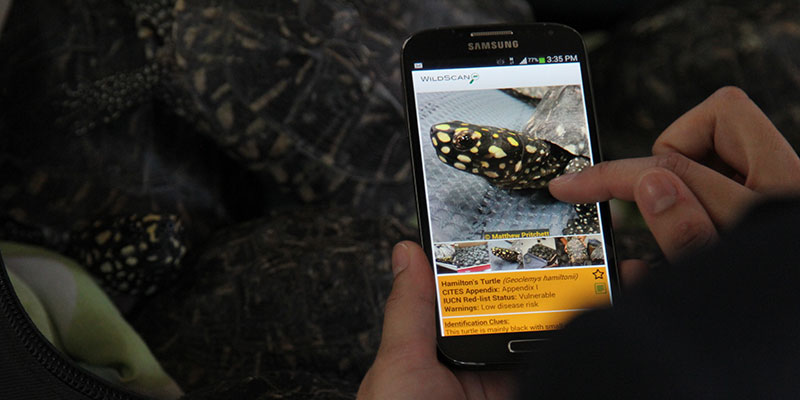
As yet another species tumbles down the IUCN Red List – Bornean orangutans to Critically Endangered, whale sharks to Endangered – those concerned are searching for new ways to help prevent the fall. Come forth WildScan, an easy-to-use, brand new, application to help identify protected wildlife. Once identified, the app offloads tips on how to treat the animal, and a speed dial to report any wildlife crime. It’s an ideal companion for those looking to help combat illegal wildlife crime, and a tool to spread awareness.


Press Release

An application to help identify protected wildlife has been officially launched in Indonesia. WildScan was designed to help stop wildlife trafficking not only in Indonesia but also throughout Southeast Asia as the region is home to a wealth of endangered and threatened wildlife. WildScan now has more than 500 protected species in its database.

Wildlife trafficking has threatened the existence of wildlife in the forests of Southeast Asia. Indonesia has long been a source, transit and consumer country for illegal wildlife, especially for exotic birds, pangolins, pig-nose turtles, tigers and elephant ivory among others. Law enforcement agencies often have difficulty in identifying protected wildlife in accordance with the Indonesian’s Government Regulation No. 7 Year 1999 on the Preservation of Plants and Animals.

WildScan helps law enforcement agencies and the public to quickly and easily identify protected species by providing photos, information and critical clues aid in identification.

The Ministry of Environment and Forestry, in partnership with U.S. Agency for International Development (USAID) and Freeland hosted the launch event which gave participants an overview of the app’s features and included a site visit to a local rescue center in Tegal Alur-Tangerang to test the app. WildScan has been translated into Bahasa Indonesia and 5 other languages of Southeast Asia and now features more than 150 additional local species threatened by the trade.

“WildScan will greatly assist with quickly identifying protected species in accordance with the Government Regulation No. 7 Year 1999 on the Preservation of Plants and Animals. If law enforcement officers or the public find suspicious illegal and protected wildlife, the process of using WildScan to identify wildlife category can be quickly and easily done. WildScan also provides a tool for law enforcement and the public to report wildlife crime and follow up the law process,” said Drs. Rasio Ridho Sani, M.Com., MPM of Indonesia’s Ministry of Environment and Forestry’s Directorate General of Environment and Forestry Law Enforcement.

USAID Indonesia’s Director of the Environment Office John Hansen added, “The United States is proud to partner with Indonesia and Freeland to stop the poaching and illegal trade in wildlife and wildlife products. Together with the Ministry of Environment and Forestry, we hope to protect the many species, especially critically endangered birds, primates and mammals which are being trafficked in Indonesia and the region and are protected under Indonesia law.”

WildScan is available on both Android and Apple devices and has been downloaded more than 1,300 times. WildScan contains information on relevant contacts, temporary care instructions and a tool to report suspected wildlife crime. Reports can be forwarded to a local law enforcement agency allowing anyone to report wildlife crime wherever they are, with the internet facility, allowing for a quick and effective tool to help stop the illegal trade.

Download the app today, search WildScan on the App Store or the Play Store or visit www.wildscanapp.org

16 Incredible Freediving Equipment

0
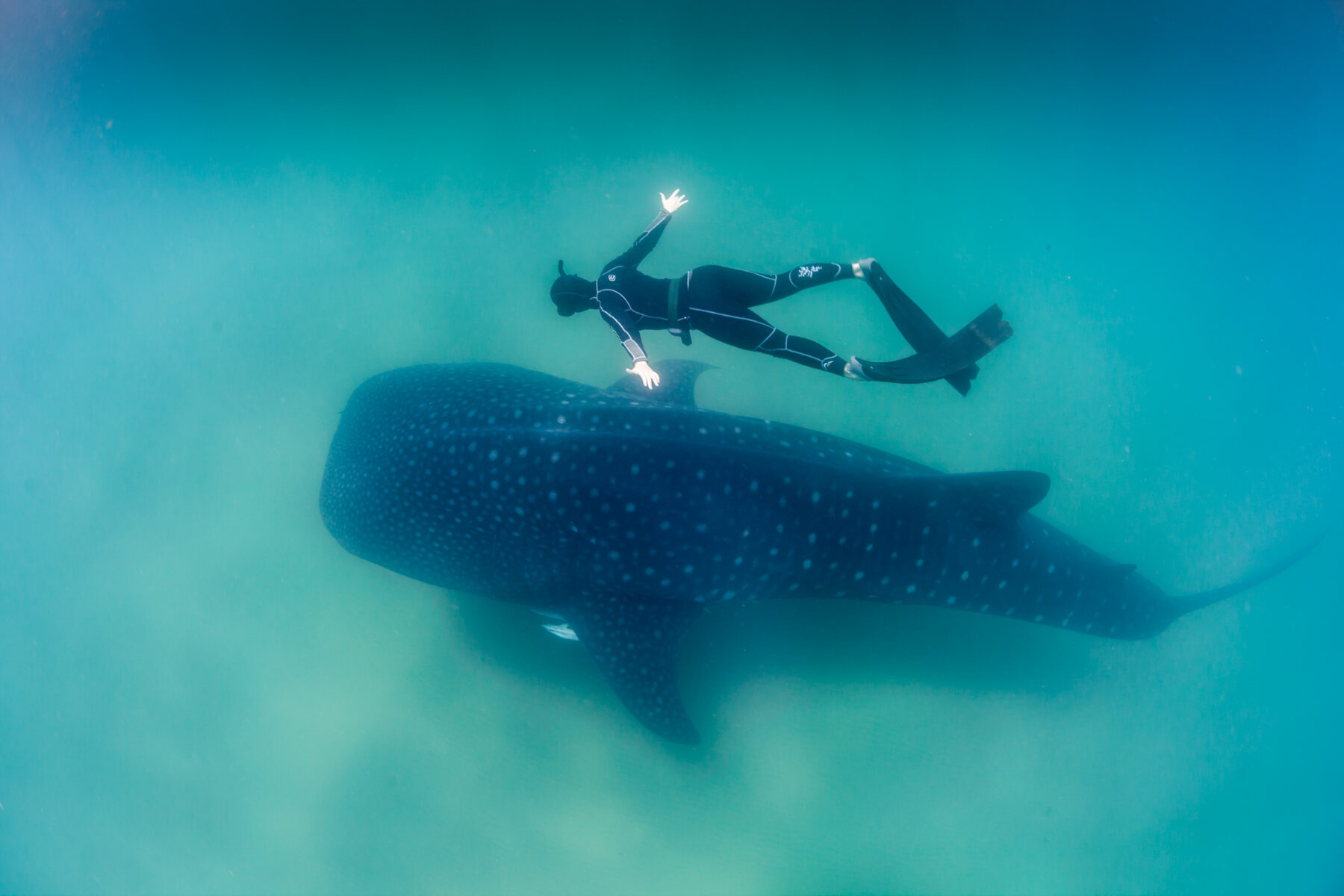
Whale shark with freediver © WIkimedia Commons

Freediving kit has never been so sleek and sexy. We bring you 16 incredible freediving equipment of maximum quality and performance to help fulfil your diving fantasies: 

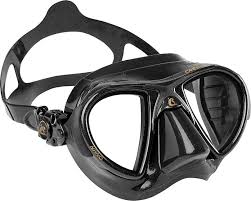
Cressi Nano Blackdownload (1)

Perfect for advanced freediving. Extremely hydrodynamic and compact with an incredibly low internal volume for minimal equalising.

MSRP USD 81
www.cressi.com

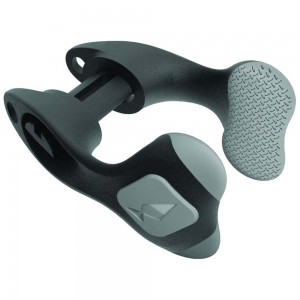
Mares Apnea Nose Clipmares-nose-clip-apnea

A new, comfortable, ergonomically shaped nose clip ideal for apnea in and swimming disciplines. Adapted for use with or without a mask.

MSRP USD 34
www.mares.com

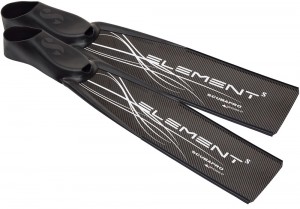
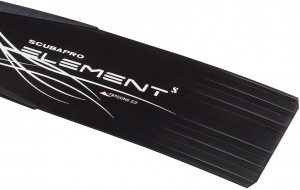
Scubapro Apnea Carbon Fin S1scubapro-carbon-s1-fins

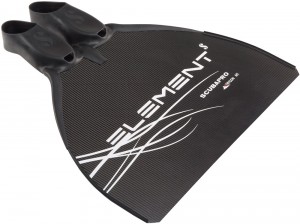
New carbon fins used by William Winram in his latest bi-fins world record, making them “the deepest going stereo fins”. Made with a 99% carbon blade for exceptional power recovery and unparalleled performance. Hydrodynamic, ultra soft, minimal drag – incredible power with practically no effort.

MSRP USD 545
www.scubapro.com

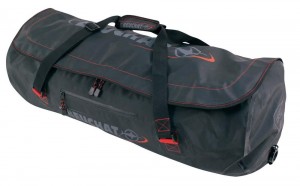
Beuchat Explorer Onebeuchat-explorer-one-60l

Durable bag ideal for long fins. Adjustable carry strap, a rinse purge outlet and moulded handles at both ends. Available in 60 or 114 litres.

60l MSRP USD 60
114l MSRP USD 88
www.beuchat-diving.com

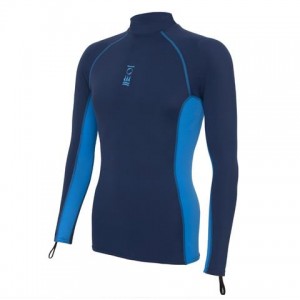
Fourth Element OceanPositive Rash Guardsmens-long-sleeve-hydroskin-navy-bluebright-blue-front_large

High quality hydroskin rashguards made using recycled nylon from ghost nets. Designed to be worn under a wetsuit or semi-dry, or as a UV protective layer (factor 50+ when dry, 30 when wet) for snorkelling or freediving. Fast drying. Available in a range of colours.

MSRP USD 70
www.fourthelement.com

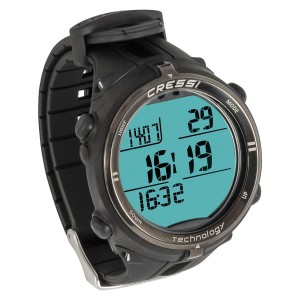
Cressi Drake5849-DEFAULT-l

A revolutionary diving computer with four special programmes to assist the diver across the freediving disciplines. Programmes provide information like descent and ascent speeds, total speed, duration of descent and ascent, the “time ratio” between immersion time and the surface time (constantly updated), the recommended recovery time, and more.

MSRP USD 525
www.cressi.com

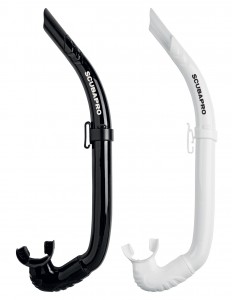
Scubapro Apnea Snorkelapnea_snorkel_blk-white

Made from soft and flexible non-toxic silicone. When not needed, it can be folded and stowed in an accessory pocket. The upper barrel can be removed if you prefer to use a shorter pipe. Available in black and white.

MSRP USD 17
www.scubapro.com

Scubapro Apnea S3scubapro-s3-apnea-fin

Great for freediving as well as scuba. Hydrodynamic, optimised foot pocket is ultra-soft and comfortable, and lessens drag. Unique low-profile guide rail promotes perfect water channelling.

MSRP USD 85
www.scubapro.com

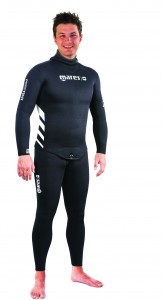
Mares Apnea Infinity 30422459_422460_Apnea_Instinct_50

One-piece 3mm suit with a separate hood and new pre-formed cut. Available for both men and women. Comfort and freedom of movement guaranteed. Smooth outer layer lessens drag, elastic inner lining and back zip allow for easy donning. Neoprene is highly resistant to compression with high thermal properties.

MSRP USD 285
www.mares.com

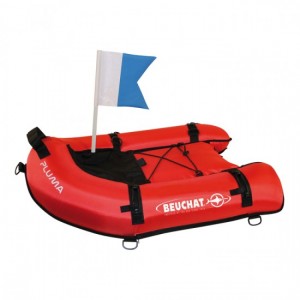
BEUCHAT PLUMAarticoli

Multi-use safety buoy and surface storage device. High resistance nylon with safety flag and eight rings for securing equipment, and three towing and mooring rings. Three bladders fashioned and positioned for better hydrodynamics when loaded.

MSRP USD 100
www.beuchat-diving.com

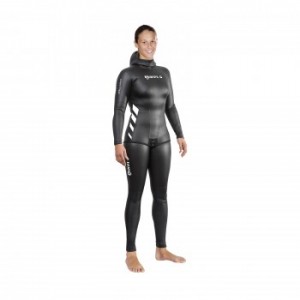
Mares Apnea Instinct 17422470

A two-piece 1.7mm suit available in men’s and women’s preformed cuts. Male jacket includes a “beaver tail” closure and double quick-release fastening system, while the female version utilises a single fastening closure system. Ideal for the pool and warm waters.

Jacket MSRP USD 125
Pants MSRP USD 97
www.mares.com

Scubapro Apnea Carbon Mono Fin M1scubapro-carbon-monofin-m1

Constructed of carbon and fibreglass. Lively blade action and double-wide shape deliver exceptionally powerful kicking performance. Comfortable double foot pockets help prevent cramps.

MSRP USD 395
www.scubapro.com

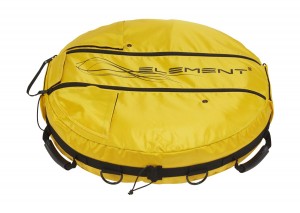
Scubapro Apnea Surface Buoy Complete 30h-scubapro6159

Ideal for marking your position to warn any boat traffic of your presence and thus assure your safety. Heavy-duty, durable 840 denier nylon. Easy assembly and disassembly. Optional storage inside bag. D-ring included for line attachment.

MSRP USD 193
www.scubapro.com

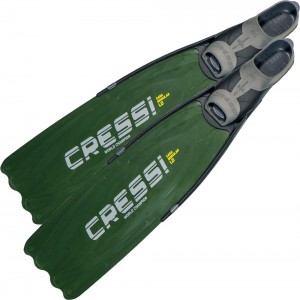
Cressi Gara Modular LDcressi-gara-modular

Extremely reactive,
lightweight, interchangeable blade. Ideal for the most demanding use. Incredible propulsion. Comfortable foot-pocket with soft rubber around arch, and a rigid section along the sides and traction surface. Blade made is soft and efficient, minimising fatigue over long distances.

MSRP USD 175
www.cressi.com

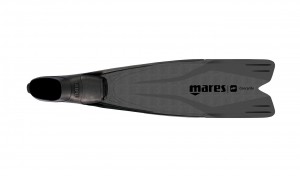
Mares Concord420406.5c712695

Ideal for shallow to mid-depth freediving and spearfishing, the new techno polymer blade is moulded for durability and high-performance. Lateral ribs allow even better propulsion and reactivity. New tip profile prevents the fin slipping from side to side. Designed with a super-soft foot pocket and sleek satin finish.

MSRP USD 120
www.mares.com

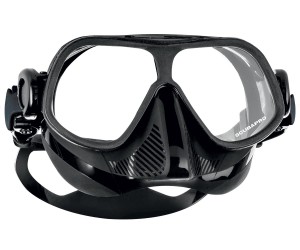
Scubapro Steel Comp Masksteel-comp-black

Dual lens frameless design offers the lowest possible internal volume and compresses under pressure. Flat, ultra clear, scratch-resistant glass guarantees an undistorted view. Premium supple silicone comfortably fits a range of faces. Available in black, white or clear.

MSRP USD 58
www.scubapro.com

*Prices are guide prices and may be subject to change

This article featured in Asian Diver “Strange Asia”AD issue 3 Web Banner

The Role of the Dive Industry in Marine Conservation

0
The devastating effect of whaling in the Faroe Islands. © Erik Christensen/Wikimedia Commons

ADEX Singapore conservation and scuba forum speaker, David McCann, explains why dive operators have a role – and responsibility – to act in marine conservation.

The world’s oceans face a myriad threats: Worldwide, coral reefs are being irreparably damaged. Species of marine life are disappearing at an unprecedented rate. Conservation of the marine ecosystem is at a delicate point, and there is no group better placed for the advocacy of marine protection than the dive industry. More specifically, there is no group with a larger responsibility to act for marine conservation than the dive industry.

Why is it our responsibility?

Regardless of our role in the dive industry, whether that be as the operator, the dive professional or the guest – we are lucky to experience the joy and beauty of the underwater world. With this joy comes a responsibility to protect and conserve. However, it is not just our moral responsibility to promote marine conservation – it is a responsibility to the future of our industry and our livelihoods that makes engaging in marine conservation a sustainable and sensible business choice.

Dive professionals are fortunate to have turned a passion into a career, thanks to people’s love of the ocean. As a dive operator, you are making money from the ocean – so it is only sensible that you help protect it. Our business relies on a healthy marine ecosystem – it is an intelligent business decision to invest time and resources into acting for marine conservation to ensure the sustainability of your business. Dive operators undertaking marine conservation activities will not only ensure a healthy ocean, but it will ensure healthy business for them for years into the future.

The unique position of the dive industry

Those of us working as dive operators are in a key position to share our passion with others, while promoting environmentally responsible diving and marine conservation. We are also fortunate enough to be in a position where we can engage both local communities and tourists in marine conservation activities – a huge target audience in one swoop. This is a huge positive impact for marine conservation.

Not only that, our operations are widespread, including remote locations in far-flung corners of the globe. We are ideally situated to play a prominent role in marine conservation and make a real difference, if we all work towards the same goals. From the Coral Triangle to Hawaii, the Great Barrier Reef and dive sites as far north as Alaska and the European Arctic, we are a group of locally based organisations ideally situated to make a global difference.

For example, take the Coral Triangle region, which covers a mere 1.5 percent of the world’s total ocean area, but it is home to 363 million people, of which 120 million rely directly on the ocean for sustenance. It is the most biodiverse region in the world’s oceans, and it generates an estimated US$2.3 billion per year through tourism, fishing and coastal protection. Any local action by an operator to undertake marine conservation within this area will not only safeguard the amazing biodiversity, but will also safeguard the future of local communities and the economic revenue they depend on.

The potential is staggering. 

What can we do? Start with the basics

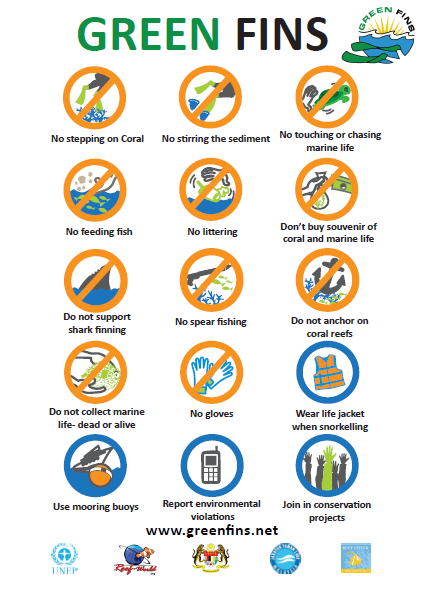
greenfins for uw360Marine conservation starts at home – make your operation as “green” as possible. Dive operators, through both their construction and operation phases, will inevitably have impacts on the marine environment; it is imperative that we minimise these as much as possible.  
  • Avoid practices that would accelerate coastal erosion, build on coral reefs or disrupt animal nesting and feeding sites.
  • Reduce your reliance on freshwater sources by installing rainwater catchers. Install an efficient sewage treatment system to reduce organic pollutants into the marine environment, and use biodegradable cleaning products.
  • Reduce, reuse, recycle. Have a dedicated recycling station at your operation.
  • Provide free water bottle refills to discourage people from buying water in disposable bottles. Ban the use of straws, if you have a bar in your operation.
  • Reduce your reliance on fossil fuels (and cut your energy overheads) by using renewable energy sources, such as solar power.
  • Provide only sustainably sourced seafood.
  • Protect the reef – embrace responsible diving practices.
  • Ensure your divers practice correct neutral bouyancy. No touching or harassing of marine life. Do not let divers take a photo at the expense of the natural environment. Enforce a “no glove” policy, unless there is a pre-existing medical condition.
  • Reduce boat speeds around shallow reefs to reduce collision risks. Do not use anchors, as these cause major damage to coral reefs. If you are located somewhere that anchors are necessary, then install mooring buoys as an alternative.

For example, Green Fins, internationally coordinated by the Reef-World Foundation, promotes  a comprehensive approach that encourages dive centres and snorkel operators to reduce their environmental impacts. This is primarily done through the operators adopting a Code of Conduct that will help mitigate their impacts when carrying out marine tourism activities. Green Fins set out environmental compliance standards and environmentally-friendly operating guidelines, to provide guidance and support for business owners and national authorities to promote best practices.

What can we do? Get the message out there

Some people are unaware of the threats facing our oceans. By raising awareness and drawing attention to some of the issues, as well as suggesting some straightforward solutions, you can inspire others to take action. Visitors to your dive operation will not only get involved with your projects, but they will carry the marine conservation message home with them.

  • Start with your staff – they are the ones who will be interacting with guests on a daily basis. Inspire, motivate and engage them to become ambassadors for the oceans. Then move on to engaging your guests.
  • Display marine wildlife and conservation posters, and give conservation presentations at your operation. Your guests’ diving experience will be enhanced by new facets of information about marine life and conservation.   
  • Do not just present the problems – provide activities for people to be part of the solution, for example, a beach clean against marine debris.
  • Include the local communities in your conservation activities. Find out if there are any local conservation groups who need partners. Engage the local government authorities alongside these conservation groups.

For example, run a “Day Against Debris” in your area. Invite a local conservation group to give a presentation to the local community about the problem of marine debris, with a beach or island clean after. Give a similar presentation to your guests, and invite your guests to join the cleanup. Invite the local government to attend the day. There will be an immediate, visible – cleaner – result in the area, and also a powerful message for everyone to take home. Working together, we can make a difference.

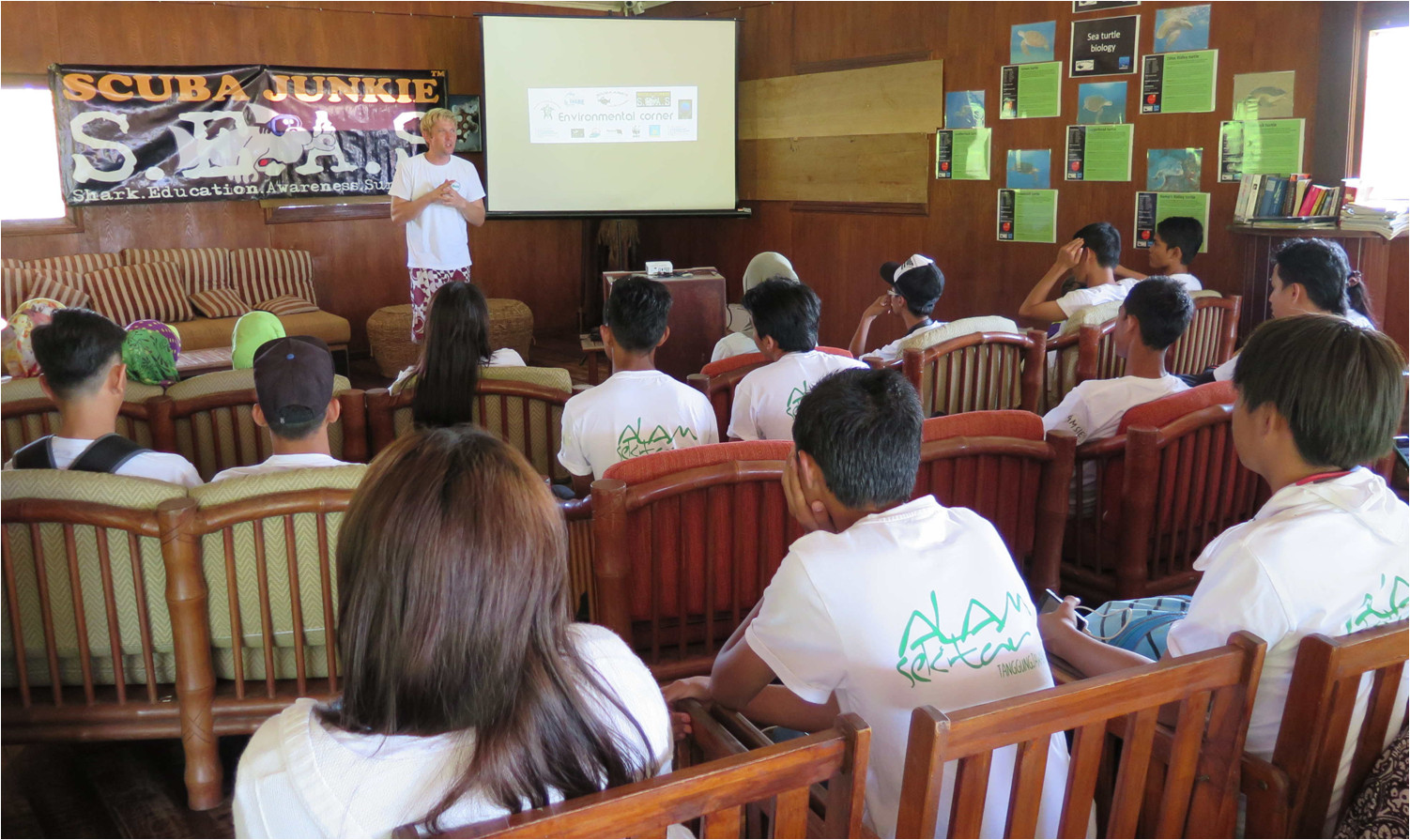
Dave McCan giving a presentation to Green Semporna, our local environmental conservation group.
Dave McCann giving a presentation to Green Semporna, our local environmental conservation group.

Wh
at can we do?
Citizen science and facilitating research

A lot of dive operations are located in far-flung and remote locations. However, there is probably very little scientific data (if any) being recorded in these areas. Divers can make a substantial contribution to filling these knowledge gaps.

If you want to take it further than citizen science, invite researchers and NGOs to stay at your resort and use your facilities to conduct proper scientific research.

  • Keeping sighting records and submitting to relevant authorities – or marine conservation groups. This can help to identify key areas and seasonal fluctuations for particular species, which will in turn help to inform management practices and aid in marine conservation.
  • Get involved in PADI’s Project AWARE “Dive Against Debris”, which relies on dive operators to carry out cleanups. The collected rubbish is analysed and the data submitted so that Project AWARE can take more targeted action.

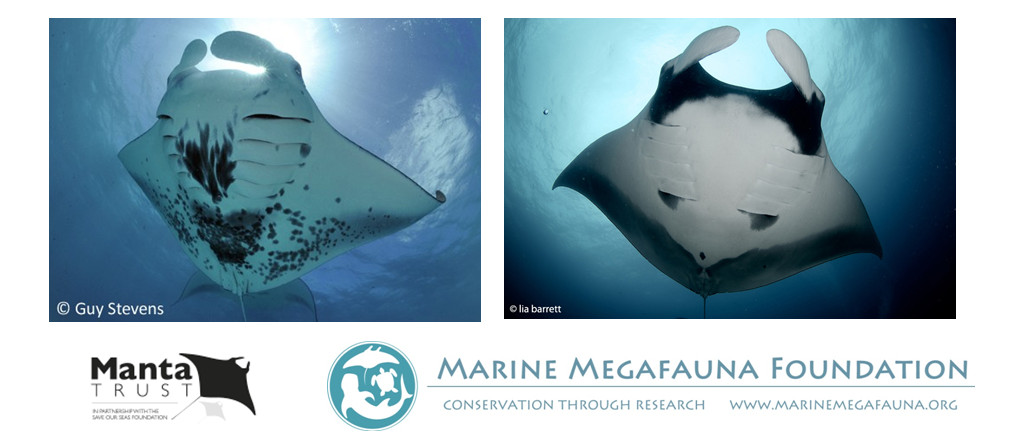
For example, the dive industry and manta researchers have forged a powerful partnership. Organisations around the world – such as the Manta Trust, the Marine Megafauna Foundation and the Aquatic Alliance – collect manta identification pictures from divers to help build up population data. Such contributions have proved invaluable. It was originally thought that the mantas in Bali and the mantas in Komodo were two distinct populations. However, sighting data from photographs, together with the work of the Aquatic Alliance based at local dive operators in the area proved that they were one population that migrate between the two locations.

uw360manta

What can we do? Give back

This part is specific to and tailor-made by each dive operation. This is about you – the operator – identifying key local environmental issues and/or concerns of the local community, and implementing initiatives aimed at tackling them. Such initiatives may require heavy investment of money, time and resources – but will reap rewards further down the line.

For example, at Scuba Junkie, we run a Local Divemaster Internship, which provides employment opportunities for local people in the scuba industry. It is very expensive to become a Divemaster, especially for people who may be working as fishermen, gardeners, housekeeping, and so on. Our scheme takes members of the local community from never having dived before, through from DSD, OW, AOW, EFR, Rescue and Divemaster – with all training costs and registration fees paid for by Scuba Junkie. We have a firm emphasis on environmental impact throughout training, which helps to produce not just local divemasters, but local ocean guardians. Successful candidates are then offered a paid work contract with Scuba Junkie. This provides a valuable certification, as well as employment opportunity in the area. They start to receive salary straightaway, rather than working for free – which is ultimately unfair, and gives an unrealistic outlook on the job market, but also of their worth as dive professionals.

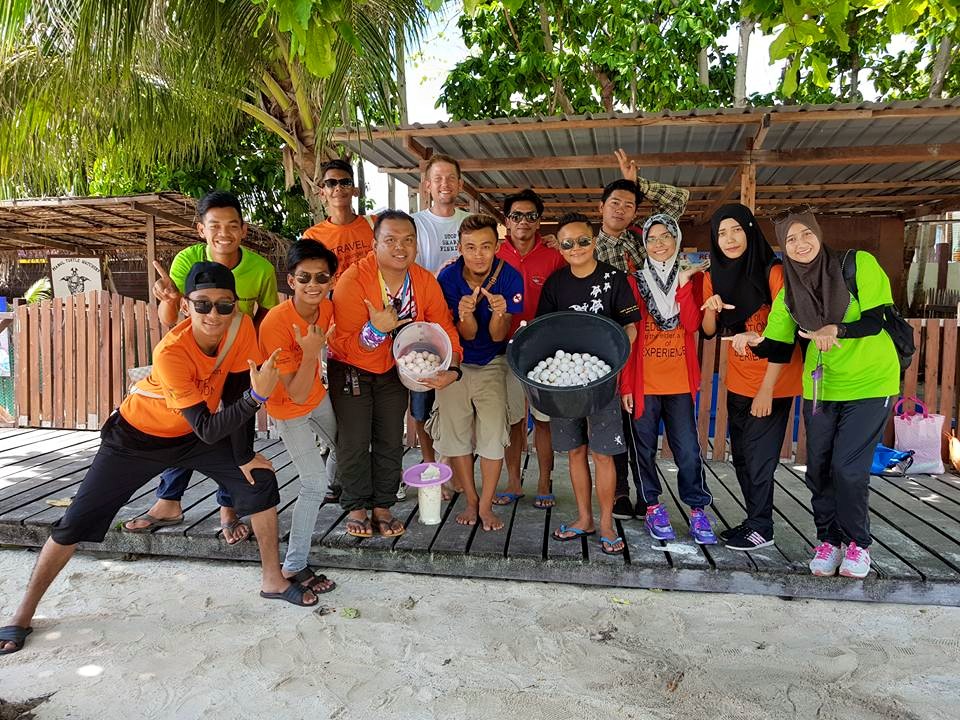
This shot shows two of our Honorary Wildlife wardens, Dionne and Kai, at a recent Turtle Week event by Scuba Junkie on Pulau Mabul. They are explaining turtle nest relocations to students from Kolej Komuniti . Both Kai, Dionne and another HWW, Afat came through our dive master internship programme. They have shown such amazing dedication and interest in protecting their marine environment that we put them forward for Sabah Wildlife Department's 'Honorary Wildlife Warden' scheme.
Two Honorary Wildlife Wardens (HHWs), Dionne and Kai, at a recent Turtle Week event by Scuba Junkie on Pulau Mabul. They are explaining turtle nest relocations to students from Kolej Komuniti. Both Kai, Dionne and another HWW, Afat, came through our divemaster internship programme. They have shown such amazing dedication and interest in protecting their marine environment that we put them forward for the Sabah Wildlife Department’s “Honorary Wildlife Warden” scheme.

Pioneer of the Week: Ted Eldred

0
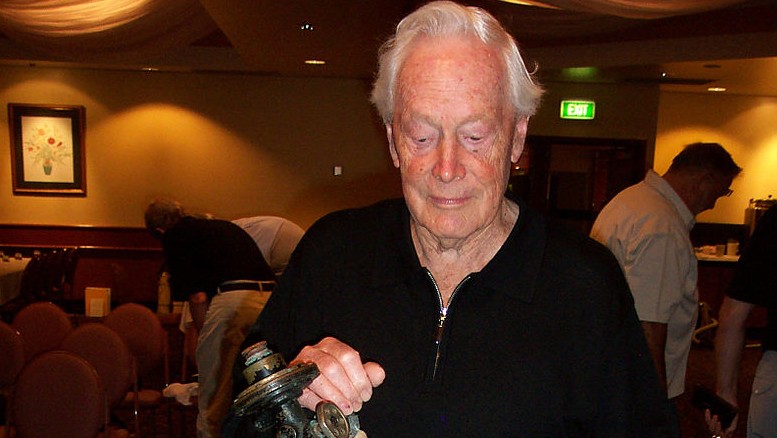
Ted Eldred photographed in 2003 with an example of the world’s first commercially available single-hose scuba unit, which was released in 1952. © Wikimedia Commons

Born in Melbourne, Australia on December 20, 1920, Ted Eldred would later become known as a pioneer of scuba diving after his invention of the “Porpoise”, the first commercially successful single-hose regulator.

Growing up by the sea in Sorrento, Melbourne, Ted spent a lot of time snorkelling in his deep-blue, open backyard. After a huge storm sunk many of the boats that had previously rested in the harbours along the coast, he helped the local garage proprietor to salvage the wrecks off the bottom of the sea – he did this by freediving ill-equipped down to attach winch ropes to the sunken ships so they could be dragged up. This practice became increasingly difficult and dangerous for the boy as the summer season changed to winter and brought colder waters, stronger currents, and decreased visibility.

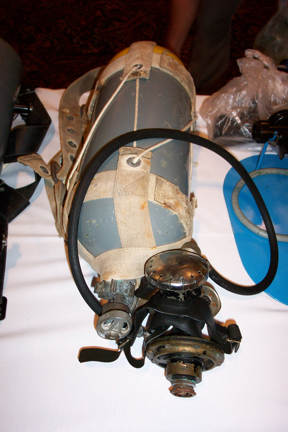
The world's first Porpoise © Wikimedia Commons
The world’s first Porpoise © Wikimedia Commons

To counter this, Ted developed personal techniques that helped him to survive in these harsh conditions – one was filling the space between the glass and eyes with fresh water to prevent mask squeeze. For the cold water he would wear close-fitting woollen clothing and worked on techniques to relax muscles and enabled the maximum workload to be taken on with minimum effort.

Following his love of engineering, after graduating from school in the mid 1930s, he was in charge of an extensive tool room engaged in both experimental and production activities for the Armed Forces during the Second World War.

By 1946, Ted had his first oxygen rebreather built. During the period from 1945 to 1947, he became involved in designing two rebreathers and was involved in risky testing trials – which he carried out with his friends on weekends. And with great risks came greater consequences, and little did they know at the time that oxygen rebreathers could be fatal below 9 metres: The increased pressure turns oxygen poisonous.

One diver passed out having failed to purge the system of air, which resulted in anoxia (an absence or deficiency of oxygen). Because of this, Ted directed his efforts to developing an open-circuit compressed air breathing apparatus.

After spending time with the Royal Australian Navy, and gaining access to Royal Navy medical files, Ted was able to enhance his knowledge of respiratory requirements for underwater application. He developed a scuba regulator system by using one hose from the regulator mounted on the cylinder feeding the diver with his compressed air. Taking several years to perfect, and after many changes, the “Porpoise” was ready to take on the world.

Ted started the Breathing Appliance Company in Melbourne, and this allowed him to mass-produce the new dive gear. Following this, the Royal Australian Navy adopted the Porpoise for their divers, the revolutionary units making the then-current helmet gear almost obsolete. With this success, Ted and his friends set up Australia’s first scuba school at the Melbourne City Baths in 1953. The classes were conducted two nights each week, and staff was trained and students were lectured on how to use and service both air and oxygen equipment.

In 1954-55 diving activity in Australia became much more popular, clubs were formed and local manufacturers started to copy the Porpoise single-hose design. Ted’s company outperformed the other overseas manufacturers – giants like Siebe Gorman, Draeger and Scott – and between 1952 and 1975 there were over 12,000 Porpoises manufactured. 

To this day, Ted’s single-hose regulator concept is still in use. Ahead of his time, and a pioneer of the diving industry in many ways, Ted sadly passed away in 2005. But his mark on the world remains, in the stress-cleansing addiction that is scuba diving.


Wildlife of the Week: Pacific Salmon

0

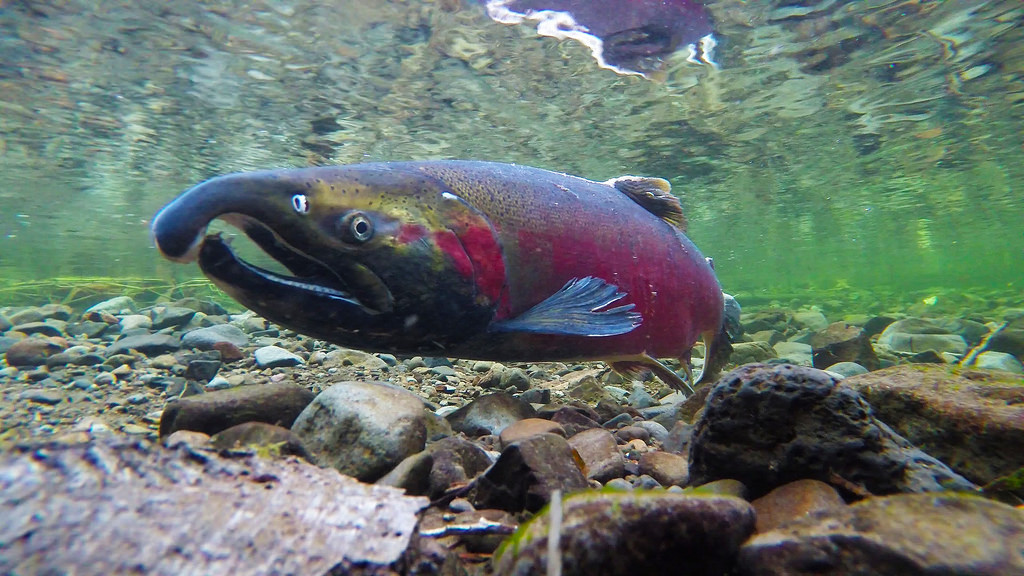
To show the world that salmon are more than just destined for sashimi platters, we explain the biology and behaviours of one genus, our Wildlife of the Week, the Pacific salmon:

Genus: Oncorhynchus

Species: King (Chinook), Sockeye (Red), Coho (Silver), Pink (Humpback), Chum (Dog)

IUCN Status: Least Concern or Unassessed

Diet: The young depend on a diet of insects and plankton, while the adults eat shrimps, fishes, eels and squids. The sockeye species depends solely on plankton

Size: Two kilograms to 50 kilograms, depending on species

Ecosystem: As anadromous fishes, salmon are born in fresh water-like rivers or streams and spend one to seven years in salt water as adults. They will return to fresh water to spawn before dying of exhaustion within a few weeks. Those that do not die will spawn two or three more times

Distribution: Widely distributed in North Pacific waters of the United States and Canada

Behaviour: The migration of millions of Pacific salmon is a yearly affair in summer. They swim from the North Pacific region to the fresh waters of their birthplace to spawn, memorising a complex map of smells to find their way home

5 Fast Facts:

  • Salmon are the “keystone” species that influences the survival and reproduction of 137 other species, like the coastal brown bears, mountain lions, the golden eagle and the snowy owl
  • Salmon carry out spring-cleaning before spawning, by using their tails to sweep away fine sand and sediments that would suffocate the developing eggs
  • Salmon are cold-water fish and will die when exposed to waters above 20ºC. Recently, global warming has heated up the waters making it unbearably hot for these salmon, ultimately causing their demise
  • Adult salmon are known to travel over approximately 3,200 kilometres to reach their spawning grounds, including jumping up rapids
  • Salmon contains a lot of protein, vitamin D and omega-3 fatty acids, vital to human dietary health

Telling a Visual Story with Michele Westmorland

0
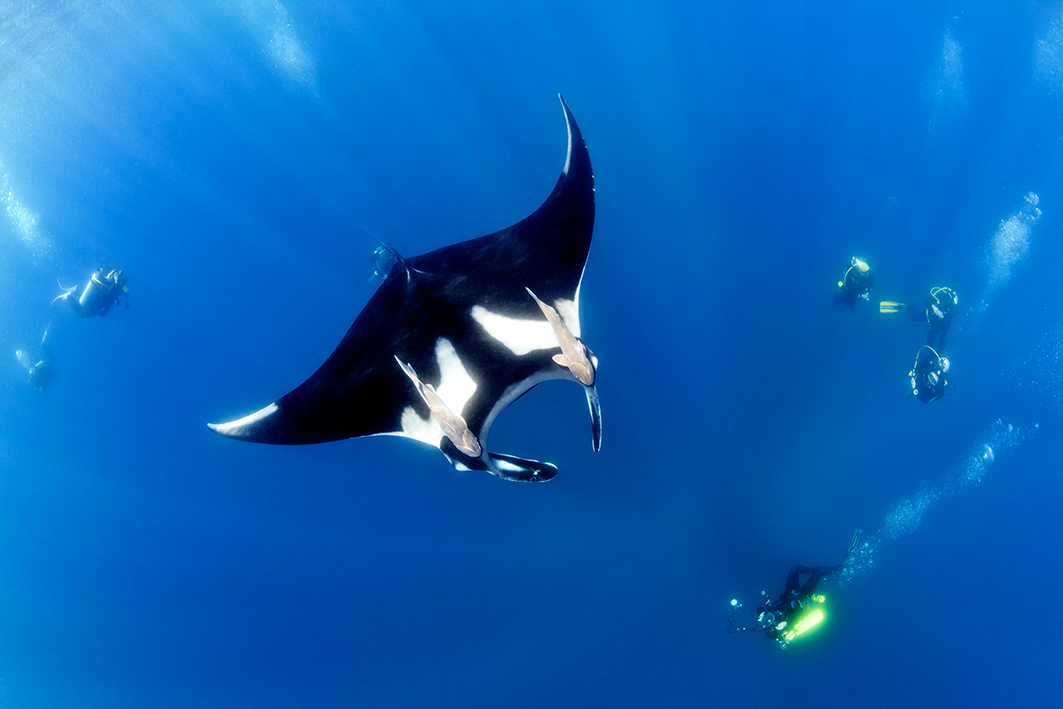
Giant manta (Manta briostris) being photographed by divers, Isla Revillagigedo, Mexico. © Michele Westmorland

In SD OCEAN PLANET, Editor Gill McDonald welcomed Michele as the magazine’s professional “Shooter on Tour”.

Michele has many skills as a freelance underwater, travel and lifestyle photographer. She is in the Women Divers Hall of Fame, is a member of the Explorers Club, a Senior Fellow of the International League of Conservation Photographers and has credits in many media and publications around the world. Her years of diving have also evolved her into a very active marine conservationist and she is also passionate about the culture of Melanesia as portrayed in her Papua New Guinea project www.headhuntrevisited.org.

When you are commissioned to do a shoot, do you usually have plenty of time to prepare or can it be short notice?
I rarely have a short notice trip, thank goodness, as that can be stressful. I try to plan my tours and assignments several months ahead. Having said that, right now I am preparing for an assignment to Cuba which starts just two weeks after my recent return from a month in Papua New Guinea (PNG).

My notebook, which is always with me, has a page constantly updated with “repairs and replacements” and it’s currently full of things I need to get done before leaving for Cuba. For example, my laptop needs a new screen, I must order lost strobe diffusers, replace a broken strobe sync cord and a faulty strobe battery. My focus light charger needs renewing, I am missing spare screws for mounting lights and dome ports, and I need a few more tubes of O-ring grease. Such is the world of underwater camera equipment maintenance.

My Cuba assignment is for the Aggressor Fleet’s new vessel, there will also be additional equipment to take for lighting interiors of the boat, shooting lifestyle photos, and I will need a greater variety of lenses and remote flash transmitters than a “normal” diving commission to accomplish the task. Testing everything before packing will take a day to make sure all is working properly.

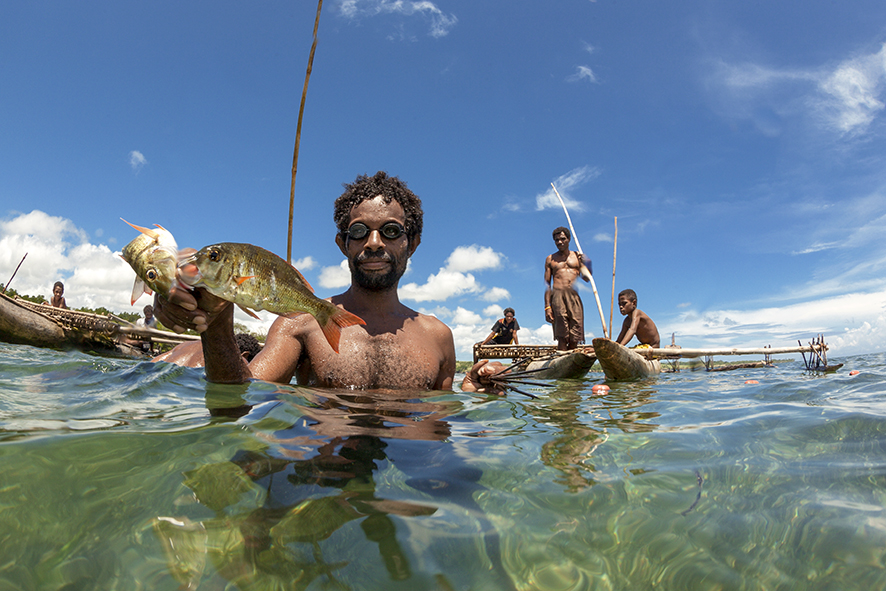
Traditional fisherman, Kofure Village, Cape Nelson, Oro Province, Papua New Guinea © Michele Westmorland
Traditional fisherman, Kofure Village, Cape Nelson, Oro Province, Papua New Guinea. © Michele Westmorland

Where are your favourite locations to work?
This is a very difficult question to answer. There are places I have not yet experienced and other ones I would love to return to. Each has their own personality and subject focus. Galapagos and Socorro for big animals, many islands in Indonesia to update my content, and the Maldives to check the status of the reefs since my last visit several years ago. The one location I never tire of is PNG and I have just completed my 31st trip to this amazing country.

Often divers visit a location for the marine life experience, but what PNG has taught me is not to ignore the people and diverse culture on any trip. These island nations have important stories to tell and the connection of the marine environment health with the people who depend on it for their livelihoods is fascinating and important. I have witnessed underwater photographers who are not interested in photographing the local people. I try to explain why they should. Sustainable oceans are not just for our privileged benefit; they are also vital to the health of the village communities that line the shores that we visit.

Do you use a packing list or some other method to ensure you take everything you need?
I have three basic lists: 1. Underwater and topside equipment for marketing images and diving stories for publications. 2. Gear for terrestrial wildlife imagery such as in Africa where long lenses are needed. 3. Photo tour kit list for teaching in the field. I also have details of all my equipment with serial numbers and value for any questions from customs and for insurance purposes. About once a year I have my equipment and list inspected by U.S. Customs officers so that I don’t have to repeatedly discuss whether it all is my own equipment or for resale. I have been stopped before and don’t want to go through that process again.

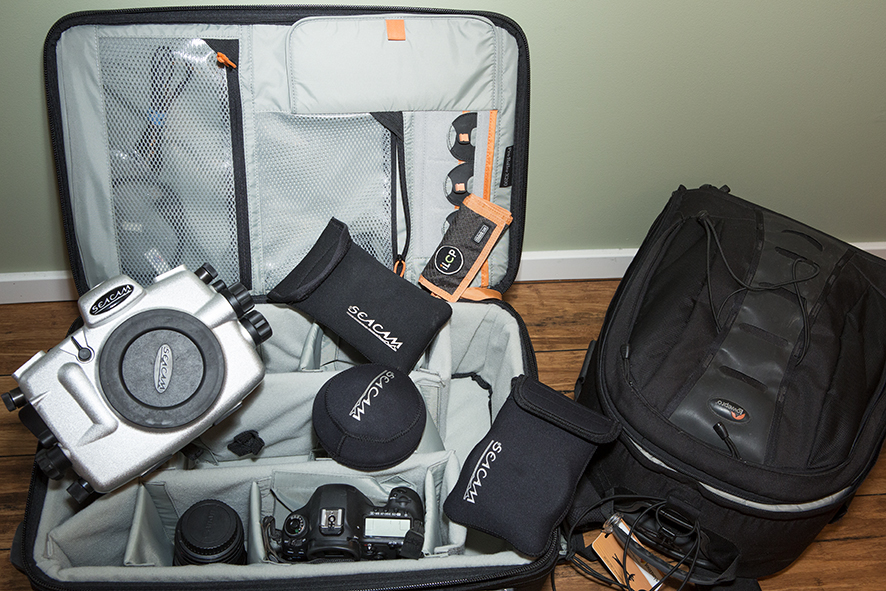
Just a small sample of the amount of kit Michele has to take on an underwater assignment © Michele Westmorland
Just a small sample of the amount of kit Michele has to take on an underwater assignment. © Michele Westmorland

Have you ever forgotten anything vital and if so, how did you manage?
With dive equipment, I can always find a solution especially with good resorts and dive vessels. Do I miss my own dive equipment that I am so familiar with? Of course, but I can adapt. When it comes to camera equipment, using my lists is the key to not forgetting an essential piece. In the past I have had to make choices whether or not to bring a particular lens, but now I just pack them all. If I don’t use it, so be it, but if I need it at least it’s in the bag.

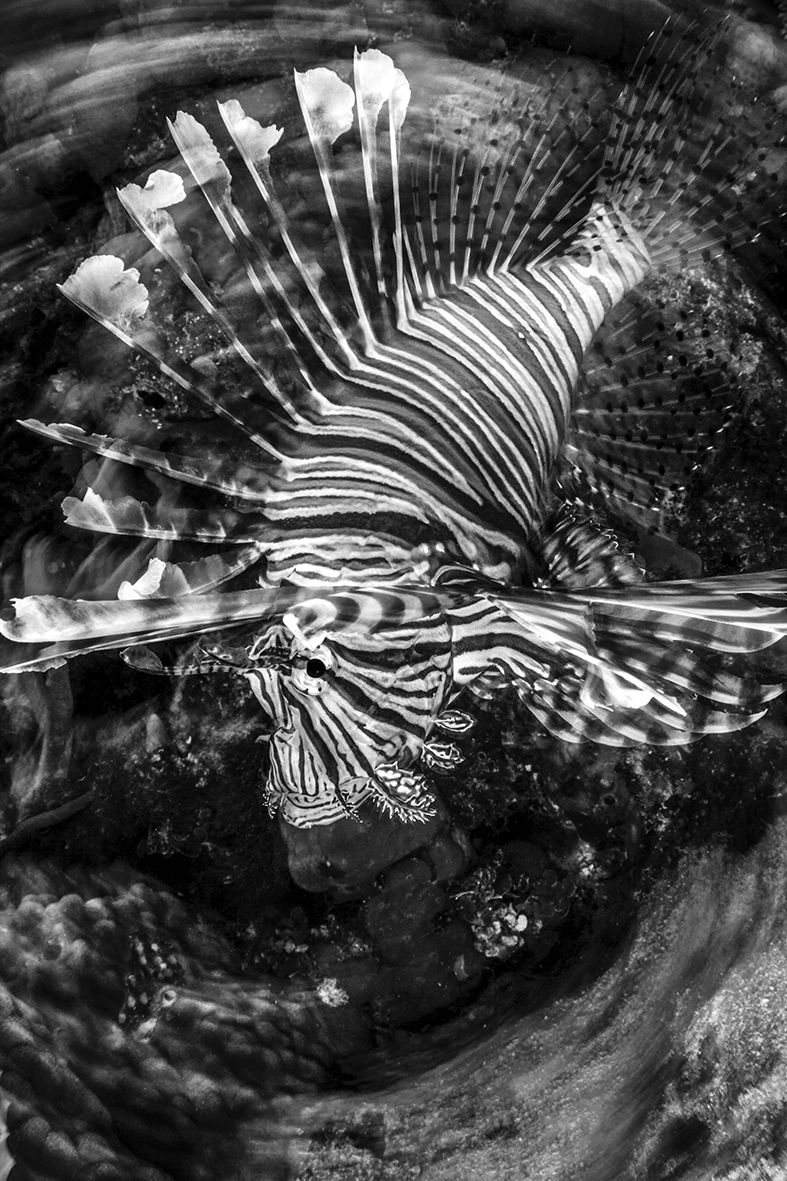
Lionfish really lend themselves to creative photography © Michele Westmorland
Lionfish really lend themselves to creative photography. © Michele Westmorland

What packing tips can you give other underwater photographers?
I tend not to use check-in luggage that screams “this is expensive camera and dive equipment”. I use a basic duffle bag for tripods, dive gear and the few clothes I take, and a solid coolbox reconfigured with handles that can be secured with tie wraps for the underwater housing, strobes and accessories. I have been doing this for some 20 years and have only ever been asked if I have fish in the cooler! My cooler is pre-inspected by airport security so I know it is all repacked properly. It is those glass dome ports that I worry most about.

In Lowepro bags I carry two camera bodies, six different lenses from macro to fisheye including two for topside, two topside flash units, two backup hard drives and a laptop together with a myriad accessories. These all travel with me.

Has your luggage ever not arrived?
Don’t jinx me now! Only once did my cooler not arrive and thankfully it was on my return home. It was safely delivered the following day. I usually try to arrive at my destination a day or so early and find flights that have daily schedules, especially to PNG. It is too risky if there are flights only a few times a week into a particular location.

What have been your best and worst trips and why?
Long crossings when the weather does not play fair are memorable for the wrong reasons. I have never had a trip cancelled due to rough crossings but it sure can be miserable for everyone on board. Also uninformed crew and bad food are tiresome. The good news is that these have not happened very often and I have been fortunate to meet some amazing crew members who do everything they can to make the trip as comfortable as possible.

One thing that impacts a trip for everyone is a thoughtless diver. Sadly, they can turn up everywhere. People who care only about themselves, who tear apart a reef to get a shot, who are rude to the crew and other passengers, and who feel entitled are at the very top of my “dislike” list.

What camera or dive gear can you not be without?
Of co
urse, my Seacam housing! I have been using Seacam for over 12 years and I think it is the finest piece of underwater equipment available. I use Canon cameras, Ikelite DS-161 strobes and a Sola light along with appropriate Canon flashes for topside fill light.

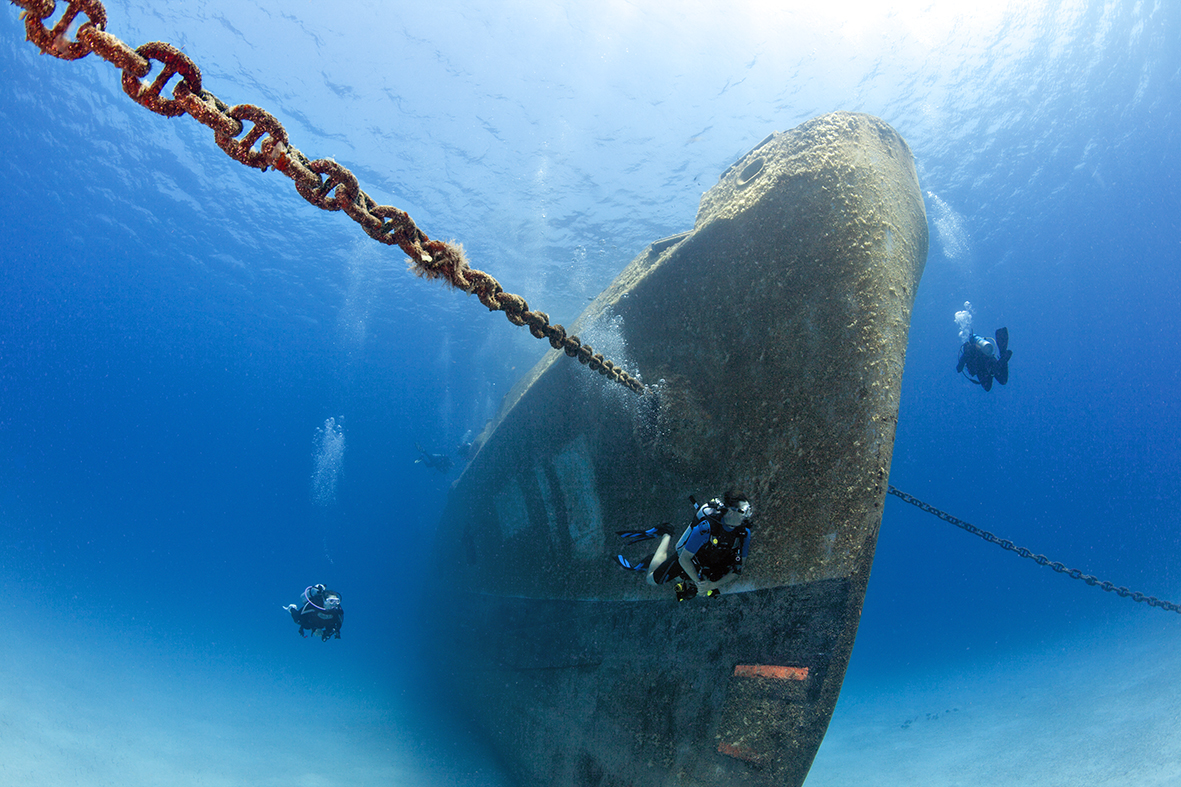
Scuba divers at Kittiwake Wreck, Cayman Islands, Caribbean © Michele Westmorland
Scuba divers at Kittiwake Wreck, Cayman Islands, Caribbean. © Michele Westmorland

Do you take anything as a luxury not related to the trip?
Once in a great while, I like to take a few pieces of feminine clothing to wear at dinner and in the evenings. Yes, the female side of me gets just a little tired of looking like the “adventure clothing poster child”. Sadly, with all the latest weight restrictions and the amount of equipment I have to carry, I often find myself pulling the pretty clothes out of my bag to pack an extra piece of photo equipment.

How do you deal with the pressure of having to get the shots?
Every photographer wants the definitive shot. But what is that? Those of us who have been shooting for a long time can tend to be self-destructive and overly critical in what we deem as the shot. We let our minds imagine shots that may not be achievable. It could be due to weather or water conditions. There are times that I am restricted as to the number of days I have to cover a story so I press my internal reset button and look for other angles that align with conditions and time.

SDOP4coverTo read more, pick up SD OCEAN PLANET “Budget & Luxury Edition” (Issue 4/2016).