Home Blog Page 143

Understanding the Otters of Singapore

0
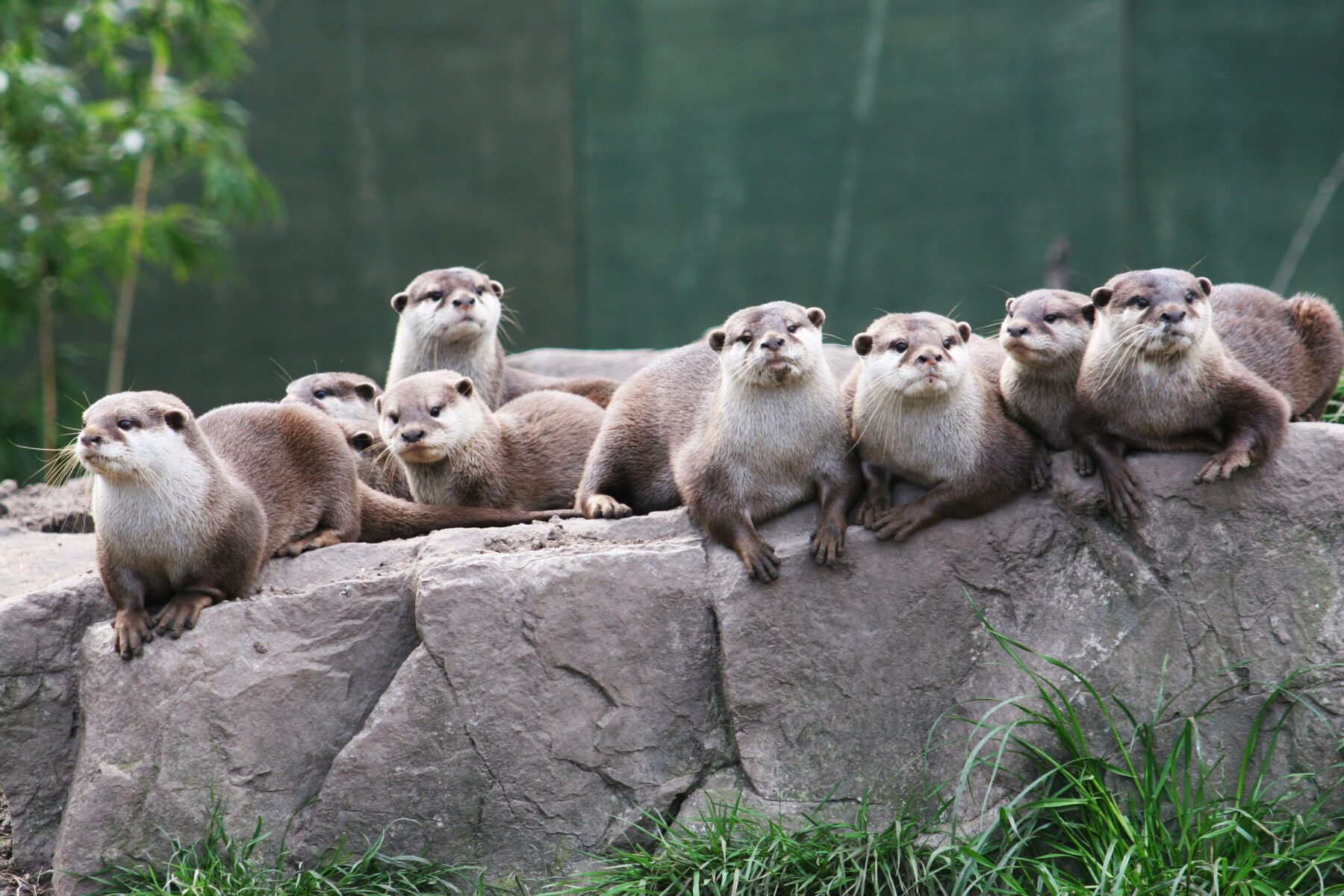
“Otters are termed ‘playful’ as the adults are known to play alongside their young, to cultivate relationships and improve coordination in the offspring.” ©123rf.com

These furry, slick creatures are often met with human squeals, followed by a flurry of photo taking whenever they are present. Otters belong to the weasel family, and the earliest otter fossils have aided the conclusion that otters actually existed 3.8 million years ago, thanks to a brand-new fossil discovery in Idaho in June this year. Of the 13 extant otter species, the Indian smooth-coated otter, Lutra perspicillata, has graced Singapore waters in recent years.
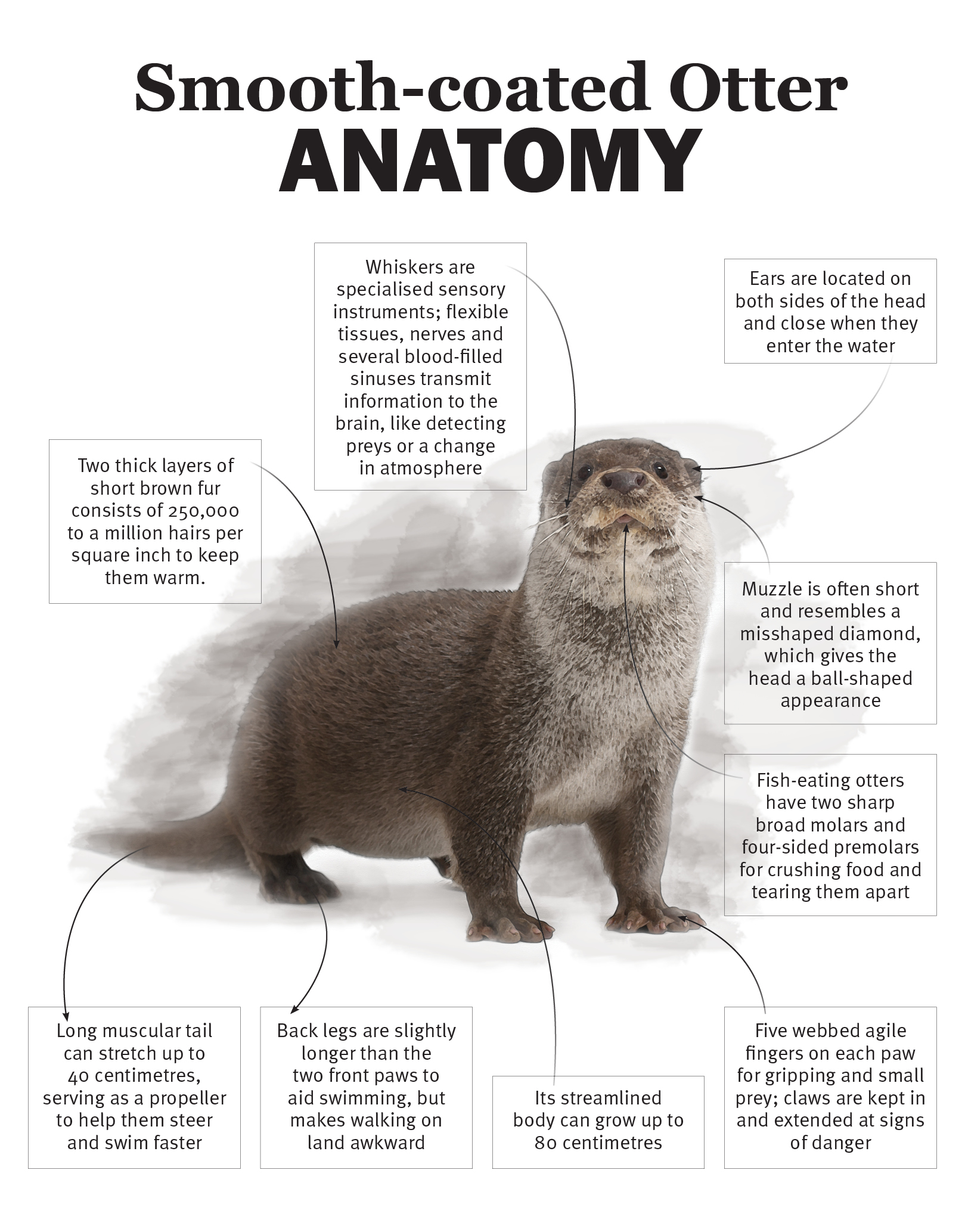
otter anatomy

Profile of Indian smooth-coated otters

This otter species is the biggest in Southeast Asia, with a length of 1 to 1.3 metres, including its tail, and weighs up to 11 kilograms. They inhabit mangroves and coastal areas like Marina Bay, Sungei Buloh, Bishan-Ang Mo Kio Park and Pulau Ubin, where freshwater is plentiful. These delightful creatures are not located permanently in one place and can travel between Johor and Singapore using the Johor Strait.

They are distinguishable by their round heads, a long but flat tail, a furry short-haired coat as well as a large, pointed snout – which sums up its adorable appearance. With a streamlined body, these agile otters can zip through the water swiftly, powered by their long tail, and by bobbing their heads up and down, surface for breaths in between. They have five webbed fingers per paw for gripping their prey firmly. Generally, otters are not solitary critters. They are seen in pairs or more often in family groups, and are active in the morning and at night.

Playful creatures with habitual behaviours

All work and no play makes a dull otter. Otters are termed “playful” as the adults are known to play alongside their young, to cultivate relationships and improve coordination in the offspring. Besides romping around, smooth-coated otters are known to engage in “group rubbings”, partly to clean their furry coats and also to strengthen family bonds.

The amount that these smooth-coated species eat to survive is roughly 25 percent of their body weight. While they have a strong preference for fish, their diet varies depending on which prey is abundant and easier to catch, including frogs, turtles and large birds. These fun-loving creatures can live on land or in water interchangeably; hence they will scour for habitats like shallow den burrows or more permanent burrows near damp areas surrounding water, where they will grow their brood.

To stake a claim on their territories, smooth-coated otters leave spraint (droppings of an otter) in designated areas, which comes in the form of their sweet, musky faeces, consisting of fish bones and scales, sometimes fur, feather and insect fragments bound by a black, sticky mucus when fresh.

The complications of having multiple partners pose no issues for smooth-coated otters, which are known to have only one partner throughout their lifespan of around 10 years. Once reaching sexual maturity at two years old, these monogamous pairs start procreating once a year and produce from two to five pups, after an incubation period of around two months.
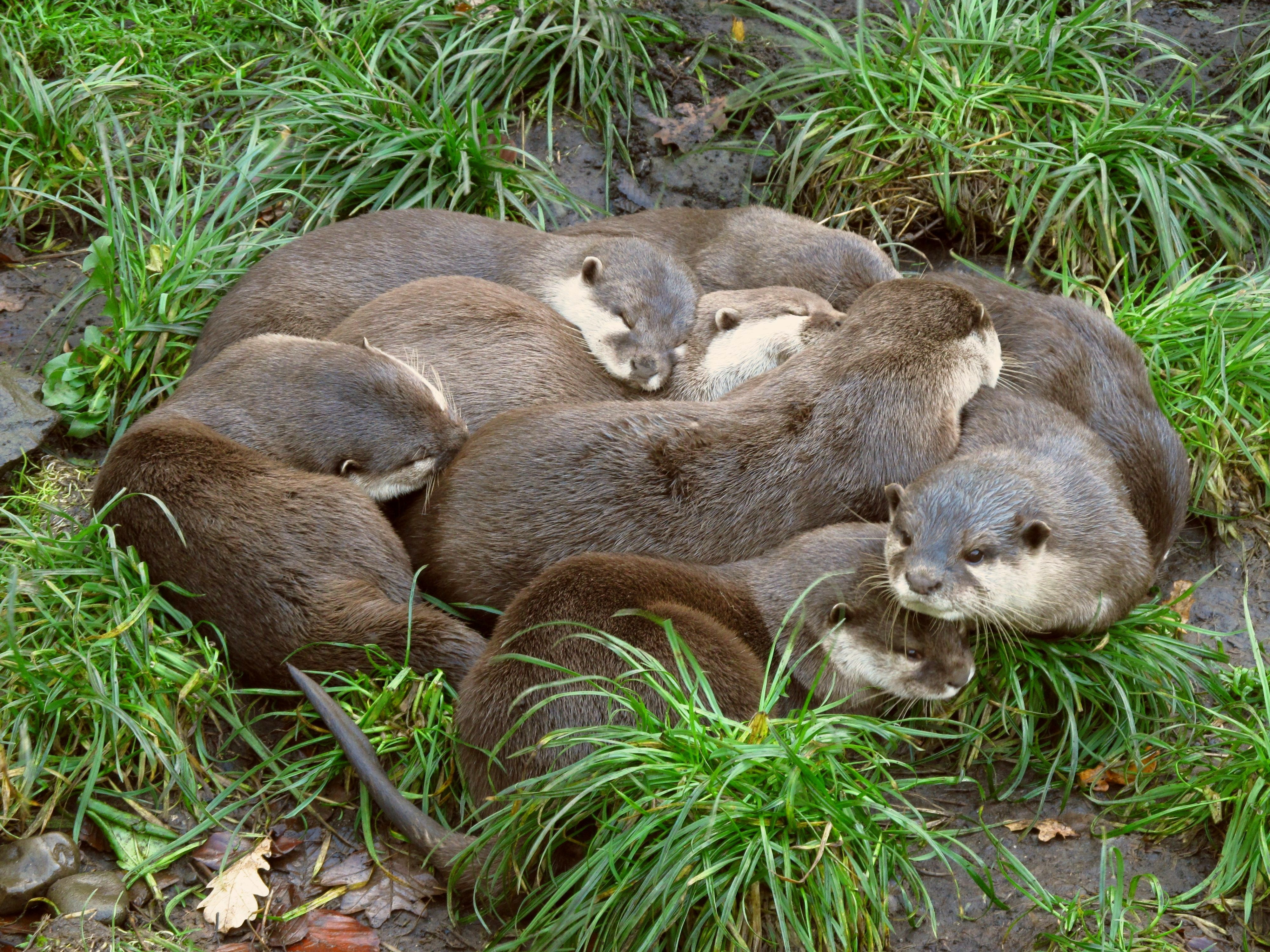
"Besides romping around, smooth-coated otters are known to engage in “group rubbings” partly to clean their furry coats and also to strengthen family bonds." © 123rf.com
“Besides romping around, smooth-coated otters are known to engage in ‘group rubbings’, partly to clean their furry coats and also to strengthen family bonds.” © 123rf.com

Life-threatening dangers

Otters were hunted for their fur in the 1700s. In ancient times, a mixture of darts, arrows and traps were placed around regular the haunts of otters. These brutal methods were extended to the pups, whose distress calls will lure their parents and all are captured in one fell swoop. Even though guns could efficiently kill otters by the truckload, traps were preferred because the otters’ prized coats could be preserved. These furry skins were reserved for the elite and royalty to wear as garments or accessories.

Apart from these senseless killings, otters also died from human negligence like oil spills, developing health complexities such as hypothermia, kidney failure or parasite infections. Depending on the toxicity of the oil, the chemicals can cause irritation of the sensitive membranes around the eyes, nose, mouth and urinary system. By nature, otters cuddle and rub each other; seemingly harmless blobs of oil can spread rapidly among the pack, leading to the contamination of internal organs.

Otters are prey for a variety of animals in the wild; pups and aged otters are vulnerable to creatures like crocodiles, medium-sized cats like coyotes, and mountain lions.

Conservation efforts and status

Occasional sightings of a family of smooth-coated otters in Singapore, called the Bishan10, have led to the creation of a fan base where observers can share their whereabouts as reference for other otter enthusiasts. It is heartening to see the public showing greater concern for otters’ welfare – from the courageous act of saving a drowning pup to rallying people to look out for the otter that had a fishhook stuck near its eye. ACRES (Animal Concerns Research & Education Society) and National Parks are committed to protecting this vulnerable species by educating the public on the do’s and don’ts.

An AVA (Agri-Food & Veterinary Authority) spokesperson has clarified that otters are protected under the Wild Animals and Birds Act in Singapore. If any person kills or domesticate otters without an AVA license, the culprit will be prosecuted & fined up to SGD$1000 upon conviction.

If there is an act of animal cruelty, the first-time offender can be fined up to SGD$15,000, jailed up to 18 months, or both. For subsequent offences, the maximum penalty is SGD$30,000, jail term of up to 3 years or both.

To get involved, visit OtterWatch.
Welcome to the Longest Coral Bleaching Event in History

0
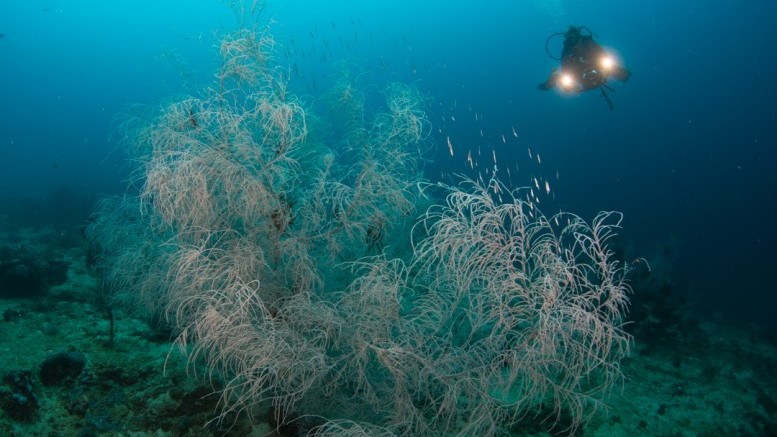
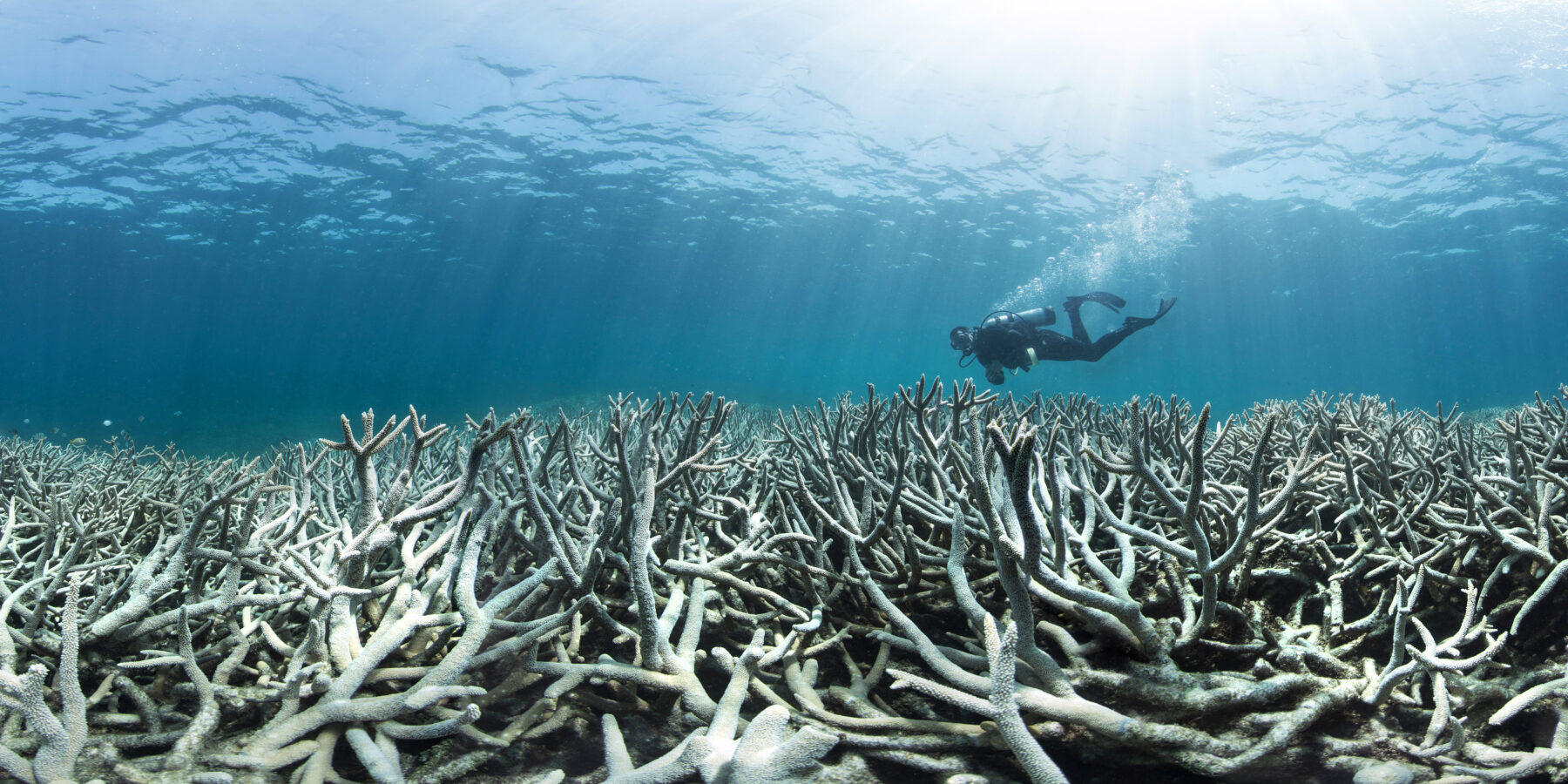
"When water temperatures are too high the algae start to produce free radicals which damage the coral. If temperatures do not return to normal soon, and the coral reabsorb the algae, it will likely die." © XL Catlin Seaview Survey

Asian Geographic researcher Wilfred Calder-Potts shines a light on coral bleaching in the Coral Triangle:

We are currently in the grip of the longest global coral bleaching event in recorded history. Its impacts have been felt throughout the world, from the Great Barrier Reef to the Caribbean. So how has Asia’s “Coral Triangle” been affected, a region often dubbed “The Amazon of the Seas”?

In 2015, for the first time, the average surface temperature across the entire planet reached one degree above the pre-industrial average (a reference period from 1850 to 1900). This milestone coincided with an El Niño, a natural phenomenon described by unusually warm waters in the Pacific Ocean. The result was a global bleaching event, which began in 2014 and is still ongoing.

The current global bleaching event is only the third in recorded history. The previous two occurred in 1998 and 2010, and both coincided with an El Niño. Unsurprisingly, all these events happened in the last 20 years, a feature of a warming planet that we can only expect to become more common in the future.

The bleaching process

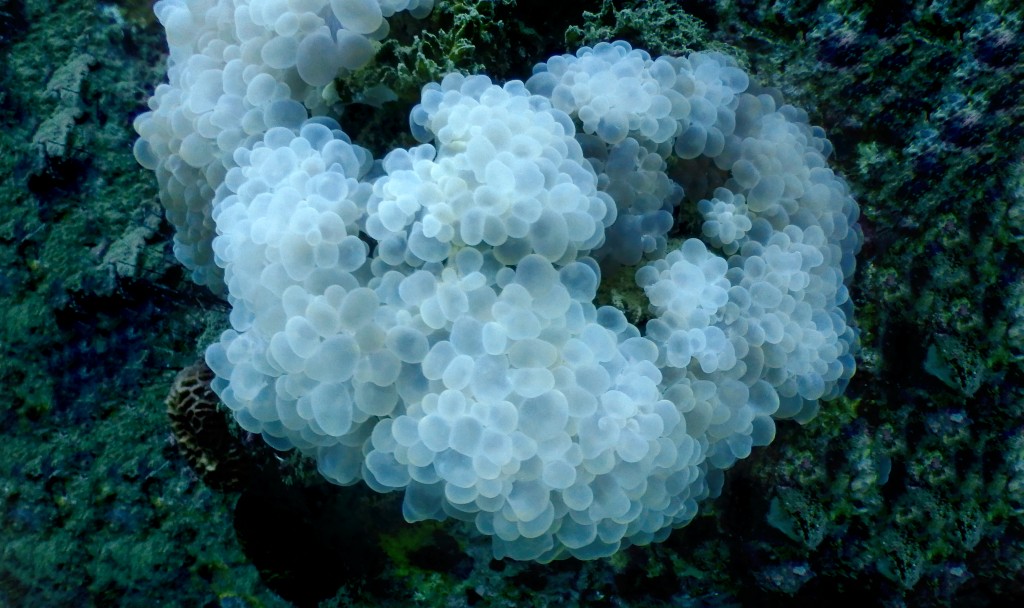
Coral bleaching occurs when coral gets stressed due to high temperatures and expels the algae (zooxanthellae) living inside it. These algae are very important for the coral’s survival, providing it with most of its food through photosynthesis. Without the algae, the coral has to find all the food itself, which it does by capturing plankton from the water. The coral also turns white in colour – hence the name “bleaching”. It might seem illogical for the coral to expel organisms which it relies on so heavily, but it does this to protect itself: When water temperatures are too high, the algae start to produce free radicals which damage the coral. If temperatures do not return to normal within a short period of time, and the coral reabsorbs the algae, it will likely die.

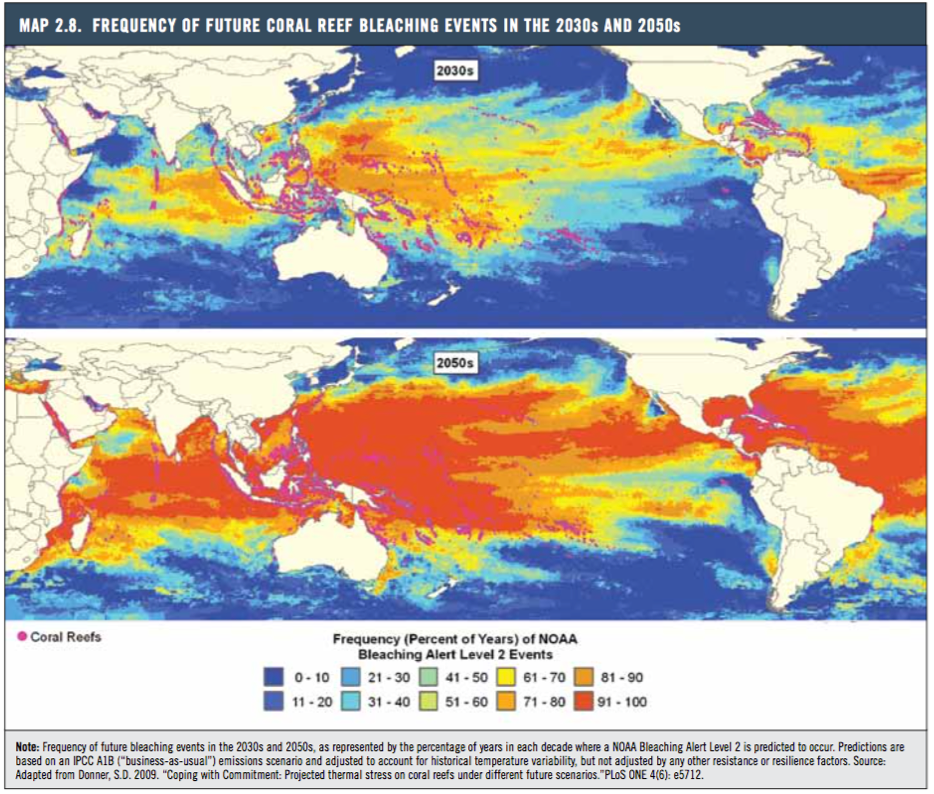
The full impact of the current global coral bleaching event is still unknown. In 2015 the US National Oceanic and Atmospheric Administration (NOAA) predicted that 38 percent of the world’s reefs would be impacted. One of the hardest hit is the Great Barrier Reef, which experienced its worst bleaching event on record: Almost all of it has been affected, and close to one quarter has died. Though the worst is over for this region, the next victims appear to be Southeast Asia and the Coral Triangle. Recent observations by NOAA show that already warm waters in the region are heating further, resulting in all 23 monitoring stations being on a bleach alert.

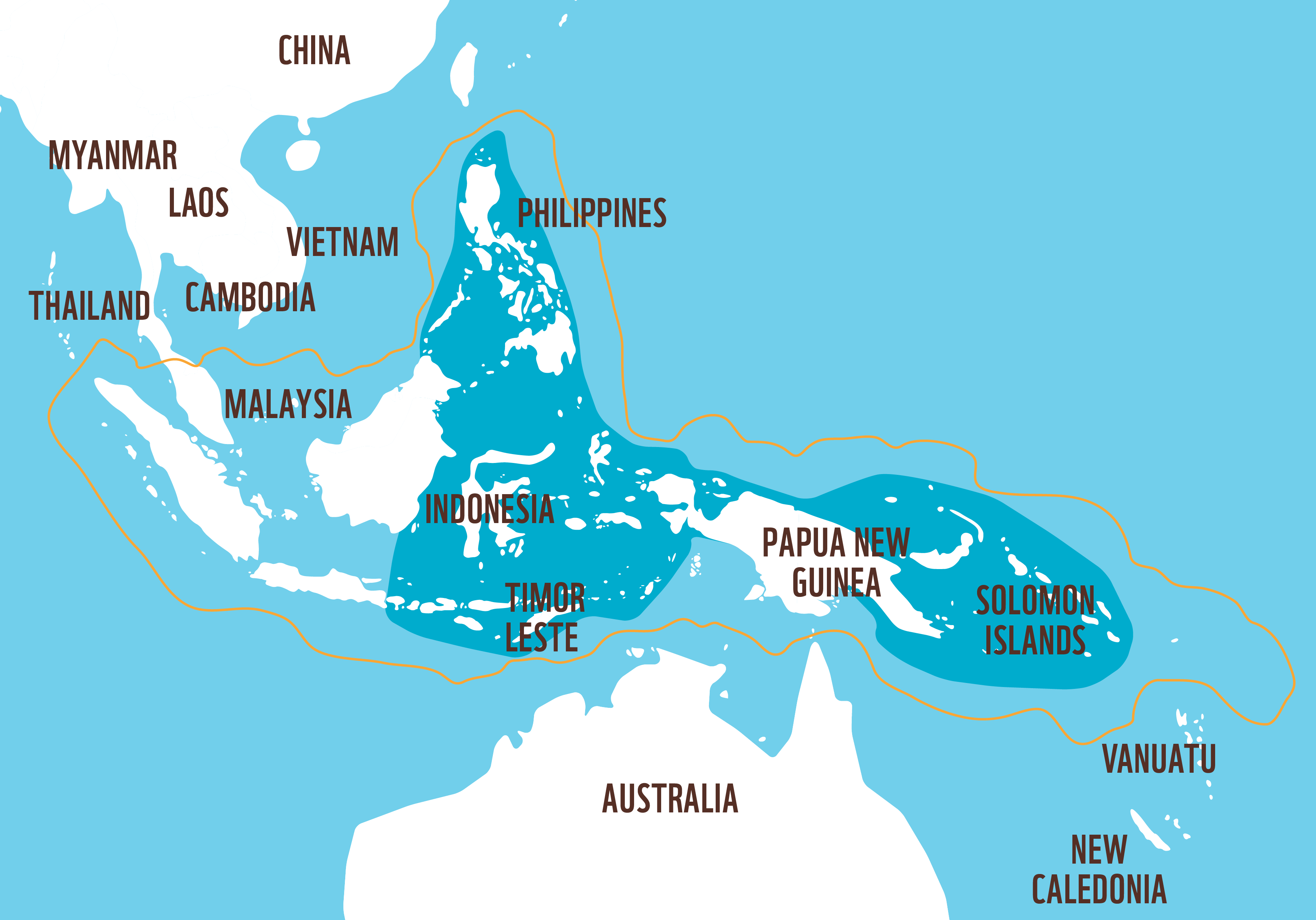
"Bordering six countries in Southeast Asia, the Coral Triangle is an area which contains 38% of the worlds coral reefs. It has the highest diversity of coral species and coral reef fish species in the world." ©WWF
“Encompassing six countries in Southeast Asia, the Coral Triangle is an area that contains 38 percent of the world’s coral reefs. It has the highest diversity of coral species and coral reef fish species in the world.” ©WWF

Effects on the Coral Triangle

Encompassing six countries in Southeast Asia, the Coral Triangle is an area that contains 38 percent of the world’s coral reefs. It has the highest diversity of coral species and coral reef fish species in the world: 76 percent of all coral species and 37 percent of all coral reef fish species can be found here. It is therefore unsurprising that it is recognised globally as the centre for marine biodiversity. Despite this global significance, the Coral Triangle is poorly protected. In fact, a report by the World Resources Institute (WRI) in 2012 found that only 16 percent of the Coral Triangle’s reefs were in marine protected areas (MPAs). Of these, only 1 percent were deemed to be effectively managed. This was despite the setting up of “The Coral Triangle Initiative” in 2009 – an effort to protect the area by its six constituent countries.

The WRI report found that 90 percent of the Coral Triangle’s reefs were threatened at the time. Remember that this was back in 2012, before the current global bleaching event. Recent observations suggest that the reefs have already been affected. Marthen Welly, of the Coral Triangle Centre in Indonesia, says that recent coral bleaching has been observed in the coastal areas of Bali, Sumatra (with intensive bleaching in the west), Sulawesi, and the Banda Islands. When asked about the future of these reefs, he expects them to recover “as long as the temperature reduces”.

"When you then consider the other effects of climate change – increased droughts, floods, storms, heatwaves, sea level rise, species extinction etc. – it is amazing that every waking moment of every human on the planet is not filled with a single minded determination to stop producing carbon dioxide and start saving the planet." © World Resources Institute
“The 2012 World Resources Institute report predicts that by 2030, 90 percent of all the world’s reefs will be threatened. For the Coral triangle, this increases to almost 100 percent.” © World Resources Institute

The long-term outlook for the Coral Triangle is bleak. As well as significant local threats, the global threats of climate change and ocean acidification (due to absorption of CO2) are present and increasing. The WRI report predicts that by 2030, 90 percent of all the world’s reefs will be threatened. For the Coral triangle, this increases to almost 100 percent.

Given the importance of the region’s reefs, this should be seen as no less than a crisis. As the report notes, coral reefs are one of the most productive and biologically rich ecosystems on Earth. They are an important source of food and tourism, and as well as protecting shorelines against waves and storms, they may hold the secrets to preventing disease, as “many reef-dwelling species have the potential for forming life-saving pharmaceuticals”. This last point alone should be enough to spur the world into action. When you then consider the other effects of climate change – increased droughts, floods, storms, heat waves, sea level rise, species extinction, and so on – it is amazing that every waking moment of every human on the planet is not filled with a single-minded determination to stop producing carbon dioxide and start saving the planet.

For more information and updates on the current global bleaching event, see NOAA’s Coral Reef Watch.

Becoming an Underwater Cameraman

0
"I suppose I really wanted to become an underwater cameraman to share the beauty of the ocean with the world and get important marine conservation stories out to the masses through the unparalleled, powerful medium of film." © Aaron Gekoski

Perhaps the greatest ever opening to a documentary series: When the BBC’s Blue Planet revealed footage of the world’s largest mammal. And it began with a blue whale breaching in slo-mo as Attenborough’s voice came in. Its tail up – hanging for a moment – and then fading into the ocean as the mammalian submarine dived.

Scenes such as these are enough to build dreams for aspiring underwater cameramen to actually leap into the ocean and turn a dream into reality. The sights and behaviours that few could ever witness can now mirror onto the television screens of thousands. It’s enough to inspire.

To help those rocked by the motivational waves of underwater documentaries, we speak to Scubazoo’s in-house underwater cameraman Will Foster-Grundy about his journey and work:

How long have you been professionally filming underwater?
I joined underwater production company Scubazoo early last year on an internship, and after a few months spent helping out with anything office based, was given a shot at handling a camera underwater, albeit a GoPro – you’ve got to start somewhere! So I guess you could say I’ve been doing it now for around 15 months. Since that first outing my setup has become a little more elaborate and I now shoot on a Sony EX1R with Gates underwater housing.

"I’ve always had a real fascination with the natural world. I grew up religiously watching anything with David Attenborough and eventually ended up studying Zoology at university." © Aaron Gekoski
“I’ve always had a real fascination with the natural world. I grew up religiously watching anything with David Attenborough and eventually ended up studying zoology at university.” © Aaron Gekoski

What made you want to become an underwater cameraman?
I’ve always had a real fascination with the natural world. I grew up religiously watching anything with David Attenborough and eventually ended up studying zoology at university. After completing my degree I jetted off to the Caribbean and trained as a PADI divemaster.

I suppose I really wanted to become an underwater cameraman to share the beauty of the ocean with the world and get important marine conservation stories out to the masses through the unparalleled, powerful medium of film. Plus it’s a great excuse to go diving as often as possible!

What initial steps did you take to get into filming?
To take the leap into underwater cinematography, already having a biology background and experience as a divemaster were a pretty good foundation to build from. However, the filming side of things for me was a bit of an unknown. I made every effort to study as much as I could about filmmaking in my spare time and saved up and bought myself a simple camera so I could practise the techniques and skills I was learning about – all above the water for now though.

At the same time I wrote to anyone I could think of to enquire about career advice, work or work experience. Basically anything I could get my hands on – paid or unpaid. After a handful of positive responses – and a lot of rejections – I was eventually given the chance by Scubazoo to come out to Borneo and work as an intern – needless to say, I jumped at it.

To start with, did you face any challenges?
Oh, absolutely. I think like most people I had the idea that this was going to be a dream job from the off, capturing stunning underwater footage, gliding over kaleidoscopic coral reefs, and feeling more like I was on holiday than at work. The reality is rather different. It can be at times an incredibly stressful job which requires meticulous planning and preparation in order for everything to run smoothly.

Without any formal training, I had to learn on the job, which means you progress very quickly but you also make a lot of mistakes in the meantime. It was a real baptism by fire. Thankfully, I was also editing my camerawork so could easily hide all the terrible shots I took…

"I made every effort to study as much as I could about filmmaking in my spare time and saved up and bought myself a simple camera so I could practice the techniques and skills I was learning about"
“I made every effort to study as much as I could about filmmaking in my spare time and saved up and bought myself a simple camera so I could practise the techniques and skills I was learning about.” © Aaron Gekoski
"I had the idea that this was going to be a dream job from the off, capturing stunning underwater footage, gliding over kaleidoscopic coral reefs, and feeling more like I was on holiday than at work. The reality is rather different."
“I had the idea that this was going to be a dream job from the off, capturing stunning underwater footage, gliding over kaleidoscopic coral reefs, and feeling more like I was on holiday than at work. The reality is rather different.” © Aaron Gekoski

Who was your biggest inspiration?
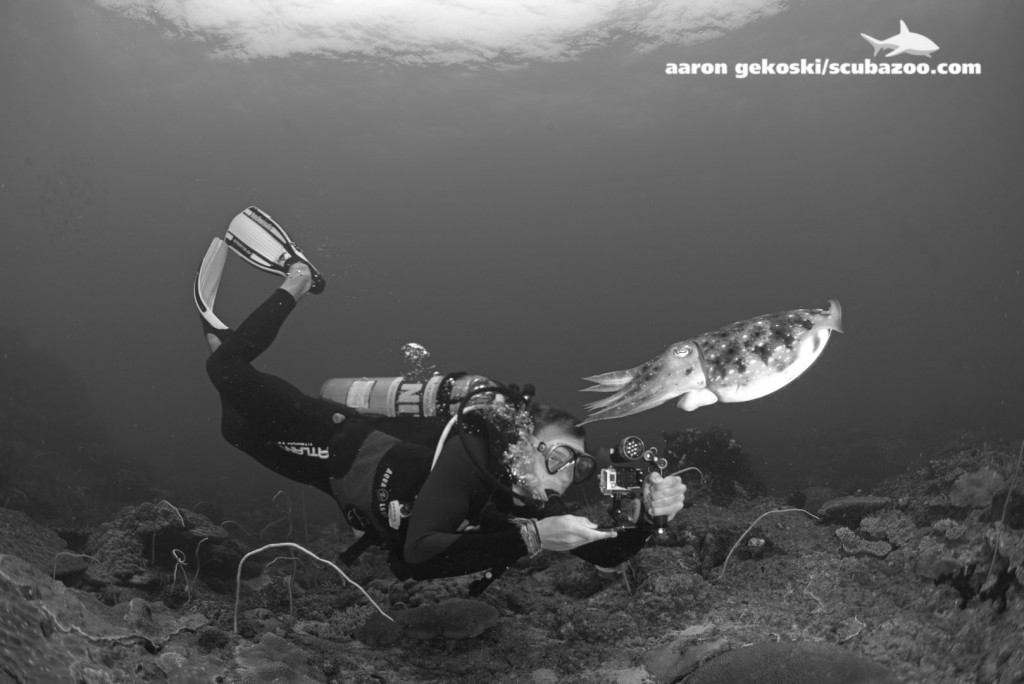
Working at a company like Scubazoo with so many talented and experienced underwater cameramen, it’s not been hard to get inspired. However, I’d have to say that certainly one of my biggest inspirations and mentors has been my colleague and good friend Aaron “Bertie” Gekoski. He really took me under his wing from the first day I went filming underwater and as an underwater photographer and cinematographer himself has taught me a huge amount in the time we’ve worked together.

What is the most important lesson that you have learnt so far?
Planning and preparation are paramount. The more time you put in and allow for before filming, the better you will be on the shoot. It is not worth rushing things as an underwater cameraman – you do not want to flood the camera.

What’s the craziest moment you’ve had when filming?
I was recently lucky enough to spend a week diving at Layang Layang, a small island in the middle of the South China Sea. I was there filming for the second series of a show I’ve been working on called Borneo from Below, which looks at the amazing marine life around the island of Borneo. The plan was to try and catch a glimpse of the migratory population of hammerhead sharks. They are very rare and most sightings are only of individual sharks for a matter of seconds, not ideal for filming. On the fourth day of diving, with no sightings yet, my dive guide and I descended down to 40 metres out in the blue and waited. Just as we were nearing our “no decompression” limits and about to ascend, I suddenly spotted a dark shape about 20–30 metres in front of me. Next thing I knew we were surrounded by a school of at least 60 hammerhead sharks all gracefully swimming in sync. It was one of those genuine goosebump moments, 40 metres deep in the middle of the sea surrounded by a huge school of hammerhead sharks – incredible. Better yet, I got some of my best footage to date.

"Planning and preparation are paramount. The more time you put in and allow for before filming, the
 better you will be on shoot."
“Planning and preparation are paramount. The more time you put in and allow for before filming, the better you will be on the shoot.” © Aaron Gekoski

What do you think it takes to become a successful underwater cameraman?
You’ve got to be willing to work hard and earn very little money for quite a long time. Other than that, patience, practice and a large helping of luck!

What attributes should an underwater cameraman have?
You’ve got to be very organised, patient, work well under pressure (excuse the pun), be able to read animal behaviour, and have a keen eye for a great shot.

What advice would you give to somebody who is looking to become an underwater cameraman?
Whilst there is definitely no set path to becoming an underwater cameraman, most have a background in biology or other related studies so that’s a good place to begin. Add to that a professional level of diving and then it’s time to beg, borrow and steal any camera and housing you can get your hands on. There’s no substitute for experience so practise, practise, practise, but be warned, whilst learning you may have to work for free for quite a while. But if you can stick it out and show progress then soon enough a paid opportunity will come your way.

What projects are you currently working on?
Funnily enough, right now I’m actually working on a series above the water! I’m directing and shooting an incredibly exciting new show for Scubazoo called Borneo Wildlife Warriors. It follows the great work of the Sabah Wildlife Department’s Wildlife Rescue Unit as they risk life and limb to help to reduce the human-animal conflict found in Borneo and work to ensure the survival of the island’s rich biodiversity. It will be airing in August 2016 on our new platform, SZtv, so don’t miss it! Along with this I’m also filming the second series of Borneo from Below so will be back beneath the waves, camera in hand, soon enough.

"There’s no substitute for experience so practice, practice, practice but be warned, whilst learning you may have to work for free for quite a while, but if you can stick it out and show progress then soon enough a paid opportunity will come your way."
“There’s no substitute for experience so practise, practise, practise, but be warned, whilst learning you may have to work for free for quite a while. But if you can stick it out and show progress then soon enough a paid opportunity will come your way.” © Aaron Gekoski


For more of Scubazoo’s work click here.

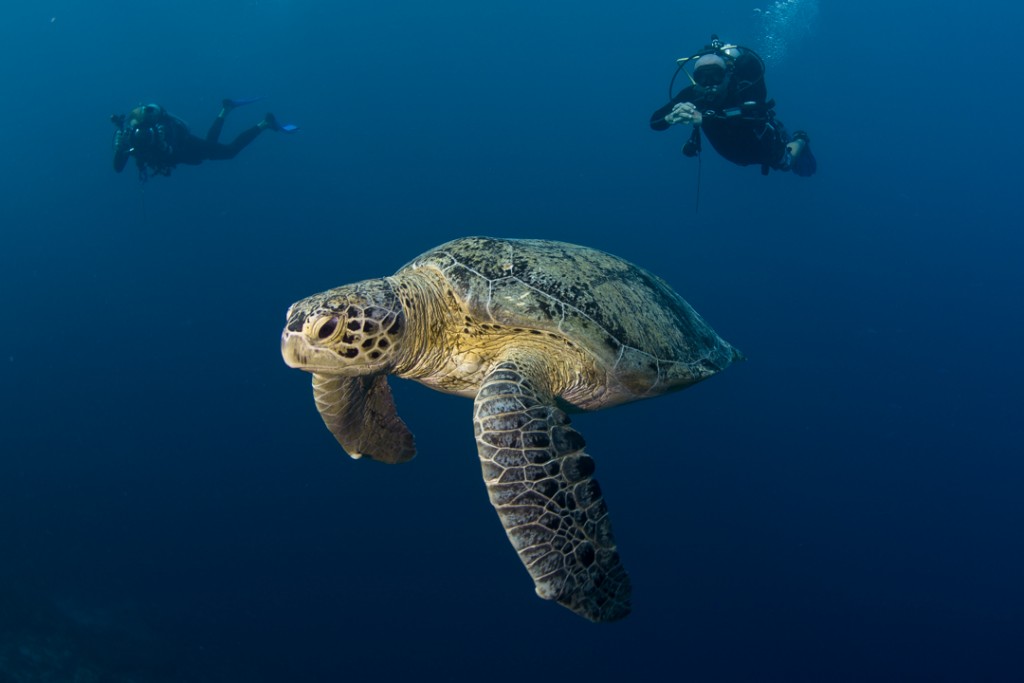
Wildlife of the Week: Leatherback Turtle

0
"After hatching from their eggs, the baby male leatherback turtles return to the sea and may never see land again throughout their lifespan of 80 years." © Wikimedia Commons

Reaching an impressive weight of 900 kilograms, the leatherback turtle is the fastest swimming of the seven extant sea turtle species in the world. An enigmatic marine creature, shunning humans’ curious observations, it deserves a spot in the limelight as our Wildlife of the Week:

Species: Dermochelys coriacea

Class: Reptilia

Status: (IUCN) Vulnerable

Diet: Soft-bodied animals like squids, but mostly jellyfish

Size: Up to two metres

Behaviour: Little is known about their underwater lifestyle, apart from their feeding habits, mating and nesting habits. Leatherback turtles are known to spend extended periods of time in cold northern waters

Distribution: Worldwide

Ecosystem: Leatherback turtles are not known to nest at specific beaches, but they will return to the same region. It is suspected that beach erosion and human intrusion is affecting the locations of nesting habitats

5 Fast Facts:

  • After hatching from their eggs, the baby male leatherback turtles return to the sea and may never see land again throughout their lifespan of 80 years
  • Out of the sea turtle species, leatherbacks make the longest migration, an average of about 6,000 kilometres
  • Leatherbacks have been recorded diving to a depth of 1,270 metres and can remain submerged for up to 85 minutes
  • Leatherback turtles reach sexual maturity between six and 10 years old, and they will make repeated visits to the same spot during the night to lay eggs over 10 days
  • Leatherback turtle eggs are used in traditional Asian medicine, and the eggs are also an important part of local diets in some parts of the tropical world. The turtles are hunted for their shells and other parts used in jewellery and bags

Reef Check Malaysia: Bringing a Community Together for Conservation

0
"Assessments of the damage caused by the 2010 bleaching event led us to conduct resilience surveys around Tioman (and two other locations), with the data being incorporated into the Marine Park management plan for the island." © Wikimedia Commons

General Manager of Reef Check Malaysia Julian Hyde explains the developing plans of how they are bringing the Tioman community together in the name of conservation:

Reef Check Malaysia (RCM) was registered in 2007 to contribute to sustainable management of Malaysia’s coral reefs. Since that time, it has trained over 600 volunteers to assist in its annual coral reef survey programme, covering over 200 reef sites around Malaysia. It has conducted education programmes for schools around Peninsular Malaysia and Sabah, and established reef rehabilitation projects at five locations.

Despite these successes, much remains to be done. Experience with marine conservation in countries around Southeast Asia has demonstrated that effective, sustainable coral reef management needs community involvement. But this is not necessarily a common practice in Malaysia, where the approach to conservation is mainly “top-down” rather than the “bottom-up” community-led model. Reef Check Malaysia is now focusing on encouraging local communities to participate in management of the natural resources that their livelihoods rely on.

Its longest engagement has been on Tioman Island. RCM first worked on Tioman in 2007, when it was one of three locations selected for the first annual coral reef survey programme. In 2008, Tioman was the location chosen for RCM’s pilot school education programme, which was extended to other islands in 2009. Assessments of the damage caused by the 2010 bleaching event led them to conduct resilience surveys around Tioman (and two other locations), with the data being incorporated into the marine park management plan for the island.

phoca_thumb_l_CintaiTiomanHSBCEdu009
“Experience with marine conservation in countries around Southeast Asia has demonstrated that effective, sustainable coral reef management needs community involvement.”

Cintai Tioman programme

The findings of the resilience surveys highlighted the need to improve management of the island’s reefs, and subsequent discussions with a range of stakeholders indicated weaknesses with the current approach. The outcome of these discussions was the Cintai Tioman programme. This five-year programme has two main objectives. The first is to build resilience of the island’s coral reefs by identifying the various impacts damaging coral reefs (such as sewage pollution, trash, environmentally unfriendly tourism practices, coastal development, sedimentation, large tourist numbers, etc.) and finding solutions to reduce or eliminate these impacts. Eliminating these so-called “local impacts” not only makes reefs healthier and more productive in the short term; it also helps to build resilience to external, global threats such as climate change, something local managers have no control over. More resilient reefs have a higher chance of surviving these external impacts.

The second main objective of this programme is to build capacity of the local community and to empower them to take on a greater role in the management and conservation of coral reefs around their island. RCM noticed the lack of involvement of the local community in the management of the island and how disconnected marine parks management is from the villagers and the businesses on the island. By empowering the islanders, RCM hopes to be able to slowly bridge this gap and get the local islanders, business operators and marine parks management working together. 

The programme started in early 2013, since then RCM has implemented a number of initiatives. The first issue that was addressed was waste management and recycling, as these were considered to be “easy wins”. Today, there is an effective recycling system in place which involves schoolchildren, resorts, shops/businesses and households. This has helped reduce the amount of trash going to the incinerator and aims to get people to reduce the amount of plastic they use. RCM is now expanding this into composting of organic waste.

Another important initiative is to reduce the impact of tourism through responsible tourism programmes. The Green Fins programme for dive operators was introduced in 2014 and some 50 percent of dive operators on the island are now members. Green Fins promotes responsible behaviour among dive operators and their customers, and members pledge to reduce their environmental impacts across a range of business activities. In 2015, RCM launched a responsible tourism programme for resorts on Tioman. Based on the ASEAN green hotel standards, the system helps resorts to identify their impacts on the environment and provides them with ideas to reduce these impacts.

"Today, we have an effective recycling system in place which involves school children, resorts, shops/businesses and households. This has helped reduce the amount of trash going to the incinerator and aims to get people to reduce the amount of plastic they use."
“Today, there is an effective recycling system in place which involves schoolchildren, resorts, shops/businesses and households. This has helped reduce the amount of trash going to the incinerator and aims to get people to reduce the amount of plastic they use.”

A community dependent on its coral reefs

RCM has designed a comprehensive long-term education programme for the primary and secondary school on the island to teach students about coral reefs and why they are important to their island. As part of the education programme, RCM has also conducted swimming classes and snorkelling trips to give the kids an opportunity to witness reefs at first hand. Astonishingly, island kids aged 12–13 years old have never seen fish or corals alive on the reef! Realising this, RCM has made it its aim to also ensure that these children will be able to experience firsthand the beauty their island has to offer, and to instil in them a sense of awareness and appreciation of their role in keeping the reefs healthy.

The same goes for the local community. Currently, almost everyone living on Tioman Island is dependent on coral reefs for their livelihoods, be it as a boatman, divemaster, resort operator or restaurant waiter. However, many still do not see the importance of protecting their reefs. The RCM team on Tioman has been working on identifying ways to diversify income stream for locals so that they are not 100 percent dependent on coral reefs to survive. For example, during extreme bleaching events, tourists may not want to go snorkelling or diving; islanders should be able to offer different services, such as terrestrial guiding or traditional handicrafts.

RCM has also run several special skill training programmes for islanders to increase employability and improve quality of their service. Some of the training includes first aid training, eco-diver training and snorkel guide training.

"Astonishingly, island kids aged 12-13 years old have never seen fish or corals alive on the reef! Realising this, we have made it our aim to also ensure that these children will be able to experience first-hand the beauty their island has to offer, and to instil in them a sense of awareness and appreciation of their role in keeping the reefs healthy."
“Astonishingly, island kids aged 12–13 years old have never seen fish or corals alive on the reef! Realising this, RCM ha
s made it its aim to also ensure that these children will be able to experience firsthand the beauty their island has to offer, and to instil in them a sense of awareness and appreciation of their role in keeping the reefs healthy.”

Looking to the future

RCM also wants to get islanders more involved in decision-making and management of resources within the marine park, which addresses the second objective as mentioned earlier. Instead of a top-down approach, RCM is introducing the concept of co-management, where there is a sharing of power and responsibility among all stakeholders. Co-management has generated the most success for conservation strategies in marine protected areas around Southeast Asia, such as the Bunaken National Marine Park in Indonesia.  

As part of this initiative, over the last few months RCM has been training a group of islanders in a variety of tasks which are closely related to management of the marine park itself. These include reef surveys, rehabilitation projects, mooring buoy maintenance and reef clean-ups.

The team, now working together as the Tioman Marine Conservation Group, has received funding from the Department of Marine Parks to start to work alongside marine park officers in helping to improve management of the reefs around Tioman. Since April 2016 the team has been involved in a number of projects to install and replace mooring buoys around dive sites in Tioman, bleaching surveys, and crown-of-thorns starfish monitoring and management. They have also conducted three major “ghost net” removal projects.

This is a big step forward in the move towards greater community involvement in marine park management. The Tioman Marine Conservation Group has proven useful as a resource of trained personnel on the ground willing and available to help with efforts lead by dive shops, NGOs and government departments. The response from dive operators has been very positive, and they are happy to see locals getting involved in such efforts and to know that the Department of Marine Parks was not only supporting the involvement of the locals but also funding them.

The Cintai Tioman programme is making great strides in changing the way managers and communities view marine management. At the request of the Department of Marine Parks Malaysia, RCM is now looking for ways to replicate the project in Perhentian, in recognition of the success of the project. RCM is also working with the community on Mantanani Island to help them to improve management of their marine and terrestrial resources.

Cintai Tioman is sponsored by Yayasan SIME Darby and UNDP SGP, and has been running for two-and-a-half years now.


reefcheck-logo-75Reef Check was established in the USA in 1996 to raise awareness of the importance of, and threats to, coral reefs. The local chapter, Reef Check Malaysia, was registered as a non-profit organisation in 2007 to engage with the local community as well as protect, restore and revive coral reefs in Malaysia.
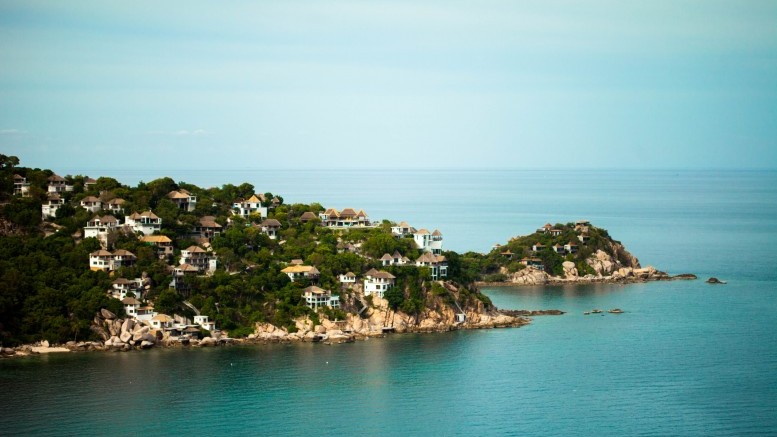
6 Reasons Why Koh Tao Is the Top Island to Get Your Open Water

0
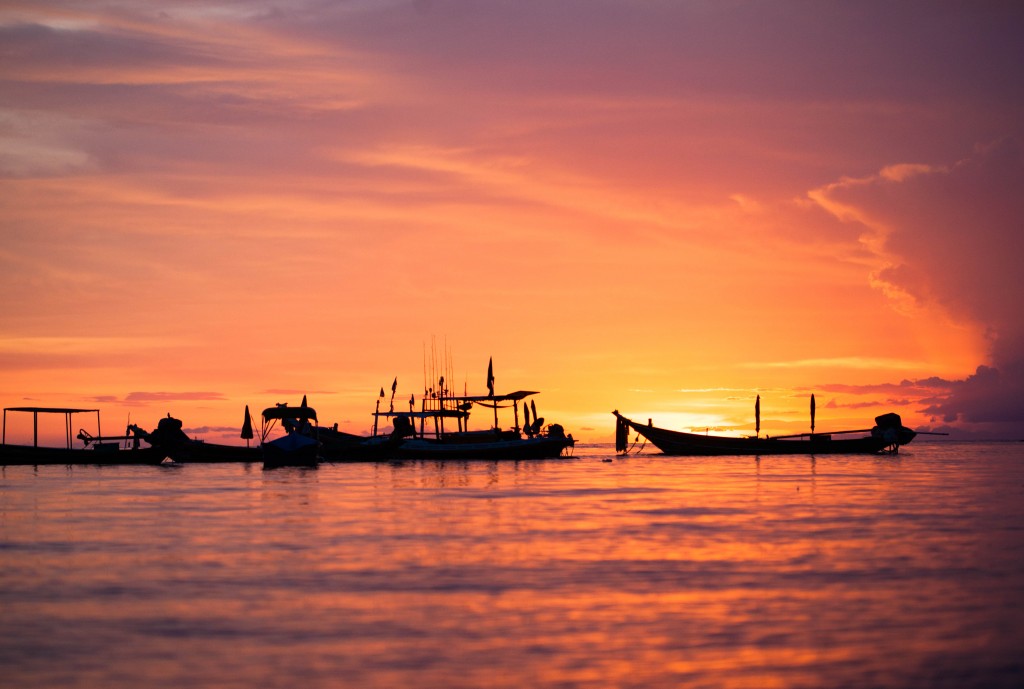
"Top-resorts and high-class restaurants overlooking the sea are tucked away on hillsides, making way for traditional local culture, in the form of long-tail boats and festivals, to inhabit the majority of the island." © Oliver Jarvis

Balance is good. It offers stability in a lifestyle, it keeps you standing on a surfboard, it keeps things in correct proportions. For those spending annual leave away on tropical islands, balance is integral.

The tourism industry adores those islands that have managed to hold onto that pristine and authentic island feel without washing away local culture with high-rise modern developments. Too much development, and the island swings into a pseudo-Disneyland. Too little, and the island becomes almost inaccessible.

On the up-and-down sway of the seesaw, Koh Tao has managed to hold onto that authentic island feel. With thousands of people visiting every year, some to dive and others to further explore these famous Thai islands, Koh Tao has managed to sustain its unique culture. Those in charge have got the balance down to a tee. Top resorts and high-class restaurants overlooking the sea are tucked away on hillsides, making way for traditional local culture, in the form of long-tail boats and festivals, to inhabit the majority of the island. Those non-divers looking for the ideal island to get their Open Water certification, Underwater360 gives six reasons why this might just be the one:

The People

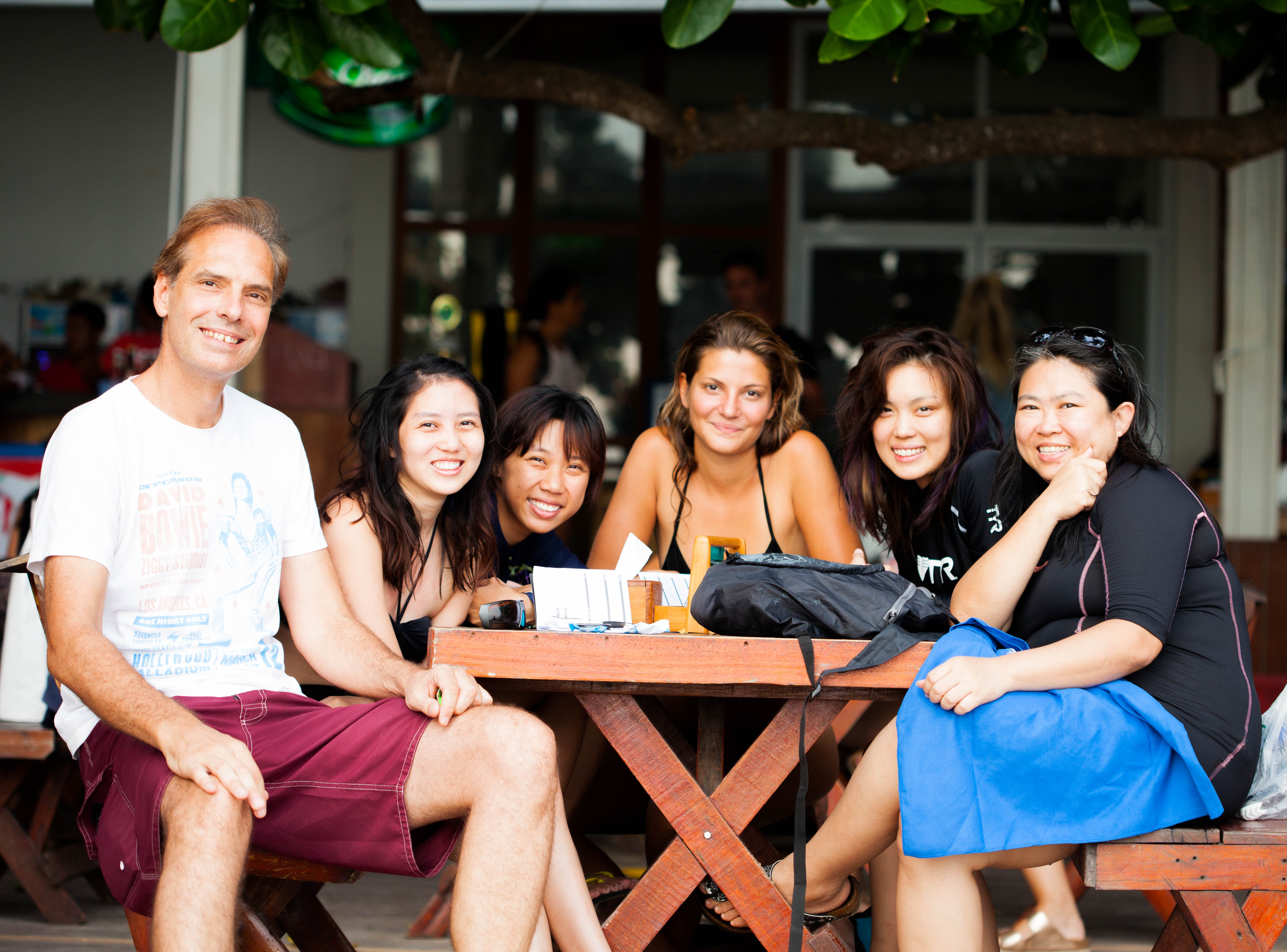
Diving, it’s a people’s sport; it’s where lifelong buddies are made and “Gmail” pen pals are discovered. A recent trip with the UW360 team saw four of our team members pursue their Open Water for the first time. To start with they were anxious, but the calming words and professionalism of their instructor settled them down. They were taking their Open Water with Big Blue Diving, one of the longest-established dive centres on Koh Tao, and one of the most respected dive operators in the world.

A modern styled two-storey building with a restaurant that rolls out onto Sairee Beach, Big Blue Diving is charming in its presentation. Its front-of-house, facing the beach, is filled with benches and sun loungers that are often chockablock with dive instructors giving dive briefs, and friends catching up after their time below the waves. It’s a place designed to bring divers together, and this is encapsulated in the affable smiles of the people who work there, and mirrored by those who are just passing through. 

The divemasters are patient, and happy to talk about more than just diving. Some explain their story to here, others their future plans. It’s the laid-back atmosphere of the people that goes hand-in-hand with the topography of the island, and it’s one of our six reasons why Koh Tao is the place to get certified.

"A recent trip with the UW360 team saw four of our team members pursue their Open Water for the first time. To start with they were anxious, but the calming words and professionalism of their instructor settled them down." © Oliver Jarvis
“A recent trip with the UW360 team saw four of our team members pursue their Open Water for the first time. To start with they were anxious, but the calming words and professionalism of their instructor settled them down.” © Oliver Jarvis

Ideal Waters

Comfortable depths and manageable currents for new divers make Koh Tao one of the best places in the world to get certified. There are various sites to test your skills and experience, from the small caves and swim-throughs of Green Rock, to coming up-close to the large pelagics and schools of Chumphon Pinnacle. All these are accessible for Open Water divers, and ideal for those looking to build on their dive skills and take their Advanced.

We were given a sub-aqua tour of Koh Tao’s surrounding waters. Although it was off dive season, we still encountered a variety of life – colourful hard and soft corals, oversized titan triggerfish and schools of fusiliers, all inhabiting the vast underwater landscape. Most of the reefs operate around gigantic pinnacles which stick out of the ocean like dorsal fins, to which one of Koh Tao’s top dive sites, “Shark Rock”, was given its name. It’s a variety of diving to suit all, all season.

""lthough off dive season, we still encountered a variety of life – colourful hard and soft corals, oversized titan triggerfish and schools of fusilier, all inhabiting the vast underwater landscape." © Oliver Jarvis
“Although off dive season, we still encountered a variety of life – colourful hard and soft corals, oversized titan triggerfish and schools of fusiliers, all inhabiting the vast underwater landscape.” © Oliver Jarvis

Accommodation

From budget bunk beds to king-sized rooms that could house a whale shark, Koh Tao offers its guests variety. Those looking for simple accommodation can bunk in shared rooms that feature on the beachfront, whilst those who look for a little privacy have the option to sleep like kings in air-conditioned rooms.

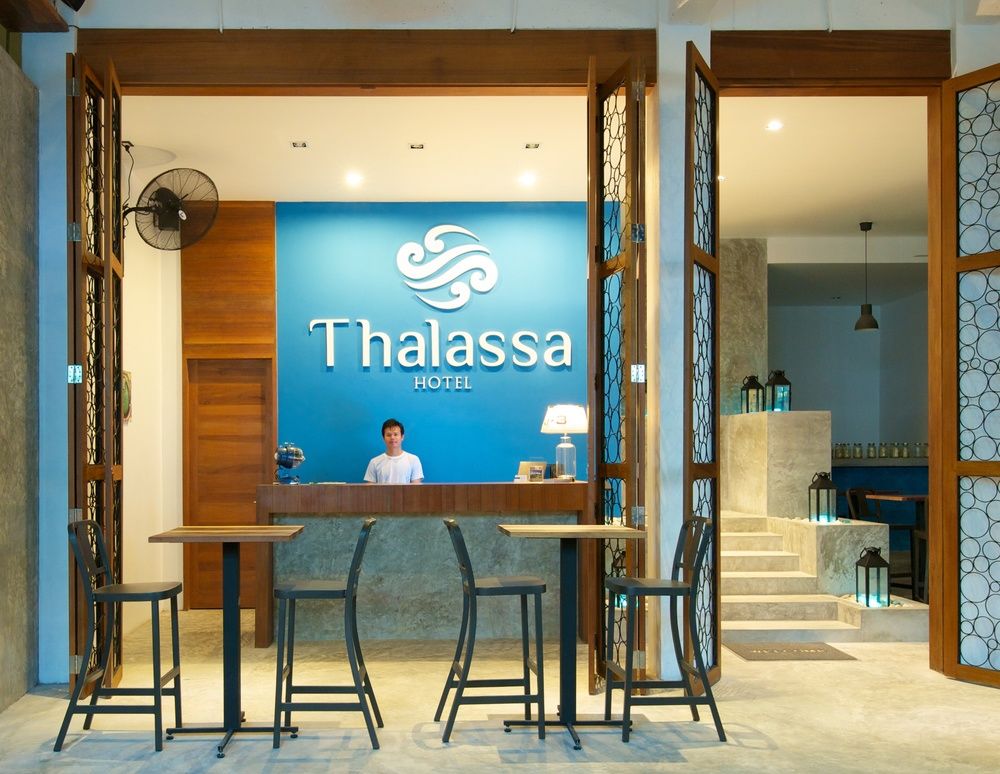
We opted for the latter. Thalassa Hotel, a brand new hotel located on the most popular street in Koh Tao, offers luxury rooms at rates that won’t break the bank. These luxury rooms would be at sky-high prices if they were in any major city – but on Koh Tao, it appears everywhere is affordable. From the hotel to Sairee Beach it was a short walk, and to the local bars it was even shorter. The lobby was a great place to meet up both before and after our dives, and with breakfast included it worked hand-in-hand with our diving schedule. For those who are seeking a little added comfort after their dive, with hot showers, air-conditioning and good food, Koh Tao has an abundance of hotels that can offer such a service.

"For those who are seeking a little added comfort after their dive, with hot showers, air-conditioning and good food, Koh Tao has an abundance of hotels that can offer such a service."
“For those who are seeking a little added comfort after their dive, with hot showers, air-conditioning and good food, Koh Tao has an abundance of hotels that can offer such a service.”

Nightlife

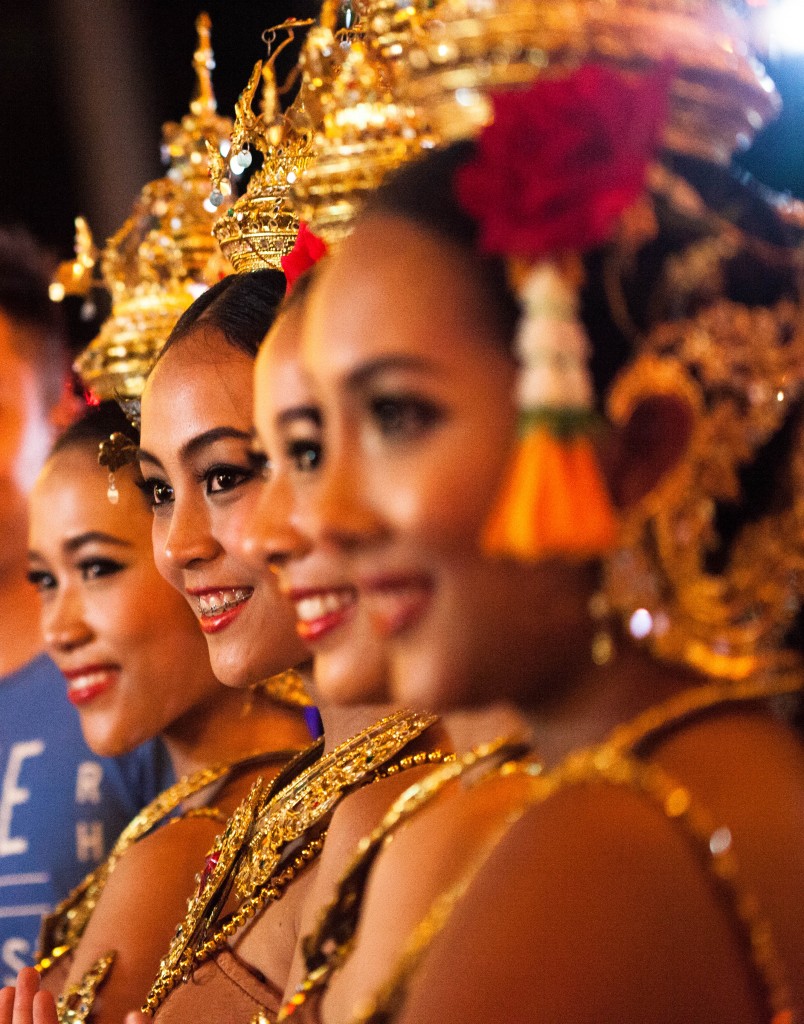
"The following night was the famous “Save Koh Tao Festival”, which showcased traditional dances, singing and the very best of local food." © Oliver Jarvis
“The following night was the famous ‘Save Koh Tao Festival’, which showcased traditional dances, songs and the very best of local food.” © Oliver Jarvis

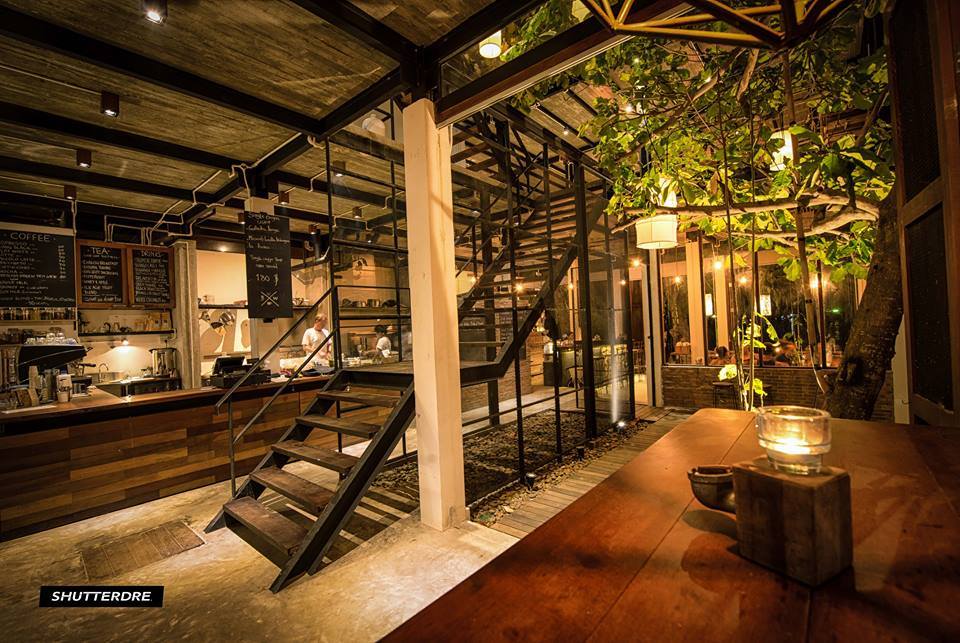
A good dive often needs to be celebrated, and completing an Open Water course needs to be remembered. Whether that’s over a cold drink, with hot food or teased out during a massage – we’re all different. Koh Tao’s laid-back night scene is vibrant, but never crammed. With so many tourists visiting the island, one would expect the narrow roads lined with mopeds to be packed, but the variety of entertainment means that people disperse. Those who need to watch sport visit Chopper’s Bar & Grill, those who need to unwind visit one of the many massage parlours and those who are hungry set out into the night to pick a restaurant.

Our first night was spent under warm lighting and the beach breeze, with a view of the sun sinking behind the ocean. Blue Water hosted us, and we enjoyed various platters and cuisines – curated by their innovative chef – to the sound of an acoustic guitar and rolling waves. It’s the ideal place to wine and dine after a long day, and even better for those looking to “turn up the romance” with their partner. A short visit became an evening spent watching the waves and discussing diving stories – it was the ideal warm down from a day spent in the water.

"Blue Water hosted us, and we enjoyed various platters and cuisines – curated by their innovative chef – to the sound of an acoustic guitar and rolling waves." © Andy Satcau
“Blue Water hosted us, and we enjoyed various platters and cuisines – curated by their innovative chef – to the sound of an acoustic guitar and rolling waves.” © Andy Satcau
"Our first night at Blue Water was spent under warm lighting and the beach-breeze, with a view of the sun sinking behind the ocean." © Oliver Jarvis
“Our first night at Blue Water was spent under warm lighting and the beach breeze, with a view of the sun sinking behind the ocean.” © Oliver Jarvis

The following night was the famous “Save Koh Tao Festival”, which showcased traditional dances, songs and the very best of local food. A huge event took place under golden light and sparked a strong message towards conservation. With recycled bottles used to build miniature sculptures and bags turned into statues, the festival painted a picture of the stance that Koh Tao is taking on preserving its island.

Diving Merchandise

Scuba babies love to jump into the world of diving. Dive T-shirts, masks and fins are often top of the wish list. To quench this desire to let the world know that you are now a certified diver, Koh Tao is lined with respected dive shops that offer everything you’ll ever need for diving. Fronting the shops you’ll find easygoing assistants who are honest about their products, happy to advise on what to get.

Shops such as Hydro Sapiens and the Big Blue Diving store offer cutting-edge gear at good rates. If you’re looking for advice on what to get, seek out help from the staff. All are divers who know what you need, who understand your concerns. This friendly environment makes dive shopping enjoyable, and adds to that experience of becoming an Open Water diver.

"Save Koh Tao took place under golden light and sparked a strong message towards conservation." © Oliver Jarvis
“Save Koh Tao took place under golden light and sparked a strong message towards conservation.” © Oliver Jarvis

Topside Activities

For those looking to take a day off, Koh Tao offers a smorgasbord of activities that make it more than just a “diving” island. From Muay Thai to yoga, there is something for everybody. A developing road system and easy scooter rental make getting around easy. Within reach are fantastic hidden beaches and hiking trails that lead to high lookout points, along with extreme sports and traditional practices. 

With all this on offer, Koh Tao stands as more than just an island for divers. But with its tame waters, subtle developments and variety of activities, it is an ideal location to get certified. Somehow they’ve managed to find the perfect balance between growing tourism, and holding onto local culture. With traditional festivals running side-by-side with Western bars, yoga alongside mini golf – it’s a perfect example of cultural symbiosis. 

Underwater Photographer of the Week: Imran Ahmad

0
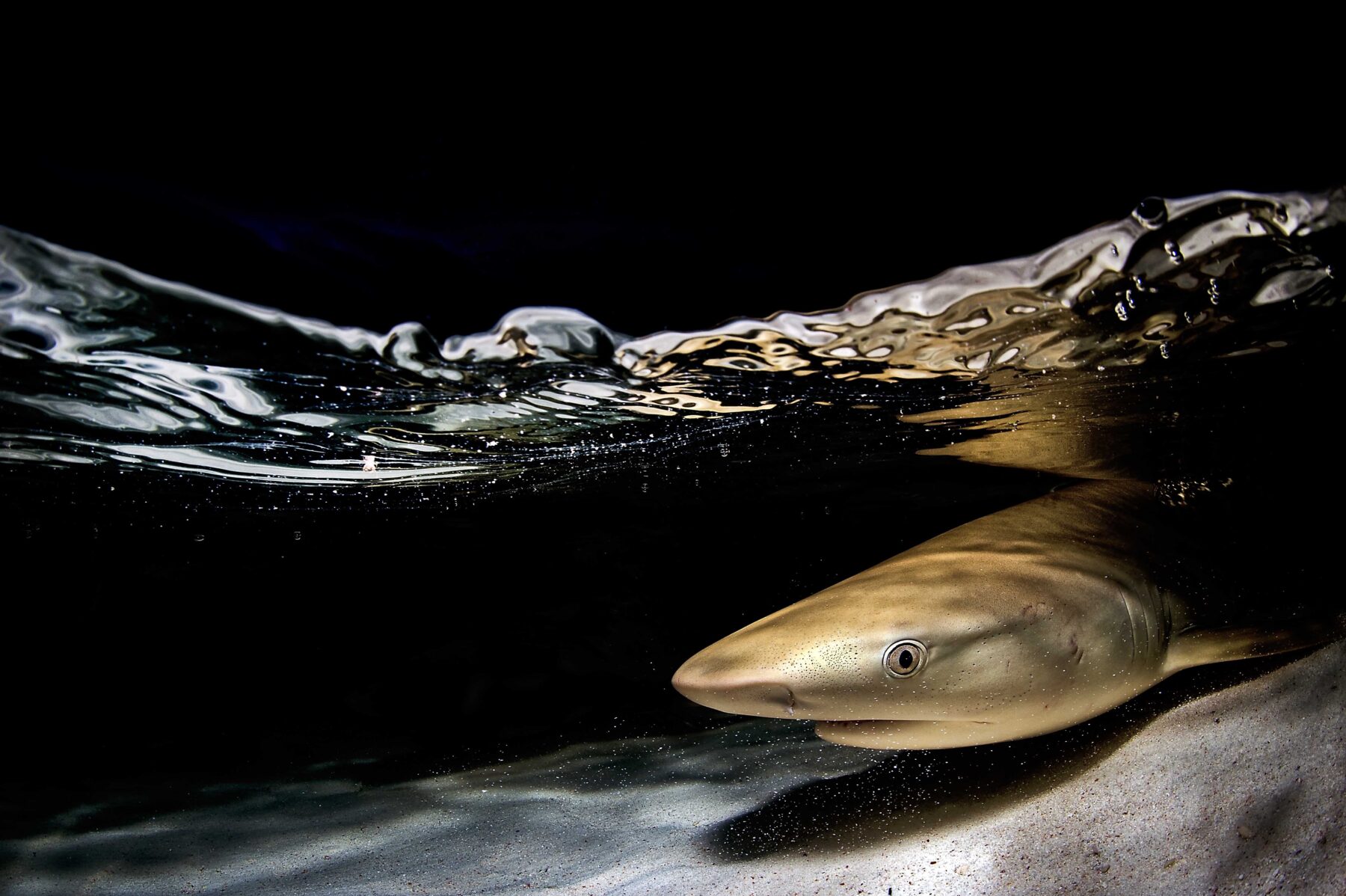
"I had seen clean shark images in my research but I wanted more. I was more interested in creating a more cosmopolitan, Her World, model kind of shot." © Imran Ahmad

Imran Ahmad has been capturing the magnificence of life below and above the water’s surface for over 20 years. A celebrated and internationally published professional photographer, he is committed to showcasing, preserving and protecting the ocean’s environment and its surroundings. Imran is also the brand ambassador for RGB Lights (Japan), and a member of the Ocean Artists Society. 

For our Underwater Photographer of the Week, we caught up with Imran for a quick Q&A:

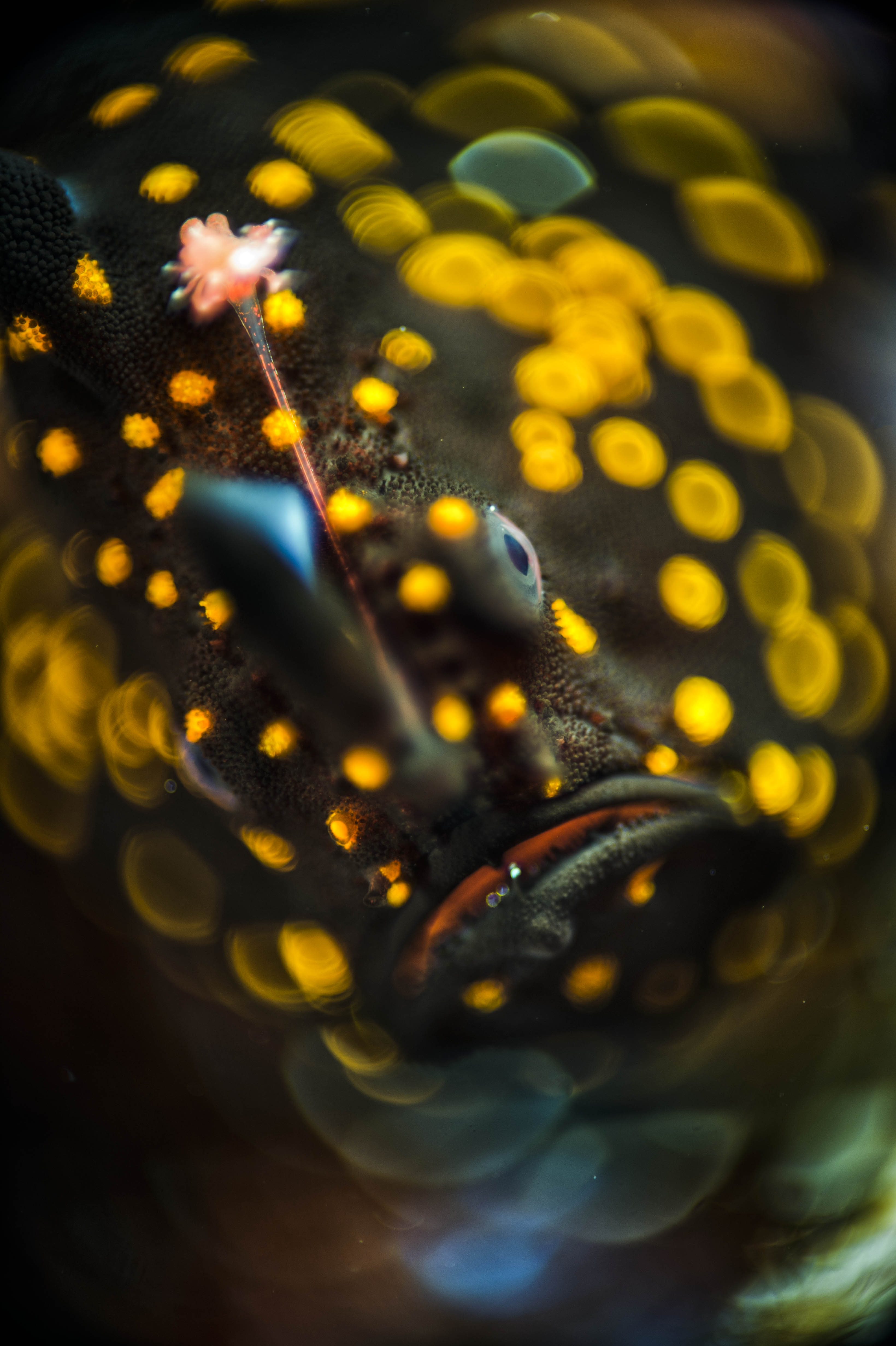
"I wasn’t gonna back down so my research and testing paid off when I shot “Bokehlicious”. It was a black frogfish with yellow spots. That got the hype going." © Imran Ahmad
“I wasn’t going to back down, and my research and testing paid off when I shot ‘Bokehlicious’. It was a black frogfish with yellow spots. That got the hype going.” © Imran Ahmad
What made you want to become an underwater photographer?
As a child and with Asian parents, the stress was always on being a doctor, engineer, dentist, etc. On a quiet evening while hanging out with my mum, I saw footage of divers with a big box and I said to her, “Look! Frogmen! I want to be like that and swim all day”… Like most Asian parents, she said “NO!” That image was plastered in my mind. Later that year, my dad took us on a beach holiday. He brought his new camera and I did what all aspiring underwater photographers do: I dipped my dad’s new SLR into the water, pressed click and with a big smile, called out to him. He spanked the “Asian” out of me and yes, I killed that camera.
 
From that day, I knew that I wanted to be different. I wanted the world to see through my viewfinder and most importantly, I wanted to be unique.
 
Your first underwater shot?
Horrible… Only my mother can appreciate it. Hence, my advice to all photographers: Never show your images to your family – they love you too much. But I must stress, all bad photos are stepping stones to better ones. Learn from it, be patient and keep shooting.
 
The story behind your most memorable underwater shot?
Shooting Aldabra, Seychelles. Being the only Asian to photograph it and being there with my wife… That’s magical. Getting to photograph one of the most iconic shots for my latest book “Seychelles Unexpected Treasure” – priceless.

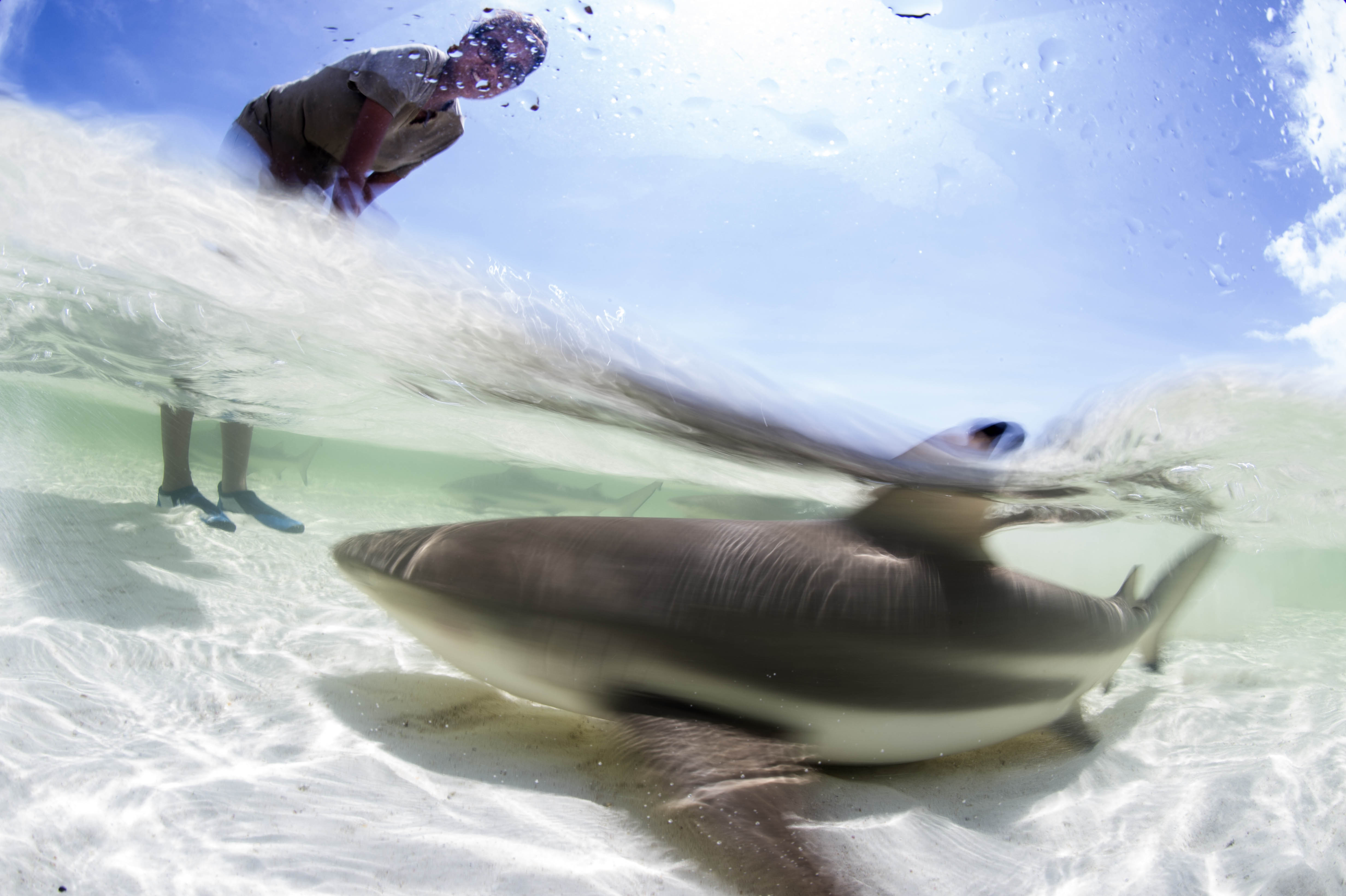
I walked down the steps from our research station and set up a three point lighting for the ocean’s model. I had seen clean shark images in my research but I wanted more. I was more interested in creating a more cosmopolitan, Her World, model kind of shot. I wanted “liquid art”. In Aldabra, you don’t have to bait them to come; all you have to do is get in the water. Thirty minutes and eight shots later, I got my shot.

Another memorable underwater shot was shooting reverse ring macro (RRM) – an old technique used by insect photographers, or “The Poor Man’s Macro”. Everybody I knew said it was impossible. Some even talked it down. I wasn’t going to back down, and my research and testing paid off when I shot “Bokehlicious”. It was a black frogfish with yellow spots. That got the hype going. Today, RRM is being further explored and the variations coming from all over the world is inspiring. There’s never a right or wrong in photography. There’s preference. However, it’s always good if we can raise the bar and create something different.
 
 
"'When I’m in the water, I’m home. I make the best out of the situations no matter the condition." © Imran Ahmad
“When I’m in the water, I’m home. I make the best out of the situation no matter the conditions.” © Imran Ahmad
 
Where is your favourite dive destination?
That’s like a trick question. It doesn’t matter which ocean and what subject. When I’m in the water, I’m home. I make the best out of the situation no matter the conditions. I’m just blessed to be in the water and that’s the best destination, the ocean.
 
The site you’d most like to dive, but never have?
I’ll keep my options open and I’m always intrigued by ice… Maybe I’ll give that a try…
 
The weirdest thing you’ve seen underwater?
Can I rephrase this to the saddest thing I’ve seen underwater? To watch humans destroy the very ocean that they claim to love. Underwater photography is not just a hobby. You are basically educating yourself on the importance of the ocean’s inhabitants and protecting our surroundings. Your scuba training plays a huge role and it’s important that you practise before attempting underwater photography. And lastly, respect the locals – the subjects, I mean. Our next generation must see and protect what we have today… It’s too beautiful to be ignored.
 
"Underwater photography is not just a hobby, you are basically educating yourself on the importance of a its inhabitants and protecting the surrounding." © Imran Ahmad
“Underwater photography is not just a hobby. You are basically educating yourself on the importance of the ocean’s inhabitants and protecting our surroundings.” © Imran Ahmad
 
What camera equipment are you currently using?
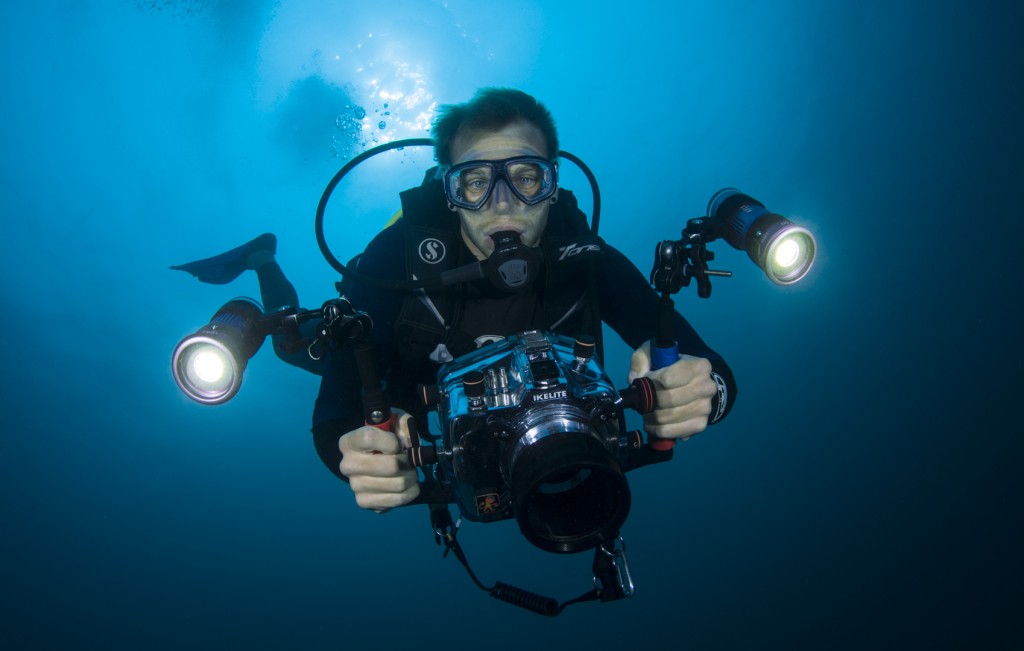
I’m blessed with a Nikon D4 and D3 with Seacam underwater housing, Seacam Seaflash 150D with CM diffusers and RGBlue Premium Colour System 02 lights.
 
What is the highlight of your career?
Being able to always inspire and help others improve their images, constantly.
 
…And the lowpoint?
When I’m stuck in a room wondering what the next “game changer” could be… But that’s the drive that motivates me.
 
"From that day, I knew, that I wanted to be different. I wanted the world to see through my viewfinder and most importantly … I wanted to be unique." © Imran Ahmad
“From that day, I knew that I wanted to be different. I wanted the world to see through my viewfinder and most importantly, I wanted to be unique.” © Imran Ahmad
"Our next generation must see and protect what we have today... It's too beautiful to be ignored." © Imran Ahmad
“Our next generation must see and protect what we have today… It’s too beautiful to be ignored.” © Imran Ahmad
 
Is there any particular shot that you still want to get?
Many. I believe in making the ordinary, extraordinary.
 
For more of Imran’s work, visit his website.