A.B. Lee is the owner and manager of Diver’s Den, Redangkalong Resort, where he guides dives and runs photography workshops. A passionate advocate for marine conservation, and a committed underwater photographer – we present him as our Ocean Defender of the Week, and revisit Scuba Diver AUSTRALASIA “Face to Face”, where we caught up with him for a quick Q & A:
What got you into underwater photography? It was about 16 years ago. I had seen the amazing pictures my clients were taking, and the pleasure they got from it. A friend of mine lent me an underwater camera, and at first I had no idea what I was doing. I just taught myself, every month spending more than 1,000 ringgit (US$300) on slide film and batteries. My pictures kept coming out blue! I would call my friend in Kuala Lumpur and he would give me advice… I simply persisted. It paid off. After about a year, I won my first prize for underwater photography!
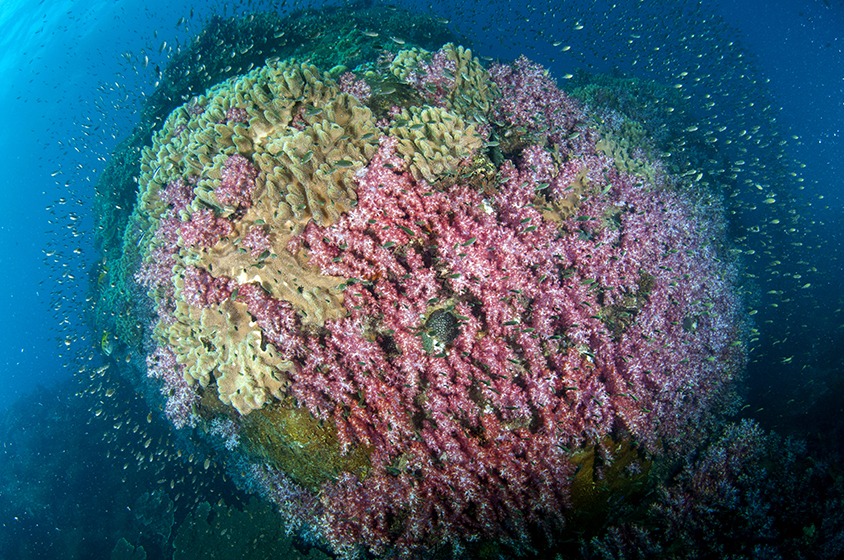
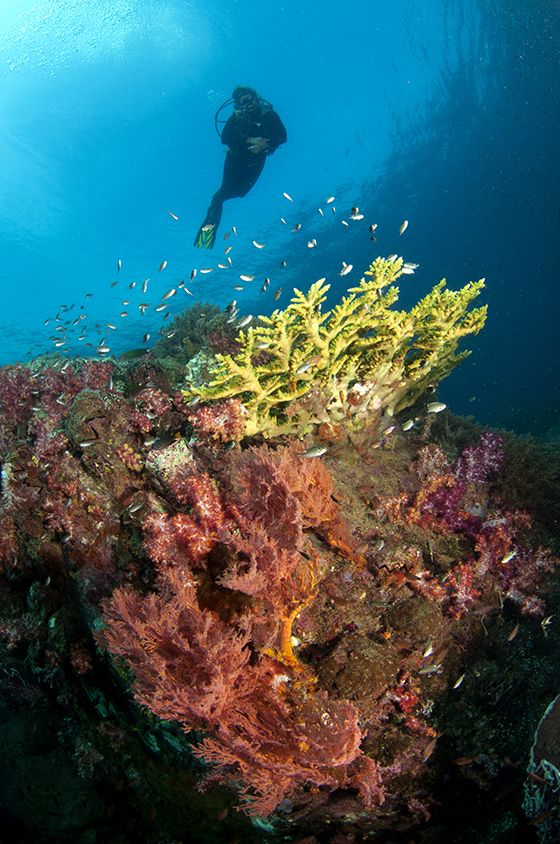
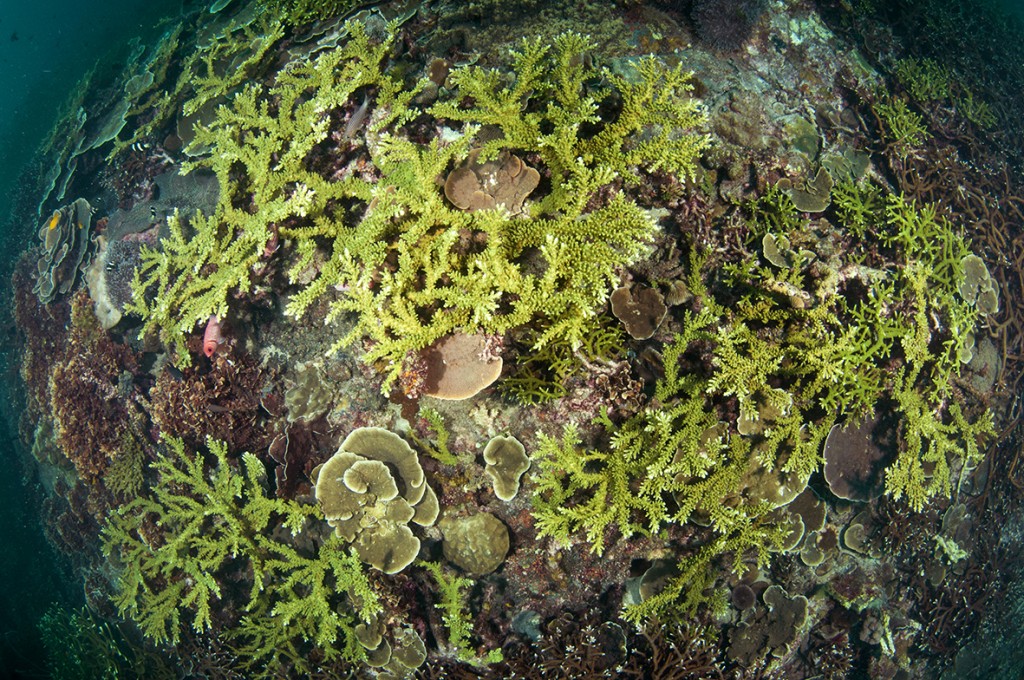
What are your favourite “face-to-face” encounters and photographic subjects on your home turf? The corals around Redang are extraordinary. The reefs are just so healthy, and they make for beautiful pictures. I think one of the other highlights of our local sites is the huge, old barracuda that lives at Black Coral Garden. He is almost always there, he has been around for years, and he is very curious.
As a seasoned photographer, what makes a great photo resort, in your opinion? It is all about the guides. Of course, in most places you can have camera tables and all of that, but what makes a place great for photographers is having guides who know where to find the animals that you want to see and shoot. Great guides also know how to support the photographer, how to advise and spot for them.
What drives you to keep shooting? The environment. So many divers don’t understand the link between what they do and the reefs they love. With beautiful pictures you can inspire people to take care of the precious underwater world. You can say, “Look! It is so beautiful. We should protect it.”
I’m also incredibly inspired by the colours and shapes underwater, and the fact that you can dive a site thousands of times and you still never know what you’re going to see.
Pioneering biologist, Dr Amanda Vincent, explains how divers can play an important role in protecting these charismatic animals.
Project Seahorse, the marine conservation group I lead, has been pioneering seahorse research and conservation for many years. We were the first scientists to study seahorses in the wild, discovering, for example, that some species form long-term monogamous pairs. We were also the first to uncover the vast global trade in these animals. Even now, we’re amazed by how much there is still to learn about seahorses. We need your help to study and protect them!
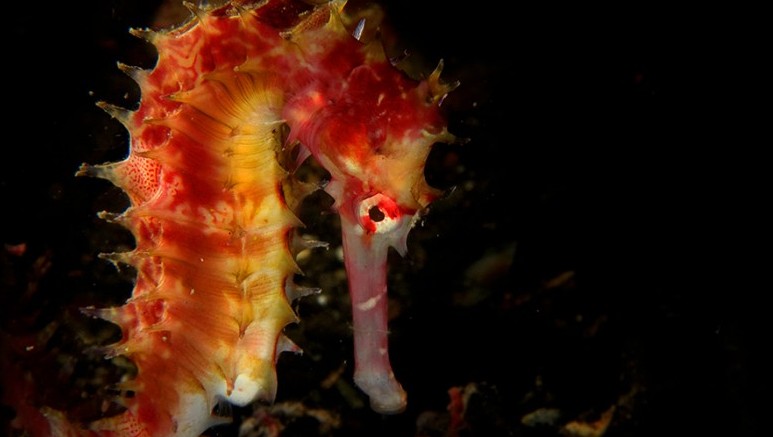
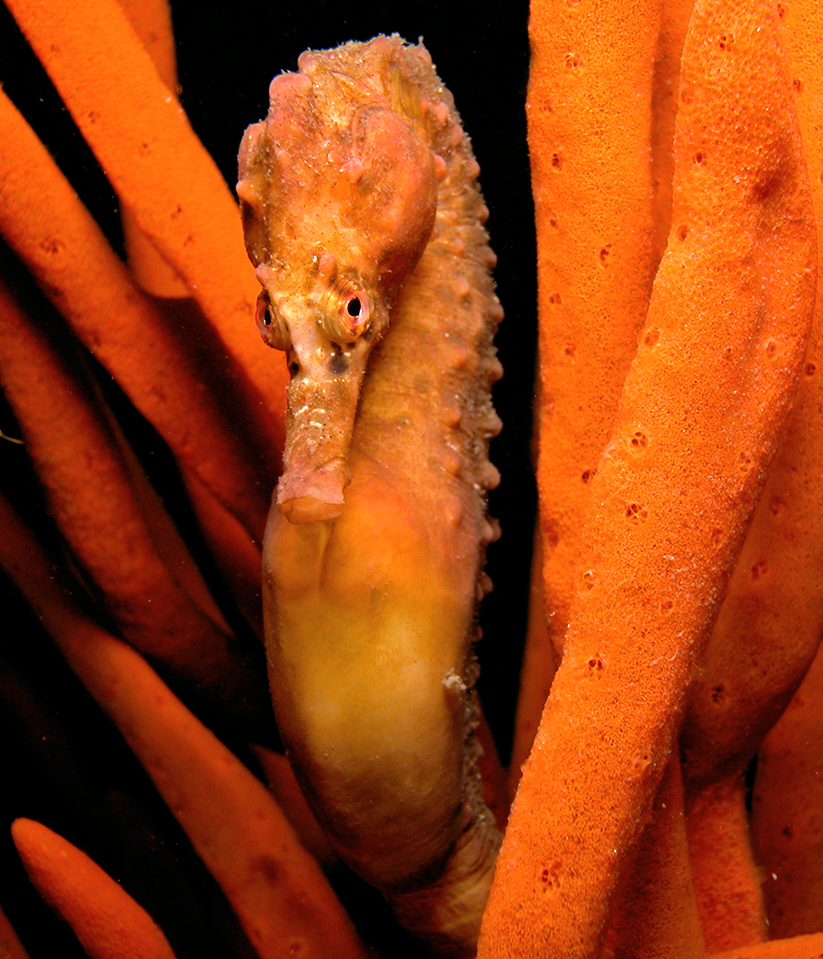
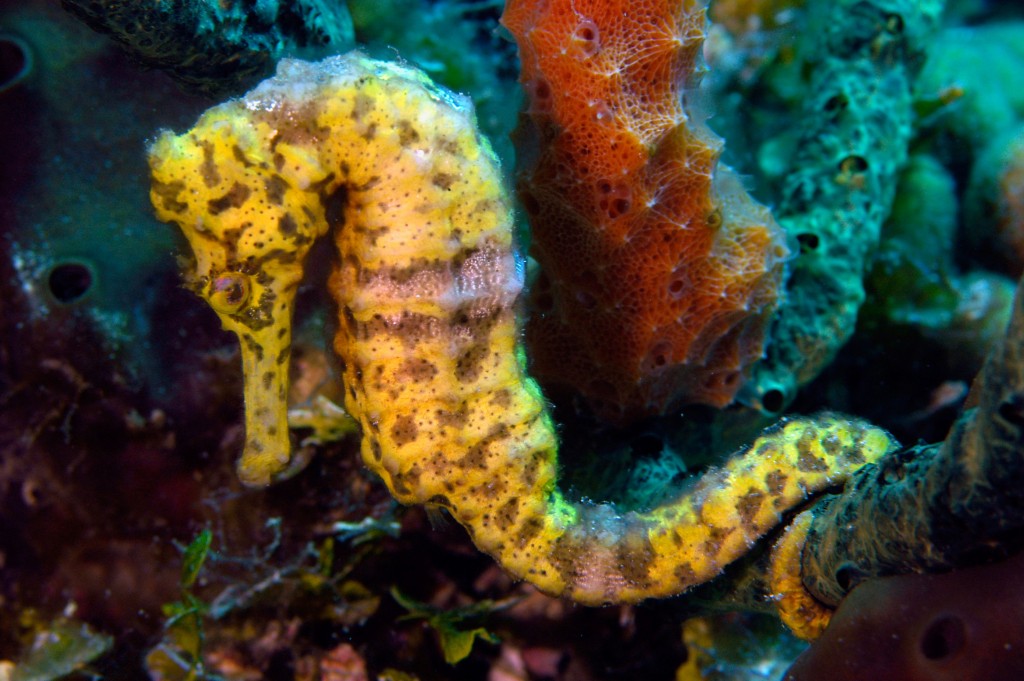
With their horse-like heads, monkey-like tails, kangaroo-like pouches, and chameleon-like eyes, seahorses are among the strangest and most iconic fish species in our oceans. While seahorses appear to be very different from other fishes in the sea, they are indeed fish. They belong to the same class as all other bony fish (Actinopterygii), such as salmon or tuna. If a seahorse is stretched out on its stomach, it’s easy to see that they really are fish.
Adult seahorses have few natural predators, thanks to their ability to change colour and grow skin filaments to blend in with their surroundings. Their bony plates and spines make them unappealing to most palates and their sedentary lifestyle camouflaged among seagrasses and other shallow coastal habitats makes them difficult to spot. Seahorses have been found in the stomachs of large, open-water fishes such as tuna and dorado, and they are sometimes eaten by crabs, but human beings are their greatest predators.
Over 1.2 billion people live within 100 kilometres of the sea, and 90 percent of all economic activity in our oceans takes place in coastal areas, including important seahorse habitats such as coral reefs, mangroves, seagrass beds, and estuaries. As a result, vast swathes of these often incredibly biodiverse ecosystems – from Asia to Africa, Europe to the Americas, Australia to the Pacific – are degraded or destroyed every year.
Overfishing and unsustainable fishing practices like trawling, pollution, coastal development, and climate change – all of these things threaten seahorses and countless other small marine animals.
Of the 48 recognised seahorse species, 12 are listed on the IUCN Red List of Threatened Species as “Vulnerable” or “Endangered” – including the tiger tail and common seahorses (Hippocampus comes and H. kuda), found in Southeast Asia. Most of the remaining 27 species are listed as “Data Deficient”, meaning that scientists simply do not have enough information about them to assess their conservation status.
These gaps in our knowledge speak both to how challenging seahorses can be to spot in the wild, thanks to their amazing camouflage abilities, and to the urgent need for more research and conservation action.
Seahorses must be preserved for ecological, biological, economic, and medical reasons. They are important predators within coastal marine habitats and removing them can mean disrupting their native ecosystems. Their extraordinary life history – mating pairs are monogamous in many species and the male becomes pregnant –provides us with an unusual opportunity to expand our understanding of reproductive ecology and may yet yield other important scientific discoveries.
Seahorse behaviour and ecology – the young depend on parental survival for much longer than most marine species – make them vulnerable to overfishing, as does their popularity as aquarium fishes and as essential ingredients in tonic foods and medicines. Traditional Chinese medicine (TCM) is the largest direct market for seahorses, followed by the trade in live animals for display in aquariums. While seahorse fishing is generally a legitimate practice, such extraction can and must be kept at sustainable levels.
Ultimately, because of their charisma, their near-global range, and their vulnerability to overfishing and a wide range of pressing environmental issues, seahorses are flagship species for marine conservation. Action for seahorse conservation directly benefits other marine animals, particularly when it comes in the form of marine protected areas, community organisation, improved governance, and trade controls.
Amanda Vincent
Amanda Vincent has a PhD in marine biology from the University of Cambridge and was Darwin Senior Research Fellow at the University of Oxford from 1994 to 1996. She is considered the leading authority on seahorse biology and conservation, and in 2000 was named a Pew Fellow in Marine Conservation. She also serves as lead scientific advisor and chair of the seahorse working group for CITES.
While it is never going to put your life at risk, a case of tinea can make an overseas trip a misery. Tinea is a fungal infection, and if it flares up while you are overseas, you probably already had it in a dormant state.
Fungi thrive in warm, dark and moist environments, so the problem usually attacks the groin, armpits and between our toes. A tropical dive destination provides the extra warmth, and the “never quite dry” state of your feet which spend hours at a time in damp wetsuit boots, and your groin which is encased in constantly damp swimmers, allows the infestation to thrive. The macerated state of the epidermis after long and frequent immersion, leads to more rapid development of the problem.
Symptoms include moderate to severe itching, redness, and flaking skin. The itch can cause the sufferer to scratch, and further damage the skin, allowing infection to set in.
Reduce the severity of an attack by:
Wash and completely dry all swim suits, wetsuits, underwear, socks and boots each day.
Thoroughly clean all infected areas, and dry thoroughly afterwards. Take extra time to dry between and under the toes.
Allow as much air to circulate the infected areas as decency will allow. Wear loose clothing to increase air circulation.
Apply anti-fungal cream or lotion at the first hint of itching, redness or flaking, and continue use for the rest of your trip. Often a few days application of medication will subdue the symptoms to the extent that you might think you are cured. This is rarely the case, and it will probably flare up again if you discontinue treatment.
Do not share towels, dive bootees etc with others.
If the abraded skin becomes infected, apply disinfectants as necessary. Seek medical assessment if improvement is slow, or if the condition worsens.
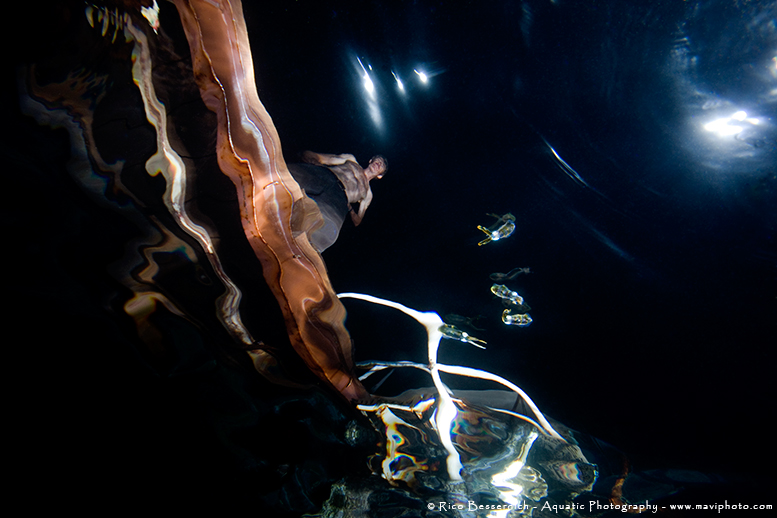
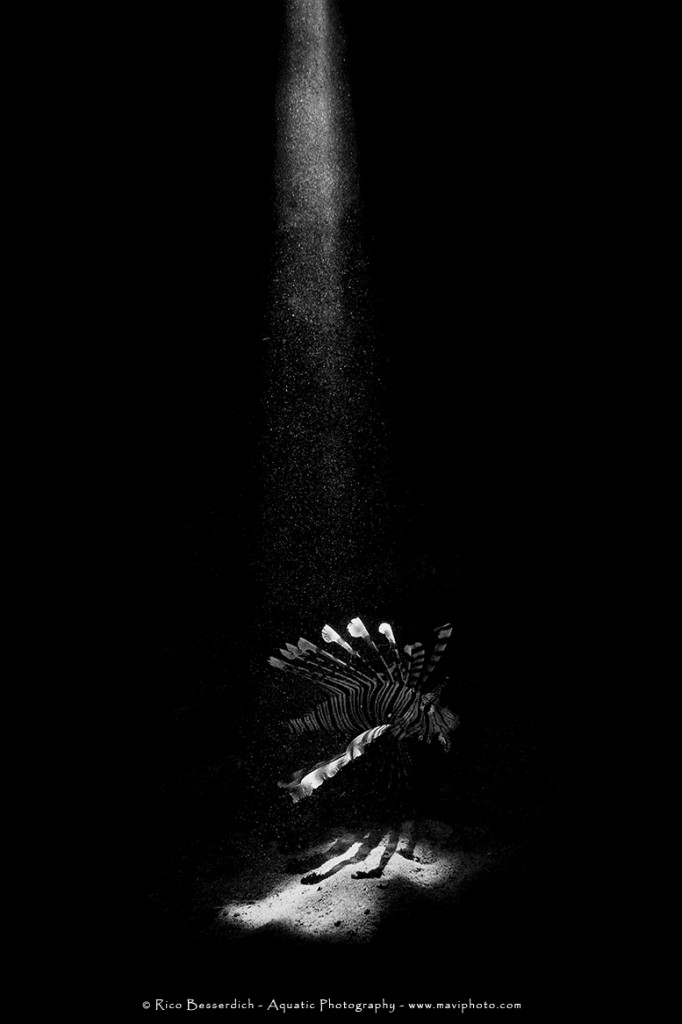
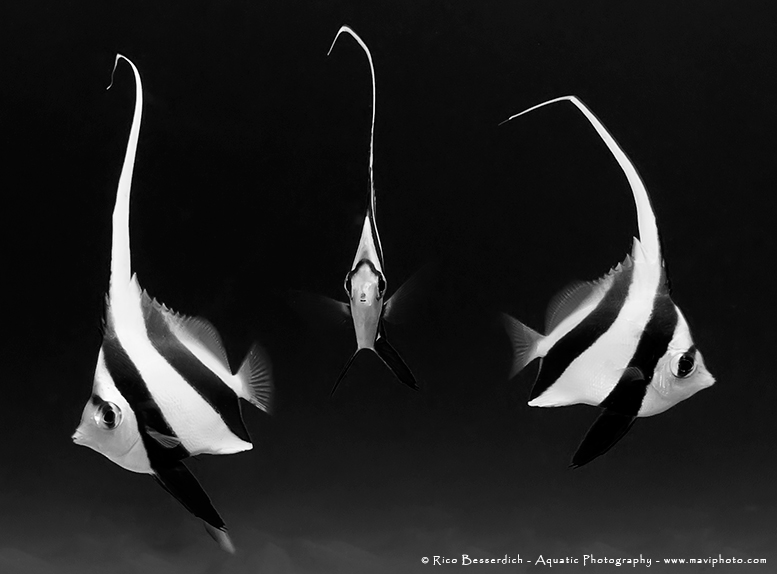
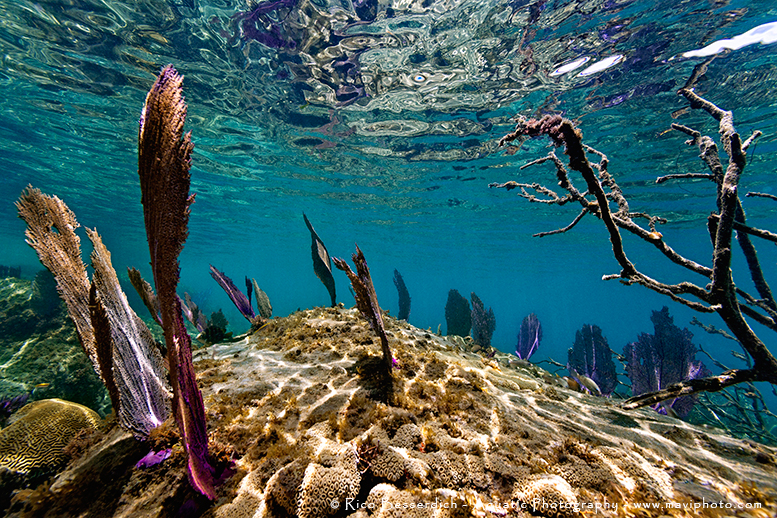
Rico Besserdich, born in Germany in 1968, started with photography at the age of 10. After spending his youth wanting to become a professional photographer, in 1996 he got hooked to scuba diving during a vacation in Turkey and combined his love for the underwater world, with his photography – and followed his dream. For a decade Rico worked on his underwater photography, without ever being published. It was in 2010 that he got his breakthrough – conducting a fine art underwater photography exhibition that got him recognised in the photography world.
A cabinet full of awards later, he is now a well-respected underwater photographer and has been published countless times in international publications. Underwater360 caught up with him to discuss his life, career and favourite works:
What made you want to become an underwater photographer? I started with photography when I was a 10 year old (in 1978). Although it was not my main job, photography was important to me. It still is. 20 years ago, in 1996, I got hooked by scuba diving and I wanted to become an underwater photographer for one simple reason: to combine two of my main passions. I actually have another passion which is music, and I am still working on how to bring it in.
Your first underwater shot? The first “official” shot (with my own camera) was a photograph of a family of wild dolphins at a place called “Dolphin House” in the southern Red Sea. I used a simple Cullman Sharky analog compact camera and managed to flood it right in the first dive, but luckily I was able to rescue the film.
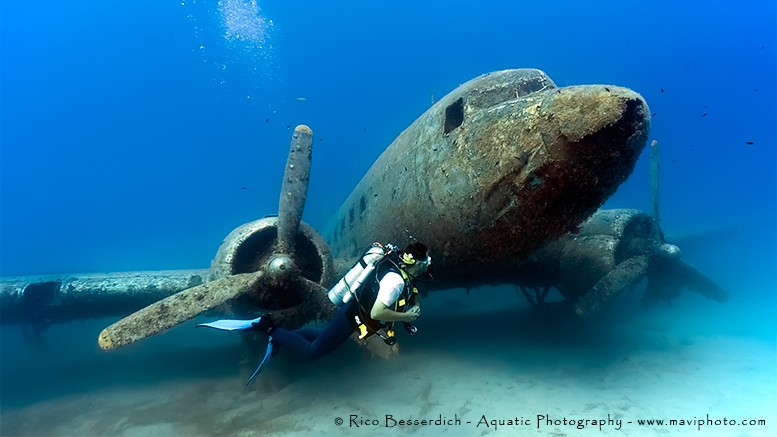
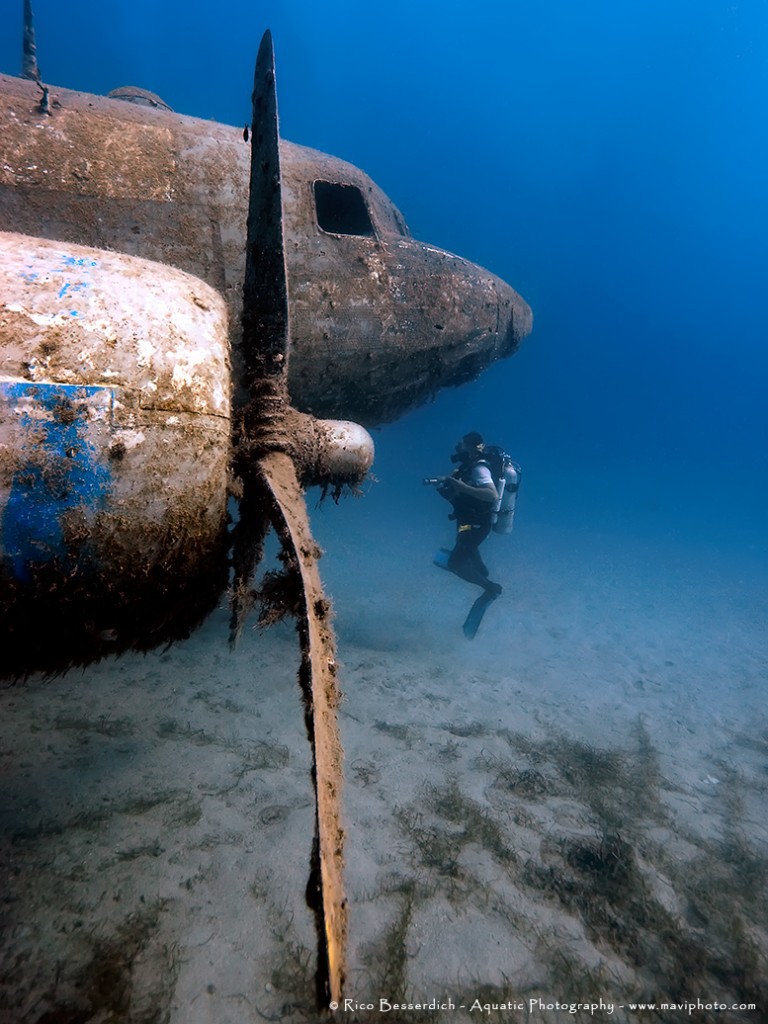
The story behind your most memorable underwater shot? Although it isn’t my personal favourite shot, many people around the world know me for my underwater images of a sunken Douglas “Dakota” C-47 aircraft. So, somehow and to the public, this might be one of my most memorable shots.
The story behind: I dived that particular aircraft wreck over 70 times. But often, something went wrong or circumstances didn’t allow to take the shot that I wanted (visibility, place stuffed with other divers etc.). I was working as an instructor trainer at a dive centre in south Turkey and there came the day I had an assistant instructor trainee. I told the guy: “tomorrow we will dive the Dakota, you will just have a look around and I will shoot some pictures”. That was the day (dive no 76 at that wreck ) where everything worked. We were the only divers at the spot, the underwater visibility was okay and so was the time of the day we dived that spot. So, everything worked perfectly and I shot a series of around 15 images, six of them made it into international press and one of them was awarded by PADI to be one of the world’s five best wreck shots of the year 2013. Sometimes it simply needs a bit of luck!
Where is your favourite dive destination? Love is where home is and therefore the Mediterranean Sea will be always my personal top destination. An easy to reach destination too as it takes me only a 10-minute walk to go there.
The site you’d most like to dive, but never have? I would love to dive the Galapagos and if I may add a second spot of desire, South Africa (Sardine Run!) would be really cool, too.
The weirdest thing you’ve seen underwater? The personal belongings of refugees in a shipwreck. That ship illegally carried refugees, and it sank in a storm more or less directly in front of the dive centre’s house-reef I was working at at that time. In respect to all the poor people who’ve died there I decided not to shoot any photographs.
What camera equipment are you currently using? During the last years I was using a CANON 7D, an EASYDIVE “Leo 3” housing, Sea&Sea and Ikelite strobes and various CANON, TOKINA and SIGMA lenses. During my last photo projects I even switched back to my old CANON 40D in an Ikelite housing. I must confess: I am not really a technology freak. I do not even own a smartphone.
What is the highlight of your career? To be hired by a fine arts university as a lecturer and workshop leader of artistic underwater photography. Two of my students made their Master of Arts Diploma with artworks that resulted out of my seminars given there. A huge step and a real highlight for someone who has only a secondary school degree and had to start to work for his living in the age of 16.
…And the lowpoint? To witness some of my underwater photographs become incredibly famous without anyone knowing who made the s
hots. Images were stolen from me, my copyright notice erased in Photoshop and others grabbed the recognition that was supposed to be mine.
Is there any particular shot that you still want to get? Yes. My personal number “42”, the final photographic answer to the meaning of life, universe and all the rest is a photograph that displays the meaning and spirit of our oceans in one minimalistic, Zen-style image. The spiritual core of water. Not less, not more. That might take me 150 years more but I am patient and I’ll keep on working!
The cover of Scuba Diver AUSTRALASIA magazine is a window into the underwater world. It is the start of a journey, guided by the many passionate voices who have explored what lies beneath the waves.
In its 35-year history, the magazine has published over 200 covers, each capturing something unique to that issue, and that time in diving history. Underwater360 looks back and flicks through these historic mementos, to select the top six:
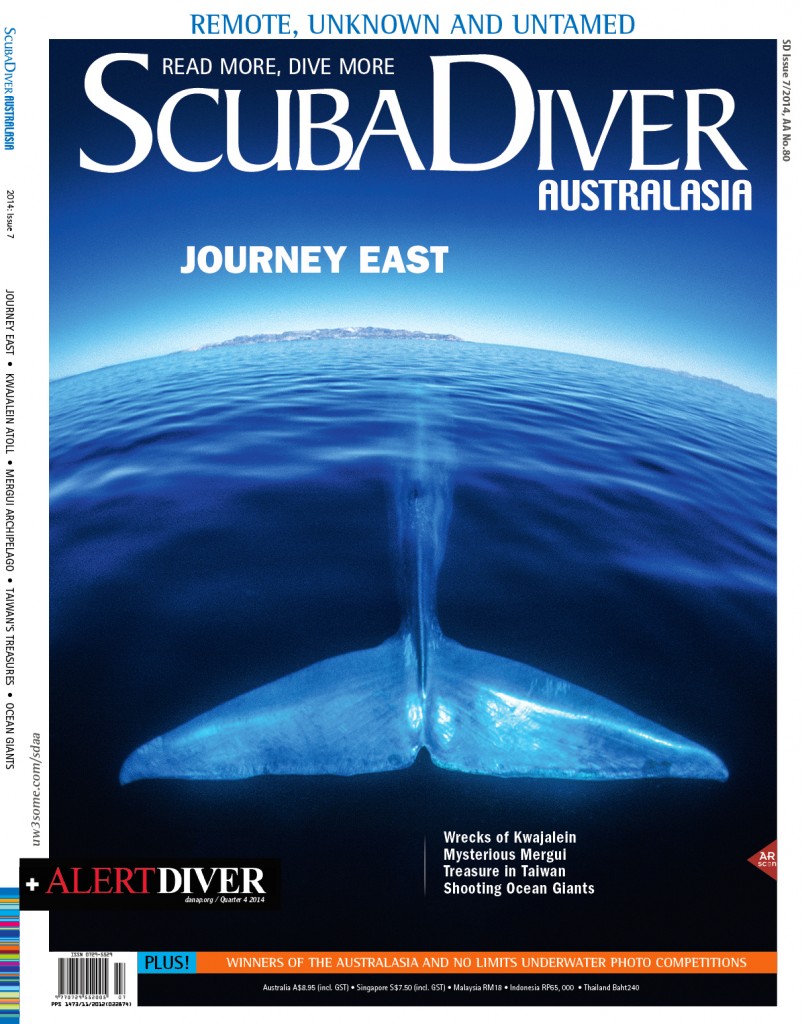
Journey East (2014)
The impressive seven-metre tail span of the blue whale, captured by big animal pro shooter Amos Nachoum, became one of Scuba Diver AUSTRALASIA‘smost beloved covers after its release in 2014.
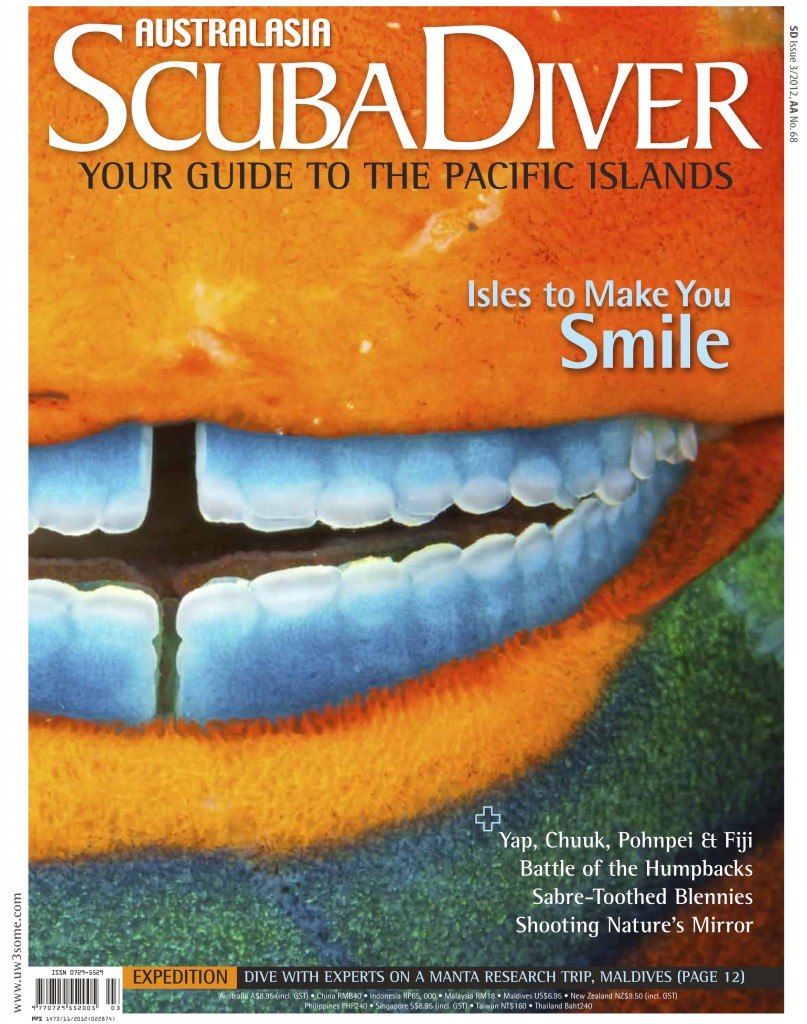
Guide to the Pacific Islands (2012)
The close-up perspective of the toothy grin of a parrotfish, photographed by Steve De Neef offshore in the waters of Myanmar, added a colourful and unique touch to the Pacific Islands edition.
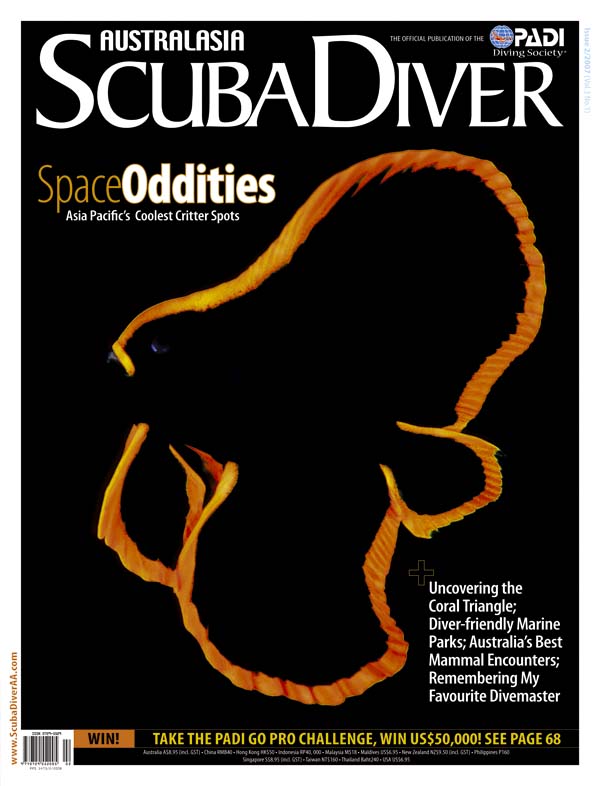
Space Oddities (2007)
The juvenile pinnatus batfish captured by William Tan. By adopting the bold contrasting colouration and undulating swimming movements of the poisonous flatworm, William’s subject not only protected itself from being eaten, but also confused and challenged his camera’s auto-focus and TTL metering. Six rolls of film were needed to get this image, and when the issue hit the newsstands, Scuba Diver AUSTRALASIA went big.
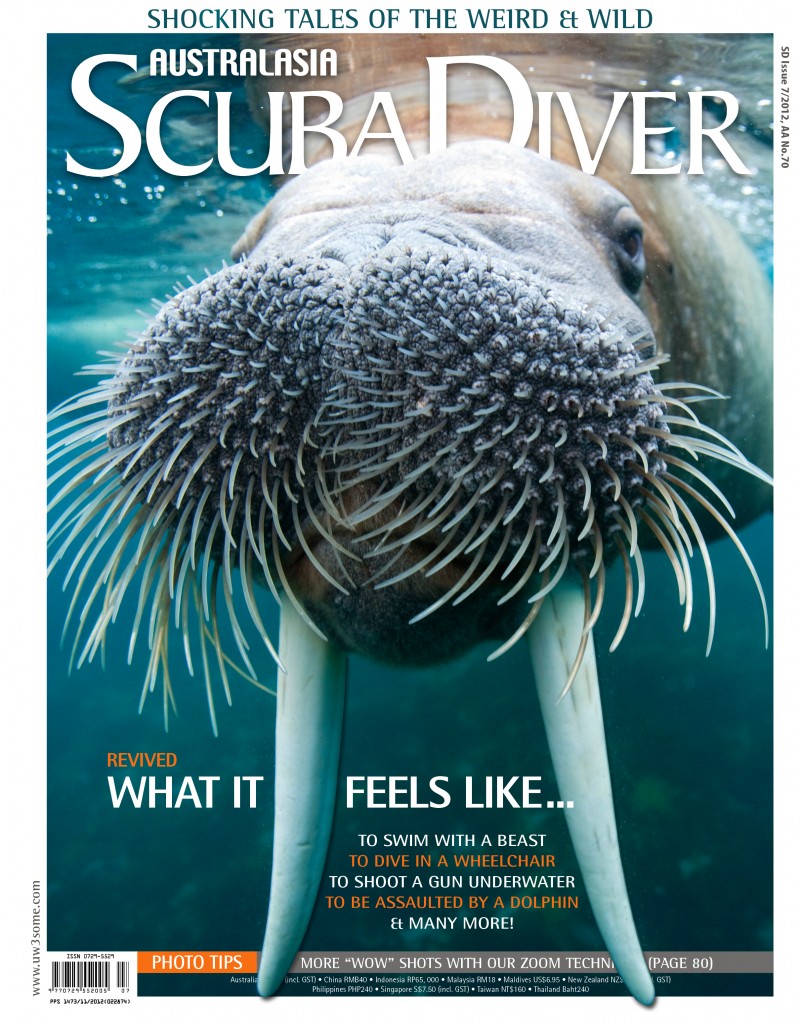
What It Feels Like (2012)
What does swimming with a walrus feel like? Paul Souders came face to face with the graceful, agile, and curious mammal in Norway’s waters. Setting the tone for an issue that captured the extreme and beautifully weird, this cover was an easy pick for our top six list.
Sharks (2003)
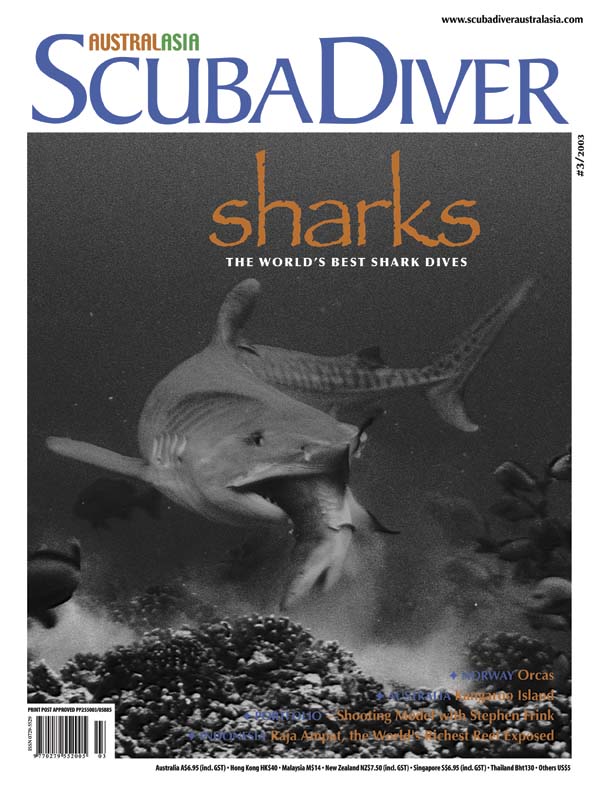
The magazine’s first shark special, featuring the stunning image of Pascal Jagut’s shark eating shark, highlighted the plight of these magnificent ocean predators, and guided readers to seek out the best shark encounters. At the time, this groundbreaking image brought never-before-seen underwater behaviour to the front page of the dive media.
Kids & Diving (2012)
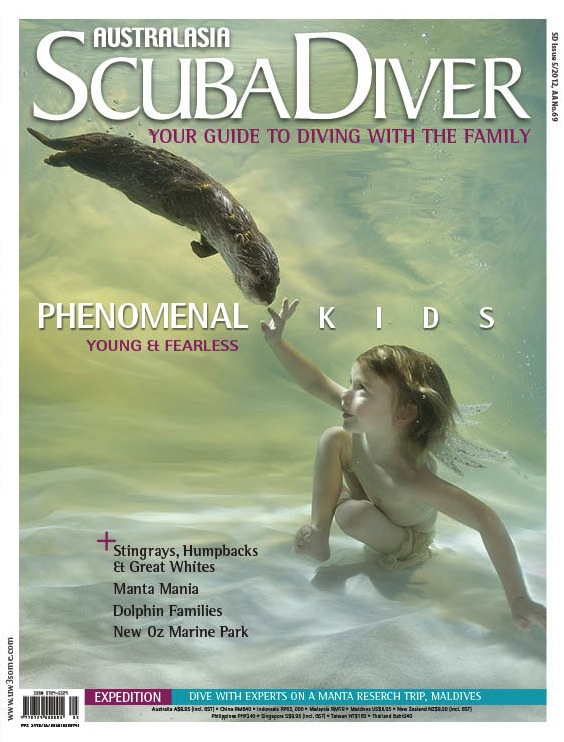
This surreal composite digital art piece by Zena Holloway, featuring a young boy coming face to face with an otter, was the first cover of its kind. Inspiring a lifetime connection to water, Scuba Diver AUSTRALASIA branched out to incorporate the “family side” of scuba diving, bringing the sport to a wider audience.
The ocean is changing. Or rather, we are changing the ocean in more ways than many of the marine inhabitants can handle. Rising temperatures and ocean acidification is devastating coral and killing off dependent marine life. There is one group, however, that seems to be adapting to these harsh conditions. Out of the emerging ocean desert comes a team of cephalopods, who are ready to overpower the existing marine life hierarchy. Or are they? We investigate into the latest claim that cephalopods are taking over the oceans.
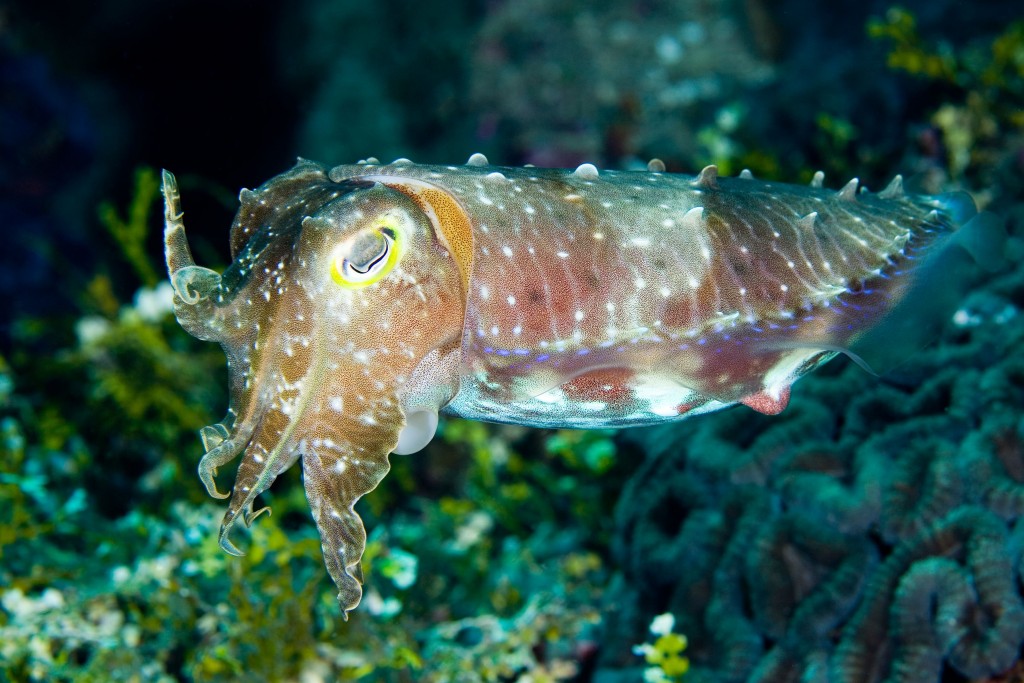
Cephalopods are a class of mollusc, which scientists classify as octopuses, squid, cuttlefish and nautiluses. Greek for “head-footed”, there are believed to be over 700 hundred of the species and they inhabit all of the world’s oceans, from its shallow coral reefs to its deepest darkest points. They grow quickly but have short life spans, and some types – mainly octopus – have been known to display a high level of intelligence. These alien-like, three-hearted creatures are believed to be taking over the ocean.
Professor Bronwyn Gillanders, of the Southern Seas Ecology Laboratories, explains the traits that cephalopods have that allows them to adapt to these changing oceans: “Cephalopods are generally highly responsive to environmental change. For example with increasing temperature they accelerate their growth rate provided the temperature increase is within their thermal tolerance and there is sufficient food. The short life cycle (1-2 years) may offer a competitive advantage over longer-lived, slower growing taxa. Key traits are extreme life history plasticity, continuous rapid growth and short life spans.”
Another theory on why the environmental conditions for cephalopods might have improved is that humans are picking off their main competitors–predatory fish. It is a variety of factors that is currently giving cephalopods the edge over other marine life.
To come to this conclusion that cephalopods were on the rise, researchers analysed the rate at which cephalopods have shown up in fishing catches or sampling efforts, spanning all major ocean regions, from 1953 to 2013. “Our research focused on looking at catch per unit effort data as a proxy for the abundance of cephalopods.” Bronwyn explained.
“We gathered as many datasets as possible for different species around the world, with a focus on longer term datasets (>10 years). Some data came from Japanese and Spanish language publications. The species investigated ranged from large scale squid fisheries, such as those occurring around the Falkland Islands, to subsistence fisheries (e.g. Octopus in Madagascar). Looking at the data based on collection type (e.g. Fisheries vs non-fisheries data) and life history (e.g. Different types of dispersal and living in different parts of the ocean) we found that all consistently increase in abundance through time.”
This increase in cephalopods could benefit their predators, such as sperm whales and sea lions, but could potentially be extremely harmful to their prey, as cephalopods are known to be voracious hunters. But for now, it is too early to predict whether cephalopod population will continue to boom, and what this means exactly for the future of the oceans, and its life, remains unclear. As humans continue to tamper and experiment with the world below the waves, unintentionally driving many marine animals to extinction, the unquenchable cephalopods continue to thrive.
But Bronwyn does add: “[that] at the end of the day, if there is nothing else to feed on, they are likely to just eat each other.”
This week we bring you all you need to know about the common thresher shark:
Species: Alopias vulpinus
Class: Chondrichthyes
Status: IUCN Vulnerable
Diet: Mainly small bait fish: Anchovies, herring, mackerel, Pacific hake, lancetfish, lanternfishes, Pacific salmon, squids, octopus, pelagic crabs and shrimp
Size: Up to 610 centimetres
Behaviour: Common thresher sharks are solitary and extremely athletic and can slay prey with their huge tails. They are famous for the incredible heights they reach when breaching out of the water
Distribution: They are found in the Atlantic, Pacific and Indian Oceans and in the Mediterranean
Ecosystem: While found both in coastal and oceanic waters, it is most abundant in waters up to 60 or 70 kilometres offshore. It ranges between surface waters and 366 metres depth
5 fast facts:
The thresher’s tail is so large that it accounts for 33 percent of the shark’s total body weight, meaning that the tail alone may weigh over 300 kilograms
Part of the thresher shark’s hunting technique is to stir a whirlpool around a school of fish to trap them. The terrified fish huddle together, making them a perfectly concentrated meal for the shark
There is a special phenomenon called “oophagy” that occurs in the thresher shark’s womb; it is where the pups actually leave their eggs, still in the womb, and feed themselves with all the unfertilised eggs
Their flesh is highly prized for human consumption, and their fins are sought after for shark fin soup, and skin can be used for leather and the liver is used for vitamin rich oil
Depending on the species, thresher sharks may be grey, blue, brown or purplish above and light gray to white below their pectoral fins