Home Blog Page 162

Wildlife of the Week: Spot-fin Porcupinefish

0
© Wikimedia Commons

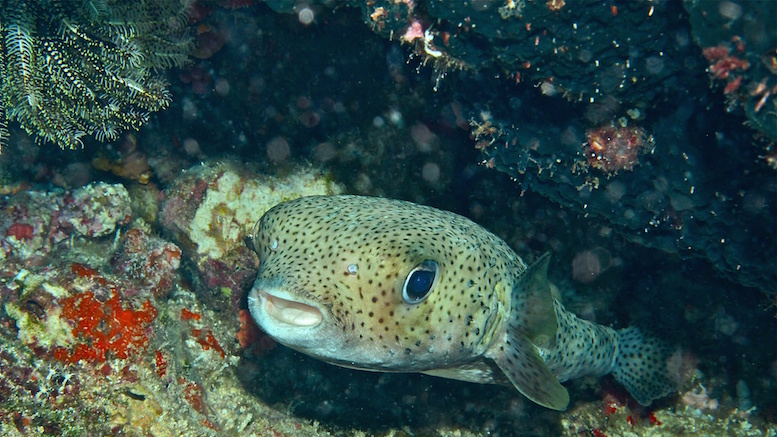
The ever-grumpy looking spot-fin porcupine fish is one of the “top spots” on any dive. With bizarre group-mating habits and a hilarious defensive mechanism, the spot-fin porcupinefish is our Wildlife of the Week:

Species: Diodon hystrix

Class: Actinopterygii

Status: Least Concern 

Diet: Sea urchins and hard-shelled molluscs

Size: Up to 91 centimetres in length

Weight: Up to 2.8 kilograms

Life span: 10 years in the wild

Behaviour: Typically solitary, outside of breeding, and are nocturnal, hiding during daylight hours

Distribution: Nearctic, Ethiopian, Australian, Oceanic islands, Indian Ocean, Atlantic Ocean, Pacific Ocean, Mediterranean Sea

Ecosystem: Adults are generally found in holes and crevices in inshore areas, including lagoons, caves, shipwrecks, reefs, and ledges, and are also found in seamount areas. They are found at depths up to 50 metres, most commonly between 3 and 20 metres.

5 fast facts: 

  • When threatened, they inflate their bodies by swallowing water. Their integument (the protective outer layer) is very flexible, allowing expansion of the body up to three times its original size. When no longer threatened, excess water is expelled and the fish returns to its normal size.
  • Their eggs are buoyant, pelagic, spherical, and 1.9-2.1 millimetres in diameter. About five days after fertilisation, eggs hatch, and larvae, which average 2.6 millimetres in length, float in the open ocean near the surface.
  • Breeding begins when water temperatures reach approximately 25°C, likely from May through August. Multiple males approach a female at a time, bringing her up to the surface of the water, where, if she has ripe eggs, she will release them. All of the males (usually 4-5) contribute sperm.
  • As in other bony fishes, spot-fin porcupinefish use their eyes to see, nares to sense dissolved chemicals, and a lateral line to detect vibrations and movement via changes in water pressure.
  • Spot-fin porcupinefish are an intermediate link in the reef food chain, serving both as nonspecific predators of benthic (bottom-dwelling) invertebrates and as prey for higher-order predators. Like other fish, this species is host to numerous endo- and ectoparasites (living inside and on the outside of the host, respectively).
Jellyfish Facts: 12 Things You Never Knew

0

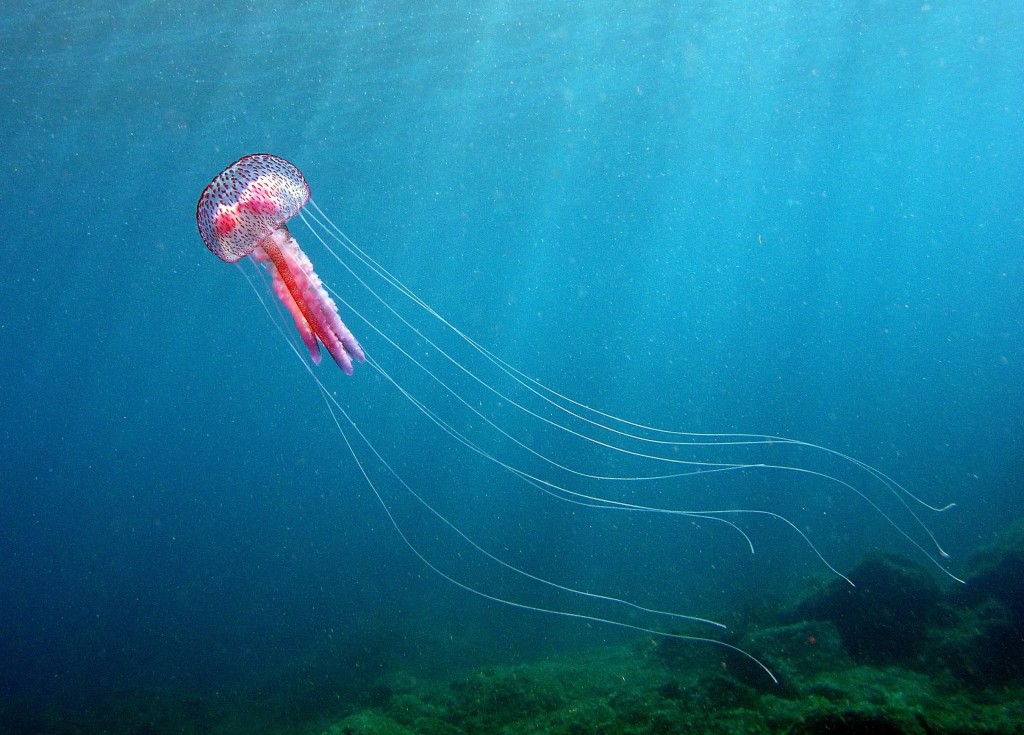
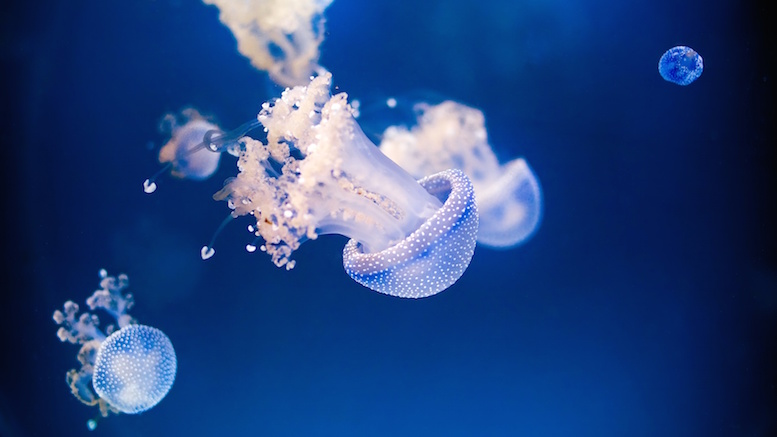
Rising and sinking serenely like the bubbles of a lava lamp, jellyfish are some of the most enigmatic creatures of our oceans. So much is unknown about these bizarre animals, and there are countless theories about everything from their evolution to their (im)mortality. To help you understand a little more about them, we bring you some seemingly far-out facts about their existence, biology and behaviour.

They are mostly water

Jellyfish are made of 95 percent water and five percent solid matter. The solid matter is composed of three layers: the epidermis is the outer layer, the mesoglea (or jelly) is the middle layer, and the gastrodermis is the inner layer.

They are pretty ancient

Though jellies are soft-bodied and lack a skeleton, making fossils rare, there is evidence that jellyfish predate dinosaurs by some 400 million years.

They’ve been involved in groundbreaking scientific research

A historic moment for jellyfish came in May 1991, when 2,478 moon jelly polyps and babies were launched into space aboard the Space Shuttle Columbia. Biologist Dorothy Spangenberg of the Eastern Virginia Medical School wanted to learn about how weightlessness affected the development of juvenile jellies. She monitored calcium loss in the creatures, which by extension was designed to further scientists’ understanding of similar losses in humans in space.

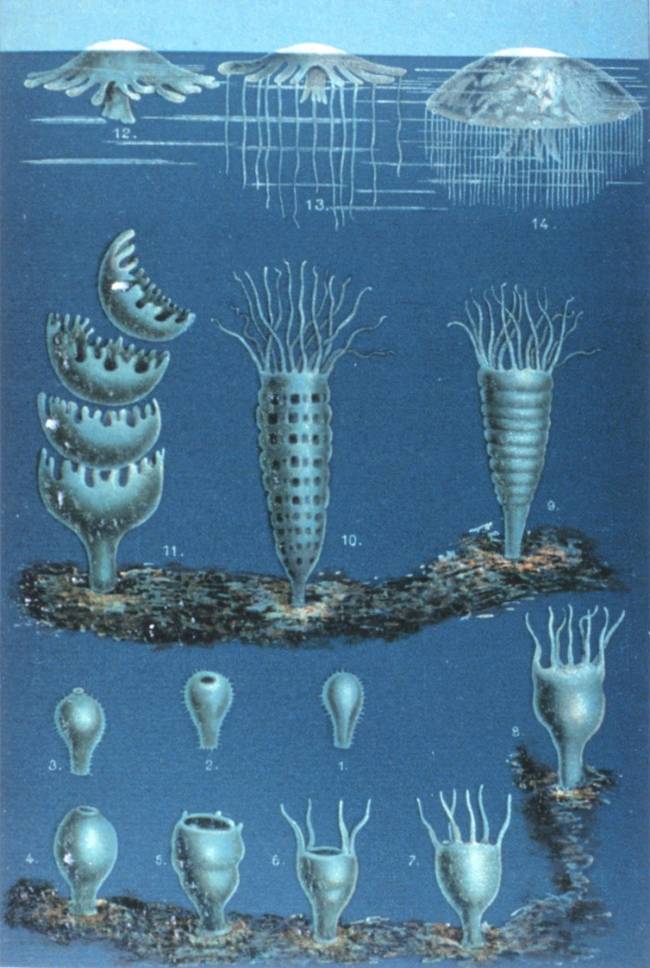
polyp-meduse-jellyfish-phases.jpg.650x0_q70_crop-smart
Some die young, others may live forever © NOAA Public Domain

Some die young, others may live forever

Most jellyfish live anywhere from a few hours to a few months. But a species of jelly called Turritopsis nutricula may be immortal. The jelly is purportedly able to play its life cycle in reverse, transforming from an adult medusa back to an immature polyp.

They’re as spineless as a politician

The creatures lack not only bones, but heads, hearts and brains.

…but can sniff out prey

Researchers from the Monterey Bay Aquarium Research Institute surmise that cross jellies (Mitrocoma cellularia), common to Monterey Bay in the spring and summer, can “smell” prey through chemicals in the water.

…and eye up feeding sites

A recent study found that the box jellyfish, Tripedalia cystophora, has 24 eyes that always point up. The jellyfish looks through the water surface for tree branches. This way, it can swim towards mangrove swamps to feed.

They are a boon to cancer research

Green fluorescent proteins (GFPs) from the Aequorea victoria jellyfish species have transformed biomedical research. The glow-in-the-dark proteins can illuminate specific proteins within the human body to track microscopic activity, such as cancer growth. 

Mayo Clinic scientists recently inserted a version of GFP and a gene from a rhesus macaque known to block a virus that causes feline AIDS into a cat’s unfertilised eggs. When the kittens were born, they glowed green in ultraviolet light, indicating that the gene was successfully transferred. Biologist Osamu Shimomura won a Nobel Prize in Chemistry in 2008 for discovering GFP.

19629688_l

They never lose their sting

Jellyfish can sting even when they are dead. In 2010, around 150 swimmers at Wallis Sands State Park in New Hampshire were stung by the floating, 40-pound carcass of a lion’s mane jellyfish.

They offer two-for-one

Jellyfish are dioecious; that is, they are either male or female. In most cases, to reproduce, both males and females release sperm and eggs into the surrounding water, where the (unprotected) eggs are fertilised and mature into new organisms.

They can grow extremely long

The lion’s mane jellyfish is the largest known species of jellyfish. The Arctic lion’s mane jellyfish is one of the longest known animals and the largest recorded specimen had a bell (body) with a diameter of 2.3 metres and the tentacles reached 36.5 metres. It was found washed up on the shore of Massachusetts Bay in 1870.

They can clone themselves

If a jellyfish is cut in two, the pieces of the jellyfish can regenerate and create two new organisms. Similarly, if a jellyfish is injured, it may clone itself and potentially produce hundreds of offspring.

NAUI: Establishment of new Marketing, Communications, Outreach and Operations Department

0

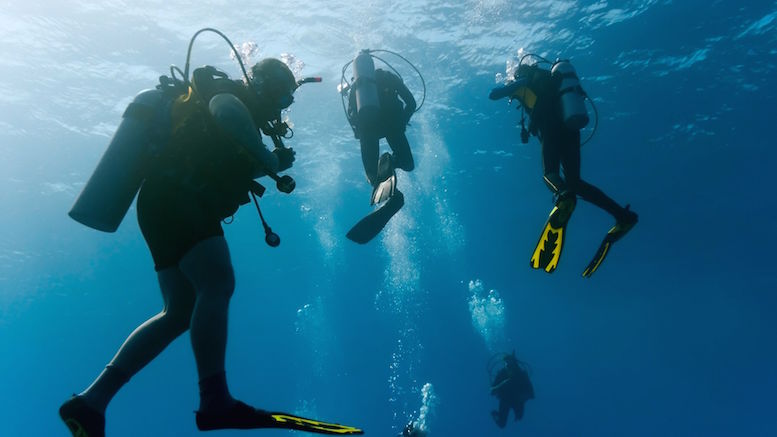
One of the first moves made under Executive Director Dallas Edmiston is an organizational transformation within NAUI Headquarters, which will see the establishment of Marketing, Communications, Outreach and Operations department. This new initiative is designed to improve the reach and awareness of NAUI training and education not only among NAUI members, but to the general public. Additionally, this department will have the responsibility for management of NAUI’s international operations and communications.

“I promised that one of my top priorities as Executive Director would be the creation of an expert driven marketing and communications team,” said Edmiston. “I think we now have a team in place that can help the membership move NAUI to the next level in this critical area.”

Assuming the role as Director of this department will be Derik Crofts, NAUI 10943. He will be joined by Angela (Angie) Cowan, NAUI 53628, as the Communications Coordinator, and Christy Wideman, as the Communications Associate

“We’ve put together a strong and experienced team of communicators,” concluded Edmiston. ” I’m excited about what they all bring to the table and what, together, they will be able to do for NAUI.”


NAUI

NAUI-2016-eLogo-100x100Founded in 1960, NAUI Worldwide is the scuba industry’s largest not-for-profit agency whose purpose is to enable people to enjoy underwater activities as safely as possible by providing the highest quality practical education, and to actively promote the preservation and protection of the world’s underwater environments. As a pioneer in diving education, NAUI has developed many of the programs and concepts accepted throughout the diving industry. NAUI: The Definition of Diving!
Japan Whaling: 333 Whales Killed, Including 200 Pregnant Females

0
© Wikimedia Commons

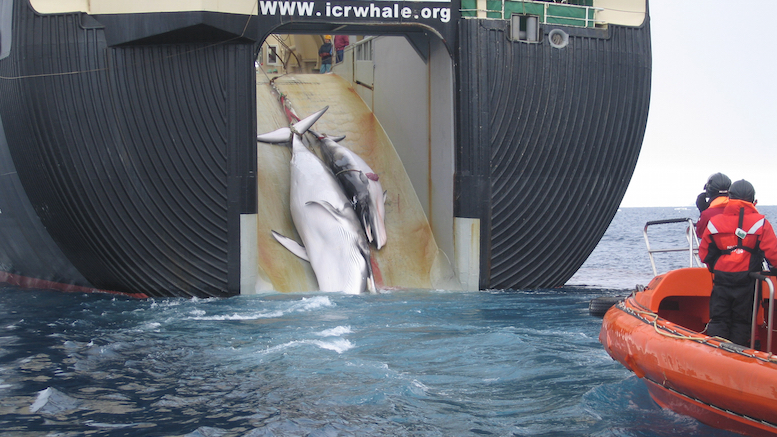
Japan’s whaling ships kill hundreds of whales almost every year. This year too, Japan has returned with a harvest of 333 Antarctic Minke whales (Balaenoptera bonaerensis), including 200 pregnant females.

This latest hunt seems to be in apparent violation of the International Court of Justice’s (ICJ) 2014 ruling ordering Japan to halt all whaling.

In 1986, the International Whaling Commission banned commercial whaling. But it allowed killing whales for research purposes. Japan has since then been accused of using this loophole to continue with its whaling program for “scientific research”.

Not convinced by the justification of their whaling program, the ICJ ordered Japan to stop all whaling in 2014.

“In light of the fact that JARPA II [Japan’s whaling program] has been going on since 2005 and has involved the killing of about 3,600 minke whales, the scientific output to date appears limited,” the court wrote in its judgment.

Following the order, Japan did temporarily halt its whaling program. But it revised its program and resolved to resume whaling in 2015-16. Japan maintains that the killing of whales, including juveniles and pregnant females, is necessary to determine whether the Antarctic whale population is healthy for future commercial whaling. The country plans to kill about 4,000 whales over the next 12 years.

Conservationists are outraged. In a letter to Nature in January this year, some scientists wrote that “the science behind Japan’s whaling activity has not passed a reasonable standard of peer review.” In fact, it is believed that Japan is actually hunting whales for meat in the guise of research.

Australia, too, has strongly opposed Japan’s whaling program.

“The Australian government opposes so-called ‘scientific’ whaling clearly, absolutely and categorically,” Australian Environment Minister Greg Hunt told AFP. “It is in my view abhorrent and a throwback to an earlier age… There is no scientific justification for lethal research.”

However, some conservation groups say that the Australian government has done very little to prevent the whaling.

The conservation status of the Antarctic Minke whale is currently unknown. The whale species is classified as Data Deficient under the IUCN Red List criteria.

Article published by Shreya Dasgupta, source: Mongabay

7 of the Best Places to Dive in Thailand

0

Thailand, “The Land of a Thousand Smiles”, a country proud of its unique landscape, of its tropical beaches and temples submerged by rainforests. But maybe most of all, its incredible underwater scenery. The surrounding waters boast some of the greatest diving opportunities in Southeast Asia, including large-scale creature encounters, micro-wonders and grand wreck sites. Thailand may just become your favourite dive destination, we bring you seven of the best places to dive in Thailand:

Koh Dok Mai

Translated to mean “Flower Island”, this picturesque micro-limestone-island has its peaks topped with tiny forests and its base with open caves. It is situated just over an hour away from Chalong Bay. Once you reach and suit up, you’ll be able to dive into waters that host a fantastic wall dive littered with macro marine life. For those that love the mini critters, and exploring the mucky seafloor, then we highly recommend this site.

© Wikimedia commons
© Wikimedia commons

Richelieu Rock

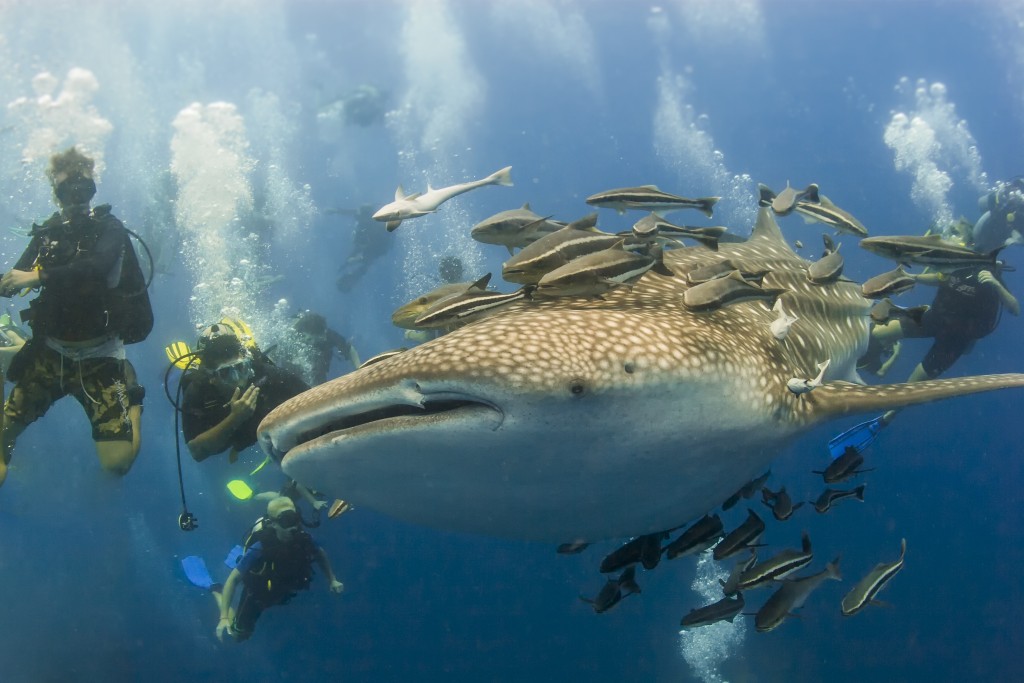
The site that is shaped like a horseshoe – a huge central pinnacle surrounded by smaller jutting rocks, where every centimetre has been colonised by something. From soft corals, anemones, barrel sponges and sea fans, it’s a free-for-all war for survival. Hovering above this ongoing land dispute; manta rays, whale sharks, barracudas and huge groupers weave around the rocks and offer divers a chance for incredible face-to-face encounters with marine life of the giant kind.

Koh Bida Nok

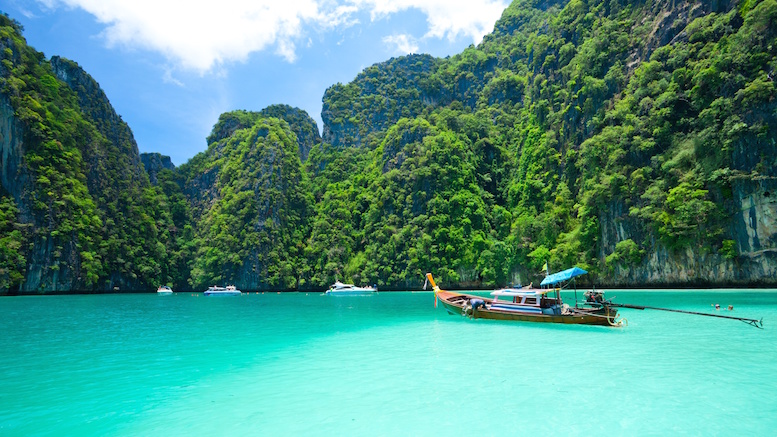
Hanging on to the southern shores of Phi Phi islands like two small outcrops sticking out from the turquoise-blue sea. Koh Bida Nok means “Outer Father” in Thai, and the site is protected by the Phi Phi islands national marine park. Here you can find black-tip reef sharks, Khul’s sting rays, turtles, leopard sharks, anemonefish, durban dancer shrimps, filefish and white-eyed moray eels, plus many more.

Sail Rock

Sail Rock is one of the most renowned diving sites in the Gulf of Thailand. Its sheer abundance of schooling fish have brought it fame and status in the Gulf. The large pinnacle which starts from above the waves provides a superb wall dive, and together with the surrounding pinnacles, Sail Rock offers an amazingly varied topography. Here you’ll find large barracuda and mackerel and many other types of marine life.

6322113_xxl

Hin Muang (Purple Rock)

Thailand’s highest, and arguably most vibrant of vertical walls. The wall is the home of many purple soft corals, and one side of the submerged rock levels out around 60 metres and the other disappears into the abyss. A vast carpet of anemones cover shallower points of the reef while sea fans cling loosely to the steep walls, clinging on to avoid dropping into the abyss. This site is great for big fish, but also for macro life.

Hin Daeng (Red Rock)

Diving below to this submerged boulder pinnacle – where observing the bare rocks from above the water leaves you initially disappointed – will bring surprises like few can ever imagine. Coral landscapes that have more “in your face” colour than Koh San Road, standing as large psychedelic structures to the small-scale world that works alongside, a world that much diver-fanatics and macro shooters would spend an entire dive exploring. Those who desire the presence of something larger will be pleased to hear that the site is frequently visited by whale sharks.

17713625_xl

Similan Islands

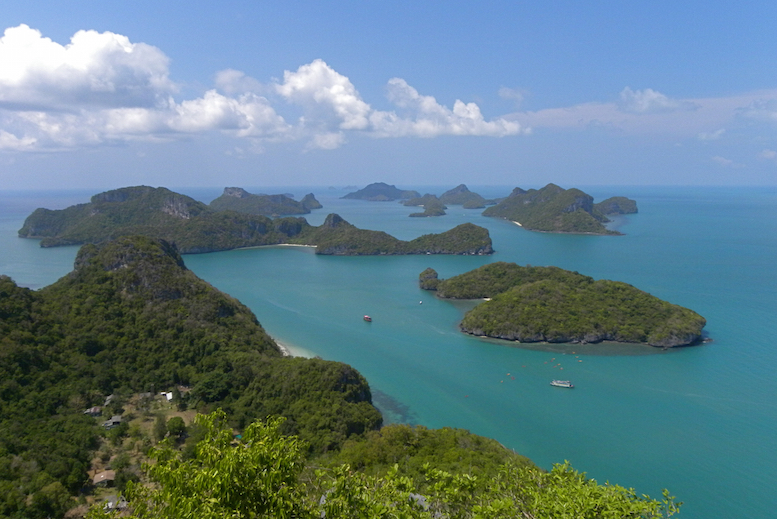
The Similan Islands. It’s to Thailand dive tourism, what the colosseum is to Rome – the main attraction. The headline act. There are so many fantastic sites in this national park that we couldn’t just pick out a handful. Take a liveaboard boat’s cruise and dive into the marine world which offers leopard sharks, white tip and black tip reef sharks, batfish, moray eels, snappers, barracudas, triggerfish, surgeonfish and unicornfish – not to mention the huge (both in size and in numbers) corals that cover the seafloor. With the many beautiful and diverse dive sites in the region, Similan offers divers some of the best encounters in the coral triangle.

Controversial Dam Officially Cancelled in Borneo After Indigenous Protests

0
© Mohamad Shoox, flickr.com

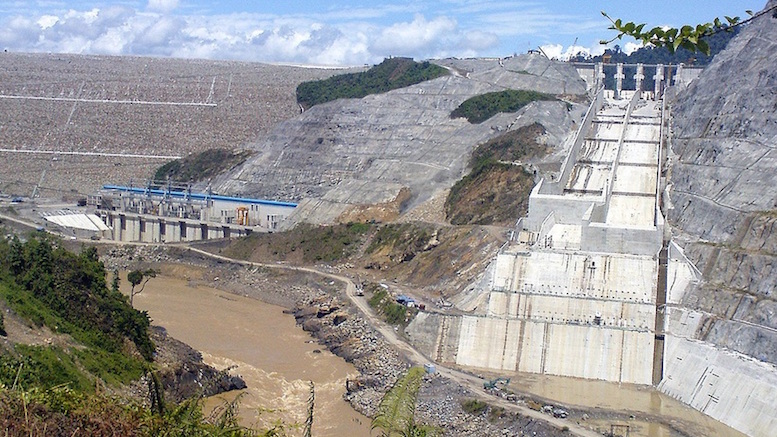
The controversial Baram dam has been officially canceled after years of opposition from local indigenous people, reports Malaysiakini.

While the project’s cancellation had been reported in late 2015, last month the Sarawak government officially repealed the gazette that revoked native peoples’ customary rights to the land that would have been flooded by the dam’s reservoir, which would had inundated 412 square kilometres, an area three-fifths the size of Singapore. About 20,000 people in 30 villages would have lost their homes or lands to the flooding.

Indigenous groups and environmentalists had spent years campaigning against the dam, as well as other planned mega-dams in the state. But it may have been politics that provided that nail in the coffin for the project: the majority Barisan Nasional party feared losing the Baram seat over the dam.

The Bruno Manser Fund, a Swiss-based group that campaigns on behalf of Sarawak’s forest-dependent people, says the cancellation is part of Chief Minister Adenan Satem’s effort to rebuild relations with Sarawak’s indigenous communities ahead of a state election. The group believes the cancellation will spur a review of other large-scale hydroelectric projects in the state.

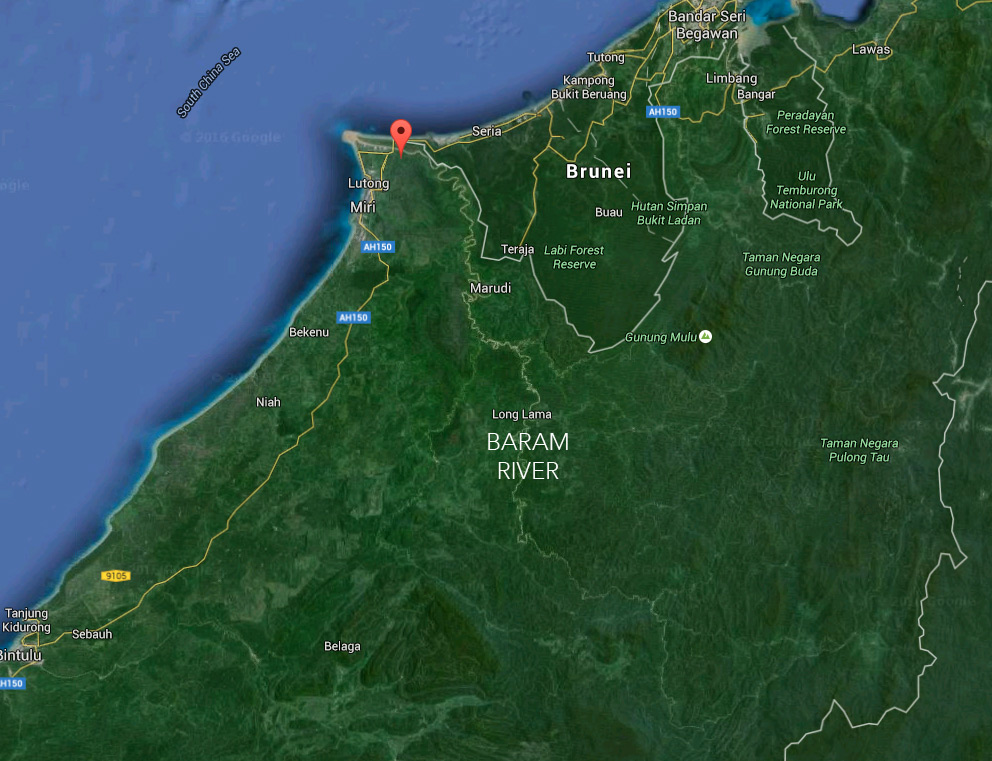
Google Earth image showing the Baram river as it winds through Sarawak in Malaysian Borneo.

The dams have been controversial for their scale, disregard of traditional land claims, weak environmental impact assessments, and links to the former Chief Minister and current Governor, Taib Mahmud, who had allegedly amassed billions of dollars in ill-gotten gains through relationships with construction and energy companies. Environmentalists are pushing for greener and smaller-scale forms of energy production, including microhydro and solar.

Article published by Rhett Butler, source: Mongabay

This Week's Defender of the Ocean: Richard Smith

0
© Richard Smith

This week we interview ADEX Singapore 2016 Speaker Richard Smith, pioneering marine biologist, underwater photographer and writer. Aspiring to promote an appreciation for the ocean’s inhabitants and raise awareness of marine conservation issues through his images, Richard’s research on the biology and conservation of pygmy seahorses led to the first PhD on the enigmatic fishes. Over the past decade, Richard’s photographs and marine life focused features have appeared in a wide variety of publications around the world. He leads marine life expeditions where the aim is for participants to get more from their diving and photography by learning about the marine environment.

What got you into marine biology?

I have always been a wildlife fanatic and as a child growing up in the British countryside spent a lot of time enjoying nature and kept quite a menagerie of creatures from snakes to beloved chickens. When other kids wanted to be a fire fighter or police officer, I wanted to be a zoologist. After learning to dive at the age of 16 my focus shifted towards the ocean; however, I still went on to complete a degree in Zoology as I had always planned. I moved into tropical marine study for my master’s and doctoral research.

© Richard Smith
© Richard Smith

What’s the hardest thing/best thing about your job?

I am very lucky in being able to travel to some of the most remote corners of the globe for my work, and this is one of the best things about my job. I would imagine there are very few people who have been lucky enough to see some of the creatures that I have encountered. Indeed many are still undescribed or new to science. On the other hand, probably the hardest part is seeing how our actions are reaching even these last bastions of marine life. Visiting the most remote corners of the globe I still see plastic waste in the water and on beaches. The coral bleaching that’s occurring as a result of El Niño, and exacerbated by human-induced climate change, is currently working its way across the Pacific Ocean and laying waste to whole reef ecosystems. This shows how far reaching our influence on the environment is.

What’s the craziest thing you’ve ever seen/discovered while on the job?

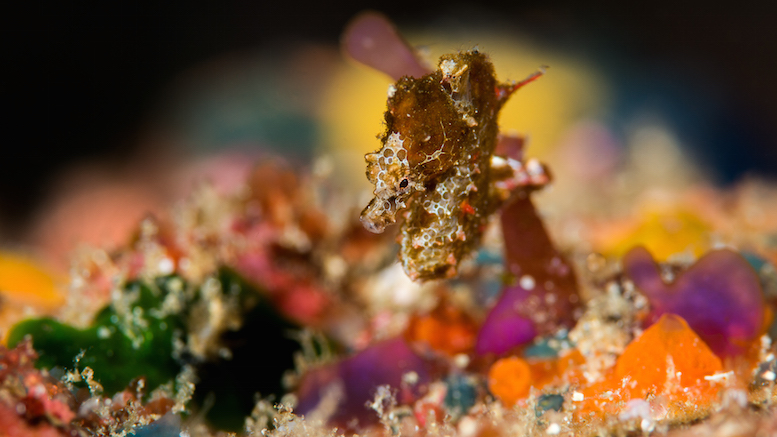
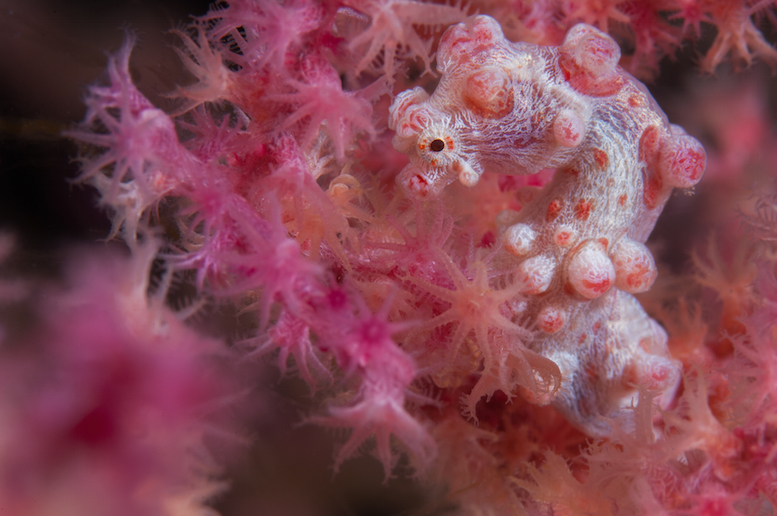
I’ve seen some truly amazing animals and fascinating behaviours through my work. Most dear to my heart has been my research on the biology of pygmy seahorses. I spent hundreds of hours observing their social and reproductive behaviours during my PhD research and probably the most amazing behaviour that I witnessed was their mating. The male had given birth just prior and, exhausted from the ardours of labour, returned to his mate to accept a new clutch of eggs. The pair intertwined their tails and for about 45 seconds hovered just off the gorgonian in a miniature embrace as she passed her unfertilised eggs across to his brood pouch.

© Richard Smith
© Richard Smith

What do you help to achieve through your work?

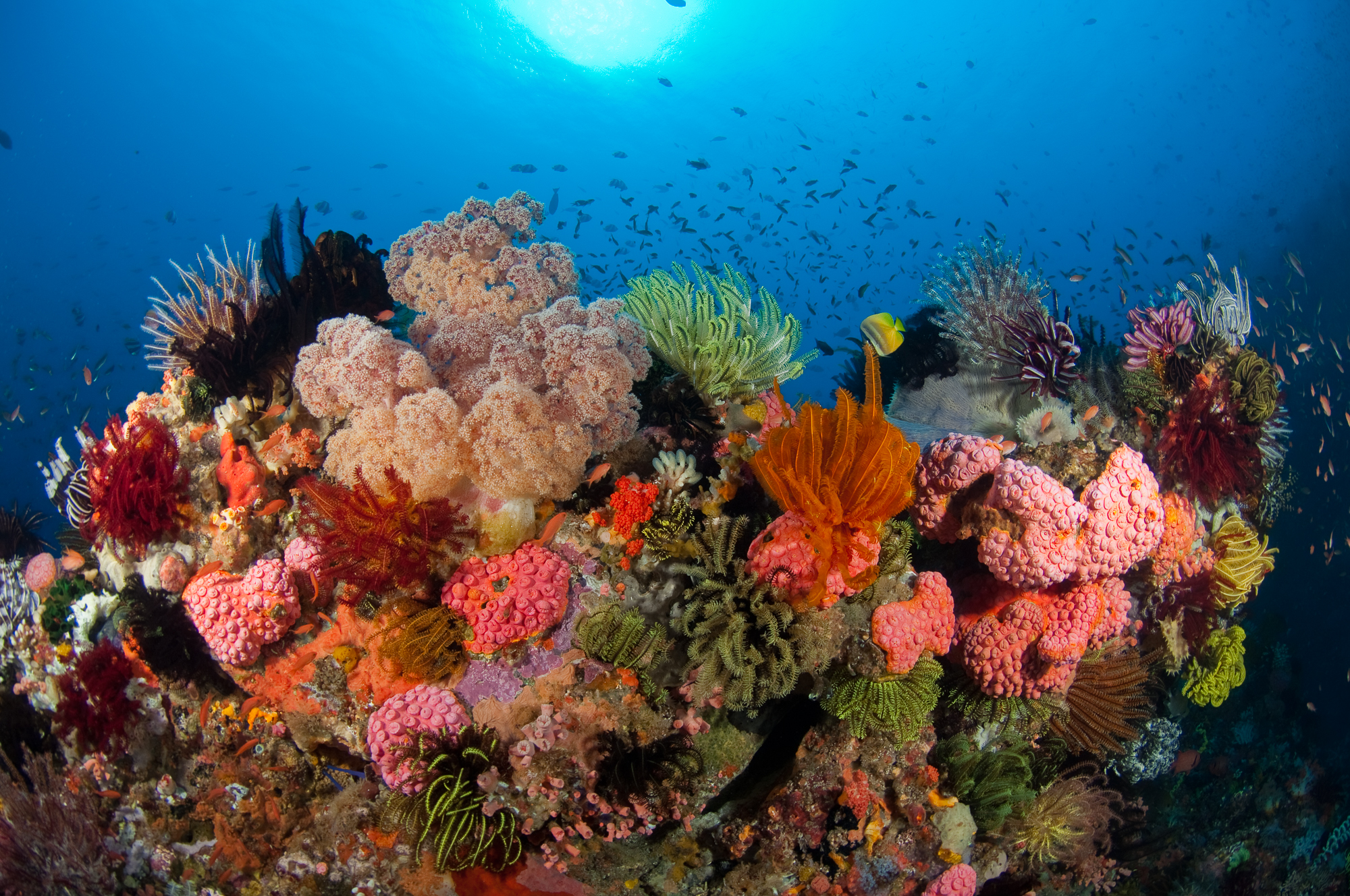
Sometimes it’s easy to forget that the oceans are as alien to most people as the surface of the moon. As divers, we are privileged to swim alongside the fishes and witness first hand vibrant coral reefs or the wonders that a muck dive has to offer.  Most people can’t relate to this in any way. People just aren’t passionate to conserve something they don’t understand or relate to. I hope that my work as a marine biologist, underwater photographer and trip leader can help to share the wonders of the ocean with a greater audience so there’s something left for the next generation.

Who is your marine biology role model?

I get inspiration from many sources, not one single role model. The amazing work of scientists around the world is always an inspiration, but diving with passionate dive guides is equally motivating. Many people are working hard to protect our oceans, and thank goodness for each and every one of them.

What do you think lies ahead for marine ecosystems?

I worry that as the world’s population urbanises, people are increasingly losing their ties with nature and becoming apathetic about the state of it. Whilst terrestrial ecosystems are becoming more and more fragmented I think the hope for the oceans is that, by their nature, they are much more connected. We are really at a tipping point and our decisions now will have huge implications for the oceans of the future.  I hope governments and the populous face up to the huge challenges we face.

© Richard Smith
© Richard Smith

What can the average person do to help protect life in the oceans?

The most obvious is through each individual’s decisions about the foods we eat, whether to recycle and such-like. Amongst divers, and especially underwater photographers, I would love to see a greater respect of animals and the environment. I am very passionate that we should enjoy our precious time underwater without damaging anything or harassing wildlife. In none of my images have the subjects been moved or manipulated in any way, so I hope this can show budding photographers that it’s best to leave those pointer sticks at home and just exercise patience to get the shots they’re after.

www.oceanrealmimages.com