MANADO was my first ever overseas diving trip back in 2010. Back then, there was still so much hype about the huge walls of Bunaken in the west and the world famous macro haven, the Lembeh Strait in the east.
I couldn’t believe my eyes: There were so much action in the water when I got there – each and every dive was exciting, not knowing what would appear right before me in the next moment. Armed with only a small pocket camera then, I was busy capturing many photographs, but in my heart, I knew I had to return… and I did.
Manado became my second home for the next four years. Travelling back and forth numerous times for different seasons, I thought to myself, if I could stay for longer periods, it would be extremely exciting. Then slowly but surely, trips that started from six days would sometimes be extended to 10 days and recently, for almost three weeks!
There was just too much to see at the sites just off the coast. And because the waters off the mainland are vast, you seldom get another operator sending divers down at the same spot, unless you were diving at a particularly popular site in Bunaken. Back closer to the mainland coast, I knew I could have the dive site all to myself, with experienced dive guides pointing me to where they last saw that favourite candy crab I wanted to photograph. With dive sites relatively untouched by many, it’s almost possible to revisit and re-photograph the same critter within the same trip!
Did I even mention that Manado’s dive masters are world famous for their sharp and keen eye, locating tiny little critters? Sometimes, I wonder how they even spot that little shrimp that’s barely half a centimetre long!
For the rest of this article (Asian Diver 2015 Issue 4 Volume 139) and other stories, check out our past issues here or download digital copy here.
Mastering the art of getting your buoyancy spot on (Text by Marty McCafferty, EMT-P, DMT, and Patty Seery, MHS, DMT. Images by Stephen frink)
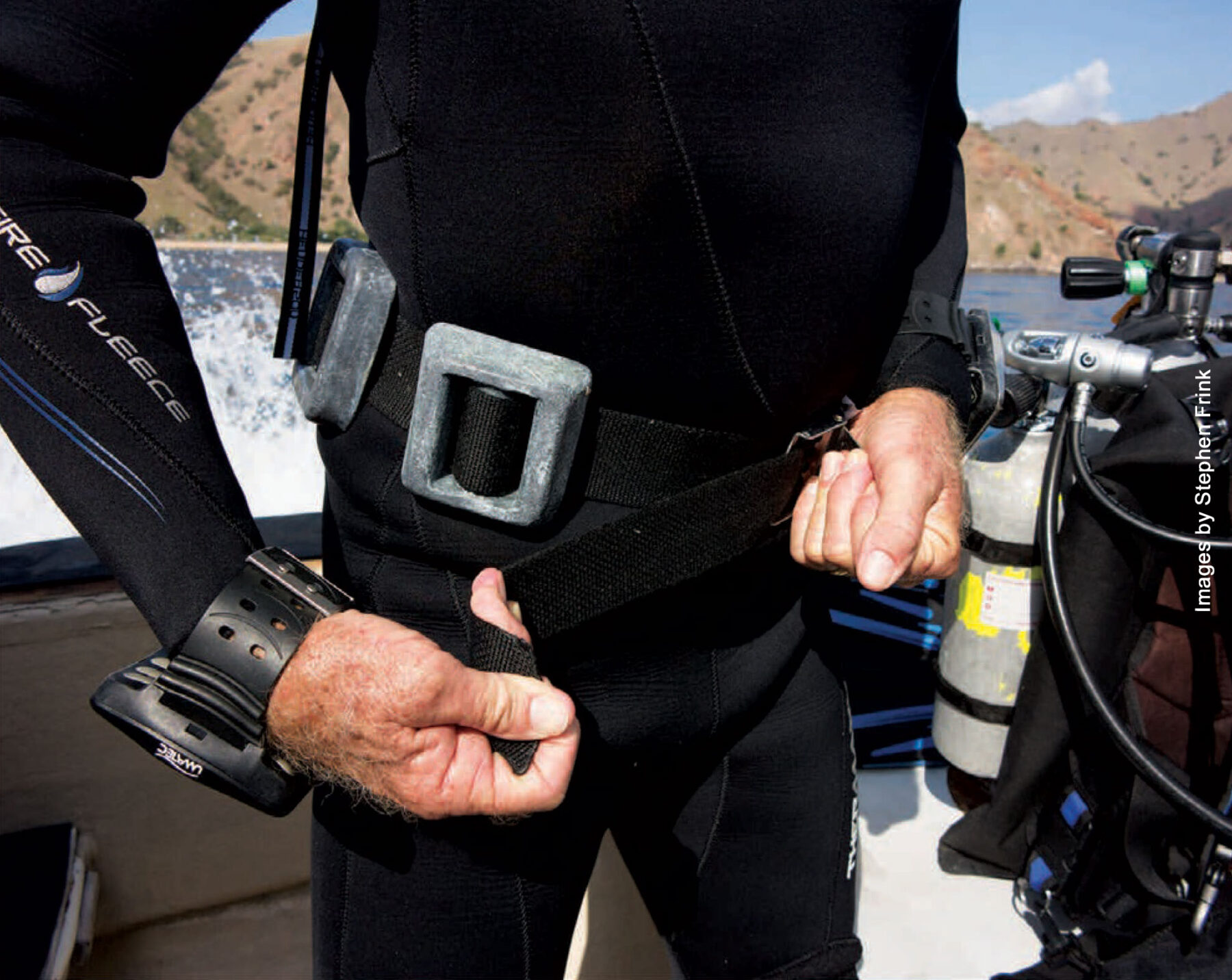
Early in dive training, students learn that there are three elements involved in buoyancy control: the buoyancy compensator (BC), weights and lung volume. Although most divers are familiar with the need to be properly weighted, many do not understand all that it entails. Students and experienced divers alike make two common errors when it comes to weighting: diving while overweighted, and failing to adjust the amount of weight used in response to changes in equipment and environment.
DON’T WORK TOO HARD
Improper weighting makes it harder to achieve neutral buoyancy. Many divers who wear too much weight do not even realise they are overweighted. The excess weight means that to achieve neutral buoyancy the diver has to put more air into the BC bladders, which can create a more upright profile in the water. The upright position increases drag when swimming, causing the diver to expend more effort and consume more air. Underweighted divers can also become significantly fatigued while trying to stay down. In addition to increasing breathing-gas consumption, extra exertion can elevate decompression stress.
GET IT RIGHT
You may have heard a diver say, “This is how much weight I always use.” While field testing and prior experience can be useful, this statement shouldn’t be the endpoint of a dialogue about weighting. Proper weighting requires thought and practice, and the amount of weight worn is not fixed. Over the course of our lives, we experience change in muscle mass, body fat and physical fitness. Equipment, including wetsuits, wears out and gets replaced. Dive environments differ. All these factors affect buoyancy and require adjustments to the amount of weight used.
To determine how much weight you need, consider your body weight, the exposure protection you will be wearing, the weight of your equipment and the environment in which you will be diving. Start with weight equivalent to 10 percent of your body weight, which is a good baseline for a 6mm full wetsuit. For a 3mm suit, use 5 percent of your body weight. Remember that these percentages are simply starting points.
Drysuits and thick neoprene necessitate more weight to counter the suits’ buoyancy than do thin neoprene or dive skins. Body composition (muscle density, for example) will influence whether more or less weight is needed. Diving with an aluminium tank requires more weight than diving with a steel tank.
Salt water is denser than fresh water, thus increasing the buoyancy of immersed objects and requiring more weight to descend. Dive training typically begins in freshwater environments such as pools, quarries or lakes, so new divers should consider that even if they are wearing the same exposure protection they will need to add weight for ocean diving. The exact amount of additional weight needed will vary from person to person. Performing a buoyancy check in each situation will help determine the correct amount of weight to add.
SECURE IT
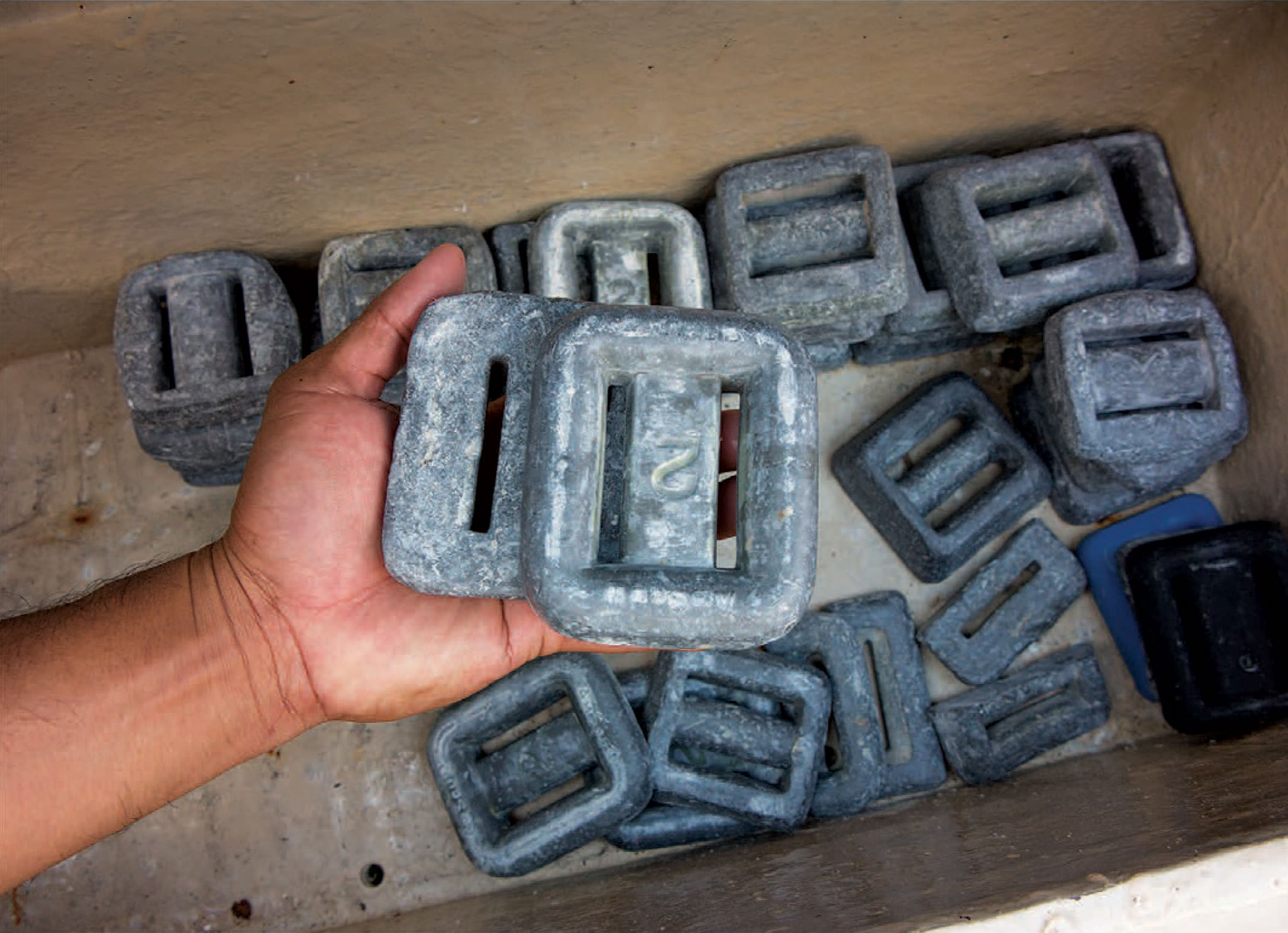
There are several options available for how and where to secure your weights. A weight belt is the most common method of wearing weights; there are belts that accept slide-on weights as well as pocket belts that can accommodate either solid weights or soft weights (bags filled with lead shot). Weight belts are easy to ditch in an emergency as long as you keep other gear clear of the belt. A shoulder harness is sometimes used when the buoyancy of a thermal protective suit requires more weight than can comfortably be worn around the waist. Integrated weight pockets and harness systems offer a couple of advantages over belts: They can be considerably more comfortable, and they offer improved ability to adjust trim. But unlike belts, which have a single point of release, harnesses and integrated systems may have more than one release point. This is crucial information for the diver and dive buddy to discuss prior to diving – and to remember in the event of an emergency. A downside to using weight pockets is that it may be more difficult to add or remove weights if adjustments need to be made.
For the rest of this article (Scuba Diver Issue 7/2015, AA No. 84) and other stories, check out our past issues here or download digital copy here.
275 MILLION TONS A YEAR
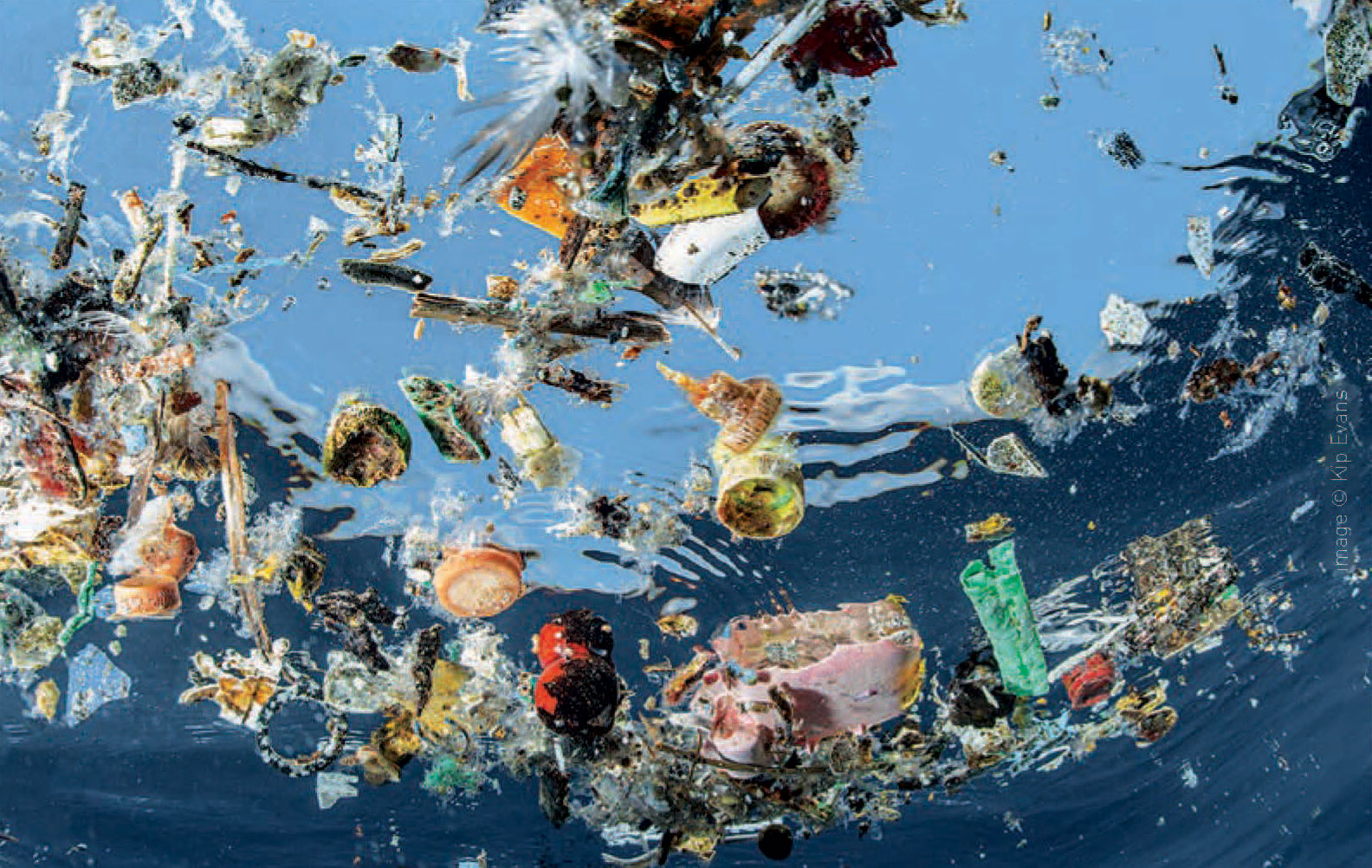
A recent study by a group at the National Center for Ecological Analysis and Synthesis at the University of California, Santa Barbara, found that 20 of the world’s nearly 200 countries with coastlines account for 83 percent of the total volume of plastic that washes into the sea – an amount that researchers estimate to be between 4.8 and 12.7 million metric tons each year. That’s at least 10 billion pounds of plastic.
To put this in perspective, Jenna Jambeck, the principal author of the study, explained that the volume of plastic entering the oceans each year is equivalent to five grocery bags filled with plastic for each foot of coastline in the world – and that includes only municipal waste. When we consider other types of waste as well, we discard a total of some 275 million metric tons (606 billion pounds) of plastic each year.
“Until now, what we knew about plastic in the ocean was from observations at sea,” says Kara Lavender Law of the Sea Education Association, one of the study’s authors. “That only accounts for a fraction, though, since only certain plastics float. The difference with this work is that we were looking at the flow coming from land.”
PLASTIC’S DEADLY IMPACT
Plastic debris is unsightly for divers and others who enjoy the oceans, but more important, it threatens marine life. Scientists at Plymouth University in England documented encounters between 693 marine species and manmade debris; 92 percent of these involved plastic. The encounters included entanglement, ingestion, direct damage to the ecosystem (such as coral or seagrass destruction) and rafting, in which debris literally picks up and moves an animal. Plastic rope and netting cause most entanglements, which particularly affect northern right whales and green, loggerhead and hawksbill sea turtles. The Project Aware Foundation reports that an estimated 50,000 to 90,000 northern fur seals die each year entangled in marine debris. Nearly 80 percent of the entanglements observed in the Plymouth study harmed or killed the animal.
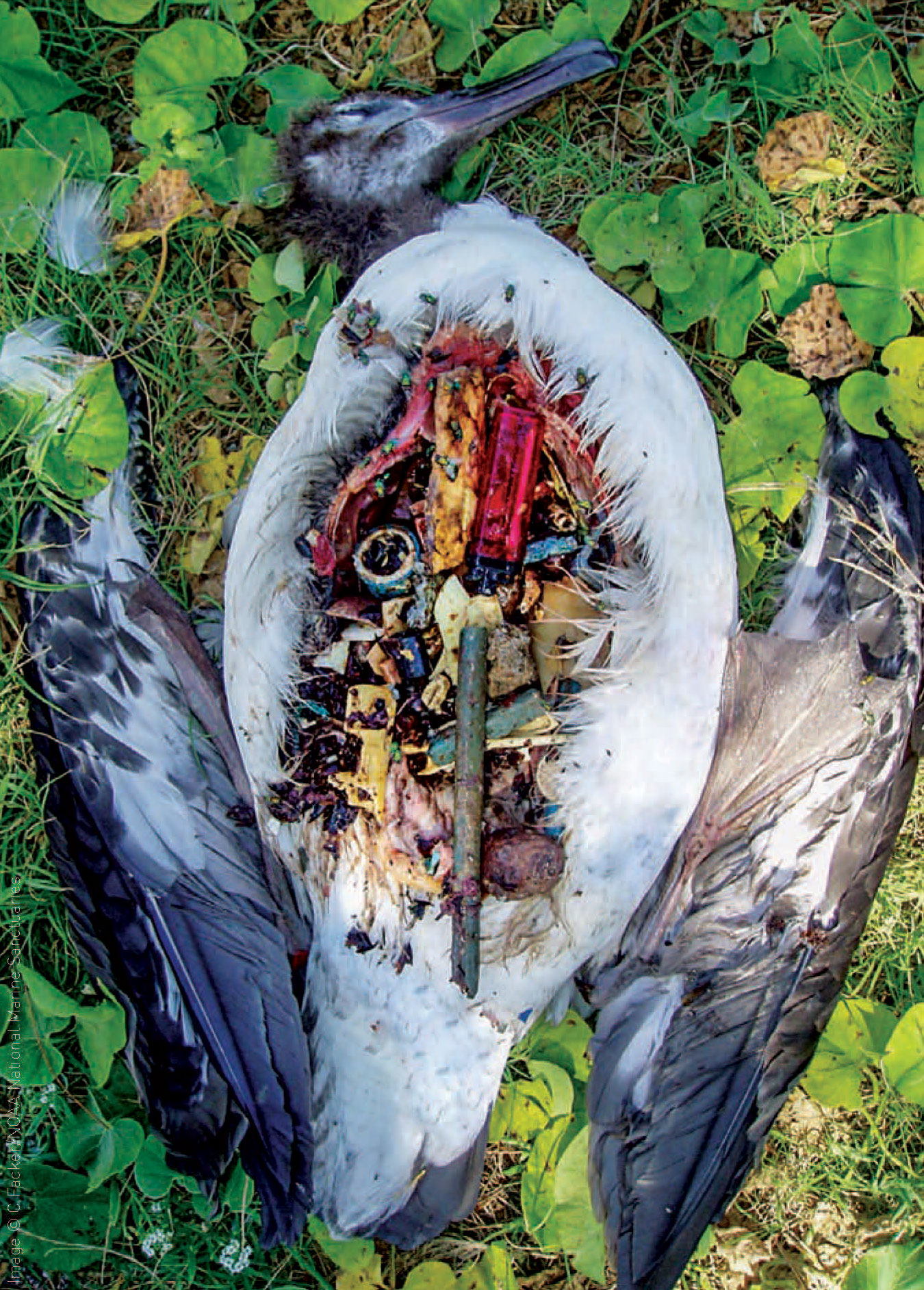
Green sea turtles, California sea lions and Atlantic puffins are some of the species known to ingest plastic fragments. According to one study cited by Project Aware, 95 percent of dead, beached northern fulmar birds had plastic in their stomachs, and a North Pacific Central Gyre study found that 35 percent of plankton-eating fish had ingested plastic. Australian researchers found that Great Barrier Reef corals will eat microplastic (the bits of plastic left when larger pieces break down), consuming almost as much plastic as they do marine plankton.
A SOLVABLE PROBLEM
Theoretically, plastic debris is a solvable problem. “If we increase waste management to 100 percent coverage in the top 10 countries and cap our waste generation and the percentage of it that is plastic,” Jambeck says, “we could stop 77 percent of the input by 2025.” Halving the amount from the top 20 countries would reduce the total amount of plastic reaching the sea by almost 40 percent.
References
Jambeck JR, et al.
Plastic waste inputs
from land into the
ocean. Science 2015;
347(6223):768–771;
doi:10.1126/
science.1260352.
For the rest of this article (Scuba Diver Issue 7/2015, AA No. 84) and other stories, check out our past issues here or download digital copy here.
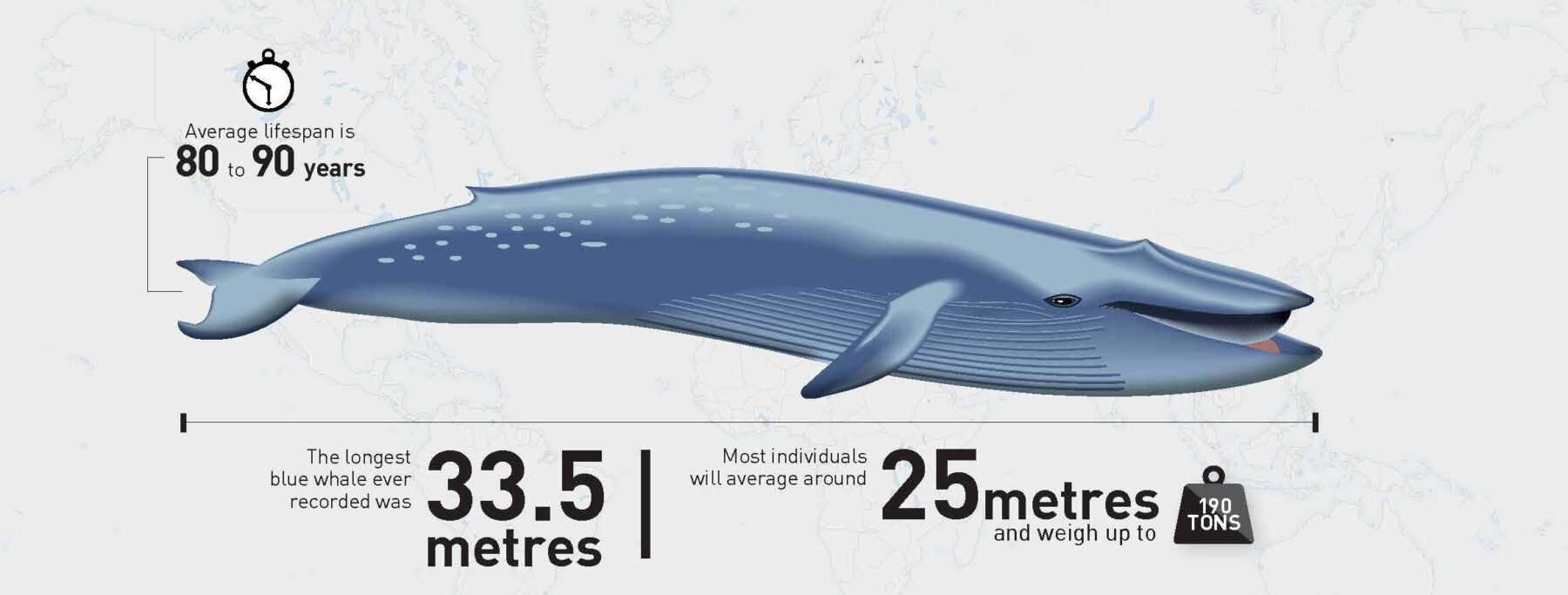
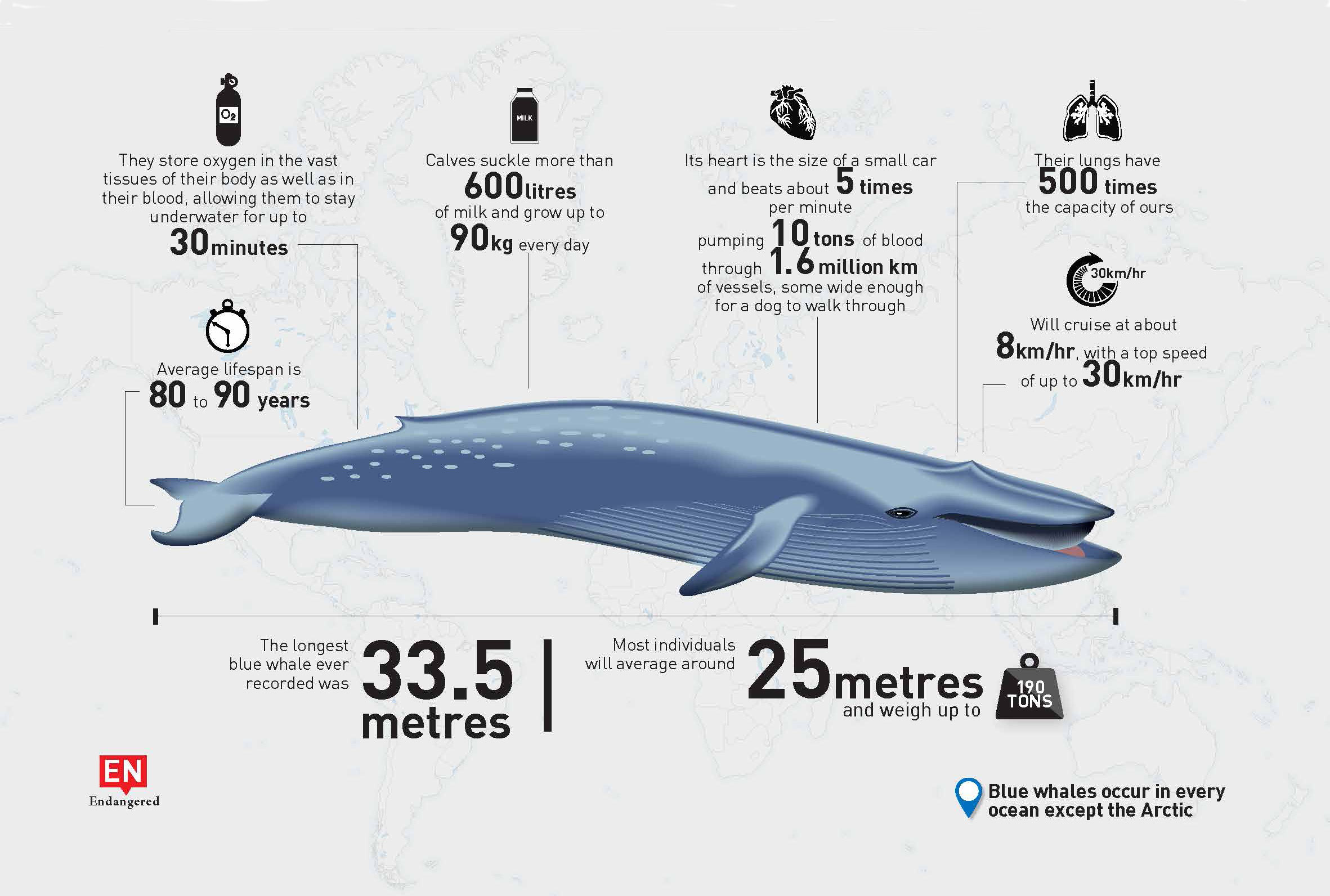
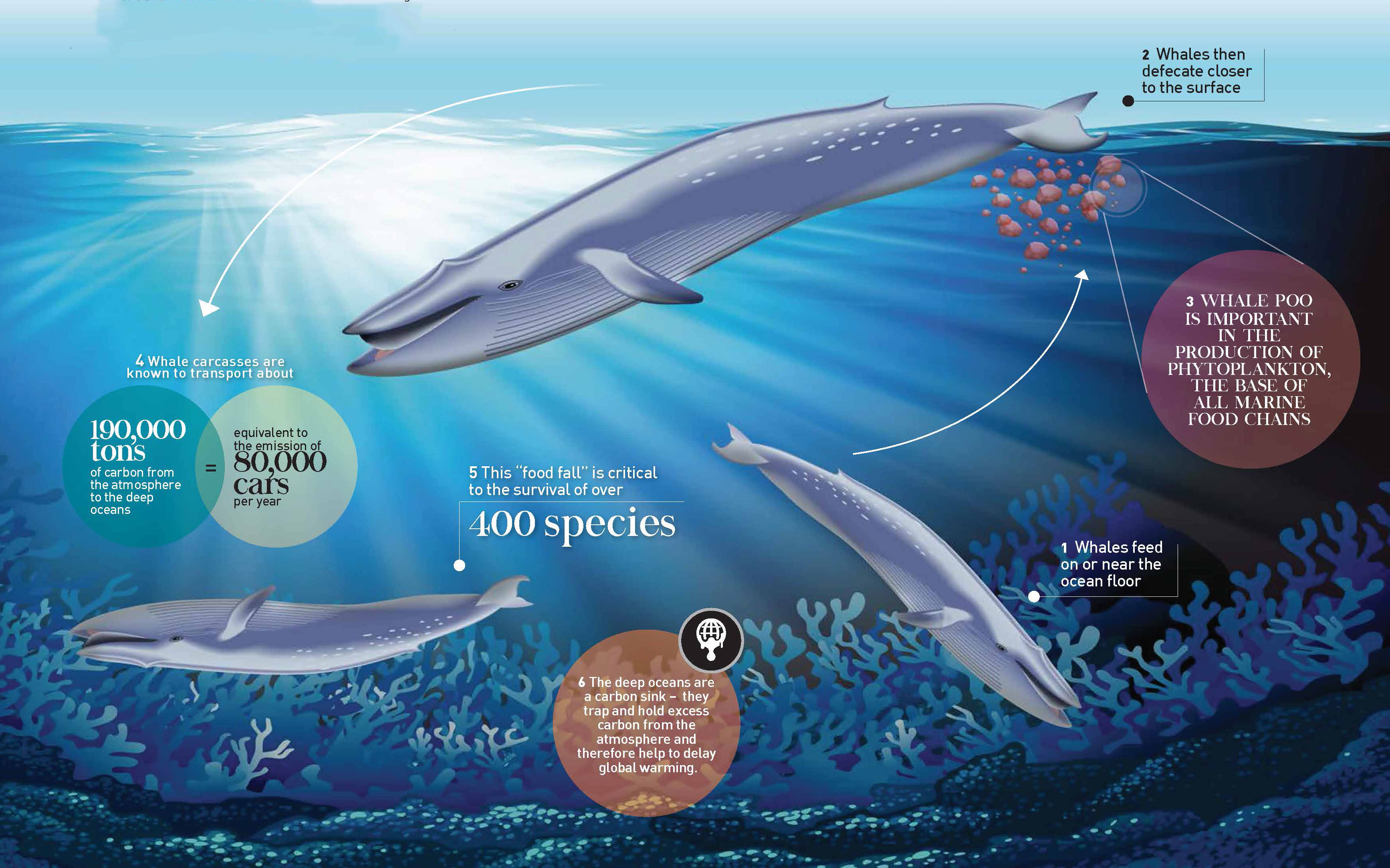
Balaenoptera musculus is the largest animal that ever lived and makes even the largest dinosaur look small. Steve De Neef takes you behind the majesty of this great creature. (Text by Steve De Neef. Images by Franco Banfi)
One of the most unique populations of blue whales in the world today happens to live in an unlikely place. In 2009, Sri Lanka ended a deadly 25-year civil war that largely kept tourists, foreign scientists and researchers away from the surrounding waters. Since the war ended, tourism has increased rapidly and Sri Lanka has become one of the easiest countries in the world to spot these ocean giants. The hub of whale tourism is a small coastal town in the south called Mirissa.
Graceful Giants
In 2007, whale tourism started with two boats. Now there are 35 and some say the industry has expanded too quickly. It’s understandable why people would want to catch a glimpse of this magnificent animal.
Sri Lanka is one of the only places where you can observe them underwater, although you do need a government permit to enter the water with them. Seeing blue whales underwater is even more impressive. It’s very difficult to get close enough to one and have conditions good enough to see its full body but when you do it’s a sight you’ll never forget and will make you feel very small. When a blue whale swims past, you can feel its power. It’s amazing how fast something so large can move and how graceful they are in their natural habitat.
More than just Majestic
Along with tourism, research on whales has also increased, and while there is still much left to learn about the biggest animal in the world, dedicated scientists are finding out more about this unique population of blue whales. Most blue whale populations migrate vast distances, but in Sri Lanka they stay around all year long to feed, breed and calve. Blue whales
in Sri Lanka also tend to be a bit smaller – growing only to about 24 metres – and hence are now known as pygmy blue whales. One scientist in particular, Asha De Vos, is dedicating her life to researching the exceptional blue whales of her native Sri Lanka.
1. Because of their size and speed, blue whales were largely safe from early whaling as they were too fast and big to hunt with hand harpoons. The advent of the exploding harpoon gun in the late 1860s allowed for their commercial exploitation.
2. More than 360,000 blue whales were taken by whalers in the Southern Hemisphere from 1904 to 1967, and the Antarctic and North Atlantic populations were most likely depleted to the low hundreds by the time whaling was banned.
3. The total global blue whale population has declined by at least 70 percent, though 90 percent is a more likely estimate. The formerly very large Antarctic population declined over the same period by as much as 97 percent.
4. Today, blue whales need all the protection they can get. The global population is estimated at around 10,000 to 25,000, which represents only 2 to 11 percent of the total pre-commercial exploitation population.
For the rest of this article (Scuba Diver Issue 7/2015, AA No. 84) and other stories, check out our past issues here or download digital copy here.
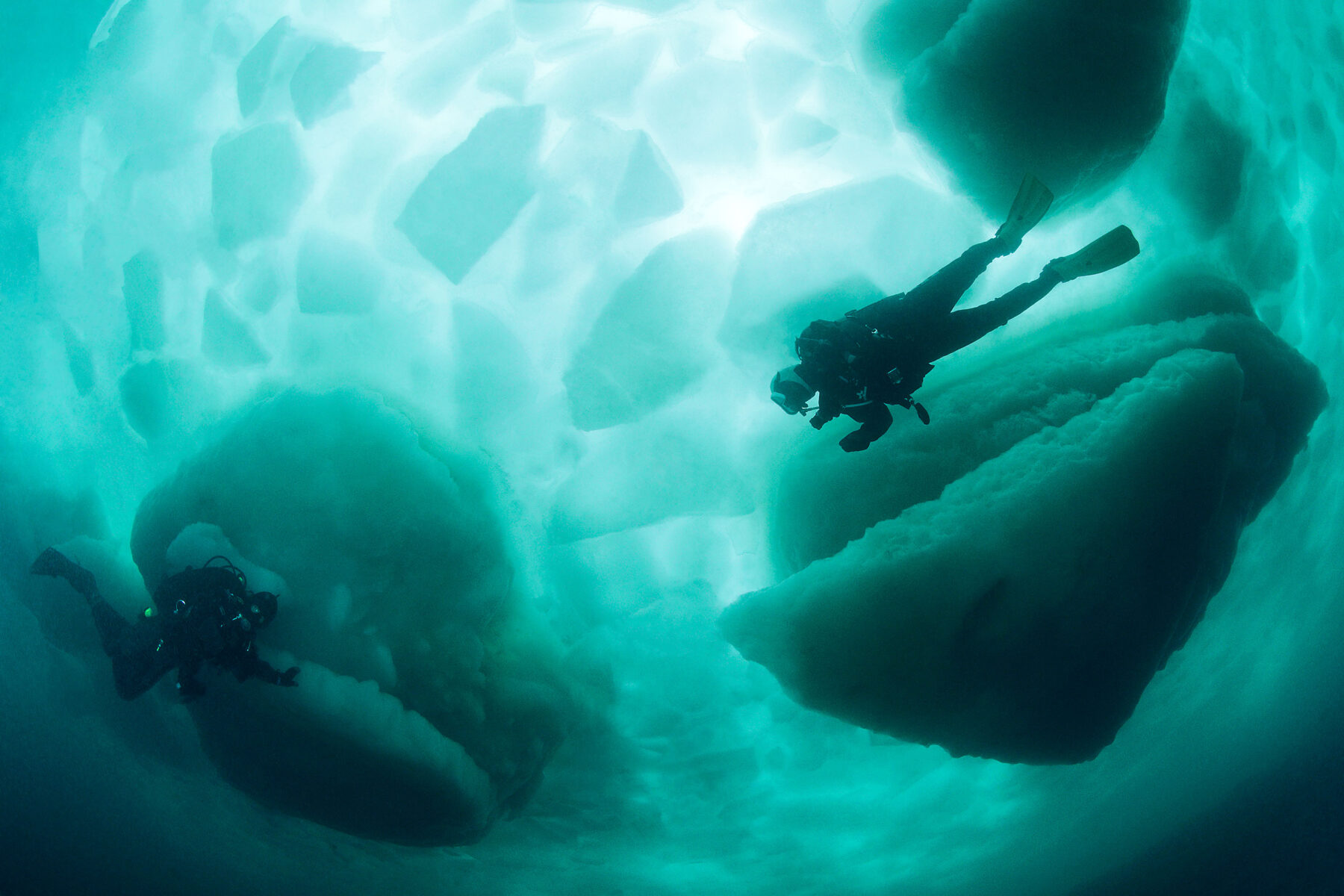
The drift ice in the Arctic Circle can be seen in Hokkaido in the winter months. Image taken with the Canon EOS 1DX Mark II, f/9, 1/250s, ISO 800 (Photo by William Tan)
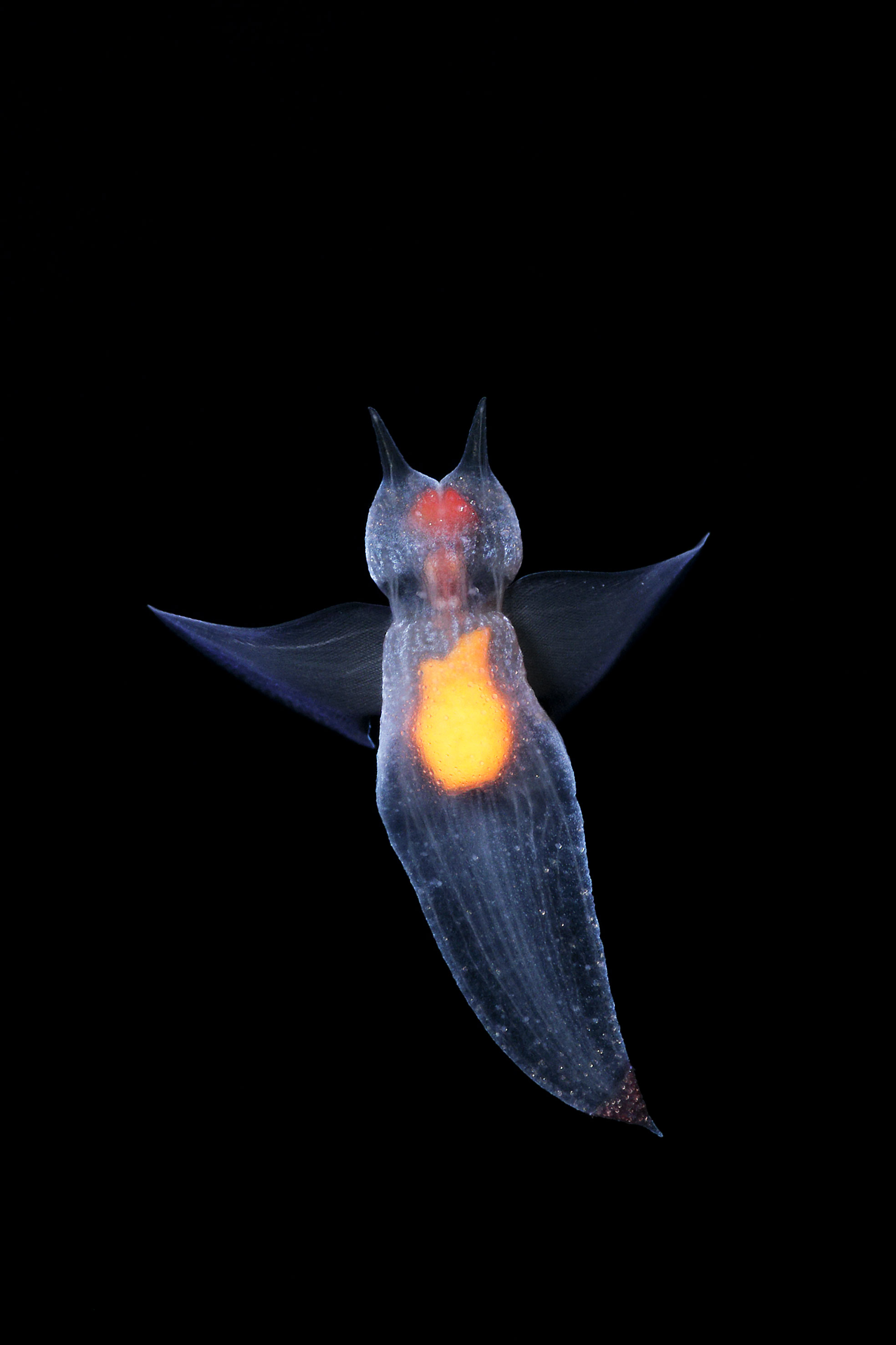
Every year, for no more than three weeks, drift ice gathers in Shiretoko National Park in Hokkaido, Japan, to make ice diving possible. And under them, sea angels can be found. These tiny swimming sea slugs live at a depth of 200 metres in the Sea of Okhotsk from spring to autumn. In winter, they migrate with the drift ice to the coasts of Hokkaido.
I had always wanted an image of a sea angel shot in the wild that is also sharp enough to show its swimming muscle tissues. Using my trusty Canon EOS-1D X Mark II with a camera housing, I succeeded in achieving my dream – but not without overcoming the toughest of challenges.
Ice diving isn’t for the faint-hearted: It takes a good dry suit and layered undergarments to keep you warm. An experienced support team will help you with your dive gear, as well as getting in and out of the pre-cut holes in the ice. Even then, be prepared for frostbitten lips and perpetually painful fingers despite your thick gloves. Operating camera and strobe controls isn’t easy when wearing gloves either – and in such icy conditions, your brain is also barely capable of functioning – so my exposure settings were calculated guesses before entering the water to avoid having to fumble with buttons and knobs too much during the dives.
The harsh temperatures also test your imaging gear to its limits. I’ve heard stories of dead batteries when the temperature gets below freezing point, and strobes taking forever to recharge – or simply refusing to do so – after firing a shot. Although my strobes seemed a little sluggish, and my supposedly fully charged dive torch gave me a low battery signal as soon as it was switched on, my Canon EOS-1D X Mark II experienced no problems in the freezing conditions.
Contrary to its common name, the pelagic Sea Angel (Clione limacina)is a ferocious feeder. Image taken with the Canon EOS 1DX Mark II,f/11, 1/250s, ISO 640
To capture these sea angels with their flapping “wings” spreading out perfectly, I shot at the camera’s highest continuous shutter speed of 14 frames per second. Pushing the ISO hard allowed the strobes to fire at a power low enough to reduce batteries recycle time to keep up with the shutter releases. I did the mistake of using an unfamiliar rented BCD. Not able to find the dump valve, it was very difficult to control my buoyancy. I found myself alternating between sinking to the sand bottom and ascending until my head hit the ice layers above. Between these uncontrollable vertical movements, the fast autofocus of my Canon EOS-1D X Mark II – through a prime Canon EF 100mm f/2.8 Macro USM Lens, with the added challenge of a mounted powerful close-up lens– I managed to lock onto the miniscule, transparent sea angels with relative ease.
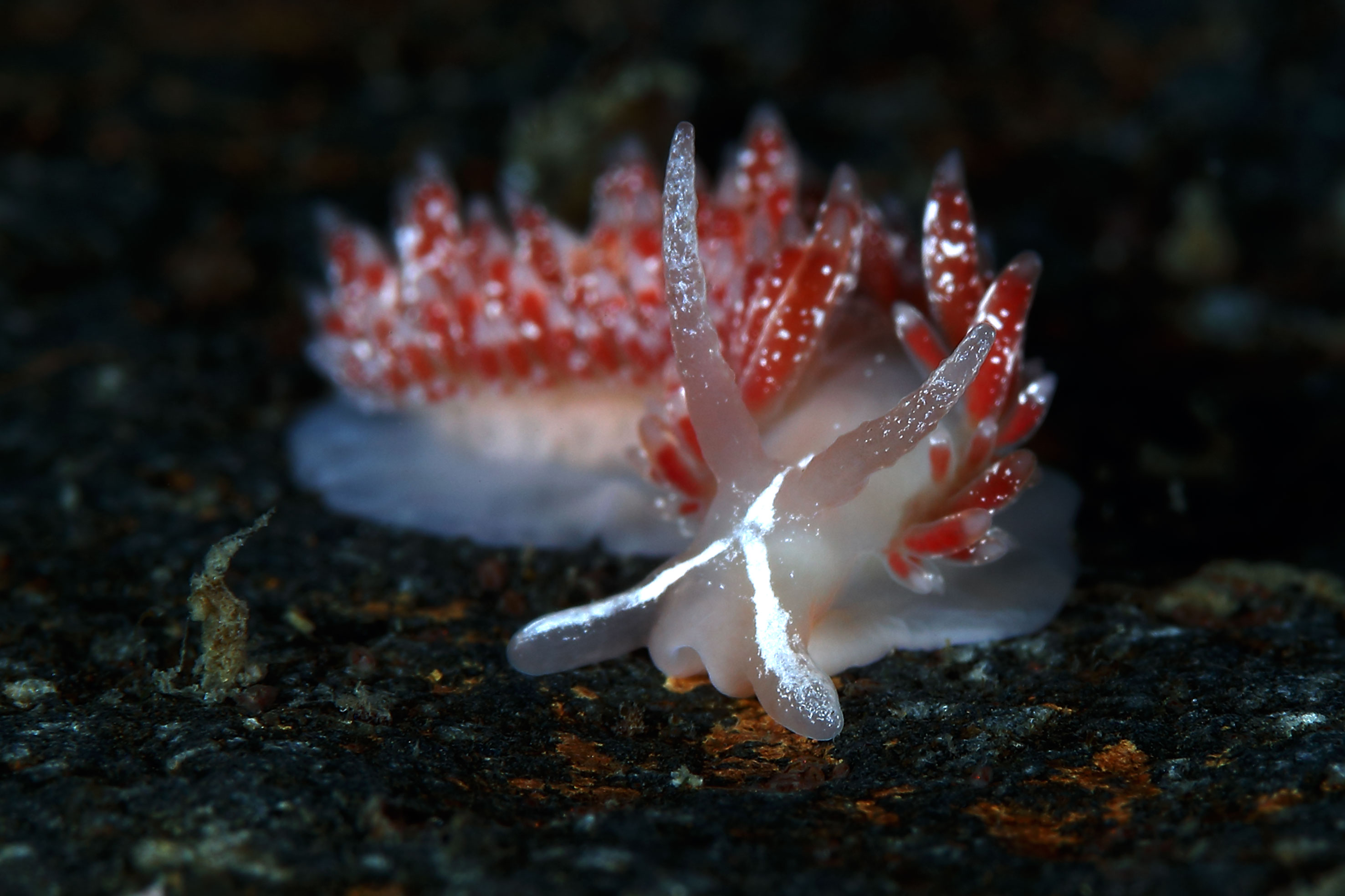
Flabellina athadona is a cold-water nudibranch.Image taken with the Canon EOS 1DX Mark II, f/11, 1/320s, ISO 50 (Photo by William Tan)
When shooting wide-angle, things started out well with sunny blue skies and clear water. But by the time I got into the water myself, the sun had disappeared behind thick clouds and the substrate churned up by other divers. I cranked up the ISO and placed my strobes facing slightly outwards to cut down on backscatter. But in the turbid water, the flash didn’t reach far even at full power. Fortunately, the Canon EOS-1D X Mark II’s 20.2MP full-frame sensor captures an amazing amount of information in its RAW files, and in the comfort of my hotel room after a nice hot onsen bath later that day, I was able to recover superb detail in the shadowed areas of the image during post-processing.
Even in the most testing conditions, my Canon EOS-1D X Mark II came through with flying colours again, making it possible to produce tack sharp, perfectly exposed images of some of the ocean’s most fascinating and enigmatic subjects.
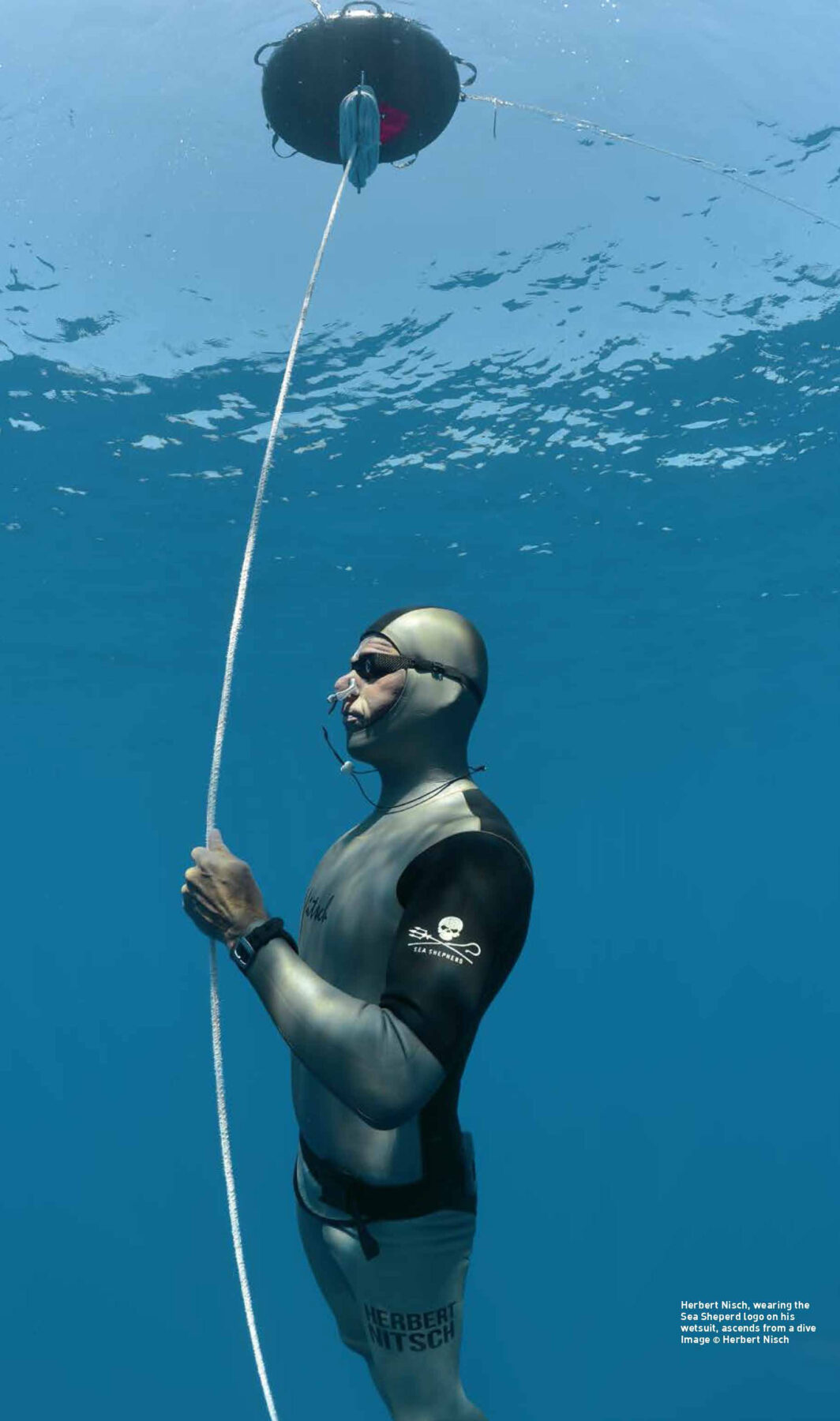
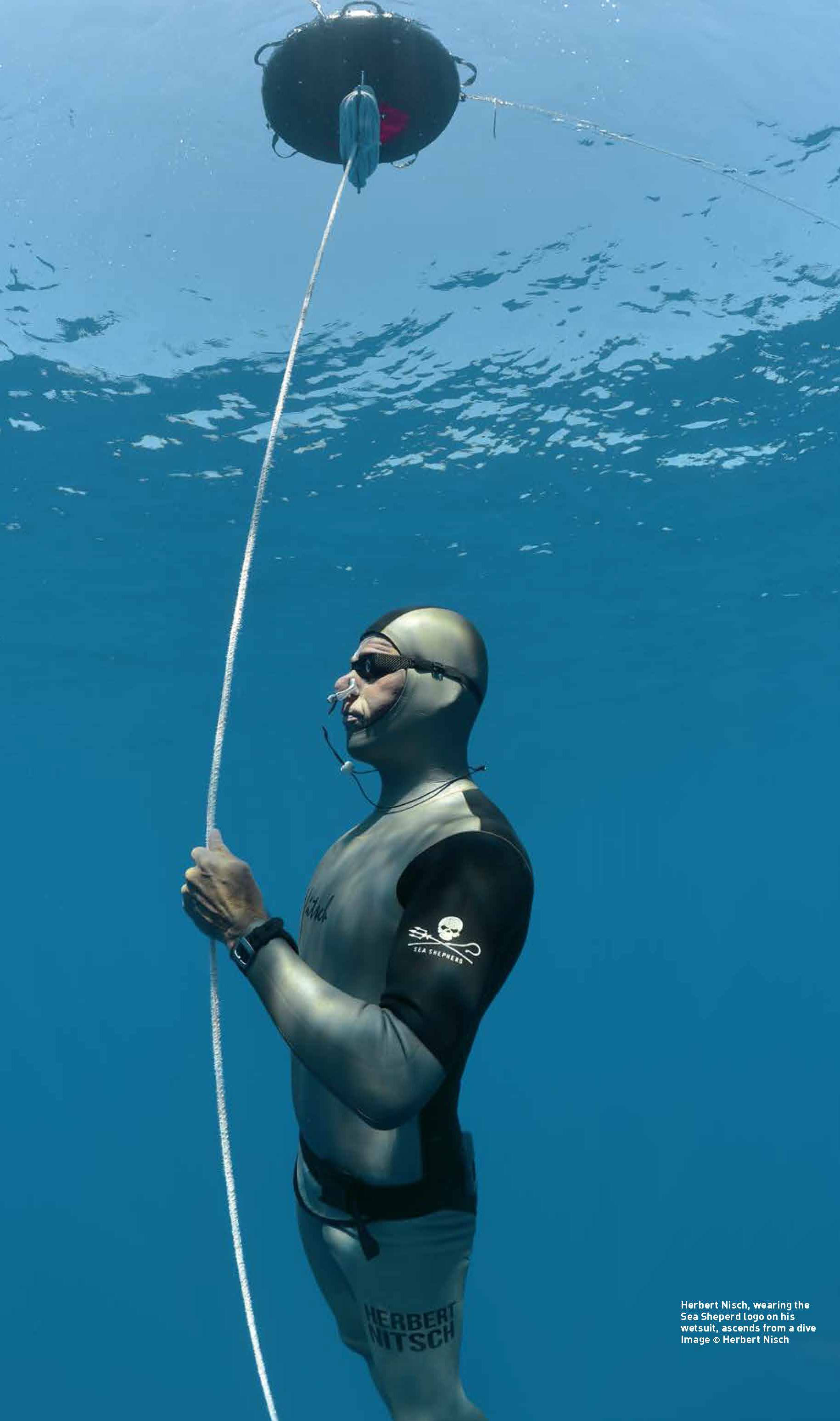
“The Deepest Man on Earth” with a No Limit freedive to 253m/831ft, Nisch has set 33 world records, across all of the freediving disciplines.
Underwater360: How has breaking records changed you?
Herbert Nisch: Breaking records made me understand that everything is possible in life. Not just in sports, but also in healing and in everyday life. Once you understand how your body functions, you can use this knowledge constantly.
After my last No Limit world record (253m/831ft) in 2012, I incurred severe decompression sickness. Its onset takes a while. About 15 minutes after the dive, while recompressing underwater on pure oxygen, I felt it was coming. Three hours later I was comatose in a hyperbaric hospital. The diagnosis was severe DCS, resulting in multiple brain strokes. The prognosis was that I would be a “wheelchairbound basket-case” for the rest of my life.
I was not going to accept that. And no matter how severe the limitations of my body and mind were, I was determined to snap out of it. Eventually I threw all (Western) medicine away and dismissed myself out of long-term care, and started my own healing and fitness regime. I used all the knowledge I had about my own body and mind to get well again. It was a long road and very challenging at times. I got myself out of that wheelchair, and got my brain back into shape as well. In the summer of 2014 I was deep freediving again, just to see how I would feel at depth. Underwater I feel as if nothing ever happened. On land I still have some challenges with balance and coordination sometimes. The doctors call it a “miracle”, but there is nothing miraculous about it. It is all about knowing and understanding yourself. Everyone can learn this. The miracle is the human body and mind itself.
SEAN MCGAHERN
With three world records, master of endurance McGahern has spent some incredible lengths of time underwater, but is about to undertake the most intense challenge of his life.
Underwater360: What are some of the challenges you’ve faced in your career as a record breaker?
I dropped out of school at the age of 14 as a result of being dyslexic, but that hasn’t stopped me from breaking three world records.
I’d broken the record for the Longest Open Warm Water Sea Dive in 2009, spending 27 hours 35 minutes underwater. Then, in 2011, I started training for a new Guinness World Record for the Longest Cold Water Open Sea Dive. But, shortly after entering the water, a storm of force five to six winds blew across the island, and forced us to abort the attempt one hour and 10 minutes short of the record.
I finally succeeded in 2012. Eleven hours and 30 minutes into the dive, I began to feel the cold. But by 11 hours and 45 minutes in the dive, I already knew that I was the new world record holder, and, even though I was aiming at 15 hours, the team and I agreed that I had endured. I emerged out of the 14°C water 12 hours and 34 minutes later, breaking the record that stood at 11 hours and 46 minutes.
In October 2013, I again broke the world record for the Longest Warm Water Scuba Dive, this time by spending 49 hours and 56 minutes underwater, in aid of the charity Inspire, which provides therapeutic, education and leisure services to disabled adults and children. Despite suddenly being hit by strong winds, currents, surge and metre-high waves only five hours into the dive, we accepted this as an even bigger challenge.
This year I’m training for the biggest dive of my life, in aid of shark awareness with Project Aware. I will try to spend 10 days in a shark tank at a depth of four metres – a feat that should break all previous records by a mile.
For the rest of this article (Scuba Diver Issue 7/2015, AA No. 84) and other stories, check out our past issues here or download digital copy here.
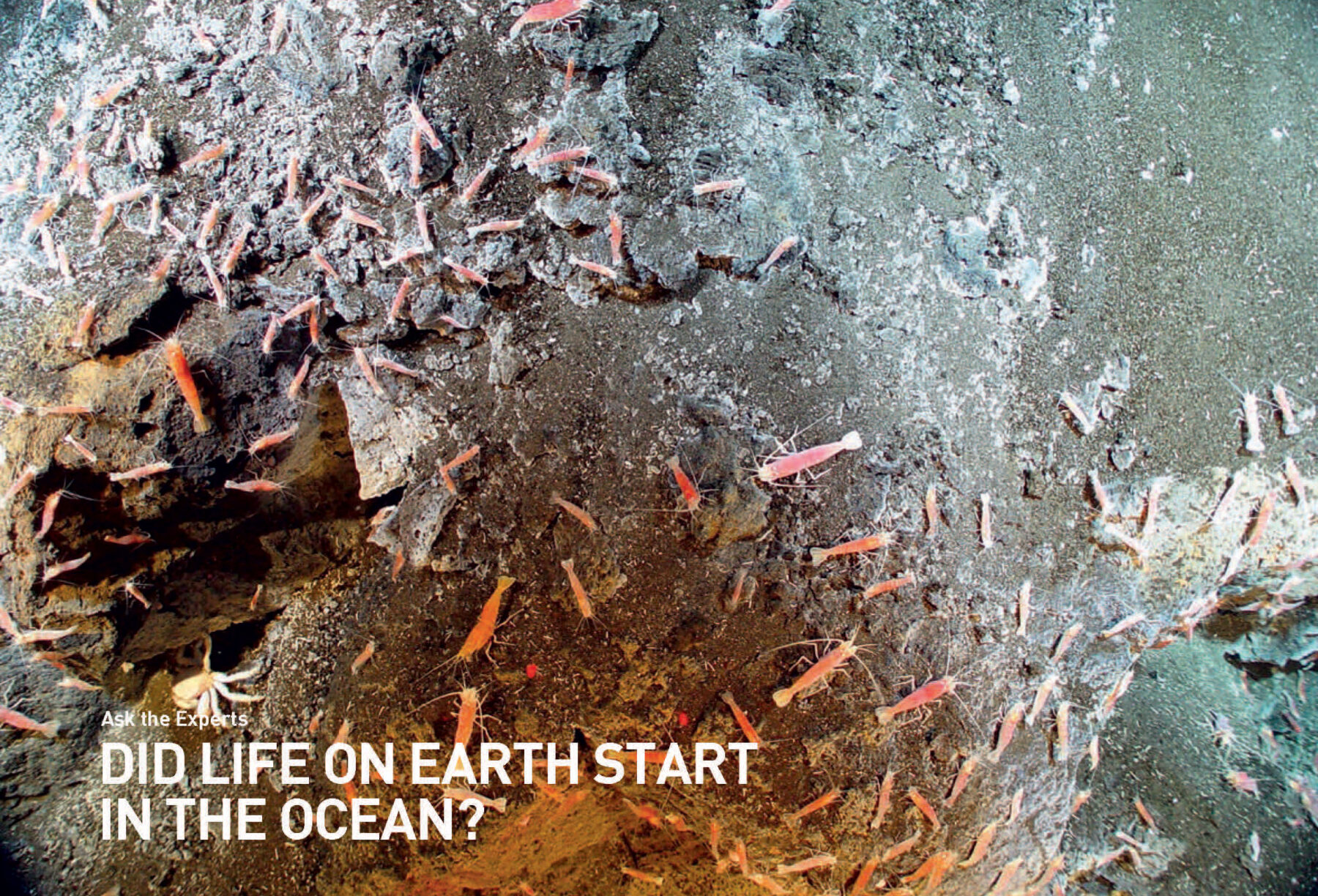
Would you believe that scientists are still not 100 percent in agreement on the possible location for the origins of life on our planet! However, they know that water is a key component in the development and propagation of life on Earth, and have narrowed it down to a few possibilities:
It was thought
for a long time
that life on Earth
began in a shallow
tide pool or a
hot spring
Some scientists even
speculate that life first
evolved elsewhere and
arrived here on a meteor.
After all, astronomers
have found amino
acids on comets!
Recently, some scientists
have postulated that life
began on or near a deep
sea hydrothermal vent.
Dynamic, complex
ecosystems which are
driven not by energy
from the sun, but by heat
and chemical reactions,
are still found around
hydrothermal vents.
These conditions could
very well have fuelled the
development of early
life forms.
Using DNA analyses
of modern organisms,
biologists have even
tentatively traced the
most recent common
ancestor of all life to an
aquatic microorganism
that lived in extremely
high temperatures –
a likely candidate for
a hydrothermal
vent inhabitant!
However, these hypotheses are far from certain and the investigation continues…
Read the rest of this article in No. 109 Issue 3/2017 of Scuba Diver magazine by checking out our past issues here or download digital copy here.