Home Blog Page 53

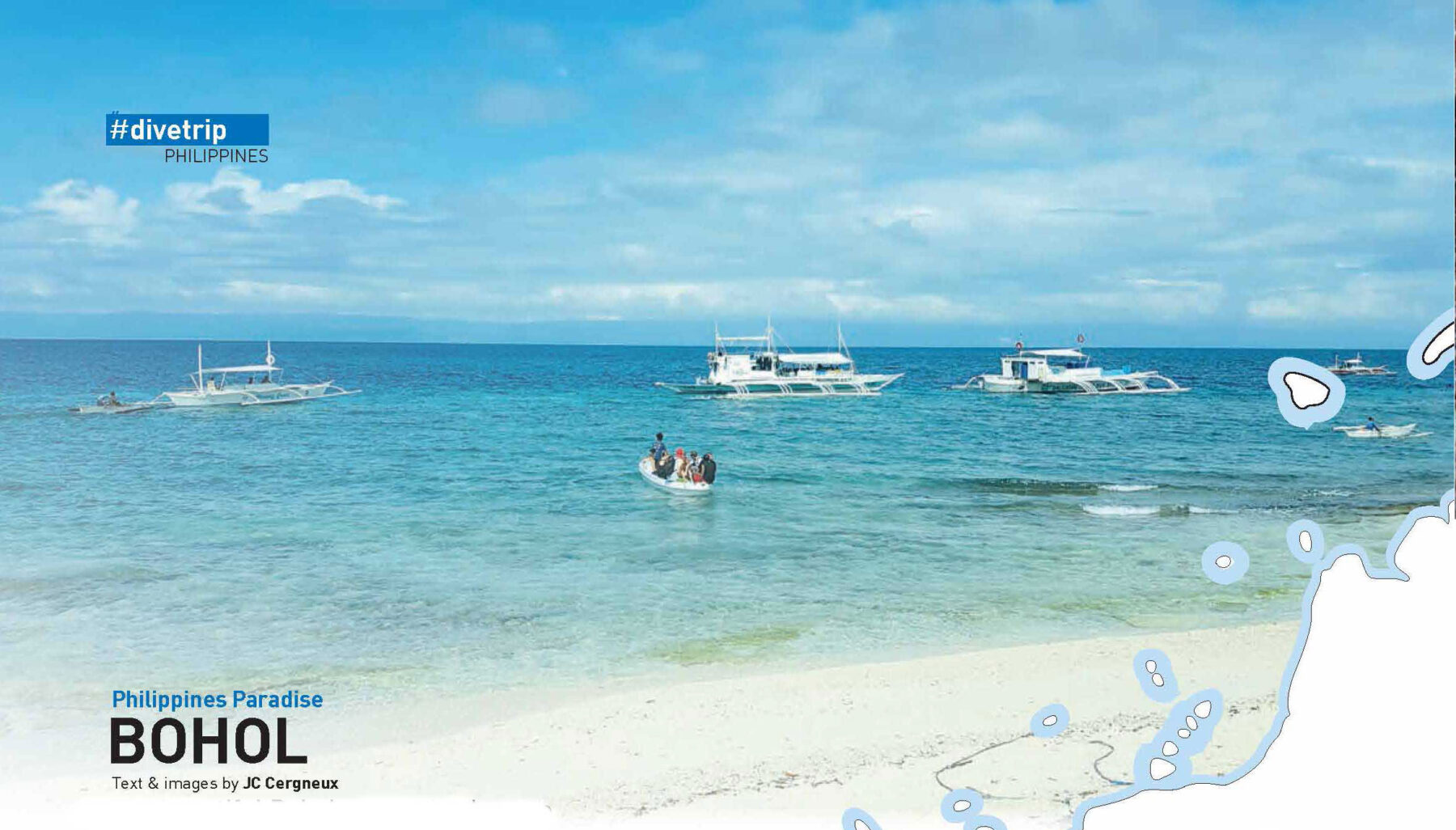
Philippine Paradise: Bohol

0

The beautiful Bohol awaits! With more dive sites than you will know what to do with, awe-inspiring wildlife both above and below the water, and mouthwatering local food, you might find it hard to leave…
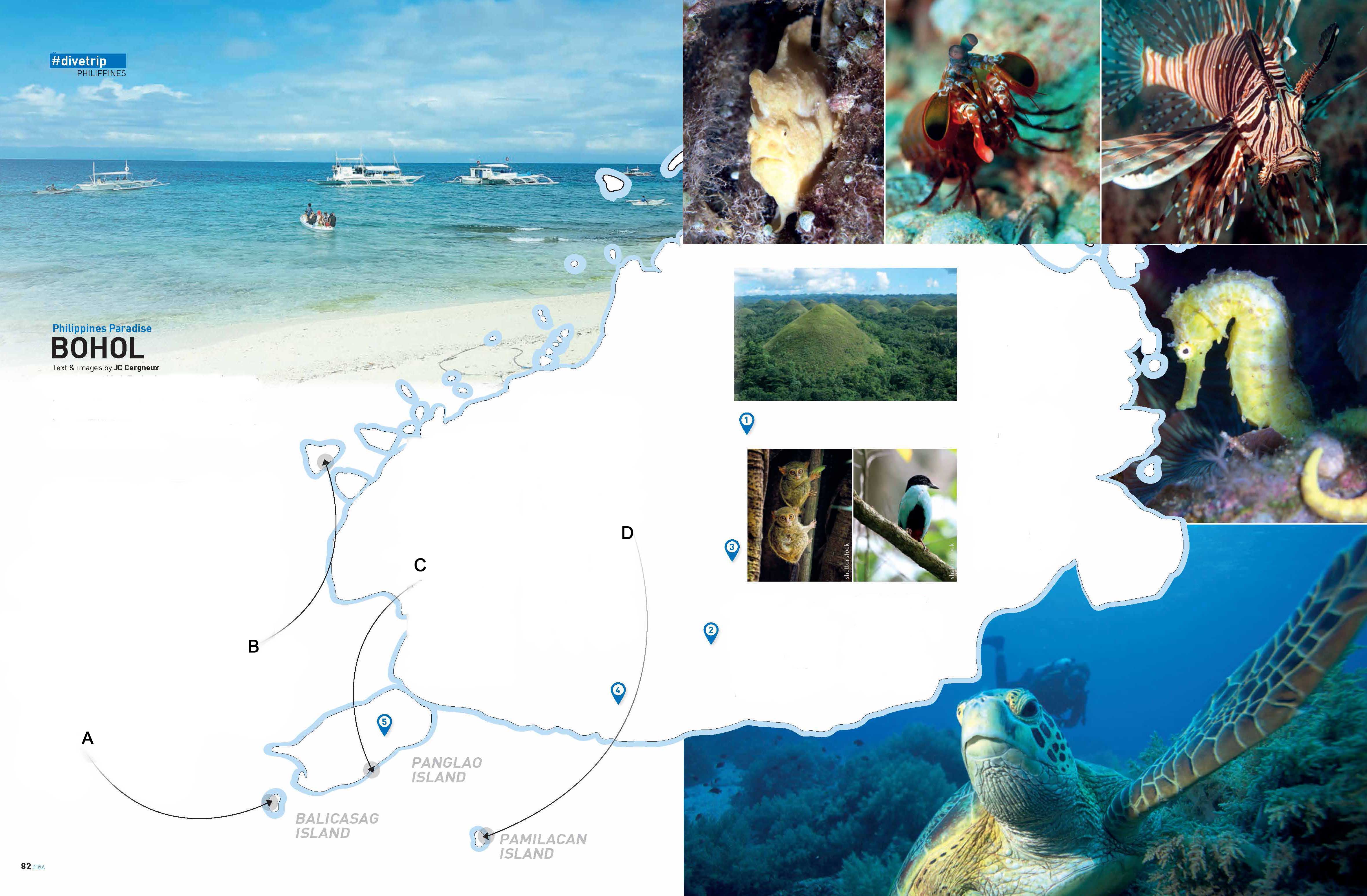
Photo by JC Cergneux

A) Balicasag Island

For: Five to six dive sites. Just 30 minutes by boat from Panglao Island, Balicasag Island is a turtle paradise. Impressive schools of jacks and barracuda, snapper, grouper. Spectacular walls with sea fan corals 

Conditions: Great drift dives, best between 5–35 metres. Visibility can be over 30 metres. Daily snorkelling trips can make the shallow waters a bit crowded

When: All year around. Best weather usually between December and June

B) Cabilao Island

For: 10 to 12 dive sites. Very healthy soft corals on the northern west side. Turtles, pygmy seahorses, electric clams, frogfish, flounder, pegasus, nudibranchs, shrimps, moray eels, lionfish

Conditions: Mostly easy dives, although some sites, such as Lighthouse, can have medium current. Best between 5–30 metres

When: All year around. Best weather usually between December and June

C) Alona Beach

For: Five to six dive sites. Mostly walls, perfect for night diving. Ghost pipefish, angelfish, anthias, nudibranches, pygmy seahorse, scorpionfish, frogfish, octopus

Conditions: Easy drift dives in shallow waters. Best between 5–15 metres. Boat traffic requires the usual precautions

When: All year around. Best weather usually between December and June

D) Pamilacan Island

For: Two to three dive sites. Healthy hard and soft corals, Napoleon wrasse, barracuda, banded seasnakes, batfish, moray eels, nudibranchs, shrimps. Dolphins can sometimes be encountered on the way to the island

Conditions: Best between 10–25 metres, medium currents

When: All year around. Best weather usually between December and June

1 CHOCOLATE HILLS According to legend, the Chocolate Hills are the result of a fight between two giants who threw balls of mud at each other during the wet season, resulting in this extraordinary landscape. Admire the magnificent view from the top of one of these hills

2 TARSIER CONSERVATION AREA The smallest monkeys in the world could fit into the palm of our hand, and are capable of jumping distances of over five metres! Talk to the staff at this conservation park to learn more about the tarsier nursery

3 RAJA SIKATUNA NATIONAL PARK
A park covering 9,000 hectares that contains some of the last remaining primary forest in Bohol. A stunning place for trekking and guided bird-watching tours

4 LOBOCT
One of the town’s specialities is its floating restaurants, which cruise down the Loboc River. Enjoy good, local Filipino food while being entertained by dances and songs

5 BOHOL BEE FARM
A fantastic place to eat some healthy meals prepared with organically grown vegetables and honey-based products fresh from the farm

Read the rest of this article in No. 109 Issue 3/2017 of Scuba Diver magazine by checking out our past issues here or download digital copy here.

Club 25 Profile – Peter Schmitt (L&W)

0

Peter Schmitt’s vast technical and economical knowledge in the field of High-Pressure Compressors, Laser and CNG makes him one of the most sought after consultants in the past decade.

Photo courtesy of Peter Schmitt

After an intense education and Master Degree in Technical Engineering, Peter started in the Laser Technology business, where he sold and installed the first five axis Laser Systems in Germany and Japan.

In 1993 he joined Bauer Compressors in Munich. As Managing Director Asia for 10 years, he successfully opened and ran offices in Singapore, Hong Kong and China.

Peter started his own business with L&W and Safe CNG in 2003 and has worked relentlessly in advocating the use of CNG and LNG in the Asia Pacific region.

From 1996 onwards, designated by the Singapore government, he built up a successful CNG Business in the region and has built the first and the two biggest CNG Stations in Singapore, as well as in Lagos, Nigeria, Indonesia and Thailand and Pakistan.

He provided consultancy service to SMART Taxis, SembGas and Gas Supply and Jurong Shipyard to name a few.

Since 2004 he has become the owner and Managing Director of L&W Compressors + Systems Pte Ltd with offices in Singapore and Shanghai.

Peter has participated in ADEX for the past 25 years as an exhibitor.

Club 25 Profile – Confédération Mondiale des Activités Subaquatiques (CMAS)

0
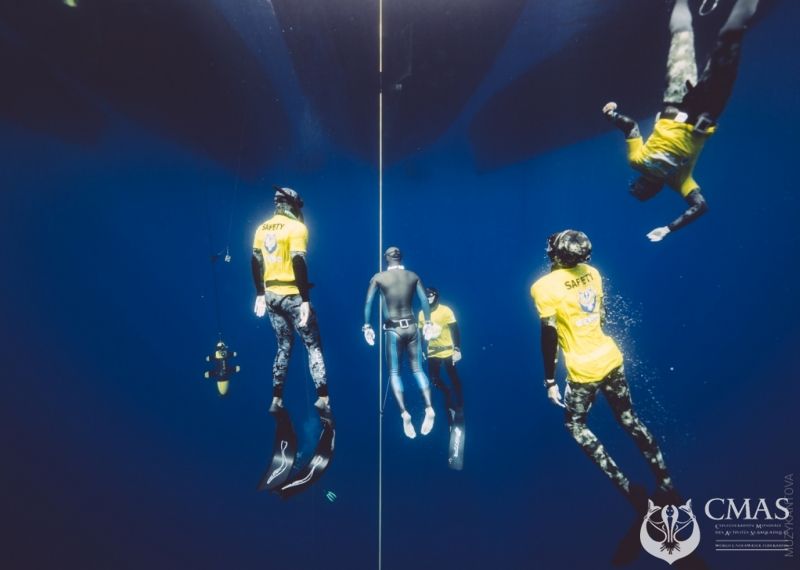
Photo courtesy of CMAS

The Confédération Mondiale des Activités Subaquatiques (CMAS) or World Underwater Federation, was founded in 1959 with the aim of developing and encouraging the understanding and conservation of the underwater world and the practice of aquatic and underwater sport and activities.

This momentous creation of a purely underwater organisation would have been impossible without “the passion and strong friendship that brought to life the first association of fishermen, underwater hunters and divers of the International Confederation of Sport Fishing (CIPS)”, which was founded on February 22, 1952.

In 1958, several members of the CIPS had proposed the idea of creating a purely underwater organisation. On September 28, 1958, during the sixth congress of CIPS held in Brussels, 10 federations took the collective decision of creating an international confederation of underwater activities that would take on the mantle of the underwater sport committee of CIPS, establish new international standards and provide a framework for the people of different cultures to get to know each other and work together in harmony.

Across three days of meetings from January 9 to 11, 1959, the delegates from the underwater federations of Belgium, Brazil, France, Federal Republic of Germany, Greece, Italy, Monaco, Portugal, Switzerland, United States of America and Yugoslavia, met in Monaco to establish CMAS. Commandant (Cdt) Jacques-Yves Cousteau, the underwater pioneer and co-inventor of Aqua Lung served as the delegate of Monaco and was elected President of CMAS. The rest of the Executive Bureau of CMAS consisted of:

  • Serge A. Bim (USA), Deputy President
  • Luigi Ferraro (Italy), Vice President and the President of the Sport Committee
  • Oscar Gugen (United Kingdom), Vice President and the President of the Technical Committee
  • Sebastian Vergonox Boix (Spain), Confederation Secretary
  • Robert Métraux (Switzerland), Treasurer
  • Vittorio de Berredo (Brasil); Paul Bailly (Belgium); Jacques Dumas (France); V.Krizanec (Yugoslavia), Member
  • Gustav Dalla Valle (USA); Francois Clouzot (France), Advisors

Mr Jacques Dumas was named Secretary General a few months later. Dumas, who also served as President of CMAS from 1973 to 1985, wrote on the 20th anniversary of the Confederation that “the objects which we fixed for the world Federation in the first congress have been largely attained – to UNIFY, COORDINATE AND DEVELOP”.

Now comprised of over 130 federations from five continents, CMAS is the international body at the forefront of technical and scientific research and development and is the international body organizing international underwater sports events. It is still a strictly non-profit making organisation.

Today, the aims of the Confederation are still:

  • to promote the creation of new national underwater federations or associations in countries when non such exist;
  • to organise or grant the right to organise on its behalf relevant exhibitions, congresses, competitions, international championships and courses;
  • to support all relevant events in relation with the CMAS aims;
  • to seek the Confederation’s admission to all world sports or cultural organisations and the International Olympic Committee in particular;
  • to do everything possible to co-ordinate underwater activities world-wide

Club 25 Profile – Problue

0
Image courtesy of Problue

A leading scuba equipment manufacturer headquartered in Taiwan, Problue was founded in 1994 by Lai Jinliang as Yuan Liang Trading, a diving equipment trading company helping foreign diving equipment manufacturers to set up factories producing the latest diving equipment for dive enthusiasts in Taiwan.

A former banker, Lai left his job at the bank to follow his fulfill his dreams of entrepreneurship. Determined to create his own niche, Lai leveraged on Taiwan’s advanced industrial base and started producing his own brand of wetsuits within five years, become one of the world’s leading manufacturers of wetsuits. After establishing his own research and development design team, Lai launched Problue, its international renowned scuba equipment line 14 years ago, transforming the company into one of the leading manufacturers of diving equipment in the world. Problue produces a diverse array of equipment such as wetsuits, winter jackets, diving shows, frog mirrors, flippers, diving vests, breathing gas cylinders, dive torches and diving knives.

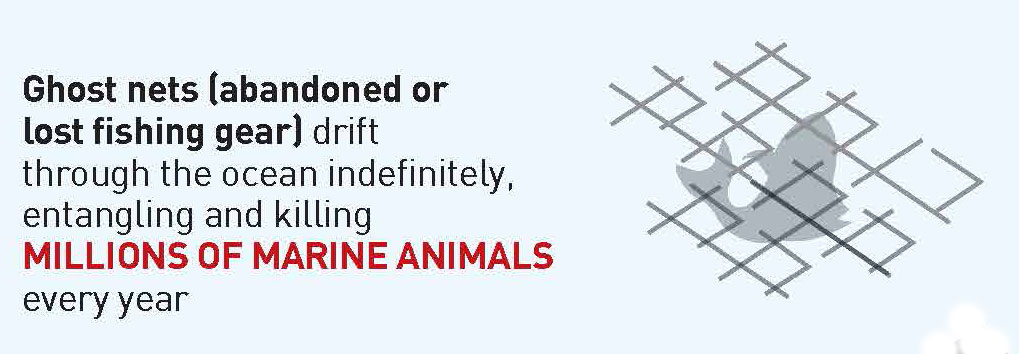
With its dedication to research and development, Problue continues to revolutionalise the dive industry with innovative patented creations such as the Problue scissor diving knife – a diving knife combined with a scissors which allows the user to quickly cut off abandoned fishing nets or wires caught on the diver’s body.

The List is Life: Countries that have Enacted Bans on Plastic Bags

0

Banning the Bags & Skipping the Straws

• More than 60 countries have introduced bans and levies to curb single-use plastic waste.

• The vast majority of plastic bans were introduced in 2017 and 2018, marking a recent, global, plastic-free movement.

ASIAN COUNTRIES ENACTING BANS AND CHARGES ON PLASTIC BAGS

1999

BHUTAN

Plastic bag ban

2002

BANGLADESH

Plastic bag ban

June 2008

CHINA
Limiting production,
sale and use of
plastic shopping bags
for retail purposes
through charging
for plastic bags

April 2011

MYANMAR

Plastic bag ban in Yangon

2013

PHILIPPINES

Plastic bags,
plastic cups and
styrofoam food
containers banned
in Makati, Manila’s
financial district

2015

HONG KONG

Charge for plastic bags

January 2017

ISRAEL

Charge for plastic bags

OCTOBER 2017

CAMBODIA

Charge for plastic bags

JANUARY 2018

SRI LANKA

Ban on single-use
plastics

DECEMBER 2018

INDONESIA

Ban on single-use plastic
bags in Bogor and Bali

2019

UZBEKISTAN

Charge for
plastic bags

JANUARY 2019

LEBANON

Plastic bags banned in Byblos

JANUARY 2019

SOUTH KOREA

Plastic bag ban
in supermarkets

MARCH 2019

MONGOLIA

Plastic bag ban

2022

INDIA

Aims to eliminate all
single-use plastics

2030

MALAYSIA

Will abolish singleuse
plastics and will
introduce plastic
bag charge

2030

TAIWAN

Blanket ban on
all single-use
plastics – straws,
utensils, bags

How Plastics Are Suffocating the Seas

0

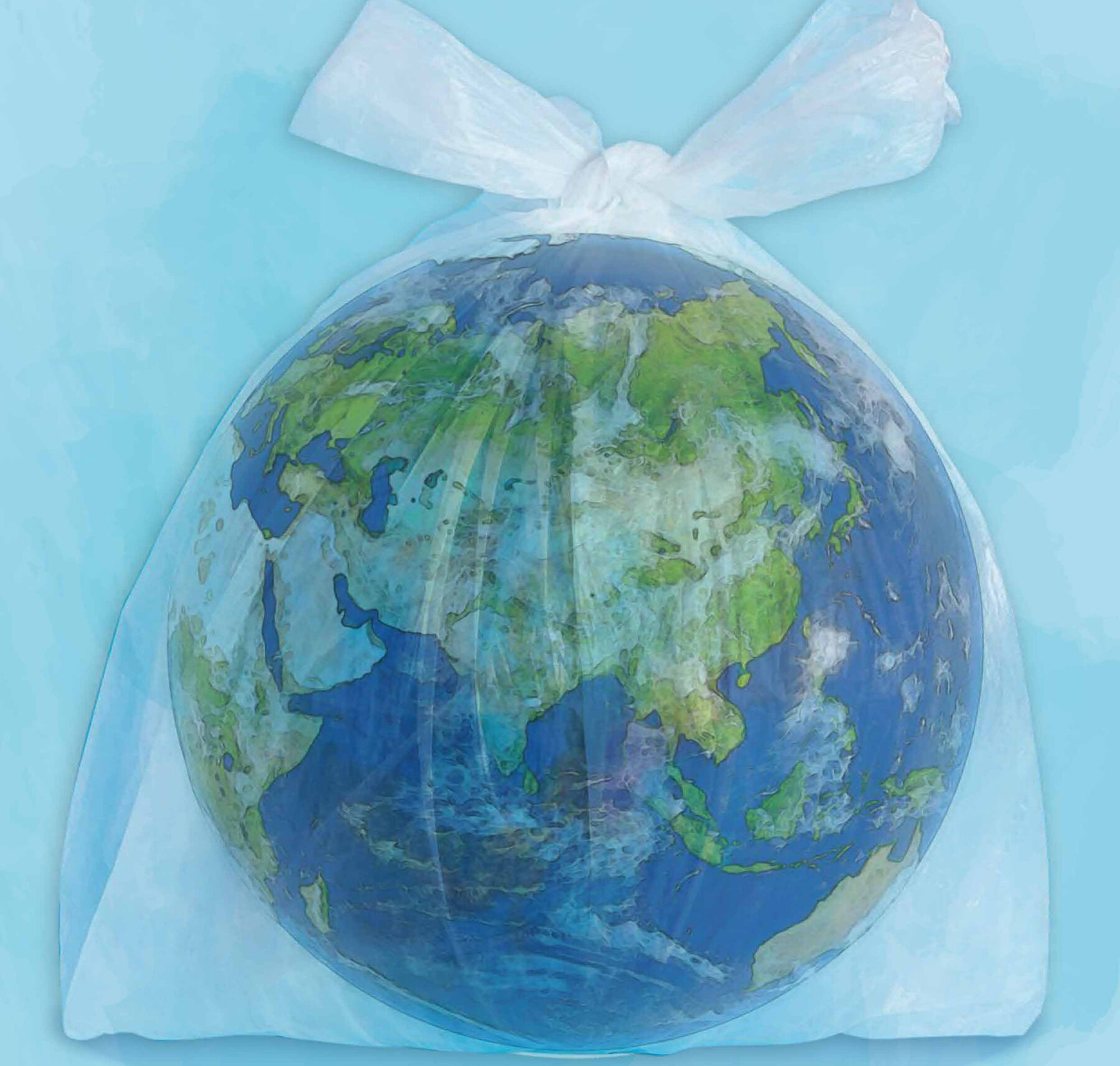
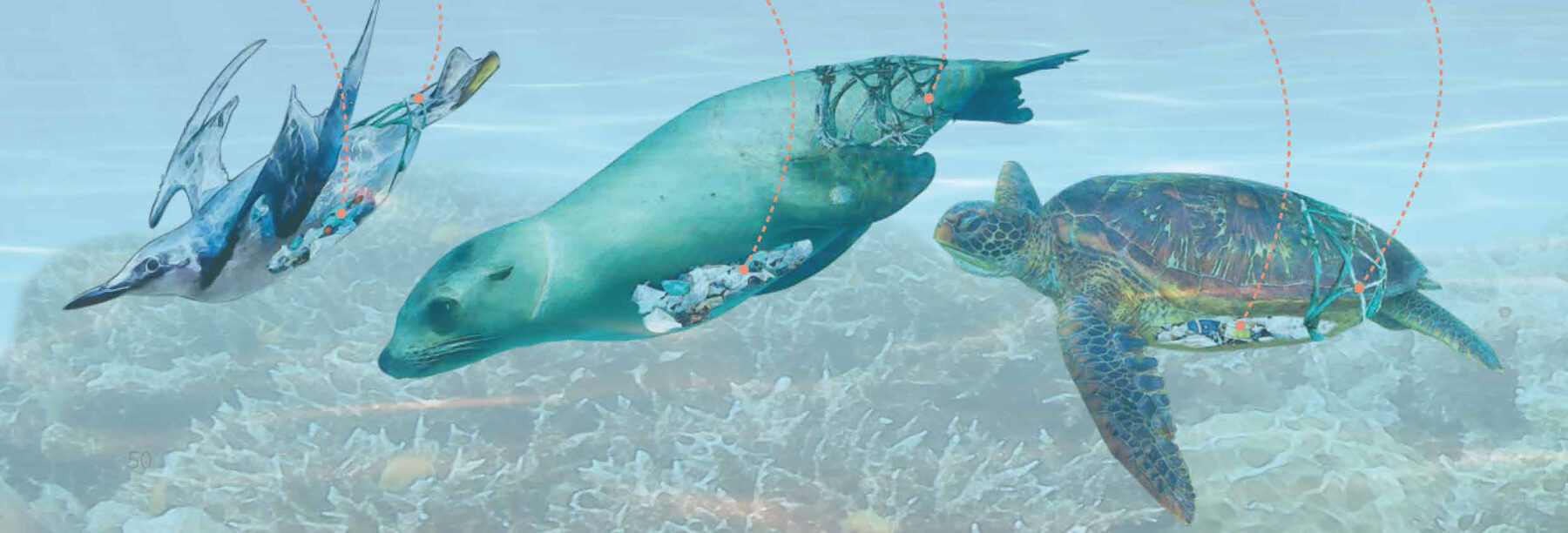
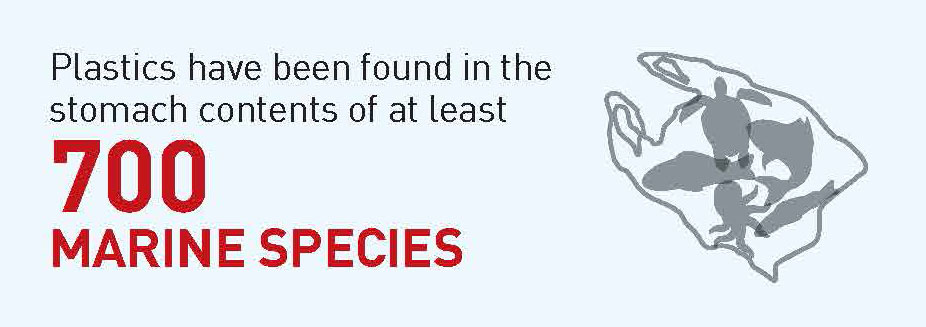
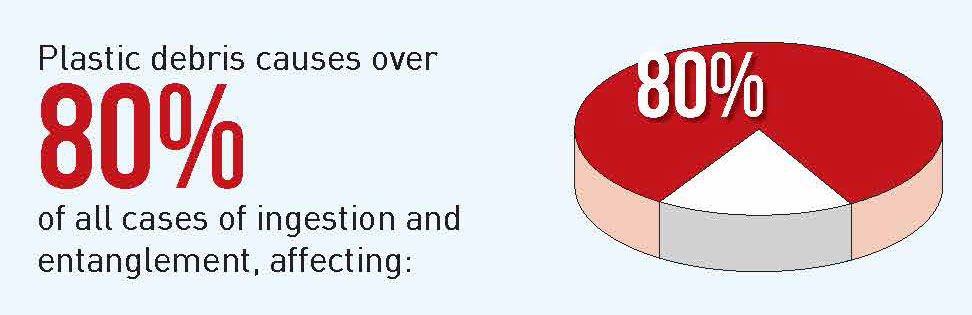
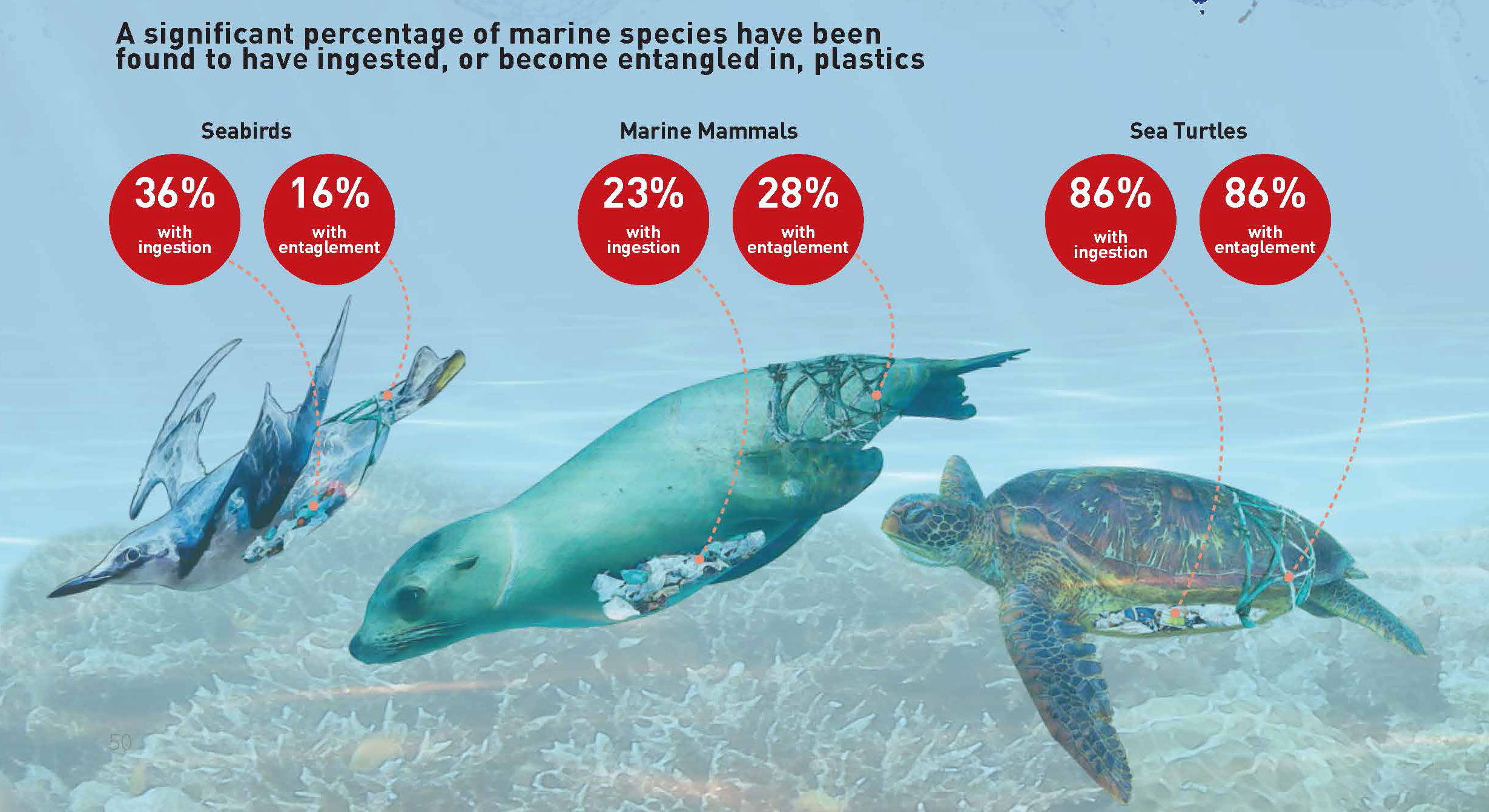
According to a report by the World Economic Forum, if we keep producing plastics at current rates without stopping plastic pollution in our oceans, there will be more plastic than fish in the world’s oceans by 2050. Here are some of the sobering facts about plastics in our oceans:

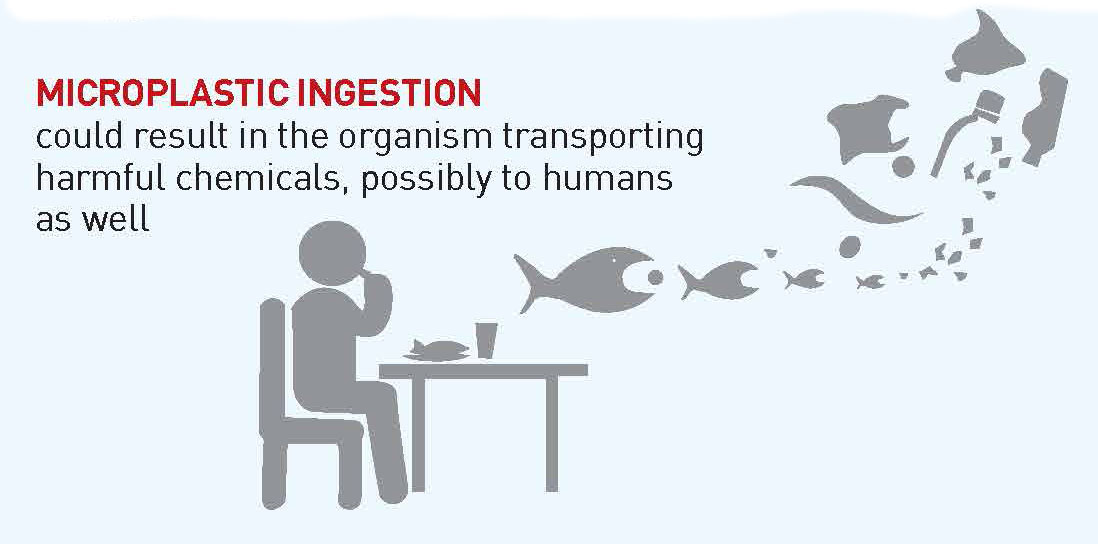
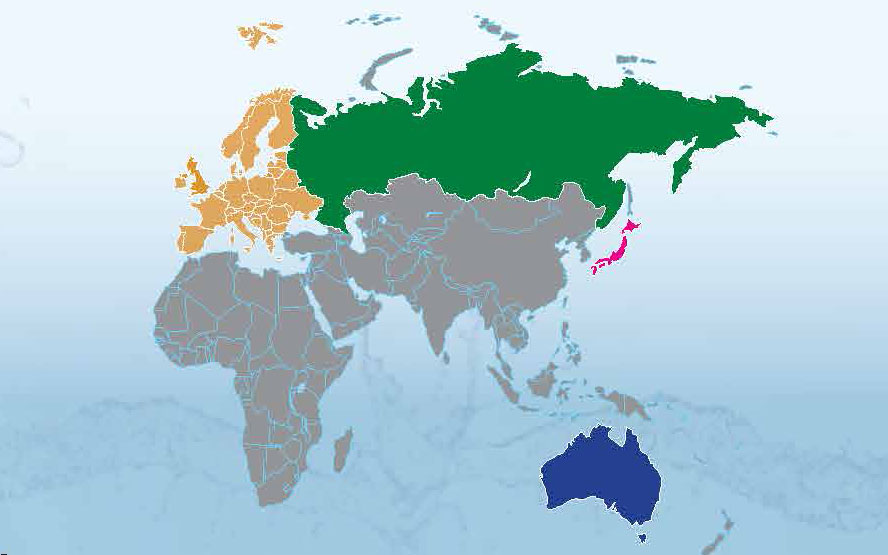
Microplastics were discovered in human stool samples in a study of eight participants from Europe, Japan and Russia by the Environment Agency Austria in 2018. SIX OF THE EIGHT PARTICIPANTS consumed fish and all of them drank from plastic bottles and ate food wrapped in plastic.

For the rest of this article (Asian Diver 2019 Issue 1 No 152) and other stories, check out our past issues here or download digital copy here.
10 Types of Plastic Trash Found in the Oceans

0

A HUGE QUANTITY OF PLASTIC IS ENTERING THE OCEANS

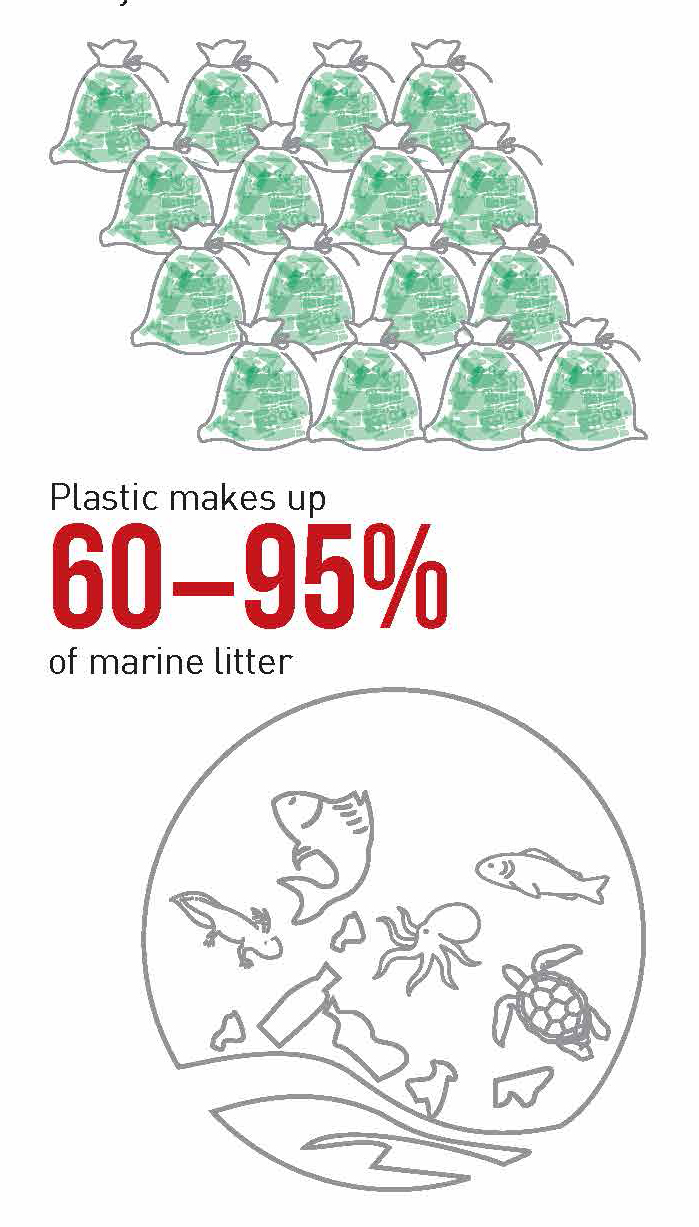
It is estimated that 8 million US tons of plastic end up in the ocean each year. That’s the equivalent of 16 shopping bags full of plastic for every metre of coastline

According to Ocean Conservancy’s International Coastal Cleanup 2018 report, the top 10 items found in the oceans are:

1. Cigarette butts

(contains plastic

filters)

2. Food wrappers

3. Plastic beverage

bottles

4. Plastic

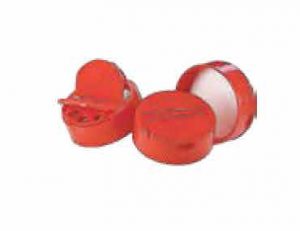
bottle caps

5. Plastic

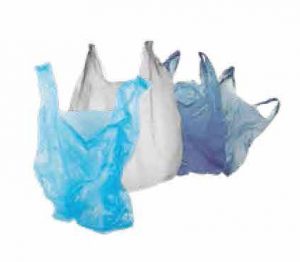
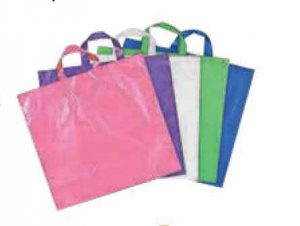
grocery bags

6. Other plastic

bags

7. Straws/stirrers

8. Plastic

takeout

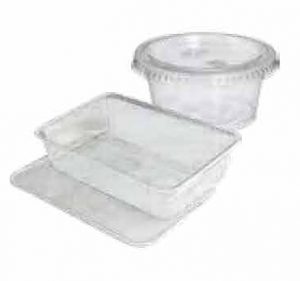
containers

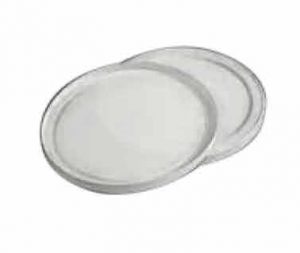
9. Plastic lids

10. Styrofoam

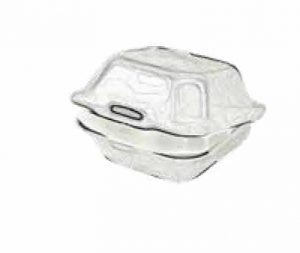
takeout

containers

For the rest of this article (Asian Diver 2019 Issue 1 No 152) and other stories, check out our past issues here or download digital copy here.