The Lembeh Strait, at
the very eastern tip of
Sulawesi in Indonesia,
is the undisputed
“critter diving” capital
of the world
Text and photos Tim Ho
Ever so often we go on dive trips and come back with a collection of photos that we share online to receive the oohs and ahhs of family and friends who think the bottom of the ocean is lined with all these amazing creatures we’ve photographed.
Having spent most of my professional years teaching, the recent move into underwater photography taught me to appreciate the “backstage crew” who specialise in assuring one doesn’t return home with empty memory cards from a great dive holiday.
As a dive professional, I was great at pointing out a turtle or manta in crystal blue waters, Lembeh-like environments, however, tend to challenge the untrained eye in finding the rarest of marine creatures in the most camouflaged environments. Lembeh is one of the few places in the world that is home to some of the best spotters in the world!
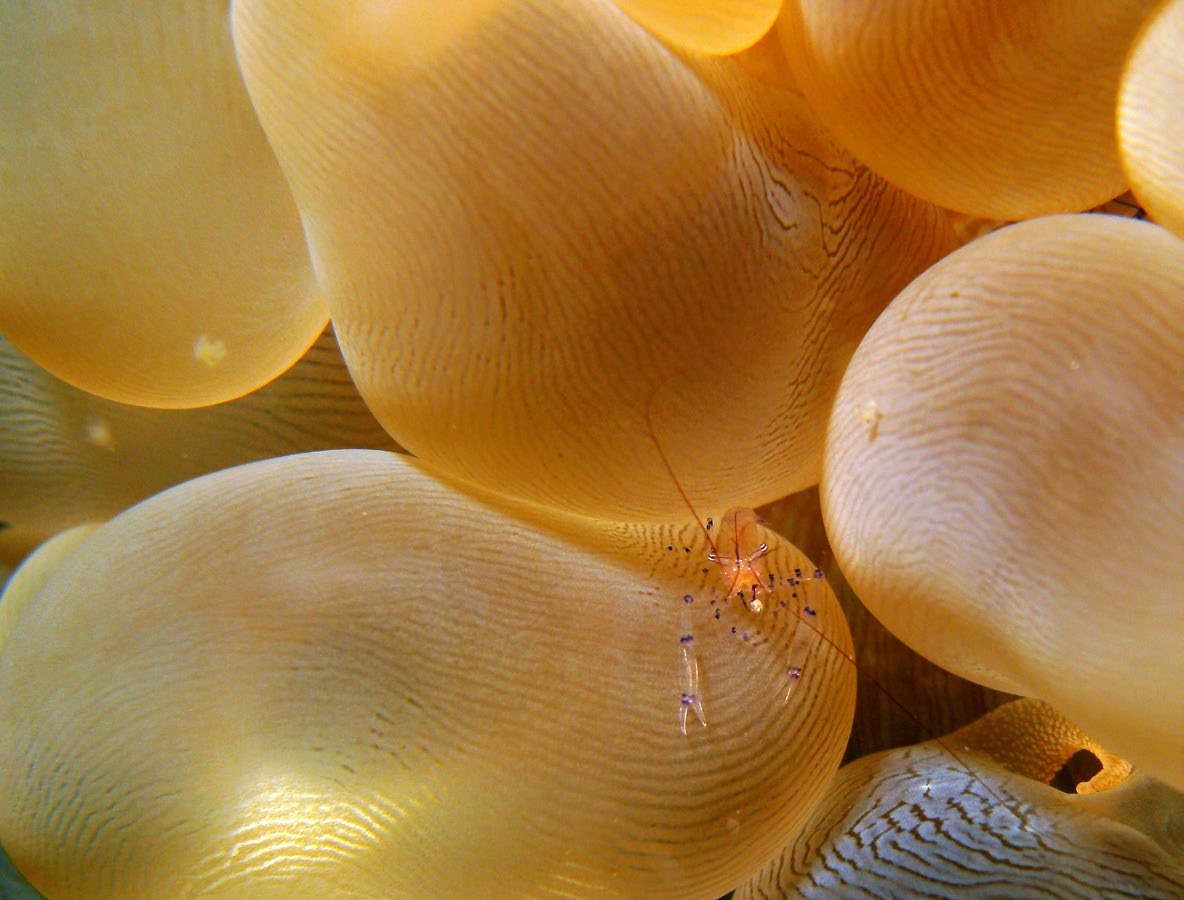
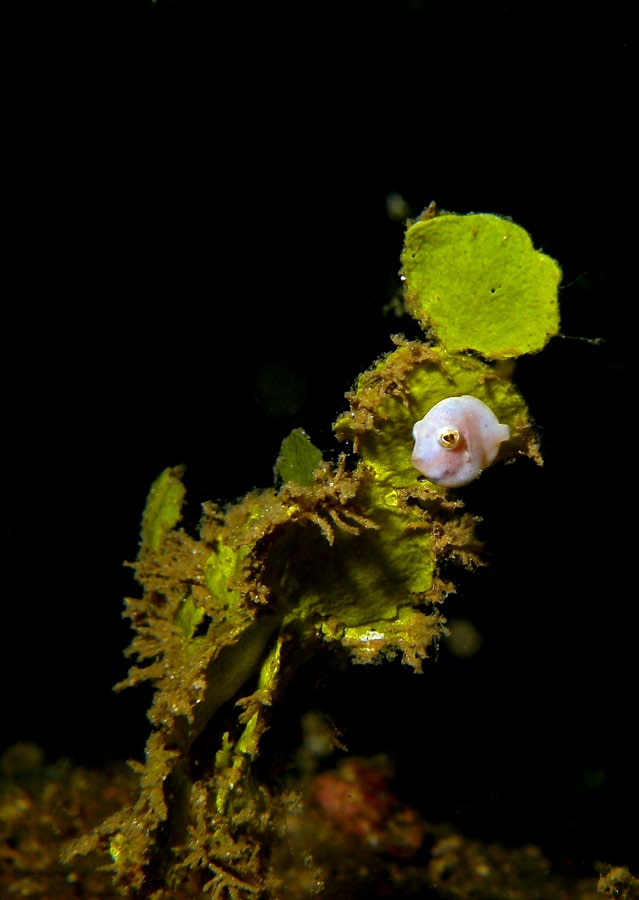
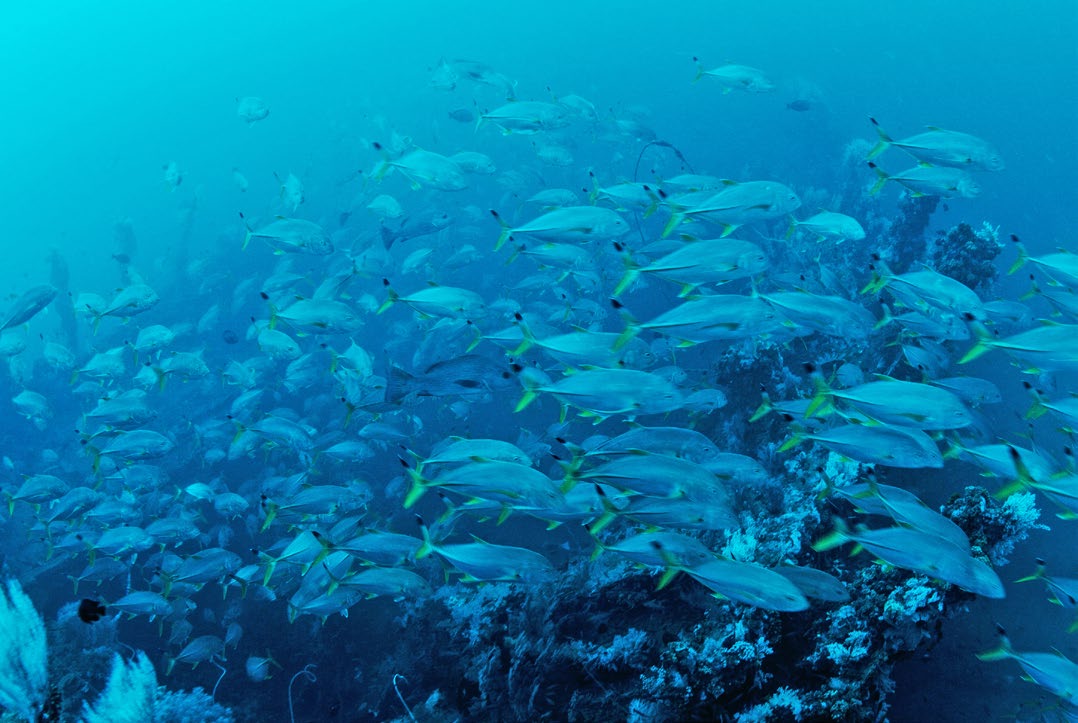
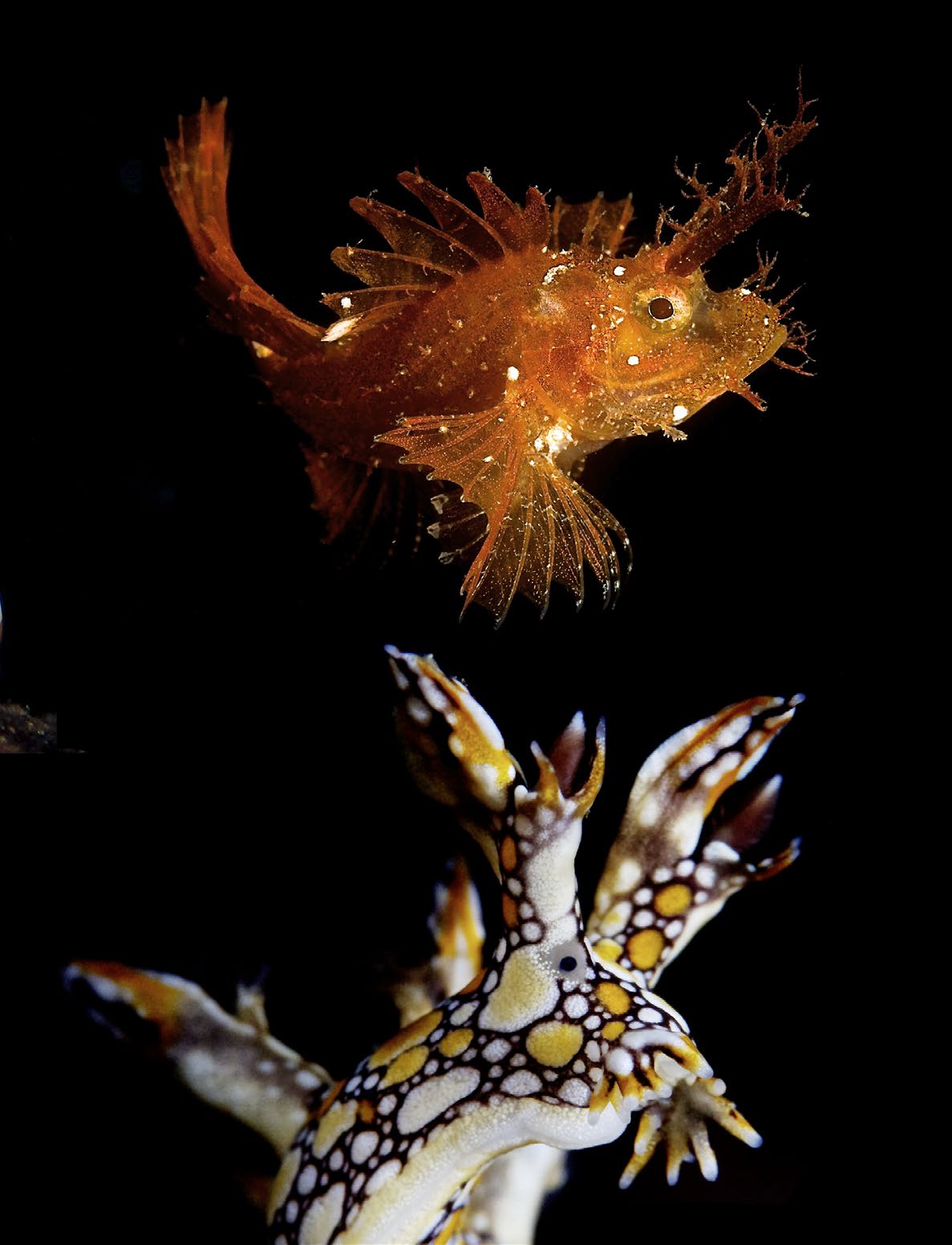
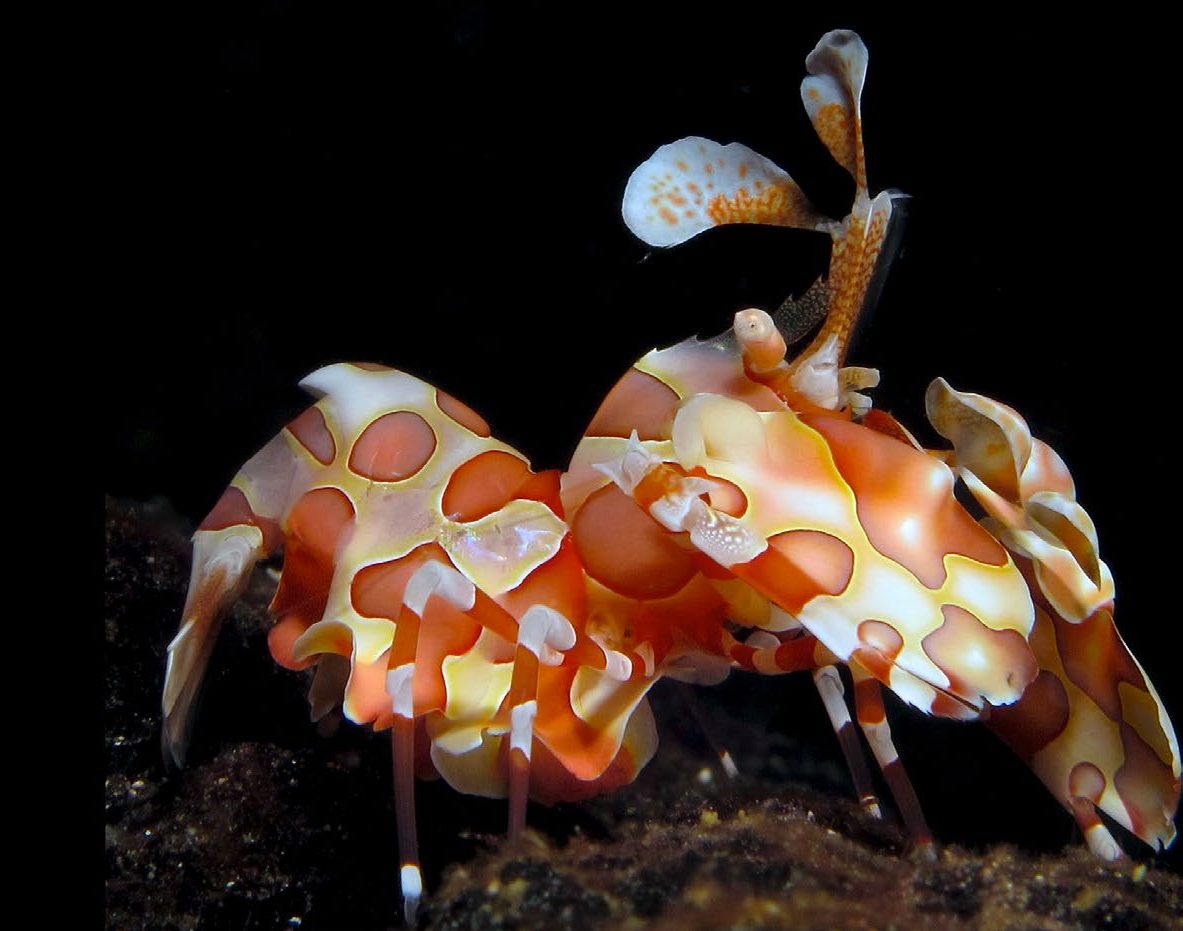
The star gazer, pygmy cuttlefish, harlequin shrimp, as well as the hairy frogfish, provide colourful contours to Lembeh’s one-of-a kind reefscape
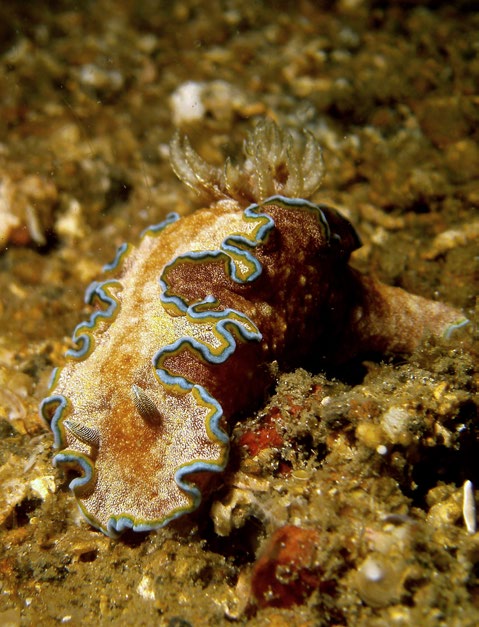
Lembeh’s seabed consists mainly of sandy bottoms and powder fine silt with clusters of pebbles. This has only been my second visit to Lembeh, but having spent the last year or so muck diving in Anilao, the importance of a good spotter is something I am well familiar with. The dive spotter you get on a muck dive can make a world of difference in how good a yield you will get!
In critter-land, you may decide to go in search of the rarest of critters recommended by divers you may meet along the way; the subject you’re looking for may be the size of a single grain of rice and the dive site the size of a football field. Getting someone new is likely to get you swimming a lot over long patches of nothingness.
My assignment to Ben Sarinda at YOS Dive Lembeh was one I welcomed with happy flipping fins. Ben’s been diving these waters for years and the confidence that he’ll be able to show me something new was on an all time high.
Lembeh shines as the quintessential undersea oasis for the weirdest and wildest creatures
Choosing a guide who is in the water almost everyday gives the assurance that he knows where all the good stuff is as these tiny critters don’t travel long distances over one or two days. Getting a guide who is also personally into photography guarantees that he knows animal behaviour well enough to be able to make a clownfish open its mouth for you when you need it to.
On my recent visit, I also discovered that, on the occasion you find yourself teamed-up with a group of non-photographers who don’t wish to stay in one spot for more than a minute, the option of having a personal guide is available from as low as US$50 a day. Should you also decide to go to a specific dive site that nobody else wants to go to, or the cost of having your own private boat for the day won’t burn a hole in your pocket.
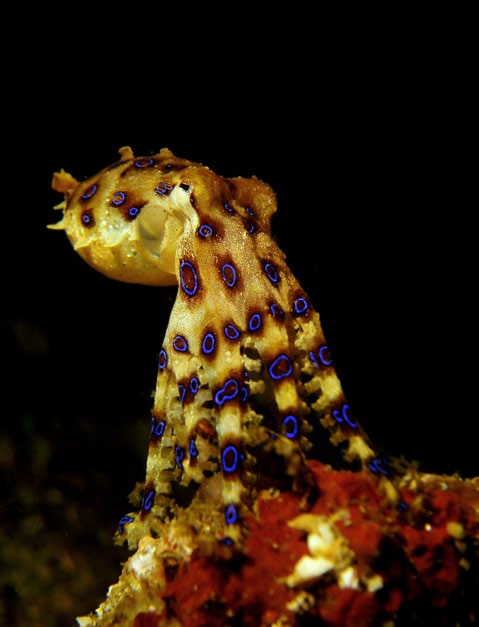
For most divers who visit Lembeh, the real stars of the show are the gaudy octopuses, from blue rings to mimics and hundreds in between’
When planning your holiday to Lembeh, you’re likely to experience less rain in the months of April to October. The waters here can warm up to 28°C, but starts to cool by August to October. These cooler months are when critter finds are at its best.
For the rest of this article (Asian Diver 2014 Issue 3 No 132) and other stories, check out our past issues here or download digital copy here.
The 25th anniversary of the largest and longest running dive show, Asia Dive Expo (ADEX) is set to occur on the 11-14th April 2019. Centred on the theme – Plastic free Future, ADEX is more than just a dive show with its commitment to the environment. Among an exciting lineup of programs, attendees can look forward to a Future Forward Series of Panel Discussion on the Single-Use Plastic Conundrum in Asia, on 13th April.
So join us at the event, get inspired and for all you know, you might just liberate the inner diver in you! More details of the event here.
With the world’s leading divers and eco marine tourism business and thought leaders coming to town for ADEX 2019, we talk to Robert Scales, the co-founder of Ceningan Divers Resort, about his journey and how he’s protecting the marine bio-diversity of Asia.
Robert Scales and his wife Sandra at Ceningan Divers Resort. (Photo courtesy of Ceningan Divers)
Underwater 360: Could you tell our audience more about yourself, your journey and what inspired you to go into this field?
Robert Scales: My name is Robert Scales, I am a PADI Master Instructor, Tech Instructor and EFR Instructor Trainer. I am originally from Canada. I started diving when I was 12 years old. In 1997, while travelling in Central America I did my Divemaster certification at Utila Dive Center. I fell in love with the ocean, diving and the lifestyle. Sadly, that year my mother passed away and I returned home. After I returned to Canada, life kind of got in the way – working, going back to school, I eventually started a marketing agency where I worked until 2010 when I decided to make some changes in my life and return to my original passion. I have now been living in Indonesia for eight years. In 2015, my wife and I, along with our partners, started Ceningan Divers and the past four years have been an amazing experience as we build up and grew Ceningan Divers from a dream to a multi-award winning Dive Resort.
UW360: What are some of the most surprising things you’ve learnt about yourself and others in your journey in diving?
RS: That’s a complex question to ask and answer. Humans and business are in a constant state of flux. We evolve and change as we experience new challenges. It’s the beauty of perpetual movement and growth. The past four years managing our newly established dive operation has certainly been a great learning curve. I am constantly amazed by how little I know and how much there is still left to learn – whether its about yourself, others, cultures, business, sustainability or languages. Life is full of amazing challenges and the journey is an interesting one for sure.
UW360: Do you have any memorable stories you can share with our audience?
RS: Another awkward question. As a resort owner, I find myself juggling many positions including playing host to our guests which often involve sharing interesting anecdotes and stories. The reality is that good stories are often prescribed by the moment and situation. So, as much as I would like to share one now, it is best to catch me live during ADEX or at our resort.
UW360: In your travels while diving, how has plastic pollution impacted the places you’ve been to, products you’ve worked on or policy and strategic planning for the future?
RS: As a dive operator, we decided shortly after we opened our PADI 5* Dive Resort to develop and build a sustainable operation and adopt eco-friendly values and policies.
This has been an ongoing challenge and certainly something that I have aimed to improve for myself. We are lucky to live in a moment of history where there is an urgency in changing our actions – how we consume, the choice we make and the impact we have on the world around us. It forces us to change our routine and behaviour.
At Ceningan Divers and Ceningan Resort, we’ve adopted several initiatives to ensure we meet our goals in building a sustainable eco friendly dive operation. This includes saying no to single-use plastics such as drinking straws, plastic water bottles, needless packaging for the products we sell and selecting local, organic fair-trade products whenever we can. It includes incorporating education into our programmes with our employees and guests; Hiring an in-house marine biologist to develop new educational programmes and conduct community programs; Becoming a Green Fins dive operator and abiding by their code of conduct and speaking at conferences about building sustainable business practices and how we can reduce our impact in our dive holidays. However, despite all of these efforts, this is an ongoing battle and only through education and leading by example will we be able to make the changes needed to have a positive impact. It is a global crisis. We need to have corporations, government and citizens working together to ensure that our ocean planet remains sustainable for generations to come. I am hopeful that we can make a difference.
On a side note, as a dive operator, we have taken various steps in the past years to ensure we limit our impact and our divers’ impact. In 2018, we became a Green Fins dive operator and adopted their standards in our briefings and operations. We eliminated single use plastic some years ago and since Q3 2018, we have banned non-reef-safe sun protection cream on our boats and in our pool. We sell and promote alternative reef safe products.
Slowly, as we are made aware of new solutions, we offer alternatives to our guests which help promote safe and sustainable options while providing education regarding our personal impact while on a dive holiday.
UW360: The diving industry actively advocates for sustainable marine tourism. Which of the two do you think would make more of an impact – reducing/eliminating marine tourism altogether or encouraging sustainable marine tourism?
RS: Sustainable marine tourism is the only path forward. When combined with education and active programmes such as a beach clean up or a dive against debris, tourists can take actions to help. I believe these powerful motivational tools help people better understand their impact, the importance and fragility of our various ecosystem and assist them in taking appropriate actions to both decrease their impact and the impact of their business on the local environment. Sustainable business development, sustainable tourism and education all go hand in hand together to ensure everyone can enjoy the ocean, coral reefs, travelling and exploring new places with limited or no impact.
UW360: Going forward, where do you see the diving industry heading towards?
RS: Again, another essay style question in multiple parts. To keep it short and simple, I think the industry as a whole certainly understand the impact we as dive operators and divers have on our ocean planet. We also understand how we can dedicate our time and resources in improving, helping and developing new programmes and solutions to reduce our overall impact, help reduce the global issues and provide education to ensure people and companies better understand their impact and how to reduce such impact or take actions to help eliminate waste and destructive practices. I believe that through communication, education, sharing best practices and working together, these changes are already taking effect.
Uw360: What are your plans for your own consulting company?
RS: Over the next year, we are developing new facilities at Ceningan Divers. This include our new pool which was completed in February, our new briefing area coming in April, our new reception and office coming in June and our new training centre scheduled for completion in the first quarter of 2020.
We recently hired a full time marine biologist on our team. In her role, she is developing new workshops and training programmes for our guests. This will allow us to deliver more details briefings and educational programmes to our guests and students. We can take a more active role in working with local people on the Nusa Islands to contribute to locals gaining new skills and vocational training. It also allows us to make more meaningful contributions to ongoing reef checks and coral monitoring projects already in place around Nusa Penida.
As we near the end of the implementations of our various eco initiatives around our resort and dive operation, we are now concentrating on improving our educational programmes by adding new resources and the facilities to support our goals.
UW360: What do you see the diving industry and your company ultimately transforming into?
RS: The short of it is that I believe we will see a drastic change in the way dive operators deliver their services. Whether it’s by taking advantage of new technologies or adapting new eco-friendly philosophies and values, ultimately, I believe that we are in constant flux; we evolve. Diving agencies such as PADI, SSI and RAID all seek to deliver the best in class. Of course, as a PADI 5* dive resort, we focus on what our agency is pushing while we aim to add new value-added services which meet our client’s needs and reflect our own values and believes. We certainly see a movement towards more eco-friendly, environmentally responsible operations and programmes. I believe this will continue to grow. The use of digital media will also extend our reach, attracting new markets and a different demography that we have seen in the past. This is certainly an exciting time to be involved in the marine tourism industry.
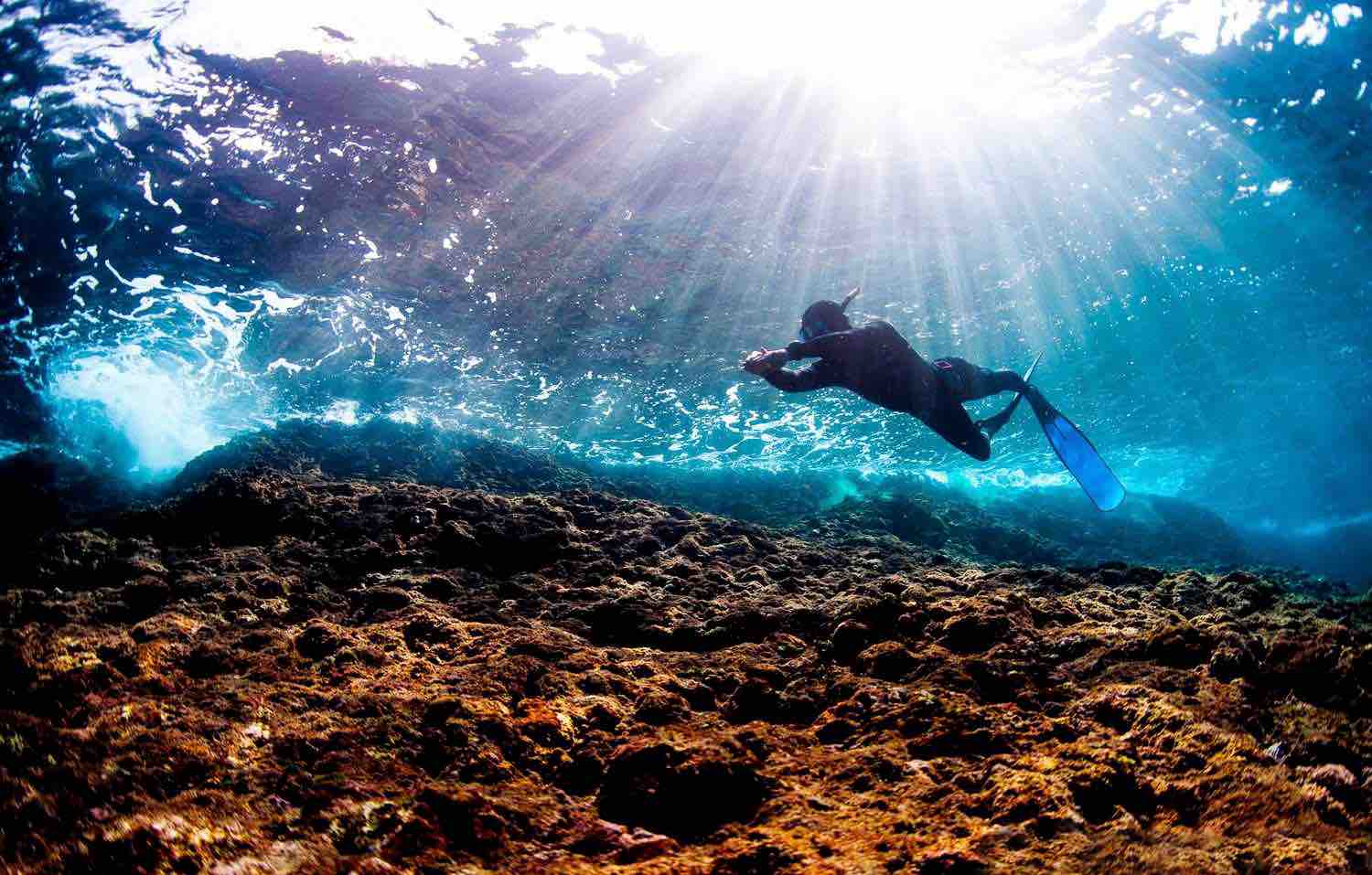
Freediving Lanyu’s warm, crystal clear waters is another way to enjoy this unique region
Text and photos Howard Chen
LANYU (literally translating into “Orchid Island”) original name was Pongso-no-Tawo, meaning “people of the island” until 1946, when it was renamed after the local Phalaenopsis orchids.
The island, located in one of Taiwan’s east coast most remote islands, is accessible by sea or air. Daily Air is the only airline to offer flights from Taiwan Island through Taitung Airport in Taitung City to Orchid Island through its Lanyu Airport. The flight duration is half an hour and the daily frequency is dependent on weather conditions. Ferry trips to the island are available from Taitung City’s Fugang Fishery Harbor. One can also hop onto a bus to the Tomioka fishing port to board the various ship classes into the island. For locals, the above route is the most commonly planned one. For foreigners planning a trip via Kenting in southern Taiwan, a route via Houbihu is also possible on a fishing boat; however, this takes nearly three hours of sailing time.
Freediving Lanyu’s warm, crystal clear waters is another way to enjoy this unique region
Home to the unique Tao aboriginal tribe, Lanyu offers some 40 kilometres of spectacular coastline. Its waters offer a year round clear visibility of 30 metres of infinite blue. Its waters boast a grand visibility of 30–50 metres all year round, allowing visitors to enjoy the infinite blue. With a consistent water temperature at 22–29°C, the region’s seabed topography offers rich, spectacular blue holes, faults, submarine canyons and other complex terrain. The best season to visit this paradise is from February to May.
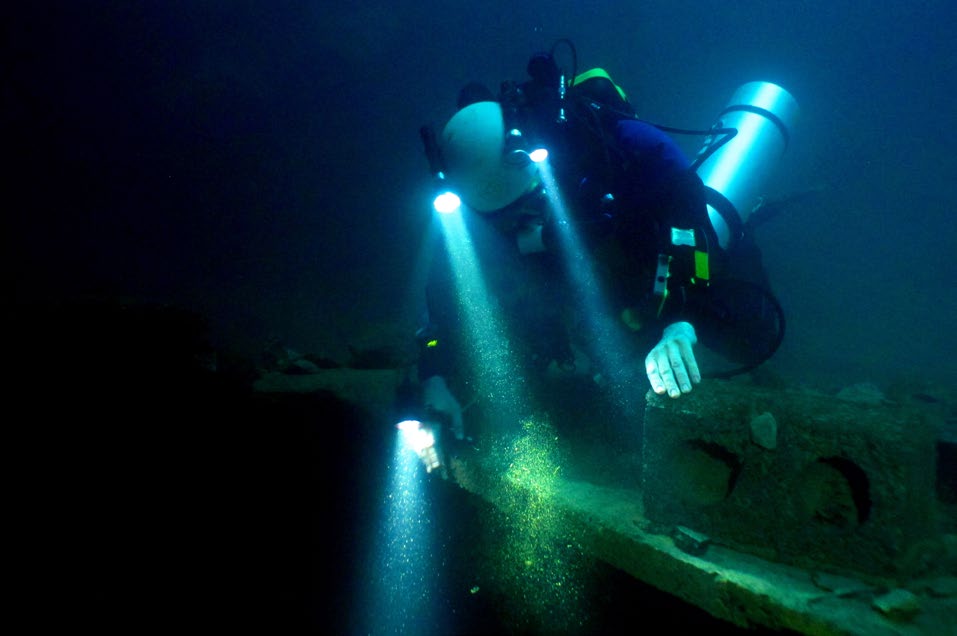
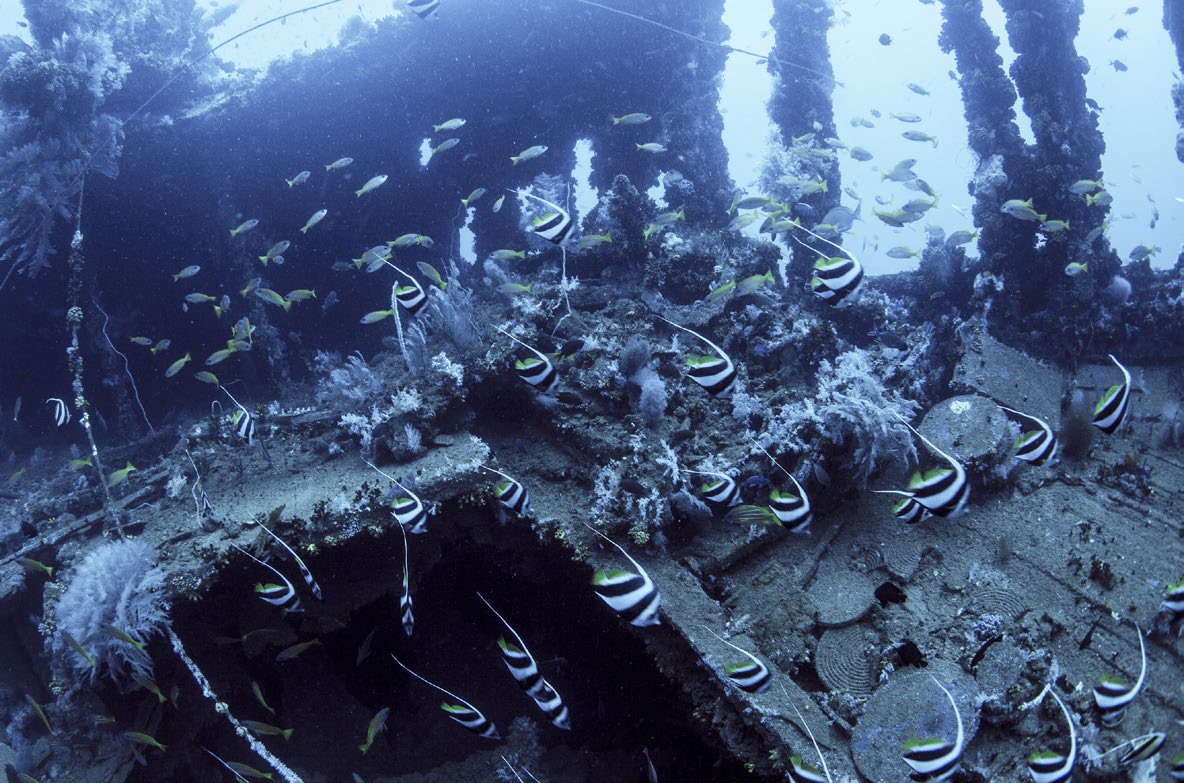
Orchid Island’s largest dive spots include the Eight Generations Bay wreck, resting on the seabed at a depth of 40 metres. This magnificent undersea wreck reclines quietly and offers divers a genuine photographic adventure. I love to use a full-frame DSLR 5D2 camera with a 15mm fisheye, along with high-intensity photography lights. This particular sea shuttle service, carrying Korean nationals, was an unfortunate victim of a typhoon, causing it to sink. Fortunately, all crew members and passengers escaped unharmed.
Lanyu’s Badai Bay Wreck
My favourite dive site is known as Shuangshi Rock. Located north of Orchid Island and lying outside the reef, this site habours dragon snappers and eagle rays, surrounded by coral reefs, and it is constantly teeming with golden perch. It is sites such as this that have led many to wonder how Taiwan can retain such an original and natural offshore ecology.
Another popular dive spot is the Blue Hole, located outside Kaiyuan Harbor’s Blue Grotto. Accessing the hole via one of its three entrances, divers can discover spectacular corals, countless species of reef fish and multitudes of brightly coloured sponges. Continue to fin out to sea and you are greeted by huge sea fans, at least 4.5 metres tall, sitting on subsea cliffs at a depth of about 35 metres – a highly recommended scene to savour.
The aboriginal boats of the Yami tribe, an Austronesian people linguistically and culturally closer to the Ivatan people of the Batanes islands in the Philippines than to other aboriginal peoples on the main island of Taiwan
For macro photography enthusiasts, diving at night at the “coconut oil port” is what dreams are made of. Tiny creatures that are part of the nighttime revelry include the most amazing pom pom (boxer) crabs (Lybia tesselata), which brandish anemones in their claws for defence – like boxing gloves. At the same time, some of Lanyu’s dive sites are known for their strong currents, carrying large migratory fish such as tuna, barracuda and eagle rays.
For the rest of this article (Asian Diver 2014 Issue 5 No 134) and other stories, check out our past issues here or download a digital copy here.
The 25th anniversary of the largest and longest running dive show, Asia Dive Expo (ADEX) is set to occur on the 11-14th April 2019. Centred on the theme – Plastic free Future, ADEX is more than just a dive show with its commitment to the environment. Among an exciting lineup of programs, attendees can look forward to a Future Forward Series of Panel Discussion on the Single-Use Plastic Conundrum in Asia, on 13th April.
So join us at the event, get inspired and for all you know, you might just liberate the inner diver in you! More details of the event here.
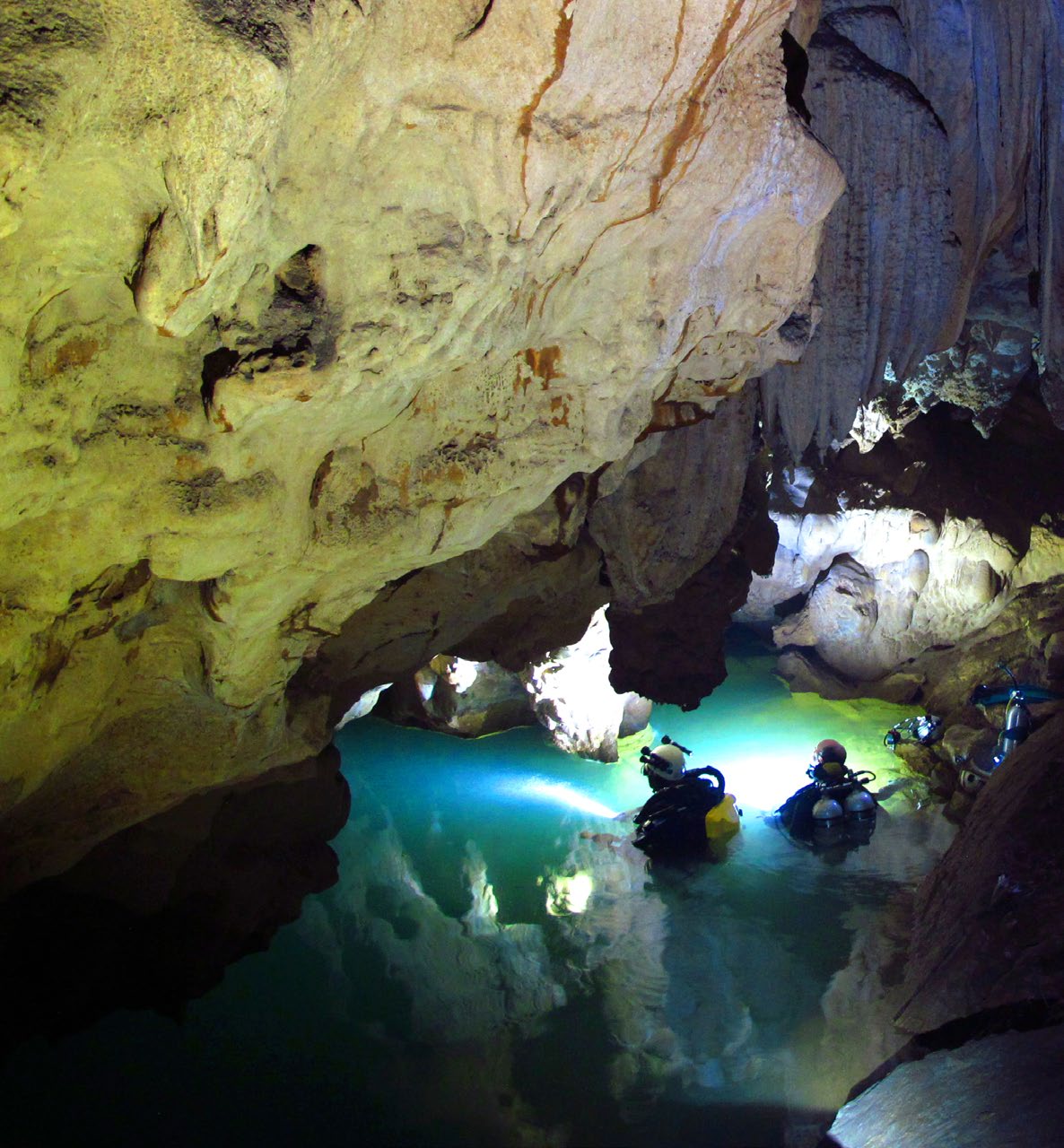
It has been one of the most incredible stories of cave diving today, having made an entirely new discovery in what is an unseeming location for diving. Reminiscent of the Himalayas, the clandestine caves discovered are protected by imposing summits and Everest-like statures. Arriving for the first time in 2011, I thought it was indeed the most remarkable places on Earth.
This virgin expanse is located in southern China, within the Guangxi province. The magnificent Du’an County landscapes offer deep valleys surrounded by mountains. The Yao people, an ethnic majority in this region, have been guardians of this paradise, a utopia of water between mountains, in the valleys and close to the villages. Water is everywhere, and so are sub-aquatic places to explore.
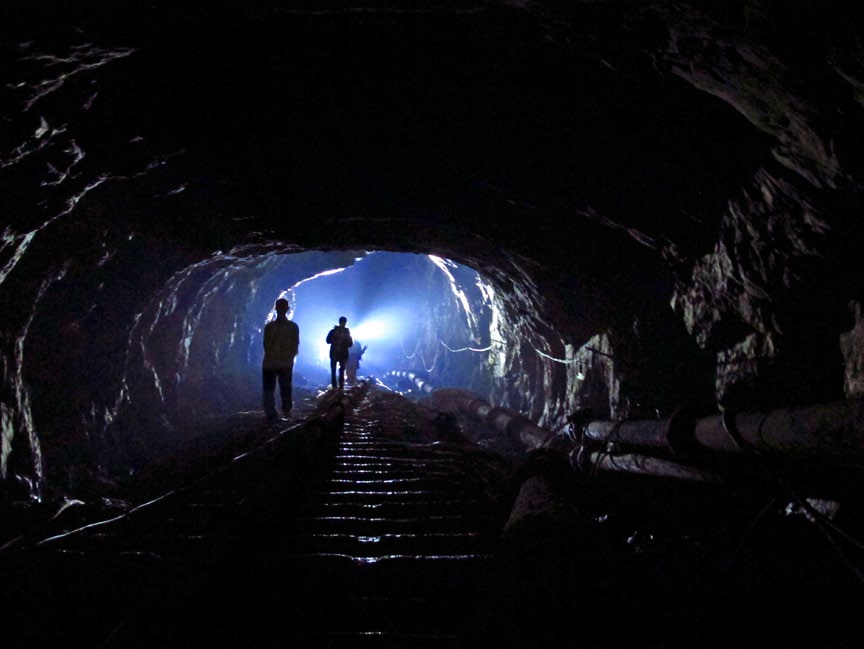
The cave entrances at Du’an are mammoth in size, some a hundred metres wide
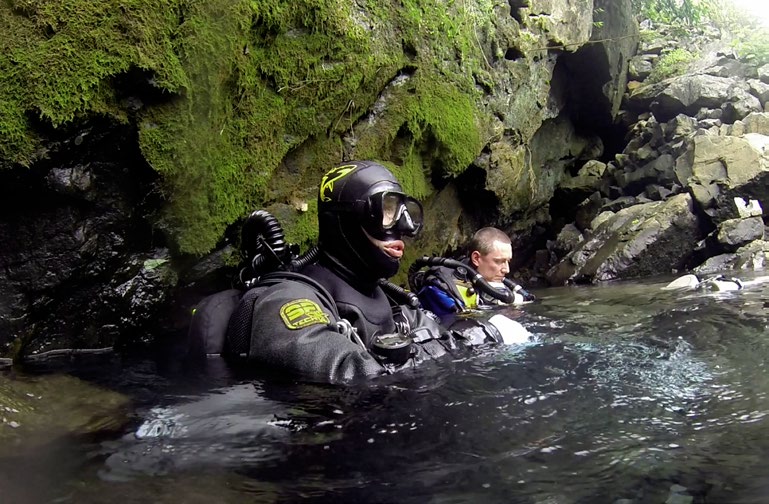
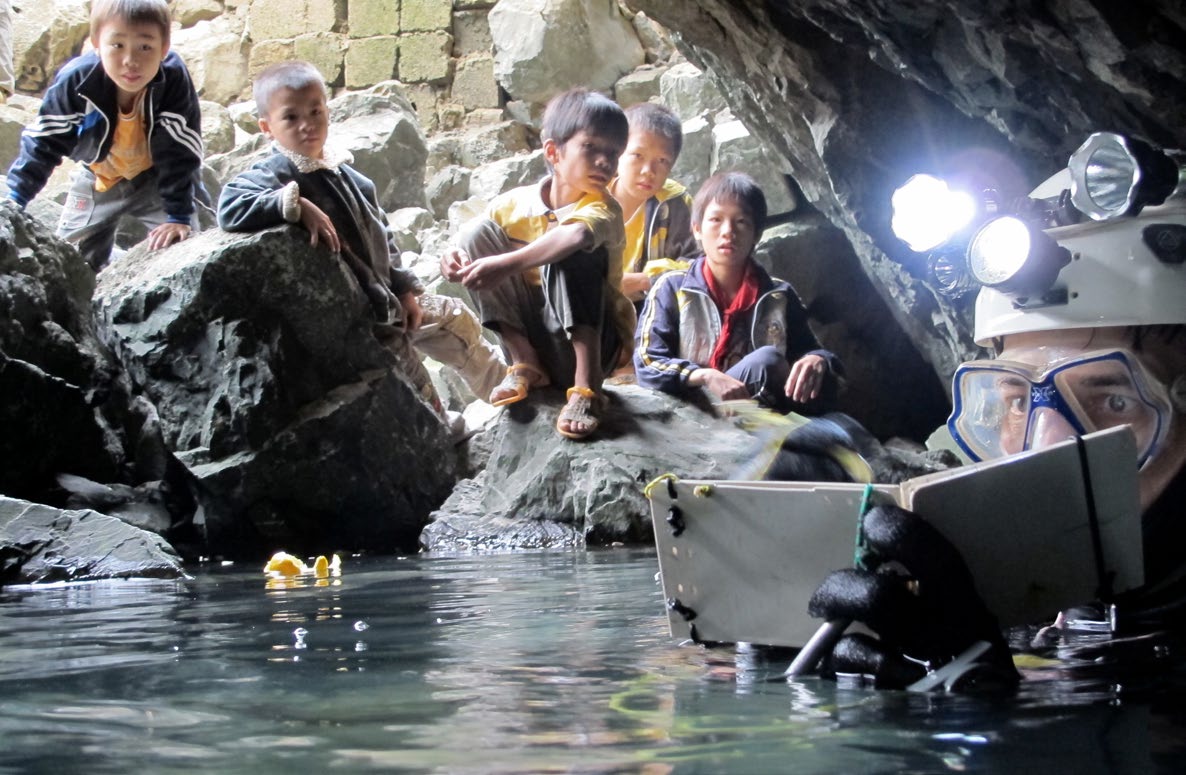
The Yao villagers have treated these springs as sacred for centuries, believing that spirits reside in every spill, such as the one they call the “white cow”. These sites are also sources of sustenance, where drinking water is collected and fruits are washed. Even the laundry is done at various spots. Thus, seeing a bunch of divers in their springs took a bit of getting used to.
In the beginning, a scatter of explorers would come through, which left the villagers relatively unfazed. The first influx of voyagers arrived in the late 80s from the UK. Then a long spell of nonentity ensued until 2011, when a French team descended for another bout of search and survey. Soon after, it seemed like the world had arrived at the tailend of 2013, as it became host to the first cave diving conference in China, the Du’an Diving Week. It was a gathering no one had expected.
During the Du’an Diving Week, Pascal Bernabé and Mia Pietikäinen set the Chinese deep cave diving record: 130 metres
Du’an County is one of the most attractive places for diving, both technical and cave. More than 400 places have been identified in the area, with springs, karst windows and caves. Some are small, some are big, all are virgins and most parts are deep, very deep.
After the first French exploration, a second and more ambitious one took place a year later, in 2012. Divers soon realised how big this discovery was. They even made a dive at 121 metres in the Daxing spring, located in the south gallery. The water flows from the deepest and most ancient karst from two main tunnels, one south, one north. A river is birthed from this spring and flows into the valley. Daxing spring could also be a nice place just for scuba diving. The pool is large with clear water. During the dive, you can observe many fish, shrimps and crabs – a very nice dive with big stones, algae and vegetation as well.
The karst plateau of Du’an is exceptionally thick, reaching to more than 100 metres
At the end of the expedition, the French team had explored and discovered many new caves, realising the significance of this event and the place, no doubt with the support of the local government. The glorious collection of pools, springs and karst windows can become a major destination for scuba, technical and cave diving. Certainly, it is one of the most impressive and attractive locales in the world, giving locations like Yucatan in Mexico, Florida in America or Lot in France a good run for their money. While it may very well be a new paradise for exploration and explorers, it is now also a new Mecca for diving and tourism, especially in accordance with the direction the Du’an government has decided to promote this destination.
Water levels in the caves rise and fall an estimated 10 metres between wet and dry seasons
It was a surprise even for the French explorers, who started out exploring Du’an with an innocent passion and have ended up triggering a diving tourism project. In the beginning, some were a little afraid of such a rapid move, but they soon discovered it to be the way things are done in China! Seven months later, I was introduced as an official consultant on the diving project. The government wanted to open a dive centre in December of 2012 and so we literally started from zero to create a modern and brand new diving centre. It was a huge challenge, but after countless trips and hard work from both the French and Chinese teams, the first Du’an dive centre was born at the end of 2013, mainly for tek and cave diving – a dive centre far from the sea, but close to the fresh water karsts of Du’an.
It is also the first dive centre that has opened right from the start of commercial exploration in an area, as most centres are slowly built after divers have been exploring the area for years.
For the rest of this article (Asian Diver 2013 Issue 6 No 129) and other stories, check out our past issues here or download a digital copy here.
The 25th anniversary of the largest and longest running dive show, Asia Dive Expo (ADEX) is set to occur on the 11-14th April 2019. Centred on the theme – Plastic free Future, ADEX is more than just a dive show with its commitment to the environment. Among an exciting lineup of programs, attendees can look forward to a Future Forward Series of Panel Discussion on the Single-Use Plastic Conundrum in Asia, on 13th April.
So join us at the event, get inspired and for all you know, you might just liberate the inner diver in you! More details of the event here.
With the discovery of a World War I shipwreck over 100 years old, wreck diving becomes even more exciting in the island of Sri Lanka.
AMONG THE COUNTLESS blessings that Sri Lanka has, one of the best-kept secrets is hidden under the ripples of a beautiful blue ocean surrounding the island and waiting to be explored by scuba divers from all over the world.
With more than a thousand years of maritime trade and commerce from the days of the Portuguese, Dutch and the British, the island’s coastal waters have been subjected to heavy maritime traffic. Bad weather and the war inflicted a heavy toll on many of these ships, some of which sank beneath the waves, forever burying legend-worthy stories and hiding invaluable historical treasures. These are the more than 200 ships that have sunk around the coasts of Sri Lanka.
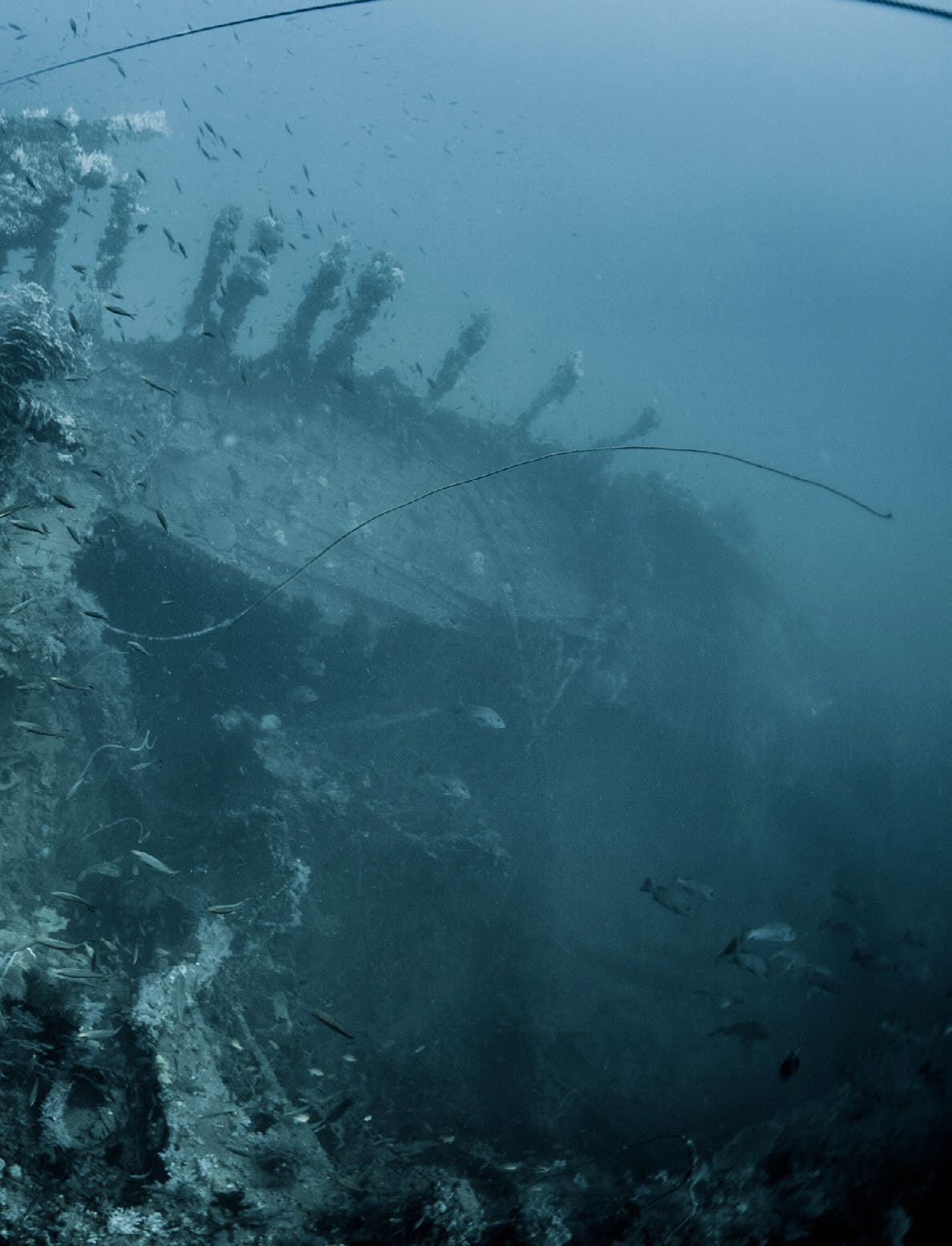
The bow of the SS Worestershire
Among the many ships that rest below the waters, one of the newest discoveries is the SS Worcestershire (SSW), a steam passenger cargo ship that operated under the British Merchant Navy during World War 1, which was sunk 15 kilometres southwest of Colombo by sea mines laid by German mine-layer SMS Wolf in February 1917.
Weighing over 7,000 tonnes, the SSW was en route from Rangoon (Yangon) to London when it met its untimely demise. Owned by Bibby Line, still one of the largest shipping groups in the UK, the SSW was built by Harland & Wolf Ltd, Belfast & Glasgow, the same people who built the RMS Titanic, which sank seven years earlier.
The identity of the wreck was discovered by Dharshana Jayawardena, the founder and editor of www.DiveSriLanka.com, the only comprehensive online portal for diving in Sri Lanka.
Antheas fish around the stern of the ship
“It was a huge area to explore,” Dharshana recalled. “The ship was quite large at 132 metres long.” One key breakthrough came when he measured the beam (or width) of the ship. It turned out that the difference between his measurement and that recorded in the original archives was only about 30 centimetres. “The proximity of the last known location and the measurements of the beam of the ship was strong circumstantial evidence that this could be the SS Worcestershire.”
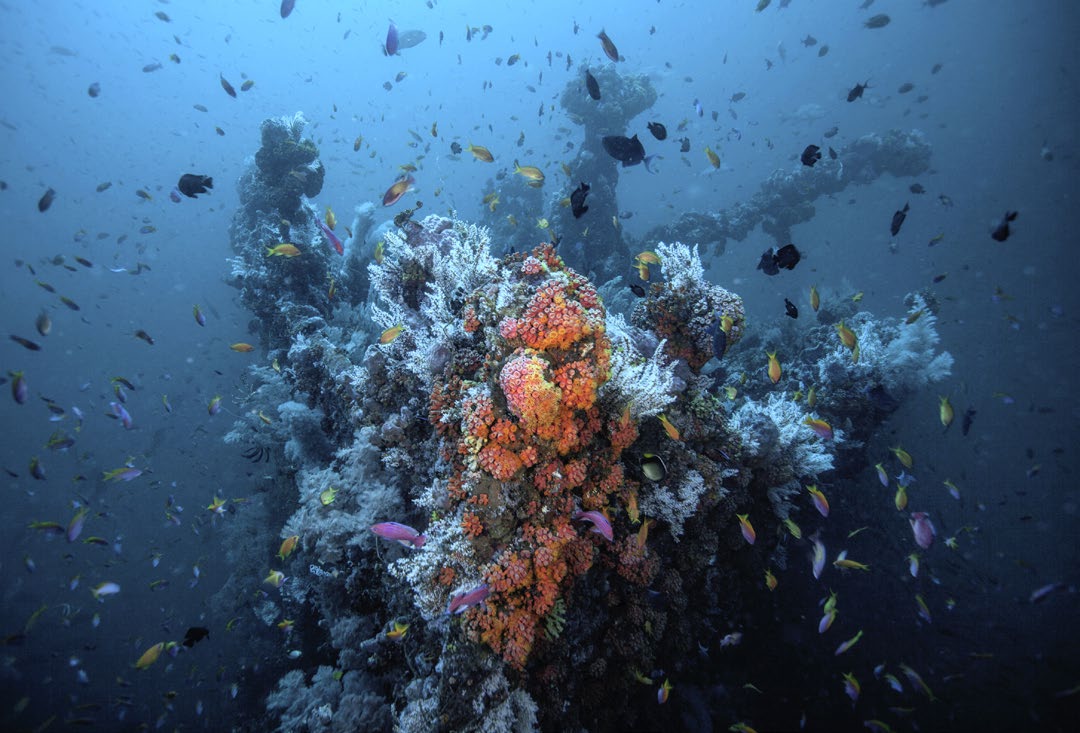
The site also turned out to be home to a lush paradise of marine life. A massive shoal of big eye trevally (Caranx sexfasciatus) usually surrounds the ship, forming a huge bait ball, while fully-grown giant trevally (Caranx ignobilis) patrol the outer area, making dizzying high-speed lunges at all sorts of fish. Colourful soft corals have grown on the hull of the ship, covered by thousands of bright orange Anthias fish.
Something about shipwrecks: Fish are magically drawn to structure, taking advantage of niches within
For the rest of this article (Asian Diver 2014 Issue 4 No 134) and other stories, check out our past issues here or download a digital copy here.
The 25th anniversary of the largest and longest running dive show, Asia Dive Expo (ADEX) is set to occur on the 11-14th April 2019. Centred on the theme – Plastic free Future, ADEX is more than just a dive show with its commitment to the environment. Among an exciting lineup of programs, attendees can look forward to a Future Forward Series of Panel Discussion on the Single-Use Plastic Conundrum in Asia, on 13th April.
So join us at the event, get inspired and for all you know, you might just liberate the inner diver in you! More details of the event here.
The collection is shot at many of the Philippine islands’ best dive sites, including Anilao, Mactan, Moalboal, Malapascua, Bohol and Dumaguete.
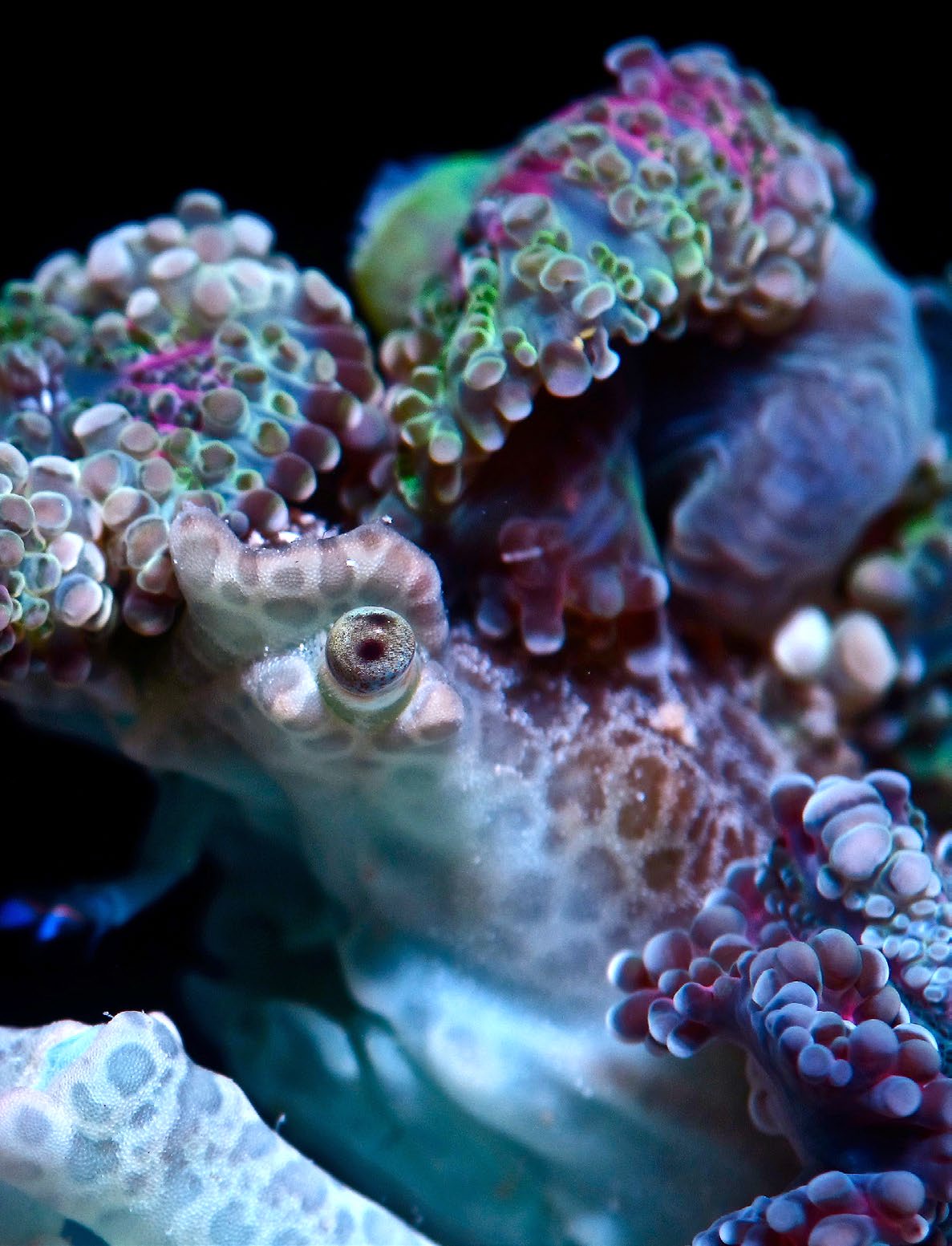
While the bright hues of coral reefs are indeed an impressive sight, the spectacle of colour and movement creates a challenge for the photographer wishing to focus on the beauty of a single organism. By using a black background, creatures are allowed to stand out from their normally cluttered environment and we are able to see them in all their glory. Shot without the addition of false backdrops or postprocessing techniques, The Black Chronicles aims to emphasise the beauty of the marine world in its simplest of details.
Philippines: Places to dive, things to shoot. Dauin, 20 minutes from Dumaguete city, is a muck diver’s paradise, with clear waters and dark sand allowing the critters to stand out. One favourite in Dauin is a dive site called “Cars”. It has to be one of the easiest and most fun shore dives in the Philippines. Night dives in Dauin are all about cephalopods, with ample opportunity to capture a range of behaviours, from hunting to mating.
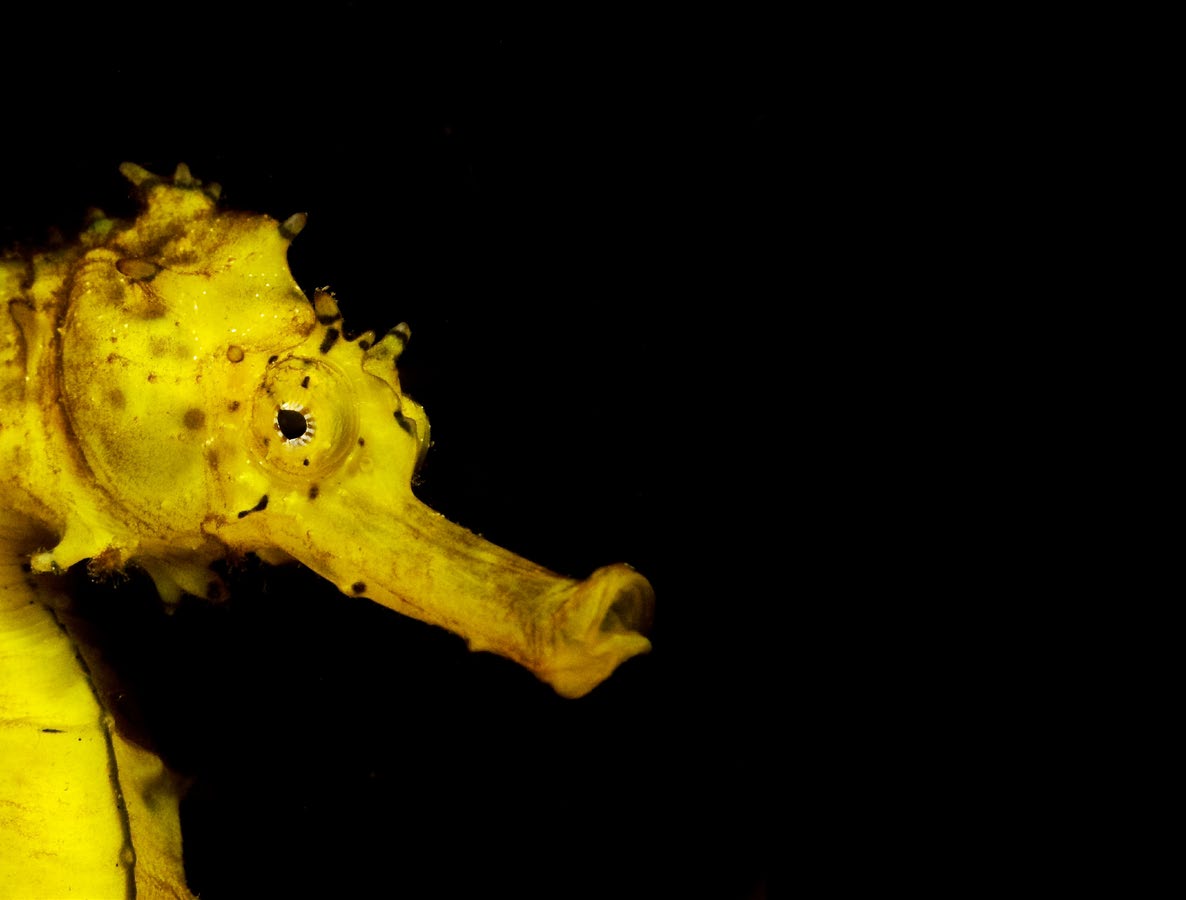
Gato Island, Malapascua, Cebu: Seahorse (genus Hippocampus)
Malapascua’s Monad Shoal is worldrenowned for its daily thresher shark encounters. However, many don’t realise that Monad also has great macro possibilities. The night dives here are especially thrilling; you never know what big fish might be swimming with you in the dark.
Gato Island, Malapascua, Cebu: Tiger nudibranch (Notodoris minor)
Gato Island is another much-loved dive site in the vicinity of Malapascua. Once used as a shelter from bad weather by poachers, Gato is now popular among macro enthusiasts. Seahorses of every kind can be found in the island’s waters, and divers can take their pick from the rice grain-sized pygmies to the bigger species. The fortunate few may also encounter the rare Bornella anguilla nudibranch.
As for Anilao, there’s a reason why it has become the archipelago’s most popular macro dive destination. Some of the ocean’s rarest critters are found in abundance here and the variety is unbelievable. Feather stars (Florometra serratissima) are common in Anilao, and they normally harbour a squat lobster or a well-camouflaged shrimp.
Mactan is the dive hub of the Visayas. Just a quarter of an hour from the international airport and you’re in its clear, calm waters.
For the rest of this article (Asian Diver 2014 Issue 4 No 133) and other stories, check out our past issues here or download a digital copy here.
The 25th anniversary of the largest and longest running dive show, Asia Dive Expo (ADEX) is set to occur on the 11-14th April 2019. Centred on the theme – Plastic free Future, ADEX is more than just a dive show with its commitment to the environment. Among an exciting lineup of programs, attendees can look forward to a Future Forward Series of Panel Discussion on the Single-Use Plastic Conundrum in Asia, on 13th April.
So join us at the event, get inspired and for all you know, you might just liberate the inner diver in you! More details of the event here.
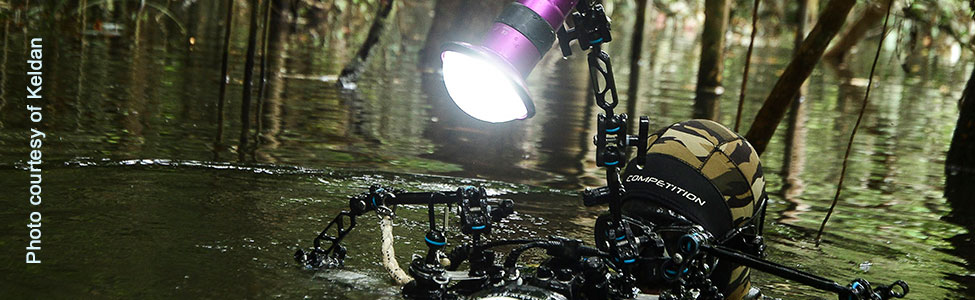
Founded in 1994, Keldan Advanced Lighting Technology came about when Daniel Keller, a prolific diver and an electrical engineer with a MSc in electrical engineering from the Swiss Federal Institute of Technology in Zurich (ETHZ), made a dive light for his wife as a birthday present in the early 90’s. When his friends at his local dive club saw the incredible performance and quality of the dive light, Keller was inundated with requests to manufacture more and KELDAN was born. Since then, KELDAN has grown to become a globally respected manufacturer of the highest performing underwater video lighting equipment.
Continuous Research and Development
KELDAN has built its reputation on the continuous improvement of its product through continuous research and development. All its optical, mechanical and electronic components are carefully designed in-house to ensure that even professionals will be impressed by the quality of its products.
Keldan Products
Known for their video lights and handheld lights, KELDAN video lights are known to be compact, light in weight with excellent photometric specifications. Its modular design allows KELDAN lights to be easily configured for all types of professional video needs underwater.
KELDAN handheld lights are dive lights with full features which are small in size, user friendly and are optimized for maximum brightness. They are often used by divers who need a light in lakes, night dives, ice-, wreck- and technical diving as well as rescue and outdoor operations and law enforcement.