Home Blog Page 58

Club 25 Profile – Suunto

0
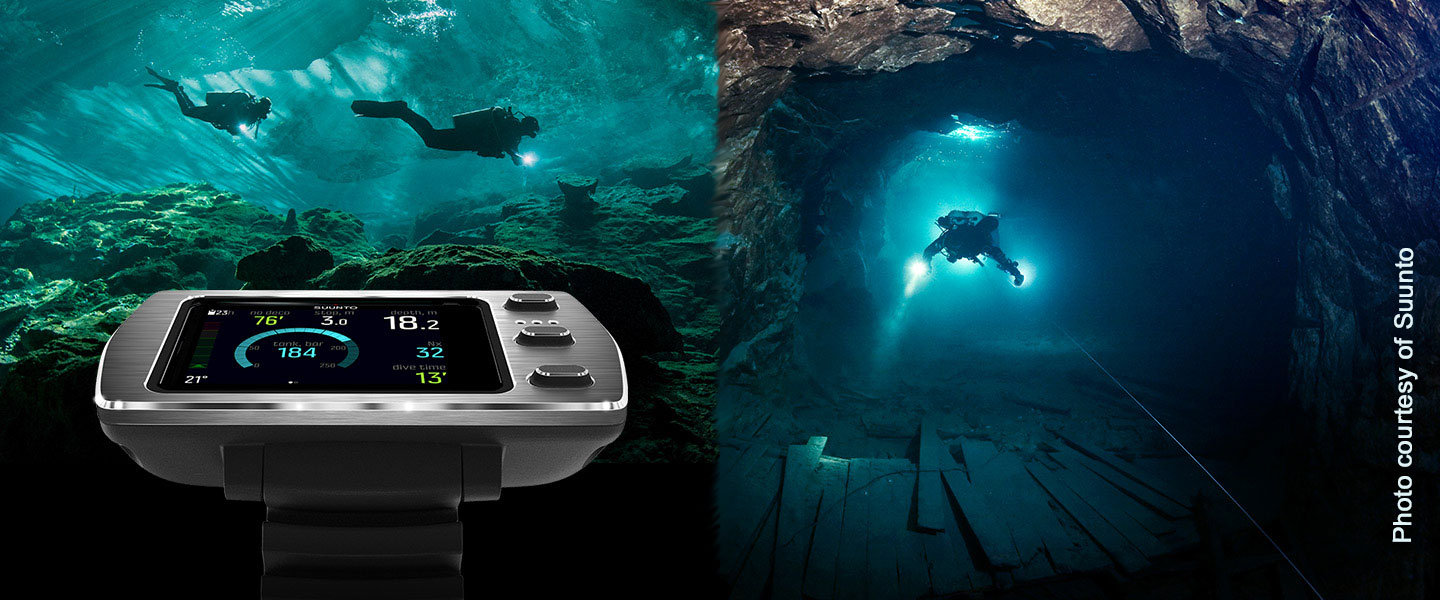
Photo courtesy of Suunto

Founded in 1936, Suunto is a Finnish company that has been pioneering exploration since its founder Tuomas Vohlonen found a way to produce more accurate compasses for his orienteering adventures. Derived from the Finnish word “suunta”, which means “direction”, “path”, “bearing “ or “heading”, Suunto is a manufacturer of sports watches, dive computers, compasses and precise instruments. Currently headquartered in Vantaa, Finland, Suunto’s founding was a result of Vohlonen’s idea of filling and sealing a lightweight compass with liquid to dampen the needle in order to protect it from shock and wear due to excessive motion. Vohlonen, who was a surveyor, built the compass housing out of celluloid and applied for a patent on his design in 1932.

After being granted the patent in 1935, Vohlonen put his wrist-mounted M-311 compass into mass production. Although it wasn’t the first liquid-filled compass, the design of the M-311 was lightweight and small, which enabled it to be easily worn on your wrist. After a few minor changes, the M-311 was adopted by the Finnish Army as the M-34. Suunto was registered on February 1936.

After his death in 1939, his widow Elli Vohlonen took over Suunto until 1952 when she sold the company to Paavo Kajanne, Aarne Mahnala and Veli-Jussi Hölsö, who also ownd Redox Oy. The company was sold to the Niemistö family at the end of the 1970s and was purchased by Sponsor Oy in the early 1990s. Then known as Suunto Oy, the company took over Recta SA, a Swiss compass manufacturer in 1996 but Suunto Oy was purchased by Amer Sports in 1999.

Besides its wide variety of magnetic compasses, Suunto also makes multi-functional electronic wristwatches which include compass bearings, altitude, barometer, sports training and GPS.

Suunto dive computers are trusted, functional and durable tools for all kinds of underwater adventures from the beginner to the advanced. Extensively tested and manufactured in Finland, Suunto’s venture into the underwater products began in 1965 when a British sport diver realised that Suunto’s liquid filled compass also worked underwater. Suunto’s first dive compass the SK-4 was soon launched. Renowned for being reliable and durable, it was used by famous underwater explorers like Jacques Costeau.

Suunto went on to become a leader in the field of dive instruments during the 1980s. In 1987, Suunto went digital by producing the SME-ML, Sunnto’s first electronic diving computer. The SME was Suunto’s most impactful creation during the 1980s and was hugely influential in the popularisation of underwater diving. The SME eliminated the need of divers to calculate dive times using diving tables. In 1989, Suunto marine compasses became the standard in Swan and Baltic boats and almost all the yachts in the Whitbread Round the World race are equipped with Suunto compasses. In 1997, a decade after the launch of the SME, the Suunto Spyder, the world’s first watch-sized dive computer is launched – combining a top-of-the-line diving computer with a high quality dive watch.

Today, Suunto is still based in Finland where most of Suunto’s products are designed and handcrafted in Suunto’s flagship factory outside Helsinki. Suunto’s aim is to provide adventurers and sports enthusiasts with the best tools to explore and conquer new territory form the highest mountains to the deepest oceans – and anywhere in between.

Club 25 Profile – Mares

0
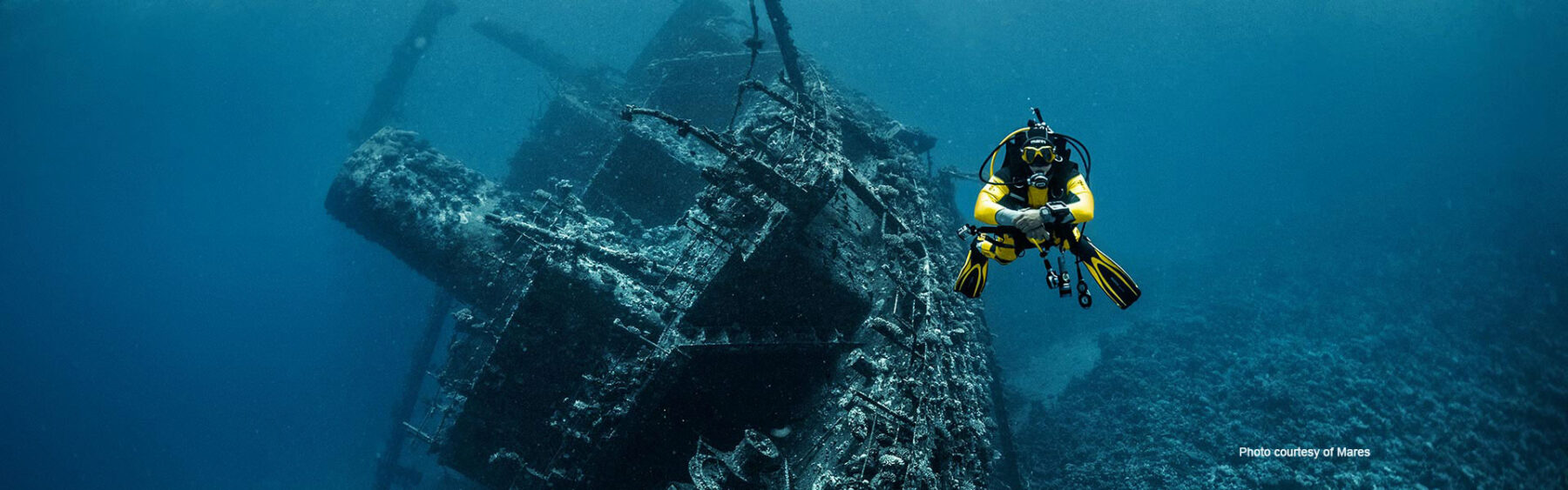
Photo courtesy of Mares

One of the world’s leading manufacturers of scuba equipment, MARES was founded by Ludovico Mares in Rapallo, Italy in 1949. The son of an Austrian naval officer, Ludovico Mares was born in Pola, Italy on January 10, 1898 and was an avid sportsman who excelled in many sports. Ludovico was a national champion in hockey and held regional records in diving while also excelling in figure skating regionally.

It was during World War I that Ludovico found his calling. A diver with the Austrian Royal Navy, Ludovico continued to dive after the war as he focused on submarine recoveries. At the end of World War II, however, like a lot of Istrian (present day Croatia and Slovenia) exiles, Ludovico was forced to emigrate. He moved to Rapallo, Italy where his passion for the ocean and his ambition drove him to begin producing dive equipment.

Starting out with spearguns, Ludovico started making masks and fins. After a few years, his continued drive for innovation and his enterprising spirit helped spread the word about the quality of MARES products around the world.

In 1971, Ludovico Mares retired and sold his company to AMF, a large multinational company whose portfolio of companies included Harley Davidson and leading sports equipment brands like HEAD (tennis and skiing), Tyrolla (ski bindings) and Munari/Sanmarco (ski boots). MARES is still a member of this group of sports brands, now known as Head NV.

The innovation spirit of Mares continued as MARES became the first to introduce fins made in two materials in 1973 – with the blade made out of technopolymer and the overmolded foot pocket made out of thermoplastic rubber.

In the next five years MARES perfected the bi-material technology and brought the famous Plana fins to market. Lighter and better performing, the Plana fins married its unique good looks with indisputably superior consistency in quality that quickly made rubber fins obsolete. Today almost every fin produced is made using this technology.

MARES launched the new “optical system” for dive masks in 1979 with customers now able to get a customized optical mask from their local dealer in a few minutes.

In 1981, the MR12 III regulator, designed and manufactured entirely in Italy, was launched. A fine-tuned version of the MR 12 II, the world’s first regulator with the VAD (Vortex Assisted Design) system, the system was further perfected and improved, thereby making breathing more natural while delivering exceptional results under any conditions.

The next year, MARES became the first company to use brand new silicone technology by introducing a series of new masks with it.

With Scuba Schools International (SSI) joining the MARES family in 2014, new product lines were developed by MARES to serve the needs of the sectors in which SSI offers training. A new Freediving line was developed from research done by MARES with special suits, monofins and specially designed accessories developed specifically with the passionate freediver in mind. The XR- Extended Range line was introduced for divers who like to try new dive systems and who want to extend their range of experience such as using gas blends or making cave dives. The Scuba Ranger line was also introduced for kids learning how to dive.

In 2016, MARES further extended their range by acquiring rEVO, a company specialising in rebreathers. With the company going from strength to strength through its relentless dedication to innovation, the innovative excellence of Ludovico Mares will go on for generations to come.

Waste is Energy

0

Text Atem S Ramsundersingh

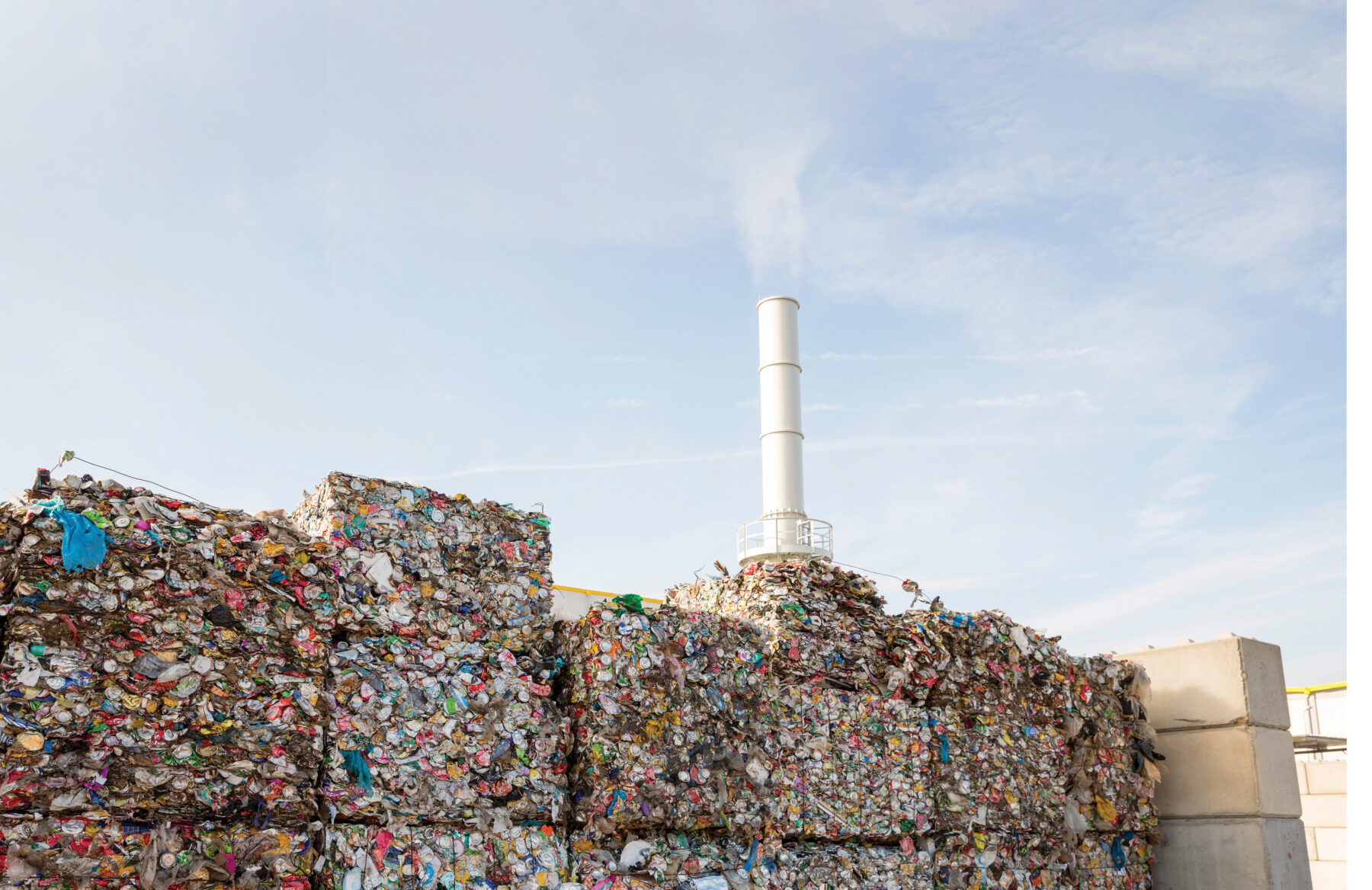
When life gives you rubbish, use it wisely. People in low-income countries, including those in Asia, have been conditioned to accept the presence of waste dumped in their surroundings, whether it’s on open land or in the streets. As long as it is not literally in one’s own backyard, waste dumps are tolerated. Many people, decision makers included, are not aware of the harmful impacts to human health, to groundwater resources and to the environment in general. Moreover, few realise that waste is energy – a product that can generate electricity and income.

The World Bank estimates that about 2.01 billion tonnes of solid waste is being generated worldwide annually, with at least one-third of that not managed in an environmentally safe manner. By 2050, global waste is expected to grow to 3.4 billion tonnes, more than double the rate of population growth. In low- and middle-income countries, food and green waste comprise more than half of the waste generated, while in high-income countries, the proportion of organic waste is about one-third due to the larger amounts of packaging and other nonorganic waste.

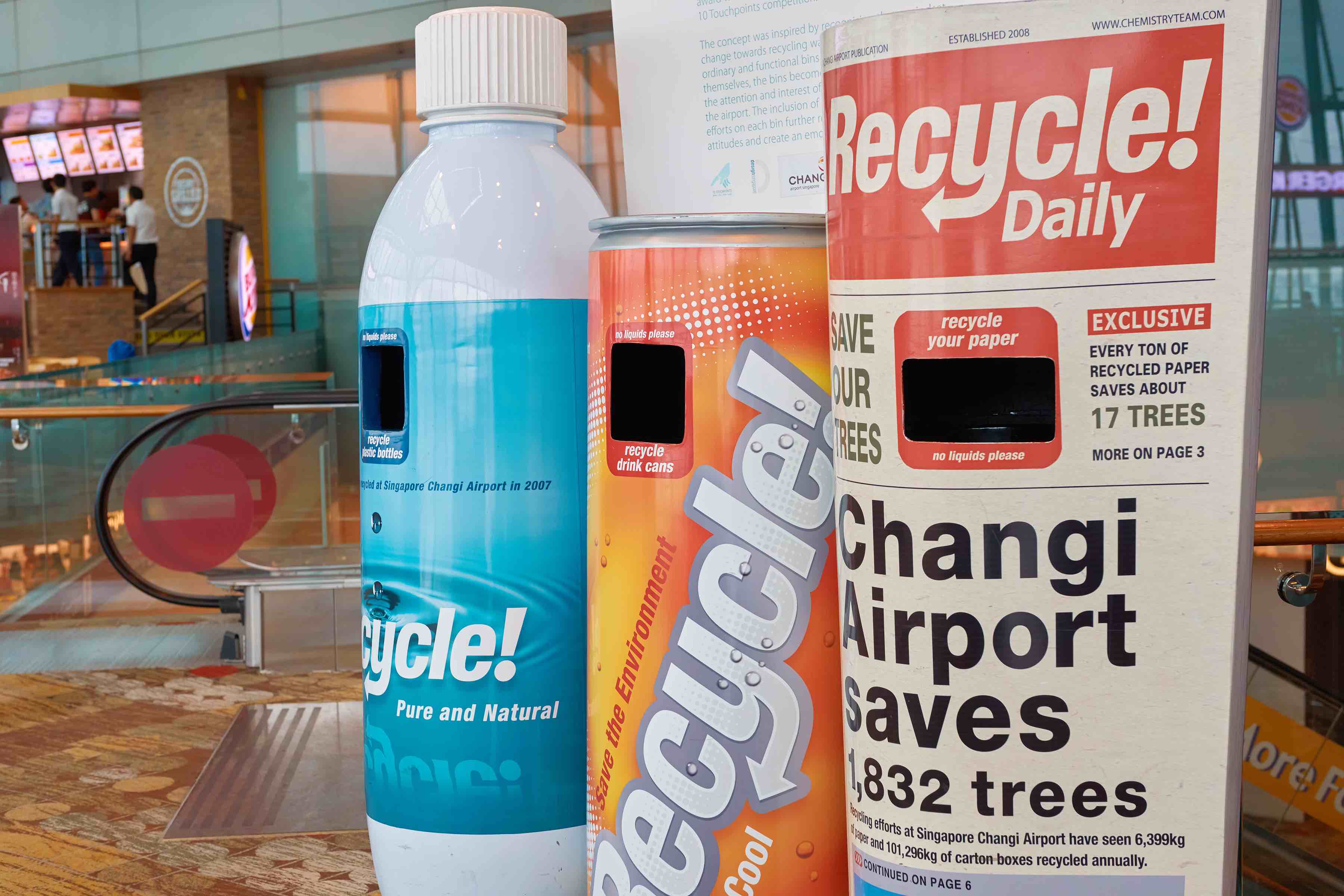
Recycle Bins at Changi Airport, one of the largest transportation hubs in Southeast Asia.

What is Waste-to-Energy?
Anaerobic digestion is a biological process that produces a gas principally composed of methane (CH₄) and carbon dioxide (CO₂), otherwise known as biogas. These gases are produced from organic wastes such as livestock manure, green waste, food processing waste, and so on. Biogas feeds an engine-generator (i.e., a combustion engine), where the resulting mechanWical energy powers an electric generator to produce electricity. Most anaerobic digestion technologies are commercially available, and those that generate electricity are also widely available; it is no longer an “experimental technology”. There are millions of small, medium and large (> 0.5 megawatt) biogas power plants around the world, including Asia.

Using biomass to produce electricity reduces our reliance on fossil fuels, the primary energy sources for electricity and the largest contributors to the air pollution and greenhouse gases responsible for unpredictable changes in our climate. We will eventually run out of fossil fuels, so we have no choice but to find alternatives, sooner or later.

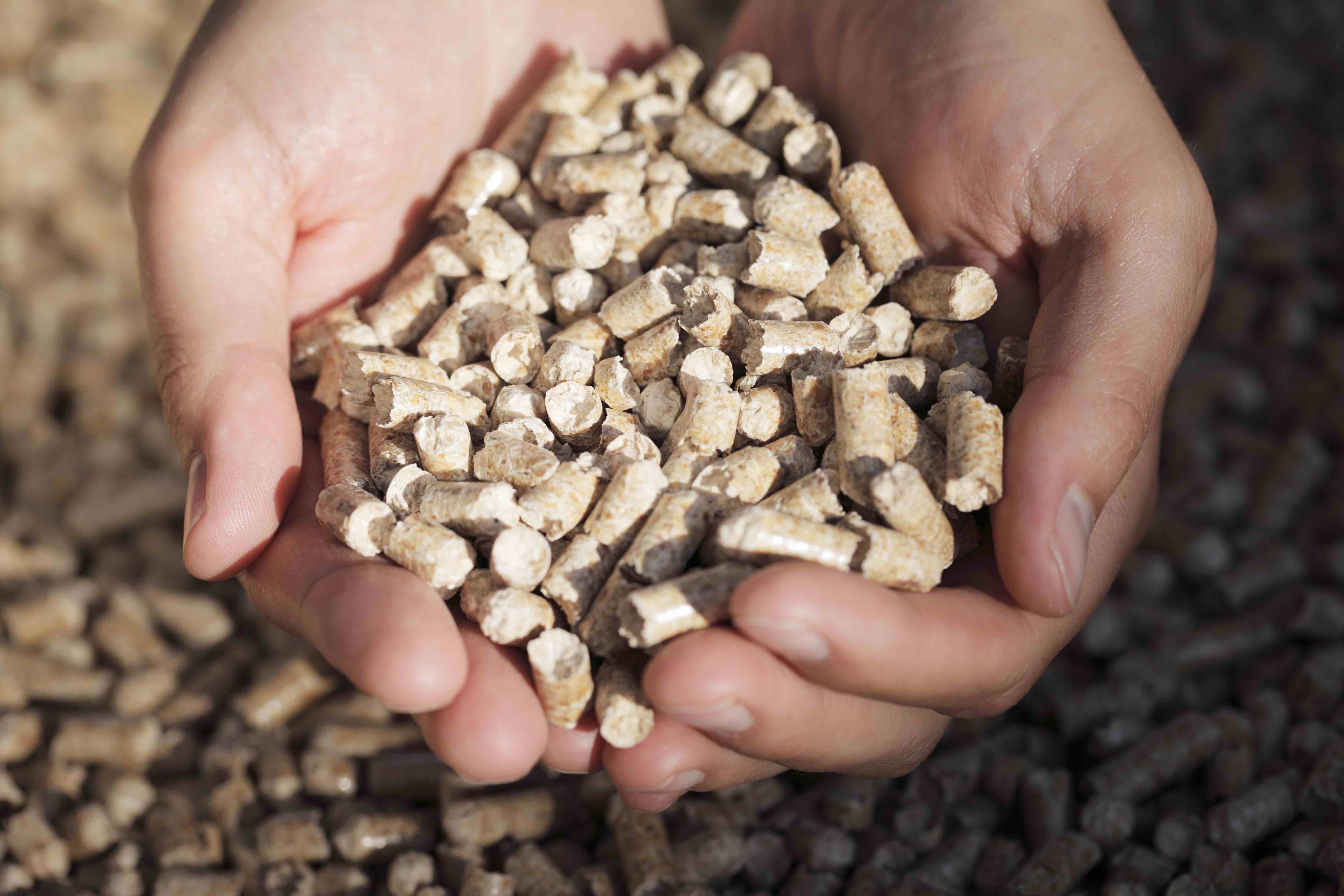
Alternative fuel: Pellets made from industrial wood waste. Short depth-of-field

Biomass electricity offers an alternative with many benefits:

  • Our supply of biomass is renewable, meaning it will not run out, provided that we have organic waste materials being produced and available.
  • The electricity produced by biomass reduces the threat of further global warming.
  • Making use of biomass waste eliminates the need to place it in landfills.
  • Using by-product methane gases to produce electricity eliminates the associated odour and reduces air pollution in surrounding areas.

For the rest of this article (Asian Geographic No.134 Issue 1 /2019 ) and other stories, check out our past issues here or download a digital copy here

The 25th anniversary of the largest and longest running dive show, Asia Dive Expo (ADEX) is set to occur on the 11-14th April 2019. Centred on the theme – Plastic free Future, ADEX is more than just a dive show with its commitment to the environment. Among an exciting lineup of programs, attendees can look forward to a Future Forward Series of Panel Discussion on the Single-Use Plastic Conundrum in Asia, on 13th April.

So join us at the event, get inspired and for all you know, you might just liberate the inner diver in you! More details of the event here

Club 25 Profile – Bauer Compressors

0

BAUER COMPRESSORS INC is recognized around the world as one of the most innovative designers and manufacturers of high-pressure systems. Founded in 1976, BAUER COMPRESSORS is headquartered in Norfolk, Virginia and specialises in high pressure breathing air products, GSA/military breathing air products, industrial air and gas products, natural gas and inert gas compression.

BAUER’s Breathing Air Compressor Systems are the gold standard for firefighting, diving, military, offshore, industrial and medical applications where reliable ultra-pure breathing air is required to maintain life safety. Ranging from small mobile systems to very large stationary systems operating in fire stations, mobile vehicles, dive operations, shipboard, offshore platforms, industrial plants, etc, BAUERS air compressor systems fit any need from 2.9 scfm charge rate up to 145 scfm charge rate (per compressor system) with fill pressures up to 6000 psig. BAUER COMPRESSORS Containment SCBA/SCUBA fill stations are built to exceed the current NFPA standards and including independent certification by a third party laboratory.

Our Daily Plastic Footprint

0

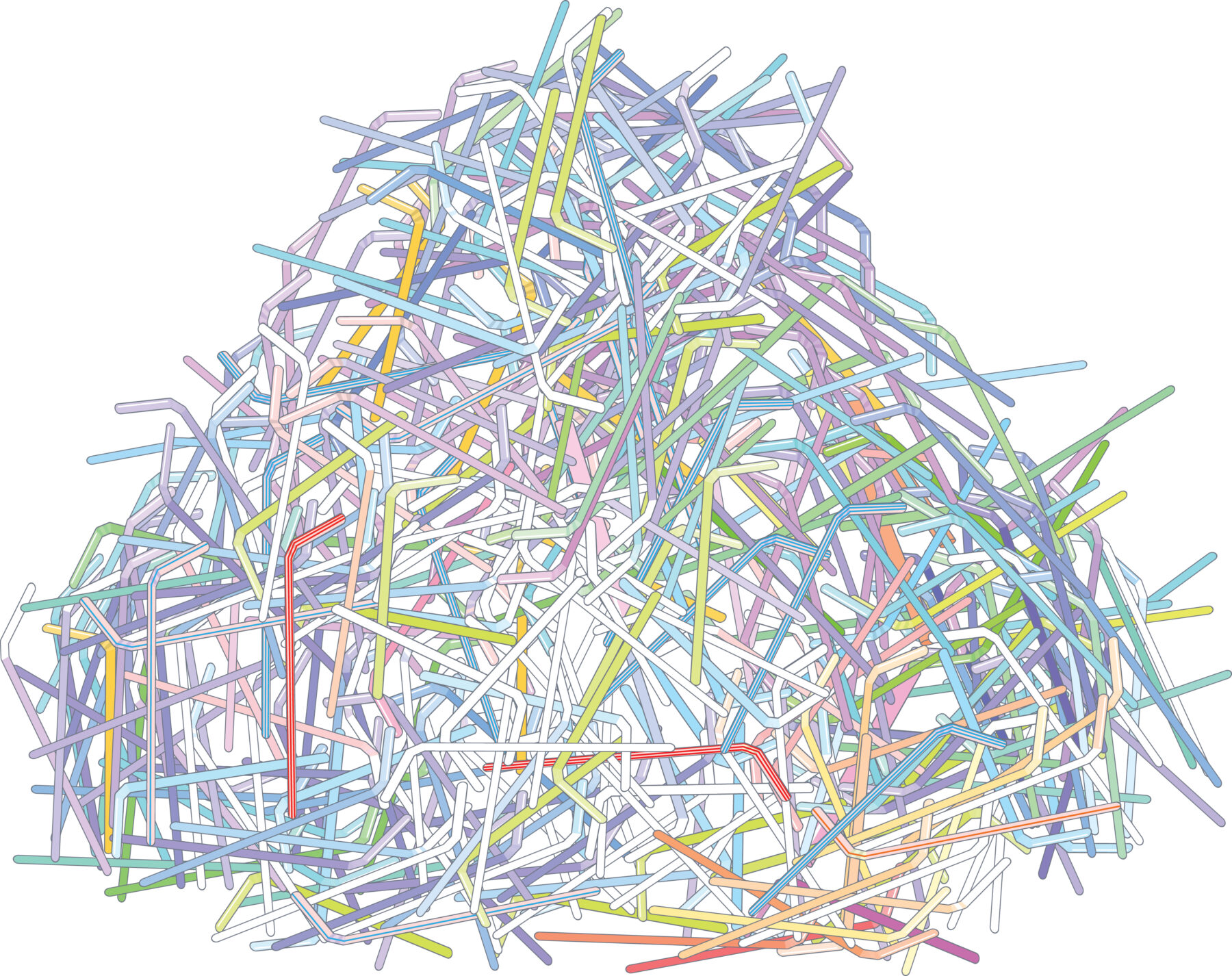
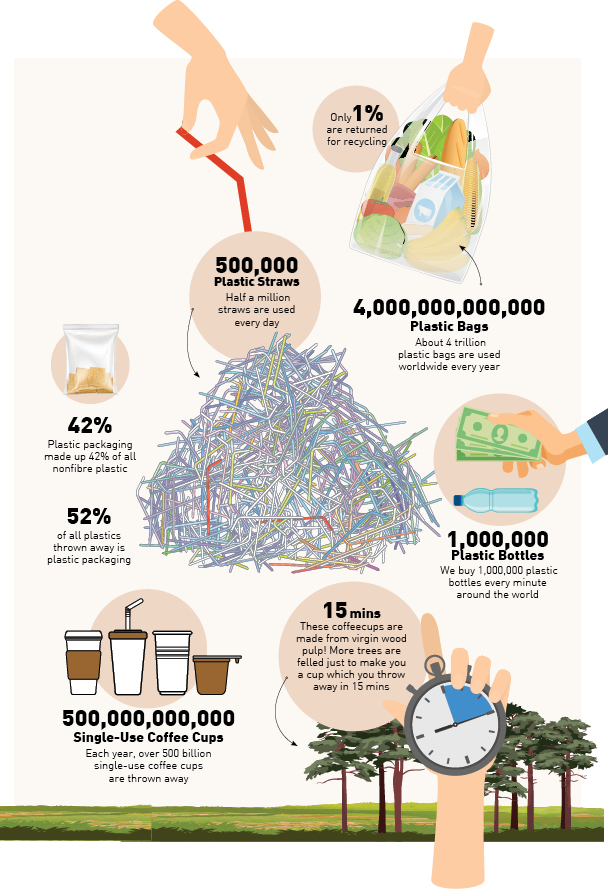
With 7.7 billion people in the world, a drink and a trip to the grocer can have a terrifying after-effect

For the rest of this article (Asian Geographic No.134 Issue 1 /2019 ) and other stories, check out our past issues here or download a digital copy here

The 25th anniversary of the largest and longest running dive show, Asia Dive Expo (ADEX) is set to occur on the 11-14th April 2019. Centred on the theme – Plastic free Future, ADEX is more than just a dive show with its commitment to the environment. Among an exciting lineup of programs, attendees can look forward to a Future Forward Series of Panel Discussion on the Single-Use Plastic Conundrum in Asia, on 13th April.

So join us at the event, get inspired and for all you know, you might just liberate the inner diver in you! More details of the event here

Underwater Tour Brisbane

0

David Doubilet and Jennifer Hayes headline the Underwater Tour Brisbane, Sydney, Melbourne, Adelaide, Perth: 9-14 May 2019

Get ready for an evening of inspiration, adventure and discovery. Joint founders of the annual Underwater Tour, Juliette Myers and Tim Hochgrebe have curated a stellar international line-up of underwater photographers for this year’s nationwide touring speaker event series across Australia.

LIVE on stage 9-14 May, David Doubilet, Jennifer Hayes and William Tan will showcase extraordinary images and share stories of discovery from behind the lens.

Doubilet and Hayes, National Geographic legends and undoubtedly the world’s most recognisable and inspirational ambassadors of the oceans, are on their way from upstate New York to Australia to keynote the Underwater Tour 2019. Logging 26,000 and 11,000 hours beneath the surface respectively, it’s no wonder they have earned their place as revered underwater photographers and international treasures.

Doubilet’s 75 plus feature publications with National Geographic document the diversity of marine environments – from equatorial coral reefs to life beneath the polar ice. Feature presenter of National Geographic Live, a columnist, contributing editor and author of 12 books, he is the recipient of many international prestigious awards including The Academy of Achievement Award, The Explorers Club Lowell Thomas Award and The Lennart Nilsson Award in Scientific Photography. Doubilet is a member of both the Royal Photographic Society, International Diving Hall of Fame and founding member of the International League of Conservation Photographers.

Hayes’ photography and journalism is underpinned by her marine science background and focus on science communication and conservation of endangered species. Her current work includes documenting the global status of UNESCO World Heritage Site coral reef ecosystems at risk of climate change, exploring the science and solutions to restore North American sturgeon populations and documenting harp seals as a Face of Climate Change in the Gulf of St Lawrence as their birth ice disintegrates beneath them. Who knew Hayes is a pilot with a passion for vintage planes? She is the recipient of the Presidents Medal for natural history, a trustee of the Shark Research Institute and Explorer Club National Fellow.

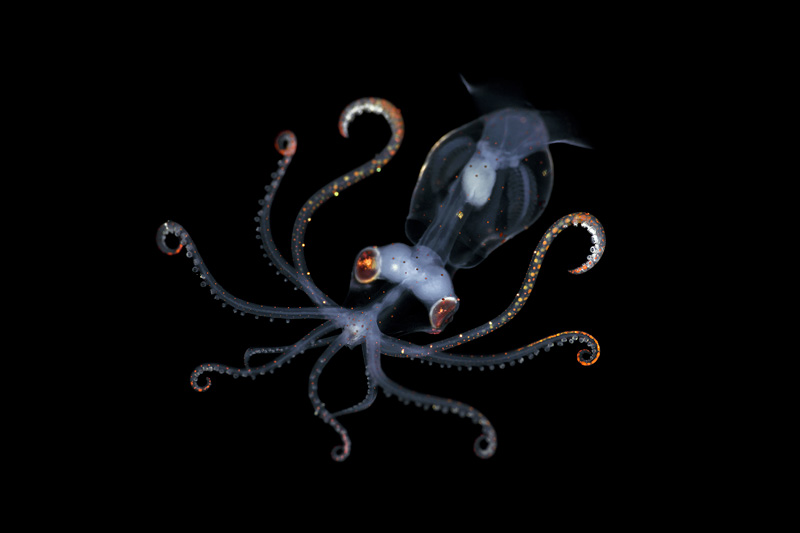
A pioneer of the blackwater macro underwater photography niche, William Tan is truly the Master of ‘blackro’. Tan captures images of the phototaxic movement of plankton and wonderfully bizarre marine critters in their nightly vertical migration from the deep or mid-water column to the shallows. A violinist with the Singapore Symphony Orchestra, between concert seasons, he leaves his prized antique Italian violin at home while diving throughout the Pacific region. A world previously exclusive to scientific academia, if you’ve seen everything and dived everywhere, William’s blackro images are guaranteed to pique your curiosity and have you wanting to set out on new adventures.

Underwater Tour 2019 event dates:

  • Brisbane 9 May
  • Sydney 11 May
  • Melbourne 12 May
  • Adelaide 13 May NEW
  • Perth 14 May

Tickets are on sale now from $75. For more information: www.underwatertour.com.au

For further information or to request an interview with one or all of the speakers, please contact:
Juliette Myers
0407 900 266
juliette@internationaldestinationmarketing.com.au

The Reality of Recycling Plastics

0

Text Rachel Kwek

It is no secret that only 9% of our global plastic waste is recycled. The rest end up in incinerators, landfills and our oceans. Knowing the identity of the plastic you use is key in making sure that more of what is used is successfully recycled.

While the RIC labelling system seeks to promote recycling by facilitating the separation of different types of plastic, the effectiveness of it is unclear. Awareness of the importance of knowing and categorising our plastic waste — as well as how to recycle — is still low amongst many Asians.

I cringe each time I see people throw plastic straws, bags or food containers into the bin. Do we realise that our mindless consumption and insouciant disposal habits have already created massive environmental problems beyond our ability to cope? 91% of all the plastic waste we create is not recycled.  China is the biggest importer of the world’s plastic waste, importing 45 percent of all plastic waste (106 million metric tons) since 1992. In 2016 alone, half of all plastic waste meant for recycling was exported by 123 countries, and China imported two thirds of it (10,225 million metric tons) from 43 of them.

It is hard not to question whether the plastic waste we make the effort to process and place in recycling bins really gets recycled. Much uncertainty over what we would do with our plastic waste has arisen with China’s decision to stop importing plastic waste since 2016 — which could displace as much as 111 million metric tons of plastic waste by 2030, according to a study published in Science Advances.

Nowhere is the need for action greater than in Asia, where chronic problems of overconsumption and inadequate waste management are severe. And we need to act now.

Type of Plastic
Polyethylene Terephthalate (PET)aka polyester

Common Forms
Beverage bottles, clothes, carpets, food jars,
mouthwash bottles


Ease of Recycling
Easy

Amount produced in 2015 (million of tonnes)
33

Type of Plastic
High-density Polyethylene (HDPE)

Common Forms
Toys, plant pots, garden furniture, rubbish bins, detergent bottles, buckets, milk jugs


Ease of Recycling
Easy

Amount produced in 2015 (million of tonnes)
52

Type of Plastic
Polyvinyl Chloride (PVC)

Common Forms
Synthetic leather, credit cards, medical equipment, shampoo bottles, window and door frames, pipes, gutters, fittings, cable sheathing


Ease of Recycling
Manageable

Amount produced in 2015 (million of tonnes)
38

Type of Plastic
Low-density polyethylene (LDPE)

Common Forms
Shopping bags, trash bags, packaging films and bags, bubble wrap, fabric for clothes, furniture, and carpets, wire and cable insulation, squeezable bottles


Ease of Recycling
Manageable

Amount produced in 2015 (million of tonnes)
64


Type of Plastic: Polypropylene (PP)

Common Forms
Reheatable food containers, bottle caps, straws, medicine bottles, insulated cooler bags, fabric, tarps, diapers


Ease of Recycling
Difficult

Amount produced in 2015 (million of tonnes)
68

Type of Plastic
Polystyrene (PS) aka styrofoam

Common Forms
Takeaway/ disposable food containers, toys, insulation, packaging material, boards


Ease of Recycling
Very Difficult

Amount produced in 2015 (million of tonnes)
25


Type of Plastic
Othersall other plastics that do not fall into the above categories including synthetic resins and composite plastics (polycarbonate, polyctide, acrylic, acrylonitrilebutadiene, styrene, fiberglass, and nylon)

Common Forms
Nylon fabrics, signboards, medical storage containers, compact discs, baby bottles, car parts


Ease of Recycling
Very Difficult

Amount produced in 2015 (million of tonnes)
127

For the rest of this article (Asian Geographic No.134 Issue 1 /2019 ) and other stories, check out our past issues here or download a digital copy here

The 25th anniversary of the largest and longest running dive show, Asia Dive Expo (ADEX) is set to occur on the 11-14th April 2019. Centred on the theme – Plastic free Future, ADEX is more than just a dive show with its commitment to the environment. Among an exciting lineup of programs, attendees can look forward to a Future Forward Series of Panel Discussion on the Single-Use Plastic Conundrum in Asia, on 13th April.

So join us at the event, get inspired and for all you know, you might just liberate the inner diver in you! More details of the event here