Home Blog Page 69

Fiji: Islands in the Stream

0
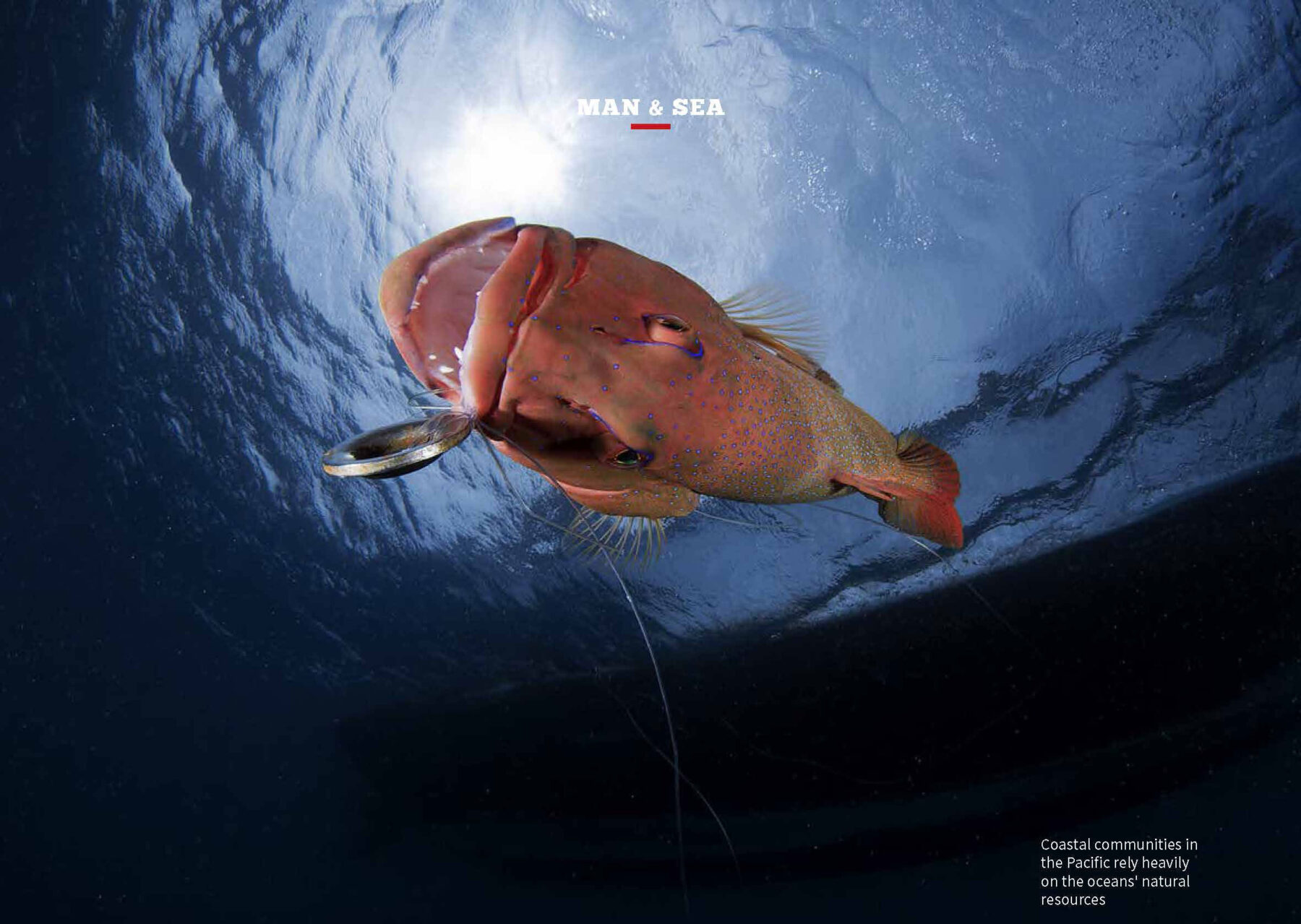
Coastal communities in the Pacific rely heavily on the oceans' natural resources (Photo by Luke Gordon)

IN RECENT YEARS, it has become increasingly clear that small island communities and nations are amongst the first global communities to be affected by the current changing climate. Small coastal communities across the Indo-Pacific have, for generations, relied heavily upon natural resources and the traditional management of those resources as a successful means of survival on their island homes.

This, however, is changing. For coastal communities in the Indo-Pacific, marine resource management is becoming an ever more critical task, with climatic changes such as ocean acidification and rising sea surface temperatures as well as anthropogenic effects such as overfishing and nutrient loading. The future is uncertain for both marine ecosystems and the local human communities they support.

IMPROVING THE CHANCES
In regards to coral reef ecosystems and their associated biomes such as mangrove forests and seagrass beds, one component has been identified by researchers that greatly improves survival chances in the face of climate change – resilience.

Research over the last decade has proven that areas with so-called “high resilience” have a much higher chance of recovery after bleaching events and other climatic stressors such as those mentioned above. To use a real-world example, in 1998 a large and incredibly severe bleaching event affected reef systems across the Indian Ocean. Locations like the Maldives and the Seychelles lost more than 90 percent of live coral cover, a huge percentage.

However, from research conducted in the Seychelles from 1994 onwards at 21 coral reef sites, it was seen that 12 recovered close to pre-disturbance live coral states, an encouraging statistic (Graham N.A.J. et al. 2015). These 12 reefs all had one thing in common – a high level of resilience. Nine of these sites, however, went through what is known as a regime shift to an algal dominated system rather than coral, leading to a substantial decrease in biomass and diversity – the resilience of these systems was low.

Communities in Fiji are leveraging traditional resource management techniques to allow commercially important species to thrive (Photo by Luke Gordon)

WHAT IS RESILIENCE?
Resilience is seen as a measure of ecosystem complexity – an ecosystem displaying high levels of diversity, structural complexity and abundance of keystone species. Resilience hinges on a number of factors, but by far the largest is the effect that humans can have on a system.

Overfishing and nutrient loading are both examples of how resilience of a system is greatly reduced. The removal of herbivorous fish in large numbers, for example, or a large amount of sediment runoff from agriculture, can both lead to a reduction in resilience of that particular system. If resilience falls at a certain locale, the system could end up sharing the same fate as those nine reefs in the Seychelles; now dominated by algae, they are far less productive than their coral dominated cousins. This kind of shift could be the determining factor in the survival of coastal communities across the tropical Indo-Pacific.

BUILDING RESILIENCE
For communities to continue to thrive and ultimately survive in locations such as the Fiji Islands, a change in approaches to resource management is needed. And that is exactly what certain communities, NGO’s and governmental organisations are trying to achieve there.

Small island nations are no strangers to resource management. In Fiji for example the word tabu (pronounced “tam-bu”) is used for an area of traditional fishing ground which is protected. It is a very similar concept to the marine protected areas (MPAs) of today. Traditionally a tabu would be created after the death of a chief and would stand as a tabu area for 100 days. After 100 days has passed, the community would harvest the area and feast in memory of their lost leader.

The idea of protecting a natural resource and then reaping the rewards are engrained in the culture. However, traditional methods of just protecting one area of coastal fishing grounds has needed to evolve. Data now shows that this “traditional MPA” framework, the tabu, does not result in higher resilience, but by adapting management techniques, that can be changed.

Fiji’s inhabitants are being empowered to increase the resilience of their marine environments, by also protecting land-based areas (Photo by Luke Gordon)

PROTECTING RIDGE-TO-REEF
“Community-based adaptive management” is a phrase which has gained much momentum over the last decade. By working with NGOs and governmental organisations, communities are now implementing “adaptive management” strategies in a “ridge-to-reef” approach.

This approach goes a step further than just managing one small traditional area of fishing ground. These new management areas incorporate as many different productive ecosystems as possible. The usual productive coral reef area is now accompanied by mangrove forests and seagrass beds, allowing commercially valuable species to successfully complete their life cycles, as many utilise all three habitats.

Resilient reefs allow communities to reap the rewards (Photo by Luke Gordon)

This approach also encourages communities to manage land-based areas, to alleviate pressures such as nutrient runoff and sediment loading, preserving and increasing resilience.

Read the rest of this article in 2017 Issue 1 Volume 144 of Asian Diver magazine by subscribing here or check out all of our publications here.
Superstition and Schooners in Sulawesi

0
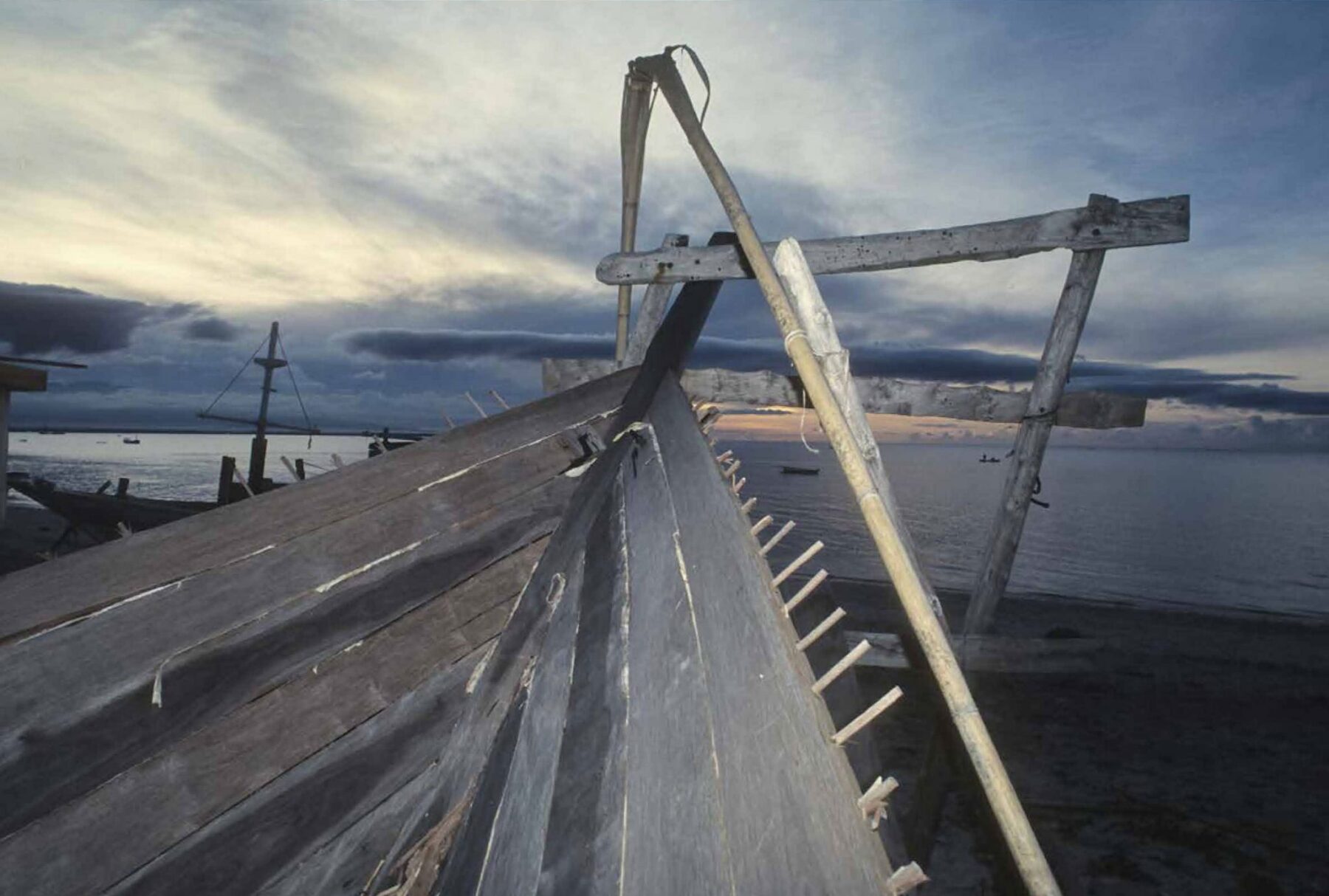
The sun has not set on the esoteric traditions surrounding boat building in Sulawesi, Indonesia

FROM PERSONAL EXPERIENCE, standing at the bow of a wooden schooner, scanning the 360-degree horizon, and seeing nothing but ocean, gives you that feeling of belonging to another time – a time when all the possibilities of the unknown were too great and wondrous to imagine. But few may realise that, in Indonesia at least, the very boat they are sailing in has likely been constructed using techniques handed down from another time…

Indonesia not only has one of the world’s richest cultures, underpinned by animist beliefs and thus imbued with daily reverence and communication with worlds beyond our normal perception, but it also has one of the most booming sail industries in the world: The country’s iconic phinisi schooner is undoubtedly the poster child for the liveaboard industry across the nation. When we dig a little deeper into this industry we unearth a fascinating culture and set of rituals that are entwined in the romance of these elegant vessels.

HISTORY AND COMMUNITY
Often mistakenly referred to as Bugis tradition, the boat-building techniques originated with a group of peoples called the Konjo. Primarily originating from a town called Ara in South Sulawesi, the Konjo people took their techniques to Kalimantan, as the pursuit of different quality wood became more essential. Nowadays, a strong boat-building culture exists in both locations.

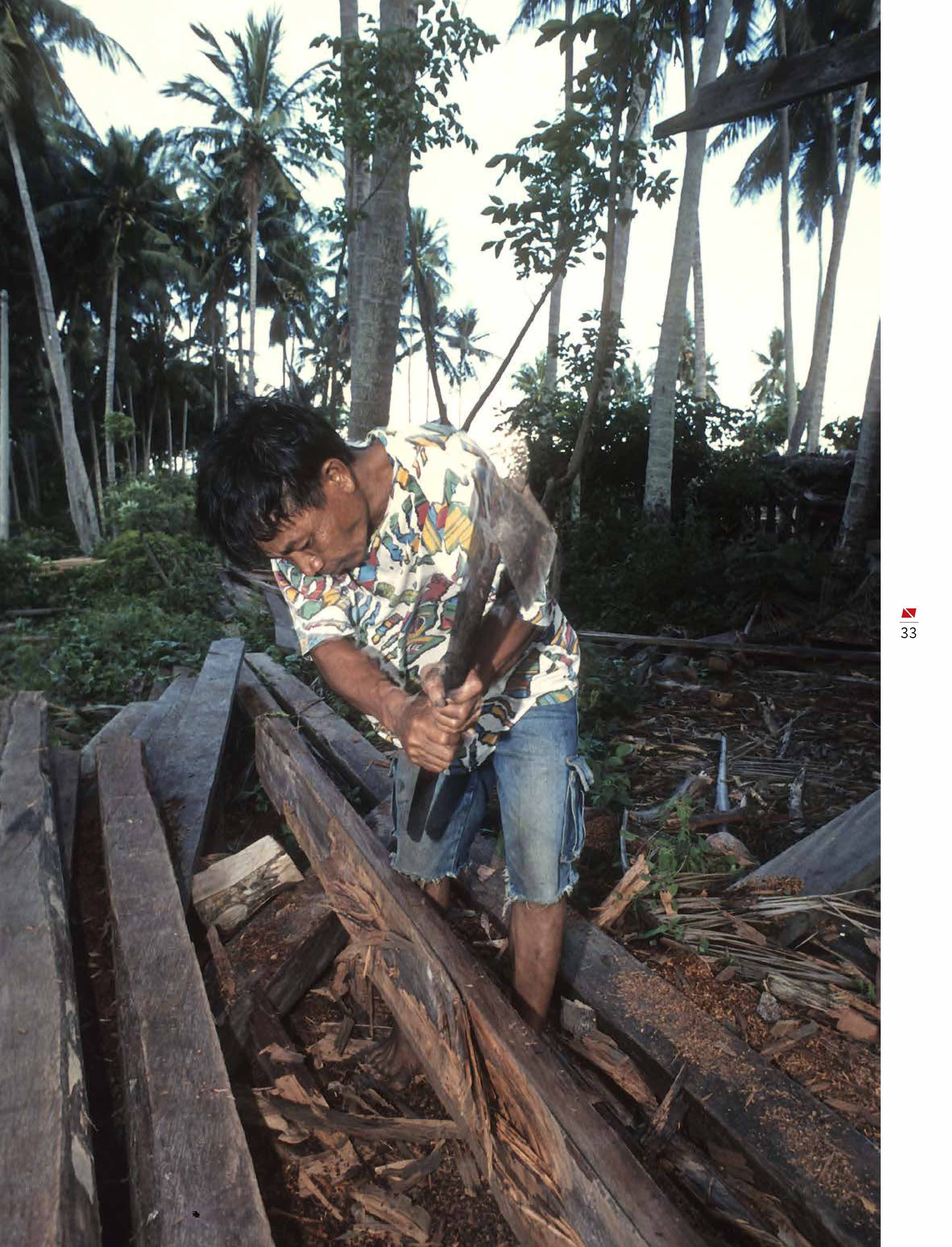
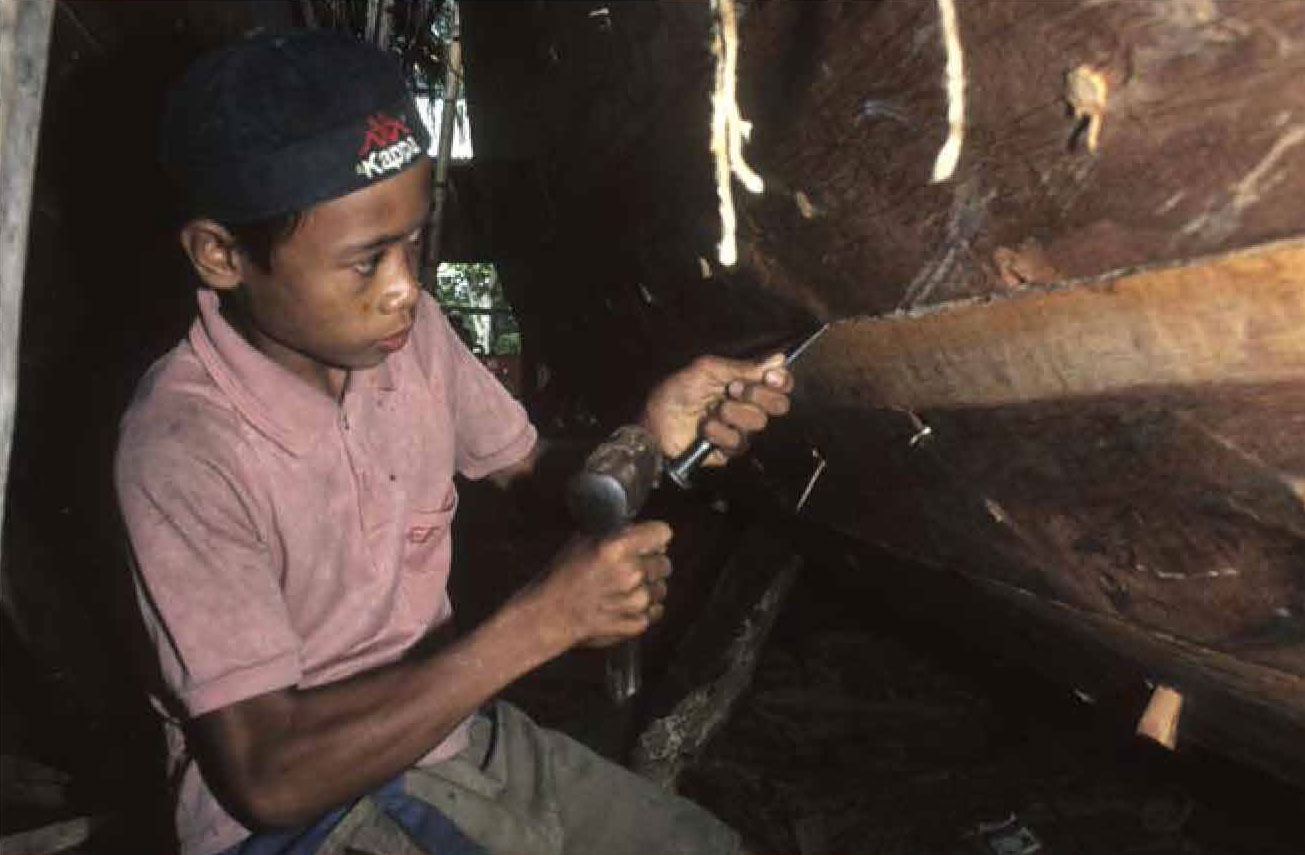
Boat-building traditions are still handed down through the generations (Photo by Ricard Buxo)

The phinisi style itself is a copy of Dutch ship construction, using some Asian building techniques – an amalgamation of the two styles. They were originally used as Indonesian cargo boats. In this style they laid the keel first before adding the ribs, which is the opposite of the European style. The early pioneers who saw the potential of building the boats for passengers adapted the plans and build style to preserve the charm and character of the phinisi’s appearance, whilst applying their knowledge of comfort and safety to meet the requirements of a diving boat.

Normally the build process consists of two groups – the builders and the sailors. You first will order the boat with the builder, who will bring wood and staff and build the hull. They will then pass over to the sailors who are responsible for cauking, mast, rigging and sail making.

The art, culture and rituals are passed down from father to son. Often the boat builders have not even been on a boat at sea. They may not even understand why they are building things in such a way; they only understand the technique needed to arrive at the finished vessel. In fact, up until recent years, the Konjo people were forbidden by the elders to make any trips even within Indonesia on the boats that they had built, for fear that they would not return and their boat building heritage would be lost. And what a heritage it is, involving ceremony, a specific language, and a respect for superstition…

1 KEEL CEREMONY
The first part of any build would be to head into the forest and find the tree that could make the keel. In the Konjo language the name of the keel literally translates as “soul of the boat”. When selected, the boat builders will spend one day with the tree to ask its permission to be cut down. They will place all their tools against the tree. If the tools stayed in place for 24 hours, the tree has granted permission. If one falls, they have to go and find a new tree and repeat the process.

Read the rest of this article in 2016 Issue 3 Volume 142 of Asian Diver magazine by subscribing here or check out all of our publications here.
Galápagos Calling

0
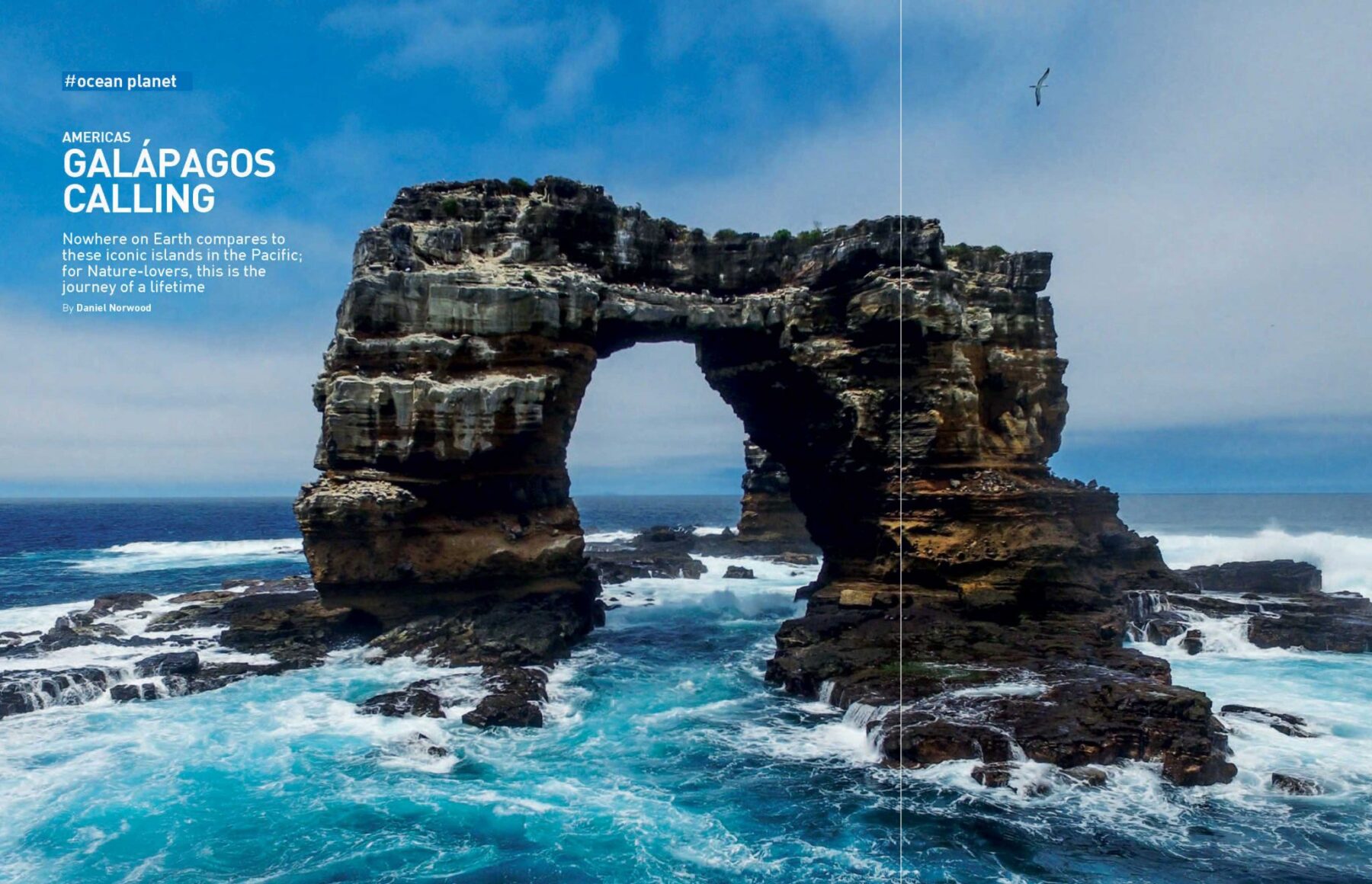
Darwin’s Arch, just off Darwin Island, is one of the most distinctive geological features in the Galápagos Islands. In the waters around this dramatic structure, divers can meet hammerheads, Galápagos sharks, eagle rays, tuna, whale sharks and other megafauna. (Photo by Daniel Norwood)

Diving the best destinations in the world often requires adventure-seekers to embark upon long journeys to remote and distant locations. Their reward for travelling off the beaten track? Rare underwater encounters and unspoiled dive sites. In this regard, nowhere can compare to the Galápagos.

The nearest land mass to this famous archipelago of volcanic islands is the coast of Ecuador, some 800 kilometres away. Their isolated location in the eastern Pacific is also a meeting point for three different bodies of water. Over thousands of years, the Cromwell, Humbolt and Panama currents and their prevailing winds delivered an incredible diversity of life to the islands of the Galápagos, and it is this abundance of animals both on land and underwater that makes the diving here so special.

Nutrient rich upwellings from Antarctica meet warmer water from the north, resulting in the only place in the world where tropical fish can be seen alongside temperate water species. Many of these inhabitants are residents that can be encountered year round, including a variety of endemic animals that are a huge draw for wildlife enthusiasts and photographers.

Scuba divers get to see the best of both worlds by combining land tours with underwater activities. While it is possible to dive in the Galápagos while being land based the only way to experience the best sites is to join a liveaboard.

These trips depart from San Cristobal, the busiest and most populated of the islands; simply arriving at the airport makes one feel they have just stepped straight into an episode of Planet Earth. Huge images of marine life cover every wall and after a short bus ride to the nearby marina visitors are greeted by a large group of rather noisy and smelly sea lions.

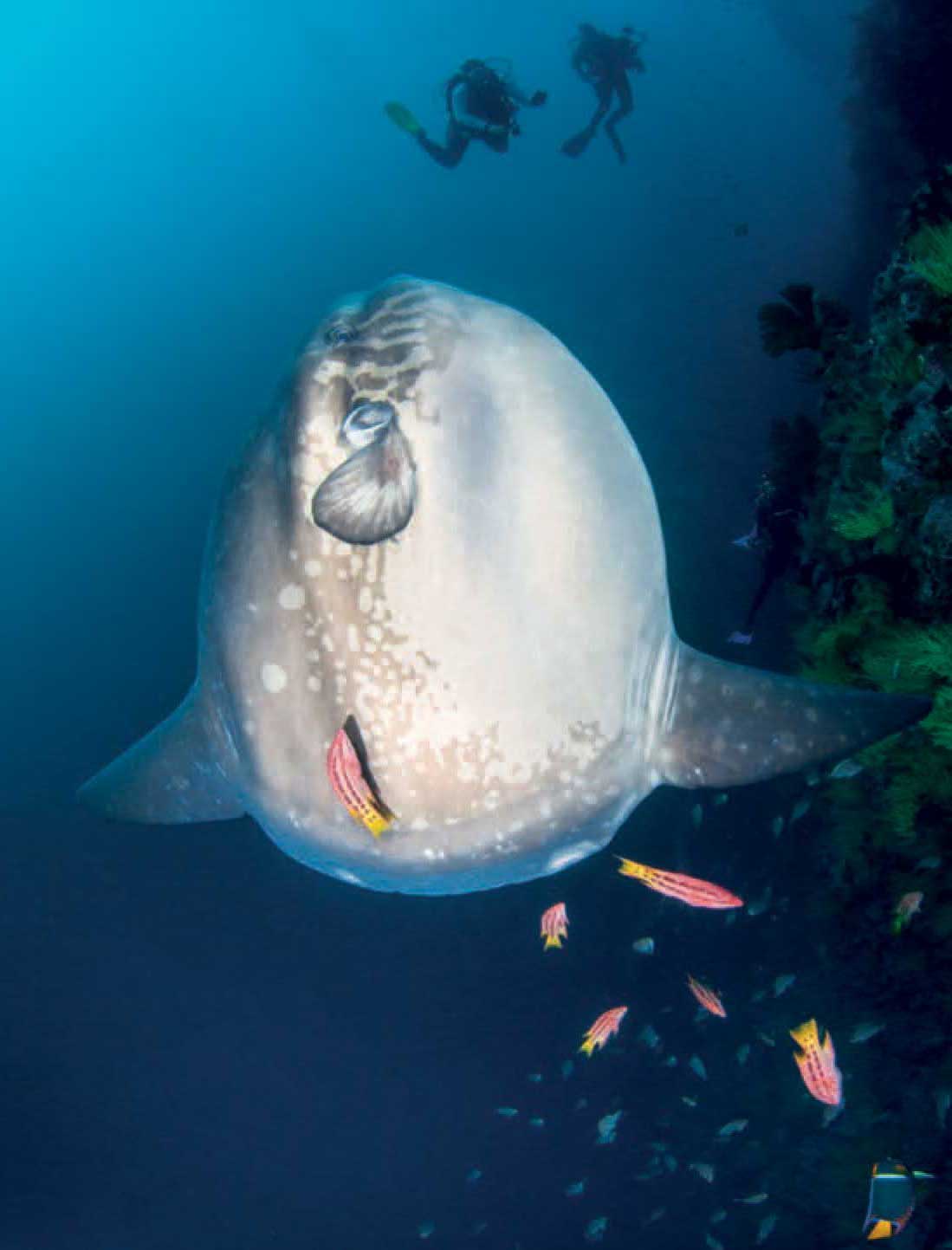
Mola mola ascend from the cold depths to be cleaned by little wrasse and other parasite-eaters (Photo by Daniel Norwood)

Most liveaboard itineraries begin in the southern island chain in the waters surrounding Fernandina and Isabela. The water temperature can be a surprise to people used to diving in the tropics, yet it allows encounters with a variety of marine animals that they will not find anywhere else.

Puppy-like seals offer divers unforgettable encounters (Photo by Daniel Norwood)

Sea lions that move so sluggishly on land suddenly become impossible to keep up with underwater, frustrating underwater photographers while delighting other divers. Those willing to go deep and brave the chilling thermoclines at Punta Vincent Roca stand a good chance of coming face to face with huge Mola molas. It’s not just the big stuff either. Frogfish, seahorses and batfish can all be found on the reefs if you can take your eyes off the blue and go into macro mode.

What makes this place really special though are two native species not found anywhere else on the planet. The Galápagos penguin is the only one of its kind that lives north of the equator and is able to survive only where the water is coldest. It is strange to see an animal normally associated with ice and snow standing around in the sun and lucky divers may even encounter one underwater as they take a dip to cool down.

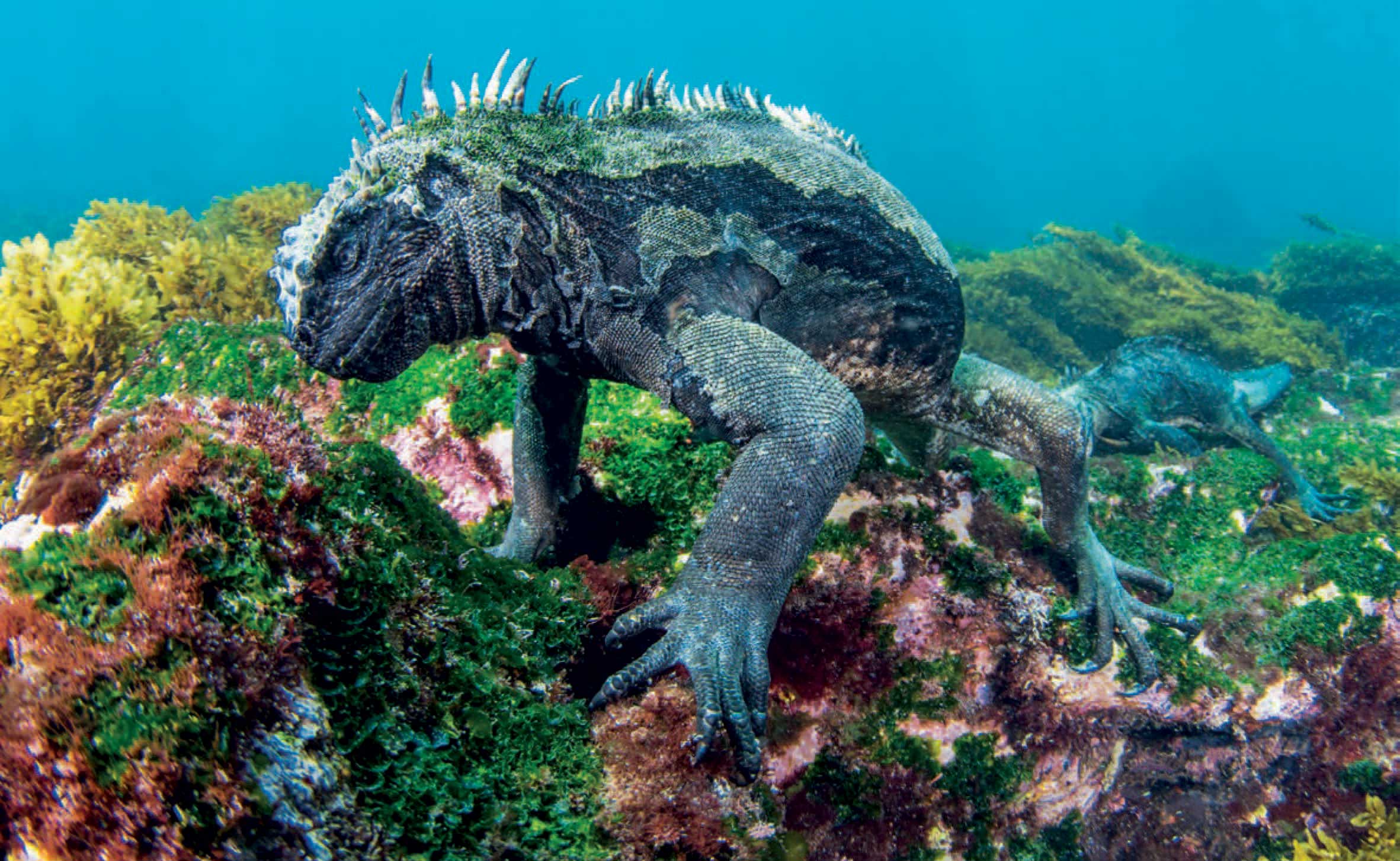
Even more impressive is the marine iguana. Volcanic islands cannot normally sustain large populations of reptiles but evolution had other plans here and these lizards have learnt to dive for food. Nothing can really prepare you for swimming among these creatures as they hold their breath, dive down and munch on clumps of algae.

Mini “Godzillas”, marine iguanas are some of the most iconic inhabitants of the Galápagos (Photo by Daniel Norwood)

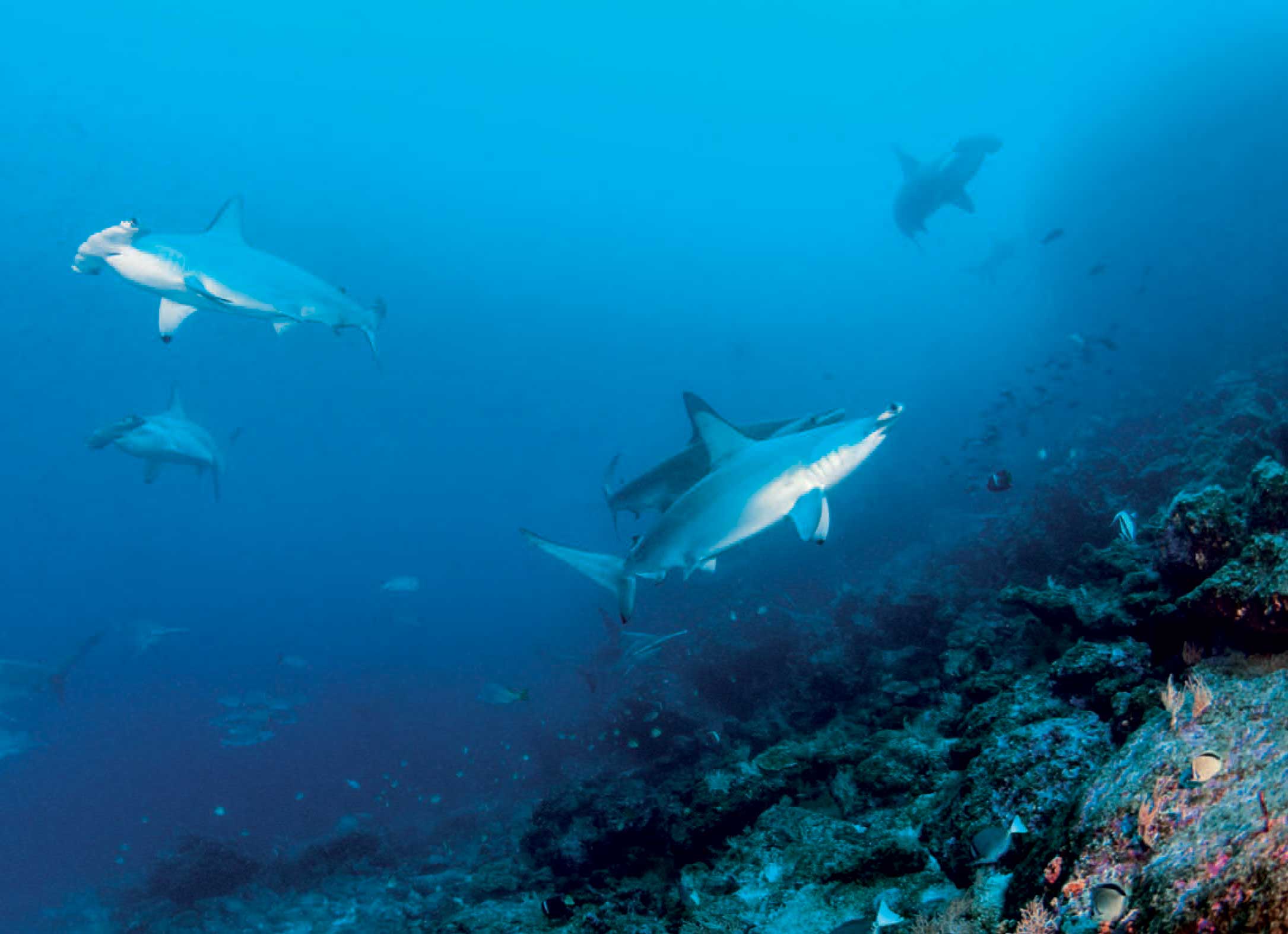
As if this multitude of life was not enough, the real reason most divers come to the Galápagos is to encounter other travellers, migratory pelagic species such as turtles, whales and sharks. These visitors are found further north at the iconic dive sites of Darwin and Wolf. The water is warmer here and at the right time of year it is possible to see huge groups of hammerheads and other sharks. Schools of jacks, barracudas, snappers and other fish provide a reliable food source that sustains these populations. Manta and mobula rays are common too and recently pods of orcas have been spotted actively hunting in the area.

Photo by Daniel Norwood

Scalloped hammerheads are present year round but numbers vary. These sharks migrate long distances and individuals tagged in the Galápagos have been recorded as far away as Cocos Island in Costa Rica. This data supports the theory that a shark corridor exists, linking oceanic seamounts in the eastern Pacific; an important consideration in the future protection of the species. Watching any number of hammerheads swim by is an impressive sight but anyone hoping to see numbers in the hundreds should try and visit between June and November.

Read the rest of this article in No.88 Issue 7/2016 of Scuba Diver magazine by subscribing here or check out all of our publications here.

British Blue

0
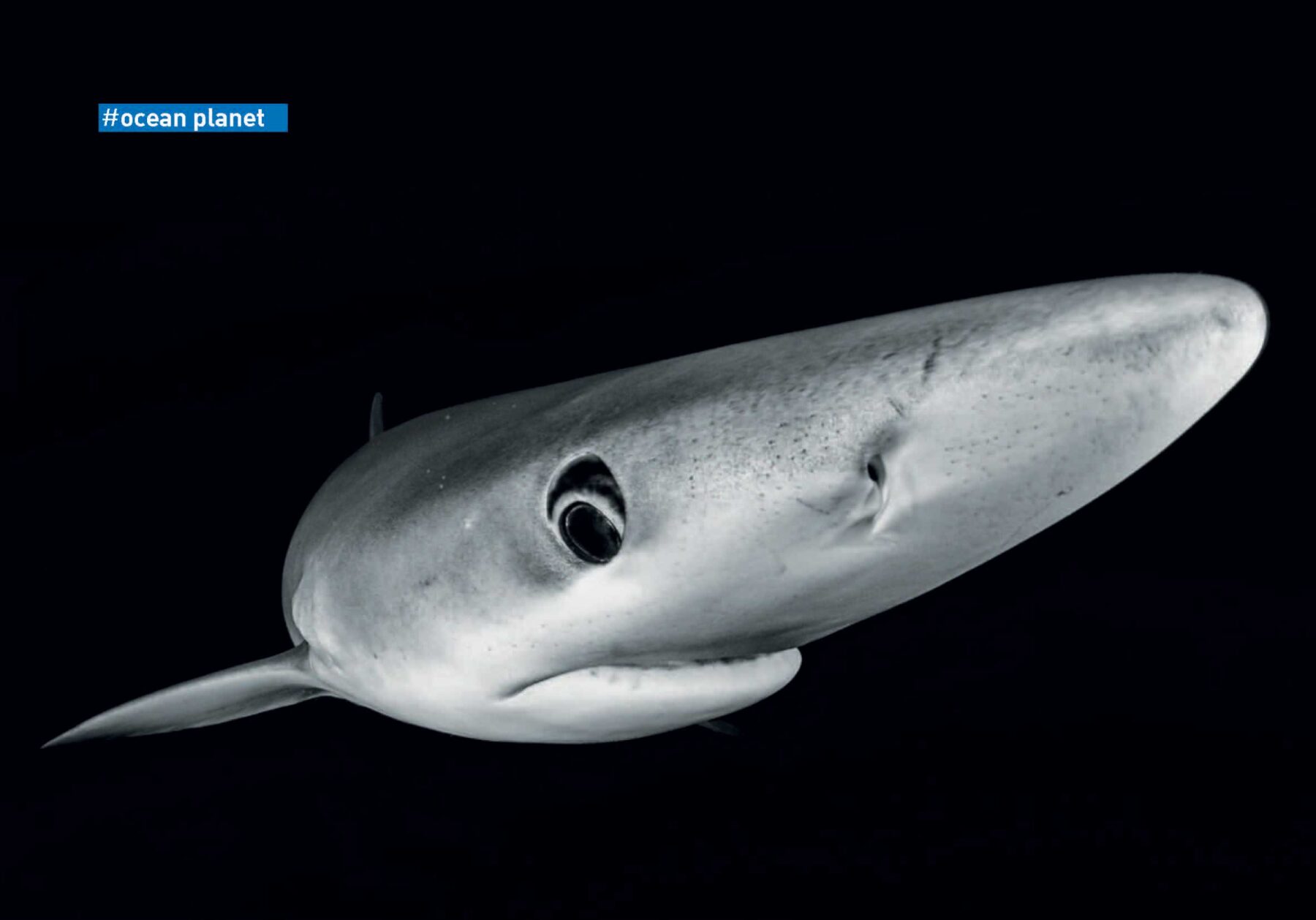
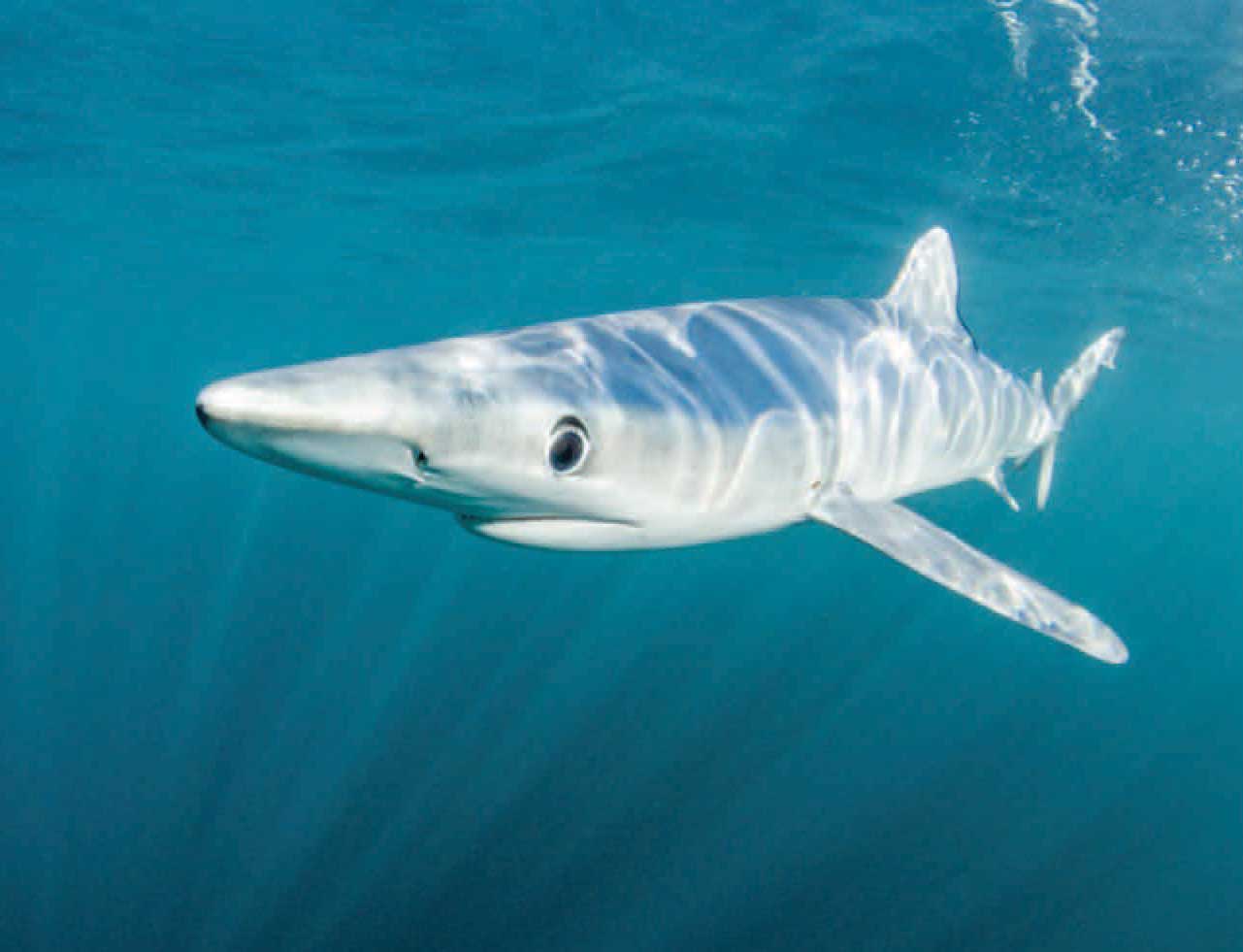
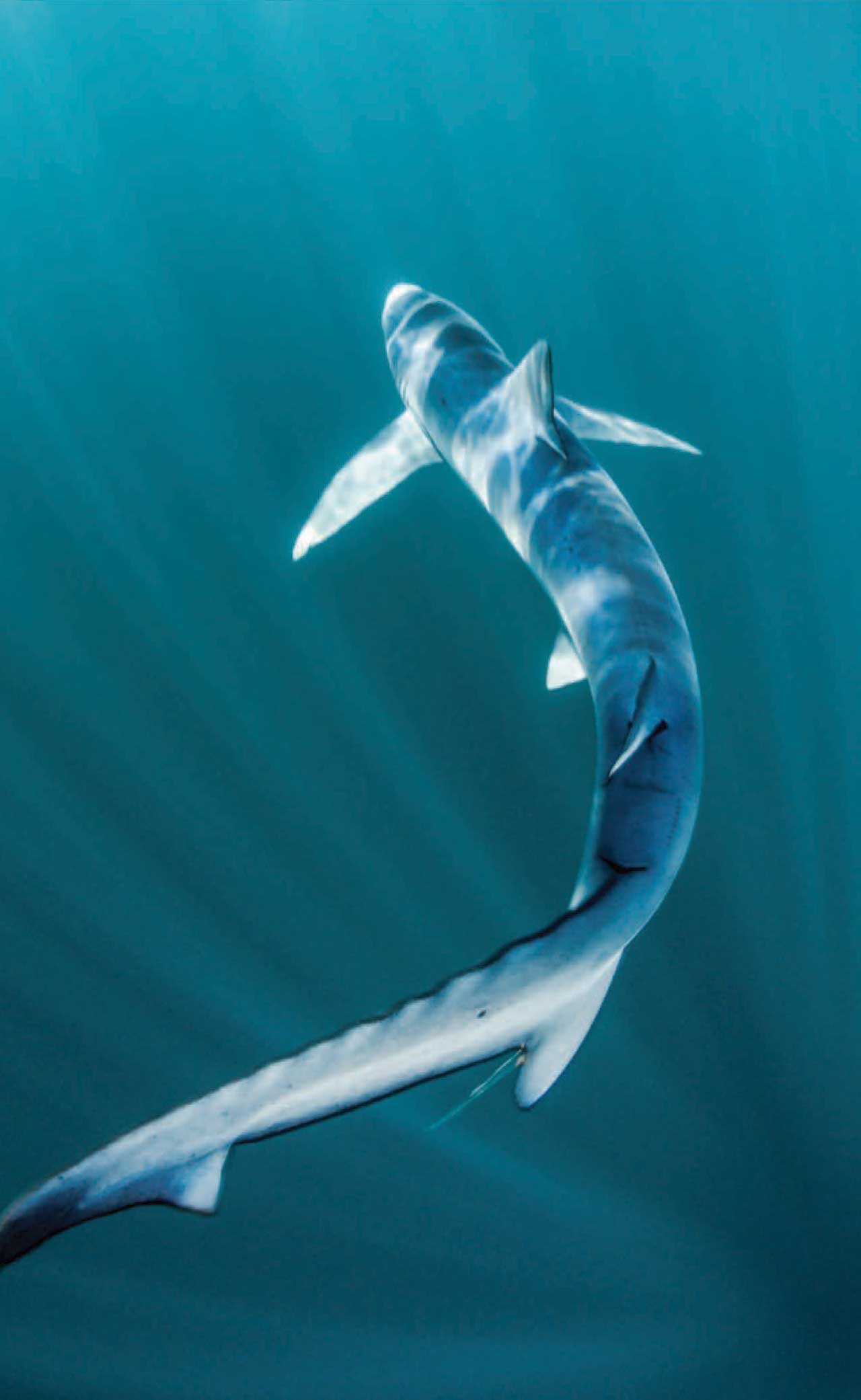
Blue sharks are elegant and curious, often coming in close to check divers out (Photo by Daniel Norwood)

Blue sharks are nomadic animals, have an extremely widespread distribution and can be found in both temperate and tropical waters. Perfectly designed to cover great distances, their long pectoral and tail fins and slender body help them to make lengthy migrations to reach areas of dense food resources and find potential mates.

Tagging studies have revealed these sharks commonly travel distances of up to 2,700 kilometres, and it is thought they use open ocean currents to conserve energy and follow a clockwise pattern around the Atlantic Ocean.

Fortunately for British wildlife enthusiasts, this route brings these beautiful sharks close to the southwest coast of England during the summer months, where local diver and photographer Charles Hood runs regular day trips for those interested in swimming with them.

Having travelled to many different destinations to photograph sharks, I was delighted to discover last year that blue sharks can be reliably encountered in the UK and made immediate arrangements to charter Charles’ boat during some peak season August dates. I had been advised to keep an eye on the noxiously unpredictable weather in the days leading up to our departure, for it can make or break the trip. Too much wind can cause problems getting to the site but luckily that day the sun was shining and the ocean was calm. After making our way offshore and putting bait in the water, we just had to wait and hope that a passing shark picked up the scent.

Minutes turned to hours as lunchtime passed and most of the group had given up hope when suddenly a small but distinctive dorsal fin broke the surface and made a beeline straight for the bait. As we frantically kitted up after hours of inactivity, more sharks arrived to investigate and we soon had three beautiful blues circling the boat.

Once the sharks arrive, all of the action is at the surface, so all that is required to swim with them is a mask and snorkel. Cautiously we slipped into the water, trying our best not to spook the sharks after waiting so long for them to show up.

Blue sharks have no problem sharing the water with divers, and make excellent photo subjects (Photos by Daniel Norwood)

I had imagined they would be a little skittish at first and keep their distance so was surprised when they immediately came within a few feet of my camera, taking particular interest in my strobes. It turns out that the blue sharks, is a very cooperative photo subject! As well as trying to capture nice pictures of the sharks I also made a conscious effort to look away from the viewfinder sometimes and watch them without the distraction of the camera.

I find it fascinating to see how different animals react to you entering their world, and blue sharks have no problem sharing the water with divers. After nearly three hours swimming with up to five different sharks, it was sadly time to pull out the bait and head back to shore.

As I watched the last of the sharks disappear below, I took a moment to reflect on the day’s events. I had just experienced one of the most exciting wildlife encounters of my life and it had happened right here in my own backyard!

Read the rest of this article in No.88 Issue 7/2016 of Scuba Diver magazine by subscribing here or check out all of our publications here.
Africa: Running Wild

0
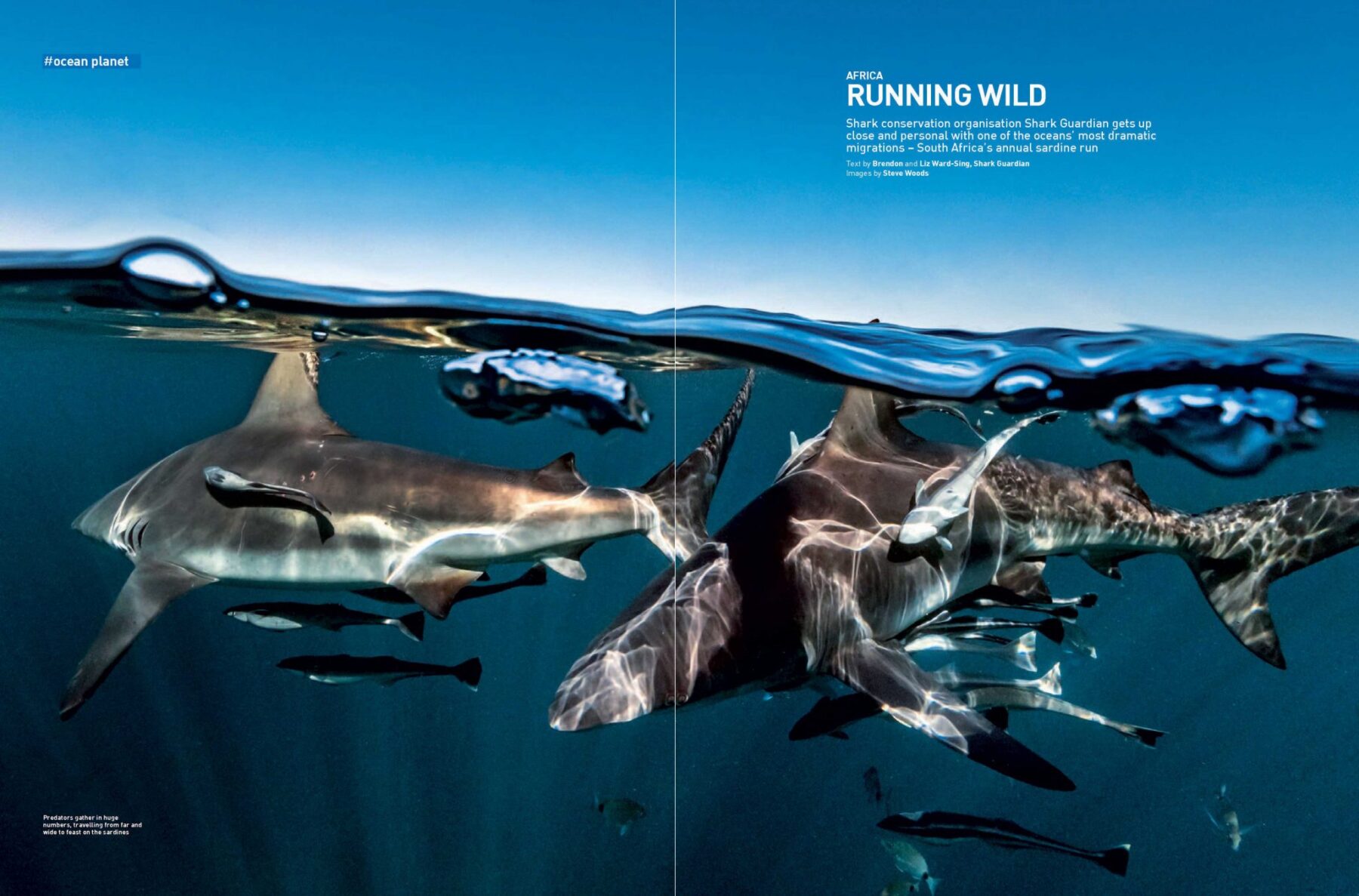
Predators gather in huge numbers, travelling from far and wide to feast on the sardines (Photo by Steve woods)

Port St. Johns, South Africa. There’s a reason why it’s called “The Wild Coast”. This year Shark Guardian and a team of diving enthusiasts, explorers and photographers travelled from around the world to be in this place, at this particular time in June. Each year from June to July a large migration of sardines make their way up north along the eastern coastline of South Africa, bringing with them several species of sharks, dolphins, whales, birds and so much more, all at the same time. This is the greatest diving event anywhere in the world!

After arriving in Durban international airport, we made our way one hour south to a town called Scottburgh. We spent the first three days diving the famous local reef, Aliwal Shoal. This was planned for the team to get accustomed to local diving procedures, including the white-knuckle launches through the surf – an integral part of the African diving adventure.

Aliwal Shoal lies within a marine protected area on the inner edge of the Mozambican current. The shoal is one-and-a-half kilometres wide, five kilometres long and approximately four kilometres offshore from Scottburgh. It was formed when sand and other deposits were washed into the ocean from sand dunes in the area; over time they formed a compound that laid the foundation of this sandstone reef. This dune rock structure was later submerged and was colonised by a variety of different types of coral.

The highlight of diving Aliwal shoal was many close encounters with grey nurse sharks also know locally as “raggies”. As many as 15 raggies can be seen hanging around Aliwal’s caves and overhangs. The reef is also home to other sharks such as blacktips, hammerheads, tiger and bull sharks, as well as many other types of marine life from large to small. Diving Aliwal is not just a warm up to the sardine run; it’s a great introduction to the awesome diving South Africa has to offer. It’s a must!

On their way up to the warmer waters in the Indian Ocean, the sardines must run the gauntlet of hungry cetaceans (Photo by Steve Woods)

On the fourth day we made the five-hour road trip further south to Port St. John, the gateway to the Wild Coast and home of the famous sardine run. Our base for the next six days was located on the banks of the Mzimvubu River with beautiful rocky cliffs leaving no question that you are indeed in Africa.

Day one of the run – it’s early and still dark. We head for breakfast and then march down to the riverbank to gear up and get ready to launch the boat from the river. A short ride from the lodge and we exit the canyon with the sunrise welcoming us to the Wild Coast and immediately the skipper shouts, “Whales!” In the distance, humpbacks. What a start!

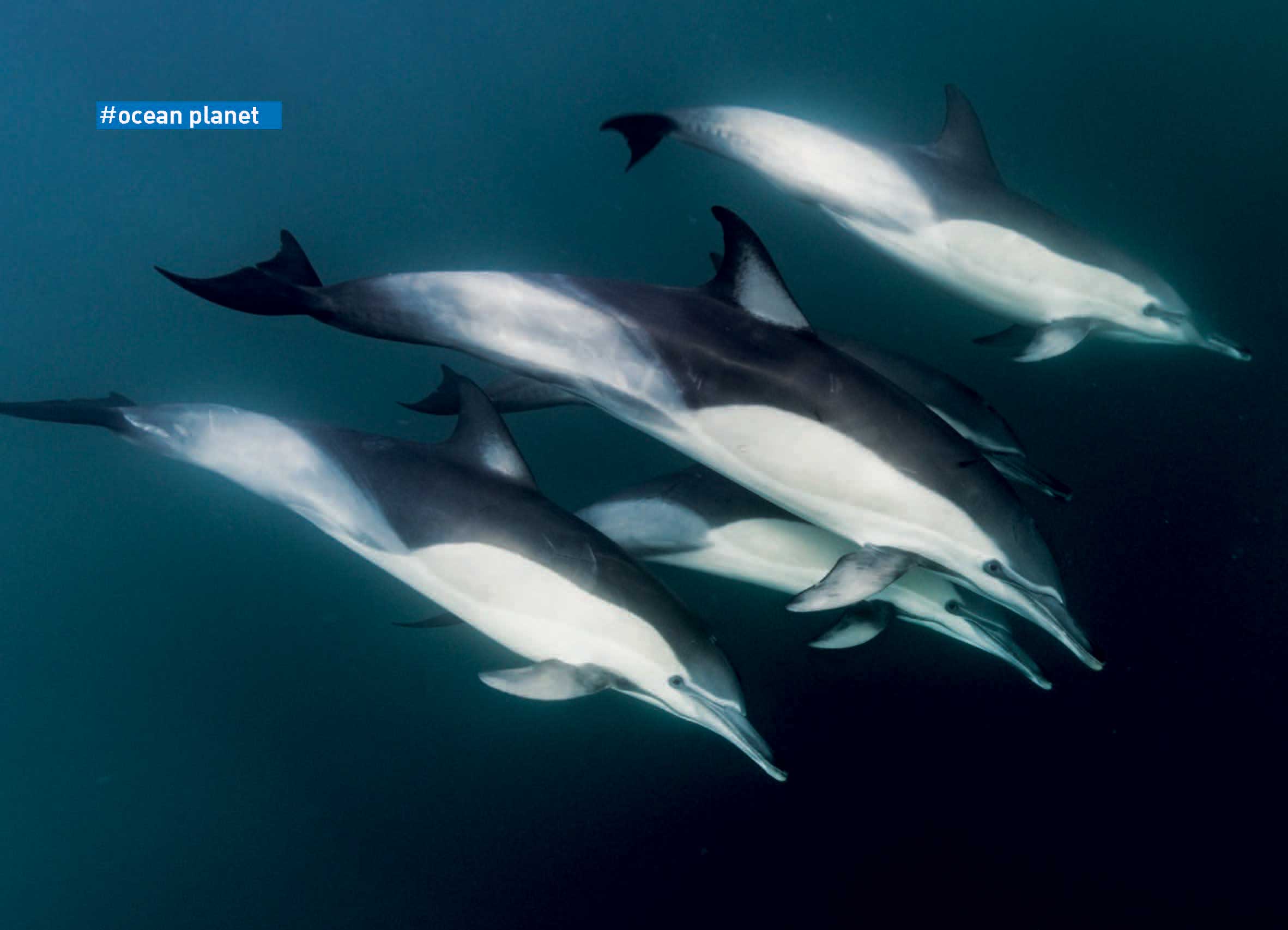
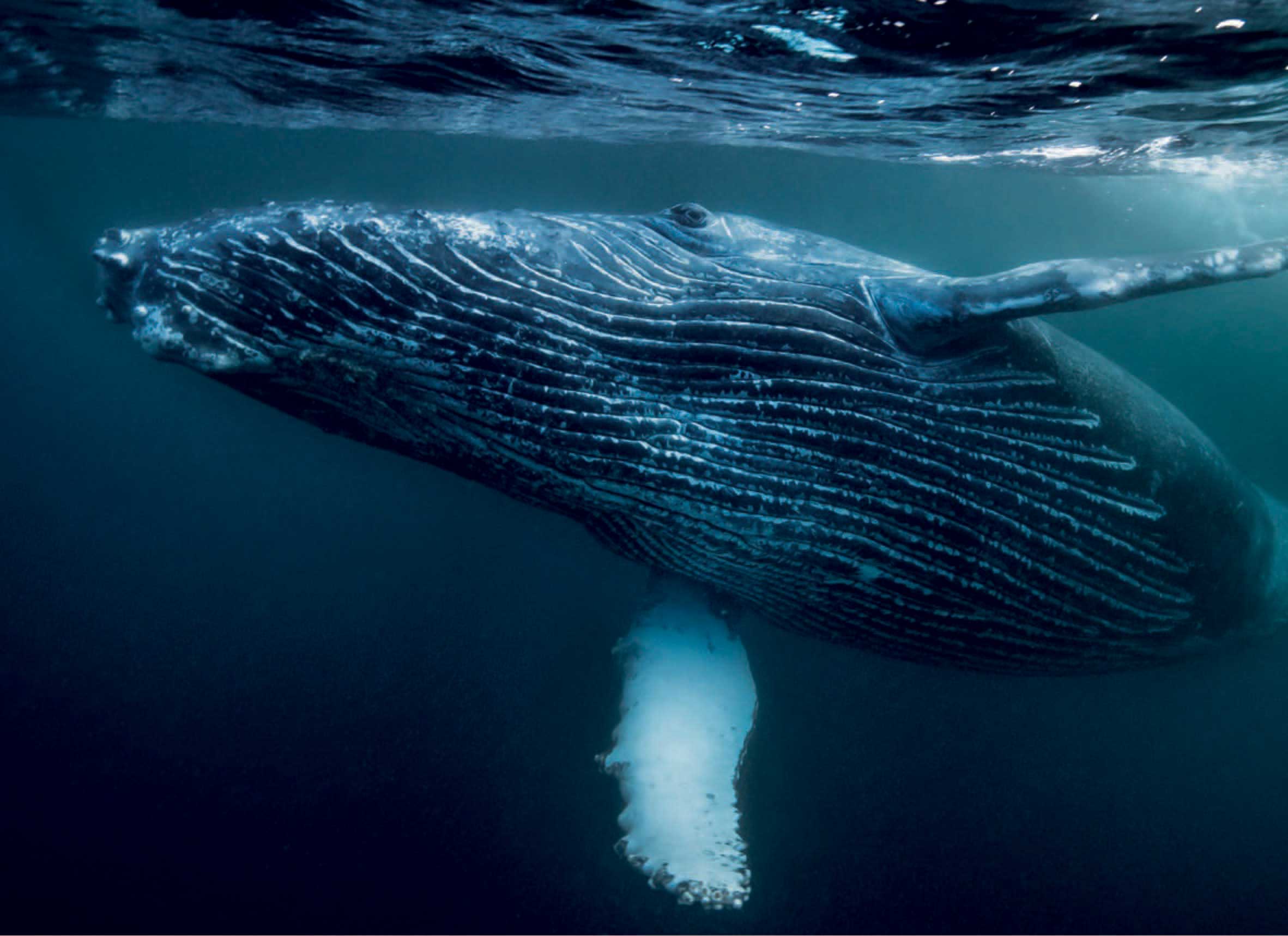
Shortly we are surrounded by hundreds of dolphins, from the boat to the horizon; it is impossible to count them. During the six days, three different dolphin species were seen along with numerous species of birds including albatross and gannets. Several species of sharks were always found hanging around the end of these dolphin schools just waiting for the possible baitball action. The highlight was snorkelling just a few metres from a juvenile humpback whale as her mother swam somewhere in the mysterious waters below.

Some of the oceans’ largest creatures arrive for the banquet, like this humpback whale (Photo by Steve Woods)

The statistical possibility of actually being in the water and witnessing the baitball with dolphins and sharks, as seen on the amazing BBC footage, is only around 30 percent according to the dive operators in the area. Not bad odds considering this is Nature and you take what you can get. Even if you don’t get to see the full baitball show of sharks and dolphins, you will still see all these amazing animals one way or another. The baitball action is happening, but you have to be in the right place at the right time along the 50 kilometres plus of coastline. Some days we definitely had dolphins in their thousands. We had baitballs with birds enjoying a feeding frenzy; the dolphins were just not there at that time! But we had such a range of animal life every single day both above and below the water that this really was an ocean wildlife safari that everyone needs to witness.

Following this expedition, global eShark project from eOceans, led by scientist Dr Christine Ward Paige, is now live in South Africa. Shark Guardian implemented the project with Shark Guardian Dive Center Crystal Dive in Scottburgh and Pro Dive, which led the group for the sardine run. Christine is excited to have her project spread to yet another country by the team and looks forward to the data that can now be collected to help the management of shark and other marine life populations.

The sardine run will become an annual expedition for Shark Guardian, linking shark diving with research and educational opportunities for groups to learn more about sharks and marine life.

Find out more about all Shark Guardian expeditions at www.sharkguardian.org. SDAA

Read the rest of this article in No.88 Issue 7/2016 of Scuba Diver magazine by subscribing here or check out all of our publications here.
Papua New Guinea: Seas of the Unexpected

0
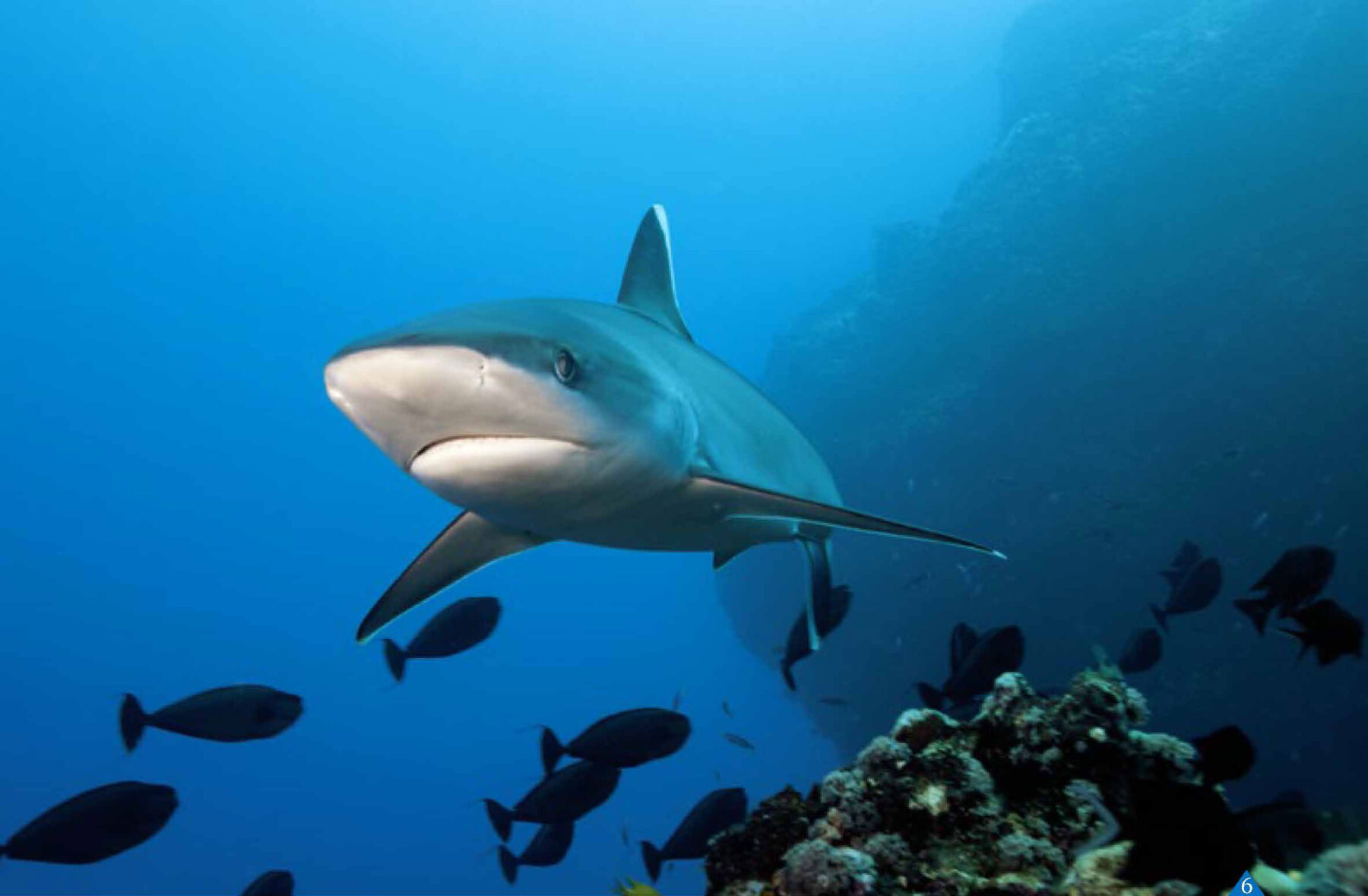
6. A silver tip shark, Carcharhinus albimarginatus, cruising the reefs (Photo by Michele Westmoorland)

Land and seascapes that put the “wild” in wilderness; diving in eastern Papua New Guinea is about being immersed in mystique, and surrounded by all creatures great and small. 

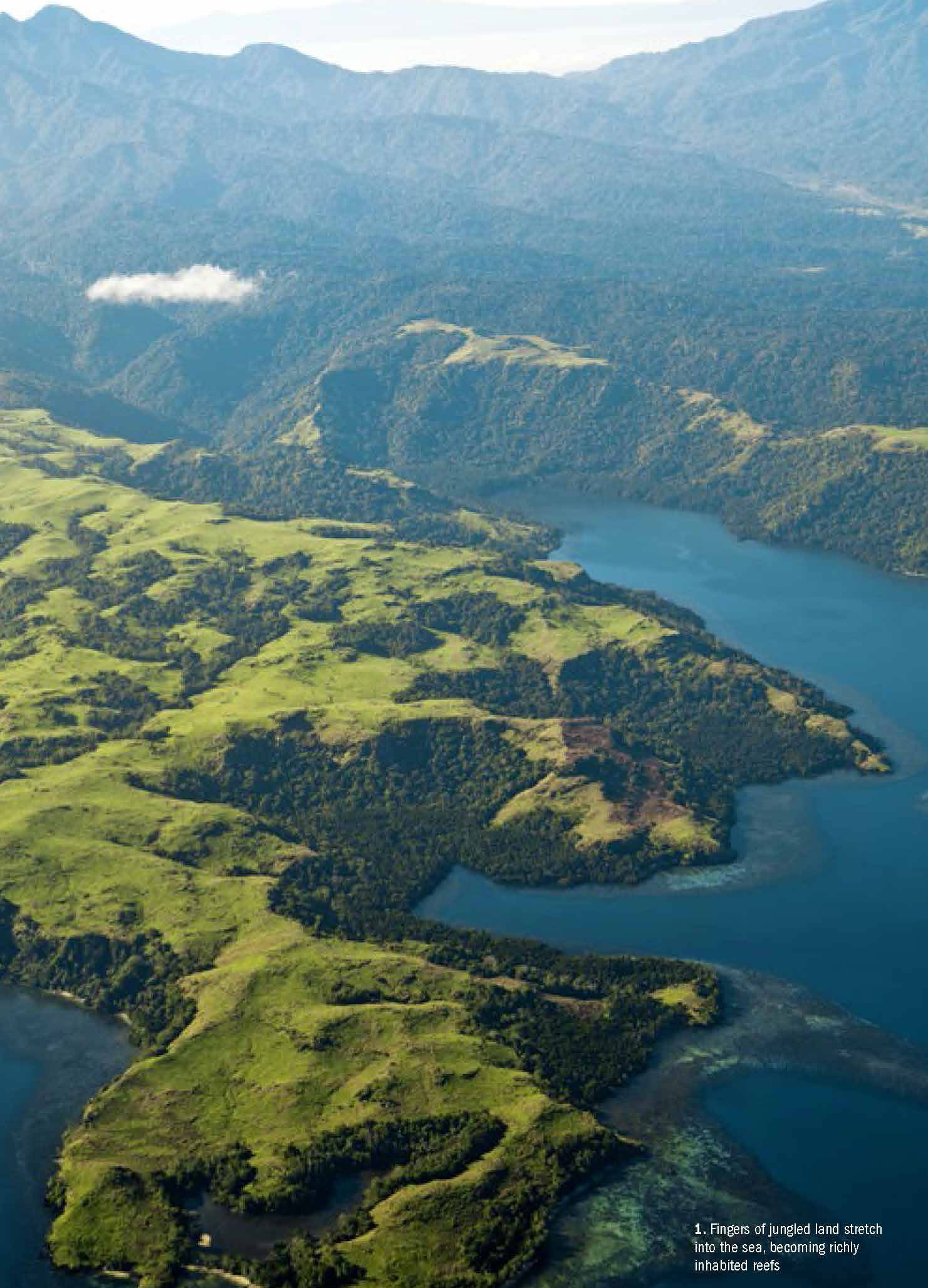
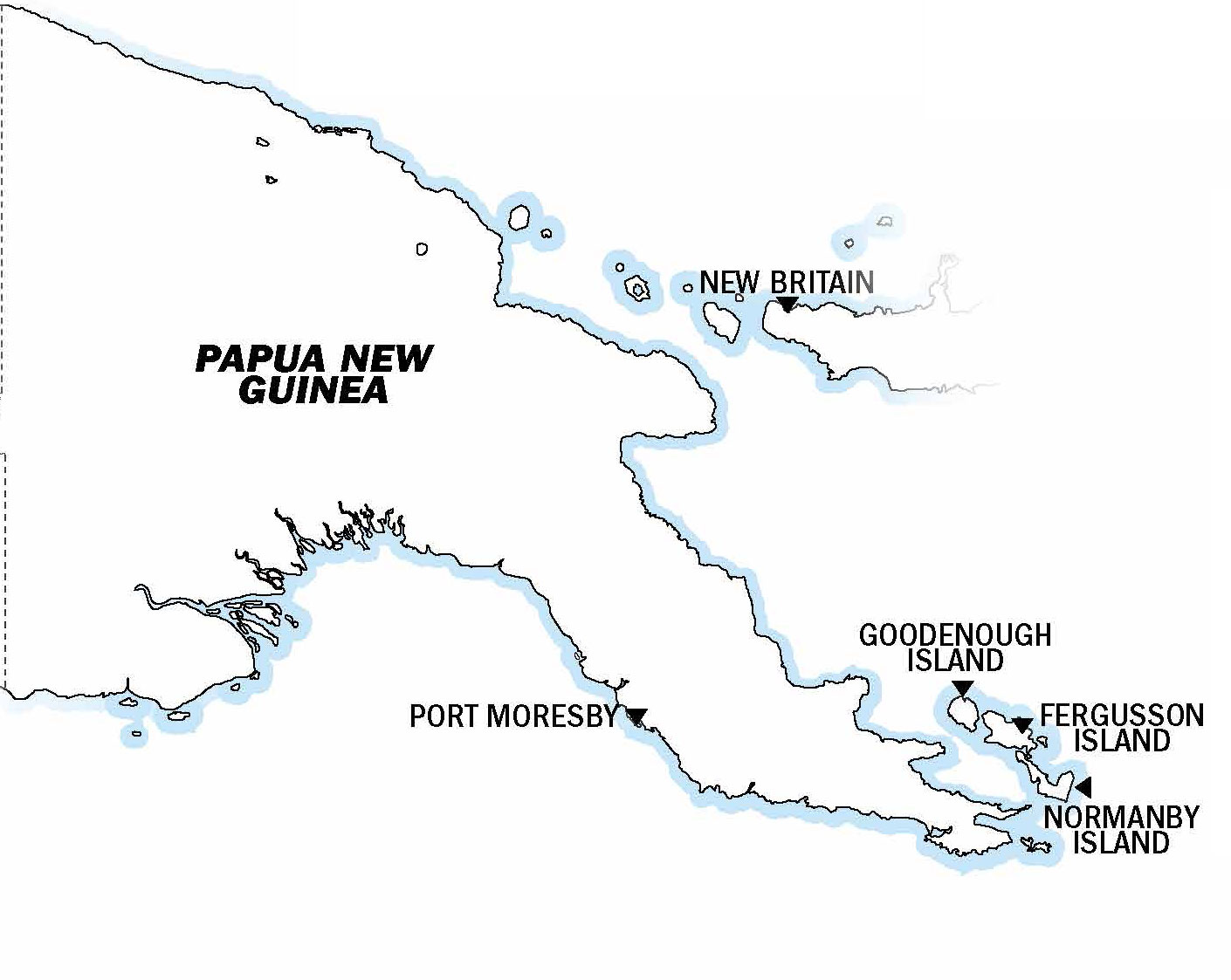
As you approach from the air, clouds drape over the spine of the Owen Stanley Mountain Range, obscuring bits and pieces of the lush forests. Green fingers of land stretch out into the alluring waters of the Solomon Sea. Suddenly, there on a bluff is the beautiful Tufi Resort. The short flight is only one hour from the capital, Port Moresby, but the landscape could not feel further removed. Landing among this backdrop gets the excitement flowing for all the spectacular diving to come.

I have been to Papua New Guinea almost 30 times and never tire of the adventures that await me. In addition to the diving, the chance to see my wantoks (friends) in the surrounding villages makes visiting this location all the more special. Those who choose to come to Tufi for the very first time will discover experiences that will remain in their memory forever. The cultural interactions are rich, the landscape is breathtaking, and the marine life is incredibly diverse. Divers here are spoilt for choice.

A calm Solomon Sea allows access to the outer reefs where pelagic creatures play. Sharks cruise the dive sites and for lucky divers, a rare white hammerhead occasionally appears. The Tufi area is also so full of unexplored wrecks and reefs that it is one of the few places where new discoveries and first dives (maybe with your name on it) can be made. For now, here is just a taste of some of the highlights of Tufi’s diving…

2. Ornate ghost pipefish, Solenostomus paradoxus
(Photo by Michele Westmoorland)

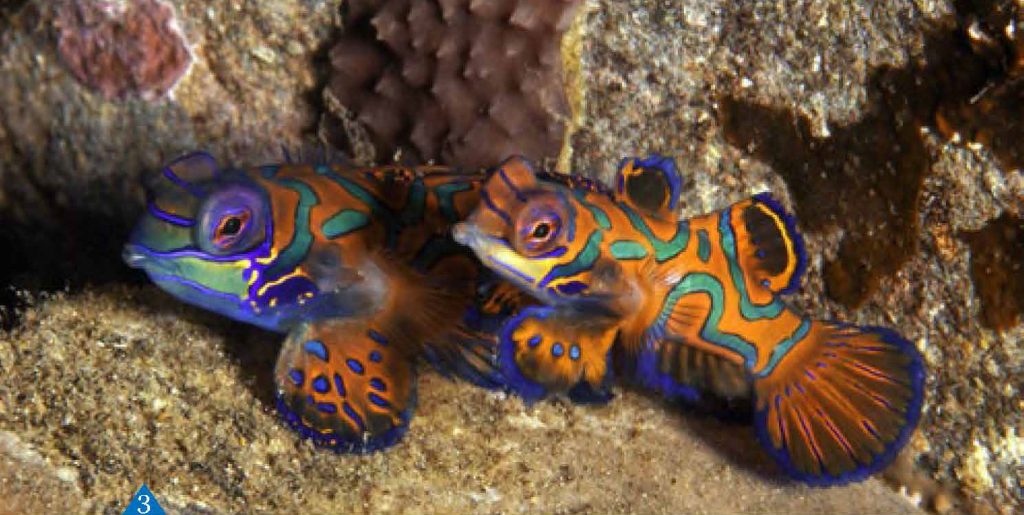
The HOUSE REEF rivals some of the best muck diving in the world: mandarinfish in the rubble, and, below the dock, ghost pipefish, crabs, shrimp, nudibranchs and numerous other strange little creatures. Along the wall and away from the “muck”, an unusually marked species of percula clownfish can be found. The site is also a baby cuttlefish nursery, and these mini cephalopods can be spotted hiding amongst the corals.

3. A pair of mandarinfish, Synchiropus splendidus, members of the dragonet family (Photo by Michele Westmoorland)


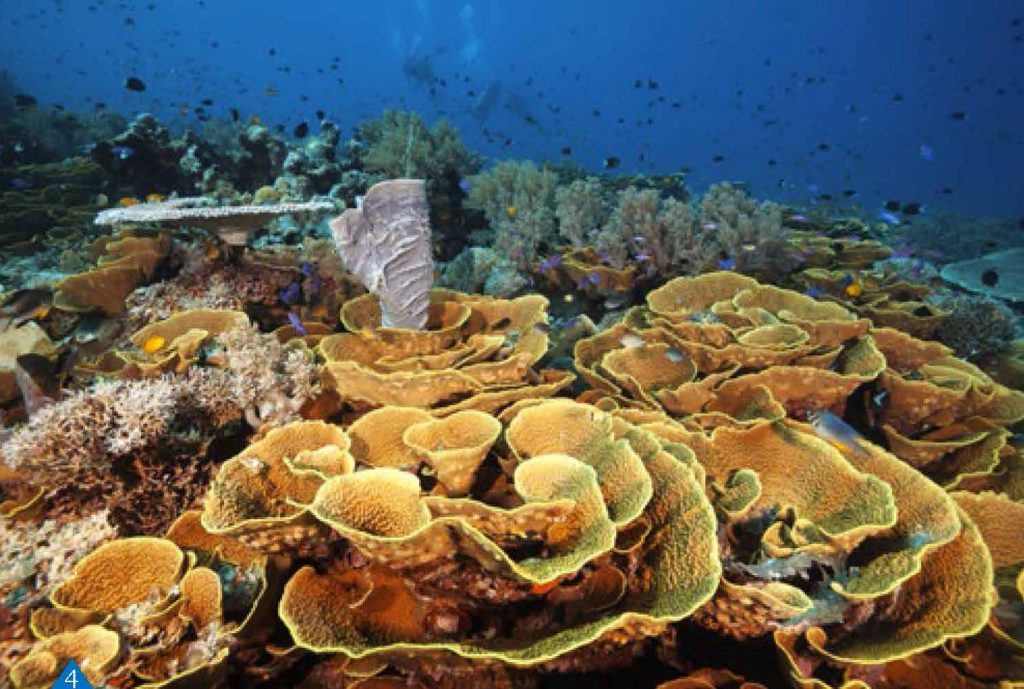
4. A thriving garden of scroll coral, Turbinaria reiniforms (Photo by Michele Westmoorland)

CYCLONE REEF is actually a small island that was formed from broken coral. As the name suggests, it was formed during a cyclone that hit the area in 1972. Today, it is a breeding ground for a variety of seabirds and a great mooring spot for a dive boat. The area has three distinct dive locations: Cyclone Bommie, Cyclone Wall and Cyclone Reef Outer Wall. Walls, overhangs and swim-throughs harbour everything from rare rhinopias to schooling fish. If you are willing to take your eye away from the blue and the chance of seeing pelagics passing by, scores of nudibranch species and other tiny creatures can be found in the cracks and crevices.

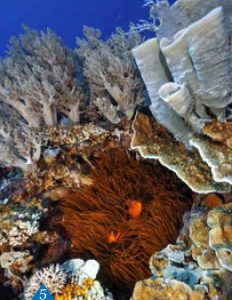
5. Spine-cheeked anemone fish,
Premnas biaculeatus (Photo by Michele Westmoorland)


Only discovered about a year ago, HONEYMOON REEF was one of the more memorable dives I have made. It started at the wall and I was initially unimpressed until we got a bit shallower. An incredible field of cabbage coral appeared in absolute splendour. Mixed into the healthy expanse were plenty of Acropora corals, clams and brilliant orange anemones with large spine-cheek clownfish interspersed. The beauty of Honeymoon Reef is unmatched. It makes me wonder about new reefs that will be discovered nearby in the future and fuels my desire to return to Tufi once again.


6. A silver tip shark, Carcharhinus albimarginatus, cruising the reefs (Photo by Michele Westmoorland)
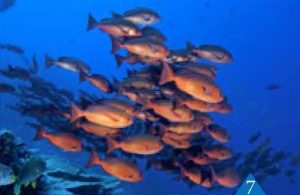
7. Schooling big eyes, Priacanthus hamrur (Photo by Michele Westmoorland)

MULLOWAY’S REEF is the resort’s most famous. At depth, we experienced not only great numbers of batfish and barracuda but also a ball of brilliant red bigeyes. This was a photo I could not leave without. Some of the best visibility in the area comes from the upwelling ocean current. It brings bountiful food for the thousands of fish, which, in turn, draw in the predators. Time was short at 33 metres but we managed to catch a glimpse of the great hammerhead that frequently cruises the wall.


There are historic wrecks too of course, the most famous being BLACK JACK BOMBER. It is for skilled divers only and although I personally have the credentials and number of dives to consider it, it still remains on my diving bucket list.

When the weather is wet and the wind is blowing, I’ve also found diving the shallow reefs in the FJORD AREAS to be fascinating. The fjords are excellent for macro diving with gobies, nudibranchs, shrimp and clams. These animals can be seen while diving, but conditions are also ideal for snorkelling. Because there is very little current movement in the fjords, many sponges and coral species grow prolifically and there are some very large sponges and shelf corals that are not common on the outer reefs.

IMMERSED IN A TIMELESS CULTURE
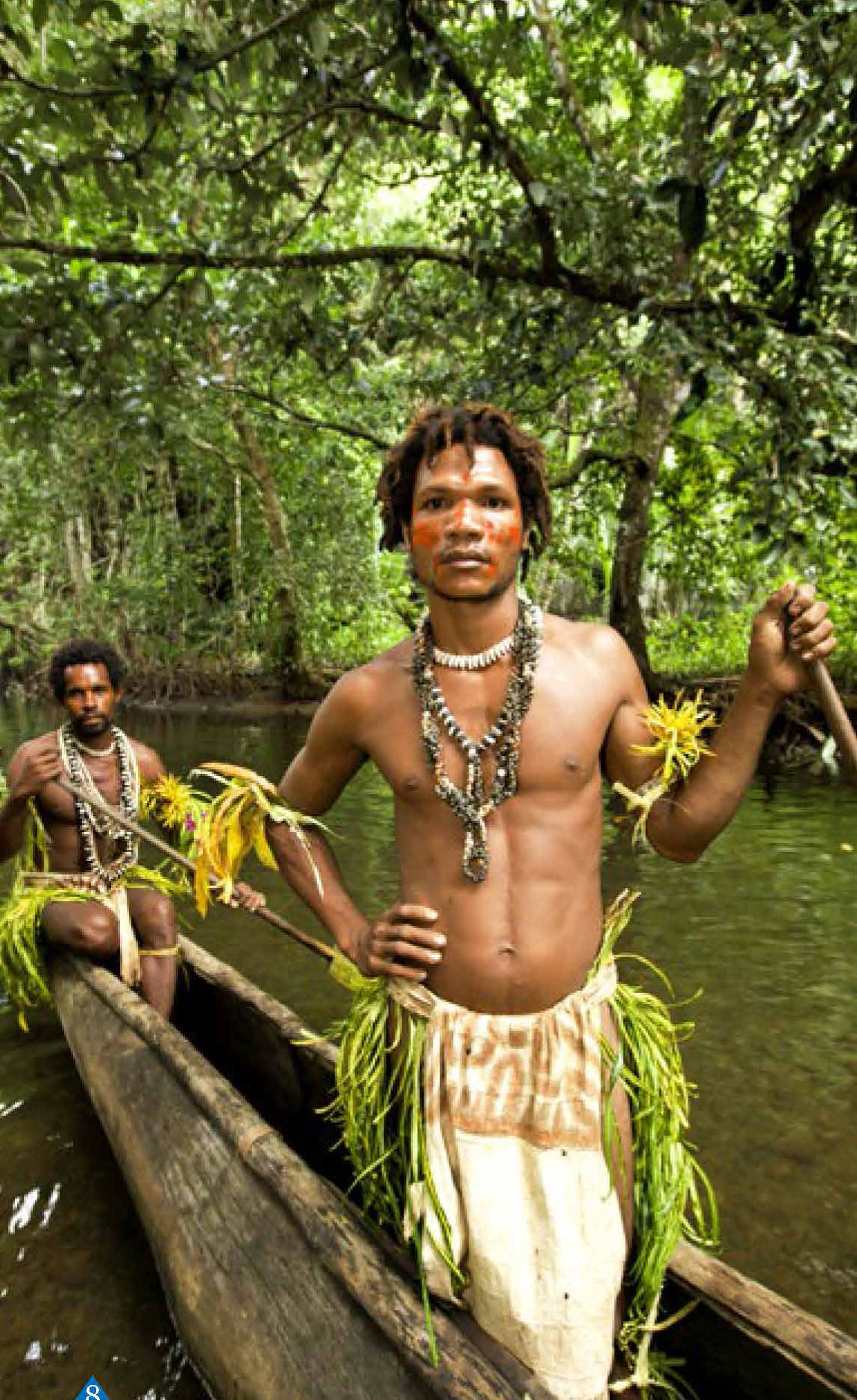
I truly believe you cannot go to Tufi without learning about the people and culture. It can be experienced from the resort or you can choose to spend a day or so in one of the village guesthouses. For those who want a more hardcore adventure experience, try a trek on the Kokoda Trail. This is not for the faint of heart and training is necessary to complete it. Kokoda has significant World War II history and is deeply cherished by the Australian community. Anyone who completes it may walk away exhausted from the journey but with a sense of pride in completing the trek.

NAVIGATOR

Getting there: You can fly into Port Moresby with Air Niugini, Virgin Australia and Qantas. Flights leave Port Moresby three times a week. Tufi Resort can book these for you at great rates.

Best time to dive: Late October to May, when the average water temperature is 29-31Celsius and the visibility is 40 to 50 metres.

Equipment and training: An open water certification.

For more information: Tourist visa on arrival is an option for most nationalities. Check with your local embassy or visit www.immigration.gov.pg/visa/visa-all.html.


Read the rest of this article in Issue 7/2014, AA No.80 of Scuba Diver magazine by subscribing here or check out all of our publications here.
Taiwan: Critters of the East

0

When the 16th-century Portuguese sailors sailed past Taiwan, they exclaimed, “Ilha Formosa!” or, “Beautiful island!” Little did they know that the most alluring part of Taiwan actually lay underwater, right beneath their ships.

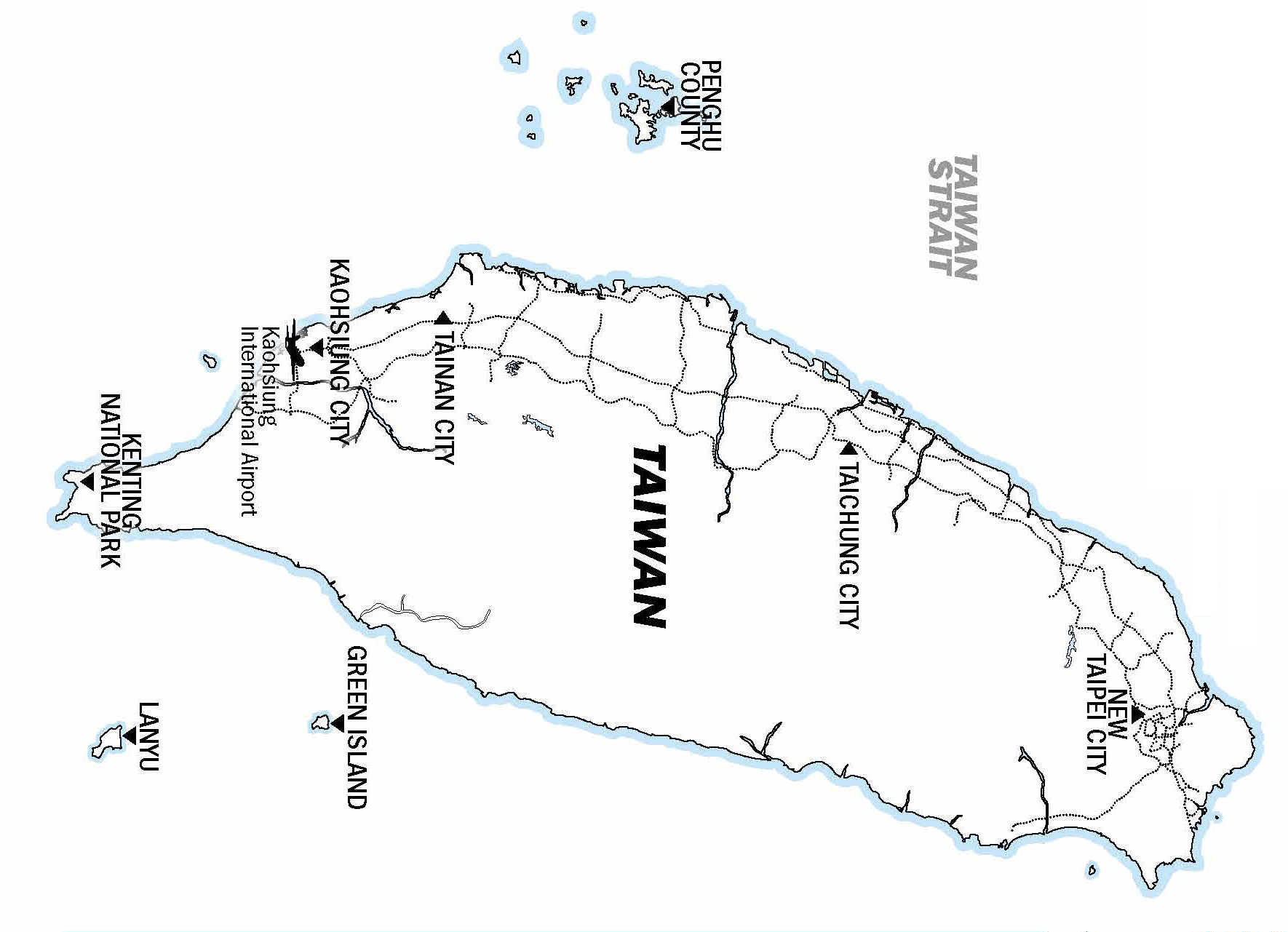
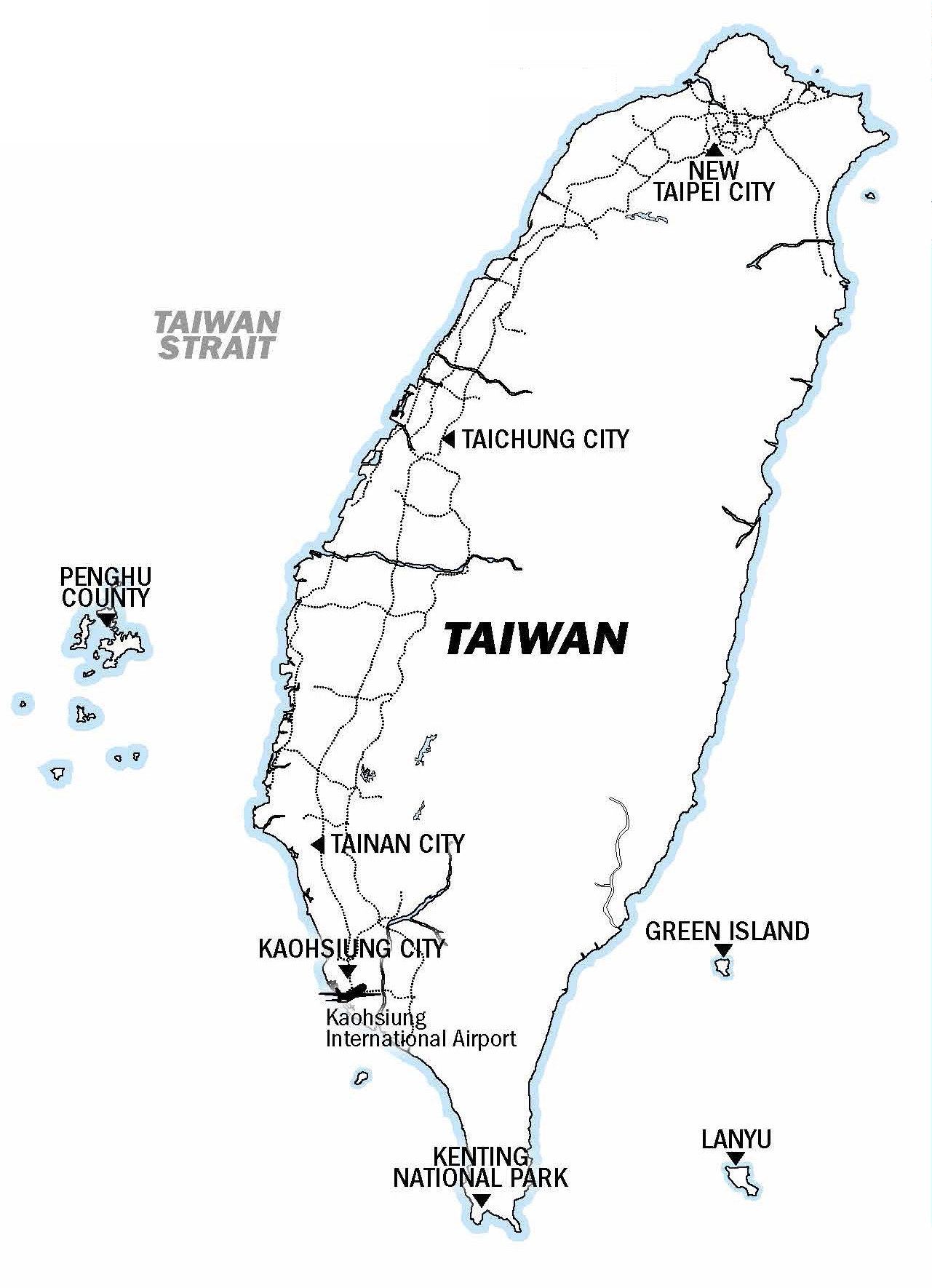
In the summer of 2014, Ben Sarinda and I were invited to Taiwan by Fun-in Underwater Photographic Equipment Co. Ltd. on a recce trip for a possible future return with Ned and Anna DeLoach. We were fortunate to be able to dive the northeast coast, Green Island and Kenting.

The local Taiwanese divers are a tough lot. Diving here is an intrepid activity, and normally involves staying at a local home-stay, driving your own gear and rented tanks to your site of choice, climbing down a small cliff, and walking through tricky rocks or dead corals into the water. Nevertheless, boat dives and other added services are indeed available in Taiwan too – they just come with hefty additional charges.

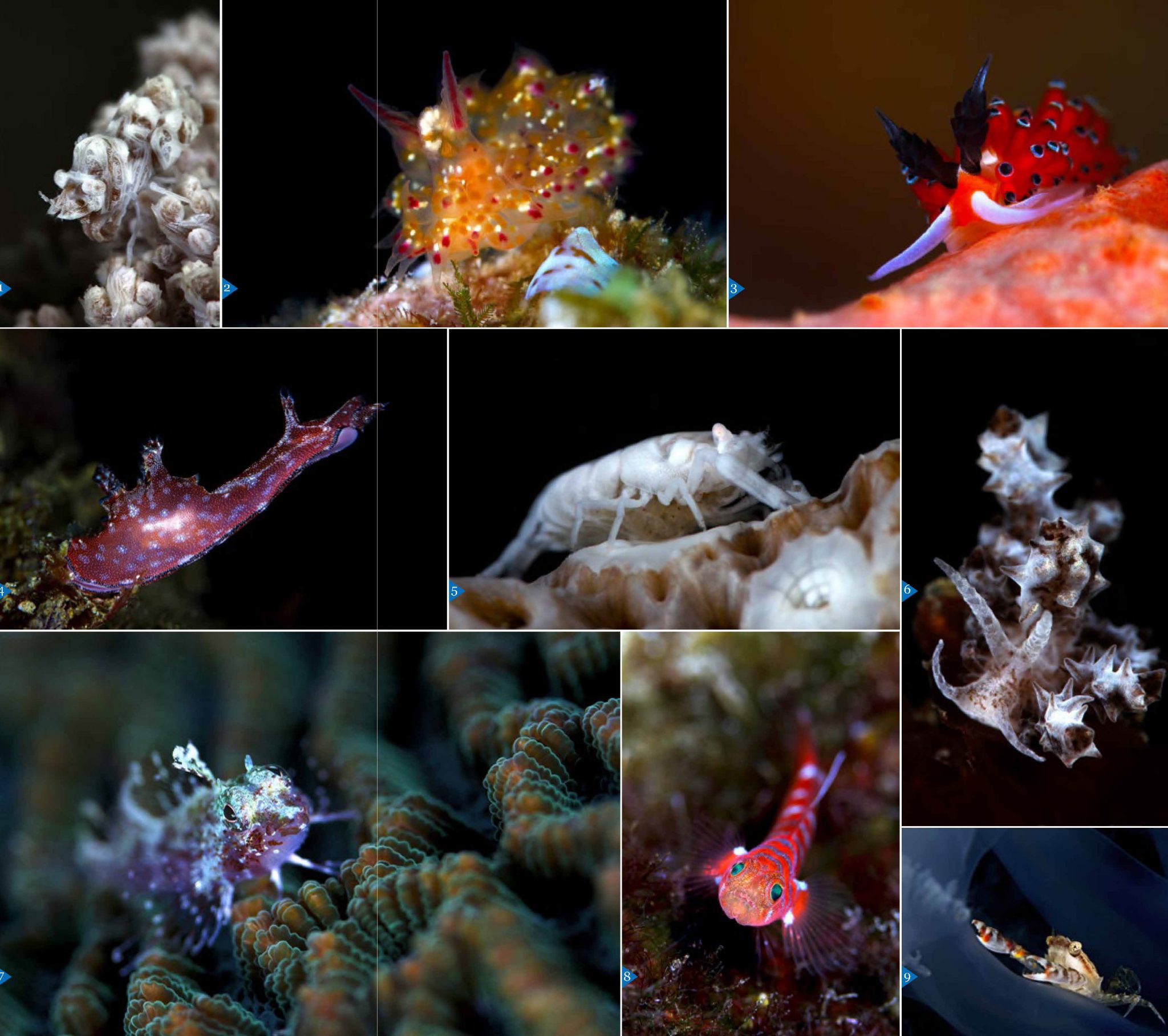
1. Shrimp, Alcyonohippolyte dossena, in soft coral 2. An as yet undescribed species of Janolus, Janolus sp. 3. Red colour variation of the nudibranch Favorinus tsuruganus 4. Dwarf sea hare, Aplysia parvula 5. Unidentified species of shrimp with eggs 6. Juvenile Phyllodesmium koehleriwith 7. High-hat triplefin, Enneapterygius tutuilae 8. Undescribed goby, Trimmatom sp. 9. Unidentified crab in jellyfish
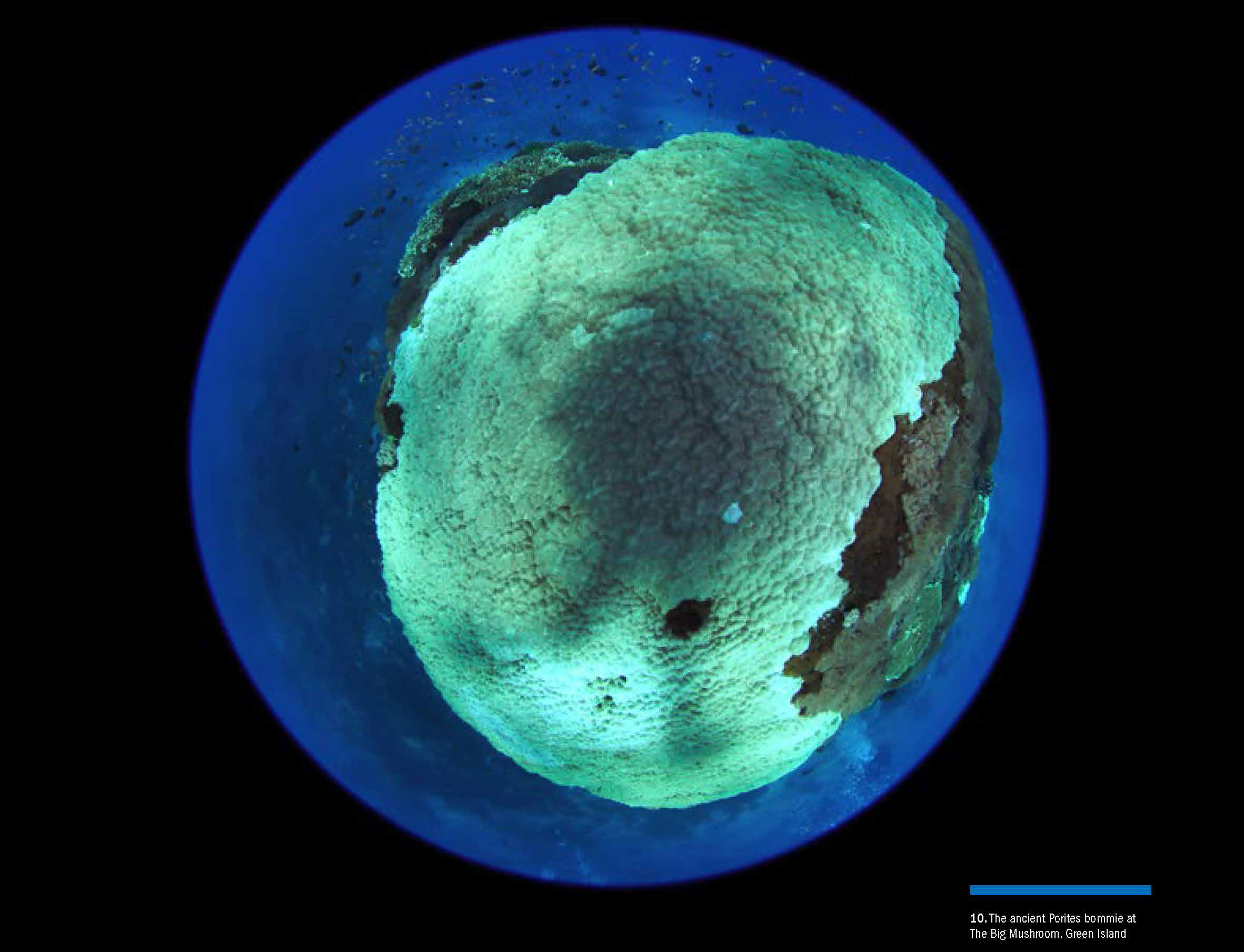
10. The ancient Porites bommie at The Big Mushroom, Green Island

NORTHEAST COAST
At dive site 82.5, we followed our Taiwanese friends down a simple stainless steel ladder and walked through big boulders before we reached a seaweed-covered bay. But, just a short swim out and we were in nudibranch paradise! Searching the muck revealed nudibranchs of many different genera, including Ceratosoma, Cuthona, Dermatobranchus, Gymnodoris, and Trapania. I was also shown a Doto species that is common here, but still undescribed by science.

Just as intriguing were commensal crabs that played hide-and-seek in their large jellyfish host that drifted by, and a resident blenny that gave a super star-quality jack-in-the-box performance in front of my camera.

Our good friend Perry Guo offered us his boat to dive Secret Garden, a site that is challenging and potentially dangerous to access from the shore. Although the water can reach a comfortable 26 degrees Celsius on the northeast coast in the summer, we were shocked to see our computers reading only 19 during this dive!

But we were off to Green Island and Kenting, which, lying in the path of the warmer “Black Tide”, offer quite different diving experiences.

GREEN ISLAND
Green Island’s most famous dive site, The Big Mushroom, is marked by an immense Porites bommie of more than 1,000 years old. Even though it was an overcast day and the seas were choppy, we still enjoyed an incredible 50 metres of visibility underwater!

Our dive operator Vincent Yu of Airfish Diving Center not only knew all the critters by their Latin names, but had also undertaken many exploratory dives on the island. Ask him about anything on your wish list, and he will know where on the island it can be found. Coral spawning? No problem: Vincent has the spawning dates of each coral species at his fingertips too!

For more nudibranchs, Vincent took us to Blue Hole, followed by a night dive at Hot Spring Harbour. It was nudibranch galore at both places! Of the many beautiful nudibranchs we saw, quite a number were still undescribed.

Most of the dive sites on Green Island are accessible from the shore, and most are home to three species of pygmy seahorses: Hippocampus pontohi, H. severnsi, and H. colemani. H. colemani was first spotted in the summer of 2007, and by the famous actress Qian-Lian Wu. A recent study by experts at Kenting’s National Museum of Marine Biology and Aquarium also revealed that this might well be a totally different species from the Australian variety that we are familiar with.

NAVIGATOR

Getting there: Many airlines have regular international flights into Taiwan with airlines such as Cathay Pacific, Jetstar, Garuda, United, and Singapore Airlines.

Once in Taipei: Northeast Coast: Best to drive. You will need the car to transport your rented tanks and gear to the dive sites.

Green Island: Take a train from Taipei to TaiDong. Taxis from train station will bring you to TaiDong’s FuGang harbor, where you can catch an one-hour ferry to Green Island. There are also three 20-minute flights a day from TaiDong Airport to Green Island’s small airport.

Kenting: From Kaohsiung, there are buses to Kenting from Zuoying High Speed Rail Station, Kaohsiung airport, and the train station. At the train station, there are also shared taxis and minivans bound
for Kenting.

Best time to dive: Year round in Green Island and Kenting, but summer is the best time to dive the northeast coast.

Essential training: Open water and up.

For more information: Note that on Green Island only the larger hotels on the island accept credit cards. A single ATM machine at the Post Office across the street from 7-Eleven, doesn’t take foreign bank cards, so be sure to bring plenty of cash. Visit www.immigration.gov.tw.


Read the rest of this article in Issue 7/2014, AA No.80 of Scuba Diver magazine by subscribing here or check out all of our publications here.