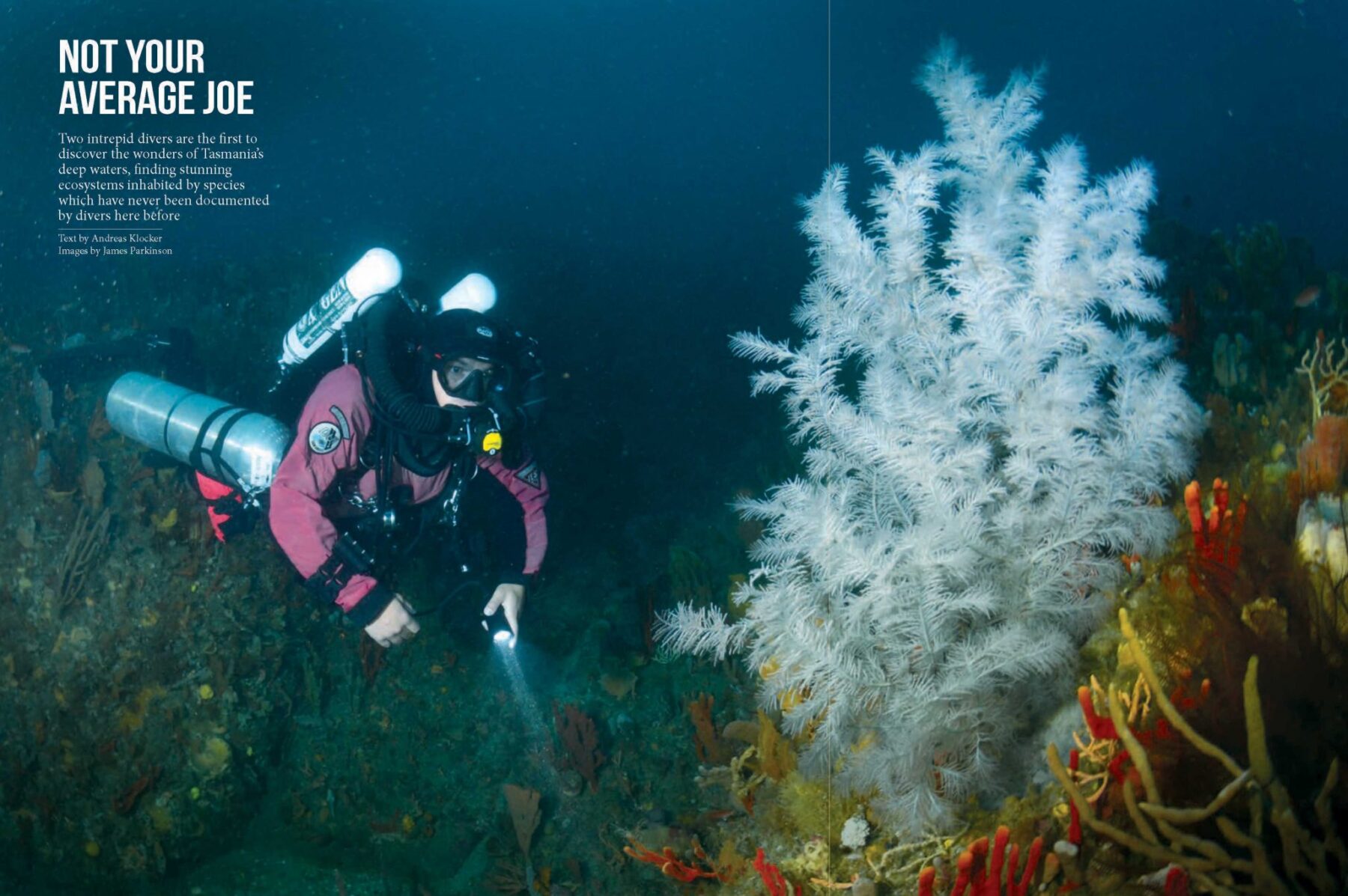
Andreas Klocker
gets up close with
species he never
expected to find here (Photo by James Parkinson)
WHEN YOU TALK to divers from all over the world about dive sites in Australia, they will most likely start a conversation about the Great Barrier Reef, and in very rare circumstances, if you’re lucky, they might mention Tasmania’s east coast. And talk to a local Tasmanian diver about their favourite dive sites, and you will probably get into a conversation about the best sites to catch crayfish or abalone (if they trust you), or you might hear about disappearing kelp forests and the best spots to observe weedy seadragons. But what you will hardly ever hear about are the mysteries of reefs that line Tasmania’s coast below depths accessible to recreational divers…
The reason for this is quite simple – there are maybe a handful of rebreather divers in the state, there is hardly any trimix available unless you mix your own, and the weather is, shall we say, “highly variable”. As a consequence, apart from a handful of dives to the famous wreck of the iron steamship Tasman in 70 metres, the ocean around Tasmania below 60 metres has only been sporadically visited by autonomous underwater vehicles (AUVs) used for marine science, which generally just bring back poor quality video footage. A mostly “undiscovered” underwater world… what better excuse is there to go for a deep dive and have a look?
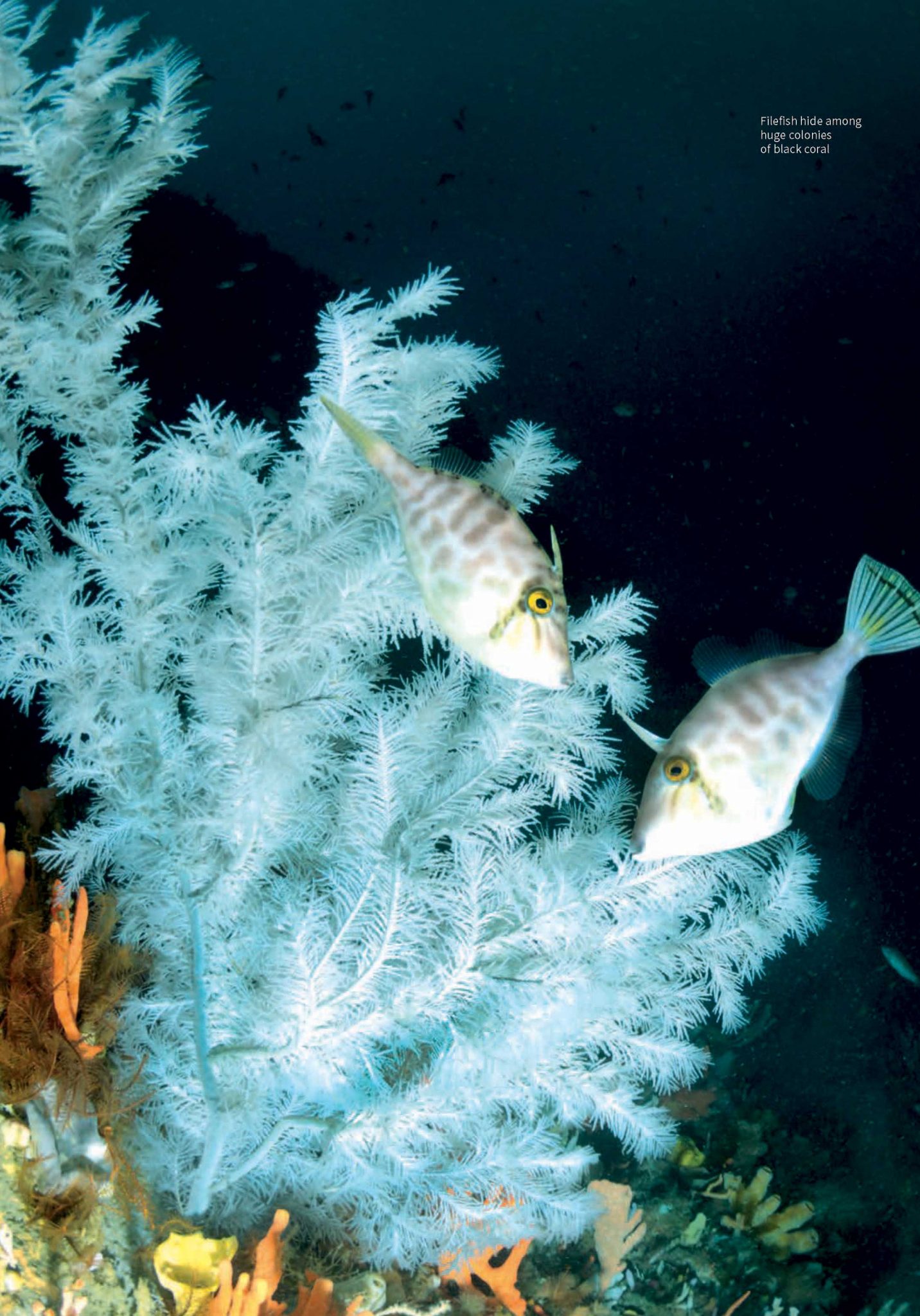
Filefish hide among huge colonies of black coral (Photo by James Parkinson)
PLOTTING AN ADVENTURE
Luckily my dive buddy James Parkinson’s friend Neville Barrett, who works as a scientist on the biodiversity and ecology of local reef systems, is heavily involved in producing high-resolution maps of ocean bathymetry around the Tasmanian coast. Using these maps we put together a list of several interesting locations we’d like to dive, including some potential reefs extending from the shallows to more than 100 metres.
With this “wish list of dive sites”, now we just had to be patient and wait for the right conditions to head out onto the water – something easier said than done when you live in Tasmania with the Southern Ocean just around the corner.
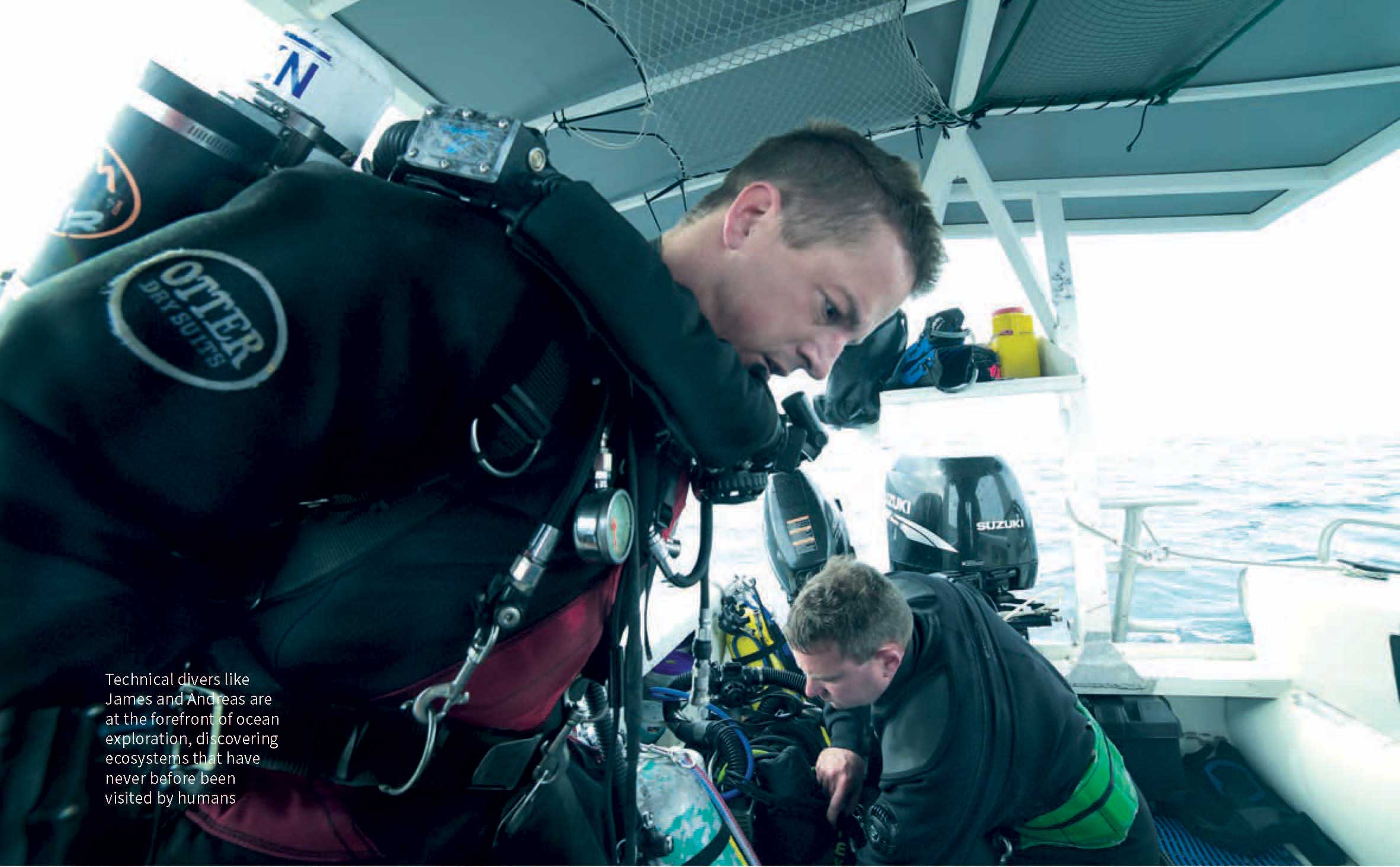
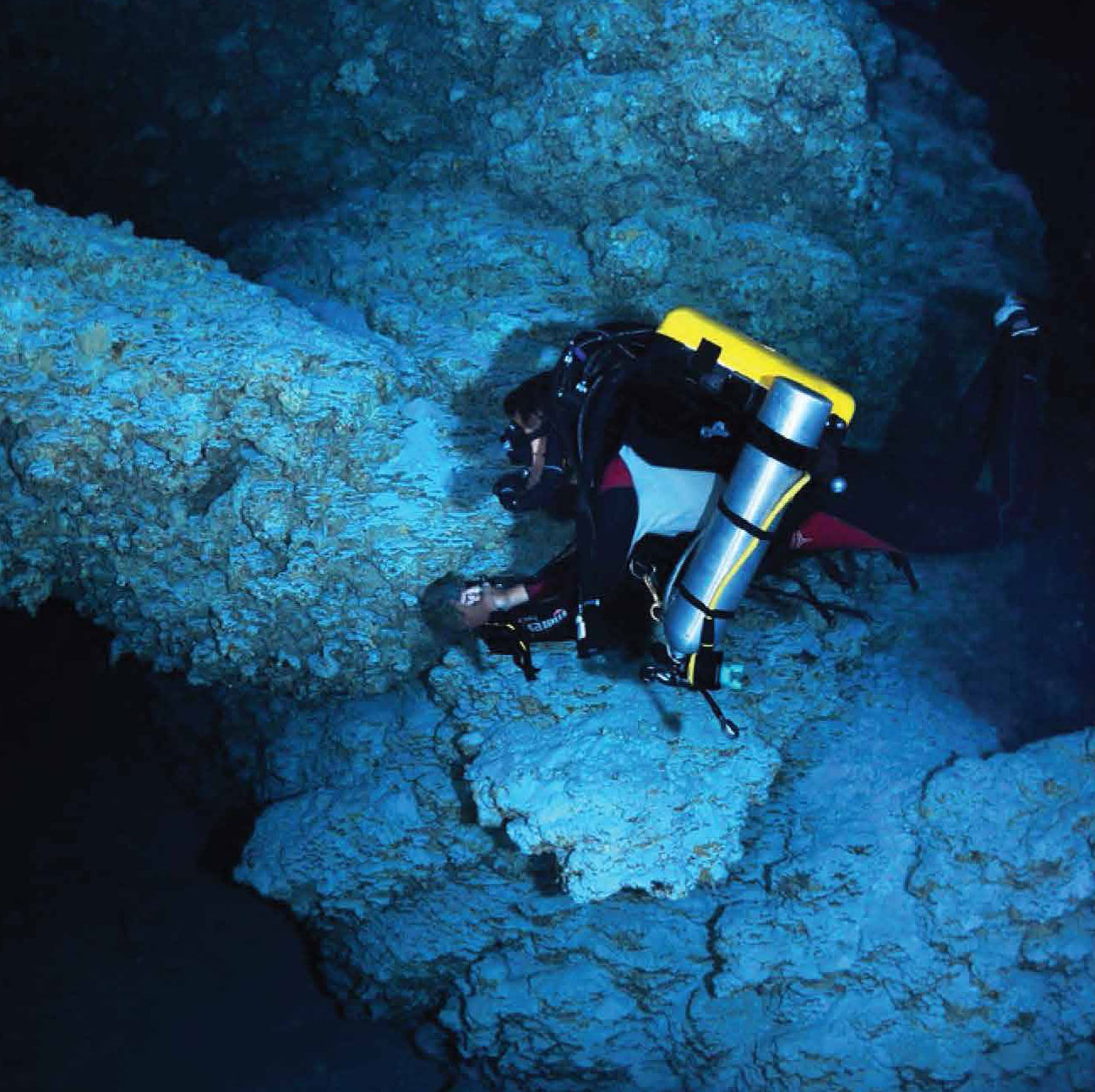
Technical divers like James and Andreas are at the forefront of ocean exploration, discovering ecosystems that have never before been visited by humans (Photo by James Parkinson)
So, most weekends we get our rebreathers ready, fill scrubbers, top up oxygen and diluent tanks, check bailout tanks, drive the club boat to the boat ramp, and hope that the weather gods are feeling generous.
Nevertheless, more often than not the weather gods are instead way too excitable, and throw everything they’ve got at us, forcing us to go with Plan B and dive somewhere closer to shore and sheltered by Tasmania’s famous sea cliffs.
But sometimes you can get lucky – really lucky – like the day we planned to head around 10 kilometres offshore from Bicheno on Tasmania’s east coast, to dive a place known to fishermen as “Joe’s Reef”.
From Neville’s high-resolution bathymetry maps we knew that the reef was about 200 metres in length, and comes up from a sandy bottom at around 80 metres, to 58 metres at its shallowest point.
The AUV footage from this reef is quite poor, but it looked like there was some interesting life around. In addition, this site is well known to fishermen, which is generally a good sign. Before the allocated weekend, we topped up the oxygen and 16/50 trimix in our rebreathers, checked the state of our bailout tanks (we both carry two 11-litre tanks, one with trimix and one with 50-percent nitrox) and made a dive plan for a bottom time of 25 minutes and a runtime of 75 minutes.
THE GODS ARE SMILING
On the day of the dive we were woken up by great weather, and looking out towards the open ocean we could see that the ocean surface was amazingly calm. Full of optimism, we put the club boat into the water and headed towards the GPS coordinates of Joe’s Reef.
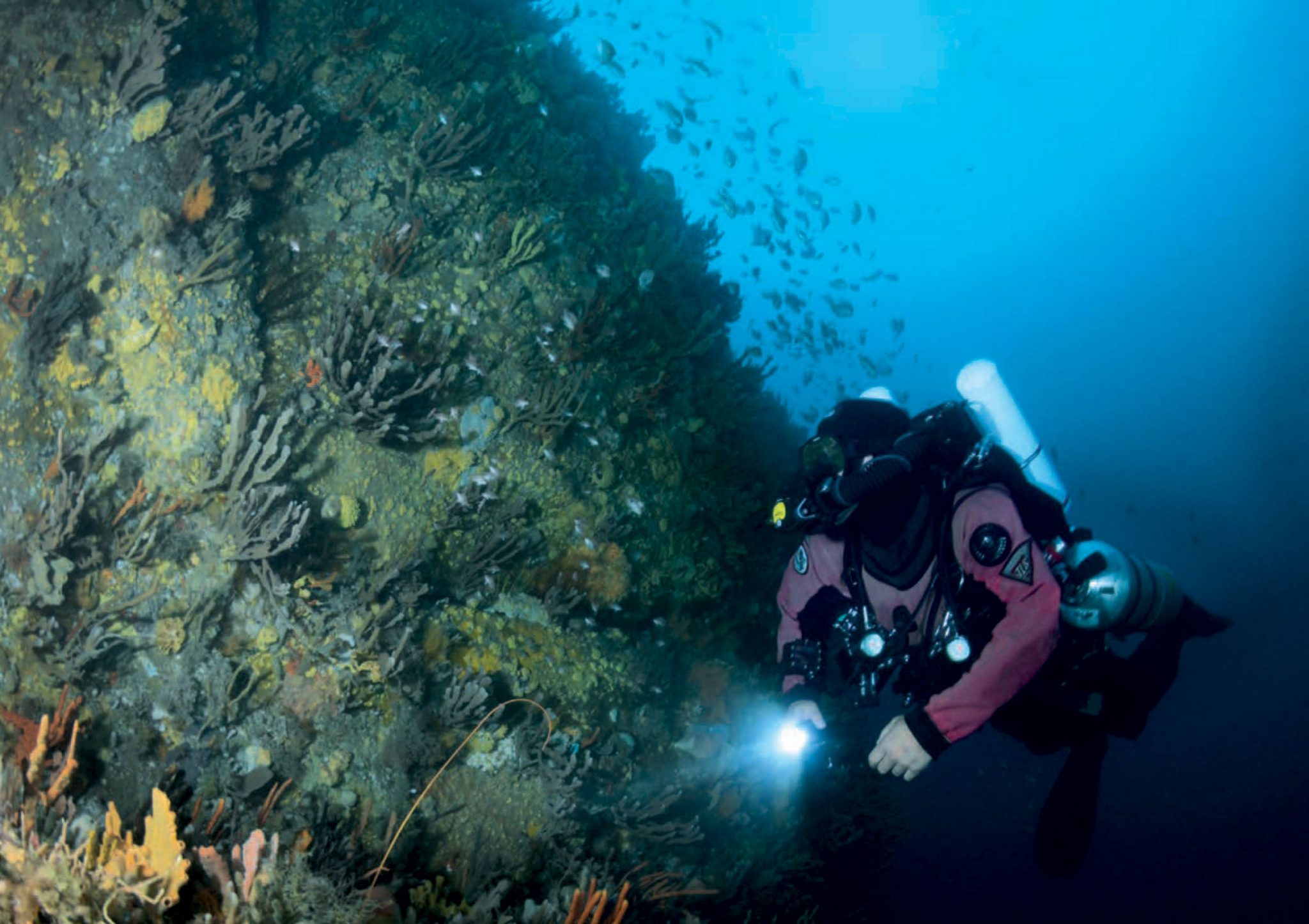
The deeper you get in Tasmania’s waters, the more abundant and colourful life becomes (Photo by James Parkinson)
Once at the site we dropped the shot line, which landed as planned on the shallowest spot at about 58 metres, and deployed the decompression bar next to it. Finally, it was time to jump into the blue and find out what lies in Tasmania’s deeper waters. This was going to be James’ and my first dive in Tasmania to those depths, and we really knew very little about what to expect. The only thing we did know was that on most of the local dives we had done recently, the local reef life becomes much more colourful and exciting the deeper you go (and, thanks to the helium, it wasn’t just the narcosis!).
Once in the water we dropped along the shot line, with visibility improving as we went. As we approached the bottom what we saw can only be described as an overdose of goodness!
THE GARDEN
The first thing we realised was that we had landed in a garden full of black corals, some more than a metre tall, sparkling with their amazing bright white colour (the name black coral comes from their dark central skeleton as I learned later, but their living tissue can be a range of colours).
Read the rest of this article in 2017 Issue 2 Volume 146 of Asia Diver magazine by subscribing here or check out all of our publications here.
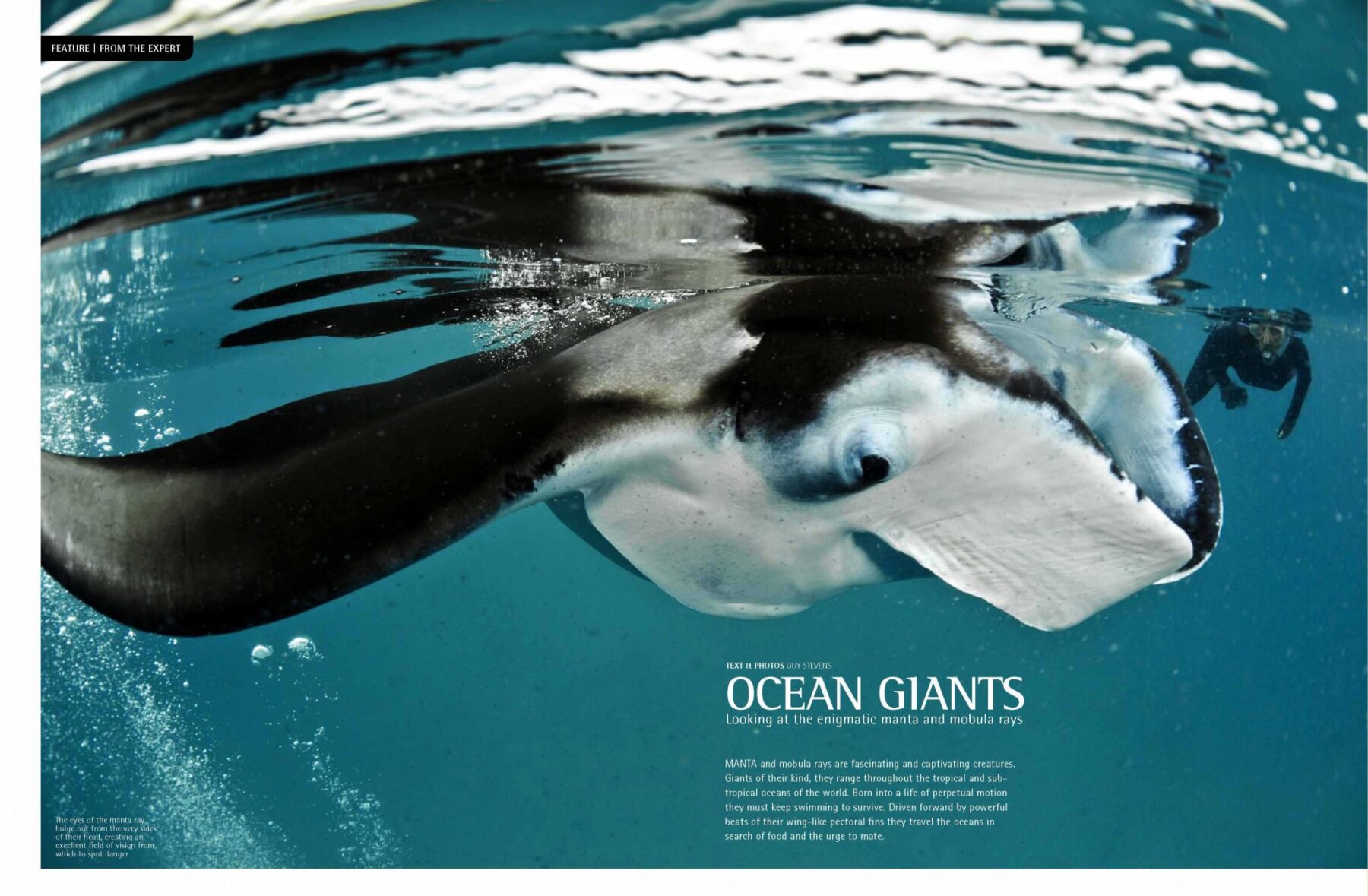
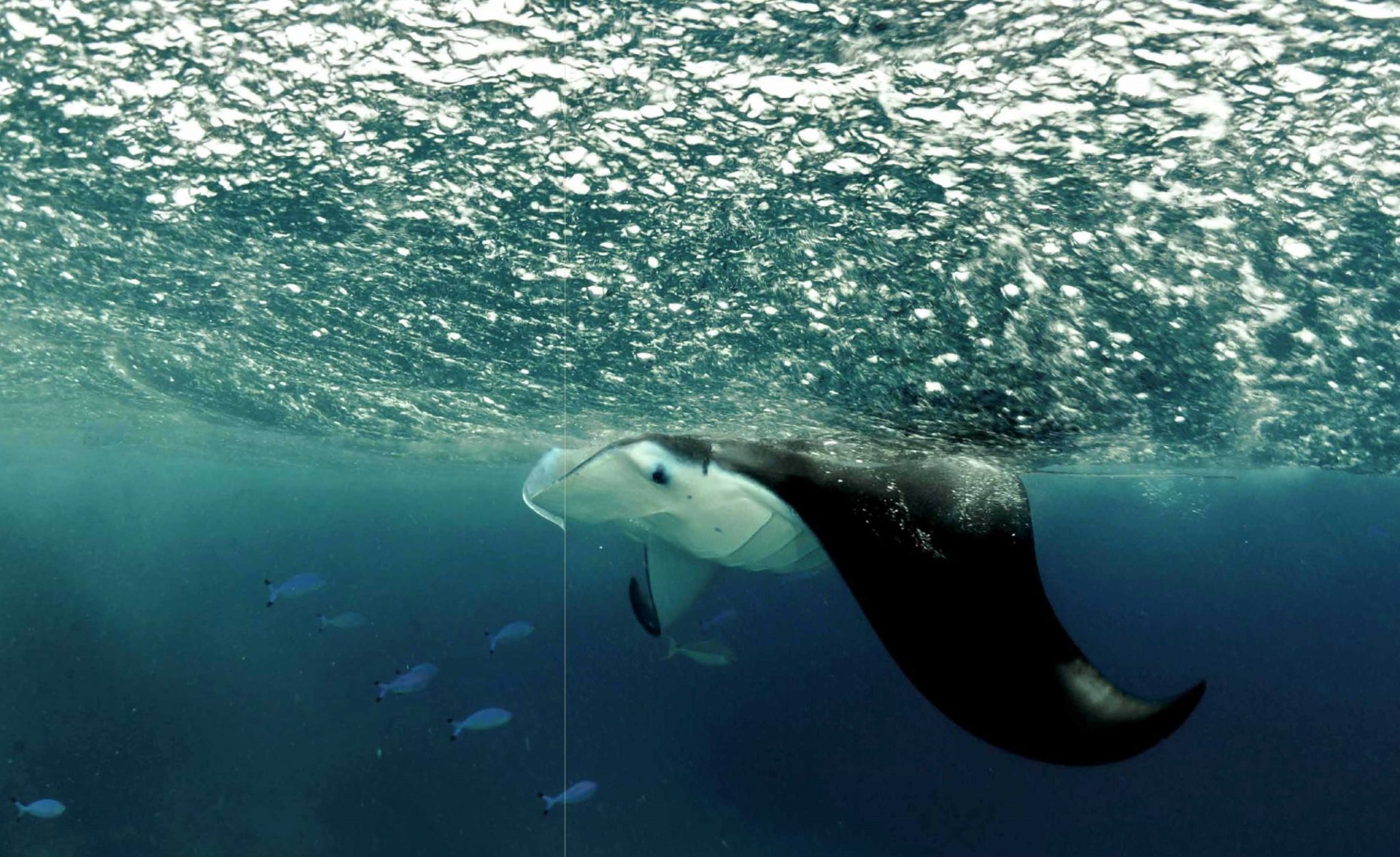
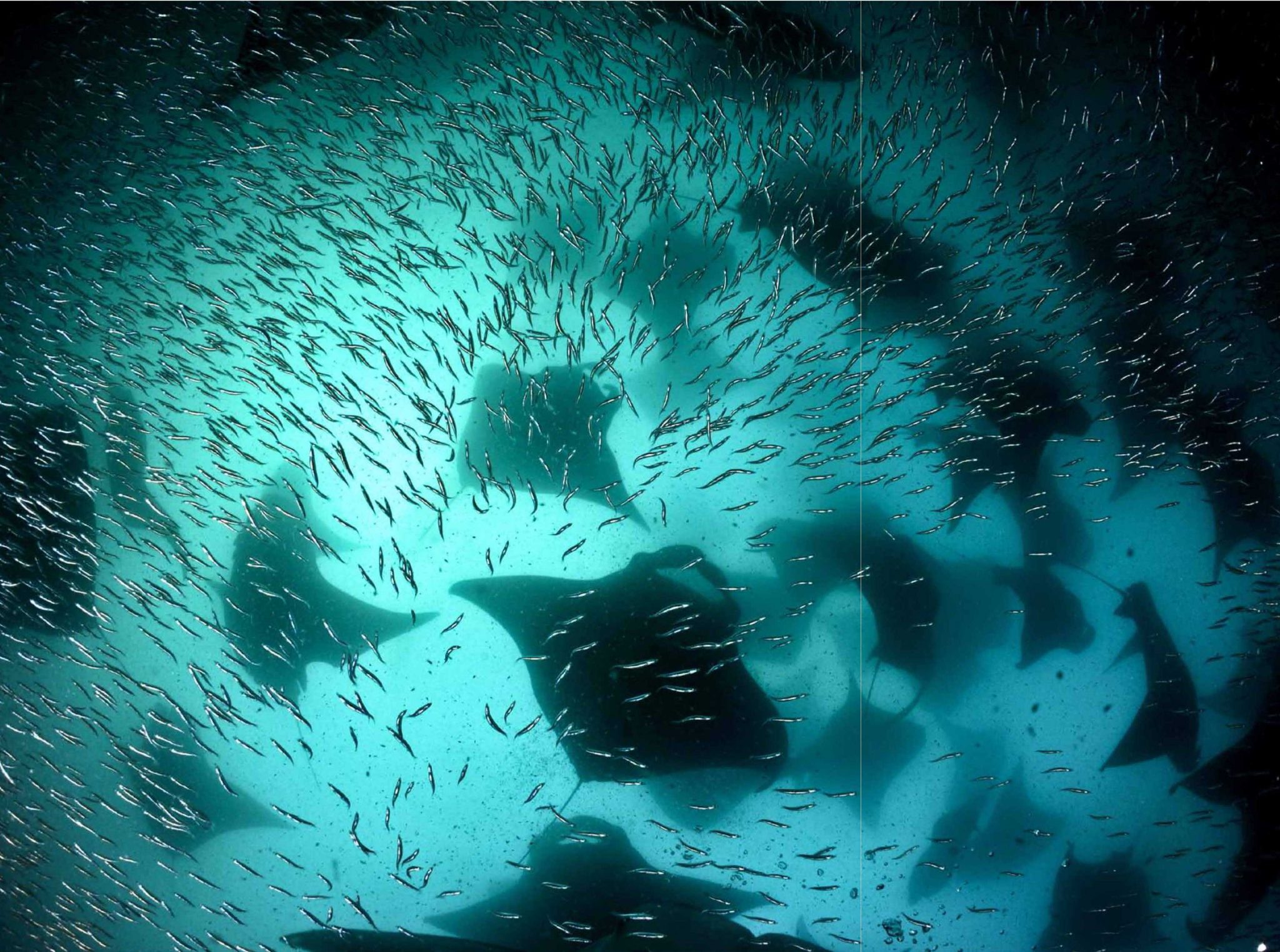
Manta and mobula rays are fascinating and captivating creatures. Giants of their kind, they range throughout the tropical and subtropical oceans of the world. Born into a life of perpetual motion they must keep swimming to survive. Driven forward by powerful beats of their wing-like pectoral fins they travel the oceans in search of food and the urge to mate.
Despite the fact that manta rays in particular are hugely fascinating to divers and snorkelers around the world, it has only been in the last 10 years that widespread research into the mysteries and complexities of these animals’ lives has begun in earnest. This article details the fundamentals of what we know today about these fascinating creatures.
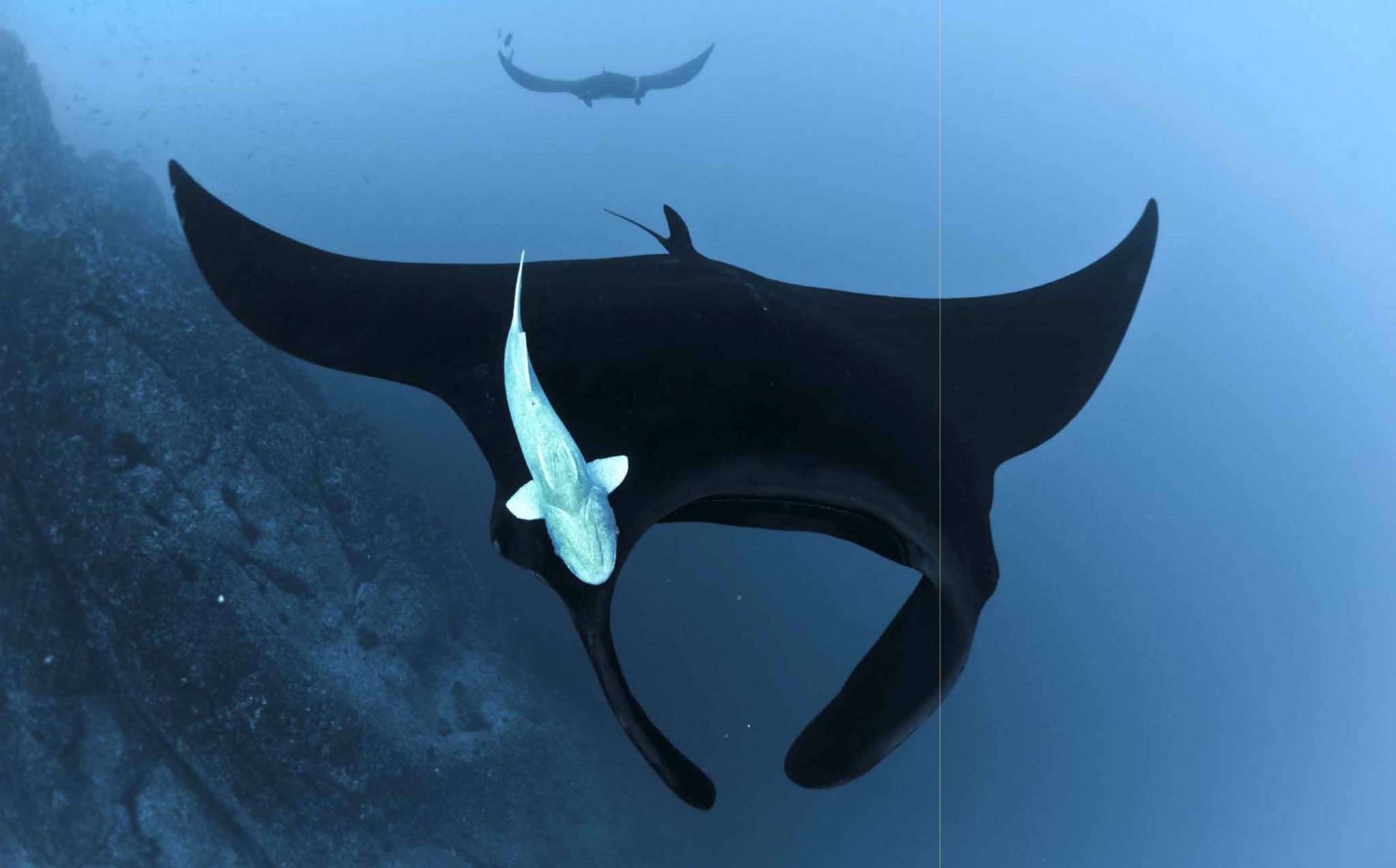
Two giant black morph oceanic manta rays (Manta birostris) circle Roca Partida, a remote seamount in the Revillagigedos Islands in Mexico (Photo by Guy Stevens)
Family History and Global Distribution
Like all cartilaginous elasmobranchs, manta and mobula rays have a skeleton comprised of flexible, fibrous and light cartilage as opposed to the dense bony skeletons of the vast majority of all other fishes. A close relative of all sharks and rays, mantas and mobulas must constantly keep swimming forward in order to ensure a steady supply of oxygen rich water flows over their gills; they can never stop to sleep or rest on the seabed.
The first rays appeared in the oceans approximately 170 million years ago. Radiating from shark-like ancestors, they adapted to a more benthic mode of life. The flattened body shape of rays is essentially a squashed version of the archetypal shark, with internal physiology very similar to that of their shark cousins. It was from these bottom dwelling rays that the pelagic mantas and mobulas (Mobulidae family – devil rays) evolved, taking to the open water around 20 million years ago, with mantas evolving even more recently around five million years ago.
The defining feature of the Mobulidae family is that they are all filter feeders, using their mouths and modified gill rakers to strain plankton and small fishes from the water. In general, mobula rays are much smaller than the mantas and can be distinguished by morphological differences in their mouths and cephalic fins (“head fins”). Mobula rays have a bottom jaw which is undercut, so that when their mouths are closed the edge of the lower jaw rests much further back than the upper, whereas the jaws of manta rays are aligned evenly.
The other differentiating anatomical feature between the two genus is the shape of their cephalic fins, which when rolled up look like horns projecting off their heads, hence the name “devil rays”. The primary function of these fins is to help funnel planktonic food into the gaping mouths of the rays when they are feeding. Unfurled, the mobula ray’s cephalic fins are just small flaps, but in the mantas, these fins unravel to form much larger paddle-like structures, which touch in the centre to form a complete funnel around the manta’s mouth. These fins are used by the mantas when feeding to help them channel their planktonic prey into their mouths.
The devil ray family contains 11 species of plankton and fish eating rays (see table). Within this family, there are two genus; Mobula and Manta. Very little is known about the mobula rays which, unlike the mantas, are generally very shy towards divers making it hard for scientists to observe their natural behaviour in the wild. Like mantas, they are found throughout tropical and sub-tropical oceans, sometimes aggregating in vast shoals of many hundreds, they come together possibly to feed or to seek safety in numbers.
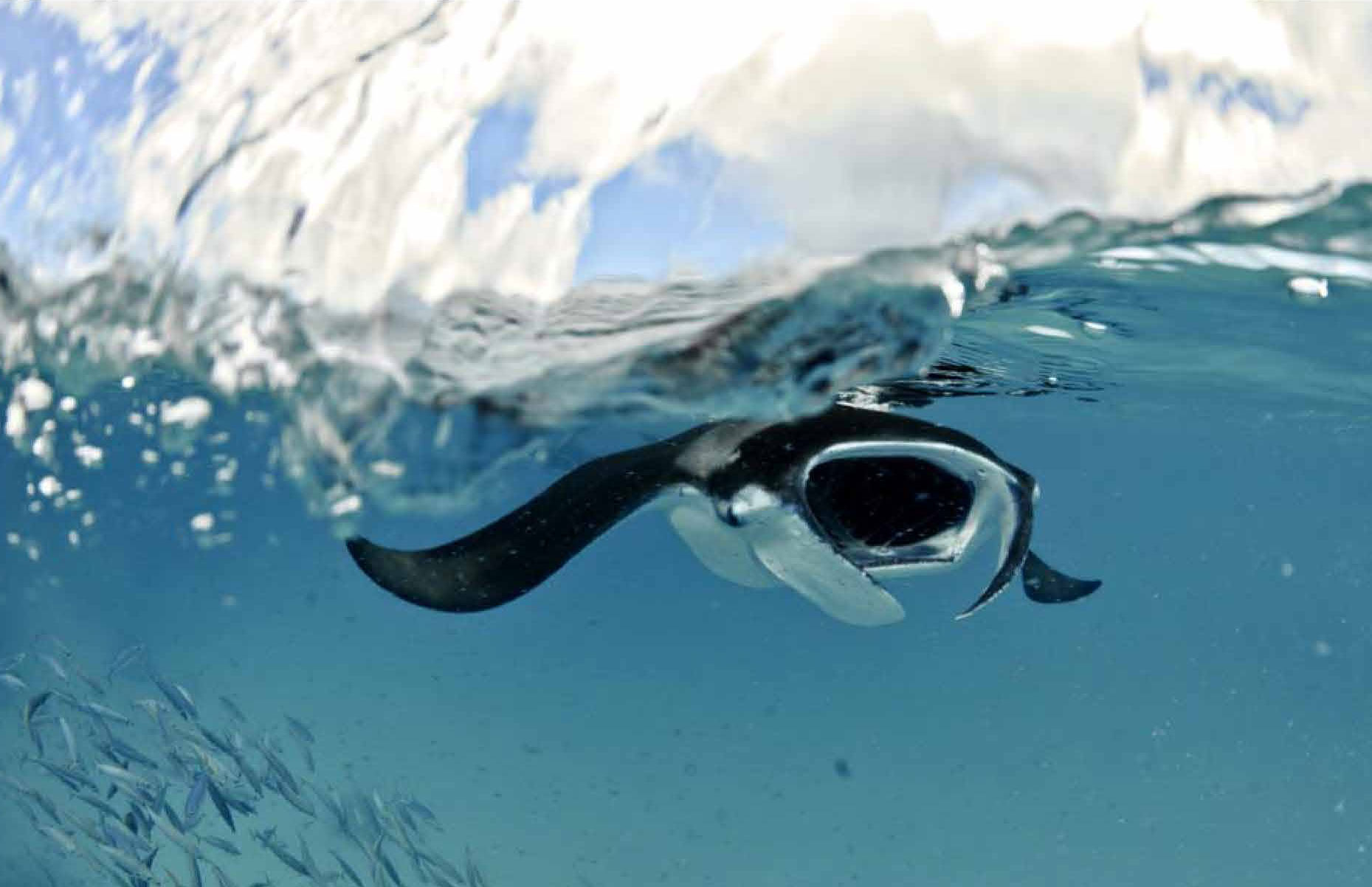
A surface feeding reef manta ray (Photo by Guy Stevens)
These aggregations may also occur more frequently at breeding times and it is not uncommon to encounter these large groups attracting attention at the surface as the rays leap several metres out of the water. There are currently nine described species of mobula rays, but the taxonomy of this genus is likely to change in the coming years as advances in genetics allow scientists working on these poorly studied animals to further define the true nature of the species composition within the genus.
Within the genus manta, there are currently two recognised species, Manta birostris (the giant oceanic manta) and Manta alfredi (the resident reef manta). These two species have much in common, but a few differences exist. Mantas were re-classified as two separate species in 2009 based on a number of slight morphological features as well as differences in habitat utilisation and behaviour. Genetic work is continuing to further define the true nature of this separation and later this year, a third Caribbean species of manta ray is also likely to be announced.
Resident Reef Manta Ray (Manta Alfredi)
The reef manta is smaller than the oceanic manta ray, with an average disc-width of 3-3.5 metres (9-11.5ft). These reef mantas live quite different lives to their giant counterparts, occurring in the shallow waters along the coastal reefs of continents and around remote oceanic island and archipelagos. These mantas are more commonly encountered by divers and snorkelers and tend to be highly social. They are often resident to a specific home range, migrating around this area as they follow changes in the seasonal abundances of their planktonic food source, or are driven by the urge to find a mate and reproduce.
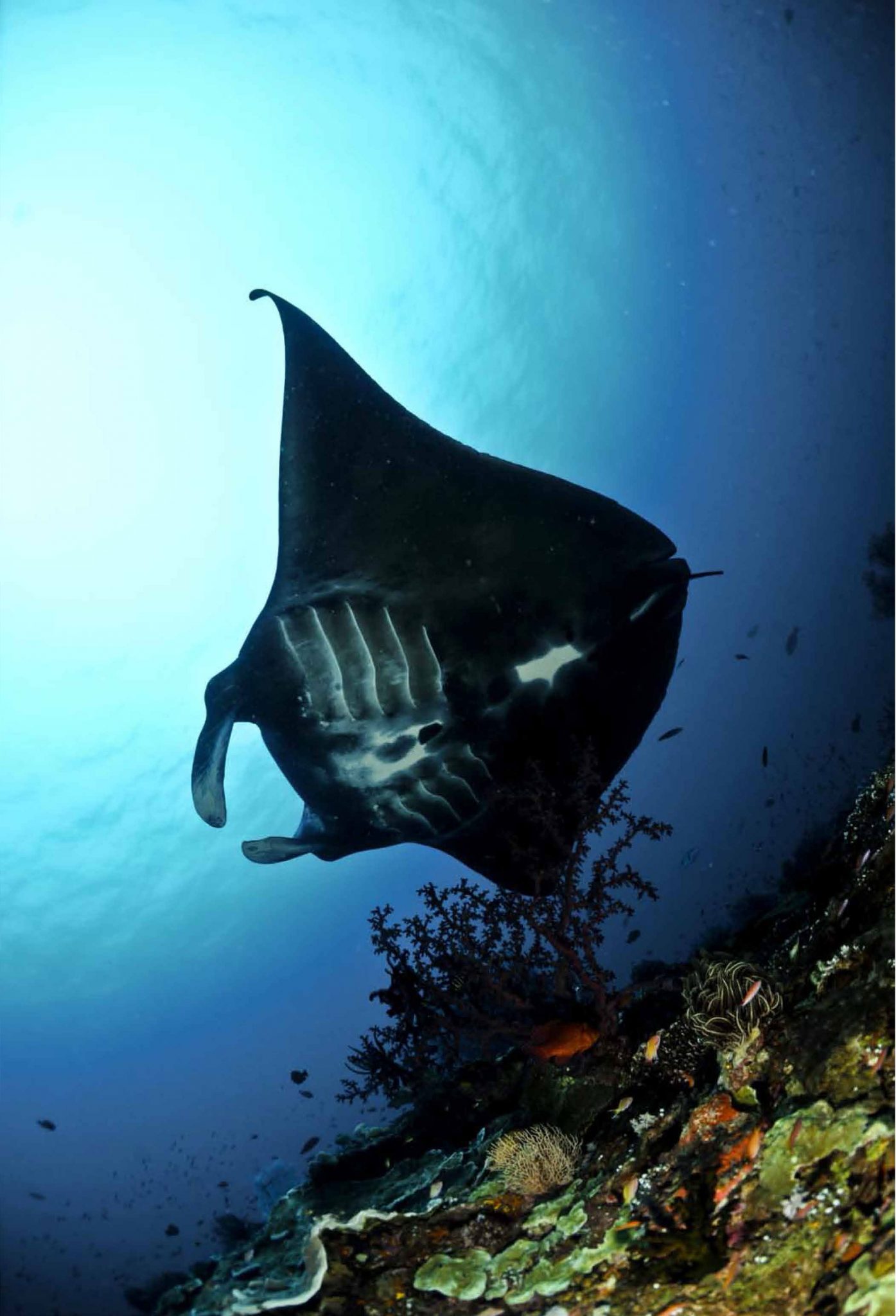
A black morph reef manta hovers over a cleaning station in Raja Ampat (Photo by Guy Stevens)
Reef mantas commonly frequent the same sites year after year for many decades, allowing researchers to gather in-depth data on the population as a whole and follow more closely the lives of specific individuals as they grow, reproduce and migrate.
Giant Oceanic Manta Ray (Manta Birostris)
As its name suggests, the giant oceanic manta ray is generally larger than its smaller reef resident relatives, with average disc widths of around four to five metres (13-16.5 ft) and in extremely large specimens, possibly exceeding seven metres (23 ft). Large oceanic mantas might weigh up to two tonnes (4,440lbs). The literature on these species also cites the presence of a nonfunctional spine at the base of the tail, which is not present in their reef manta counterparts, as a defining anatomical feature.
While the range of the two species overlaps, the giant mantas appear to be much more transitory in nature, wandering large distances across open oceans. The oceanic mantas are most frequently sighted along productive coastlines with regular upwelling, at oceanic island groups, offshore pinnacles and seamounts.
The reef manta feeds on plankton rich water at the surface during a storm in the Maldives (Photo by Guy Stevens)
Oceanic mantas also venture into the slightly cooler waters of the higher latitudes, with reported sightings as far afield as 31ºN (South Carolina, USA) and 36ºS (North Island, New Zealand). While divers and snorkelers still encounter this species, their elusive and migratory nature means that we know much less about these giants than their smaller reef dwelling relatives.
Life History
Like all elasmobranches, but unlike nearly all the other fish in the sea, manta rays reproduce through internal fertilisation, which means male and female must come together to mate. They give birth to live young that are miniature versions of their parents; ready to fend for themselves, they are completely independent from birth. Courtship rituals and actual mating events are relatively infrequently observed and the only documented accounts of a birthing manta ray come from a single female, which is housed in the Japanese aquarium at Okinawa. Many gaps still remain in our knowledge of the sexual lives of these fantastic creatures, and what little we do know is based on very little hard scientific data.
Mantas are ovoviviparous, meaning that once they have mated, the fertilised egg grows within the female’s uterus until it has developed into a fully functioning manta pup. In aquaria, the time between mating and pupping has been observed to take around one year. Mantas usually give birth to a single pup, but occasionally two developing embryos have been recorded inside a pregnant female during autopsies.
At birth, mantas measure around 1.5-2 metres from wingtip to wingtip. It’s thought that mantas are probably born at night, but to date no wild births have ever been recorded. It is believed that mantas become sexually mature at around 10–15 years of age, possibly even longer for females.
Courtship in mantas can last days or even weeks and is an intricate process led by the female. The males compete to mate with the female, following her around the reef in what is known as a mating train; as many as 30 males may line up behind a single female. Watching a mating train of mantas is an enthralling experience, with the female leading the males as she races, twists, turns and dives around the reef with each male following her every move. In doing this, the female tests the fitness of the males as they try to keep up with her and gain the first place in the train.
A mass aggregation of cyclone feeding manta rays at Hanifaru Bay你Marine Protected Area in the Maldives (Photo by Guy Stevens)
At the end of this process, the female selects a single male and the two mate as a pair, belly to belly in the mid water, the male biting down on the female’s left wing to secure them together. These bites leave permanent mating scars on the ends of the female’s pectoral fins where the wingtip is gripped by the male’s muscular pharynx at the back of his mouth. Just like humans, manta rays exhibit signs of lateralisation, with nearly all observed mating scars occurring on the left hand side of the females, suggesting the males favour this side of their body.
Currently, it is not known how often females give birth, but the latest research suggest birth rates average around one pup for each mature female every two to five years. This extremely slow rate of reproduction, coupled with the long gestation period, late maturity age and small litter size, makes manta rays very vulnerable to exploitation.
Research would indicate that mantas probably live for around 50 and possibly up to 100 years. However, until scientists have been studying these animals for several more decades, we are unlikely be able to answer this question more accurately.
Read the rest of this article in 2012 Issue 2 Volume 119 of Asian Diver magazine by subscribing here or check out all of our publications here.
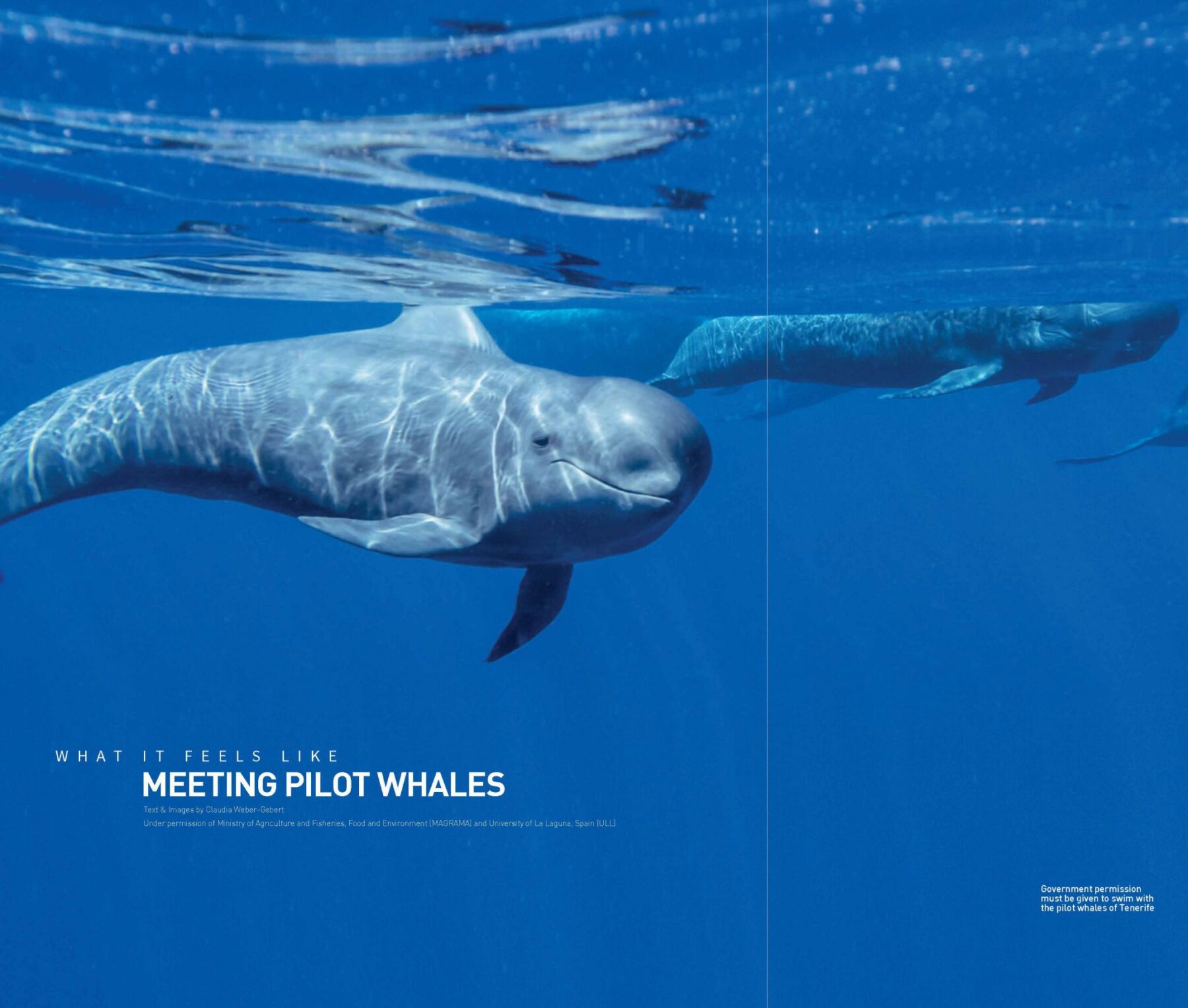
The first time I visited Tenerife, I was captivated by the idea of shooting the resident pilot whales – a protected species requiring the permission of the Spanish government to swim with. It was a dream that seemed impossible.
Back home, I could not abandon the thought, so I busied myself researching how to gain approval from the Spanish government. I was determined to shoot these wonderful creatures that found their home around the Canary Islands.
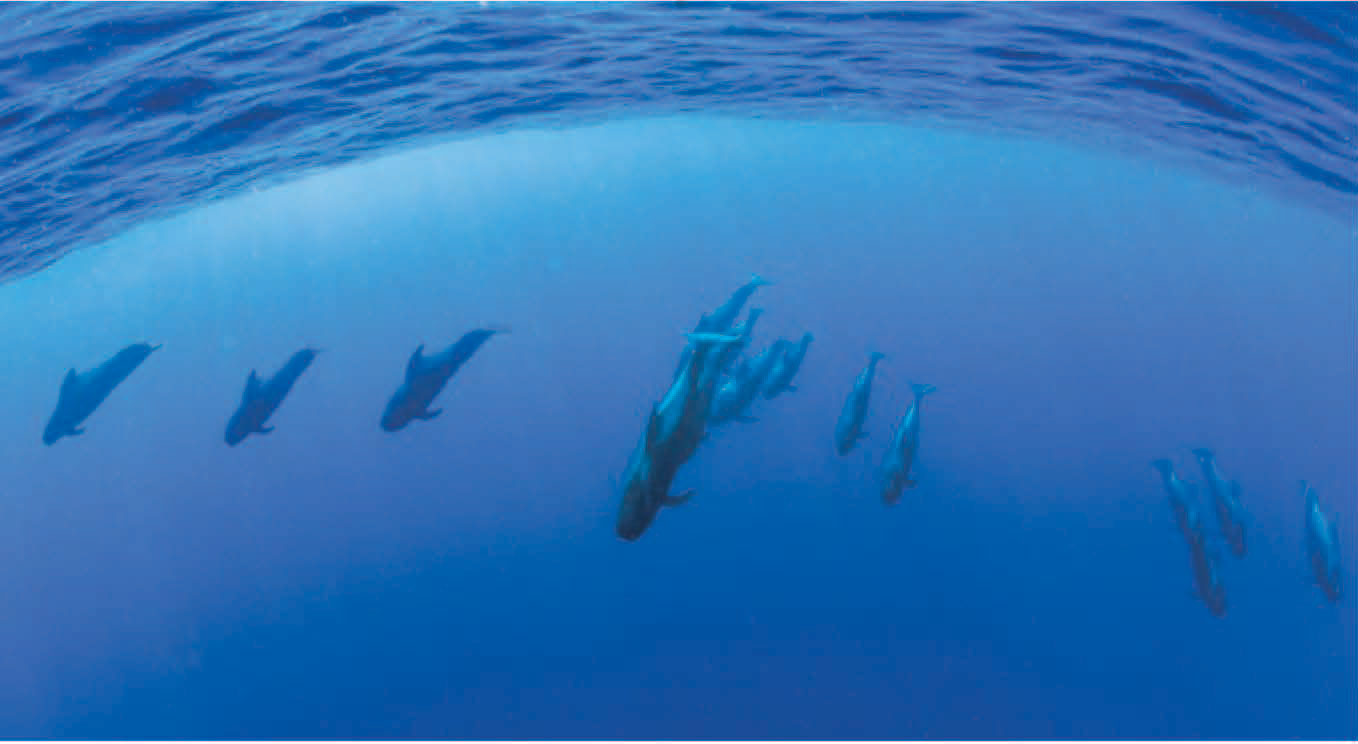
Nine months later, I found myself in a small boat at the coastline of Tenerife Island, 1000 metres of water beneath me, waiting for the moment where I could finally meet the pilot whales. The weather conditions were ideal – calm waters, a slight breeze, with warm rays of the sun beating on our backs. At first, the whales were travelling too fast; we could only take surface pictures, or dip our cameras into the water. Even that in itself was a wonderful feeling: They were so close we even got a whiff of their breath – not a pleasant smell I must admit!
Suddenly, Sergio Hanquet, our guide, turned the boat and told us to get ready to slip into the water. I put my mask and fins on and sat at the edge of the boat, holding my camera tight. And then I heard the magic word, “Go!”
Immediately, I let myself slip into the water as quietly as possible. My husband did the same. We carefully swam in the direction of the pod – wow, what a feeling! The whales kept a distance, then turned and swam away. It was breathtaking.
Photo by Claudia Weber-Gebert
Back on the small boat, we repeated this procedure several times; Sergio would look for the best opportunities, watching the small groups of pilot whales in the ocean, and then advancing toward them. As we spotted a huge dorsal fin, Sergio once again instructed us to be prepared. I was already sitting on the edge of the rocking boat when I heard the “Go”.
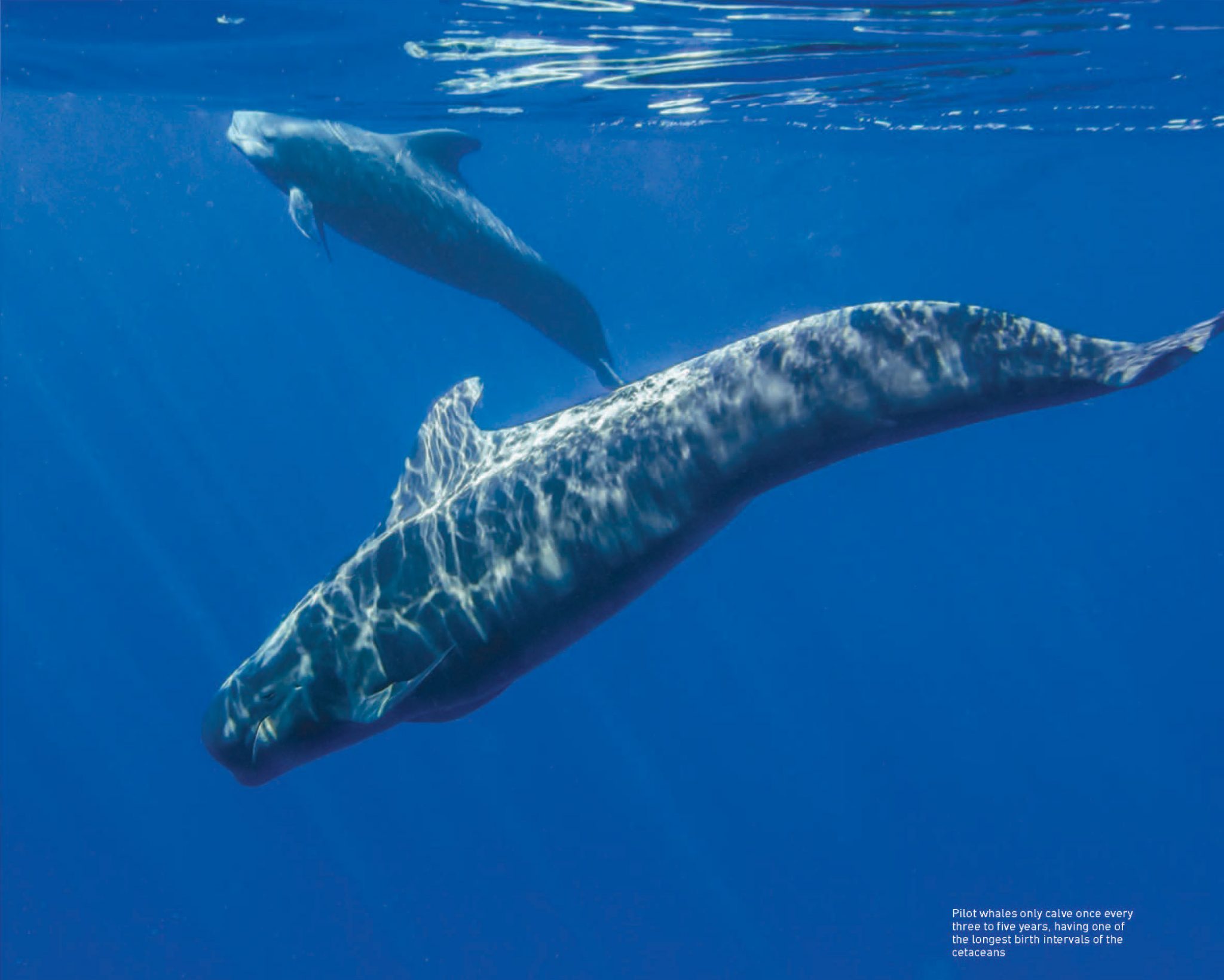
I jumped into the water and found myself directly in front of a huge male adult. This one was huge, really huge, and it was coming closer. At that moment, a thousand thoughts were running through my head: “He must have seen me”, “Did he really see me? I hope not…”, “Is this dangerous?” The story of a woman pulled down 40 metres by a pilot whale came to mind. I was snapped back to reality, realising that I should be taking pictures. I put my camera in front of my body, as if that tiny thing could protect me against a whale, and pushed the trigger.
When I finally made eye contact with the whale, I was suddenly overcome with emotion. This majestic creature noticed me. He drifted past, keeping me in his field of view before disappearing into the blue. I will never forget those eyes, gentle and a little sad, and the strength I felt from them – what a moving moment!
When I lifted my head out of the water again, the two men on the boat were laughing. “That was a huge one, wasn’t it?” Sergio chuckled.
Photo by Claudia Weber-Gebert
Once, a young adult male with a newborn calf placed himself between his group and us. He started communicating with his group; we could hear the whistles of that male and the answers from the group behind. He gave us clear signs not to come closer to the pod so we swam back to the boat. It was obvious that he was not at ease with us in the water.
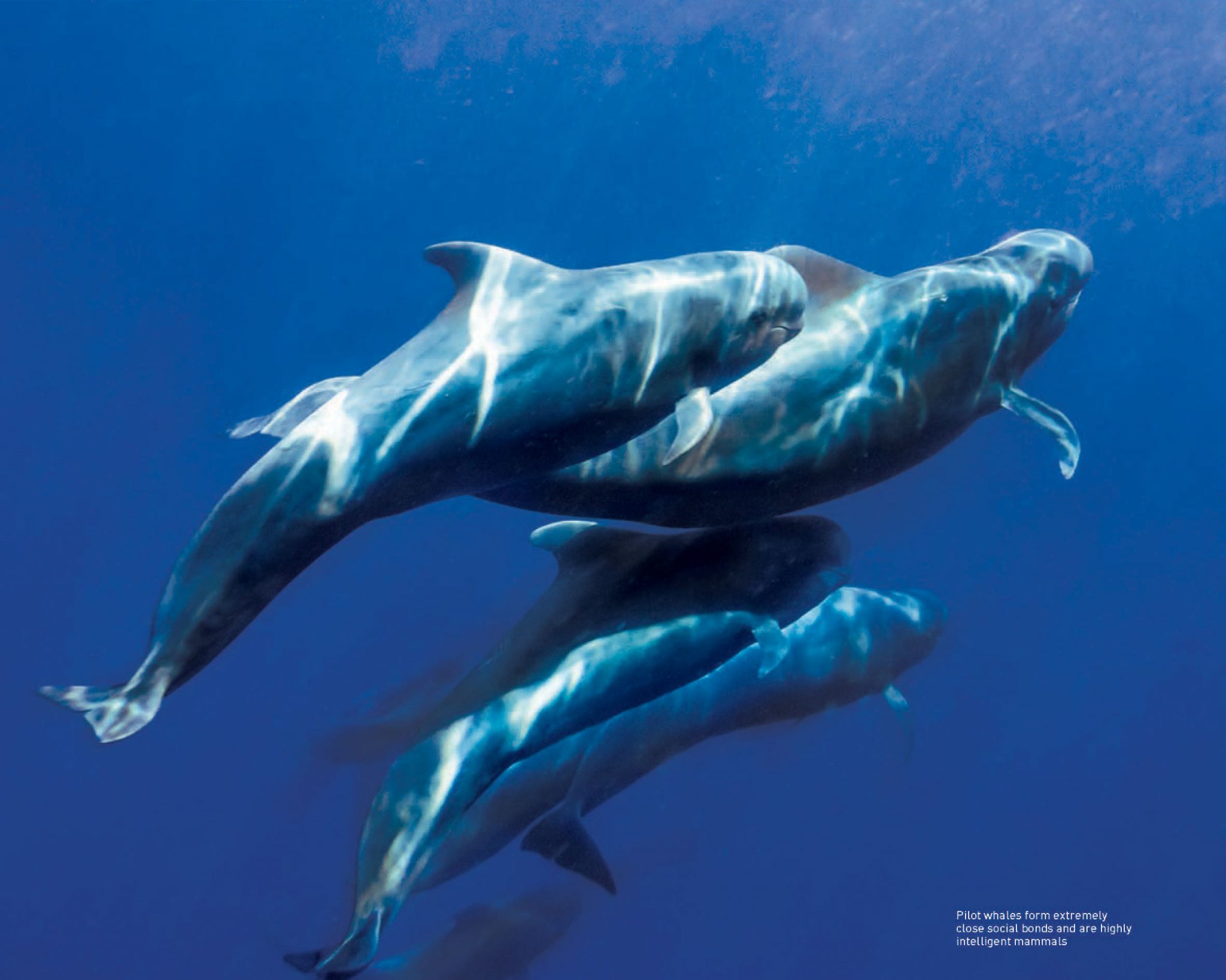
On the last day, the pilot whales bade us goodbye with a spectacle. A pod of 24 approached us, all in one line, passing under us as they neared. I could feel their strength through the water, the inherent sociability of whales suddenly so apparent. Being able to witness that moment, it breaks my heart to think of how whalers profit from this beautiful trait through slaughter.
Once, a young adult male with a newborn calf placed himself between his group and us. He started communicating with his group; we could hear the whistles of that male and the answers from the group behind. He gave us clear signs not to come closer to the pod so we swam back to the boat. It was obvious that he was not at ease with us in the water.
Photo by Claudia Weber-Gebert
On the last day, the pilot whales bade us goodbye with a spectacle. A pod of 24 approached us, all in one line, passing under us as they neared. I could feel their strength through the water, the inherent sociability of whales suddenly so apparent. Being able to witness that moment, it breaks my heart to think of how whalers profit from this beautiful trait through slaughter.
Read the rest of this article in No.110 Issue 4/2017 of Scuba Diver magazine by subscribing here or check out all of our publications here.
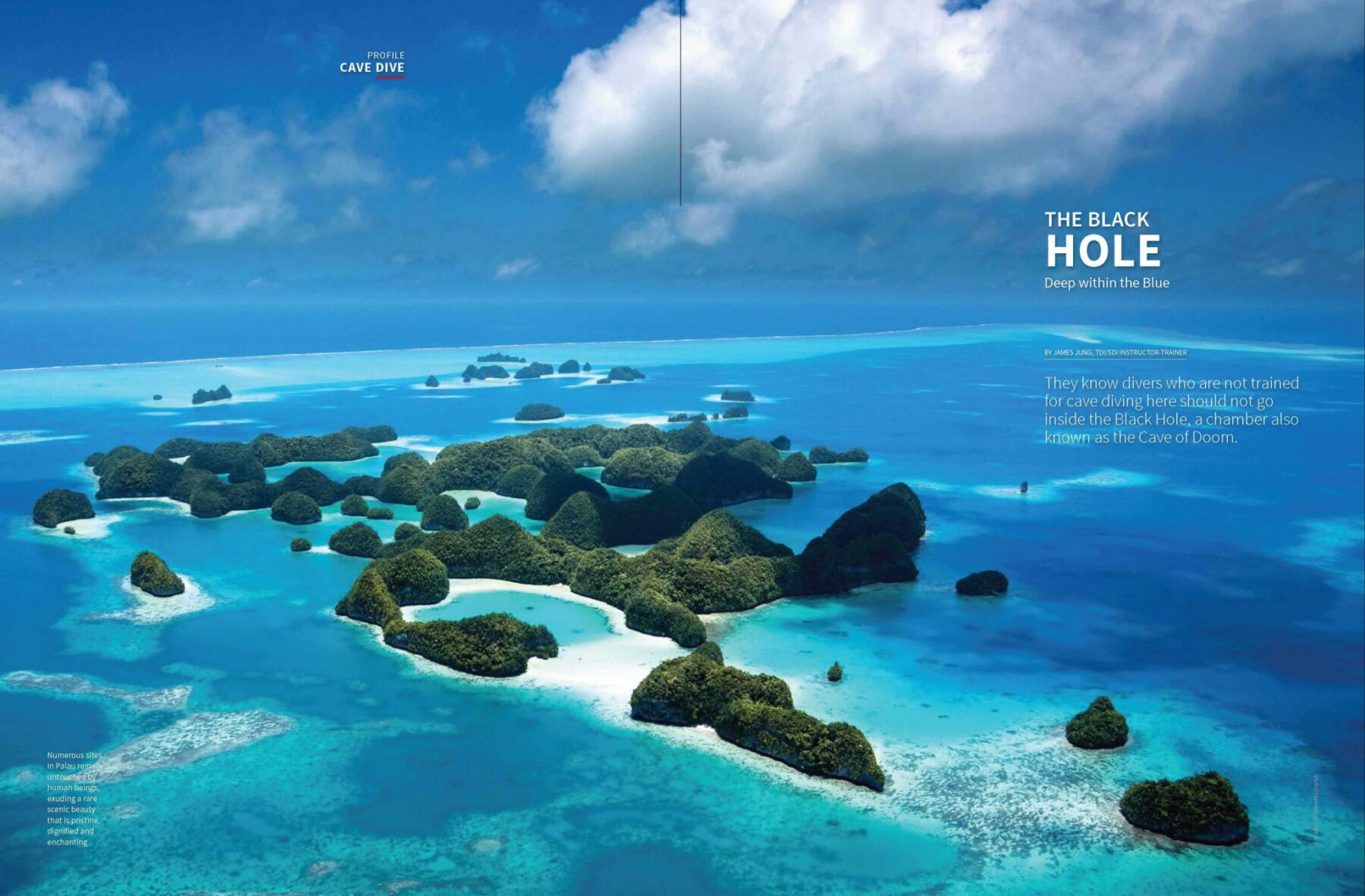
BEYOND the 2,300 islands of untouched Palau, lies the famous Black Hole.
The journey begins at Rock Islands. Divers who have done Palau may recollect days where sky and sea merged and dive sites were immersed in cobalt blue. Past the thousands of islands of untouched Palau, lies the famous Blue Hole. It is considered one of the best dive sites in this island paradise.
Situated south of Ngemelis Island, the Blue Holes are four vertical shafts that open on top of the reef into a huge cavern. Popular with snorkellers, divers and underwater photographers, the site is famed for the spectacular rays of sunlight that penetrate through the openings into the blue water below.
The Temple of Doom is unequivocally a dive for only the qualified and experienced, for once through the small entrance, there is no direct access to the surface (Photo by .W.Alker/Westend61/ Corbis)
However, if you go further into tek terrritory, beyond the blue, there is Palau’s Black Hole. While little detailed information about the cave exists, there are various unconfirmed tales of fatal accidents that took place within, earning this magnificent expanse names such as “Death Hole” and “The Temple of Doom”. As such, the majority of divers have been deterred from exploring the fabled cavity, and there are likely only a few divers in Palau skilled enough to dive the Black Hole – those equipped with the proper knowledge, experience and equipment.
I made several attempts in 2013, but accomplished little due to a lack of tek gear and a support team. By 2014, I had started to set up a tek dive centre in Palau, complete with rebreathers, twin cylinders, deco cylinders, and more. I then tried again to unveil the clandestine black beyond the blue
I have to admit that the name sent chills down my spine. The horizontal topography suddenly changing to a sheer 70-metre drop; divers running out of air alone in the darkness – such tales have fed the rumours of death and doom. But the reality was bound to be different, and the stories only got me more curious, making me ever more determined to explore the cave – with the proper gear, of course.
INTO THE BLACK
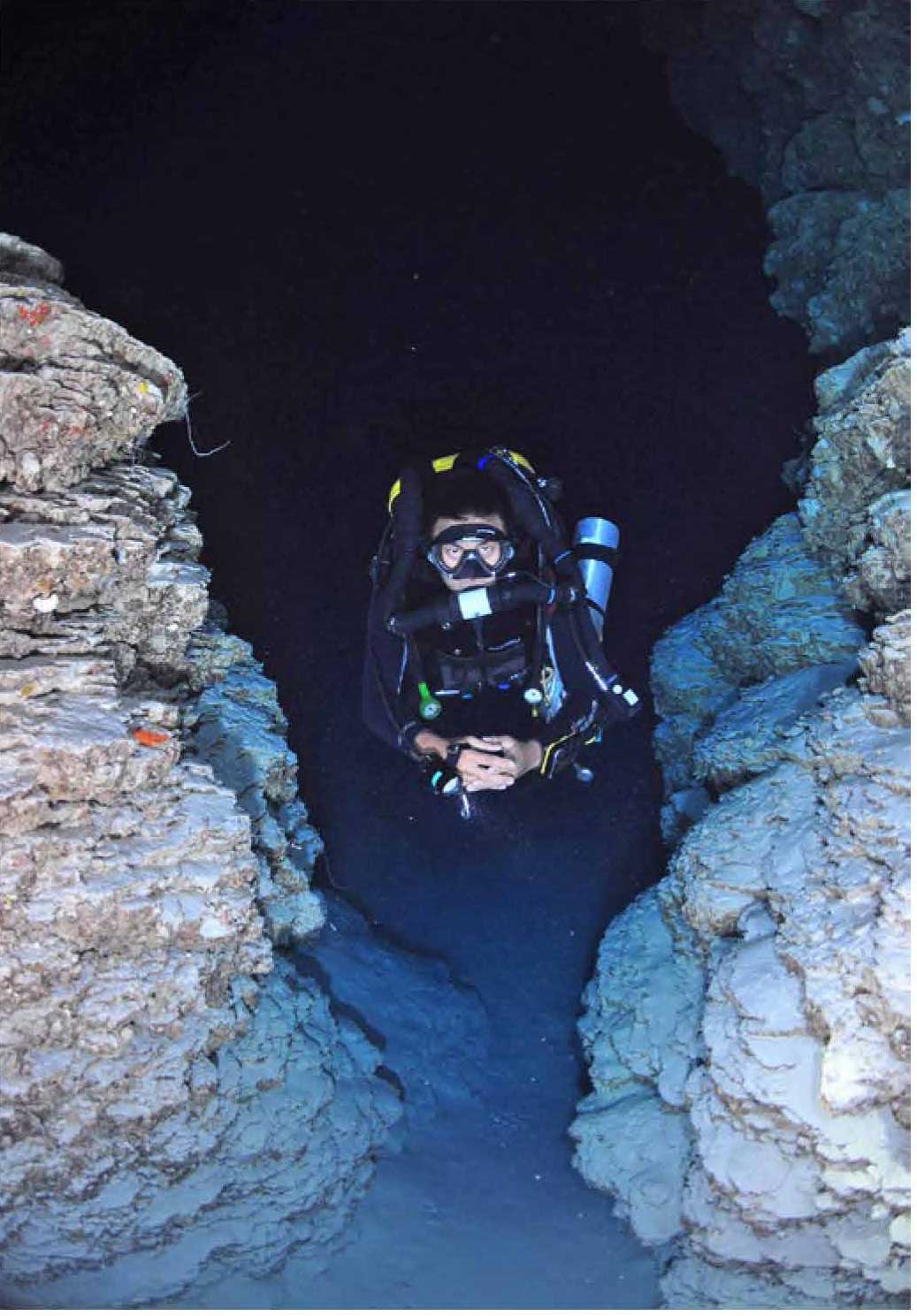
Descending into the Blue Holes, we found a permanent line along the cave, as well as several arrows right in the middle of the cave, and we swam along the line to the end. Here, at a depth of 23 metres, just beside an Indo-Pacific electric flame scallop (Ctenoides ales), was the entrance to the Black Hole.
The opening to the Black Hole is very narrow – barely a metre wide – but beyond is an expansive, magical chamber. It measured about 15 metres wide and 24 metres high, leaving a ceiling-to-surface distance of 18 metres. A layer of fine silt lay on the bottom, at 42 metres. The cave seemed to be about 80 to 100 metres long. We found several small holes along the bottom covered with thick layers of silt that formed little mounds, but they were not branching caves.
Silt here is extremely fine, demanding excellent buoyancy control (Photo by .W.Alker/Westend61/ Corbis)
The Black Hole meanders southwest. The cave walls are covered in thick debris. The sand mounds on the bottom mimic a desert landscape, which then eventually leads to a floor resembling the topography of a canyon. What comes to mind is how all these would be perfect for wide-angle cave scenes. We found the remnants of two turtles: one was well preserved, the shape of its remains instantly recognisable; the other had left just a few bones as evidence of its existence.
Read the rest of this article in 2015 Issue 1 Volume 136 of Asian Diver magazine by subscribing here or check out all of our publications here.
Fish gynaecology:
Understanding
the induction of
spawning is highly
imperative to the
development of
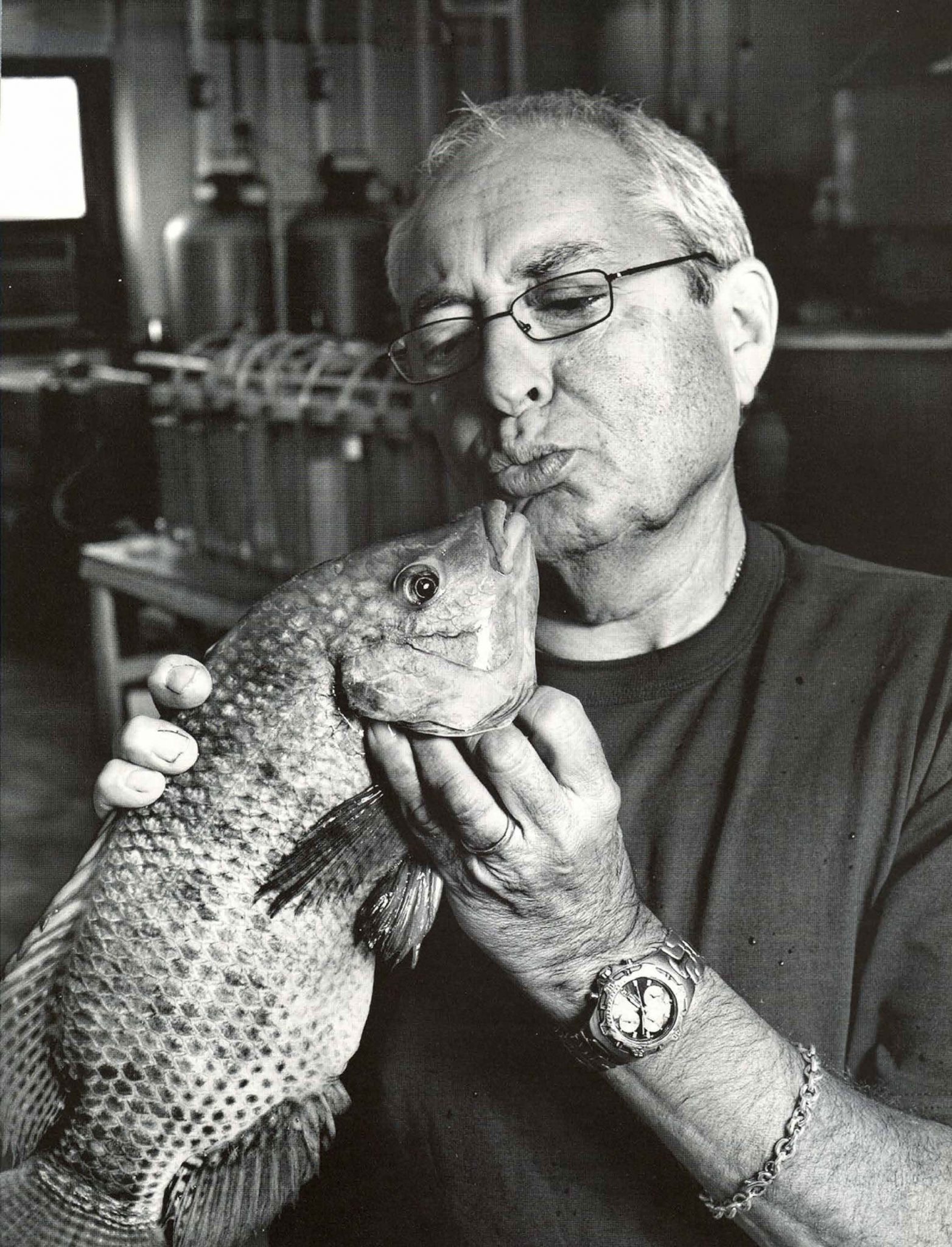
urban fish farming (Photo courtesy of Martin P. Schreibman)
IT IS NOT AN EASY FEAT to achieve the dubious title of “Sex God”, and certainly not the “Sex God of Brooklyn, NY”. So how did this come about for a forever-young CUNY Distinguished Professor Emeritus at Brooklyn College? It was earned – the old fashion way!
I have served as a university professor and scientist for more than half a century. I began using fish as research animal models in graduate school as a means to understand human (vertebrate) physiological processes. The small tropical fish that we studied helped to elucidate such fundamental processes as growth, sexual maturation, aging, olfaction, vision, pigmenta-tion, osmoregulation and neural regulation of endocrine (hormonal) processes, among a host of other func-tions. However, it became apparent to me early on that I was more interested in how fish (vertebrates/humans) courted, had sex and produced offspring, than in under-standing how they urinated!
Our research facilitated the understanding of how regulatory centres in the brain, by way of their multitude of transmitting factors, genetic makeup, olfaction, age and courting patterns enabled the successful procreation of future generations and, thus, ensuring evolu-tionary stability. The combination of fish and knowledge of how their reproductive systems functioned led us into the field of aquaculture – the growth of aquatic organ-isms under controlled conditions.
An aquatic love affair: A huge part of the neuroendocrinologist’s work involves conducting fieldwork in the estuaries and out at sea (Photo courtesy of Martin P. Schreibman)
At the time, fish farming was in its earliest days of expanding, even though fish farming, in one form or another, had been practised for thousands of years. One of the first questions that confronted the new wave of farmers was how to get fish to produce eggs and sperm and, thus, offspring all year long. This required understanding and controlling the induction of spawning. A whole new field of “fish gynaecologists” emerged, and I was among the first.
When NASA and DARA (the German Space Agency) joined forces to develop a programme that would study how vertebrate (i.e., human astronauts) reproductive systems would function in hypogravity, I was invited, along with other German and American scientists. We flew experiments on two separate space shuttle flights in 1998 and 1999 using an aquatic vertebrate – a small tropical fish, to address this issue. Why these fish?
In many ways their reproductive systems and processes are much like humans – they court, they copulate, sperm and egg meet and the fertilised eggs are retained within the female cavity until they are suffi-ciently developed to swim out of the mother’s “womb” to venture forth on their own. I have no doubt that there would have been a plethora of astronauts signing on to participate, but keep in mind this was for experimental objectives, not fun and frolic.
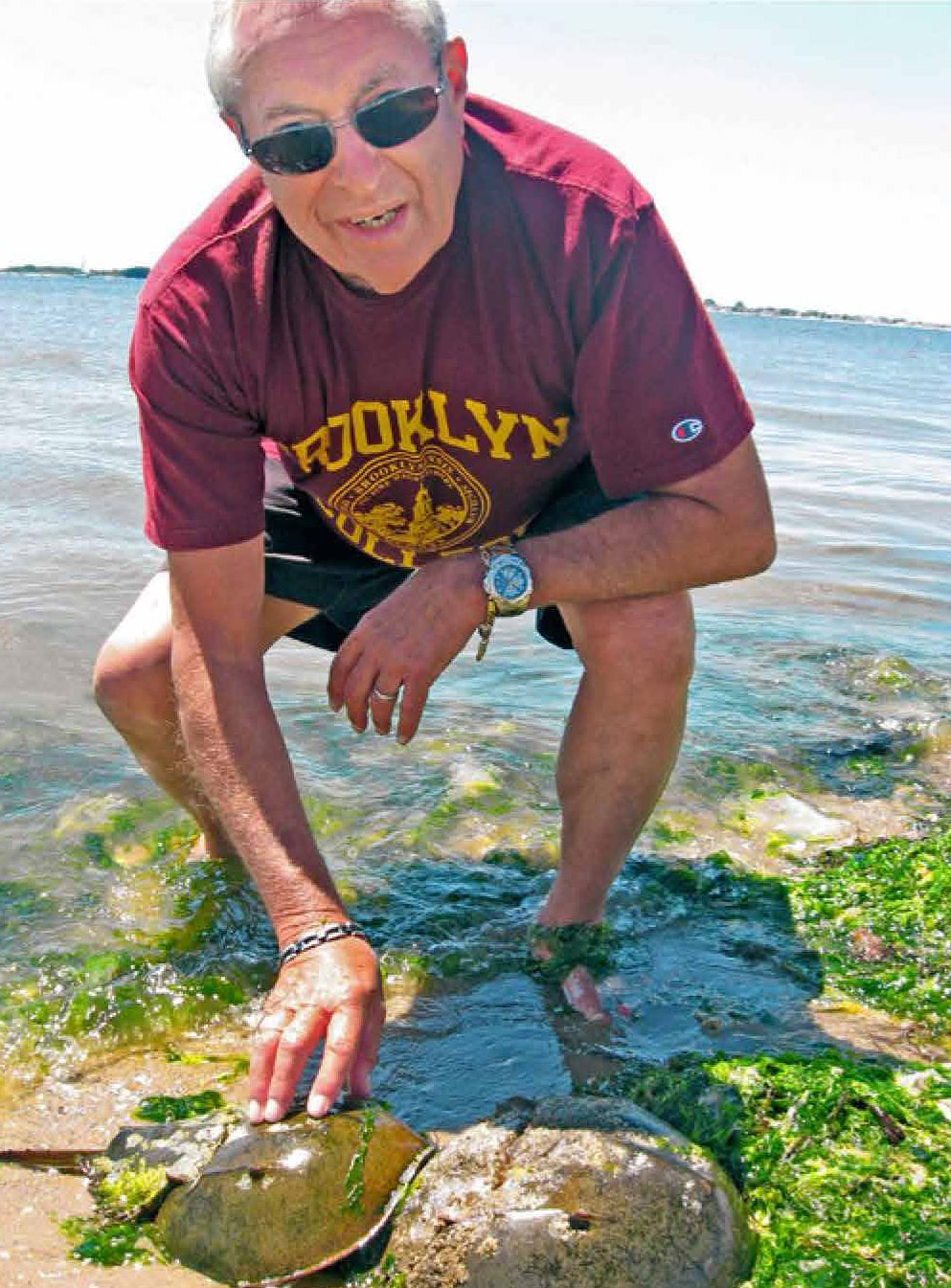
Martin and a couple of mating horseshoe crabs (Photo courtesy of Martin P. Schreibman)
In 1999, Brooklyn College opened the doors to its Aquatic Research and Environmental Assessment Center (AREAC) – a research facility that I conceived of and developed. My career as a comparative neuroen-docrinologist took on new dimensions. We began to do more fieldwork in the estuaries and rivers surrounding New York City. It was there that I met and became enam-oured with Limulus polyphemus, the American horse-shoe crab. It became the focus of a significant part of my field and laboratory research.
The horseshoe crab is important and intriguing for many reasons: for its important pharmaceutical role because its blood is still the major way that we can detect pathogenic bacteria; for its major role in ecosystem stability by providing essential nourishment to shore birds on their northern migration in the spring; and for its evolutionary significance – all important and worthy reasons for studying and protecting these prehistoric creatures. But for me they are most exciting because of their life cycle and their manner of procreation (what did you expect from the Sex God of Brooklyn?).
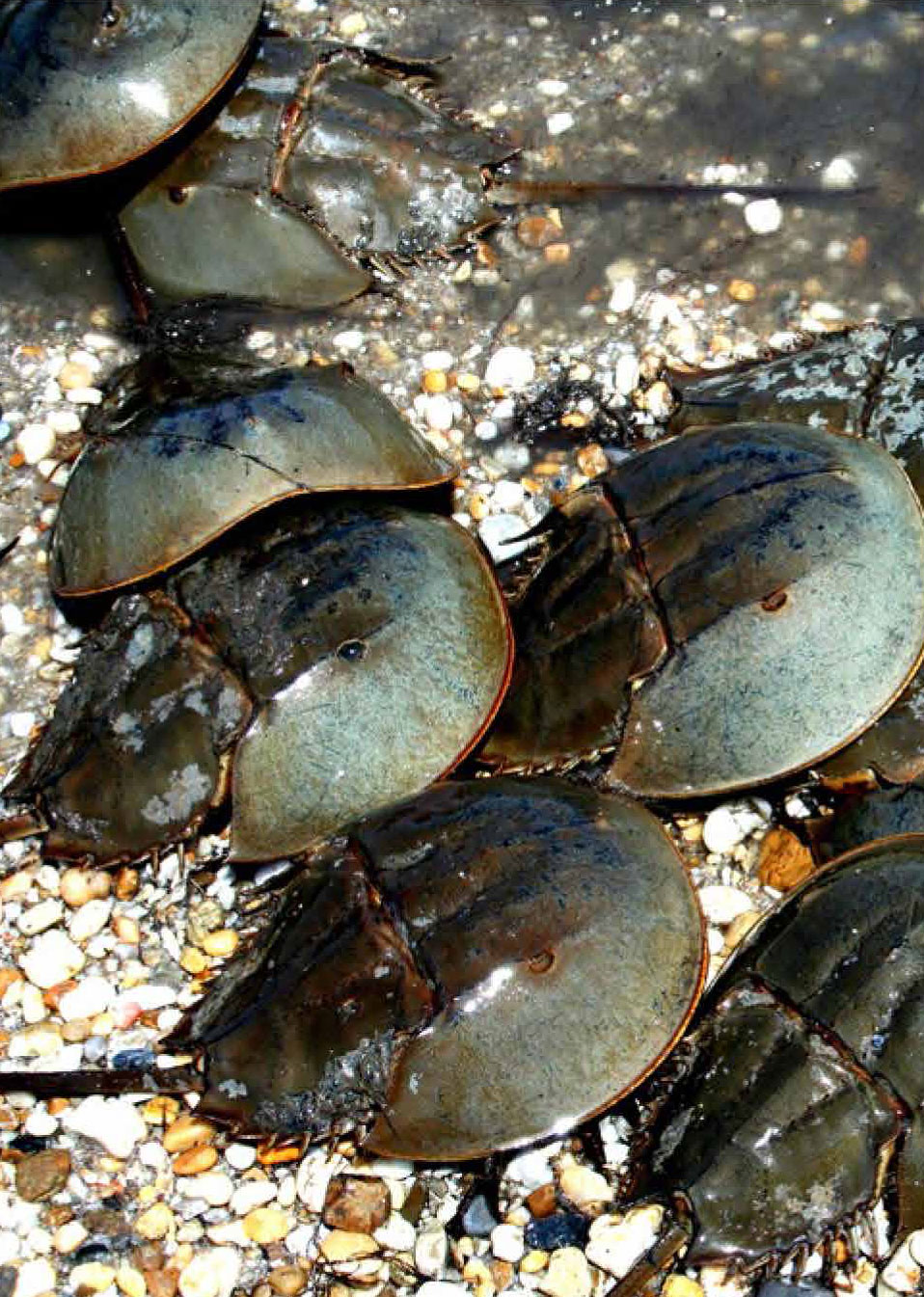
Horseshoe crabs tend to mate in large aggregations, with a male to female ratio of 1:3 (Photo courtesy of Martin P. Schreibman)
MARTIN P. SCHREIBMAN is the founder and Director Emeritus of Brooklyn College’s Aquatic Research and Environmental Assessment Center (AREAC), a research facility devoted to the study of aquatic organisms – mainly how they grow, adapt and reproduce. He is one the key experts in the horseshoe crab’s mating rituals.
Read the rest of this article in 2013 Issue 4 Volume 127 of Asian Diver magazine by subscribing here or check out all of our publications here.
It was the summer of 2012, when I went looking for new and unexplored photo opportunities. It was then that I decided to venture into the open ocean and see what surprises this cerulean temptation may have prepared for me. First, I discovered that if I went far enough from the coast (about eight to 16 kilometres), I could always find crystal clear blue water.
Soon enough, I also realised that encounters with sea turtles were very frequent. They are easily spotted because they usually float at the surface. Obviously, I eventually started to approach them, albeit with great care. I learned that each one of them has a very particular personality, which doesn’t make it easy to loom in closer. The vast majority are very shy and as soon as you start getting too close, they rapidly disappear, taking a plunge into the deep blue. But there are others who will not freak out and stay, so if you are patient and persistent, great encounters can happen.
After many failed attempts, my very first encounter in the open ocean with one of these magnificent animals finally transpired. I entered the water at an approximate distance of six metres and very slowly started swimming towards the turtle. I was so happy and excited because she allowed me to get really close! Then, as soon as the initial shock of being alone in the middle of the ocean and so close to a huge and beautiful sea turtle passed, I started taking my first pictures.
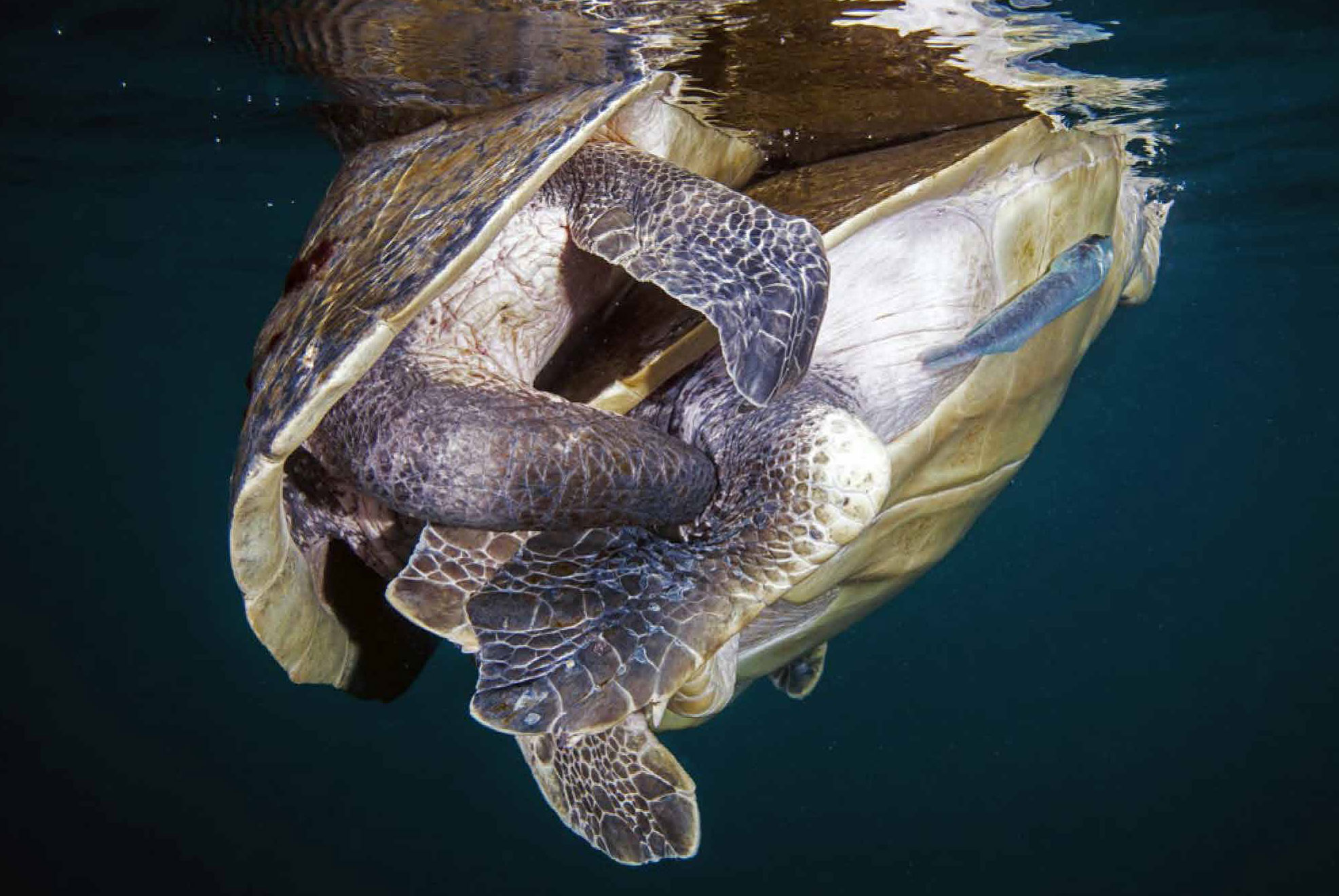
The sea turtle’s penis is embedded in its long, thick tail (Photo by Christian Vizl)
For the first 15 minutes, I approach her very slowly and very gently and she was very gently and very slowly avoiding me. But then, she became curious and was the one who slowly and gently started to swim towards me. She came so close, to the point of touching me, that the roles got inverted and I was the one who slowly and gently started to swim away from her! It was a magical half an hour, being in the pres-ence of each other in a completely wild environment; we could each leave any time we wanted, but we both chose to hang around each other. In the end, I was the one who decided to leave first…
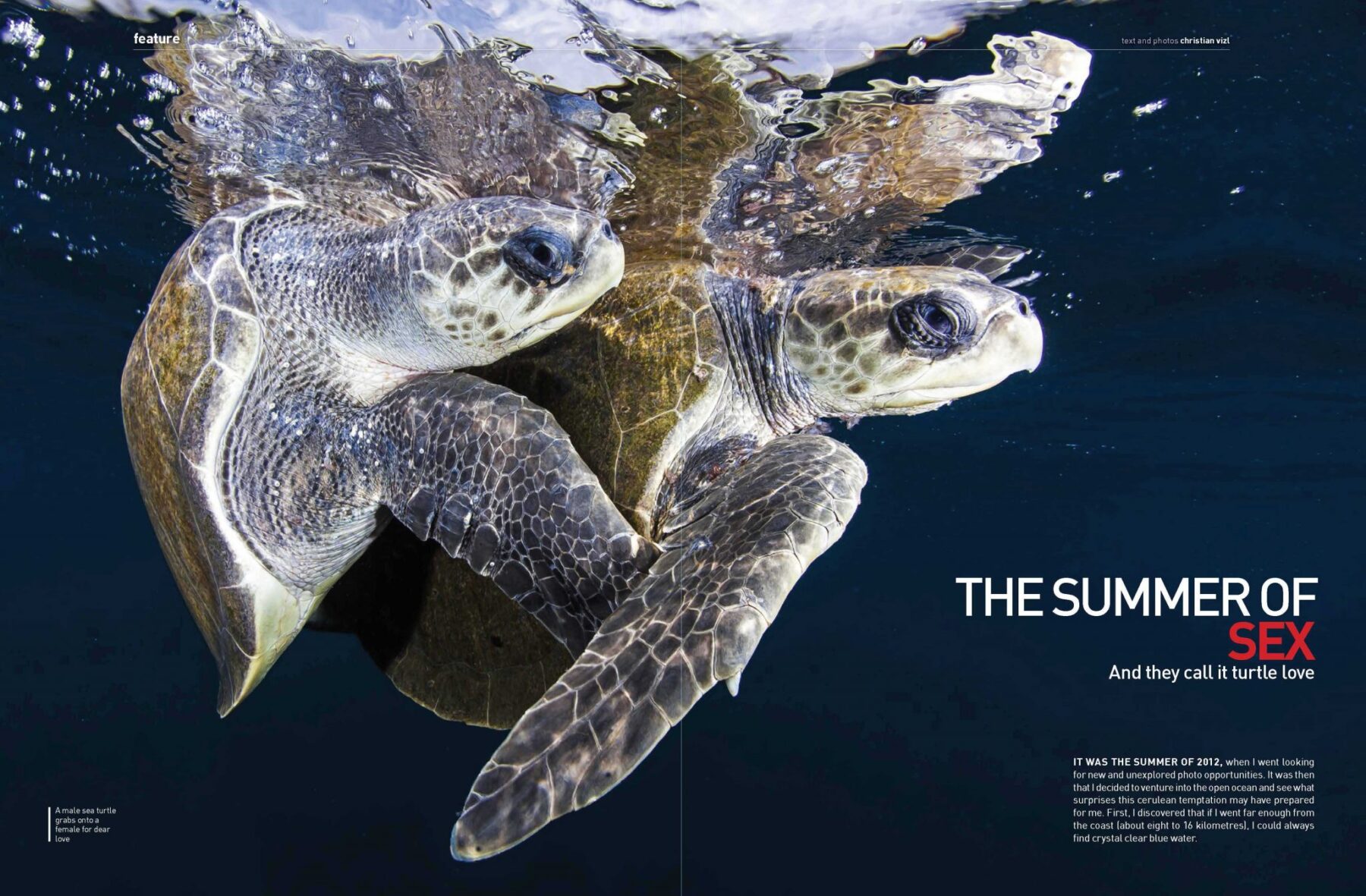
I completely fell in love with the whole experi-ence, so since then, every time I have a chance, I go out and look for sea turtles. That same summer, I encountered my first couple of mating turtles. I was fascinated instantly, but experienced some mixed emotions. On the one hand, I felt very privileged to be a witness of such an amazing moment, but on the other, I felt like I was intefering in such an intimate act. So I decided to take only a few shots and slowly swim away, leaving them alone to finish in privacy.
TITILLATING TURTLES
Marine turtles are often called the ancient mariners of the sea. They have been swimming in the oceans for more than 150 million years. Inhabiting tropical and subtropical seas throughout the world, they tend to live long lives, around 50 years, spending most of it swim-ming and following ocean currents.
They feed on a wide range of animals and plants, inclusing sea sponges, jellyfish, algae, sea anemones, seagrass, mollusks, shrimp, corals, sea cucumbers, starfish, bottom dwelling invertebrates and yes, even fish. They are known to feed and rest off and on during a typical day and are mostly omnivorous in their adult life, except the green sea turtle (Chelonia mydas), which is herbivorous. All sea turtles have the same general life cycle; they grow slowly and take decades to reach sexual maturity. They can sleep at the surface in deep water areas or at the bottom, wedged under rocks in near shore waters.
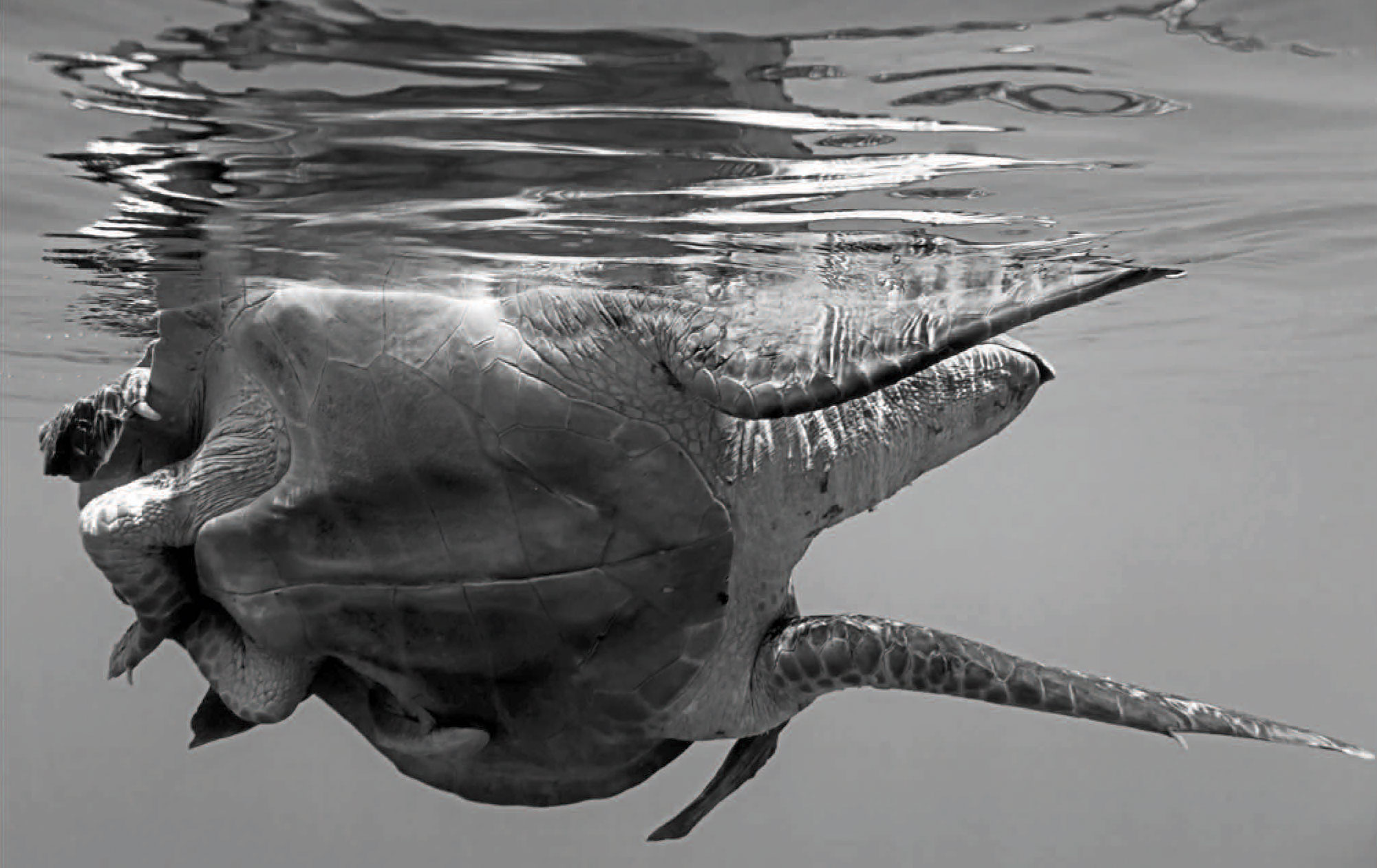
Copulation can happen both on the surface or under water (Photo by Christian Vizl)
Sea turtles are generally solitary creatures that remain submerged for much of the time they are at sea, which makes them extremely difficult to study. They rarely interact with one another outside of courtship and mating. Because of this difficulty in studying marine turtles in the open ocean, there are many things still unknown about their behaviour.
During mating season, males may court a female by nuzzling her head or by gently biting the back of her neck and rear flippers. If the female does not flee, the male attaches himself to the back of the female’s shell by gripping her top shell with the claws in his front flippers. He then folds his long tail under her shell to copulate.
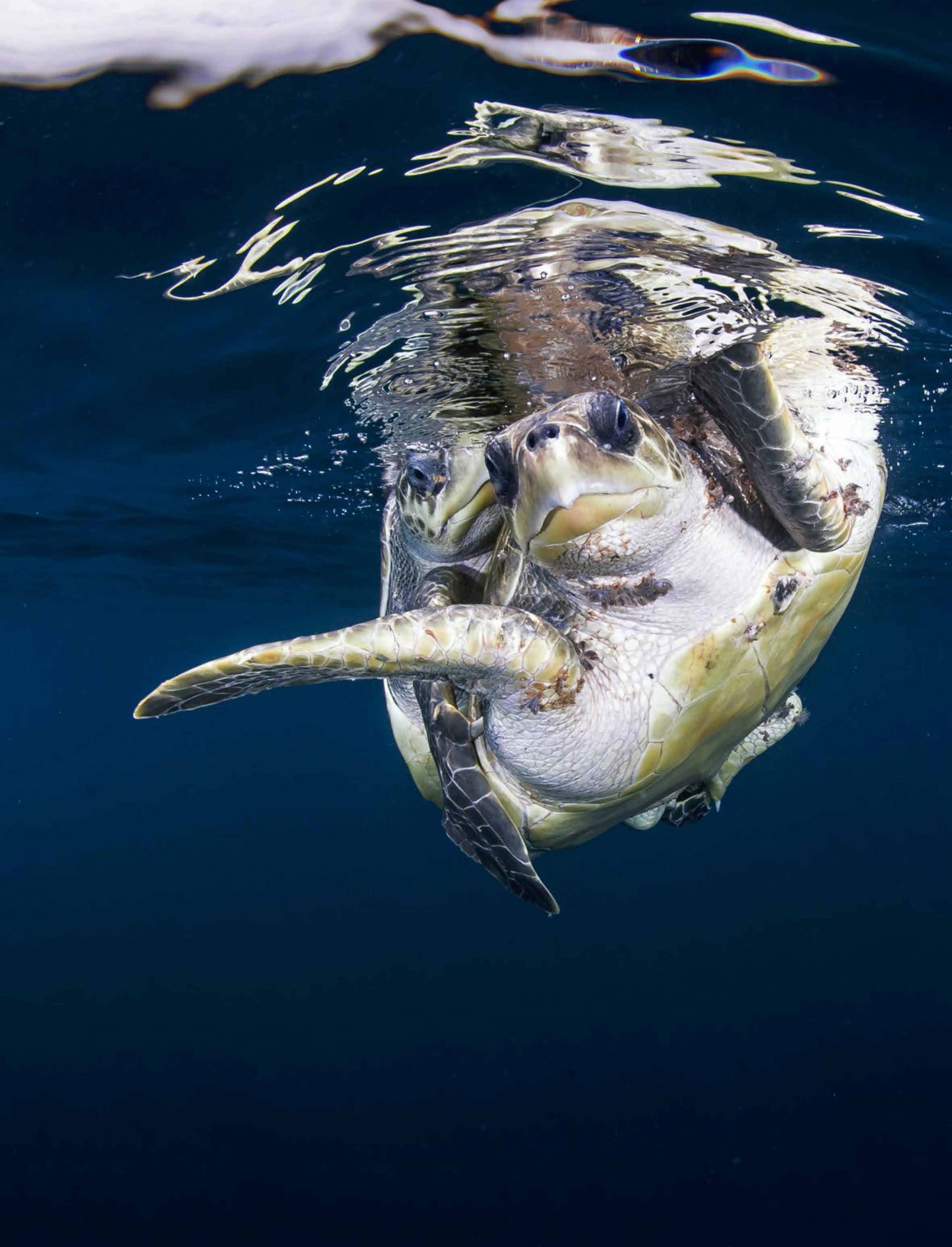
Sea turtles are known to copulate for long durations, sometimes even lasting past an hour (Photo by Christian Vizl)
Copulation can take place either on the surface or under water. Sometimes, several males will compete for females and may even fight each other. Observers of sea turtle mating have reported very aggressive behaviour by both the males and females. Females may mate with several males just prior to nesting season and store the sperm for several months. When she finally lays her eggs, they will have been fertilised by a variety of males. This behaviour may help keep genetic diversity high in the population. After copulation, males return to the deep sea to feed. For several weeks, female sea turtles alternate between mating in the water and laying their eggs on land. AD
Read the rest of this article in 2013 Issue 4 Volume 127 of Asian Diver magazine by subscribing here or check out all of our publications here.
Showcasing the magnification of
the RRM Technique and a little bit of animal behaviour in Anilao, Philippines
I’ve always been intrigued by images that are different from the norm. To me, the world looks better sliding of the planet; using colours, composition, subjects, focus and occasionally techniques to change the way we see things. Back in the day, I used to spend hours in the library reading about experimental photographic techniques.
As a photographer, I think it’s important to explore old techniques and improvise new ones. Losing control doesn’t have to be a bad thing – it can mean getting comfortable with your imagination and creativity.
I’ve always loved shooting macro. Having both Nikon 105mm and 60mm f/2.8 Micro lenses really helped me get closer to my subjects. Then it was the +4 , +10 dioptres, magnifying glasses and all that. But I was not satisfied with the images. I wanted more magnification, but I also wanted images with some character.
In the old days, people got creative with what they had. You wanted magnification? Grab your DSLR and your 50mm f/1.8 lens, and then take a reverse ring adapter and invert it. And there you have it, reverse ring macro, or RRM.
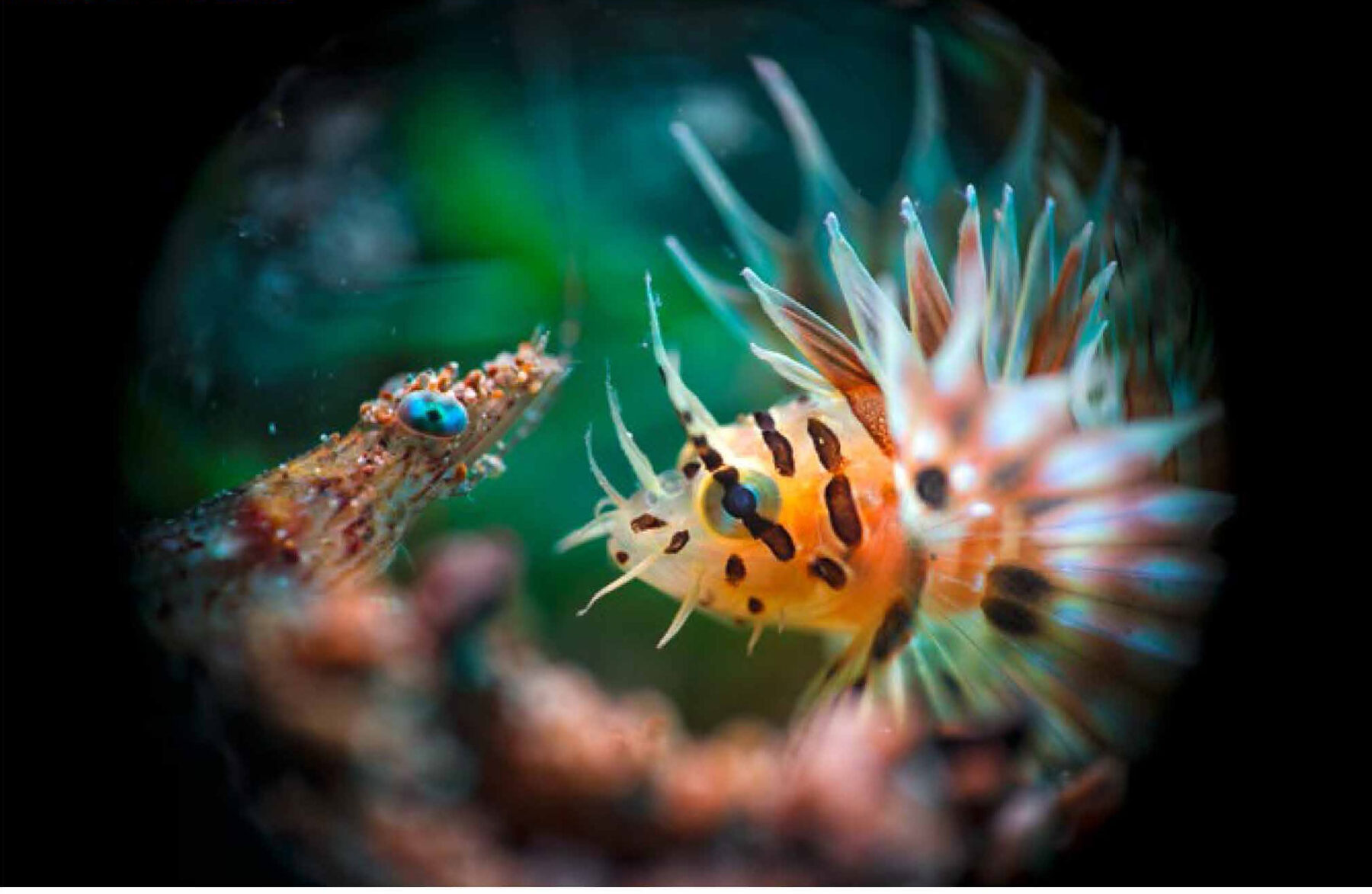
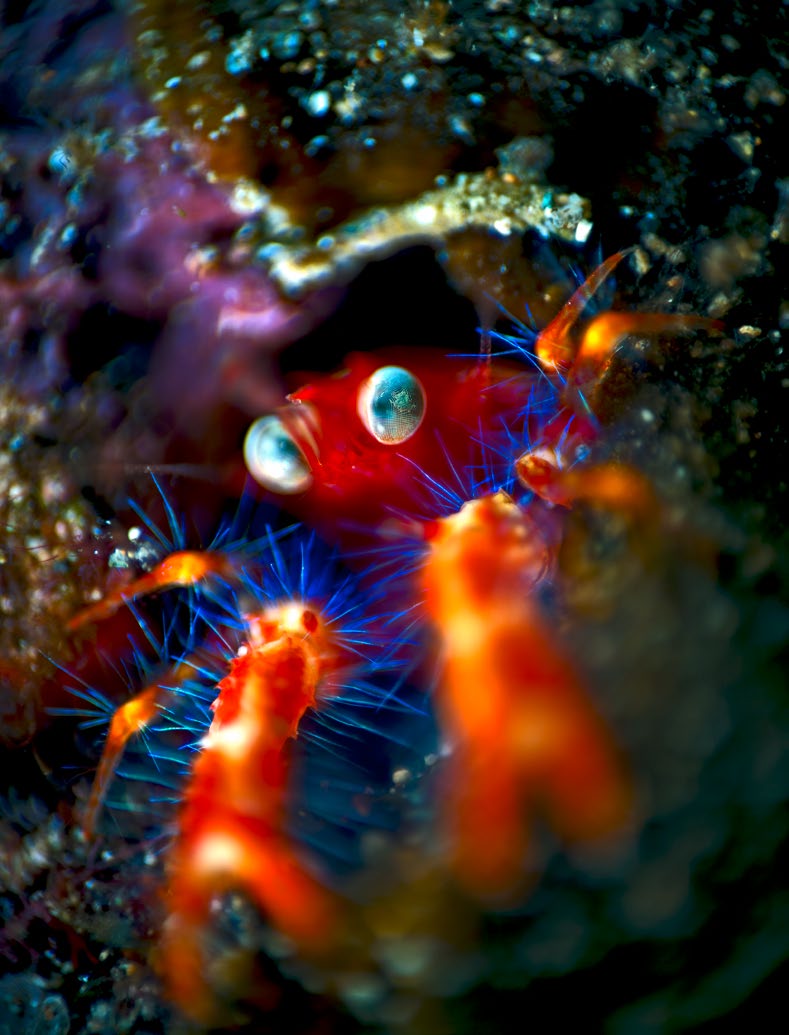
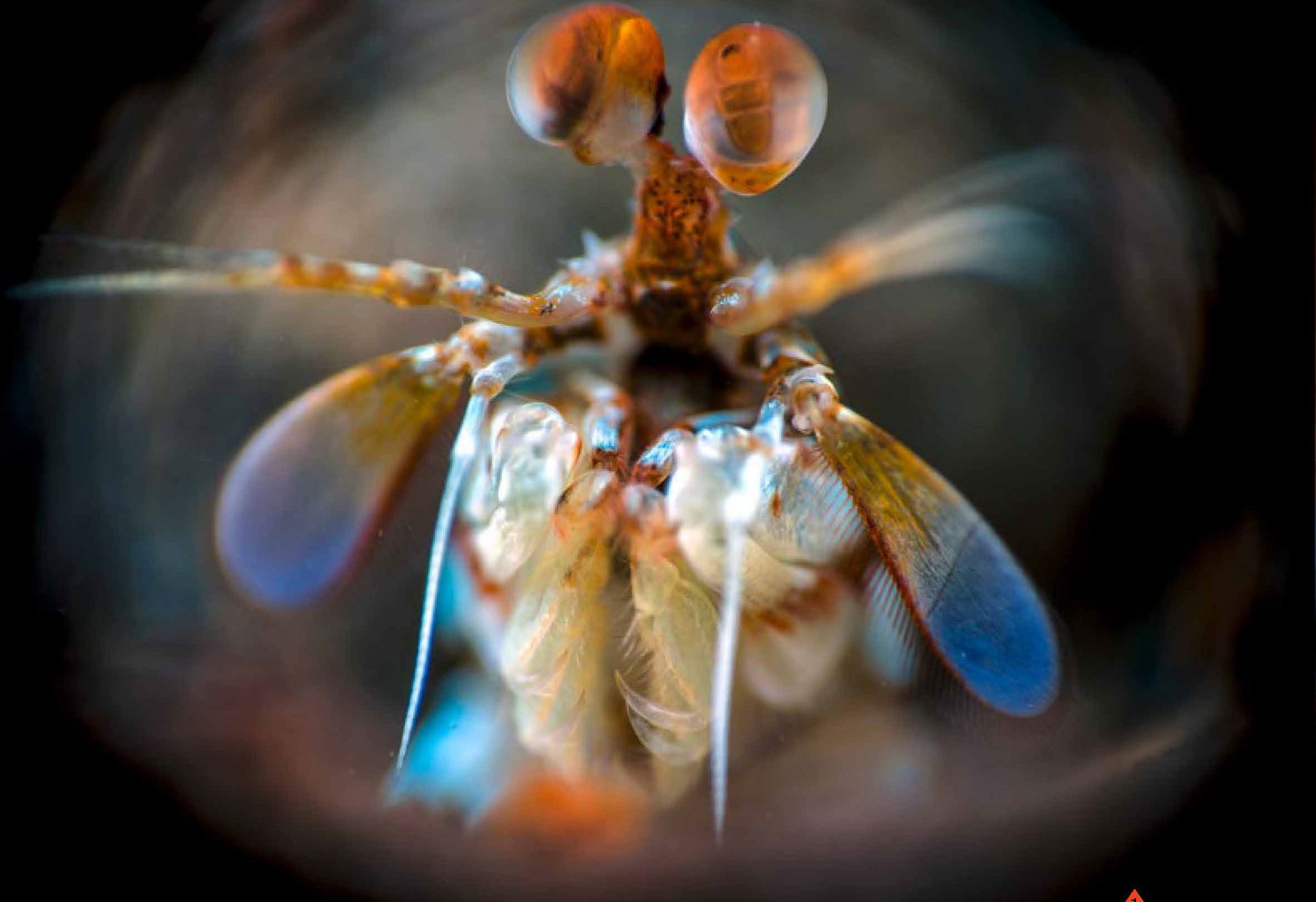
The intention of this was shot was to showcase the eyes. Working with paper-thin depth of field and manual focus isn’t the easiest but it does get you what you want when you SDAA get it right
The beauty of RRM is that it allows you to get really creative. RRM allows you to get really close to your subject. However, it also means you have to work within a tight space, a narrow area, to get your images super sharp. Light is essential. You need light not only to see what’s in your viewfinder but also to get pin-sharp images. But it doesn’t stop there. There’s also the stacking of two lenses to get even more magnification and a creative bokeh background.
BOKEHLICIOUS: THERE’S SO MUCH MORE TO BLUR
Bokeh is a Japanese word that describes the precise quality or appearance of out-of-focus areas in a picture. It’s sometimes used to describe blur in general, but that’s not all there is to it. When used creatively, bokeh takes images to a totally different realm. Bokeh is influenced by bright highlights or light sources in the background, or by the shape of the diaphragm (iris) in the lens. RRM allows you to take bokeh to a whole new level.
TYPES OF RRM TECHNIQUE
Before we get all crazy, here’s some basic understanding of the technique. The idea behind the reverse technique is that you allow the reverse lens to first magnify the subject in front of it; then the lens that is mounted normally will capture the enlarged image of your subjects. Bear in mind that a reversed 50mm lens alone has a magnification of +20 dioptres. The longer the focal length, the more magnification you’ll get.
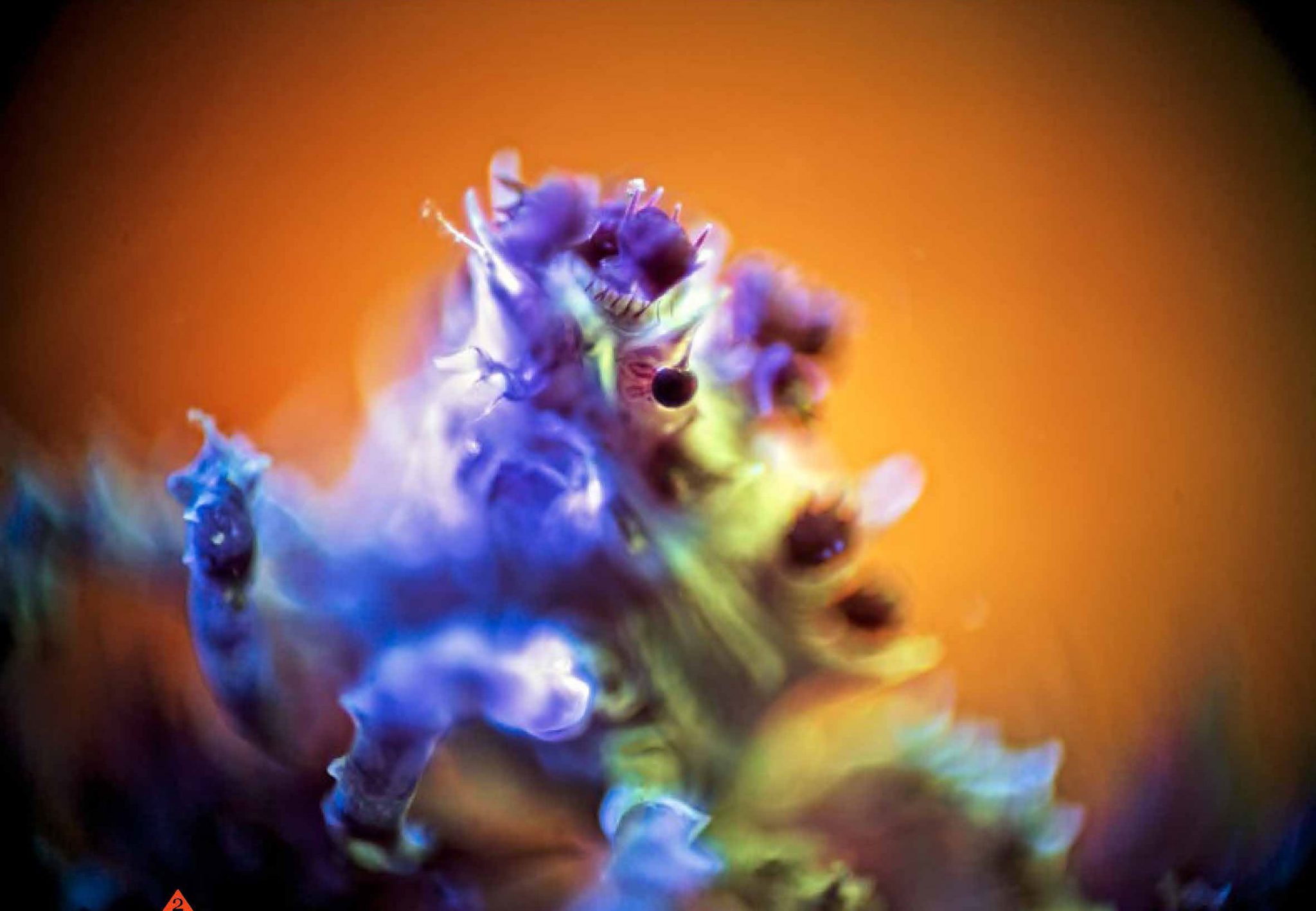
1. Different combinations of lenses mounted together give different effects. RRM is about expanding your creativity with lenses you already have in your camera bag
There are essentially two types of RRM:
1. Single lens reverse, usually a 50mm f/1.4
2. The combo lens setup, combining a zoom and a 50mm f/1.4
Equipment for RRM:
1. DSLR
2. Zoom lens
3. 50mm f/1.4
4. A second zoom lens
(If you’re planning to have a combo setup)
5. Macro coupling ring
6. Reverse ring
2. One of the most distinguishing characteristics of RRM is the bokeh that you can achieve; it’s not only about magnification but also about lending your blur a little flair
The basics:
A reverse 50mm f/1.4 lens has got a magnification of at least +20 dioptres.
When using a double lens setup, experiment with focal lengths to achieve your preferred final image or magnification.
Light your subject appropriately, either with a strobe or torch.
The shorter the focal length of the reversed lens, the greater the magnification, and the shorter the working distance.
The longer the focal length lens, the more magnification you’
The results may vary and it all depends on the type of lenses you use. This opens up a whole new way of understanding your image capture and the character of the shot. While the process itself is relatively straightforward, it also involves a lot of trial and error.
CONTROL AND LOSING IT
Now that you have your equipment, you need to understand your camera’s controls: shutter speed, aperture and ISO. Every control plays its part in getting your desired effect.
The hardest part of this technique is the limited working distance between subject and camera: around 2.5 to 4 centimetres, or closer.
UNDERSTANDING YOUR APERTURE
Most underwater macro photographers typically use f/22 and f/16. These are good starting points and allow more of the subject to be in focus. However, sometimes going in the opposite direction gets you the best bokeh shots – it’s entirely a matter of personal preference.
FOCUS ON RRM
The Auto Focus is useless here: It’s best that you teach yourself to adapt to manual. The trick is to move back and forth in relation to your subject. Minor movements are best. Practise on land and later in the pool to familiarise yourself with the setup. Your depth of field is going to be very limited – “paper thin”. Stepping down your f-stop helps, as does avoiding all sudden movements. Of course, when you’re in the water, there are other elements to consider like current and other divers finning into your path. Discipline and good buoyancy control is the key. Practise makes perfect.
Read the rest of this article in Issue 5/2014, AA No.79 of Scuba Diver magazine by subscribing here or check out all of our publications here.