Home Blog Page 71

Air, Nitrox and Fatigue

0
Photo by DAN

Compressed air has been the standard and most widely used breathing mix in recreational diving for decades. Breathing gas mixtures with a lower nitrogen content and higher oxygen content (enriched air nitrox) have gained popularity among divers looking to increase their bottom times or reduce the decompression stress of typicalduration dives. Today, after some 25 years of nitrox use in recreational diving, divers and scientists have gained very valuable operational experience. But some divers have made an observation for which science does  not provide any evidence. Namely, they often report feeling less tired after diving on nitrox.

IS THERE ANY SOLID EVIDENCE TO SUPPORT THE OBSERVATION THAT NITROX REDUCES FATIGUE? WHAT IS A POSSIBLE SCIENTIFIC EXPLANATION FOR THIS PHENOMENON?

Tiredness, or physical fatigue, is a physiological consequence of extraordinary physical activity. It is characterised by a subjective feeling of a transient reduced capacity to perform ordinary physical activities; it is often associated with somnolence and lethargy and sometimes with suboptimal cognitive performance. Fatigue is not uncommon following inconsequential dives in the absence of apparent decompression sickness (DCS), but it’s also frequently reported as a symptom of DCS.

Controversy surrounds divers’ subjective reports of reduced fatigue following nitrox dives. Contrary to these perceptions, objective studies have not found a reliable difference in fatigue or cognitive performance following dives on air versus nitrox.

Given an equal depth/time exposure, it is generally accepted that the higher the partial pressure of the inspired oxygen (PO2) and the lower the partial pressure of the inert gas (PN2), the less decompression stress will be experienced. It is then tempting to assume that lower decompression stress accompanies reduced perceptions of tiredness. However, a higher PO2 elicits more oxidative stress, and the PO2 of nitrox will be higher than that of air at a given depth.

Some studies of divers suggest that oxidative stress generated by nitrox’s higher PO2 might cause mild endothelial dysfunction, which may itself lead to some vague symptoms that may be perceived as tiredness. Observations from hyperbaricmedicine clinicians, who report that greater oxidative stress during hyperbaric oxygen therapy is associated with greater fatigue following treatment, support these findings.

We consulted two subject-matter experts to help us reconcile divers’ impressions of nitrox’s beneficial effects on post-dive fatigue with some controversial findings in studies of the phenomenon.

WHAT ARE SOME POSSIBLE CAUSES OF POST-DIVE TIREDNESS?

Richard Harris: Post-dive tiredness can be the result of multiple factors. Some of them could be dive related, such as thermal stress, decompression stress, energy expenditure, high and prolonged oxygen exposure, anxiety and seasickness. But there are many more potentially unrelated causes such as lack of sleep on holidays, alcohol, jet lag, etc.

Neal Pollock: Many people do not fully appreciate the physiological impact of being immersed in water. An immediate response to the hydrostatic pressure is that a substantial amount of blood normally remaining in the capacitance vessels (veins) of the legs is pushed to the central volume (in the chest). A well-known study of this effect found that an average of 700 ml of blood is pushed to the heart during the resting phase of the cardiac cycle. The heart is stretched by the increased blood volume and responds immediately by contracting harder and then, over a short period, by suppressing certain hormones to promote increased fluid elimination through the kidneys. This is a healthy response to the physiological perception of the presence of excess fluid volume. Practically, this is why people have to urinate even after fairly short periods of immersion.

After leaving the water, the diver may experience an immediate drop in the volume of blood returning to the heart. I specifically said “may” because a constricting wetsuit may shift some of the blood to the chest even without immersion. Post-dive (or post-wetsuit removal), the diver will experience a decline in the central blood volume and blood pressure. The effect exceeds the simple loss of hydrostatic pressure because the body has been actively reducing the fluid volume during the diving (or wetsuitwearing) period. Effectively, this set of events likely explains a substantial portion of the normal post-dive tiredness. Most important, fatigue is due to immersion, independent of depth and decompression stress.
ARE THERE ANY RELIABLE DATA TO SUPPORT CLAIMS ABOUT NITROX CAUSING LESS POSTDIVE TIREDNESS THAN AIR?

Harris: No. Three articles in the peer-reviewed literature (see the first three in the references box at the end of this article) contribute evidence to the nitrox and fatigue question, but I am not convinced that the size and power of any of them have addressed the problem comprehensively.

Pollock: The data supporting these claims are not compelling. This is not surprising since POincreases substantially in response to depth alone. However, there is no reason to argue over whether a person feels less fatigued. Research has shown that the placebo effect has physiological impact, so let the diver enjoy the sense. The important thing is for divers to stay within the PO2 limits to avoid oxygen toxicity.

Read the rest of this article in No. 108 Issue 2/2017 of Scuba Diver magazine by subscribing here or check out all of our publications here.
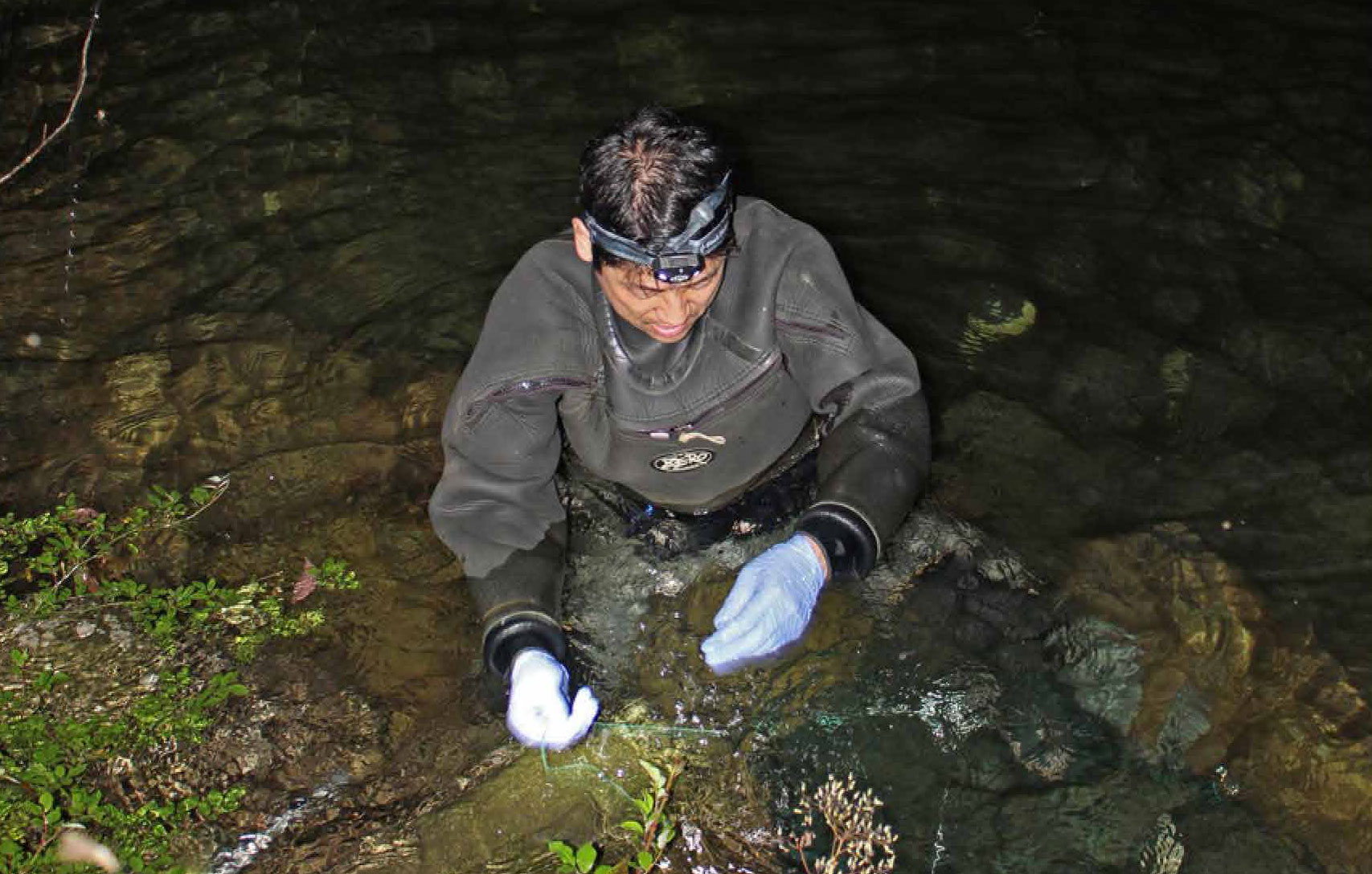
Keeping Water Giants Flourishing: Salamander Conservation in China

0

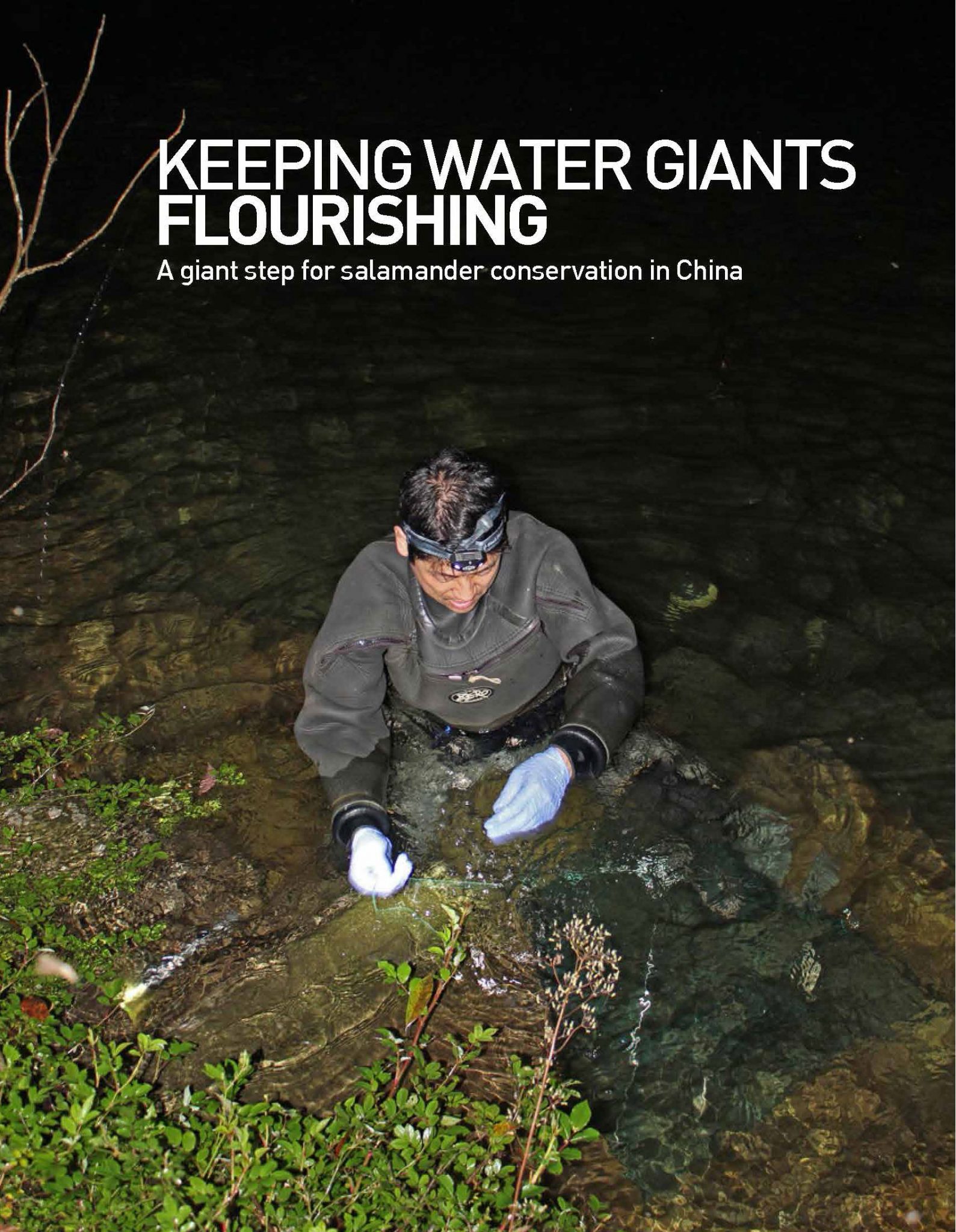
If you like large, charismatic vertebrates, then you should be a fan of the gargantuan Chinese giant salamander (Andrias davidianus). With a “family” history that stretches back to the dinosaurs, survival is in its genes. However, whilst possessing a unique genetic make-up contributes to its huge stature, it also brings unwelcomed attention, contributing to a rapidly dwindling conservation status.

The numbers are impressive. Reaching a staggering 180 cm in length and weighing over 30 kg; along with the world’s other two species of giant salamander – the Japanese giant salamander and the American hellbender – it’s been following a unique evolutionary trajectory for some 170 million years.

Setting live traps is a more efficient way to survey salamanders at lower densities (Photo by Ben Tapley/zsl)

Genetic distinctiveness unfortunately offers little resistance to conservation decline. Ongoing threats include habitat destruction, pollution, climate change, over-harvesting and disease. Historical information indicates that the species was once widely distributed in the middle and lower tributaries of the Yangtze, Yellow and Pearl Rivers. Yet in the past 50 years, populations have declined sharply in both range and numbers, falling by a frightening 80 percent, leaving it listed as Critically Endangered. This combination of evolutionary uniqueness and conservation concern means it is the second-highest-ranked Evolutionarily Distinct and Globally Endangered amphibian in the world (edgeofexistence.org).

But what do we know of this species in the wild? Surprisingly little, for such a seemingly conspicuous species. Actual population estimates are hard to quantify, though distribution surveys have identified regional genetic differences across their known range. They occupy rocky, mountain streams and rivers with clear, fast-running water, in forested areas at moderate altitudes (below 1,500 m). Their permanently aquatic lifestyle may have hindered our knowledge of their life history.

Mating behaviour is described for the Japanese giant salamander (Andrias japonicus) and is probably similar for the Chinese giant salamander. Reproduction appears to take place from late August to September, when individuals congregate at nest sites. Males occupy breeding cavities, which they aggressively guard, whilst females briefly enter to lay between 400–500 eggs, in a string of beads. Following fertilisation, the male protects them from predators, until they hatch 12–15 weeks later in the early spring. Little is known on breeding success, survivorship rates and indeed the demography of the species. But knowledge is increasing through captive breeding efforts. However, this is not the classic conservation breeding you may initially envisage.

This species has huge cultural significance. Hunted for medicinal reasons, as well as food; this market has fuelled salamander farming. The Chinese have developed a host of methods for breeding this species, which were largely unknown outside of China, where captive breeding has rarely been successful.

An example of a captive “farm bred” Chinese giant salamander (Photos by Ben Tapley/zsl)

The threats and opportunities of this farming were spotted by the Zoological Society of London (ZSL) and others, as a means to consolidate conservation of this protected species. Farms have sourced wild individuals as new stock for breeding and whilst bred (and confiscated) individuals do get returned to the wild, there has been limited focus on disease and genetic screening. The potential impact of this “biological pollution” is huge, considering the genetic structuring amongst discrete wild populations, suggests the existence of multiple subspecies and/or cryptic species.

Rock turning is a method used for daytime surveys of salamanders. It is labour intensive, yet requires a degree of skill to ensure that salamanders don’t get crushed (Photo by Ben Tapley/zsl)

Previous in-situ conservation efforts have met with limited success. At least 14 nature reserves have been established to protect wild Chinese giant salamander populations, but their effectiveness is questionable, with more evidence of threats rather than salamanders persisting in each area.

ZSL spotted an opportunity to build on the existing conservation evidence and breeding skills, drawing together a multitude of partners. An international workshop followed, resulting in a Darwin Initiative* supported project that aims to complete more field surveys to assess populations, increase knowledge of conservation genetics and phylogeography, develop disease diagnostic  and research capacity, and improve ex-situ protocols for conservation – amongst others. All of these will contribute to a range-wide Conservation Action Plan, implemented by Chinese partners.

Read the rest of this article in 2013 Issue 4 Volume 127 of Asian Diver magazine by subscribing here or check out all of our publications here.
Flying in the Face of Extinction

0
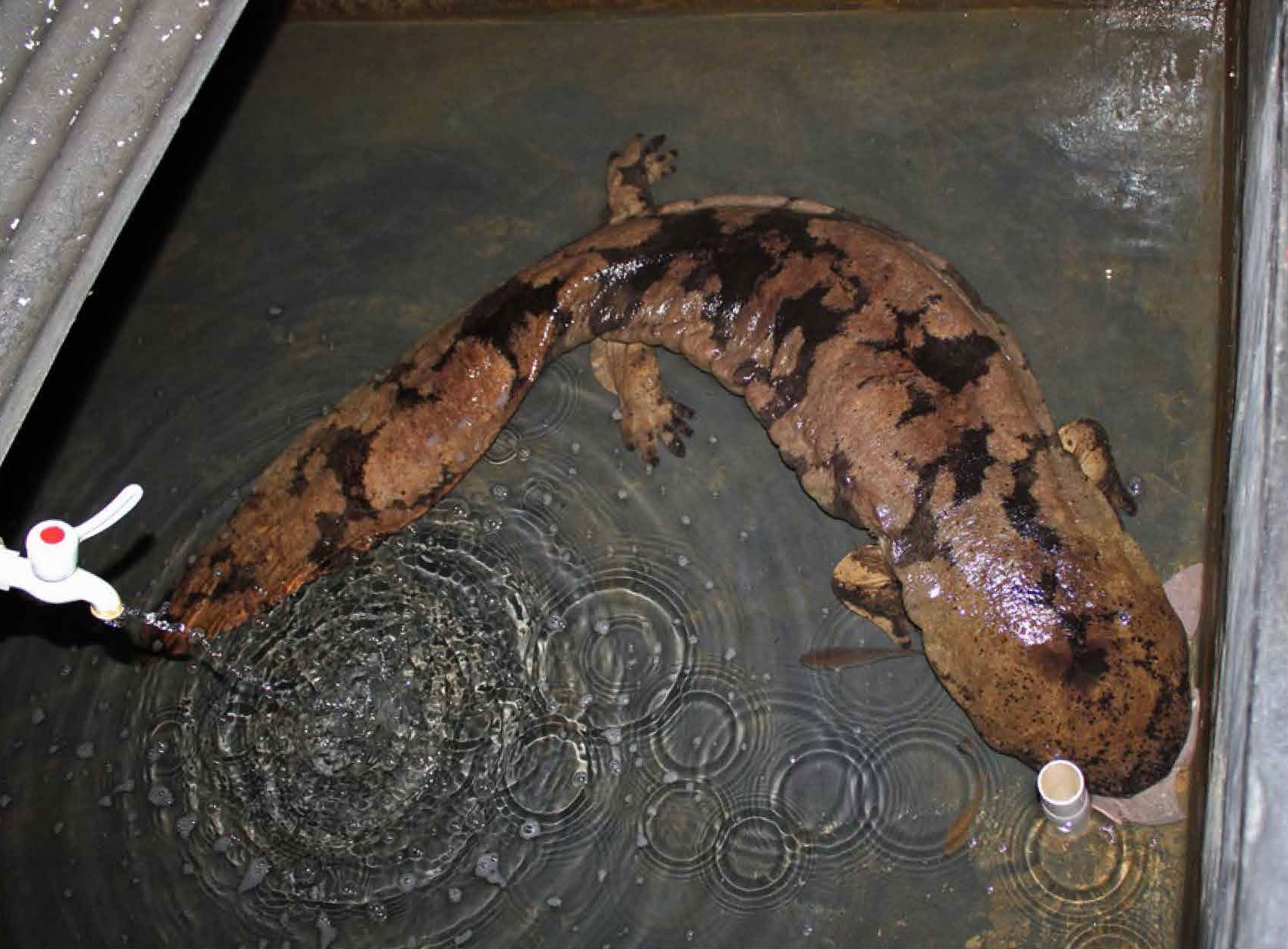
Thanks, in part, to demonstrated economic returns from dive tourism, manta rays are now afforded protection throughout Indonesia’s waters, and sightings like these may become more common as populations recover (Photo by Shawn Henrichs)

That day is forever etched on my soul, and though the memory has since faded and the horror diminished, it is still there like an old scar – a constant reminder that there is important work still to do, and that every one of us can make a difference. The question is, how?

SANCTUARY FOR MANTAS AND SHARKS
Raja Ampat, Indonesia
In 2006 I was diving in Raja Ampat, documenting the regency’s first no-take zone. After two weeks of filming, and only one encounter with a shark, we came face-to-face with a grizzly reality that was plaguing this region – shark finning. On the blood-stained deck of a nondescript fishing boat tucked in the corner of a serene mangrove-lined lagoon, we discovered a fisherman drying dozens of small shark fins in the sun. Beneath his boat, the bodies of finned juvenile reef sharks lay scattered across the vibrant corals, their lifeless bodies rolling back and forth in the gentle surge.

Fast-forward eight years and the situation in Raja Ampat is nothing short of miraculous. Since the establishment and enforcement of the Raja Ampat Shark and Ray Sanctuary in November 2010, the recovery of shark and ray populations has been astonishing. But continued recovery is predicated upon the community sharing in the prosperity of this exciting marine ecosystem recovery, and that is where divers have a role to play.

On my annual pilgrimage to Misool Eco Resort in south Raja Ampat, I can’t wait to reconnect with two of my favourite spots in the ocean – Magic Mountain and the resort’s shallow lagoon. I remember my last experience on Magic in April of 2013: with at least 40 metres visibility, the entire seamount was visible from a single vantage point. Tens of thousands of fusiliers enshrouded this underwater oasis, moving in a constant stream, and then suddenly raining down, retreating as squadrons of mighty giant trevallies launched repeated assaults. A school of several hundred orbital batfish drifted in out of view, as they navigated through tornados of jacks and barracudas hovering in the currents. Below, napoleon wrasse, groupers, and snappers accompanied whitetip reef sharks plying the reef in search of prey.

Descending deeper to the ridge, hefty grey reef sharks patrolled the walls of the seamount, racing up toward me on occasion as if to say, “This is our domain!” And then, from out of the blue, the giants descended on Magic.

One after another, seven massive oceanic manta rays glided over to the seamount and began their cleaning rituals. The mantas patiently hovered and circled, gently flapping their enormous wings as eager cleaner wrasse set about removing parasites. More than merely tolerating our presence, these mantas were incredibly curious and interactive. At the end of the dive I found myself on the seamount with one of the giants. Firing away, I captured sequences of brilliant images of this graceful creature hovering over the vibrant reef. But then somehow I sensed that this manta wanted to connect with me

I stopped shooting and lowered my camera. The ray twitched slightly, a signal to the cleaner wrasse that their services were no longer needed, and lightly pumped her wings. She came directly to me, lifted her wingtip over my head and gently brushed my hair. She circled again, even closer, looking me right in the eye. She circled a third time, approaching so closely that her eye almost touched my mask, and once again her powerful wing softly brushed my hair.

Low on air, it was time for me to leave. Ascending toward the surface, I looked down as she glanced back, then drifted off the seamount and disappeared into the blue. One of my pictures from this experience later served as a central image for our Indonesia Manta Sanctuary campaign.

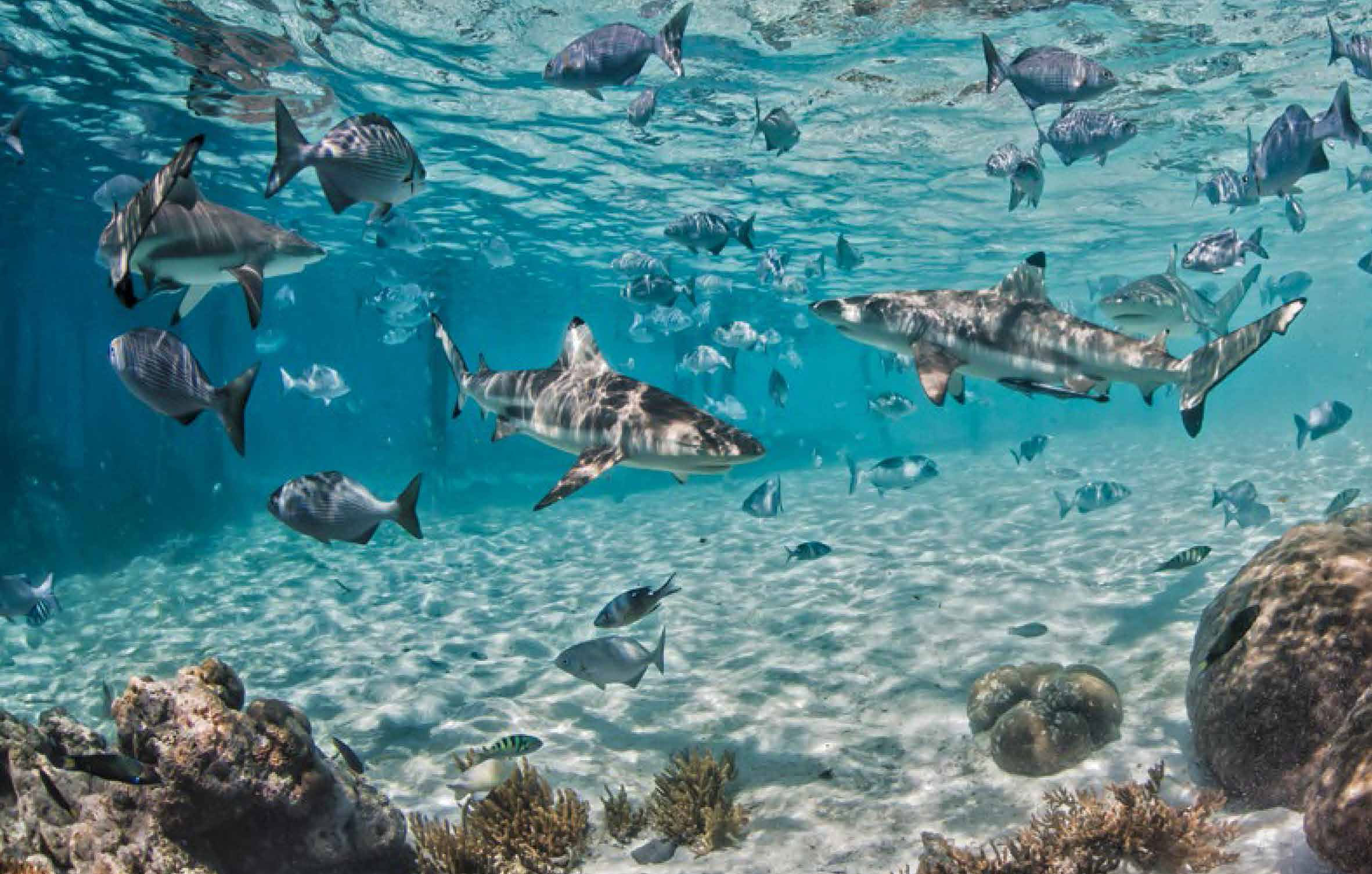
Free from the threat of being hunted for their fins, young reef sharks hone their own hunting skills in Misool’s shallow lagoon (Photo by Shawn Heinrichs)

Back at the resort, we were greeted by several dozen blacktip reef sharks hunting in the shallows of the lagoon. Grabbing my snorkel and camera, I slipped into the bay and immersed myself in the hunting action. Safe from exploitation, and accustomed to snorkellers, the little blacktips set about their business chasing sardines and learning to patrol their waters. Several hours later, batteries drained, flashcard full and my back sunburned, it was time for lunch… but I had missed that hours ago! Though physically hungry, I was satiated by the realisation that divers who spend their holidays at places with a strong conservation ethic like Misool are playing an invaluable role in financing the conservation efforts to protect these highly vulnerable species.

BATTLE OF THE GIANTS IN WHALE MECCA
Sri Lanka
All eyes were fixed on the horizon as we approached a melee of violent splashing on the ocean’s surface just ahead. After eight days of searching along the coast of Sri Lanka for the elusive blue whales, with little success, it was a relief to finally find something. At first we couldn’t figure out what this commotion was all about, but as we drew closer it snapped into focus.

Distressed sperm whales close ranks in an attempt to protect vulnerable members of the group from the orca’s expert attack (Photo by Shawn Heinrichs)

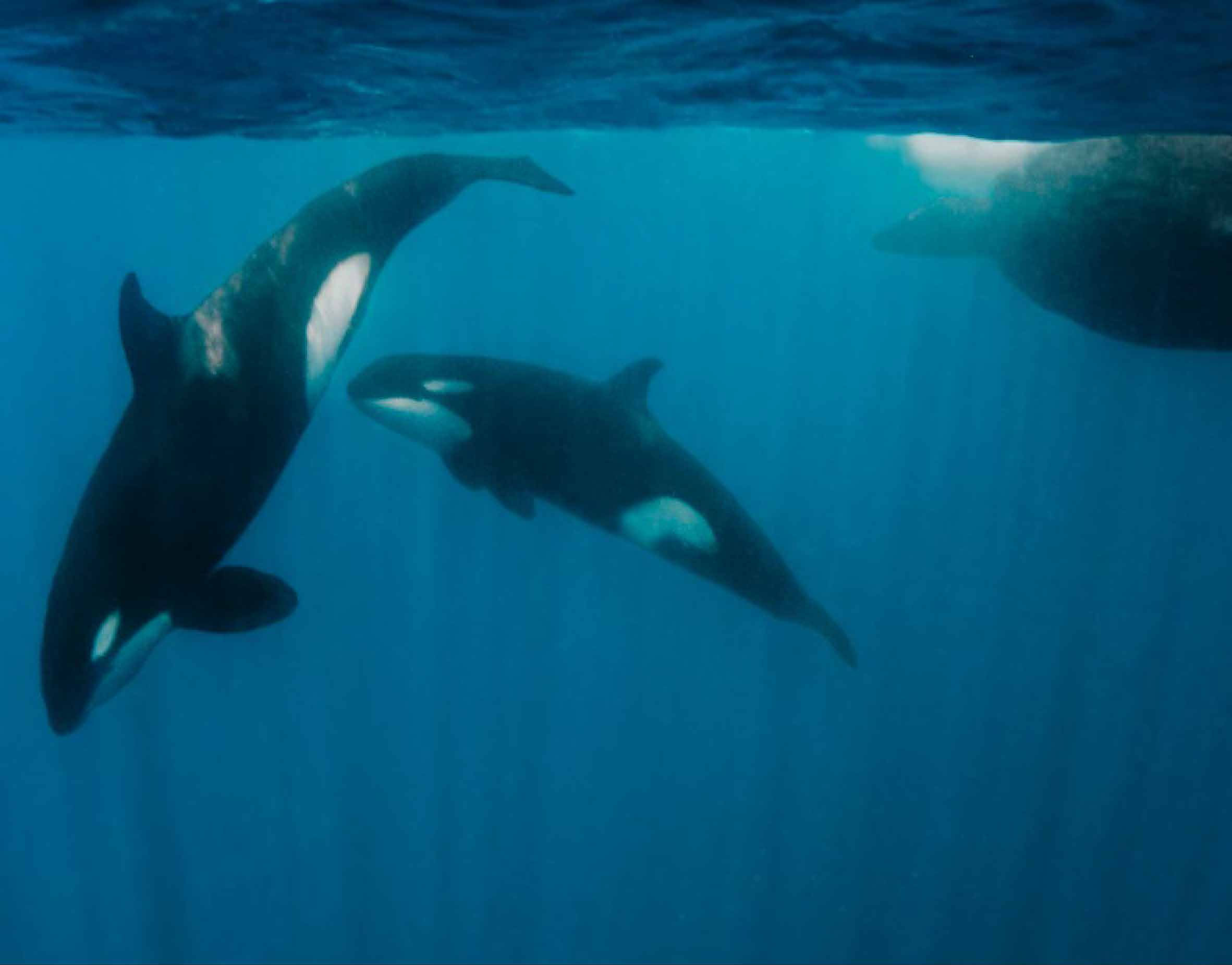
A huge dorsal fin cut the surface and charged into a logjam of long, dark, rolling shapes. Orcas attacking sperm whales! We grabbed cameras and fired away as a pod of perhaps five orcas tore into a family of sperm whales right next to our boat! The attack was violent and disturbing as the panicked sperm whales were clearly no match for the speed and manoeuvrability of the orcas.

I realised this was a-once-in-a-lifetime opportunity and summoned up the courage to jump in the water and join the frenzy. All eyes turned on me, wondering if I would become easy prey for one of the most formidable predators in the ocean. I grabbed my camera and slid off the back of the boat. Ahead of me was a frothing pile of massive dark shapes. Drifting away from the boat, one of the larger orcas in the pod broke off and made a beeline for me, pinging me intensely with its sonar.

Time slowed down as my mind battled with my intuition. I had heard warnings before about the extreme dangers of swimming with wild orcas, especially when these apex predators are engaged in a hunt. But in my heart I knew they were highly intelligent and evolved creatures that “should” have no interest in hurting me. As it approached, I thought to myself, “Well I am about to find out…”

The orca came right up to me then veered off at the last moment, drifting into the deep blue below. I spun around just in case another orca might be sneaking up behind me, but there was nothing. I watched the orcas return to the hunt and the battle continued. But it was difficult to keep up, and I returned to the boat as the sperm whales attempted to retreat from the predators. On the surface, we gasped as the assault suddenly turned into a violent frenzy. The orcas appeared to separate one of the juveniles from the rest and set upon it with fury. Dorsal fins sliced the surface on all sides, bodies rolled, and huge tails violently crashed down, as the sea turned to a frothing, churning mess.

It is unclear as to whether the orcas succeeded in their attack. We observed the family of sperm whales regroup and charge eastward, as the orcas briefly gave chase and finally peeled off. And then it was all over – the most incredible encounter I had ever experienced, and something I would never forget.

Each year, blue whales and other species are found floating dead, their bodies demonstrating definitive evidence of fatal collisions with ships in this busy shipping lane; without intervention, encounters with these whales could sadly become a thing of the past. Sri Lanka’s growing whale-watching industry may very well prove to be the most compelling argument for addressing the problem.

Read the rest of this article in Issue 3/2014, AA. No.78 of Scuba Diver magazine by subscribing here or check out all of our publications here.
Mating Rituals: Cross-dressing Cuttlefish in South Australia’s Spencer Gulf

0
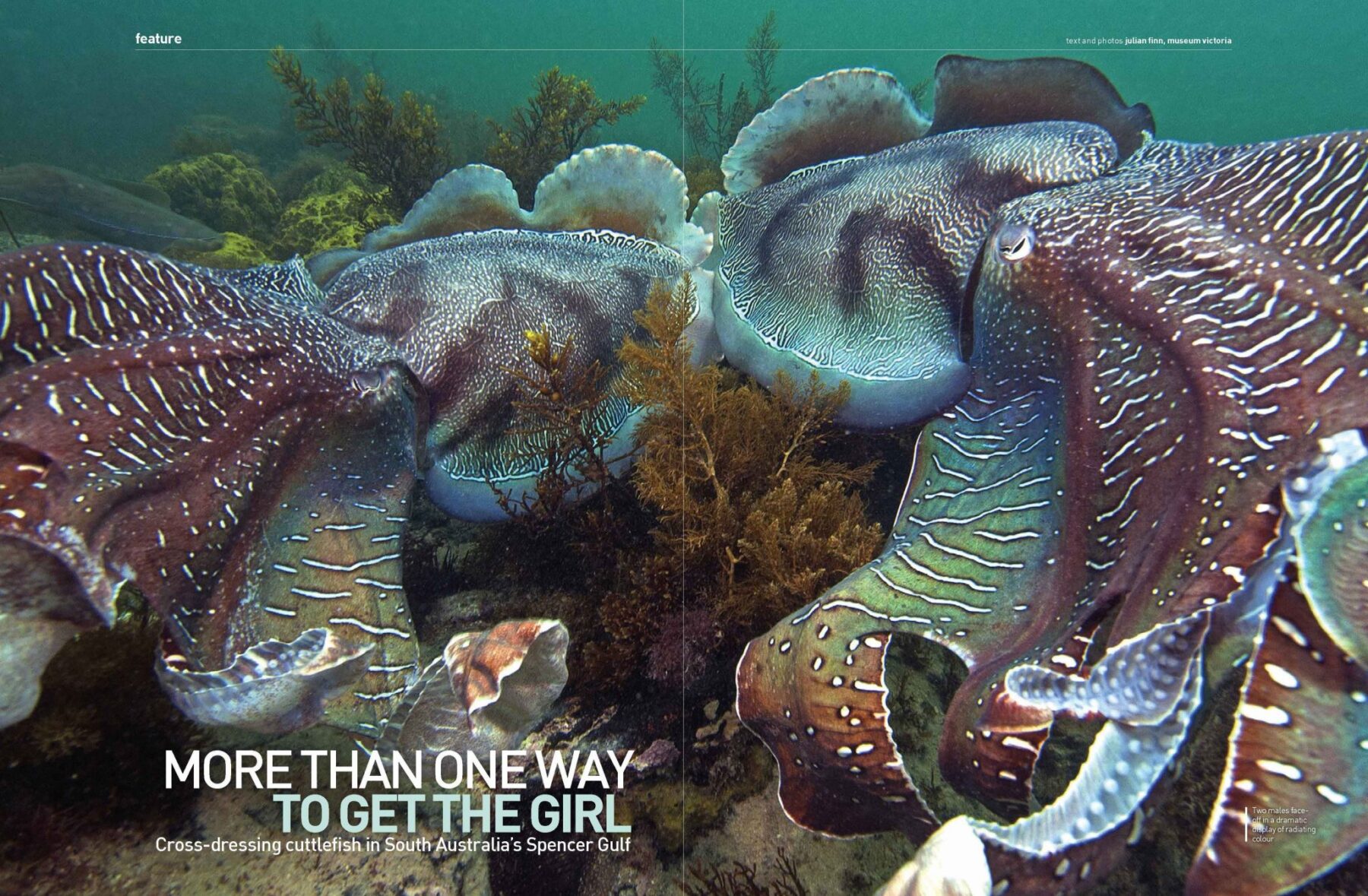
Two males face-off in a dramatic display of radiating colour (text and photos by Julian Finn, Museum Victoria)

AS WE STOOD on the shore at Point Lowly, looking out over the cold, grey water of South Australia’s Spencer Gulf, we had no idea that we were about to stumble upon a mass-mating phenomenon of world record proportions.

It was the start of winter, in the late 1990s, and I was part of a marine research team surveying marine life in the South Australian gulfs. On arriving at Point Lowly, a rocky outcrop east of the industrial town of Whyalla, we were immediately struck by the activity of marine life in the area. Point Lowly is an oasis, surrounded in every direction by dusty red highways, dotted with smelters and refineries. Looking out to sea, pods of dolphins frolick in the shallow waters, while flocks of Pacific gulls squabble over floating carrion.

As I donned my scuba equipment, enthusiastic to wash away the red dust of previous days on the road, I was intrigued to see thousands of cuttlefish bones littering the intertidal zone. Cuttlefish are cephalo-pods, relatives of octopuses and squids, that possess large, internal, chambered, chalky, white bones (cuttle-bones) that allow them to maintain neutral buoyancy – much like divers’ BCDs. While the odd cuttlebone is a common occurrence on southern Australian beaches, the presence of thousands of cuttlebones on a single shore was unheard of.

After clambering across the rocky shore and dropping down onto my stomach to snorkel out to deeper waters, the explanation for the density of cuttlebones (and the presence of feeding dolphins and gulls) was immediately explained. We had stumbled upon the largest known aggregation of cuttlefish recorded anywhere in the world – a hoard of Australian giant cuttlefish, mating and fighting in a spectacular display of colour and ink.

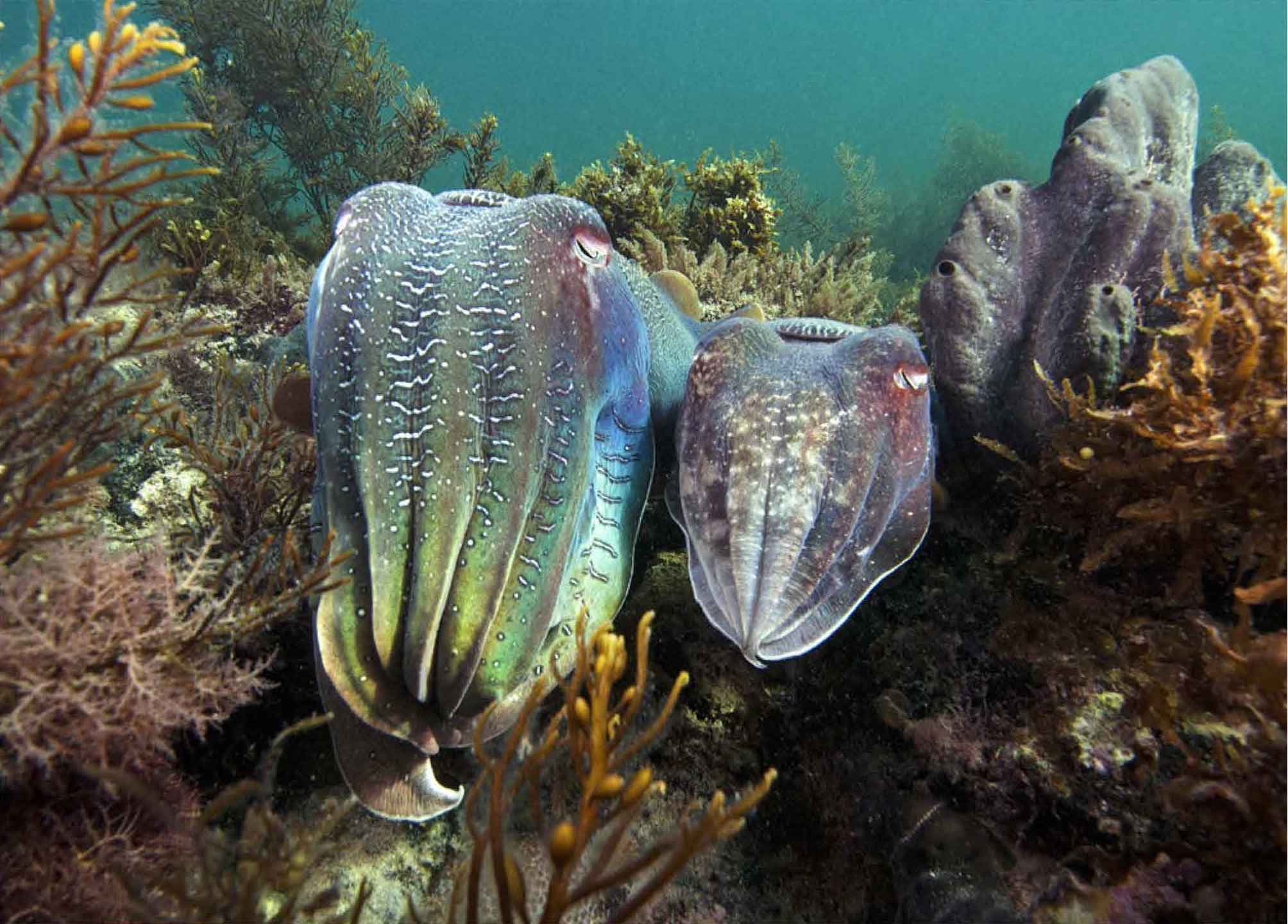
Male giant cuttlefish (left) tend to be more colourful and grow larger than females (right) who usually adopt a drab, mottled appearance (Photo by Julian Finn)

Australian giant cuttlefish (Sepia apama) are the largest cuttlefish in the world, reported to attain total lengths of up to one metre and weights exceeding 10 kilogrammes. Their distribution is known to extend from southern Queensland, through the cool temperate waters of southern Australia, to Western Australia. Male giant cuttlefish grow larger than females and are easily recognised by the presence of large banners off their ventral arms. The smaller females have shorter stubby arms without banners and usually adopt a plain mottled appearance.

Snorkelling out over the large slabs of bedrock, interspersed with patches of algae, I made a feeble attempt at counting the number of cuttlefish I observed: 10, 20, 50, 100, 1,000! It was pointless. Cuttlefish seemed to occupy every available space. On surveying the area, the rocky seafloor appeared to be a patchwork of isolated groups of cuttlefish as far as the eye could see. Later surveys would estimate the number of cuttlefish in this aggregation to exceed 180,000!

Settling down to observe an isolated group of cuttle-fish, it was immediately evident that this wasn’t just a social gathering. These cuttlefish were here for sex and it was happening all around me. Pairs of large males faced-off in dramatic displays of force, flattening their bodies and extending their arms, in an attempt to look as large as possible. As they approached their opponents side-on, waves of colour would radiate out over their bodies and down their arms. This show of force was usually enough to scare off smaller males, however, a confrontation between equally-sized males would quickly escalate to violence.

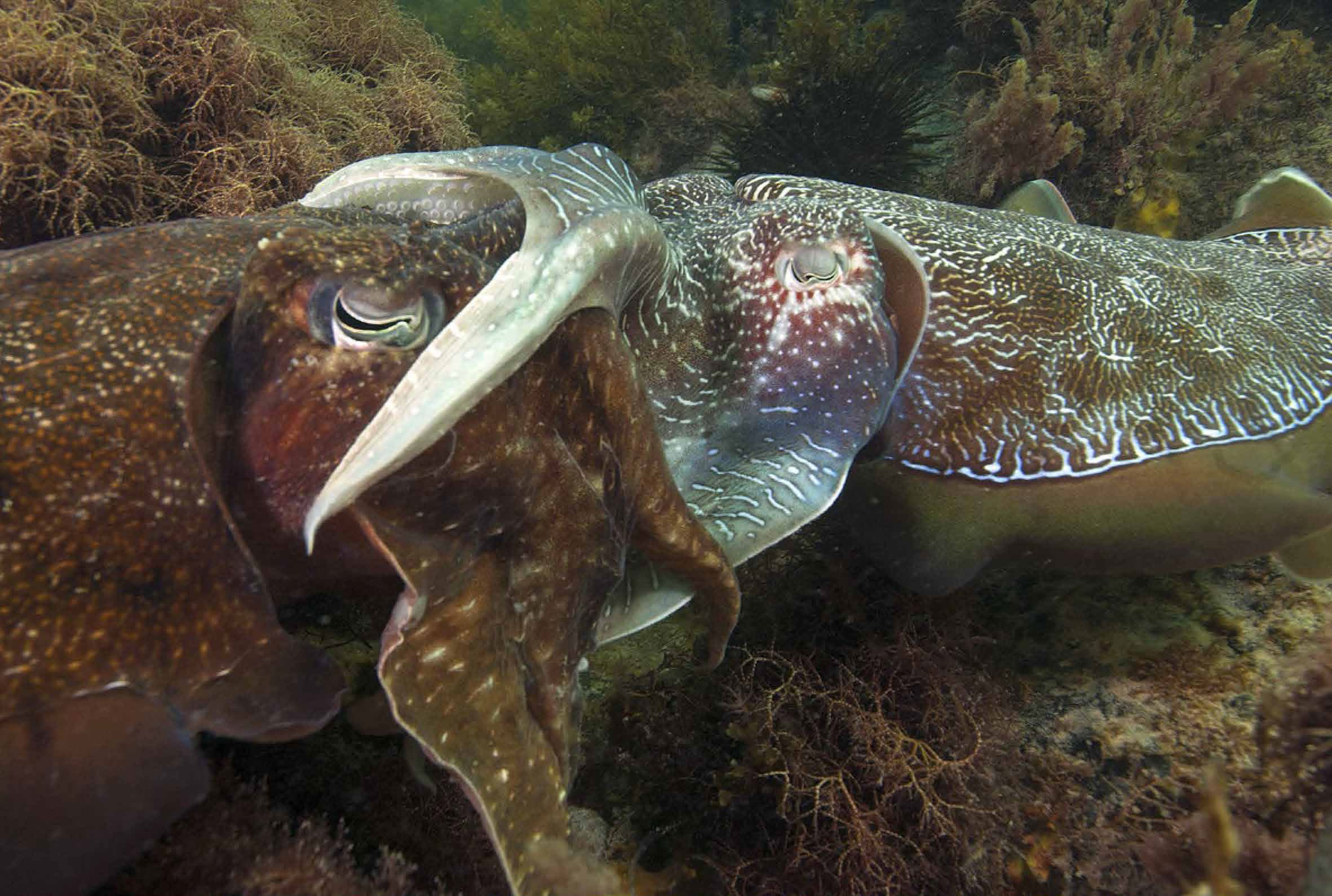
A confrontation escalates to violence as the aggressive male (background) attempts to grasp and bite an opponent male (foreground) (Photo by Julian Finn)

Turning to face an opponent, the more aggressive, or better positioned, of the two males would lunge, grasping with his suckered arms and biting into his opponent’s flesh. Females remained largely oblivious to, or unperturbed by, these displays of male violence, continuing to search for ideal egg-laying sites, as battles erupt around them. On finding a good cave or crevice with a clear level ceiling for egg attachment, the female would lay eggs one at a time, fertilising them with sperm stored around her mouth. When all challenging males had been seen off, the male would interrupt the female to mate. Grasping her face-to-face, he would transfer sperm into special pockets around her mouth, ready for the next batch of eggs she would lay.

As I settled on the sea floor, intent on documenting this behaviour with my camera, I suddenly found myself struggling to follow what was going on. Animals I initially thought to be females would turn out to be males, and vice versa. Putting my camera aside, I focused my attention on one suspicious looking female. While all other females in the area were actively laying eggs, this small mottled individual was just hanging about in the vicinity of a male and female pair.

Holding her face-to-face a sneaker male (right) places sperm in special pockets around the mouth of a female (Photo by Julian Finn)

Without warning, a competing male moved over my left shoulder to challenge the dominant male. As the dominant male became embroiled in a standoff, the suspicious female did something amazing; she revealed that she was in fact a male. Releasing the ventral banners, which had been concealed amongst the arms, the small cuttlefish instantaneously took on the colour pattern and appearance of a male. Without delay he darted in, grabbed the momentarily unguarded female and proceeded to mate with her. This little guy was a cross-dressing, sneaker male!

The research into the cuttlefish aggregation that followed revealed that there were in fact two strategies that males can take to get the girl. Firstly, they return to the first cuttlefish aggregation after their hatching (at the tender age of approximately seven months) and adopt a sneaker male strategy. Alternatively, they could wait another year, growing to a larger size and attend the next aggregation as a large dominant male. It was found that both strategies were successful, and the sneaky little male that took on the appearance of a female had as much chance of mating with a female as the larger guys. Sometimes, the females even favoured him.

Read the rest of this article in 2013 Issue 4 Volume 127 of Asian Diver magazine by subscribing here or check out all of our publications here.

Saving Tubbataha’s Tiger Sharks

0
Photo by Steve De Neef

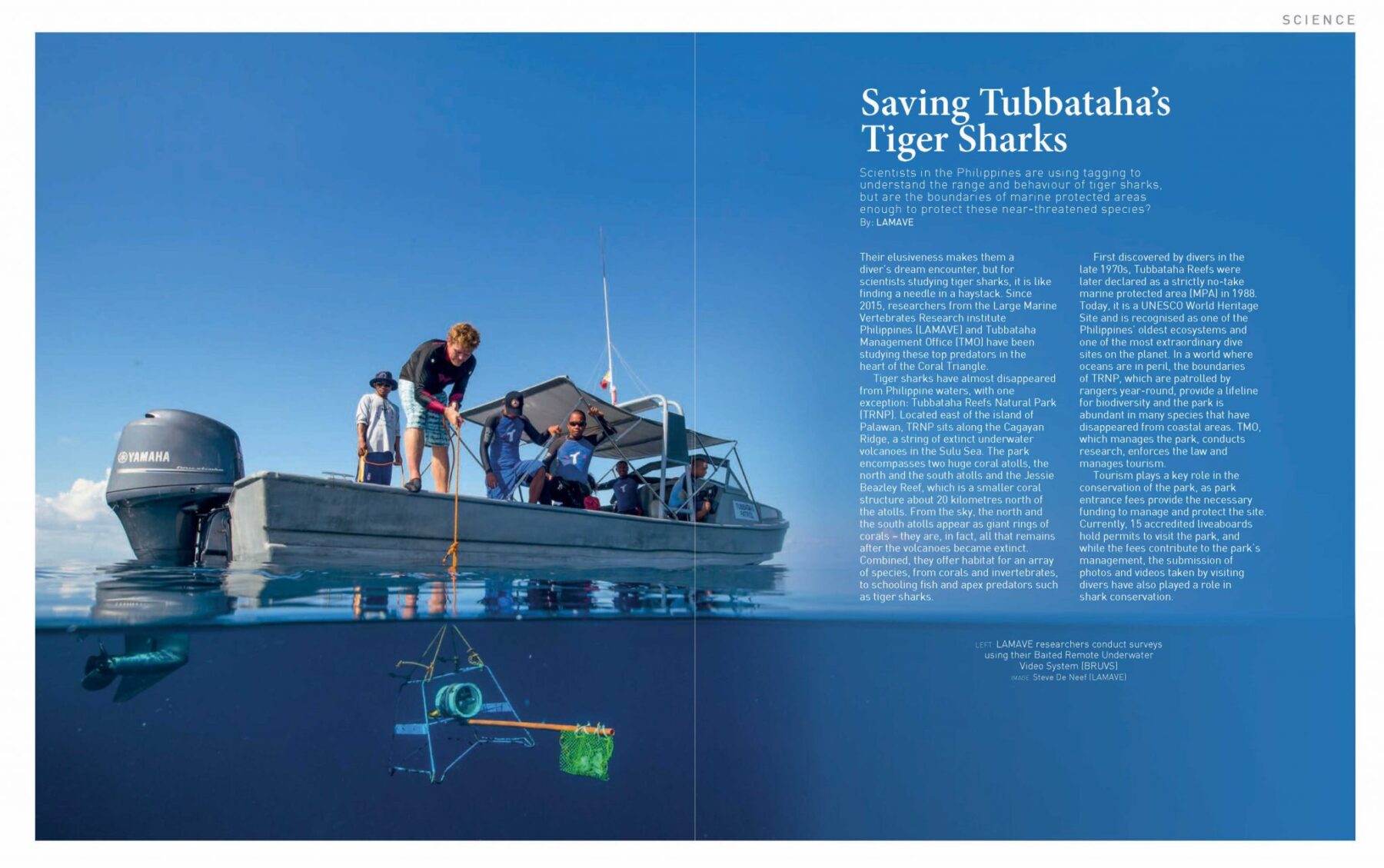
Their elusiveness makes them a diver’s dream encounter, but for scientists studying tiger sharks, it is like finding a needle in a haystack. Since 2015, researchers from the Large Marine Vertebrates Research institute Philippines (LAMAVE) and Tubbataha Management Office (TMO) have been studying these top predators in the heart of the Coral Triangle.

Tiger sharks have almost disappeared from Philippine waters, with one exception: Tubbataha Reefs Natural Park (TRNP). Located east of the island of Palawan, TRNP sits along the Cagayan Ridge, a string of extinct underwater volcanoes in the Sulu Sea. The park encompasses two huge coral atolls, the north and the south atolls and the Jessie Beazley Reef, which is a smaller coral structure about 20 kilometres north of the atolls. From the sky, the north and the south atolls appear as giant rings of corals – they are, in fact, all that remains after the volcanoes became extinct. Combined, they offer habitat for an array of species, from corals and invertebrates, to schooling fish and apex predators such as tiger sharks.

First discovered by divers in the late 1970s, Tubbataha Reefs were later declared as a strictly no-take marine protected area (MPA) in 1988. Today, it is a UNESCO World Heritage Site and is recognised as one of the Philippines’ oldest ecosystems and one of the most extraordinary dive sites on the planet. In a world where oceans are in peril, the boundaries of TRNP, which are patrolled by rangers year-round, provide a lifeline for biodiversity and the park is abundant in many species that have disappeared from coastal areas. TMO, which manages the park, conducts research, enforces the law and manages tourism.

Tourism plays a key role in the conservation of the park, as park entrance fees provide the necessary funding to manage and protect the site. Currently, 15 accredited liveaboards hold permits to visit the park, and while the fees contribute to the park’s management, the submission of photos and videos taken by visiting divers have also played a role in shark conservation.

TUBBATAHA’S SHARKS
Before 2015, only a few studies had been carried out to investigate the sharks present in the park. In March 2015, as part of an effort to confirm all shark species in TRNP, researchers from LAMAVE in collaboration with TMO made a call out to dive boats for shark encounters captured in images or on video. LAMAVE has been operating in the Philippines since 2010 and today it is the largest independent non-profit non-governmental organisation dedicated to the conservation of marine megafauna and their habitats in the Philippines. The collaboration between LAMAVE and TMO is currently the biggest shark study in the country.

While photos sent in by divers provided vital information for establishing past tiger shark encounters, LAMAVE researcher Ryan Murray went to live on the TRNP ranger station and, together with the rangers, set about rigging the park with underwater cameras to see what shark species were present and in what numbers. Submissions from divers revealed chance encounters with tiger sharks within the recreational diving range, whilst the remote video cameras, which are mounted on a metal frame and lowered into the water by the team, allowed the collection of information down to 100 metres, revealing a new perspective of the park.

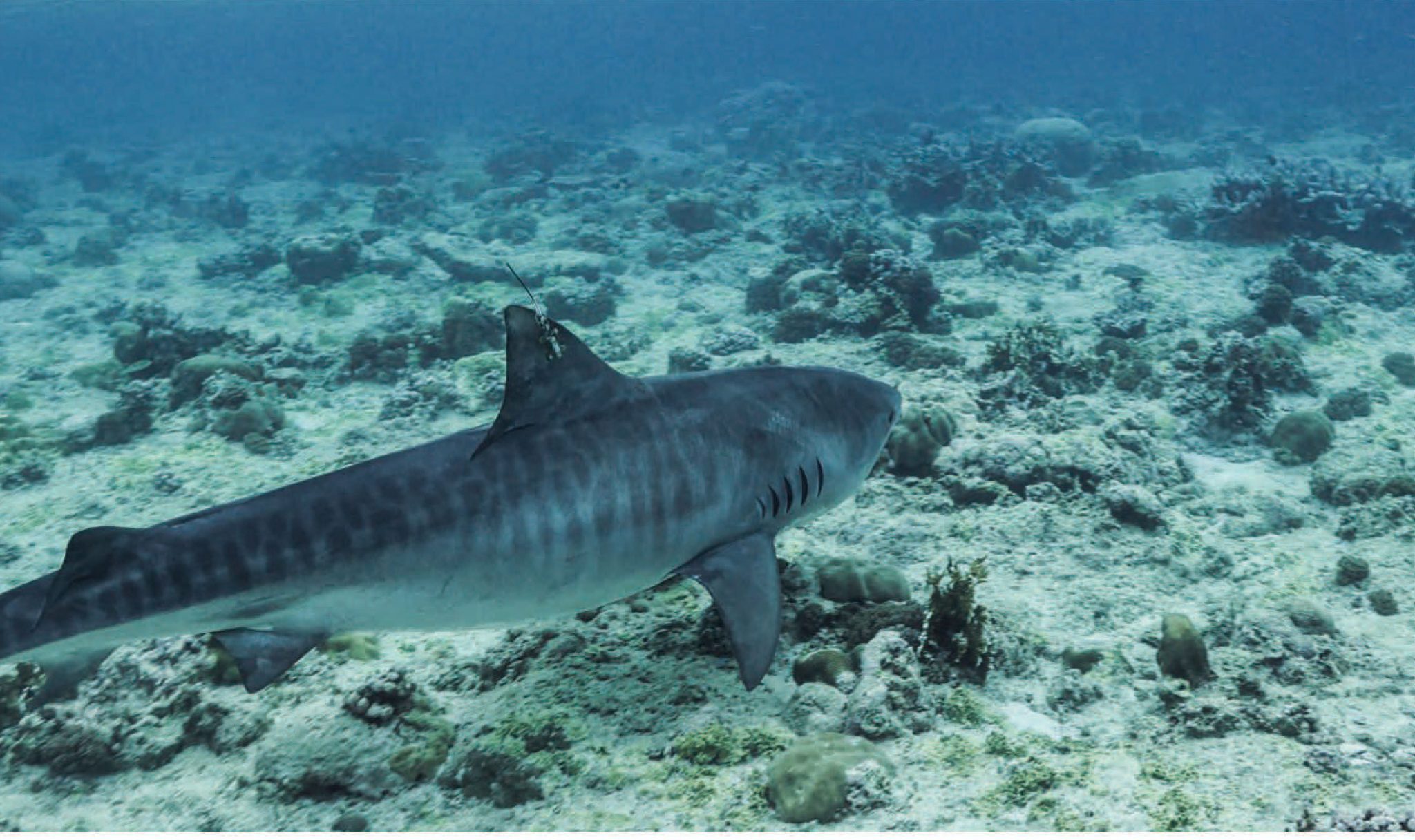
At least five different individual tiger sharks have been identified (by their first dorsal fin) from photos and videos submitted by visiting divers. While this established the presence of tiger sharks in TRNP, it did not reveal how they were using the park, and more importantly, if the sharks were moving outside its protected boundaries. Previous research has shown that tiger sharks are capable of making large scale movements; one study showed a tiger shark crossing the Atlantic Ocean, travelling 6,500 kilometres from northeastern US to the western coast of Africa. Another study by a research team in Western Australia tracked a female tiger shark over 4,000 kilometres between Ningaloo Reef in Western Australia and Sumba Island, Indonesia. Long-distance movements have implications for the management and protection of tiger sharks, as sharks initially encountered in protected areas could be exposed to fisheries outside protected waters, and TRNP is no exception.

The park is the most successful marine protected area in the Philippines and is the country’s largest strictly no-take zone, covering 97,030 hectares – an area larger than Singapore (which is under 75,000 hectares). That’s very impressive, but when we take into consideration that some tiger sharks travel thousands of kilometres, and the fact that at its widest, TRNP stretches around 50 kilometres, it would not be a surprise if sharks moved beyond the boundaries of the park. Still, a rich environment like TRNP may decrease the desire to roam, depending on how the sharks are using the area.

To find out more, LAMAVE and TMO took two approaches: First, the team deployed satellite tags to find out where the sharks were going; they also used acoustic tags to understand how they were using the park.

TAGGING TIGERS
In May 2016, TMO and LAMAVE researchers successfully tagged the first tiger shark in the Coral Triangle: A 3.4-metre female was fitted with an ARGOS-transmitting dorsal fin-mounted satellite tag. The team tagged a second tiger shark in 2017. These tags have a small antenna and a wet/dry switch that is triggered when it breaks the surface.The tag interacts with passing ARGOS-system satellites, and when both the tag and satellite align, location and temperature data is transmitted. A successful transmission results in an email disclosing the location of the shark and whether the individual is inside or outside the boundary of the park.

However, the technology is not without its challenges and the shark’s position is only reported when the tag breaks the surface, a limitation when working with sharks, as unlike marine mammals, they do not need to break the surface. As a result, transmissions can be few and far between, offering only few, or no clear conclusions.

To date, 20 animals encountered in the park have been fitted with acoustic tags: two tiger sharks, 14 grey reef sharks, and four reef manta rays. The research is ongoing and many of the tags will last up to 10 years. New acoustic receivers are being placed in the park, which will help build a more detailed map of the animals’ movements. The team will also expand the acoustic network in 2018 deploying receivers in the waters of Cagayancillo, an archipelagic municipality located around 130 kilometres northeast of TRNP.

While acoustic data collection is ongoing, preliminary results from the satellite tags have shown that at least one of the tagged tiger sharks has ventured beyond the boundaries of TRNP – a worrying prospect, as tiger sharks do not enjoy general protections in Philippine waters. On August 8, 2017, the Philippine Navy seized 10 Vietnamese nationals aboard a fishing vessel intercepted in northwest Palawan; they were carrying around 70 sharks, including tiger sharks. Two days later, poaching charges were filed against them. While the fishing vessel was intercepted approximately 350 kilometres north of TRNP and had not entered the park, it is clear that sharks outside TRNP are in danger from illegal and unreported fisheries.

Read the rest of this article in 2018 Issue 1 Volume 149 of Scuba Diver magazine by subscribing here or check out all of our publications here.
Hunting a Shark Fleet

0
Photo by Gary Stokes

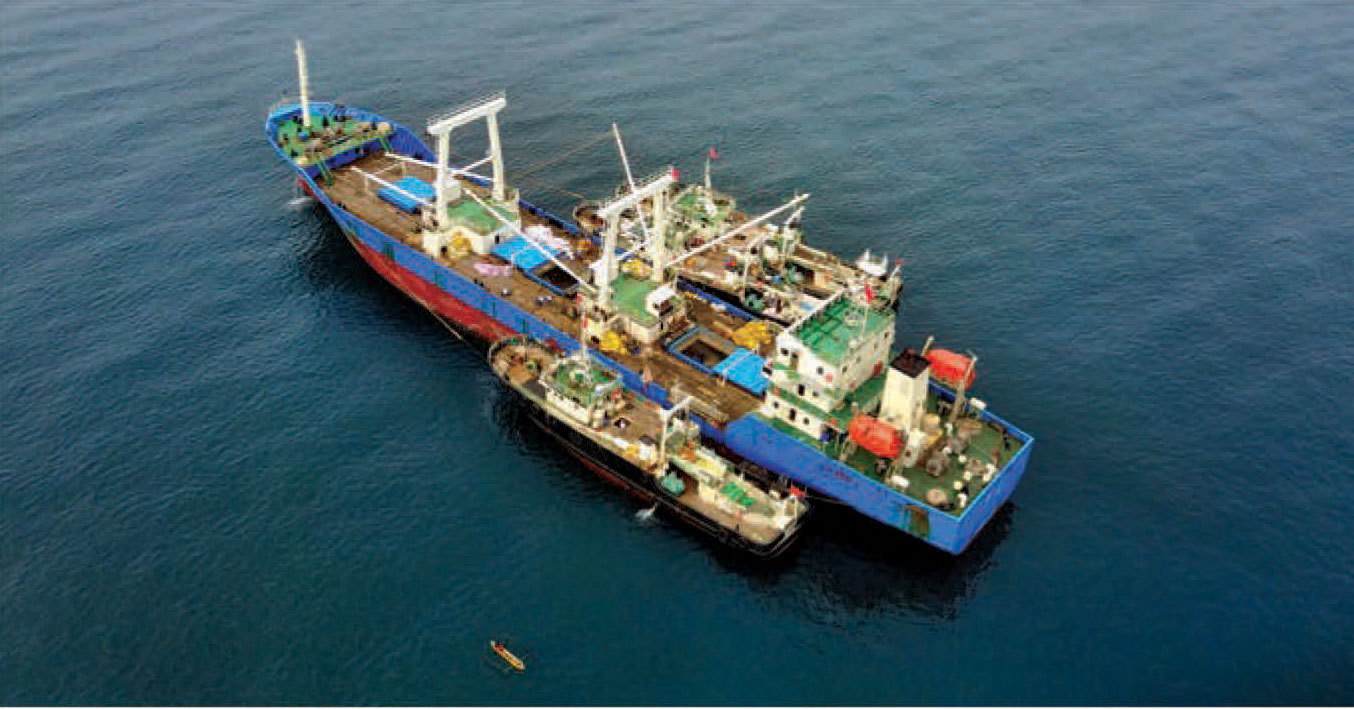
At ADEX Singapore 2017, I was handed some drone footage that showed a trans-shipment of sharks from 15 industrial fishing boats just 200 metres offshore in East Timor. At the same time, I was also given a message that the Nobel Peace Prize winner, Dr Jose Ramos Horta, the former Prime Minister/President of East Timor, was asking if Sea Shepherd could help in the same matter. After reviewing the footage, we began an investigation into the Hong Long fleet that was licenced to fish in East Timor. We tracked and monitored the mothership, which was first going to China to unload then onwards across the Pacific near the Galápagos. Upon seeing the Fu Yuan Yu Leng 999 meeting with several fishing boats, I notified our CEO, Captain Alex Cornellisen, who used to head our operations in Galápagos. Two days later, the ship was arrested inside the Galápagos National Park with 300 tons of shark on-board. The crew were placed in prison and the ship was confiscated.

Our investigation into the 15 vessels operating in East Timor was uncovering a lot of strange anonomlies. The fleet was claimed to be owned by Pingtan Marine Enterprises (PME) listed on the US Nasdaq, yet all signs pointed to them being owned by Hong Long Fisheries based in Fuzhou, China. The case became even more interesting when we discovered that the husband ran one company and the wife ran the other company, and “assets” were switched regularly between them. Also, the fact that the Pingtan fleet had made the news when they were kicked out of Indonesia by Fisheries Minister Ms Susi Pudjiastuti for illegal fishing made them a target of interest.

We devised a plan to send Sea Shepherd’s newest vessel, MV Ocean Warrior, on a recon mission to hunt down the fleet that was operating in waters offshore unseen by the East Timor authorities, who sadly lack the patrol capabilities to police their own waters offshore. Our mission was to find and document the fleets’ activities and share this information with the Timorese authorities in the hopes that they would reconsider issuing a new annual fishing permit to Hong Long.

The MV Ocean Warrior left Freemantle covertly and headed to the waters south of East Timor where we began our search patterns. After two weeks of fruitless searching, we were starting to think that they had already left for China when a target appeared on our radar. Keeping the MV Ocean Warrior over the radar horizon, we launched the small boat just before sunset so that the crew could approach under the cover of darkness.

We found two white Chinese-flagged longline type vessels, the Fu Yuan Yu 836 and 839. These were not our targets, but we proceeded to close in and monitor their activities. They had just set their driftnets – the “curtains of death” – which are indiscrimate killers, capturing anything and everything swimming in the top 12 metres of water. Because of this, the international community passed a law that they are not to exceed 2.5 kilometres in length.

The small boat crew approached the end marker beacon silently and logged its position on the GPS before carefully cruising along the net in complete darkness, being careful not to become its prey by fouling the propellers. This first net was 10.2 kilometres in length and when we got to the end, we noticed another beacon just 50 metres away; this was the start of a second net that we recorded at 11.6 kilometres. These two vessels were setting over 20 kilometres of driftnet each per night, a completely illegal activity which we reported to all relevant authorities.

Returning to the ship, our small boat crew had little time to rest when a new target appeared on the radar. Launching again, we slowly approached and began to stalk the vessel. As I looked through the binoculars at the light configuration, this vessel was different; it was one of the 15 – Bingo! We had found our target. We returned to the MV Ocean Warrior and followed it as it moved off. A few hours later, I was awoken and called to the bridge. There on the radar were all 15 vessels, at anchor above a bank, 150 kilometres south of East Timor in an area disputed between East Timor and Australia due to oil rights.

We closed in and sailed right through the fleet, this time not hiding, while compiling a photo log of each vessel before pulling alongside the Fu Yuan Yu 9608, which was starting to haul in its bottom-set gillnets. We documented the catch coming up which mostly consisted of sharks and broken coral. Besides removing the apex predators, this fleet was destroying the corals on the seabed without a care. We launched the drone to capture more footage to add as evidence later. After hauling their nets, the entire fleet headed north to East Timor, rounding the easternmost point and sheltering in a bay at Com. With evidence in hand, we took the MV Ocean Warrior up to full speed and headed west to the capital of Dili, where we met our onshore contacts and shared the footage with members of the Policia Nationale Timor Leste (PNTL).

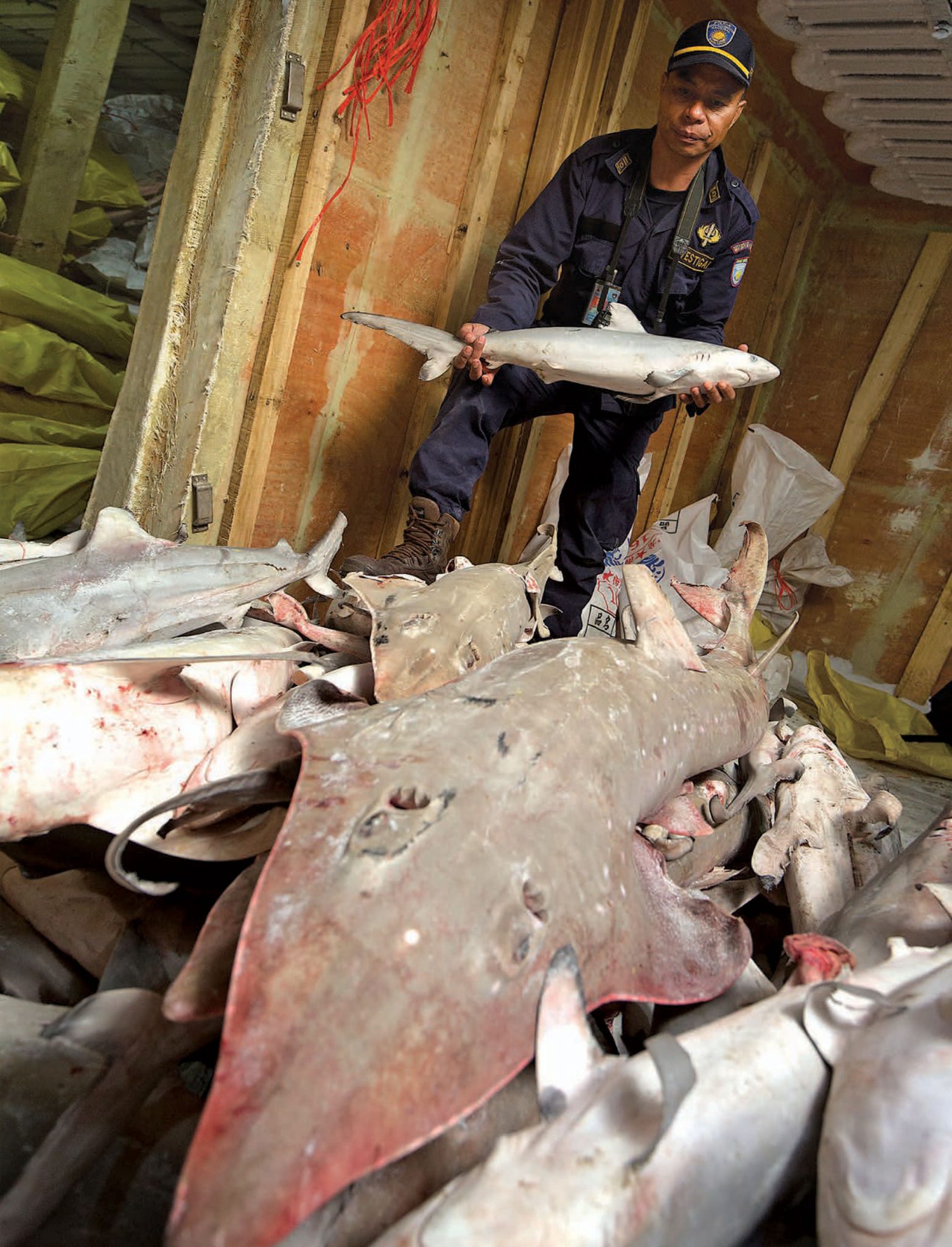
PNTL Officer inspecting the fish hold (Photo by Gary Stokes, Sea Shepherd)

The PNTL were very keen to check out these vessels but had no boats of their own, so we offered to deliver them on the MV Ocean Warrior. A few hours later, we boarded some armed officers and headed off overnight whilst a larger force drove overland to meet us at 6am for a dawn raid. We launched our small boat, again in darkness, and our crew crept silently past the fleet, picking up some PNTL officers on the shore before dropping them off on several of the fishing boats. Once secure, Sea Shepherd crews boarded to assist in searching the holds and documenting the catch, while others went through the documents with the PNTL.

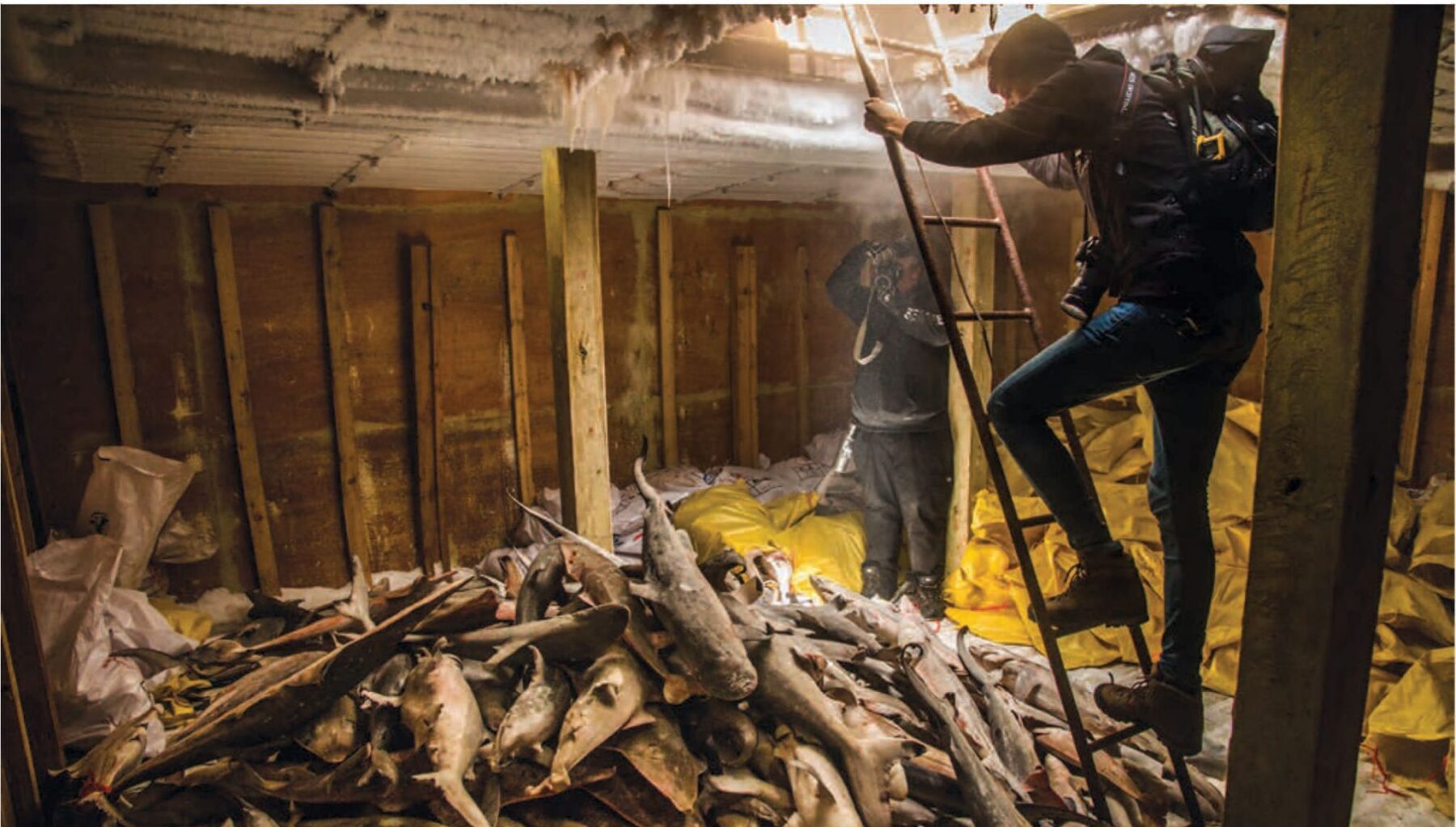
Descending the ladder into the frozen fish hold, we were met with carnage on an industrial scale: Sacks upon sacks of sharks, mostly small or juvenile, were stacked high in both freezers. We made some rough calculations based on numbers per sack and sacks per row and found that each boat had between 10,000 and 15,000 sharks on-board. Speaking with the crew, their last offload had been two months earlier. These numbers blew us away, this fleet had already been fishing for 10 months: How many sharks had they taken? How could there be any left?

That evening, the fleet was left at anchor with only the MV Ocean Warrior standing between them and freedom. We patrolled back and forth, like a guard dog, never anchoring. Around 8pm, one of the vessels started to move. We hit the spotlights and raced towards it, hailing them on the VHF radio in Chinese, “Stop your engines immediately, and anchor!”

Drone footage of the Fu Yuan (photo by Sea Shepherd)

They complied but something wasn’t quite right; this was a test. An hour later, all of the vessels weighed anchor and started driving randomly around the bay. Again, we hit the spotlights and radio whilst also starting up engine #3. This is one of the Ocean Warrior’s four huge engines that powers the fire fighting water cannon. Once started, I jumped into the aft facing helm seat and fired up the water cannon. The bridge had erupted into a hive of activity, all under the red night light. Captain Mike Dicks had the helm and was manoeuvering the Ocean Warrior towards three of the fishing boats, whilst Jaki, our Chinese translator, was calling them to stop their engines again. As we closed in, we gave them a warning that if they did not stop, they would be fired upon with the water cannon, targeting their communications gear on top of the bridge. The water cannon seemed to be a great persuader as they all stopped immediately.

Like true shepherds of the sea, we then rounded the fleet back up, moving stragglers back in towards the centre before continuing to patrol. We continued to watch over the fleet for 10 days whilst the PNTL awaited the prosecutor to proceed with the case in the courts. When the PNTL finally got approval to move all the vessels to Dili, we departed East Timor bound for Darwin.

Read the rest of this article in 2018 Issue 1 Volume 149 of Scuba Diver magazine by subscribing here or check out all of our publications here.
Straight Out of Wonderland

0

Once these little gems capture your attention, it’s very hard to break their magic spell. A gateway critter if ever there was one, nudibranchs combine the beauty of our ocean and natural history in a photogenic and scientific symphony like no other.

Often referred to as “slugs” due to their evolutionary path, the grand designs of nudibranchs are as fascinating and varied as there are slugs themselves. There are over 3,000 species and each one of them seems to have evolved in a special way to speciate and proliferate in each of the different and challenging habitats in which they are found. Cold water to warm water, benthic or pelagic and at every depth, they occur globally and have even been found in brackish rivers.

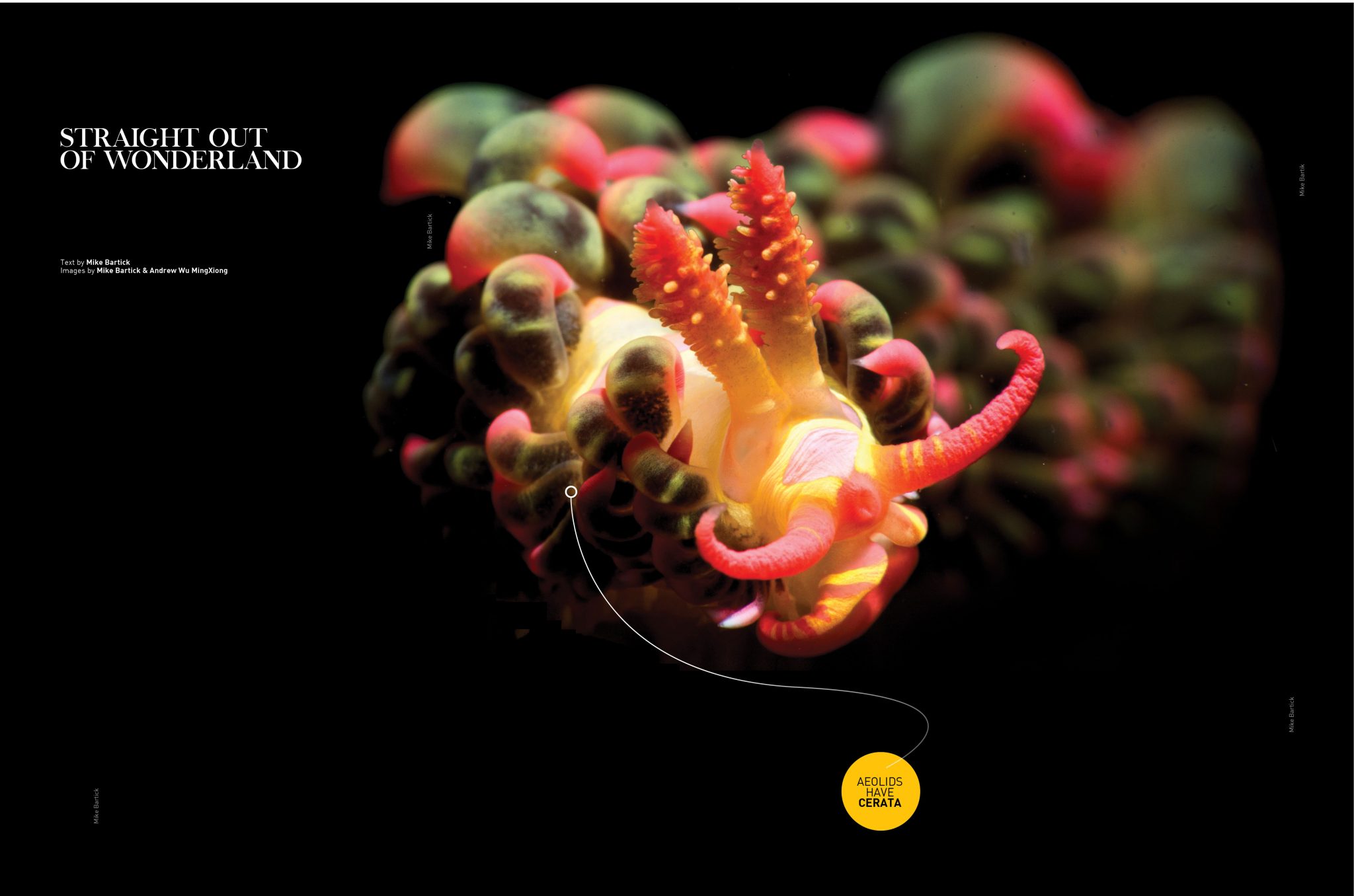
Different gill structures help to differentiate the species. Aeolids have Cerata (Photo by Mike Bartick)

Just as interesting and as detailed as the slugs themselves is the community that they have ensnared along the way. The common thread in the community of “Nudiphiles” seems to be the data list that each and every self-respecting “brancher” develops. This data list becomes a central foundation of why and where a diver will go next, and comparing lists to one another is certainly a point of pride at every meeting.

Nudibranchs are actually Opisthobranchs falling under the gastropod family that feature some wonderfully fascinating anatomical designs, from their appearance down to their physical reproductive organs.

DEFENSIVE SYSTEMS

Hydroid (Picture by Mike Bartick)

1  Some nudis can acquire stinging cells from the hydroids they eat; hydroids contain delicate, spring-loaded nematocyst cells (like jellyfish). The nematocyst cells are ingested and stored in the slugs’ cerata, forming stinging “body armour”. The sting causes their predators to drown in their own saliva soon after being bitten


2 Apasmatic defensive colours, meaning colours that warn potential predators that they are dangerous to eat


3 Camouflage, mimicry


THR TRICK IS TO KEEP BREATHING

Nudibranch (Photo by Mike Bartwick)

1  The word “NUDIBRANCH” actually breaks down to mean “NAKED GILL

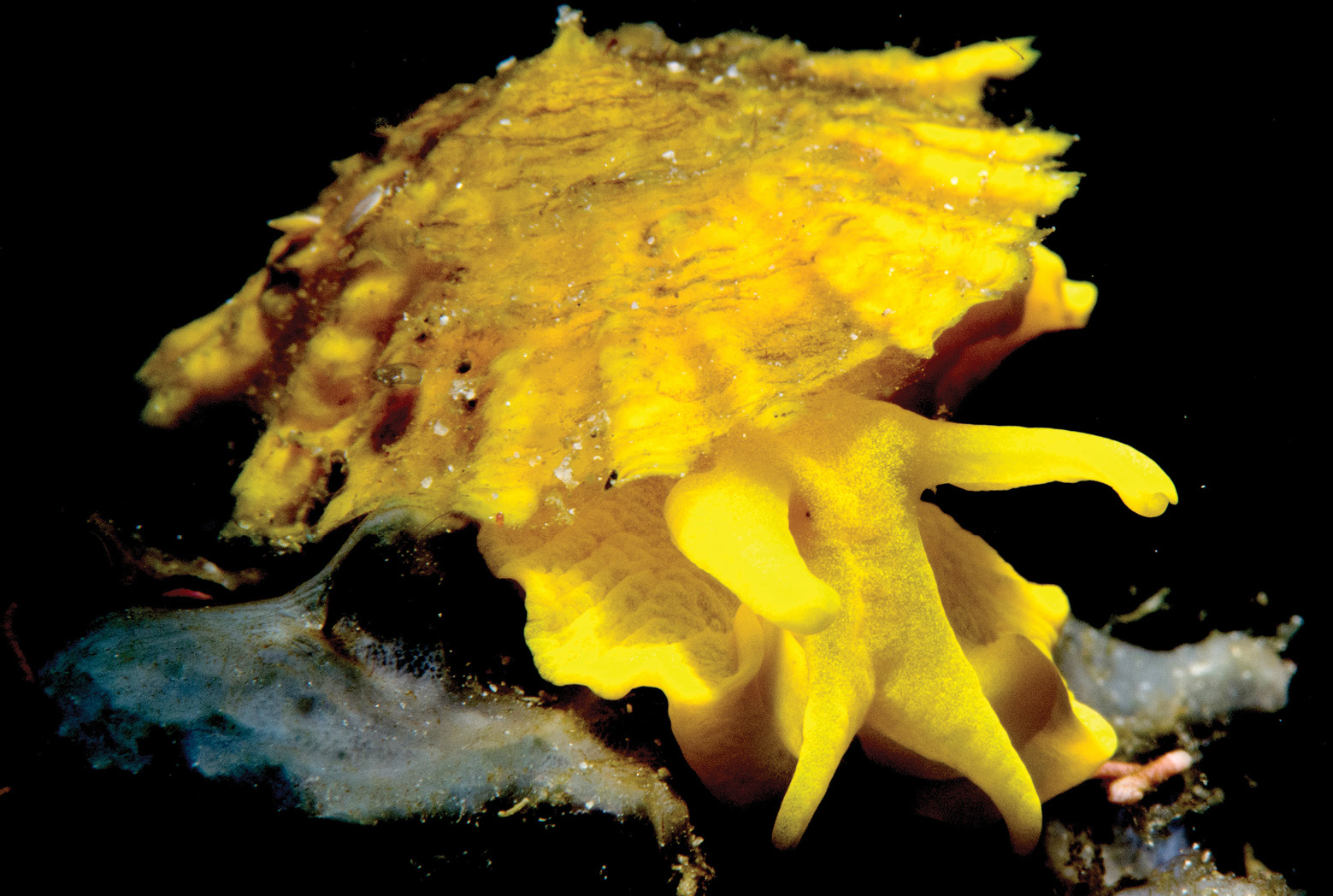
2  Most nudis have some kind of gill or gill-like structure that is clearly visible. Some are protected and therefore not visible, as in the case of PLEUROBRANCHUS or SIDE-GILL SLUGS (like those found in the mushroom-like crown of the Pleurobranchus pictured above)

3  Their gill makes direct contact with water and enables the slug to respire through conventional gas exchange. CERATA, which also help aeolids to respirate, can be transparent or opaque and in some cases even act as solar panels to assist in a photosynthetic process to create a simple sugar from sunlight.

RHINOSPORES

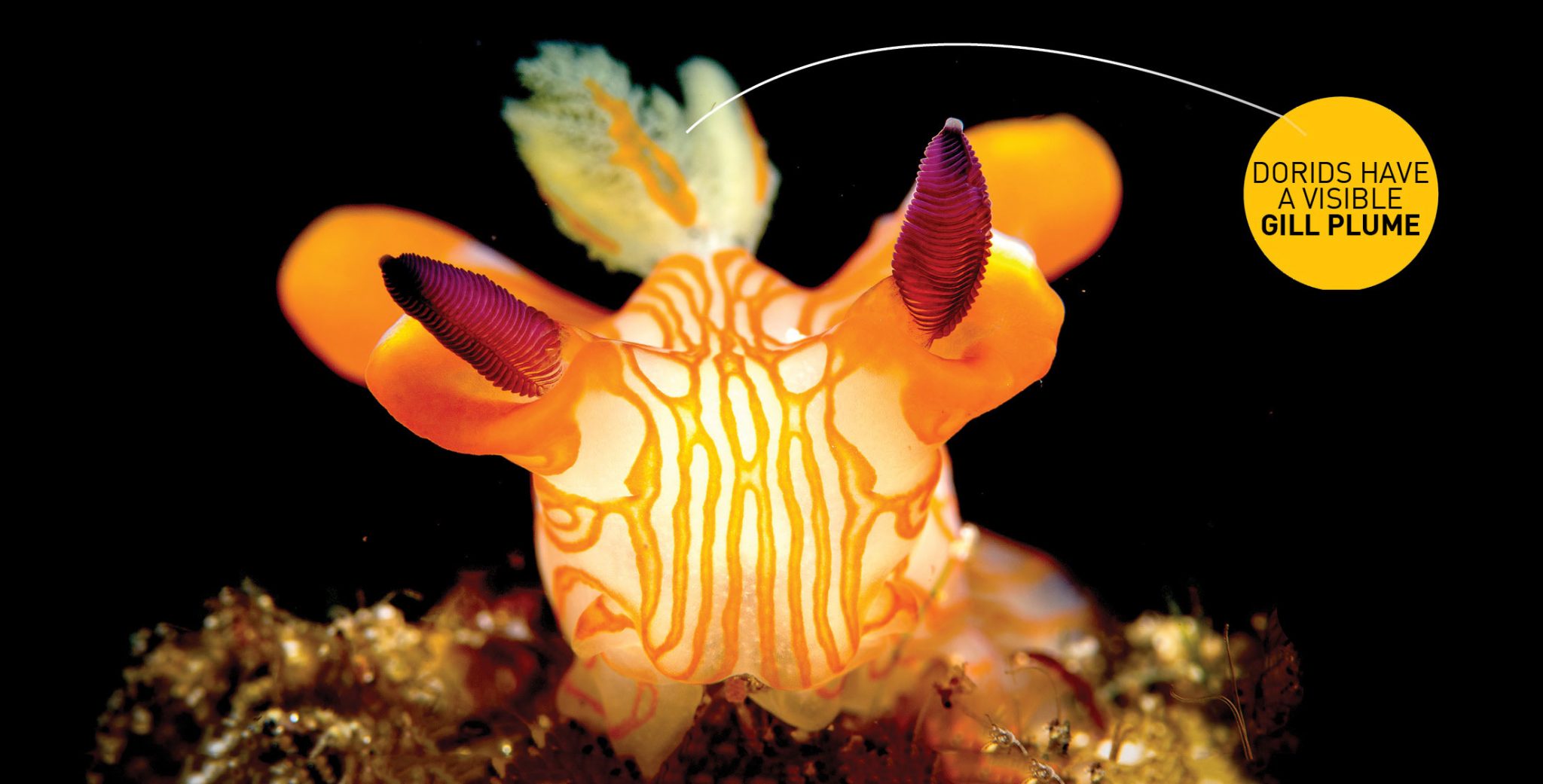
Rhinospores (the red portion of the Dorid nudibranch in the picture below) are a sensory organ located at the front of the animal that helps them to SMELL AND DETECT FOOD OR PREY

Rhinospores are VARIED IN SHAPE, DEPENDING ON THE SPECIES. Some are finned, some are smooth, some retreat into a protective crown while others retreat into a protective sheath.

Different gill structures help to differentiate the species. Dorids have a visible Gill Plume (Photo by Mike Bartick)

REPRODUCTION

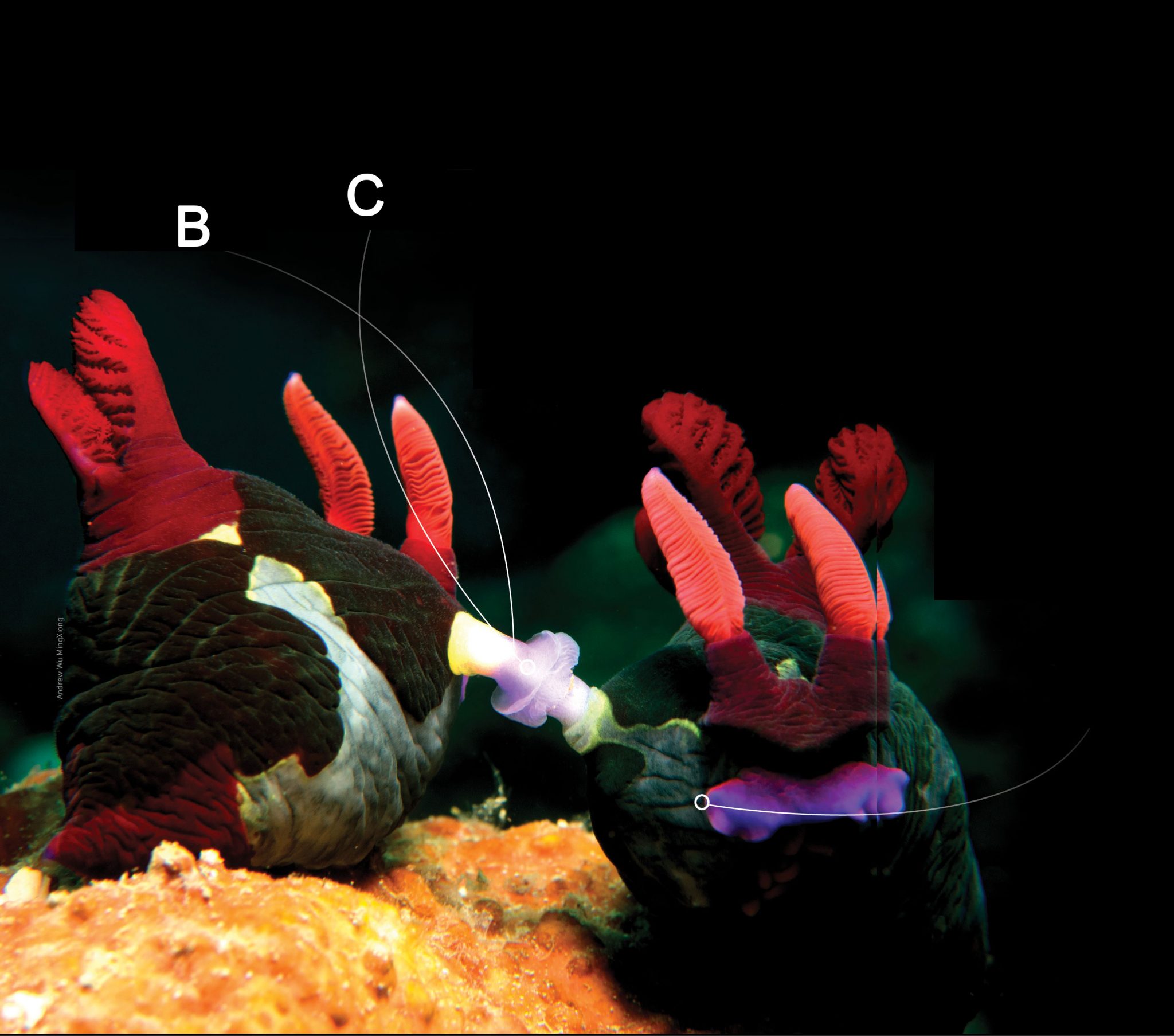
A.  Nudibranchs are hermaphrodites but cannot self reproduce; they will mate with another from the same species

B. The reproductive organ occurs on their right sides

C. Organs look like a docking station and use a hooked medieval weapon-like penis to lock themselves together for successful mating in the worst of conditions

D. They lay fertilised eggs in various colours and patterns: vertical egg ribbons or circular horizontal pattern on rocks and sand; squiggly pasta-like designs in hydroids and soft corals

E. The colour of the eggs depends on the type of nudibranch

Photo by Andrew Wu MingXiong

LIFE CYCLE

Photo by Andrew Wu MingXiong


1 Critical mass reproduction: They will reproduce to populate an area to take advantage of all of the available food

2 They lay an egg mass

3 Eggs hatch and nudis emerge into a larval pelagic phase (larvae drift in the open water)

4 Larvae will eventually settle on the substrate

5 Some slugs only appear once every few years while others are more commonly spotted. The cycle is believed to be related to the food source and larval settling

6 Lifetime varies upon species, from months to a year

7 Nudibranch life spans range from up to a year to only a few weeks. There will be a mass die-off once the food source is gone

Read the rest of this article in Issue 5/2016, AA No.87 of Scuba Diver magazine by subscribing here or check out all of our publications here.