Home Blog Page 72

Social Networking

0
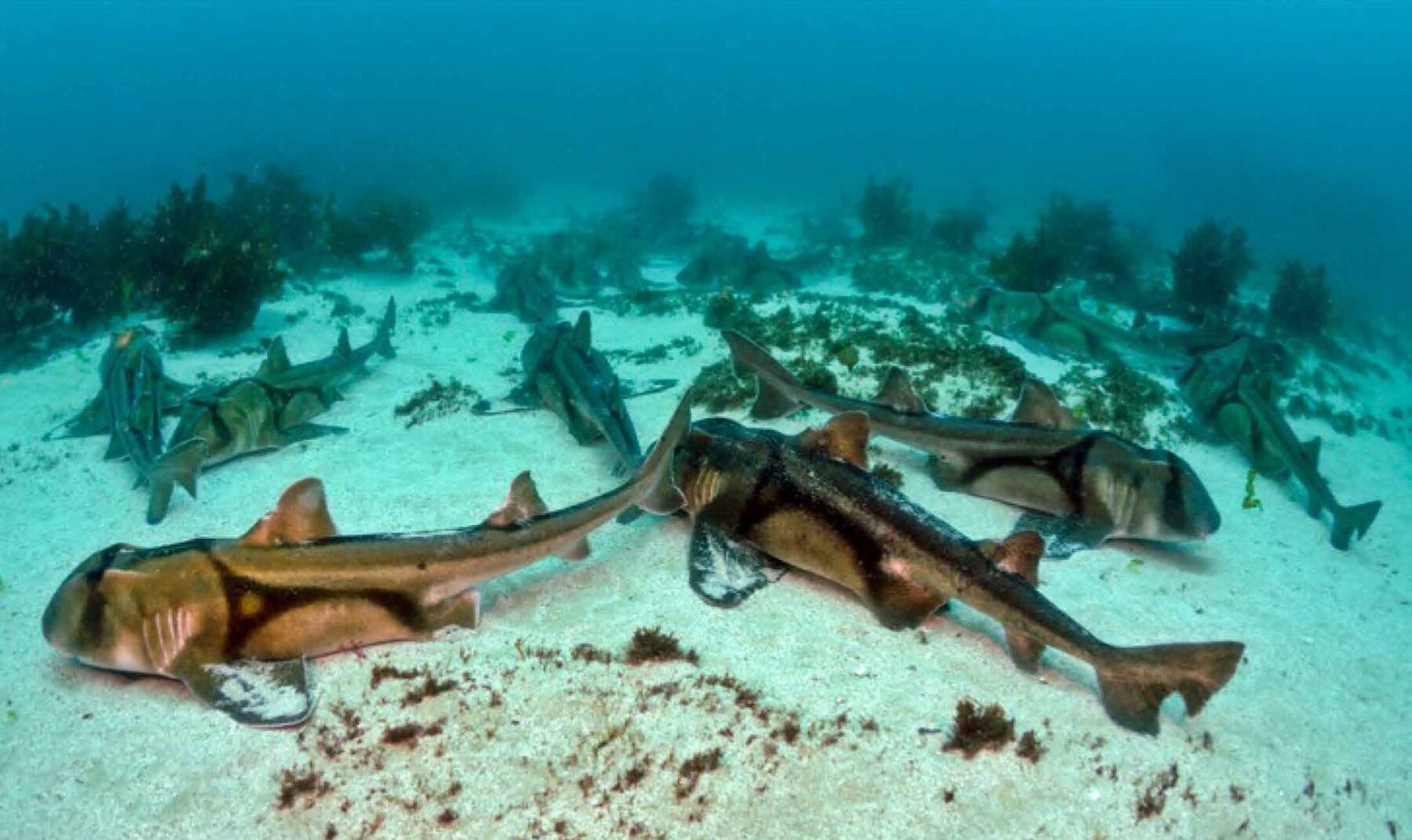
Port Jackson sharks, Heterodontus portusjacksoni, are a sociable species that aggregate in large numbers. Juveniles tend to remain in mixed-sex groups in their nursery bays and estuaries until close to maturity. Eventually they move into deeper waters where they separate into female and male groups

Crowds of metre-long sharks lie motionless on the seafloor within gutters etched into the rocky reef. Some are piled up under overhangs, others are lying isolated and out in the open. Beneath a waving frond of kelp, one of them raises its head and pivots upward on a pair of pectoral fins. With a few beats of its club-like tail it propels forward revealing a pencil-sized cylindrical device attached to its flank.

A diver motions forward to grab the shark. He catches it by placing one hand on the back of its head, and the other around the tail. It struggles and bucks back and fourth, before finally admitting defeat and allowing the diver to swim it up to the small canoe waiting above.

“Yes, this is the recapture we are after!” the diver exclaims, as he hits the surface. This is Nathan Bass, a PhD candidate with Macquarie University, who is studying the social networks of Port Jackson sharks in New South Wales, Australia.

He passes the shark up to the team in the canoe. They work methodically to gather as much data as they can in as a short a time as possible, to limit any undue stress on the animal.

The shark is measured from the tip of the snout to the upper lobe of its dorsal fin before being placed gently in a bag and hoisted into the air to be weighed – the average size of a male Port Jackson is 95 centimetres and six kilos, while the females are slightly larger at 120 centimetres and 14 kilos.

The team collect a tissue sample for DNA analysis, and record all the data and the unique identification number on the orange tag attached to its tail. Finally, the receiving device that drew Nathan to this particular Port Jackson is removed, and the shark is released back into the sea at the survey site.

Each interaction with these gentle sharks occurs with the utmost care. The team works within the constraints of strict animal care and ethics guidelines to ensure minimal impact on the shark during the encounter. Each step of the scientific process is calculated and performed by researchers with a passion for shark conservation.
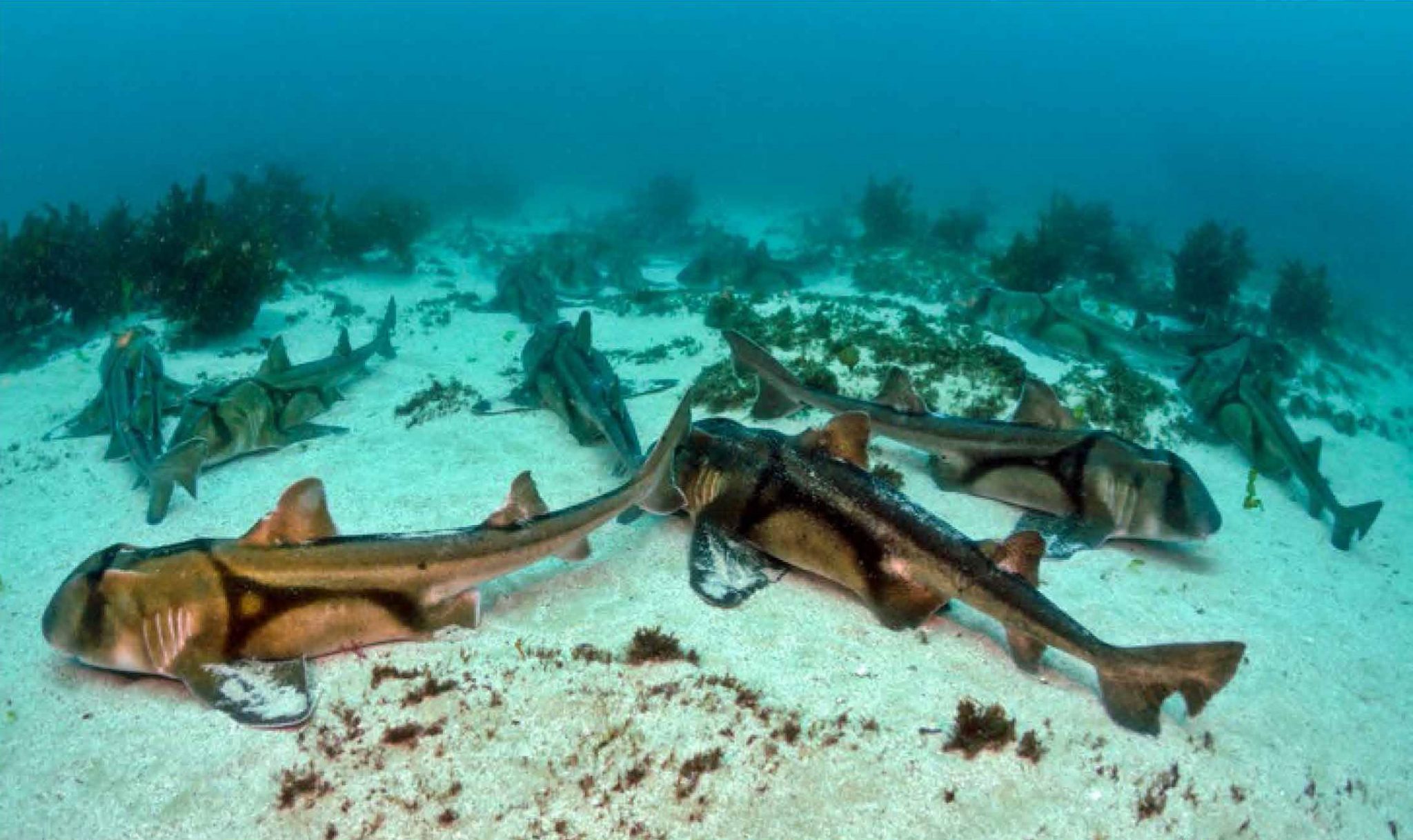
Port Jackson sharks, Heterodontus portusjacksoni, are a sociable species that aggregate in large numbers. Juveniles tend to remain in mixed-sex groups in their nursery bays and estuaries until close to maturity. Eventually they move into deeper waters where they separate into female and male groups

HANDS ON IN AN UNDERWATER HEAVEN
It’s Nathan’s second winter studying the sharks, which are endemic to southern Australia. Like all sharks of the primitive order Heterodomtiformes, or horn sharks, the Port Jackson has a blunt-shaped head and spines on the leading edge of the two dorsal fins. Yet its unique colour pattern is distinguishing and intricate. Dark harness-like markings cover the eyes, run along the back and cross over along the side of the body.
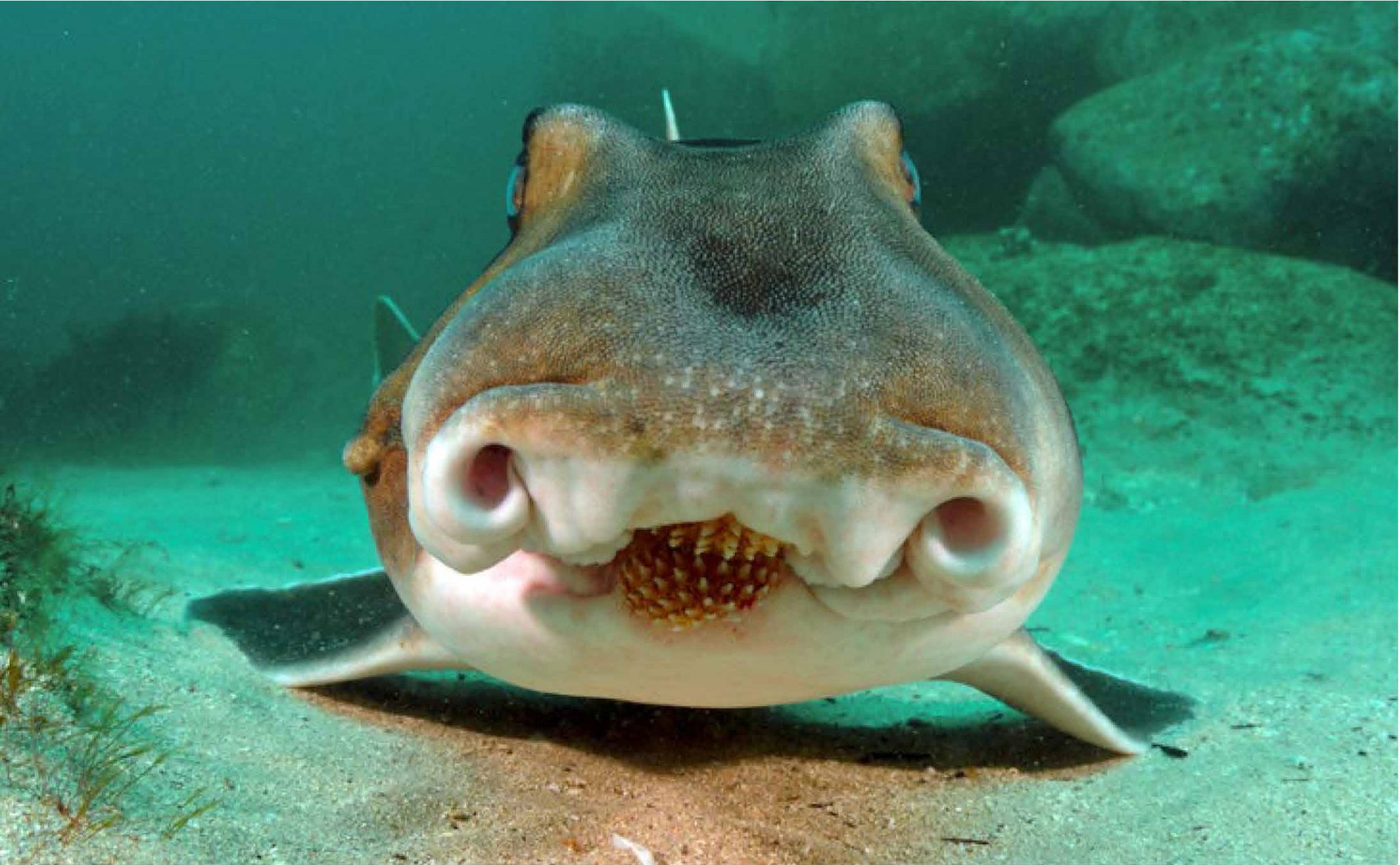
A Port Jackson portrait reveals the curled nostrils, plate like teeth and prominent eye ridges eye ridges, which distinguish the bullhead shark family from other species of sharks

They gather in numbers off New South Wales between June and September, during which time Nathan divides his time between two study locations in Jervis Bay and off Sydney.

The sharks are a popular favourite amongst avid groups of divers who are also drawn to the same temperate reefs along the popular southern New South Wales coastal fringe. Peppering the reefs throughout their distribution, some of the key locations for encountering this species include Forster and Seal Rocks, Fingal Island off Port Stephens, Bare Island off Sydney and throughout Jervis Bay.

The diving in Jervis Bay has been rated amongst the best in Australia. Shallow seagrass meadows provide a haven for a diverse suite of colourful characters such a weedy seadragons and pyjama squid. The kelp-dominated, shallow, rocky reef gives way to boulder fields encrusted in sea tulips, sponges and ascidians. Large blue groupers, schools of old wives and inquisitive giant cuttlefish are regulars, whilst red Indian and blue devilfish are some of the hidden gems to be found within the Port Jackson’s domain.

During one exploratory dive in Jervis Bay, Nathan recalls discovering a huge aggregation of Port Jackson sharks off the southern side of the bay. “There were so many sharks there it was unbelievable. Hundreds of them were all sitting there on the seafloor in small groups. It was a remarkable encounter for our team,” Nathan says.
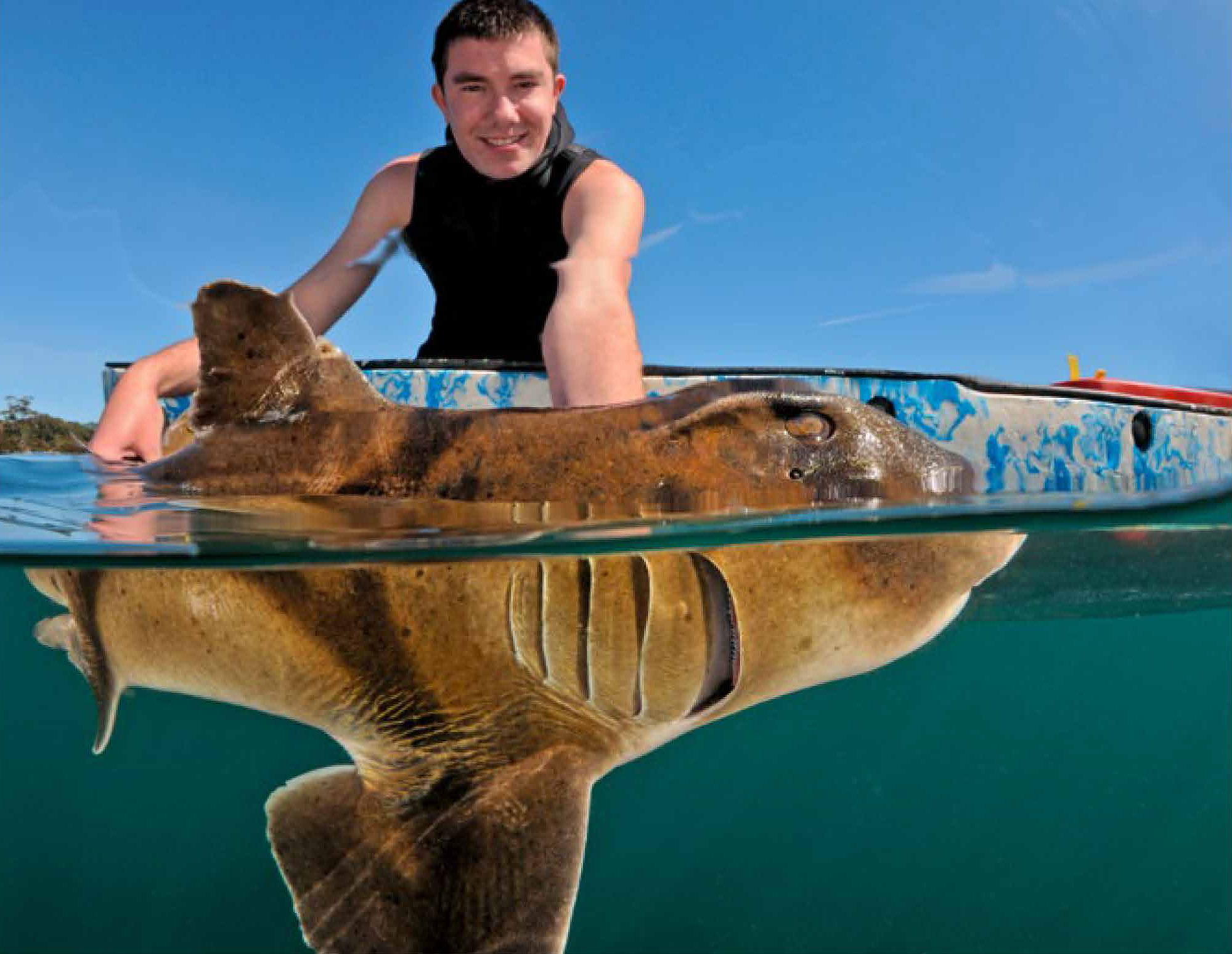
Macquarie University researcher Nathan Bass releases a tagged Port Jackson back into the wild. Each shark is handled very carefully, with volunteers adhering to strict guidelines to minimise stress and negative impact on the animals

Eager to assist with the research is an enthusiastic troop of volunteers hoping to get hands-on with a wild shark. Many of them have their own marine post-graduate research projects, while others are just keen to get involved. Once properly trained, the volunteers have the opportunity to participate in all aspects of the fieldwork.

It’s the perfect project for budding marine scientists to hone their diving and field skills, which can then applied to their own projects. The volunteers spend a lot of time in the water, making up to four dives a day at the study sites, and sometimes further afield during exploratory excursions.

Jo’s own PhD examined the social networks of dolphins. “These two projects are quite similar in that they are both asking questions about the social relationships within a population and the factors that influence those relationships,” she says.
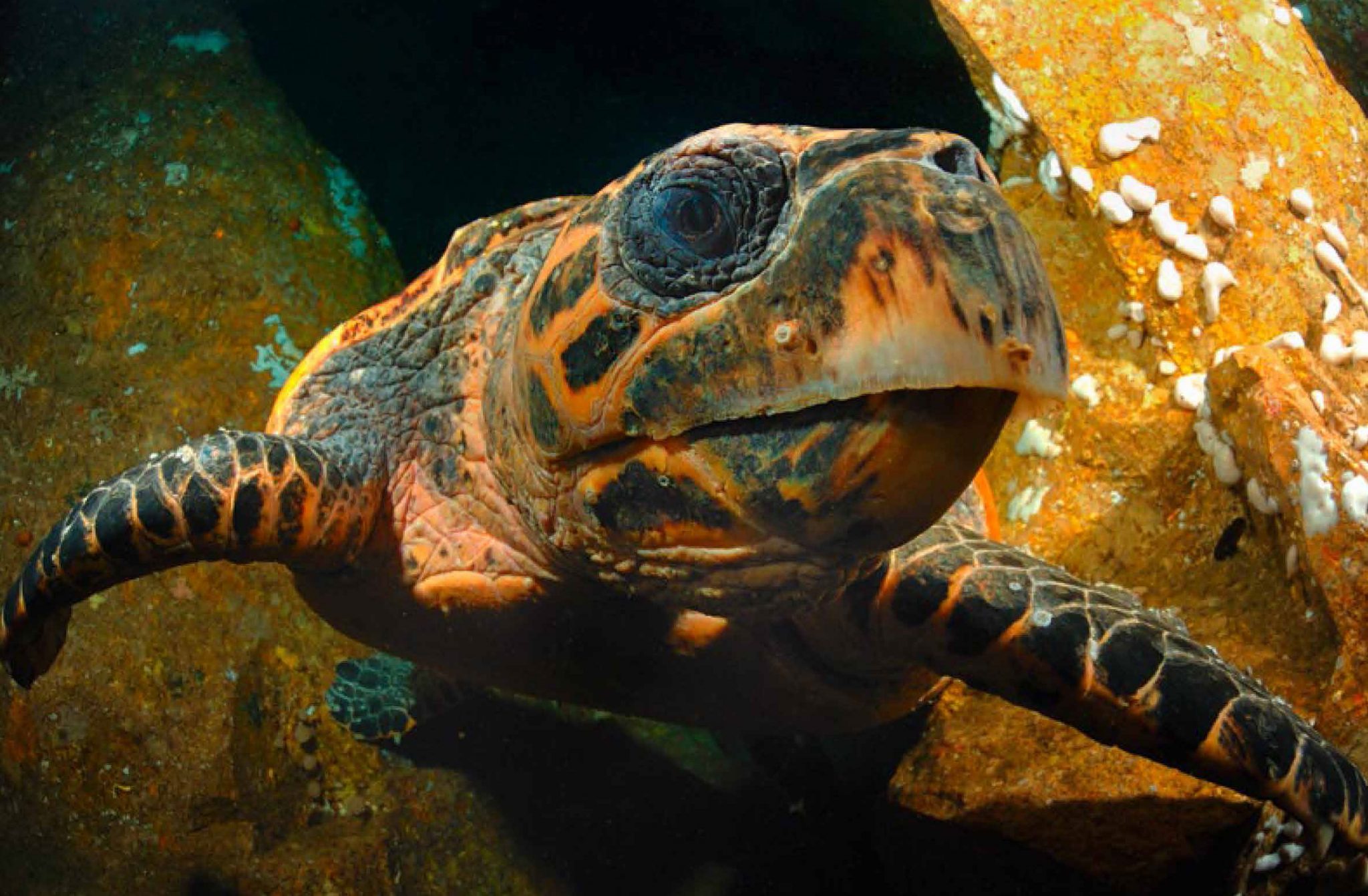
Hawksbill turtles, Eretmochelys imbricata, are another of the many draws for divers visiting this little patch of New South Wales coast

“It’s an amazing experience,” says Jo Wiszniewski the Research and Conservation coordinator for the Taronga Conservation Society Australia and co-supervisor of this project. “All the sharks have different personalities, some come quietly to the surface, while others can be feisty and whip around,” she says.

“We knew that social relationships existed amongst the dolphins, so we were looking more at the long-term changes and the stability of those relationships,” says Jo. “Because dolphins are well studied, we then wanted to move on to sharks, as there has been limited research in this field.”

RECORDING PROXIMITY
“We are trying to demonstrate how the sharks interact,” Nathan says. “The social structure of a population is closely connected to their behaviour, ecology, and evolution.”

To do so, the team are using proximity receivers, a new, acoustic technology that records and stores information about encounters with other acoustically tagged sharks. By recording the date, time and an identification number, research on interactions can take place without human interference, and over a continuous, extended period of time. For this relatively small and slow-moving species the recording distance is set at four body lengths (four metres), but it is possible to adjust the distance at which proximal receivers are detected and information is exchanged, to suit larger and more mobile species.

Read the rest of this article in Issue 5/2014, AA No.79 of Scuba Diver magazine by subscribing here or check out all of our publications here.
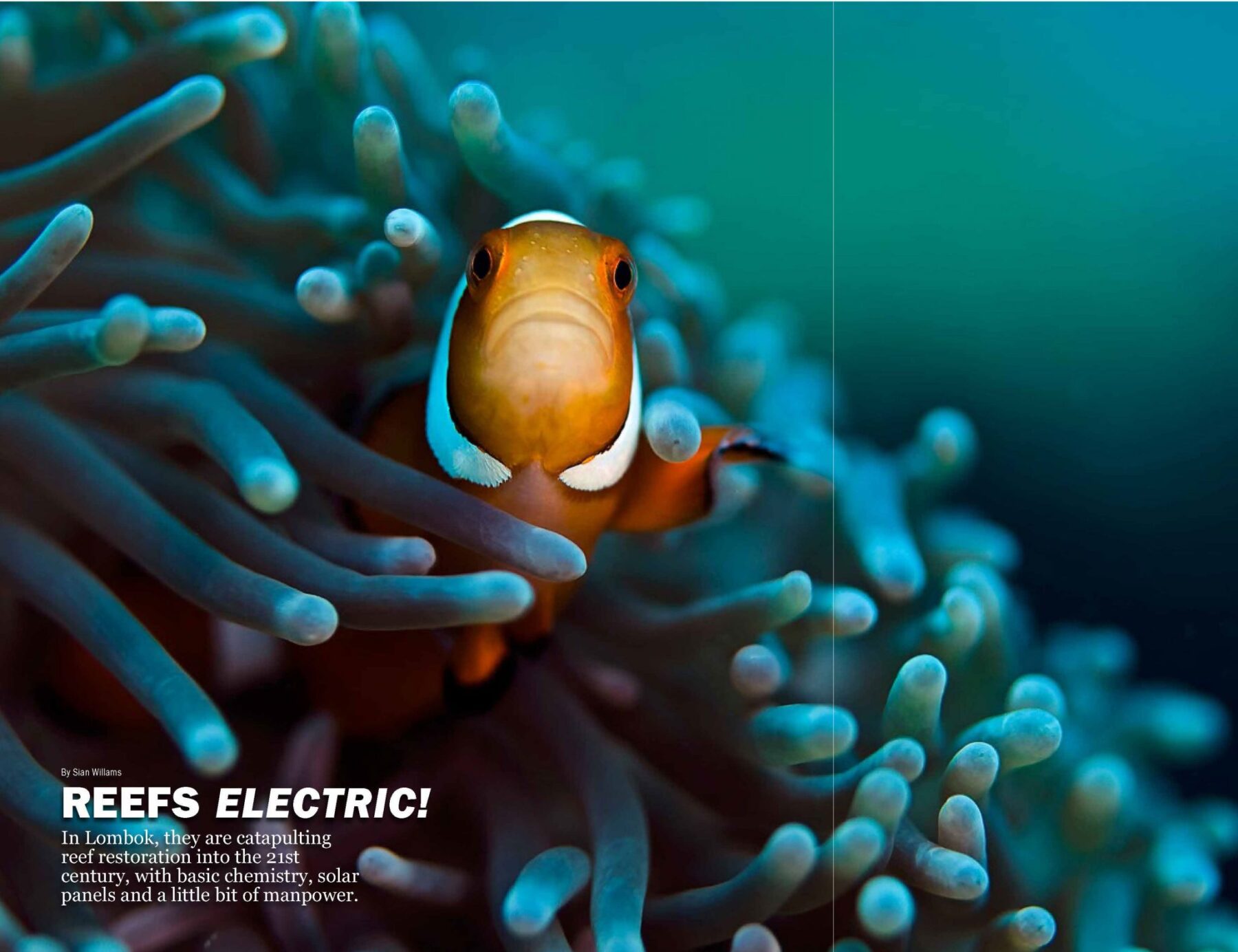
Reefs Electric!

0
Vibrant anemones and a wide variety of anemonefish are just some of the spectacular residents of the waters around the Gilis that are benefitting from Biorock technology (Image © Vinny Turner)

Only an hour and a half by fast boat from Bali, Indonesia, Lombok’s northern islands, or Gilis, are still just off the beaten track, despite their increasing popularity with backpackers, honeymooners and travellers looking to get away from it all.

No more than seven kilometres wide, Gili Trawangan is a place where Lombok’s traditions merge with Western style boutique shops, where bamboo beach bars sit next to trendy cafés, and basic bungalows share their sandy lanes with five-star villas. No cars, motorbikes or dogs are allowed on the island, making this small patch of sand a quiet and natural tropical paradise. Yet this island getaway is also the location of one of the world’s most intensive and futuristic reef restoration programmes – the Gilis are now home to a staggering total of 119 electric reefs – one of which is solar powered.

PARADISE ALMOST LOST
Indonesia’s waters are full of life and colour; the collision of the Indian and Pacific Oceans results in a wealth of fish and coral diversity, and the diving in Indonesia is considered by many to be the best in the world. Yet in many places, destructive fishing practices, combined with El Niño cycles, have caused enormous damage to Indonesia’s underwater heritage.

Lombok’s three famous northern Gilis sit closely, side by side. Huge volumes of water rush between them, creating incredibly strong currents that bring with them an abundance of life. Here, it is possible to see some of almost everything that diving in Indonesia has to offer – from vibrant nudibranchs and tiny pygmy seahorses to large reef sharks, thriving populations of turtles, and transient mantas. In the shallows, there are gardens of hard and soft corals, and endangered hawksbill and green turtles being cleaned by small butterflyfish and cleaner wrasse. Deeper waters harbour resident whitetip reef sharks, and, during the full moon, the reefs are subjected to the boisterous attentions of a school of bumphead parrotfish, which, like an otherworldly herd of cows, graze on the corals and play amongst the bubbles of divers.

Installing Biorocks takes training, a team of volunteers, and a certain degree of physical ability (Image © Steve Woods)

Yet the Gilis also bear their share of scars. For many years, they were fished using dynamite, and in some  places, you can still find patches of coral rubble on which nothing will grow. Rubble shifts with the currents and waves, making recolonisation by coral recruits very difficult. Without help, these reefs could take many decades or more to recover. On land, the effects of this annihilation can be seen with beaches eroding away, having lost their essential offshore protection from wave action – the coral reefs.

SCIENCE TO THE RESCUE
In 2004, Delphine Robbe and the Gili Eco Trust set out to change this, to rebuild the area’s marine biodiversity and biomass, starting at the very foundation of life in the ocean and restoring the islands’ coral reefs. Teaming up with coral ecologist, founder of the Global Coral Reef Alliance and creator of Biorock reef restoration technology, Dr. Thomas J. Goreau, they created the first living artificial reefs in the Gilis.

After only a few days a layer of calcium carbonate develops, coating the steel structure and providing an ideal substrate for coral recruits
(Image © Foued Kaddachi)

Biorock reefs are steel structures that employ the principles of electrolysis – a process by which electrical currents cause substances present in a liquid to come out of solution. Electrolysis requires one positively charged electrode, the anode, and one negatively charged electrode, the cathode.

When a positively charged anode and a negatively charged cathode are suspended in seawater and an electric current flows between them, calcium ions combine with carbonate ions and form calcium carbonate, which adheres to the cathode. A Biorock’s steel structure is, essentially, a cathode, and, once the current starts to flow, it soon becomes covered in calcium carbonate, or limestone, a mineral that has literally crystallised out of the water. This mineral is almost identical to the substance that forms coral skeletons, and is an ideal substrate for corals to colonise.

The Biorock project engages and mobilises a large cross-section of the diverse community of the Gilis. This structure was installed in 2006 (Image © Wolf Hilzberg/ Gili Eco Trust)

Biorock structures can be covered with coral fragments that have been detached from their mother reefs due to storm action, or that have been grown for the purpose. Once colonies take hold on the structure, their skeletal growth is also supported. This means that more energy can be devoted to reproduction, and to resisting stressors.

As time goes on, the structure matures and develops– coral colonies lend increasing structural complexity and the reef develops into a paradise for fish to inhabit for feeding, shelter and reproduction. Corals planted on these structures can grow up to six times faster than corals in the surrounding area and have also been shown to be a lot hardier. Every year, seasonally warm waters raise the sea temperature around Gilis to over 30˚C for extended periods of time. The corals on the Biorocks have proven to be a lot less susceptible to stress and bleaching than other reefs around the Gilis.

But the positive effects of this technology do not seem to be localised. Not only does the mild electric current stimulate the growth of corals attached to the structures, it seems that within a field of up to 15 metres around each Biorock, other corals benefit. In the Gilis, previously uninhabited slopes surrounding the structures have now become lavish coral gardens. And, just like natural coral reefs, Biorock reefs are also extremely successful in dissipating wave and current energy, and are helping to stem coastal erosion – beaches are returning.

The reefs around the Gilis now demonstrate areas of absolutely pristine corals and a healthy abundance of fish species. There is still an ongoing campaign to turn the Gilis into a Marine Protected Area, and with good reason – large areas of the reefs here are covered with a rare type of blue coral, found in few other places in the world in such healthy abundance.

1. Hawksbill and green turtles (such as this one) are unusually abundant on almost all the dive sites around the Gilis. Divers regularly report sightings of more than 10 per dive on some sites (Image © Vinny Turner)

GREEN REEFS
Even though the reefs around Gilis are healthy, colourful and diverse, growing development on the islands has led to an increase in anchoring and associated damage, and an ever-greater need for restoration projects such as Biorock. In recent years, the warm, clear, fish-filled waters have led to an incredible boom in the dive industry here. Slowly, more and more people are beginning to catch on that there is fantastic, yet hassle-free diving right off the beach. Protecting the natural resource that underpins this industry is vital.

I had intended to visit Gili Trawangan for about six weeks after finding out about the Biorock Reef Restoration Programme carried out through Trawangan Dive and the Gili Eco Trust. But after completing my two weeks of training, learning how the Biorock technology works and how successful the project has been around the Gilis, I swiftly made it my aim to stay and volunteer for as long as possible.

To enrol on this reef restoration course, students need little or no knowledge of Biorock, or any scientific background for that matter. All they need is a healthy desire to give something back to the ocean. In the first week, we trained in coral identification and learned how to recognise a whole variety of sponges, algae, fans and feather stars. In the second week we began the gruelling task of designing, measuring, cutting and welding locally sourced steel in the heat of a tropical rainy season. We installed 32 Biorocks, which, when put in place, created the form of a huge manta ray. Creative, yes, but, more importantly, this was to be the very first solar-powered, 100-percent sustainable Biorock reef.

NAVIGATOR

Getting there:

You can get to the Gilis via Bali or by flying directly into Lombok from Jakarta. A number of fast boats leave from Bali’s Padangbai, Nusa Lembongan and Sanur; some of them go via Senggigi. The fast boats take around an hour and half. If you’re arriving in to Mataram, you will need to take a bus to Pemenang and from there take a cidomo (horse drawn cart) to Bangsal harbor. Public boats from Bangsal harbour to the Gilis run between 8am and 5pm every day, and only leave when they are full.

Equipment and training:

Diving in the Gilis is suitable for every level, with a number of IDC centres offering courses up to Instructor. To take part in the Biorock workshops divers should be Advanced Open Water certified or higher.

Best time to dive:

Water stays a warm 28°C and above year round and between the months of March of May the visibility can reach up to 40 metres. Currents are stronger from July to September in the dry season, bringing sharks and schools of pelagic trevally and barracuda. August winds bring waves perfect for surfers.

More information:

To find out more on the Biorock workshops, or the one day PADI Biorock Speciality course, contact info@trawangandive.com

Read the rest of this article in Issue 5/2014, AA No.79 of Scuba Diver magazine by subscribing here or check out all of our publications here.

The Endemics of Oz

0
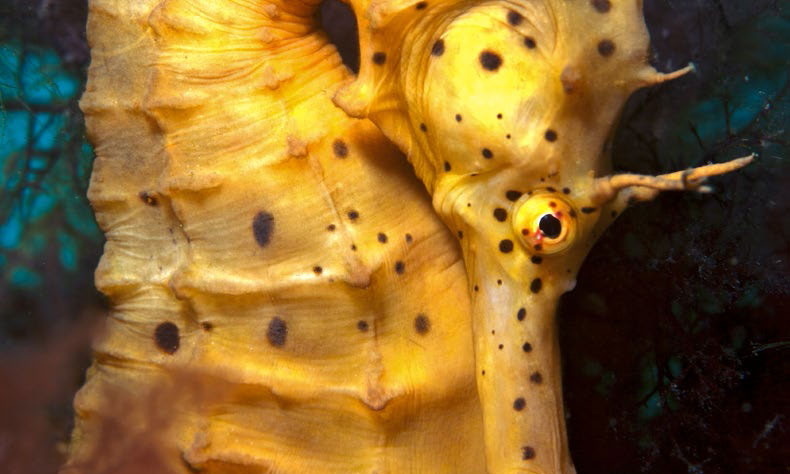
A bigbelly seahorse, Hippocampus bleekeri, under Rye Pier. H. bleekeri is very similar in morphology to H. abdominalis, though the former can be distinguished by its head filaments and other subtle features Image © Lia Barrett

Australia is a land of vast proportions. However, divers generally make a beeline for the Great Barrier Reef, scarcely sparing a thought for the rest of the continent. For coral reefs and colourful tropical fish, this is obviously a fantastic place to start, but for something out of the ordinary I believe the real gems of Australia’s rich waters are to be found further south.

“Muck diving” is a term more commonly associated with tropical Southeast Asia and the sheltered waters of Lembeh Strait, Milne Bay and Anilao, than cooler climes. It refers to a specialist form of diving where sandy or soft sediment areas, ostensibly devoid of life, are slowly scoured for the amazingly well-camouflaged critters that lurk amongst the scant debris. Since the 1990s, when muck diving was first pioneered, divers have begun to explore similar such habitats in other parts of the world. As it happens, the extensive coastline of Australia offers many opportunities for amazing world-class muck diving with the chance to encounter creatures found nowhere else.

GO WITH THE FLOW

Australia experiences interesting oceanographic conditions, which in turn help to shape the ecosystems and organisms that inhabit its waters. Both the east and west coasts experience significant currents that flow in a southerly direction parallel to their shores. The East Australian Current (EAC) flows all the way from the Great Barrier Reef to the east coast of Tasmania. The EAC famously carried poor little Nemo all the way from his home on the Barrier Reef, down to Sydney. The west coast experiences a similar current flow, the Leeuwin. The Leeuwin begins in northwest Australia, travels past Perth and across the Great Australian Bight before reaching the west coast of Tasmania, albeit with a relatively weak and disrupted flow.

Over millions of years, these currents have influenced the evolution of Australia’s marine life. Many marine species exploit currents to disperse throughout the ocean, particularly in the period straight after hatching. If a tiny planktonic fish fry, on the reefs of Indonesia for example, is caught in the right current it can be swept across huge swathes of the ocean between reefs. In southern Australia, the situation is rather different. The southerly flows of the EAC and Leeuwin current act as barriers to the northerly movement of many creatures during their ocean wandering stage, effectively isolating them in southern waters. Much like the isolation of Darwin’s finches and iguanas in the Galápagos Islands, when prevented from mixing with other populations, organisms tend to evolve to suit their local conditions. Over millions of years the result is a unique suite of species found nowhere else.

AUSSIE MUCK CRITTERS

Living in Brisbane for several years afforded me the opportunity to explore many of the muck dives Australia has to offer. Being a muck-diving aficionado, I have been lucky enough to observe a number of Southeast Asia’s wish-list critters such as mimic octopus, Ambon scorpionfish, blue-ringed octopus and hairy frogfish. Because of this, I really wanted to find some of the rare and endemic creatures (those found in a restricted geographical area) on Australia’s muck dives. Whilst some of these organisms are found throughout the country’s southern region, others have a distribution of only a few hundred kilometres – and some significantly less than that!

STALKING SYNGNATHIDS

Australia has one of the world’s greatest diversities of seahorses, pipefish and their relatives, collectively known as syngnathids. Many of these are found only in Australian waters and, given their preference for inshore sheltered waters, are often encountered by eagle-eyed muck divers.

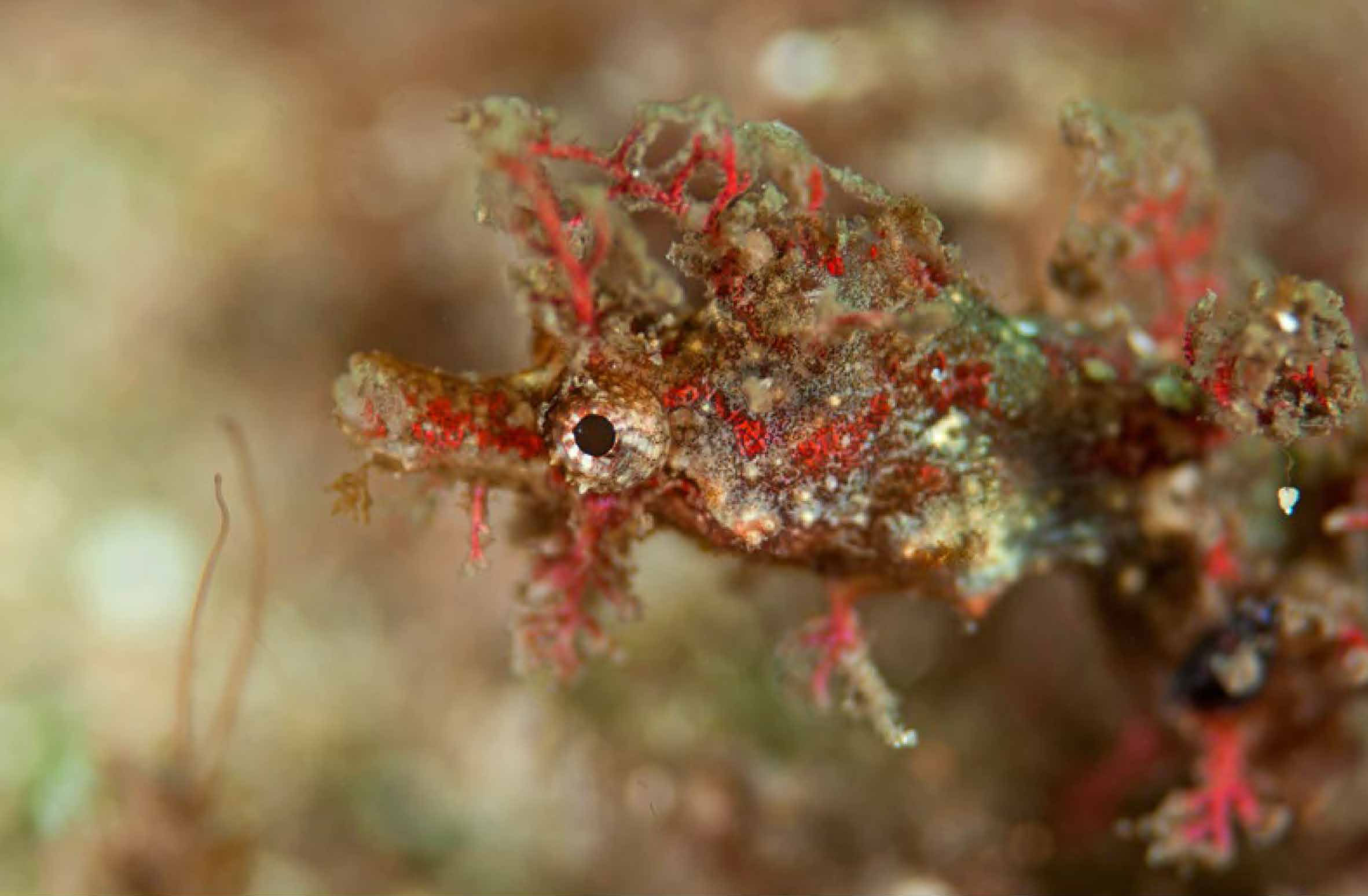
One of the first very restricted-range Australian fishes to register on my radar was the Sydney pygmy pipehorse (Idiotropiscis lumnitzeri). These small, five to six centimetre-long fish were only scientifically described in 2004 and, as their name suggests, are only known from a short stretch of coast around Sydney and south to Jervis Bay. They became somewhat of a nemesis of mine and after a couple of failed attempts searching for these highly camouflaged fish off Bare Island in Sydney’s Botany Bay, I gladly accepted the offer of being guided by a local naturalist to search for them. Despite their being several times bigger than pygmy seahorses (the focus of my PhD research), I was unprepared for how difficult the pygmy pipehorses would be to find. When the naturalist found and (finally!) showed me an adult animal, the disruptive filaments covering the body superbly broke up its outline, rendering it invisible until I finally managed to distinguish the eye.

The Sydney pygmy pipehorse, Idiotripiscis lumnitzeri, was scientifically described in 2004 and is known only from the Sydney area and south to Jervis Bay (Image © Richard Smith)

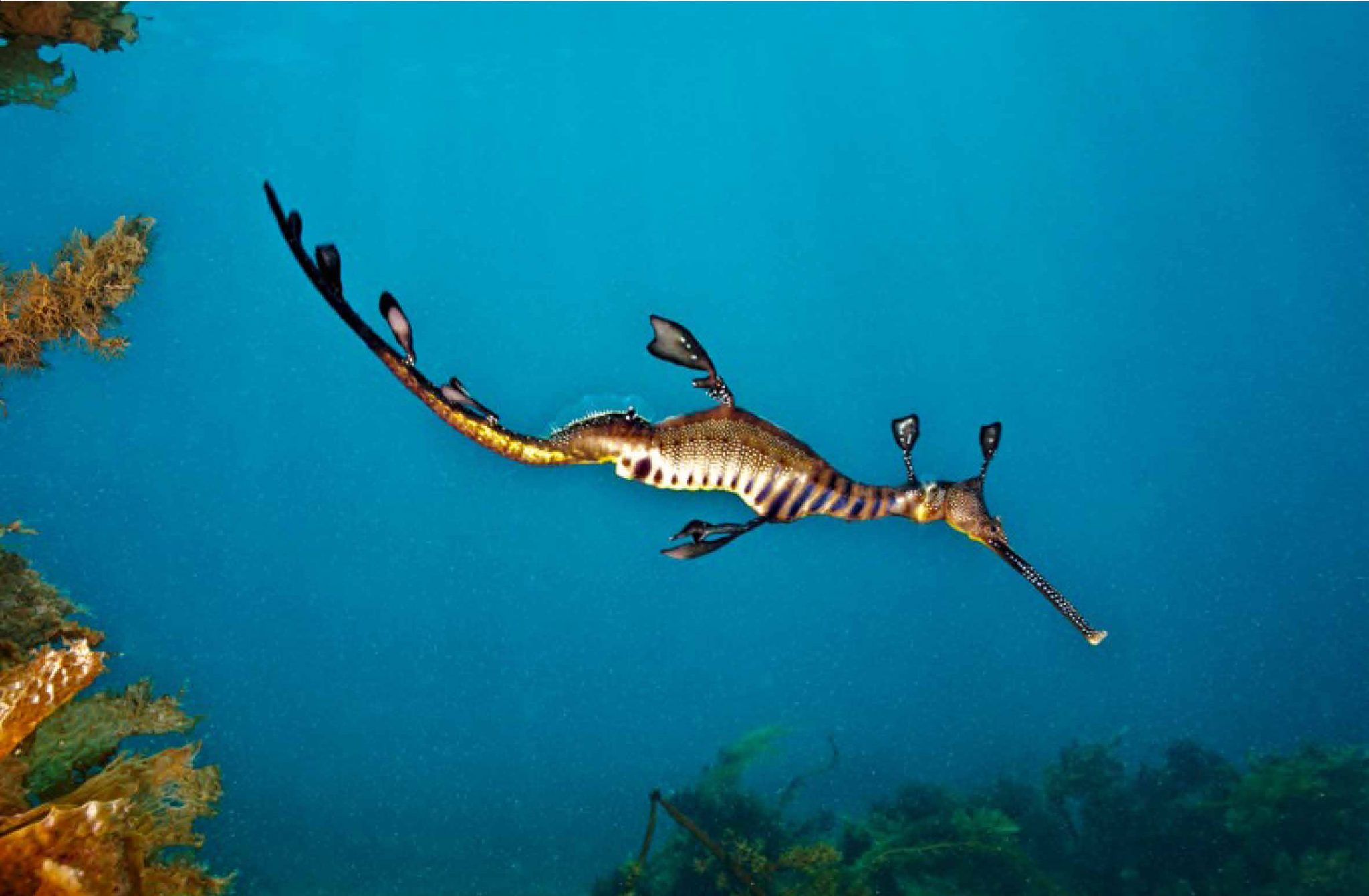
Another syngnathid, and a true Australian icon, that has been high on my Aussie endemic wish list is the weedy seadragon (Phyllopteryx taeniolatus). These large pipefish- like animals can be found all the way from Newcastle in the east, around the southern coastline to Geraldton in Western Australia. They inhabit areas of kelp and algae, but one of the most reliable places I have been able to find them is beneath Flinders Jetty, off Victoria’s Mornington Peninsula. This jetty, along with several others on the inside of Port Phillip Bay, is a fantastic dive with many special and endemic creatures to search for. Whilst waiting for my buddy to giant-stride into the sea, in only two metres of water, I spotted my first three juvenile weedy seadragons. Over the course of the dive we found a further seven! Once my brain had developed a search image, it was relatively easy to spot the dragons passively floating amongst the weeds, despite their best efforts to remain undiscovered.

A weedy seadragon, Phyllopteryx taeniolatus, under Prtsea Pier (Image © Lia Barrett)

There are around a dozen species of seahorses known from Australian waters, several of which are endemic. The largest of all seahorses, the pot-bellied (Hippocampus abdominalis), is commonly found in southern areas as well as in Tasmania and New Zealand. On one of the inner bay dives off Mornington Peninsula near Melbourne, I found 15 individuals, in addition to several of the much smaller short-head seahorse (H. breviceps). Beneath the jetties the seahorses can be found clinging motionlessly to algal fronds or sponges, so like all muck dives, a slow and deliberate search of every piece of weed or debris will help find these camouflaged critters. Another species, White’s seahorse (H. whitei), prefers slightly warmer water and is found in similar habitats around New South Wales.

ANTIPODEAN CEPHALOPODS

Another group of organisms that are well represented amongst the endemic marine life of Australia are the cephalopods. This lineage of highly adapted molluscs
are better known as squid, octopus and cuttlefish. Being a die-hard Southeast Asian muck diver, one of the most highly desired of all critters is the blue-ringed octopus. These gem-like, thumb-sized octopuses are well known for packing a deadly punch. The first one I ever saw was after a week of dawn dives in Indonesia searching Wakatobi Dive Resort’s bountiful House Reef. The dazzling blue rings caught my eye but within a fraction of a second, the whole animal had been swallowed by a flounder – which seemed none the worse for its hazardous diet!

Thankfully, my first encounter with the Australian blue-lined octopus (Hapalochlaena fasciata) was less dramatic. Predictably, the rings in this species are replaced by vivid blue lines, which cover the animal’s body. They serve the same function in advertising the tetrodotoxin, which can fell an adult human in one bite. Indeed, the blue-lined octopus is known to have caused at least one human fatality. These small octopuses are only found along the coastlines of New South Wales, but I have most reliably seen them at a dive site called The Pipeline in Nelson Bay, Port Stephens.

Nelson Bay is probably one of the most fruitful areas in terms of muck diving for Australian endemics. In addition to the blue-lined octopuses, there are many interesting nudibranchs, Sydney octopus (Octopus tetricus), White’s seahorses and endemic blind sharks (Brachaelurus waddi). If the tides work in your favour, this is also a great place to night dive in search of the adorable striped pyjama squid (Sepioloidea lineolata). Searching a shallow sand flat revealed half a dozen of these small squid one evening.

Interestingly, I recently discovered that one of the most distinct nudibranchs in this area, Polycera capensis, is actually a South African native. It is believed that they hitched a ride to Australia on the hull of ocean tankers whilst feeding on Bryozoans. Hitching a ride in ships’ ballast waters has been implicated in the translocation of various marine species, some of which have gone on to wreak havoc in areas where their presence is unintended. In the absence of their natural predators controlling their populations, they have the potential to exploit their new home without any control on their numbers.

THE ULTIMATE ENDEMIC

The spotted handfish (Brachionichthys hirsutus) is a member of an unusual group of a dozen or so southern Australian handfishes, which are distantly related to the frogfishes. They have a rudimentary lure, like their relatives, and a superficially similar body shape. This, however, is where the similarities end. The spotted handfish is found only in the Lower Derwent Estuary and during three dives one morning, I dived almost the whole area in which this fish is naturally found.

Read the rest of this article in Issue 3/2014, AA No.78 of Scuba Diver magazine by subscribing here or check out all of our publications here.

Science in Eden

0

If you’re up for field-based science, Indiana Jones style, one of the world’s wildest, most remote, and most radical research stations is the place for you. Meet the Andaman and Nicobar Environmental Team, who are ready to host you in their living laboratory – India’s Andaman Islands, where the waters are bursting with life, and indigenous tribes are living stone-age existences, totally isolated from the modern world. (Text & Images by Umeed Mistry and Tasneem Khan)

Exploration or fantasy? Documenting volcanic underwater caves, pillars and walls and the life they harbour at The Brotto, on Barren Island (Image by Umeed Mistry)

I look down from my safety stop. This is one of those idyllic April mornings in the Andaman Islands. Shafts of sunlight dance down towards the depths, shimmering off a shoal of passing fusiliers. The ocean breathes peacefully, and I can see all the way down to the reef below.

From this perspective, the damage wreaked by the elevated water temperatures of 2010 is very evident. My memory of this dive site from five years ago is a far more vivid rendering of what I now see. But, as the ocean teaches us over and over again, everything changes and life prevails. Four-year-old stands of a variety of Acropora are already bringing vibrant patches to the grey-green, algae-covered skeletons of the reef that once thrived here. Clouds of bright orange Anthias cluster above these young coral stands, and ever-increasing seasonal numbers of butterflyfish and grouper bring colour and movement to my bird’s-eye view. While the reef is undeniably damaged, our dive was by no means a disappointment. A school of juvenile catfish, some moray eels, a turtle and a curious batfish kept us entertained amidst the general melee of this South Andaman reef. And we have come to love the ever-changing land and seascapes of this South Asian island chain, observing its cycle of destruction and rejuvenation over the last decade.

A crinoid perched on the edge of a steep drop-off on Barren Island. Commonly known as feather stars, these seemingly passive filter feeders position themselves strategically to draw nutrients from the current (Image © Tasneem Khan)

MYSTERIOUS, REMOTE, AND INCREDIBLY PRECIOUS

The Andaman and Nicobar Islands (ANI) are India’s most eastern frontier, and a spectacle both above and below the water. Over 500 islands span 830-odd kilometres from north to south, islets and rocks, each a peak of the submerged mountain range that connects Myanmar to Sumatra. They form an archipelago of immense biological diversity with a high degree of endemism – a volcanic creation hemmed in by ocean boundaries, enclosing a wide range of ecosystems in a very confined space.

The Andaman Islands have always held an aura of mystery, isolation and wonder. Stories of the ancient indigenous communities, anecdotes from explorer’s logs across centuries, war and occupation, black waters and ocean monsters have embellished travellers’ tales.

The emerald isles are an extravagant living laboratory with open ocean, shallow seas and reefs, sandy beaches, rocky shores and sea caves, mangroves and wetlands, littoral forests, giant lowland evergreens and hill-top forests. While each of these systems is a world worth exploring, the intricate connections between these habitats have fascinated explorers, photographers, scientists and travellers alike.

Some of the first documented underwater forays of this, one of the largest reef systems in South Asia, were conducted in the late 1980s by Jacques Cousteau’s team from the famous Calypso. Several subsequent documentations followed – by naval divers, sailors, shell divers and fishermen.

The coral reefs of the Andaman region successfully survived the massive bleaching event in 1998. However, a combination of the 2004 earthquake and the 2010 bleaching event have affected it substantially. The islands support a growing fishery and tourism industry and also harbour some of the few relatively undisturbed and biologically diverse coral reef ecosystems in this corner of the world. It is imperative, from both an environmental and a socio-economic perspective, that these reefs and resources are utilised sustainably and conserved. And so, it is important to understand the responses of these ecosystems to climate change and man-made pressures, as well as the critical factors that determine their recovery.

The Andamans have increasingly gained popularity among travellers, catapulting into global consciousness with the news of the Banda Aceh tsunami. Within a year of December 26, 2004 most of the damaged infrastructure had been rebuilt, and the islands saw the beginning of a second giant wave, this time of tourism, development and research.

A HUB OF RESOURCES, A MELTING POT OF IDEAS

Back aboard our dunghi everybody seems in good spirits. Some, like Dr. Naveen Namboothri, are researchers studying coral recruitment. Some, out for a bit of R&R, are wildlife biologists studying the endemic bats or birds of the island. And others are photographers documenting the health of the reef for the Andaman & Nicobar Islands Environmental Team (ANET). The conversation quickly moves to the rejuvenation of the coral in the area. We observed a number of new recruits on the dive and are heartened by this. Sahir Advani, a researcher profiling the islands’ grouper fishery can barely contain his excitement at the sizes of the many Plectropomus groupers on the reef. A few years ago the groupers from this site had been fished out. And so, chatting away about Montipora, Serranidae and the camera housing for the Canon G15, we make our way back to the ANET research station in North Wandoor.

ANET is the largest and most well-established, non-governmental, non-profit research and education trust on the islands. ANET’s founding trustees recognised the natural wealth and potential for research in this unexplored archipelago back in 1988. What they couldn’t possibly have envisioned at that time was the current extent of ANET’s initiatives.

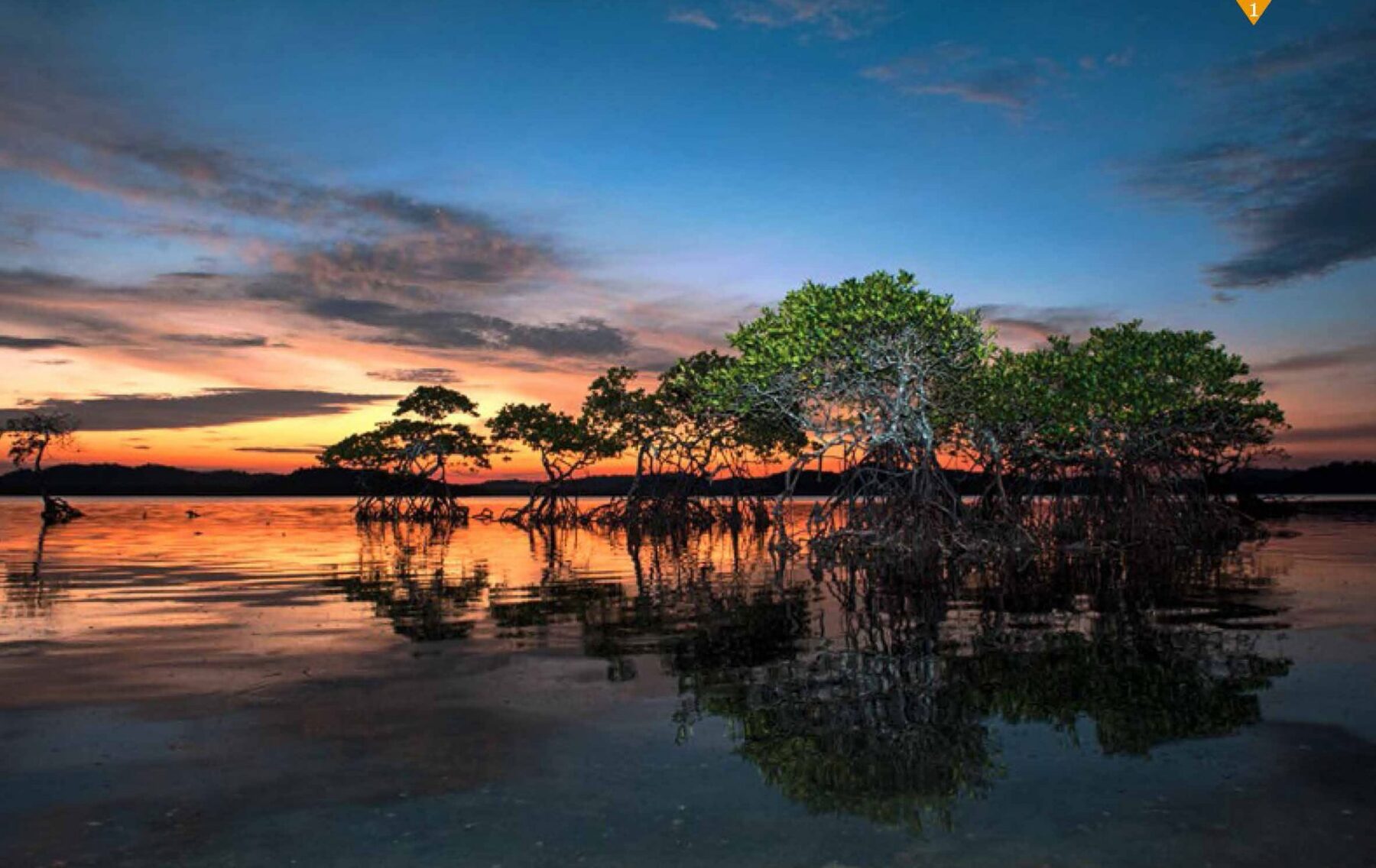
In a stunning piece of natural art, fringing mangroves stand against another stunning island sunset at Eastern Mayabunder, Middle Andaman Island (Image © Tasneem Khan)

From its inception as a Centre for Herpetology, ANET has today become a hub for interdisciplinary work by scientists, students, designers, educators, artists and policy makers, exchanging ideas and working together. Being the only interdisciplinary, multi-institutional field station for island ecology in the Bay of Bengal, ANET brings the required tools, from electricity to expertise, to the places where science, education and conservation need to be carried out. The resulting pool of knowledge and energy provides space for learning without boundaries, and helps spawn the out-of-the-box thinking that leads to cutting edge work, regardless of the field.

Back at the base, Dr. Naveen Namboothri supervises the cutting of floor tiles. Naveen is a marine biologist, socio-ecological practitioner and a founding trustee of the Dakshin Foundation. He is also a postdoctoral fellow at the Indian Institute of Sciences. He will use these pieces of tile as controlled substrate for his coral recruitment study. With the bleaching of coral reefs in the Andamans, Naveen wants to know if population demography and marine protected areas enhance recovery of coral reefs.

Life is abundant in the deep blue. In the waters of Barren Island, an oceanic manta ray, as curious as the Homo sapien (Image © Tasneem Khan)

He says, “I am convinced that the reefs here are unique and deserve much more attention. Contradicting conventional patterns of reef distribution and structuring, the reefs of the Andamans seem to be distributed and structured rather uniquely. To a marine ecologist they provide a fascinating challenge in understanding why these reefs are structured the way they are. Thanks to ANET, I now look forward to establishing a long-term coral reef monitoring programme as well as support for other academic efforts in the Andaman Islands.”

One such academic effort is the Treasured Island Project, geared towards education and ecological literacy of local students across the islands. Over the last year, ANET, along with The Dakshin Foundation, embarked on a long-term project to introduce “place-based learning” in the islands – where students grasp various academic concepts experientially, by engaging with their immediate surroundings. For a teacher, the ANI offer a multitude of ecosystems that can be used as classrooms and living laboratories to teach a range of subjects.

ANET, along with design students from the Srishti School of Art, Design and Technology in Bangalore, revised and re-illustrated the original textbook, Treasured Islands, by Sunita Rao, educator and conservationist. Identified as a useful resource by the Department of Education, these revisions were made in keeping with the National Council for Education, Research and Training syllabus. The final book is visually stunning, shatters the mould of books that have become the norm in Indian schools, and is tailored specifically to students of the ANI – using local references and highlighting the aspects of the archipelago.

At 4pm we drive down to the Wandoor fish-landing jetty with Sahir Advani. His work involves profiling fishing practices for sustainable local fisheries. These islands have witnessed booms, and the inevitable collapses, of multiple fisheries. It has taken Sahir many months to forge a relationship of trust with the fishermen we are about to meet, who are distrustful of strangers asking questions.

“My first encounter with the amazing marine life of these islands was in 2008 – I did my scuba certification on Havelock. When I was asked to travel to the Andamans in 2011 and develop a research project, I jumped at the chance. After interacting extensively with fishing communities throughout the islands, it became clear that there was a significant grouper fishery that was poorly understood and required a closer look.

Read the rest of this article in Issue 5/2014, AA No.79 of Scuba Diver magazine by subscribing here or check out all of our publications here.

Freediving with Humpbacks

0

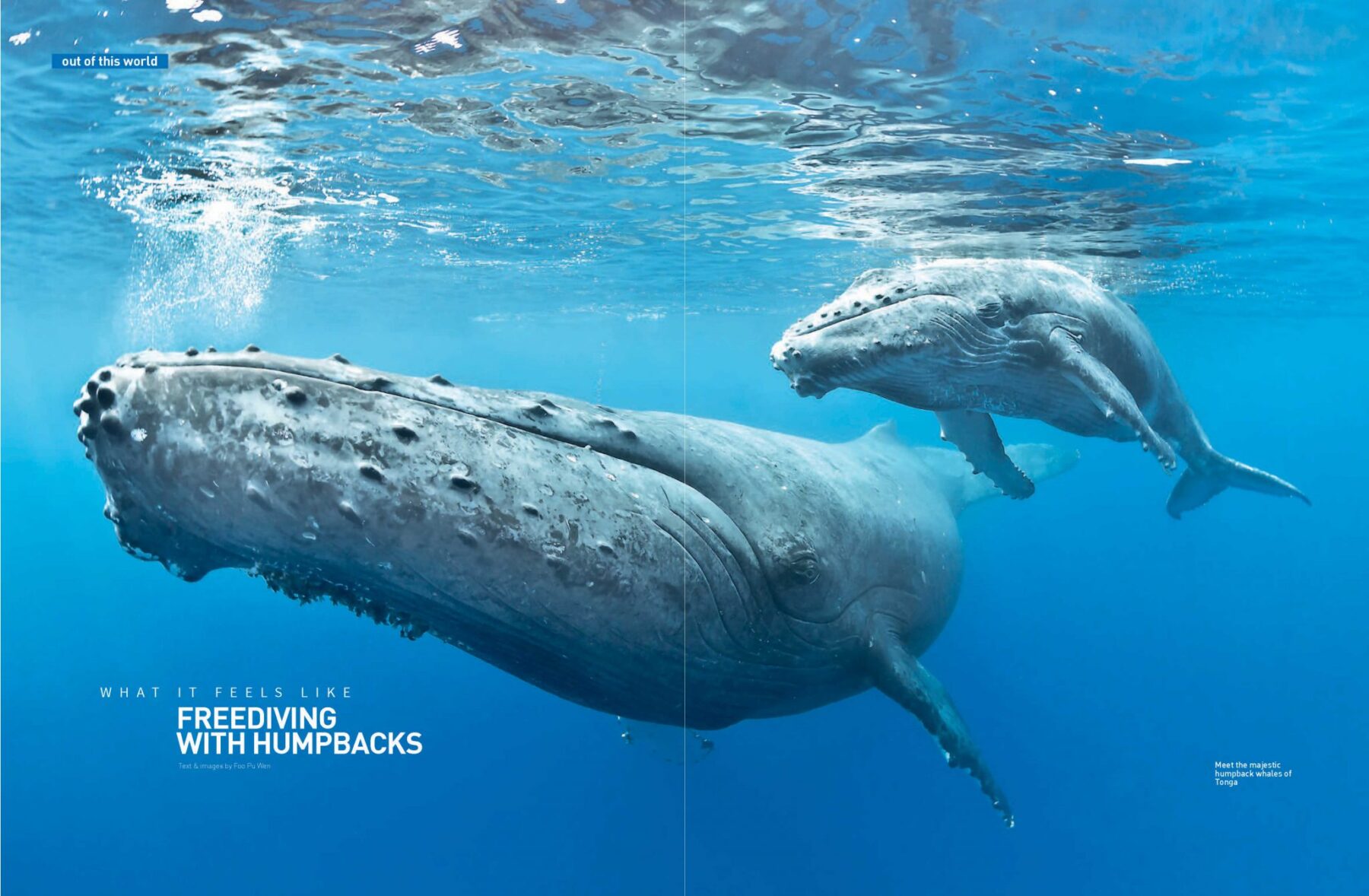
A calm mirror-like surface, crystal-clear waters, and hot sunny days; that was what I assumed my virgin trip to Tonga would be like.

On the contrary, we saw nothing but gloomy skies, rainy days, choppy waters, and plankton-rich waters – not the best conditions for us underwater photographers. Yet, it proved to be one of the most rewarding experiences I’ve had to date. The word to describe what it felt like would have to be “awe”.

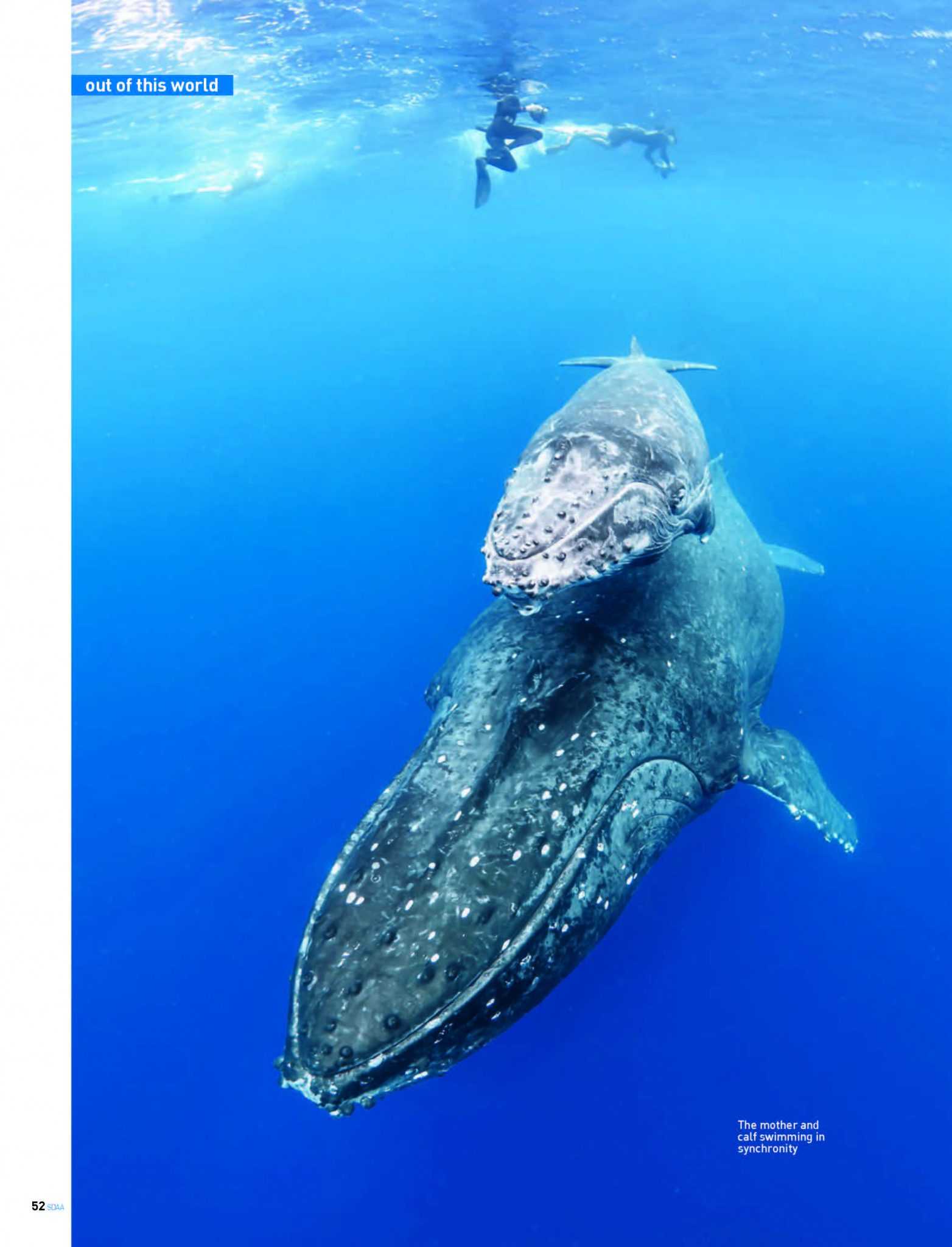
Moments before our first entry into the water, my heart was thumping furiously, full of adrenaline; I was trying to visualise shots despite not knowing what to expect – staying calm was the last thing on my mind. We had our eyes on our guide, who was already in the water confirming the location of our resting mother and calf. As he slowly raised his hand, we slipped quietly into the water, eagerly snorkelling towards the whales. The 50-metre swim felt like forever, as we could see nothing in the deep blue waters. But as we approached, a vague silhouette below our guide gradually took form. The silhouette split into two, the smaller blob was swimming upwards, towards us. As we neared, we could see it was the calf; and the bigger blob was the mother whale. As the calf slowly rose up, seeing us for the first time, it felt like time stood still. Rolling around, it playfully made some tail slaps, circling around us as it observed these strange beings. We could see its white belly rippling with the water as it breathed. At this point, all the cameras were snapping away furiously; we didn’t want to miss a single moment of this first encounter. It was the mother’s turn to breathe. As she rose, her massive size, possibly the length of a bus, was revealed to us mere human beings who were gawking helplessly in amazement.

Photo by Foo Pu Wen

With the mother and calf now in full view, the mother seemed to have accepted our presence as she stayed with us at the surface, eyes closed all the while. She came so close that we could see the bumps on her face, the barnacles, the scars, everything. It was simply amazing.

As the calf swam around the mother, swimming below her and between her fins, the natural bond between the mother and calf was apparent – her gentleness as she used her fins to guide the calf’s breathing created a touching scene that magnified the inexplicable beauty of the humpback whale.

There we were in front of these majestic and gentle giants, so small and insignificant, having the honour of being one of the many encounters these whales would have in their travels. There was not an ounce of fear in us, but rather, a deep gratitude for being accepted as friends, instead of treated as foe.

Read the rest of this article in No.110 Issue 4/2017 of Scuba Diver magazine by subscribing here or check out all of our publications here.

Yakushima: Japan’s First Natural World Heritage Site

0

Descending through the clear blue water towards a huge rocky boulder, my guide leads me towards a photogenic pygmy seahorse. Clinging to a branch of coral and swaying to and fro in the gentle current, it’s a shy and elusive creature that turns its back to me before deciding otherwise. Doubt and disbelief turn to excitement as it turns to face me and I keep watching, determined to make the most of the little time I have there. Nearby is an area of whip coral playing host to a few gobies and gorgonian pandalid shrimp while further up in the shallows shoaling fish, from marauding sea goldies to patrolling square-spot fairy basslets, are resident in huge numbers.

BIODIVERSITY, LAND AND SEA
The gateway to this scene is Yakushima, a humid subtropical island in the East China Sea in southern Japan’s Kagoshima Prefecture. But despite its prolific marine life, Yakushima is not exactly known as a diving destination. More commonly, visitors go to soak up the atmosphere of the ancient forest, see the giant Yaku cedar “Jomon-sugi” (said to be 7,200 years old) or experience the many hiking trails. Add to this is a huge amount of rain; at 40,000–10,000mm a year, Yakushima may have extremely high precipitation, but this creates a warm and rich natural environment that’s a stunning shade of green with pristine forests and vegetation. It’s precisely these features that led to the island becoming one of Japan’s first natural World Heritage Sites back in 1993.

CRITTER-CARRYING CURRENTS
But underneath this warm, temperate ecosystem lies another world that’s just as rich and varied. The seas off Yakushima are blessed with the warm Kuroshio Current that travels from east of the Philippines to the Pacific coast of southern Japan, heading past Yakushima and north towards the Pacific. As it passes Yakushima, it funnels water rich with nutrients, plankton and schools of reef fish from further south, promoting healthy growth and unique and varied marine life. The flow rate and direction change according to the season, winds and water temperature; this is another reason for the island’s rich underwater diversity. Yakushima is also at the biogeographic boundary between the tropical and temperate regions, and all the climatic zones of the Japanese islands are concentrated there. Despite this, the diving here is yet to be fully discovered, but for those who do encounter it, a treasure trove of life awaits.

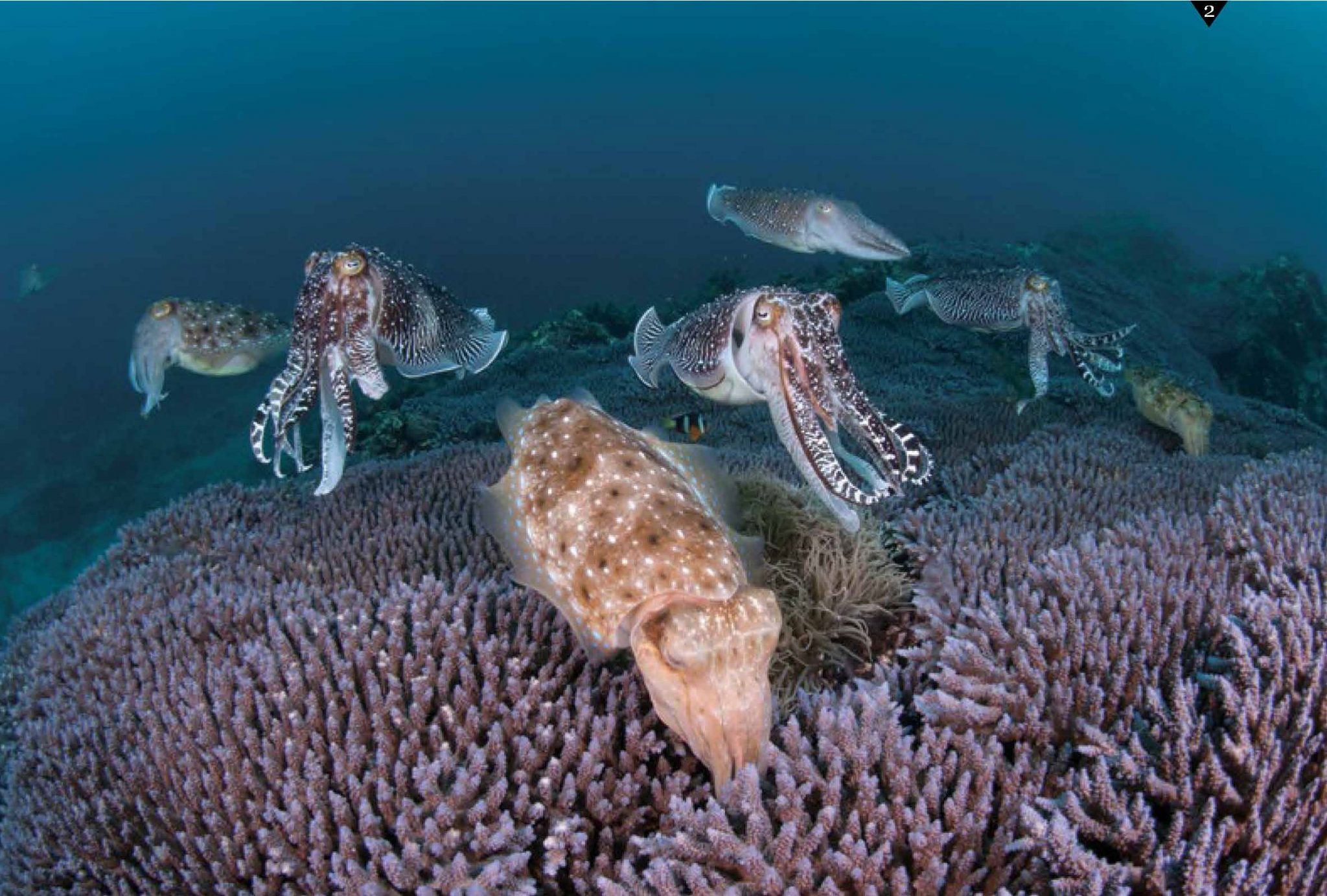
Cuttlefish laying their eggs in Yukushima’s clear waters (Photo by Shigeru Haruzaki)

SITES AND HIGHLIGHTS
Yakushima’s main dive sites lie along the north coast. The area is a world of sandy carpets, rocky gardens, boulders and reefs that are jam-packed and vibrant with reef fish species such as damsels, butterflies, angels and more. Described as Japan’s premier nesting site for turtles, it’s also no surprise to occasionally encounter one or two disappearing into the blue when diving here. Gliding lazily by or 1. sniffing around in the organic detritus, the turtles are so relaxed around divers that they are more than happy to nestle into the rocks close by or put on a show of graceful floating. The north coast is also home to signature species like jawfish, brightly-coloured nudibranchs flourishing over the rocks, and yellow-spotted scorpionfish, while other treats lie in store: the ubiquitous lionfish, and Moorish idols hiding in the alcoves.

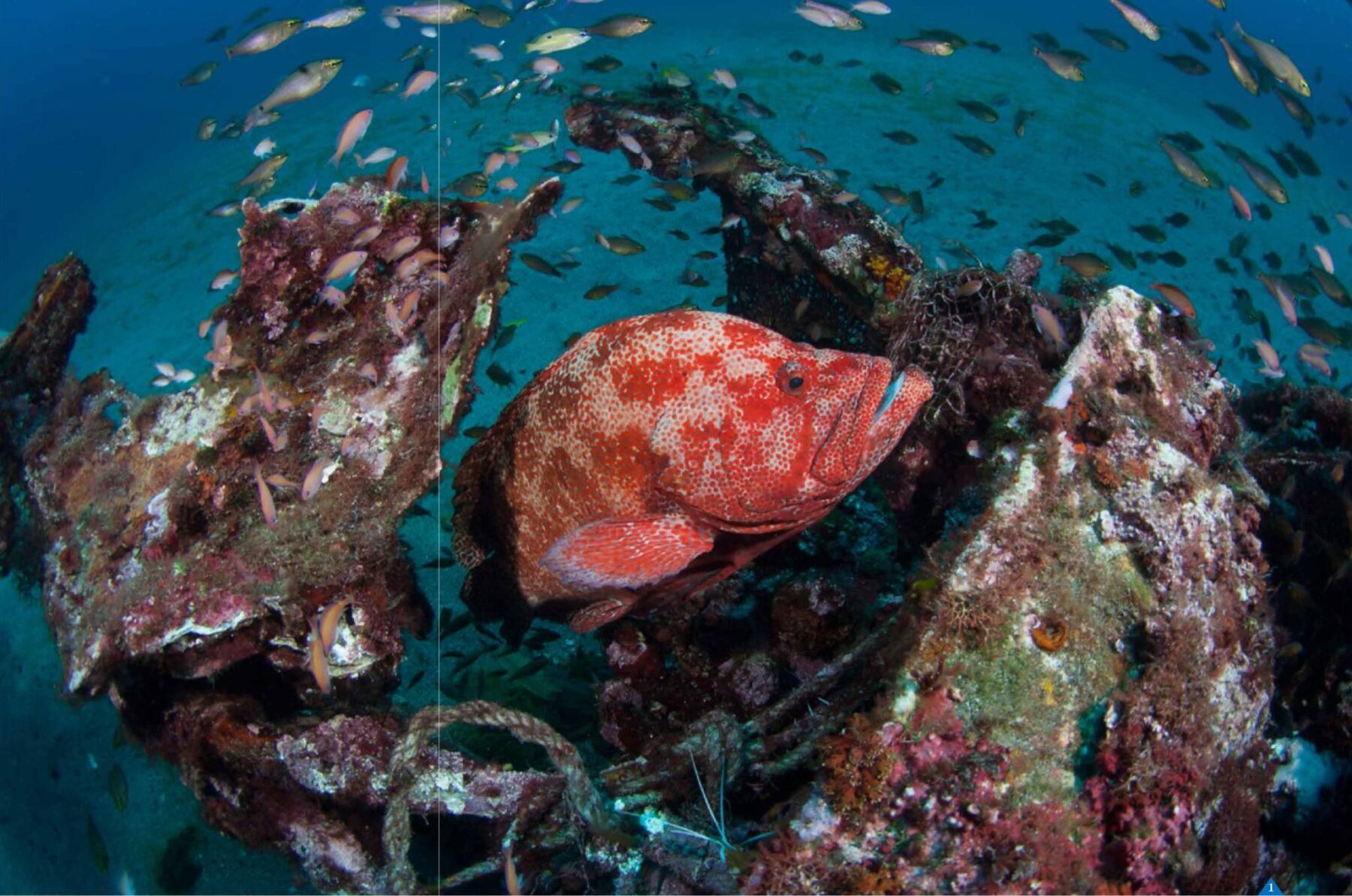
One of Yakushima’s most popular dive sites is “Zero-sen” in an area called Isso along the north coast, no more than five minutes by boat from the mainland. It’s the final resting place of a Mitsubishi A6M zero, a long-range fighter aircraft operated by the Japanese Imperial Navy from 1940–1945. Dropping into the water, the scene seems a little monotonous with a carpet of white sand that spreads out for miles. But then a dark cluster emerges, and, descending to about 20 metres, it soon becomes clear that this is the front part of the aircraft, a safe haven for the many small fish species that dart out of harm’s way as divers approach. There are also huge numbers of sponges, from barrel sponges to the encrusting varieties, and a couple of territorial moray eels that curiously poke their heads out from within the wreckage. Communities of slender sweepers and black spot cardinalfish share their home with white socks shrimps and some ever-present cleaner shrimps.

NAVIGATOR

Getting there:

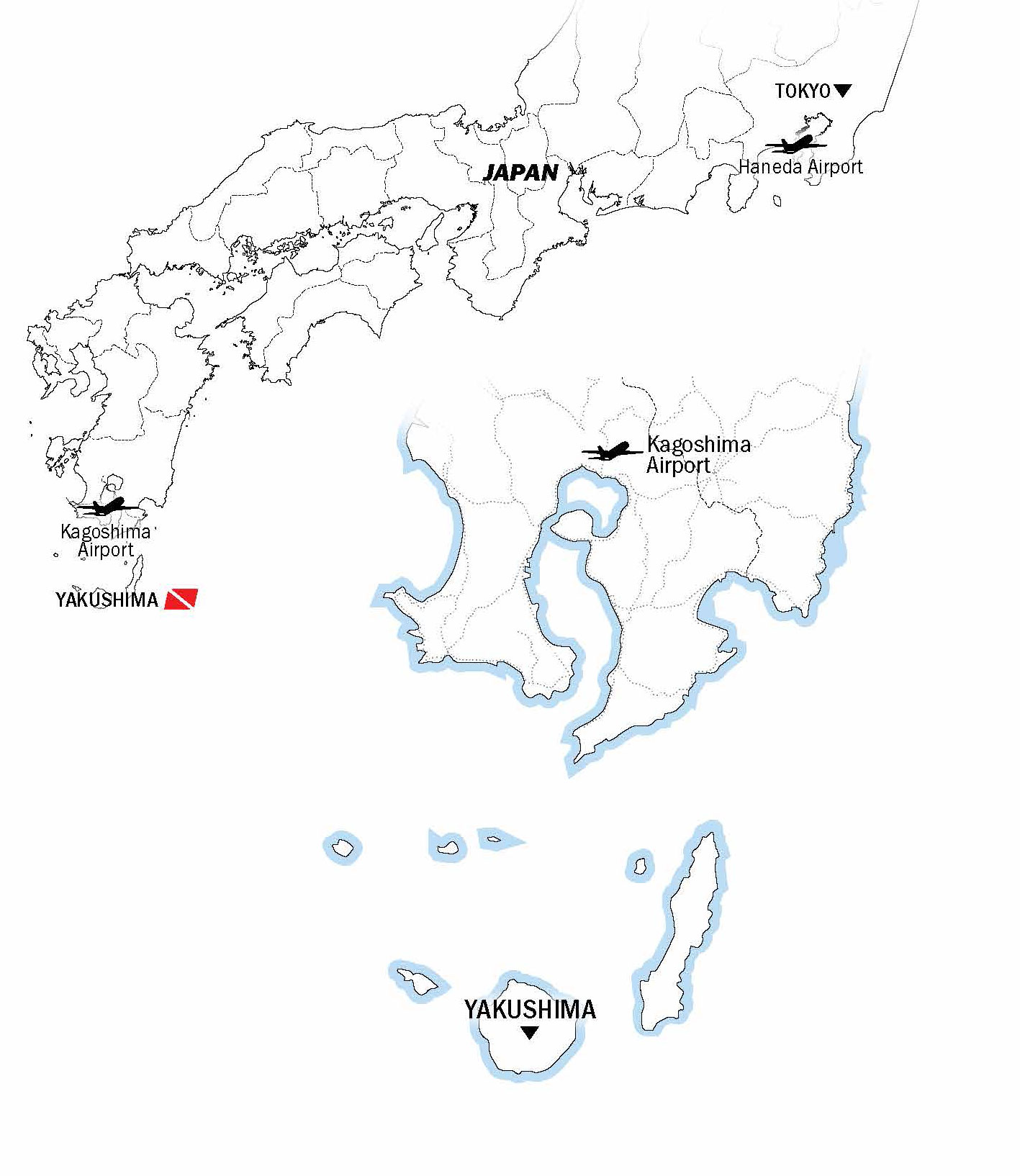
From Tokyo’s Haneda airport, fly with Japan Airlines to Kagoshima city and change for another flight to Yakushima. The journey from Tokyo to Yakushima is just over three hours. High speed jetfoil boats also operate daily between Kagoshima and Yakushima, departing every one to three hours.

Best time to dive:

Between July and November. Water temperatures range from 26°C to 29°C in July to 23°C to 25°C in November. Visibility can be around 20 to 30 metres.

Don’t dive without:

A camera. There is a staggering range of marine life to photograph!

Essential training:

Open Water is okay, but Advanced is recommended. Most dives can reach 20 metres or more.

Arriving:

Most visitors are permitted to stay in Japan for up to 90 days for tourism. Check with your local embassy.

For more information:

www.yesyakushima.com
www.yakumonkey.com

Dive with:

Yakushima Diving Service Mori to Umi

Currency:

Yen (JPY)
USD

Time zone:

UCT/GMT +9

Languages:

Japanese (some English is spoken on the island too)

Read the rest of this article in Issue 3/2015, AA No.82 of Scuba Diver magazine by subscribing here or check out all of our publications here.

How Now Koh Tao?

0

One of the busiest dive destinations on the planet is setting an example.

The small island of Koh Tao, located in the Gulf of Thailand, has been a mecca for divers for over 15 years. Offering some of the cheapest scuba diving courses available anywhere in the world, this tropical dive destination has become a huge draw for young travellers on a budget. More dive certifications are issued here than anywhere else in Asia, placing it firmly on the backpacker trail. But this popularity also brings an environmental impact, putting pressure on the island’s coral reef system, either directly from the sheer number of divers or indirectly through terrestrial activities.

However, the island’s diving community has been galvanised under the guidance of Save Koh Tao and environmentalist Chad Scott, and is trying to mitigate the impact of these pressures and help preserve this tropical paradise for future generations

BEACH AND REEF CLEAN-UPS

(Photo by Alex Tyrrell)

Run on a monthly basis for the past six years through Save Koh Tao, with an average of 50–80 divers helping out at each event. If a net is reported on a dive site, normally on the offshore pinnacles that attract the fishing vessels, the community reacts quickly to remove it, causing the least amount of damage and the fewest marine life fatalities.

ARTIFICIAL REEFS

Photo by Alex Tyrrell

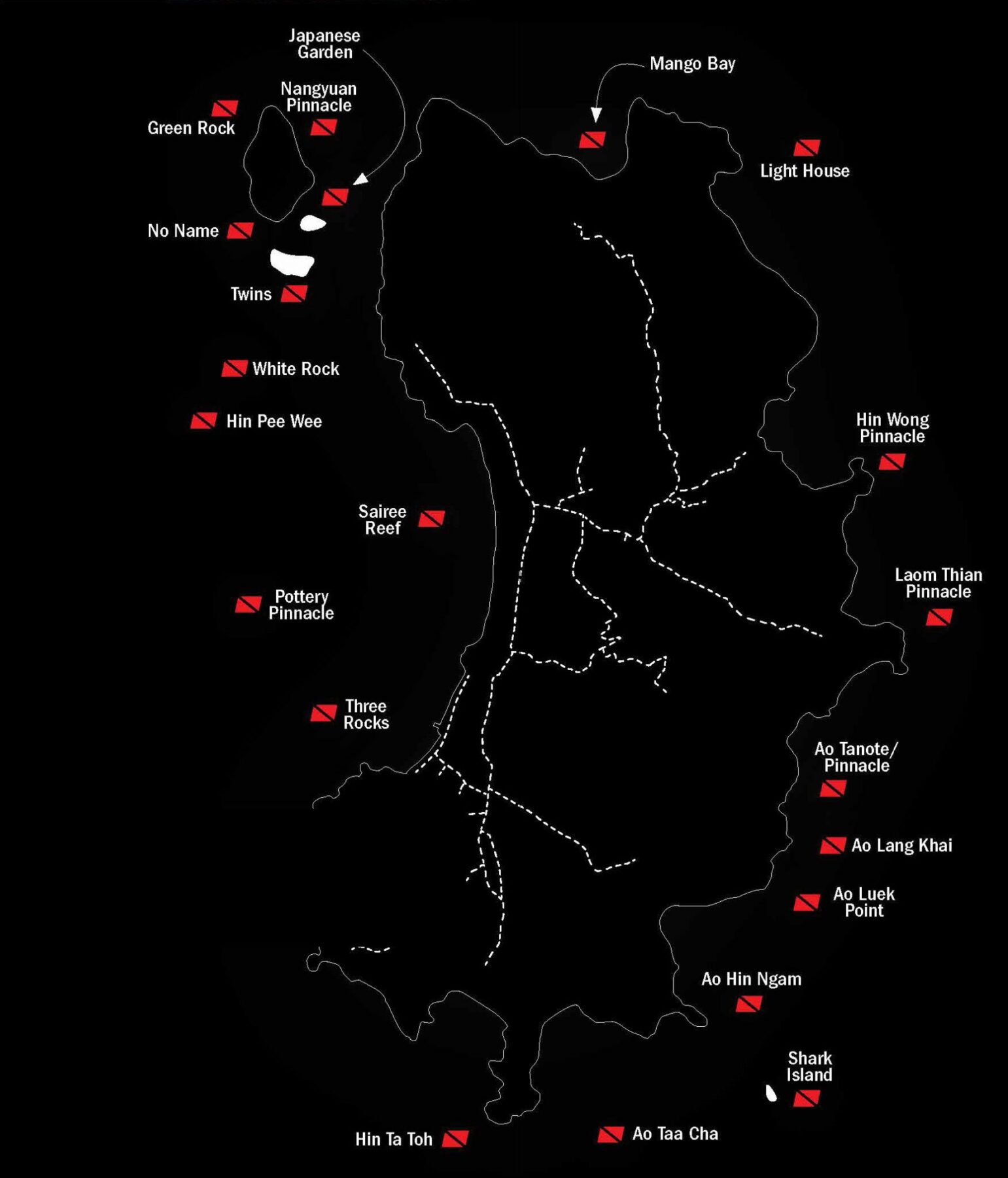
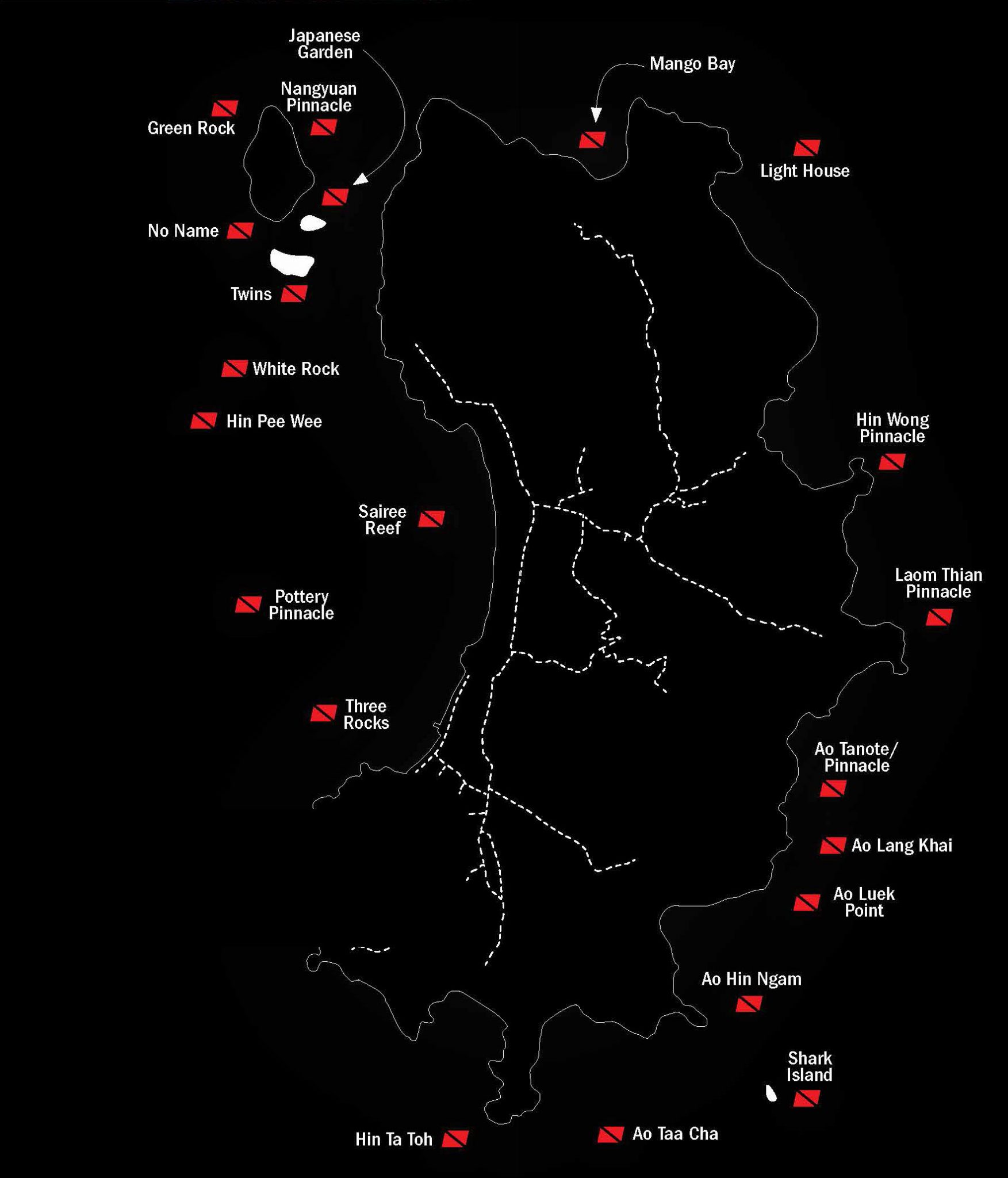
Structures have been deployed to relieve the pressure on busy training sites. The most dived is now Buoyancy World, which was created by a collaboration of eco-friendly dive schools adjacent to the popular dive site, Twins. The students of New Heaven Reef Conservation Programme have also created completely some new dive sites with artificial structures in Ao Leuk and Suan Olan. Junk Yard was built by Eco Koh Tao and is located just off Crystal Dive Resort in Mae Haad, and the Thai Navy scuttled the 49-metre-long wreck of the HTMS Sattakut, for divers, back in 2011.


CONSERVATION DEPARTMENTS

Photo by Alex Tyrrell

Established at some of the prominent dive schools on the island.

Photo by Alex Tyrrell

THE SAVE KOH TAO FESTIVAL

An annual event highlighting awareness for the environment; also raises essential funds for future projects.


THE KOH TAO ECOLOGICAL MONITORING PROGRAMME

Implemented in 2006, it has run continuously ever since. It has also been written into both SSI and PADI specialty certifications, with over 50 instructors trained and over 600 students certified, resulting in more than 420 surveys completed at 16 sites around the island. In addition it is being adapted by the Department of Marine and Coastal Resources to run in other areas in Thailand.

Photo by Alex Tyrrell

THE ADOPT-A-REEF PROGRAMME

Photo by Alex Tyrrell

Assisting with coral nurseries and reef rehabilitation, the programme was started in 2010 with Save Koh Tao, the Prince of Songkla University, and the Department of Marine and Coastal Resources. Eight dive schools signed up to “adopt” a dive site that they would take care of, and were supplied with coral nursery tables and relevant training in their deployment and ongoing maintenance.


Photo by Alex Tyrell

SEA TURTLE RELEASES

Sea Turtle Releases conducted regularly through Save Koh Tao, following the nursery programme run by New Heaven Dive School.

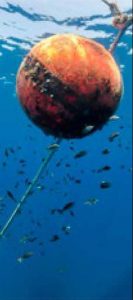
MOORING BUOYS


Photo by Alex Tyrrell

Installation and maintenance, coupled with training workshops of the techniques that have trained over 200 professional divers over the years. The Department of Marine and Coastal Resources, Chevron, PTTEP, and Salamander Energies helped to supply the required materials for this ongoing project to ensure that dive boats do not need to drop anchors on any of the sites around Koh Tao.


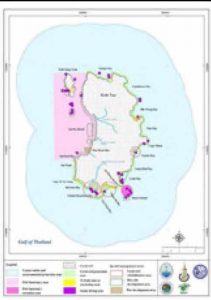
THE ZONING AND COASTAL ZONE MANAGEMENT PLAN

Started in 2009, it was completed and signed off by the local government in 2012, and finally passed parliamentary government in December 2014.

GIANT CLAM NURSERIES

Developed in conjunction with the Department of Marine and Coastal Resources and Department of Fisheries to help these bivalves repopulate the local area.

Photo by Alex Tyrrell

CORAL PREDATOR COLLECTIONS

Carried out to lend a hand to stressed reefs, including the removal of Drupella snails and crown-of-thorns sea stars.

Photo by Alex Tyrrell

IS IT WORKING?

Are any of these projects having a positive impact on the environment and actually benefitting Koh Tao? I asked our local expert, Chad Scott from New Heaven Dive School, whose response was:

“All the artificial reefs have become covered in corals and are surrounded by an amazing biodiversity of marine life. In terms of replacing or adding reef structure, being a substrate for coral growth, and attracting a diverse range of fishes and invertebrates, all of the artificial reef sites are considered a success. In terms of creating alternative dive sites that reduce diver pressure on the natural reefs, Buoyancy World, Junkyard, HTMS Sattakut, and Suan Olan have been the most successful, the others are not dived quite so much. A study conducted in 2012 found that about 40-percent of divers coming to learn to dive on Koh Tao, have, at some point, dived on Buoyancy World, which means a lot less traffic on the natural reefs.

In 1999, there were only three mooring lines around the island, whereas now there are over 150! Plus there are lines to keep boats out of the shallow reef areas to minimise damage and keep visitors safe when swimming and snorkelling. These lines also allow the long-tail boats to moor up rather than drop an anchor. This is a huge success.

The creating of the Strategic Management Plan for the island is one of the bigger successes for me. This project took over five years of hard work, including lots of stakeholder meetings, focus groups, surveys, scientific studies, and writing/amending the plan.

Overall I consider the majority of our projects to be a success, having a positive impact on the environment, making Koh Tao a nicer place to live, and well worth the effort we put it to making them work.”

However the clean-ups and adopt-a-reef sites have had mixed success. Sometimes the turnout has been great, whereas other times have seen smaller numbers of volunteers show up. The island’s reefs are much cleaner now than when we started though, which is great. In the first year we were collecting 800–1,000 kilograms per clean-up, which over time has been reduced significantly, even compensating for the increased numbers visiting the island. So it wasn’t a complete loss, but for me clean-ups are more about getting people involved and doing something; the amount collected is just detail in my view. Unfortunately, most of the dive schools that signed up to the adopt-a-reef programme did it more from a marketing perspective than an ecological one, and never totally fulfilled their responsibilities. This is why we eventually dropped this programme.

Read the rest of this article in Issue 3/2015, AA No.82 of Scuba Diver magazine by subscribing here or check out all of our publications here.