Home Blog Page 73

Dive Like A Boss

0
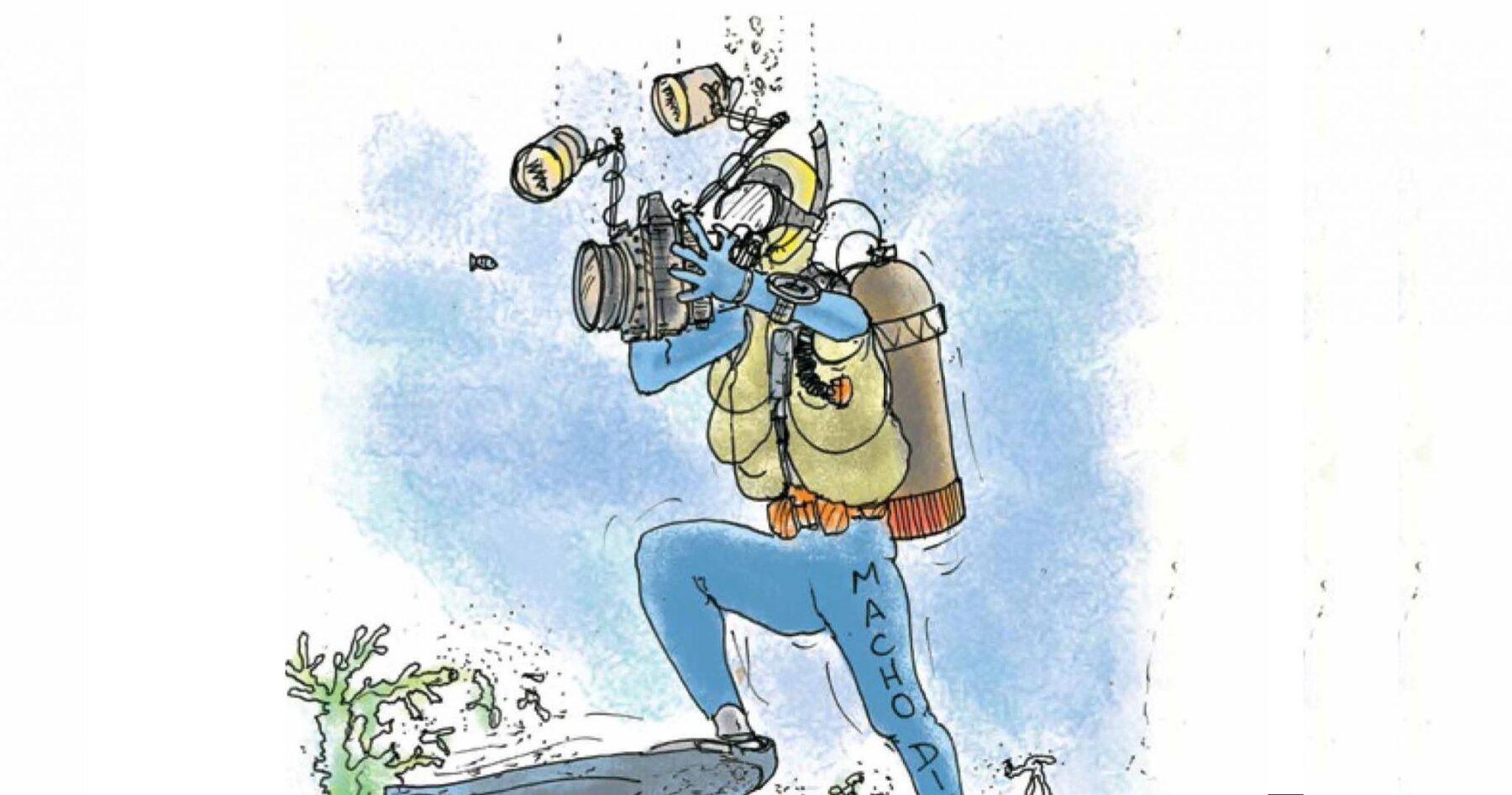
Illustrated by John Grainger

Do you want to dive like a boss? Alex Griffin reveals how you can fine-tune your diving technique and attitude, and why it matters (Text by Alex Griffin. Illustration by John Grainger)

Most of us have probably made contact with the coral reef at some point in our diving career. Usually it’s accidental, and how bad we feel about that would probably pose as some kind of indicator on the psychopath scale. We know we shouldn’t do it but may well believe that our behaviour is insignificant in the big scheme of things. The following article contains some surprising facts and tips that will hopefully have you reaching for the BCD before you crash land on the reef. Read on to find out why if you’re a male, novice diver with a camera, the coral polyps are already waving a white flag as your wonky giant stride hits the water.

HOW YOU CAN WRECK THE REEFS

We know that coral reefs are already under a huge amount of stress from a variety of factors: Changes in sea temperature and sedimentation caused by man-made factors have a hugely negative impact on reefs. Many people believe that the presence of divers causing the reef to be seen as a source of income helps offset any minor damage – but divers do cause damage to the reefs they visit. Many studies have documented breakages and abrasions to coral reefs that are frequented by divers and many of us have anecdotally witnessed the difference in life between further-flung, less-dived sites than popular training grounds.

Coral is very delicate and slow growing so even small amounts of damage can quickly mount up. With the reefs already under a huge amount of ecological pressure, we don’t really want to add any more.

As a diver, you don’t really want to do all that training, learn about the beauty of Nature’s underwater creation and then be the doofus who kicks off a large piece of staghorn coral because your catastrophic weighting strategy has caused you to swim through the water like you’re riding an invisible bike, do you?

WHAT CAN WE DO?

So, how to avoid leaving devastation in your wake, and the embarrassing situation of having to shake lumps of coral off your equipment at the end of the dive? Well, first of all a sex change might be in order if you’re a man, as you are much more likely to cause damage to the reef. Men are more likely to swim closer to the reef, enter swim-throughs and be less cautious. This could be charitably ascribed to a man’s adventurous spirit but is probably more likely due to our inability to listen to instructions and then not caring about the consequences.

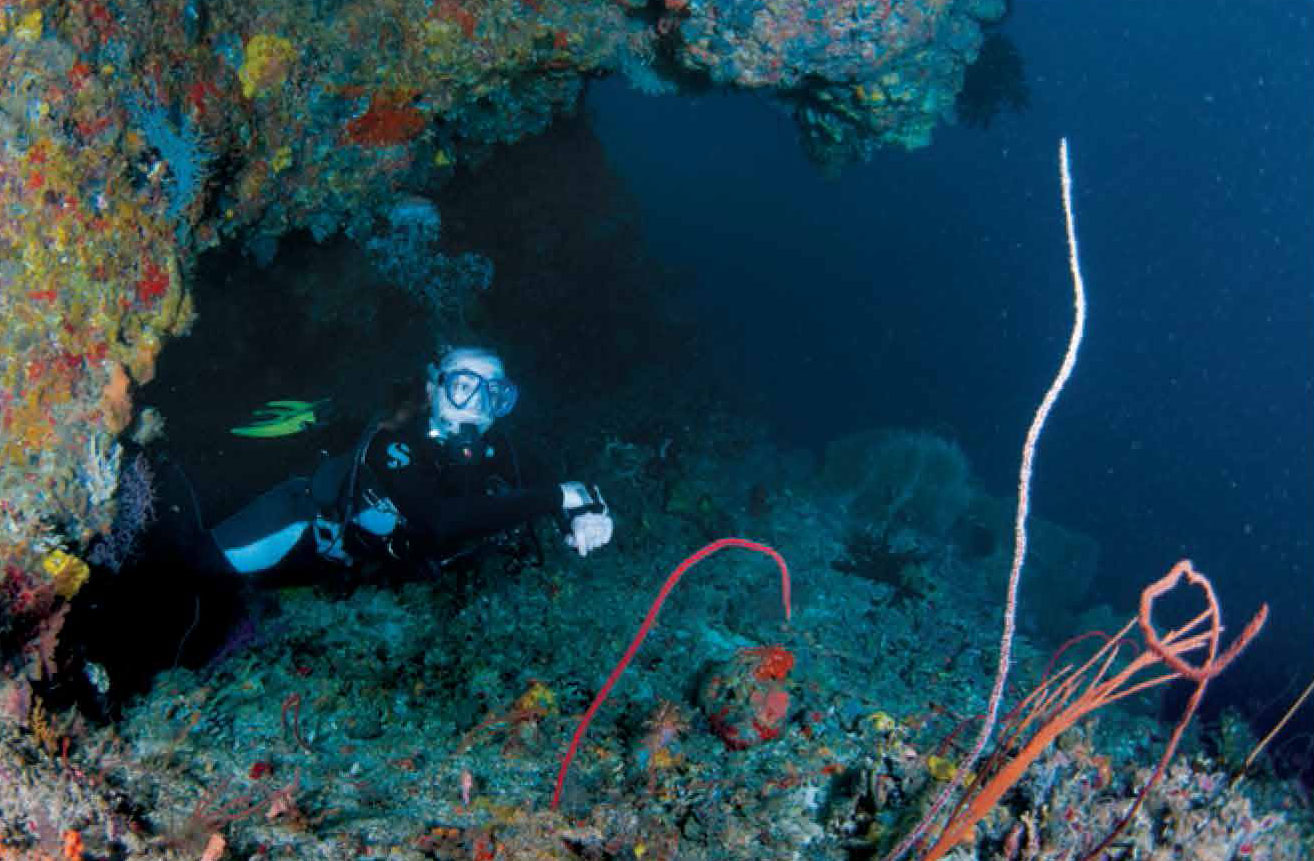
Sort your buoyancy and listen to the briefing: A real man would listen to the dive briefing and not enter a swim-through full of delicate marine life whilst demonstrating the buoyancy control of a shopping trolley. So if gender reassignment surgery is not an option then you’ll probably need to work harder on your self-esteem issues. And your buoyancy control.

Ditch the camera until you’ve mastered a bit of basic buoyancy. That said, studies show that divers with cheap point-and-click digital cameras aren’t the worst culprits. That honour belongs to the owners of the giant DSLR setups. Those guys have a nasty habit of lying on the bottom whilst they set up their shots so if you do own one of those devices and you’re currently using the reef to anchor yourself in place, might I gently suggest some buoyancy control practice. Those cameras are big and heavy and need extra skill to handle whilst still diving properly.

Sort your weights: I’ve spoken about weighting before but it’s imperative that you get your weighting right. Don’t just chuck on several kilos of lead because you’re scared you can’t hold a safety stop. Do a proper weight check like you did in your Open Water course. As with the buddy check, it’s not optional. Once you’re sure you have the correct amount of weight then you need to sort out trim. This means you should be able to hover in a roughly horizontal position. Hovering vertically in the water is so mid to late 90s, but still strangely popular. It’s like the Maroon 5 of scuba diving.
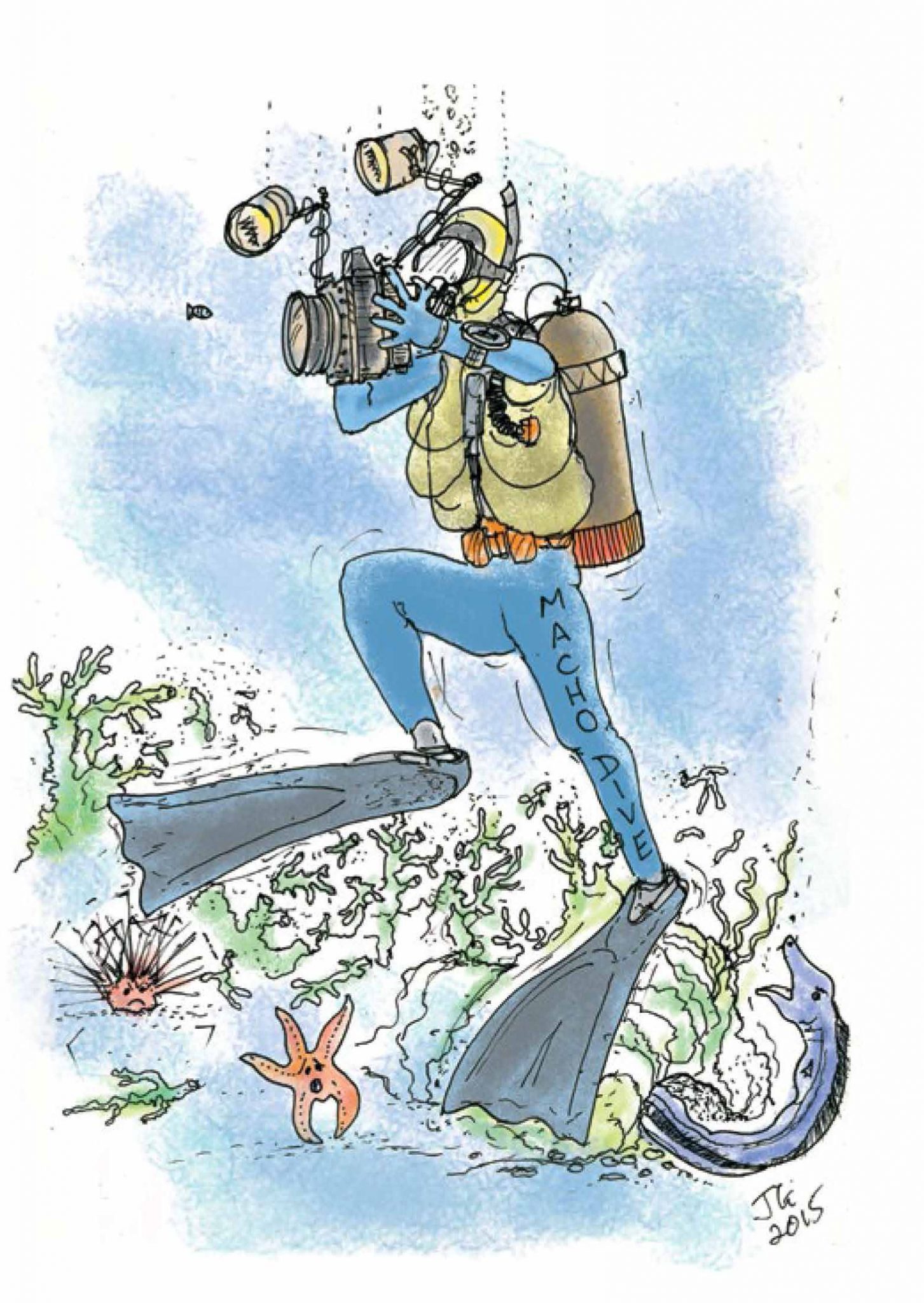
Illustrated by John Grainger

GET A BIT TECHIE AND LOOK AT YOUR FINNING TECHNIQUES:

• Backward Fin Kicks: Very useful when reef diving and/or taking photos and are much more effective than windmilling your hands about.

• Frog Kick: Much better for the environment than traditional flutter kicks, the frog kick works like the kick you do when you breast stroke. Because the movement is lateral you don’t disturb the bottom. You should be horizontal with your knees bent and your fins flat. The kick is a sculling motion that comes from the knees and ankles.

• Reverse Kicks: These let you back away from the reef without knocking seven bells out of it. Whilst in the position for the start of a frog kick, extend your legs slowly with your fins flat and pointing straight behind you. Now angle your fins so they would look like ears pointing out and up at a 45-degree angle if someone were looking at you head on and return them smoothly and quickly to their original position. It takes a bit of practice but is a very useful skill to master.

• Modified Flutter Kick: Useful in tighter spaces, the modified flutter starts in the same position as the frog kick with your knees bent and fins straight but instead of sculling you perform a short flutter kick from the hips and ankles.

• Helicopter Turn: As it sounds, this is for turning on the spot. It’s a little difficult to describe but it’s like the frog kick where only one fin sculls whilst the other acts as a rudder to maintain position. Another way to describe it is one fin does half a frog kick and the other does half a reverse kick. Clear? Good.

Read the rest of this article in Issue 3/2015, AA No.82 of Scuba Diver magazine by subscribing here or check out all of our publications here.

Weighty Issues

0


When you started diving you may have begun in a swimming pool somewhere, wearing a wetsuit that had spent most of its long and overworked existence doubling up as an adult nappy. Weight would have been generously supplied with the overall effect of gluing you to the pool floor like an electromagnet.

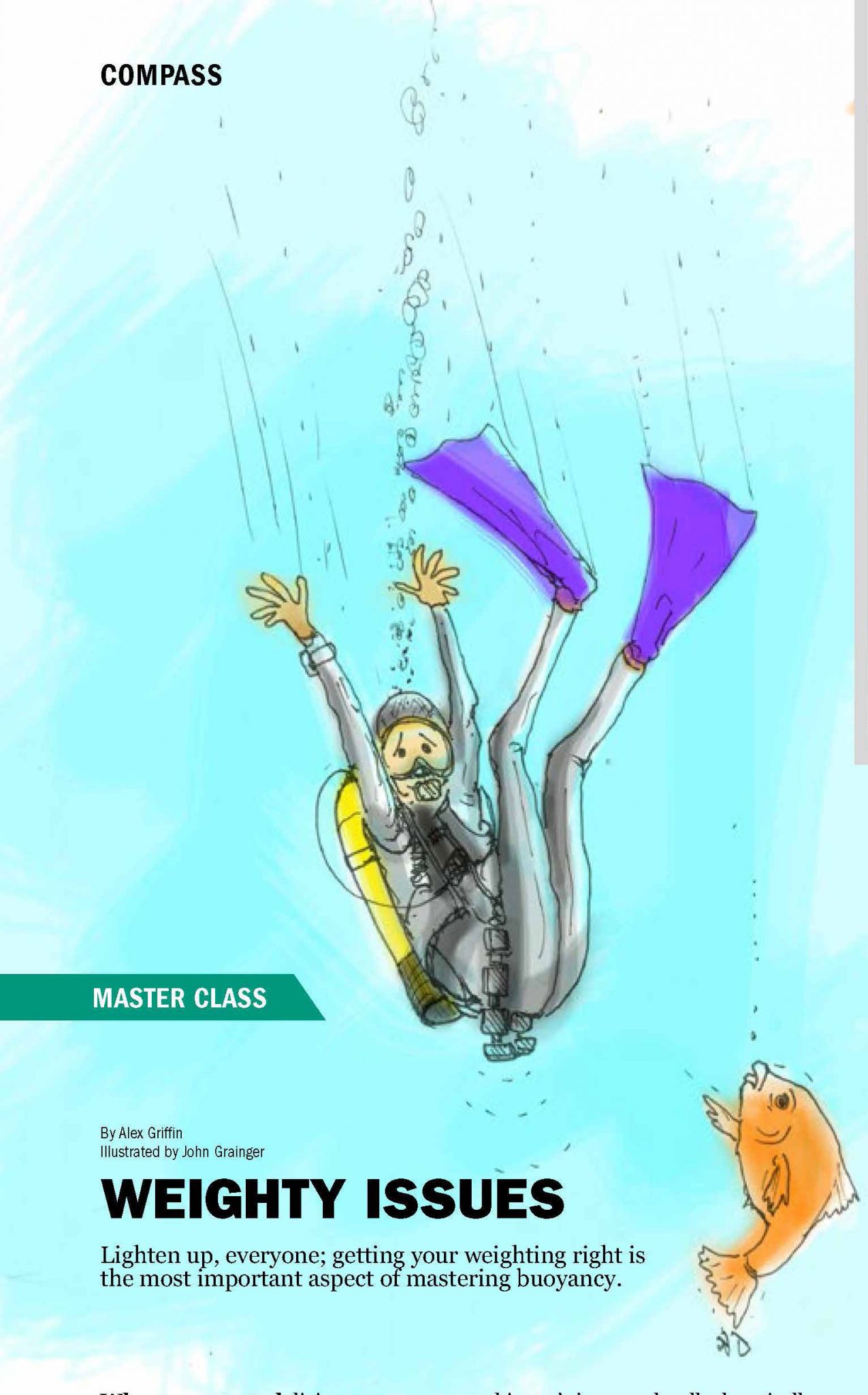
During your open water dives there’s a strong possibility that you wore your weight-belt lower than a hipster’s jeans and walked vertically through the water column with a fully inflated BCD worn as an attractive scarf.

Most divers will start out over-weighted to some degree. This is an inevitability caused by an initial lack of experience. Unfortunately many divers assume that they need more weight than they do and are scared of fast ascents and holding safety stops. This means they eventually learn to dive around the problem instead of fixing it.

GETTING YOUR WEIGHTING CORRECT

BUOYANCY CHECK: There is a tried and tested way to get your weighting correct. On the surface, you simply hold a normal breath and let the air out of your BCD and drysuit and you should float with the surface at about eye level. When you exhale you should slowly sink. This tends to work pretty well so don’t be scared to ask to do a weight check at the start of a dive trip if you’re not sure what you need.

I once saw a very slim lady wearing a shorty wetsuit wander over to the dive guide and ask for weight.

“How much do you want?” he said. Lady (very unsure); “Um, eight kilos?” The dive guide wordlessly handed it over.

So, take control of the situation and do a check. Remember it’s easier to add than to take away. Also remember that if your tank is aluminium that’s going to get over a kilo positive by the time it’s down to 50 bar so make sure that you compensate by adding one to two kilos at the start of the dive.

WORK ON YOUR BREATHING: If you’re on the surface hyperventilating from heat exhaustion caused by gearing up in the blazing sun (not a problem for me, I spend most of my time in cold, dark British quarries) then you’re going to struggle to empty your lungs sufficiently to sink. Wait until your breathing has calmed down, then exhale slowly and allow yourself to sink. The most important part is to ensure that you fully exhale and allow yourself to sink before you inhale again. If you do need to breathe, take a short, quick breath in and then completely expel it again. If you instantly take in another full lungful you’re just going to bob up and down on the surface whilst your buddy wads bricks into your BCD.

LOOKING GOOD UNDER THE WATER

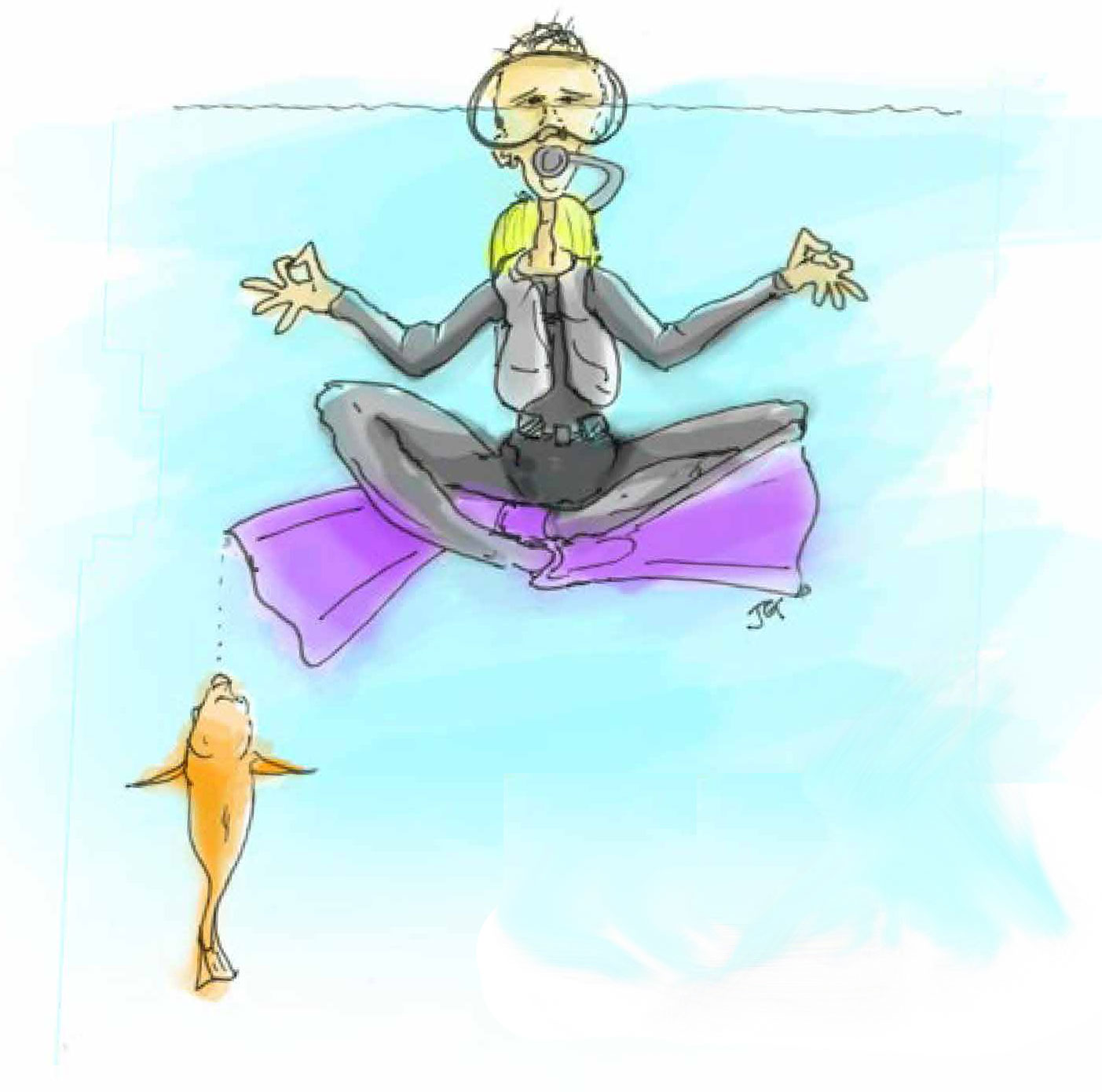
Now we’ve got our weighting right, we need to get our trim sorted. Trim works on the basis that hovering in a roughly horizontal position is the most efficient way to dive. No-one glides through the water in a Buddha hover either, so you can knock that one on the head.

What can you do to try and get into a horizontal trim? It’s all about centre of gravity. Here are a few tips:

MOVE YOUR TANK: You know that thing instructors do where they lift up the BCD collar and show it in line with the top of the tank valve? It’s a good start point but it doesn’t always help. If you’re long and lanky like me then hovering horizontally in a wetsuit is pretty hard. Moving the tank higher up my back brings my centre of gravity forward and brings my legs up. If I lift my head I can feel the tank valve but it doesn’t bother me. The opposite is true if you’re lucky enough to have floaty feet. Simply move the tank down a bit.

MOVE YOUR WEIGHTS: Try moving your weight belt up your waist until it’s in line with your grandad’s trousers. You can do this once you’re horizontal so that it won’t slip back down. You can also use the integrated weight pockets on the BCD or trim pockets around the tank. All of that will pull your weight forward and bring your feet up. Getting your weighting and trim right is an ongoing process. Keep doing weight checks as your experience increases and your gear changes and you should find you’ll keep improving. Alternatively you can ignore all of this and go and roll about on the sand looking at the fish. It is supposed to be fun after all…

Read the rest of this article in Issue 8/2014-2015, OP No. 2 of Scuba Diver magazine by subscribing here or check out all of our publications here.
Tek-ing the Temperature

0

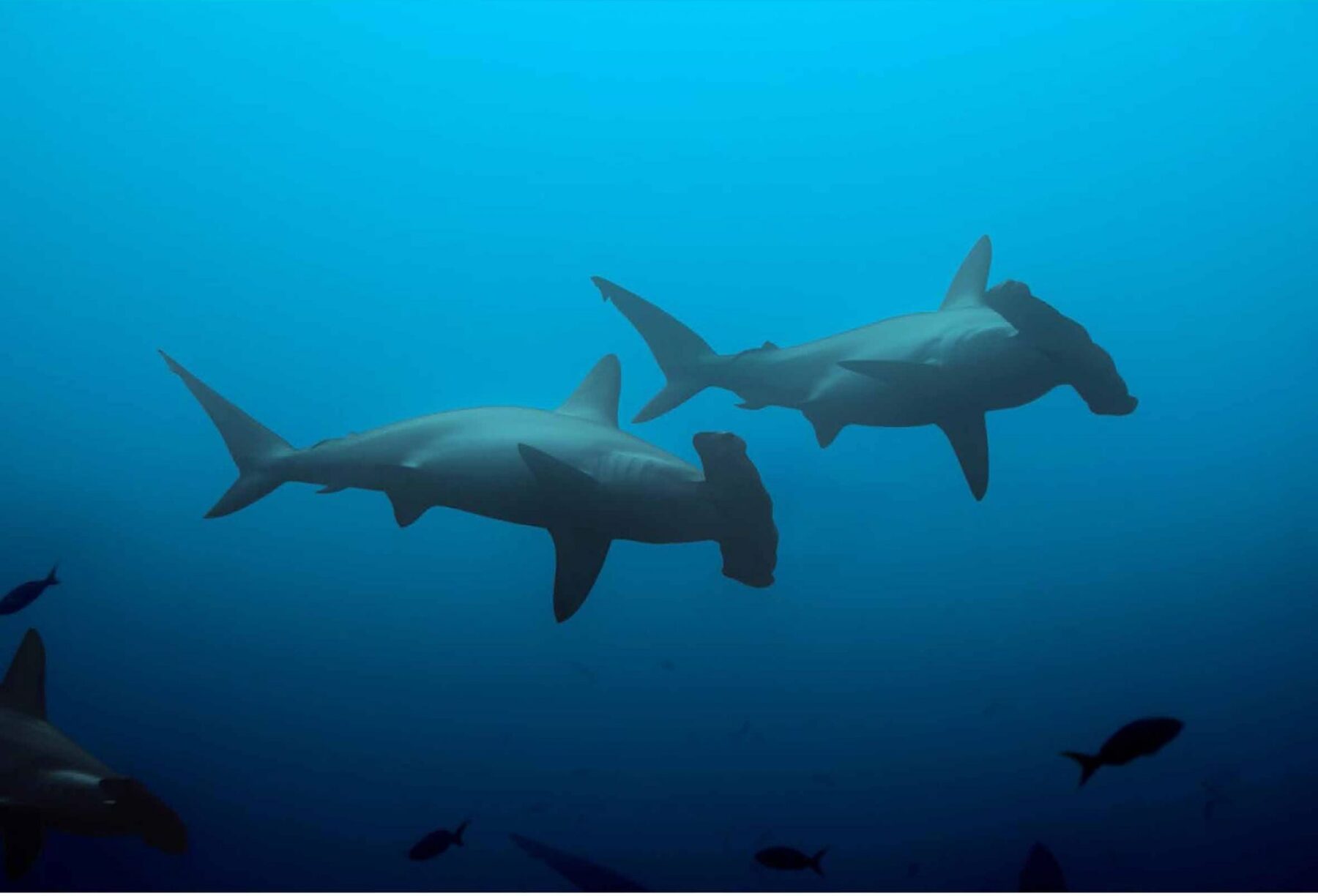
RASDHOO MADIVARU is one of the Maldives’ most famous dive sites. Why? For its hammerheads, and for many divers, seeing these extraordinary sharks is their number one priority. I have guided countless divers at Rasdhoo Madivaru, and sometimes we have been lucky, but many times we weren’t, and not seeing them is always hugely disappointing.

Ever since I was a child, I have been interested in marine life, so I started to wonder about the reasons why sometimes the sharks could be found at Rasdhoo Madivaru, and sometimes they could not. I spent long periods of time in the area, diving to see these sharks. I dived the site many times, observing Nature, and comparing the conditions on each different dive. One thing I noticed was consistent in the shark sightings was the temperature; whenever I hit the thermocline, with temperatures between 28 degrees and 25 degrees Celsius, I saw several hammerheads, no matter the depth – from as little as 15 down to 40 metres.

I suggested my theory of seeing the hammerhead sharks whenever I hit the cold thermoclines to the scientists working for IUCN Maldives and they said that it might just be right. Since I am a tek diver, capable of doing deep dives, I suggested that I could place some temperature loggers (see box) in the Madivaru Channel. We placed five loggers from five metres to a depth of 60 metres.

I was the only one who was able to place the deepest logger at 60 metres, and I really wanted to do it – a friend, my deep diving buddy from Sri Lanka, Dharshana, and I had found a massive, beautiful coral block at 60 metres on one of our dives there. It’s a very unique looking coral block and we named it “Face of Fajer”. Ever since we found the place I have loved doing deep dives there.

Loggers placed at different sites by tek divers are helping scientists monitor water temperatures (Photo by Shafraz Naeem)

Some of the sites I’ve dived are deeper than 40 metres and require proper tek dives. To me, tek diving is really important in the Maldives, especially for research and scientific dives on these kinds of deep coral blocks and pinnacles. There are so many of these deep formations dotted all across the Maldives, places very few divers have seen.

On the day I went down to place the logger at 60 metres I saw five hammerhead sharks pass by me! The temperature was 26 degrees down there that day. It was amazing to see these sharks at that depth just swimming past, patrolling their kingdom, a place so inaccessible to so many people.

The loggers have now all been placed at different depths to record temperatures and to see how much it changes and how these temperature changes will affect the corals and other wildlife. This year we have had the hottest months ever recorded, probably as a result of El Niño, but possibly because the planet’s climate has been altered by us irreversibly.

I go back every week to collect the data from all the loggers. And every time I visit the logger on the “Face of Fajer” at 60 metres, I see the hammerheads. I just hope that despite our world’s rapidly changing changing climate, these beautiful sharks will be there long into the future.

Read the rest of this article in 2016 Issue 4 Volume 143 of Asian Diver magazine by subscribing here or check out all of our publications here.
Living Reefs

0

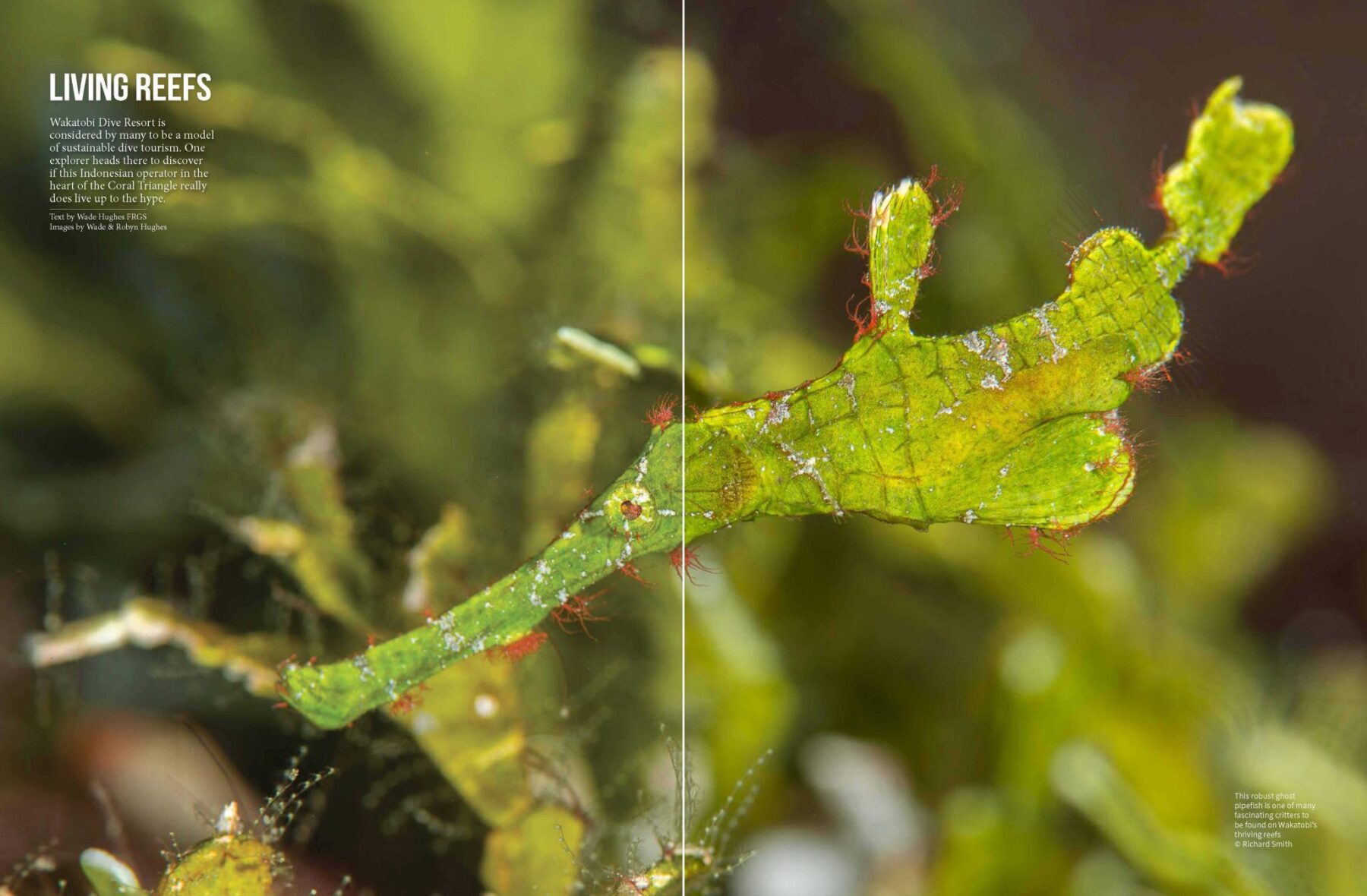
Wakatobi Dive Resort is considered by many to be a model of sustainable dive tourism. One explorer heads there to discover if this Indonesian operator in the heart of the Coral Triangle really does live up to the hype. (Text by Wade Hughes FRGS Images by Dr Richard Smith, Wade & Robyn Hughes)

IT DID CAUSE a bit of a stir. I was a panelist at the Brunei National Environment Conference a few years ago. The panel’s topic was conservation of the oceans and the conference venue, the Empire Hotel, had shark-fin soup on the menu. When the moderator for the panel discussion called for a show of hands to indicate who would support boycotting the soup, I voted against it. In fact, I think I was the only one that did. Given that I’d just made some remarks about my own efforts to promote the conservation of sperm whales, there was some lively reaction from other panel members and some members of the audience. That was understandable. But when the temperature cooled a little, and I was asked to explain, I offered the idea that “Should we boycott shark-fin soup?” was the wrong question.

THE BETTER QUESTION?
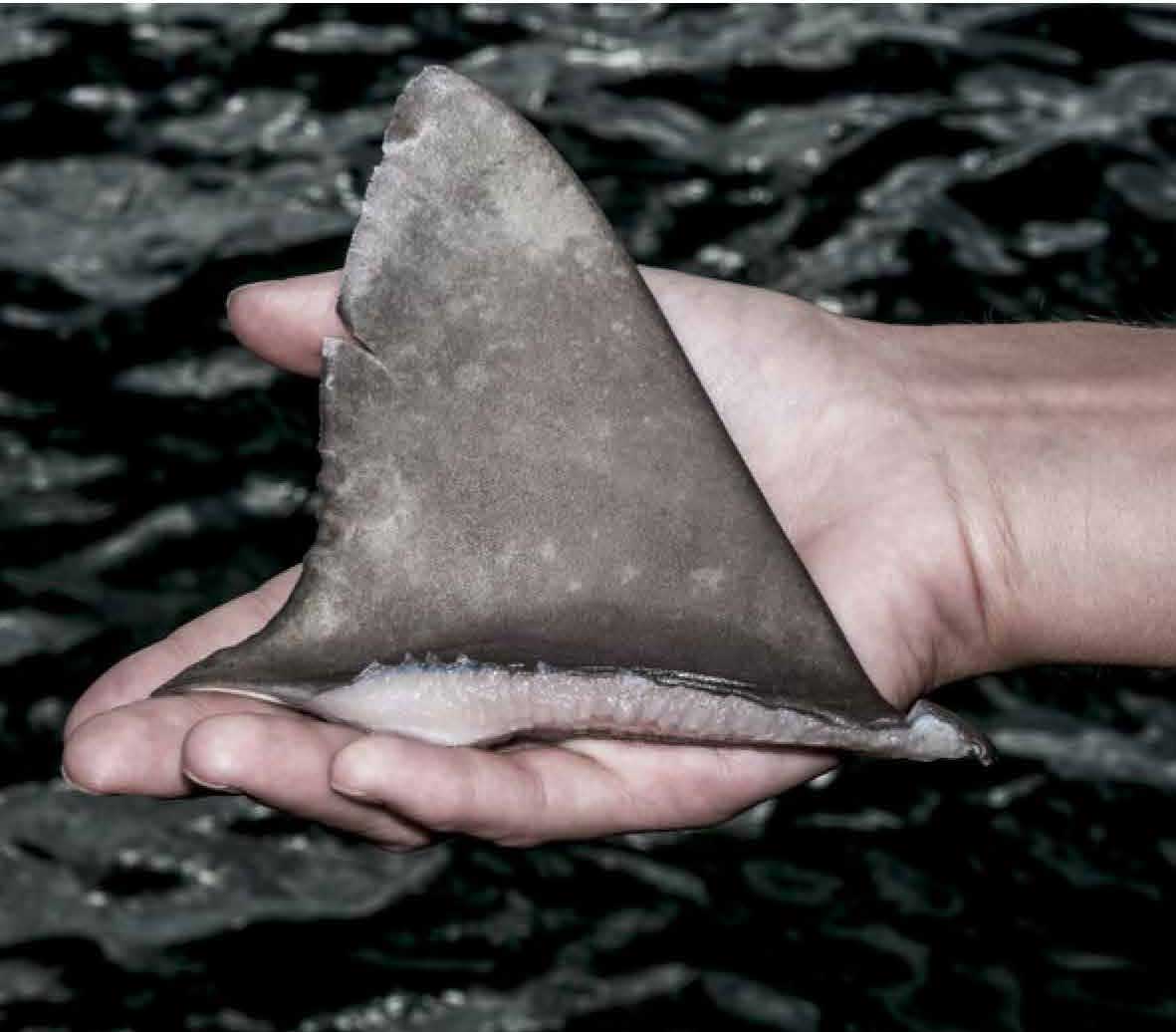
To be clear. Shark-finning, and the demand for it by people who inanely and selfishly support it in order to consume tasteless, nutrition-less boiled sinews, is a devastating blight on the oceans. Healthy oceans underpin innumerable economic and biological benefits for the human race, not least the provision of such life-support “conveniences” as atmospheric oxygen. People who buy shark fins and shark-fin soup are effectively undermining all that for the rest of us. So, I have little sympathy for their behaviour.

But how to stop shark-finning? There are no easy answers. The change has to come from within the deluded and self-obsessed customer base, extend through irresponsible restaurants around the globe (easily found online) to governments, businesses, warehouses and middlemen spread through an array of locations and cultures, to the villages and homes of thousands of some of the world’s poorest fishermen. It’s very easy for a cool and comfortable affluent audience to vote to simplistically boycott soup and in so doing, vote to take away the livelihoods of fishermen who depend on this vile market to feed their families and kids. But unless the vote comes with some form of commitment to find or support meaningful alternatives for these fishermen and their families, it is meaningless. As I offered in Brunei, a better question might be: “Who’ll help find a better economic alternative for shark-fin fishermen?” Because, for conservation to be sustainable, it has to be founded on sustainable economics.

LOOKING FOR A LIVING REEF
Fast-forward a couple of years and I was looking for a diving destination somewhere within the Coral Triangle. They all look fabulous on their websites, but that’s to be expected. I don’t believe the “pristine waters and reefs” hype, so commonly splashed around in promotional materials. I doubt most people do.

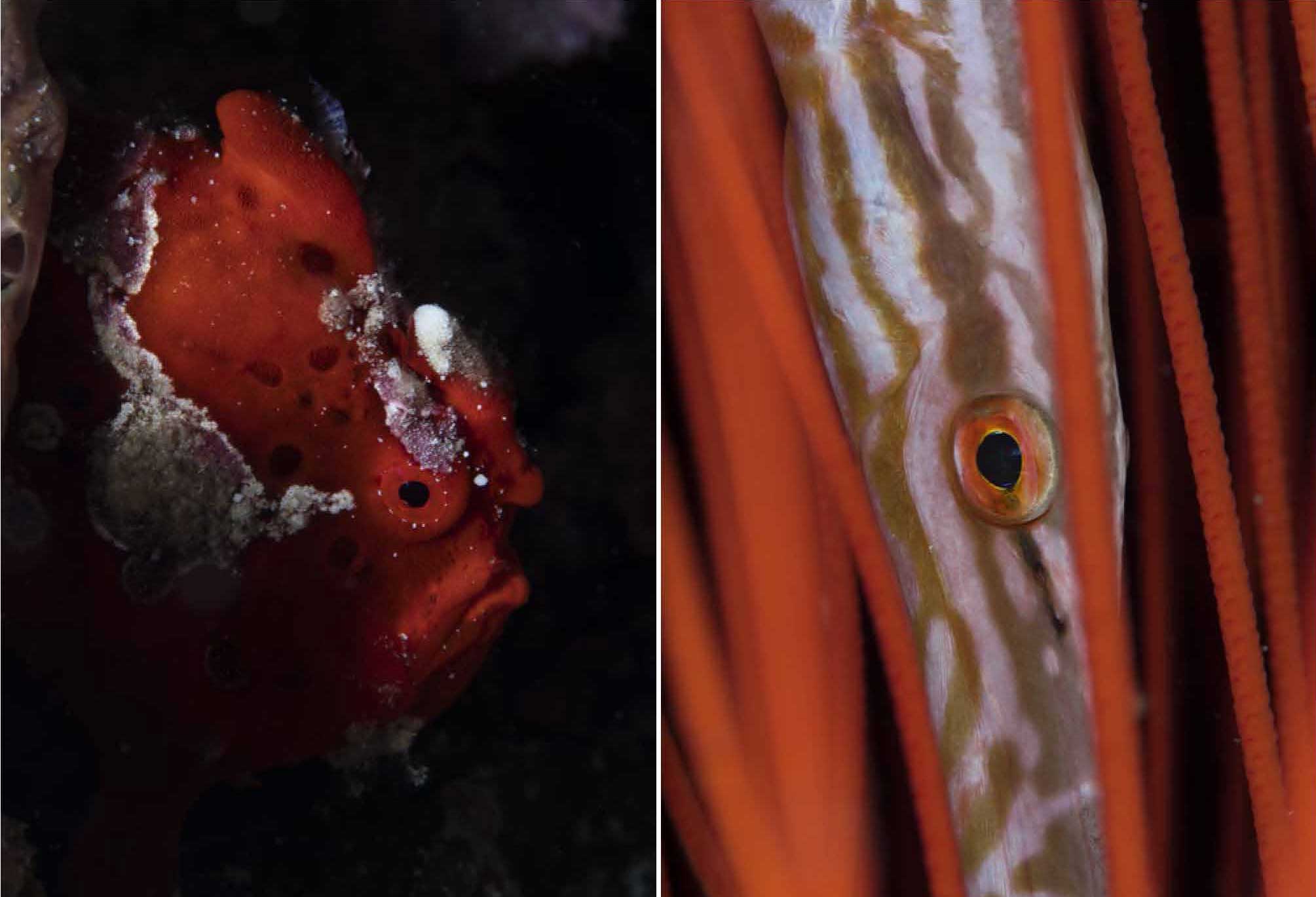
Diverse reefs are home to crytic, Technicolour fishes, a paradise for macro lovers (Photo by Wade and Robyn Hughes)

There are now few, if any, coral reefs in the world that are pristine – that is, in their original condition, unaffected by human activity. Coral Triangle reefs, like any other marine environments rimmed by large populations, have been fished and exploited, and polluted, for centuries.

But this passage of text caught my attention on the Wakatobi site: “Prior to the (conservation) program, the locals were largely dependant (sic) on working with foreign, illegal fishing boats to make a living… These boats are owned and crewed by people who don’t consider the pressure they are putting on the marine-life. The owners don’t pay local taxes, the crew doesn’t care where they throw anchor or deplete marine resources. In the end, locals get very little gain from this kind of activity.

But there is no way that anyone with a sustainability agenda could have marched in and simply told the locals to not walk on the reefs and stop supporting the foreign fishermen, as these activities provided part of their living. Instead, what was needed was an alternative source of income whereby people could choose whether they wished to preserve or destroy. We believed, and still do, that the best and most sustainable alternative is to create employment and education opportunities through responsible, conservation-linked tourism.”

This frank summary of the problem of illegal and destructive fishing, and Wakatobi’s stated commitment to invest time and money in pursuit of a sustainable solution for it, seemed like a good enough reason to seriously consider Wakatobi as a dive destination. No talk of boycotting here! Just a commitment to work with the locals to find better and more-sustainable choices.

Then my own selfishness kicked in. Wakatobi offered a charter flight from Bali to the resort’s own private airstrip! This is a flight from an international airport right into the heart of the Coral Triangle, without having to fly the gauntlet of multiple domestic flights. The unreliability of many domestic services across Southeast Asia, the increasing hassles and costs associated with travelling with heavy diving and fragile photographic kit, and the lack of authority of the front-line counter staff to solve even minor problems for paying customers, for me, rapidly takes the gloss off travelling as a diving photographer. The idea of simply handing off all those logistical issues to someone else, and just enjoying the ride, was irresistible.

Pyjama cardinalfish school and dart above the corals (Photo by Wade & Robyn Hughes)

LIVING PROOF
So we went to Wakatobi to see for ourselves. And now we’ve been there, so far, five times, with a couple of those visits extended into three-week stays. We continue to return there because Wakatobi has done what its founders committed to achieving about 25 years ago. Given its remoteness, the challenges of building and maintaining substantial infrastructure under foreign laws and culture, the difficulties of introducing and sustaining change in the face of generations of entrenched practices, it could not have been easy – and very probably, still is not.

But it is paying off. Wakatobi’s efforts are creating economic value that is sustaining the reefs. Education and conservation programmes are creating new employment and career choices for local people. Around 18 local villages benefit directly from revenues generated by the resort through the provision of electricity and educational support. Local fishermen have a reliable customer willing to pay premium prices for high quality, sustainably harvested fish. No-take areas are, generally, recognised and respected by those local fishermen for their roles in replenishing the reefs.

Read the rest of this article in 2016 Issue 4 Volume 143 of Asian Diver magazine by subscribing here or check out all of our publications here.
PowerShot G1 X Mark III – A Compact Camera Tried and Tested Underwater

0
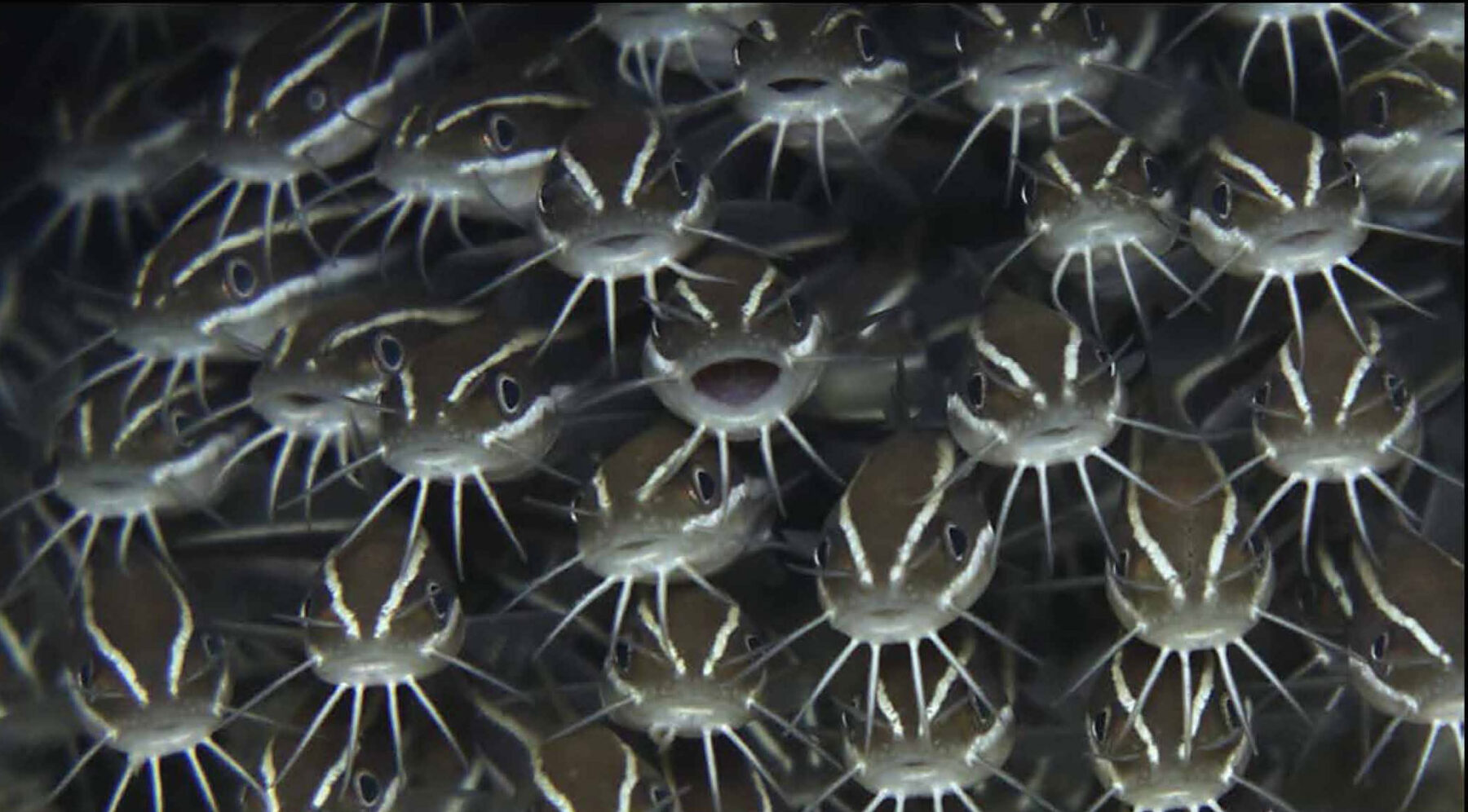
Striped catfish school, Image taken with the Canon PowerShot G1 X Mark III, f/7.1, 1/200s, ISO500 (Photo by William Tan)

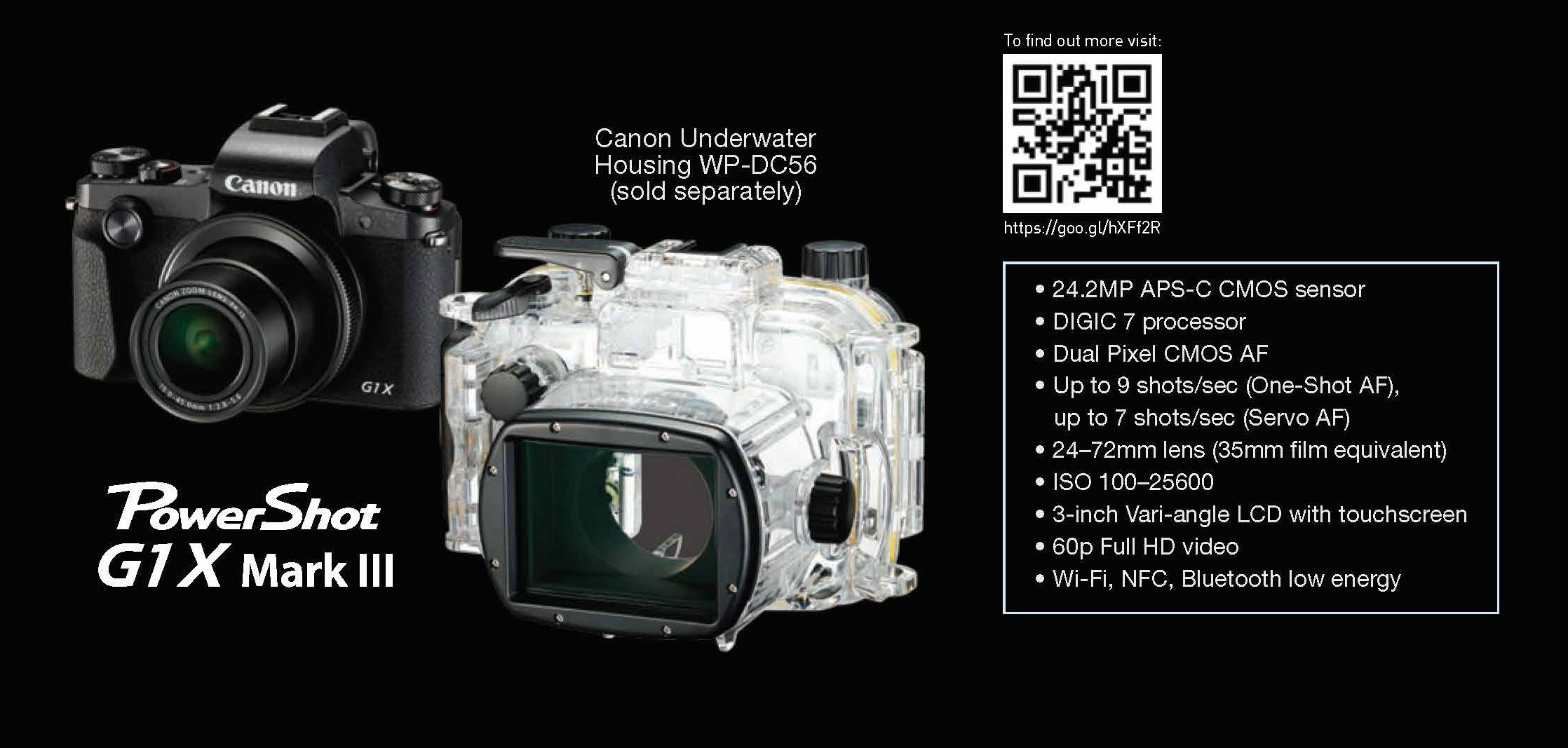
As a long-time user of Canon’s DSLRs, I’ve become accustomed to cameras with ultra-fast autofocus and great image quality even at higher ISOs. So I was very excited to hear about the PowerShot G1 X Mark III, Canon’s flagship compact camera boasting class-leading specifications such as a 24-megapixel APS-C sized CMOS image sensor and Dual Pixel CMOS AF. On a recent trip to Lombok, Indonesia, I finally had the opportunity to try out the camera in Canon’s dedicated WP-DC56 underwater housing.

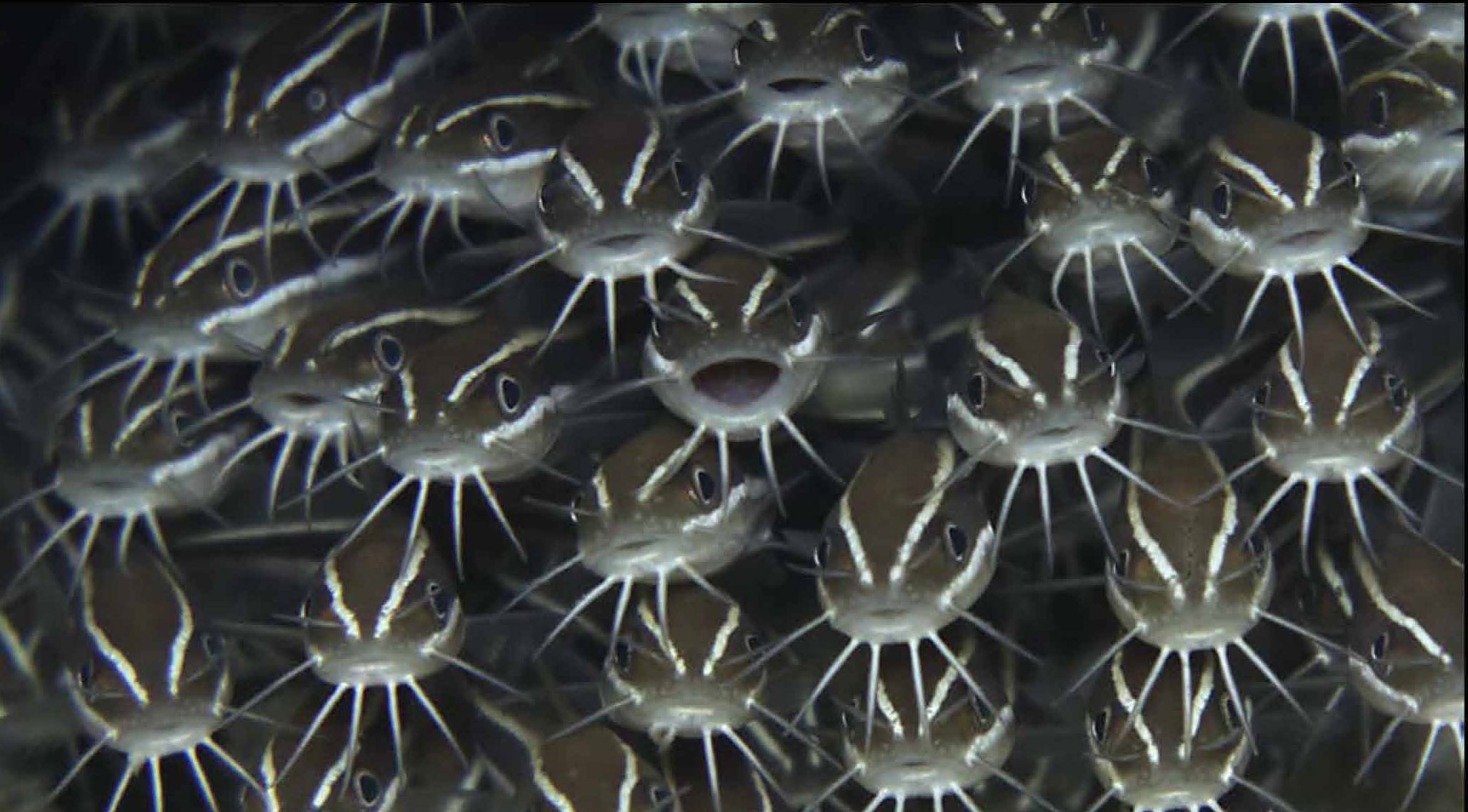
Striped catfish school, Image taken with the Canon PowerShot G1 X Mark III, f/7.1, 1/200s, ISO500 (Photo by William Tan)

One challenging subject was a school of striped catfish. However, getting the frontal shot I wanted with the PowerShot G1 X Mark III proved much easier than I had imagined. As I approached the large rock that the fish were hiding under, I noticed they didn’t seem spooked by my modestly sized camera setup, and I was able to start shooting straight away. The camera’s speedy autofocus easily locked onto the constantly moving school, and I was able to capture the occasional “yawns” from different individuals.

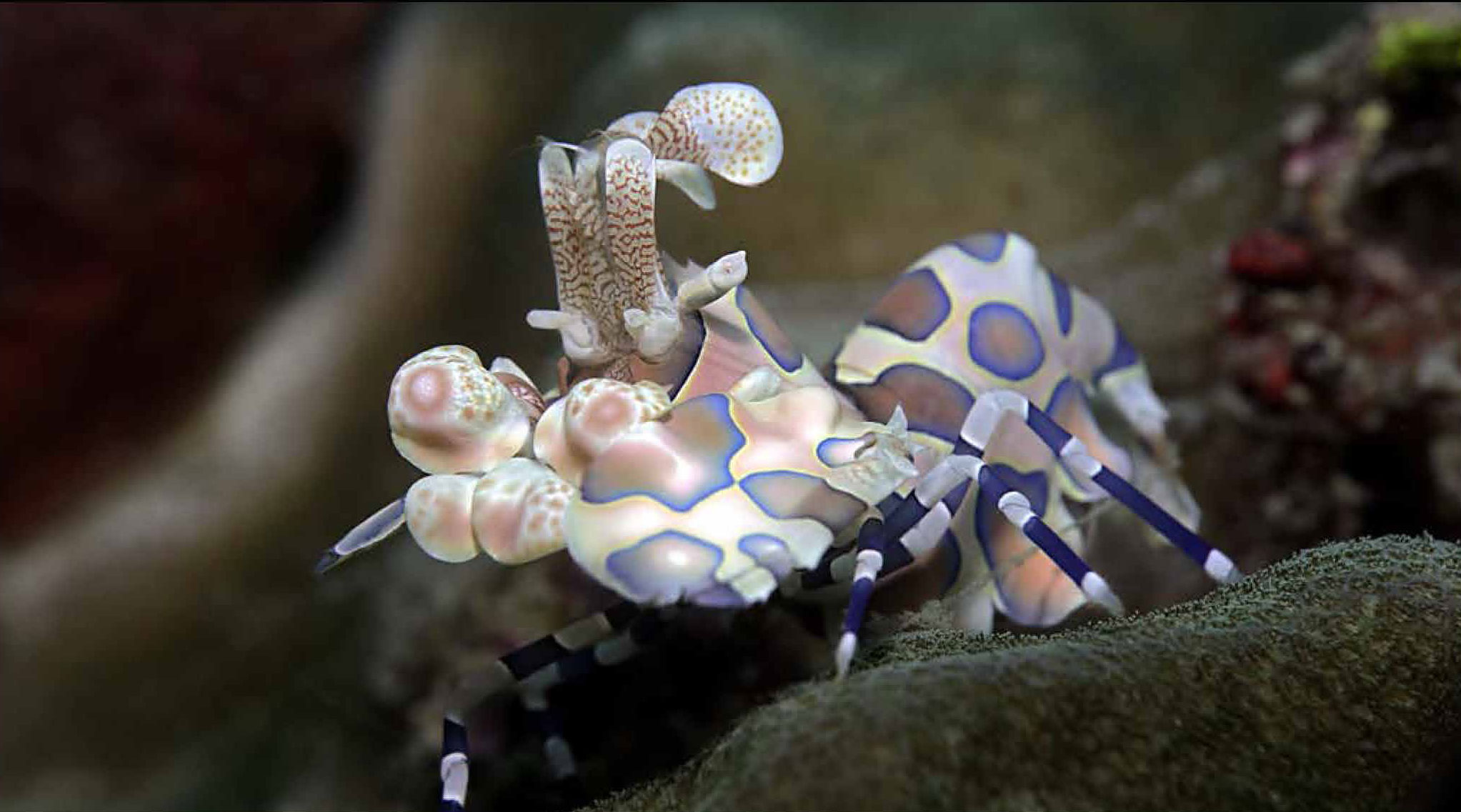
Harlequin shrimp, Image taken with the Canon PowerShot G1 X Mark III, f/13, 1/200s, ISO640 (Photo by William Tan)

Another subject, a harlequin shrimp, tested the camera in a different way. These beautiful little shrimps are only a few centimetres in length, so you need to attach a macro wet lens to allow you to get close enough to fill the frame. For lighting, instead of flash, I used continuous light sources, which usually results in a “softer” image. But the PowerShot G1 X Mark III did a fantastic job of faithfully capturing the different shades of tapering colours in the animal’s patterned markings, the texture of the coral polyps, and even the minute details in the eye.

When post-processing the resulting images, I found the PowerShot G1 X Mark III’s RAW files to have recorded an amazing amount of information that is not typical of a compact camera. In the case of the fish school image, I had originally composed the shot to include the rocky habitat, but the camera’s high-megapixel files allowed me to heavily crop the image to focus on the yawning catfish while still retaining excellent resolution. The shrimp image, shot at ISO 640, had no perceptible digital noise, which is commonly noticeable in such higher-ISO images captured by compacts with much smaller sensors.

In every underwater scenario I encountered, the PowerShot G1 X Mark III lived up to its impressive specifications. I’d recommend this unique compact to any underwater shooter who demands the performance of a DSLR but the portability and convenience of a compact.

Canon Imaging Asia Facebook / Canon Asia Youtube / @canonasia Instagram / Snapshot Canon-Asia 


South and Southeast Asia Regional Headquarters: Canon Singapore Pte Ltd. 1 Fusionopolis Place #15-10 Galaxis Singapore 138522. CANON WEBSITE.  

6th Anilao Underwater Shootout: The Winning Photos

0

Held on November 28 to December 2, 2018 in Mabini, Batangas, in the Philippines, the 6th Anilao Underwater Shootout photo competition organised by the Philippine Department of Tourism (PDOT)’s Office of Product and Market Development Dive Group is an annual photo competition that has been dubbed the “World Cup of Photo Competitions”.

Home to some of the rarest marine life in the world, Anilao is one of the world’s best diving spots and its rich bio-diversity is featured annually in the Anilao Underwater Shootout. This year’s competition saw more than 220 underwater photographers and divers from all over Europe, North America and the Asia Pacific congregate at Anilao.

This year’s competition featured a star-studded panel of judges with French naturalist photographer and marine biologist Laurent Ballesta, award-winning Belgian underwater and wildlife photographer Ellen Cuylaerts, macro photography expert and 2015 Wildlife Photographer of the Year Indra Swari; renowned underwater photographer William Tan and Underwater360 founder and Asia Dive Expo’s official organizer John Thet.

Our UW360 correspondent, Andrew Lim, was one of the participants of the Anilao Underwater Shootout and wrote about his experience of the competition.

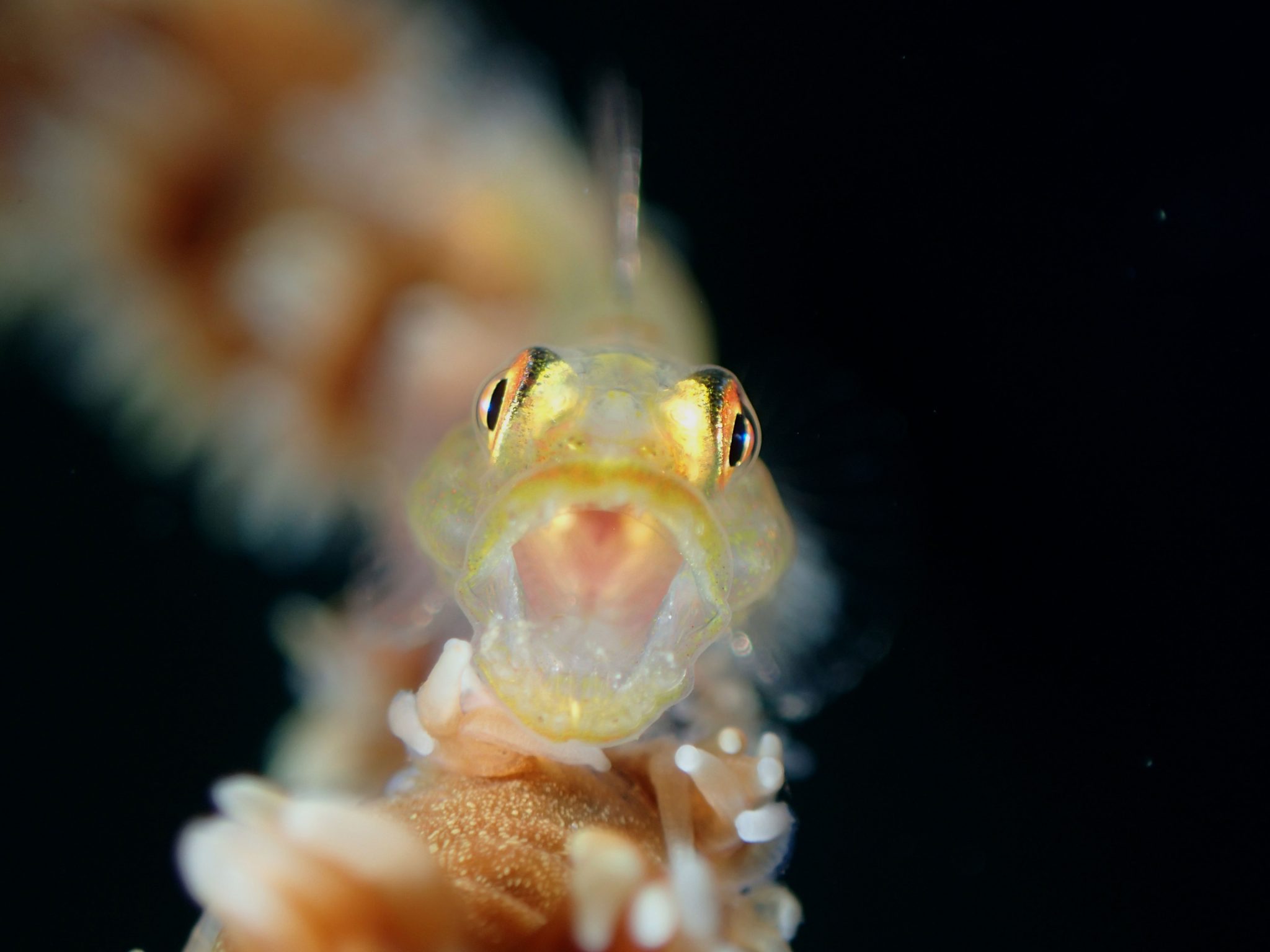
In the Open Class, Macro/Supermacro category, Thing Yun Na (Indonesia) clinched first place, Cai Heng took second place while Henley Spiers (United Kingdom, France) was third.

OPEN CLASS (MACRO/SUPERMACRO)

First place:

Thing, Yun Na (Indonesia)

Second place:

Cai Heng (China)

Third Place:

Henley Spiers (United Kingdom, France)

In the Open Class, Marine Behaviour category, Dennis Corpuz (Philippines) clinched the first prize, Brook Peterson (United States) took second place and Cai Heng (China) was third.

OPEN CLASS (MARINE BEHAVIOUR)

First place:

Dennis Corpuz (Philippines)

Second place:

Brook Peterson (United States)

Third place:

Cai Heng (China)

In the Open Class, Nudibranch category, Bebot Esteban (Philippines) clinched first place, Lai Kam Moon (Hong Kong) took second place while Mohan Thanabalan was third.

OPEN CLASS (NUDIBRANCH)

First place:

Bebot Esteban (Philippines)

Second place:

Lai Kam Moon (Hong Kong)

Third place:

Mohan Thanabalan (Malaysia)

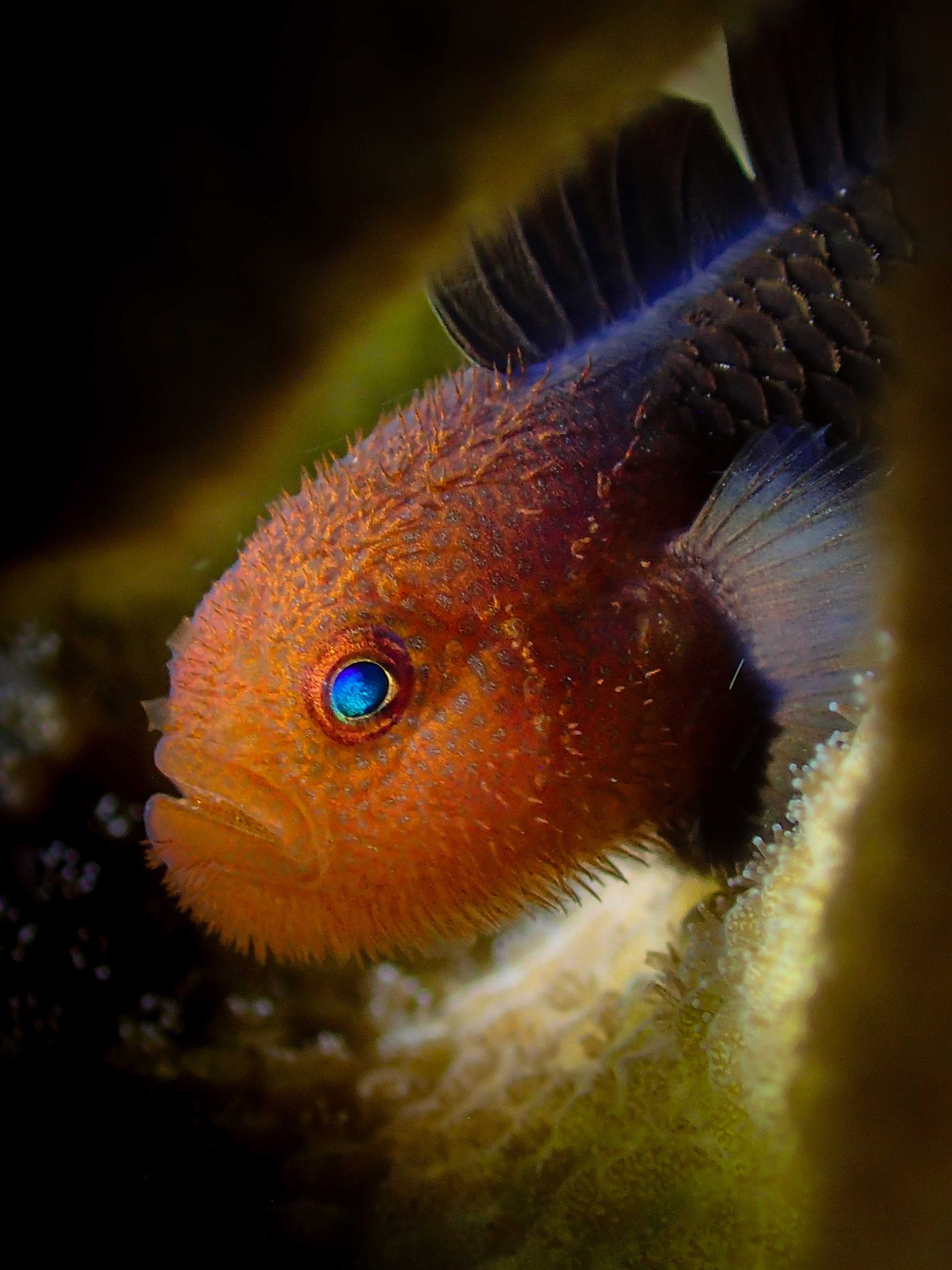
In the Open Class, Fish Portrait category, Peri Paleracio (Philippines) clinched first place, PJ Aristorenas (Philippines) took second place while Marco Steiner (Austria) was third.

OPEN CLASS (FISH PORTRAIT)

First place:

Peri Paleracio (Philippines)


Second place:

PJ Aristorenas (Philippines)

Third place:

Marco Steiner (Austria)

In the Compact Class, Macro/Supermacro category, Ericson Yee (Philippines) clinched first place, Narumon Pimsirinath (Thailand) took second place while Ex Borrega Liao (Philippines) was third.

COMPACT CLASS (MACRO/SUPERMACRO)

First place:

Ericson Avendan Yee (Philippines)

Second place:

Narumon Pimsirinath (Thailand)


Third place:

Ex Borrega Liao (Philippines)

In the Compact Class, Marine Behaviour category, Maria Nerissa Fajardo (Philippines) clinched first place, Jayson Apostol (Philippines) was second and Lee Gyoungmi (South Korea) was third.

COMPACT CLASS (MARINE BEHAVIOUR)

First place:

Maria Nerissa Fajardo (Philippines)


Second place:

Jayson Apostol (Philippines)


Third place:

Lee Gyoungmi (South Korea)

In the Compact Class, Nudibranch category, first place went to Marc Stephen De Leon (Philippines), second place went to Lin Haojie (China) and third place went to Ronald Dalawampo (Philippines).

COMPACT CLASS (NUDIBRANCH)

First place:

Marc Stephen De Leon (Philippines)


Second place:

Lin Haojie (China)


Third place:

Ronald Dalawampo (Philippines)

In the Compact Class, Fish Portrait category, Regie Casia (Philippines) clinched first place, Lim Sudong (United States) took second place and Ajiex Dharma (Indonesia) took third place.

COMPACT CLASS (FISH PORTRAIT)

First place:

Regie Casia (Philippines)


Second place:

Lim Sudong (United States)


Third place:

Ajiex Dharma (Philippines)

SPECIAL AWARDS

In the Special Awards, Smart Phone/Action Camera category, Ria Crucero (Philippines) was named the winner.

SPECIAL AWARDS (SMART PHONE/ACTION CAMERA)

Winner: Ria Crucero

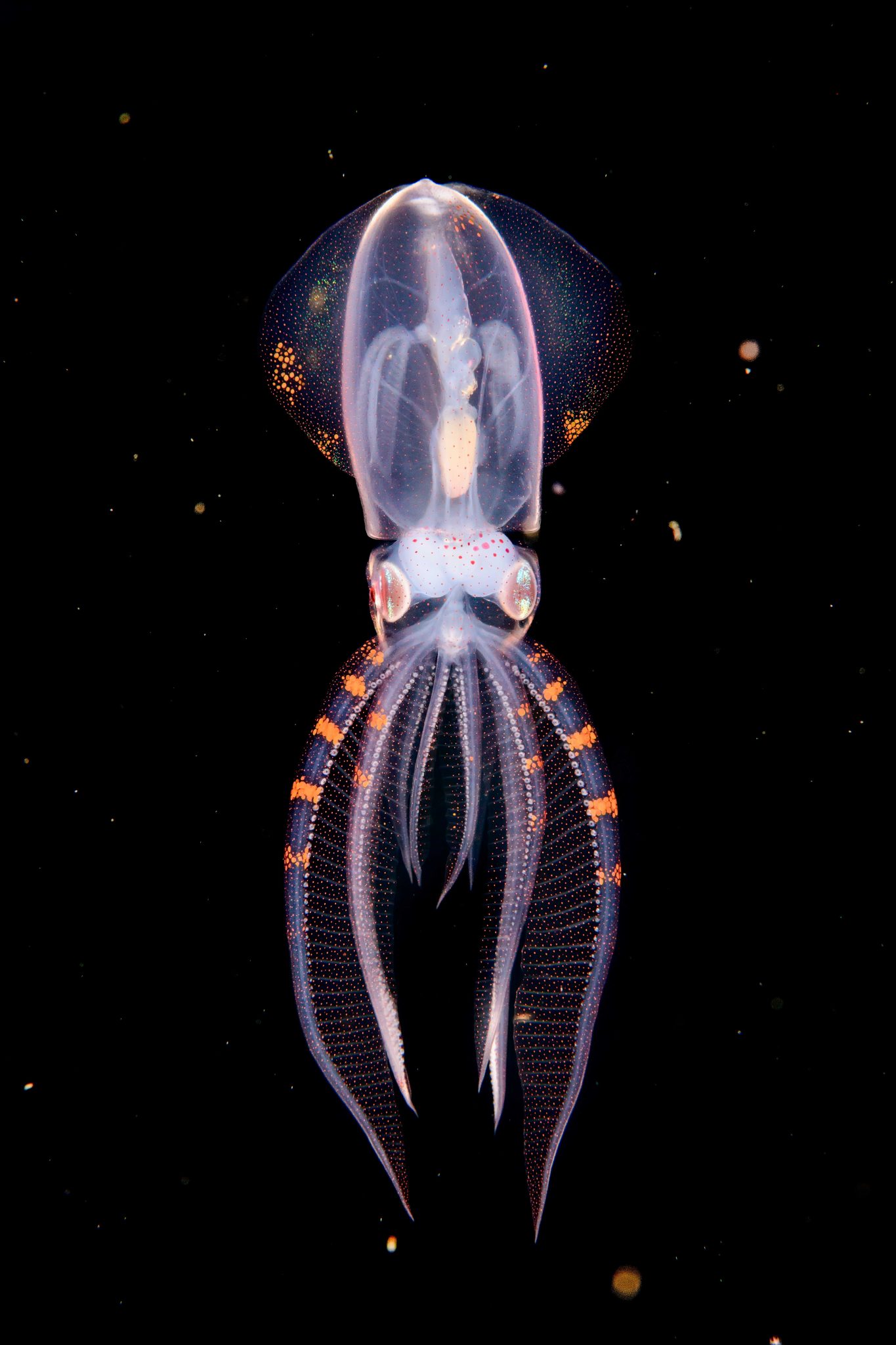
In the Special Awards, Blackwater/Bonfire category, Cai Songda (China) was named the winner

SPECIAL AWARDS (BLACKWATER/BONFIRE)

Winner: Cai Songda (China)

The Philippines swept both the DOT-PAL Photographer of the Year awards for the Open and Compact classes with Dennis Corpuz winning for his entry in the Open Class (Marine Behaviour)  category and Regie Casia for his winning Compact Class (Fish portrait) photo.

Read the rest of this article in No. 114/2019 of Scuba Diver Ocean Planet magazine by subscribing here or check out all of our publications here.
A Bright Future?

0

Judi Lowe is about to release the results of her groundbreaking new PhD research, which will change the way we think about dive tourism and the conservation of coral reefs, forever.

Soon to be internationally recognised as the expert on sustainable dive tourism, with a revolutionary new approach that could be the key to safeguarding coral reefs, fish stocks and megafauna, Judi agreed to give us a tantalising glimpse into the results of her extraordinary research.

ASIAN DIVER: Tell us what, in your opinion, is real “eco-tourism”, or “sustainable” tourism?

JUDI LOWE: Eco-tourism is an important concept, defined by Ceballos Lascurain in Mexico in 1983 and adopted by the IUCN in 1996, to mean responsible travel to natural areas that promotes conservation, has low impact and provides benefits to local people.
Sustainable tourism is defined by the UN World Tourism Organization as “Tourism that takes full account of its current and future economic, social and environmental impacts, addressing the needs of visitors, the industry, the environment and host communities”.
For dive tourism to be sustainable, it must actively conserve coral reefs, not just passively enjoy them. Since 95 percent of the world’s coral reefs lie in the tropics, with fishers living in poverty along their shores, the future of coral reefs and local fishers cannot be separated. For dive tourism to be sustainable, there must be tangible benefits to local fishers.

ASIAN DIVER: Why hasn’t “eco-tourism” been delivering the results we need in terms of conservation? How have most of us been missing the mark until now?

JUDI LOWE: Eco-tourism is a popular concept and it sells well. Sadly, it has become a much-abused marketing tool, promoting the perception that a tourism product is sustainable when it is not. Science shows that most dive tourism is anything but sustainable.

There are many eco-tourism certification schemes but they are designed for terrestrial tourism, not marine. Principles tend to be general and vague and their effectiveness stops at the high tide mark. Eco-tourism has failed to deliver the conservation of coral reefs, fish, sharks, whale sharks, whales, manta rays, and turtles.

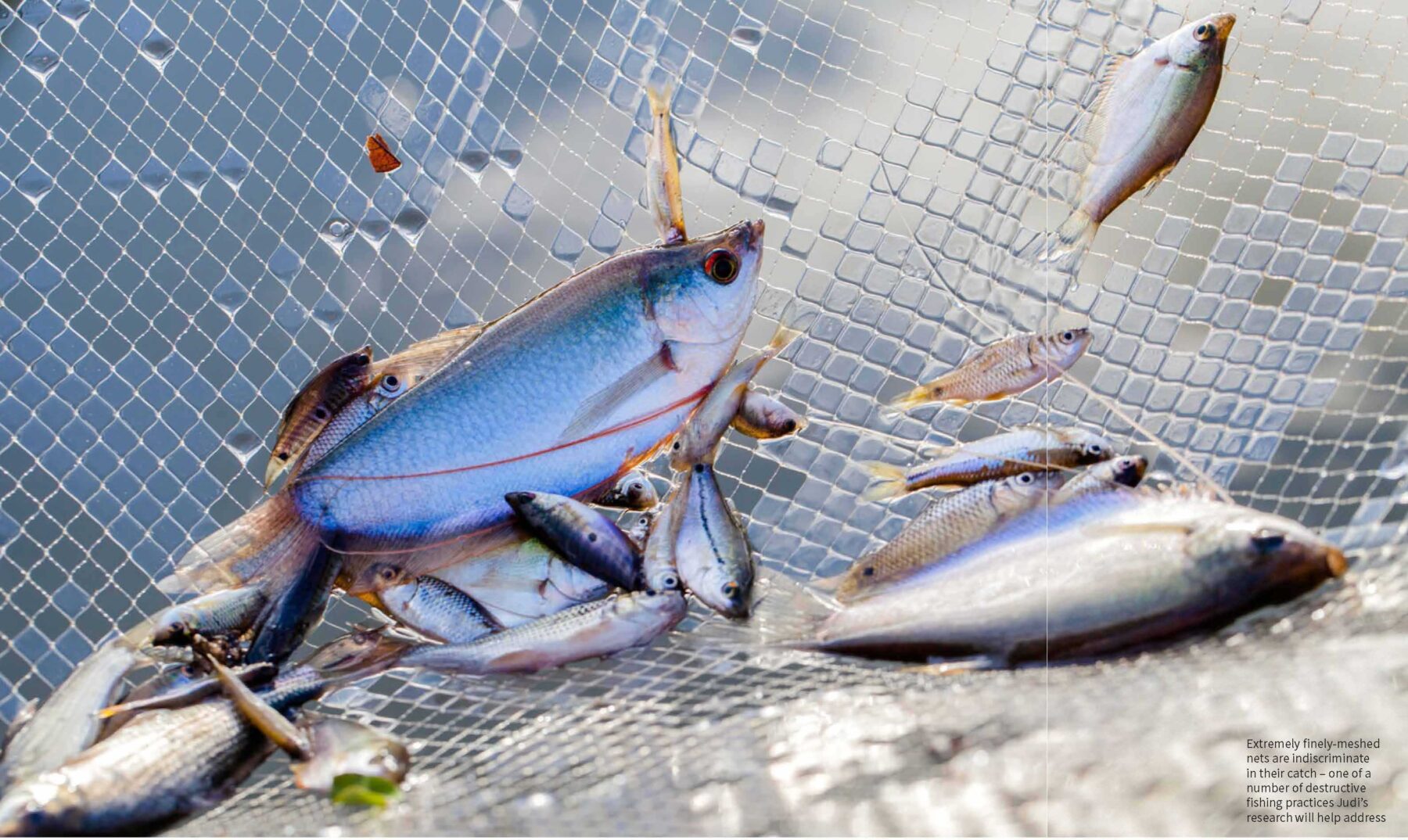
Coral reefs are under threat from destructive fishing and overfishing, climate change and pollution. Of these, destructive fishing and overfishing are the greatest threats.

Shark finning is highly lucrative. Sustainable tourism can create alternative livelihoods for people and help halt this fishery

ASIAN DIVER: How is your research about to change all this?

JUDI LOWE: My research shows that when dive operators in the tropics use integrated coastal management and recognise the traditional rights of local fishers to fish coral reefs, then provide livelihoods to fishers and their communities, they conserve coral reefs and reduce destructive fishing and overfishing around dive sties. This is a result every marine protected area manager in the world wants to know how to do.

My PhD research produces a best practice model of sustainable dive tourism, capable of letting dive operators know what they need to do to conserve coral reefs and reduce destructive fishing and overfishing. This is a fresh approach to the role of dive tourism in conserving coral reefs. It makes dive tourism a valuable contributor, which deserves a seat at the table in the management of coral reefs.

ASIAN DIVER: Are there any examples out there of a truly sustainable marine tourism model?

It has never been more important for dive tourism to be truly sustainable, to help secure the future of coral reefs and the communities they support

JUDI LOWE: Happily, there will be soon. My best-practice model of sustainable dive tourism is based on the most widely accepted model for conserving coral reefs, fish and megafauna, called integrated coastal management (ICM). ICM was developed from lessons from major coral reef conservation projects in the Philippines and Indonesia. There are 10 things you need to do to conserve coral reefs. Soon, I will explain these 10 factors in detail and why they are important to dive operators.

ASIAN DIVER: What’s the next step? How are you planning to take this out of the academic world and into the real world?

JUDI LOWE: Scientific journal articles can be expensive to access and hard to read, so I will also publish my results
in dive magazines around the world. I will roll out the best-practice model of sustainable dive tourism to interested parties on completion of my PhD early in 2017. Happily, the model can also be adapted to other forms of marine tourism including beach going, surfing, sailing and cruise ships.

ASIAN DIVER: What obstacles do you foresee with the implementation of this new approach? Have you been able to identify ways to overcome them?

JUDI LOWE: The most common objections from dive operators about engaging in conservation are “I don’t have the money for that” and “That’s the government’s job”.

Firstly, coral reefs and fish stocks are a dive business’s primary assets. Not protecting them runs down the value of the business over time. Divers are prepared to pay more to see healthy coral reefs, fish, sharks, manta rays, whales sharks and turtles. When a coral reef is damaged and fish disappear, divers simply go somewhere else. Conservation is an investment.

Secondly, in a perfect world, governments would have the resources and will to protect coral reefs. In the tropics, where most coral reefs lie, governments don’t always have the funds or the will to conserve them.

Given government failure, or low capacity, who is going to step in? Dive businesses make money from coral reefs. They are out on the water every day. It makes perfect business sense that dive operators would contribute, becoming partners in protecting coral reefs.

Read the rest of this article in 2016 Issue 4 Volume 143 of Asian Diver magazine by subscribing here or check out all of our publications here.