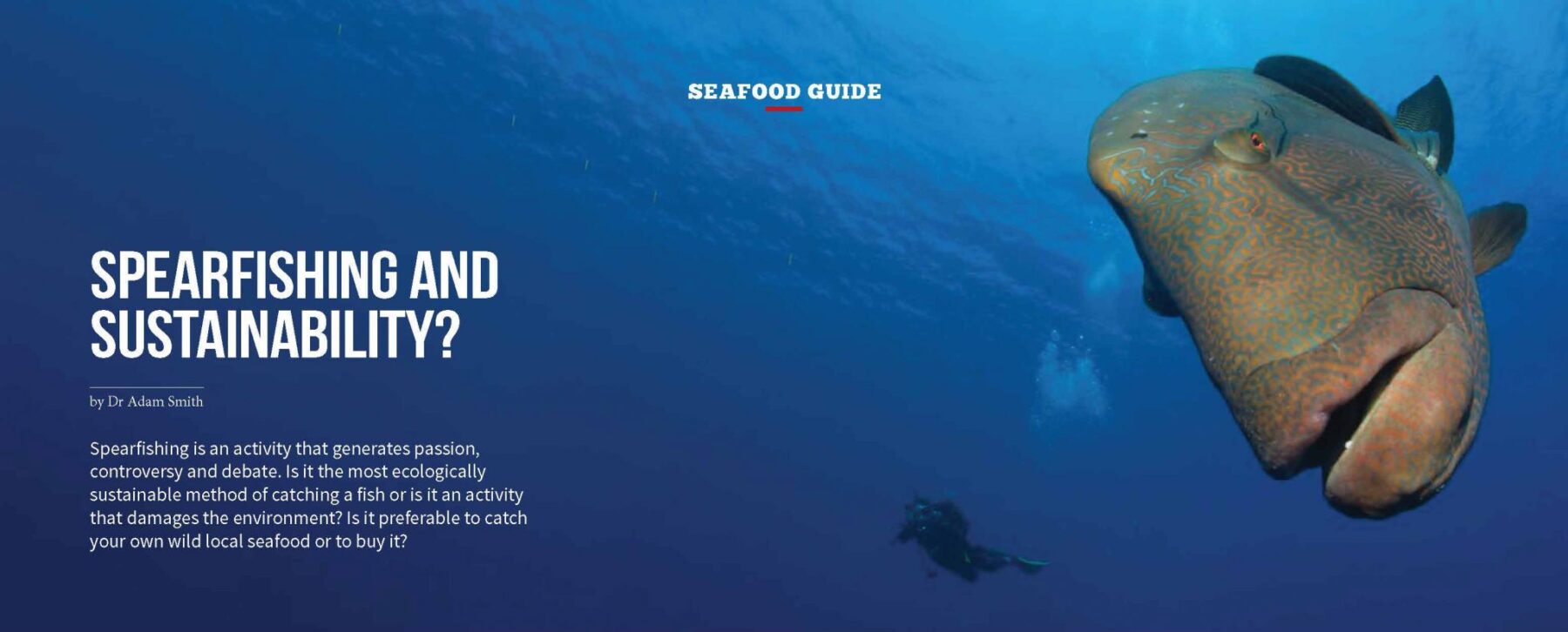
Spearfishing is an activity that generates passion, controversy and debate. Is it the most ecologically sustainable method of catching a fish or is it an activity that damages the environment? Is it preferable to catch your own wild local seafood or to buy it? Dr Adam Smith finds out.
THE GOOD
Proponents argue that spearfishing is selective and ecologically sustainable because:
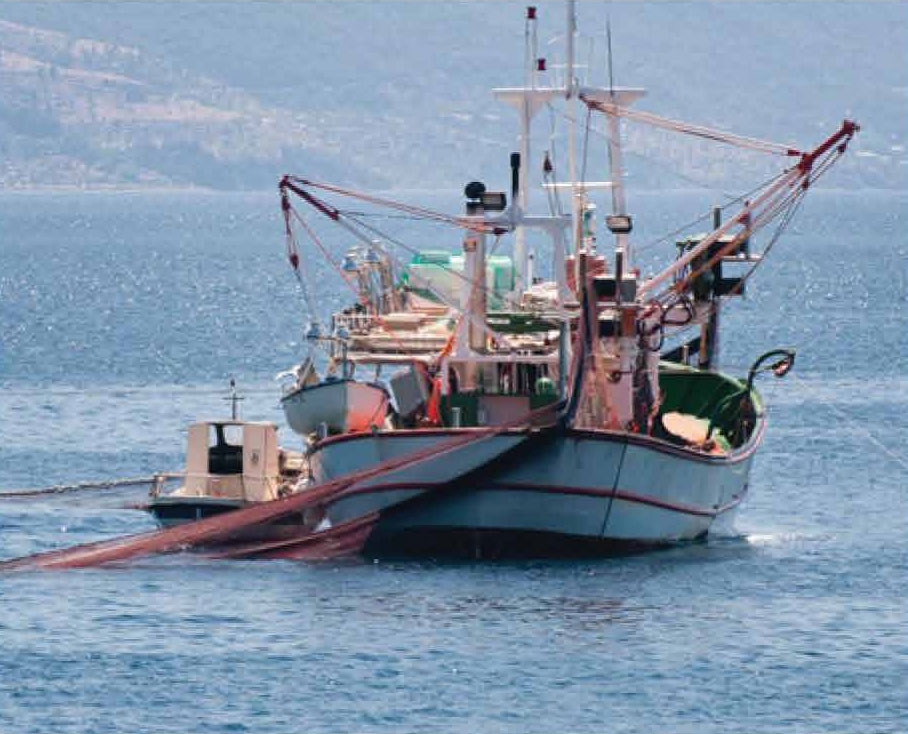
• When best practices are adhered to, spearfishing has fewer negative impacts than other fishing methods such as:
— Little or no by-catch
— Minimal impact on non-target species
— No need for bait
— Little or no loss of gear
— Minimal damage to habitat
• Freedivers are restricted to shallow water
• Freedivers can target the size and species of their catch
• Some spearfishers have good knowledge and cultural connections to the ocean and can be considered “hunter conservationists”
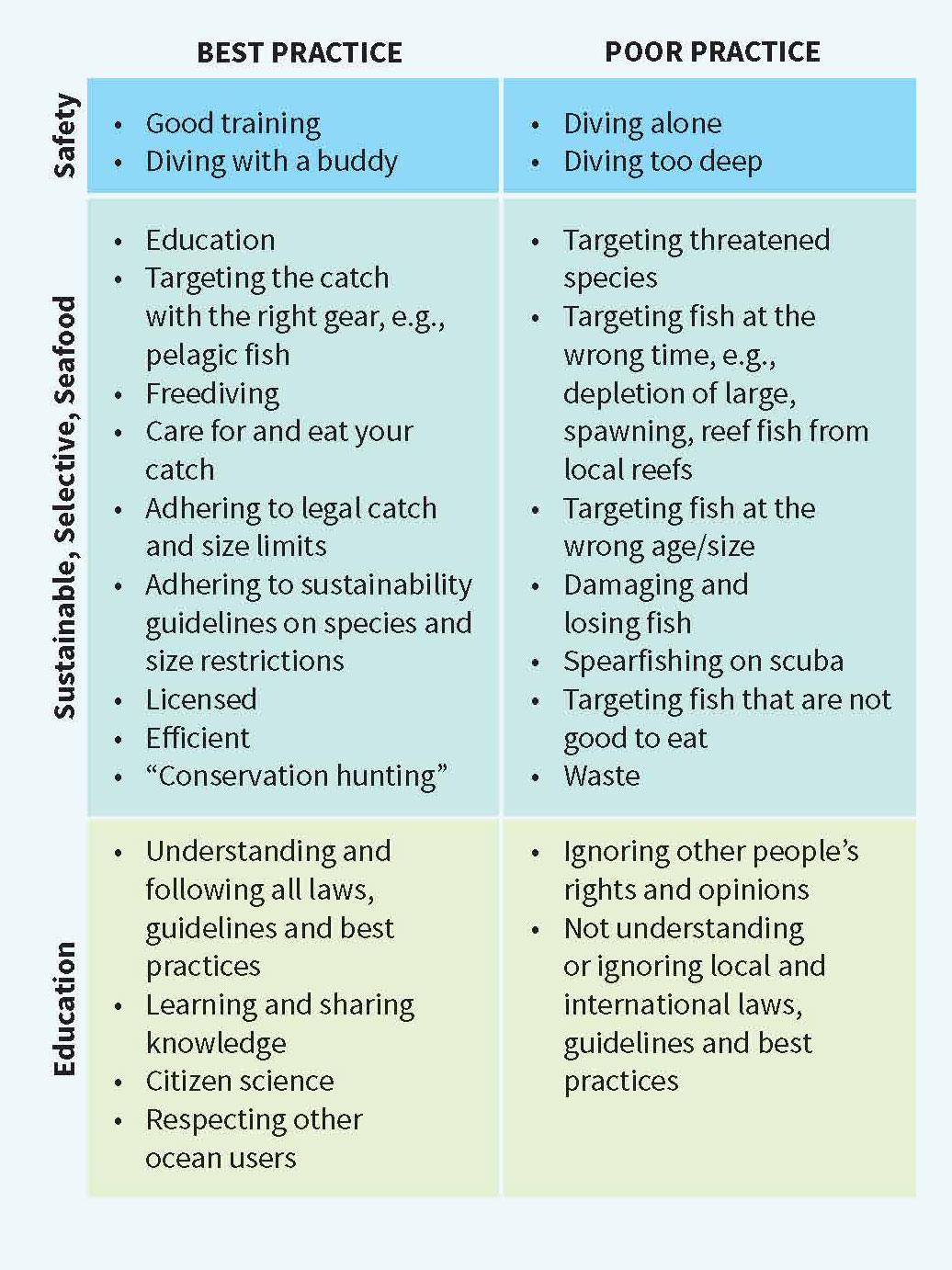
BEST PRACTICES
There are, however, guidelines for best practices that, when enforced and followed, can ensure that spearfishing becomes a more sustainable way to consume seafood than most other commercial and recreational methods.
THE BAD AND THE UGLY
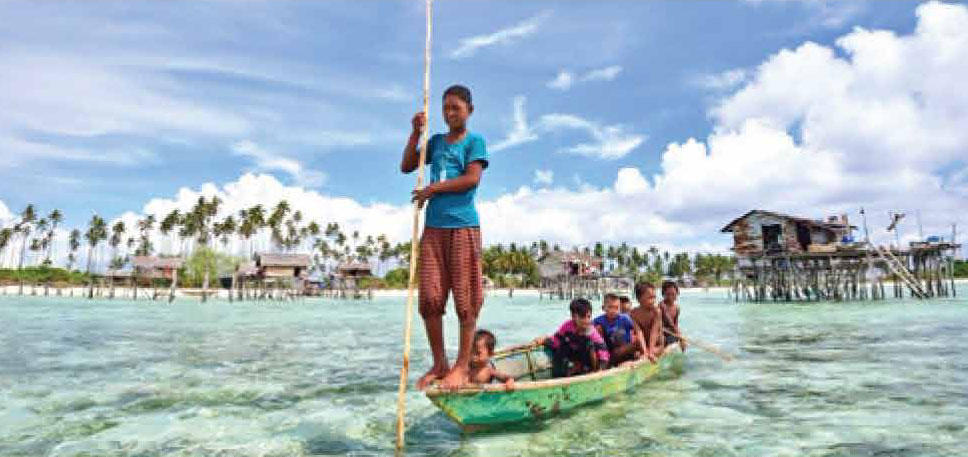
Yet it is also a highly efficient form of fishing, and so, when practised recklessly, with little training or information, spearfishing can also be very damaging to marine ecosystems. Spearfishing activities may also compete with and impact coastal communities when visiting spearfishers are removing fish that the local people depend on for their livelihoods.
FISH THE REEF NEEDS
Mass coral bleaching has occurred on many reefs around the world due to above-average ocean temperatures.
If left to grow, algae (seaweed) can quickly dominate reefs and stop coral larvae settling and starting the next generation of coral colonies.
Plant-eating fish, or herbivores, remove algae from reefs. In normal conditions, these fish act as Nature’s lawnmowers and keep seaweed levels under control. Following coral bleaching, these fish are critical to reef recovery because their grazing removes seaweed and provides space for new corals to grow.
HOW CAN YOU HELP?
If you are fishing or spearfishing, these reef fish in particular should be avoided.
• Unicornfish (Naso unicornis)
• Bumphead parrotfish
(Bolbometopon muricatum)
• Steephead parrotfish
(Chlorurus microrhinos)
• All other species of parrotfish
• All species of rabbitfish
• All species of surgeonfish
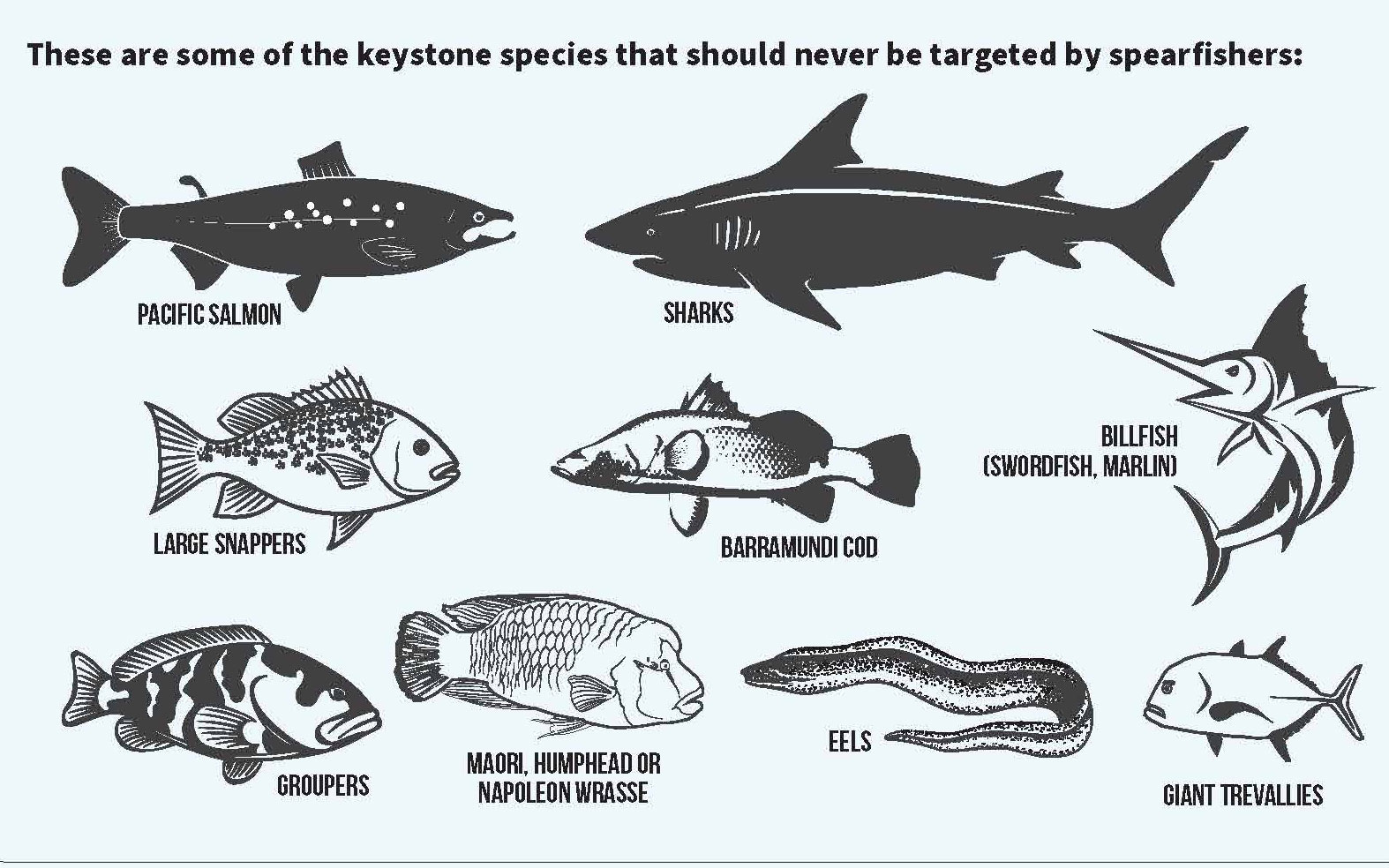
KEYSTONE SPECIES
Some species fill other vital niches in the reef ecosystem, performing jobs that cannot, and never will be, filled by other species. These are known as “keystone” species. Without these species, the delicate web of life underwater soon falls apart.
Read the rest of this article in 2016 Issue 4 Volume 143 of Asian Diver magazine by subscribing here or check out all of our publications here.
The Hexanchidae family, or cow sharks, have seven gills and can be traced back 190 mi
(Text by Brandon Sing/Shark Guardian. Illustrations by Julius Csotonyi. Images by various contributors)
The history and evolution of sharks goes back a long time, but let’s define “a long time”, because that phrase alone really does not do it justice. Put it this way: Dinosaurs lived during the Mesozoic era, which began about 245 million years ago. Sharks, on the other hand, were living in our oceans 200 million years before the dinosaurs! Sharks are some of the oldest creatures this planet has ever known. How can we possibly know or prove this? Fossil records. Interestingly, shark fossils are extremely rare because sharks are mostly comprised of cartilage, and cartilage disintegrates too fast to become fossilised. For this reason, most shark fossils are made up of just prehistoric teeth, fin spines, and scales. From these few remains, we have been able to piece together a pretty good picture of the sharks that plied the ancient seas.
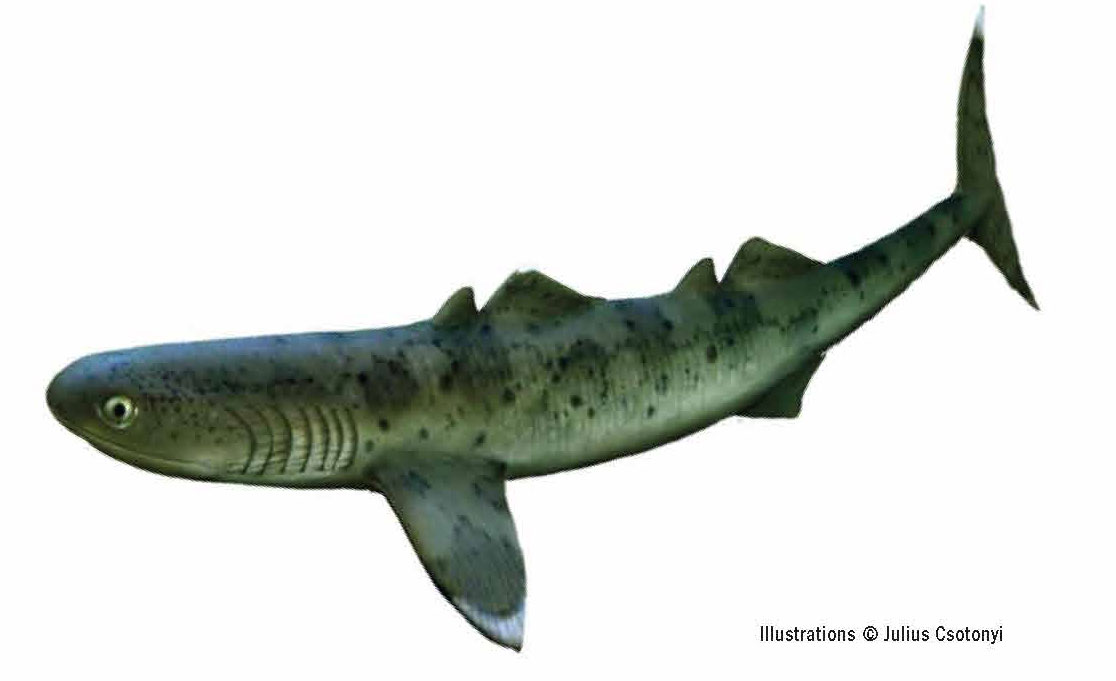
CLADOSELACHE
Scientists studying 400 million-year-old shark fossils from Cleveland, Ohio, found that their specimens turned out to belong to an ancient 1.2-metre Cladoselache shark. As one of the first species of sharks, the Cladoselache shared only certain characteristics with modern-day sharks. While they had gill slits and torpedo-shaped bodies, Cladoselache sharks had no placoid scales covering their skin (also known as dermal denticles), which provide modern sharks with added protection and aid in swimming. Cladoselache sharks also did not possess claspers, the male anatomical structures used in mating that are found in present-day sharks and rays. It is actually not known how they reproduced, but neither the lack of claspers nor dermal skin hindered their survival, because Cladoselache sharks lived in the oceans for about 100 million years.
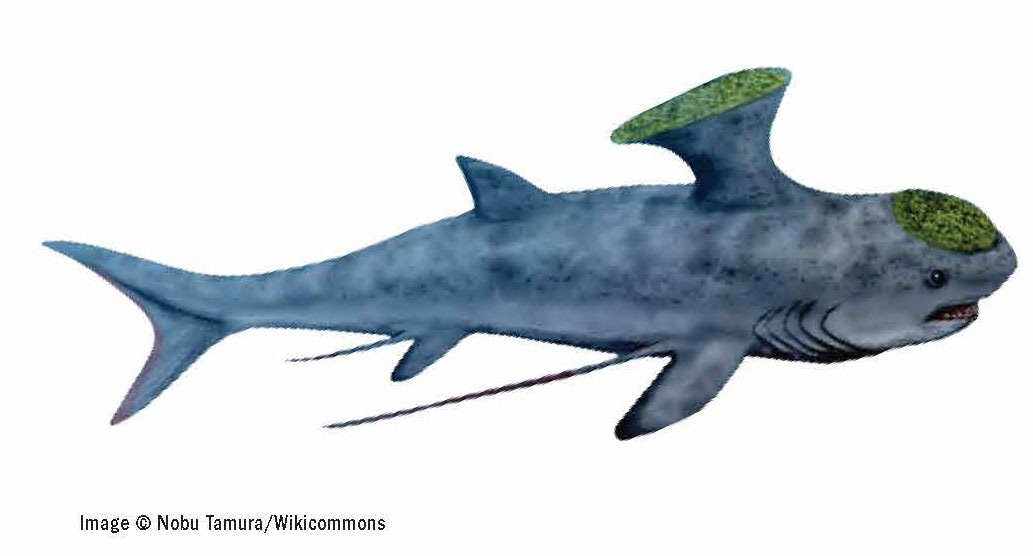
STETHACANTHUS
Stethacanthus was a prehistoric shark that lived from 345 to 280 million years ago. These 60- to 70-centimetre-long sharks preferred to swim in shallow, warm waters. The Stethacanthus shark possessed a fascinating dorsal fin that was in the same position as the dorsal fin of a modern shark, but the top was flat and covered in large scales. Scientists are unsure what these dorsal fins were used for. One belief is that this headgear was used to ward off larger predators and protected Stethacanthus from injury if attacked, much like the protrusions of today’s horn sharks.
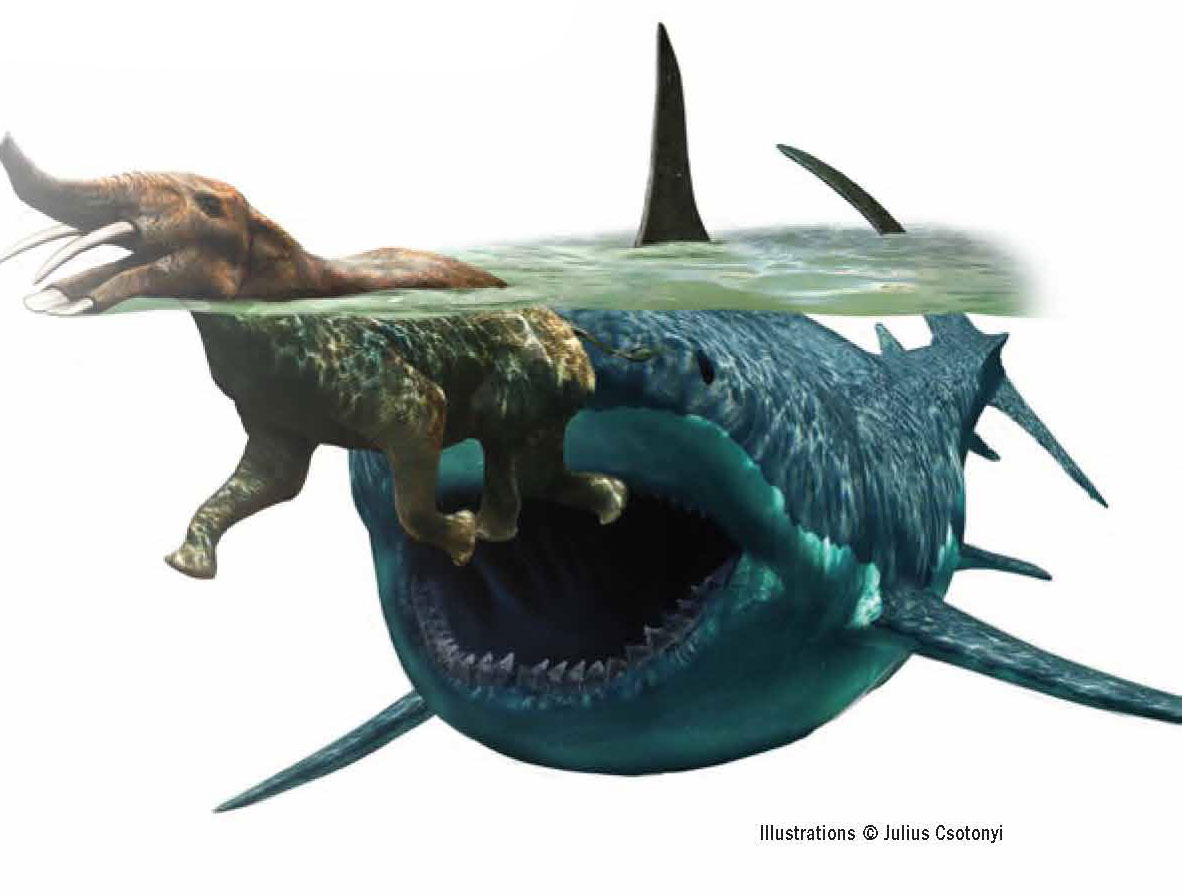
MEGALODON
From 16 million to 2.6 million years ago, megalodon ruled the waters of the Earth. Researchers have discovered that they had many physical and behavioural similarities to today’s great whites. While their exact size is still under discussion, megalodon was approximately 12 to 21 metres long. Megalodon teeth have been found in Africa, North America, South America, India, Australia, Japan, and Europe. It is believed that they fed on whales and other marine mammals. Why megalodon all died off remains a mystery. Some postulate that these sharks swam in warm waters, and a lowering of ocean temperatures may very well have led to their demise. Another plausible explanation is that their favoured prey began to migrate to colder waters, or even disappeared. Even though the megalodon is thought to have become extinct about 2.6 million years ago, it is still regarded as a “modern shark”.
SHARK EVOLUTION
Cladoselache and Stethacanthus are both types of sharks that existed during the Devonian period 419 to 359 million years ago, and based on the morphology and behaviour of present-day sharks, they are proof that these predators have evolved tremendously over time. Modern sharks all have tooth-like dermal denticles covering their skin, and skeletons made up of cartilage. In addition, the fins and gill slits of today’s shark species are all relatively similar. While one group of ancient sharks evolved to become rays and skates, modern sharks haven’t changed much for 140 million years.
Cladoselache: These sharks had neither dermal denticles covering their skin nor the male anatomical structures used in mating that are found in modern sharks and rays.
Ctenacanths: These early sharks are known for their fin spines much like the horn sharks of today (pictured on the left). Ctenacanth spines were combed like modern-day stingray spin
400 MILLION YEARS AGO
DEVONIAN PERIOD
It’s thought that at least 10 families of sharks existed during this time. They would later branch off to become other species.
Stethacanthus: The distinctive anvil-shaped dorsal fin of this species was a unique feature that no modern-day shark possesses.
The Carboniferous Period underwent a significant period of adaptive radiation giving rise to what is referred to today as the
“Golden Age of Sharks”. This continued until…
250 MILLIONS YEARS AGO
CARBONIFEROUS PERIOD
The Permian–Triassic extinction event killed 99 percent of all ocean species
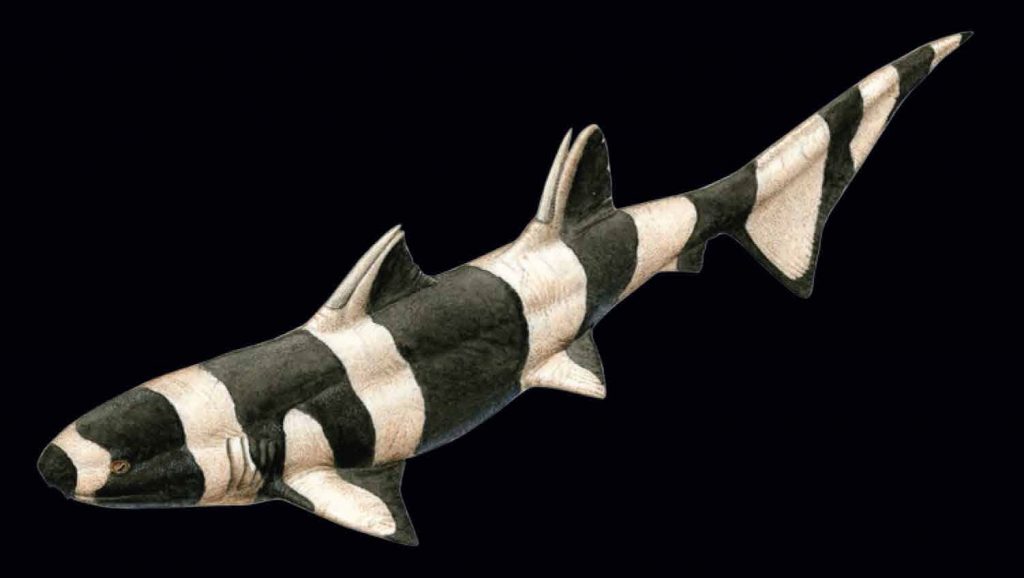
Sevengill sharks: These sharks, also known as cow sharks, can be traced back 190 million years, to the early Jurassic. The group includes 37 species in 10 genera.
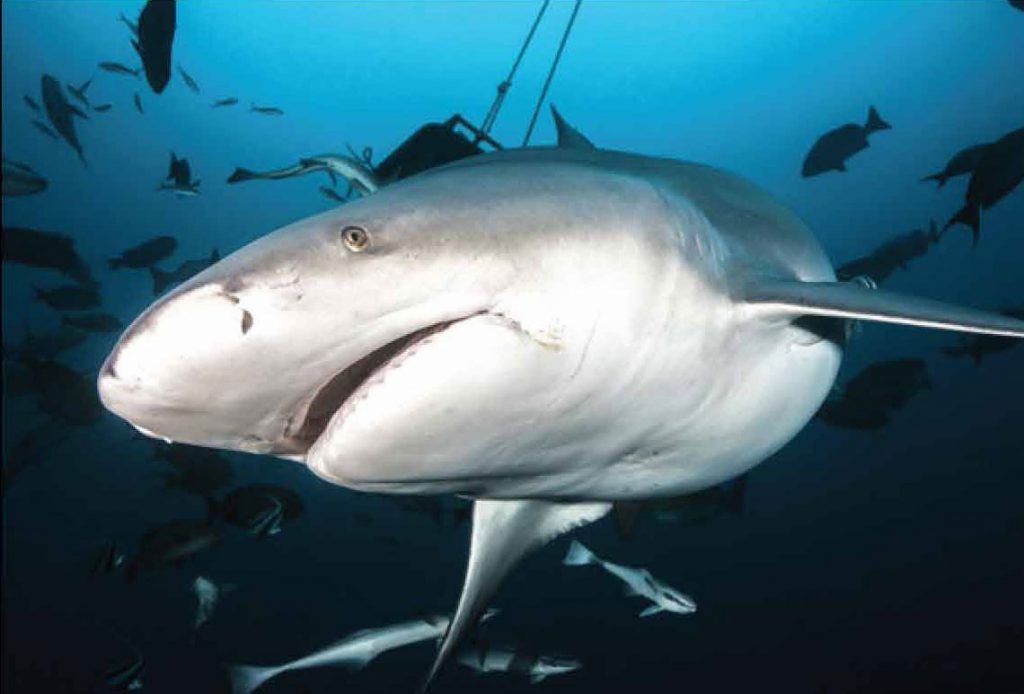
Hybodonts were sharks that lived in shallow seas 180 million years ago, and researchers once considered them to be candidates for the ancestors of modern sharks, though this thesis is now usually discounted. They lived in both fresh water and seawater, a tolerance shared with today’s bull sharks.
155 MILLION YEARS AGO
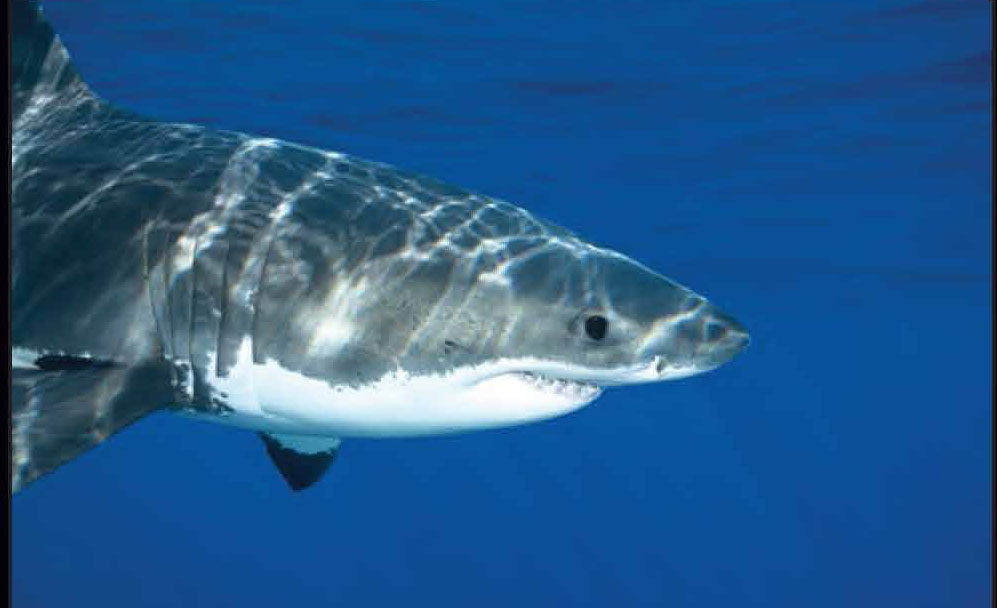
The lamnoids include some of the best-known sharks, such as the great white (pictured left) shark, thresher shark, basking shark, goblin shark, and sand tiger. Great whites have been around for some 11 million years.
The great white and megalodon coexisted for about 10 million years. It has been suggested that these mighty predators kept out of each other’s way by feeding on different prey (megalodon on whales, the great white on seals) and living in different areas (megalodon in warm water, the great white in cooler water).
65 – 35 MILLION YEARS AGO
FILTER FEEDERS (WHALE SHARK, BASKING SHARK AND MEGAMOUTH SHARK)
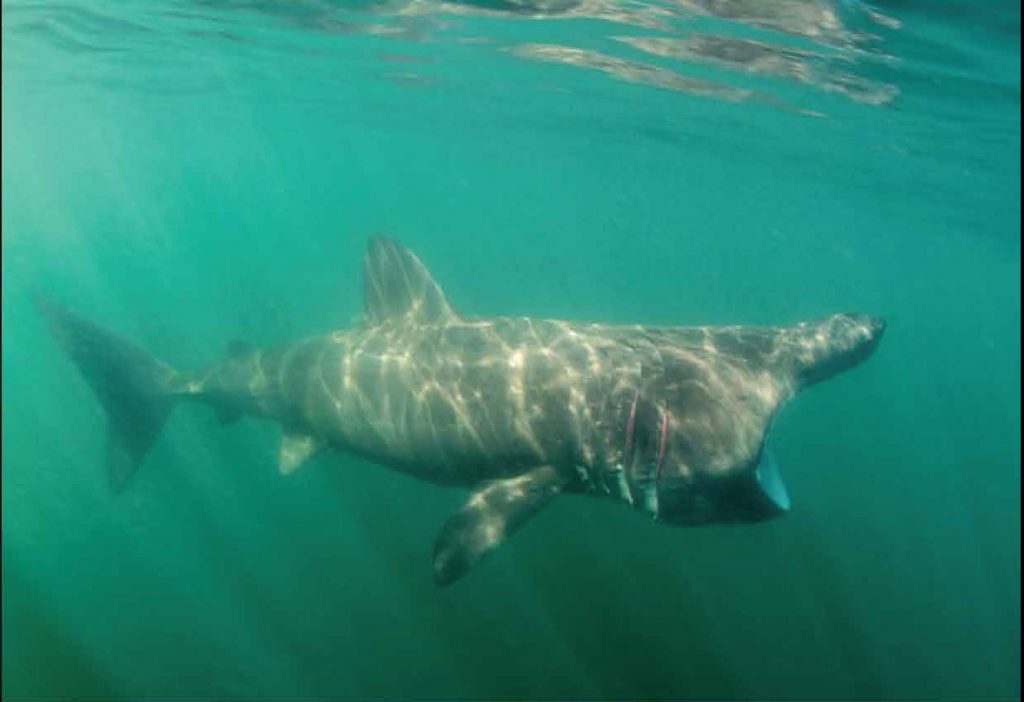
Sometime between 65 and 35 million years ago, several different orders evolved from being predators to filter-feeding plankton. The whale shark, the basking shark and the rare deep-water megamouth shark are the only known filter-feeding shark species today.
50 – 35 MILLION YEARS AGO
HAMMERHEADS – THE MODERN SHARK OF OUR TIME
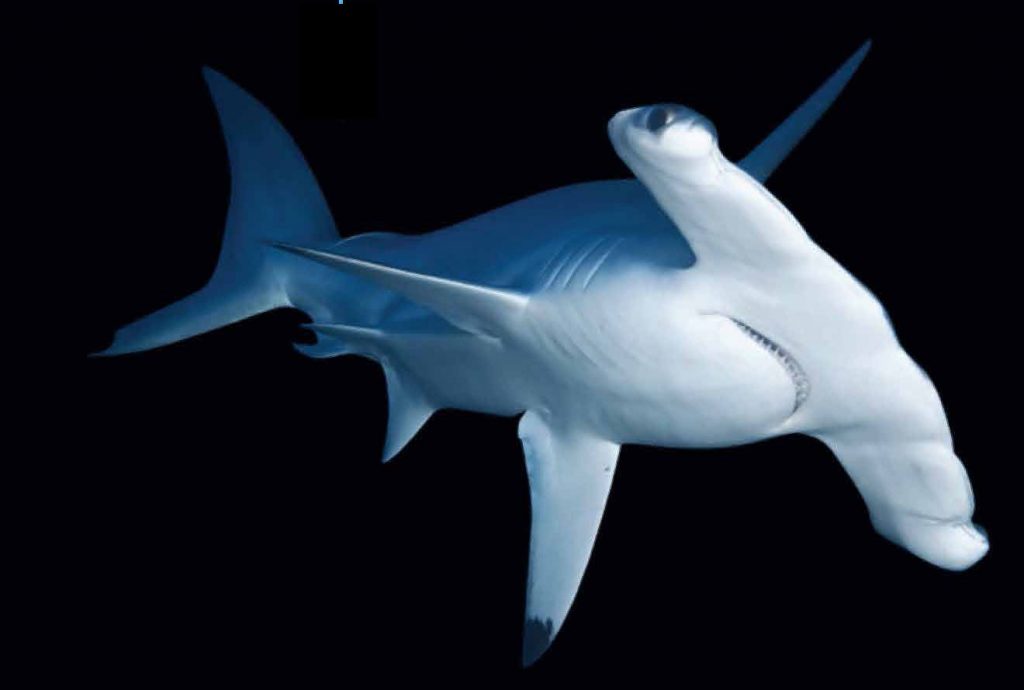
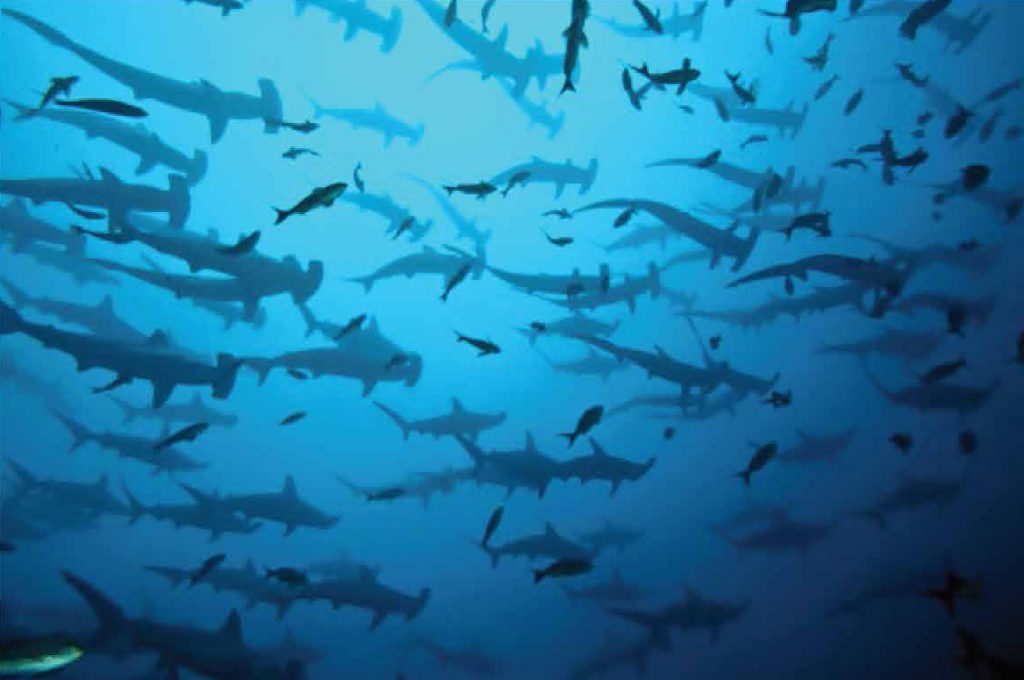
Hammerhead sharks are the most evolutionarily advanced sharks, evolved to meet the demand of their changing prey and dietary preferences. Their heightened senses and behavioural tactics are like no other sharks. There are 10 known species of hammerhead sharks in our oceans today. Hammerhead teeth first appeared in mid-to-late Eocene deposits, from about 50 to 35 million years ago.
SHARK EVOLUTION FACT FILE
• The first fish appeared around 510 MYA
• Sharks appeared about 425 to 400 MYA
• Dinosaurs appeared about 230 MYA
• Some mammals appeared around the same time as dinosaurs
• Early modern humans emerged just 200,000 years ago
• The span of recorded history is only about 5,000 years
• Sharks have existed 100 times longer than humans
• Sharks have existed three times longer than dinosaurs, or twice as long if you include birds
• Sharks have survived five mass planetary extinctions
Read the rest of this article in Issue 5/2015, AA No. 83 of Scuba Diver magazine by subscribing here or check out all of our publications here.
Held on November 28 to December 2, 2018 in Mabini, Batangas, in the Philippines, read on as Andrew Lim tells all about his experience taking part in the 6th Anilao Underwater Shootout photo competition organised by the Philippine Department of Tourism (PDOT)’s Office of Product and Market Development Dive Group.
The 6th Anilao Underwater Shootout is an experience I’ll never forget. The beach, booze, and amazingly talented beautiful people gathered together at a world-class diving spot (with an unlimited supply of nitrox) is every underwater photographer’s slice of heaven.
We touched down in Manila with the warmest of welcomes by the Philippine Department of Tourism, where a representative presented us with pretty hand-made wooden necklaces before ushering us to the car. Who knew, just a short two hour drive later, we would find ourselves at perhaps one of the best dive spots I’ve ever been to.
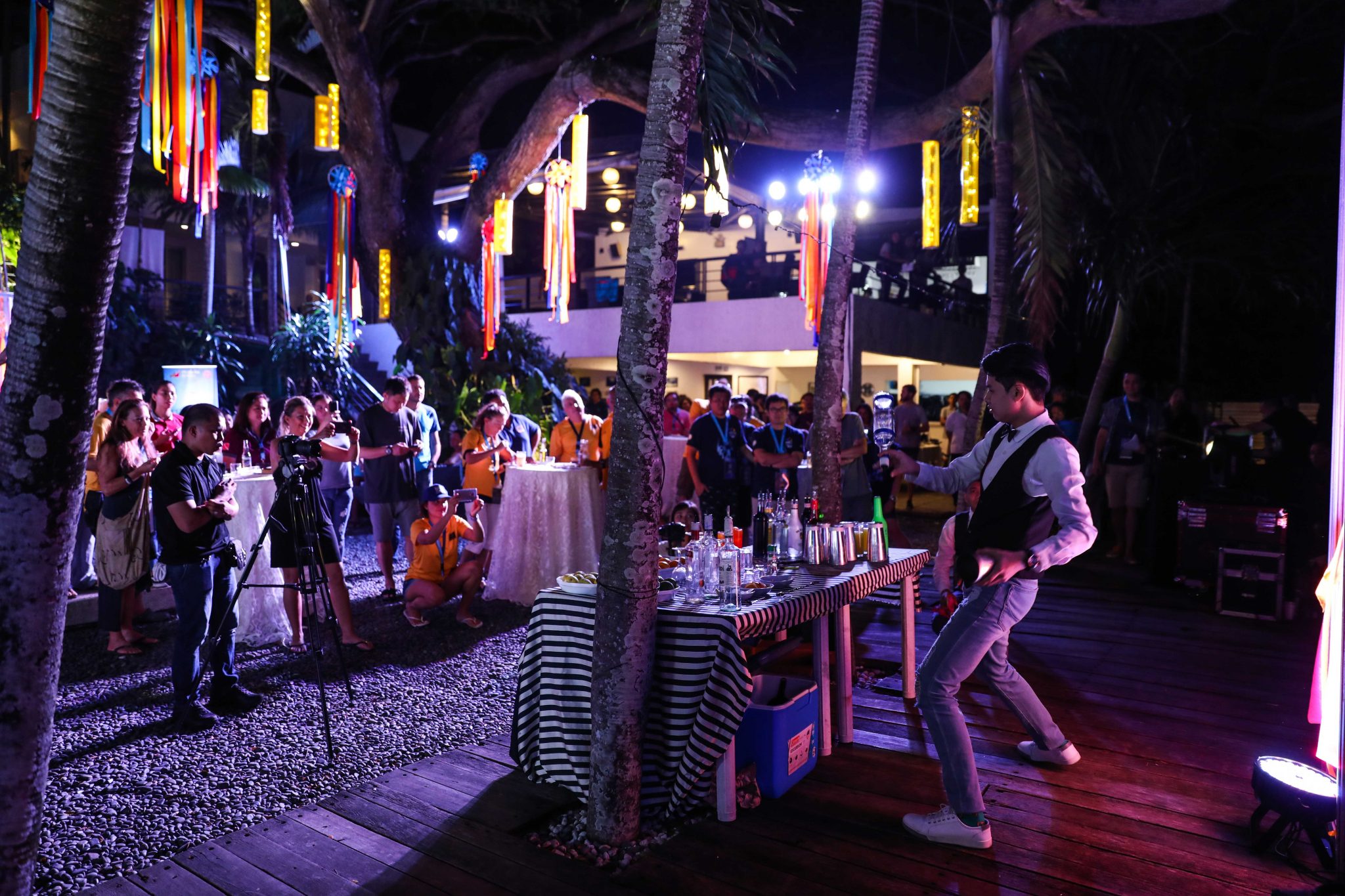
The contestants and judges enjoying the bartender performing his mixing routine (Photo by Andrew Lim)
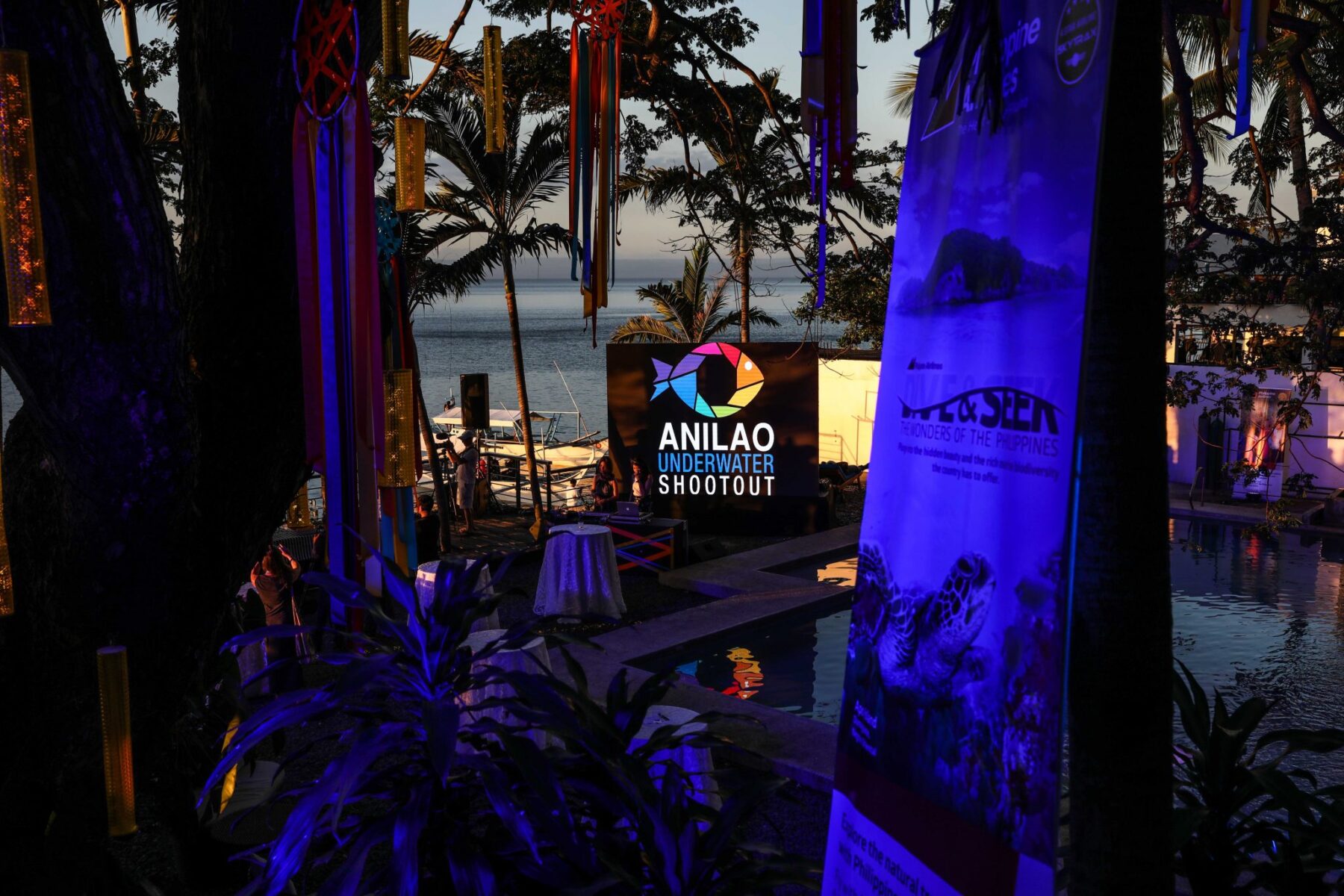
We arrived at the charming Acacia Resort and Dive Centre where everyone was busy setting up and preparing for the welcome party. It was impressive. Handmade lights with colourful paper streamers hung from the branches of a large rain tree whose majestic shadow loomed above the pool. A DJ booth, stage, and screen were being set up right opposite, and the bar barely had enough space for me to rest my camera on. It was a familiar scene, very much like the full-moon parties you’d see along the beaches of Krabi, only this was better because everyone there had a shared common passion – the ocean.
By around 6pm, a crowd made up of sponsors, event organisers, media, and contestants started to gather. Music was playing and the food, oh the marvellous food, was being served. We had opening speeches by the organisers, talks by sponsors, and words of wisdom by the judges. The competition had finally begun.
The sumptuous buffet spread at the Anilao shootout (Photo by Andrew Lim)
My first day of diving was an eventful one. I heard incredible stories of how Anilao is a macro haven and I was honestly a little bummed out that I had to use my wide-angle setup because I had to document everyone who was shooting. I mean, media right? It turned out to be a blessing in disguise, however. I was completely blown away the second I got into the water. Vibrant and lush corals spanned as far as the eye could see, and visibility was spectacular. The reefs were teaming with life as the little red jewels that are Anthias blanketed the overall underwater landscape. No words could describe the beauty I witnessed, so thankfully I got some photos.
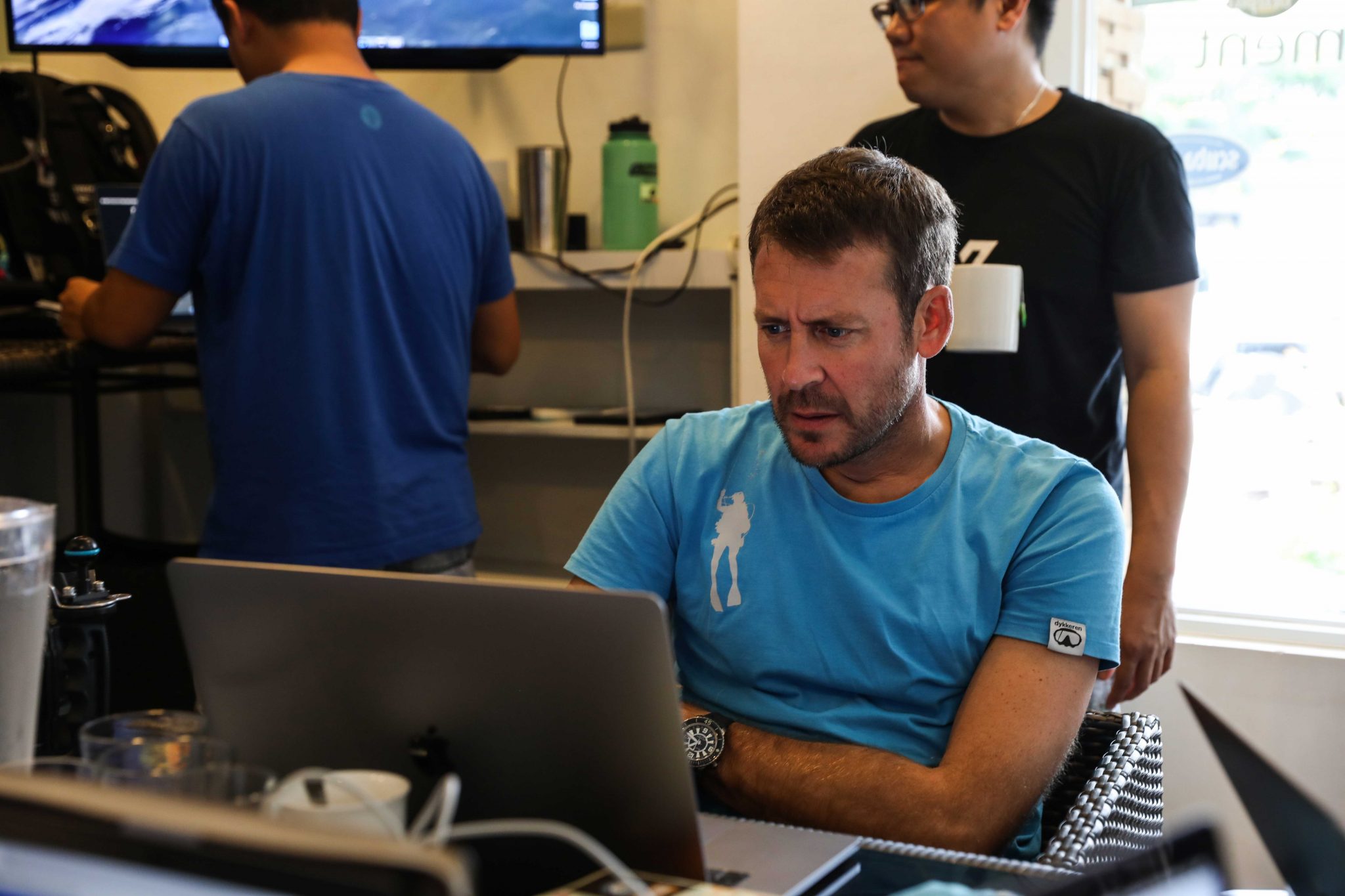
Laurent Ballesta hard at work looking at photos (Photo by Andrew Lim)
We had the pleasure of joining the judges on a number of dives where we saw the masters at work. It is one thing to hear them speak about what they’ve done and how they do it, and another to witness them in their element in person. Laurent Ballesta, rock star of the diving community and the first scuba diver to take photos of the Coelacanth, donned his really cool rebreather system and was busy shooting a pygmy seahorse while I swam past. Just the night before, he was sharing about his impressive expeditions at the Antarctic as well as The Gombessa Project.
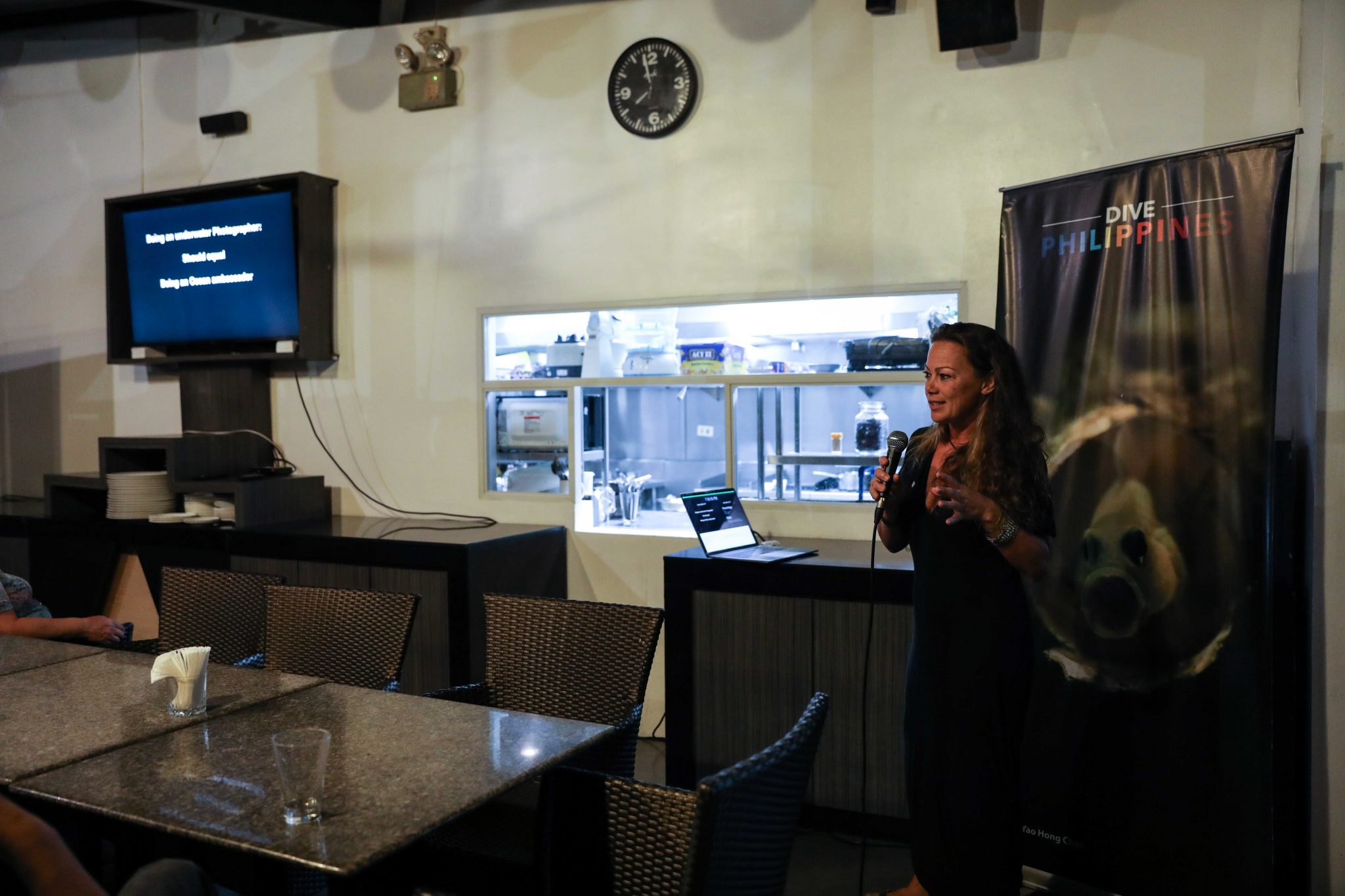
Famous Belgian underwater photographer, Ellen Cuylaerts, giving a talk to contestants about underwater photography (Photo by Andrew Lim)
I spent quite a bit of time with the beautiful Ellen Cuylaerts, grand protector of our oceans. I noticed that she wasn’t shooting so much during the first few dives, but later realised that it was most probably because she was just living in that moment, soaking in the beautiful reefs that seemingly engulfed us. It showed so clearly her passion and love for the oceans, which ultimately should come first to us underwater photographers. It is so easy to forget why we even take photographs in the first place. We are always so caught up with getting the best shot that we forget to take a step back and fully appreciate whatever is around us. Ellen served as a reminder to me that getting the perfect shot is usually a by-product of enjoying a moment. Perhaps that is why her images have such a soul to it.
Indra Swari had a sharing session later that evening where she showcased her work. She talked about one thing in particular that struck me. Backscatter has always been a photographer’s nightmare and we are constantly cleaning our photos to make sure the background has no particles. She, however, pointed out that in some rare instances, backscatter could just add to the overall image and feel of a photo. I took that with me on my very first blackwater dive later that evening.
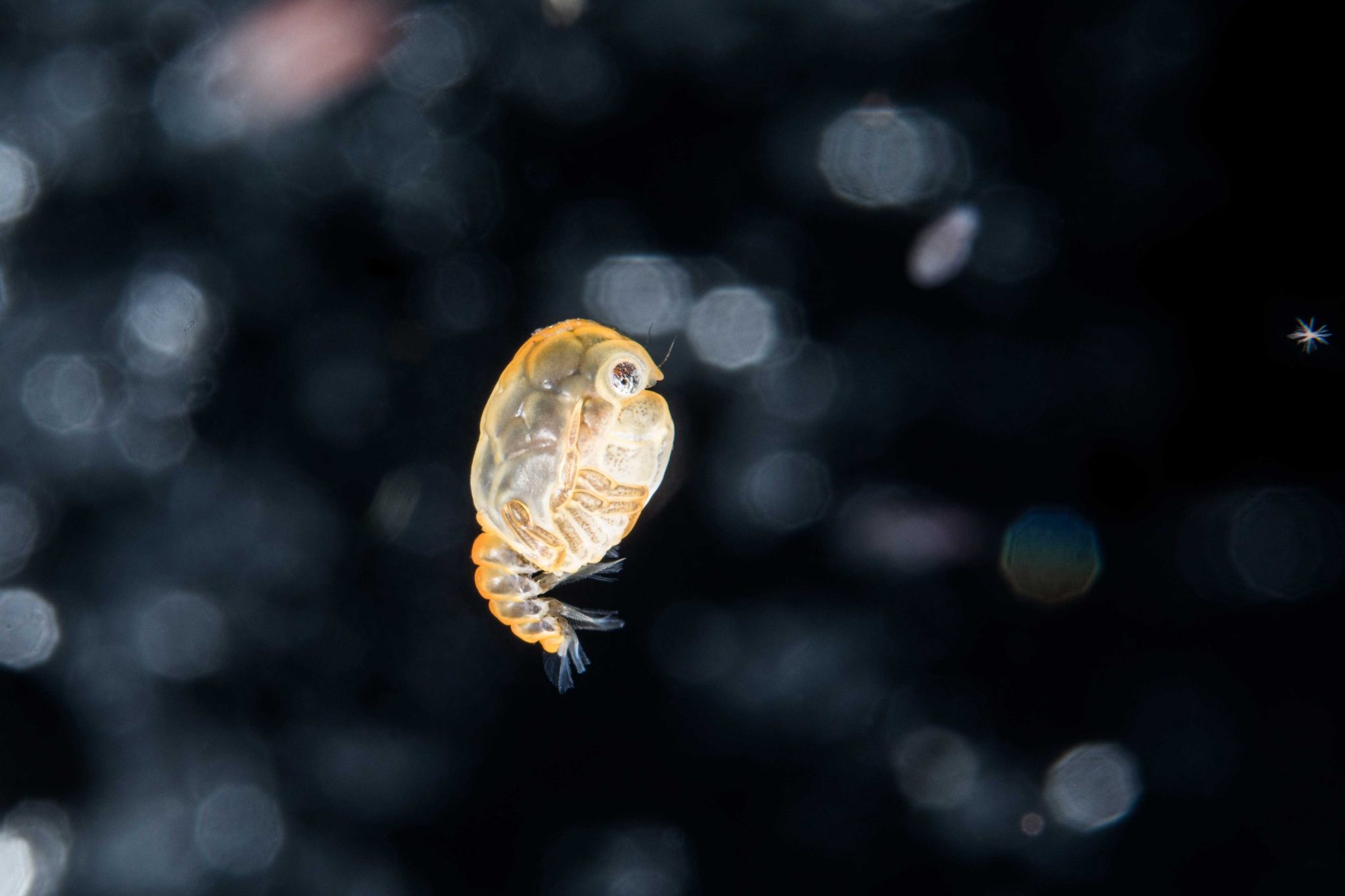
Backscatter providing depth in a photo taken during a blackwater dive (Photo by Andrew Lim)
The boats set out at about 8pm and the crew dropped a line of lights into the dark abyss. On normal night dives, all you see is the spot where your torch shines. This doesn’t happen here because you are basically floating in mid open-water and your light has nowhere to bounce off. You feel all alone, but only for a minute. Strange but magnificent creatures of the night started swarming around me. This is it. This is what Anilao is famous for and I was loving it.
The boats that are used to carry the contestants out to sea (Photo by Andrew Lim)
It took awhile for me to get used to this type of photography, but with William Tan’s tips and advice I believe I got the hang of it pretty quickly. William Tan, a master of macro photography, is actually the person who introduced me to underwater photography years ago when I was just a teenager. Here, he was one of the judges during the competition and he gave an extremely important talk about integrity in photography and how “a right photo is better than a good photo”. This again served as a perfect reminder to all of us, to not get overly caught up with getting the perfect shot at the expense of everything else around us.
After a good five days of back-to-back dives and talks, I found myself in a room with the panel of judges. It was judgement day and the contestants had given it their all. The judges were seated in a circle, quietly rating their favourite images on an online portal. As there were hundreds of photos to go through, it took them almost an entire day! The hard work paid off later that evening when we were all invited to the closing ceremony at the gorgeous Aiyanar Beach and Dive Resort. It was grand. The nicely draped tables and chairs were laid underneath the stars and there was a tent at one side where two buffet lines spanned. We even had amazing performances by dance groups and singers.
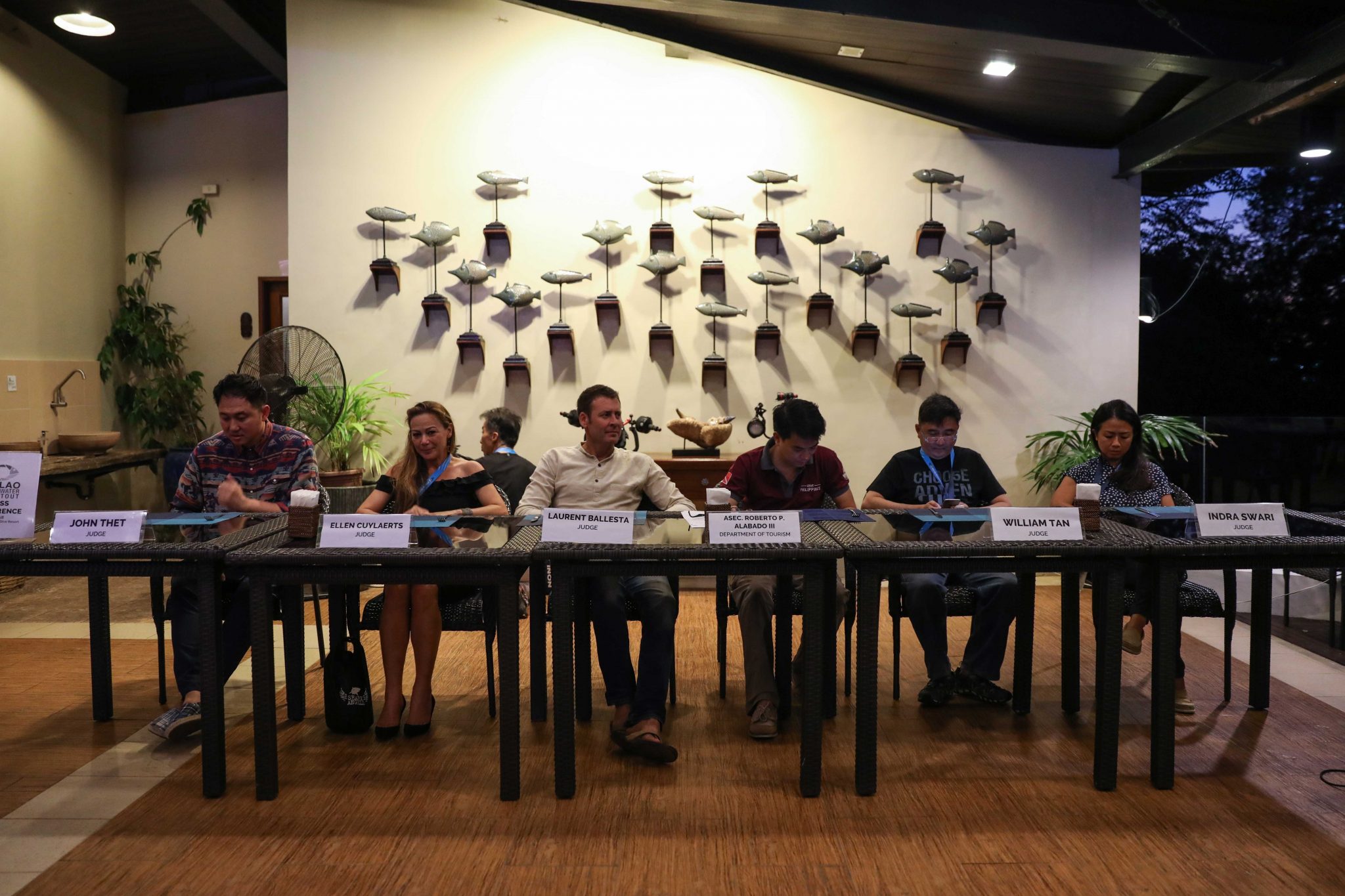
The esteemed panel of judges of the 6th Anilao Shootout. From left: John Thet, Ellen Cuylaerts, Laurent Ballesta, Robert P. Alabado III, William Tan and Indra Swari (Photo by Andrew Lim)
John Thet, CEO of Asian Geographic Magazines, and the final judge of the competition, gave a closing speech talking about the importance of conservation and sustainability and how all of us have a part to play. He also gave the contestants an insight into how the judging was done and stressed the importance of fair play. It was something the contestants really appreciated.
The competition this year had a slight spin to it. It was the first time the Philippines Department of Tourism introduced live judging for the blackwater category. The shortlisted photos were anonymously flashed on screen one by one and the judges put up their hands indicating the points given with their fingers. It displayed true transparency and fair judging.
All the winning photos from the Anilao Underwater Shootout were truly amazing! You can see all of the winning photos here!
The well-deserved winners were called up on stage and the generous prizes by the sponsors were handed out. With such a well-planned and incredibly executed competition, I totally understand why the Anilao Underwater Shootout sees such a huge growth year after year. Like I said before, it is an experience I’ll never forget and one that I would highly recommend to divers. I look forward to the 7th Anilao Underwater Shootout because I know that it will be absolutely “rad”!
Fields of pristine coral lit by shafts of sunlight create a shallow underwater wonderland in Sulawesi, just beneath the boat...
You must have heard stories about diving in Manado, Indonesia, and if so, you will certainly have been inspired to dive there after seeing pictures of its exotic inhabitants and beautiful coral covered walls. Yes – it’s a beautiful place. However, I recently had the opportunity to discover some of Sulawesi’s secret spots, dive sites that are off the beaten track. These are plentiful, and a lot of fun to explore. The local dive community keeps many of them closely guarded secrets, only whispering about these spots to a lucky few. Others take years to locate and some well-known dive sites are seriously underrated. All in all, it can be said with confidence that there are new wonders and untold stories to be discovered in Sulawesi.
Bolsel
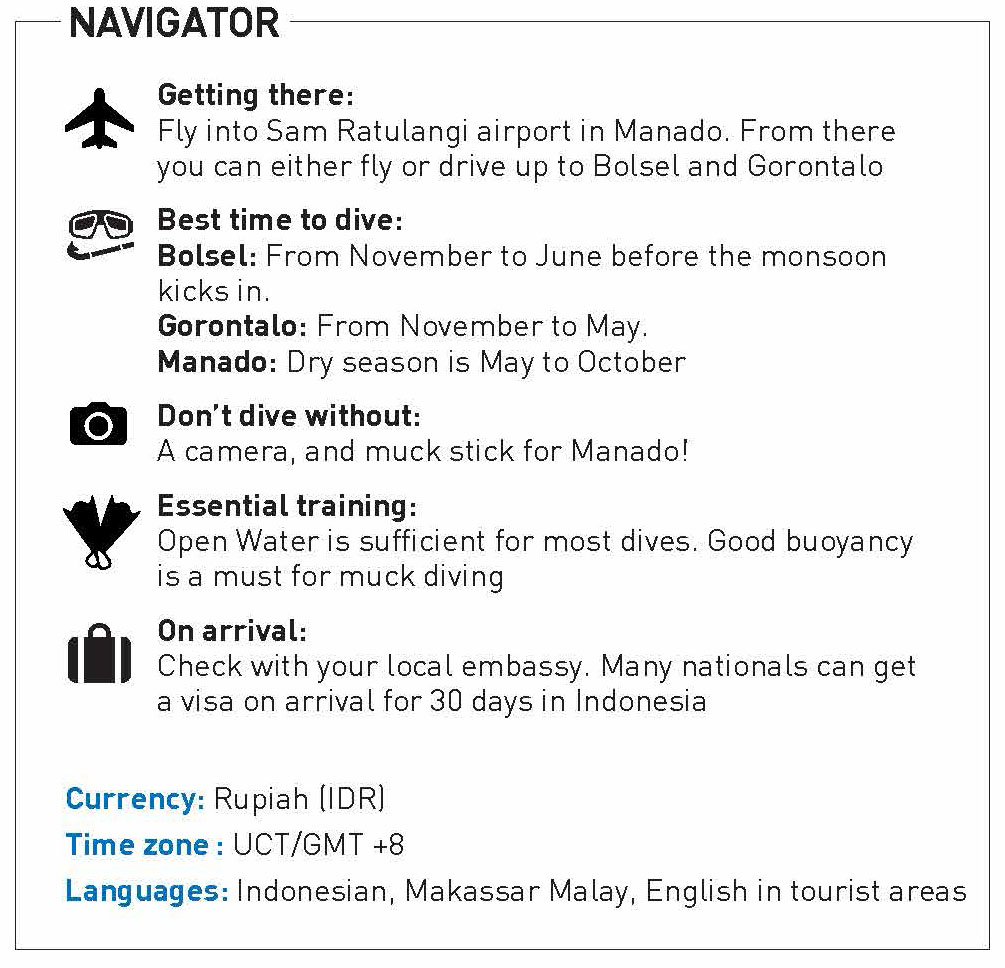
My journey started with a seven-hour car ride from Sam Ratulangi Airport in Manado to a place called Bolsel in the South Bolaang Mongondow regency of North Sulawesi. The coast is lined with winding roads, snaking through the cliffs and greenery. The diving is as exciting as the journey there. During our dives, we were greeted with beautiful hard coral structures, huge, beautiful gorgonian fans and macro that rivals the Lembeh Strait. The outstanding clarity of the water is close to being gin clear and the fish life is abundant. Being on the coast, most of the diving is just 30 metres from the side of the road. We dived Sakau Point and Silver Tower – rumored to be visited by hammerheads and thresher sharks during the early morning. We have yet to see them, but we will be back on our next exploration.
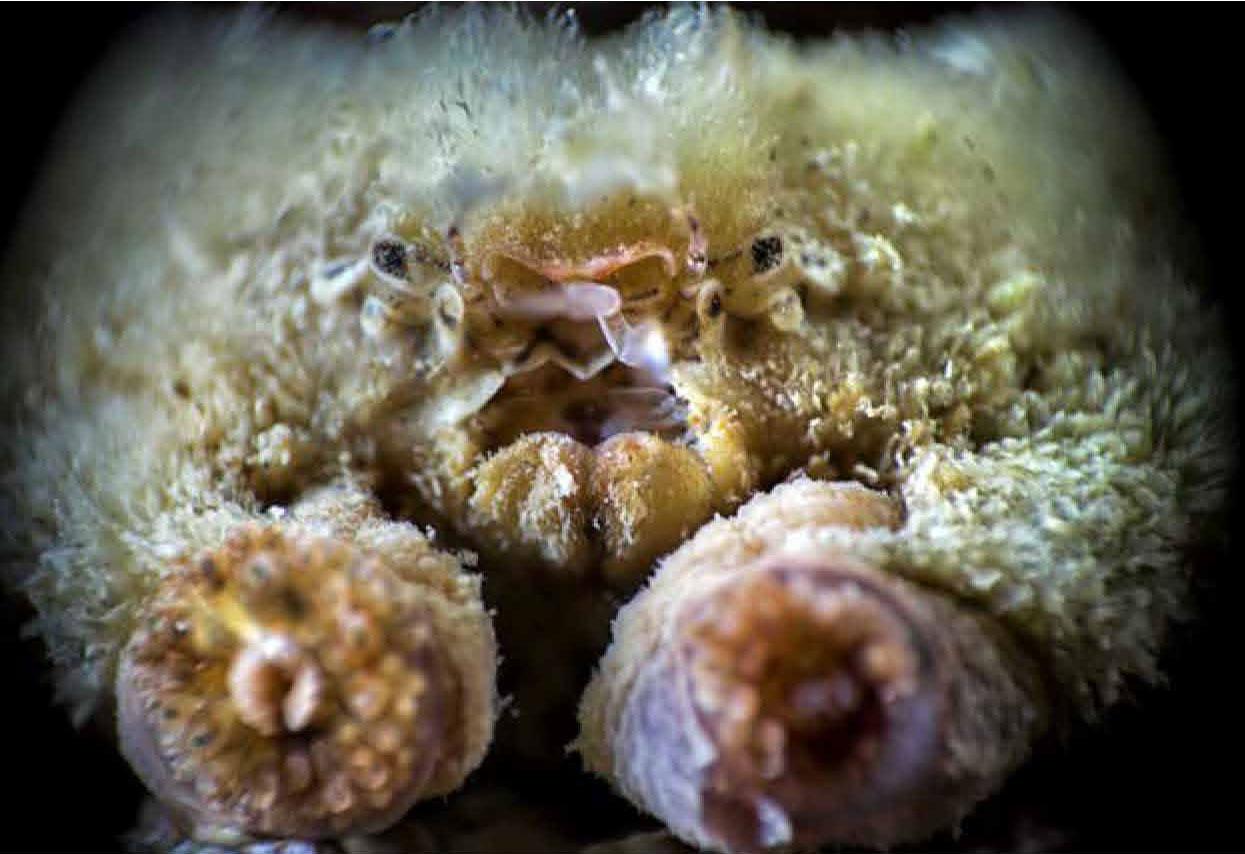
The elusive teddy bear crab looks like something from a children’s fairy tale (Photo by Imran Ahmad)
Gorontalo
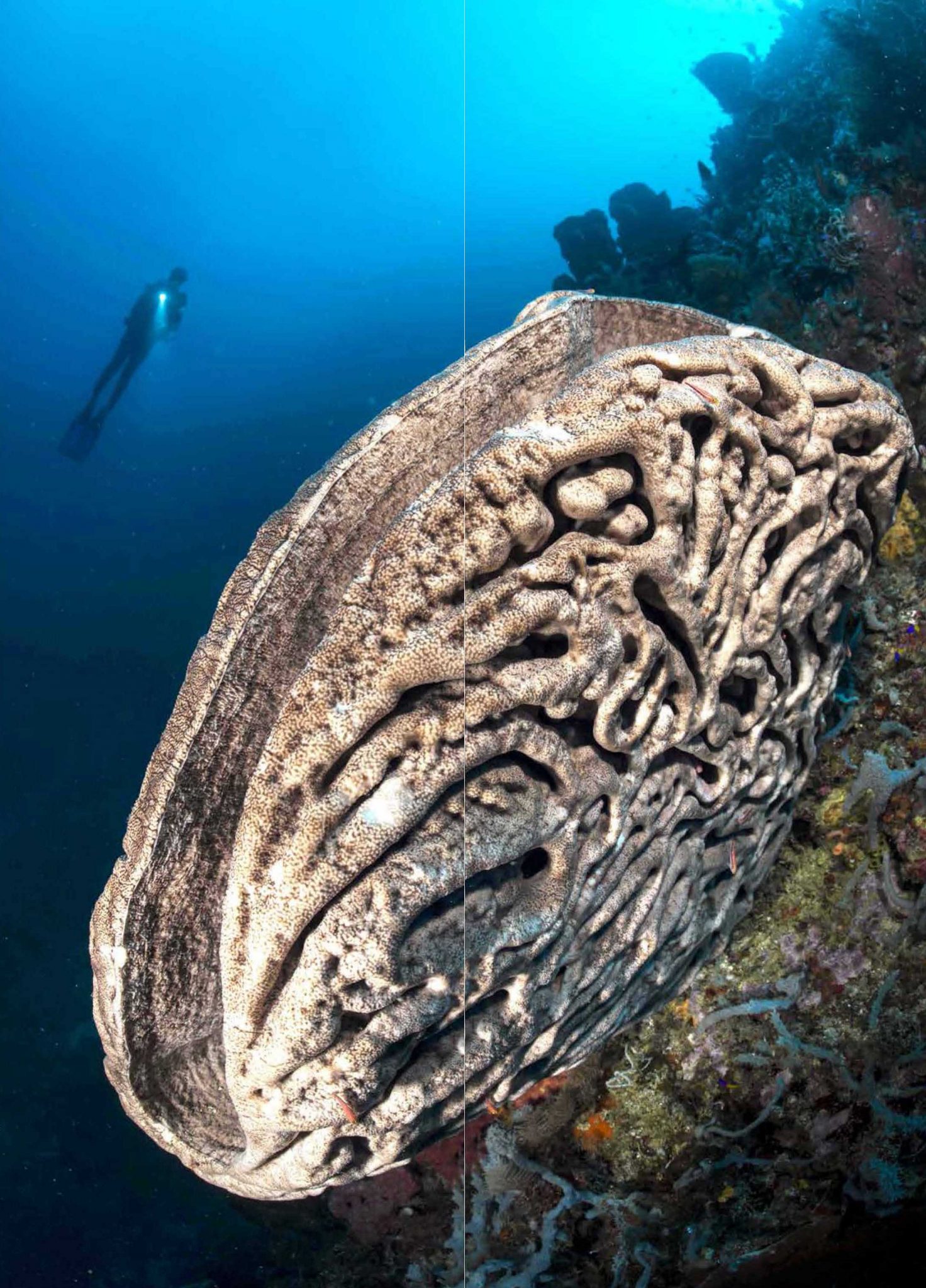
From shiny Bolsel we drove four hours further up the coast to a paradise called Gorontalo. I did the same trip 12 years ago and being back brought back loads of memories. Located within the Golden Triangle, the province is in the northern tip of the island of Sulawesi on the Minahasa peninsula. Nestled in the calm waters of the northern shoreline of Tomini Bay, extraordinary walls drop away from the coast and into a place I can only describe as “liquid art”. For Gorontalo is the exclusive habitat of the the surreal “Salvador Dali” sponge, and is also home to the elusive teddy bear crab.
Gorontalo’s seascape is famous for its Salvador Dali sponges (Photo By Imran Ahmad)
Once in the water, gigantic walls, soft corals, caves, inlets, overhangs and a huge diversity of marine inhabitants welcome you. An hour drifting on the wall is insufficient as there is simply so much to see. We were also very blessed to be able to witness the spawning of the mature Bennett’s tobies – a rare sight given that it’s an event that only takes place once or twice a year.
Another recent blessing for Botu Barani, in the Bone Bolango regency of Gorontalo Province, is the massive gathering of whale sharks that has been happening here for the last two years. A total of 12 whale sharks were reported and we were lucky to have swum with 11 of them in one dive. Locals were seen paddling out to see and interact with these gentle giants. The sharks are currently being protected and studied by WWF and the local authority. So, the diving in Gorontalo is for more than just the hard-core underwater photographer; it is also a fantastic family oriented destination – with accommodation ranging from four-star hotels to backpacker lodgings, and some the best local culinary delights with to entice those taste buds of yours.
Read the rest of this article in Issue 5/2016, AA No. 87 of Scuba Diver magazine by subscribing here or check out all of our publications here.
Coral reefs are places of enormous natural diversity. They accommodate some of the highest densities of animals on Earth and have more species than any other marine habitat. Coral reefs aren’t the only marine ecosystems that accommodate extraordinary creatures. Animals everywhere change over time to reflect the environmental conditions they find themselves in. Water temperature, availability of food and predators are just a few of the myriad factors that can influence the characteristics that are favoured in a population and passed on to the next generation. Throughout the Australasian region there are extraordinary examples of animals and their adaptations, many of which are high on divers’ wishlists.
THE CORAL TRIANGLE
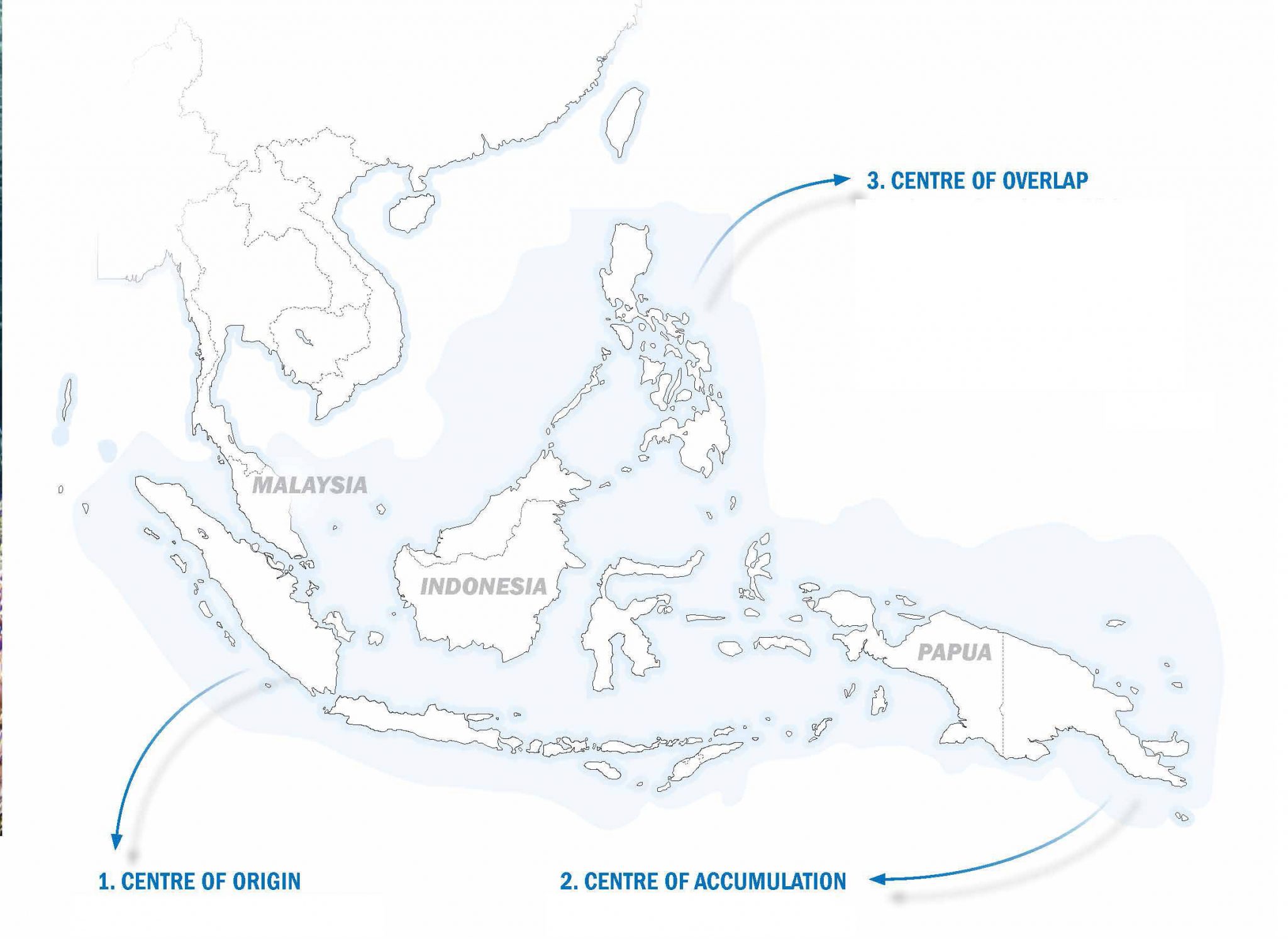
The Coral Triangle is a region that holds the world’s richest marine diversity, and is home to more endemic species than anywhere else. Hawaii has 86 species of endemic reef fish, the Red Sea 41, New Caledonia 43 and the Great Barrier Reef 33. The Coral Triangle vastly outshines all these areas, with over 10 percent of its almost 2,500 species found only there. It is roughly triangular in shape, extending from central Indonesia and eastern Borneo, to Papua New Guinea and the Solomon Islands, and further northwards to the Philippines. As you travel in any direction from the Coral Triangle the number of marine species decreases. But why is this? There is some debate, but there are three leading theories.
1. Centre of Origin
The earliest theory suggests that the Coral Triangle is a species factory, with many new species being created there adding to the area’s bounty.
2. Centre of Accumulation
The second theory posits that newly formed species from the Pacific and Indian Oceans end up in the Coral Triangle by drifting on ocean currents that converge there.
3. Centre of Overlap
Another explanation for high biodiversity in the Coral Triangle is that the geographic ranges of many species from the Indian and Pacific Oceans overlap in the Asian archipelago, causing higher diversity where they coexist.
MARINE VS. TERRESTRIAL EVOLUTION
The processes of evolution on land and in the sea are somewhat different. We have all heard about the ancestors of Darwin’s finches and the giant tortoises arriving to the remote Galápagos Islands. Here, in isolation from their mainland counterparts, they evolved to suit the local conditions on their particular islands. Their isolation from other populations is key to these new species forming. Evolution through geographic isolation is common on land, where obstacles to the free movement of animals, such as rivers, mountain ranges, or seas, can easily result in a species’ isolation and eventual genetic differentiation. The stark boundary between animals of Asian and Australian origin through the middle of Asia inspired the famed “Wallace Line”. In the south, the line passes between the Indonesian islands of Bali and Lombok, which, despite being separated by just 35 kilometres, is enough to prevent the vast majority of birds and mammals from migrating across. The situation underwater, however, is rather different. Because marine animals usually have a planktonic larval stage in their life cycle, which floats around at the whim of ocean currents, they spread far and wide. As a result there are very few barriers to prevent them from reaching even the most remote atolls and many tropical marine species are found all the way from the east coast of Africa to the mid Pacific. On the whole, evolution through geographic isolation is much less common in the ocean than it is on land. Though of course there are exceptions…
The Species Factory
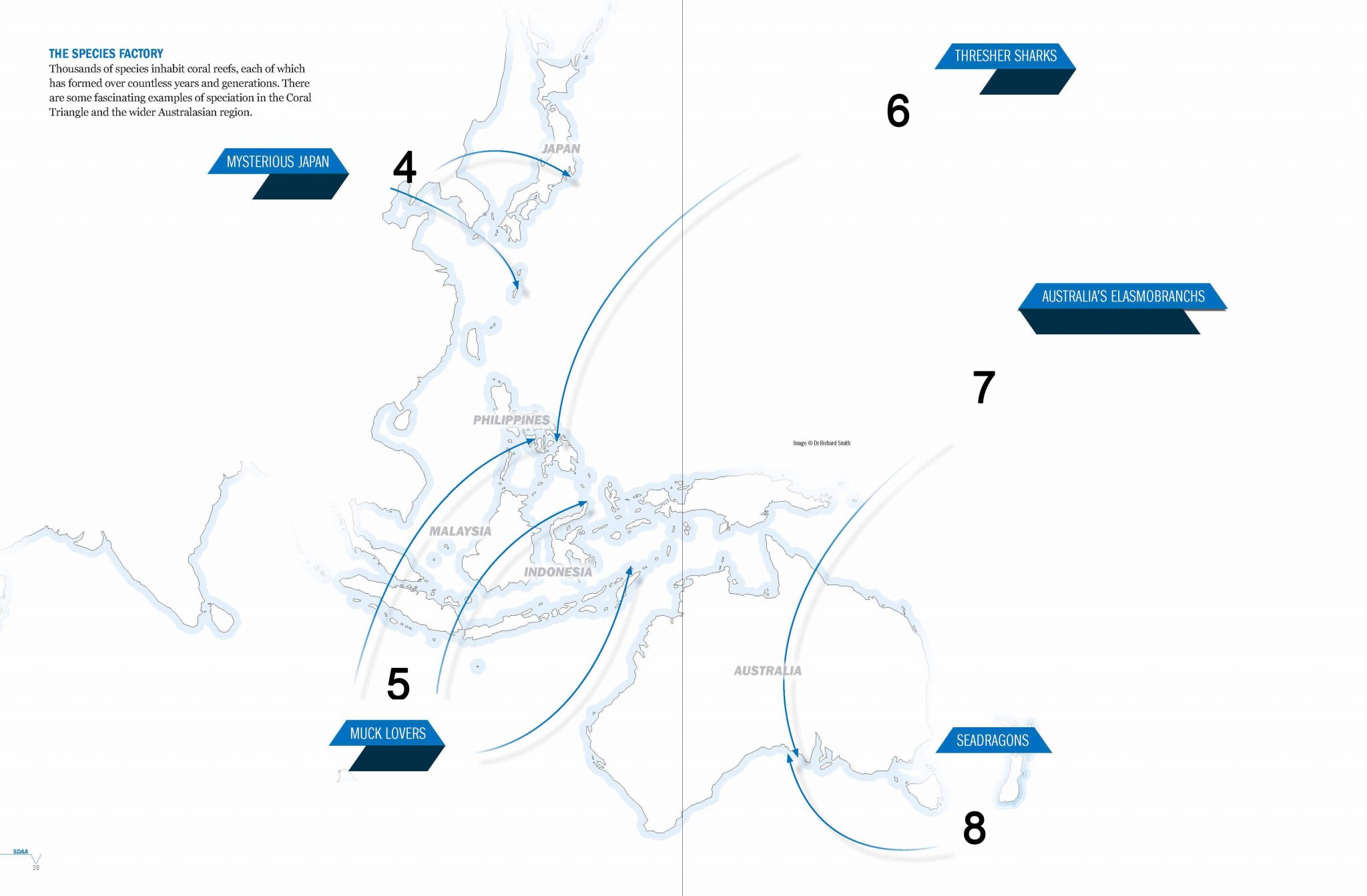
Thousands of species inhabit coral reefs, each of which has formed over countless years and generations. There are some fascinating examples of speciation in the Coral Triangle and the wider Australasian region.
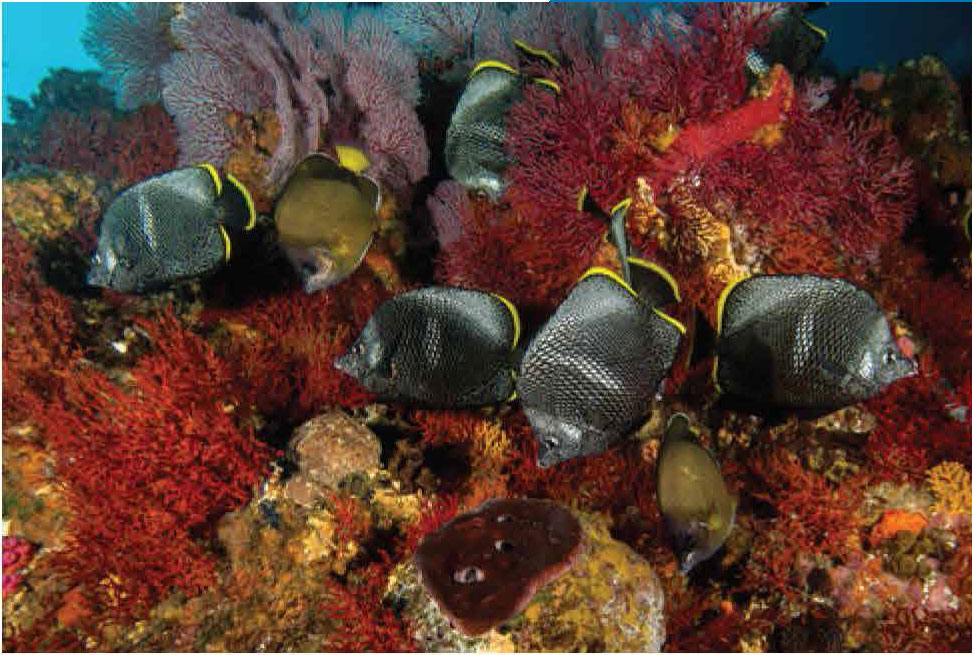
Japan’s warm temperate waters offer a microcosm of evolution rarely visited by non-Japanese divers. The southern islands around Okinawa are similar in species composition to the nearby Philippines, but as you head northwards there’s a shift. The Izu Islands just south of Tokyo accommodate the stunning wrought iron butterflyfish and undescribed Japanese pygmy seahorse that prefer these cooler waters.
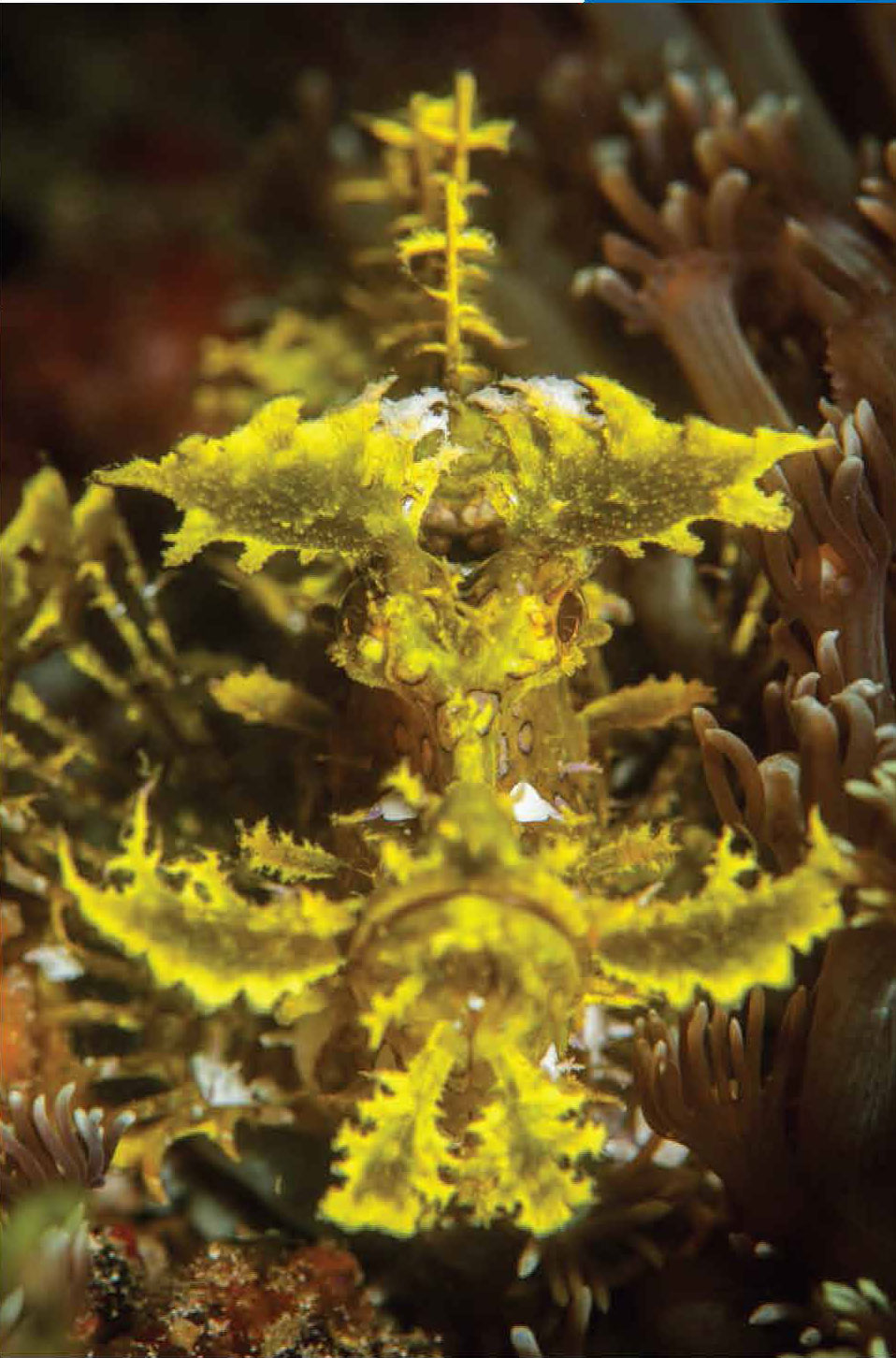
Muck dives are interesting as they host a diverse set of species you are unlikely to see in any other habitat due to their distinct set of environmental conditions. Ghost pipefish, seahorses, frogfish and countless other oddities make this their home. They are all suited to the specific conditions found on a muck dive: fine sediment, few places to hide and rich waters.
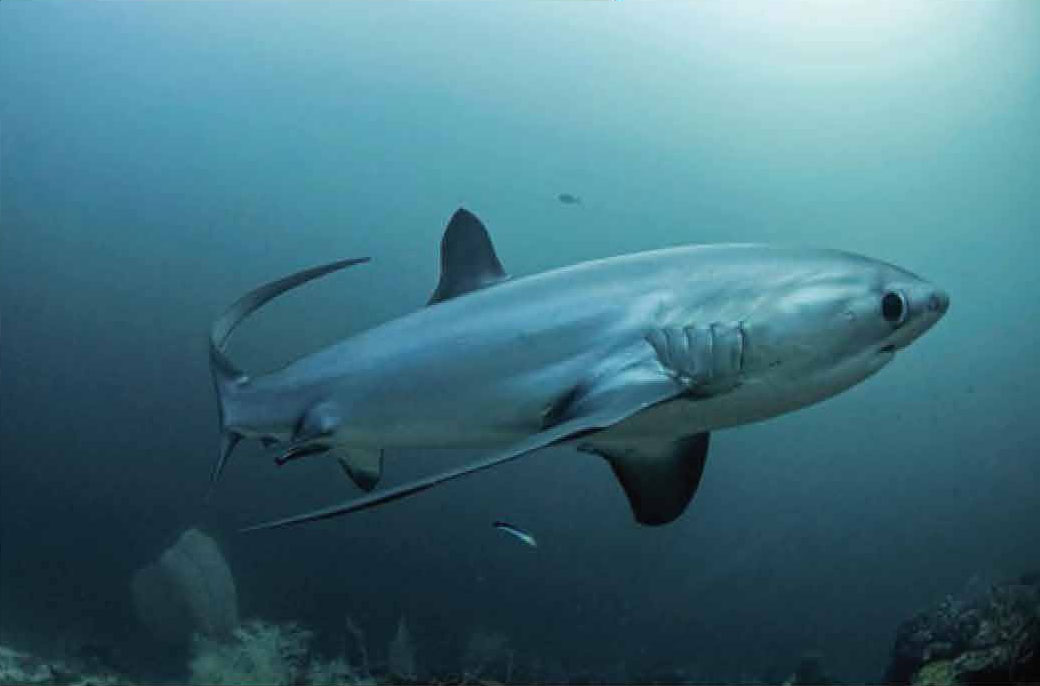
With a tail almost as long as its body, the thresher shark is an oddity in the ocean; however, there is always an evolutionary reason for the existence of such oddities. Sadly, one of the greatest sources of evidence for the function of their long tail came from fishing boats. Thresher sharks were often caught with their tail hooked on a long-line rather than having swallowed the hook as you might expect. Video capture has since confirmed that the tail is indeed an adaptation to assist in hunting. The long tail is used to strike schools of small fishes; the shark is then able to quickly turn and feed on the stunned prey.
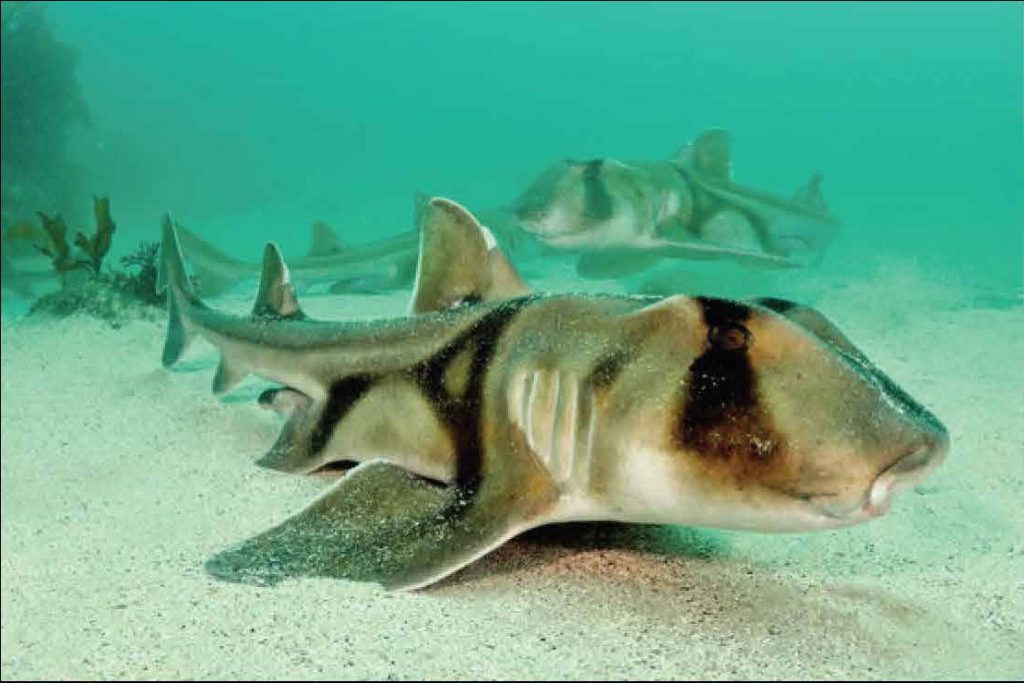
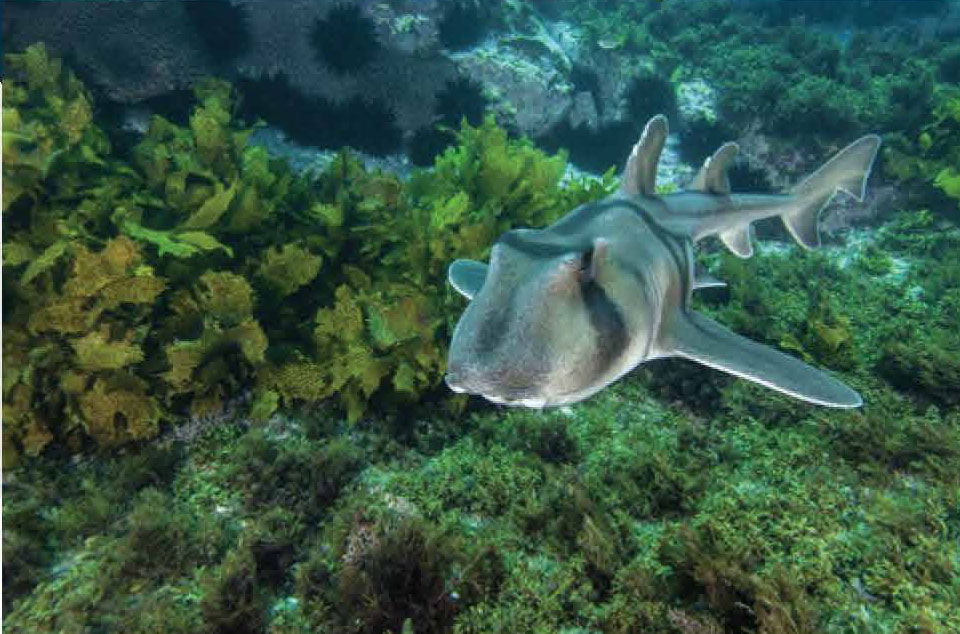
These southern Australian waters also accommodate a variety of unique elasmobranchs (belonging to the shark and ray families), the Port Jackson among them. These ancient horned sharks have half a dozen species dotted around the globe. The Port Jackson lays spiral egg cases that become lodged among the rocks and hatch 10–12 months later. The perfectly formed miniature versions of the adults, almost a foot in length, aren’t able to undergo great ocean voyages, preferring to remain close to shore. This has effectively isolated them in these waters and stopped their wider distribution.
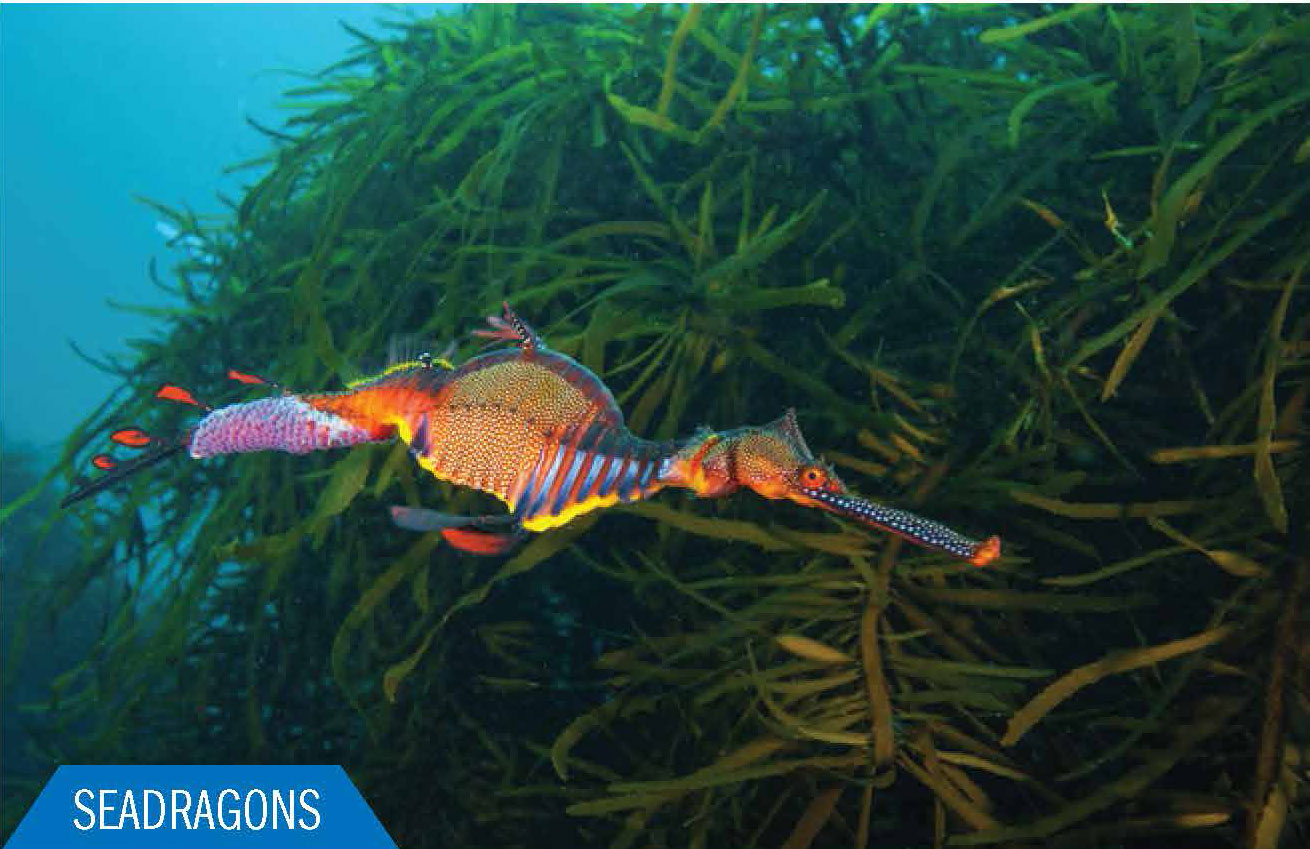
Endemic species aren’t only found in the tropics. Southern Australia has more than its fair share of indigenous species. The fabled seadragons are found only here. The weedy and leafy species were joined in 2015 by the ruby seadragon, which is known only from trawled deep-water specimens. It is a sibling (very closely related) species to the weedy, but has evolved a red colouration, presumably as an adaptation for living at depth where red light is removed by the water column, thus helping its camouflage.
Read the rest of this article in Issue 5/2015, AA No. 83 of Scuba Diver magazine by subscribing here or check out all of our publications here.
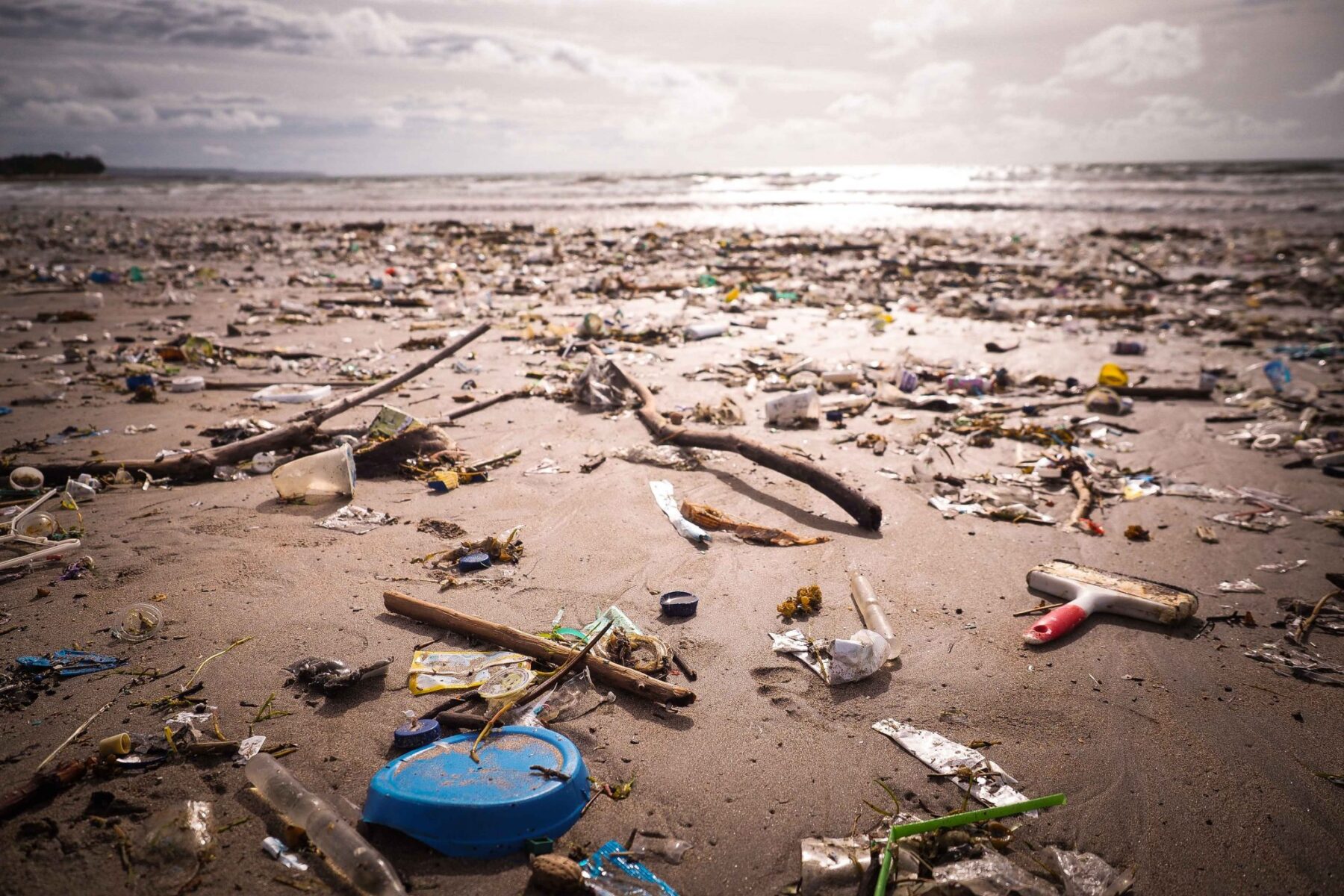
Bali has announced its plan to ban single-use plastics such as plastic bags, styroafoam cutlery and straws, according to a report by the Jakarta Post published on 25 December 2018. Intended as a first step towards reducing marine plastics in Bali by 70 percent in 2019, the policy has a grace period of six months and officially took effect on 21 December 2018.
Bali governor, I Wayan Koster, had announced on 24 December that the policy is “aimed at producers, distributors, suppliers and business actors, including individuals, to suppress the use of single-use plastics”. After the grace period, all parties who have not substituted single-use plastics with other materials will be hit with administrative sanctions.
“If they disobey, we will take action, like not extending their business permit,” Koster added
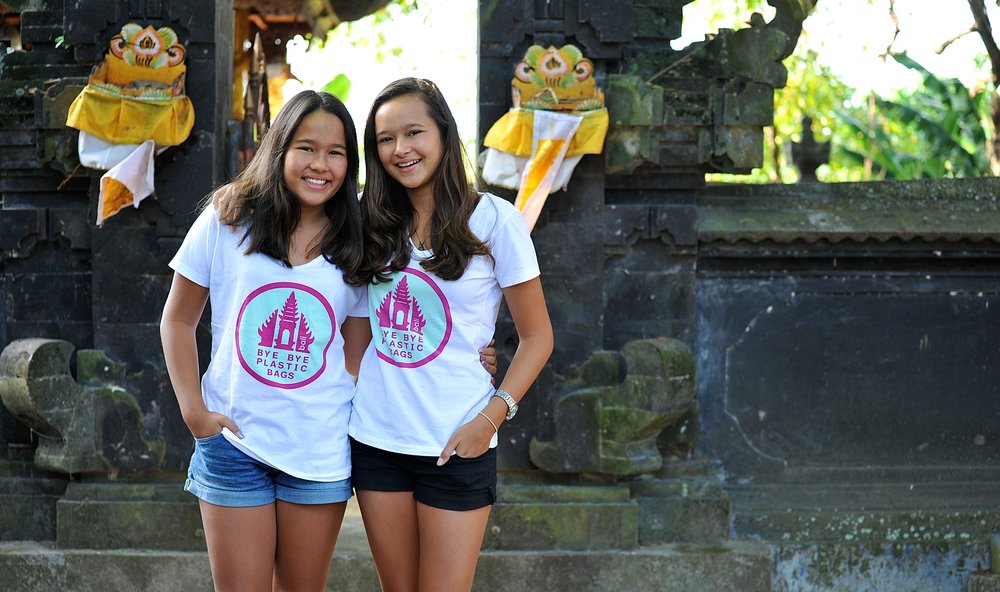
. The push for a ban on single-use plastics was first promulgated locally by Balinese teen sisters, Melati and Isabel Wijsen, in 2013 with their Bye Bye Plastic Bags campaign to ban the use, sale and manufacture of single-use plastic bags. The duo’s petition to ban plastic bags resulted in 100,000 signatures being collected and gave them a platform to speak at the United Nations and even give a TED Talk. A hunger strike got the attention of the previous Bali governor, I Made Mangku Pastika, who signed a memorandum of understanding in July 2015, promising to work towards a single-use plastics ban by the end of 2018.
(Photo courtesy of Melati and Isabel Wijsen)
With the announcement of the single-use plastics ban in Bali, 17-year-old Melati and 15-year-old Isabel have successfully accomplished the first of their many goals in their quest to protect nature and Bali.
“We know saying no to plastic bags isn’t the final solution, but it’s definitely a step forward,” said Isabel.
Green Fins monitors every aspect of a diver centre's operations, and staff are proud to be part of it (Image by J Tamelander)
In 2007, my partner JJ and I packed our backpacks and jumped on a flight for Southeast Asia. As UK-based marine biologists, we had little experience of tropical marine biology, and the lure of the Coral Triangle – the most biodiverse area of coral reefs in the world – was too great to resist. As it turned out, this would not only be the trip of a lifetime, but a journey that would change our lives forever.
Diving has been a huge part of my life since I first donned fins and got my Open Water qualification in the Red Sea when I was 12. By 15, I was a British Sub-Aqua Club (BSAC) assistant instructor, which saw me spending many happy weekends exploring the UK underwater world, and teaching others to do the same. Diving had a profound influence on my strength of character and drove me towards studying marine biology.
ON THE WAY HOME
As our year of volunteering drew to an end in early 2008, we decided to get our Dive Master qualifications and find work as dive guides. Sadly, we weren’t successful and it was with heavy hearts that we began our journey to Bangkok to catch our return flight home. Before we headed off, we stopped in Phuket, where we met the awe-inspiring Niphon Phongsuwan at the Phuket Marine Biological Centre. He was running a United Nations Environment Programme (UNEP) conservation project called Green Fins that was promoting an environmental code of conduct within scuba-diving operations, aiming to reduce environmental impact and raise conservation awareness.
Having seen, firsthand, the destruction caused by the mass diving industry, we thought the concept of environmental standards for diving was brilliant but surely not unique. After a few days of sitting in sweaty, dark Internet cafés in Phuket searching for similar programmes, we realised that it was entirely unique – and desperately in need of support. We missed our flight and agreed to stay on as volunteers. It was the best decision we have ever made.
LAYING THE FOUNDATIONS
Over the next year, we worked hard to drive grassroots implementation across Thailand, working directly with the diving industry. We designed an assessment system to evaluate and monitor the environmental impact of independent dive businesses. Alongside this was a lot of strategic development to enable us to replicate Green Fins in other popular diving destinations.
By 2009, our work had attracted the attention of the UNEP and the UK charity The Reef-World Foundation, which had been working alongside Niphon since 2004. As part of the Reef-World team, we were awarded a US$15,000 grant by the UNEP to investigate the receptiveness of the diving industry and national authorities in Malaysia and Indonesia, and if there was indeed an environmental need for Green Fins; the answer was a resounding “yes”. Eventually, Green Fins was also introduced into Vietnam and the Maldives with tremendous success.
FROM DIVERS TO GOVERNMENTS
Green Fins membership for a dive centre is completely free, and consists of annual environmental assessments and training for their staff. The outcome is a sit-down session where Green Fins assessors talk the manager through how their dive centre is doing against the Code of Conduct. Both parties then agree on three (or more) points to work on for the next assessment. To maintain their membership, dive centres have to show improvement year on year.
My favourite part of this process is the staff training. In just 45 minutes, the assessor gives an informal presentation providing solutions for dive guides, instructors, and boat captains to protect their reefs. It’s fascinating to hear the passion dive staff have for coral reefs, and their enthusiasm for learning the tools needed to manage guests in a fun and sensitive manner.
Green Fins has now been adopted into national legislation, and national budgets are shouldering operational costs in four of the six active countries. We have nurtured unique collaborations between NGOs and national governments, and dive staff and local communities. But while the national success of Green Fins was booming, finding support for our work was proving exceptionally difficult. From the outset, we had agreed that any national funds should be used for Green Fins activities, not Reef-World’s international operations.
Read the rest of this article in Issue 3/2015, AA No. 82 of Scuba Diver magazine by subscribing here or check out all of our publications here.