Home Blog Page 77

Distinguishing Diving Injuries By Neurological Symptoms

0

Diving injuries involving the nervous system, including decompression sickness (DCS), arterial gas embolism (AGE) and ear barotrauma (EBT), are blessedly rare, but when they do happen, these conditions require prompt diagnosis and treatment to prevent serious and lasting injury.

1.Cerebral DCS vs. 3. Spinal DCS 

Common symptoms: Distinguishing between spinal and cerebral manifestation of DCS is of academic interest only, and the treatment – emergency oxygen and hyperbaric therapy – is the same. Cerebral symptoms are present in 30 to 40 percent of neurological DCS cases, while spinal cord symptoms are found in 50 to 60 percent of neurological DCS cases

How to tell the difference: Spinal DCS is caused by spinal cord damage, most often in the thoracic segment. Patients complain of paresthesias (i.e., pins and needles) and sensory loss in the trunk and extremities, a tingling  or constricting sensation around the chest or abdomen, ascending leg weakness that can range from mild to severe, lower back or pelvic pain and loss of bowel and/or bladder control. The neurological examination will often reveal weakness or paralysis of both legs and a partial or complete loss of sensation.
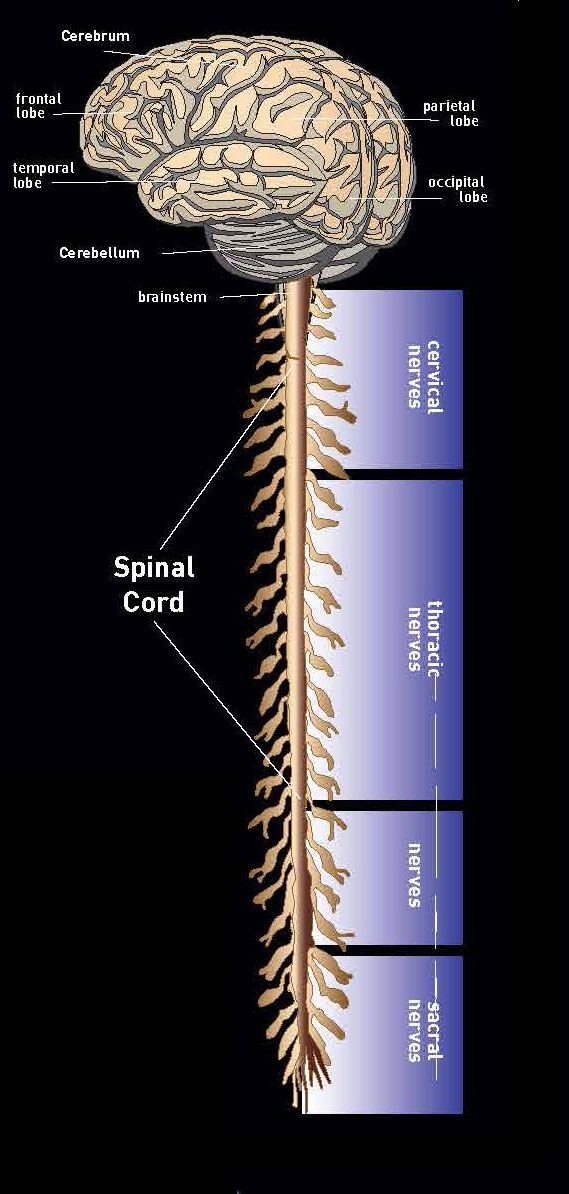
Cerebral DCS can occur alone or in combination with spinal DCS and manifests as confusion, weakness, headache, gait disturbance, fatigue, diplopia (i.e., double vision) or visual loss. The neurological examination may show hemiparesis (i.e., weakness on right or left side), dysphasia (i.e., disturbance of speech and language), loss of balance and difficulty with gait, partial loss of vision in both eyes and other focal signs. Behavioural and cognitive aspects of cerebral DCS may be persistent or slow to improve.

Special cases: In the case of a mild spinal DCS injury, a diver may initially complain of lower back pain and bilateral leg numbness and yet still have normal strength and sensation.

2. Ear Barotrauma vs. Inner-Ear DCS System

Common symptoms:
Both ear barotraumas and inner-ear DCS can cause vertigo (a severe spinning sensation), hearing loss, tinnitus (ringing in the ear), nausea and vomiting.

How to tell the difference:
Ear barotrauma symptoms occur abruptly during descent or in the course of an ascent. Inner-ear DCS symptoms usually occur within 30 to 60 minutes of surfacing and generally require significant depth-time exposure.

Special cases: Middle-ear barotrauma is usually associated with the acute onset of ear pain. It may involve bleeding, rupture of the eardrum and fullness of the ear. Inner-ear barotrauma can develop secondarily in individuals with middle-ear barotrauma, causing rupture of the labyrinth and leakage of liquid from the inner ear.

In rare situations, the increase in middle-ear pressure during a normal ascent can cause reversible injury of the facial nerve and weakness of the facial muscles. Vertigo can also occur if the pressure is different on the vestibular organs of the ear (those in the middle cavity of the ear). That condition is alternobaric vertigo. Both conditions resolve after pressure equalisation.

AGE vs. DCS

Common symptoms: Arterial gas embolism, or “AGE”, can mimic DCS, and distinguishing between the two injuries may be impossible in some cases. In rare cases, both AGE and DCS can develop simultaneously. The two syndromes are often described and treated together using the more global term decompression illness (DCI).

How to tell the difference:
AGE symptoms occur within minutes after surfacing and can occur regardless of the depth or duration of the dive. Almost two-thirds of individuals with AGE have a reduced level of consciousness. Seizures, focal motor weakness, visual loss, vertigo and sensory changes are also frequently noted in AGE victims. DCS symptoms generally occur after deep or long dives, and symptoms may take up to 24 hours to present; however, in most DCS cases, symptoms were noticed within 12 hours of the diver surfacing.

Special cases: AGE may be associated with subcutaneous emphysema (air under the skin of the upper chest and/or neck) or pneumothorax (collapsed lung), but pulmonary symptoms are not always present.

Read the rest of this article in No. 109 Issue 3/2017 of Scuba Diver magazine by subscribing here or check out all of our publications here.
 

Women’s Health & Diving

0

By Brittany Trout and Lana Sorrell, EMT, DMT

When it comes to fitness for diving, the recommendations for male and female divers are largely the same: good exercise tolerance, a healthy weight and awareness of possible concerns related to medical conditions and medications. Regardless of sex, all divers should use appropriate thermal protection, remain hydrated, understand the diving environment and dive conservatively.

Men and women, however, are physically and physiologically different. With women representing about a third of the recreational diving population – in 2013 the Professional Association of Diving Instructors (PADI) reported its population of certified divers as 66 percent male and 34 percent female, and males represent 64 percent of insured DAN members1 – it is important to consider specific health concerns that female divers face.

THERMOREGULATION
For both men and women, body temperature is centrally controlled in the hypothalamus and is affected by factors such as body fat content, fat distribution and body surface-area-to-mass ratio. Hormonal differences may affect thermoregulation, but body composition and size typically drive responses to cold exposure. Total heat loss may be greater in women because they generally have higher surface-area-to-volume ratios and lower muscle mass compared with men (greater muscle mass is associated with greater metabolic heat production). Some research suggests that women’s body temperature falls more rapidly during immersion in cold water while at rest. The bottom line is that every diver should wear a suit that fits well and keeps him or her warm – exposure protection helps compensate for any heat loss due to hormonal or anthropometric differences.

MENSTRUATION
No evidence suggests that women who dive while menstruating are harassed or bitten by sharks more often. However, anxiety, dizziness, feeling cold and the potential for panic may be exaggerated during menstruation or premenstrual syndrome (PMS). Temporary iron deficiency during menstruation may reduce exercise capacity, so women should be prepared to modify their diving behaviour if necessary. Menstruation can trigger migraines, which are more common in women than men. Delay diving if migraine symptoms occur.

Research suggests there may be a slight increase in risk for decompression illness during the follicular stage of the menstrual cycle (the roughly two-week span preceding ovulation). Everyone should dive within established limits, but women might consider reducing their diving exposure during the follicular stage by incorporating additional conservatism into their dive plan. Completely refraining from diving while menstruating is not necessary, but women should be aware of how PMS and menstruation affects them and whether emotional stress, irritability, cramping, headaches or associated symptoms might compromise dive safety.

ORAL CONTRACEPTIVES
Use of oral contraceptives (as well as a sedentary lifestyle and long-distance travel) may contribute to possible clot formation such as deep vein thrombosis. Research indicates that oral contraceptive pill (OCP) use can increase the risk of a thromboembolic event such as a pulmonary embolism, heart attack or stroke. A 1985 report showed that women who use OCPs and smoke more than 25 cigarettes per day have a 23-fold increased risk for a thromboembolic event compared with those who do not smoke.5 While a thromboembolic event may be at least somewhat manageable on dry land, it would be unmanageable in the water. Quitting smoking, exercising regularly and moving frequently during long trips can help minimise the risk of an emergency due to clot formation.

PREGNANCY
Not only should pregnant women refrain from diving, women who think they may be pregnant or are trying to become pregnant should likewise avoid it. For ethical reasons, there has never been experimental research investigating the effects of diving on a foetus. The retrospective anecdotal data regarding pregnancy and diving shows there may be a risk to the foetus should a mother continue diving during pregnancy. A survey of 208 mothers who dived during pregnancy showed higher rates of low birth weight, birth defects, neonatal respiratory difficulties and other problems.2 Decompression studies conducted on sheep demonstrated that a foetus may develop bubbles before the mother displays clinical symptoms of decompression sickness.3,4 (Sheep studies are relevant because the placentas of sheep and humans are similar.) The foetus runs the potential risk of death because the foetal cardiovascular system has no effective filter. Therefore, any bubbles formed are likely to go directly to the brain and coronary arteries. All sheep studies showed very high rates of foetal loss. Although it is limited, the available data seem to suggest strongly that women should refrain from diving while pregnant or trying to conceive.

Read the rest of this article in No.89 Issue 1/2017 of Scuba Diver magazine by subscribing here or check out all of our publications here.
 

Marine Sanctuaries Around the World: Raja Ampat

0
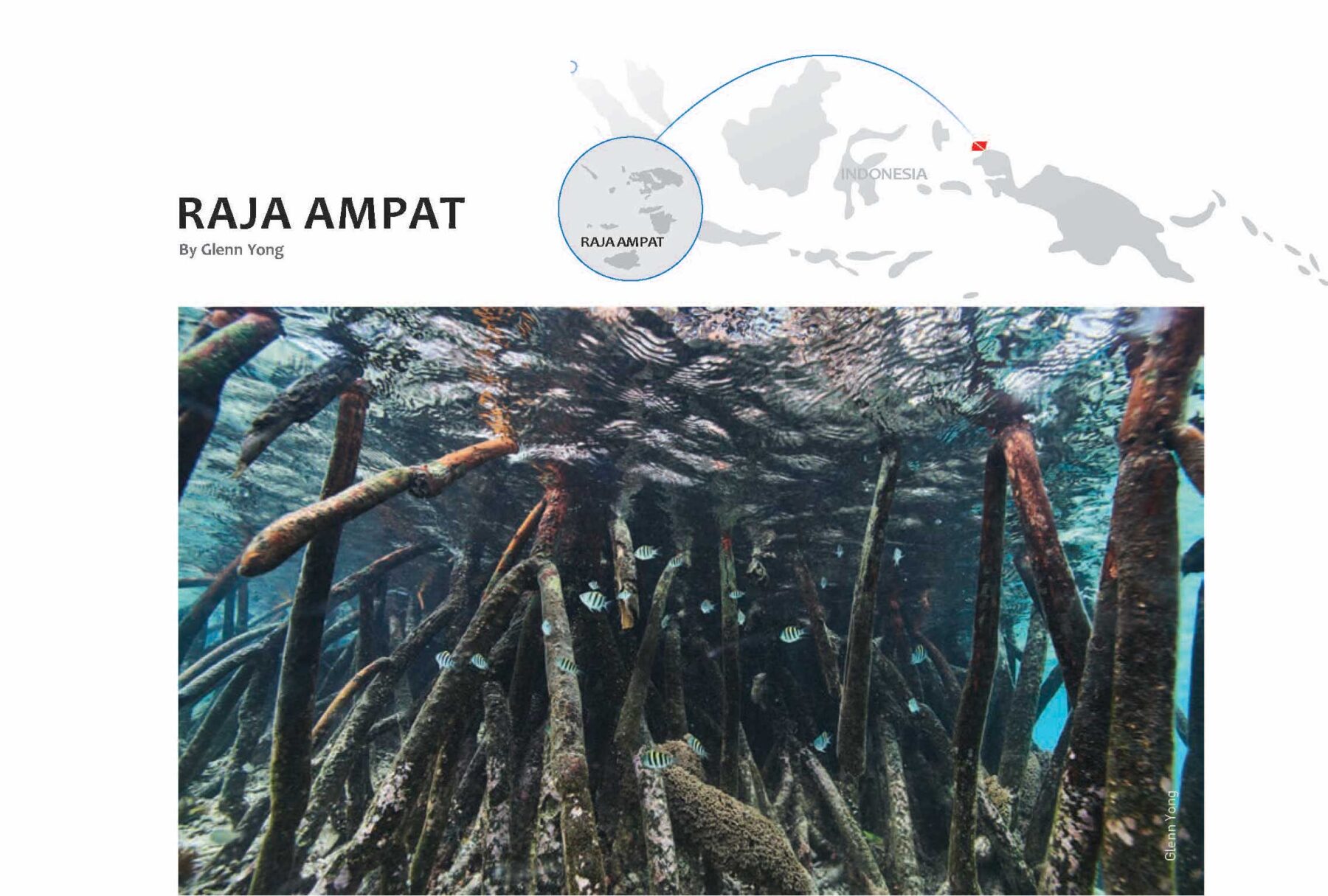
The prop roots of the mangrove forests provide and important habitat for many species of reef fish

Famous for its rich biodiversity, Raja Ampat is located on the northwest tip of the island of West Papua, in the heart of the Coral Triangle. The Nature Conservancy and Conservation International have claimed that 75 percent of the world’s marine species live in the waters off Raja Ampat, making it one of the most biodiverse sites on Earth.

In 2002, a political unit called the Raja Ampat Regency was formed and aided in creating the Raja Ampat Marine Protected Area, a network of seven protected areas. To protect the sites from high-traffic tourism, a decision was reached to introduce marine park permits. Raja Ampat has emerged as one of the must-visit destinations for recreational divers all over the world. The healthy shark and fish populations have been attracting increasing numbers of tourists, which has helped support the local economy.

In February 2014, Raja Ampat was declared a sanctuary for sharks, turtles, dugongs and manta rays. With the sanctuary set in place, destructive practices such as reef bombing and the aquarium fish trade are now banned, and scientists are constantly discovering new species.

MUST-SEE
MIKE’S POINT – This island in the middle of the Dampier Strait has an incredibly interesting and unexpected backstory. During World War II, the US Air Force heavily bombed the island because of its remarkable resemblance to a Japanese warship from the air. Fortunately, the reef has recovered astoundingly well, with a magnificent coral wall that hosts a great variety of reef sharks like the whitetip, blacktip, wobbegong, and epaulette shark. The bombings also carved out hospitable overhangs where great schools of Spanish mackerel and other marine life like turtles and sea snakes abound. Depths of up to 30 metres and strong currents mean some experience is required to enjoy this site safely.

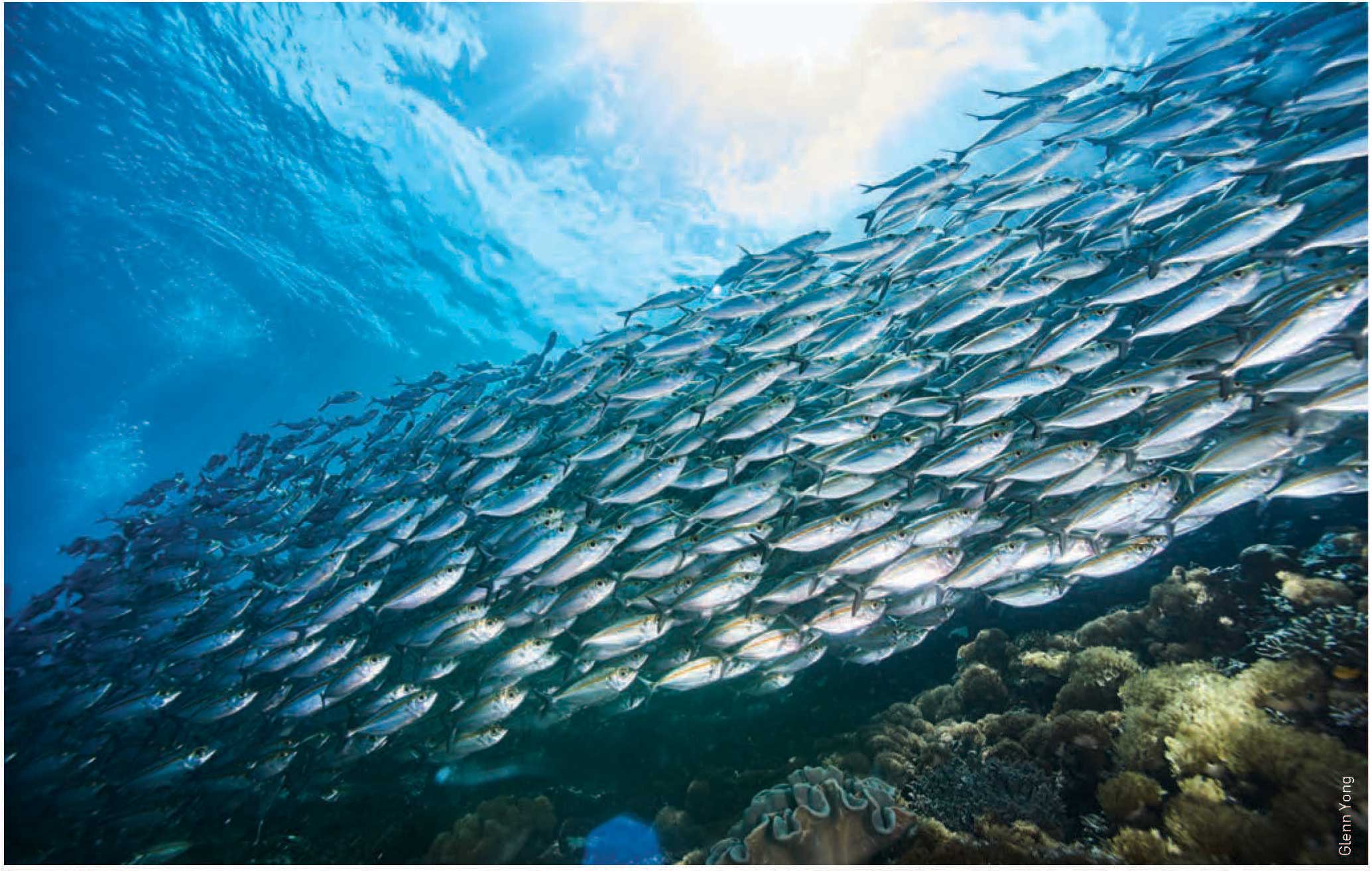
Raja Ampat’s healthy reefs support huge schools of fish, such as bigeye scads (Photo by Glenn Yong)

SARDINES REEF – A large reef situated in the middle of open ocean, this site is home to an incredible number of reef fish such as fusiliers, damselfish, surgeonfish, and snappers. The reef life attracts predators like barracudas and trevallies, sometimes even reef sharks, providing an exciting experience for divers who visit. Divers have to be prepared for strong currents and limited visibility due to sand being kicked up at depths of 30 metres.

CAPE KRI – One of Raja Ampat’s most famous dive sites, Cape Kri offers divers an incredible number of fish species. A steep slope of hard and soft corals houses myriad reef fish, which attract schools of predators such as dogtooth tuna, barracudas, trevallies, and many reef sharks. Opportunities for wide-angle photography are plenty, since huge schools are very common. The site reaches up to 25 metres deep and has strong currents at times.

Read the rest of this article in No.112 Issue 2/2018 of Scuba Diver magazine by subscribing here or check out all of our publications here.
Aussie Plastic Bag Usage Plunges 80 Percent After Supermarket Ban

0

Barely six months after Coles and Woolworths, the two biggest supermarket chains in Australia, started carrying out the government’s ban on single-use plastic bags in late July, usage of plastic bags has dropped by 1.5 billion plastic bags or 80% in the country.

According to David Stout, the manager of industry policy at the National Retail Association of Australia, despite the initial anger of some shoppers, the drastic drop in usage has fully justified the enactment of the policy. As Woolworths Limited and Wesfarmers, the two parent companies behind Woolsworth and Coles, are Australia’s two biggest companies by revenue, the success of this policy will also serve as a strong example for smaller business to follow.

Stout pointed out that these small businesses should “engineer out” the plastic bag completely or advise shoppers to bring their own reusable bags. If customers do not have reusable bags, they could make them purchase one instead.

With the exception of New South Wales, the most populous state in Australia, the Australian government has passed legislation to phase out the usage of single-use plastic bags.

Helpful Tips To Curb Single-Use Plastic Usage

Besides single-use plastic bags, here are some helpful tips that’ll enable you to move away from single-use plastics and switch to smarter, cheaper, greener alternatives.

Cone, Not Cup. Instead of choosing a plastic spoon with a cup for a scoop of ice-cream, opting for an edible ice cream cone would be a much tastier and greener option.

Reusable Containers Over Plastic Bags. Use a neat looking, reusable sandwich container instead of using plastic bags to pack sandwiches.

Replace disposable straws and cutlery with reusable ones. Get yourself a snazzy, reusable cutlery set container and pack in your favourite chopsticks, fork, spoon and reusable straw. That’ll eliminate your need for single-use straws and cutlery in one fell swoop.

Buy in bulk. Instead of buying individual bottles of washing detergent or single packets of pasta, buy in bulk sizes to cut down on plastic packaging and cost!

5 Questions About Whale Sharks In Maldives

0

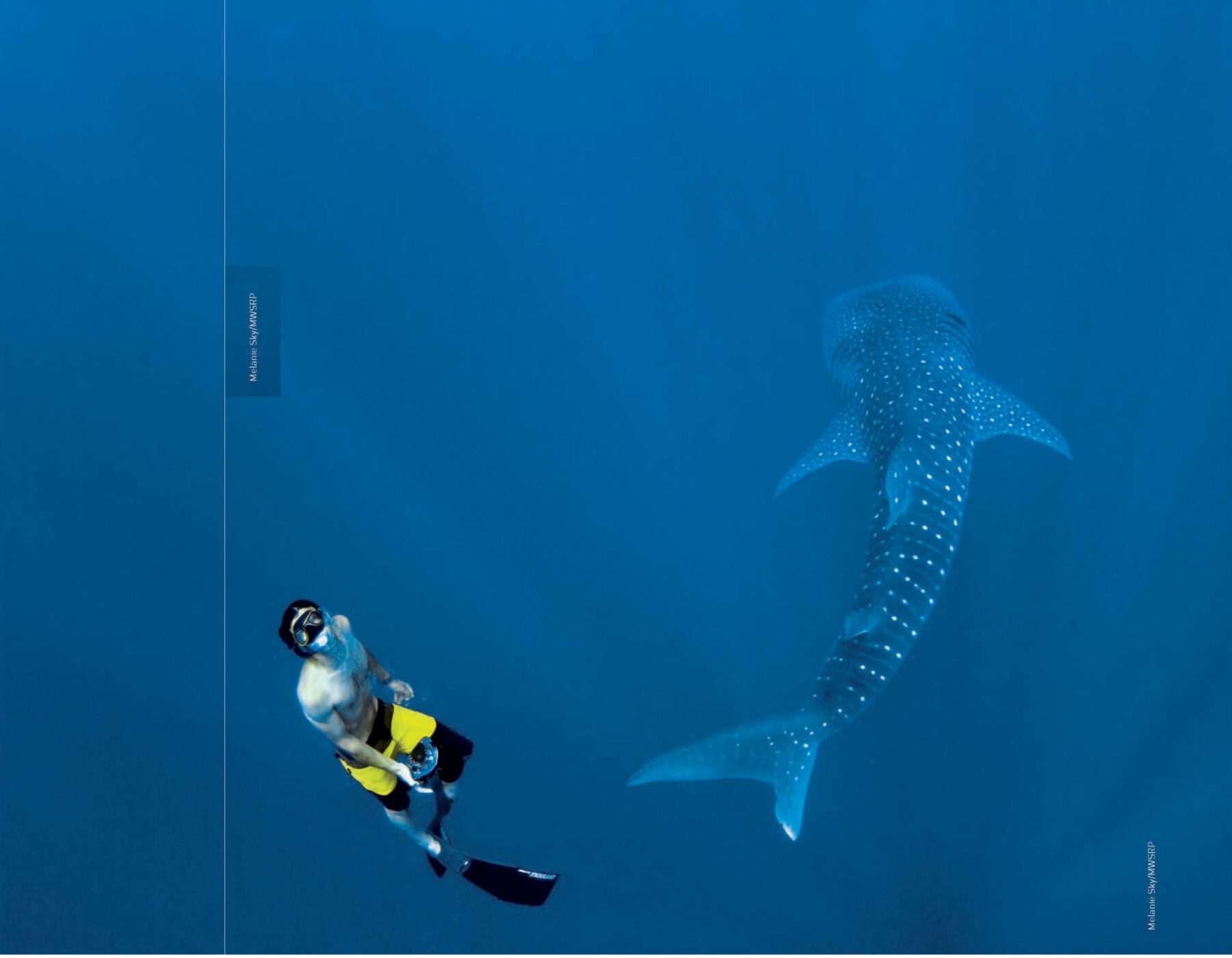
Discovering more about the whale sharks that visit the Maldives is vital in the fight to protect these beautiful animals.

Interview with Richard Rees of the Maldives Whale Shark Research Programme (MWSRP)

1. Can you give us a little background on the history of the project?

The MWSRP actually started out as a standalone research expedition in 2006, funded by the Royal Geographical Society. The team went back the following year to gather more data and we’ve been there in one capacity or another every year since.

2. What is your mission? What do you aim to achieve with the research you are doing? Why is this important?

Our stated mission is to advance the field of whale shark knowledge and to advocate for sound conservation policy in the Maldives. What that means in reality is to build a comprehensive overview of the whale sharks and factors which may impact or threaten them in the Maldives.

A lot of the research we do is built on the collection of very basic data, but is done so in a volume big enough to allow statistical trends on things like growth rates, healing rates and habitat usage questions. In 2013 we launched the “Big Fish Network”, an online portal through which tourism stakeholders around the country could contribute sightings data of whale sharks. We created a mobile app called “Whale Shark Network Maldives” as an output for this information. This year we added a feature to the app which allows people to identify the individual shark they saw then and there!

We now know that South Ari atoll is virtually unique worldwide in hosting a year-round population of whale sharks and that we’re seeing many of the same individuals there year after year (a few of our individual sharks have been seen over a 150 times over a 10 year period). Our work has shown that these sharks move around the atolls and take up temporary residences in other areas of the archipelago. We know the average injury rate of a shark in South Ari atoll and how long it takes for them to heal. The number of tourists visiting the South Ari atoll, their expenditure and their impacts on the sharks are all documented too. So as a tool to provide this kind of information to the decision makers who implement conservation measures, the work done by MWSRP is very important.

3. How do you involve the local community? What is the value of this for the project and for whale shark research and conservation in general?

We attach critical importance to enhancing the knowledge of whale sharks and conservation in the local community. The MWSRP is lucky enough to be based on a local island, Dhigurah, which has a rich whale shark heritage that included national fame for the hunting for whale sharks in bygone times.

The biggest event is the annual whale shark festival, launched in 2012. Up to seven local islands comprising several hundred people come together every year to celebrate the whale sharks of the Maldives. There is a large part for the Maldives younger generation to play in embracing and managing conservation of whale sharks in the future. The field team therefore invest a lot of effort in school visits using art as the basis of learning about the whale sharks and their environment.

These activities also work to promote the sciences and marine conservation as a genuine employment opportunity for the youngsters.. MWSRP has held a rolling six month internship position for Maldivian youth since 2013 which has led to several past members finding work in the field, including two still with the MWSRP team

4. Have you had any “big wins”? What about small ones?

Without doubt the biggest achievement thus far for MWSRP was the organisation’s role in the designation of South Ari atoll Marine Protected Area (S.A.MPA) in 2009. It’s the largest MPA in the country and was founded exclusively for the preservation of the extraordinary whale shark aggregation found there.

Personally one of my proudest moments might seem small but was sitting back and watching the first presentation given by Maldivian MWSRP staff to a local school in their language. Seeing faces light up and hands shooting into the air to ask questions was amazing. These little breakthroughs are exactly what our mission aim is all about.

5. What challenges are you facing?

Where you have a whale shark aggregation and a lot of tourism development in the region you will always have the ingredients for a situation where the number of guests wishing to see the whale sharks ends up putting pressure on them. The MWSRP has found in several studies that proximity of vessels and diver/snorkeller conduct are both much more likely to cause an avoidance reaction from an individual whale shark than a large group of well-disciplined people keeping their distance. So the challenge is to ensure that all stakeholders brief their guests on best practice encounter procedures and enforce them in water as well as mitigate the impact of their vessel. We offer free training on our research vessel and a multitude of free materials for tourists and guides interested in whale shark best practice encounter procedures. The main challenge is high staff turnover and an ever-increasing number of tourism providers, it takes time to embed an ethos of self-regulation.

Read the rest of this article in No.88 Issue 7/2016 of Scuba Diver magazine by subscribing here or check out all of our publications here.

Designed For Dinner

0

Text by Chetana Purushotham

Images by  Scott “Gutsy” Tuason

Evolution is often driven by the basic elements of survival. In this case, the need to eat.

From the massive to the microscopic, the number and kinds of Technicolor beings we encounter on a coral reef is simply breath-taking. Divers and snorkellers the world over will agree that few terrestrial places rival the astounding diversity of life harboured by our reefs. Attempting to observe a rich and colourful assembly of reef fish, for instance, is at once an absorbing and distracting experience, leaving us wondering where to look, whom to follow, or what to photograph.

A staggering 4,000 species of reef fish have been recorded worldwide. With a chance of seeing at least 20 species on a single reef, one question often arises – how do so many species occur in such close proximity to each other? Scientists worldwide are still debating the answer to this question. Yet, on any given dive, by choosing the appropriate lens with which to observe the reef (metaphorically speaking, of course), anyone can observe some interesting patterns.

THE FOOD FACTOR

One of the more intriguing patterns is the close relationship between what fish look like and what they eat – associations which start to make sense of the wide variation we observe in the structure and shape of different species of reef fish.

Coral reefs, being highly dynamic and crowded metropolises, provide an assortment of potential food for fish to choose from. There are hairy and leafy algae, microscopic drifting zooplankton, larger invertebrates like corals, jellyfish, crabs, squid, worms and, of course, so many other fish. Each food source offers different benefits and challenges to its consumers. Over evolutionary time, competition for these rich resources has led to an incredible array of unique adaptations and feeding mechanisms both in fish body structure and behaviour.

Perhaps now, looking around the bustling reef, it is not as hard to differentiate the herbivores, like parrotfish with their beak-like teeth, from the large-mouthed ambush predators like the grouper. But what determines what they eat? Which part of the reef do they prefer? Do they have dinner buddies too? Understanding fish through their morphology (structure and form) offers new perspectives.


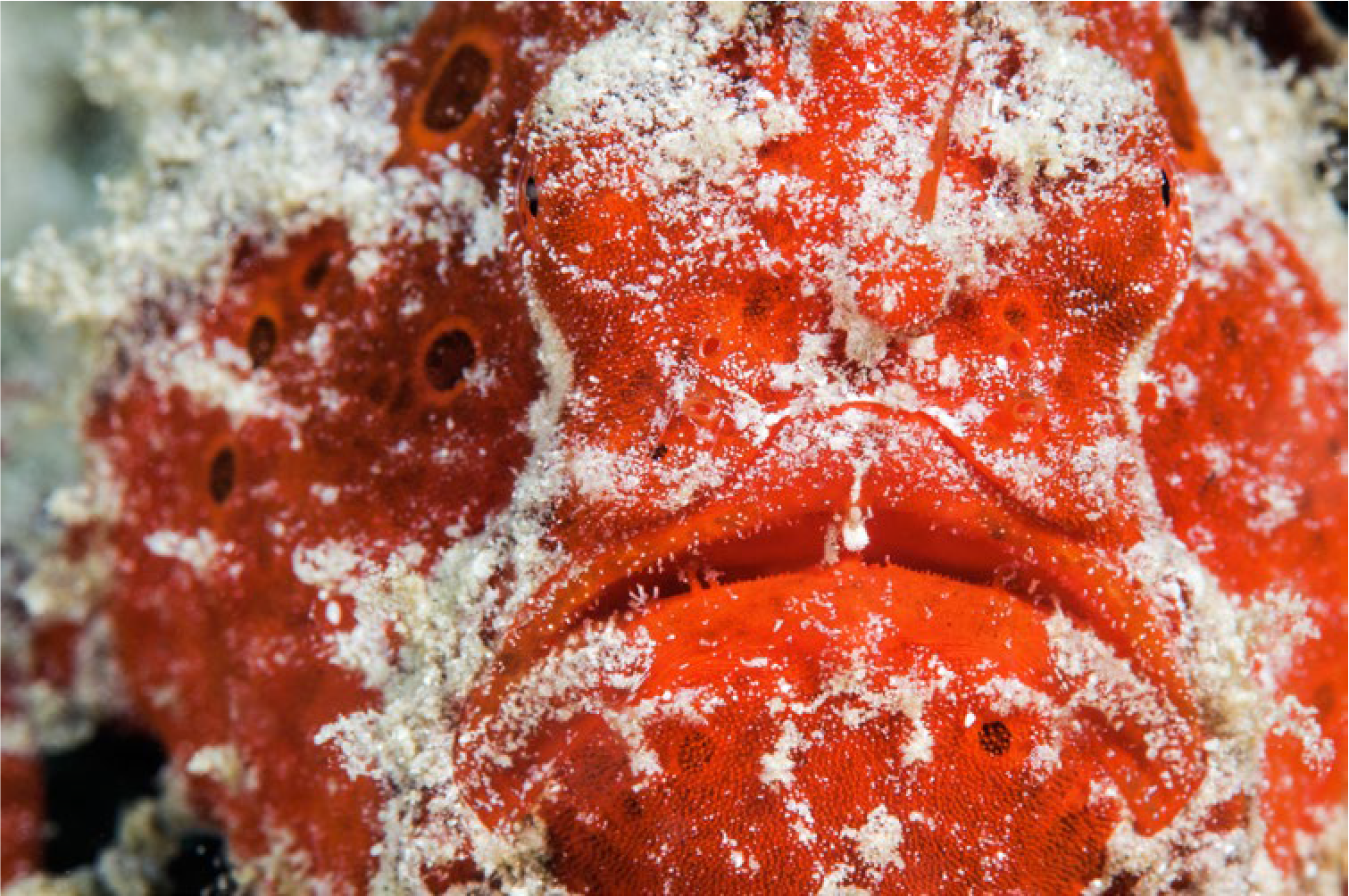
Frogfishes demonstrate a variety of adaptations to their chosen prey. Image by Umeed Mistry


BIOMECHANICS OF A GOOD BITE

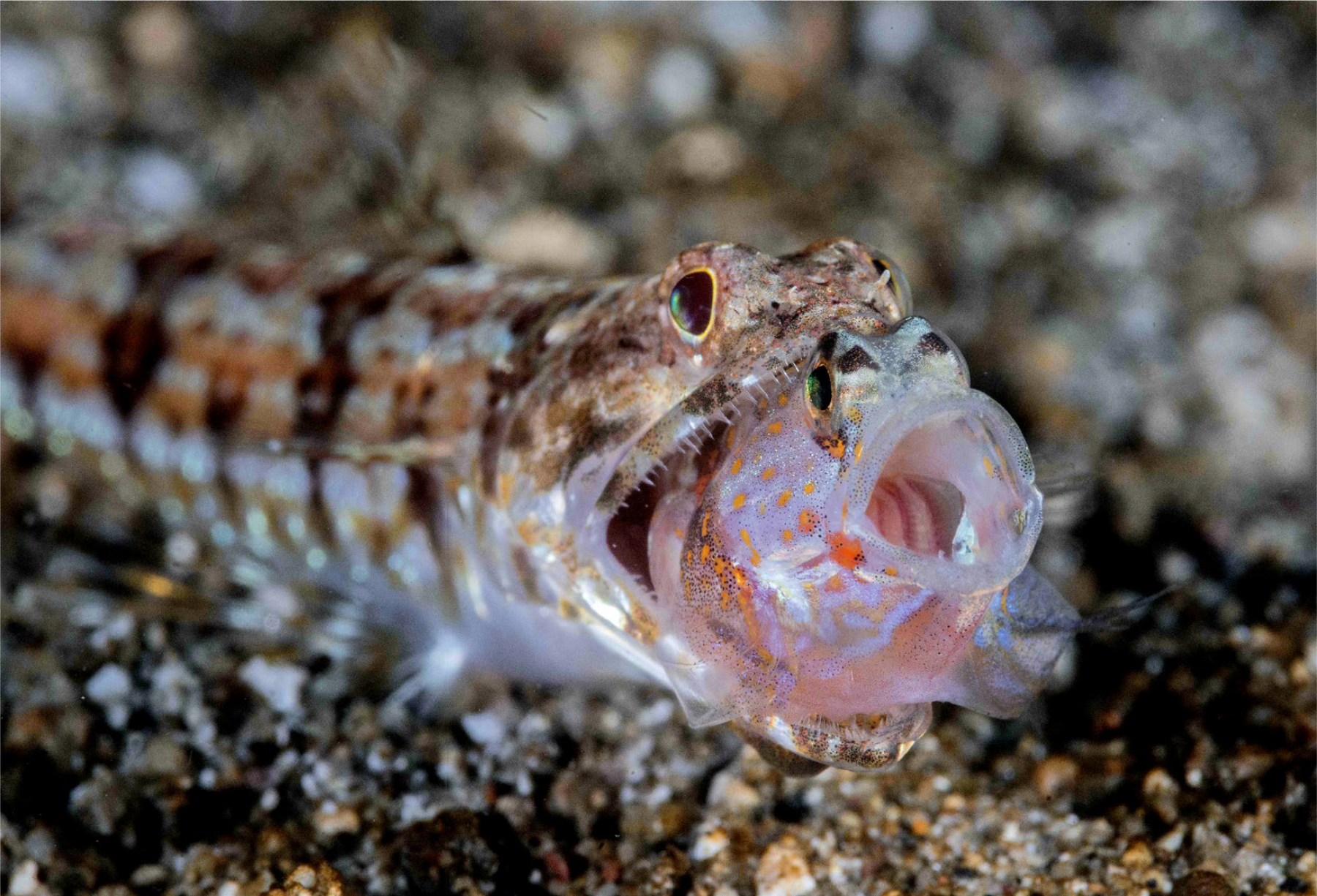
If having a meal were to be broken down into steps, it is evident that there are a number of challenges along the way. The predator first needs to encounter its prey. This is followed by an attack, which ultimately may or may not be successful. Among ambush predators, it is unlikely that a small lizardfish will feed on prey that are significantly bigger than its own mouth, while it is quite likely that big groupers will give very small fish a miss and wait instead for the larger ones to come along. A lizardfish, despite its camouflage and razor-sharp teeth, is still restricted in the size of its meal by how much its mouth can accommodate. On the other hand, a grouper may prefer fish on the larger side, gaining more energy from each onslaught despite the greater effort it would require. The design of the feeding apparatus, general body plan and energy requirements are therefore crucial in determining what a fish can and should eat.

At the core of their anatomy, the feeding structure of all fishes is made up of the same basic elements: a mouth opening, teeth, jaw bones and associated muscles. These are then modified in different species, to suit particular types of prey and modes of capture. For instance, the jaws may be modified to deliver a strong, forceful bite, like in the case of a shell-cracking porcupinefish, or to provide the advantage of speed for predators such as the barracuda, whose prey can be quick and elusive.

Read the rest of this article in SD Issue 5, AA No.83 of Scuba Diver magazine by downloading a digital copy of the magazine here or subscribing here!

Global Plastic Waste Dumping Continues To Be A Problem In Malaysia

0

In October this year, the Malaysian government announced a ban on plastic waste imports into the country following a public outcry when it emerged that more than 19 developed countries such as Australia, USA, UK and Japan had been sending their trash to Malaysia in the wake of China’s decision to ban waste imports in January 2018. Unfortunately, new research by Greenpeace Malaysia published on November 28, 2018, has revealed that most of this trash has not been recycled properly but has been dumped or burnt by illegal waste processing plants, resulting in harmful health problems for Malaysians living near these plants. Residents living near these plastic recycling plants have complained of itchy eyes and skin, and respiratory problems.

“The Malaysian plastic recycling industry is overwhelmed by the influx and cannot accommodate the waste in a way that is sustainable and acceptable by the government’s own standards. Our investigation found evidence of harmful plastic waste processing being carried out in Klang, on the western outskirts of the capital Kuala Lumpur, and Jenjarom to the south,” said Heng Kiah Chun, a Public Engagement Campaigner at Greenpeace Malaysia.

According to Greenpeace Malaysia’s report, The Recycling Myth, Southeast Asian countries such as Vietnam, Thailand and Malaysia had been accepting increased amounts of plastic waste between January and July 2018. The amount of plastic trash imported by Malaysia during this period was a staggering 754,000 metric tonnes – the equivalent weight of 100,000 large elephants.

The Malaysian government cracked down on these illegal “plastic waste recycling facilities” earlier this year, shutting down 114 but Greenpeace Malaysia’s investigation uncovered the continued existence of large volumes of imported plastic waste in these facilities. The plastic is also often burnt on roadsides in the open-air, left to rot in the open and in abandoned buildings or thrown away in unregulated dump sites near to bodies of water. A study of 45 of these sites revealed that the waste came from US, UK, Spain, Austria, Germany, Sweden, Ireland, Portugal, France, Belgium, Switzerland, Austrlia, New Zealand, Saudi Arabia, Cyprus, Argentina, Canada, Romania, the Philippines and Singapore. From January to July 2018, Singapore sent 11,524 tonnes of plastic waste to Malaysia.

One waste executive interviewed in Greepeace Malaysia’s report revealed that there are as many as 500 illegal plastic waste facilities in the state of Selangor alone. Globally, only 9% of all plastic waste is recycled with 12% incinerated and the remaining 79% dumped into landfills or the environment.

“The problem is not only a Malaysian problem. The international waste trade system itself is broken and based on false assumptions about what really happens with waste. All countries should put in place policies to reduce the use of single-use plastics to a point where waste export, landfill or incineration is unnecessary. Malaysia and other developing countries should not be the dumping ground for plastic waste that other countries should be dealing with themselves,” Heng concluded.

Read more about how plastics are polluting our oceans in our November Muck Diving issue of Asian Diver (Issue 3 Volume 151)