Home Blog Page 76

The Green Fleet

0

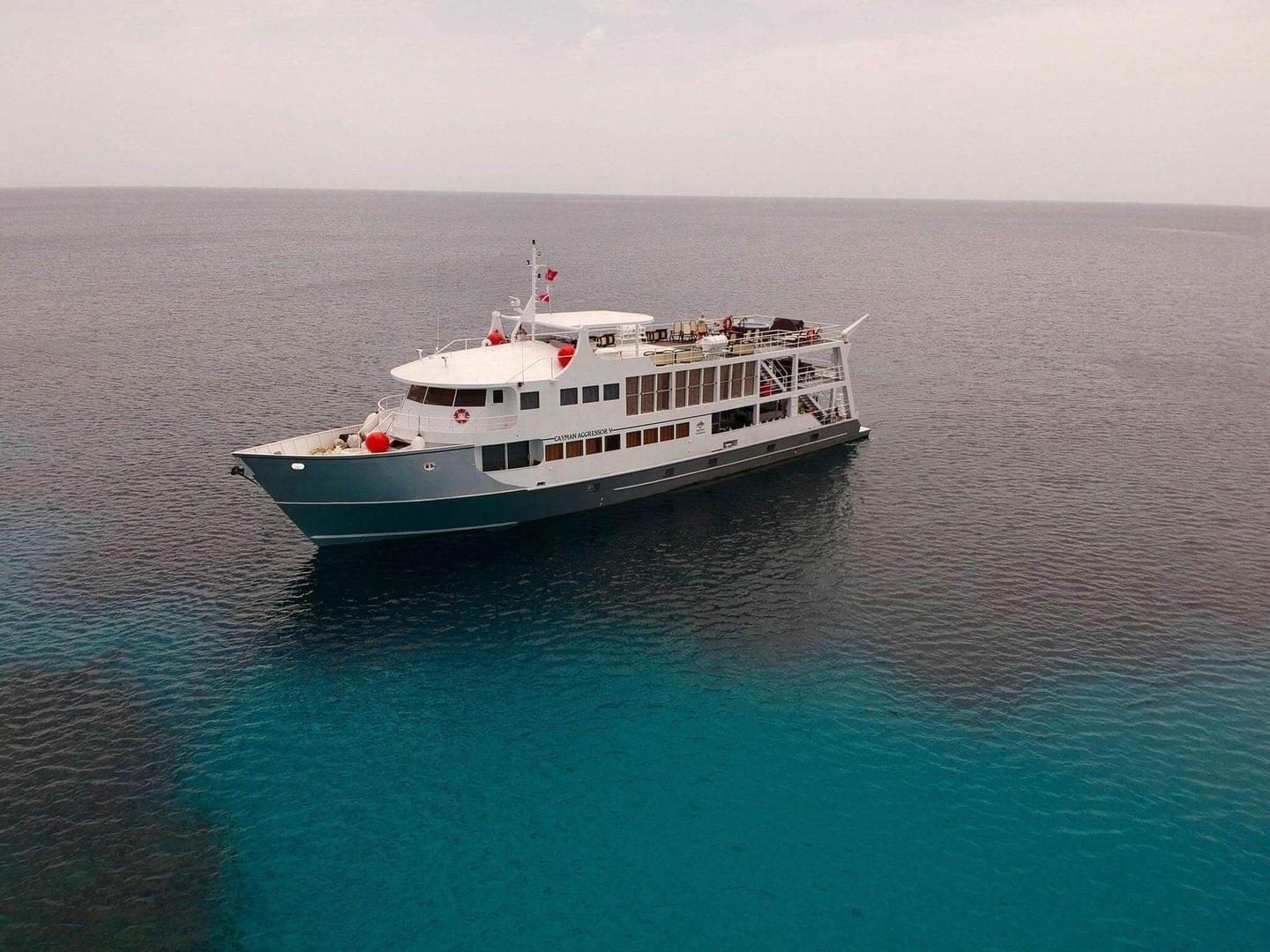
In today’s world, where tonnes of plastic flow into oceans every year, a mere mention of travelling on yachts might bring to mind opulence and wastage but the truth is far kinder and greener with Aggressor’s “Green the Fleet” sustainability initiative. Long known as the ultimate in liveaboard travel, Aggressor Liveaboards has expanded their partnership with the Sea of Change Foundation, a non-profit foundation that uses 100 percent of its funds for marine conservation, education and research initiatives, to make the liveaboard lifestyle environmentally sustainable for divers while contributing to the health of our oceans.

In addition to the existing sustainable operations already in place across its fleet – the Raja Ampat Aggressor® recently switched from single-use plastic bags to small, compostable, non-plastic garbage bags and the Okeanos Aggressors®  already source their seafood from a local, certified responsible fishery – Aggressor’s ‘Green the Fleet” initative will works towards eliminating single-use plastics from all Aggressor yachts beginning with plastic straws, cups, and utensils. Single-use plastic water bottles will be phased out and replaced with reusable water bottles. Yachts that don’t already use non-toxic, biodegradable cleaners will begin to switch to ones that are. Energy efficient LED lighting will also be phased in.

“Aggressor Liveaboards is proud of the green operations that are already in place across our fleet, and now we are looking forward to expanded efforts towards environmental sustainability in all our operations including at headquarters where we’ve switched to all LED lighting,” revealed Aggressor Adventures CEO Wayne Brown.
This green revolution is not restricted to just ships. Aggressor customers will also now enjoy welcome gifts that are more environmentally friendly such as Aggressor luggage tags made from natural materials instead of plastics and plastic-free or recycled packaging. To further help protect the coral reefs, Aggressor Liveaboards will provide Stream2Sea coral-safe sunscreen and shampoo for divers on yachts.

Samantha Whitcraft, Aggressor’s Director of Conservation and Outreach is determined to help clean up the plastic in our oceans, “As divers, the oceans need our help now more than ever, and here at Aggressor Adventures™ we get that.”

“Scientist estimate that more than nine million metric tonnes of plastic waste enters the oceans every year comprised mostly of everyday items like bottles, wrappers, straws, and bags. And we know some chemicals can harm corals. With our Green the Fleet initiatives, we are part of the solution and help divers understand how they can be too,” she added.

“With the launch of Green the FleetTM, we know we can make even more positive changes to help protect the oceans for our customers now and for future generations of divers,” Brown added. “Green The Fleet is an effort to improve our business values and decision-making process.”

About the Aggressor Liveaboards®: Aggressor Liveaboards has mastered the art of blending scuba diving over 35 years with innovation, personalized service, professional staff, and safety with a vision of success. We turn simple services into life-changing experiences for our guests. It is a trade; it is an art, and it is our talent. Learn more at www.aggressor.com
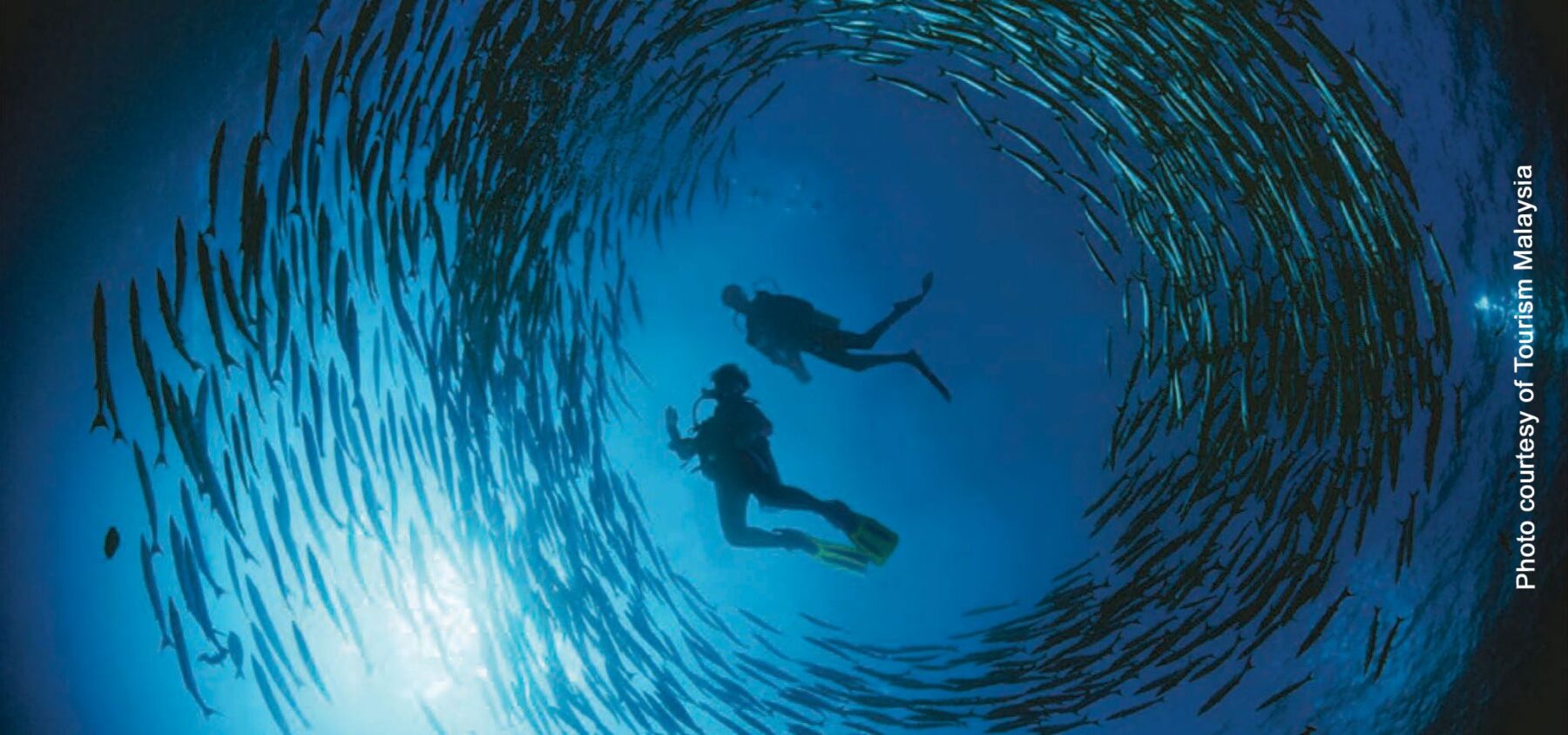
Diving in Paradise: 4 Dope Places To Dive In Malaysia

0

1. THE ISLANDS OF JOHOR

The southern state of Johor is blessed with beautiful islands located far from the mainland. Pulau Aur boasts pristine deep waters teeming with pelagic fish, while Pulau Lang offers sightings of green turtles, bumphead parrotfish and blue-spotted stingrays, a common inhabitant of the Malaysian coast. The corals in this area shelter a colourful variety of reef fish, cephalopods and crustaceans, as well as the beautiful but elusive Spanish dancer nudibranch.

Adventurous visitors will want to seek out the Zero wreck located south of Aur. Thickly encrusted with corals, this sunken Japanese fighter plane is home to teeming marine life like the comical dogface pufferfish, which prefers to swim solo and attracts plenty of attention for its elongated face and box-like body.

WHEN: March to October

WHERE: Johor’s east coast

HOW: From Mersing town, take a speedboat for about two hours

2. TURTLE ISLANDS PARK

Lying in the Sulu Sea off the northern coast of Borneo, Turtle Islands Park is a cluster of three islands – Selingan, Bakungan Kecil, and Gulisan – that are home to green and hawksbill turtles. Only the largest island, Selingan, is open to visitors, who have the opportunity to catch sight of these rare and endangered turtles when they come ashore to lay eggs

WHEN: August to September

WHERE: Northern Borneo

HOW: Take a flight from Kota Kinabalu to Sandakan, and then hop on the only ferry from Sabah Park Jetty

3. TERENGGANU

Hailed as the “Gem of the East Coast”, Terengganu boasts a long coastline of aquamarine waters fringed by white powdery sand. Off Pulau Perhentian Besar are clear blue waters ideal for diving and snorkelling, while secluded Pulau Lang Tengah offers a peaceful experience and 15 stunning dive sites within a 10-minute boat ride from each other.

The farthest island from the mainland, Pulau Tenggol is where you’ll find mature coral gardens thanks to the nutrient-rich waters of the well-sheltered bay, while Pulau Kapas is home to a variety of both hard and soft corals rich in marine life. The island is also known for squid fishing at certain times of the year.

WHEN: Year round but avoid the monsoon season from October to February

WHERE: East coast of Peninsular Malaysia

HOW: Fly to Sultan Mahmud Airport, which serves the city of Kuala Terengganu. All the islands require boat rides from the mainland: Pulau Perhentian Besar from Kuala Besut Jetty, Pulau Lang Tengah and Pulau Kapas from Merang Jetty, and Pulau Tenggol from Kuala Dungun Jetty

4. PULAU SIPADAN

Lying just off the northeast coast of Borneo is Sipadan, Malaysia’s only oceanic island. This magical isle was made famous by renowned French oceanographer, Jacques-Yves Cousteau, in his documentary Borneo: The Ghost of the Sea Turtle. But healthy numbers of green turtles are by no means the only creatures you’ll find here: Sipadan offers prolific marine life of all shapes and sizes.

Those with the Cavern Diver certification can explore the same mysteries that Cousteau and his crew did almost 30 years ago at Turtle Cavern. Inside lies a macabre chamber of skeletons belonging to turtles and dolphins that got lost in the labyrinth of tunnels, became disorientated and drowned.

WHEN: All year round, but visibility is best from April to August

WHERE: Off the east coast of Sabah

HOW: From Kuala Lumpur, take a flight to Tawau Airport, and then arrange a boat ride from nearby Pulau Mabul

Read the rest of this article in No.112 Issue 2/2018 of Scuba Diver magazine by subscribing here or check out all of our publications here.

Paradise Found: 5 Great Things About Lang Tenggah Island

0

A little-known piece of heaven lies between Redang and the Perhentians. This quiet, sleepy island is ringed by pristine, fish-filled water. Head out to dive the wrecks, and meet the whale sharks, and fill your surface interval with historical architecture and verdant topside ecosystems. Time to get Lang Tenggah on your radar!

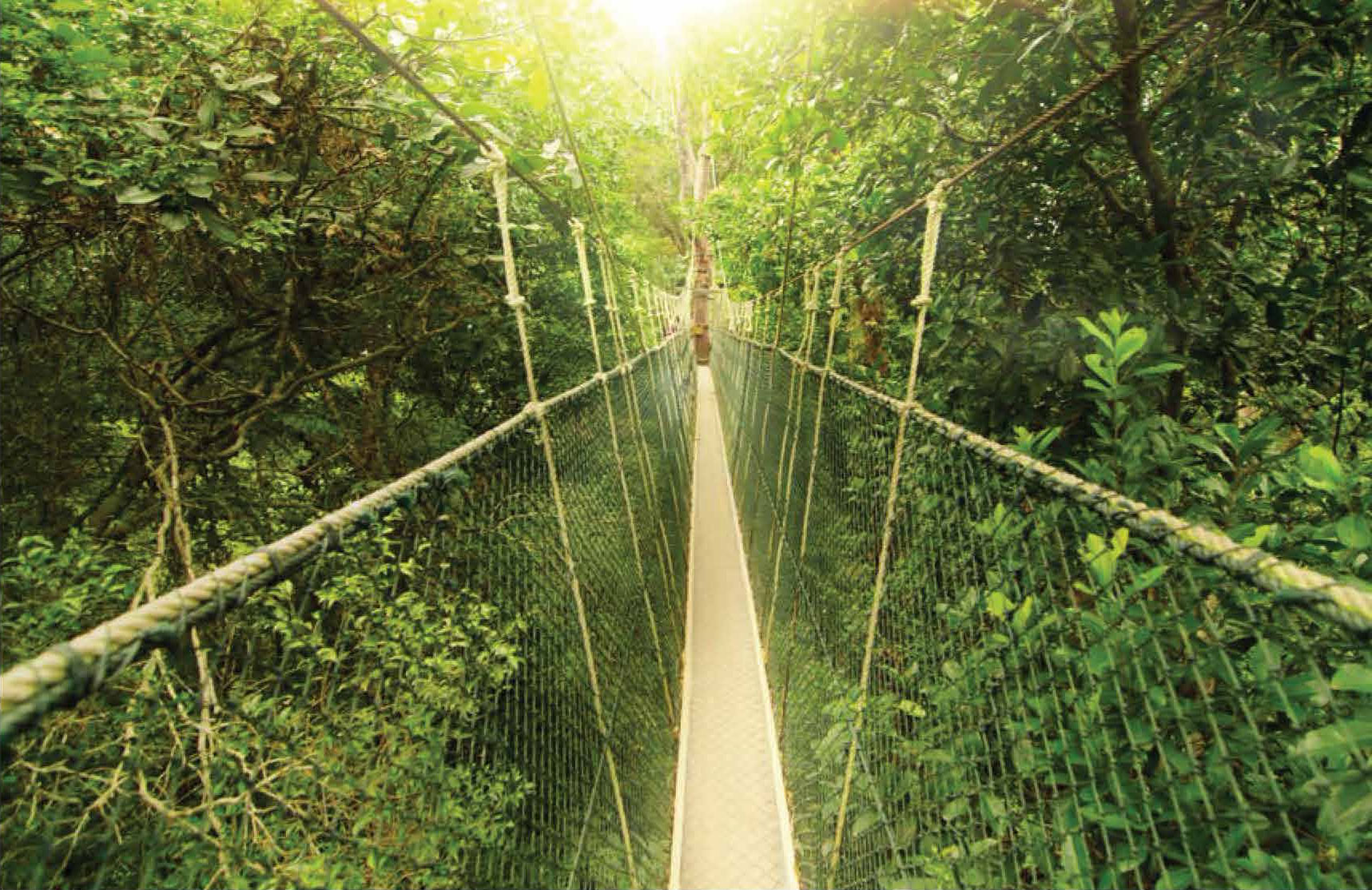
1. TAMAN NEGARA RAINFOREST

Photo from Shutterstock

Around 130 million years old, this rainforest is home to tigers, macaques, and hundreds of bird species. Make your way to Kuala Tahan, the jumping off point for the canopy walk, river trips, and exciting treks.

2. CRYSTAL MOSQUE
The Crystal Mosque or “Masjid Kristal” in Kuala Terengganu is a grand, fairy-tale creation of steel, glass and crystal. Pop down to the Islamic Heritage Park on the island of Wan Man for an unforgettable visit.

3. SETIU WETLANDS

Photo by Li Yen-Yi

Part of the Setiu River basin, and the larger Setiu-Chalok-Bari-Merang basin wetland complex, this thriving ecosystem is teeming with birdlife – a must for any Nature enthusiast.

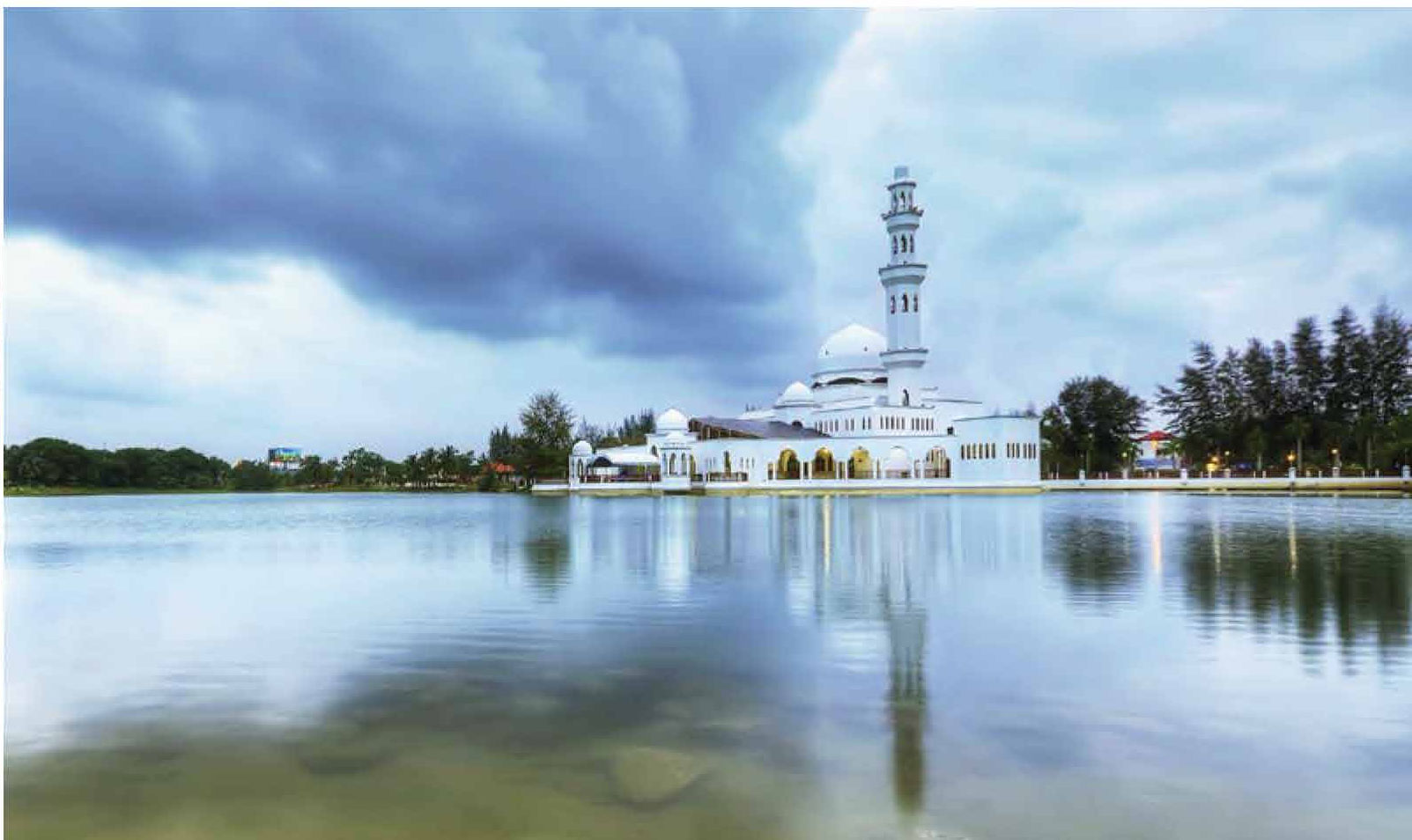
4. TENGKU TENGAH ZAHARAH MOSQUE

Photo from Shutterstock

The ethereal Tengku Tengah Zaharah Mosque is the first real “Floating Mosque” in Malaysia. It is situated in the Kuala Ibai Lagoon near the estuary of Kuala Ibai River, just 4km from Kuala Terengganu Town.

5. BUKIT PUTERI

Bukit Puteri, or Princess Hill, served as a defensive fortress and royal residence in 1831 under the rule of Sultan Baginda Omar. Feel the burn as you ascend the 200m to the top and enjoy the view!

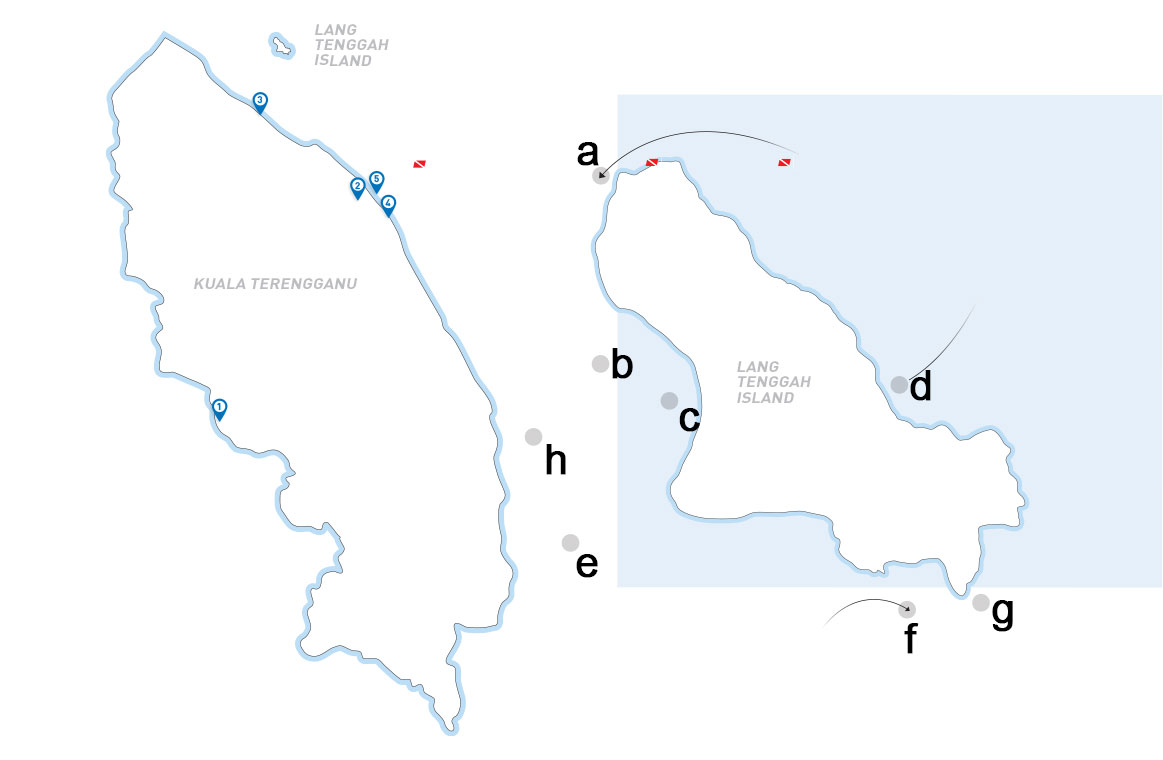
a) KARANG NIBONG

For: Three dramatic boulders surrounded by healthy coral, nudibranchs, great barracuda, giant grouper, giant moral eel

Conditions: Warm water; mild currents; max. depth 24 metres

When: March – October

b) SUMMERBAY WRECKS

For: Lagoon dive with three mysterious shipwrecks, great photo ops, ideal site for sidemount training

Conditions: Warm, clear water; mild currents; max. depth 18m

When: March–October

c) SUMMERBAY HOUSE REEF

For: A relaxing lagoon dive full of angelfish, giant morays, blacktip sharks, big grouper, scad and more

Conditions: No waves; mild currents, max. depth 14 metres

When: March – October

d) BATU BULAN

For: Coral garden, angelfish, butterflyfish and myriad coral species

Conditions: Warm water; outstanding visibility all year ’round; no current

When: March – October

e) GHOST WRECK

For: Groups of yellowtail barracuda, lionfish, pufferfish and box fish surrounding the old fish boat

Conditions: Warm water; currents can be strong; max. depth 24m

When: March–October

f) KARANG BAHAR

For: Schooling spadefish, eels, snapper and abundant macro life, such as shrimps, pipefish and nudis

Conditions: Warm, clear water; max. depth 24m; currents can be strong

When: March–October

g) TANJUNG TELUNJUK

For: Whale sharks, sea fans, reef fishes; a flexible multilevel dive site

Conditions: Warm water; a great site for all levels of diver; mild currents; some waves on occasion

When: Whale sharks are most often seen in March and April

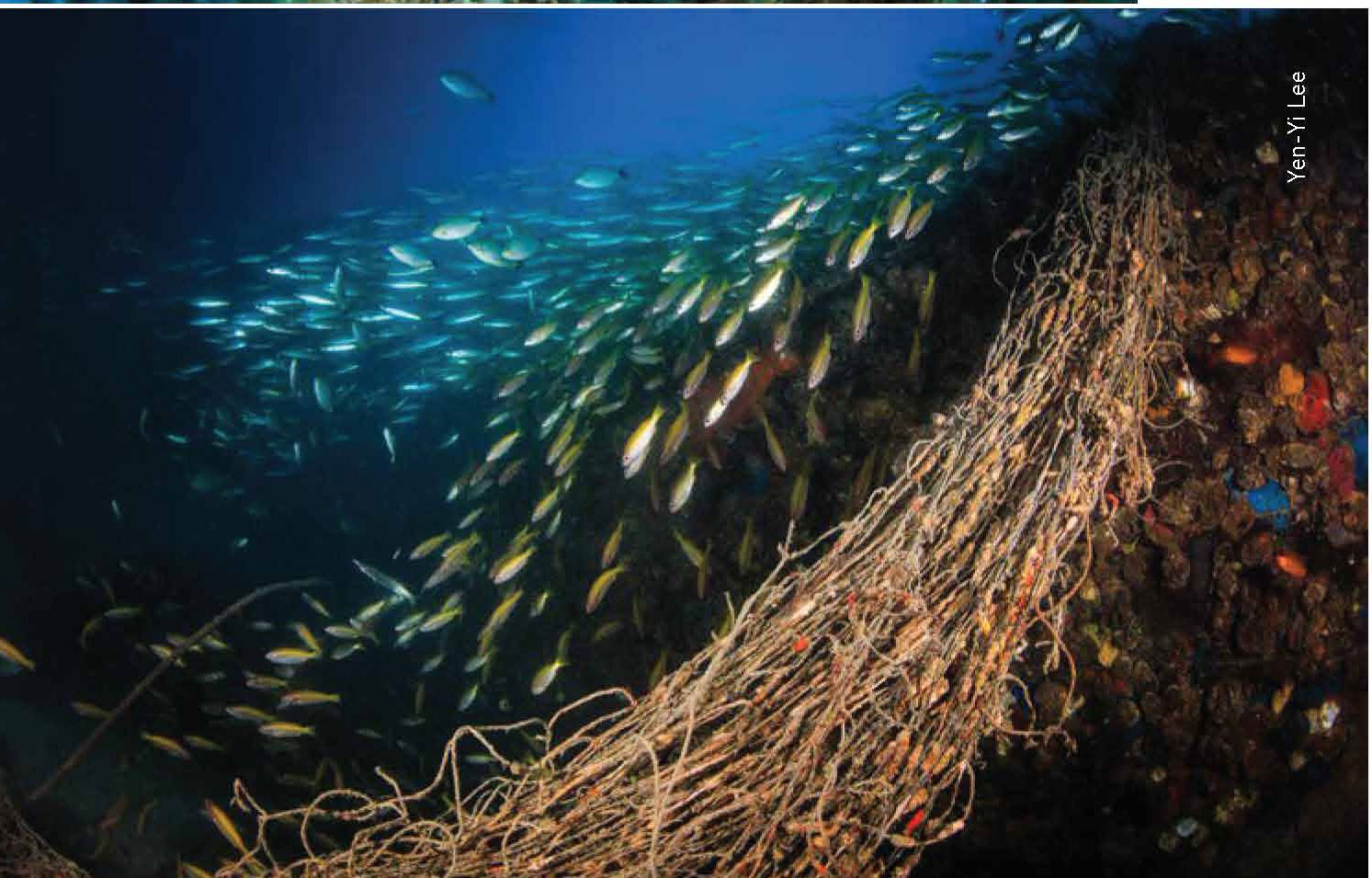
h) FISH HEAVEN

Photo by Li Yen-Yi

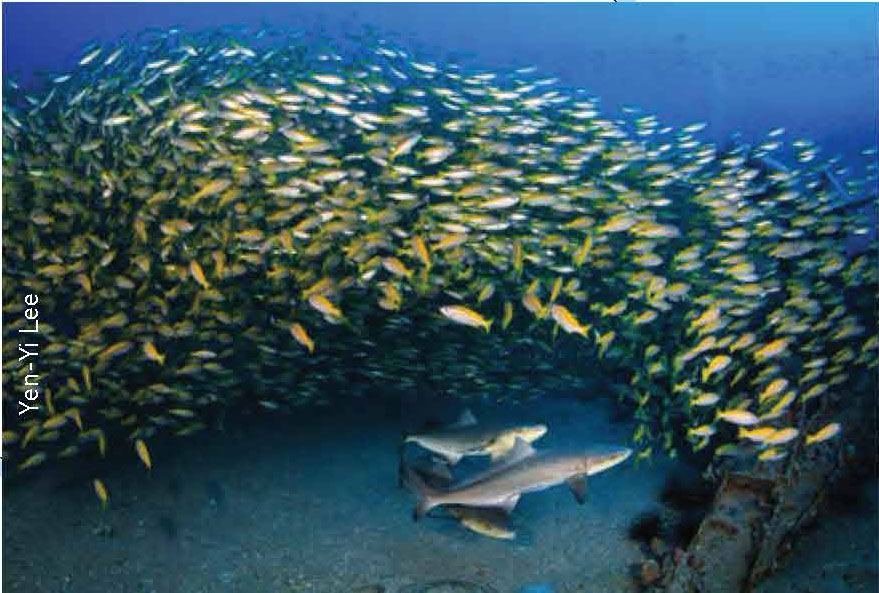
For: Schools of barracuda, snapper, bamboo sharks and more surrounding an intact cargo wreck

Conditions: Warm, clear water; max. depth 24m; currents can be strong

When: March–October


Read the rest of this article in No.108 Issue 2/2017 of Scuba Diver magazine by subscribing here or check out all of our publications here.


Madison Stewart: Dedicated to Saving Sharks

0

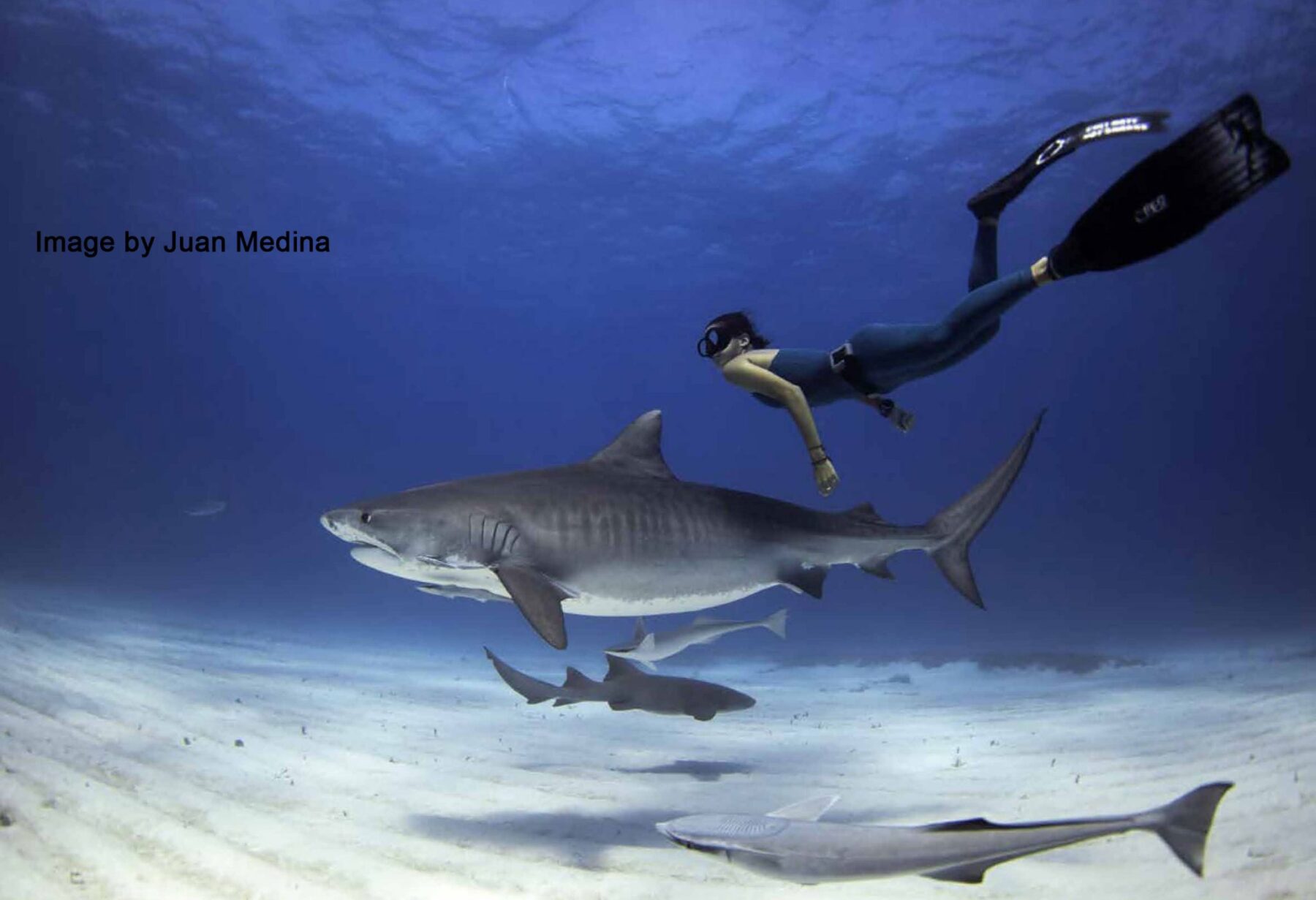
Conservationist, researcher, freediver, filmmaker: Madison Stewart is possibly one of the most tireless and inspiring young women in the water today, but, as she explains, there is no other option. (Text by Madison Stewart. Images by Juan Medina)

I was 14 when the world turned its back on me. I grew up around sharks – diving, sailing, I was part of an ocean-obsessed family, and I made my home amongst the reefs. I began to gravitate towards sharks before I can remember; I related to them, I fitted in with them, the fact that I swam with them separated me from other people.

Then, at 14 years old, the shark populations I had loved as a child began to disappear. I found myself in a state of panic, returning to spots I had always associated with sharks, only to be confronted with an empty reef. I can assure you, an ocean with sharks may be scary, but true fear is an ocean without them.

I later learnt that there was a dedicated shark fishery legally operating inside the Great Barrier Reef Marine Park and World Heritage Area, and the attitude of the Australian public towards sharks had blinded people to it. I began to rally against the fishery, expose its faults, to tear it down.

After failing to change government policies, I realised I needed to take my fight to the public. Not long after, I left school to homeschool and agreed with my dad that my school fees would be spent on an underwater camera. That’s when I began to make films. I wanted to go to school and become a marine biologist; instead, I dropped out and happily took a more effective path towards filmmaking which gave me an avenue for change.

Now I’ve had extensive presence in the media in the name of sharks, including my documentary Shark Girl, which has won international awards. I act to break down the fisheries and the laws that allow the destruction of the animals I love, and change the perception the public has towards them, to make the fight for their survival more accessible.

My work against that fishery became a foundation for several other avenues of conservation that I pursued. These include research into toxins in shark meat, shark control programmes, international fin trades and more recently working with the surfing community to promote safety through education. These animals quickly became my responsibility, and my life passion, and I’ve learnt from them and fought for them. I began to understand that the human perception of an animal dramatically affects its chances of survival, and if people couldn’t love sharks, I would show them why I loved them, in ways that they could relate to. To this day I fight against the legal shark fishery that operates within the Great Barrier Reef and acts to remove 100,000 sharks a year from our reefs, often fed to us as flake or fish and chips.

We live in a society where injustice often slips through the cracks and only through individual vigilance and passion can we have any hope of fighting that. We should be taught in school that the natural world is more important than the economy. Wild and dangerous animals should be respected for their power, not condemned.

I’ve been in trouble with the law more than once (only laws that prevented me from exposing or stopping the destruction of Nature). I no longer make beautiful films; rather I find myself in the back of trucks housing tonnes of dead sharks, with blood around my shoes. I am not the average story of success, rather child-turned-activist due to the extreme necessity of our time. Some of us planned to grow up and fight for the things we love, and then for kids like me, it was never our choice: We fight or watch it be destroyed.

Read the rest of this article in No.89 Issue 1/2017 of Scuba Diver magazine by subscribing here or check out all of our publications here.

The Hidden Gems of Komodo and Derawan

0
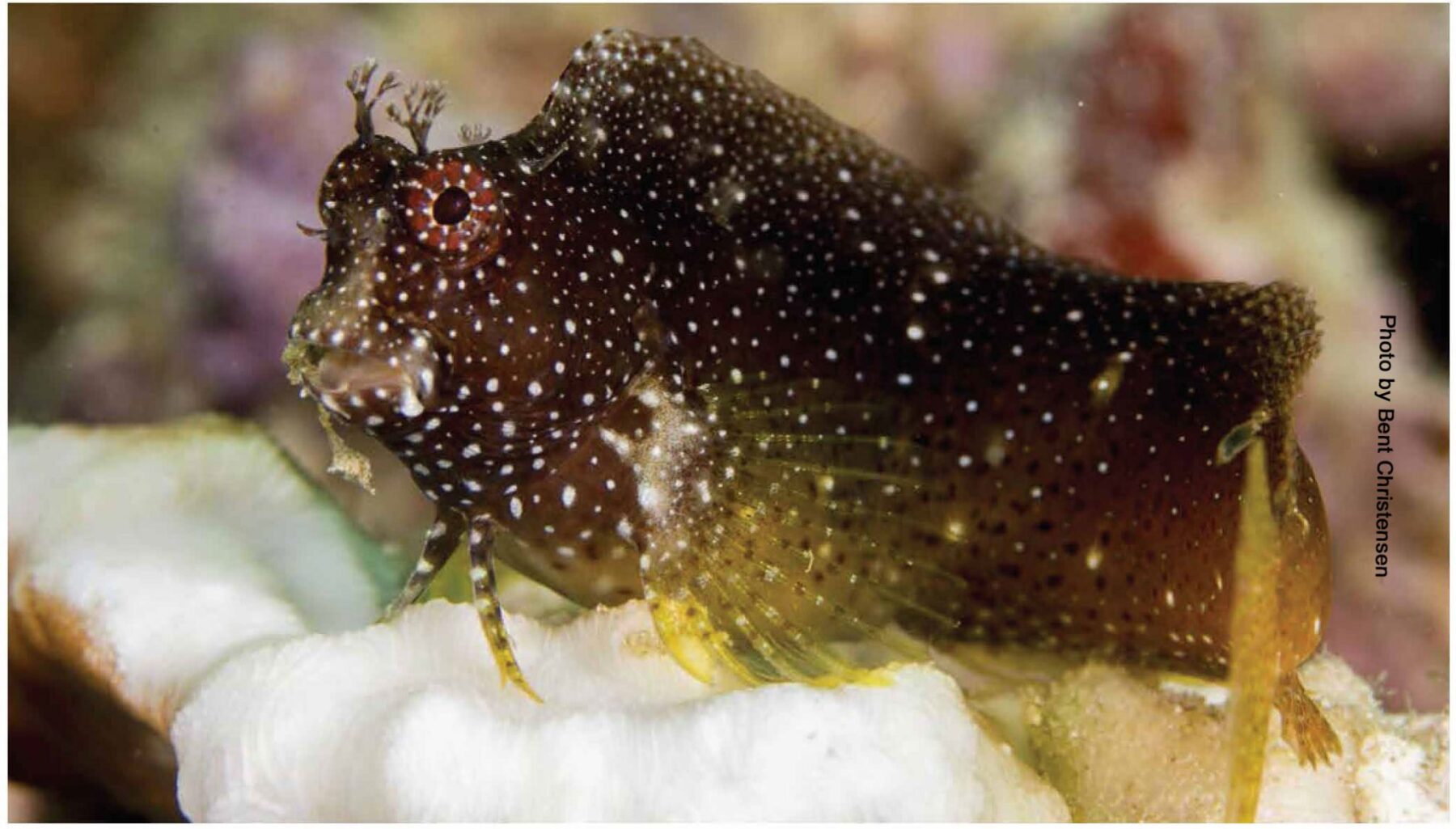
Salarias ramosus, starry blenny (Photo by Bent Christensen)

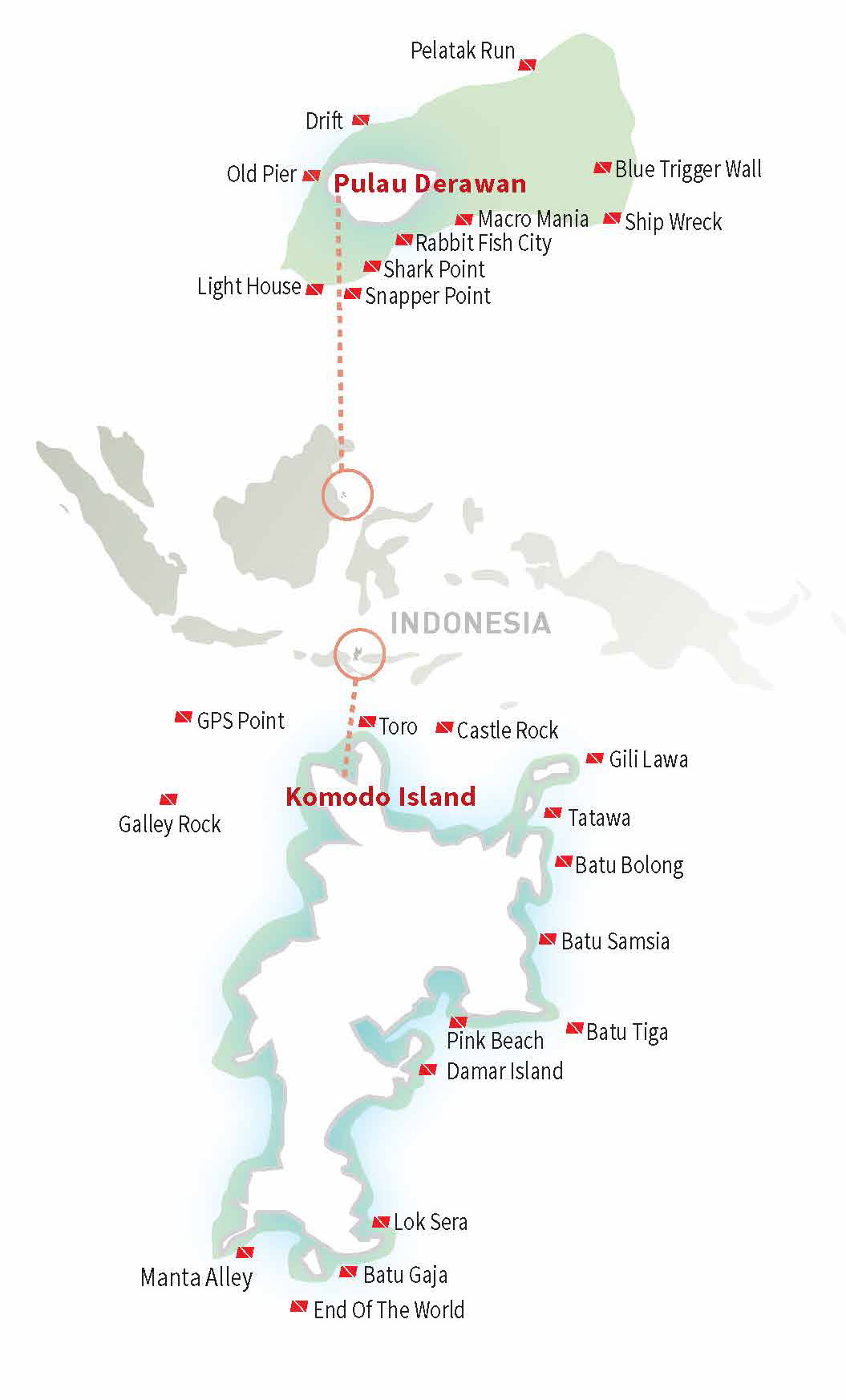
With over 18,000 islands to choose from, which ones should you visit for the best diversity in marine life? Discover the beauty of Indonesia with Cat McCann as she takes you on an insider’s journey into the waters of Komodo Island and Pulau Derawan.

If you asked a muck-diving enthusiast for their “must-do” list of muck diving destinations, it’s highly likely that places such as the famed black sand sites of Lembeh, Indonesia, would be top of the list. Or they may recommend a visit to Pulau Mabul in Sabah, Malaysia, where the term “muck diving” was first coined. Or perhaps Anilao in the Philippines, which sees hundreds of tourists heading there each year in the hope of seeing a well-hidden frogfish in the sand.

But what about places such as Komodo Island or Pulau Derawan in Indonesia?

“Muck” is not the type of diving that springs to mind when you mention these islands to divers. Komodo, for example, is famed for mantas and currents. And currents are not a diver’s best friend when it comes to looking for small, well-hidden animals, much less when trying to get that perfect shot with a macro lens.

Pulau Derawan is more well-known for its proximity to Pulau Sangalaki, which itself is known for mantas and astounding coral reefs, or for the turtles and whale sharks that can be seen cruising past Derawan itself.

But both of these areas have hidden treasures – incredible muck diving sites that aren’t more widely known, with an incredible array of species that are high on any muck diver’s wish list.

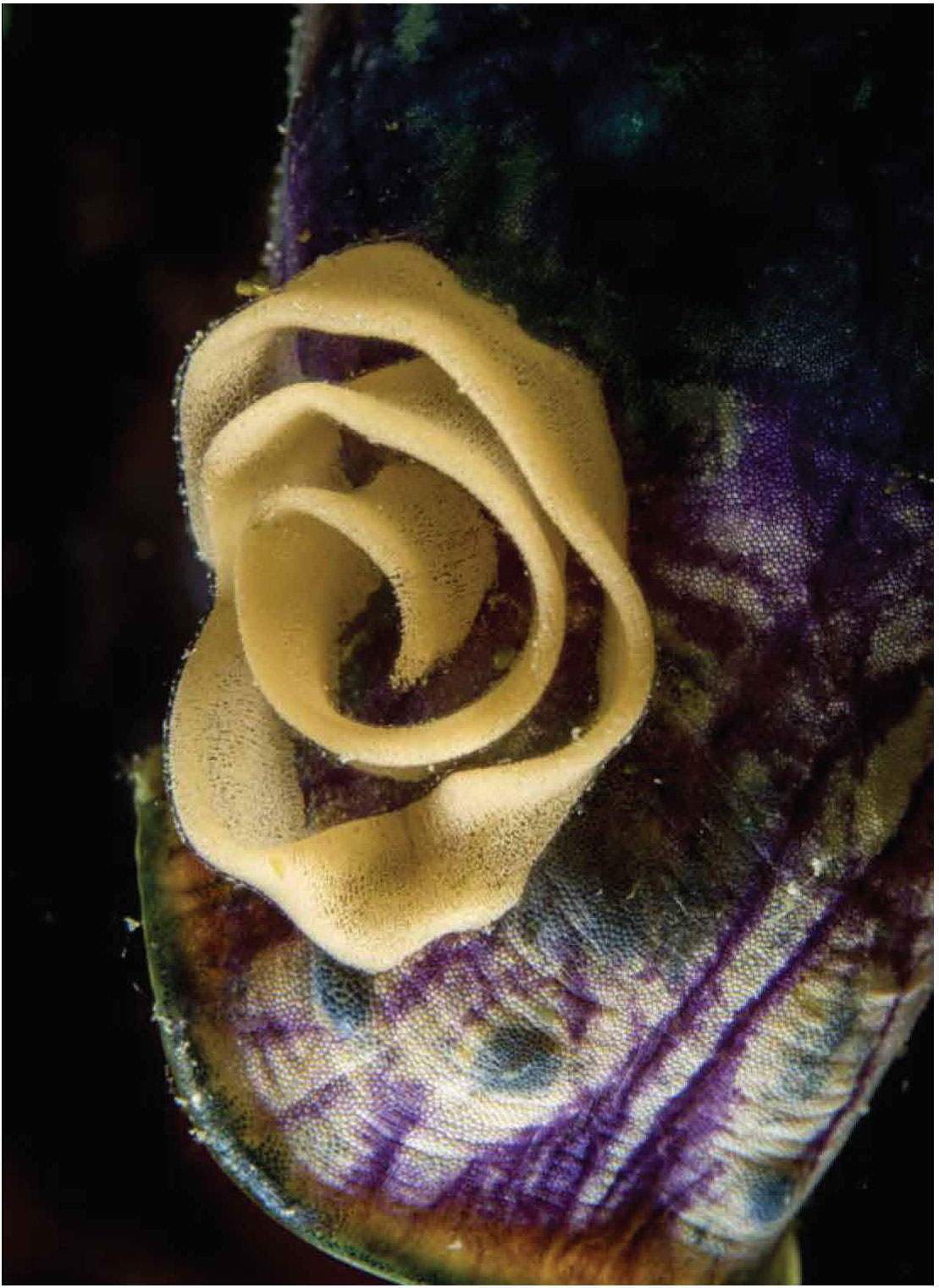
Eggs of a nudibranch situated on a sea squirt (Photo by Bent Christensen)

Pulau Derawan is where you will find the aptly named “Macro Mania” dive site, which boasts sightings of Papuan and stumpy spined cuttlefish, as well as pygmy seahorses, robust and slender ghost pipefish. Eagle-eyed guides can find several different species of shrimps for their divers: tiger shrimp, donald duck shrimp, sawblade shrimp and whip coral partner shrimp, to name a few.

Prefer cephalopods? No problem. In addition to the cuttlefish, you’re also likely to see mosaic octopuses and wonderpuses on this dive site.
If you’re lucky, you might be able to spot the blue-ringed octopus and if you’re really lucky, the blue-ringed octopus mating.

Derawan Reef is a sloping coral reef but as beautiful as the reef is, ignore it (sorry) and spend the dive in the seagrass and rubble looking for decorator crabs and unusual nudibranchs, as well as seahorses

A night dive in the seagrass beds off the Scuba Junkie jetty yields bumblebee shrimp, marbled shrimp and the ever elusive harlequin shrimp, as well as frogfish that are sometimes too small to identify correctly. Divers often spend their time watching bobtail squid bury themselves in the sand.

However, Komodo is the place that can give you a real crick in your neck. There are not many places in the world where you are torn between looking at a hairy shrimp or a manta, but at Mawan in Komodo National Park (KNP) you will find yourself in just such a position.

The KNP is one of the jewels of Indonesia. It was the impressive Komodo dragons that originally drew tourists to this area but it is now famed for strong currents, stunning corals and regular encounters with manta rays.

As the area has grown in popularity over the past decade, a new element of diving has emerged; one that only strengthens the fact that this truly is one of the best dive areas in the world for muck diving.

Karang Makassar (the aptly nicknamed “Manta Point”) is a surprising site that hosts a plethora of rare macro species. As mantas cruise over your head, be sure to check the rubble below for blue-ringed octopuses, hairy octopuses and an incredible number of nudibranchs.

But it’s not just the famous and popular sites where we see such rare species. If you explore the KNP you’ll come across dive sites such as Gindang and Wainilu on the north coast of  Rinca island. These are both hot spots for blue-ringed octopus, Rhinopias, wonderpuses and frogfish. They are also home to the shy and much sought after mandarinfish and photogenic dragonets – a fantastic early morning or sunset dive spot, especially for observing their mating behaviour.

These two sites have sloping sandy bottoms with sprinklings of soft corals. They are also home to seahorses, flamboyant cuttlefish, sea moths and overhead, the odd devil ray or two, and are ample proof of the rich diversity that exists in almost every dive site in Komodo.

Read the rest of this article in 2018 Issue 3 Volume 151 of Asian Diver magazine by subscribing here or check out all of our publications here.

Wakatobi’s Macro Magic

0

For divers and snorkellers, the benefits of Wakatobi’s ongoing commitment to conservation are plain to see. Delve into the waters of the private marine preserve that surrounds the resort and you will find pristine coral formations and thriving fish life. But perhaps even more impressive are the things the big picture doesn’t reveal. Take a closer look, and you will discover dive sites rich in macro life, including hard-to-find and rare treasures that will delight fish watchers and photographers alike.

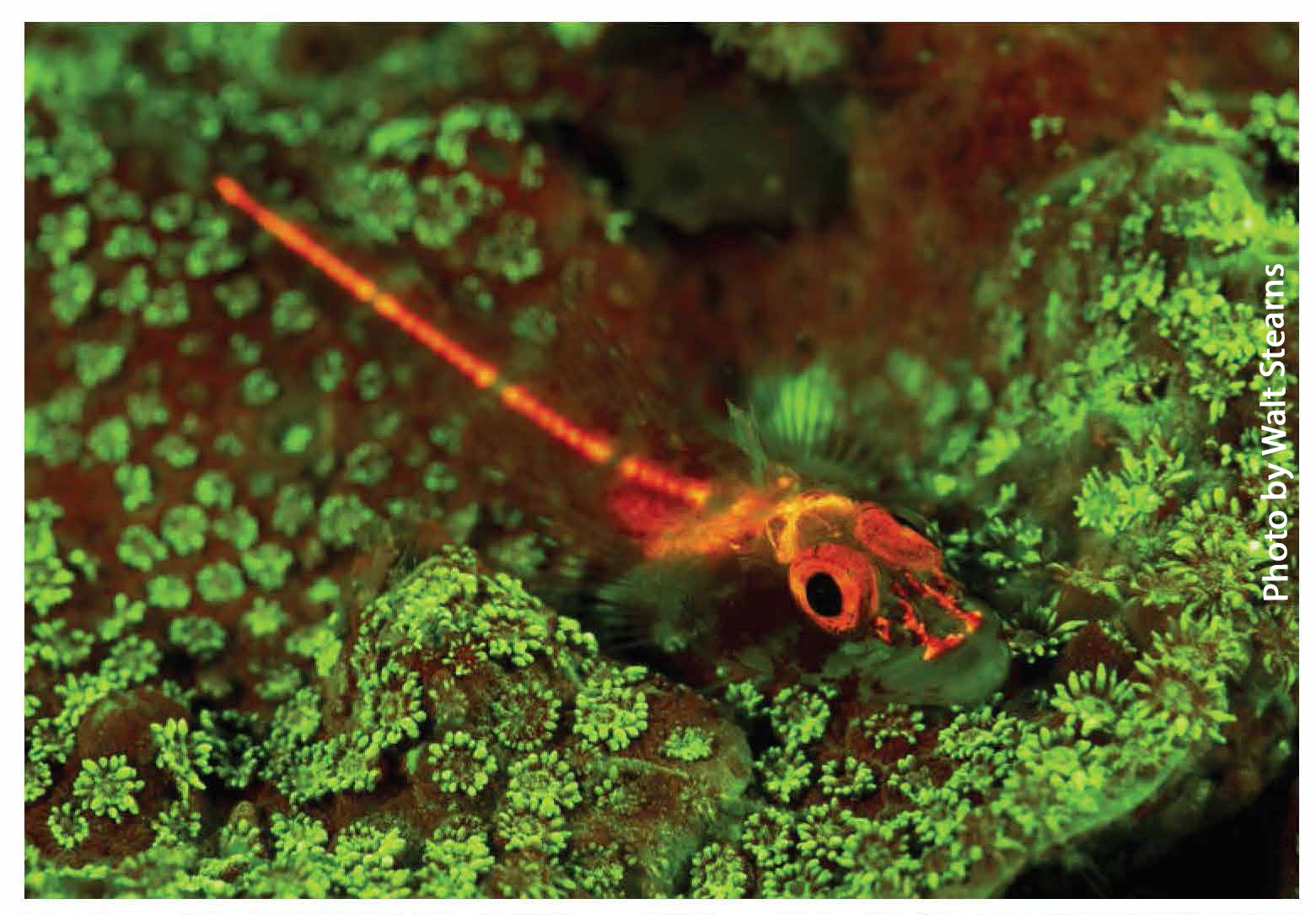
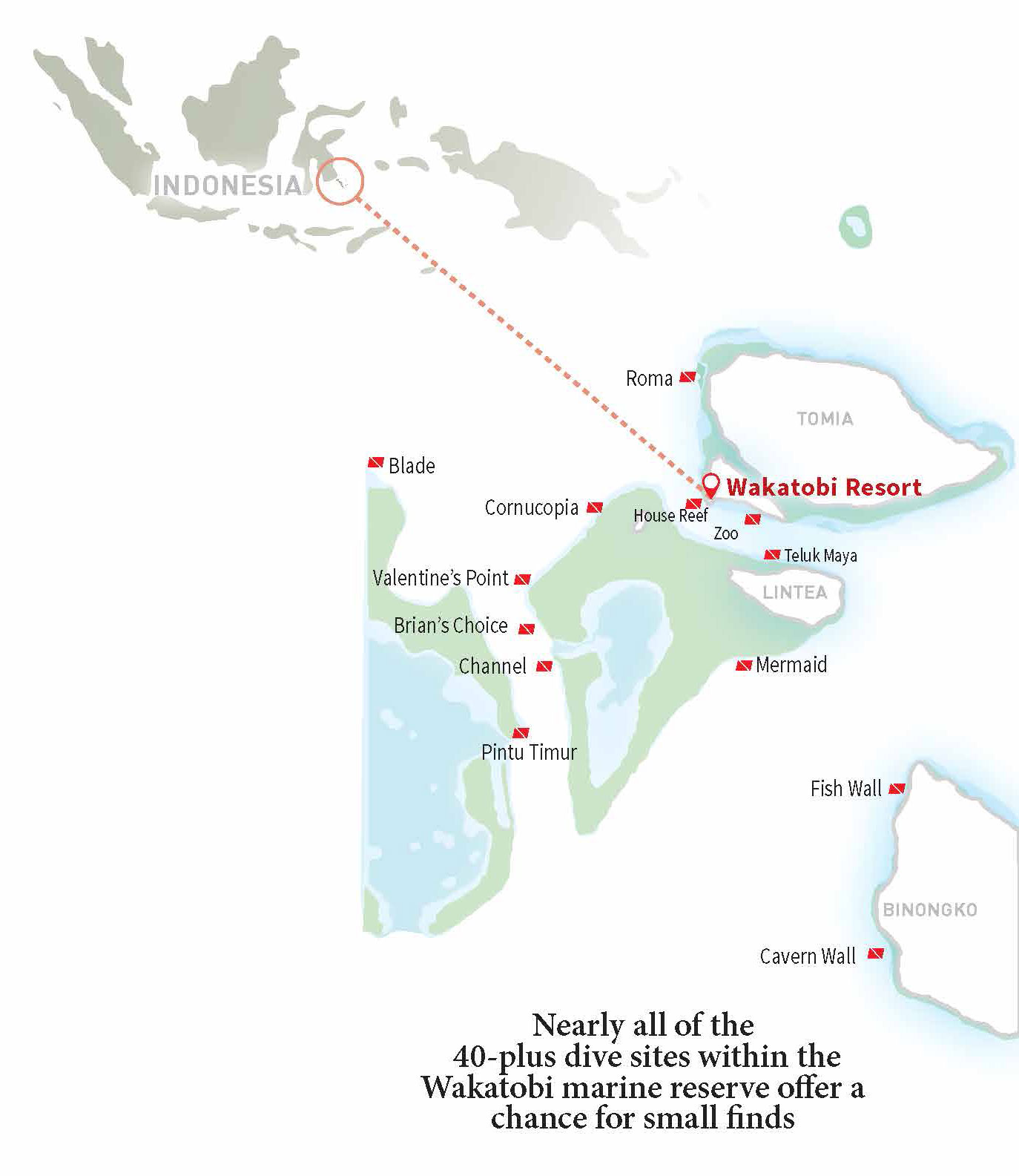
At Wakatobi, you don’t have to go far to find the small stuff. Prime hunting grounds are as close as the resort’s famed House Reef, which starts right off the beach with a drop-off just 70 metres out, encompassing hundreds of acres of coral slopes and shallows. The search for macro treasures can begin right at the resort pier. In addition to providing shelter for schools of fish, the pier’s large concrete columns and beams are home to an assortment of shrimps and crabs. The wealth of macro subjects in this area is seemingly innumerable, with the list running from the more expected such as anemonefish to special finds such as frogfish, juvenile cuttlefish, octopuses and pairs of leaf scorpionfish.

The upper shelf of the House Reef extends from shallow grass beds to a coral lip less than two metres below the surface. Along this edge, ample ambient sunlight makes it easy to locate invertebrates such as imperial, bubble, and crinoid shrimp, or to penetrate the camouflage of a frogfish. The light also brings out the full colouration of the numerous species of nudibranchs that move among the corals. Just beyond the lip, the reef drops away sharply, with slopes and walls that are riddled with crevices and ledges where numerous species of invertebrates make their home. Among the more intriguing finds on the House Reef are the compensate pairs of shrimp gobies and pistol shrimp, which share a burrow and divvy up the tasks of housekeeping and watch keeping. The shallow seagrass beds between the reef and beach are also excellent macro hunting grounds. It is here that keen observers may find cryptic species such as ornate and halimeda ghost pipefish hiding in plain sight.

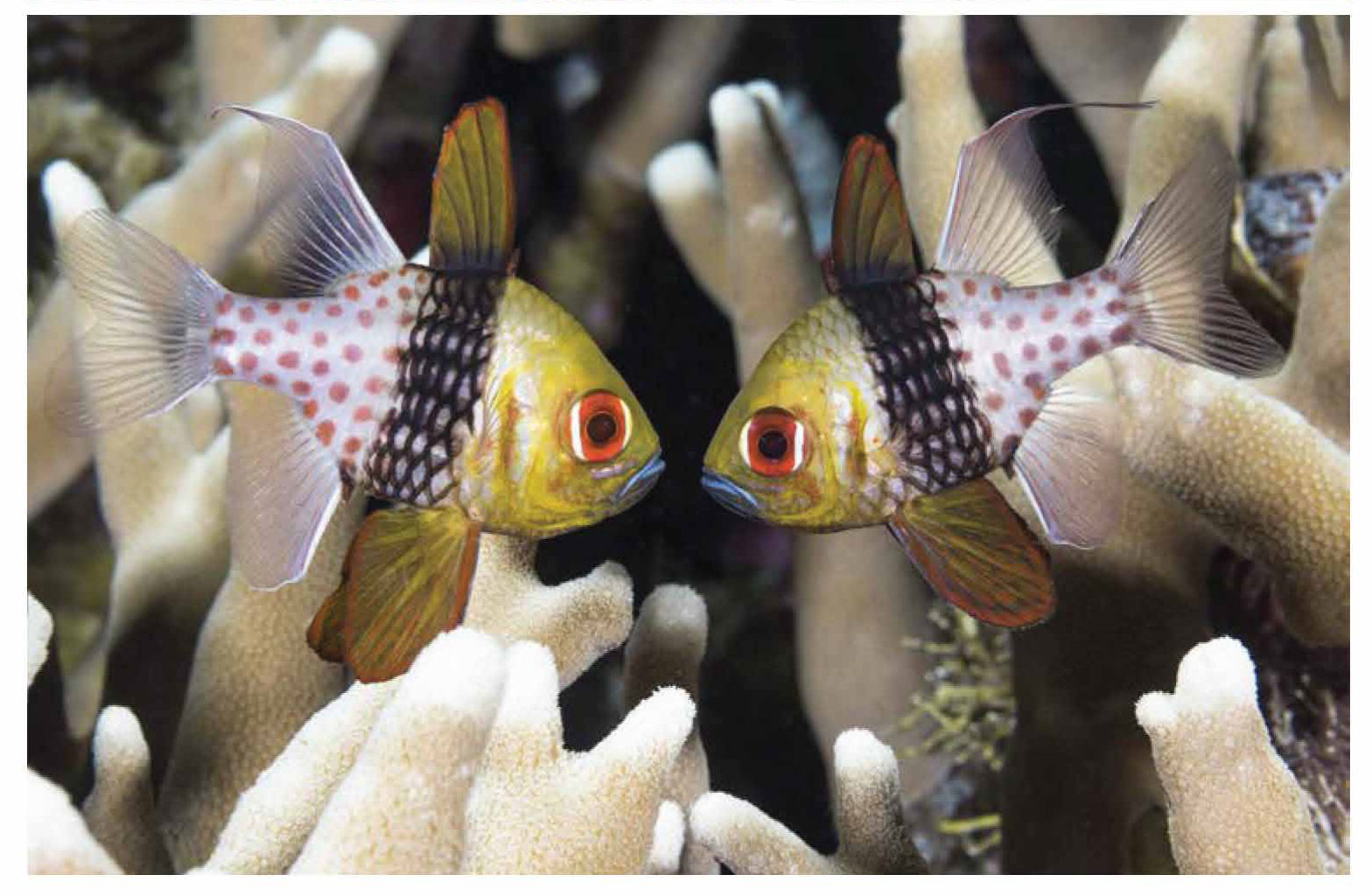
Almost every dive site in the Wakatobi marine reserve offers a chance for small finds, with favourites such as Cornucopia, Magnifica, Teluk Maya or Zoo delivering thousands of species. Sites with minimal currents and shallow depths allow for relaxed hunting and long bottom times. This is the case at the site known as Dunia Baru, where snake eels slither among the corals, Spanish dancers flit about, and mantis shrimp stalk their prey. A closer examination of the bottom will reveal saron shrimp and an abundance of flatworms and pleurobranchs. Dunia Baru is also a favourite for night dives, and one of the best sites to find the polka dot-adorned pajama cardinalfish.

A pair of pajama cardinalfish strike a post at Dunia Baru (Photo by Walt Stearns)

For a different macro diving experience, Wakatobi guests can book a cabin on the dive yacht Pelagian, which departs the resort weekly for cruises to more remote areas of the Wakatobi archipelago, and to the southeastern coast of Buton Island. Here, the focus is on the near-shore shallows, where divers engage in underwater treasure hunts for the small and often highly cryptic critters that burrow into the seafloor silt, lurk in debris fields or hide among the supporting columns of village piers. This is muck diving, which is all about moving slowly and looking closely to discover hidden sea life.

Pelagian visits a number of top-notch sites where divers can hover over seagrass and rubble terrain in search of unique finds. This type of close-quarter manoeuvring can be challenging for even experienced divers, but it becomes easier when you borrow a little trick that underwater macro photographers have used for years. Rather than attempting to use fins and body language to hold position above a tiny and fragile subject, they deploy what is known as a muck stick into an appropriate piece of bottom, and use it as an anchor point to control their distance from the sea floor.

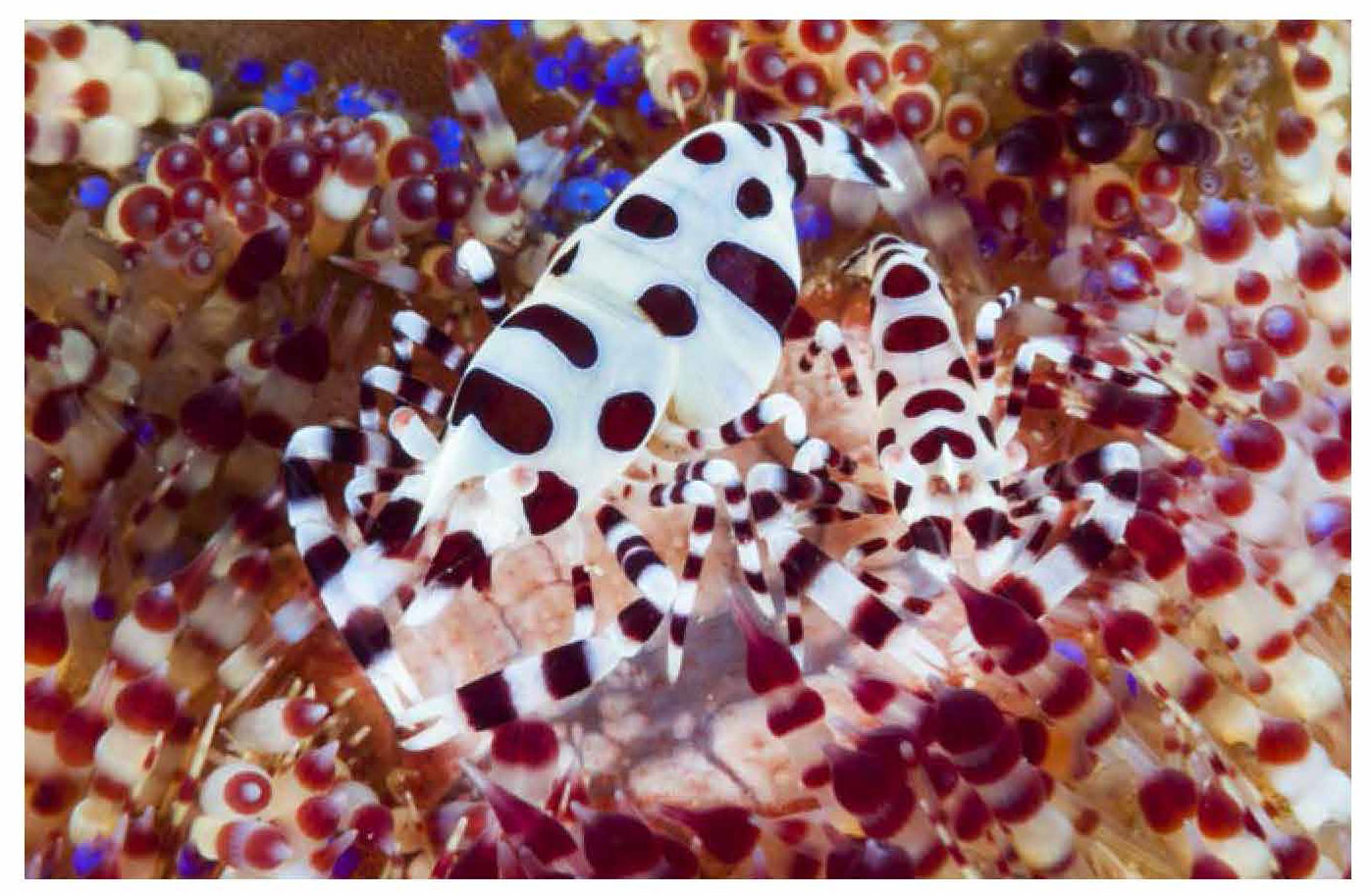
Cheeky Beach is a favourite site visited by the Pelagian. The beauty of this and most surrounding muck sites is that it can be dived repetitively, rendering unique and different finds every time. The big news at Cheeky Beach is the small stuff, as it is a shrimp breeding ground for several of the more exotic species found in the Wakatobi region. Found here in abundance are class favourites like the Coleman shrimp. Often found in pairs, these exquisite shrimps live exclusively on fire urchins, taking up residence in the middle of the urchin’s toxic spines. The host urchin’s spines do not harm the shrimp, but they usually clear an area on the urchin where they perch, making for a compelling macro subject.

A mated pair of Coleman shrimp on a fire urchin at Cheeky Beach. (Photo by Walt Stearns)

Several varieties of mantis shrimp also take up residence at Cheeky Beach, including the enigmatic peacock mantis, as well as a host of smaller species that can require a bit of visual detective work to locate. Find a blue starfish and there’s a good chance there will be a few harlequin shrimp nipping away at its flanks, as starfish are this species’ favourite food. A closer look at a seemingly unimpressive find such as a sea cucumber may yield a pair of imperial shrimp. For a more colourful composition, photographers look for this same species attached to a colourful nudibranch such as a Spanish dancer. Divers with keen eyesight can scan algae-covered rocks in search of the tiny hairy shrimp, or check among the spines of an urchin for a chance at locating the colourful bumblebee shrimp.

Plan a visit to Wakatobi Resort or on the Pelagian liveaboard and you’re sure to discover a plentitude of small treasures and unique marine life. AD

Read the rest of this article in 2018 Issue 3 Volume 151 of Asian Diver magazine by subscribing here or check out all of our publications here.


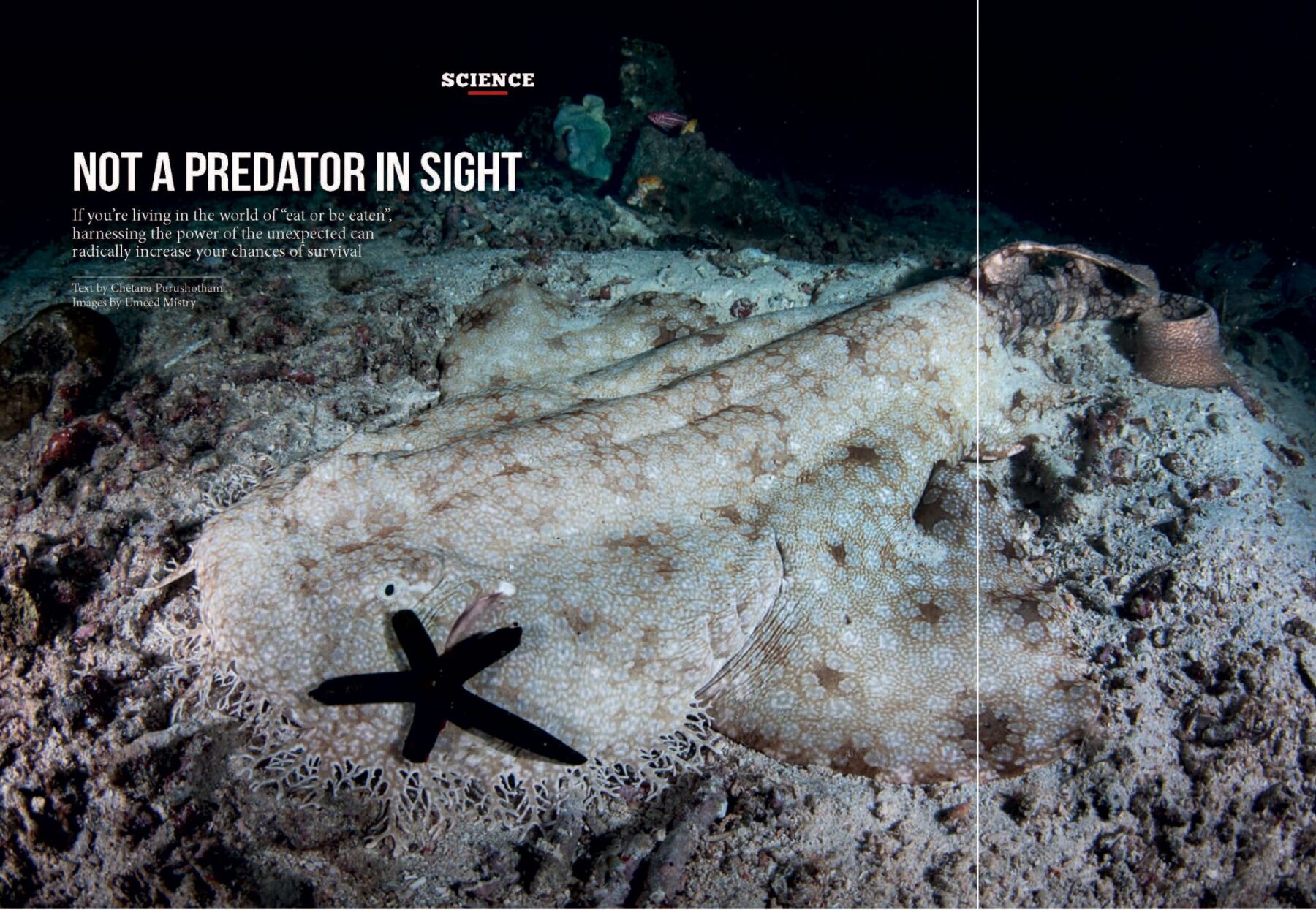
Not A Predator In Sight

0

IT WAS A BLAZING hot morning and the water was as clear as glass. Cameras in hand, we descended slowly towards the coral reef below, inviting in its soft glow under the constant play of sunlight. Only minutes into our cruise, we were joined by a large school of neon fusiliers that was also exploring the reef. The schooling fish swam elegantly and in perfect synchrony, stopping ever so briefly at a cleaning station along the way. Their colours, with those iridescent hues and that gorgeous background of azure blue, made for a perfect picture to capture. It took barely a matter of seconds to adjust the exposure on my camera. But in those fleeting moments, without warning and out of nowhere, a crocodilefish burst onto the scene. In one clean swoop, it swallowed one of the fusiliers whole, scattered the rest of the school in all directions, and left us all rather stunned

A GAME OF HIDE AND SEEK

The crocodilefish, whose presence we had clearly missed before its attack, now looked colourful and intricately shaded in pinks and mustards. How had we not seen it? We got our answer quickly enough. The fish sank swiftly to the bottom and, as we watched in amazement, blended in with the dark pink boulder beneath it. We had just witnessed a startling display of exquisite camouflage.

For marine animals, life in the ocean is not easy. They encounter all the challenges faced by any terrestrial animal in its environment. In addition, oceans are constantly in motion, with temperature and light always changing. Just staying still can be a challenge too. And with so many neighbours on a bustling reef, add to the list of difficulties the fear of being watched by predators each time one ventures out for a meal.

To cope with this “kill or be killed” survival challenge, some animals in the marine realm have turned to the use of camouflage. And for camouflaging carnivores like the crocodilefish, finding food is quite like playing hide and seek – only here, the stakes are rather high. A predator is under constant pressure to bring its “A game”, especially if it wants to keep up with nimble prey that are also constantly getting better at escaping its clutches.

WHEN PREDATORS PLAY WITH LIGHT

In parts of the ocean where sunlight can penetrate, the lives of many plants and animals are largely governed by the dynamic play of light. Light not only determines where animals live and what they eat but also how they are coloured and consequently, who can see them. A camouflaging predator behaves much like a photographer would underwater, constantly evaluating how best it can utilise the presence of sunlight falling on its immediate surroundings. And so, the positions and movements of a hunting predator in camouflage are rarely an accident or coincidental. More often than not, the predator’s every move is carefully calculated before execution, ensuring that it constantly blends in.

THE ART OF BLENDING IN

As it turns out, the crocodilefish we had seen was “background matching” as a form of disguise, using prominent structures in its vicinity to blend in. While being very much present, it remained almost entirely out of sight. To achieve such exceptional results these camouflaging predators need to pay close attention not just to the movement of sunlight but also the brightness, contrasts and patterns of objects they want to resemble.

Sometimes, animals can change the texture and contours of their body and masquerade as other plants and animals. A frogfish often convincingly fools us when it mimics a brightly coloured sponge or urchin. Their plump and irregular shape breaks up their fish-like outline, keeping them hidden in plain view despite their bright colours. As if this weren’t enough, many have a handy-looking “rod and lure” on their forehead. Unsuspecting prey that venture too close to the worm-like lure get swallowed before they even become aware of the presence of their predator.

While some need to seek backgrounds that their bodies can camouflage with, other predators come biologically equipped with a kind of in-built camouflage toolkit. These animals can redistribute, intensify or dilute pigments in their tissues to match their backgrounds in colour, pattern and even textures, regardless of where they move!

Read the rest of this article in 2017 Issue 3  Volume 147 of Asian Diver magazine by subscribing here or check out all of our publications here.