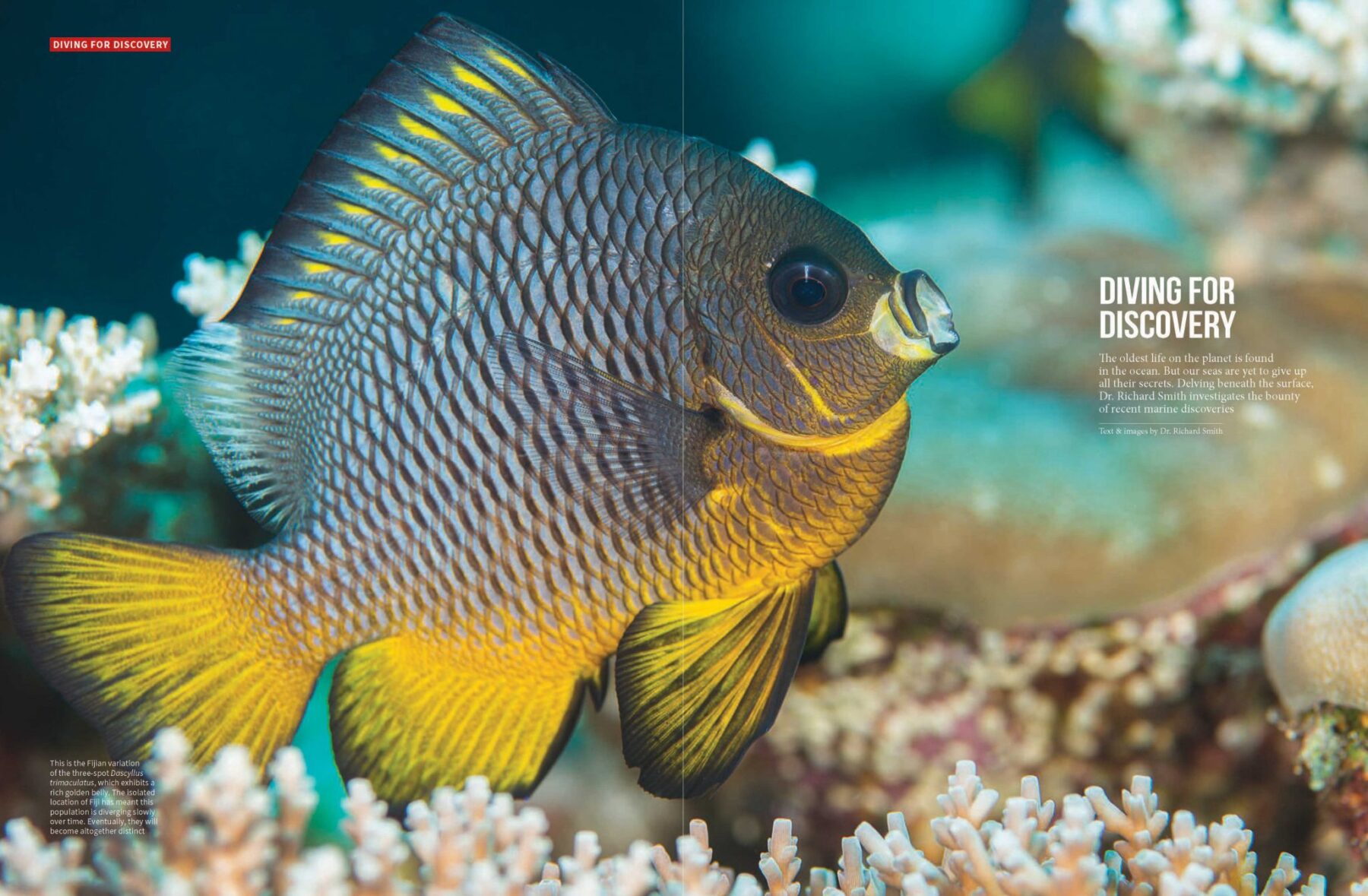
This is teh Fijian variation of the three-spot Dascyllus trimaculatus, which exhibits a rich golden belly. Photo by Dr. Richard Smith
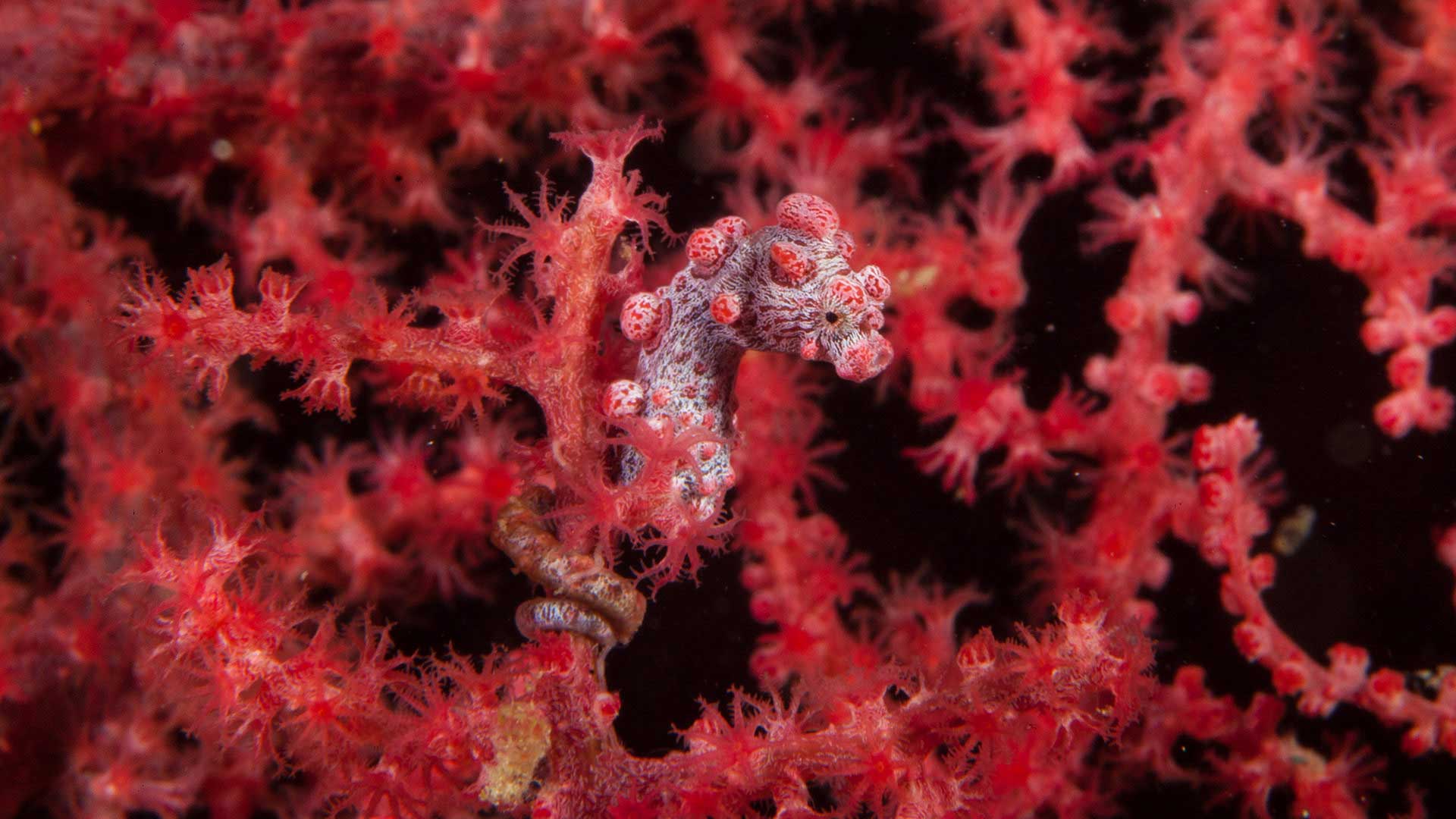
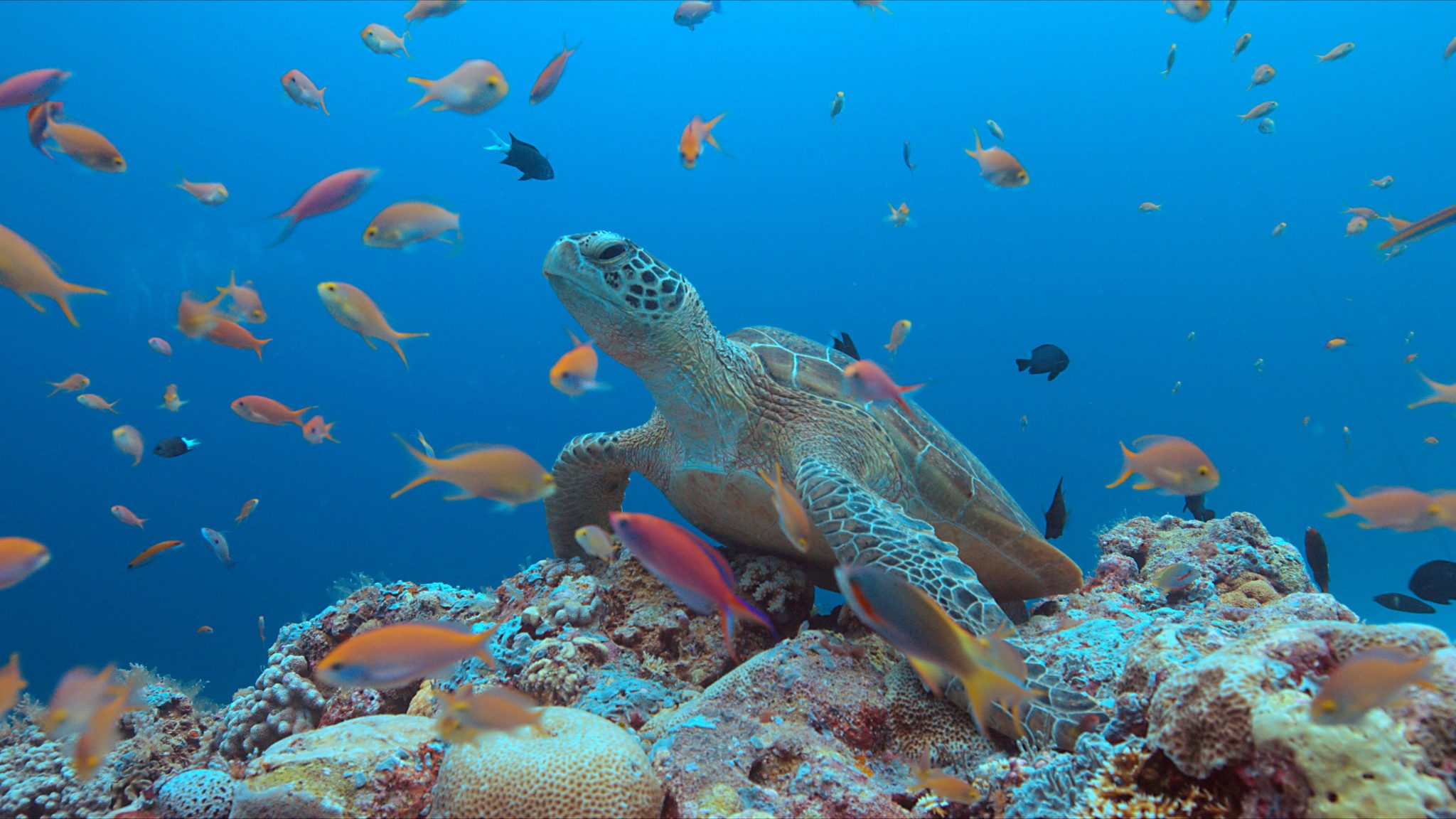
IN A TIME of such hyperconnectivity, a population of seven and a half billion souls, and space probes that relay information from beyond our solar system, you might expect that we’d have a pretty fair idea about the number of species in our oceans. The truth of the matter is, scientists are still discovering hundreds of new species each year – unsurprisingly, given that undiscovered species are believed to account for 70-80 percent of all marine species. As the first generation with the ability to freely explore the oceans using scuba, our community has made a huge contribution to the discovery of new species.
With the ease of capturing digital images, the rate of new discoveries made by recreational divers has skyrocketed. It is an exciting time to be diving the Coral Triangle.
Where have all these species come from?
Marine animals are fundamentally different to their terrestrial counterparts. More often than not, marine creatures have a pelagic larval stage in their life cycle, during which time their babies can float far and wide at the whim of ocean currents. As a result they are distributed across huge distances.
Land-living animals on the other hand are constrained by oceans, mountains, rivers and other physical barriers that they are unable to cross. Even birds can be scared to cross narrow stretches of sea; Wilson’s and red birds of paradise are found only on Waigeo and Batanta Islands in Raja Ampat, despite Salawati being the other side of a strait just a few kilometres wide. As a result of marine creature’s pelagic stage, there are very few barriers to prevent marine animals from reaching even the most remote atolls. Many coral reef fish species are found all the way from the east coast of Africa to the mid Pacific.
How do new species evolve in the ocean?
Although much less common in the ocean, evolution through geographic isolation does occur in our seas. From Triton and Cenderawasih Bays in remote West Papua, to the Calamian Island group in the Philippines, isolated areas of the ocean have contributed disproportionately to recent new marine discoveries.
Read the rest of this article in 2017 Issue 2 Volume 146 of Asian Diver magazine by subscribing here or check out all of our publications here.
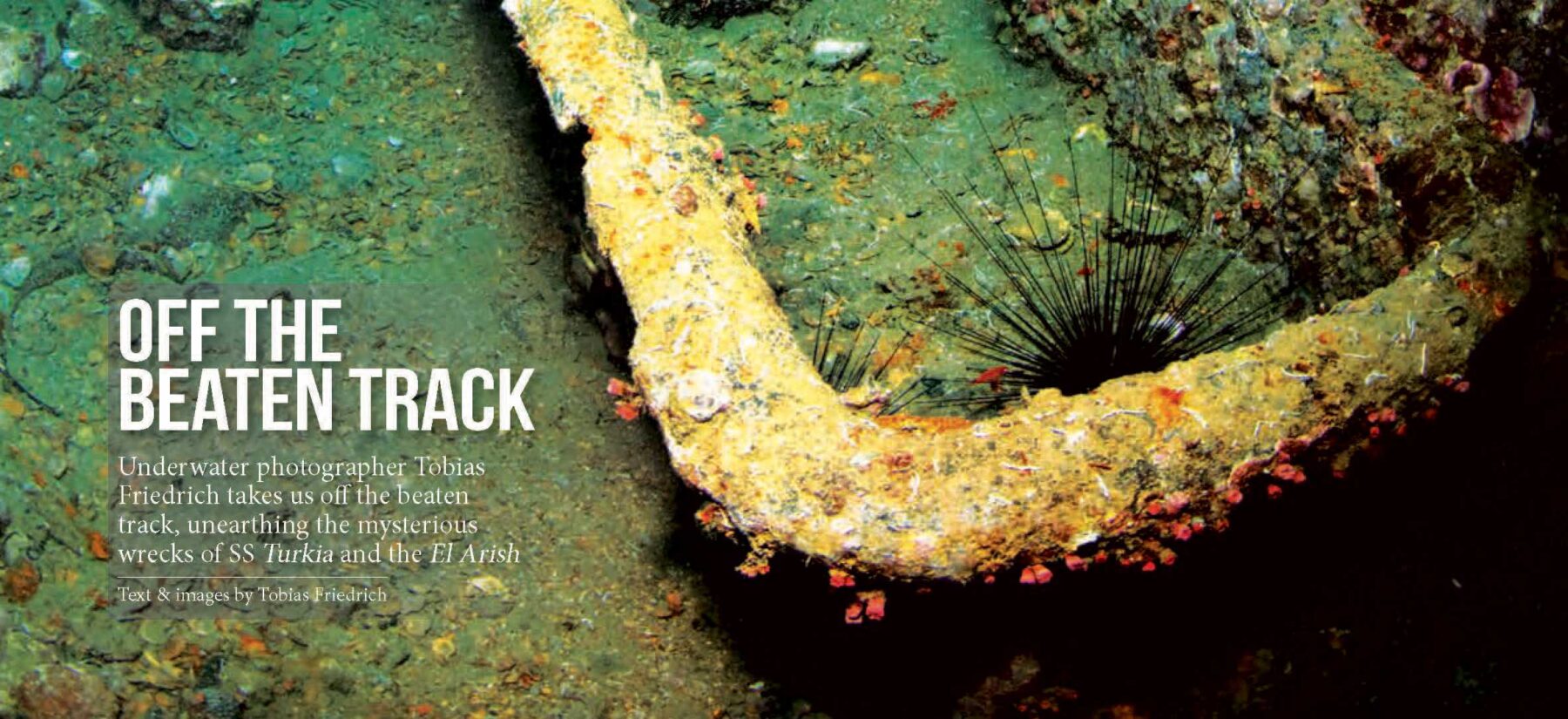
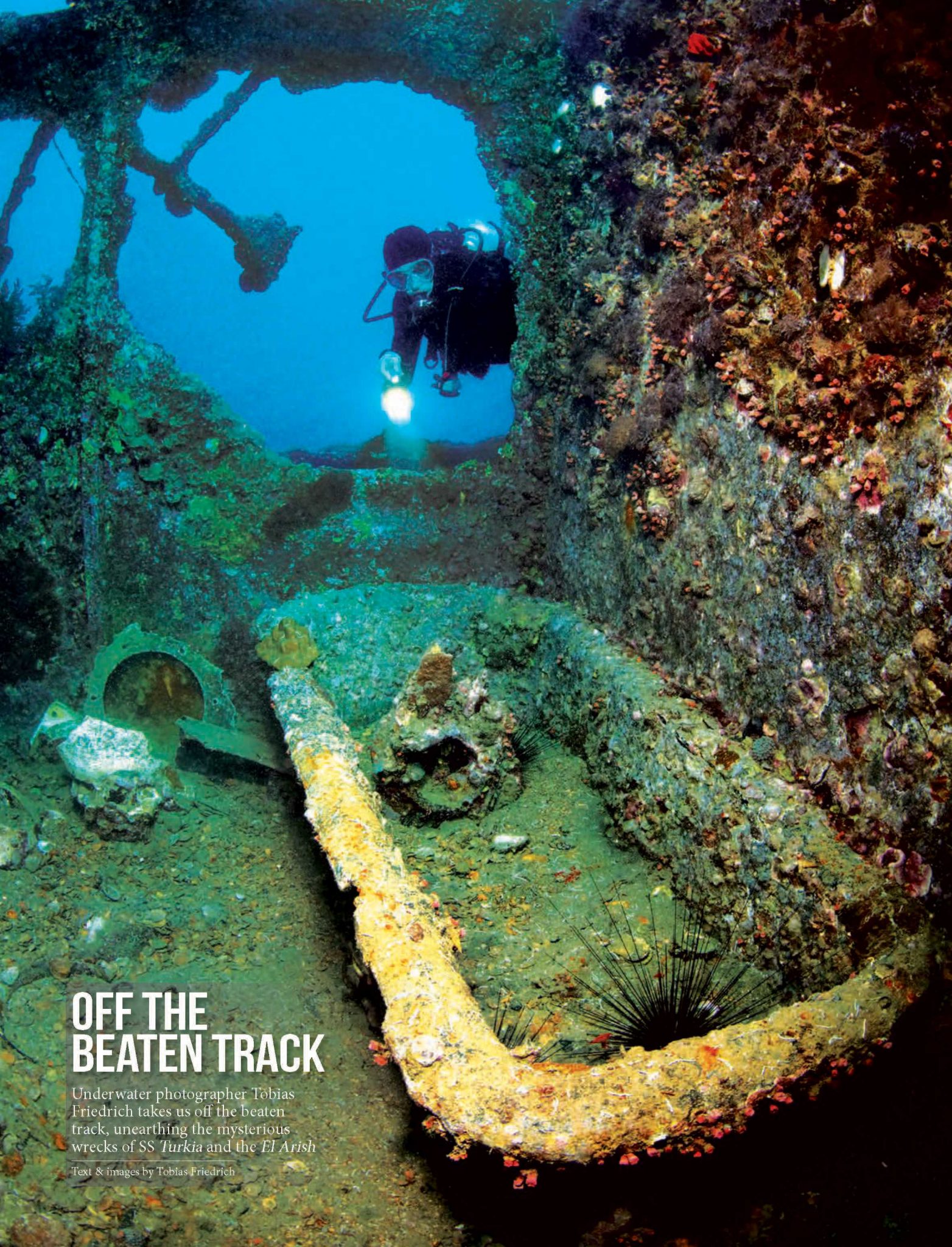
THERE ARE FEW TIMES SS Turkia’s sinking in the Gulf of Suez is still not clear even after 76 years. Some sources say that a fire in the third cargo deck was the reason why the 91-metre ship sank; others say that a German warplane bombed the wreck, similar to the famous SS Thistlegorm. What we do know is that the ammunition in her cargo caught fire, causing a big explosion that led to her 24-metre plummet, where she can be found today. This is an excellent depth for divers, especially those using nitrox. The wreck lies 14 hours by boat to the north of Hurghada, Egypt, which keeps the wreck out of reach for most liveaboards. As such, not many divers visit the wreck, which makes it excellent for marine life and the preservation of the fully intact wreck – a rare sight for wrecks in the Red Sea.
Under the name of the Livorno, the ship was originally built in Hull, England in the year 1909. She was formally used to service between Hull, London and the Adriatic for trading cargo. After her first year, she sailed between Hull, Constantinople, Novorossick and Odessa, as well as between St Petersburg and Cronstadt. During World War I, the ship was used to trade along Manchester, Liverpool, St. Petersburg and Riga. After the war, she was involved in a variety of routes carrying perishable fruits and bulk cargos such as coal. After a hiatus from 1920 to 1935, she was sold to Greece and used under her last name, the SS Turkia.
Since her last voyage, the ship sits upright on sand between 10 and 24 metres. Although the hull is still quite intact, the surrounding seabed is full of bits and pieces of the wreck, which is an exciting sight for divers to discover. Like the Rosalie Moeller, the bow of the SS Turkia looms high above the sand, wrapped in fishing nets from the endless attempts of fishermen to trap the mass of marine life that hides along the huge cargo decks of the sunken ship. Hundreds of barracudas and trevallies, unlikely to be found elsewhere in the Red Sea, have made their home here in the middle of the Gulf of Suez. The density of the sheer mass of fish is so high that divers sometimes can barely see the actual wreck. Diving between the schools of fish is like entering the portal to discovering what hides within.
The large cargo deck contains an endless mass of tyres, possibly as replenishment for the troops during World War II. Swimming through the spacious engine room, divers will emerge out of the other cargo deck, where some ammunition and intact grenades can be found. The deck is covered in a mass of mussels that have crusted over vehicles used as transporters carrying fuel and ammunition. Intact bottles of wine can be found on the upper deck and inside the small cabins. The SS Turkia truly contains some treasures which are rarely found in wrecks from its time.
Photography Tip
The visibility in the Gulf of Suez is not as good as in the other parts of the Red Sea, making it difficult to capture the whole wreck at once. For photographers, it is best to concentrate on the bow and stern of the wreck. There are also interesting highlights inside or up on the deck.
When To Dive
The best time to dive is during the high season in Egypt, which is between June and October. Outside of those months, the wind can be quite strong and the waves are usually very big in the Gulf of Suez at that time.
Read the rest of this article in 2017 Issue 4 Volume 148 of Asian Diver magazine by subscribing here or check out all of our publications here.
Underwater cameraman Jason Isley, co-founder of the underwater filming and photography company Scubazoo, takes us back to a storm on the sea where he feared for the worst.
Back in 2001, we heard stories of an island in the Philippines where it was said you could encounter thresher sharks on a daily basis. Of course this was the now-famous Malapascua, to the north of Cebu Island, but back then there were just two resorts in the entire place and hardly any video footage or images of threshers to be found online. During the first week, we were completely blown away by the regular sightings of the sharks underwater, but little did we know we were about to be very literally blown away topside!
At that time, my main role was as an underwater cameraman, but I was also taking my marine stills photography very seriously. So I hatched a plan to try and make the most of my time underwater at the shark cleaning station. I took the video camera down as normal, plus a tripod with an extra weight belt to keep it secure on the rubble, but I also brought my underwater DSLR along, complete with strobes. After positioning the tripod in the cleaning station and pressing record on the video camera, I would back off and wait patiently, hoping to capture some still images. On one particular morning, I could feel the surge down at 20 metres. I was alone at one of the cleaning stations and when I glanced up at the surface, the conditions were not looking good. As there were no sharks around, I decided to cut the dive short, gathered all the kit and slowly made my way to the surface.
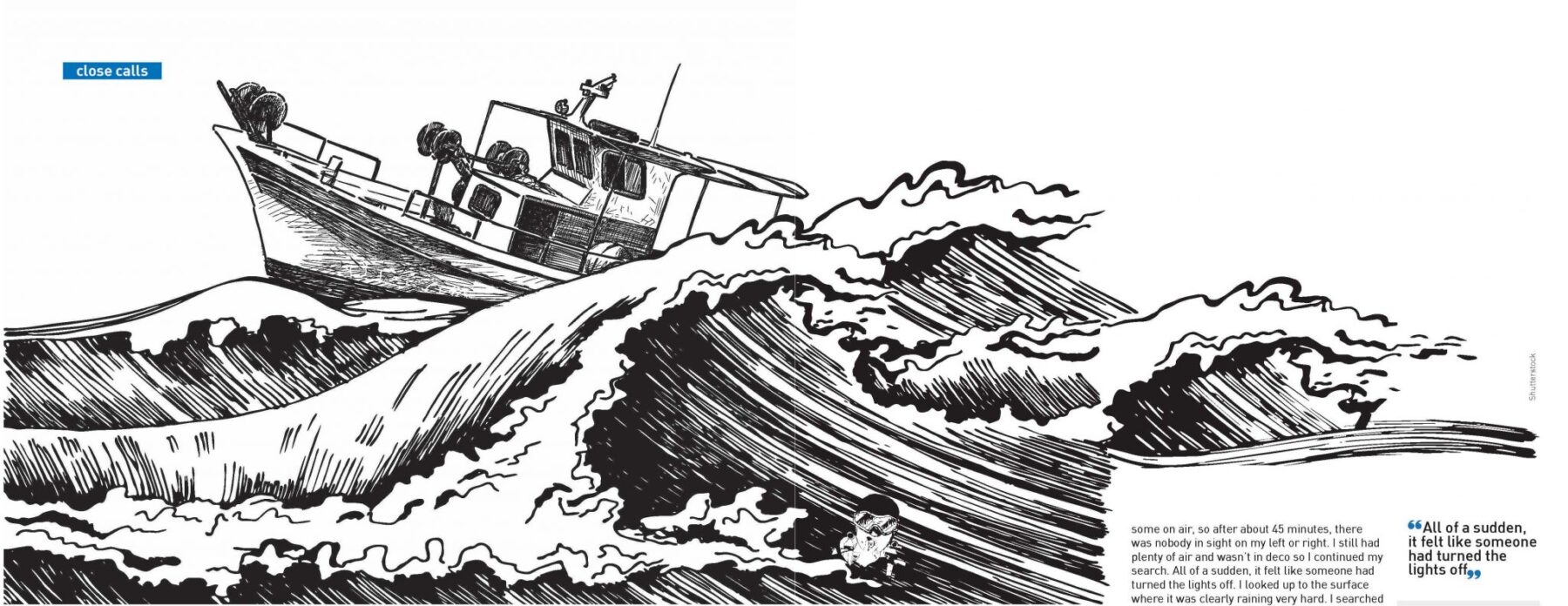
Once there, I could see that the bow of the boat, where the ladder was located, was giving the sea an almighty spanking. I swam for the ladder and attempted to pass the video camera up to the crew; they snatched it from my hands along with the extra weight belt before the ladder decided my head was next for a spanking. Eventually, I managed to gather myself and throw the tripod onto the boat, but when I reached down to grab the DSLR, I found it had come loose from my BCD attachment. In a moment of panic, I swam around on the surface, but my search was in vain. It had simply disappeared. After a very rough journey back to the resort, I reported my sad loss to the dive manager.
Read the rest of this article in No.110 Issue 4/2017 of Scuba Diver magazine by subscribing here or check out all of our publications here.
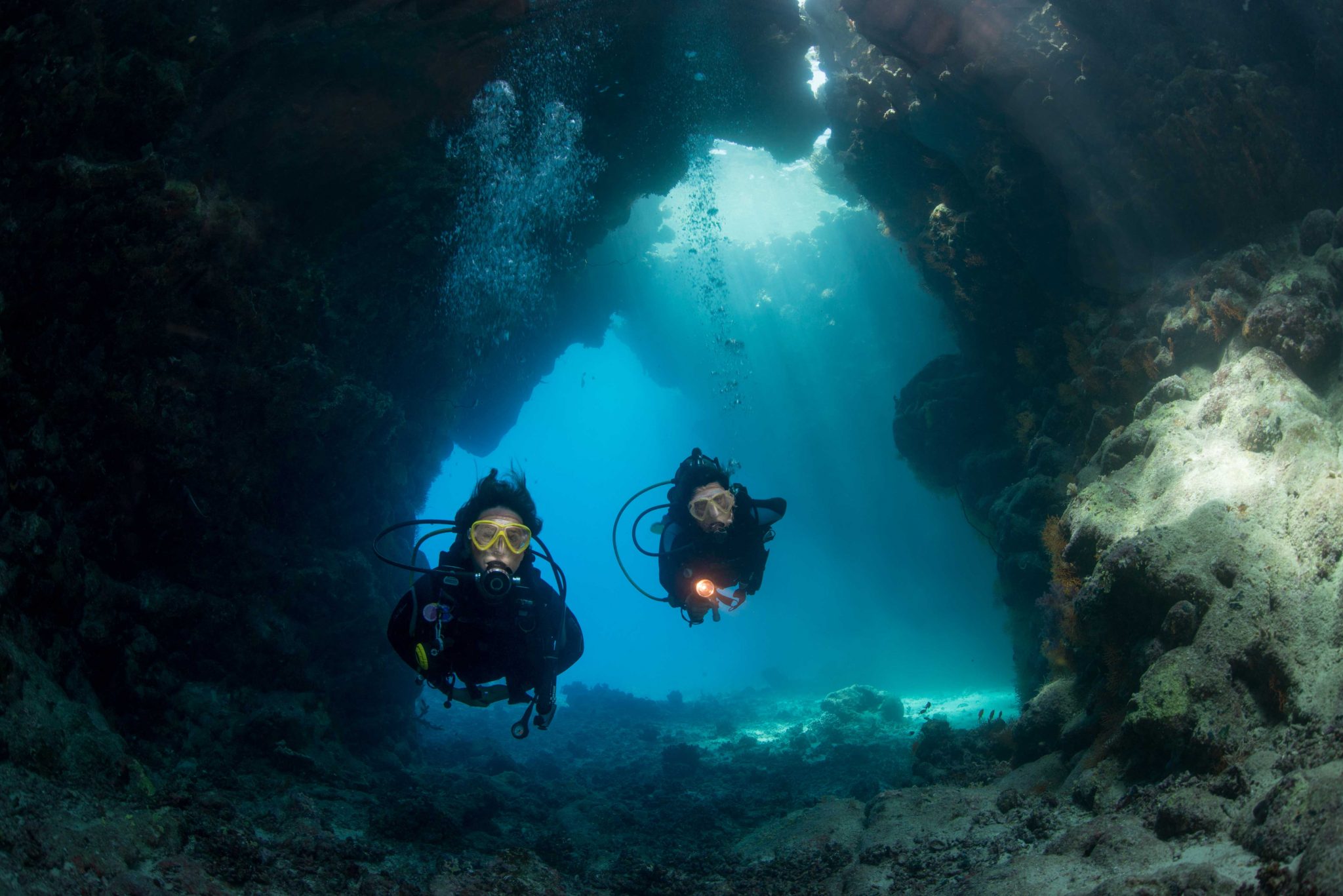
Liveaboard holidays offer an unmatched advantage for scuba divers. Such scuba diving boats allow travelers to reach remote and undeveloped areas not accessible by day trips. In these destinations, marine life thrives and dive sites are far from crowded. Liveaboards can also offer divers the ability to see more sites over the course of one week. Whatever the reason a liveaboard trip is undertaken, it’s guaranteed to provide a unique and thrilling vacation.
If an “eat, sleep, dive” vacation sounds like a great idea to you, consider these diving destinations for your next vacation. From Cuba to Australia, these are the best liveaboard trips in the world.
1. Jardines de la Reina, Cuba
One of the best places to dive in the Caribbean, Jardines de la Reina is situated 50 miles (80 kilometres) west of Jucaro in central Cuba. The uncontaminated reef has been protected for decades and is certainly a lively shark diving destination. During any given dive in the Gardens of the Queen, you might be surrounded by Caribbean reef sharks, and if you’re brave enough, you can even snorkel with crocodiles in this incredible place. Because it takes about three hours to reach Jardines de la Reina by speedboat, it’s only possible to dive here with a liveaboard.
Jardines de la Reina is situated 50 miles west of Jucaro in Central Cuba
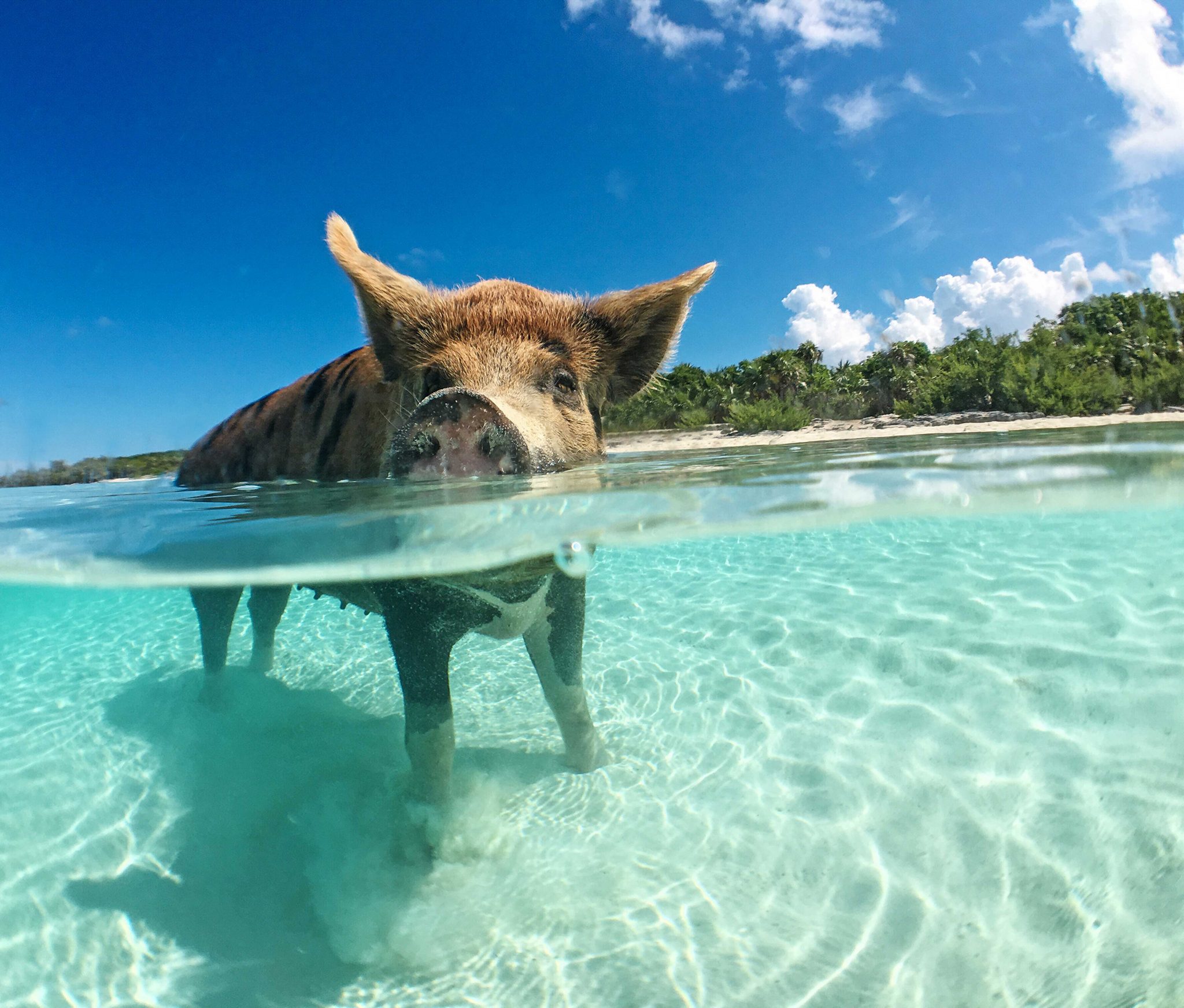
With 700 islands, the Bahamas was seemingly built for liveaboard diving. Sandwiched between the Atlantic and the Caribbean, this stretch of Earth attracts sharks aplenty along with other exciting marine life. And when it comes to liveaboard diving, there’s no better place in the Bahamas than the Exumas. Sheltered from the Atlantic, this row of cays are known for shallow coral reefs and colourful walls. This is a great destination for beginners as currents are minimal and shallow sunken ships offer an introduction to wreck diving. Book a liveaboard to visit the most remote dive sites in the Exumas.
The Bahamas has 700 islands with exciting marine life for you to explore
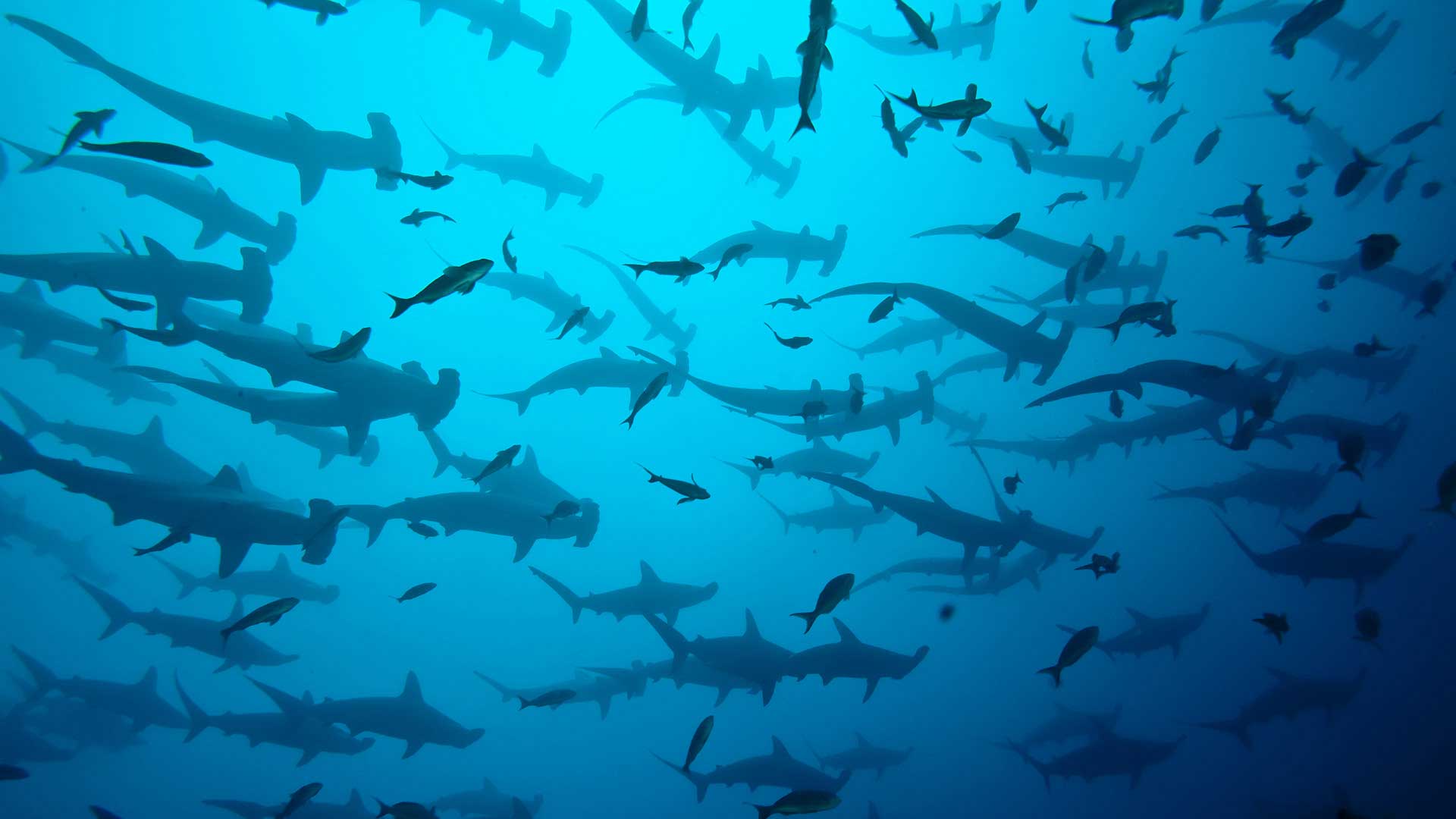
342 miles (550 kilometres) off the west coast of Costa Rica lies one of the best scuba diving destinations in the world. Cocos Island is a magnet for pelagic species and is famous for schooling hammerhead sharks. In fact, it’s part of the hammerhead triangle. In addition to hammerheads, Galapagos sharks, manta rays and mobula rays are often found around dive sites such as Dirty Rock and Bajo Alcyone. The lonely seamount that is Cocos Island is a 36-hour steam from Puntarenas, so diving here is only possible by liveaboard.
Cocos Island is one of the best places to see pelagic species and hammerhead sharks
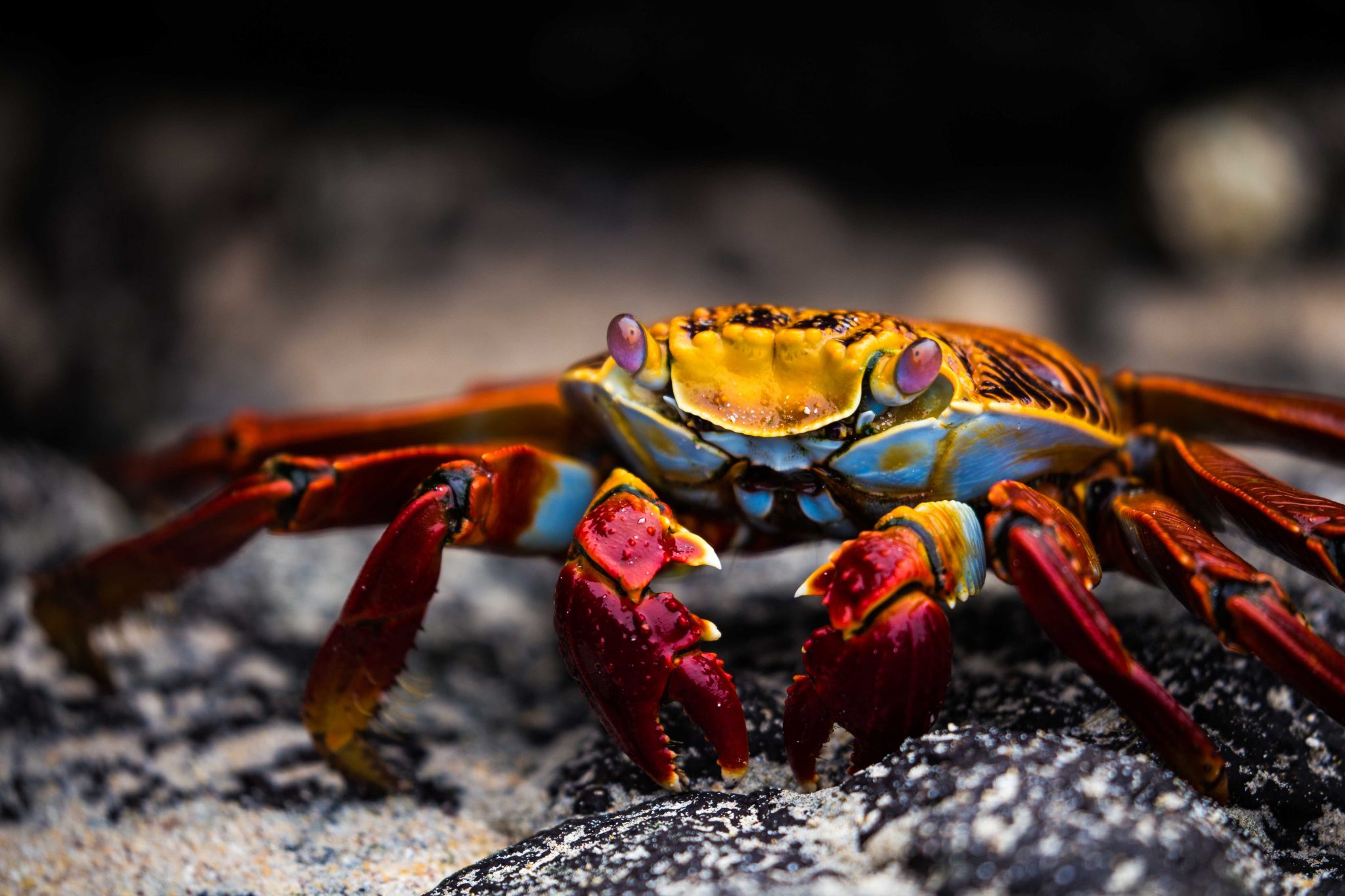
If you’re like most divers, the Galapagos Islands are high on your bucket list. With fascinating marine life like Galapagos sharks, manta rays, whale sharks, hammerheads, marine iguanas, sunfish and more, it’s easy to see why this is a sought after destination. And while the diving is good from most places, the best dive sites in this remote archipelago are located around Wolf and Darwin Islands, which can only be reached by liveaboard. Charles Darwin loved these islands, and you will too. Untouched nature awaits you at this Pacific archipelago.
Wolf and Darwin Islands within the Galapagos Islands can only be reached by Liveaboard
Indonesia is full of great liveaboard destinations. From Komodo to the Banda Sea, every island offers a unique diving experience. But Raja Ampat has become a favorite among divers lately, and it’s easy to see why. With impressive fish diversity and pelagic giants, there’s something for everyone in West Papua. Furthermore, this chain of islands remains wonderfully undeveloped, allowing divers a wild experience full of manta rays, wobbegong sharks and healthy coral reefs. To get the most out of your vacation to Raja Ampat, sign up for one of the many liveaboard trips available.
Raja Ampat has great fish diversity and pelagic giants in its waters
When to Go: October to April
Recommended Liveaboard
6. Deep South, Maldives
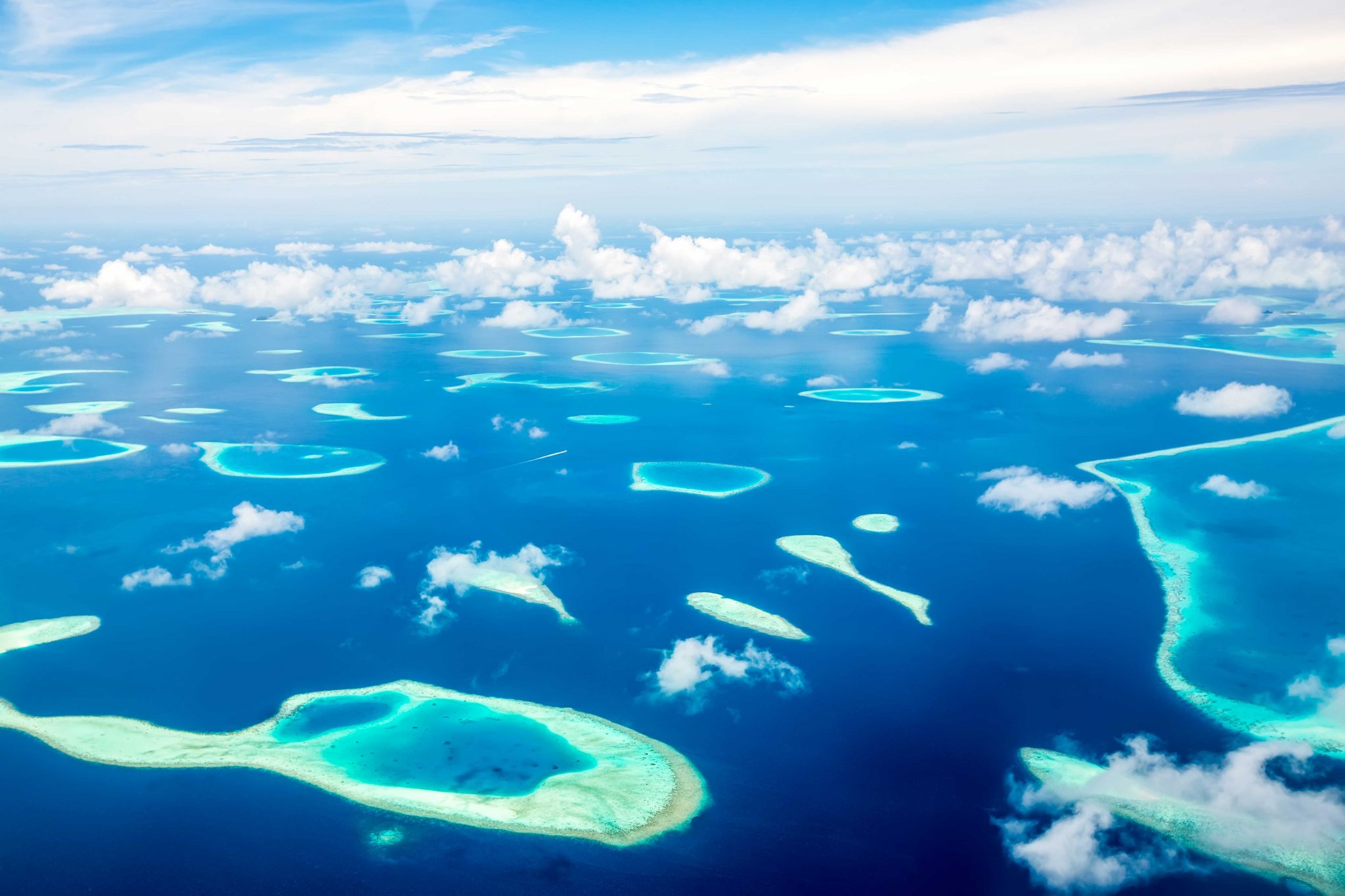
The Maldives, with 26 natural atolls and a gorgeous variety of marine life, are a wonderful liveaboard diving destination. Any liveaboard trip will likely result in sightings of whale sharks, manta rays and a host of colourful, underwater inhabitants, but diving in the deep south of the country is an ultra-special experience. Almost every trip to these remote atolls results in new dive sites as the area simply isn’t visited by scuba divers that often. On most trips, the dive crew is just as excited by the potential for discovery as the guests are. In addition, larger marine life like sharks are more commonly seen in the south of the country. Because resorts are few and far between, liveaboard diving in this distant half of the Maldives is a must.
The Maldives has 26 natural atolls blessed with whale sharks, manta rays and other colourful marine creatures
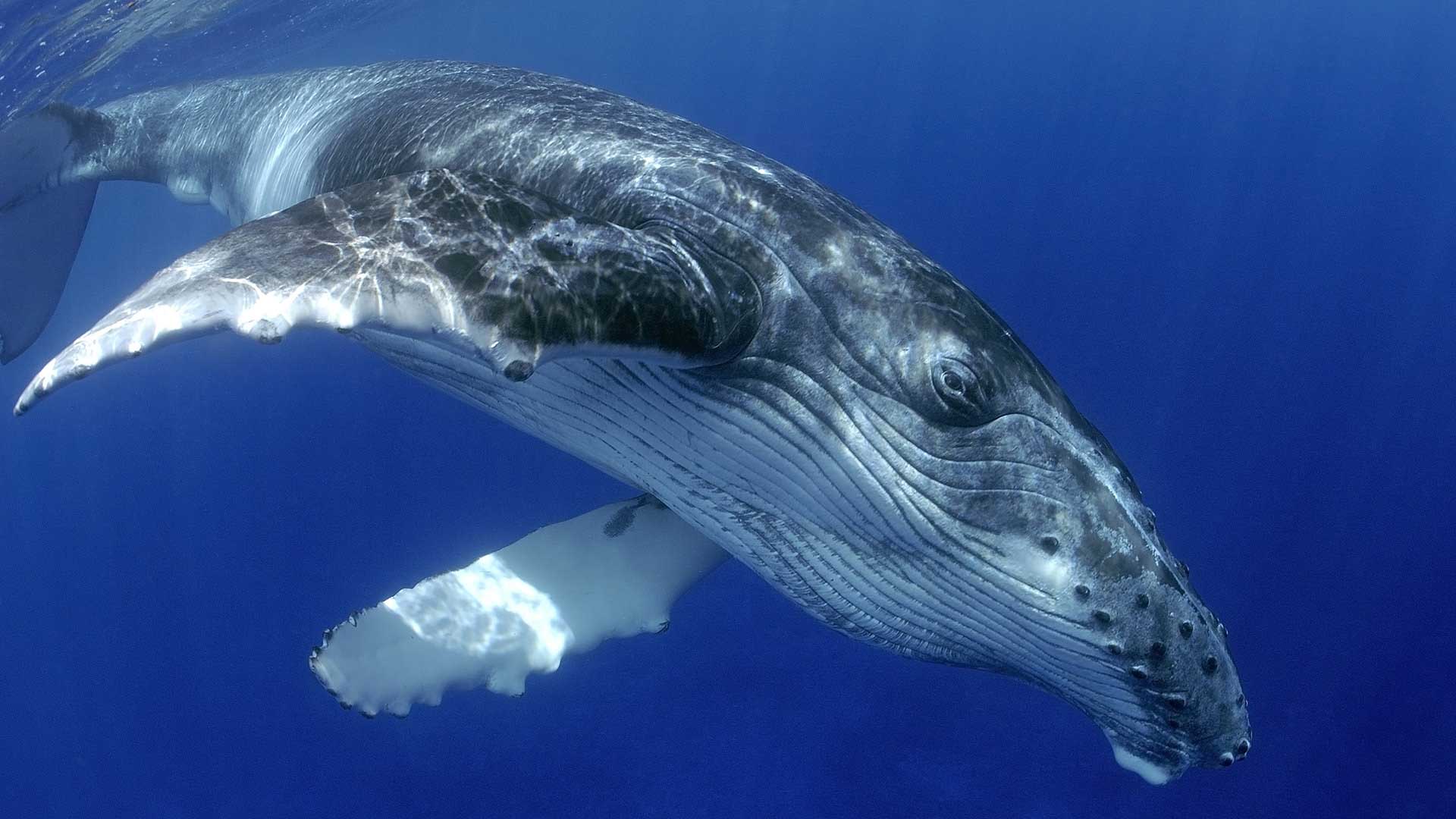
Out of all the great liveaboard diving destinations in Mexico (like Guadalupe and the Sea of Cortez), the Revillagigedo Archipelago is one of the best. Also called the Socorro Islands, these four volcanic islands were recently named a UNESCO World Heritage Site thanks to the biodiversity of species found around them. Humpback whales, manta rays and hammerhead sharks are all commonly seen here. At 240 miles (390 kilometres) west of Baja California Sur, you’ll need to travel by liveaboard to reach this fantastic scuba diving destination.
The Revillagigedo Archipelago is one of the great liveaboard diving destinations in Mexico
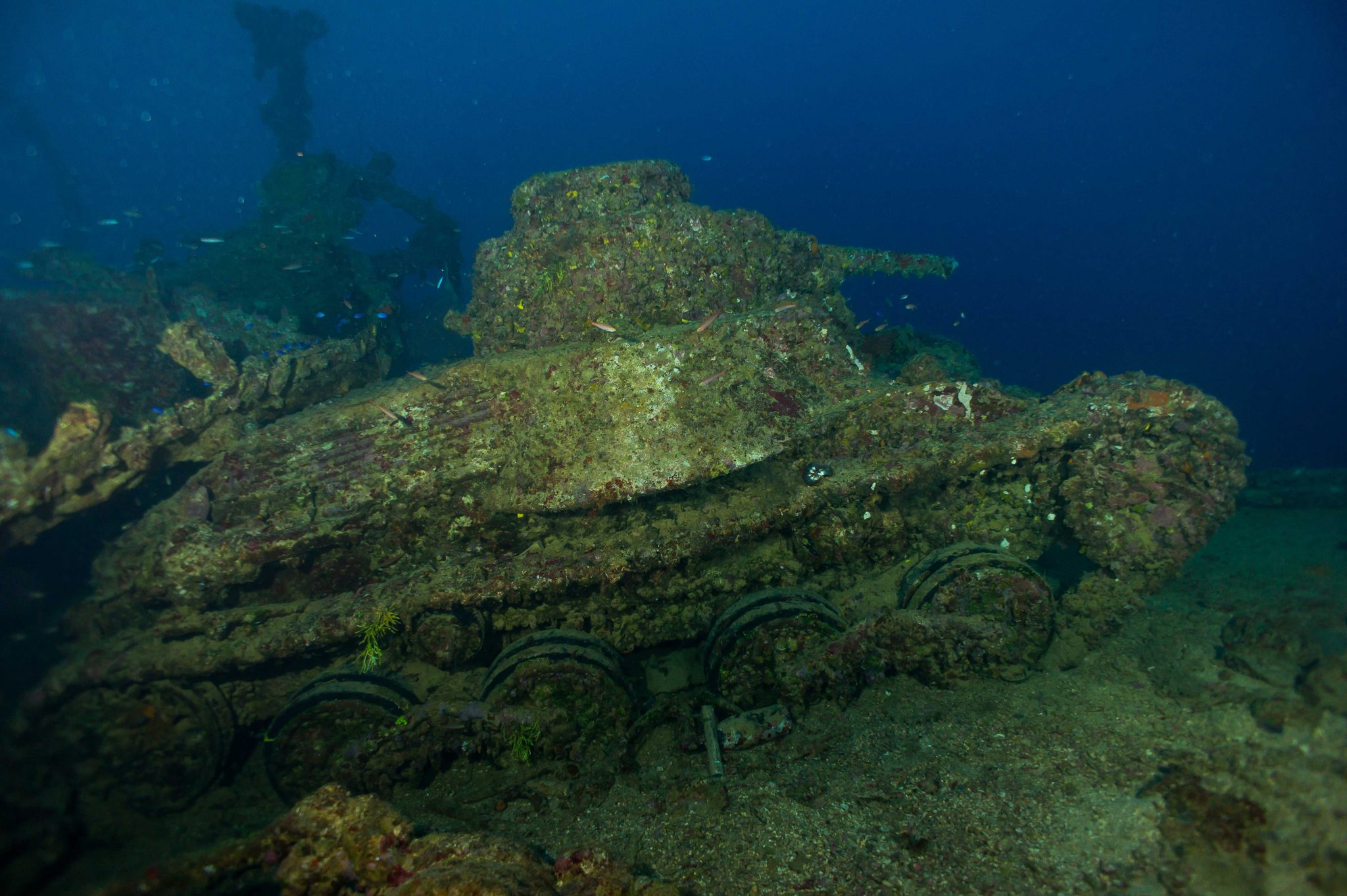
Regarded as one of the best wreck diving destinations in the world, Chuuk (Truk) Lagoon in the Federated States of Micronesia is a graveyard for more than 200 aircraft and 60 ships. These machines were sunk during an Allied attack on the local Japanese naval base during World War II. Today, 50 of these wrecks have become dive sites ripe for exploration. Although there are dive resorts scattered around the area, traveling by liveaboard is highly recommended for divers wishing to visit all the best wrecks in a single week.
Chuuk (Truk) Lagoon is a favourite among wreck divers interested in World War II wrecks
A UNESCO World Heritage Site, Tubbataha Reefs Natural Park is one of the most protected underwater environments in the world. This is due to the fact that it’s home to an impressive array of marine life. Within the 97,000 hectares, you might find mantas, whale sharks, grey reef sharks, tuna and eagle rays. Visitors also sometimes spot hammerheads, tiger sharks or a number of whale species that regularly migrate through the area. This is of course accompanied by a huge abundance of coral. Keep in mind that Tubbataha can only be reached by liveaboard and is only open to tourists a few months of the year.
Tubbataha is home to an impressive array of marine life
Far to the south of Egypt’s Red Sea lies St. John’s Island and its spectacular reef system. The island, which is 25 miles (40 kilometers) from Elba National Park, is famous for its abundant soft and black corals. In addition, lucky divers have reported schooling hammerhead sharks in the area. The diving here is great year-round, but you’ll need to travel by liveaboard as this part of Egypt is fairly remote. Liveaboard trips to St. John’s Island are often combined with Roky Island and Zabargad for a whole week of fantastic diving.
St John’s Island has a spectacular reef system
When to Go: April to June and September to November
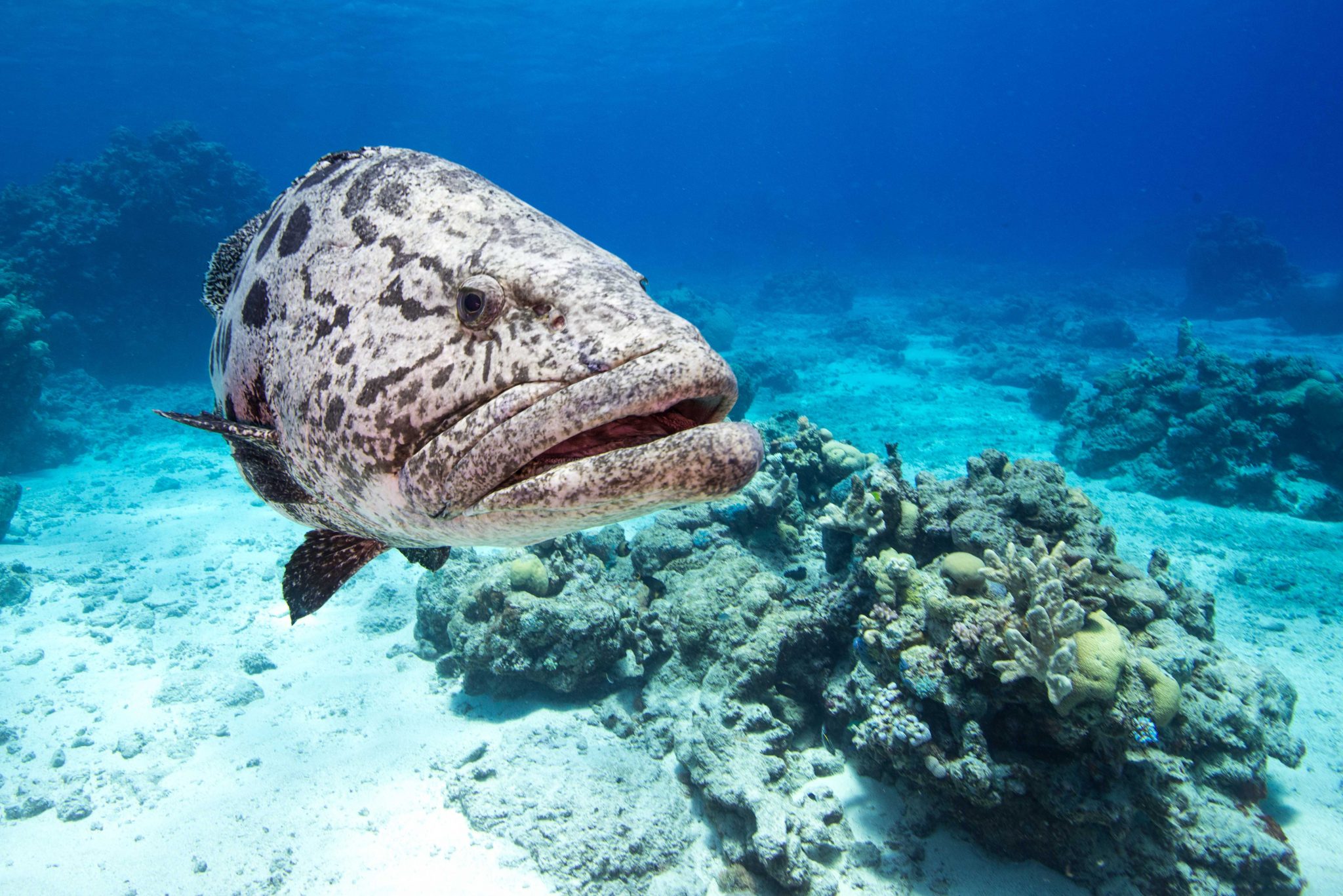
Another popular bucket list destination, the Great Barrier Reef in Australia is one of the richest marine environments in the world. It boasts more than 1500 fish species and 360 species of hard coral. In addition, six species of sea turtles, manta rays and several shark species, like grey reef sharks and silky sharks, call this reef home. Coral gardens, pinnacles, bommies, channels and caverns make up the majority of dive sites. Furthermore, while you may be able to sample the inner reefs on a day trip, the outer reefs offer greater biodiversity, healthier corals and fewer divers. These sections of the Great Barrier Reef are only accessible by liveaboard.
The Great Barrier Reef has one of the richest marine environments in the world
Are you ready to dive into the best liveaboard destinations in the world? Get in touch with PADI Travel to book the scuba diving vacation of your dreams!
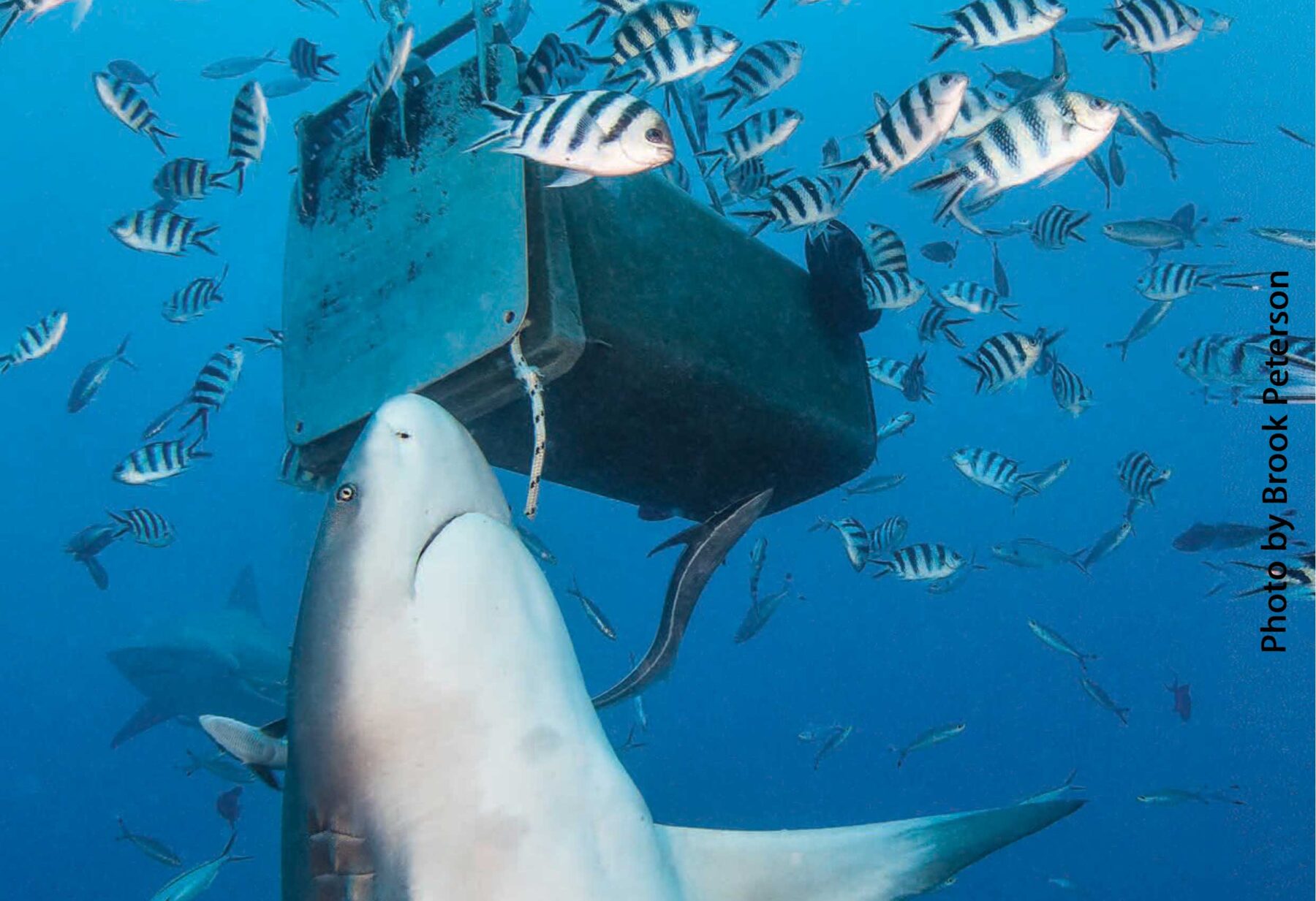
In recent years, debate on the subject of baiting the water to attract sharks has been on the rise. Many people feel that this practice may be harmful for both humans and sharks while others insist that it is necessary to help preserve the shark population.
A study published in July 2013 in Marine Policy reported that approximately 100 million sharks are killed by humans each year. This number is unsustainable and the consequences of the prolonging of this practice could be substantial to our marine ecosystems. It is reasonable to assume that most of us should have a vested interest in the preservation of the ocean’s top predator, as our own ecosystems are intertwined with the health of the ocean. But how we go about bringing awareness about the need to preserve shark populations remains a matter of controversy.
Arguments against baiting the water for sharks include the belief that sharks may become accustomed to associating humans with food. This could harm innocent swimmers or divers because more sharks may be in the area where food is frequently dispensed. In fact, this belief does have some truth in it. Ralph Collier, who heads the “Global Shark Attack File”, reported that in the short term, there may be some correlation between shark feeding and shark bites. Indeed, some areas such as Hawaii, Florida, and the Cayman Islands outlaw shark feeding.
Some argue that baiting undermines shark conservation efforts because sharks that become habituated to receiving food from humans are instead caught by fishermen taking advantage of easy prey.Others claim that operations that use bait to attract sharks for their customers are exploiting the shark population for the monetary value in tourism.
Tourism, however, may just be the thing the shark population needs. Some areas that were once fishing grounds are now protected from fishing, and the local population who once sold their catches now make their living as dive operators. It is estimated that a shark’s value when sold for food is about USD150–200. That same shark has a value of nearly USD2 million over its lifetime as a tourist attraction. Considering the number of people who now have an interest in sharks because of programmes such as Discovery Channel’s Shark Week, shark tourism has become a definite benefit for sharks.
Without images of sharks in their natural environment, conservation efforts would not be as effective. Advocates argue that photographers who take compelling images of sharks to inspire change can’t get close enough to their subjects without feeding them. In addition, allowing divers to participate in baited dives helps dispel the myths that movies have perpetuated. In truth, sharks are intelligent, graceful and beautifully powerful animals.
Read the rest of this article in 2018 Issue 1 Volume 149 of Asian Diver magazine by subscribing here or check out all of our publications here.
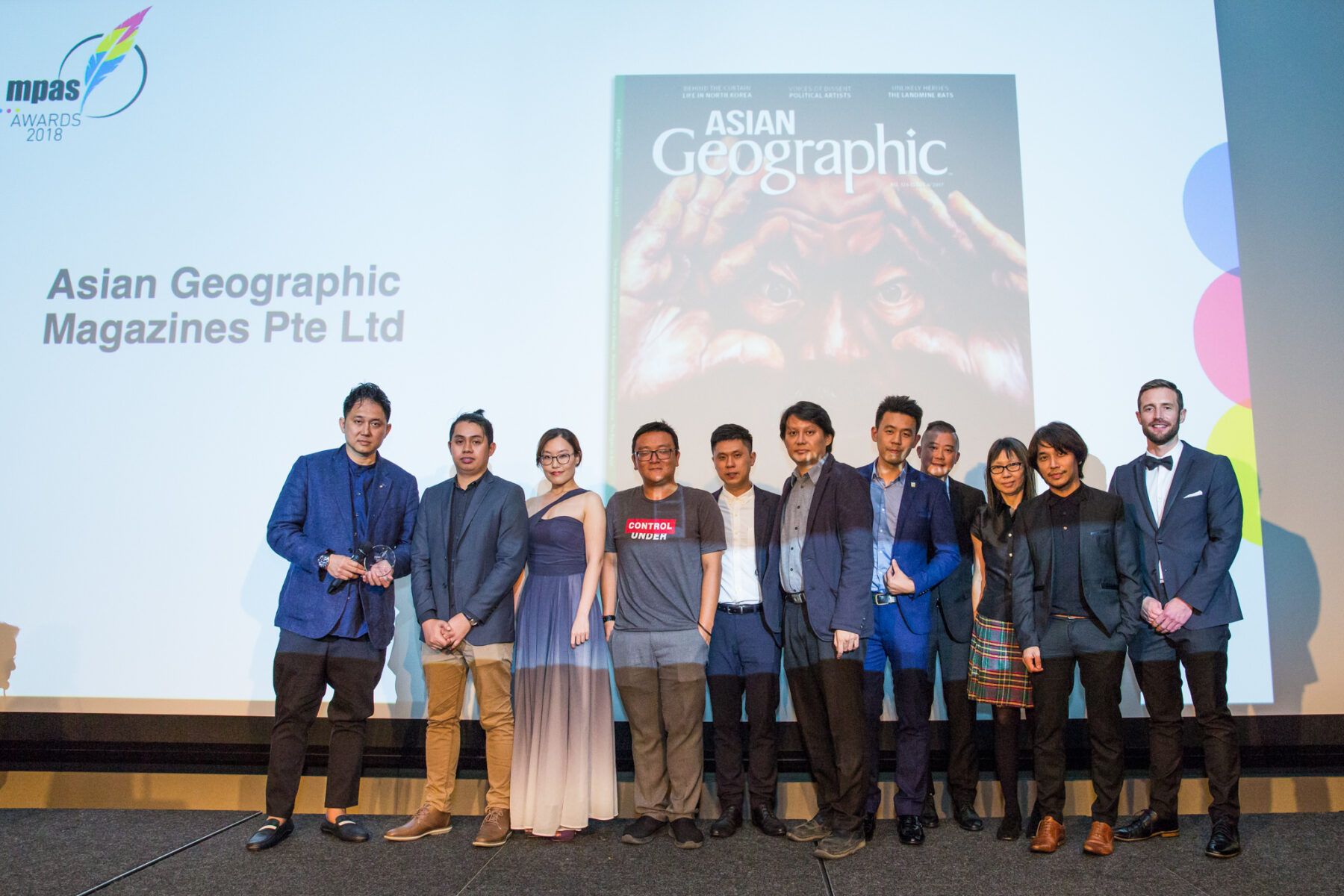
SINGAPORE NOVEMBER 13, 2018 – Asian Geographic Magazines picked up a stunning haul of 16 awards at the 2018 Asia Pacific Publishing Awards (APPA) and Media Publishers Association of Singapore (MPAS) Awards on November 8, 2018. The large number of points accumulated across the 16 winning categories meant that Asian Geographic Magazines walked away with the biggest award of the night as it was named the Media Company of the Year while its publisher, John Thet, was named the Publisher of the Year.
Asian Geographic magazine claimed the APPA 2018 Media of the Year (Original Content) (Gold) award and the MPAS Award for Front Cover of the Year (Consumer) (Gold) for its Eyes Wide Open cover illustrated by Badiucao and designed by Shellen Teh. The magazine picked up the MPAS Award for Single Design Article of the Year (Gold) with its Asia’s Rising Star article from Issue 129, written by Rachel Chia, designed by Shellen Teh, and photographed by various contributors. It also picked up the MPAS Photography of the Year (Gold) Award for its Behind the Curtain piece by Eric Lafforgue (Asian Geographic Issue 126) and its Old as the Hills piece by Claudia Xiaoli Lee (Asian Geographic Issue 130). Asia Geographic magazine also won the Feature Article of the Year (Consumer) (Gold) award for its China Manufactures the Future article (Asian Geographic Issue 129) written and photographed by Zigor Aldama. The same issue also clinched second place in the same category with the Feature Article of the Year (Consumer) (Silver) award for the Back from the Dead article written and photographed by Claudio Sieber.
Asian Geographic Passport magazine was also named the APPA 2018 Travel Media of the Year (Gold).
Not to be outdone, Scuba Diver magazine was named the APPA 2018 Sports and Recreation Media of the Year (Gold). Scuba Diver Ocean Planet: Celebrating Sharks magazine was named the APPA 2018 Special Interest Media of the Year (Gold) and the APPA 2018 Special Edition of the Year (Gold) while Underwater360 was named the APPA 2018 Integrated Media Brand of the Year (Gold).
Underwater360 – www.adex.asia – won the MPAS Award for the Trade website of the Year (Gold) while Asia Dive Expo (ADEX) picked up the MPAS Award for Conference/Exhibition of the Year (Silver) category against stiff competition. The event has gone from strength-to-strength in recent years, with over 60,000 visitors attending the annual exhibition. ADEX also runs in Beijing in China and will expand to Shanghai, Qingdao, Mumbai, Philippines in 2019.
Scuba Diver Ocean Planet designer, Justin Tin Htwe, also walked away with the MPAS Award for Designer of the Year (Silver).
The Asian Geographic Magazines team would like to thank all our readers, partners, advertisers and sponsors for the tremendous support right from the start. Our team will continue to do our best in creating quality print and digital publications.
Nausea is nasty – there is no doubt about it. This debilitating symptom can strike for a number of reasons: dehydration, motion sickness, morning sickness, food poisoning, too much sun – the list goes on. But fear not, there are a number of things you can try before you lose the will to live! Obviously, identifying the cause of the problem is step one, and will help guide you to the best way of helping yourself, but even if you can’t resolve the root of the problem, there are a few universal cures you can try.
Hydrate
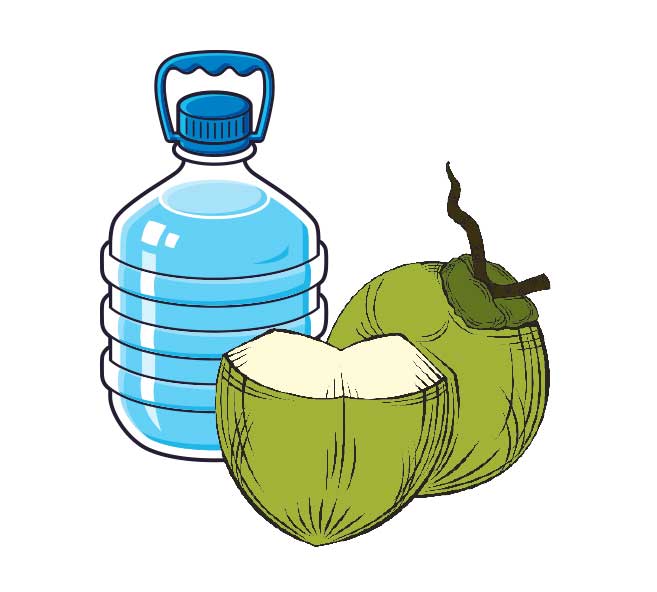
Dehydration can cause nausea, and will make it worse if it’s caused by something else. Make sure you’re drinking enough water, as well as replacing your electrolytes with an isotonic drink, or fresh young coconut.
Rest your noggin
Try to keep your head as still as possible, and rest with your head slightly elevated if you can
Pressure point
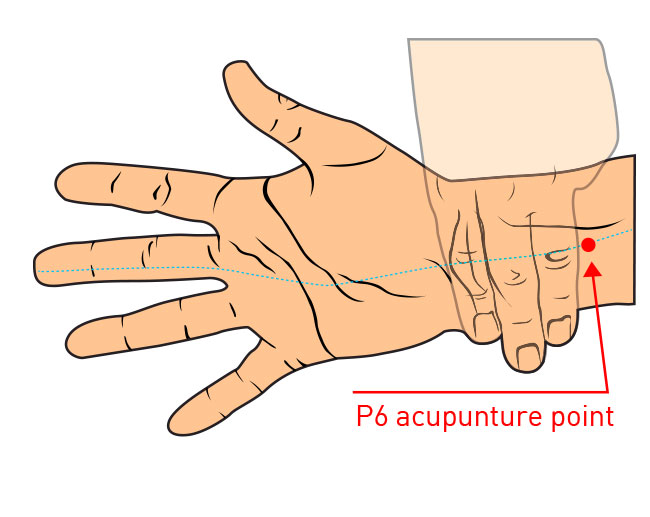
Try the ancient wisdom of acupressure with the P6 point. For the most effective relief, stimulate this point for as long as possible on both wrists.
Cool compress
Apply a cool, wet cloth to the forehead and temples, or to the back of the neck, depending on which position you find most relieving
Stomaching it
Ginger (fresh, as capsules, in ginger ale or as a tea) and peppermint (tea works best!) are widely recognised as some of the best natural remedies for nausea. Flat cola is also highly effective.
Have regular small meals and stick to bland, easy-to-digest foods.
Avoid alcohol, caffeine, fizzy drinks and greasy or processed food.
Sweet smells soothe
Smelling pleasing aromas can cut through nausea quite effectively. Try slicing a lemon and gently inhaling the citrusy scent, or use like lavender or geranium.
Mind over matter
Nausea can often be exacerbated by anxiety, and then made worse by the worry that you’re going to vomit. Try to relax, if you need to let it out, then do – throwing up if you need to can be a huge relief!
Read the rest of this article in No.89 Issue 1/2017 of Scuba Diver magazine by subscribing here or check out all of our publications here.