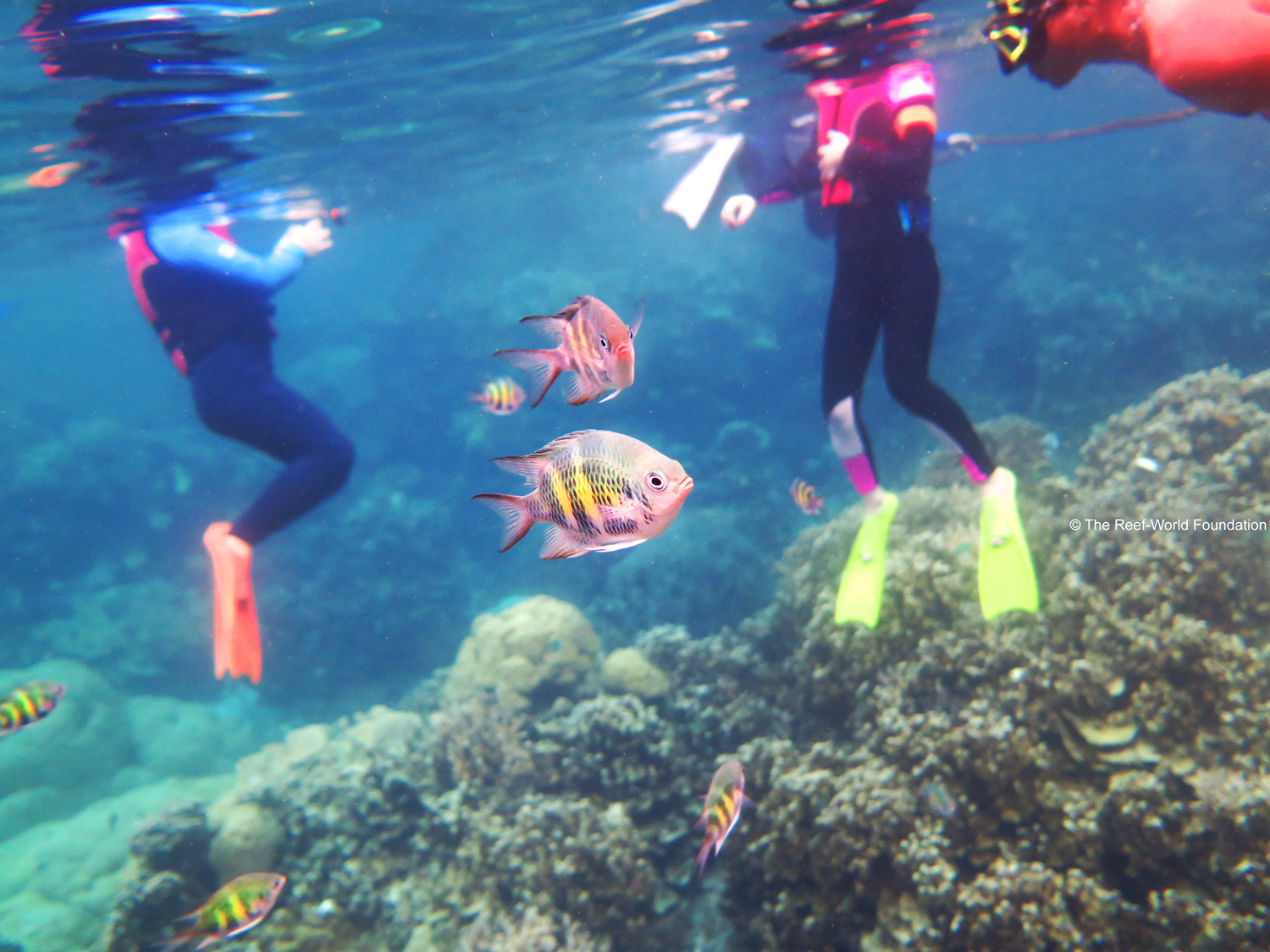
Research by the World Tourism Organization found that in 2016, nature-based and adventure tourism was growing annually by 10 to 30 percent, accounting for up to 25% of the world’s tourist market. It is clear that nature tourism is a big business and that wildlife experiences are an extremely popular marine tourism activity around the world.
However, currently there are no global standards of practice for wildlife tourism attractions. It’s up to you to say no to fish feeding, ultimately ending the unnatural, and potentially deadly practice. Are you aware of the extent of the problem? Why is it so popular? What can you do?
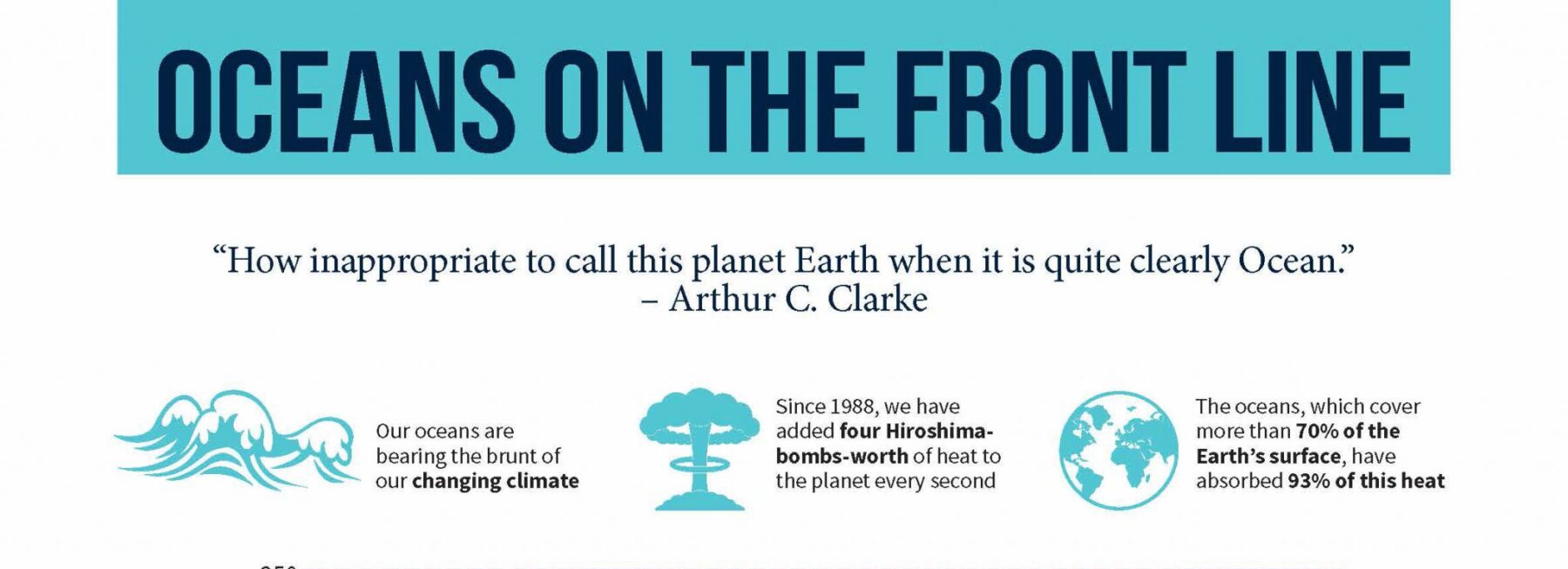
Find ALL the information you need here, on the NEW infographic!
Follow this link to share the infographic with your fellow divers!
Follow the different Green Fins social media platforms to get involved and make a change. Because if you don’t…who will?
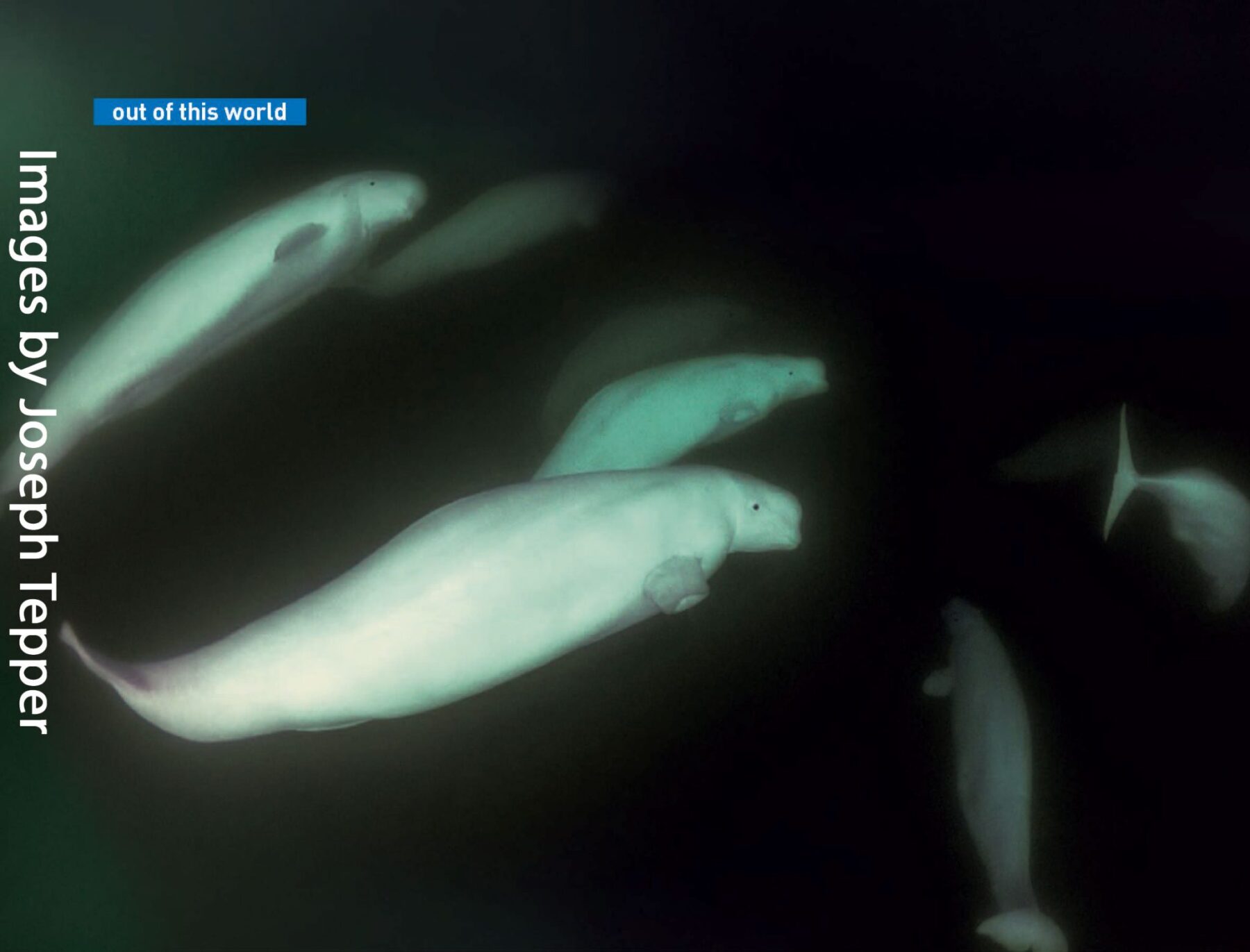
I close my eyes – something not recommended for underwater photography. But the visibility, floating at the surface of Canada’s Hudson Bay, is less than an arm’s distance, so all I can do is wait patiently.
And then the symphony starts: A crescendo of squeaks and clicks build until I feel my chest reverberating. It’s time to take a deep breath and freedive down. Six metres below the surface, the brackish haze turns into a dark emerald green and I can finally see with my eyes what all the commotion is about.
Each summer, more than 50,000 beluga whales gather in the mouth of the Churchill River in the Canadian subarctic to feed and give birth. Most often seen in captivity at zoos and aquariums, these Arctic whales are rarely photographed in their natural habitat. But the trek to the edge of the Arctic – where polar bears patrol the shores and button-sized mosquitoes buzz about in the summer sun – is worth the chance to meet the white whale.
THE CANARIES OF THE SEA
Just weeks earlier, the brackish water of Hudson Bay remained frozen solid. Even with most of the ice gone, the water hovers around 2°C to 3°C. It’s a shock to enter, despite my double-layered 7mm wetsuit, which is nowhere as thick as the 12-centimetre-thick blubber borne by the belugas.
Read the rest of this article in No.110 Issue 4/2017 of Scuba Diver magazine by subscribing here or check out all of our publications here.
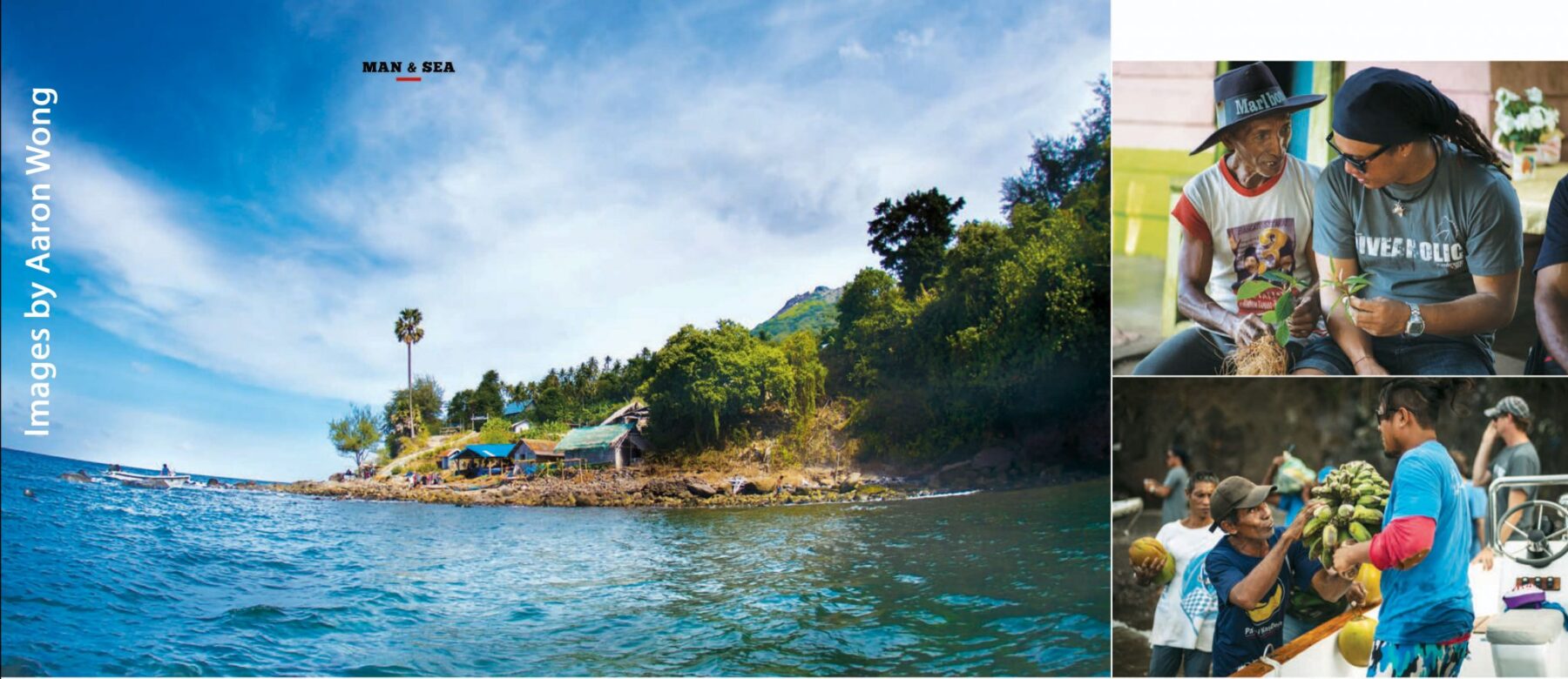
The Underwater360 Expedition to the Banda Sea discovers a community flourishing on the slopes of an active volcano, guardians of a reef that attracts one of the world’s most impressive hammerhead aggregations.
IT SEEMS LIKE it would be tough living on a storm-swept island, days from civilisation, with no fresh water and limited electricity.
You would imagine that these conditions would breed a hardness in people, and that for them every waking moment would be spent in the service of tasks related to survival.
So, imagine our surprise, when, on landing on the island of Serua we were met with a pretty village, its paths lined with brightly coloured flower beds, cloves drying in the sun, and offers of refreshment in the form of fresh young coconut and dried banana. This was not what we had been expecting.
THE EPIC JOURNEY
We are halfway through our epic Underwater360 Expedition to the Banda Sea. Aboard the beautiful, luxury liveaboard Samambaia we have been tracking and documenting the cetaceans which use this unique habitat, under the expert guidance of Dr. Benjamin Kahn of APEX Environmental. The data we have been collecting is being used in his ongoing research, as a means of better understanding the Banda Sea, thus generating more support for its protection. Blue whales have been reported as aggregating here – stunning information for a species which is supposed to be solitary. We see a number of them, calves and adults, as well as spotted and spinner dolphins, melon-headed whales, and tantalising glimpses of orca.
Read the rest of this article in 2017 Issue 2 Volume 146 of Asian Diver magazine by subscribing here or check out all of our publications here.
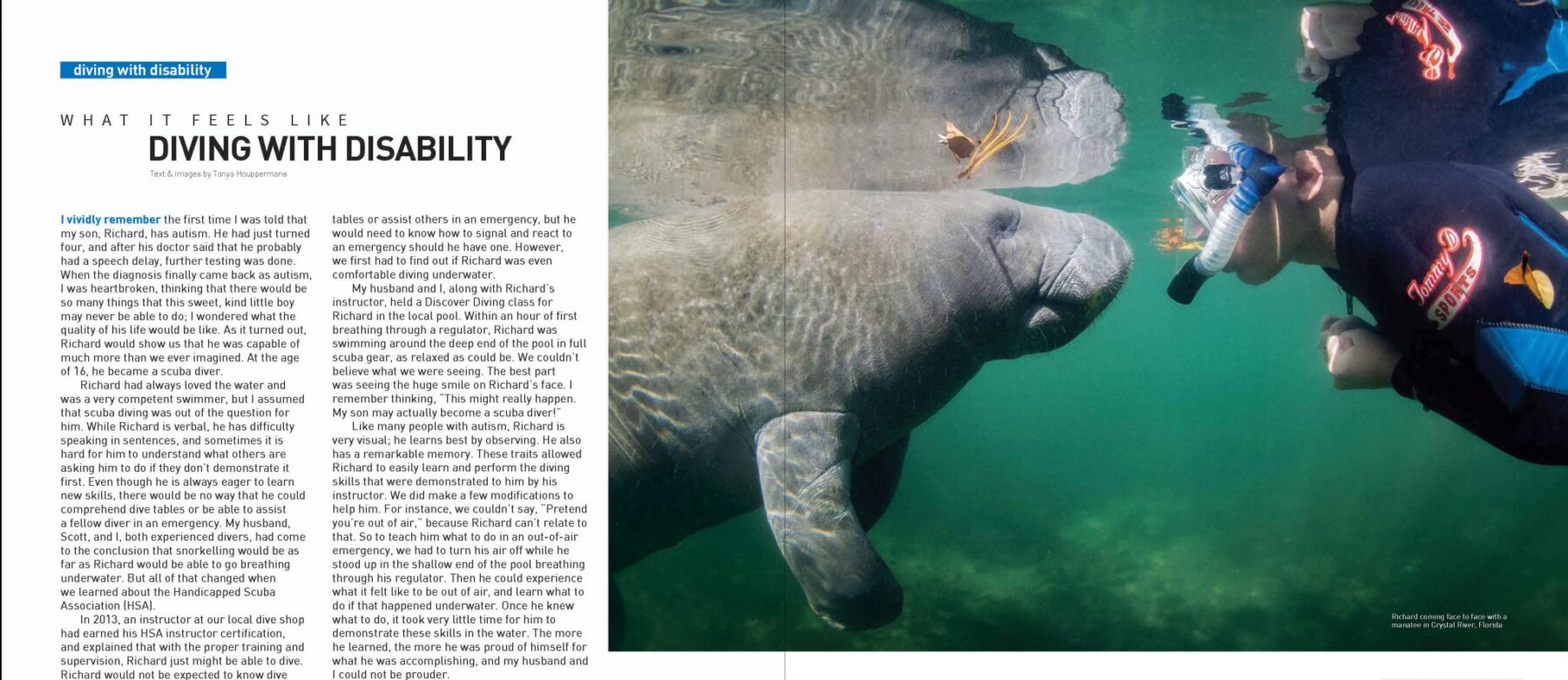
I vividly remember the first time I was told that my son, Richard, has autism. He had just turned four, and after his doctor said that he probably had a speech delay, further testing was done. When the diagnosis finally came back as autism, I was heartbroken, thinking that there would be so many things that this sweet, kind little boy may never be able to do; I wondered what the quality of his life would be like. As it turned out, Richard would show us that he was capable of much more than we ever imagined. At the age of 16, he became a scuba diver.
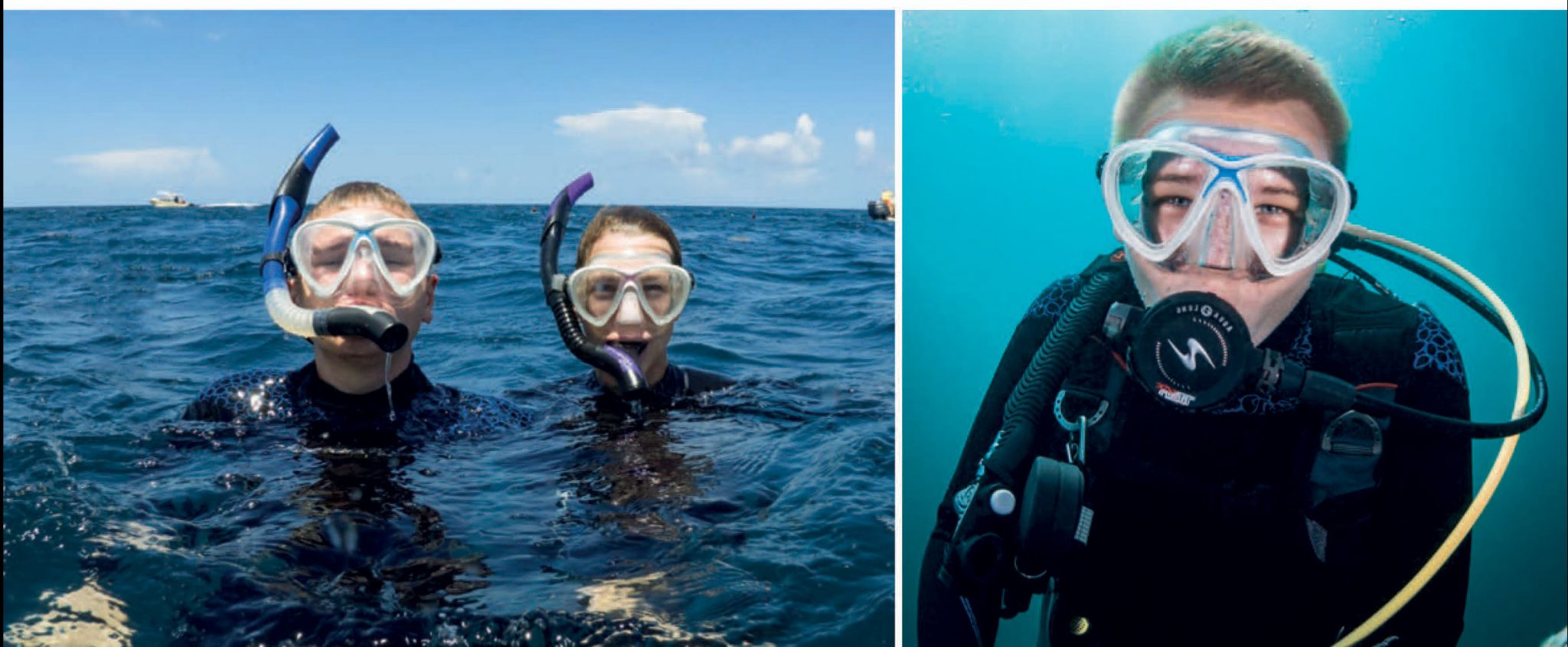
Richard had always loved the water and was a very competent swimmer, but I assumed that scuba diving was out of the question for him. While Richard is verbal, he has difficulty speaking in sentences, and sometimes it is hard for him to understand what others are asking him to do if they don’t demonstrate it first. Even though he is always eager to learn new skills, there would be no way that he could comprehend dive tables or be able to assist a fellow diver in an emergency. My husband, Scott, and I, both experienced divers, had come to the conclusion that snorkelling would be as far as Richard would be able to go breathing underwater. But all of that changed when we learned about the Handicapped Scuba Association (HSA).
In 2013, an instructor at our local dive shop had earned his HSA instructor certification, and explained that with the proper training and supervision, Richard just might be able to dive. Richard would not be expected to know dive tables or assist others in an emergency, but he would need to know how to signal and react to an emergency should he have one.
Tanya and Richard snorkelling with whale sharks and manta rays near Isla Mujeres, Mexico. (Photo by Tanya Houppermans)
However, we first had to find out if Richard was even comfortable diving underwater.
My husband and I, along with Richard’s instructor, held a Discover Diving class for Richard in the local pool. Within an hour of first breathing through a regulator, Richard was swimming around the deep end of the pool in full scuba gear, as relaxed as could be. We couldn’t believe what we were seeing. The best part was seeing the huge smile on Richard’s face. I remember thinking, “This might really happen. My son may actually become a scuba diver!”
Like many people with autism, Richard is very visual; he learns best by observing. He also has a remarkable memory. These traits allowed Richard to easily learn and perform the diving skills that were demonstrated to him by his instructor. We did make a few modifications to help him. For instance, we couldn’t say, “Pretend you’re out of air,” because Richard can’t relate to that. So to teach him what to do in an out-of-air emergency, we had to turn his air off while he stood up in the shallow end of the pool breathing through his regulator. Then he could experience what it felt like to be out of air, and learn what to do if that happened underwater. Once he knew what to do, it took very little time for him to demonstrate these skills in the water. The more he learned, the more he was proud of himself for what he was accomplishing, and my husband and I could not be prouder.
Read the rest of this article in No.110 Issue 4/2017 of Scuba Diver magazine by subscribing here or check out all of our publications here.
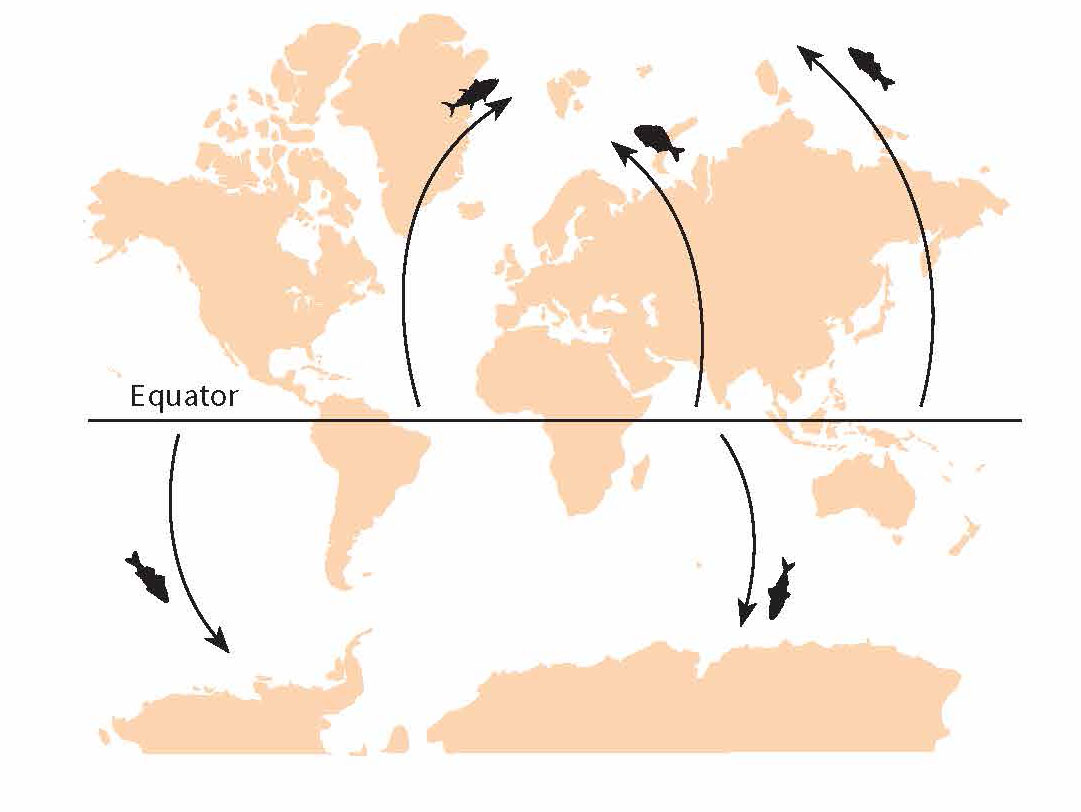
As the oceans warm, some fish species are migrating away from equatorial waters towards cooler areas closer to the poles
These changes in distribution will:
Impact delicately balanced ecosystems in which each species plays a vital role
Have consequences for coastal communities in equatorial regions who rely on fish for livelihoods
What is Coral Bleaching?
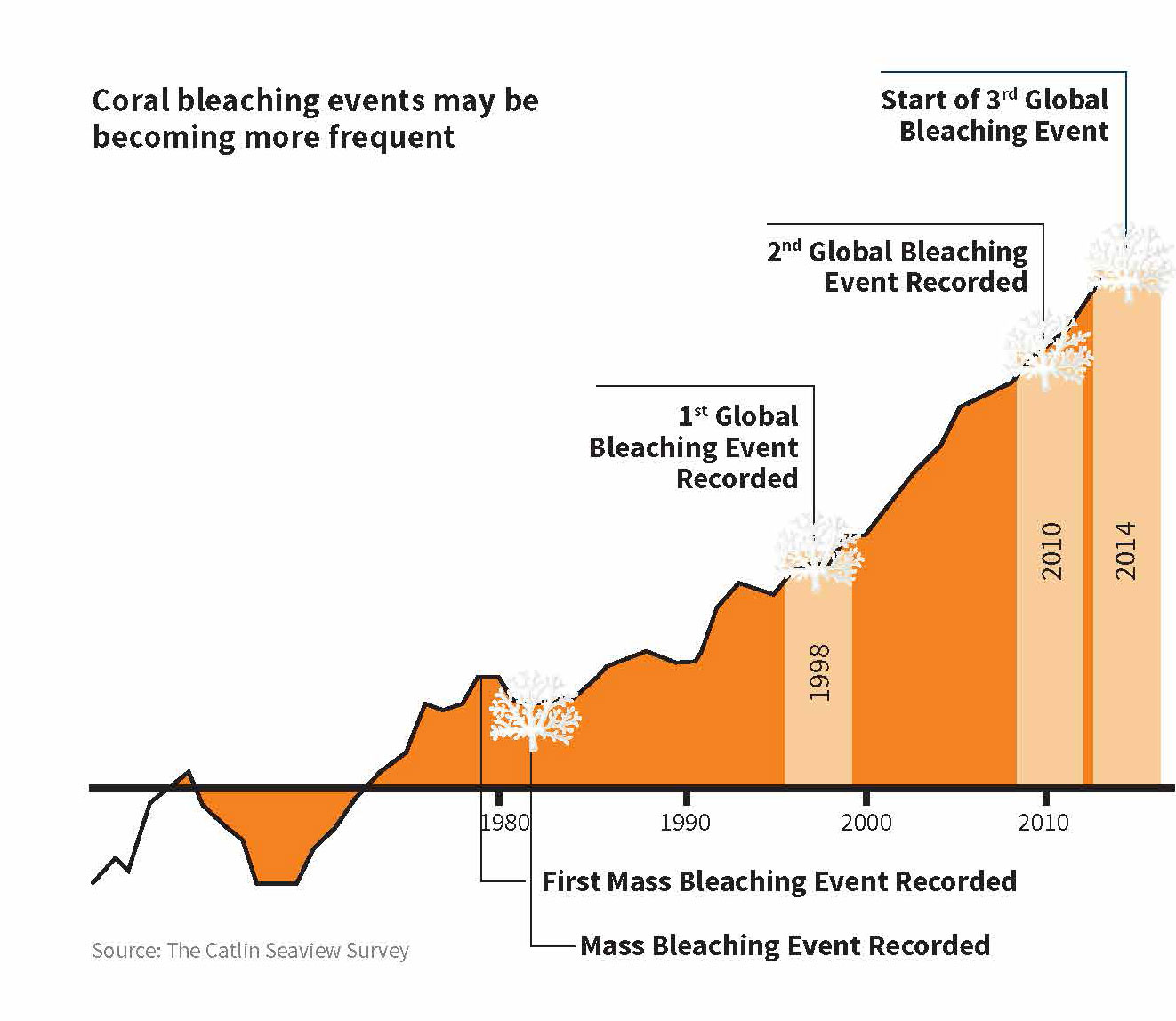
Higher temperatures are also leading to an increase in large-scale, prolonged, coral bleaching events. Coral bleaching is one of the most visual indicators of thermal stress due to climate change.
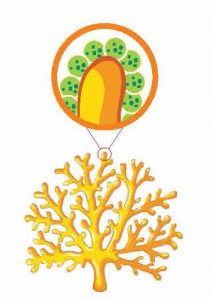
Corals exist in a symbiotic relationship with microscopic algae called zooxanthellae that live in the corals’ tissues and, through a process of photosynthesis, produce vital food for the coral polyps
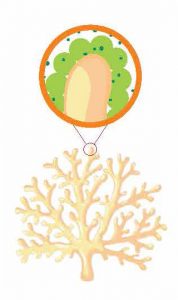
When water temperatures are consistently too warm, the corals and zooxanthellae become stressed. The zooxanthellae will leave their coral hosts. The coral loses its colour, turning white. This will normally happen over a period of 4–6 weeks
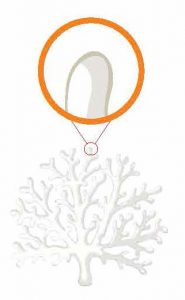
If water temperatures do not drop, the coral will starve and die. The remaining skeleton will be colonised by algae, making it impossible for the coral to recover
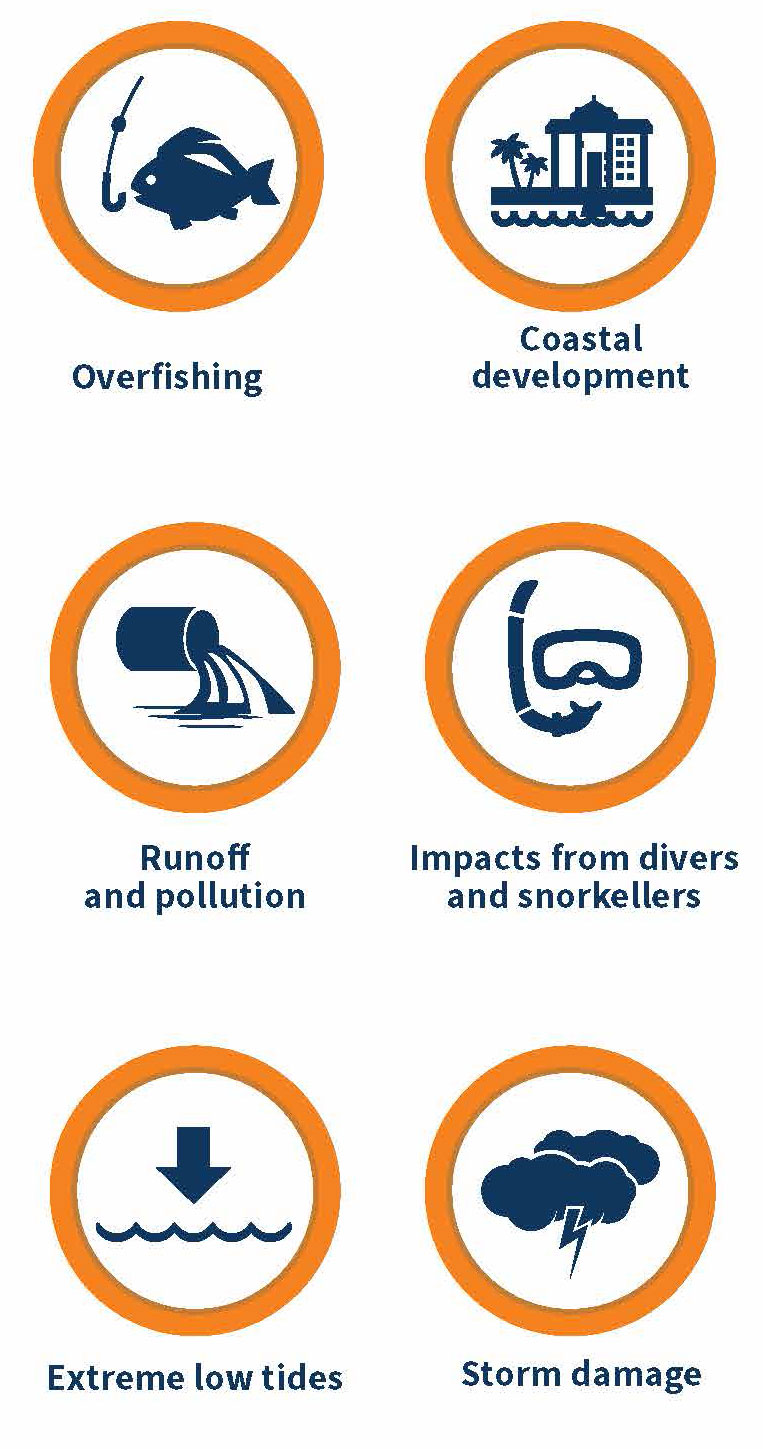
Coral reefs that are already stressed are more vulnerable and less able to recover from bleaching events. Other stresses for coral reefs include:
What Is El Niño And What Does It Have To Do With Coral Bleaching?
The term El Niño refers to the large-scale ocean-atmosphere climate interaction linked to a periodic warming in sea surface temperatures across the central and east-central Equatorial Pacific. The presence of El Niño can significantly influence weather patterns, ocean conditions, and marine fisheries across large portions of the globe for an extended period of time. Combined with warmer-than-average water temperatures, El Niño events are likely to have increasingly dramatic and severe impacts.
Read the rest of this article in 2017 Issue 1 Volume 144 of Asian Diver magazine by subscribing here or check out all of our publications here.
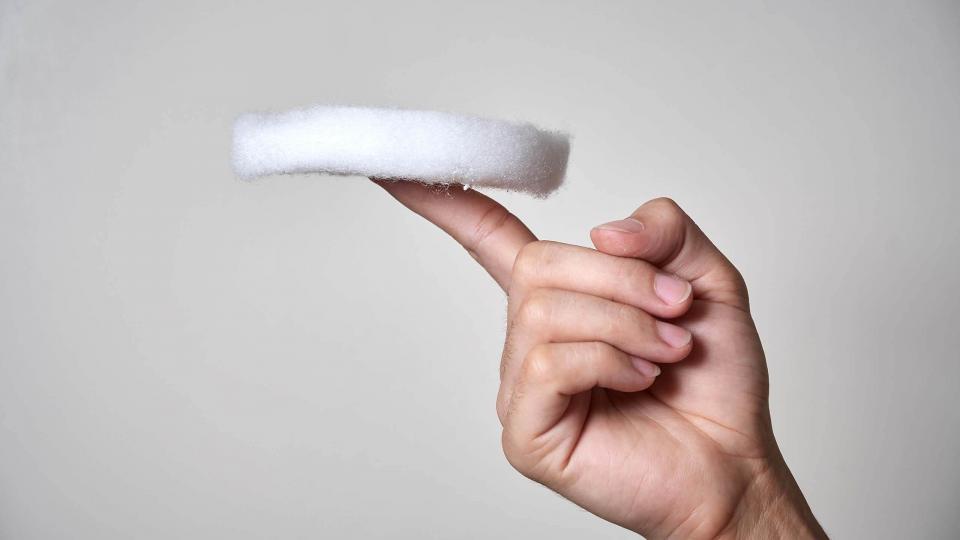
An aerogel made of PET material. (Photograph from NUS News online)
Plastic polyethylene terephthalate (PET) bottles are one of the most pervasive plastic rubbish items being dumped in rivers and oceans around the world with annual consumption of plastic bottles set to reach more than half a trillion by the year 2021. In a revolutionary breakthrough, research scientists from National University of Singapore (NUS) have created the world’s first aerogel from recycled PET bottles, which can be used for heat and sound insulation, oil spill cleaning, carbon dioxide absorption and other fire safety applications. This is an important discovery which could greatly reduce the amount of plastic bottles being dumped into oceans.
An aerogel made of PET material. (Photograph from NUS News online)
Led by Assoc Prof Hai Minh Duong and Prof Nhan Phan-Thien from the Department of Mechanical Engineering at the Faculty of Engineering in NUS, the research team set about its aerogel project in a bid to reduce disposable waste in the environment.
“Plastic bottles are one of the most common types of plastic waste and have many detrimental effects on the environment. To combat this, our team has developed a simple cost-effective and green method to convert plastic bottle waste into PET aerogels for many exciting uses,” said Assoc Prof Duong in a press release statement from NUS.
What is an aerogel?
An aerogel is a synthetic, porous, low density, ultralight solid material derived from a gel where the liquid component in the gel has been replaced with a gas. Being made from PET plastic, the aerogel created by the team from NUS Engineering, has the advantage of being flexible, soft and very durable. The aerogels can also be customised for different uses by applying different surface treatments to it.
Versatility is its middle name
In addition to its strong absorption capacity, the aerogel also has great thermal insulation properties which makes it suitable for use as a lightweight lining for firefighter coats. After coating the aerogels with fire retardants, the PET aerogel can withstand temperatures of up with 620 degree Celsius. That’s more than seven times higher than existing firefighter coats and yet they are 90% lighter than conventional thermal lining. Its soft and flexible properties also provide the coat wearer with better comfort. Prof Nhan also emphasised the value of using PET aerogels as a safer, lighter, cheaper and more comfortable alternative to existing firefighter coat lining materials.
When treated with various methyl groups, the aerogel can absorb large amounts of oil quickly and can be used to clean up oil spills as they outperform today’s commercial sorbents by a factor of seven.
When coated with an amine group, the aerogel is found to have carbon dioxide absorption abilities comparable to materials used in existing gas masks today. The aerogel can be pressed into a thin layer in a commercial dust particle mask and be able to capture dust particles as well as carbon dioxide, capabilities that are not available on the market today.
Producing Aerogels
According to Assoc Prof Duong, a single plastic bottle can be recycled into an A4-seized PET aerogel sheet and the fabrication technology used also scales easily for mass production.
The team collaborated with Dr Zhang Xiwen from the Singapore Institute of Manufacturing Technology (SIMTech) under the Agency for Science, Technology and Research (A*STAR) to develop the technology to produce the PET aerogels.
The technology to fabricate the PET aerogels was developed over two years from August 2016 to August 2018 and was published in the scientific journal Colloids and Surfaces A in August 2018.
Looking ahead
The research team is looking to make more modifications to the PET aerogels so they can absorb toxic gases such as carbon monoxide. The team has filed a patent for the PET aerogel technology and are looking to work with companies keen to bring the technology to market.
Read more about plastics and its harmful effect on marine and human life in our November 2018 Issue 3 Volume 151 of Asian Diver magazine by subscribing here or check out all of our publications here.
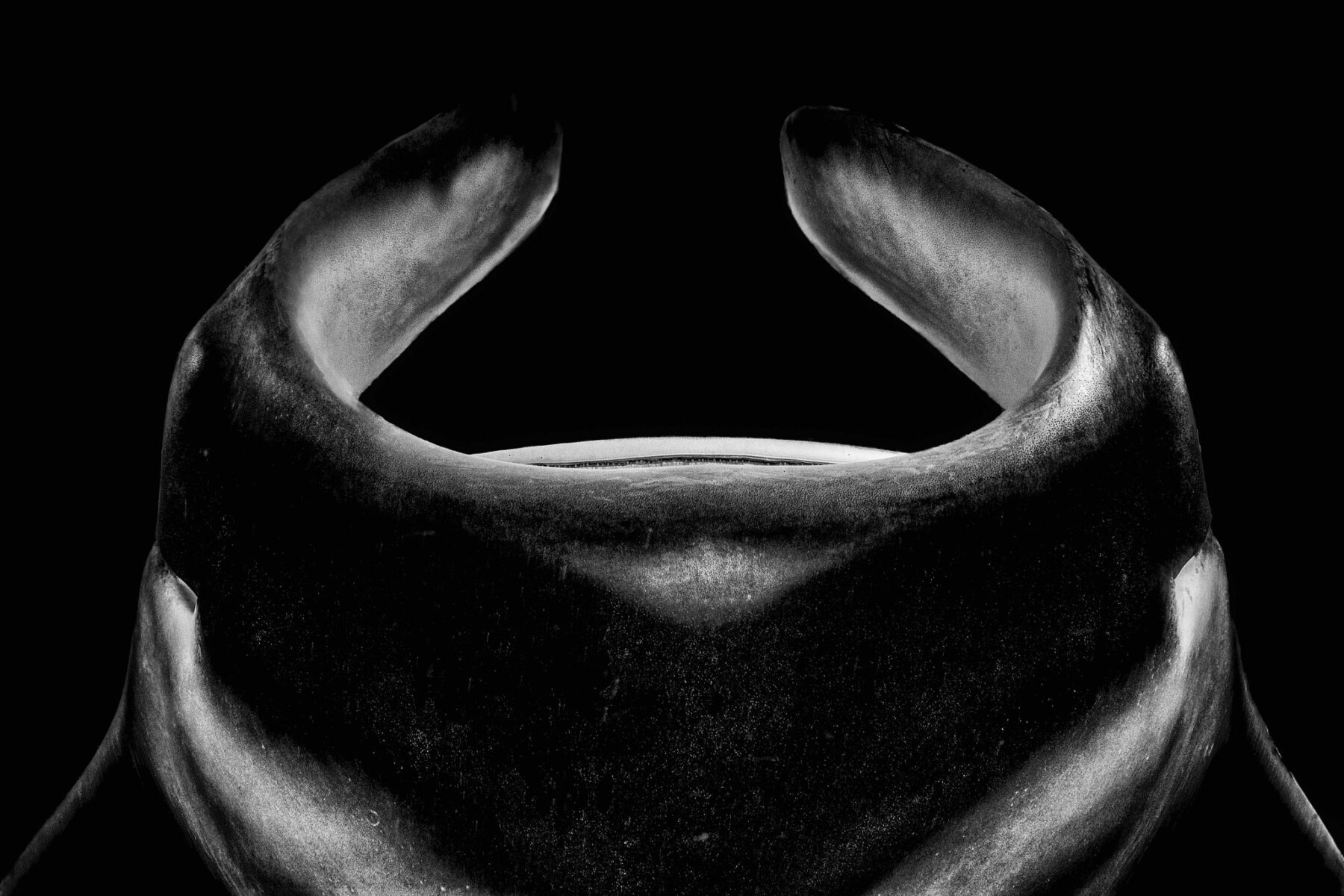
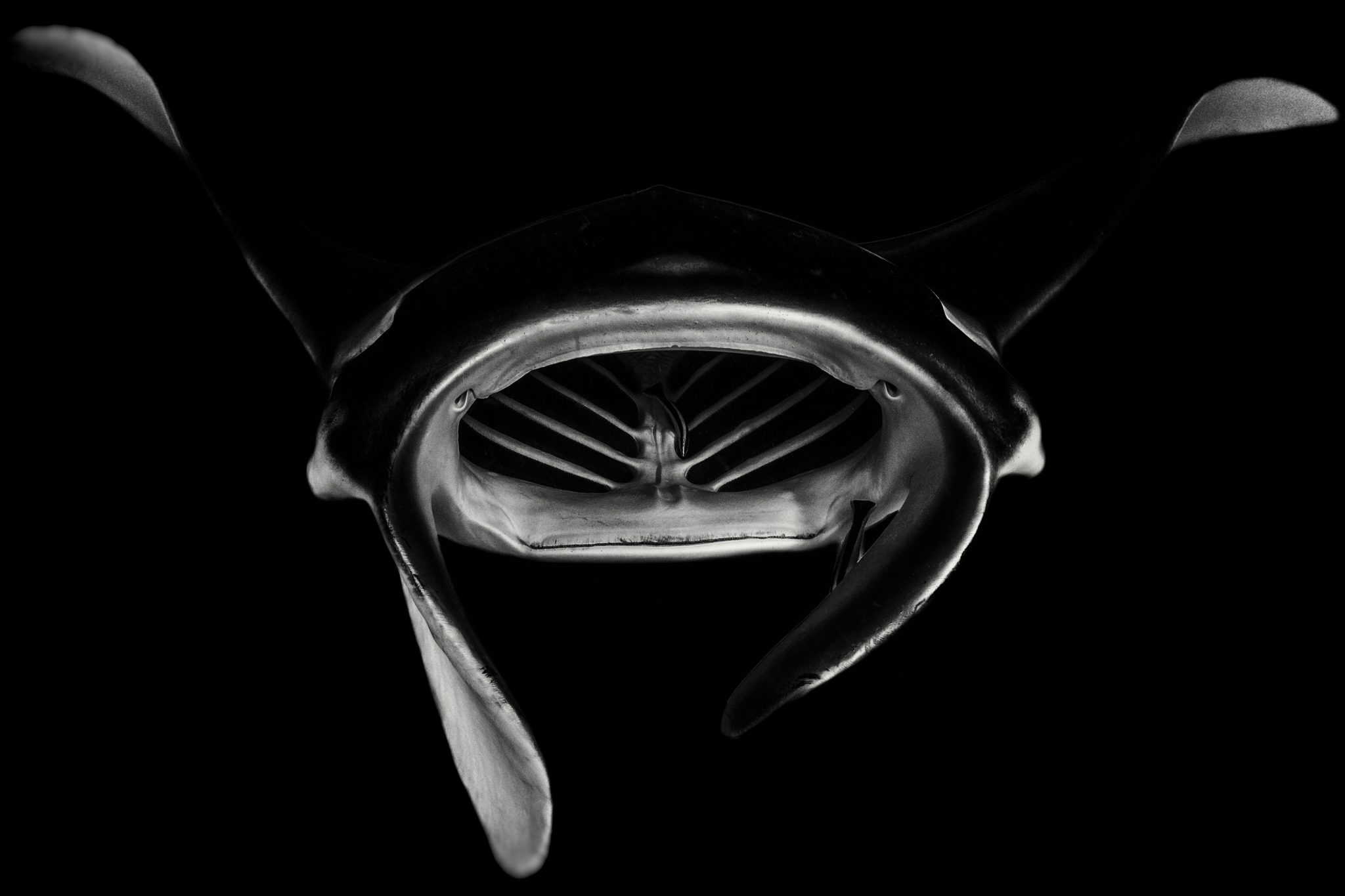
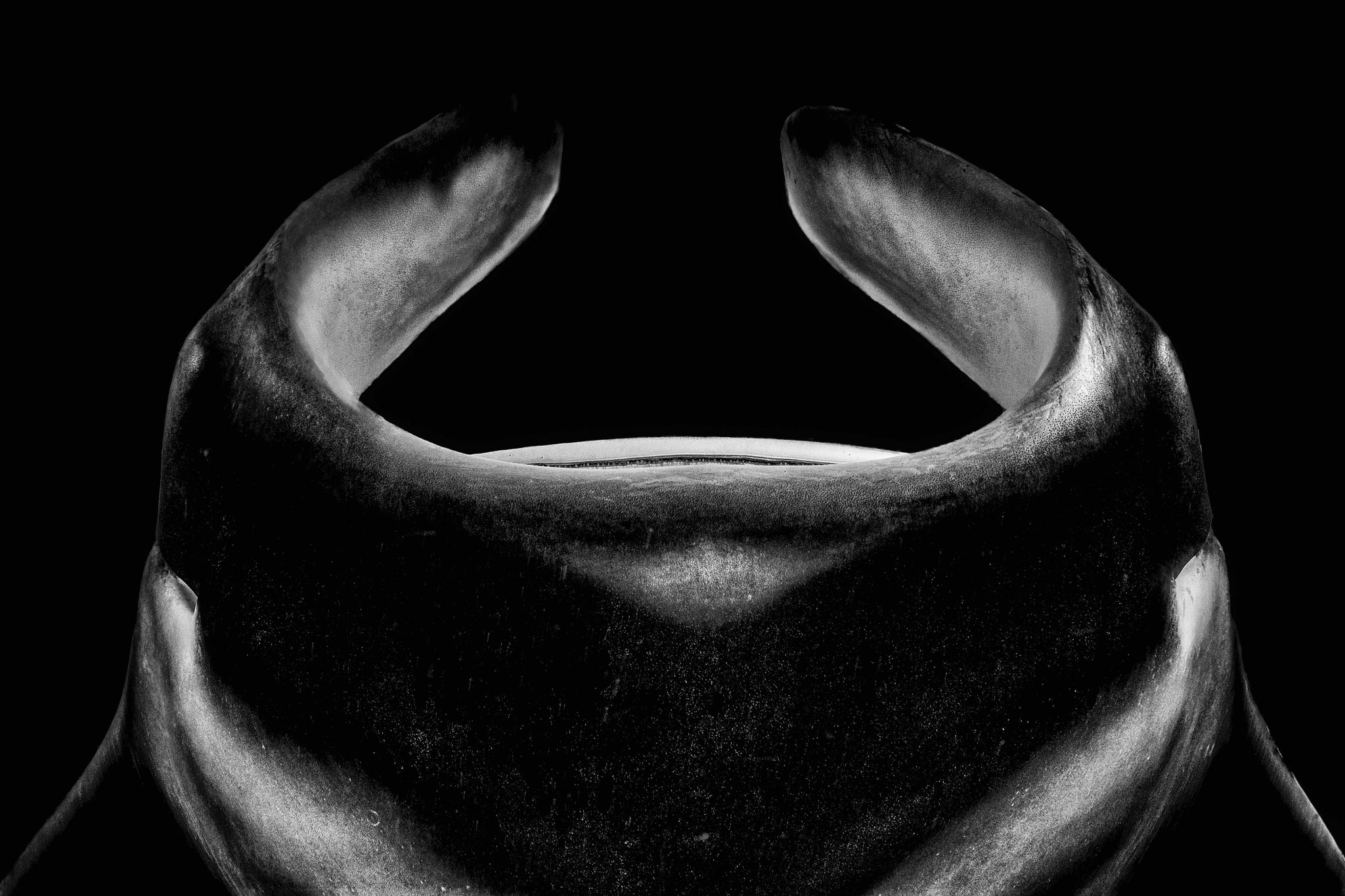
A snippet of Vincent Truchet's photo series on manta rays. (Photo by Vincent Truchet)
For over 150 years, the Salon des Beaux Arts exhibition, a major artistic and cultural event organised by the National Society of Fine Arts (SNBA) of France, has exhibited the greatest names in painting, sculpture, engraving and has been at the forefront of art development, keeping a watchful eye for new reflections on the art of each era.
This year, for the first time in the history of this show, the National Society of Fine Arts of France has invited an underwater photographer, Vincent Truchet, to exhibit his work at the Salon des Beaux Arts exhibition. A world famous diver, underwater photographer and past speaker at ADEX Singapore, Truchet’s work will be exhibited from December 13 to 16, 2018 at the Carrousel du musée du Louvre in Paris, France.
Founded by Theophile Gautier in 1861 as an association of independent artists which accommodated all artistic expressions and taught artistes to do their own business, the Salon des Beaux Arts has selected Truchet’s evocative photographs of manta rays for its exhibition.
Vincent tells us the story behind his pictures of manta rays taken in French Polynesia:
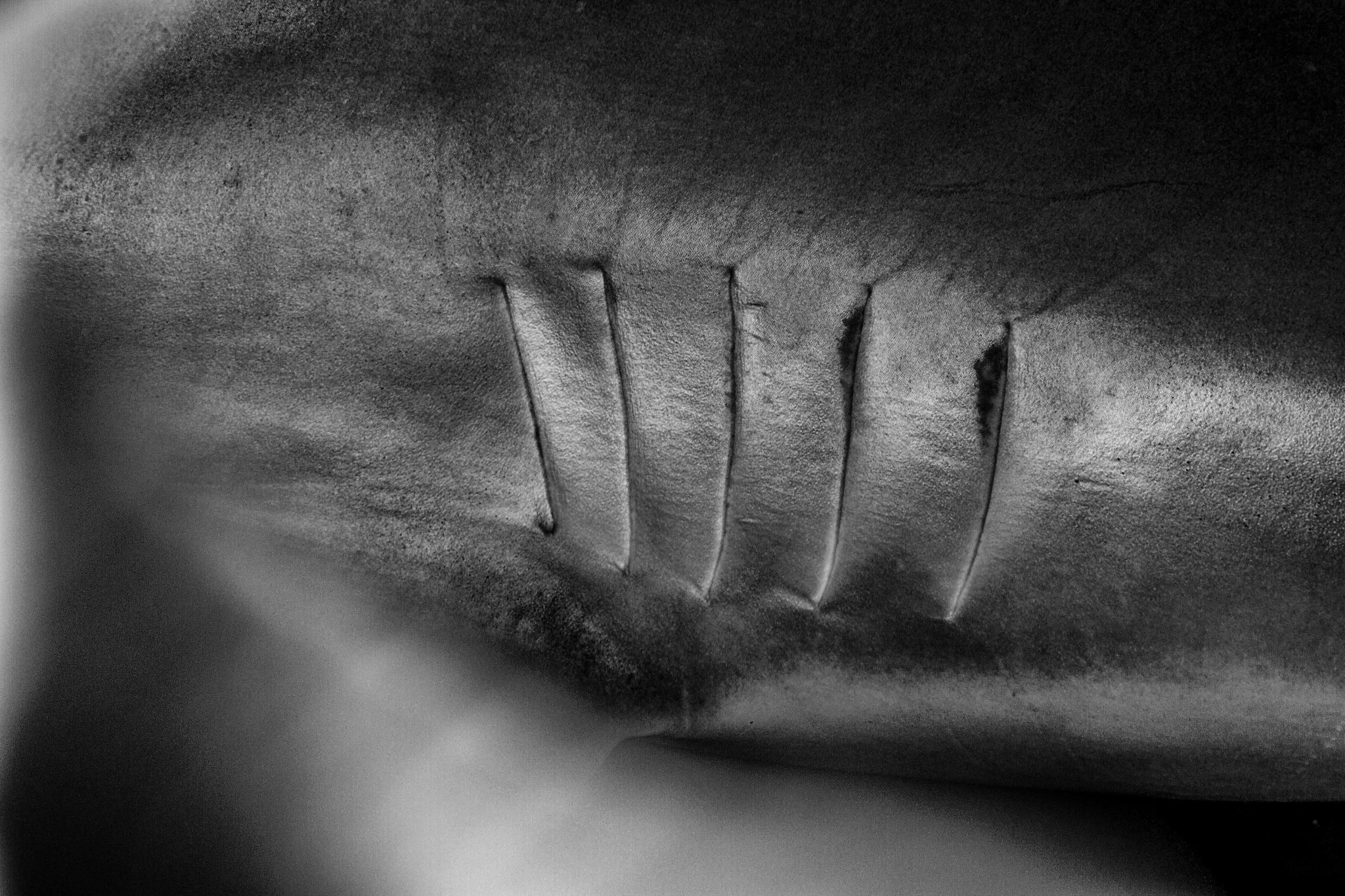
A photo of a shark’s gills (Photo by Vincent Truchet)
At the time in Tikehau Lagoon, there was a manta ray cleaning station. I dived there every day for more than four years. A dozen rays frequented the spot daily. By dint of photographing them, I decided, out of sheer curiosity, to undertake an identification assignment. I quickly collected thousands of images, identifying more than 140 individuals. Among them, I recognized 30 by simple visual identification and especially one in particular that I had seen for the first time while she was still very young. It did not exceed 1.5 metres in wingspan (a manta ray at birth is between 1.20 and 1.40 metres in wingspan). During the four years spent consecutively on this atoll, this was the manta ray that I spent the most time around. And the few times I did not see her diving at the cleaning station, I found her at night close to the jetty of the village, coming to feed on the plankton attracted by the artificial light of public lighting.
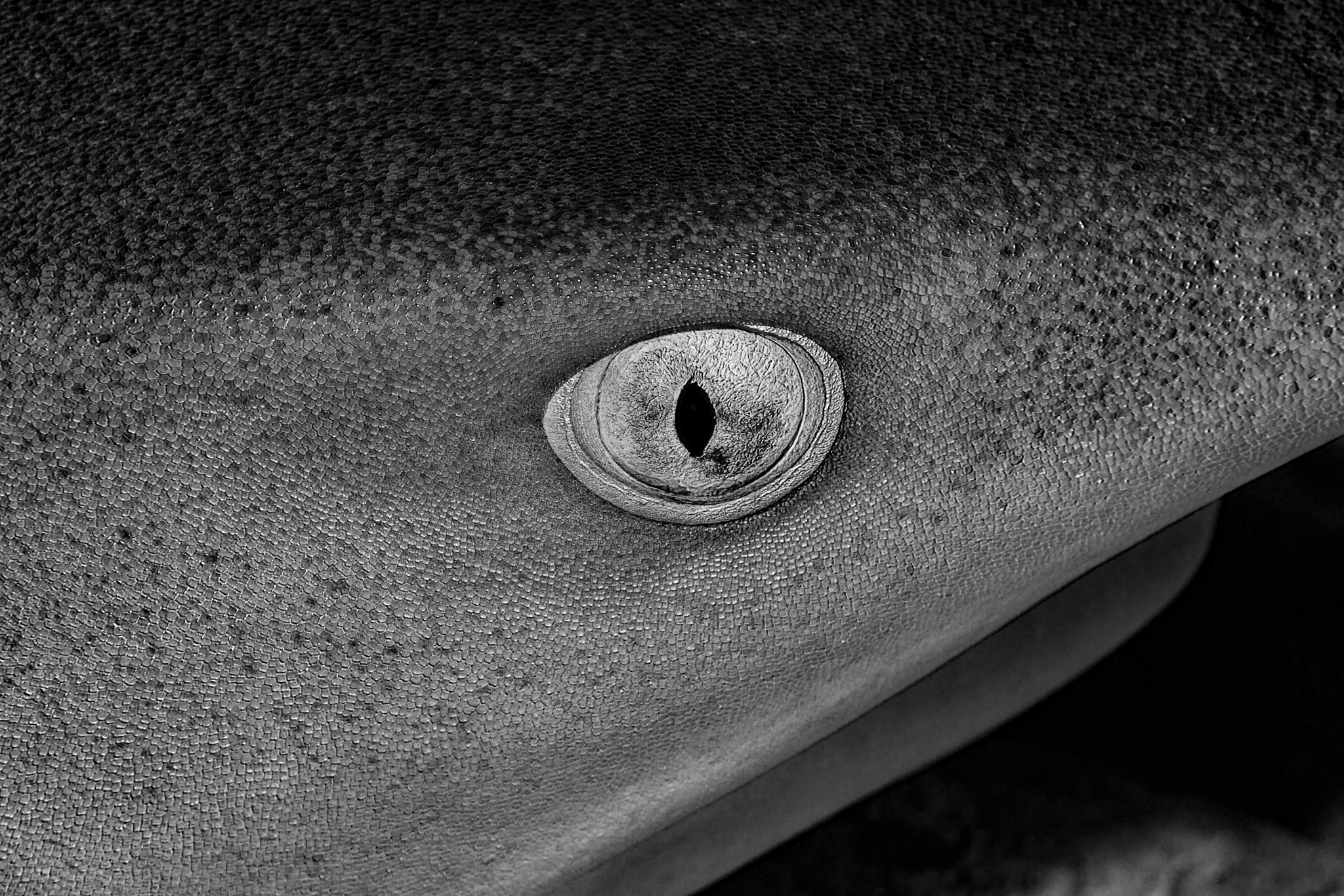
A shark’s eye (Photo by Vincent Truchet)
It’s amazing to see a wild animal evolve and grow over the years. The last time I saw Téa, that’s the name we gave her, it was in 2017. Up until now, I had only met her in the lagoon, but for our last meeting, she had joined the ocean and had grown to over three metres in wingspan.
Had she grown old enough to venture into the big blue at last? Had she returned to the lagoon since? I do not know yet but I cannot wait to dive back to Tikehau to find out.
A snippet of Vincent Truchet’s photo series on manta rays. (Photo by Vincent Truchet)
What was especially amazing with Téa was her behaviour. She came to play in the bubbles of the divers, revelling in those curious things she had not been wary of for a long time. Our instructions to the divers that we supervised, being also dive masters, were simple and strict: “We stay at a distance, we land on the bottom of sand and let the animals come to us. Never force the encounter.” There was no need to wait a long time with Téa. She came to be placed a few metres above a diver, stopped in the flow of bubbles and then let herself gently “sink” until she came crashing on the skull of the lucky diver; then enjoying the comfort of his hair by scratching it! Every diver who has had this experience with Téa or any other manta ray in the world has an undying memory, I am sure.
I spent more than a thousand hours underwater in contact with these incredible animals. It must be said that the site was shallow, between zero and eight metres. The day I made these photos, I stayed more than six hours on the spot, emptying three tanks consecutively. I know it’s hard to believe but Téa was there as soon as I started in the morning. I spent my first tank with her. Worried about losing her when I was back on the boat changing my tank, I acted as quickly as I could but I needn’t have worried. Téa had remained under the boat. I had the pleasant feeling that she was waiting for me. Then I made my second dive without leaving her for more than two minutes. Other manta rays passed by. Téa was going to pay them a visit and we met again as soon as her fellow mantas went away. That’s how I spent my longest dive with the same animal, reiterating the same experience at the second tank change. Luckily, no other diver or boat came to the spot that day. We were alone, Téa and me.
A snippet of Vincent Truchet’s photo series on manta rays. (Photo by Vincent Truchet)
A few years later unfortunately, the site and the manta rays were victims of their success. In spite of the very clear instructions from the divers about the approaches to the mantas, excessive attendance and unsuitable behaviour of snorkelers, in particular towards the animals, forced them to desert the site. Of course there are always some that go by but nothing comparable to what we experienced in the time when there were quiet and respectful tourists. In short, to live happily, let’s live in hiding.
Maybe one day I will meet Téa again, in the meantime I keep preciously the photos she gave me and all my memories to not forget her.
Bio
A resident in French Polynesia since 2010, having spent more than eight years in the Tuamotu Archipelago, particularly on the atoll of Tikehau, Vincent Truchet’s passion for the ocean was first ignited by his diving experiences in the French coastal waters in Normandy on the wrecks of the world war in the Mediterranean Sea, both on the continent and on Corsica island. But it is in Polynesia, however, that his work as a photographer matured and began to be published. Truchet has collaborated with Swiss watchmakers such as Blancpain (he was one of the photographers for their 2016 Fifty Fathoms Edition) and Breitling (his work has been used for the Breitling SuperOcean watch). His images have also been used for the advertisement campaigns of Canon and in commercial collaterals like the annual calendar produced by BBC Wildlife.
About the 2018 Salon
The National Society of Fine Arts continues its tradition of encouraging and supporting artists of all stripes by organizing its exhibition each year at the Salon at the Carrousel du Louvre. It is today presided over by Michel King, Official Painter of the Navy.
During its four-day duration, the show invites the public to discover for free 600 international artists: painters, sculptors, photographers and engravers. The show brings together French artists and a dozen foreign delegations (Canada, China, South Korea, Japan, Norway, Slovenia, Switzerland, Turkey) which exhibit the formal singularity of artists over 2000 m2 of exhibition space.
The curator of the exhibition is Catherine Severac, who is a painter, and Isabelle Lawson, executive director of SNBA. The jury is made up of members of the SNB office.