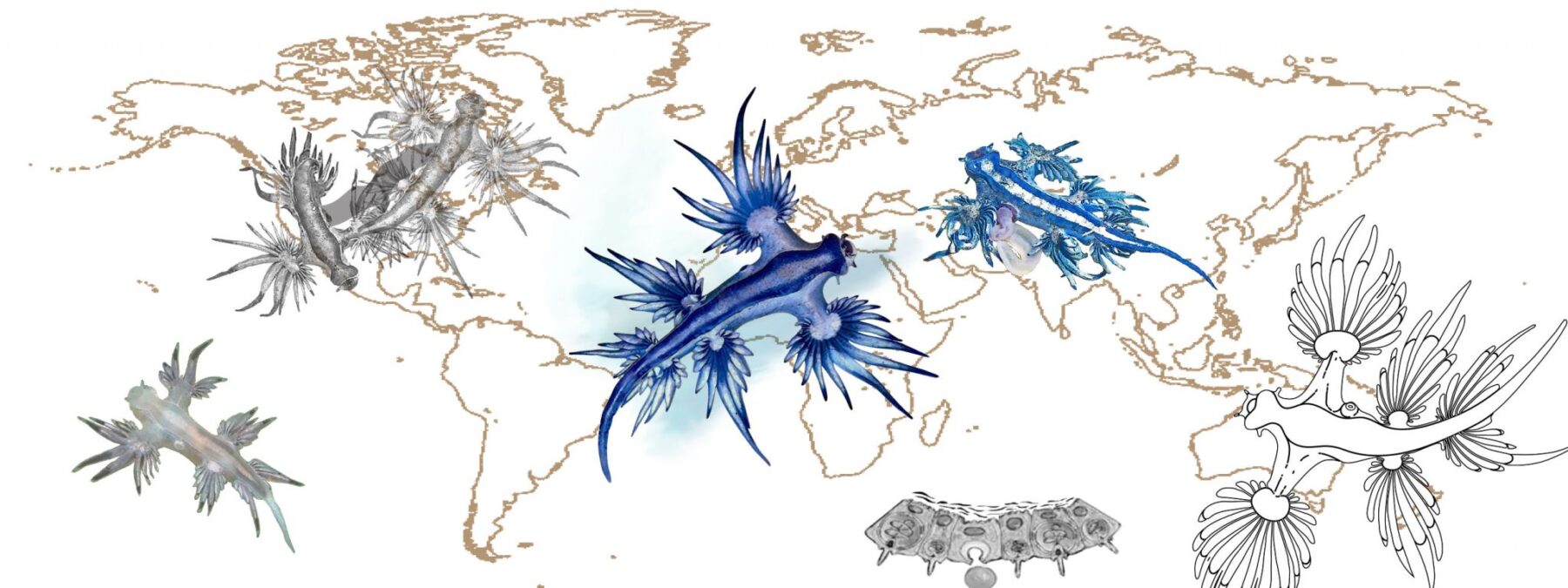
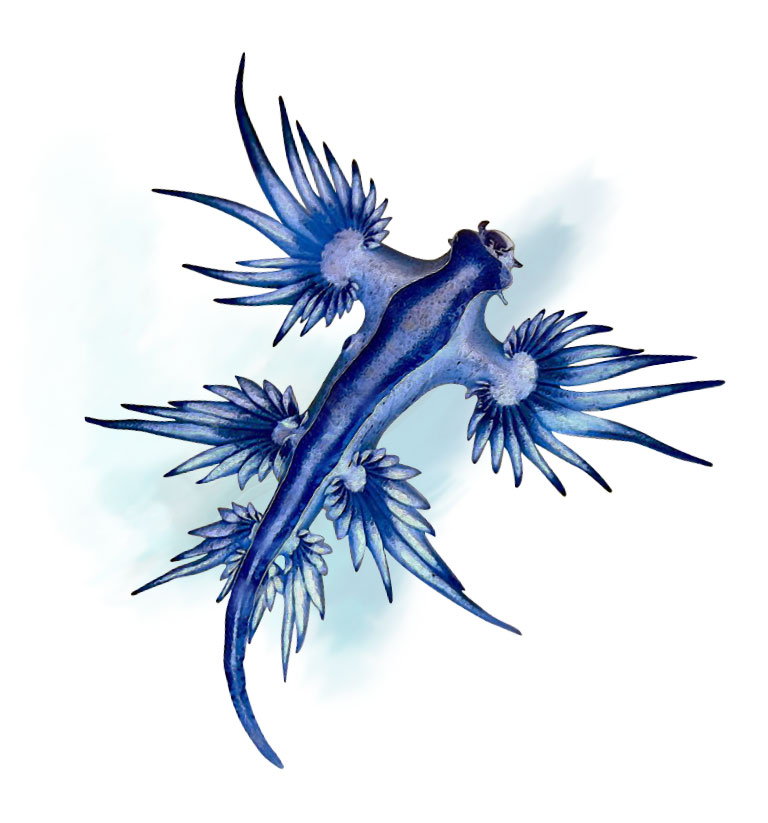
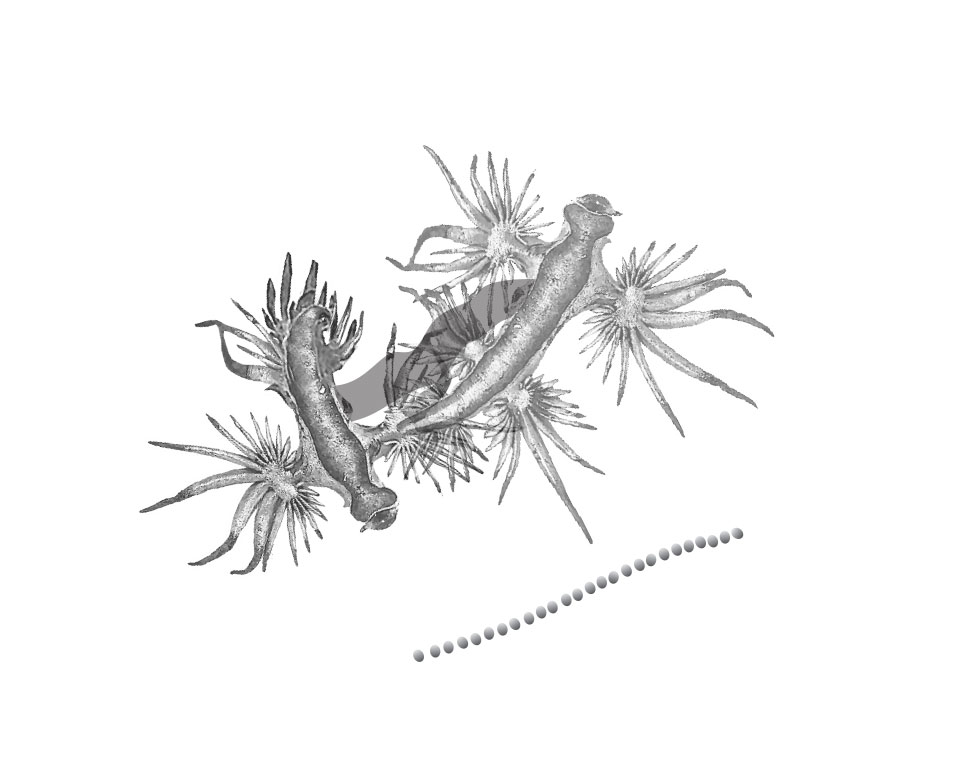
Beautiful but deadly, the Glaucus atlanticus, commonly known as “the blue dragon”, is not what one would expect of a mere slug. Not only is it visually stunning, it possesses abilities unlike any other creature on Earth.
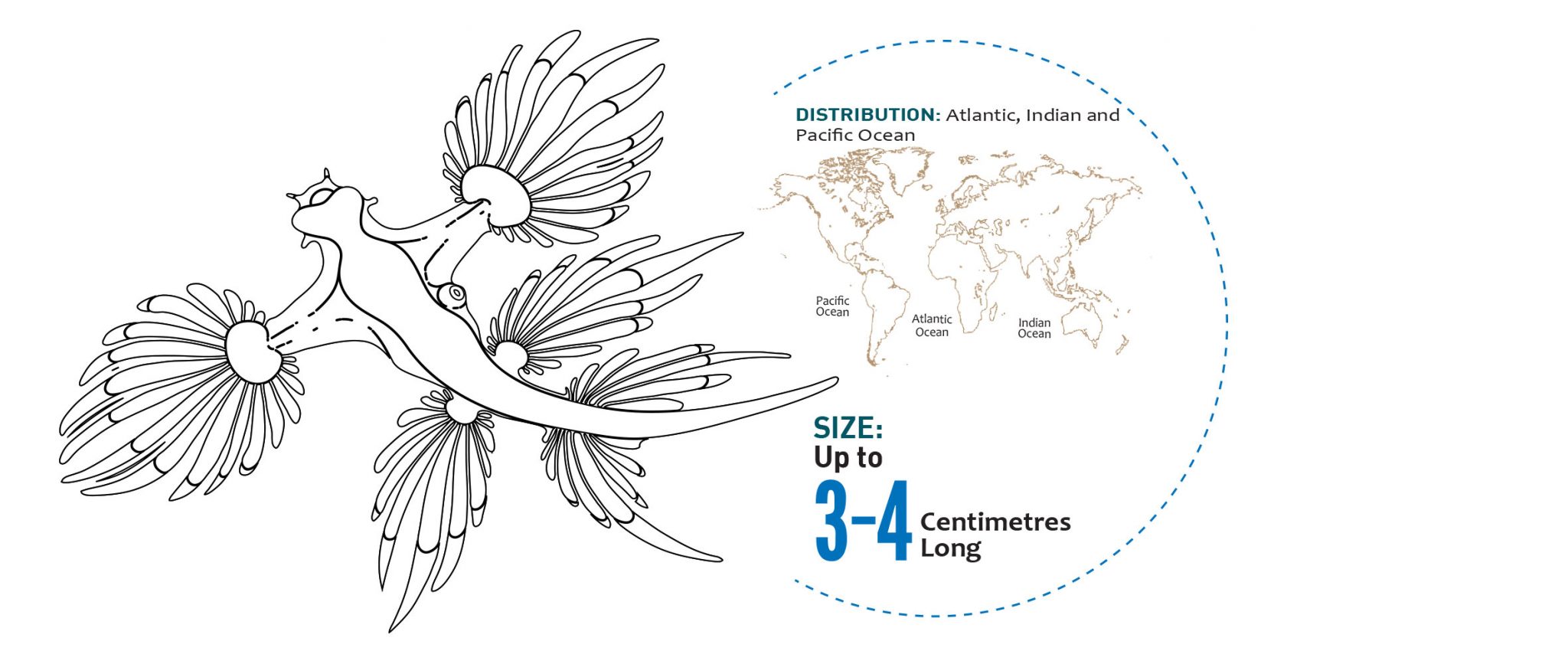
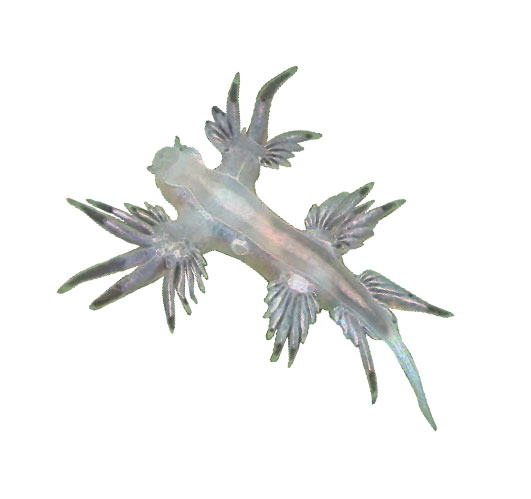
Appearance: The blue dragon has three pairs of arms, each one shorter than the last as they go further down it’s body. On these arms are single rows of tendrils called cerata which hold stinging cells – there can be up to 84 of these on a single blue dragon. The dorsal side is a silvery gray colour while the ventral side is covered in a light blue. Its feet on the dorsal side have dark blue stripes. The jagged teeth of this mollusk help it to scrape food particles and draw them into its mouth
CLASS: Gastropoda
OTHER NAMES: Sea swallow, blue angel, blue glaucus, blue dragon, blue sea slug, blue ocean slug
1 Though part of the nudibranch family, the blue dragon is vastly different from your average sea slug, and is known to be pelagic, using the ocean currents to carry it along
2 The blue dragon floats upside down for camouflage: Its blue side faces upwards to blend with the blue water, while the downwards facing silver side blends in with the ocean’s surface
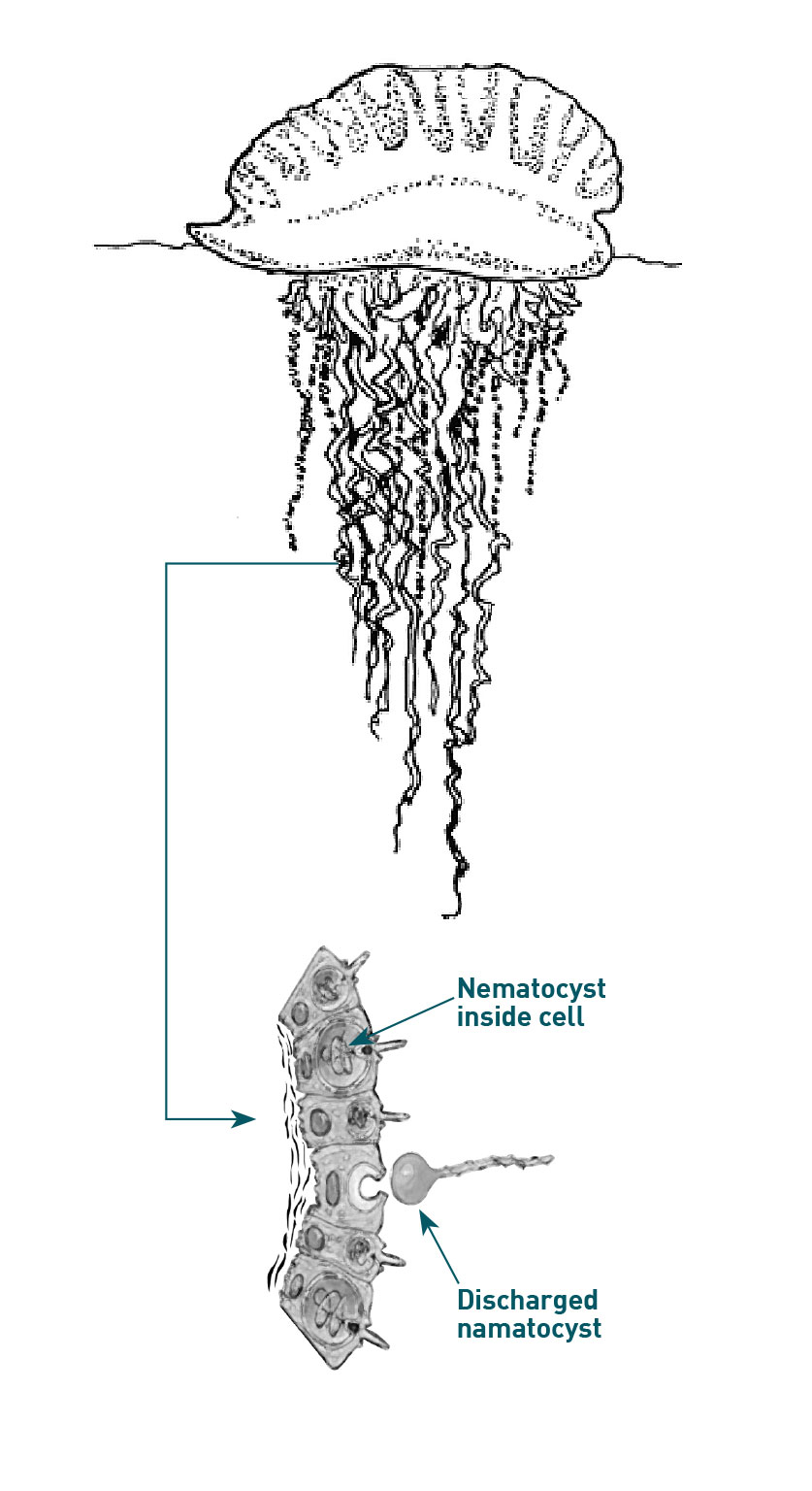
3 They only feed on venomous creatures, often much larger than itself, such as the Portuguese man o‘ war and can deliver a powerful sting to paralyze its prey
4 The immune system of a blue dragon is built to resist the venom of its prey
The male reproductive organ is especially large and hooked
5 All blue dragons are hermaphrodites, meaning they have both male and female reproductive organs
6 When two blue dragons mate, they both produce egg strings. These egg strings lack a hard substrate to attach to, and are often left to float freely in the water or are placed on the remains of their prey until the larvae hatch
During mating, both female reproductive organs will release an egg string containing about 20 eggs
7 These little slugs have the amazing ability to swallow the nematocysts of its venomous prey. These venomous cells are stored in the extremities of their cerata, making the blue dragon’s sting pack an even more powerful punch
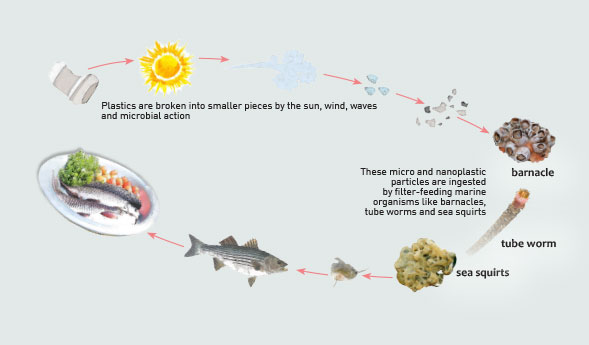
What happens when plastics end up in the marine environment?
In a study funded under the Marine Science Research and Development Programme of the National Research Foundation Singapore (first published online in the journal ACS Sustainable Chemistry & Engineering in March 2018), a team of scientists from the National University of Singapore (NUS) found that plastic nanoparticles – tiny pieces of plastic less than one micrometre in size — are easily ingested by marine organisms and accumulate in the organisms over time, potentially contaminating food chains, threatening food safety and posing health risks
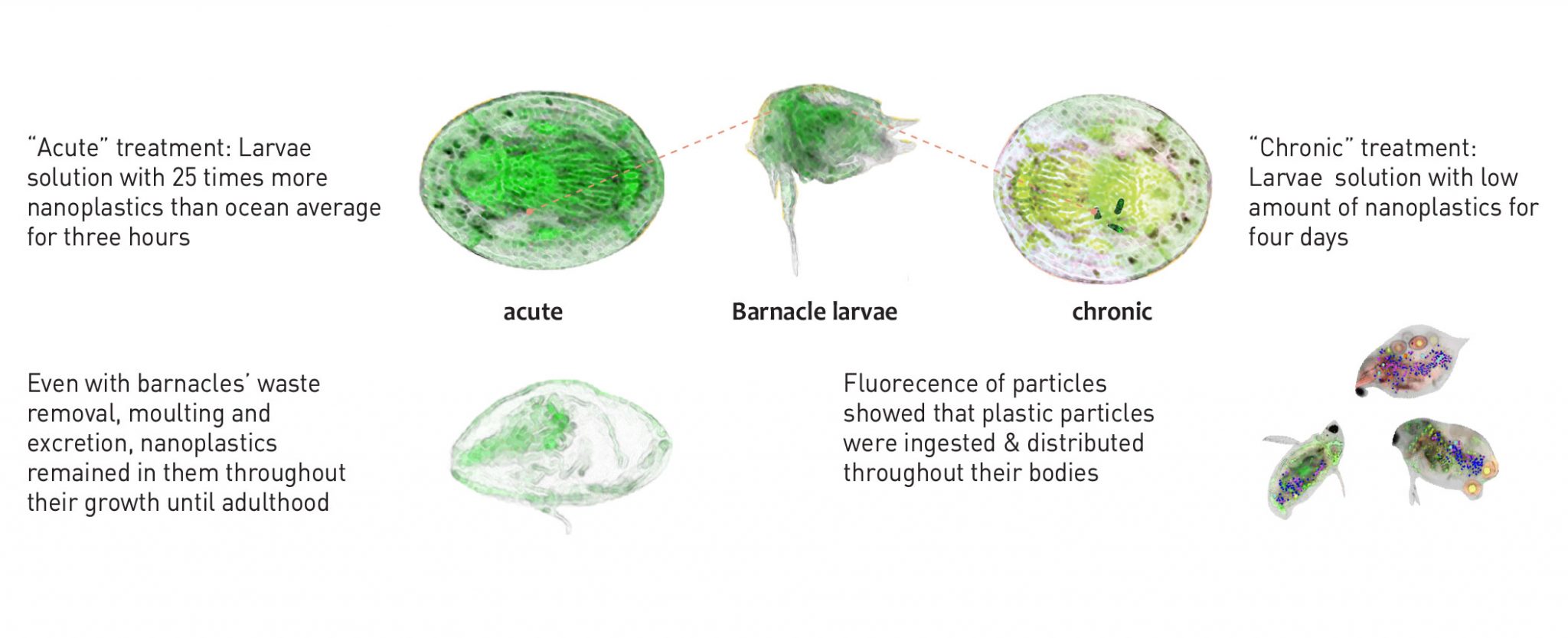
The NUS research team at the Tropical Marine Science Institute (TMSI) used the acorn barnacle Amphibalanus Amphitrite as the model organism in its tests to demonstrate that nanoplastics ingested during the larval stage are retained and accumulated inside the bodies of the barnacle larvae until they reached adulthood. The acorn barnacles were used as test subjects because their short life cycle and transparent bodies made it easy to trace and visualise the movement of nanoplastics in their bodies within a short span of time.
Barnacle larvae were incubated by the team with regular feed & 100 nanometre sized plastics, tagged with green fluorescent tags in two different treatments – “acute” and “chronic”
According to Dr Neo Mei Lin from TMSI, even though the barnacles are at the bottom of the food chain, the nanoplastics they consume are transferred to the organisms that eat them. As plastics absorb pollutants and chemicals from the water, these toxins are transferred to the organisms when they consume contaminated plastics and can cause further damage to marine ecosystems and human health.
Read more about how plastics are polluting our oceans in our upcoming Muck Diving issue of Asian Diver (Issue 3 Volume 151) in November
IUCN CATEGORY IA Strict Nature Reserve: A marine reserve where the ecosystem is particularly fragile and important. Human activity here is strictly controlled, consisting of environmental monitoring, scientific surveys, and indigenous practices such as aboriginal subsistence fishing. Indigenous practices have to meet conservation objectives and may be subject to catch limits and other restrictions.
E.g. Channel Islands National Marine Sanctuary, California
TYPES OF MPAS
IUCN CATEGORY IB Wilderness Area:
A large natural area that is mostly untouched
by human activity and free of any modern infrastructure. Its management aims to preserve its natural condition for future generations. E.g. Glacier Bay National Park and Preserve, Alaska
TYPES OF MPAS
IUCN CATEGORY II National Park: A large natural area set aside to protect its natural biodiversity and ecosystems, but with more lenient policies on human visitation and infrastructure to support education and recreation. E.g. Hallyeohaesang National Park, South Korea
TYPES OF MPAS
IUCN CATEGORY III Natural Monument or Feature:
A small protected area around a natural monument such as a submarine cavern or a seamount, or a man-made monument. The latter must have ecological, historical or cultural significance to qualify. Policies centre around protecting the biodiversity and ecosystems that have formed around these monuments. E.g. Blue Hole Natural Monument, Belize
TYPES OF MPAS
IUCN CATEGORY IV HABITAT/Species Management Area: A protected area set aside to conserve a specific species or habitat. Policies aim to conserve or restore these species or habitats. Since these areas are so specific, they are commonly set up within a larger MPA to support conservation efforts.
E.g. South Ari Atoll, Maldives
TYPES OF MPAS
IUCN CATEGORY VProtected Seascape: One of the more flexible classifications, these areas allow a balanced amount of for-profit human activity. They are established where human activity has greatly influenced the surrounding ecosystem and has formed its own culture, such as ecotourism hotspots and dive sites. However, such activity is allowed on condition that the surrounding biospheres continue to be ecologically protected and restored.
E.g. Apo Island, Philippines
TYPES OF MPAS
No-take zone: An area set aside by the government where no extractive activity is allowed. Extractive activity is any action that removes, or extracts, any resource. Extractive activities include fishing, hunting, logging, mining, and drilling. Shell collecting and archaeological digging are also extractive.
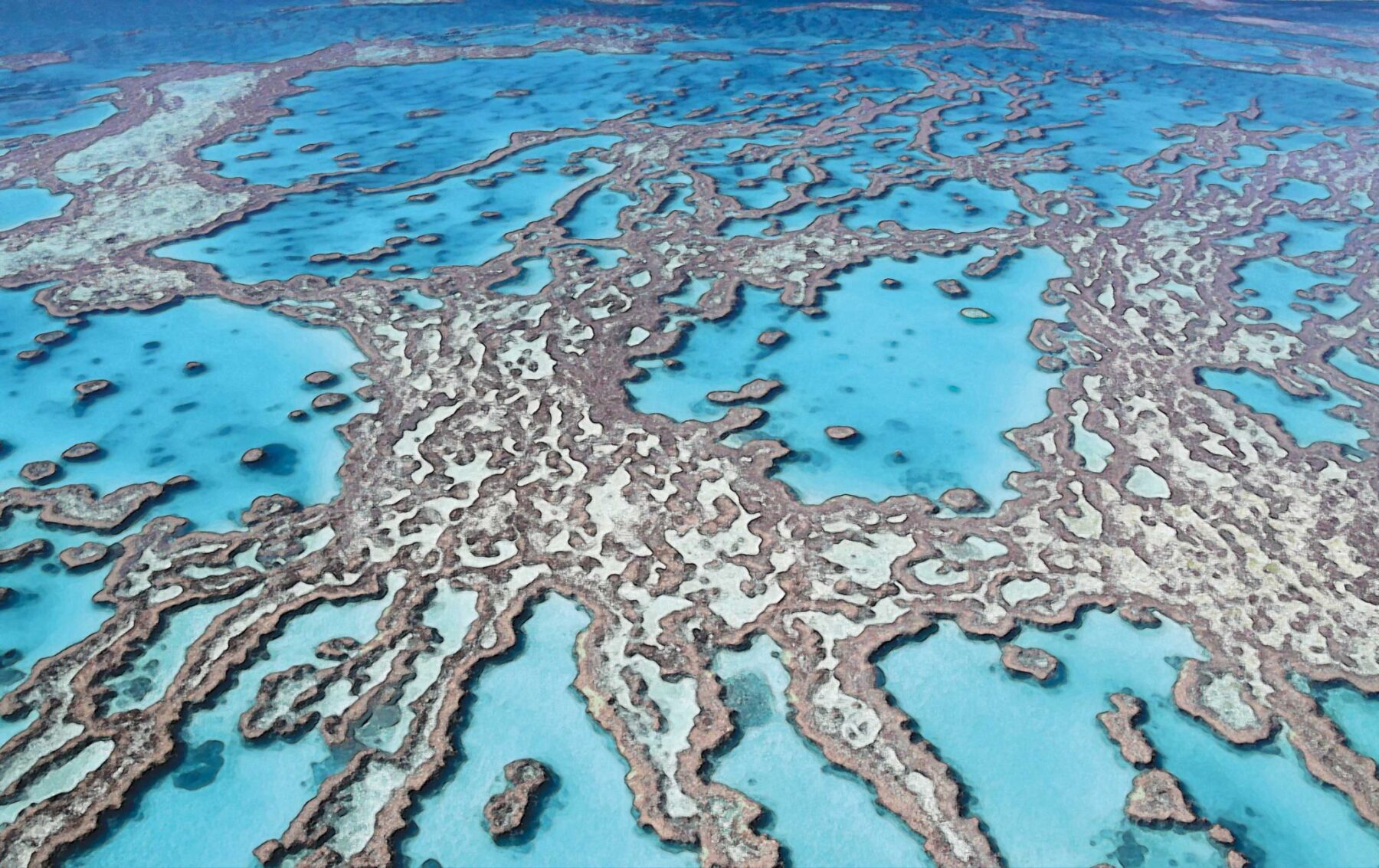
E.g. Great Barrier Reef, Australia
(about one-third is a no-take zone)
TYPES OF MPAS
IUCN CATEGORY VIProtected Area with Sustainable Use of Natural Resources: These areas allow an extensive amount of human involvement, usually low-level, non-industrial use of natural resources. With non-industrial harvesting, authorities ensure that conservation as a main aim is still viable within this area.
E.g. Menai Bay Conservation Area, Zanzibar, Tanzania
TYPES OF MPAS
World Heritage Site: Initiated by UNESCO, this area exhibits extensive natural or cultural history. Maritime areas are poorly represented, however, with only 46 out of over 800 sites.
Komodo has an amazing array of underwater wildlife
Liveaboard diving trips are becoming increasingly popular. That’s especially true in Asia, where remote dive sites and limited infrastructure create the need for “traveling dive shops.” Whether the aim is to reach distant archipelagos or see as many dive sites as possible in one week, liveaboard holidays offer an unmatched advantage.
If an “eat, sleep, dive” vacation sounds like paradise to you, check out these great liveaboard diving destinations in Asia. From Tubbataha Reefs Natural Park in the Philippines to Raja Ampat in Indonesia, these are some of the best liveaboard trips in the world.
1. Raja Ampat, Indonesia
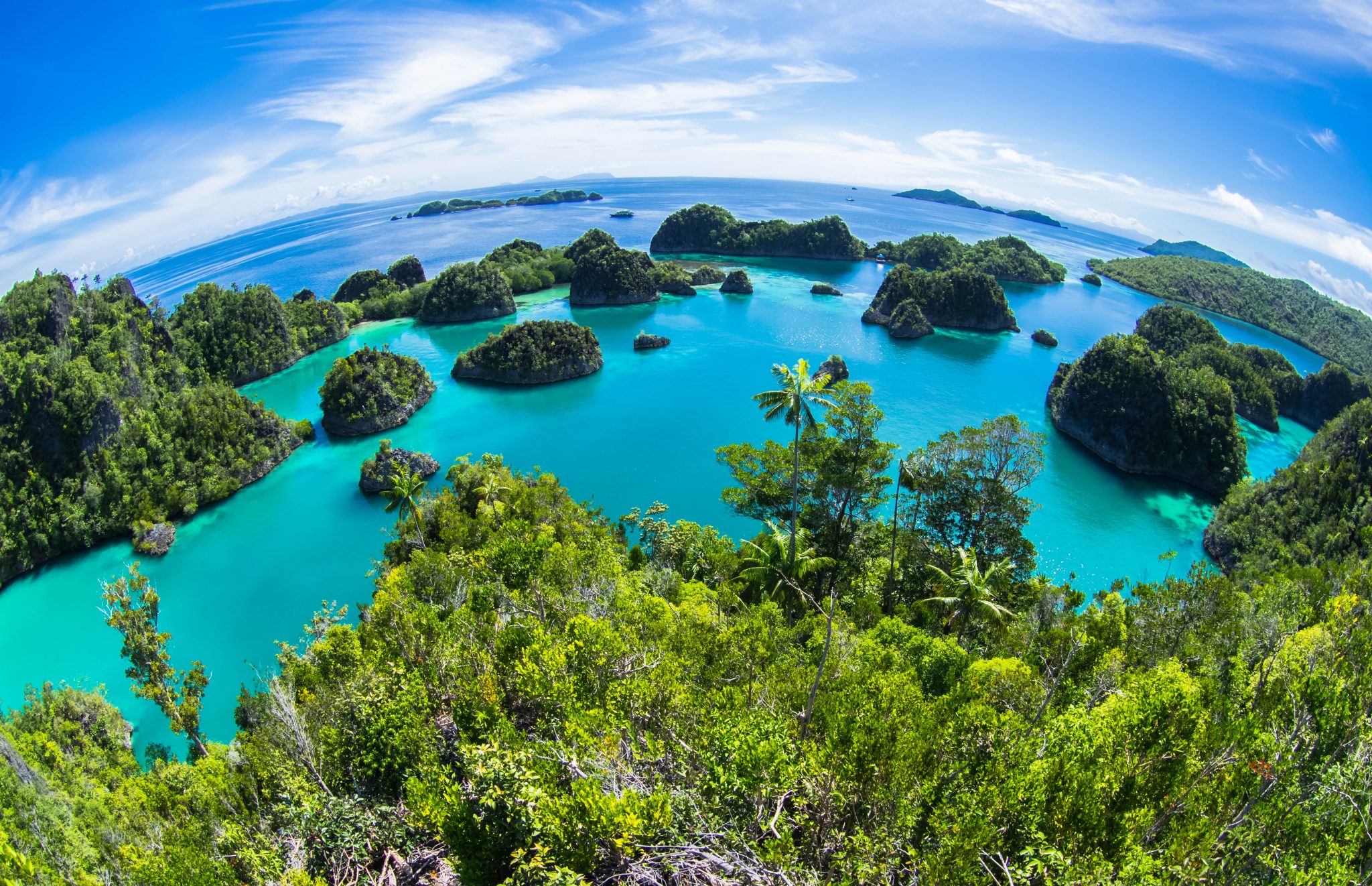
Raja Ampat is a diving destination that has something for everyone. From impressive fish diversity and pelagic giants to mystical wrecks and pristine corals, you’ll always be kept busy under the surface. And, perhaps best of all, the hundreds of islands that make up Raja Ampat remain relatively undeveloped, providing a truly wild experience full of manta rays, pygmy seahorses and wobbegong sharks. To get the most out of this Indonesian destination, dive one of the many liveaboard routes available.
Raja Ampat has hundreds of islands with amazing bio diversity
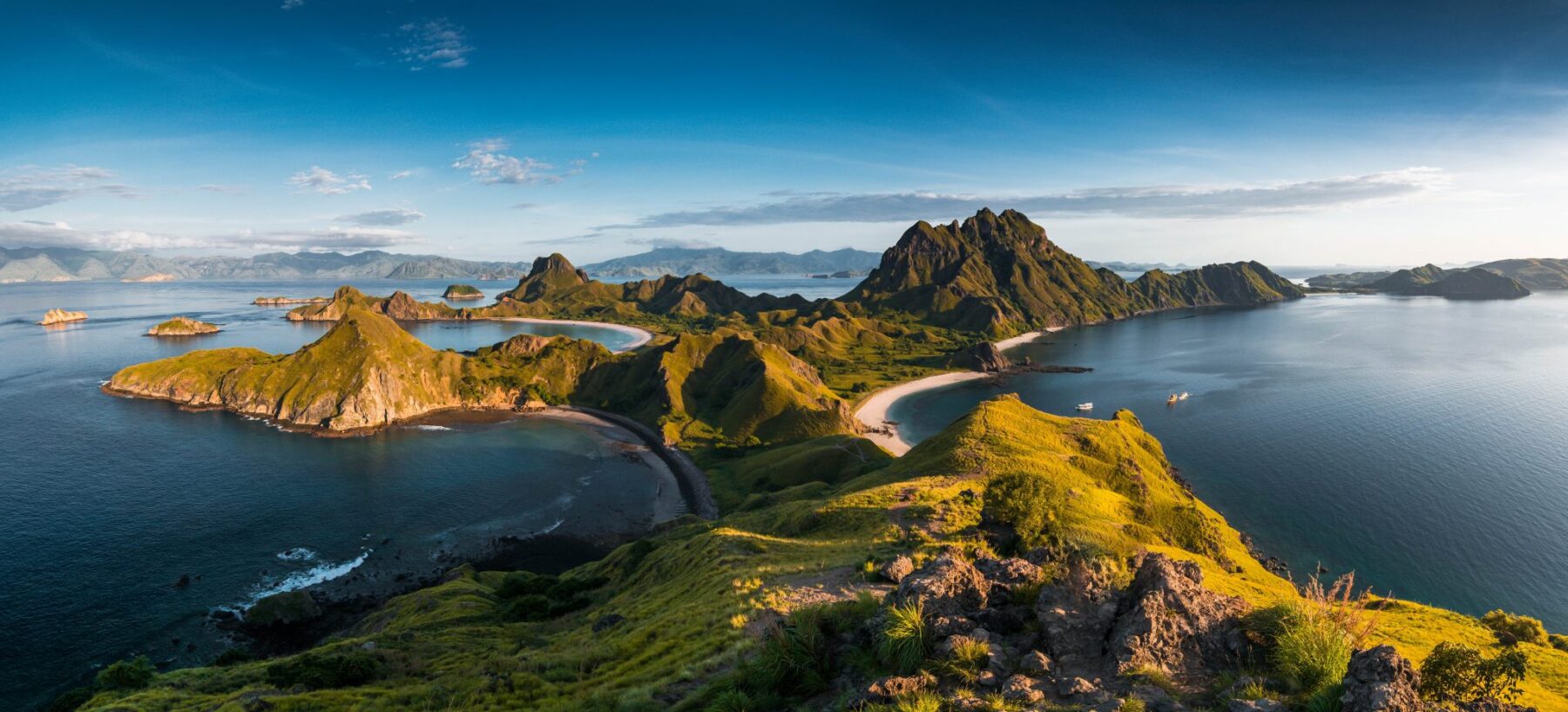
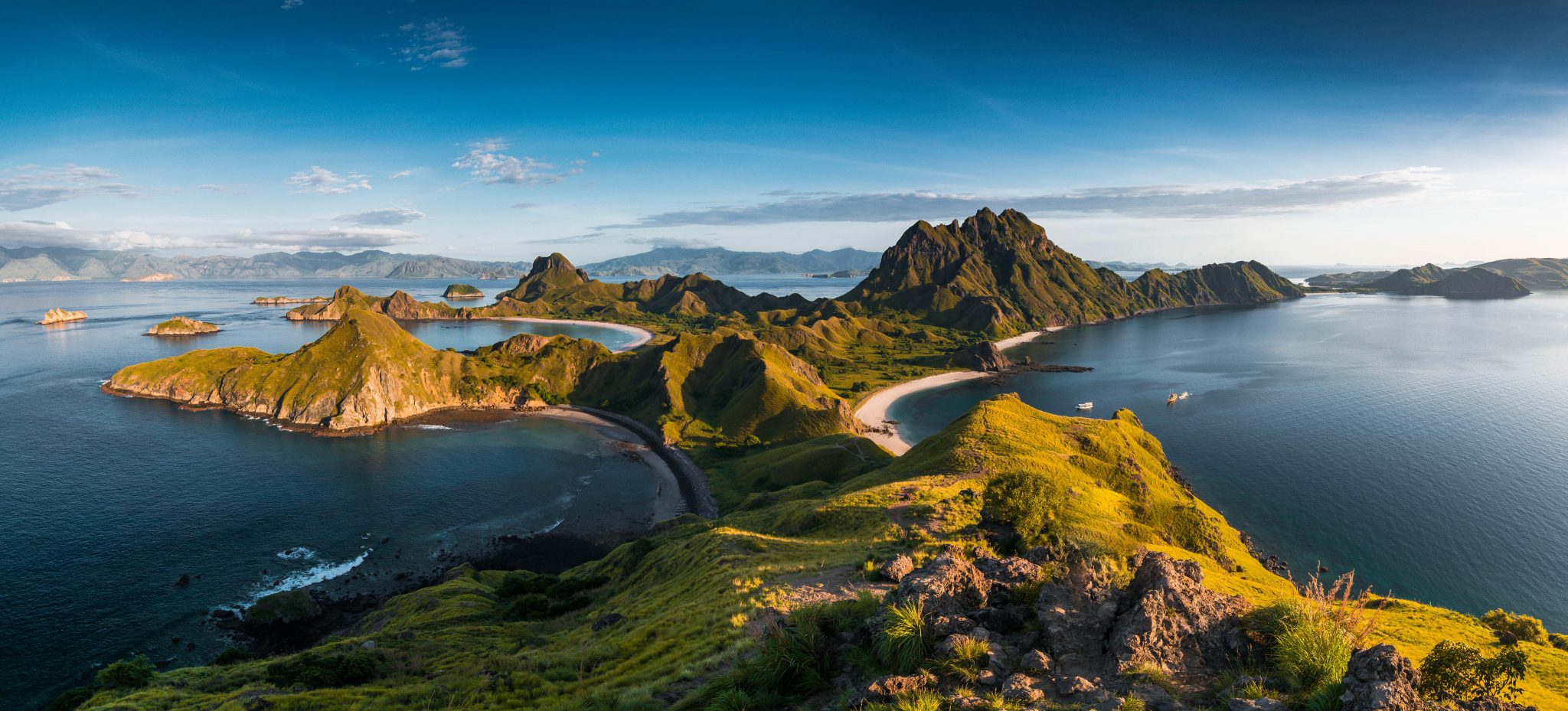
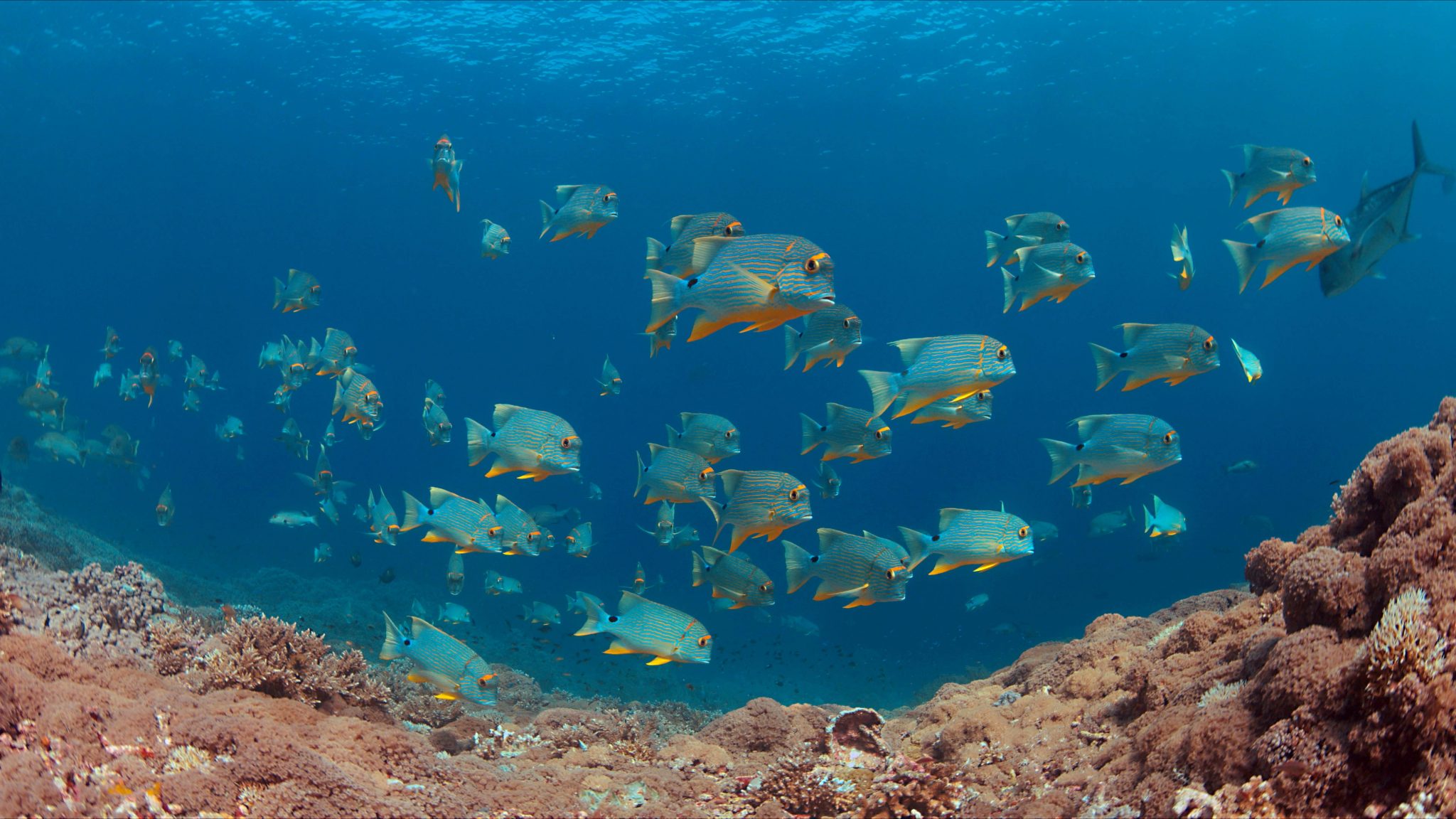
Offering adventure above and below the water, Komodo is most famous as the home of the world’s largest lizard – the Komodo Dragon. And while visiting these impressive creatures make for a pretty cool day trip, Komodo’s underwater giants definitely deserve a headline of their own. Manta rays, numerous sharks, tuna, jacks and bumphead parrotfish are only a small part of the cast that will make up your dives in this part of Indonesia. You can also expect exciting drift diving mixed with colorful corals that rival the best in the world.
Komodo has an amazing array of underwater wildlife
Tubbataha is home to the largest abundance of coral in the world. And, it should come as little surprise that it is accompanied by an impressively rich diversity of marine life, too. Over 97,000 hectares make up the protected underwater landscape of Tubbataha Reefs Natural Park. Once inside, you might find mantas at cleaning stations or a whale shark just passing by. You are also likely to see grey reef and whitetip sharks along with tuna, trevally mackerel and eagle rays. And, if that’s not enough, visitors may also spot tiger sharks, hammerhead sharks or any one of the numerous whale species that pass through the area. Keep in mind that Tubbataha can only be reached by liveaboard.
The Tubbataha Reefs Natural Park is home to many species of whales and sharks
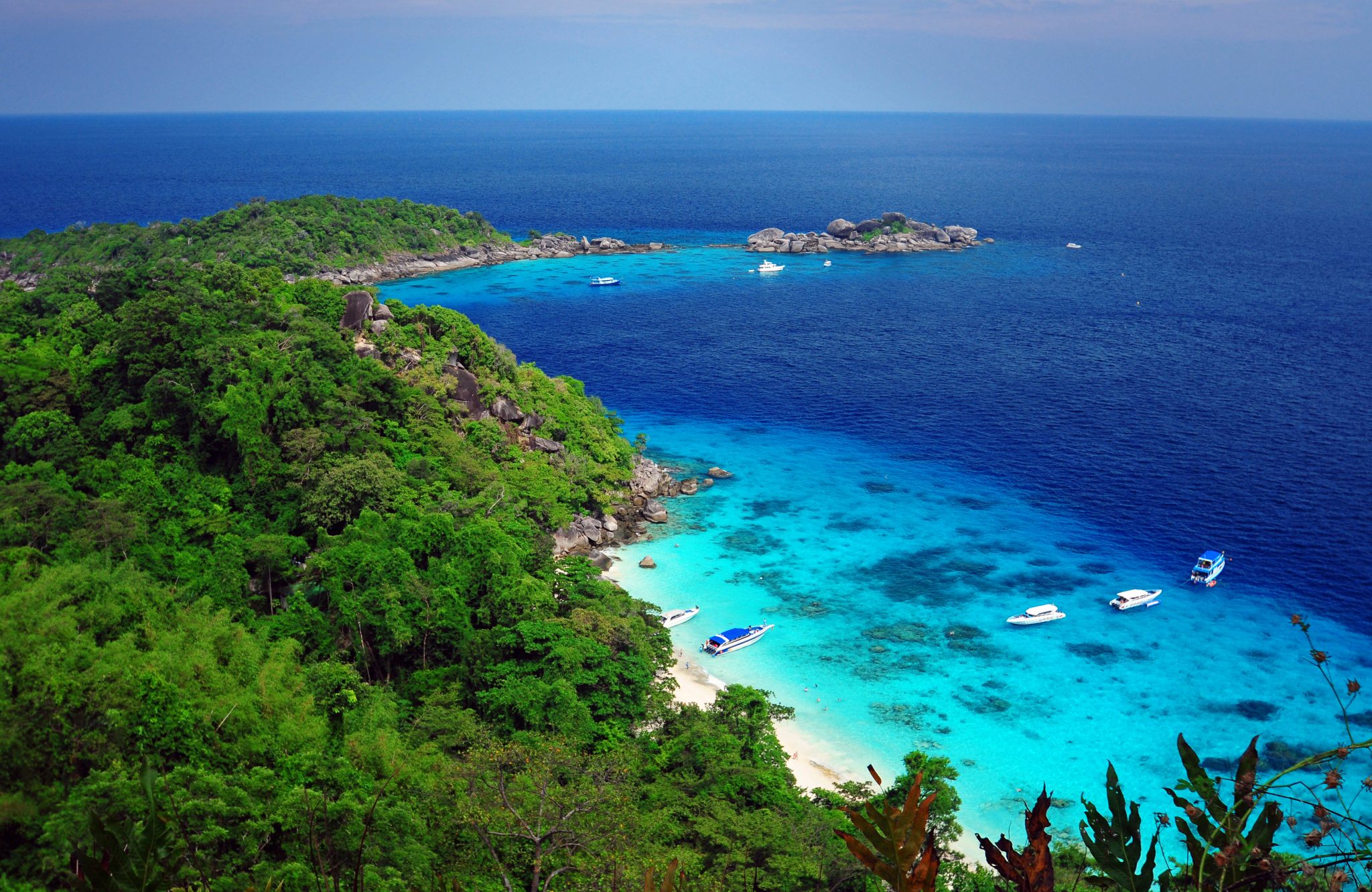
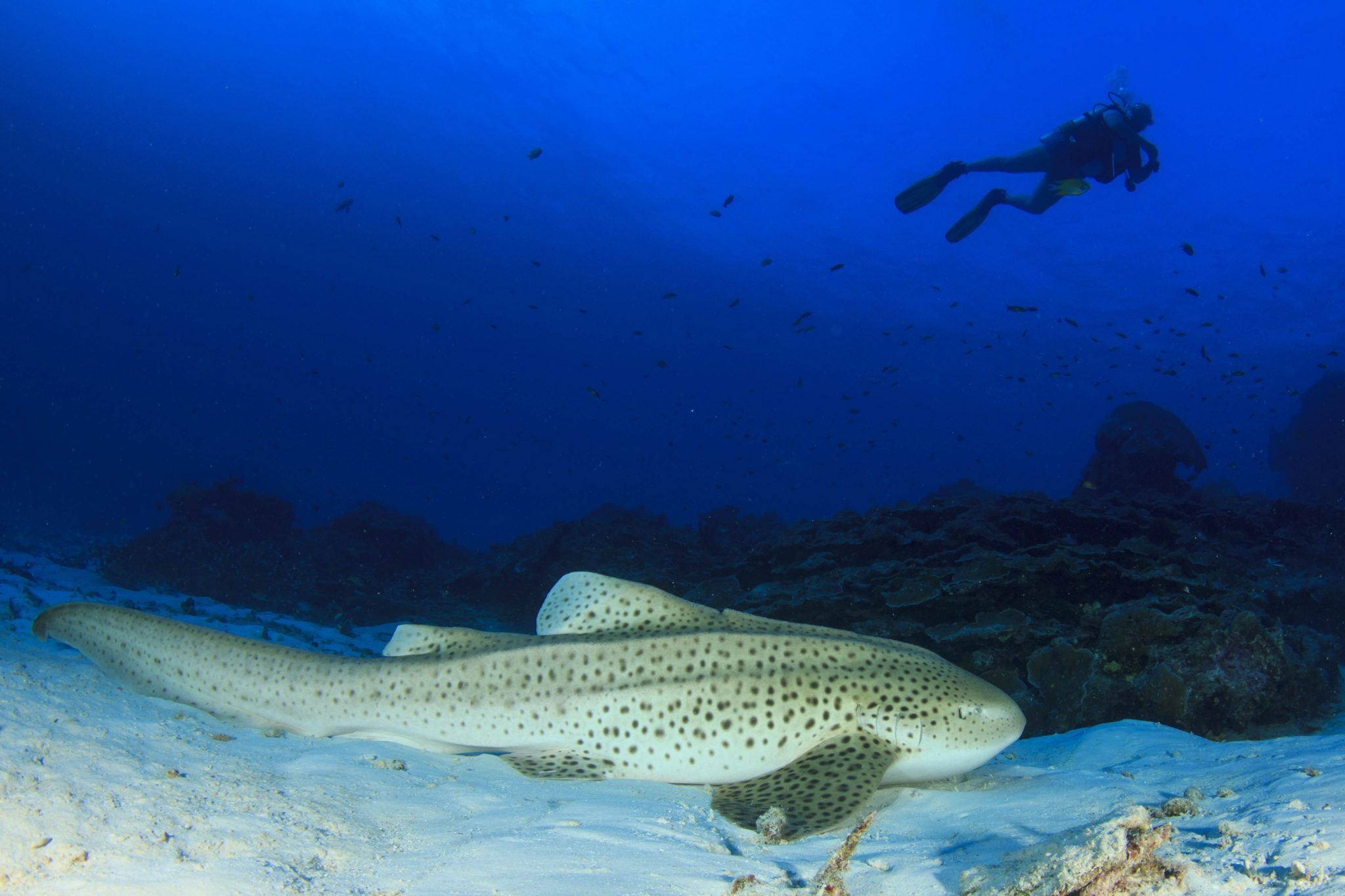
The opportunity to spend time under the waves with whale sharks and manta rays is one big reason that divers travel to the Similan Islands. Eighty-four kilometres off Thailand’s western coast, this group of nine liveaboard-only islands are also home to over 500 species of coral and a mix of marine life that includes leopard sharks, whitetip sharks, blue spotted stingrays and guitar rays. The Similan Islands also boast underwater landscapes to stave off boredom. There’s a mix of giant boulders, caves and passages to be explored. Keep in mind, the Similan Islands are only open a few months of the year.
The Similan Islands has a beguiling variety of coral and marine life
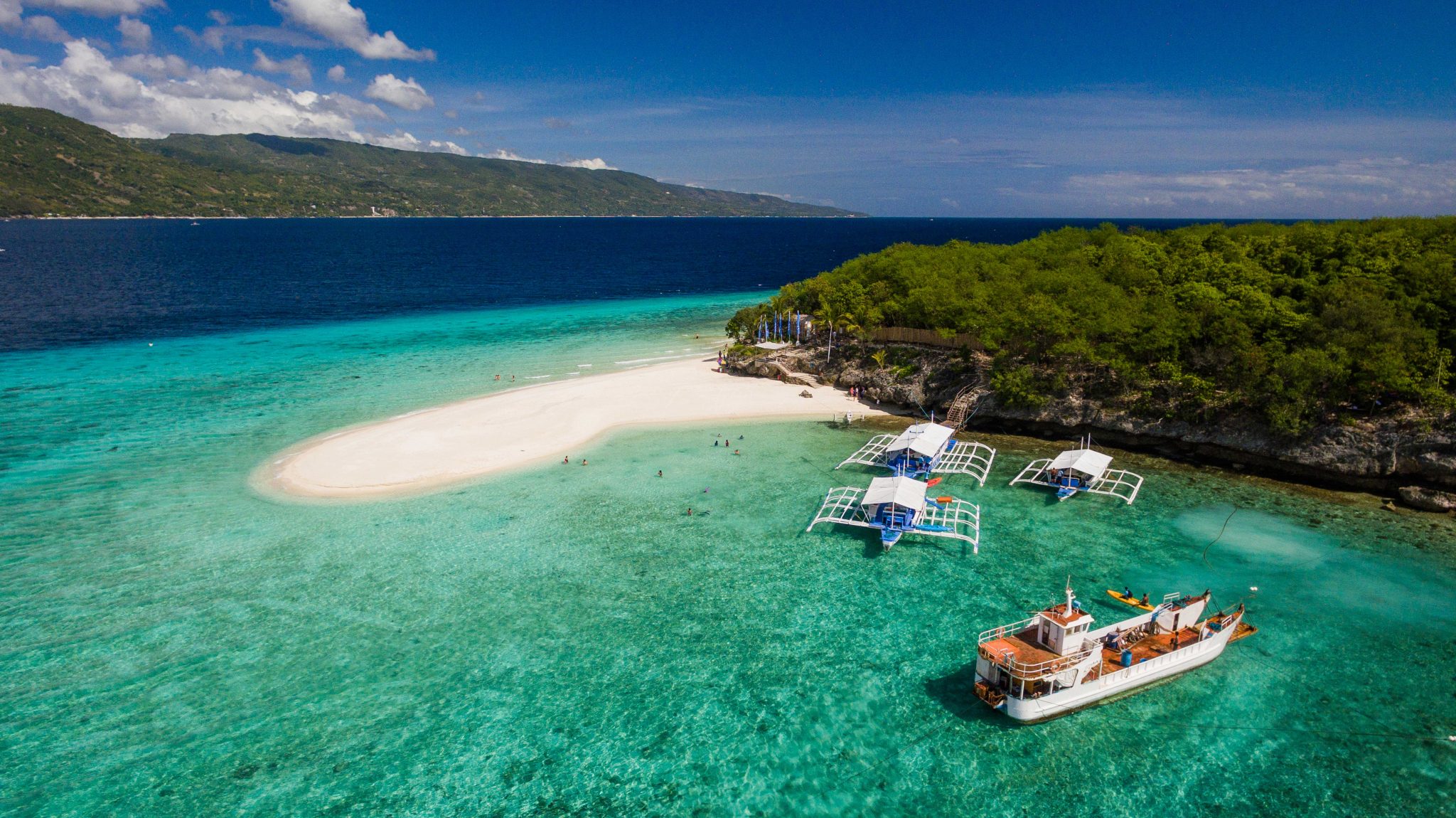
Although Tubbataha is considered the creme de la creme of Philippines diving, the Visayas still offer some of the best liveaboard diving in Asia. Home to gorgeous reefs, elevated plateaus, coral gardens and muck diving, this archipelago delights divers willing to make the journey from island to island. For the most part, visibility is excellent and the marine life is incredibly diverse. Thresher sharks, whale sharks and a plethora of small yet wonderful critters populate the area. While you can easily dive these islands from land, liveaboards are a far more practical way to discover all the best dive sites in this part of the Philippines.
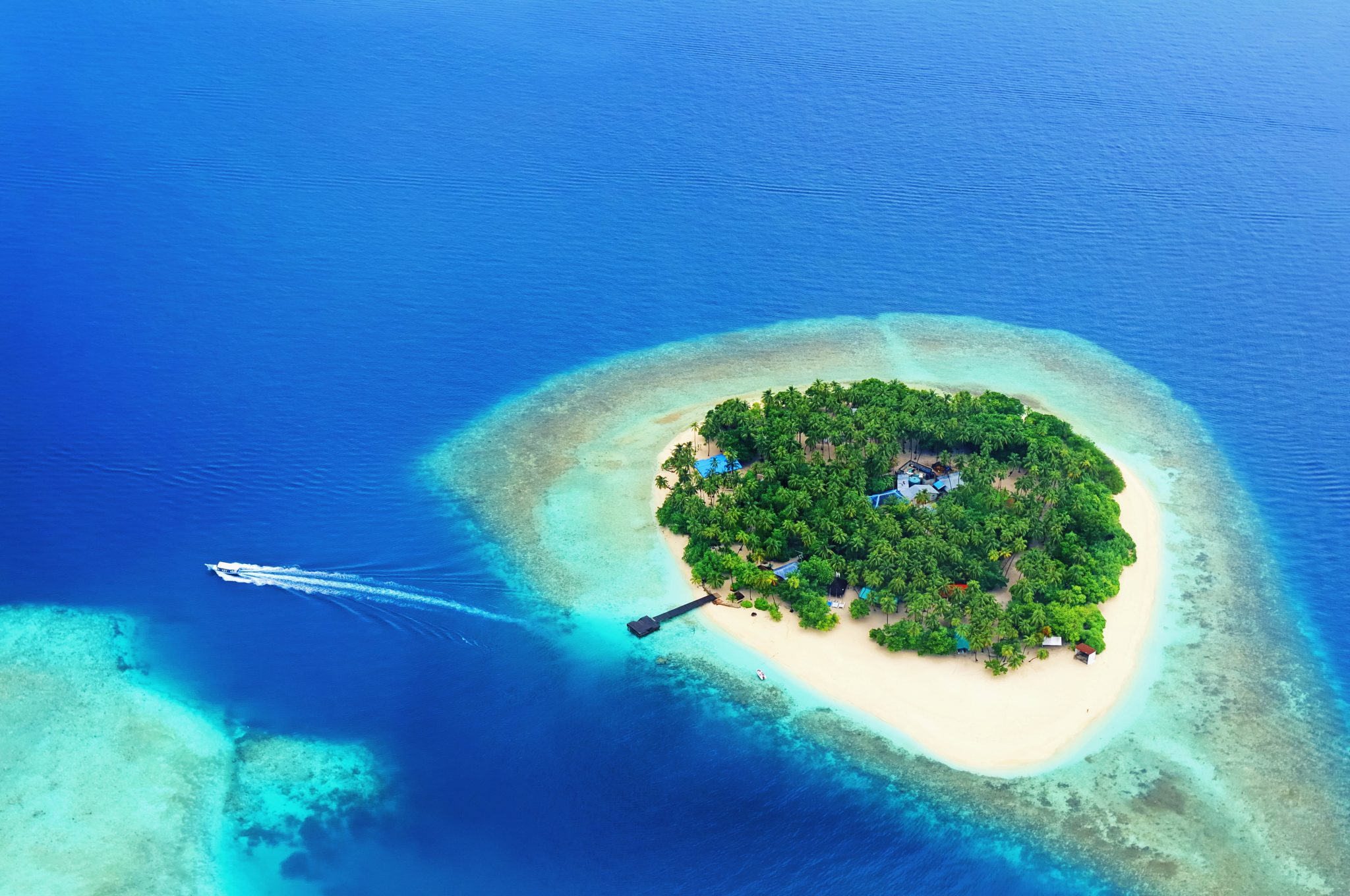
With 26 natural atolls, the Maldives was practically made for liveaboard diving. In addition, the stringent rules in place for foreign guests and the sheer size of the atolls make liveaboards a convenient option for diving in the country. Whale sharks, manta rays and hammerheads are just a few of the marine life species you will spot on any given holiday in this paradise. So pack your bags and jump on the next flight out. Paradise (both above and below the water) is waiting.
The Maldives is the perfect choice for liveaboard diving
When to Go: January to May
Recommended Liveaboard: Scubaspa Ying
7. Oman
Liveaboard diving in Oman is still a relatively recent occurrence, but this absence has left the underwater world healthy and teeming with marine life. Diving here can be split into two main areas: the Musandam Peninsula and the Daymaniyat Islands. Both are home to stunningly colorful reefs and give divers the chance to see bigger marine life, including passing a whale shark. Oman also offers a good mix of dive sites, including drop offs, wrecks, reefs and kelp forests.
A whale shark swimming in the healthy waters of Oman
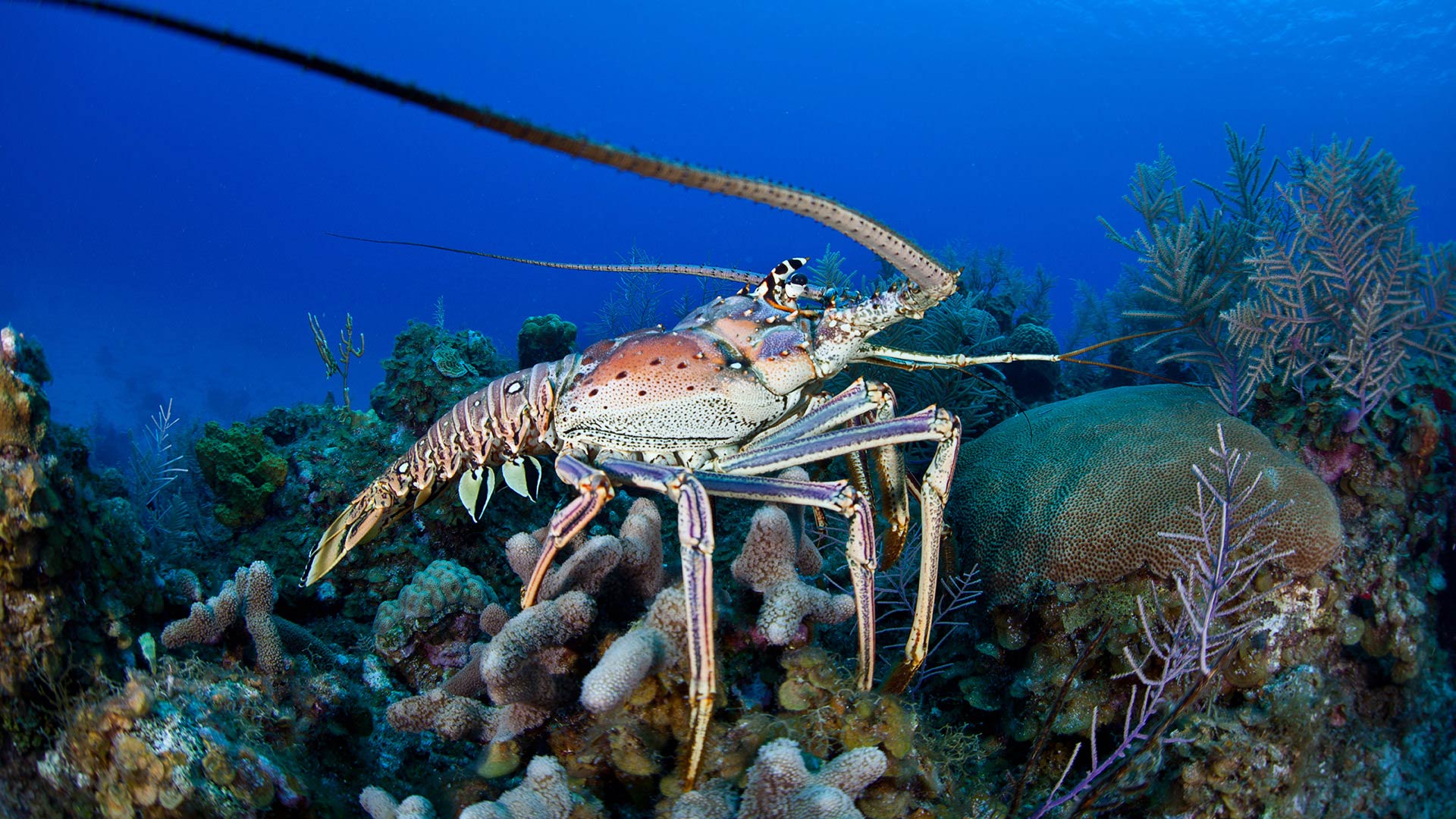
The waters off Myanmar’s western coast still remain some of the least explored in the whole world. And with such little disturbance, it’s no surprise that the area is home to a variety of fish species – both big and small. Many kinds of shark, including silvertip, grey reef, blacktip and bull, can be found here along with eagle and manta rays. On the smaller side, seahorses and crayfish are backed up by an impressive array of macro life and rare reef fish. Furthermore, the only practical way to dive Myanmar’s Mergui Archipelago is by liveaboard.
A lobster swimming in the rich waters off Myanmar’s western coast
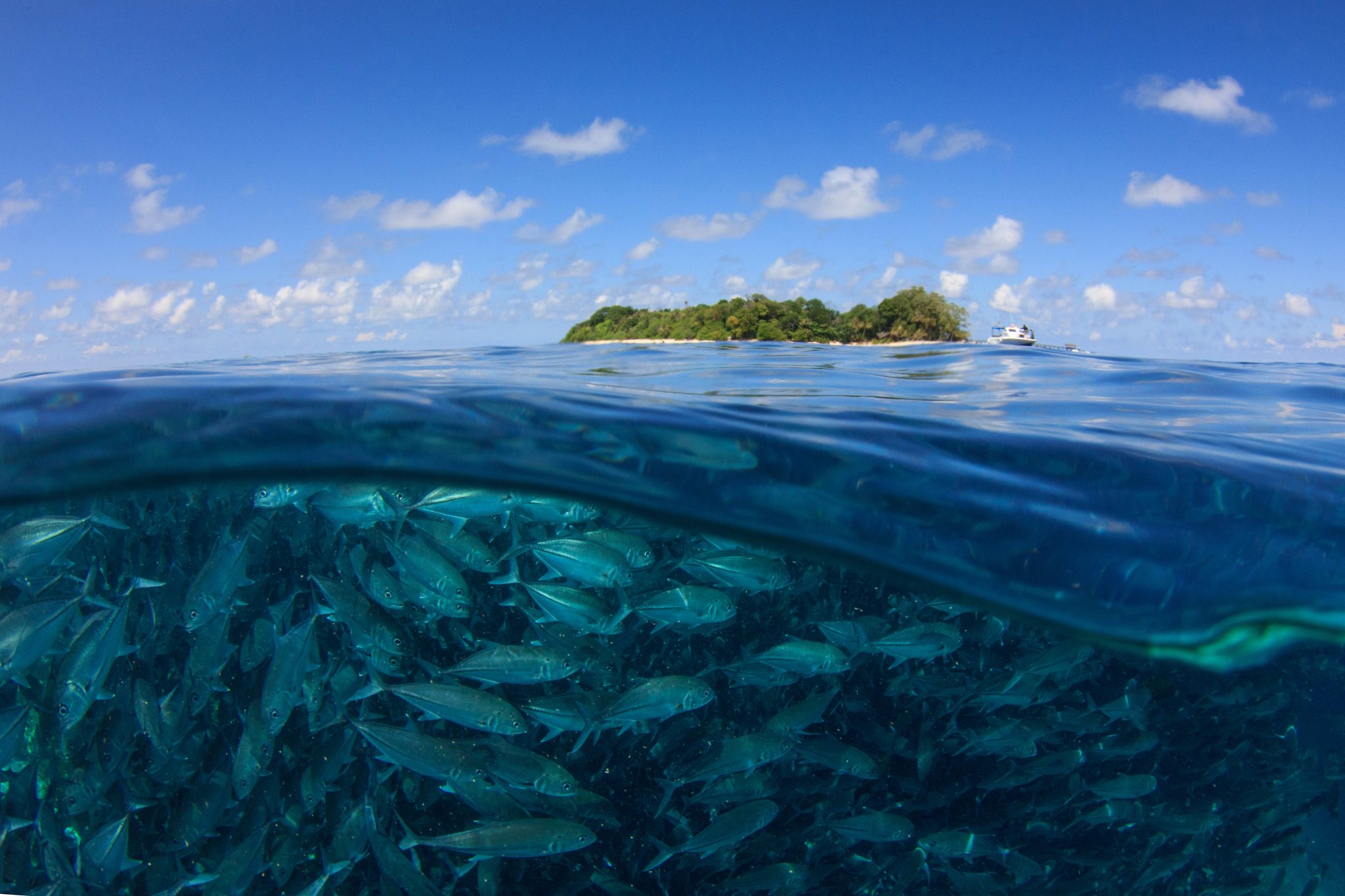
At over 600 metres above the seabed, the island of Sipadan is Malaysia’s only oceanic island and feels a little bit like a diving oasis in open ocean. With steep, coral-filled walls stretching down from every side, dives are usually full of the green and hawksbill turtles that visit the island. You’re also likely to see any number of swimming or resting whitetip sharks as well as the island’s two sizable schools of fish. One is a school of jackfish and the other is barracuda. While it’s entirely possible to dive Sipadan from land, you’ll maximize your time at the island on a liveaboard.
A school of fish swimming in the waters of Sipadan Island
Visits to the Banda Sea often come as part of other liveaboard routes, however don’t be fooled into thinking the Banda Sea doesn’t deserve its place on the list. Marine life ranging from pygmy seahorses to pilot whales can be seen in these beautifully clear waters, and while the large pelagic stars are here, most people want to visit the region for its impressive diversity of fish. Ambon scorpionfish, redtooth triggerfish, mandarinfish and schools of fusiliers make up part of this underwater menagerie. Dive environments also range from high-speed drifts and historical wrecks to easy reef dives where you can enjoy the outstanding fish diversity before you. To cap it all off, your top side time will be spent surrounded by pristine volcanic environments home to a limited population and few tourists.
The Banda Sea has a wide variety of diver environments from easy reef dives to historical wrecks
When to Go: March to April and September to December
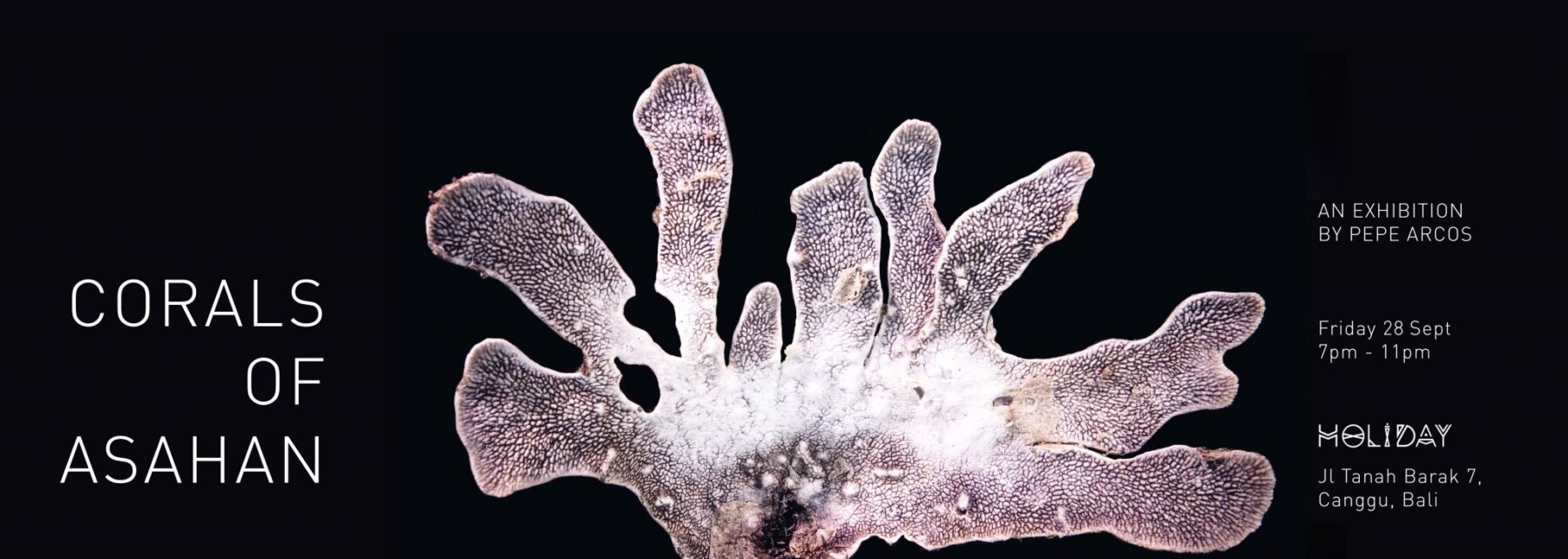
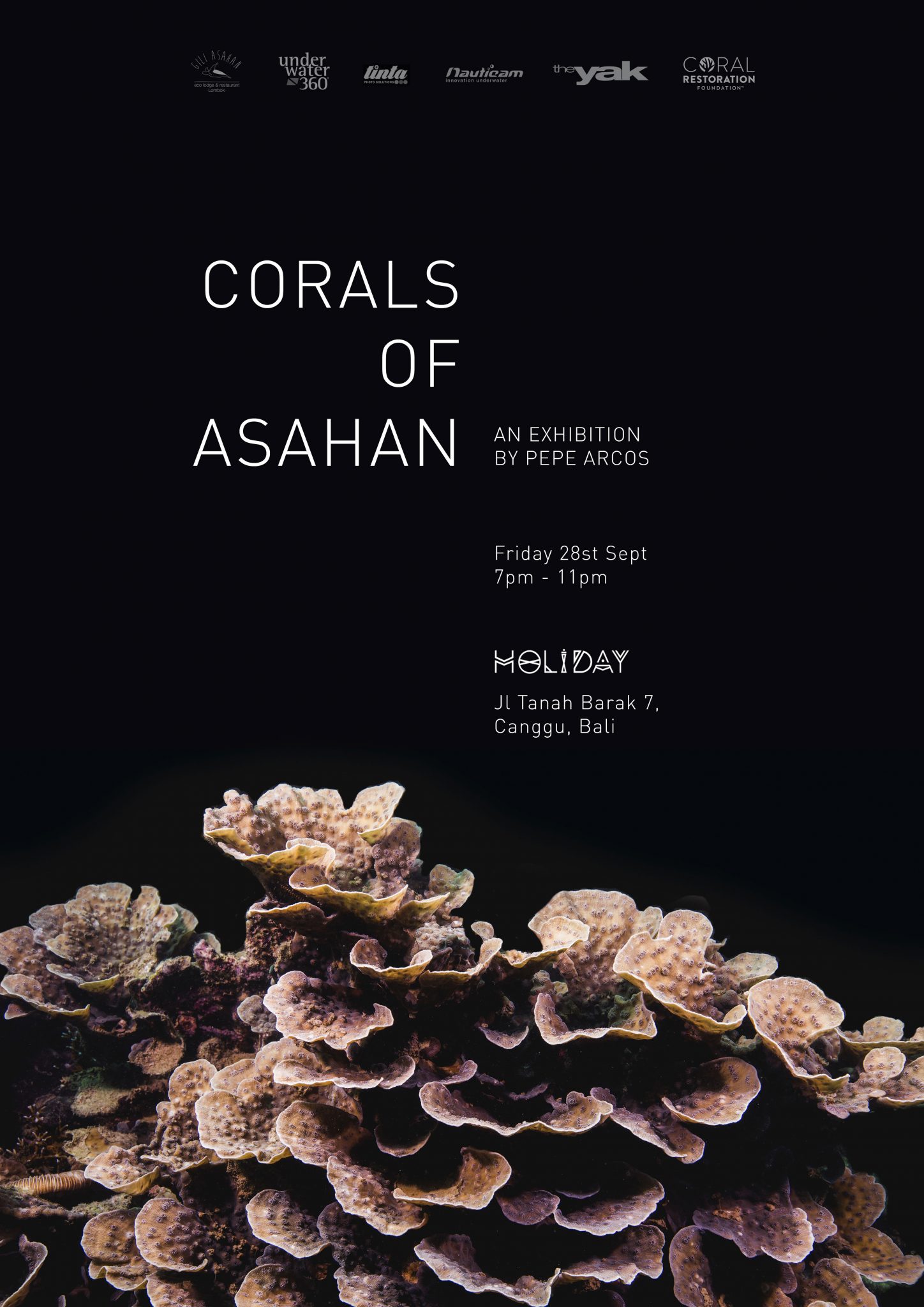
A new exhibition by Pepe Arcos opens 28 September at the Holiday Canggu Art Gallery, Canggu, Bali, Indonesia. The exhibition features seven limited edition large sized prints and will be on display until 26 October.
In the exhibition Corals of Asahan, Pepe Arcos draws a straight line between art and conservation. He creates a new category of “minimal delicacy”, challenges the sensitivity of the senses, and leaves exciting thoughts in the viewer’s mind about the true beauty of nature, and how important it is to take action to protect it.
The artist has arranged his underwater images in the cool, cosy Art Gallery at Holiday Canggu, a new venue that just opened in the island of Bali, Indonesia.
This is a very special art collection that will display corals as they have never been shown before. An innovative style of underwater photography that will surprise the viewers.
The images were taken underwater near the island of Gili Asahan, South Lombok, while freediving. The coral’s textures and intriguing colours tell a singular story of the fragility in the area, especially after the fatal earthquakes that Lombok suffered recently.
Pepe Arcos is an award-winning, multitalented freediver and photographer, with a filmmaker’s approach to storytelling and a fashion photographer’s eye for form and shape. This multitalented shooter explores this underwater domain, holding breath for minutes at a time, to capture unique images of ethereal calm. He is a talented individual who dodges even greater odds to document aspects of the underwater world in new creative ways never seen before.
The Corals of Asahan art exhibition will surprise gallery visitors with totally new ways of looking into the beauty of our oceans. Thirty percent of all sales proceeds will be donated to South Lombok’s Coral Conservation project.
A new exhibition by Pepe Arcos opens 28 September at the Holiday Canggu Art Gallery, Canggu, Bali, Indonesia. The exhibition features seven limited edition large sized prints and will be on display until 26 October.
In the exhibition Corals of Asahan, Pepe Arcos draws a straight line between art and conservation. He creates a new category of “minimal delicacy”, challenges the sensitivity of the senses, and leaves exciting thoughts in the viewer’s mind about the true beauty of nature, and how important it is to take action to protect it.
The artist has arranged his underwater images in the cool, cosy Art Gallery at Holiday Canggu, a new venue that just opened in the island of Bali, Indonesia.
This is a very special art collection that will display corals as they have never been shown before. An innovative style of underwater photography that will surprise the viewers.
The images were taken underwater near the island of Gili Asahan, South Lombok, while freediving. The coral’s textures and intriguing colours tell a singular story of the fragility in the area, especially after the fatal earthquakes that Lombok suffered recently.
Pepe Arcos is an award-winning, multitalented freediver and photographer, with a filmmaker’s approach to storytelling and a fashion photographer’s eye for form and shape. This multitalented shooter explores this underwater domain, holding breath for minutes at a time, to capture unique images of ethereal calm. He is a talented individual who dodges even greater odds to document aspects of the underwater world in new creative ways never seen before.
The Corals of Asahan art exhibition will surprise gallery visitors with totally new ways of looking into the beauty of our oceans. Thirty percent of all sales proceeds will be donated to South Lombok’s Coral Conservation project.
Like the Apollo 8 US astronauts who were inspired to read from the bible after witnessing the beauty of the moon from their spacecraft, the splendour of the underwater galaxy in Palau’s pristine waters has been cited by many as the moment they truly fell in love with marine ecology and scuba diving.
An island country consisting of approximately 340 islands located in the western Pacific Ocean between Guam and the Philippines, Palau has rich marine life diversity and has been named one of the Underwater Wonders of the World.
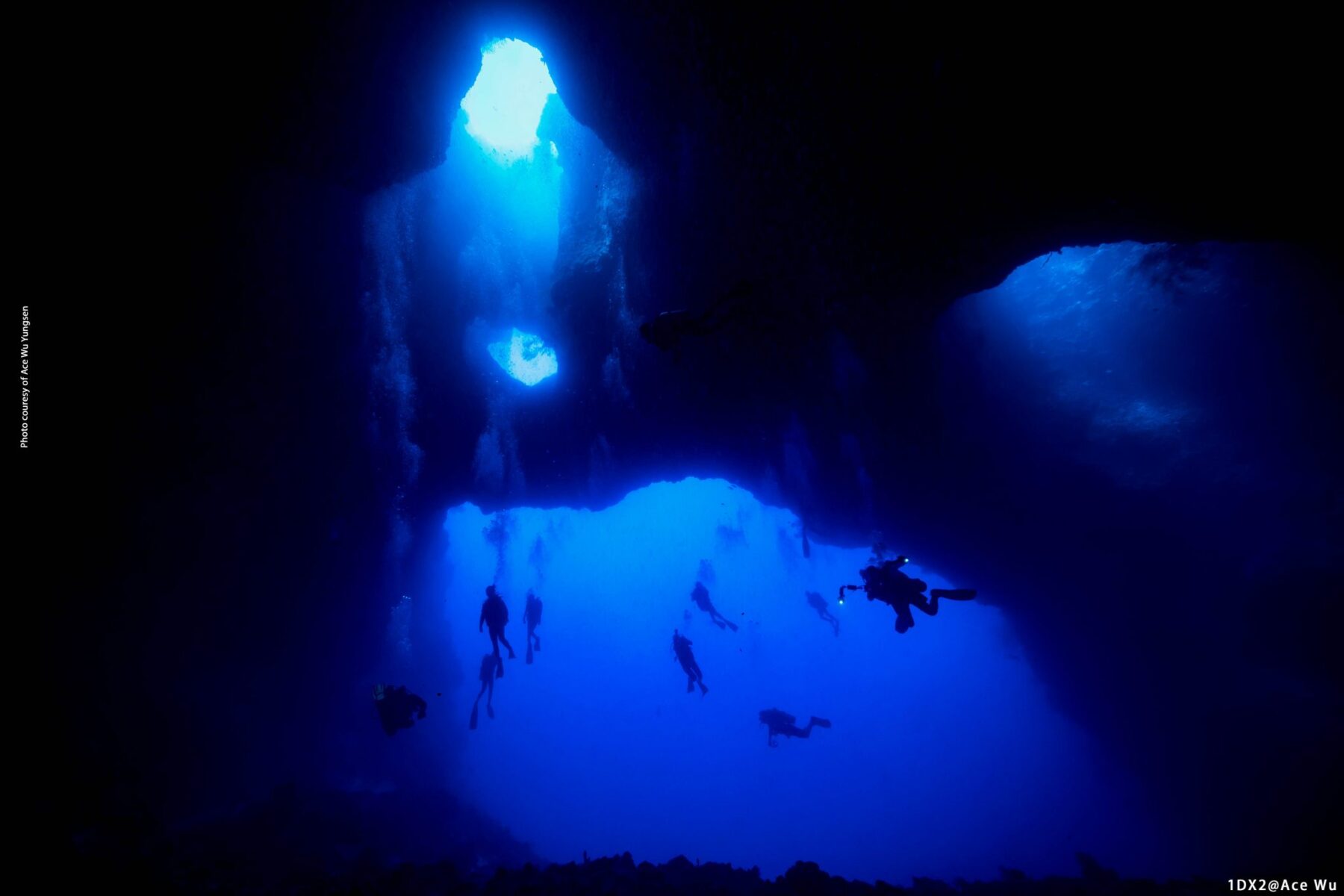
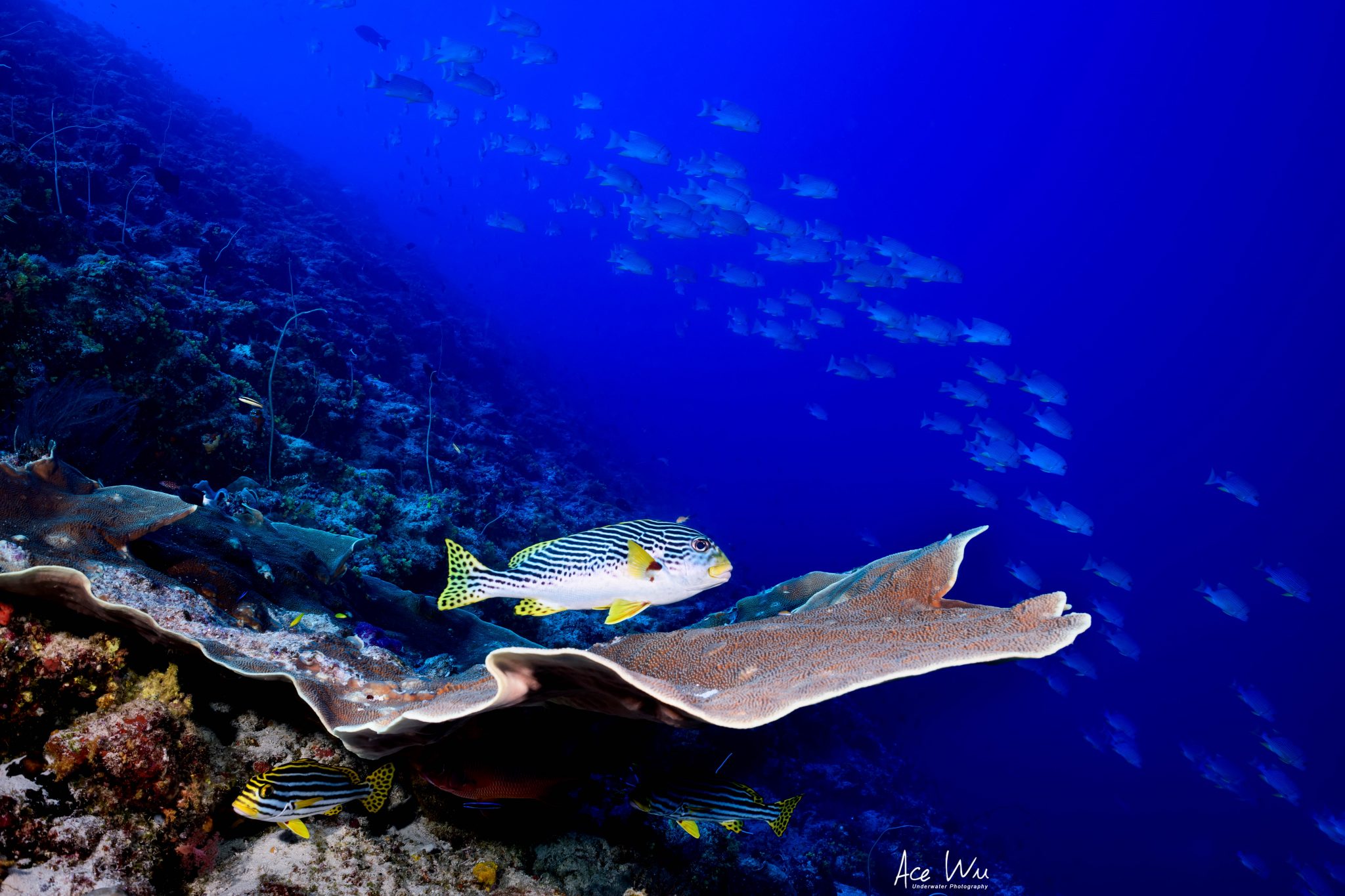
(Photo courtesy of Ace Wu Yungsen) Palau is home to one of the most diverse marine ecologies in the world
Avid explorer, Ace Wu Yungsen, a 41-year-old award-winning photographer from Taiwan specialising in underwater photography, currently residing in Ho Chi Minh City, is just one of the many admirers of Palau.
“Palau has flourishing marine ecology due to the long-term benefits of environment protection enacted by its government,” said Ace. “The great varieties of fishes and thriving coral reefs are a diver’s paradise!”
The sixth-largest fully protected marine reserve in the world, the Palau government passed the Palau National Marine Sanctuary Act in 2015, making 80% (193,000 square miles in size) of Palau’s maritime territory a No Take Zone (NTZ) – a Marine Protected Area (MPA) permanently set aside from direct human disturbance, where all methods of fishing and extraction of natural materials are prohibited.
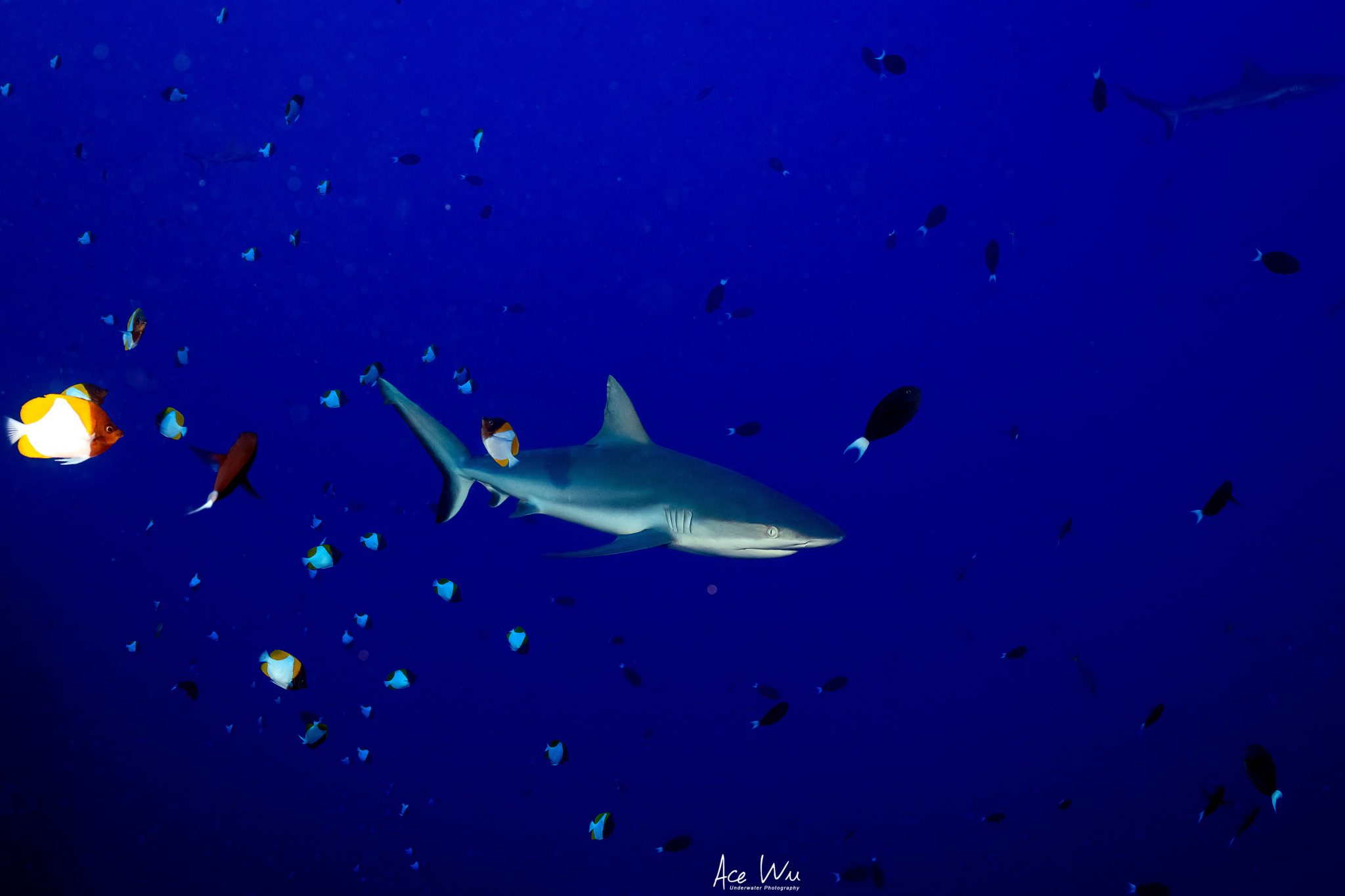
(Photo courtesy of Ace Wu Yungsen) A reef shark in Palau’s waters
Blessed with a tropical rainforest climate, you can enjoy scuba diving at Palau all year round and its clear, pristine waters enable visibility to up to 200 feet (61m) on good days. Part of the western chain of the Caroline islands in Micronesia, Palau’s reputation as a diver’s paradise is because of the wide variety of diving activities you can indulge in all around its islands. Palau is home to abundant schools of fish, healthy reefs, World War II wrecks, vertigo-inducing drop-offs, caves, caverns, manta rays and plenty of sharks.
(Photo courtesy of Ace Wu Yungsen) Palau’s varied and unspoilt environment lets you enjoy all types of diving activities
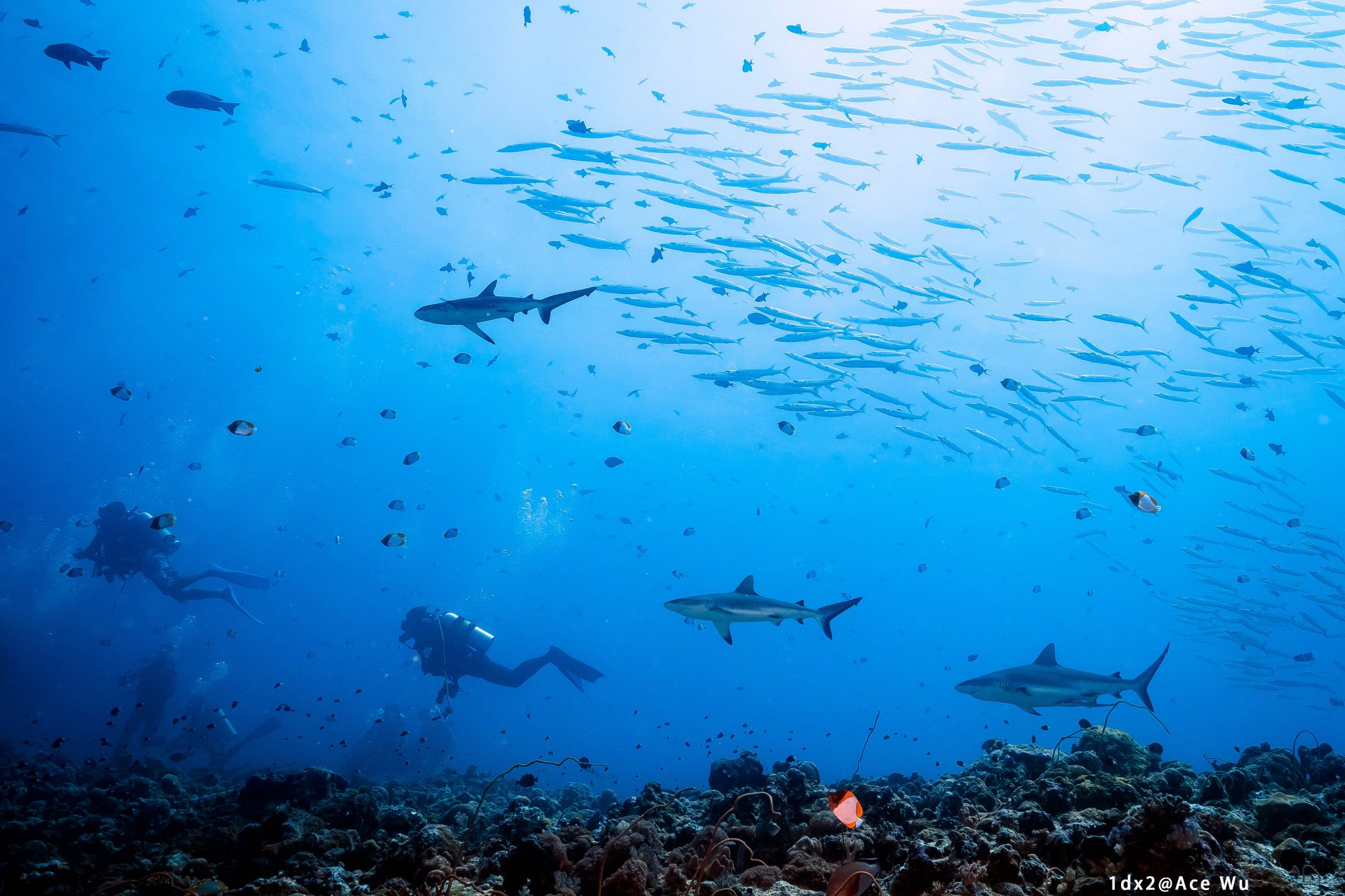
“The grey shark and the many species of reef sharks are not only abundant in quantity, you are also swim very close to them,” said Ace. Attracted to the large schools of fish like fusilier and bigeye trevally found in Palau’s channels and drop-offs, schools of grey reef sharks can be found at Palau’s Blue Corner.
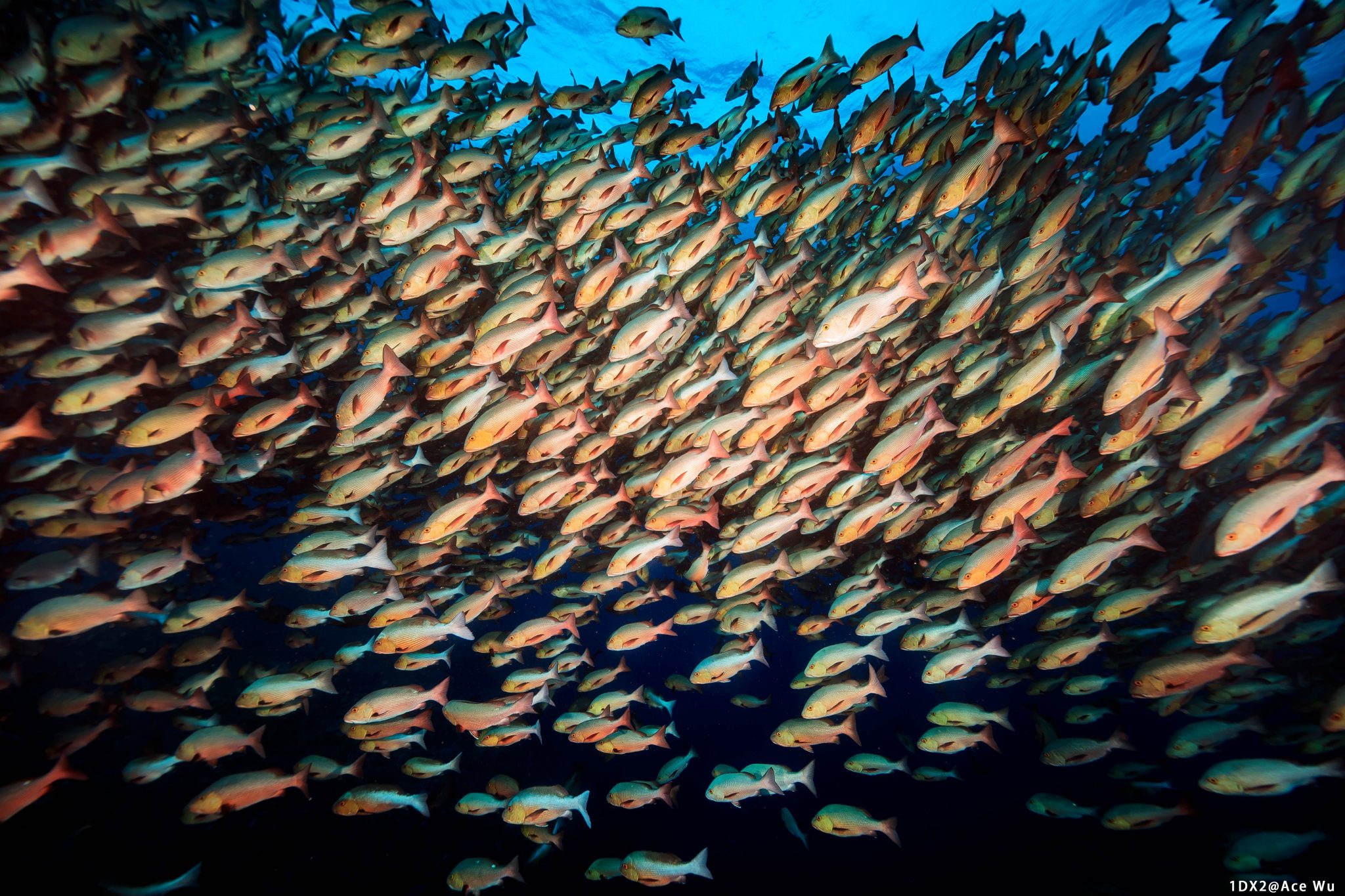
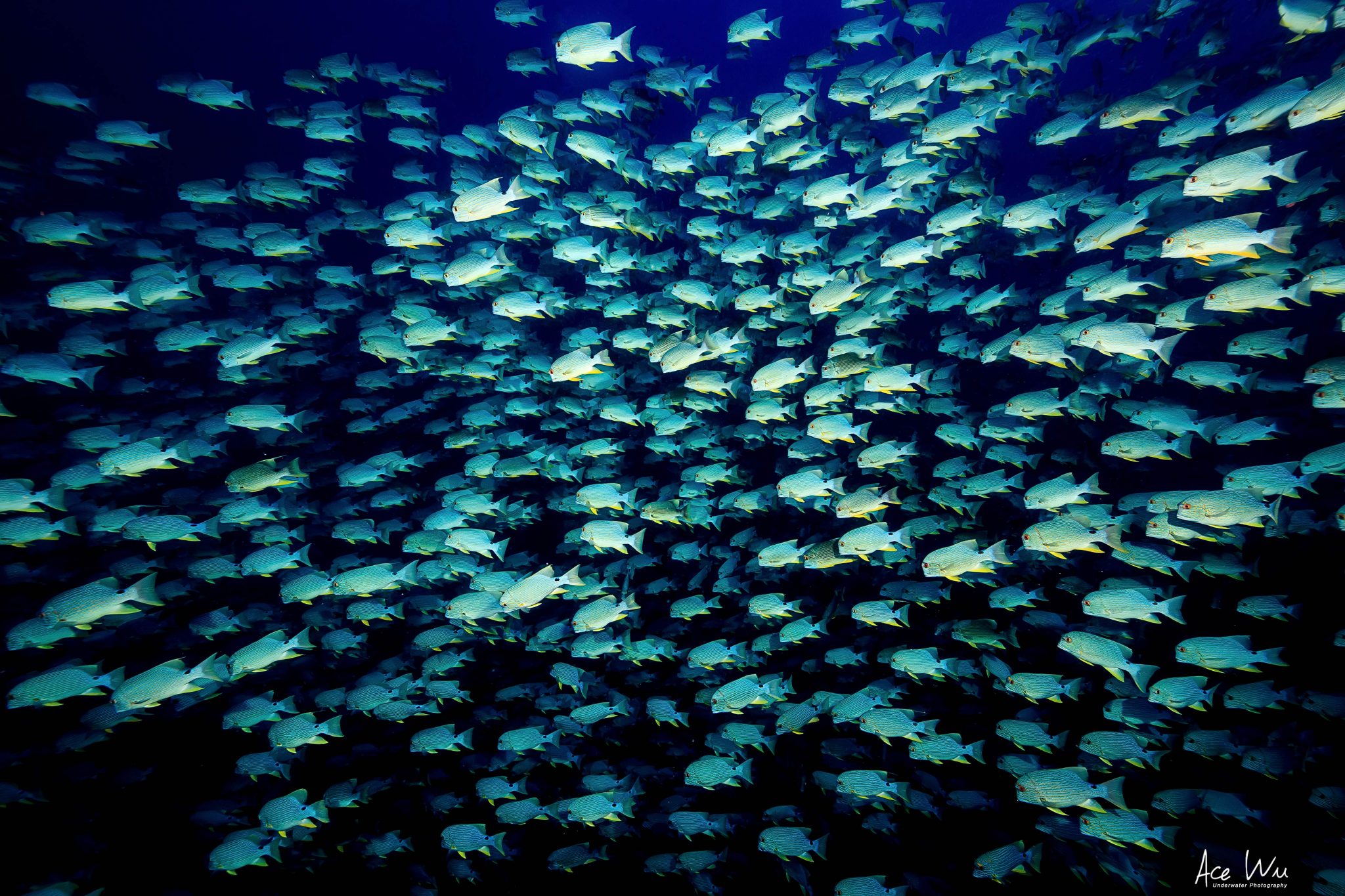
(Photo courtesy of Ace Wu Yungsen) Palau’s waters are home to large schools of fish
“One of the best known and highly rated dive sites in Palau is the Blue Corner,” Ace added. “It’s the mecca where divers make a pilgrimage to every year. The marine diversity is so amazing, it’s known as God’s aquarium!” A shallow coral shelf that projects out into the ocean with vertical walls on both sides, the Blue Corner is home to wondrous varieties of fish like barracudas, jacks, Napoleon wrasses, dogtooth tuna, eagle rays, manta rays, white tip and hammerhead sharks and turtles.
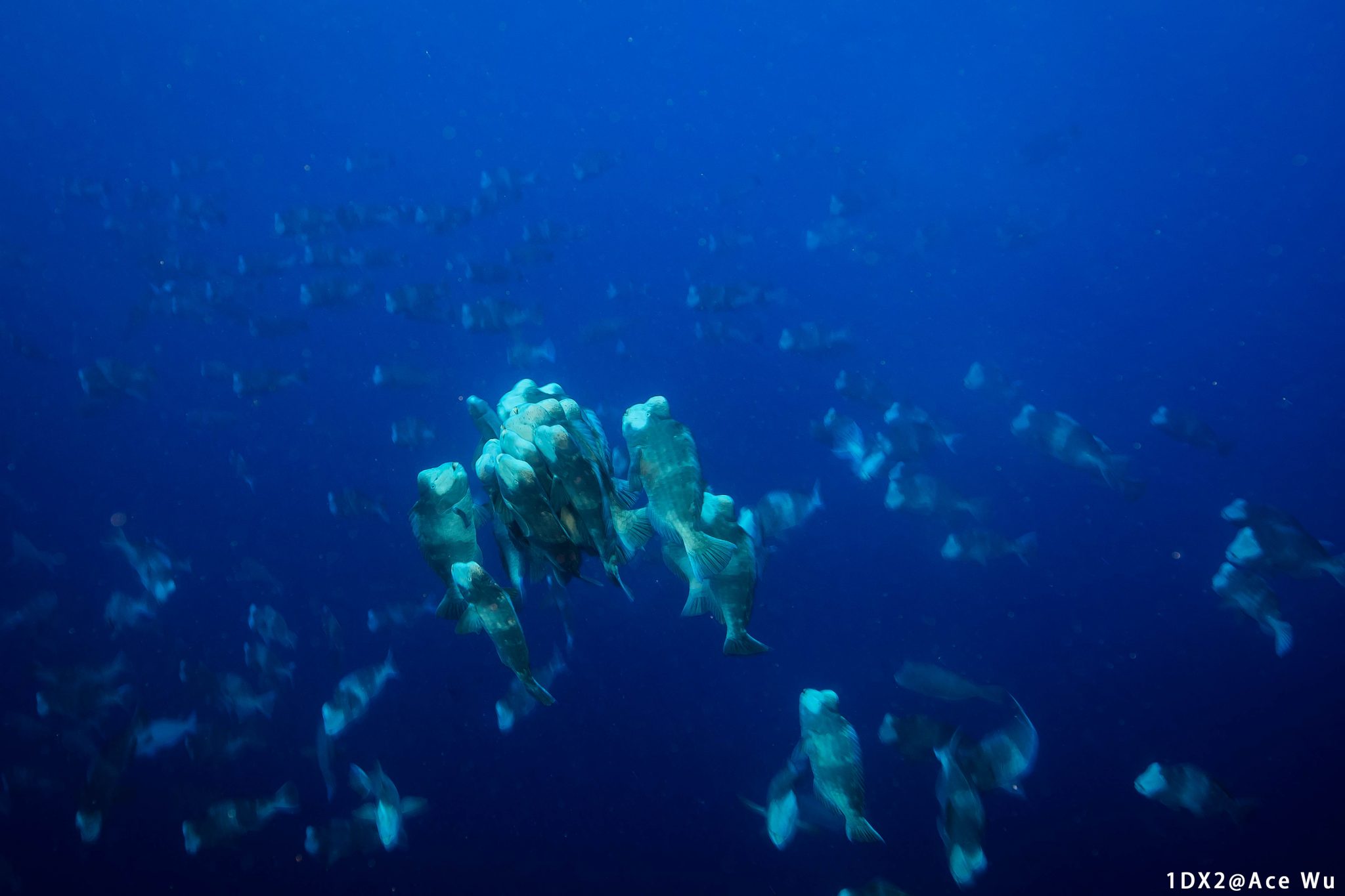
(Photo courtesy of Ace Wu Yungsen) The large schools of fish in Palau’s waters attracts a lot of large predators like sharks
“I once spent eight days integrating myself among the schools of marine life in the Blue Corner, swimming along with them, recording the moment for posterity with a photo,” Ace revealed. “It’s one of the most unforgettable moments of my life.”
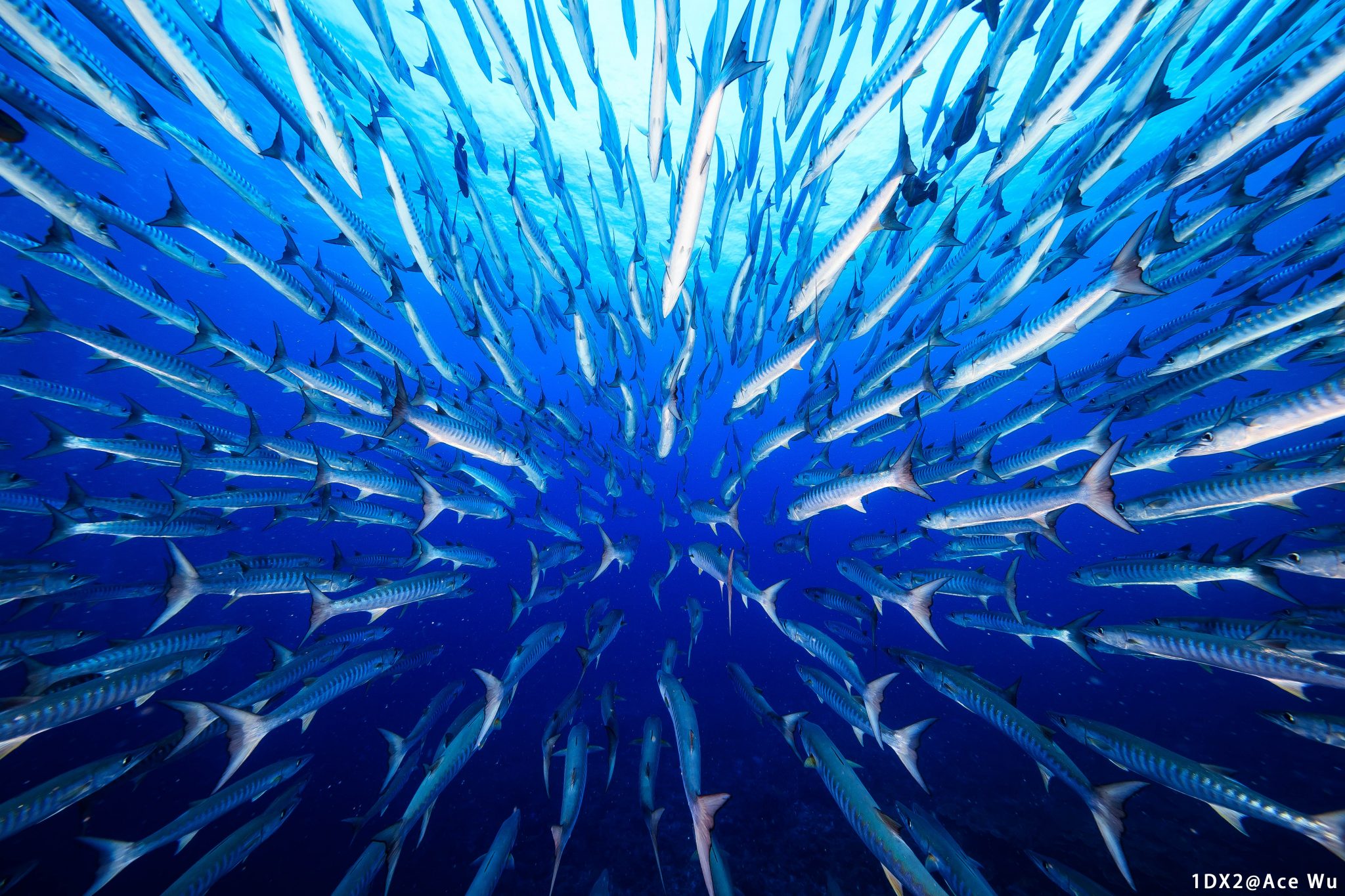
(Photo courtesy of Ace Wu Yungsen) An insider’s view of a school of fish in motion
One of the best ways to enjoy the wonders of Palau is through a Palau liveaboard. “Liveaboards let you save valuable commuting time travelling from the mainland to the dive sites,” said Ace. Instead of living on the main island of Koror and then commuting by boat every day to a dive site, booking a stay on a liveaboard yacht enables you to enjoy more dives per day (up to five), not to mention the good food and cushy quarters available onboard.
(Photo courtesy of Ace Wu Yungsen) A picture of the rich marine life in Palau’s waters.
Aggressor Liveaboards is the preferred liveaboard of Asian Diver magazine. You can find out more about their liveaboard stays for Palau on the Palau Agressor II and the Rock Islands Aggressor on their website, or read up more on the exciting dive sites in Palau here. Their contact information is listed below:
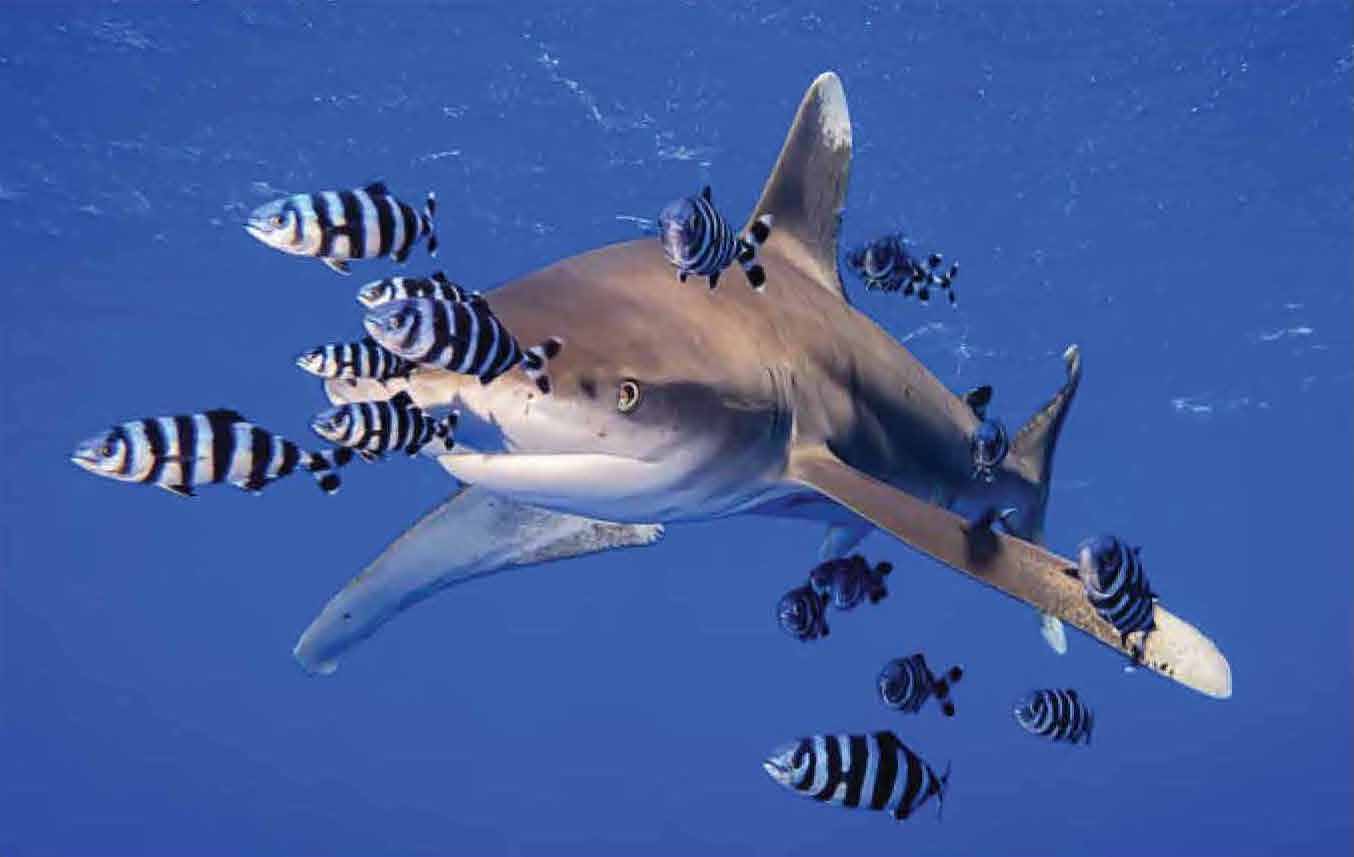
An oceanic whitetip photographed with the Canon PowerShot G1 X Mark III, f/11, 1/160s, ISO400 (Photo by Ace Wu)
As an underwater photographer, autofocus speed and accuracy are vital qualities to consider when purchasing a camera. So when Canon introduced the PowerShot G1 X Mark III, the first compact to feature the Dual Pixel CMOS AF system from its DSLR line, I was intrigued to know if this pocket-sized camera would be fast enough for my purposes.
Fortunately, during a recent dive trip to the Egyptian Red Sea, I had the opportunity to find out.
An oceanic whitetip photographed with the Canon PowerShot G1 X Mark III, f/11, 1/160s, ISO400 (Photo by Ace Wu)
As well as testing the autofocus system, I wanted to challenge the biggest limitation that all compact cameras have in underwater photography: wide angle shooting. At 24mm equivalent focal length at its widest, the typical built-in zoom lens on a compact isn’t wide enough to allow you to get close to big subjects in order to light them with flash. One way of compensating for this shortcoming is simply to shoot from further away, but that means increasing ISO so that the light from your strobes has a longer reach.
My wide-angle subject of choice was the oceanic whitetip shark. Commonly sighted in the Red Sea, these dark knights of the ocean are known to be swift and agile, and they often approach divers out of curiosity. These sharks are usually found in shallow waters of around three to five metres, and it’s best to use a narrow aperture, preferably f/9 or smaller, for eye-catching images with a rich blue background. I was hoping to capture some great shots, but in such a dynamic and challenging shooting situation, would I really be able to use a compact camera to capture this speedy shark?
I was amazed to see the results with the PowerShot G1 X Mark III. Not only were the oceanic whitetips and their pilot fish entourage captured in perfect focus every time, the images had vibrant colours and stunning detail, thanks to the camera’s 24.2-megapixel APS-C sized CMOS sensor, much larger than those found on other compacts. I couldn’t believe that this was the work of a compact camera!
While I love diving around the world, carrying all my gear has always been the biggest headache. But with the small and lightweight PowerShot G1 X Mark III in Canon’s compact dedicated WP-DC56 underwater housing, my life has been made much easier. This impressive camera is definitely a boon for both beginners and enthusiasts, and it makes an excellent backup for the more advanced underwater shooter.




 According to Dr Neo Mei Lin from TMSI, even though the barnacles are at the bottom of the food chain, the nanoplastics they consume are transferred to the organisms that eat them. As plastics absorb pollutants and chemicals from the water, these toxins are transferred to the organisms when they consume contaminated plastics and can cause further damage to marine ecosystems and human health.