Home Blog Page 92

Kindred Spirits

0
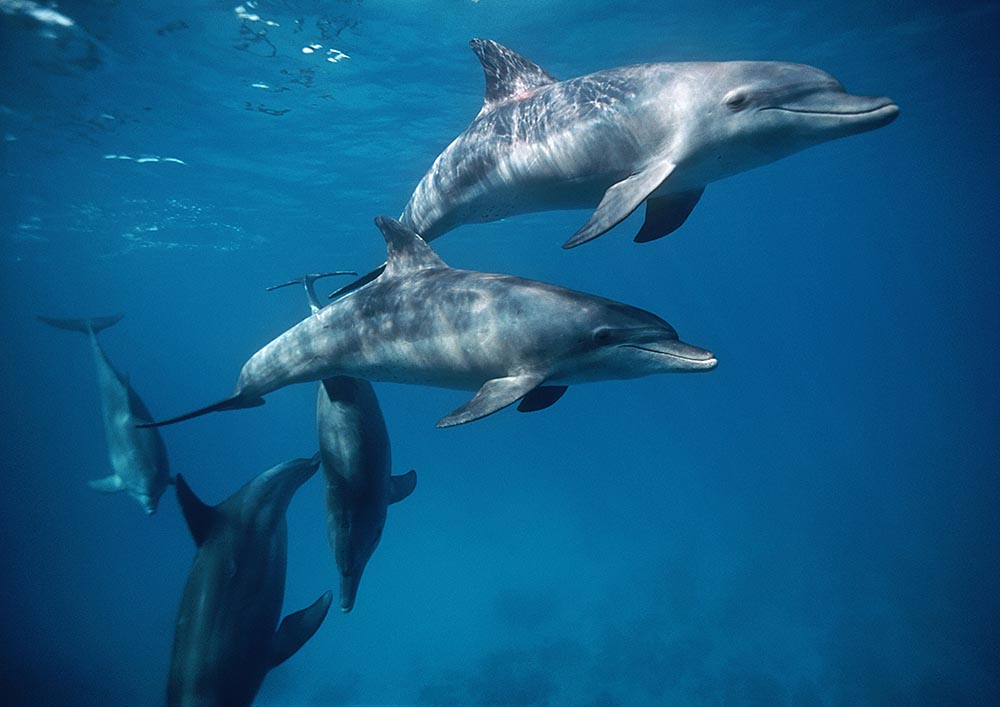
EGYPT, HURGHADA, Red Sea, wild dolphins in open water

The west Australian sky is an astonishing blue as we meander down the beach. Rusty cliffs outline Shark Bay’s inkpad of turquoise and green water. Ahead of us, a dolphin has almost catapulted itself from the water and onto the beach. There is a rushing and splashing as two other dolphins flick their tails and twist along the water’s edge. The first dolphin rolls back into the water. Ahead of the group is the frantic panic of a mullet. The dolphins close in, one of them appears to block the mullet’s escape route – a coordinated chase. Clicks and whistles of communication linger in the air. A flick of a dolphin’s head and the fish’s efforts at escape is over. The team of hunters slows to an amble and they cruise slowly close to shore.
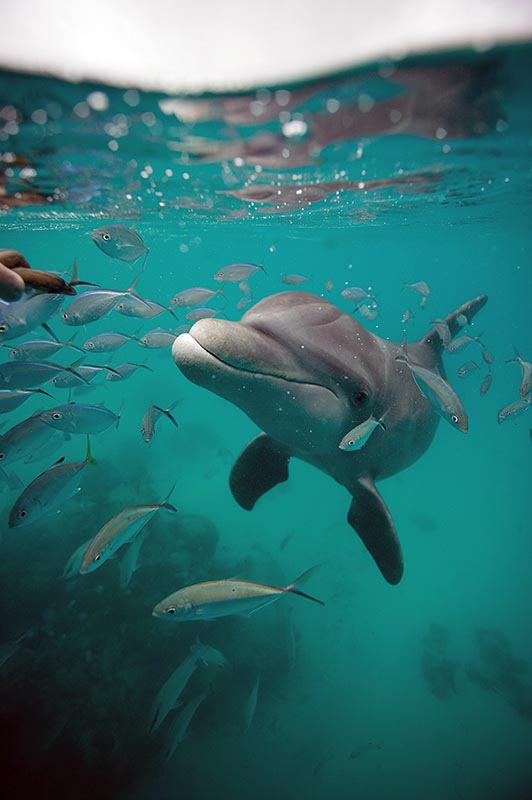


Keeping track of shifting alliances and friendships may be the key to why bottlenose dolphins have such large brains. Photo by Corbis


Social Network

Bottlenose dolphins are masters of social networking. You may think Facebook is just for people but in fact, dolphins have been doing social networking at least as long as we have. Male and female bottlenose dolphins spend their days wooing friends and building close relationships. And such friendships are as critical to dolphins as they are to humans. Being able to get along with and to manipulate others is, say researchers, the difference between surviving and reproducing or failing at both. And such networking may be why dolphins, and humans, are also so intelligent. Research in Shark Bay, Western Australia is revealing the most complex social relationship found in any cetacean, and these insights may change the way we see dolphins.

The bottlenose dolphins of Shark Bay live in a “fission-fusion” society just like us, defined by socialising in both large and smaller groups. It is a complex setup and relies on remembering information about individuals we don’t regularly come into contact with. For humans, distant communication such as letters, telephone and now email and Facebook help maintain our increasingly distant relationships and help us stay connected. Information is not always available about who is a friend of whom, and having to relearn detailed information about numerous individuals is energy costly. To cope with this, animals in fission-fusion societies associate in small groups that change in composition on a daily and sometimes hourly basis. It’s a fluid social setup and occurs in some primates, including humans. Animals that live in such societies depend on who is there and, as importantly, who is not. They have best friends and family members as well as others they associate with, and the number in a particular group changes over time. Like us, they may have disputes and disagreements. They have friends in and friends out, and more often than not, friends in again.

And our similarities don’t stop there. Like us, males and females have quite different social lives. Males stay in so-called alliances (all male gangs) while females tend to form looser networks with certain females they prefer to be with. Because dolphins tend to stay in the area of their birth – a behaviour called philopatry, literally “love of place” – they are able to make lifelong friendships. According to researchers, keeping track of such complex relationships and being able to manipulate social situations requires a large brain and high intelligence.
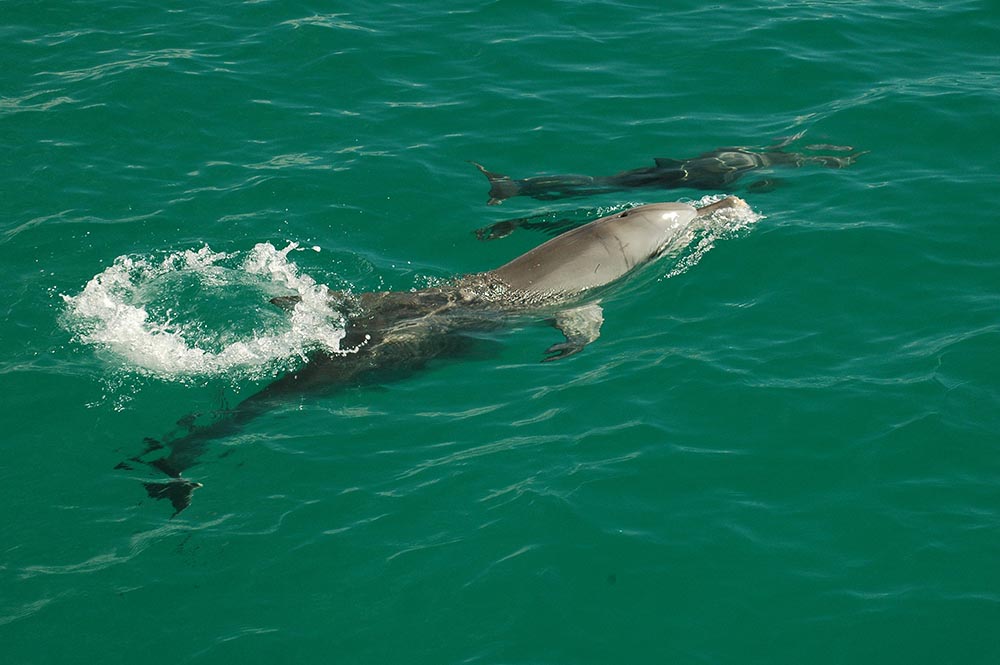


Mothers have more chance of raising healthy young if their friends did. Friendship amongst mothers seems important to calf survival. Photo by Sarah Curran Ragan


Male Bonding

It has long been known that male bottlenose dolphins in Shark Bay team up to form alliances of two and three when it comes time to mate with females. These groups tend to be male friends that have bonds lasting years. Two well-studied dolphins, named Real Notch and Hii, cooperated in herding females for each other for 15 years. Females come into oestrus every four to five years, so males get little opportunity to mate. Alliances where males herd the females, apparently against their will, increase their chances of reproducing.

Richard Connor, from the University of Massachusetts, has been studying bottlenose dolphins for 24 years and found that there are also second-level alliances. Rival groups will try to steal the herded female and the original alliance may then team up with another duo. “There can be huge battles over a single female. It is amazing,” he says, “such complex alliances are rare even in non-human primates and only found with any regularity in humans.”

Now there seems to be a higher-level alliance – a third level – where another group of friends will join in to help in the fight. These are highly sophisticated partnerships, says Connor, rarely seen, except in humans. And the need to keep track of such intricate and constantly shifting friendships and alliances may be why the bottlenose dolphin has such a large brain. These super alliances are confusing though: “These are rival males, not relatives; theoretically they should avoid each other.” But Connor suggests the dolphins may join forces because, in the future, they may need help too. The researchers have likened it to a soap opera.
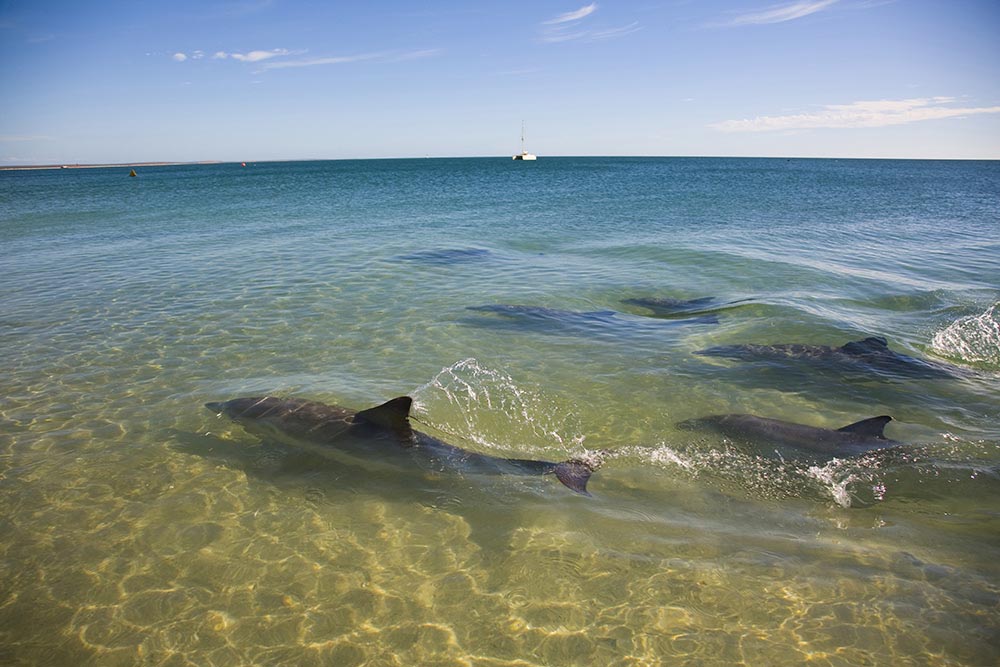


Catching up on local gossip may be as important to dolphins as it is to human society. Photo by Michael Amendolia/Corbis


Mum and Baby Clubs

And it is not just the blokes that get together — females do it too. Human mothers often form mum and baby clubs, crucial networks of support and empathy. Celine Frere of the University of Queensland recently found that Shark Bay mums had much healthier calves if their friends had raised healthy calves. Frere looked at survival and found mums had calves surviving to at least three years old if other mums around them did too. “Their social relationships are really dynamic but they’ll have friends with whom they spend more time than others,” says Frere. It is this strong social behaviour that helps the mothers raise healthy calves. This may suggest the passing on of information between mothers. Other studies have found that mums associated with mothers, grandmothers and aunts who raised healthy young were more likely to raise healthy calves. The success is partly genetic but there are also social influences and this is the first time it has been clearly shown in a wild animal population. Frere speculates that dolphin mother’s help each other by keeping would-be attackers – such as sharks – at bay, and helping new mothers stay clear of dangerous areas. So maintaining such friendships is the key to survival.


Costs of Being Clever

Researchers are increasingly convinced that it is social interaction and competition, rather than any technical requirements that have enabled dolphins, and us, to evolve such large brains. How did it happen then? According to Connor, “It’s unlikely a coincidence that humans and dolphins also have in common the largest brains, relative to body size, among mammals.” One of the reasons, says Connor, is that both dolphins and humans can afford large brains. They have a high quality diet and high metabolic rate so brain size is less costly. So what favoured the evolution of large brain size, given all dolphins and humans have very different environments and lifestyle? Their one similarity is their complex social systems. Connor argues that, despite any differences, there are extreme threats from others in their groups as well as from predators, and therefore the development of dependency (friendships and alliances) on each other was crucial to survival throughout the evolution of their lineage. Intergroup conflicts (office politics and family feuds, in human terms) would support this theory in humans and dolphins. We also know that predator protection is important for dolphin societies, and would have been critical for early human societies.
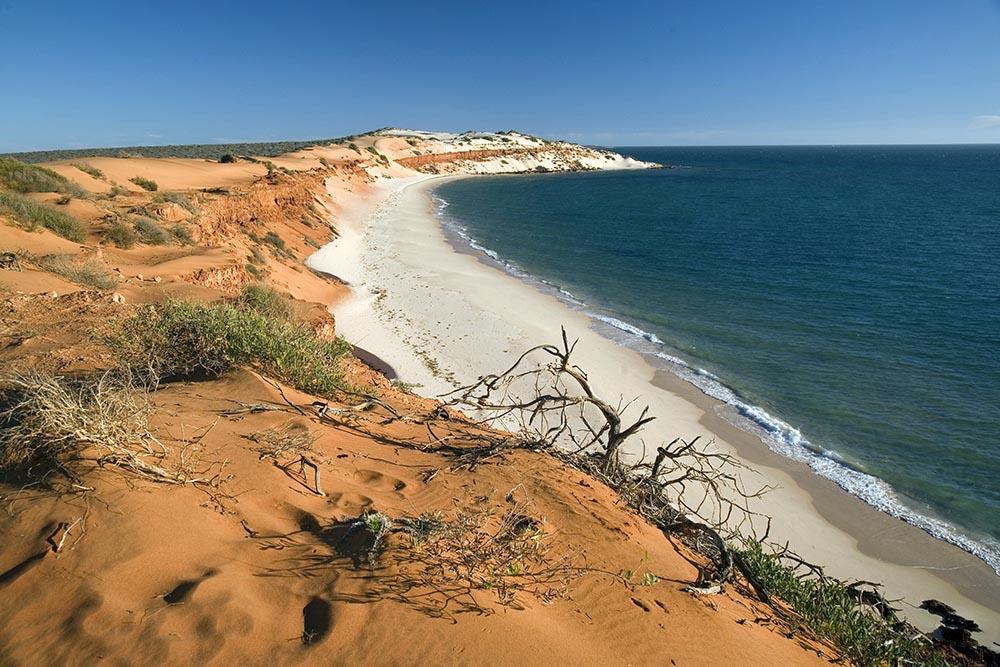


Shark Bay is probably the most important site worldwide for studying dolphin behaviour in the wild. Photo by Michael Amendolia/Corbis


Sound or Sociability

Other schools of thought point to the highly complex use of sound in dolphins and humans as the prime cause for the evolution of a large brain. Humans have the largest brain to body size ratio and only humans have the power of language. According to researchers, language opened up a completely new arena for social manipulation. Imagine what advantage one can gain by being able to talk about others in their absence? Gossiping is a favoured past time of humans and passing on information, or indeed misinformation, to enhance social positioning is crucial in human society. It seems this lends further support to the social reasons our brains are so large. But what of dolphins, who as far as we currently understand, have no such language skills?

Connor says that a lack of language as we understand it does not exclude complex relationships and gossiping. Bottlenose dolphins produce a baffling variety of noises or vocalisations; whistles, clicks, barks and pulsed sounds, the meaning and purpose of which have researchers largely in the dark. Bottlenose dolphin whistles have been studied most of all. All bottlenose dolphins have a signature whistle, a unique identifying name, and one that is used, it seems, to call others. They are used when animals are out of range, to call an individual back to the group. Pulsed sounds are more difficult to study but it is clear that they communicate affects. And combined with whistles, dolphins may indeed have a rich vocal repertoire bordering on language. As far as we know, gossiping may be as important to dolphins as it is to us.

Whatever the truth behind the mystery of evolution and our large brains, it’s clear that we are closer to our aquatic cousins than we think. Humans and dolphins are species that have arrived at a similar level of social complexity along different evolutionary lines, and, in studying Shark Bay’s remarkable dolphins, we are learning as much about our own lives and our evolutionary history as we are about theirs.


Taken from ScubaDiver Australasia Issue 05/2012

Humpback Whale, All hail the hump’

0

THE ENCOUNTER

I was bemoaning this fact a few years back to my friend Jim Watt and he told me to come to his home in Kona, Hawaii, and he’d show me whales up close and personal. Sadly, Jim passed away recently but, when he was healthy and in his prime, perhaps no human on Earth loved to cavort with humpbacks and other blue water denizens more than Jim. His gift of expert freediving and photographing whales underwater combined with an uncanny knack for shooting amazing breaches had made him pretty much world-famous and internationally published.

I accepted his offer and was soon sitting miles offshore surrounded by nothing but gin-clear water. Jim told me these were what he dubbed “The Whale Grounds” and that he had more success photographing whales here than any other place. On the first day, we heard the sound of whales blowing as they surfaced and looked to see five males travelling toward us. Once in the water, I saw the whales travelling right under the boat. I was awestruck. I was so enamoured by the scene that I didn’t even snap a photo. I just watched as this group slowly swam by. Jim told me of his several whale encounters around the world, fuelling my enthusiasm as the days went on. He coached me a bit on photographing them and we spoke of cameras and life. It was a fine week.

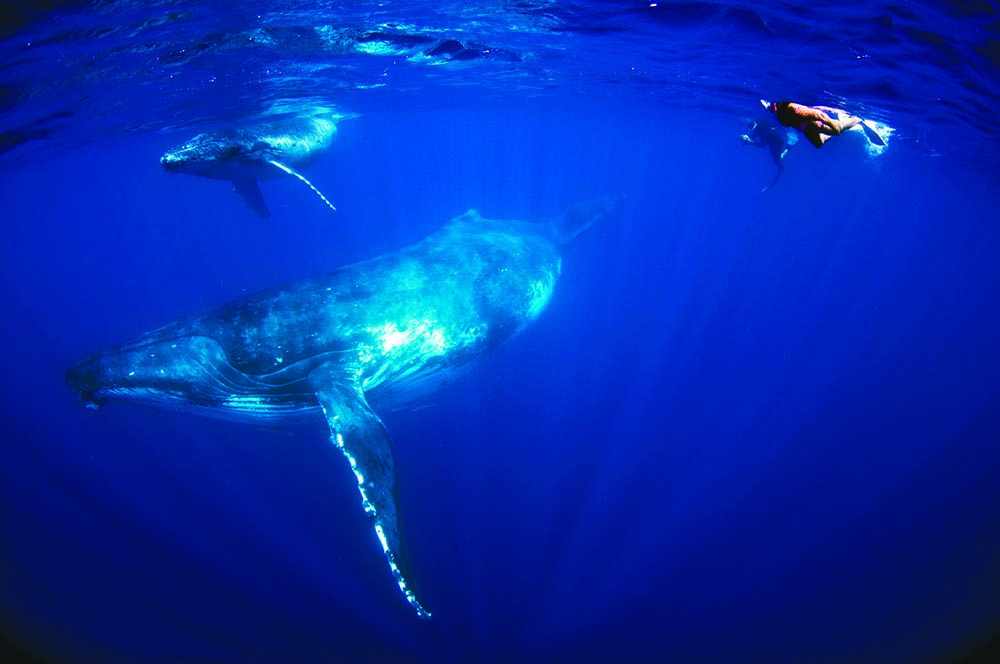
The first time I saw a baby whale calf nursing from its mother, Jim explained to me that adult whales would rest nine to 18 metres below the surface. They can hold their breath for 20 to 30 minutes but the calf is only good for eight minutes or so. They will drift in the ocean currents. We had located a mother and calf and stopped the boat. I slowly and quietly slipped in to the water to find a mother sleeping with her tiny calf under her large pectoral fin, sucking milk. I had never seen such a tranquil image in nature. Soon, I saw the mother move and the calf rising. The latter approached me and surfaced. It took a breath and came even closer. It frolicked a bit and took another breath. Alone. Free. Vulnerable. Beautiful. Then it started back down and, soon, it was nuzzling mother again, revelling in her protection. I could not believe the gentility of the mother. She kept a watchful eye on me but did not flee. For the world’s largest mammals, they are amazingly skittish. They rested, took some breaths and then down they went. I watched this cycle for more than an hour, drifting with the whales, without a care in the world. The sun started to sink and we reluctantly made our way back. Thanks to this touching scene and Jim’s great knowledge, I was hooked on whales.

Nowadays, humpback whales in Hawaiian waters are heavily protected and only a few licensed biologists can legally get in the water with humpbacks in that state. But it is legal in the Kingdom of Tonga. For the last few years I have been making trips there to photograph the southern humpback whales that migrate there annually, sometimes accompanied by free diver Yoko Higashide.

Every time I enter the water in Tonga seeking to photograph and observe these special marine mammals, I think about the generosity of Jim Watt. He unselfishly shared his knowledge of the whales and I experienced firsthand his zest for recording the images that have thrilled people around the world. Those moments spur me to continue shooting the wonderful humpbacks in our seas.


Photo by Tim Rock


THE SCIENCE

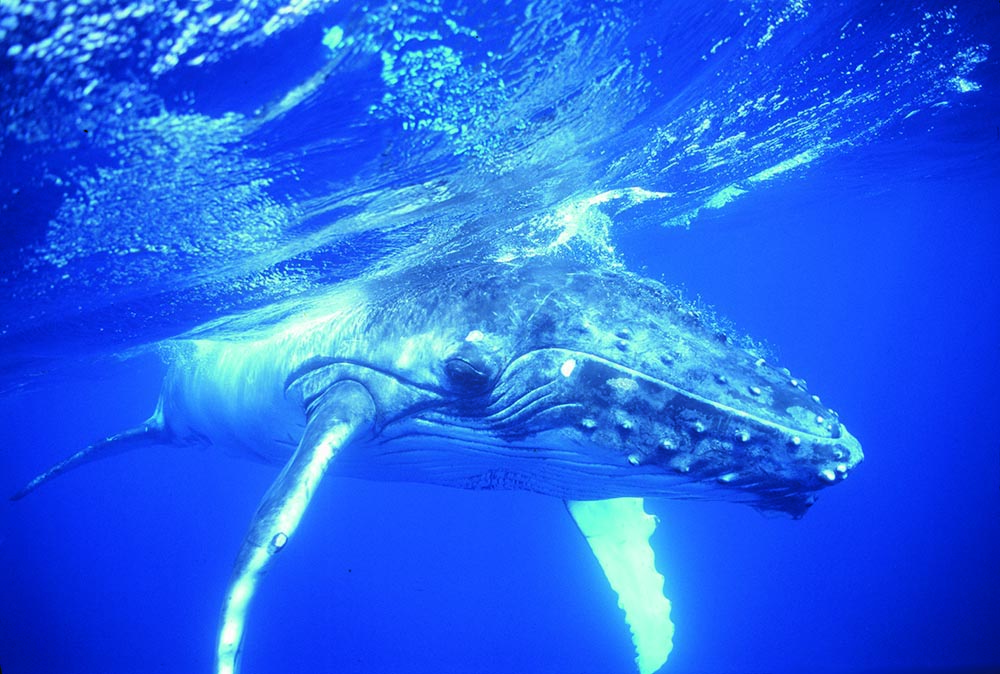
Surface behaviour includes pectoral fin slapping and lobtailing, which is a forceful slap on the surface of the water with their flukes (tail). Passive-aggressive displays called peduncle throws are used during breeding aggregations by females attempting to discourage an escort male, or by males toward other competitors. The aggressor swims quickly along the surface of the water and suddenly pivots, throwing its flukes into the air and sprays a huge volume of water in the direction of the offending whale.

Humpback breeding aggregations occur in warm tropical waters during the winter months. Although typically solitary, humpbacks do group at established breeding and feeding sites, the location of which individuals learn from their mothers. As a result, distinct sub-populations have formed, each following practiced migratory routes. Whilst at the breeding grounds, male humpbacks compete with one another for the chance to mate. Aggressive competition between males involves surface displays as well as charges and even physical collisions. Courtship rituals include elaborate songs, which can last up to 20 minutes and be repeated for hours. The mournful song of the humpback travels far through the ocean; however, the distance a whale’s song may reach has decreased in recent years due to increased noise pollution in our oceans.

After mating, whales migrate back to their colder feeding grounds in temperate and polar waters, where food such as krill and small fish is abundant. Humpbacks are baleen whales, meaning they have plates of keratin (the substance our fingernails are made of) hanging from their upper jaw, fraying into hair-like strands as they extend inside their mouth and ending near the tongue. To feed, the whale swims upwards with its mouth open, engulfing a huge volume of water. As it closes its mouth, the water is pushed out through the baleen plates, consequently trapping everything else inside. Some innovative humpbacks have been known to corral fish by releasing air bubbles in spirals around the school. This traps the fish within a small area, allowing the whale to then gulp enormous mouthfuls in one go.

Although the distance between feeding and breeding grounds can span entire continents, humpbacks travel at a steady eight to 10 kilometres per hour, with bursts of faster movement sometimes reaching speeds of 30 kilometres per hour. They therefore cover the distance with great speed, the first whales occasionally reaching breeding sites only a month after leaving their feeding grounds! Humpbacks feeding south of Cape Horn undertake the longest known migration of any mammal – over 8,200 kilometres – to their breeding grounds off the coast of Colombia and Costa Rica.

Pregnant females return to breeding sites as they also form excellent calving grounds. The gestation period is 12 months, and so the female is ready to give birth soon after she arrives. Each female will give birth to one calf, which is already three to five metres long at birth, and can weigh up to one tonne. The calm, warm waters are perfect for the newborn calves as they do not have to struggle against strong currents or waves to surface for each breath, and it gives them time to fatten before entering the icy waters of the temperate and polar seas. A mother stays near the surface with her calf, as it is unable to hold its breath for very long and sometimes needs to be supported as it resurfaces to breathe. A calf will nurse on its mother’s fat-rich milk for up to a year before it begins to eat solid food.

Although the tropical waters are ideal for calves, they are not productive enough to support their mothers’ huge appetites: a fully grown adult whale eats up to 1.5 tonnes of food every day! Once her calf has fattened and grown enough to undertake the journey back to the temperate seas, the mother leads her calf on the route it will follow independently in years to come. The calf will not reach sexual maturity until it is approximately five years old, and will continue to grow until it is 10.

With a life span of 45 to 50 years, a female humpback whale can produce many offspring in her time, bearing calves every two to three years. Although the calves are susceptible to predation from large sharks and orca, adult humpbacks have not been recorded to have any natural predators. However, they are vulnerable to entanglement in fishing gear and collisions with ships and their complex natural behaviour is easily disrupted by over-enthusiastic whalewatching groups.

Humpback whales represent a conservation success story, with their recent change in category on the IUCN Red List of Threatened Species from ”Vulnerable” to “Least Concern”. Often targeted by whaling boats because of their tendency to hug coastlines, humpback whales were once classified as “Endangered” and granted complete protection from commercial whaling in 1966. The global population has been steadily increasing since then, now estimated to be at approximately 60,000 individuals worldwide, with only two sub-populations classified separately in the Red List as ”Endangered”.


Photo by Takako Uno


THE DOs & DON’Ts

Normally, you can observe whales when the mother is resting and the baby feeds. If you see a pair resting (usually you can see the single baby blows), quietly enter the water and slowly and quietly snorkel over. Look down and see the mother resting below. The baby will probably be sucking milk from her teat under the pectoral fin.

When the mothers rest, they stay down at about nine to 12 metres below the surface for roughly 25 minutes at a time before they have to come up for air. Baby whales have to surface every eight minutes or so. Since baby whales are usually only children, they get lonely and want a playmate so human snorkellers may fill this void for the curious calves. This is one of the best opportunities to photograph whales as the baby may come close, check you out and then return down to sleepy mum. Also, mother and baby will come up together when she decides to take a breath and, if you are lucky, you may get a portrait of mother and baby.

You do not want to overwhelm the whales, so the wide zooms help here. You can zoom in to get facial expressions and details or zoom out to get the entire whale in the shot. The 10mm Nikkor lens can also be good but you should work close to your subject and watch what you are doing: baby whales are clumsy and may run into you and you do not want this to happen, for your sake and the whale’s. As they swim, mothers will also extend their long pectorals to protect their calves, so you must take special care to keep some distance as distances seen through super-wide lenses may be deceiving.

Whales do not like to be “dived on” so most work is done from the surface. Make sure your dome port has no scratches or dings as these can show up in the photo, especially when the sun hits them at the surface. I use manual control, much like the Nikonos, which can be tricky as whale encounters can be fleeting. This means that you must be fast when adjusting settings. Some professionals prefer Shutter Priority and keep the shutter at the very least at 125 to reduce shaking. ISO 200 or better will allow preferable higher shutter speeds. Also, long snorkelling fins and a good snorkel are a must. I also wear a couple of weights so I can easily sink below the surface without alarming the whales.


Photo by Ken Hoppen


IN A NUTSHELL

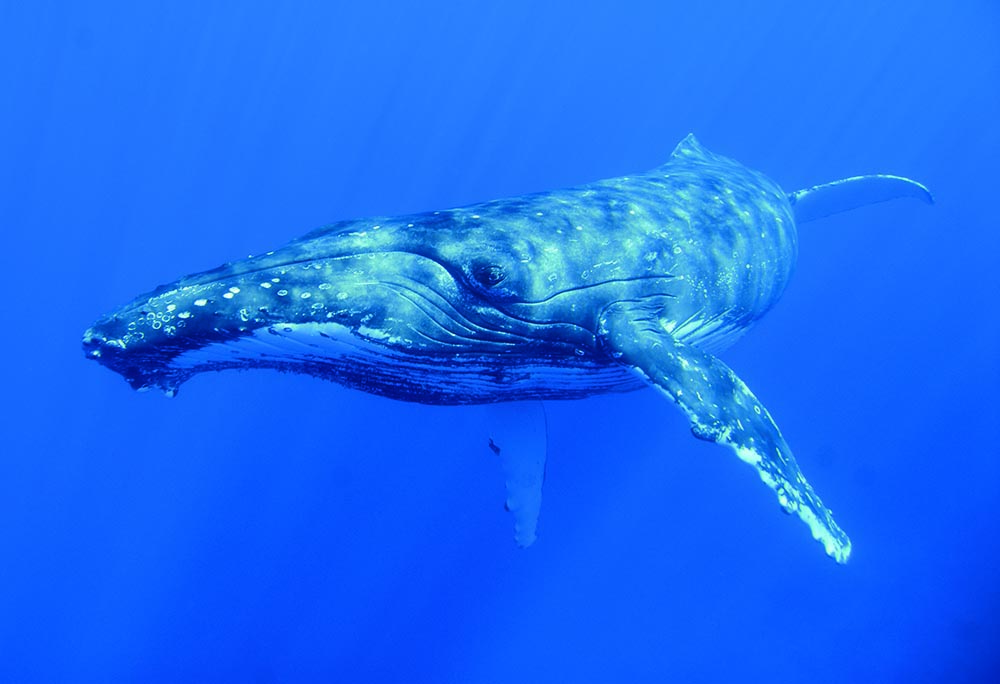
Scientific Name: Megaptera novaeangliae

Weight: Up to 40,000 kg

Life Expectancy: 50 years

Conservation Status: IUCN Least Concern

Size: 12 to 15 m, The female is generally larger than the male

Diet: Krill and small fish

Habitat: Generally inhabit relatively shallow, nearshore waters

Distribution: Global


Taken from Asian Diver Issue 02/2010

BlueGreen360 Awards 2018 recognises Businesses promoting Sustainable Marine Tourism

0

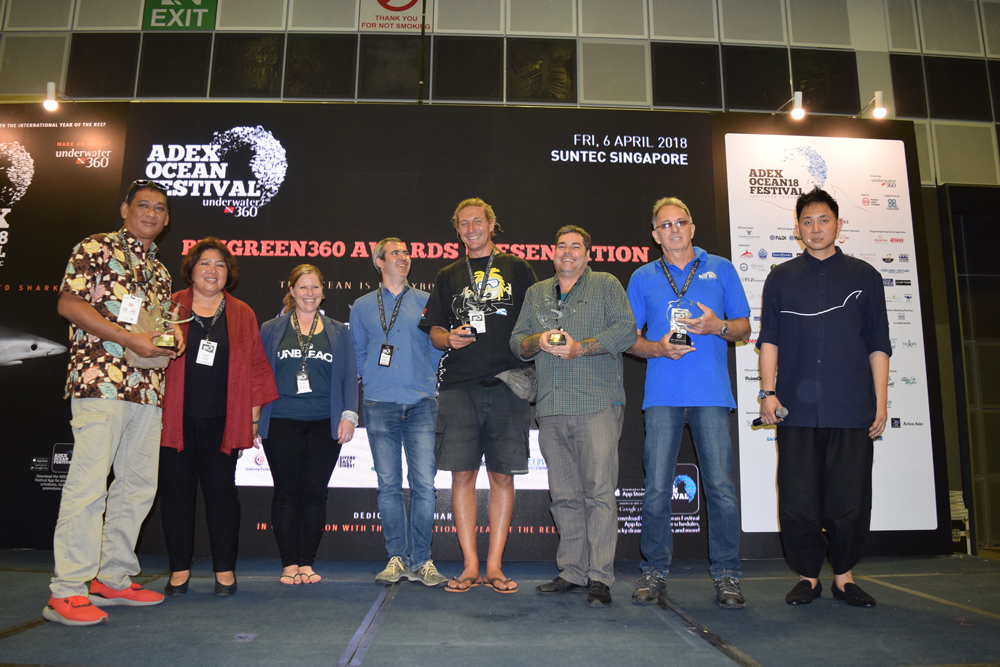
Singapore – Four businesses and one individual championing ocean protection conservation and sustainable business practices in the marine tourism industry were honored at the BlueGreen360 Awards held on April 6, 2017 at this year’s Asia Dive Expo (ADEX) in Suntec City Singapore.

Now on its second year, the BlueGreen360 Awards celebrates businesses and individuals that are leading the way in implementing sustainable solutions in their day-to-day operations and sharing their knowledge and resources with the wider community. It also aims to highlight the value of healthy marine and coastal ecosystems to the industry.

The winners were judged by sustainable tourism and marine conservation experts such as Luigi Cabrini, the Chairman of the Board of Directors of the Global Sustainable Tourism Council; Rili Djohani Executive Director of the Coral Triangle Center (CTC), Gabriel Grimsditch of the United Nations Environmental Programme; and Chloe Harvey of Reef-World Foundation, in collaboration with the organisers of the ADEX.

This year’s winners have all exhibited their commitment to environmental programmes to protect marine biodiversity, successfully collaborated with various groups to promote on-the-ground marine conservation efforts that benefit the environment and the local community, as well as become inspirations for others to do the same.


The winners are:

Liveaboard of the Year: Kurabesi

Kurabesi Explorer Liveaboard operates as a social enterprise and is 100 percent owned by Indonesians and operated by a local crew.  Kurabesi supports local culture as well as environmental conservation activities in the areas where it operates such as in Raja Ampat and the Birds Head Seascape in West Papua, Indonesia. On the ground, Kurabesi supports several non-government organisations in conducting scientific reef health monitoring activities as well as work with a local foundation to conduct forest cover monitoring in coastal areas. Onboard, some of Kurabesi’s sustainability efforts include reducing plastic waste by providing refillable water bottles and bamboo straws to guests; ensuring that waste accumulated onboard are processed properly upon reaching land; introducing guests to conservation activities such as reef health monitoring; and encouraging guests to go to less visited areas and travel in small groups to minimise direct environmental impact.

Dive Operator of the Year: Ceningan Divers Resort

Ceningan Divers Resort ensures that all dive guests go over local regulations, are aware of the environmental practices in the resort, in its dive operations, as well as in the Nusa Penida Marine Protected Area where it operates. It conducts local community outreach and engagement programmes which has led to the creation of a recycling programme on the island. It supports non-government organisations conducting scientific research on mantas and molas as well as regular reef health monitoring. In its operation, Ceningan Divers Resort has zero plastic products on site, uses non-chemical cleaning materials and low-water technologies for its bathroom and toilet facilities, has a system to enable it to process and re-use its wastewater, and has onsite composting facilities. The resort has trained its entire staff on conservation, recycling, and composting.

Hotel and Resort of the Year: Reef Seen Divers Resort

Reef Seen Divers Resort, located in Pemuteran in Northwest Bali, has several ongoing projects that directly support marine conservation activities such as the Reef Gardeners project which trains and creates jobs for young fishers to actively protect the coral reefs, a sea turtle conservation project, a cultural dance project for local school children; a reef restoration project through Biorock; and the establishment of a tourist fund to support local conservation activities. It also organises a conservation week that brings together local community, dive operators, government and non-government organisations to discuss issues such as fisheries regulations, coral reef protection and marine conservation zoning plans. In its operations, Reef Seen uses clean technology to process wastewater and solar panels to power its turtle and reef restoration programmes.

 Green Fins Award: Evolution Diving Resort

Evolution Diving Resort has achieved the #1 position amongst over 500 Green Fins members. Evolution has been Green Fins members since 2012 and each year they have shown a deepening commitment and measurable progress in reducing their environmental impact on the environment through the Green Fins assessment process. Now, in 2018, they have proven to have the lowest environmental impact of all Green Fins members globally. From working with the local community to raise awareness about marine debris to the strict enforcement of a “no touch” policy for every diver, Evolution’s team is exemplifying that sustainability and profit go hand-in-hand and protecting your primary business asset, the coral reefs, means protecting your business too.

Personality of the Year: Nicolas Resimont

Nicolas Resimont is the Director of Nico Dives Cool, a dive shop based in Bali. He promotes the zero-waste lifestyle and aims to inspire others to do the same – from his dive guests, his employees and the local community. Frequent beach and underwater cleans up are part of his monthly calendar while his team of local dive guides and dive masters are encouraged to do the same.  The team is regularly trained by Nicolas on how to respect and protect the ocean and its marine life – why there is a need to protect the environment and slow down our consumption of plastic, and how marine life should be treated. In his business, he uses natural cleaning products, non-plastic packaged lunch box and no single use water bottles to show the right example to the local community and tourists coming to dive with him. He also makes it a point to provide his staff and clients with coral-safe organic sunscreen.

The business nominees were reviewed on how they maximise benefits and add value to marine biodiversity and coastal environment, adopt innovative means to minimise negative impact to marine and coastal environments, actively engage communities in sustainable marine tourism, and adopt sustainable environmental practices in its operations.

The individual winner was reviewed based on pioneering efforts in promoting sustainable marine tourism in the private sector and mobilisation of various stakeholders in promoting sustainable business practices.

On the other hand, Green Fins Award honours the top Green Fins member who has most effectively aligned their entire business strategy towards the protection of coral reefs. Hundreds of environmentally-conscious dive and snorkel centers throughout popular reef tourism destinations in Asia received thorough environmental performance assessments of their everyday business.

By highlighting businesses who value sustainability, the BlueGreen360 Awards will help to promote those people who are going about business in the right way, bringing them more customers and more success.

About the Organisers

Asia Dive Expo (ADEX) is the longest-running and the largest dive expo in Asia celebrating its 22nd year in 2017. A must-attend event for anyone interested or involved in the world of diving, the event has seen a continuous increase in visitors over the past few years, with ADEX 2017 attracting a total of 60,296 visitors over three days. Taking place from April 6 – 8, 2018 ADEX proudly presents world-renowned marine life artists, conservationists and photographers to speak about their passion and work towards marine life. It is organised by Underwater360 (UW360), and is an event endorsed by major organisations in the industry such as DEMA (USA), the Singapore Tourism Board (STB) and the Singapore Underwater Federation (SUF). www.adex.asia

Coral Triangle Center (CTC) is an Indonesian foundation based in Bali with a regional scope and global impact. CTC provides training on sustainable fisheries and ensures that marine protected areas within the Coral Triangle are managed effectively. CTC supports on-the-ground programmes through its learning sites in Nusa Penida and the Banda Islands. CTC leads regional learning networks of women leaders, local government executives and marine protected area practitioners in the six Coral Triangle countries – Indonesia, Malaysia, Papua New Guinea, Philippines, Solomon Islands and Timor-Leste.  CTC is an official partner of the Coral Triangle Initiative on Coral Reefs, Fisheries and Food Security (CTI-CFF) and is one of the convenors of the CTI-CFF Sustainable Marine Tourism Task Force. CTC works with communities, businesses, governments, and partners to shape lasting solutions to protect coral reef ecosystems and ensure sustainable livelihoods and food security. Please visit: www.coraltrianglecenter.org

Green Fins is paving the way to unite politics and sustainability for marine conservation at diving popular diving destinations around the world. Established through a partnership between the United Nations Environment Programme and The Reef-World Foundation in 2004, Green Fins uses a unique and proven three-pronged approach; green certifications of dive centres, strengthening regulations and environmental education for dive staff, divers and government. Almost 500 dive and snorkel operators across seven countries have signed up for free membership, and are using Green Fins as a platform to set examples of sustainable business operations. To find them and to find out how you can dive your way to a more sustainable future, visit www.greenfins.net

Scientists inadvertently mutate plastic-eating enzyme, PETase

0

An inadvertently-engineered creation discovered by U.S. Department of Energy’s National Renewable Energy Laboratory (NREL) and the United Kingdom’s University of Portsmouth has caused a breakthrough in PETase, offering a vital solution to plastic pollution.

Ideonella sakaiensis, also known as PETase (PET-digesting enzyme), was first discovered in 2016 by Yoshida et al, who found the bacterium living in the soil at a recycling plant in Japan that was piled with used bottles. This bacterium was unique as it could use Polyethylene terephthalate (PET) as its major carbon and energy source. This means that these bacteria can simply feed on plastic used to make disposable beverage bottles for survival and growth.

With this discovery, U.S. Department of Energy’s National Renewable Energy Laboratory (NREL) and the United Kingdom’s University of Portsmouth dedicated a research team to determine the enzymes structure. While researching, the team inadvertently created a mutant PETase. “We hoped to determine its structure to aid in protein engineering, but we ended up going a step further and accidentally engineered an enzyme with improved performance at breaking down these plastics.” explained the research team in NREL’s statement.  

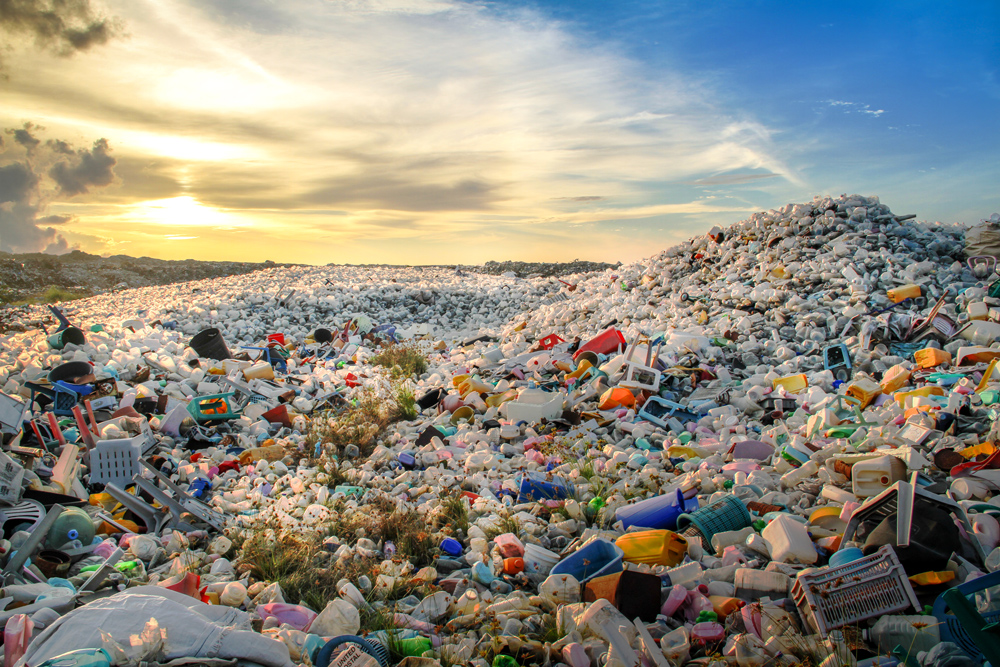
It is estimated that a staggering 9 billion ton of plastics can be found on our planet ever since large scale plastic manufacturing came about in the 1950s. Within less than a century, plastic has become an indispensable product in modern civilisation due to its multifaceted properties. Plastics are complex polymers (strong, repeating chains of molecules that requires a long time to be broken down) that pose a severe threat to the environment and especially, the marine ecosystems.

As compared to the original enzyme, the mutant’s appetite has dramatically increased and the process of feeding has accelerated. Not only is this new creation more effective than PETase, the differentiating feature lies in its ability to consume another type of plastic, Polyethylene furandicarboxylate (PEF). “It is literally drilling holes through the PEF sample. This shows that by using PETase, PEF is even more biodegradable than PET,” said NREL’s Gregg Beckham, one of the leading researchers. This new creation opens a new door to offer a solution to the deteriorating ecosystem.

Although it is said that the mutant PETase is only around 20% more efficient than the original PETase, the main takeaway is that these enzymes are able to be optimised and enhance.

In other words, if scientists and researchers carry on their explorations and research, future engineered enzymes may be better at breaking down these plastics and would be able to break down other environmentally damaging materials as well.

Of course, time is of the essence and it would take a while before these creations can be able to break down the 9 billion of tonnes of plastic.

Now, with a proof of concept, we are able to use science to clear up the “trash” that we have fed earth with at a quicker pace. In the meantime, we can all do our part to help minimise the damage – small things such as using our own water bottles instead of buying disposable ones. “We can all play a significant part in dealing with the plastic problem. But the scientific community who ultimately created these ‘wonder-materials,’ must now use all the technology at their disposal to develop real solutions,” says University of Portsmouth’s John McGeehan in the same statement by NREL.

UK bans the sale of plastic straws and cotton buds

0

<<Press Release>>

The UK Government has announced the end to the sale of plastic straws, drink stirrers and plastic-stemmed cotton buds at the start of the Commonwealth Heads of Government Summit.

Subject to the consultation, which the Environment Secretary Michael Gove will launch later this year, the UK Government is prepared to ban the sale of these items in England under plans to protect their rivers and seas and meet their 25 Year Environment Plan ambition to eliminate avoidable plastic waste. The announcement comes as the Prime Minister Theresa May urged all Commonwealth countries to sign-up to the newly-formed Commonwealth Clean Oceans Alliance and take action, be this by a ban on microbeads, a commitment to cutting down on single use plastic bags, or other steps to eliminate avoidable plastic waste.

“The UK government is a world leader on this issue, and the British public have shown passion and energy embracing our plastic bag charge and microbead ban, and today we have put forward ambitious plans to further reduce plastic waste from straws, stirrers and cotton buds,” the Prime Minister commented.

Single-use plastic items such as straws, stirrers and plastic-stemmed cotton buds have a significant impact on our environment, both on land and in our seas and rivers when they are either littered or discarded incorrectly after use – with a recent study showing 8.5 billion plastic straws are thrown away each year in the UK alone.

To drive this forward, the UK government has committed a £61.4 million package of funding to boost global research and help countries across the Commonwealth stop plastic waste from entering the oceans in the first place.

Mr Gove says, “We’ve already seen a number of retailers, bars and restaurants stepping up to the plate and cutting plastic use, however it’s only through government, businesses and the public working together that we will protect our environment for the next generation – we all have a role to play in turning the tide on plastic.”

Detecting and Dealing with Stress

0

It is something every dive-master or dive guide experiences at least once – that heart-stopping moment when a diver in your charge suddenly bolts for the surface. You assemble the other divers to accompany you or you leave them in the care of an assistant and you ascend slowly, praying that the diver who bolted is OK and cursing under your breath for not spotting that problem earlier.

You have done at least one thing correctly though. You have resisted the urge to chase them to the surface, knowing that, once a diver bolts, their own impetus along with expanding air makes it impossible to reach them and by going up quickly yourself to try and catch them, you risk turning one problem into two. You also have a responsibility to make sure the other divers in your group are OK before you deal with the diver who has bolted; they might have seen what has happened and become nervous too. In addition, if you suddenly disappear they might start to panic too.

As in many cases, you reunite with the panicked diver on the surface and they are OK; they had the presence of mind or the instinct to breathe out and vent their BCD as they ascended. But you know from your experience and training what could have happened and that you might have had a seriously injured diver on your hands. For many nights afterwards, you lie in bed wondering how you did not see the problem coming.

One of the most important things that we, as dive professionals, need to learn is how to identify stress in ourselves, recognise it in others and handle it when it occurs. If stress is not controlled early, it can lead to panic, and when people panic they usually respond in a way that makes the situation worse. In scuba diving, panic is a life threatening event and the major cause of diving fatalities worldwide.

Maybe you did not notice the signs of the impending panic because you were distracted by other issues. Your own stress can make you blind to signs of stress in others. So the first rule as soon as you put on your dive-master “hat,” is that you must put everything else behind you and give 100 percent of your attention to the divers in your care.

All this information and more can be obtained by chatting easily with them as they arrive to get their gear ready. You can use your boat and dive briefings to defuse many of the potential concerns and much of the apprehension. Anticipate what they might be worried about, for example, fast currents, cold water or poor visibility, and explain what steps you will be taking to minimise the problems these conditions can cause. All this information and more can be obtained by chatting easily with them as they arrive to get their gear ready. You can use your boat and dive briefings to defuse many of the potential concerns and much of the apprehension. Anticipate what they might be worried about, for example, fast currents, cold water or poor visibility, and explain what steps you will be taking to minimise the problems these conditions can cause.

You might also consider adopting and introducing your divers to visualisation and the in-water check, a couple of techniques that technical divers use before big dives but which I have found to be valuable tools for everyone.

Visualisation

After the boat briefing, encourage the divers to find a quiet place to sit on their own or with their buddy on the way to the dive-site, remove all thoughts from their minds about whatever else is going on in their lives and think only about the dive ahead. They should reflect on your briefing and what they have researched about the site or what they remember from previous dives there. Think positive thoughts, think about what they are going to see and visualise a successful dive. Picture them in control, relaxed, maintaining a steady breathing rate and good buoyancy and staying in touch with the dive team. Then reflect on the dive itself and all the cool things they might see. They should visualise themselves checking their computer and SPG frequently and making a slow, safe and controlled ascent with a safety stop, finally establishing buoyancy on the surface and ending the dive with plenty of air.

Visualising the dive and thinking about what is about to take place and how to deal with it builds self-confidence and puts a diver in a relaxed, positive, forward-looking frame of mind, the exact sort of attitude that everyone should have before any endeavour.

But this is not the only benefit. It is often the case that a positive visualisation before a dive will remove feelings of apprehension. Apprehension is best defined as a feeling of uncertainty about your ability to cope with a situation. The principal danger of embarking on a dive when you are apprehensive can build and turn into full-blown panic in the event of even a minor emergency.

Visualisation can also help the diver identify problems in advance or warn them of any aspects of the dive that they may not be comfortable with that they can then share with you. Maybe they will realise during their visualisation of the end of the dive that they have forgotten their safety sausage. Far better to remember that before the dive than when they reach for it later!

In-Water Check

We all learn the pre-dive safety check during our Open Water course and this soon becomes something we do instinctively. Another really good habit to acquire is to perform an in-water check at the start of your dive. The whole process of gearing up on a busy boat, entering the water and descending can be rushed and stressful and it can undo all the positive effects of your pre-dive visualisation. So once you have left the surface and are a couple of metres under water, surrounded by the peace and quiet of the ocean, go through a quick in-water check. Take a few seconds to compose yourself, relax, get a long, slow, deep breathing cycle going, make sure all your equipment is intact, buckles are fastened, nothing is leaking and gauges are working before setting off calmly for the depths.

Controlling Stress on the Dive

Even if a diver has completely prepared, there is always the possibility that stress can occur during a dive. The most common forms are:

– time pressure stress from having a limited air supply; and

– compounded stress from task loading; for instance, the feeling of inadequacy can arise when you are managing an underwater camera and dive light on a night dive while controlling buoyancy and trying to keep in touch with the rest of your team.

Careful observation and managing the speed of your group will ensure that these stressors do not escalate into panic. A useful trick to help you monitor how much air your divers have left without constantly going around asking them to show you their SPGs is to spot something cool to show them about 10 minutes into the dive and then circle behind them while they are all crowding to look at it to take a sneaky look at how much air they each have left. See who has used most and then you will know which diver you have to keep an eye on, in the certain knowledge that the others will always have more left than he does (yes, it is usually a he!).

If you want to be even more subtle, compare how much air your target diver has with how much you have left and do a little mental arithmetic as the dive progresses. For example: when you check your target diver after 10 minutes and he has used 20 bar while you have used 10 bar. It is likely therefore that by the time you have used 50 bar he will have used 100 bar – easy, isn’t it?

Of course this is not an exact science and you need to be conservative. You should be alert too for changes in breathing patterns; an out-of-shape diver with good buoyancy going with the flow and sipping his air may suddenly become a panting, gas-guzzling monster if the current drops or shifts direction.

The identification and management of stress is an important topic that does not always receive the attention it should in diver training materials. If you are interested in learning more I recommend the excellent book by Arthur Bachrach and Glen Egstrom, Stress and Performance in Diving. It is thought provoking and highly readable. Also worth looking at are articles titled The Tao of Survival Underwater and Psychological Aspects and Survival Strategies easily found on the Internet.

Indications of Diver Stress

  • Lack of preparedness or procrastination on the part of the diver
  • Increased or rapid breathing/shallow breathing
  • Poor aquatic ability and scuba skills
  • Unnecessary treading of water
  • Evidence of claustrophobia or discomfort with gear
  • Constant fiddling with equipment
  • Lack of any buoyancy control
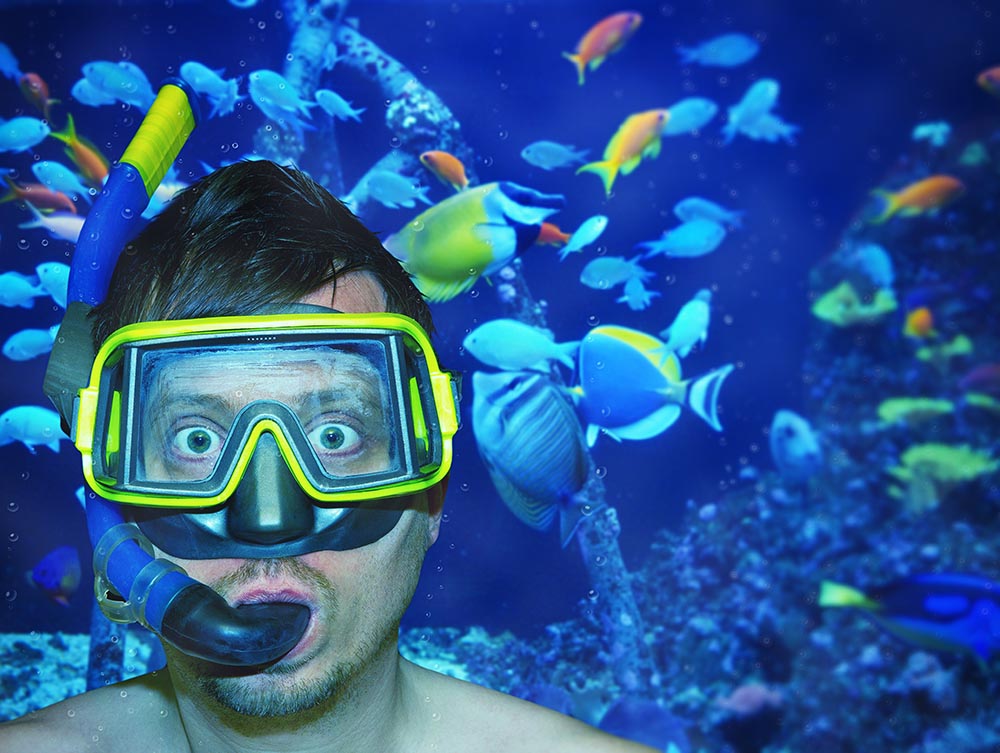
  • Wide-eyed expression
  • Not acknowledging signals
  • Constant complaints about gear, diving conditions, skill performances
  • Excessive kidding around or inappropriate joking
  • Constant eagerness to swim to the surface
  • Reluctance to enter the water
  • Extreme passiveness


Taken from Asian Diver Issue 03/2009

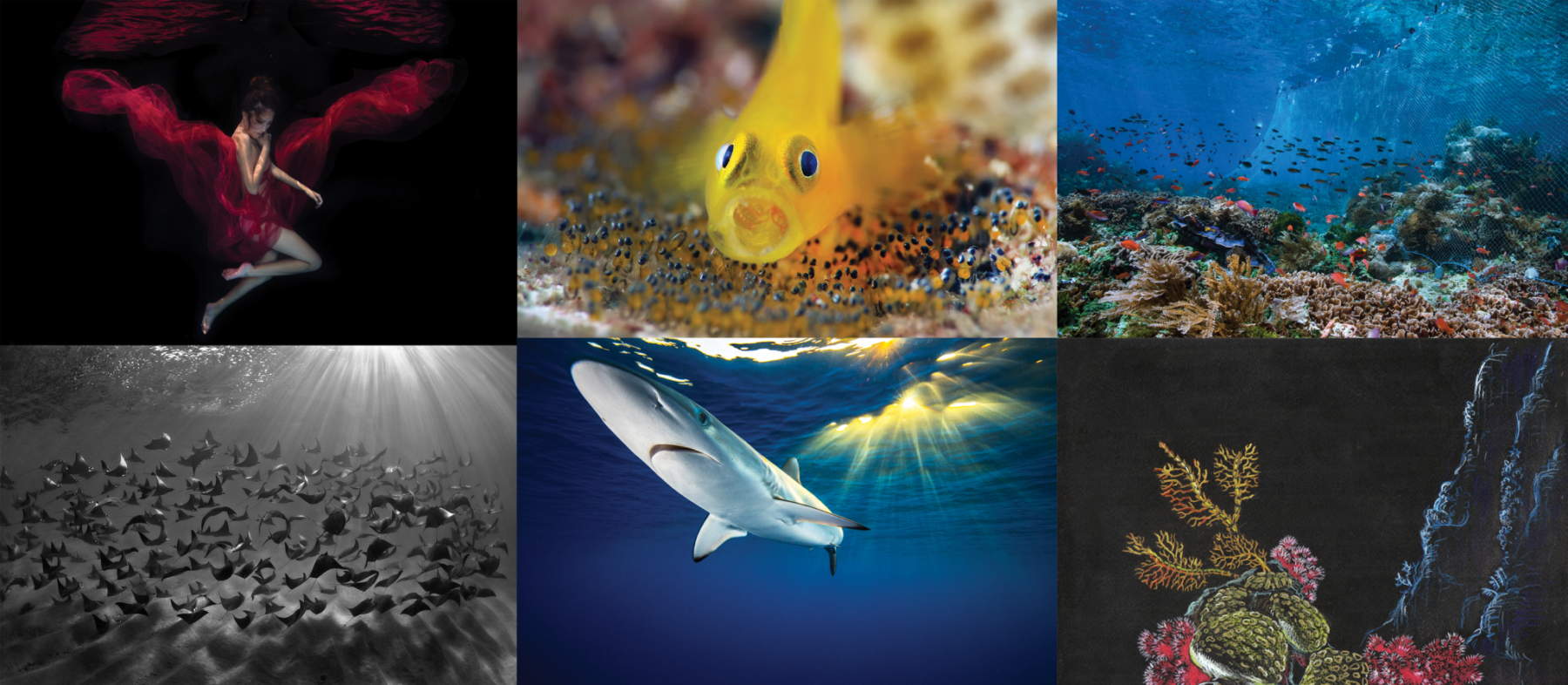
Congratulations to the winners of ADEX Voice of the Ocean 2018!

0


First Place Winner, Video of the Year, Erick Higuera (Mexico)


Congratulations again to all the winners!