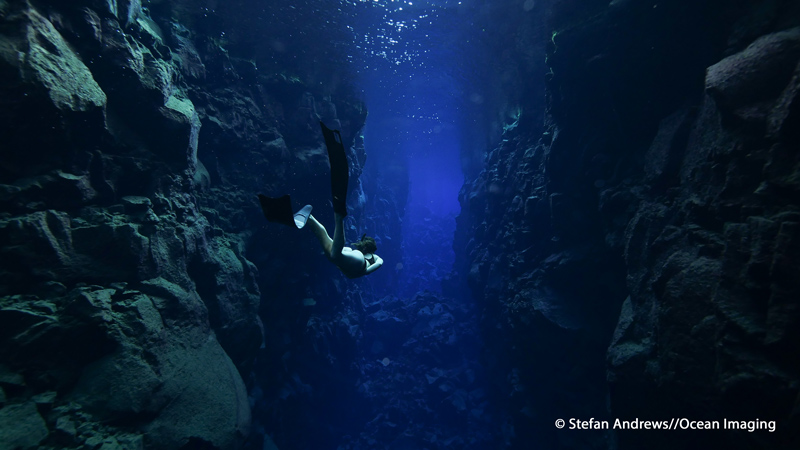
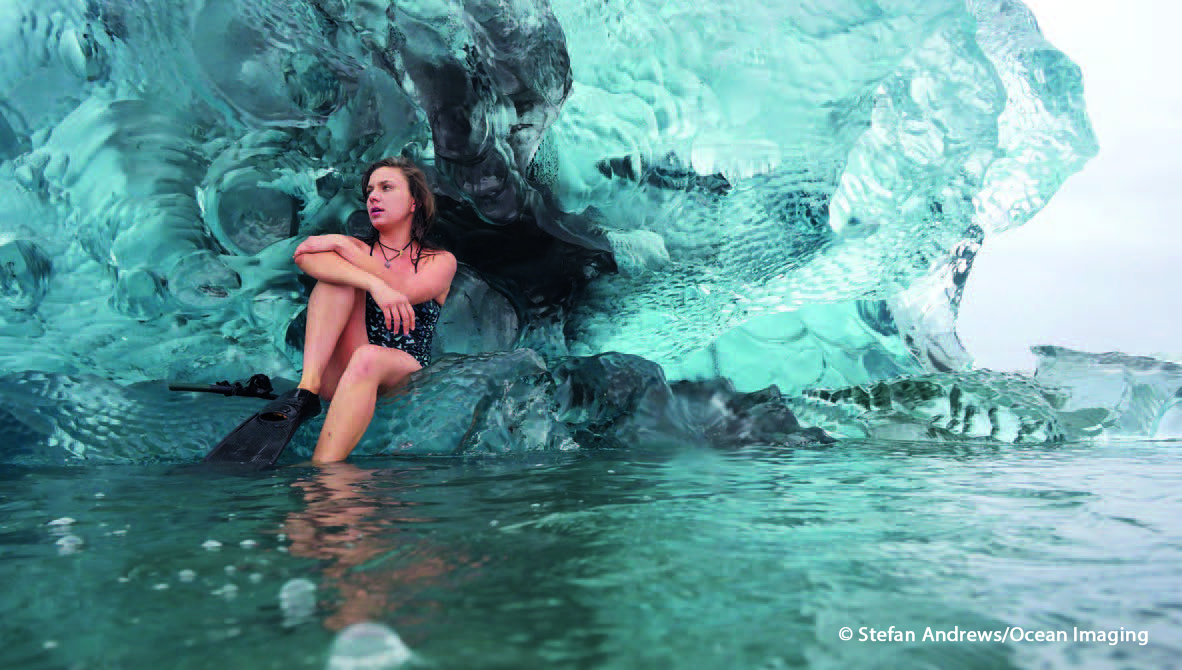
Kiki Bosch is an adventurer, nutritionist and biohacker from the Netherlands, now living in the UK. Described as a true daredevil, Kiki is an experienced freediver and extreme cold specialist. She has recently dived some of the coldest waters in the world. During her last trip in Greenland she swam in sub-zero glacial waters with nothing but a swimsuit for 20minutes.
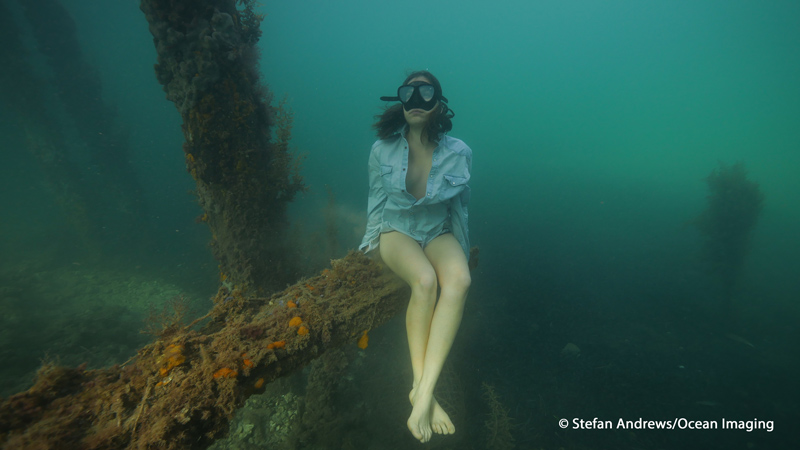 How did you get into freediving, specifically cold-water freediving?
The water always fascinated me. From a young age, I swam often and learned to scuba dive when I was 12 years old. The first time I saw a poster of a freediver, I knew immediately that it was something I needed to try. Since my first freediving training in Colombia, I fell in love with everything about this sport. I knew for sure that I would dive for the rest of my life.
The cold is a whole other story though. I heard about Wim Hof a few years ago and saw that he did amazing things in freezing temperatures. He inspired me to challenge myself and really experience the cold firsthand. I tried my first winter diving in South Australia when the water is roughly 14°C. Back then, it was the coldest water I had dived in without a suit and I became addicted to challenging myself more and more, which led to seeking out the coldest waters in the world.
What do you like about cold-water freediving?
The moment you enter the cold, you get hit with a certain peace and serenity. The only way you can withstand it is [by] relaxing, knowing that you are okay and your body can handle this. You go back to survival mode – fight or flight. For me, that is a very meditative state. There is no space for thinking, no space for rumination on the past or planning the future. Your body is so focused on keeping you warm that you can’t be anything but present. These moments have taught me a lot about myself and the world around me. By being present in such harsh conditions, you gain a whole new level of respect for Nature.
Any particular reason why you choose to freedive without a suit?
First of all I want to show people that it is possible, that our bodies are capable of so much more than what we think. Most of us are always seeking comfort, and even though it is natural, it can make our bodies very lazy. If you are always in an environment of 18-22°C, your body won’t be trained to keep you warm. By getting into the cold waters with a suit, I feel like I am reconnecting to a more primal state of myself. It is almost like tapping into superpowers we all have within us, but forgotten.
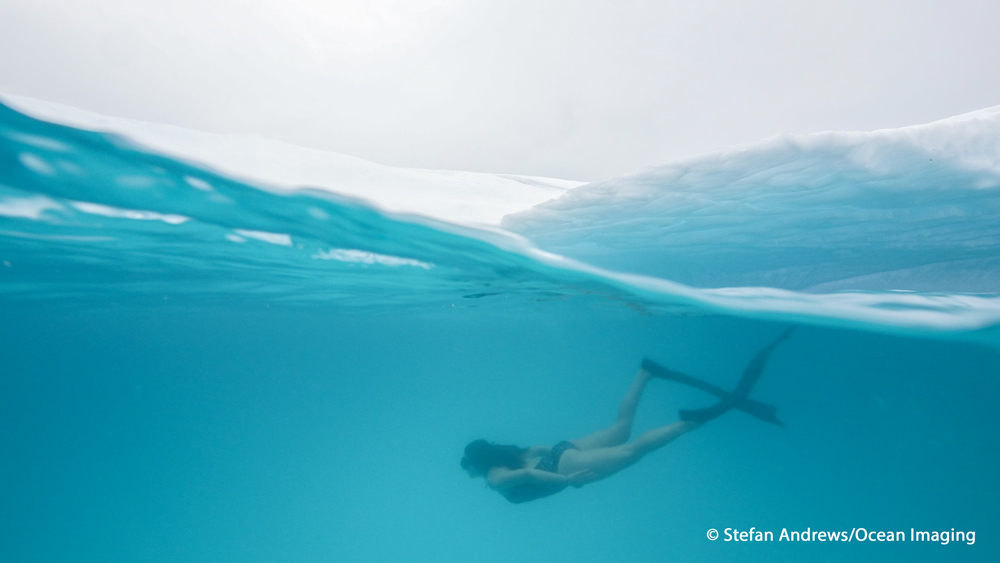
How do you train to dive in coldwater? Any special practices that have helped you?
When I heard about the benefits of the cold, I started with taking cold showers that I gradually prolonged. I started to seek out elements in Nature that I could play with; swimming in cold waters, walking barefoot on a cold floor or running in shorts during winter. To prepare myself for this trip to the Artic, I took icebaths almost everyday and went to a whole body cryotherapy chamber in London that goes to -85°C. Most importantly, I focused on reheating my body by itself after these cold exposures, meaning no warm shower, sauna or hot tub. This way, I primed my body into using it’s own energy to warm up. Ultimately, your body is the only thing you have in such remote areas so learning how to reply on yourself is the best lesson that you can learn.
Could you talk us through what it feels like stepping into the cold water? What do your mind and body go through?
Before getting into the cold, my mind is always screaming not to do it. I’ve learnt that’s the point you need to push yourself, and it’s empowering to find that switch and let go of those thoughts and feelings. Once I am in the water, there is no way “out” and I know there is nothing I can do besides being as relax as possible. When I am diving, I always focus on the warm places in my body; there is always something within me that is still warm. I try to hold on to that heat rather than focusing on keeping out the cold.
The cold shock causes my skin to tingle and sometimes even sting, but I try not to focus on that and just acknowledge it as a stimulus from my body. After a few minutes, my thoughts start to slow down and my reaction time increases. When I feel that, I know that focus is crucial – not having complete focus on my body can quickly become dangerous. As I am aware of every little change in my mind and body, I can tell exactly when I need to get out. Once I’ve made that decision, I always stay very calm and sit somewhere quiet to meditate. This helps my body warm up gradually, but if I am in a very cold or windy environment, I will always put my dry robe on.
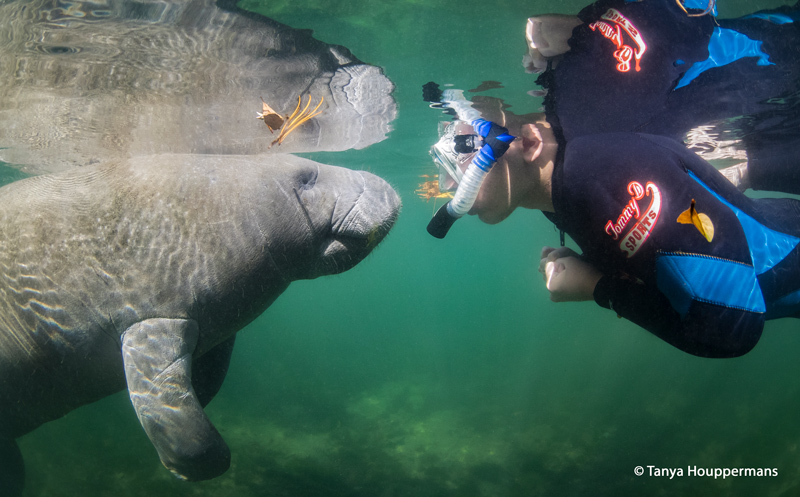
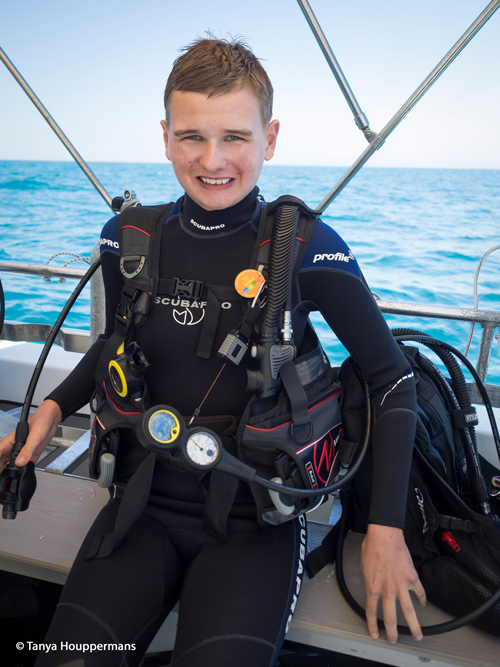 I vividly remember the first time I was told that my son, Richard, has autism. He had just turned four, and after his doctor said that he probably had a speech delay, further testing was done. Wben the diagnosis finally come back as autism, I was heartbroken, thinking that there would be so many things this sweet, kind little boy may never be able to do; I wondered what the quality of his life would be like. As it turned out, Richard would show us that he was capable of much more than we ever imagined. At the age of 16, he became a scuba diver.
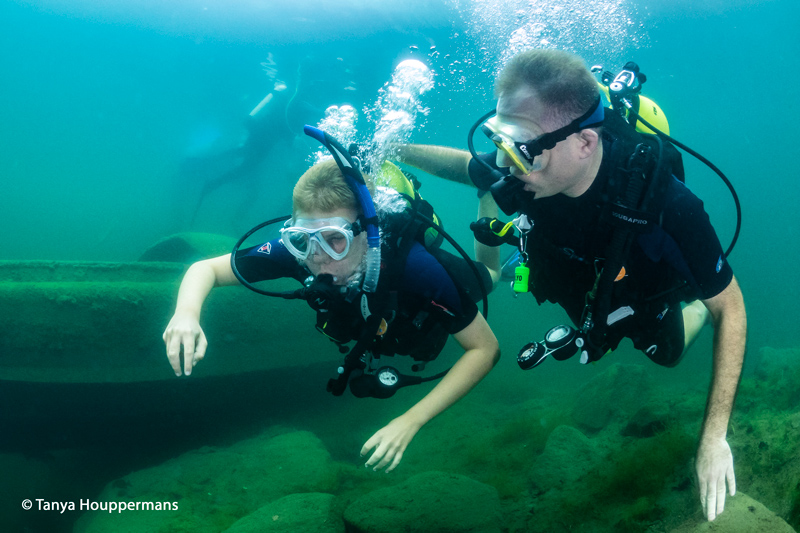 In 2013, an instructor at our local dive shop had earned his HAS instructor certification, and explained that with the proper training and supervision, Richard just might be able to dive. Richard would not be expected to know dive tables or assist others in an emergency, but he would need to know how to signal and react to an emergency should he have one. However, we first had to find out if Richard was even comfortable diving underwater.
 Like many people with autism, Richard is very visual; he learns best by observing. He also has a remarkable memory. These traits allowed Richard to easily learn and perform the diving skills that were demonstrated to him by his instructor. We did make a few modifications to help him. For instance, we couldn’t say, “Pretend you’re out of air,” because Richard can’t relate to that. So to teach him what to do in an out-of-air emergency, we had to turn his air off while he stood up in the shallow end of the pool breathing through his regulator. Then he could experience what it felt like to be out of air, and learn what to do if that happened underwater. Once he knew what to do, it took very little time for him to demonstrate these skills in the water. The more he learned, the more he was proud of himself for what he was accomplishing, and my husband and I could not be prouder.
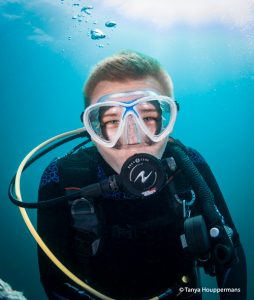 No two autistic people are alike – each has their own set of strength and challenges. Richard is a happy and intelligent young man who has difficulty communicating. Although he can never live independently, he has a loving support network that ensures he lead a fulfilling and productive life. Scuba diving is Richard’s favourite activity. He has now 50 logged dives, and had dived to depths of up to 20 metres while exploring reefs, small shipwrecks, and even a cavern!
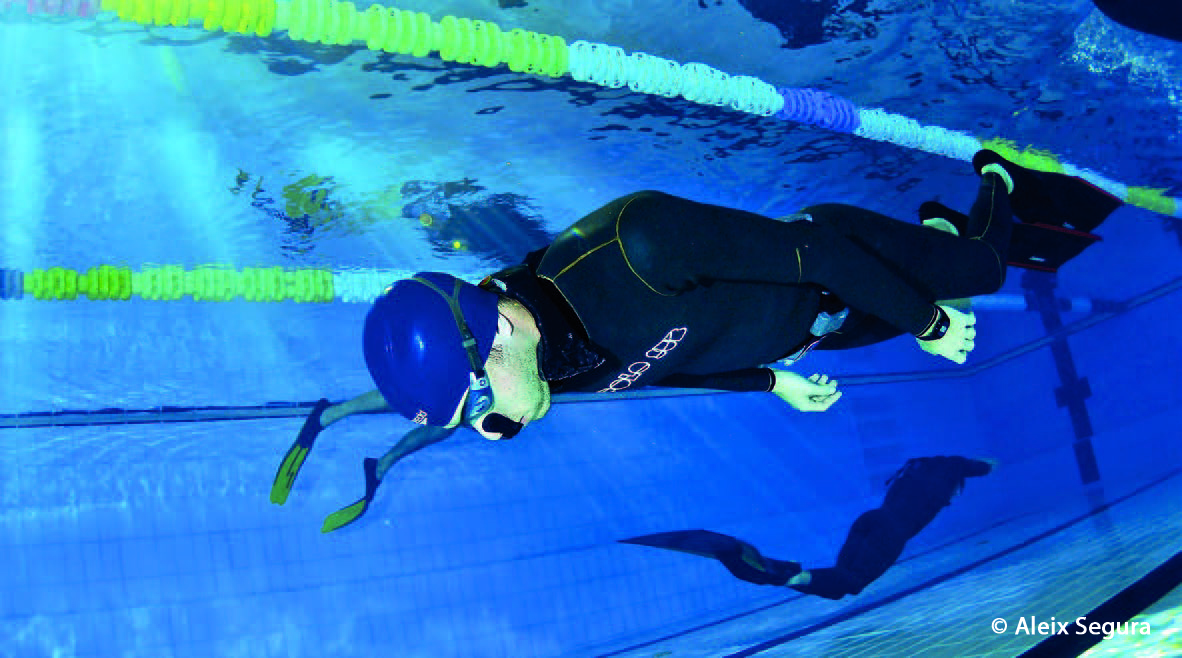
 Aleix Segura Vendrell is the current static apnea AIDA World Champion, who is capable of over 10-minute breath-holds. Alongside his profession as an architect, the 31-year-old freediver from Barcelona began competitive freediving in 2011, debuting with an impressive 8-minute breath-hold. Currently, he has achieved three World Champion titles in static apnea (two by AIDA and one by CMAS). He is also a Guinness World Record holder, breaking the official world record in static apnea on pure oxygen, reaching an incredible 24:03 minutes at the Mediterranean Dive Show 2016.
 Any difficulties you have experienced?