Home Blog Page 119

Hiverlab: Cutting-Edge VR Technology Allows Divers To Fully Experience And Study Underwater World

0


Technology is incredible these days. It keeps us connected, lets us see unbelievable sights and allows us to develop incredible frameworks that can hopefully benefit our world. One such technology is virtual reality (VR) – a device that authorises users to immerse themselves in a seemingly new world and experience it with 360 degree vision.

Marine biology students and volunteers interested in marine conservation can look to benefit from Eyes on Habitat: Coral Reefs, a collaborative product initiated by Hiverlab, a VR content production company, DHI Water & Environment, the environmental consultants and experts in water environments, and the Info-comm Media Development Authority (IMDA)’s PIXEL Labs.

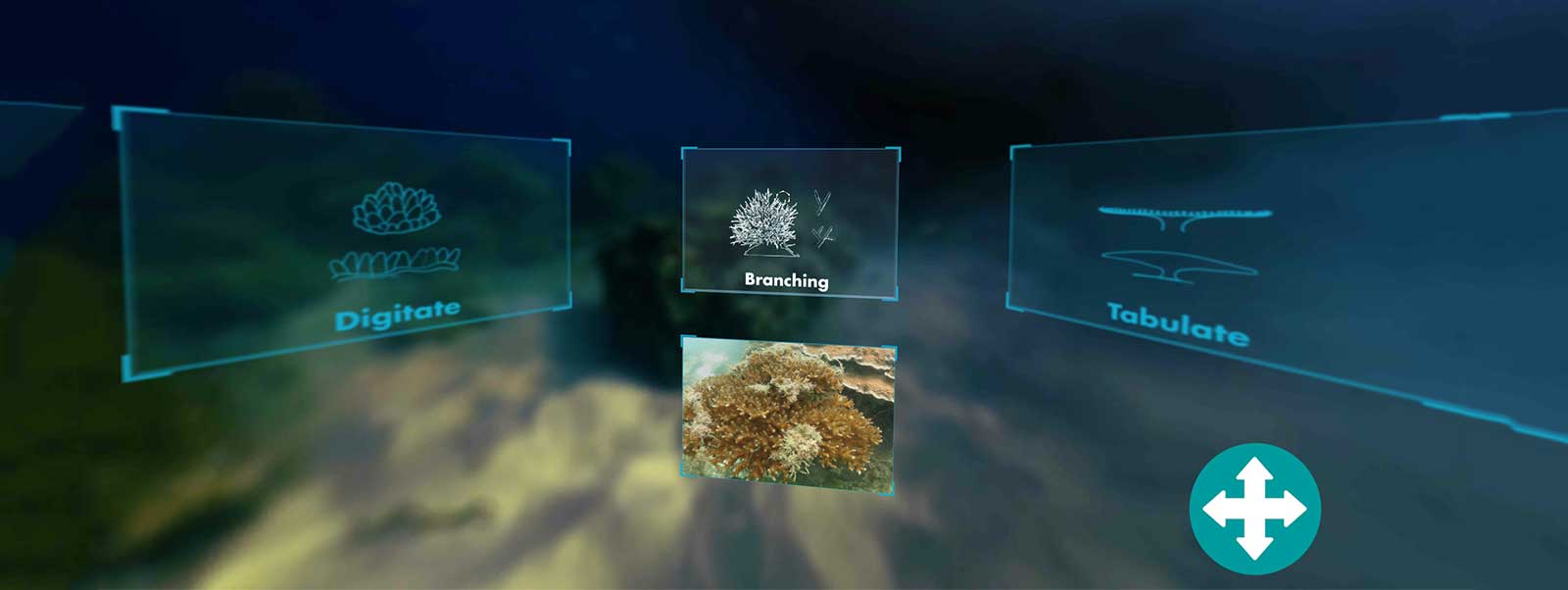
Currently in prototype stage, Eyes on Habitat: Coral Reefs is a unique training tool that features the coral reefs at Sisters’ Islands Marine Park, in an interactive VR underwater simulation. It enhances training of marine biologists and reef monitoring volunteers, as they learn methods in the assessment and monitoring of coral reefs, orientate themselves on monitoring protocols and practice their identification skills in a virtual setting, before they embark on actual dives. Unlike in an underwater scenario, with Eyes on Habitat, instructors are able to virtually and verbally guide trainees through coral reef monitoring skills and trainee responses can be tallied in real time using Hiverlab’s proprietary multi-user immersive presentation and communication system called StoryhiveTM .During the ‘dive’, they will be guided to identify the various marine organisms along the reef and input their responses using their Samsung VR headsets.

The ability to guide and communicate effectively with trainees is important, as diving for purposes of data collection and monitoring faces different issues as compared to leisure dives. The issues include having to overcome limited visibility, usually experienced in Singapore waters, as well as the limitation of communication to visual cues and hand signals while training large groups of students or volunteers in habitat monitoring of underwater environments. For those who do not have the opportunity to dive, Eyes on Habitat: Coral Reefs allows them to experience and appreciate the biodiversity of Singapore’s coral reefs.


Ender Jiang, Founder of Hiverlab, said, “Hiverlab works at the intersection of technology innovation and content production. For years we have been developing immersive technology to enhance VR storytelling and communication experiences. We see long-term value in this initiative where corals are digitised in the 3D format and training sessions are conducted in an interactive immersive environment. Moving on, we hope to make it a global movement, to empower more people to share their knowledge about corals and learn about corals with similar methods.”

Angeline Poh, Assistant Chief Executive (Content & Innovation), IMDA commented, “PIXEL Labs strongly supports the development of ideas into creative solutions. We are happy to have been a part of Eyes on Habitat: Coral Reefs’ innovation journey.” She added, “At IMDA, we view VR as a key example of convergence between infocomm and media. We want to empower Singaporeans and the industry with the possibilities and benefits that this convergence brings. Such collaborations with the industry, as well as the embracing of experimentation and innovation, will create value as we progress in our Smart Nation journey.”

Dr. Siti Maryam Yaakub, a Senior Marine Ecologist with DHI’s Research Center says “DHI is always keen to explore technologies that will allow us to better visualise and communicate the many challenges we work on in water environments. We are very pleased to lend our expertise to such an innovative project. There is also a common misconception that very little lives in Singapore’s waters. This simply isn’t true and placing this VR experience in Singapore showcases the biodiversity of its coral reefs and lends a twist to the usual underwater VR experience which features crystal clear blue waters.”


Following the launch of this VR training assessment prototype, one of the future plans is to develop a collaborative platform, where 3D scans and photogrammetry of corals and reefs can be crowdsourced to recreational divers, marine biologists and non-governmental organisations, so as to cover more coral reefs around the world and create educational programs or workshops based on the data. For the public who are keen on underwater photography, Eyes on Habitat: Coral Reefs may also provide new avenues for them to digitise underwater environments, beyond normal photography.

In terms of 3D scanning, there is potential for Eyes on Habitat: Coral Reefs to be developed further, in terms of the development of capabilities to complement underwater environment monitoring. This includes changes in reef structure and the complexity of these changes over time. TheHydrous, a pioneer coral digitisation NGO from the United States, is one of the first few partners who is keen to collaborate with Hiverlab on this global initiative by sharing resources and co-creating content. The goal is to raise awareness of ocean ecosystem conservation for greater social and environmental impact.

A standalone prototype will be made available to the public at PIXEL Labs at National Design Centre and Jurong Regional Library for the month of March 2017.
 

Blue Planet II To Be Presented By Sir David Attenborough

0

The BBC has long been known for creating hard-hitting Nature documentaries that have brought viewers closer than they could ever imagine to some of the world’s rarest wildlife. Often, synonymous with these successful Nature series, the voice of Sir David Attenborough has added an extra layer of quality to the production.

Now, 16 years on from the release of The Blue Planet, the BBC has announced the release of the follow-up series, Blue Planet II. With a promise to go further and deeper than any other underwater documentary has before, the use of cutting-edge technology has allowed the cameramen to peer into the intimate lives of elusive marine animals.

One filming innovation sees a suction camera being fitted to the back of an orca. These filming techniques have brought the BBC camera team around the world – as the Natural History Unit spent four years filming off every continent and in every ocean for the series.

With so much change happening in the oceans – mainly changes for the worst – it is now more important than ever to highlight the importance of the fragile life that resides below the waves.

“I am truly thrilled to be joining this new exploration of the underwater worlds which cover most of our planet, yet are still its least known,” Sir David told the BBC. Indeed, with the recent release of Planet Earth II, there is hot anticipation to see just what the BBC can come up with this time in terms of groundbreaking content.

James Honeyborne, the series’ executive producer, told the BBC: “The oceans are the most exciting place to be right now, because new scientific discoveries have given us a new perspective of life beneath the waves.

Blue Planet II is taking its cue from these breakthroughs, unveiling unbelievable new places, extraordinary new behaviours and remarkable new creatures. Showing a contemporary portrait of marine life, it will provide a timely reminder that this is a critical moment for the health of the world’s oceans.”

Among the exciting footage, recent discoveries have been caught on camera, including a tuskfish that uses tools, and a new species of crab with a hairy chest.

Through revolutionary filming techniques, the BBC crew said that they had caught unusual examples of marine behaviour on camera. Notable captures are coral groupers with sophisticated hunting techniques, and a giant trevally that catches birds in flight.

The exploration of new underwater landscapes, at the depths of the ocean, and into some of the most extreme habitats, are set to reveal a documentary like never before.

Underwater Photographer of the Week: Martin Strmiska

0

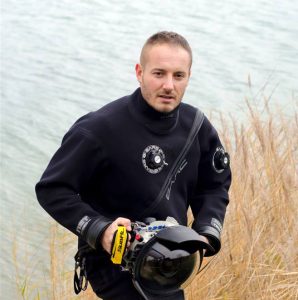
Born with a close relation to water, professional underwater photographer Martin Strmiska was snorkelling at the water’s surface even before he could swim. With a curiosity to explore further and deeper the underwater world which snorkelling only let him have a glimpse of, Strmiska took up scuba diving in 1995.

It was a dive in the Red Sea that inspired him to grab an underwater camera, a Sea & Sea Motor Marine II, which was to be his partner for several years until its eventual demise. During this time, Strmiska explored the reefs of Yemen, Sudan, and Egypt through the viewfinder.

Capturing the undersea world in many ways that had not been fully witnessed before brought Strmiska various photography awards and had him featured on the front pages of international dive magazines. His exploration of this Ocean Planet, from Iceland to Egypt, saw a pile of fantastic and unique images stack up. As one of Europe’s most proactive and talented underwater photographers, Strmiska is this week’s UW360 featured photographer, and Editor Oliver Jarvis caught up with the man to discuss his life and career:

What made you want to become an underwater photographer?

A desire to save some memories from the dives.

Your first underwater shot?

A very bad picture of a diver and backscatter! I point out the backscatter because it seemed to be a dominant subject of that image.

The story behind your most memorable underwater shot?

On the sailfish run in Isla Mujeres, Mexico, I remember how much exhausting swimming I had to do to keep up with the baitball of sardines. I could hardly catch my breath. But then the baitball slowed down and the big show began. For a very short moment I was the only one who kept up with the sardines. Suddenly, the action got so intense that I set the camera for the split shot and swam straight into the middle. With the continuous shutter pressed while holding the camera in the half/half position, I took a handful of images in rough water. One of them turned out nice.

Where is your favourite dive destination?

Cocos Island for big fish and Komodo as a general diving destination.

The site you’d most like to dive, but never have?

The Galápagos.

The weirdest thing you’ve seen underwater?

People.

What camera equipment are you currently using?

Nikon D800, Nikon D7100, and Subal housings.

What is the highlight of your career?

Being a house photographer for German magazine Unterwasser.

…And the low point?

I still cannot live solely from underwater photography.

Have you any advice that you’d like to give aspiring underwater photographers?

Become a good diver with a feel for water first.

Is there any particular shot that you still want to get?

A hippo!martin-strmiska


For more of Martin Strmiska’s fantastic work, click here.


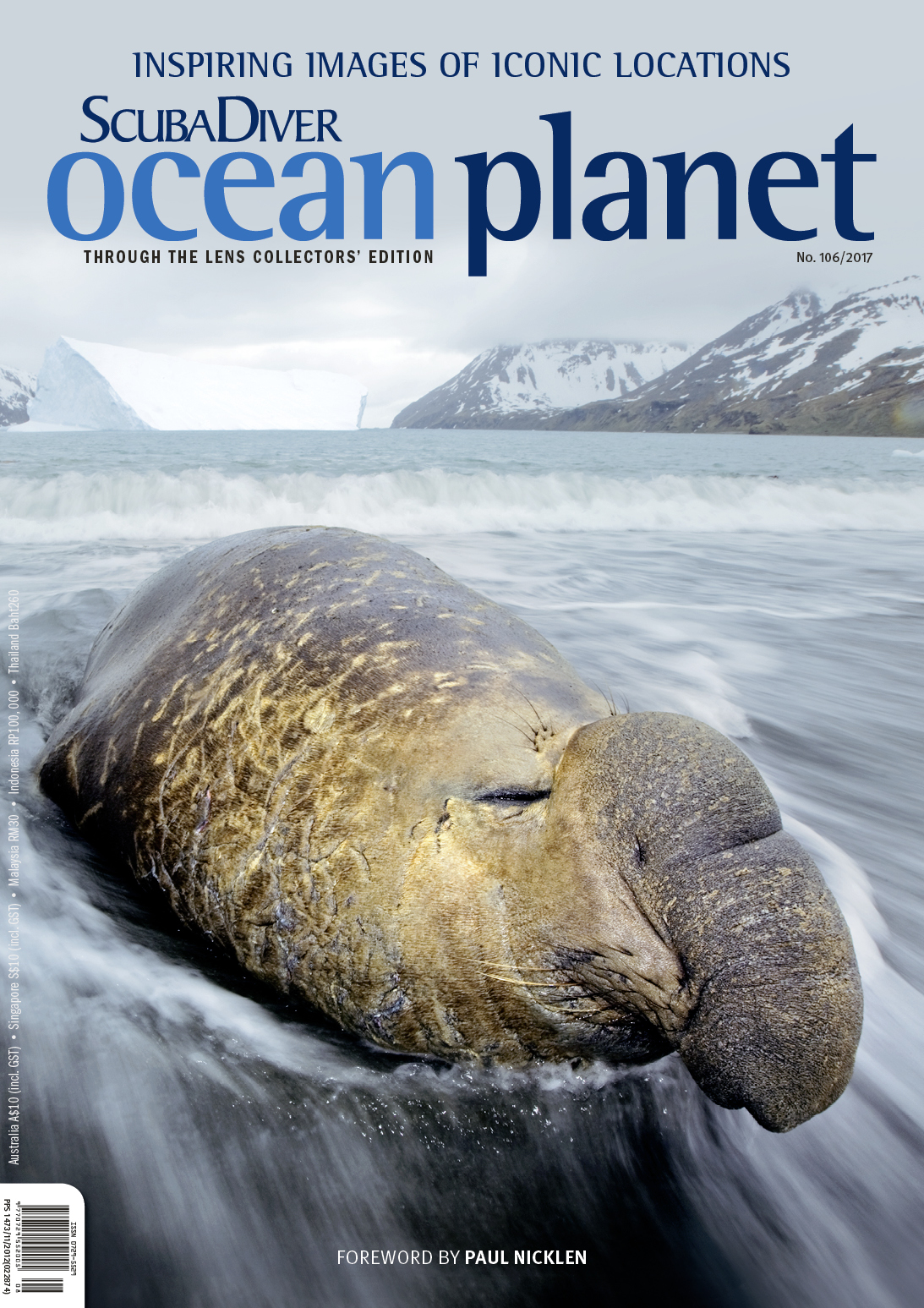
Martin’s spectacular imagery was featured in the SD OCEAN PLANET Special Edition “Inspiring Images of Iconic Locations”.

Read more about it here!


The Importance of Being Dive Fit

0

Being healthy feels good. You look good, and seem to function better. To be in peak safety position for a dive it is fundamental that your fitness is top notch – it helps with your mental ability, your endurance and calmness in tough situations. Stay fit to enjoy your dives, to keep on top form – and for your buddy. DAN take reveal the importance of health and fitness when it comes to scuba diving:


Health

Few people enjoy perfect health for their entire lives. Adopting a healthy lifestyle early in life can help postpone ailments associated with ageing.

When health issues present, it’s important to discuss them with your healthcare provider, pursue appropriate interventions and adopt modifications. With ongoing awareness of your personal health status and timely adjustments to maintain your health, diving can be a lifelong recreational activity.

Prior to diving, you should take an honest assessment of whether you are medically fit to dive. Be vigilant for signs of acute illness (like congestion) and familiarise yourself with the risks and essential precautions associated with any chronic diseases.

Acute illness that lasts more than a few days or leaves you feeling exhausted should prompt a delay to diving:

  • Do not dive when ill
  • Wait until you regain your normal strength and stamina
  • If you are not ready to exercise at your pre-illness level, you should postpone your dive
  • The best course of action is to consult with your physician

Chronic diseases may affect your fitness to dive risks even if you perform well in other activities:

  • Some health conditions, especially in advanced stages, may make the risks to you and your dive buddies unacceptably high
  • In less advanced or more stable medical conditions, divers may continue safe and enjoyable diving with proper guidance from their physician, medical controls and wise choices

During your annual physical exam or following any changes in your health status, consult your physician to ensure you have a medical clearance to dive.

Fitness

Being a physically fit diver means that you have sufficient aerobic capacity, cardiovascular health and physical strength to meet the demands of the diving environment. Can you fight a current? Perform a long surface swim? Help a buddy in an emergency? All divers need to be physically able to perform these essential tasks.

Here are some tips to help you enhance your fitness for diving:

  • While diving itself can be physically demanding, it is not enough to maintain fitness overall
  • Divers must stay fit with additional activities outside of diving, such as swimming laps, strength training and flexibility and balance exercises
  • Regular physical activity, including aerobic activity and muscle-strengthening activity, is essential to maintain physical fitness
  • If you are over 40 and do not exercise regularly, consult your physician before you start exercising
  • Divers should dedicate time to fin swimming. Fitness for swimming against a current includes fin-swimming skills. Divers without these skills may not be able to create sufficient propulsion to overcome a strong current even if they have high aerobic capacity for muscular work
  • At least six weeks prior to a dive trip, gradually increase the level of your physical activities
  • Join your local dive club for more specific training opportunities
  • To avoid an increased risk of decompression sickness, DAN recommends avoiding strenuous exercise for 24 hours after diving

Courtesy of the Divers Alert Network (DAN)

For as little as S$90 you will receive:

1 YEAR DAN Asia-Pacific Membership +
1 YEAR Subscription to Scuba Diver AUSTRALASIA + OCEAN PLANET

Want to get your hands on this package? CLICK HERE

6 Incredible Differences Between Octopuses and Squid

0

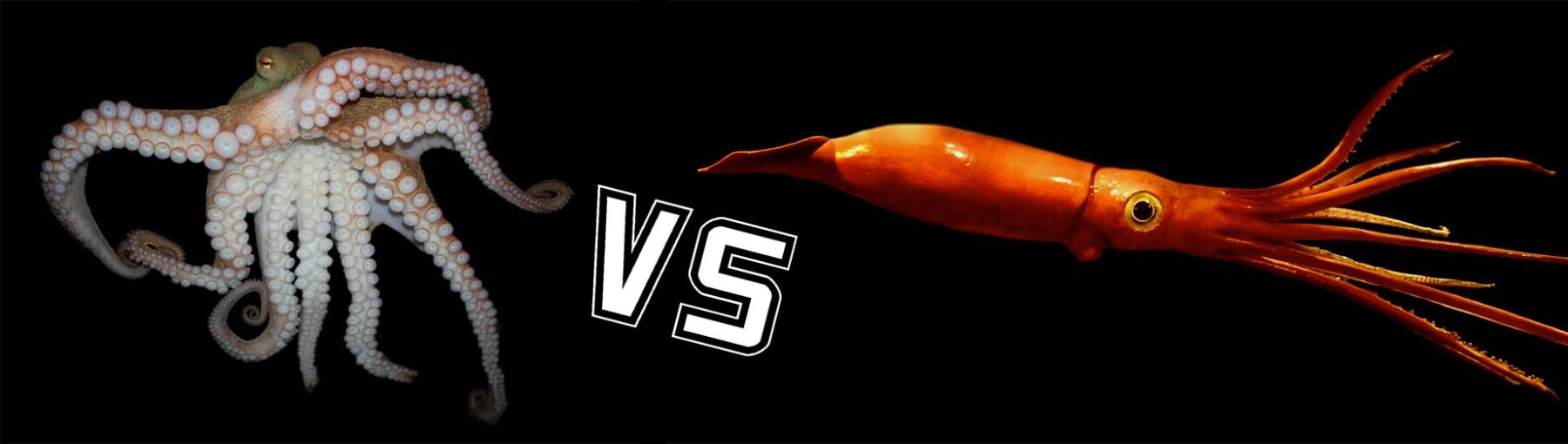
More arms, different shapes? It’s tough trying to get to the bottom of what exactly separates octopuses and squid. Both are in the class Cephalopoda and inhabit the majority of the ocean – but each has their own physical differences, their own habitat preferences and unique behaviour. It’s much the same as the manatee and dugong case – animals similar enough to get the two mixed up, yet different when you dig deeper into their anatomy and how they function.

UW360 takes a look at the incredible differences between octopuses and squid:

Shell

Octopuses are famous for being without a stiff bone in their bodies, which enables them to be able to squeeze through tight gaps. Squid, by contrast, possess a stiffer structure known as a pen, which acts like a flexible backbone that runs the length of the animal’s body and stabilises it whilst it’s swimming.


The Octopus

Scientific class: Octopoda
Diet: Bottom-dwelling crustaceans
Average lifespan: 1–3 years
Size range: From 1 centimetre to as much as 9 metres


Easily the most bizarre creature in the sea, the octopus is a cephalopod of many talents, with DNA like that of no other animal. Facts suggest there to be 289 recognised species of octopus, and all species have distinct characteristics, from the giant octopus, which can grow up to 9 metres across, to the Wolfi, the world’s smallest octopus, which measures only 1.5 centimetres and weighs less than a gram.

Anatomy

The makeup of both animals is similar, yet different. An octopus has a mantle, a head, eight arms equipped with one or two rows of suckers but with no hooks or sucker rings. A squid has two fins, a mantle, a head, eight arms and two tentacles, which are equipped with hooks and suckers or sucker rings.

Habitat

Octopuses tend to prefer living in dens on the ocean floor, from the shallows to the deep (dependent on the species). Some live in bottles or other rubbish that has found its way to the bottom of the ocean floor. Squids live in the open ocean, from the shallow coasts to deep in the dark depths of the sea.


The Squid

Scientific order: Teuthida
Diet: Fish and shrimp
Average lifespan: 9 months to 5 years
Size range: From 60 centimetres to around 20 metres


Squid are cephalopods of the order Teuthida, which comprises of over 300 species. Their personalities are dependent on the species. For example, the Humboldt squid is very aggressive and will even attack sharks in the water. The colossal squid is the largest invertebrate in the world. The smallest is the sepiolid squid – less than an inch long.

Hunting

Techniques for hunting vary between the two. Octopuses grab their prey and pierce through their shell to inject a paralysing venom. They then dissolve and loosen the meat with their saliva, using their powerful beak and mouth to rip the prey apart. Squid catch food with their long tentacles and consume it in chunks.

Fins

Octopods have no fins, though there is an argument that some of the deep-sea dwelling species do in fact have them. Squid have fins on their head. The colossal squid, for example, has a paired tail fin attached to the upper surface of its mantle and is made up of muscle – the squid uses its paired fin to swim forward. Massive and muscular, the fin enables the colossal squid to move rapidly through the ocean, but in most squid, the paired tail fins are used for changing direction rather than for propulsion.

Reproduction

Both animal types use a different mating strategy. Male octopuses use a specialised arm called a hectocotylus to transfer sperm to the mantle cavity of a receptive female. The female then lays a string of fertilised eggs on the roof of her den which she guards and cleans – and even aerates with water expelled from her siphon – anywhere from 30 days to a year, depending on the species. The female may even build a wall of rocks to seal off the den, where she will remain until the eggs have hatched and she journeys off to die.

Instead, squid mate in large groups, attaching their egg capsules to the seabed or to seaweed. Similar to octopods, squid die shortly after reproducing.

11 Top Romantic Dive Getaways in Asia Pacific

2

Diving. It may not hold the romantic essence of cupid’s bow, nor have the sensual touch of a bed of roses, but to those couples who adore the world below the waves, it can be the perfect getaway. Far from the hustle and bustle of metropolitan life, like tender-loving dolphins, you and your partner journey the blue side by side, into a world where love dances like a sardine baitball under attack from sailfish, and romance headbutts you like a territorial titan triggerfish. This is our valentine to you, our readers – 11 Top Romantic Dive Getaways in Asia Pacific:


Maldives

Slip into the quiet life, where evenings are set against a backdrop of azure waters, white beaches and tangerine sunsets. The Maldives, perhaps the go-to romantic getaway, never lets you down. With incredible encounters below the waves, and relaxing scenes above it – this is a top destination for lovebirds looking to roost far away from the trials of the modern world.

We Recommend:


Komodo

Hosting an incredible collaboration of reef art and marine life in this one-off park, Komodo is one of the intimate destinations that offers both relaxation and exploration. With gliding mantas in the shallow currents, dolphins breaching the surface and sharks on the reefs, both you and your partner can share an experience unlike any other.

We Recommend:


Beqa Island, Fiji

In this underwater wonderland, love flows with the eastern currents, and divers can come face to face with tiger and bull sharks. On quiet beaches, and to the sound of traditional Fijian music, companions make lifelong promises and stick to them. To those who know, Beqa Island is love island.

We Recommend:


Mabul Island, Borneo

A small island with big opportunity. Mabul Island offers those on a getaway the chance to sit back and relax on the island beaches, or for some adrenaline-fuelled underwater encounters. With a short boat ride to Sipadan – an island with arguably the best diving in the world – Mabul is best placed for offering couples the diving experience of a lifetime.

We Recommend:


Lang Tengah Island, Malaysia

Set off the sleepy town of Terengganu, Lang Tengah attracts a wealth of guests to enjoy the amenities that the island offers. Lang Tengah offers those who visit something unique in natural beauty. From cliff jumping into cool-blue waters, to scuba diving through the love arch for photographs – this small island is geared for couples looking to capture a special memory.

We Recommend:


Manado and Bunaken National Park, Indonesia

Rich and unspoilt reefs, pristine and abundant soft coral, and marine life in huge concentrations, diving around Bunaken will capture your heart – magnificent dive sites fit for a grand piano concerto to fully capture the feeling. Relax on the white sand beaches and dive the shallows – it’s a world you won’t want to miss.

We Recommend:


Gili Trawangan, Lombok

Hammocks in the shallows, and swings on the shore, the beautiful layout of the most popular Lombok mini-island is ideal for any couple looking for a calm retreat. Crystal-clear waters with incredible visibility are home to a plethora of turtles, sharks and stunning coral.

We Recommend:


Pulau Rawa, Malaysia

A hidden jewel of the Malaysian coast, Pulau Rawa has benefitted by being overlooked as a top dive destination. Pristine coral, and plenty marine life in the shallows, means that anyone staying on this tucked-away tiny island is guaranteed intimate one-on-one encounters.

We Recommend:


Raja Ampat, Indonesia

One of the most biodiverse locations in the world, Raja Ampat is regarded as a top spot for sub-aqua encounters. The incredible range of marine creatures, from pygmy seahorses to wobbegongs, is enough to create an engraved memory. From the Americas to Europe, divers come to experience an untamed world. Raja Ampat captures the heart.

We Recommend:


Nusa Islands, Indonesia

Far from the huge crowds of Bali, the famed trio – Nusa Ceningan, Nusa Lembongan and Nusa Penida – offer those looking for a bit of relaxation with quality diving exactly what they desire. Already taken advantage of the diving? Then you can enjoy the water-sports activities, mangrove forests and hidden beaches. With an endless list of things to do on the islands, they’re one of our favourite romantic getaways.

We Recommend:


Great Barrier Reef, Australia

The most famous diving site in the world may seem over-dived, but for a couple looking to create dive memories it’s the ideal location. The thing is, the GBR is so big and offers a range of adrenaline-fuelled dive encounters. From Cod Hole to the SS Yongala, there is a range of marine life and underwater seascapes to experience. It’s a site to tick off the bucket list, and the ideal valentine’s retreat.

We Recommend:


Six Finning Techniques to Master

0

Different names, different styles – finning techniques come in a few different forms. Which is better is down to the diver, after all, each diver has their favourite style like they do their own mask. Finning techniques that can be used in different environments, to conserve energy or save air, and even to escape a territorial titan triggerfish. We bring you six finning techniques that are good to know, and great to master:

Flutter Kicks

The entry-level flutter kick is the go-to-technique for divers in their early days. It’s the simple up-down motion of the legs that we divers take to so quickly and naturally. The legs stay more or less straight, but a little bending is okay. The flutter kick works best with long and gentle strokes – any erratic kicking can prove ineffective and has more chance of disturbing nearby seabed or marine life. The flutter kick is easy to use, and can provide a good forward thrust. It’s best used on the surface, during a descent or ascent, when well clear of the seabed and when swimming into a current.

Avoid flutter kicks when close to a silty or sandy seabed, inside confined spaces like a wreck or cave, or when swimming close to delicate marine life.

Considered a “step-up” from the flutter kick, the asymmetric scissor/split kick combines aspects of both the flutter and the frog kick. Much thrust can be generated by a long, lazy kick. The thrust comes when both legs come together, just like scissors, and this can propel a diver forward whilst saving energy. This power kick is great for relaxed propulsion, but cannot be speeded up, like the flutter kick.

Scissor/split kicks are great for powerful cruising, as an initial kick to get you going forward and to rest groups of leg muscles. We don’t recommend using it when close to silty or sandy seabeds, in confined spaces inside a wreck or cave, or when apex speed is required.


Frog Kick

If the flutter kick is the underwater equivalent of the freestyle kick, then the frog kick is the underwater equivalent of the breast-stroke kick. Taking inspiration from the nimble amphibian, the kick uses the muscles of the back and insides of the thighs. Many divers find the frog kick relaxing – seeing it as an ideal cruising kick, to slowly alternate between that and the flutter kick to rest muscles.

Frog kicking is great for general cruising, when close to delicate coral, silty/sandy seabed, or marine life (providing you look where you’re kicking), and inside large caves. We don’t recommend frog kicking in narrow corridors of wrecks and caves, alongside walls or when swimming in a strong current.


Bent-Knee Cave Diver Kick

A frequent kicking technique for technical divers, the bent-knee cave diver kick is known within the industry as being the kick that causes the least disturbance of the environment. With bent knees the movement is very limited and the entire kick comes only from a small movement in the hips, combined with a kick of the ankles. With a limited kick-range, it means a limited propulsion – but decreases strain and air consumption.

The bent-knee cave diver kick works well in small areas such as wrecks and caves, and when close to silty/sandy seabed and marine life. We don’t recommend the bent-knee cave diver kick when in strong currents, or when you need to get away from something, quickly.


Helicopter Turn

Allowing you to pivot or rotate and stay in the horizontal and trimmed diving position is beneficial for quickly changing direction. The helicopter turn allows you to turn and look behind you without changing water position. Slowly moving your fins apart horizontally in an opposing back and forth motion, whilst rotating your ankles and fins, is one of the most efficient ways of turning around.

We recommend the helicopter turn when in confined spaces like wrecks and caves, or over a delicate seabed. It’s one of the most efficient ways of changing direction.


Reverse or Back Kick

The reverse or back kick is a top skill to master. Able to move away from a subject whilst still being able to face it, is perfect for underwater photographers, instructors and for divers who are fixated on a subject. It’s almost a complete reverse of the frog kick, and requires your fins to scoop water to start you moving backwards.

We recommend the reverse or back kick when you need to move away from something whilst still looking at it (with a camera, student etc.), to reverse out of holes or for stability when you want to hold your position. We don’t recommend using it against a current, when speed is needed and over long distances (although that would be quite incredible.)