Home Blog Page 118

Asia Dive Expo (ADEX) Singapore 2017

0

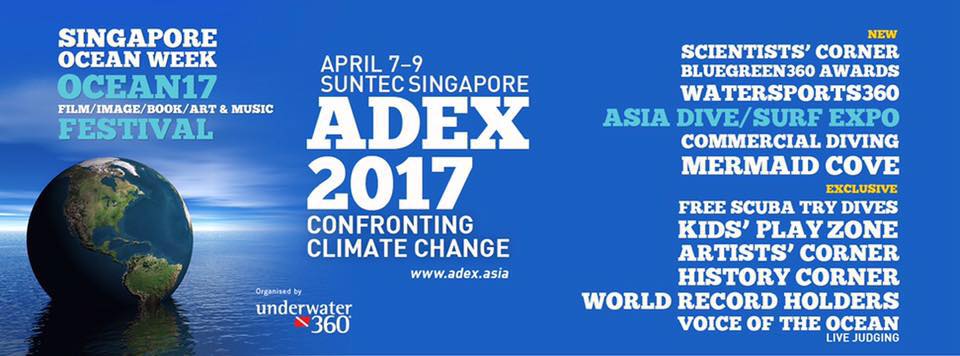
The largest Dive Expo in Asia is just around the corner. Taking place over the upcoming weekend, ADEX 2017 proudly presents world-renowned marine life artists, conservationists and photographers to speak about their passion and work towards marine life.
Date
April 7 – 9, 2017

Venue
Suntec Singapore Convention & Exhibition Centre
Halls 401 – 404

Opening Hours
Friday, April 7 10am – 8pm
Saturday, April 8 10am – 7pm
Sunday, April 9 10am – 7pm

For ADEX 2017, we introduce “ADEX + WaterPlay360”!  For the first time in dive expo history, attendees can expect a whole new experience at ADEX 2017 where you can find everything related to not only diving, but WATER SPORTS as a whole!

Here are some of the highlights you can expect over the weekend:


Friday 7th April


ADEX Opening Ceremony (3pm – 5pm)

Join us for our opening ceremony together with more than 150 speakers from all around the world. The opening ceremony will include addresses by Dr Sylvia Earle and Mr Josė Ramos-Horta ADEX Guest of Honour, Ms Joyce Tang, ADEX Ocean Ambassador and a special video address by Mr Paul Watson. Plus award presentation of the first ever Blue Green Awards given to companies, organisations and individuals who have shown exceptional practices in conservation and eco-businesses. Chaired by Mr Jerker Tamelander, the Head of UN Environment Coral Reef Unit, Ms Chloe Harvey, Programmes Manager of Reef-World Foundation and Rili Djohani, Executive Director of the Coral Triangle Center.


Heroes of Climate Change Networking Session (5pm – 6pm)

Get up-close and personal and intermingle with some of the top people in diving. From emmy award videographers such as Cristian Dimitrius, Howard & Michele Hall, to renowned scientist in climate change such as Mr Clive Wilkinson, one of the pioneer researchers in climate change, our guest of honours, Dr Sylvia A. Earle and Mr Josė Ramos-Horta and of course the climate change heroes of ADEX, Mr Tim Jarvis, who is climbing the last remaining mountains in the world where glacial ice exist, Mr Michon Alba, who does expeditions to the Arctic to show the effects of climate change, Captain Pete Bethun, who has traversed the world in his unique trimaran running on pure bio-fuel and Mr Benöit Lecomté who has swam across Atlantic Ocean in 1998 and is planning another expedition across the Pacific Ocean from Tokyo to San Francisco.


Revolution Film Screening (In Memory of Rob Stewart) With the recent demise of Rob Stewart who was a dear protector of the ocean and fellow diver, ADEX would like to screen his last film, Revolution in memory of Rob Stewart. During this special screening, ADEX will be collecting a donation for Stewart’s family and will be donating it to ensure that Rob Stewart’s work and legacy continues.

Big Blue Evening (8pm – 12am)

Join us for a night of wonder and as we introduce our Blue Carpet event: Big Blue Evening! The event will be held Capitol Theatre at 10 Stamford road, on April 7 Friday from 8pm to midnight. With a speaker line up never seen anywhere else, join us as our Ocean17 Festival speakers bring to you a night of images, films and art which will aim to inspire you. Plus, we will be having a film premiere of Sylvia A. Earle new film, “Sea of Hope” which has never been screened outside of USA!

Get your tickets HERE!


Saturday 8th April


ADEX Dedicated to Climate Change (12.30pm – 7pm)

ADEX will be dedicating the whole of Saturday of our expo to climate change. From researchers and scientist to conservationist and advocated for climate change, come down and join us for a full afternoon learning about what is climate change, what are people doing to raise awareness about climate change and how is climate change affecting us. With world renowned speakers in this field, join us for a time of education, advocacy and life changing presentations that will make you think about how we live and what state the world is in and what we can do to prevent this catastrophe.


Hope1000 Presentation by Dr Sylvia A. Earle 5.20pm – 6.30pm

The deep sea is the greatest challenge where new adventures and discoveries await.

We have explored less than 1% of the deep ocean. Around the world from the poles to the tropics, the opportunities are enormous – to go where no one has gone before, to acquire greater knowledge and discover new frontiers.  The HOPE 1000 Explorers Project, a collaboration between Dr Sylvia A. Earle, Ocean Geographic and Deep Ocean Engineering will, for the first time, allow the average citizen to explore the deep ocean safely.

Join us for an evening at ADEX with SYLVIA EARLE as she presents her new project and share her experiences of her past endeavors. A once in a lifetime chance to hear from one of the pioneers of deep sea diving.

Sunday 9th April


Heroes of Climate Change Presentations

Ben Lecomte 2.10pm – 2.55pm | Tim Jarvis 3pm – 3.45pm | Alban Michon 3.50pm- 4.35pm | Captain Peter Bethune 4.40pm – 5.25pm

Four environmental warriors, who are fighting to make sure that the world will still be around for the next generation, will be making a stop at ADEX. From swimming across oceans to climbing mountain peaks, these four climate change heroes will stop at nothing to get the message across – that we can all make a real difference to ensure the survival of our world and its inhabitants.


Voice of the Ocean Live Judging (4pm – 6.30pm)

A competition like no other, Voice of the Ocean will continue the tradition of having a live judging, allowing photo enthusiast as well as participants to learn from some of the top photographers, videographers and artist on what they look out for, what constitutes to a good photo and what techniques can be used to improve the photo. Judges include: G Sano, Aaron Wong, Becky Kagan Schott, Cristian Dimitrius, Howard Hall, Marty Snyderman, Michele Hall & Richie Kohler.
Dive the Wonders Below Indonesia’s Crystal Clear Waters

0

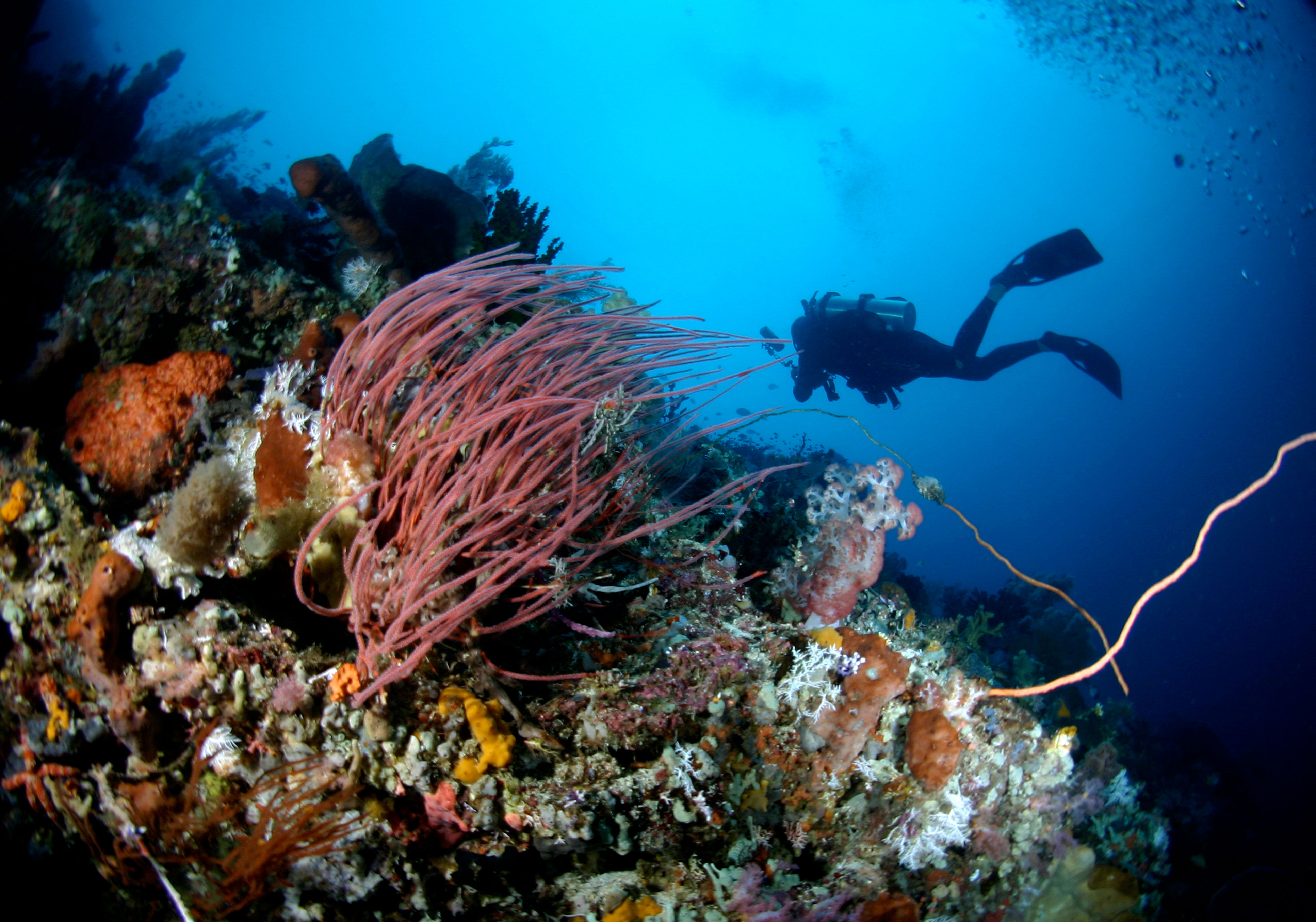
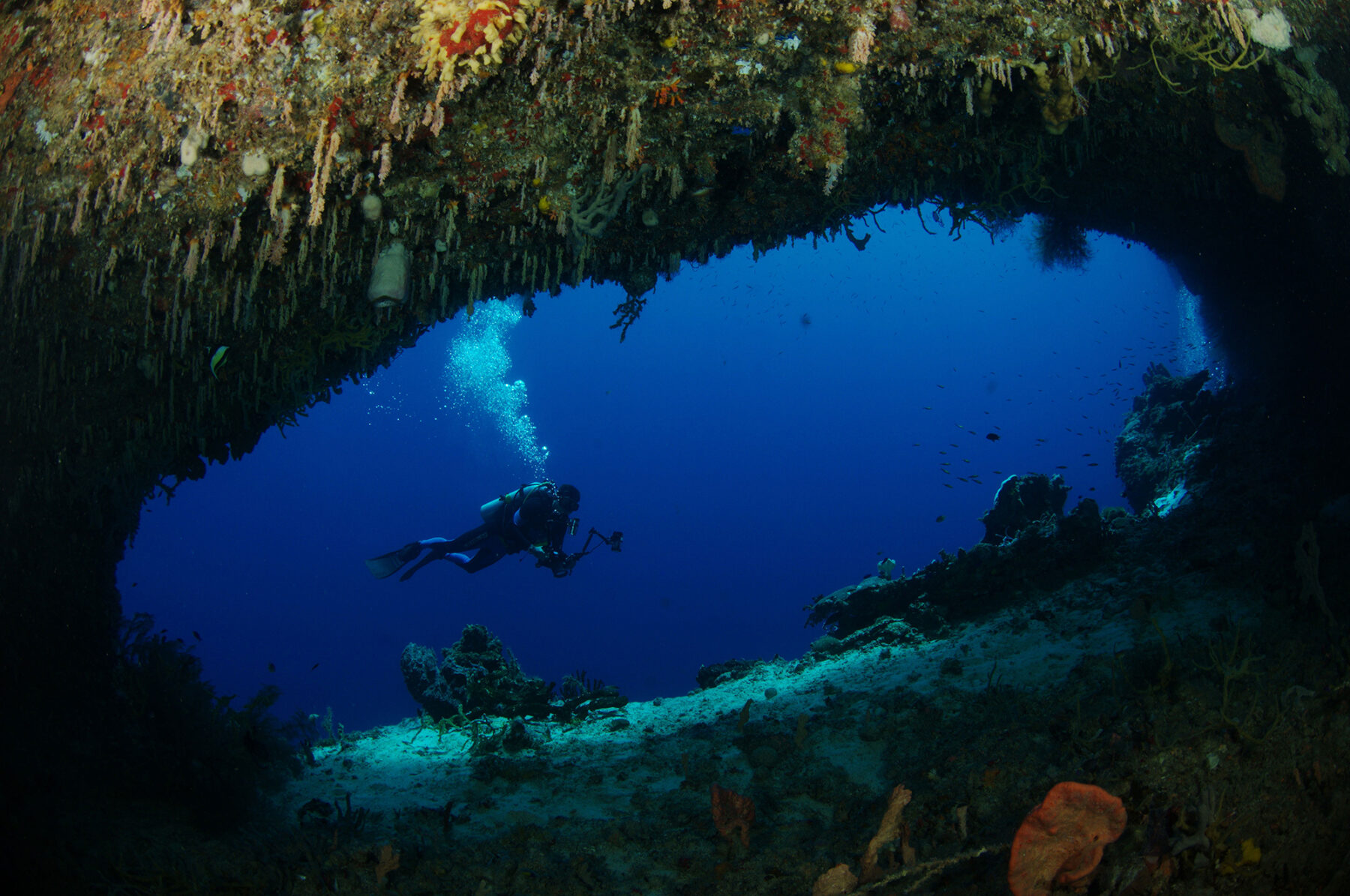
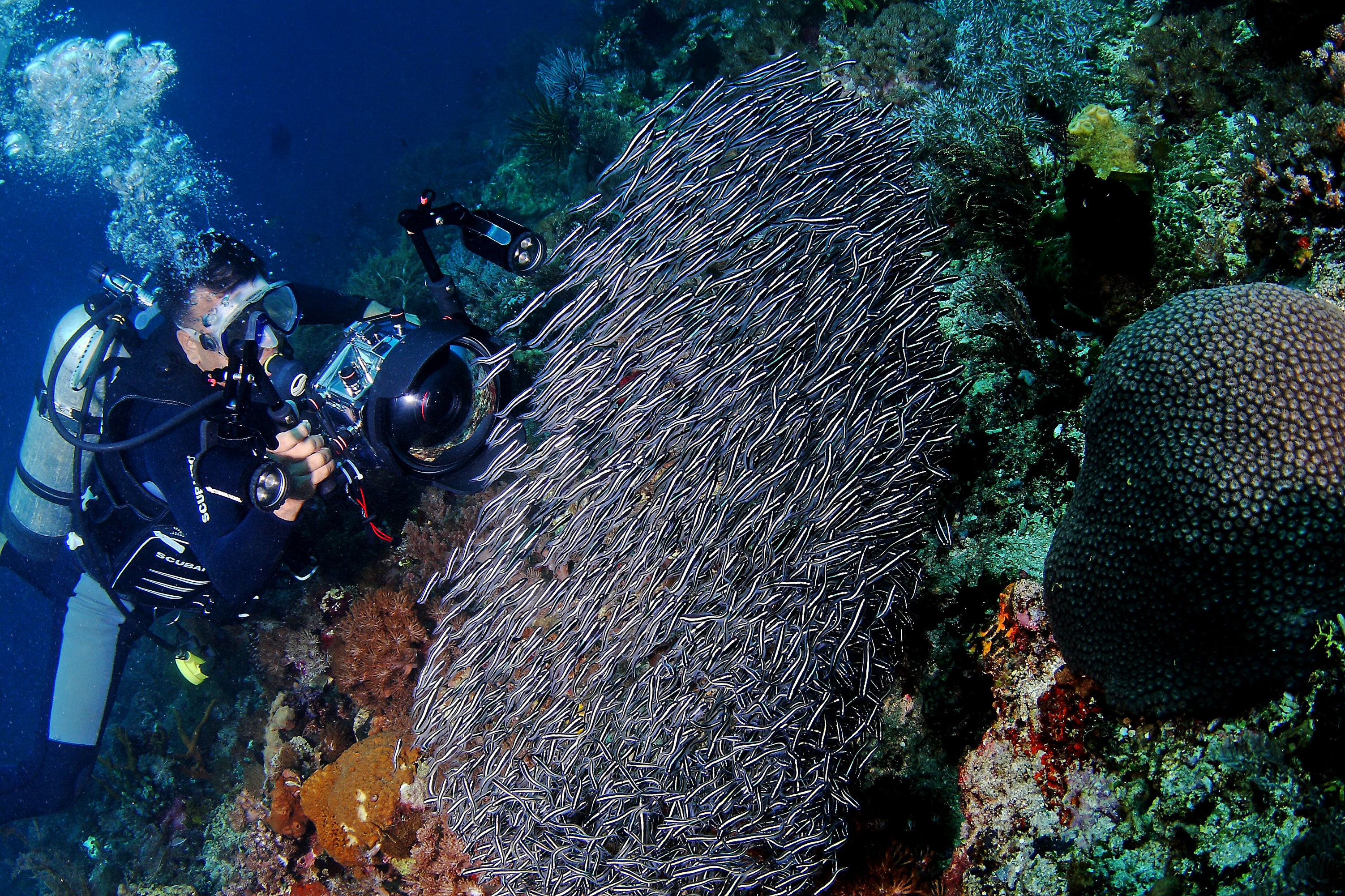
Diving the waters of Indonesia can be the ultimate experience of a diver’s life. In fact, divers are often so impressed by the visibility in Indonesia’s crystal clear turquoise waters, the vast marine life and corals that they return over and over again. They want to explore more of the dive sites that they fell in love with and try out new dive sites that were featured in dive magazines.

Not only is Indonesia the world’s largest archipelago with more than 17,000 islands but it has the good fortune to be the heart of the Coral Triangle, a roughly triangular marine area that is the global center of marine biodiversity.

This is great news for scuba divers who have the opportunity for dive experiences they will not find anywhere else. Indonesia is the most diverse marine area in the world with world class diving in waters with extraordinary visibility, and has international-class supporting dive shops that are sophisticated with high quality equipment and liveaboards.

For divers looking for more exotic experiences, Indonesia offers offbeat dives as well including sunken fighter planes and active underwater volcanoes.

The complete area of the Coral Triangle, sometimes called the ‘Amazon of the Seas,’ covers 5.7 million sq km. While comprising only 1.6% of the planet’s oceanic area, the Coral Triangle offers:

  • 76% of the world’s coral species
  • 37% of the world’s coral reef fish
  • 600 different species of reef-building corals
  • 6 of the world’s 7 marine turtle species
  • 2,000 species+ of reef fish

Let’s explore some of Indonesia’s premier dive sites (in alphabetical order):

Alor

Most of Alor in eastern Indonesia has been designated as a national marine protected area. Divers come here to do muck diving and especially to spot three species of Rhinopias, better known as scorpion fish. In addition, the outstanding biodiversity and currents mean that big fish, like whitetips and grey reef sharks, are also common sights.

Ambon and Banda Islands

While shark populations have been badly affected in other parts of the world, Ambon and Banda Islands still have enough hammerhead sharks to satisfy even the most experienced divers. And with visibility up to 50 meters means you don’t have to get too close if you don’t want to.

Currents are not strong, so divers of all levels can enjoy steep wall diving, muck diving, and over 300 species of hard corals.

Bali

Bali’s dive sites are at the top of many divers’ bucket lists not only for the premier dive sites, but also because this world’s #1 destination (TripAdvisor 2017) offers a wonderful getaway for friends and family. Divers can bring their non-diving family and friends who can indulge in other activities – unique Balinese culture, art museums, great beaches, photogenic scenery, temples, shopping, and of course, amazing food.  Bali is also a great hub to explore the rest of Eastern Indonesia.

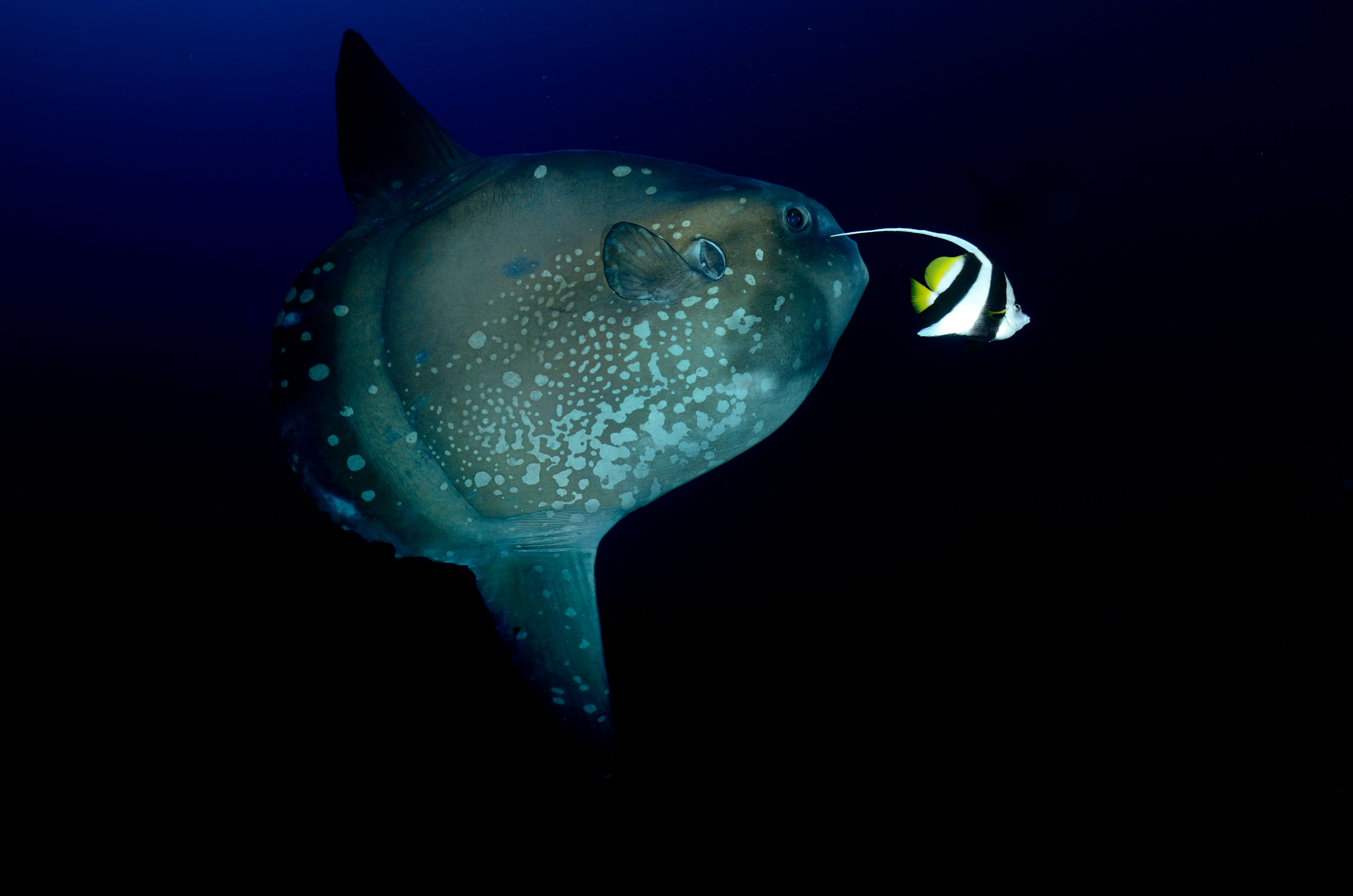
Divers looking for mola-mola in particular will see this sunfish catching some rays not far below the surface of the water.

Bunaken Island National Marine Park and Lembeh Strait

Both Bunaken Island National Marine Park and Lembeh Strait, located off the coast of North Sulawesi, have long been known in the global dive community for their world class diving.

Divers especially love Bunaken’s impressive wall dives and Lembeh’s strange creatures, like the mimic octopus that impersonates other species to intimidate predators.

Derawan Islands

Savvy divers consider Derawan Islands to be Indonesia’s best kept secret and hope to keep it that way for a long time to come. Whale sharks are not seen in many places in the world, but these gentle giants come to Whale Shark Point in Derawan to feed on anchovies.

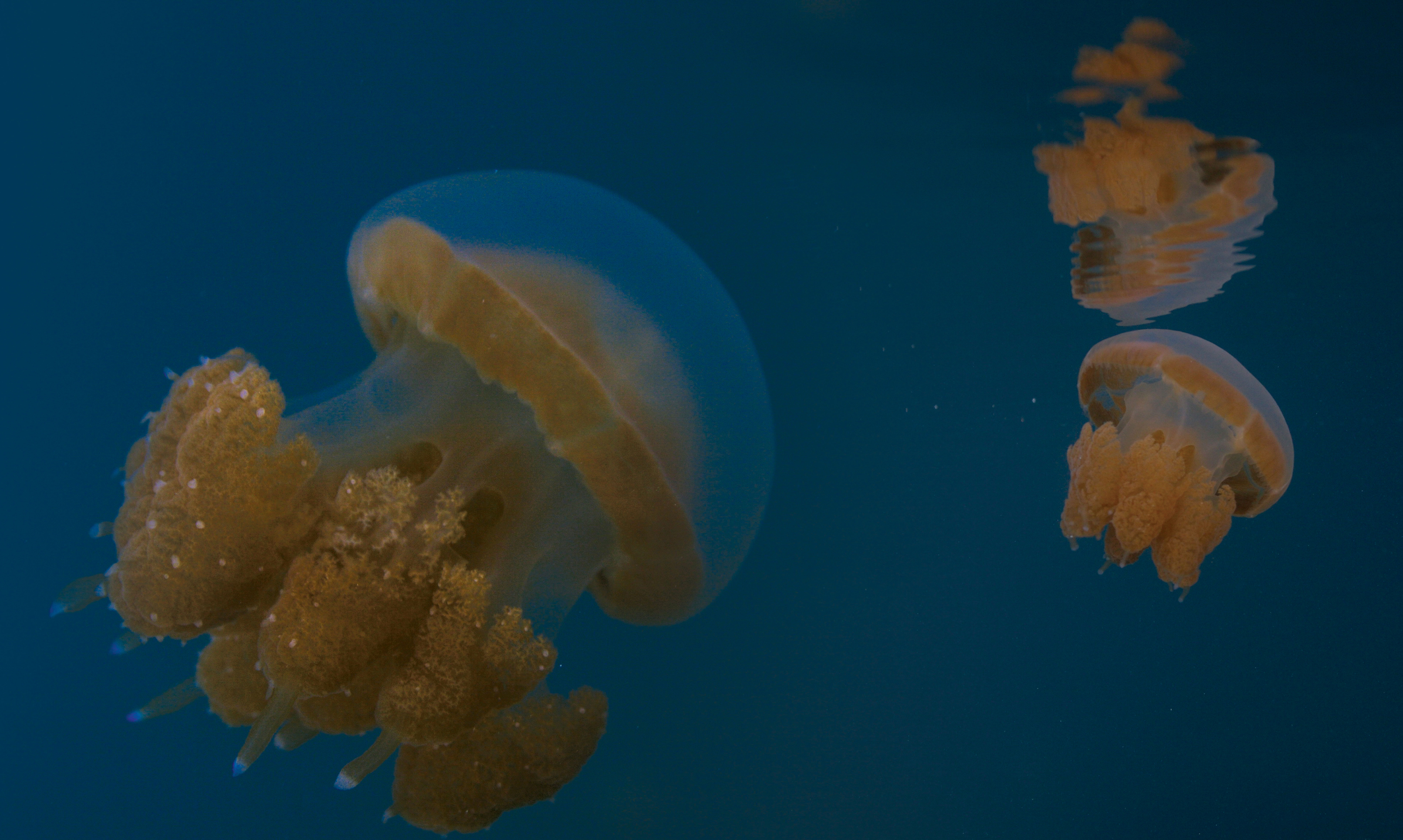
A special feature in Derawan is that visitors can swim with stingless jellyfish in Kakaban Lake – usually referred to as Jellyfish Lake.

Komodo

Komodo Islands not only has the world’s largest lizard (“Komodo Dragon”), for divers, Manta Alley off the southern coast of Komodo Island is the perfect place to watch graceful, peaceful manta rays perform their underwater ballet as they glide through the water. Divers are likely to see many mantas on a single dive.

The mantas are interested in divers as well. They seem to want to figure out whether these strange bubble-blowing individuals coming to visit are an unusual kind of fish.

Lombok

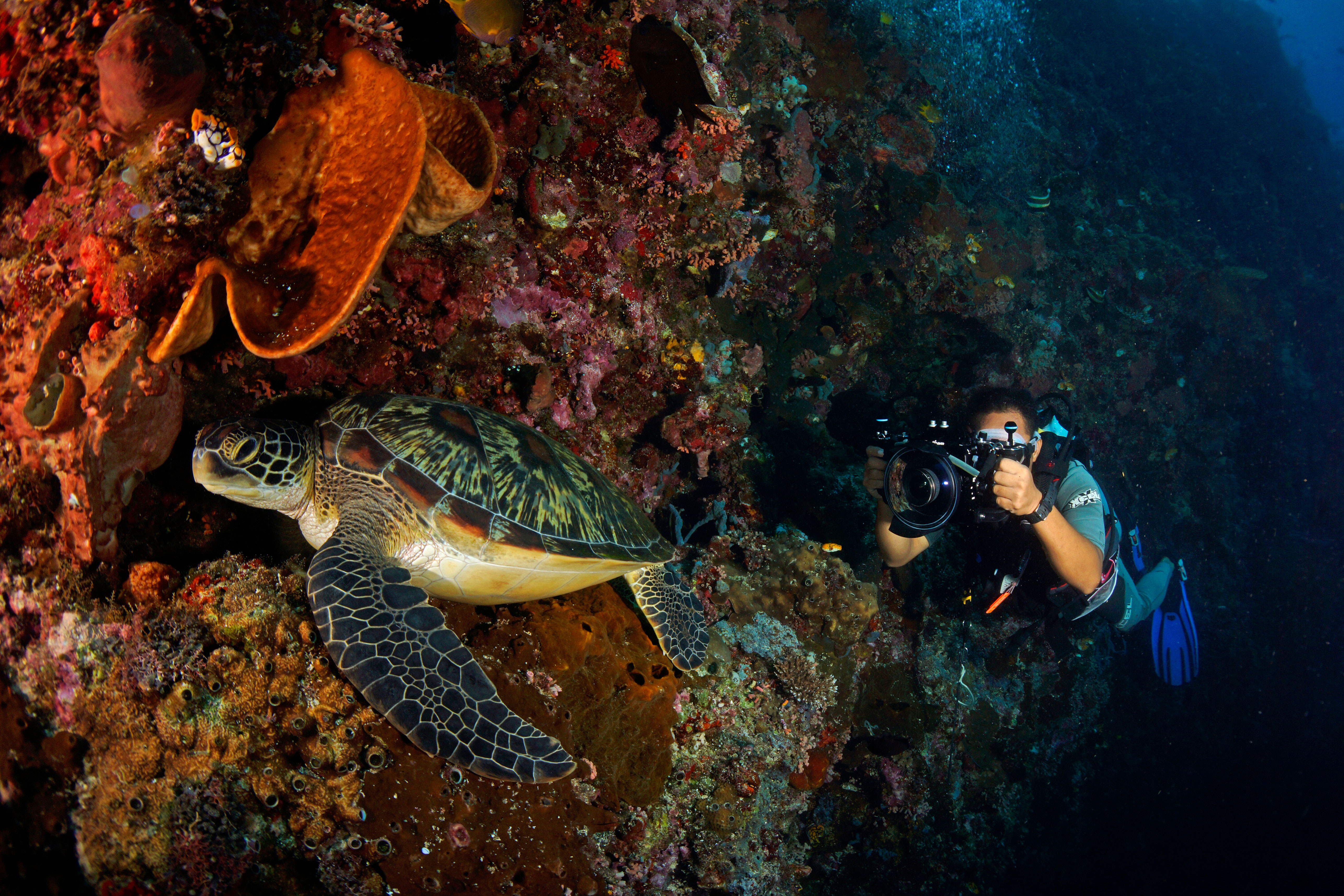
Diving in the crystal clear waters off Lombok’s Gili Islands and spotting sea turtles is a wonderful way to spend an afternoon. The Gillis also offer easy, in-shore snorkeling for those not  yet ready to plunge into the deep. In addition, tourists can enjoy the turtle hatchery on Gili Trawangan’s beach, which is part of a government- sponsored environmental conservation program to protect and preserve sea turtles.

Raja Ampat, Papua

Raja Ampat means ‘Four Kings’, and divers certainly feel like royalty after diving in these pristine waters that have a higher species diversity than anywhere else in the Coral Triangle. The remoteness of Raja Ampat has kept it totally undisturbed and unspoilt so that divers routinely see whale sharks and smaller epaulette sharks.

Togean Islands

The Togean Islands in the Gulf of Tomini in Central Sulawesi form a picture-perfect group of islands with powder sand beaches and lush, jungle-covered slopes rising steeply out of the blue water. Novices and experienced divers alike will find exciting, colorful fish and brilliant coral life, as well as underwater caves that are home to species that exist only in the dark.

Wakatobi

Wakatobi, a UNESCO Marine Biosphere Reserve with the greatest variety and diversity of marine life in the world, was dubbed ‘underwater nirvana’ by Jacques Cousteau. That was many years ago, but the name still applies because local communities have been diligent in protecting their coral reefs.

Visit Now While Dive Sites Are Still Pristine

With more than 75% coastal area, Indonesia has the 2nd longest coastline in the world after Canada, giving Indonesia seemingly endless places for diving. But unlike Canada, Indonesia offers warm tropical waters that have magnetic appeal to both novice and experienced scuba divers.

Wonderful Indonesia, the official website for Indonesia tourism, is easy to use and a source of interesting travel information for diving and other aspects of tourism in Indonesia.

Other sources:

indonesiadivesafaris.com
www.dive-indonesia.co.id

Social media links:

facebook: @indonesia.travel
youtube: @TheIndonesiaTravel
instagram: @indtravel
twitter: @indtravel

Shearwater Cloud is now available as an Open Beta

0

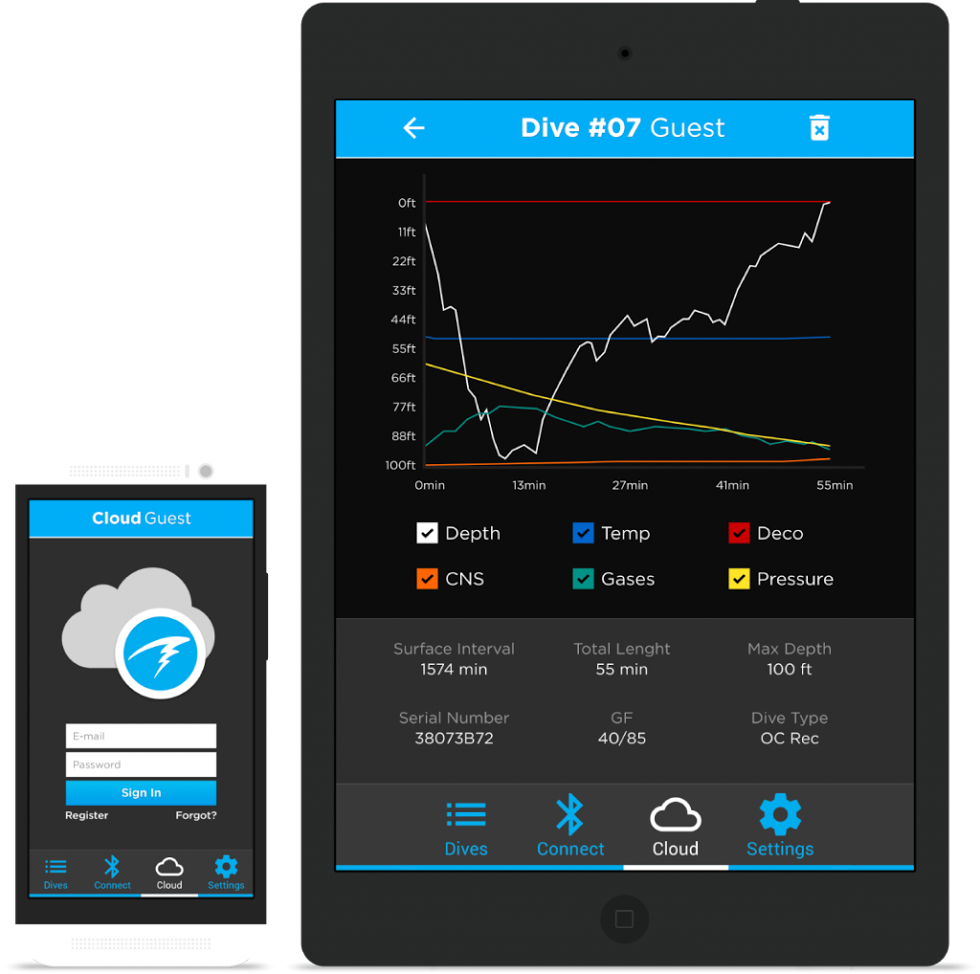
Shearwater Research Inc. is excited to announce that Shearwater Cloud is now available as an Open Beta. With cloud computing, Shearwater divers will be able to link their network of mobile devices and share information between them.

With Shearwater Cloud, you are able to review and edit your dive logs with more descriptive fields than in Shearwater Desktop. Additionally, the app is also capable of performing firmware updates and changing the language in your dive computer. For Shearwater users that have been experiencing issues connecting to Shearwater Desktop with Windows 7, the Shearwater Cloud addresses this problem.

The app is currently supported for iOS (10.0+) and Android (5.0+) and compatible with the Perdix AI, Perdix, and Petrel 2 dive computers. The desktop version of Shearwater Cloud for Windows and Mac will be released in the future which will offer additional support to Petrel 1, Predator, and NERD.

Shearwater Cloud is available for download immediately on the Google Play Store and will be available on the iOS App Store shortly as it is pending approval. You can navigate to either of these downloads by visiting Shearwater’s website or visiting the store on your device.

If you experience any bugs, crashes, or connection issues, or are interested in giving feedback to the development team, please send them through ScubaBoard, our Feedback Form, or email beta@shearwater.com.


Visit Shearwater at Booth # Q 17 @ ADEX SIN 2017
 

Underwater Photographer of the Week: Hani Bader

0

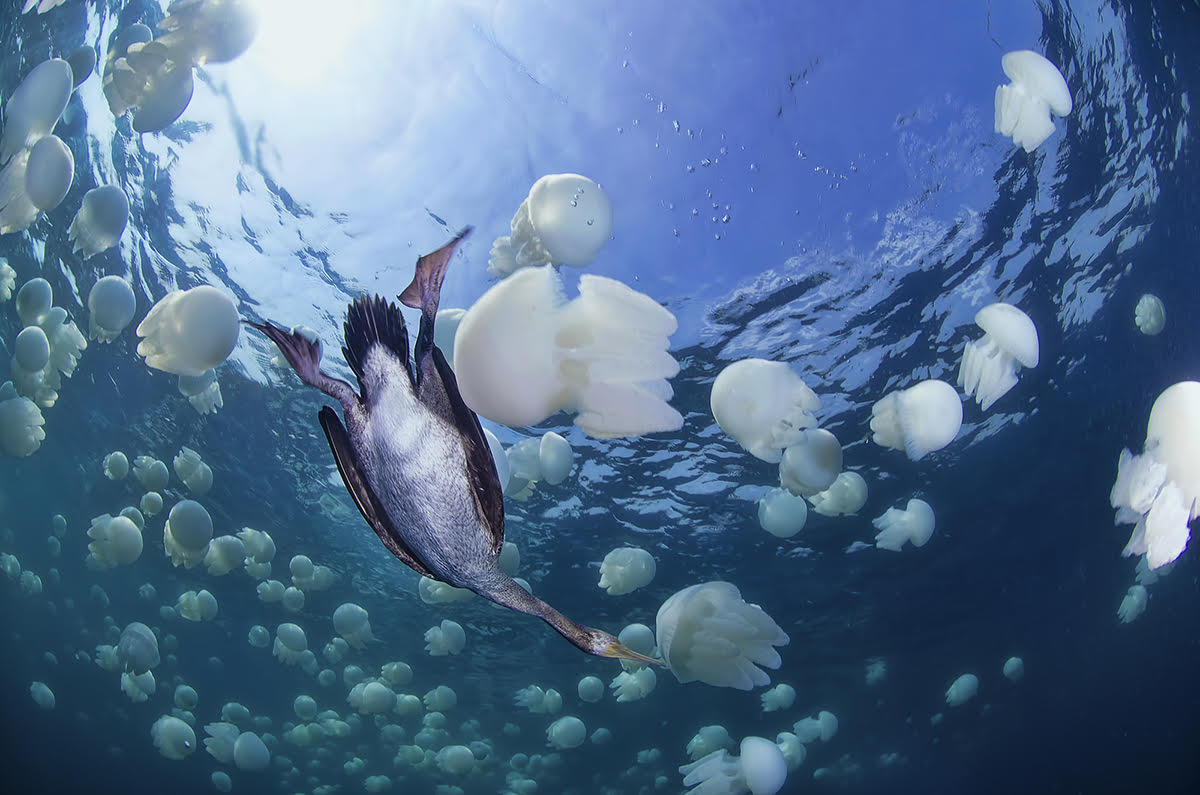
Underwater photographer Hani Bader is the man behind “Socotra Cormorant “ – International Wide Angle Runner Up, Underwater Photographer of the Year 2015.

The Bahraini first started diving in 1997 and ventured into underwater photography in 2003. Bader received his first camera, a Sony, from his father and has pursued photography since then. He would go on to use his first DSLR camera and underwater housing in 2010 when he began to put his knowledge of the art into practice.


“Underwater you feel different, free, and enchanted by the life beneath the surface” © Hani Bader


Browsing the Internet for tips, techniques and information daily, Bader keeps himself up to date with all that is related to photography. He follows and watches blogs, YouTube channels and documentaries of beginner and professional marine fans and experts. Bader also tries to go diving weekly and travel at least twice a year for the purpose of underwater photography.

UW360 Underwater Photographer of the week, Hani takes time off of his daily routine to speak to Oliver Jarvis regarding his passion and beautiful captures.


“I often was unable to share the experience with others through plain talk, and believed that the best way is by capturing the life in a shot and sharing it with the world above.” © Hani Bader


What made you want to become an underwater photographer?
I was driven to pursue underwater photography based on the experience itself, when you are underwater you feel different, free, and enchanted by the life beneath the surface. I often was unable to share the experience with others through plain talk, and believed that the best way is by capturing the life in a shot and sharing it with the world above. This is how it began and continued to be my life passion and mission.

Your first underwater shot?
This was back in 1998 when I used a film camera which was a gift from my uncle. As I recall I took several shots of a clownfish. This was to be the start of my passion for the underwater world and of photography, and in 2003 I moved to digital underwater photography which strengthened the passion.

The story behind your most memorable underwater shot?
My favourite [shot] is the one captured in my country home (the Kingdom of Bahrain) back in 2014 whilst I was doing a videography about jellyfish masses in the months of May to July. I was lucky to capture a Socotra cormorant feeding on filefish, that were hiding underneath the jellyfish. The bird was smoothly moving from one jellyfish to another.


Watch the video of the mesmerising sight here
“I was a self-taught photographer, it was the experience through the trial and error that made me who I am today. ” © Hani Bader


Where is your favourite dive destination?
So far [it is] Egypt, however, I am looking forward to visiting many new destinations in the near future.

The site you’d most like to dive, but never have?
My first wish is to visit Raja Ampat in Indonesia, and next is Socorro Island in Mexico.

The weirdest thing you’ve seen underwater?
The weirdest thing was the shot I got when diving to capture the masses of jellyfish, and I was surprised with the presence of the Socotra cormorant feeding on the file fishes. The shoot was unique and received global recognition.

What camera equipment are you currently using?
I am using the following equipment at the moment: NIKON D7000, Sea&Sea Housing and Sea&Sea YS 250pro Strobes.

What is the highlight of your career?
The highlights are mainly when receiving public recognition through winning competitions.

…And the lowpoint?
When I am away from the sea.


Have you any advice that you’d like to give aspiring underwater photographers?
For the underwater photography part I was a self-taught photographer, it was the experience through the trial and error that made me who I am today. I also depended on self-study from books and the internet. However, I highly recommend learning photography prior to moving towards underwater photography, this will save all a lot of time and efforts. And for scuba diving, it is essential to learn in a highly reputable and licensed centre, as your diving experience and knowledge would reflect in your photography. It is also a must to educate yourself about the sea life and its creatures, study their types, norms, and behaviour in addition to general safety guidelines and the “dos” and “don’ts”.


“I highly recommend learning photography prior to moving towards underwater photography, this will save all a lot of time and efforts.” © Hani Bader

Is there any particular shot that you still want to get?
I would like to take shots of wrecks around the world.

“It is also a must to educate yourself about the sea life and its creatures.” © Hani Bader


For more of Hani Bader’s imagery, visit his website

Diving with Crocodiles in Jardines de la Reina, Cuba

0

Diving in Cuba – it’s a diving extremist’s paradise. People often refer to this wild underwater world as the Galápagos of the Caribbean, and for good reason.

Eighty kilometres south of Cuban shores sprouts a 240-kilometre-long mangrove and coral island system that forms the third-longest barrier reef in the world. Within this maze of mangroves, crocodiles silently float, tucked away in the shallows – and aligned perfectly over/under the thin line of the water’s surface as if waiting for the savvy photographer to capture the ideal half ’n’ half. Such is diving nowadays – a call to arms for divers to seek out the more adrenaline-fuelled encounters. And Cuba is a tricked-out dive destination offering just that.

Rodney Bursiel is a photographer whose images have a unique edge – a chrome-coloured tint that makes his face-to-face shark encounters more thrusting, his humpback whales more intimate. UW360 Editor, Oliver Jarvis, caught up with the man to discuss his recent trip to Cuba’s Jardines de la Reina, or “Gardens of the Queen”: How would you describe diving the Jardines de la Reina?
Jardines de la Reina is a marine preserve, so the reefs are in pristine condition. That being said, I’m more interested in the big animals, so it was nice having sharks on every dive. Diving in Cuba is what it it was like diving in the Cayman Islands 30 years ago. I haven’t been to Little Cayman but I hear it’s similar, except Cuba has mangroves with saltwater crocodiles.

What was your highlight of the trip?
The crocs were definitely the highlight. When I booked the trip I’m not even sure I was aware they were there. I had just heard about how amazing Cuba was. Finding out about the crocs was a bonus, and I probably could have spent the entire trip hanging out with them.

What does it feel like being face to face with a crocodile?
After being face to face with great whites, tigers and hammerheads, it didn’t feel any different. You learn their demeanour pretty quick and how to be around them. I never felt scared or threatened being in the water with them.

Crocs can be unpredictable. What pre-dive safety briefing were you given before jumping in?
Something I didn’t know was that crocs can’t see something directly in front of them because of where their eyes are located – it’s kind of a blind spot. The main thing we were told was to avoid getting to the side of them in their line of sight. That being said, I swam alongside of them and they didn’t seem too interested in us.

What different photography techniques did you implement to capture unique shots of the crocs?
Nothing that different from the techniques I use for my shark photography. I was shooting ISO100 at f/11 with dual strobes at about half power. I would get the croc in the shadow of the boat to create the dramatic moody shots that I love.

Did you capture a favourite shot?
I did capture a favourite shot and it was almost thrown away.

What was the story behind it?
We were swimming in a really strong current to get to the croc. When I got to him, I was literally inches away and didn’t realise my strobes had been moved in and pointed towards each other. The shot was super blown out, but after playing with it in Photoshop I was able to create one of my favourite shots.

How did you approach the crocs?
Slowly. They are actually very timid. The trick that I figured out was that they react to sound, so I would slap the surface of the water with my open palm. It got their attention right away and got them to swim towards you, usually with an open mouth.

Any negatives about the trip?
Negatives? I was in the ocean swimming with sharks and crocodiles. No time to think about negatives! Only wish I had booked more time in Havana on our return.

Underwater Photographer of the Month: Steve Jones

0

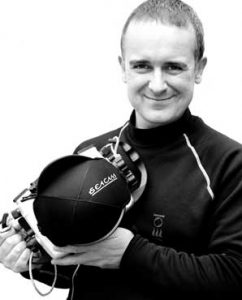
Award-winning underwater photographer and journalist Steve Jones has created a body of work that has been featured the world over. A career spanning over three decades, Jones and his camera have captured the might of the colossal battleship wrecks in the deep north Atlantic, documented sub-zero encounters with apex predators in the polar regions and fought the strong currents to record the stunning seascapes in Southeast Asia. A Blancpain Edition Fifty Fathoms photographer and a member of the Ocean Artists Society, Jones and his imagery and researched writing has painted a unique light on the world below the waves. UW360 Editor, Oliver Jarvis, caught up with the man to hear more on his fantastic career and imagery: What made you want to become an underwater photographer?
I’ve had a fascination with the natural world since I was a child and I started taking pictures at a very young age. I got my first SLR at the age of 12, an Olympus OM-10, then learned to dive at the age of 14. It was a natural progression to want to take a camera underwater and combine these two passions.

Your first underwater shot?
I took my first underwater pictures on Panorama Reef in 1992, when working in the Red Sea as a diving instructor. My first underwater camera was a Nikonos III and later as my skills progressed, I housed a Canon EOS 5 film camera in a SEACAM housing. Due to my interest in photography I often found myself assisting visiting professional photographers and it was whilst working in the Maldives that I got my first publishing break, when in 1996 renowned German magazine Unterwasser published my work. I’m really happy to still regularly contribute to the magazine 21 years later!

The story behind your most memorable underwater shot?
I’m lucky to have spent thousands of hours underwater and I’ve had countless “wow” moments over the years, but one that stands out was in the Maldives in 2004. I’d been diving regularly in a location on the outer edge of one of the Atolls where there are often whale shark sightings, but in three weeks of concentrated effort I’d had no success. It was my last dive of that visit, I’d been in the water over 60 minutes, was low on gas and hadn’t taken a single frame of the 36 exposures in my Nikon F100! I saw a large ball of fusiliers in the blue, so swam out to get a few pictures to close the trip off. As I was looking through the viewfinder the ball of fish parted like a curtain and the sky went dark as a huge shape swam through the centre. It was a whale shark! My favourite image from the set made the cover of a number of magazines around the world.

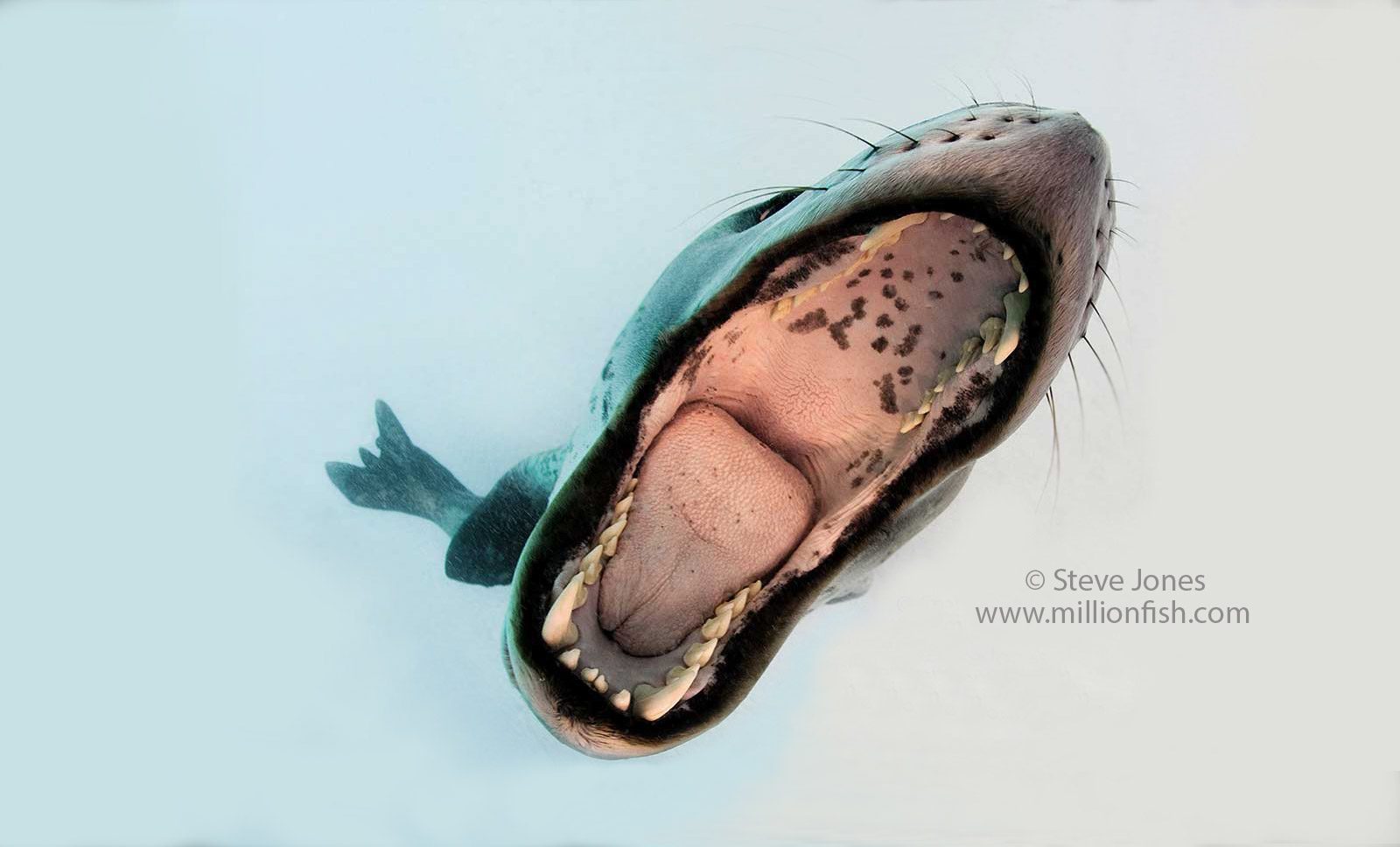
I’ve had many other similar moments over the years. Being literally face to face with the mighty leopard seal during the Elysium expedition to Antarctica in 2010 is still etched in my memory. Another would be looking up from the seabed at 72 metres and seeing the bow of the Justicia towering above me, the second largest ship sunk in World War 1, lost off the coast of Ireland.

Where is your favourite dive destination?
It depends on what I’m looking for. I photograph both wildlife and wrecks, having an interest in history as well as the natural world. For marine life, it has to be Indonesia. I love the colourful seascapes, the variety of critters, and the diversity of the country itself. For wrecks, then Malin Head in Ireland, where you can find huge ocean liners, super dreadnought battleships and transports covered in Sherman tanks in the exposed North Atlantic. The diving there is so exciting!

The site you’d most like to dive, but never have?
Cocos and Galapagos have to be my top two bucket list destinations for wildlife. I am on assignment in Cocos this year and I am so excited about it! Despite photographing many wreck destinations, I’ve yet to visit Truk or Bikini.

The weirdest thing you’ve seen underwater?
I could describe animal behaviour but I don’t consider it weird, it’s just fascinating. What is weird is humankind’s ongoing mistreatment of the oceans. I can’t comprehend how a supposedly intelligent species can be so disrespectful of the planet that it lives on, our one and only home. That is most definitely weird!

What camera equipment are you currently using?
I use a Nikon D4 as my main camera with my old D700 as a second camera. Both are in SEACAM housings, whom I’ve been with since 1995. My strobes are SEACAM S150D’s and I also have some Inon Z-220’s. For continuous lighting on wrecks I use Orcalights, which are massively powerful LED lamps. I use a whole range of lenses, but my go to wide angle lens is a SEACAM converted Nikon RS 13mm fisheye. I love this lens, especially for low light deep wreck photography as it is so sharp even at F2.8, yet very compact and unobtrusive. Other wide lenses I often use are the Sigma 15mm fisheye and the Nikon 16-35. I also use teleconverters with the Sigma if I want to force the perspective on an image. The 60 and 105mm are my go to macro lenses.

What is the highlight of your career?
My encounters with marine life all over the world are definitely the highlight. From an achievement perspective, I’d say being selected as a Blancpain Edition Fifty Fathoms Photographer. I was one of the four photographers in the 2015 Edition and within that series I’m in the company of some of the legends that have inspired me for my entire career.

…And the lowpoint?
Witnessing environmental destruction on an ongoing basis is always a lowpoint. I’ve seen pregnant grey sharks writhing in agony on a fishing boat, turtles strangled in nets, thousands of fins drying on beaches, picturesque bays filled with plastic refuse and once-vibrant reefs dynamited to oblivion. It’s heart breaking.

Have you any advice that you’d like to give aspiring underwater photographers?
Respect the environment and the oceans’ inhabitants, no matter how small they may be. Photography is a means to communicate the beauty and value of our marine world to those not fortunate enough to see it and as ambassadors of the ocean, our own code of conduct needs to be exemplary. Master your diving skills – have buoyancy control that is second to none. Master your technical skills, particularly your understanding of lighting, then practice constantly even on mundane subjects and also above water at every opportunity. Then allow your own style to flourish through your imagery.

Is there any particular shot that you still want to get?
Oh, I think when there are no more shots left for me, I’ll stop! I’m always thinking of different ways to create imagery, whether it’s new subjects or different ways to photograph the familiar.


For more of Steve Jones’s fantastic work, click here.


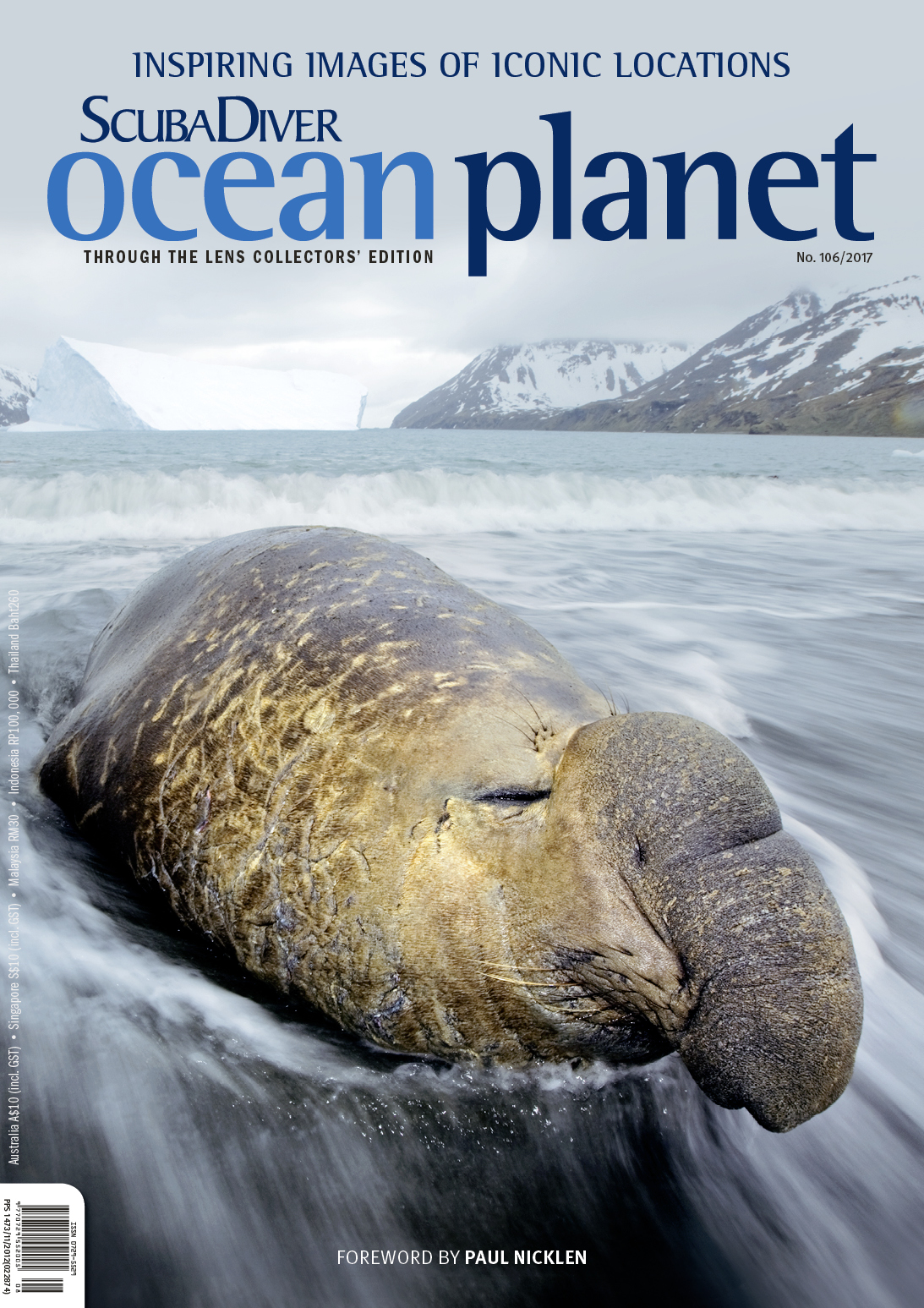
Steve’s spectacular imagery was featured in the SD OCEAN PLANET Special Edition “Inspiring Images of Iconic Locations”.

Read more about it here!

Online Dive Booking: The Dawn of a Revolution

0

The Internet has changed the world. Whether through keeping up with friends on social media, checking the cameras of the International Space Station, or ordering a pizza from the local store. The Internet takes us everywhere, let’s us see everything, and in this information era, it promises us the possibility of being able to go anywhere.

Leading the charge of the new light brigade, a plethora of online booking websites that have revolutionised the travel industry. With the promise of top deals to far-flung locations, these new, intangible platforms – existing only in the clouds of the World Wide Web – have paved the way for a new kind of traveller. As the market has changed, hungry for discounts and deals, so has the industries which it has touched. One of those industries is the dive industry.

UW360 spoke to Diviac Head of Marketing, Sandro Lonardi, to try and get a deeper insight into just how the big companies involved in this change are planning to lead the travel booking revolution.

“The entire travel industry is shifting online and dive travel is no exception to this,” Lonardi tells UW360. “The great news for divers is that this shift online fosters transparency and as a result puts pressure on all actors to improve the quality of their service.”

A report from Skift suggests that “by 2020 the travel industry will have the highest percentage of online payments in relation to all sales than any other industry on Earth.” This is changing the way travellers do business – no more “offline” travel bookings by phone or by retail travel agents.

“[It’s] good for the [dive] industry as a whole,” Lonardi says. “Since it will become easier than ever for divers to travel the world to explore our wonderful oceans. And more diving means more business for all.”


The Revolution

The benefits seem to outweigh the negatives. As Lonardi puts it, it’s all about “choice, convenience and price”. And that is the Internet down to a tee. It offers the user a plethora of opportunities and the ability to compare services side by side with the click of a button. So when it comes down to paying, you’re almost safe in the knowledge that you’re putting your money into a quality operator.

“Online booking platforms such as Diviac offer divers unparalleled choice, both in terms of destinations and dive operators. Choice is great but it can be overwhelming as well. This is why at Diviac, we have designed a very fast and intuitive search page that includes rich filters to help users narrow down their search,” says Lonardi.

It presents these large booking platforms as trusting mediators between diver and operator – with no affiliations between operator and booking platform, they can offer unbiased advice through listing and customer care. The customer care feature, Lonardi adds, is available 24/7 on Diviac. “Divers, just like all other travellers, appreciate the convenience of an easy-to-use website where they can check availability and prices without having to fill in the ‘contact request form’ still in use with most dive operators.”

Putting dive booking into the 21st century and with “easy and safe online booking via credit card”, the service meets the expectations of customers in the digital age.

“The few dive operators that accept credit cards usually apply a surcharge of about 3% for the privilege. We [Diviac] don’t. No credit card fees, no booking fees. And to top it off, we also offer divers a free dive insurance so that they can have a safe trip and be sure that they’re getting the best deal!”

These features seem to be a common trend in maintaining customer satisfaction. In this “online review” era, big online booking companies like Diviac know the importance of pleasing their clients, to get those high ratings that inform other potential customers of the platform’s service.


Growing an Industry

Making booking more accessible means there is a greater opportunity to attract a larger volume of divers to take the step and travel. More divers means more money being injected into the industry. With the largest selection of liveaboards in the world, Diviac is also one of the few that offers thousands of dive resorts and dive centres as well.

“At Diviac, we want to inspire divers to dive more, travel more and take care of our oceans,” Lonardi says. It’s all about giving back to the customer base, and to the industry that they are a part of. “We are 100 percent customer centric. We are obsessed with offering visitors to our website the best user experience possible, and our scuba travel experts take extreme pride in going the extra mile for all our customers.”

Online booking sites also need to be trustworthy, putting to rest the typical online shopping concerns of the customer having no idea where their money is headed, and high levels of encryption for all transactions from big companies like Diviac mean that your payments are secure.


How Diviac Is a Leading Example

Online dive booking sites can utilise advanced technology to create features that enhance the user experience, such as virtual reality experience videos, and in-depth destination guides. These assist the consumer in a way like never before, and they look cool.

“We believe our liveaboard search page is the best place to research and compare dive boats around the world,” Lonardi states. I tested this claim with a search for my desired destination, the dive operator type and month of departure, and Diviac returned an impressive list of top-rate operators, with the rich filters allowing you to narrow down the number of results in order to find the best match for your vacation. Each listing has prices, images and descriptions. There’s a plethora of information at hand, offering highlights of the trips, the type of diving one can expect, and a look at the accommodation. Geared for divers, the site offers the customer the chance to know exactly what they are getting into before they purchase.

Each destination page hosts a detailed breakdown of information, from listing the best time to go, to what the country is like. Divers can even use the specific marine life calendars to see what they will be able to encounter month by month.

Perhaps the most revolutionary aspect of what Diviac offers is the Virtual Travel Agent, which allows divers to select a month they want to travel and an animal that they want to see. Diviac will then take in that information, and in a flash return with where they can see that particular animal, from the likelihood of seeing the animal, to the air temperature. It’s the divine guru of online booking and is the most user-friendly platform for divers that UW360 has encountered.


The Future

“In one word: eco,” Lonardi says. To sustain the diving industry, we need to protect the oceans. Online booking platforms like Diviac are aware of that, and are actively changing the way that they do business to help the cause.

“We deeply care about our oceans and want to do more to protect them,” Lonardi says. “We have already started to partner with leading NGOs and research centres like the Manta Trust and Bimini Sharklab. The goal is to help these organisations in raising awareness and money to guarantee a future for our oceans.”

So, the future seems bright for the dive travel industry, with websites like Diviac allowing consumers to make better, more-informed choices, and giving operators the opportunity to provide the best service possible to their customers.