Home Blog Page 120

Underwater Photographer of the Week: Luca Vaime

0

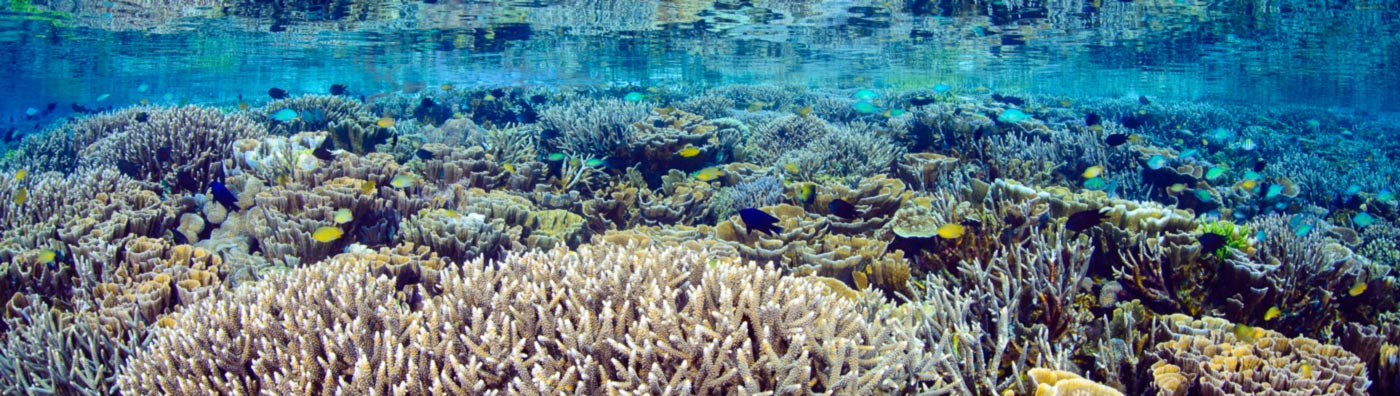
You think you’ve seen every picture there ever was of a coral reef – glassfish in numbers, a reef shark hiding in the cracks, a protective clownfish in an anemone – and then suddenly you’re face to face with an image that redefines the way you look at a reef. As colourful as a pride rally, as beautifully chaotic as a New York subway – few underwater photographs have captured the scenes of the Asia-Pacific coastline quite like Luca Vaime’s image of a coral reef in Komodo. Pictured below, and featured in the SD OCEAN PLANET Special Edition, the image captured the perfect blend of order and chaos, of colour and pallor.

Born in Switzerland, and now based in Bali, Indonesia, underwater photographer, filmmaker and photography instructor, Luca Vaime, has a unique eye for putting a fresh spin on underwater photography. A surfer in his spare time, Luca first learnt to dive in Italy at the age of 12, and at the age of 18 became a scuba instructor in Australia. The “island of the gods” has provided him with inspiration to create incredible underwater images, and in turn, placed Luca as UW360 Underwater Photographer of the Week. Oliver Jarvis caught up with the man to talk more about his fantastic career and imagery:

What made you want to become an underwater photographer?
Since I was a kid, I had a strong passion for the sea. Back at home in Switzerland, I would wait for the summer to come and then visit my family in Italy. My mum had a professional film camera that she let me use at an early age. I think the two things were meant to go together!

Your first underwater shot?
I was just a kid and having fun with an old Kodak disposable camera. I must have had loads of them back in the day and had lots of fun skin diving in the Mediterranean Sea taking pictures of little fish. The story behind your most memorable underwater shot?
Wow. I have had so many memorable shots, but there is one that stands out over all the others. I was taking a break between dives in Sharm El Sheikh, when all of the sudden an oceanic whitetip shark appeared at the surface. Back in the day, and I think it still stands, we used to say among dive guides, “Whatever it is, jump in the water and go look at it!”

That day I did not have a camera with me so I kindly asked one of my guests if I could borrow hers for five minutes. I then jumped in the water and started swimming towards an oceanic whitetip! I remember the beautiful shark covered in pilot fish swimming straight at me several times. The adrenaline was pumping hard and my wife was looking at me from the side of the boat thinking that I was crazy. I think she was right, but I was able to capture some great photos of the shark! Unfortunately, the camera I borrowed was just a four-megapixel camera and the resulting photos are rather grainy looking now! Where is your favourite dive destination?
Hands down, it’s Indonesia. The biodiversity is incredible and probably unmatched by any other destination. I feel very lucky to be based in Bali and to be able to dive several places including Bali, Komodo, Lembeh Strait, and Raja Ampat several times per year.

The site you’d most like to dive, but never have?
This is quite a difficult question as there are several sites I would like to visit if I had the opportunity. If I had to choose just one then I would probably choose Chesterfield Atoll, around 560 kilometres off the coast of New Caledonia. Due to its remote location and difficulty to reach, it has a sense of mystery to it. A friend of mine once sailed to it and said that from the surface it was incredible and full of fish. My friend didn’t get the opportunity to dive there, but I would love to give it try!

The weirdest thing you’ve seen underwater?
Most definitely a frogfish pooping. It’s an expert in pooping, evidently! It turns itself upside down and lets it out in style. The first time I saw this happen, I really wondered what was going on, but once I saw it I laughed so much that my mask filled with water.

What camera equipment are you currently using?
I use a Nikon D800e with a Sea & Sea housing and Sea & Sea YS-D2 strobes.

What is the highlight of your career?
I think it’s when I created Underwater Tribe, which enabled me to make my business out of what I really love. Having said that, last year we were hired to make a film about the importance of mangrove ecosystems for the environment. This film was shown at COP 21 Climate Summit in Paris. During this event, nations from all over the world agreed to make important steps and improvements safeguarding our planet. I like to think that my film helped contribute a small part in this agreement coming to fruition. …And the low point?
I generally don’t get discouraged if things don’t go the way I wish. I always try to see the positive out of any hard situation. However, this year I found myself in Manta Alley in south Komodo when all of a sudden I saw a dozen manta rays feeding just below the surface. I remember telling myself, Luca, this is going to be good, but as I approached the mantas I noticed that all of them were feeding in a place surrounded by garbage and plastic. The plankton settled in this small bay but it was also the same place a lot of rubbish was brought by the current and tides. It was heartbreaking to see such beautiful and graceful animals swimming with their mouths open through garbage-infested water. I only took a few pictures and then I tried to clean as much of the garbage as possible. We need some radical changes in the way we live and produce nontoxic material for the environment.

Have you any advice that you’d like to give aspiring underwater photographers?
Learn the basics of underwater photography, especially wide angle. Be humble with a positive attitude so that you can learn from other photographers that you meet during your adventures, and most importantly, take pictures of interesting things! That will make your life easier!

Is there any particular shot that you still want to get?
I am in continuous search of my next shot. I think this will never stop. In the past four years, I have had many dives with manta rays with a big pregnant belly – I hope I am able to get a shot of a manta giving birth someday. For more of Luca’s work, click here.

Shark Guardian: A Year on the Front Line

0

Ragged-tooth (sand tiger) sharks are a thrilling shark to dive with. Commonly seen moving slowly and menacingly through aquariums, they always seem to have an eye watching you. In the wild, it’s no different and you can have truly amazing encounters with them if you are slow, controlled and calm.

As part of the warm-up for our first ever Sardine Run in South Africa in June–July, we got to dive with more than 10 individuals on several dives. At one point, I got under an overhang as three sharks made their way into the same area – I was worried that they would get spooked and swim off or that I would disturb their natural behaviour of circling round and round in the “grotto” area at Raggies Cave. However, I kept my cool and they continued to move around in the smaller space, giving me an adrenaline-fuelled dive to remember. It’s intimate experiences like these – seeing this beautiful species in its natural habitat – that fuel the passion for working for Shark Guardian.

Shark Guardian has four main areas of operation: conservation, education, research and expeditions. A big 2016 goal for Shark Guardian was to expand on expeditions and spend more time with sharks. We did just that with the Sardine Run, an amazing wild coast adventure. A highlight was snorkelling within metres of a baby humpback whale. However, I can recall being pumped by so many shark encounters from ducking my head underwater at the tail end of the dolphin pods. We are still unsure if one image caught on video was a juvenile great white shark looking to scavenge on the pieces of sardine left by the dolphins.

Our key focus as a UK charity has always been shark education. With the right education, people can make better choices, and this is all geared to educate people not to buy or consume any shark-related products. Last year, 2016, was once again a busy year for Shark Guardian on the school front. New tours in South Korea and Singapore have increased the number of worldwide countries where we now have a presence. This is alongside ever-increasing events in Thailand, including local schools there (another goal for 2016), as well as expansion in Indonesia. Success with our International Shark Student Ambassador programme has made the Shark Guardian team super proud – more of this to come!

Scuba diving with sharks in Thailand and Indonesia in 2016 was a much quieter year for Brendon (my husband and Joint Director of Shark Guardian) and me. And by that I mean a quieter year for shark sightings as a whole. Our research projects using citizen science – where members of the general public collect data for projects – continue to be vitally important. And not least because two of the three projects we promote were imperative in leading to two shark species being reclassified on the International Union for the Conservation of Nature (IUCN) Red List last year.

Over the last 75 years, whale shark numbers have declined by more than 50 percent, and in July 2016, the IUCN changed whale sharks from “vulnerable” to “endangered” on the Red List. The IUCN Red List is the most comprehensive inventory of all relevant data of the conservation status of plants, fungi and animals worldwide. It uses different classifications to categorise the conservation status of biological species. According to these classifications, whale sharks are now only two steps away from total extinction in the wild.

Since 2013, Shark Guardian has collaborated with whaleshark.org to increase the global database of whale shark sightings in Thailand, as well as worldwide. Through community presentations, workshops, dive centre boat education, and extensive information through posters, leaflets and social media promotions, whale shark ID photos have risen. The data will allow scientists behind the project to better understand whale shark populations in Thailand. My best whale shark encounter was in 2014. At the end of a dive at Koh Tachai pinnacle (north of the Similan Islands on the west coast of Thailand) only myself, Brendon, a divemaster trainee and the dive centre owner were hanging at a safety stop. Suddenly, one of the whale sharks from earlier in the dive decided to come and hang with us too. A few moments later, a huge oceanic manta ray swiftly dived underneath us all, leaving us wondering where we should focus our attention. The juvenile whale shark swam round us for a good 20 minutes whilst the manta kept doing the same as if to take our attention away from the world’s largest fish. It’s not often you get such a personal interaction with either of these species, and of course for shark lovers like ourselves, we only had eyes for the playful, baby shark!

Whale sharks seen in Thailand are small. Their average reported size is just 4.5 metres (they can grow to 20 metres). Whale sharks reach maturity at around eight to nine metres, and therefore the sharks sighted in Thailand are juveniles. This is not unusual, as most other coastal whale shark aggregations also report a juvenile-dominated population, with average sizes ranging between four and seven metres. The only places where larger whale sharks can be seen are Qatar, St. Helena and the Galápagos Islands, the latter of which has almost exclusively pregnant females, all greater than 10 metres long. After a very quiet year of whale shark sightings in 2016, we are hoping that the coming months bring us exciting encounters once more in Thailand waters. Through the project we know that most whale sharks are only seen once. This indicates that the sharks in Thailand move through the area, rather than being resident. International protection is thus important for these travelling behemoths and highlights why we must continue to ensure everyone who sees a whale shark gets an ID shot into the database.

In early December last year, a second shark species close to our hearts, the leopard (zebra) shark, also had its IUCN classification changed to “endangered” from “vulnerable”. Zebra sharks (stegostoma fasciatum) are named for the zebra-like stripes they display as babies. Mature zebra sharks are commonly known as leopard sharks due to their spots (not to be confused with the different species of leopard sharks off the Californian coast). Dr Christine Dudgeon, biologist with the University of Queensland and lead scientist on the Spot The Leopard Shark Thailand project that we promote, used data from the project to help bring about this change. It reinforces how important our citizen science projects are, especially in places where we are lucky enough to have one of the few populations left of a declining species.

Leopard sharks were in the news again recently due to their unique abilities in reproduction. Leopard sharks can reproduce asexually. Also known as parthenogenesis, this refers to a female being able to create and sustain a shark pup without a male shark and without ever having mated. This has only ever been observed in sharks in captivity, but might occur in the wild where there is a severe shortage of male sharks.

However, Dr Christine Dudgeon just published research that showed how a female leopard shark separated for years from her mate in an aquarium tank in Townsville, Queensland, gave birth by herself – despite having previously produced around 26 babies with her mate. This is the first time that the switch from sexual to asexual reproduction has ever been documented in a shark and only the third reported case among all vertebrate species.

We always tell people that sharks are amazing and try to share awesome shark facts as well as research like this. Such information continues to reinforce why they truly are apex predators and you get an insight into why they have been in our oceans for more than 400 million years. In future columns, we will be sharing more important research as well as cool shark photos and facts whilst giving you an insight into the ever busy world of Shark Guardian.

ADEX Announces Official T-Shirts

0

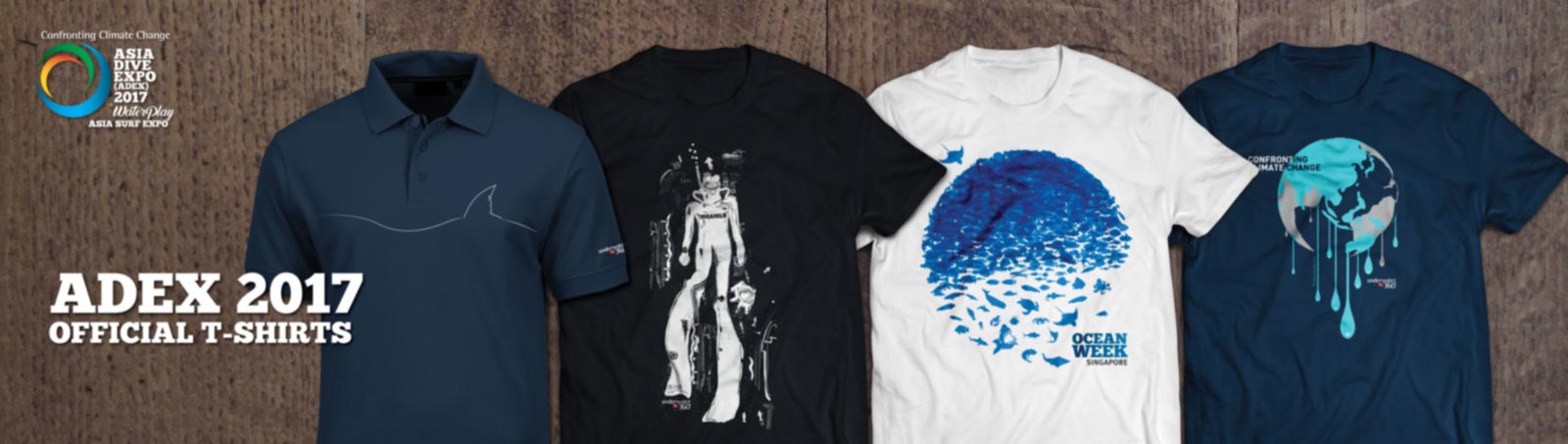
ADEX, Asia’s largest dive show, has today announced that it will be releasing four special edition T-shirts for its upcoming show in Singapore (April 7–9, 2017). The unique designs, each representing the different values of the Underwater360 group, aim to encourage the public to promote the issues of climate change and marine life protection.

With the success of official ADEX T-shirt in previous years, the release of the design for the new show has become a novelty tradition enjoyed by regular visitors. So, with no fewer than four brand-new designs unveiled today, those who have participated in the lighthearted custom will no doubt be pleased.

Teaming up with SportCreates Pte Ltd., Singapore’s regional distributor of Premium Quality Honeycomb Cotton, the Underwater360 group are keeping to the quality standards of previous tees.

The highly-anticipated ADEX Singapore 2017, which is looking at attracting its biggest ever crowd in April, is presenting world-class speakers and exciting activities that change the way dive expos are perceived. Dedicating itself entirely to climate change, and the impact it is having, and will have, on our oceans, ADEX is confronting the biggest challenge facing humanity. And in 2017, for the first time in dive expo history, attendees can expect a whole new experience, where they will be able to enjoy everything related to not only diving, but also other water sports, such as surfing and kiteboarding. Dedicated to raising awareness for sharks, the UW360 VIP Polo Tee is an effective blend of awareness and simplicity. 100% Premium Quality Honeycomb Cotton, the Monaco Blue polo is perfect for post-dive relaxation

8 Mistakes Divers Make and How to Avoid Them

0

Diving is an addictive sport. It attracts people the world over to experience something abnormal – an alien world. With diving being such an adrenaline-fuelled sport, accidents are bound to happen. Along with the Divers Alert Network (DAN), we explore some of the most common mistakes that divers make when diving:

Run Low on Air

Some divers burn through their gas faster than a leaking oven – excited over a first-time sighting of a shark, nervous about losing the group. Over 18 metres deep, panicking and starved of air is a position that no diver wants to be in. Often a divemaster will ask you to check your air, but on the odd occasion that they don’t, you need to be proactive in monitoring your gauges. On a dive, you need to know three things: how much gas you have, what depth you’re at, and what your no decompression limit is. Being diligent of these factors will mitigate any risks when underwater.

Dive Overweighted

A little bit of extra weight is no big deal, but being seriously overweighted – making remaining neutrally buoyant near-impossible – is dangerous. If you are one of the unlucky divers who missed out on “proper weighting and buoyancy control”, then we suggest getting a refresher course to have an instructor/mentor fine-tune your weighting, buoyancy and trim. It can happen to even the most experienced of divers, too. Instead of fine-tuning buoyancy skills, some divers stay lazy and overweighted, controlling their buoyancy with their breathing – this does no favours for air-consumption rates.


Forget to Turn on Air

It happens. Divers too excited to get into the water forget the steps of their pre-dive checks. With no air in your BCD, and no air through your regulator, a serious accident can happen fast. Always conduct a proper pre-dive check before every single dive.

Using Too Much Energy on the Surface

New divers have a knack for forgetting to inflate their BCD at the surface, then furiously kicking to keep their head above the line. Even after inflating their BCD, they often kick out of sheer instinct, tiring themselves out in the process. Make sure you inflate your BCD before entering, and when in the water – relax.


Not Equalising Correctly

“Equalise lightly and frequently” is a repeated mantra bore through many an Open Water course. It’s important to equalise when you descend. Experiencing pain in your ear? It’s already too late. Equalise every metre on your way down and don’t force it.

Letting Your Guide Do All the Work

Often, many divers let the guide take full control. Don’t let this happen. Maintain your awareness, hold your attention and have some accountability. It pays to know where you’re headed, and if there’s a danger. Because if something does happen, you are responsible for yourself.


Distancing Yourself from Your Buddy

You’re in this together. Leaving your buddy well behind, or “ghosting” them by cutting off communication, puts you both at risk. Having a watchful eye on the guy who could be called upon to save your life is fundamental. Talk over a pre-dive briefing with your buddy, and work out useful hand signals that can assist you, or them, in averting a potentially dangerous situation.

Diving Outside Your Limits

As a diver, you should never stop developing your diving abilities. There is always more to learn – how to dive new environments, how to refine your skills or even how to use new types of equipment. No matter where your diving adventures take you, make sure you are equipped with the proper training.

Remember:

  • Your certification only qualifies you for the same diving conditions and environment in which you were trained.
  • As you continue your training, slowly extend your diving experiences. California shore diving presents different challenges than Caribbean boat diving – make sure you’re prepared for each new diving environment.
  • Take it easy, and if you’re not having fun or if you don’t feel good about the dive, don’t do it. This is especially important when diving in new conditions such as cold water or limited visibility, or when using new equipment.
  • If you feel uncomfortable about a dive, it may be because you feel that you’re not ready. Remember, dive your experience, not your “C” card.
  • If you want to begin exploring new environments, seek the training that will prepare you to explore them safely. For instance, if you want to explore the interiors of shipwrecks or enter a cave, enrol in a wreck diving or cave diving course. These unique overhead environments present specific challenges that can be deadly if you are not trained to manage them.

Don’t neglect first aid training. In the case of an emergency, you will not regret taking a course that requires a few hours of your time. CLICK HERE to learn more.


For as little as S$90 you will receive:

1 YEAR DAN Asia-Pacific Membership +
1 YEAR Subscription to Scuba Diver AUSTRALASIA + OCEAN PLANET

Want to get your hands on this package? CLICK HERE

Misool to Reduce Diesel Consumption by 55% in Partnership with Canopy Power Pte Ltd and QINOUS

0

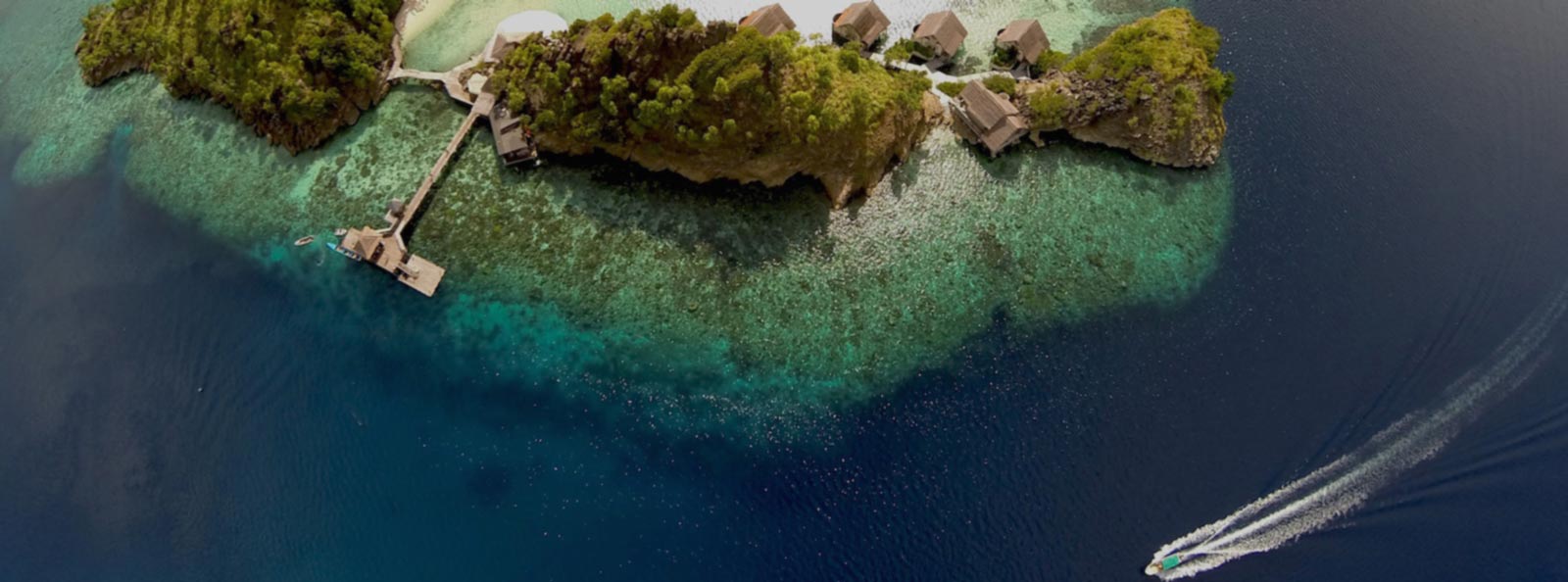
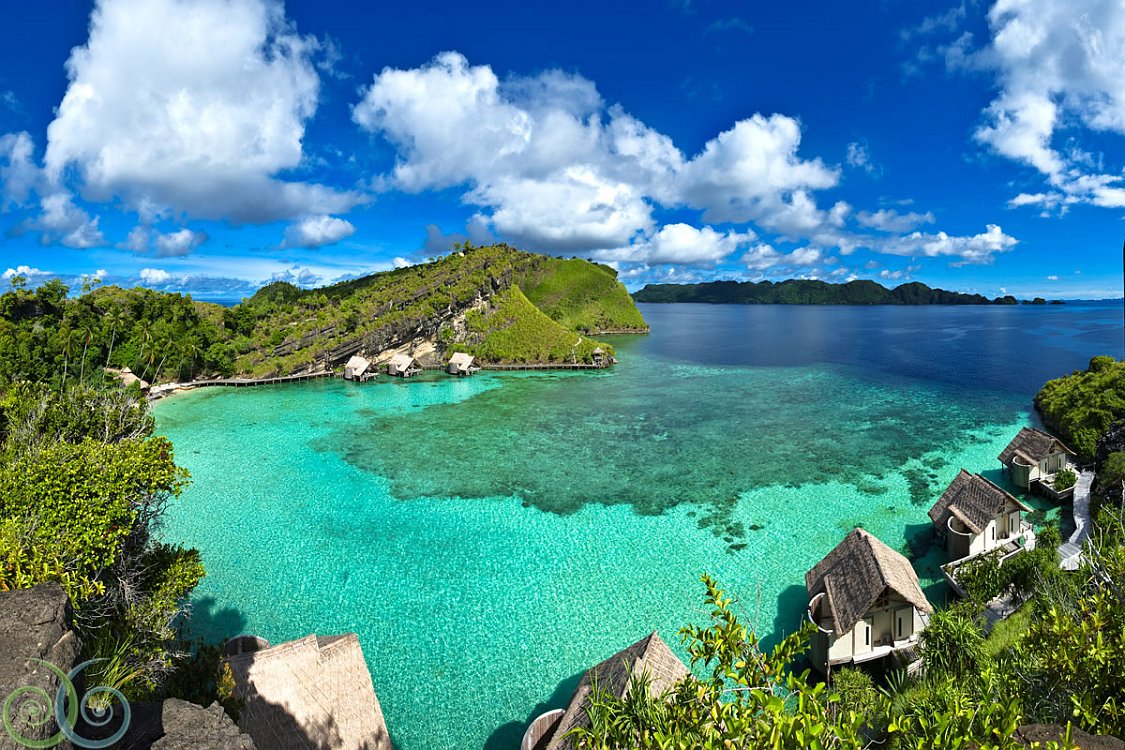
As climate change continues to warm our oceans, threatening extinction of many corals and marine life, the world looks towards the diving industry to kickstart a reaction to the pressing issues currently faced. Misool, a pro-active resort and conservation centre, has been awarded an implementation project contract to Singapore-based renewable energy microgrid service provider, Canopy Power Pte Ltd, and Berlin-based smart energy storage provider, QINOUS.

The project is looking to reduce the diesel consumption by around 55%, and will greatly benefit the surrounding ecosystem as well as improve visitors’ experiences when staying on the island. Alongside this new project, the Misool Foundation (the registered charity arm of the resort), created the ever-expanding Misool Marine Reserve, carried out the Misool Community Recycling Project, and orchestrated the Misool Manta Project. All these projects were articulated to improve the lives of the local community members, and sustain the land and ocean on which they live.

It’s a fantastic step forward, and a leading example of how active a resort should be in conservation.

PRESS RELEASE 

Misool Eco Resort, a resort and conservation centre located in remote southern Raja Ampat, Indonesia, has awarded an implementation project contract to Singapore-based renewable energy microgrid service provider, Canopy Power Pte Ltd, and Berlin-based smart energy storage provider, QINOUS. This implementation will reduce annual diesel consumption by 55 percent by hybridising the existing diesel microgrid with solar photovoltaic (PV) and Li-ion batteries. Once commissioned in Q2 2017, this will be one of the largest hybrid microgrids in the Raja Ampat area.

The microgrid is designed by Canopy Power Pte Ltd. Canopy Power will be responsible for constructing and commissioning the system. Canopy Power will also provide a remote monitoring support to Misool. The battery solution including the Site Controller and Microgrid Energy Management System with embedded remote monitoring system for this off grid energy system will come from QINOUS.

“This project is an important next step towards our carbon-free future,” said Andrew Miners, Co-Founder and Managing Director of Misool. “The implementation of this hybrid system will significantly reduce our usage of fossil fuels and focuses firmly on environmental sustainability. Misool is located in an area of unparalleled natural beauty and marine biodiversity. Our operational decisions must reflect the value of these natural assets and this implementation will bolster our objective of protecting the world’s richest reefs.”


The resort’s electrical supply will be based on a 125 kW array of solar PV panels and diesel generators. A Lithium-ion energy storage system is used to store excess solar power for night-time use or in periods of low sunshine. The energy storage system is able to provide significant reductions in fuel consumption as it allows the diesel generators to be completely disabled for extended periods of time.

“We are very pleased to help Misool to substantially reduce their carbon footprint while cutting the overall electricity generation cost. We hope that this project will become a pioneering project in the region”, said Sujay Malve, CEO of Canopy Power.

“We are very happy to contribute our part in making Misool an even more environmentally sound place. It is a great project to demonstrate how the QINOUS battery solutions increase the use of renewable energies and thereby significantly reduce diesel fuel consumption, CO2 emissions, noise, pollution and electricity cost.”, said Dr. George Hanna, Managing Director of QINOUS.

The Incredible Life of Rob Stewart

0

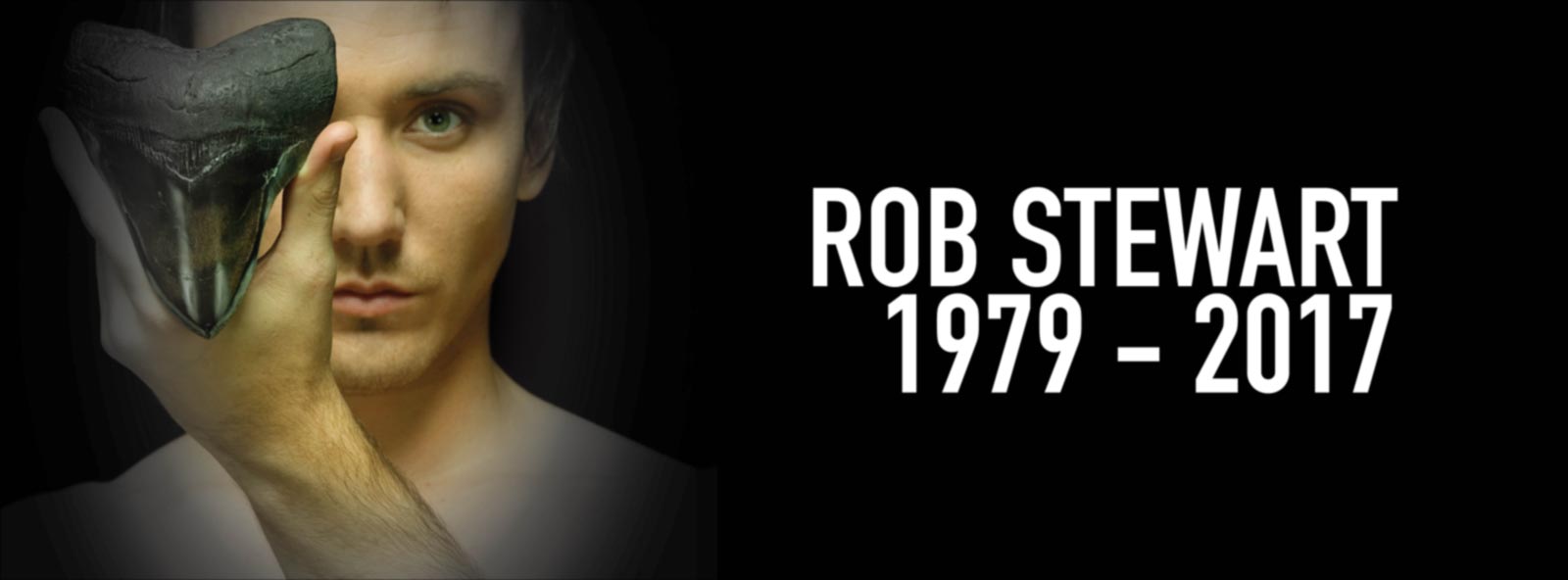
Armed with a camera, a unique talent for visual storytelling, and an affable smile, Rob Stewart set out to change the world at 22 years old. Altering people’s perceptions of sharks, turning beast to beauty, seemed a near-impossible task. But through one hard-hitting documentary and shear determination, he succeeded.

Last week, UW360 got the call that Rob Stewart had gone missing. A few startled updates via social media and a news story from a Canadian newspaper seemed all that there was out there on it. When word reached the wider dive industry, though, suddenly a flurry of support erupted. Private boats, tek divers and surface spotters assisted the 13 helicopters, several planes and coast guards that tirelessly carried out the search. A fundraising page was set up to cover the expenses of the rescue effort, reaching almost USD200,000 in just four days. With an overwhelming amount of support, both on the ground and below the waves, the search continued. Then, on Friday night, tragically, a spokesperson for Stewart’s family confirmed Rob’s body had been found.

Born and raised in Toronto, Canada, Rob Stewart had an innate love for the ocean. Diving and photographing from the age of 13, by 18 Stewart was already a scuba instructor-trainer. Through a curiosity to explore the underwater world and its inhabitants, Stewart moved on to earn a Bachelor of Science degree in biology.

With a thirst to see the world he had studied, Stewart embarked on a four-year tour of the planet. As a chief photographer for the Canadian Wildlife Federation’s magazines, he led expeditions to some of the most remote areas of the world.

When Sharkwater was released in 2006, Rob Stewart was boosted to fame. A hugely successful documentary exploring the densest shark hunting populations in the world, the film captured current attitudes about sharks, and how shark-hunting industries are driving them to extinction. Premiering at the Toronto International Film Festival and winning “Canada’s Top Ten” award, Sharkwater made history with the largest opening weekend of any Canadian documentary, and was the most awarded documentary of the year, winning over 40 accolades in film festivals around the world. Sharkwater has subsequently been credited with being the genesis for the shark conservation movement, changing government policy worldwide, and inspiring the creation of shark conservation groups.

It was Stewart’s stunning portrayal of sharks in their habitat that won the attention of the public, and attracted conservationists and activists to sing the young filmmaker’s praises. “His images contrasted the beauty of sharks within their element against the ugly images of the horror of their living finless bodies tossed overboard,” wrote Captain Paul Watson, founder of Sea Shepherd, in a testament.

“The man knew sharks. He understood their importance and his confidence with his views about sharks allowed him to approach and film some of the most amazing images ever captured about these spectacular apex predators.”

Stewart’s second film, Revolution, would go on to be the highest grossing Canadian documentary in 2013 and win 19 awards at international film festivals.

“Stewart had the four most important virtues needed to be a world-class expert on sharks and the reality of our relationship with the living diversity within oceanic eco-system,” wrote Watson. “These virtues are passion, empathy, courage and imagination.”

His “imagination” led him to write two award-winning books, Sharkwater: An Odyssey to Save the Planet, and Save the Humans. His determination saw him get on the boards of numerous conservation groups, becoming a strong voice for WildAid, Shark Savers, Fin Free and the NASA developed MEGA Global Initiative, as well as others.

The conservation world is now mourning the loss of a true ocean defender.

“He was a warrior for our planet and will be missed more than words can say,” actress and whale campaigner Hayden Panettiere said in a tweet. Fellow filmmaker Les Stroud tweeted: “RIP #RobStewart in the arms of the ocean you love and that loves you. A champion for sharks. My friend.” Project AWARE thanked Stewart for “inspiring divers and non-divers alike to be agents of positive change for the ocean.”

Living a wholly altruistic lifestyle which inspired many to act on the ill-treatment and misunderstanding of marine life, Rob Stewart will be deeply missed. He shattered the “shark stereotype”, made the world stop and notice, and did it all with that smile. How many lives he may have saved through his actions, we’ll never know. For now, he stands as a hero to fight for, a hero that, as Captain Paul Watson summed up simply, “Died doing what he loved.” Sharkwater, written and directed by Rob Stewart, is released Sharkwater: The Photographs, a behind-the-scenes book about the making of the film, is released Sharkwater wins Best Documentary at the Genesis Awards Voted top living resident for making Toronto a better place in The Grid Magazine Revolution, directed and written by Rob Stewart, is released Save the Humans, the written biography of Rob Stewart, is released Rob Stewart wins Best of Festival Award at the Guam International Film Festival The Fight for Bala, directed by Rob Stewart and Jonah Bryson, is released Sharkwater: Extinction the sequel to Sharkwater is announced

February Singapore Divers’ Party Report

0

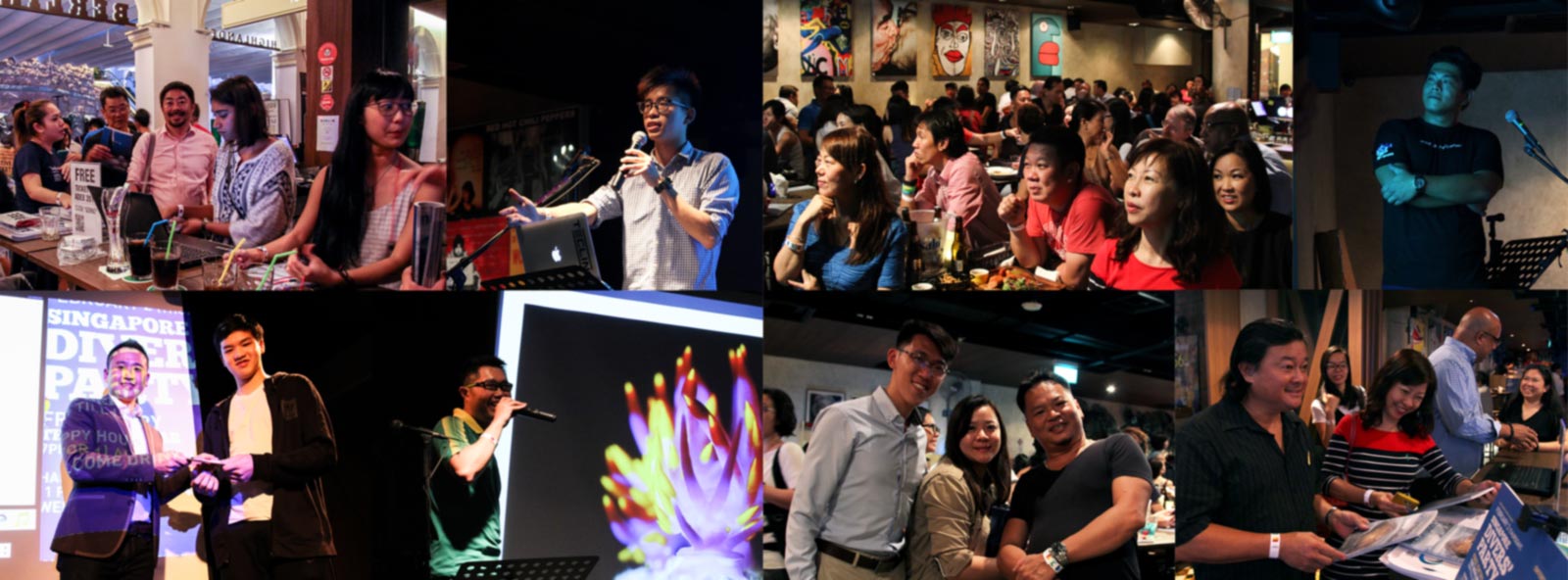
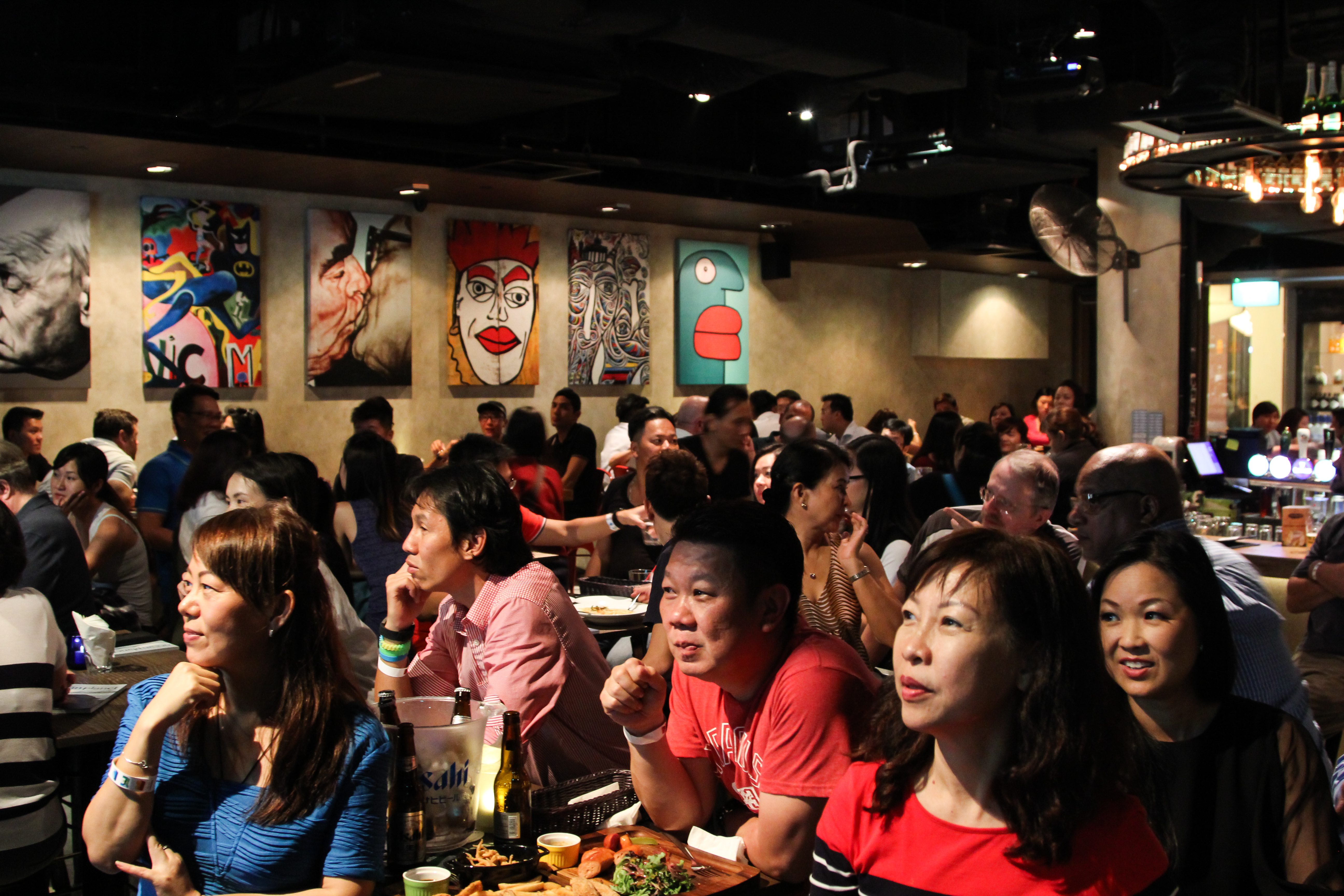
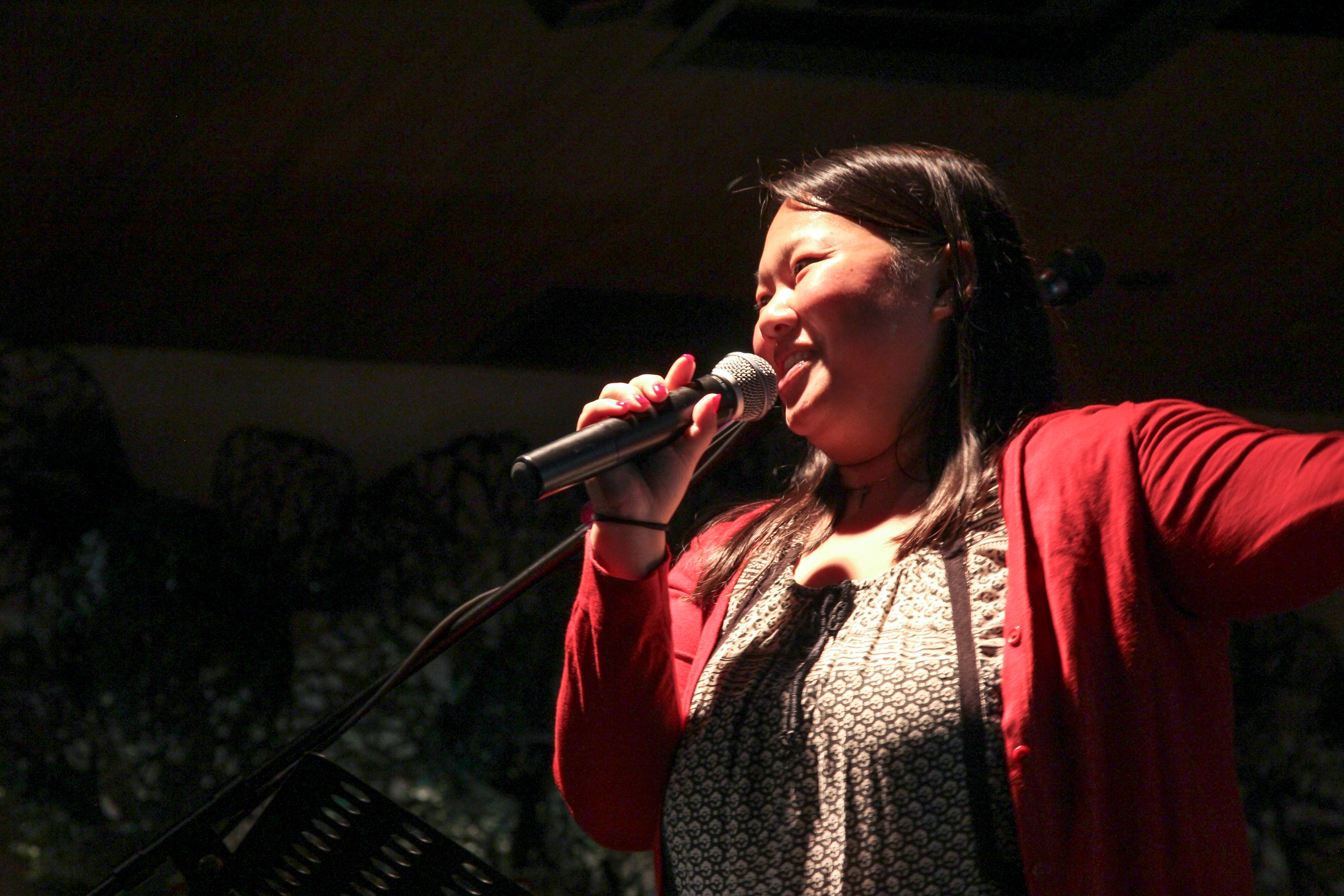
For divers in Singapore, Chinese New Year ended in celebration. Reunions with long-lost dive buddies and introductions to new faces were made over 1-for-1 refreshment offers in front of top speaker presentations. Set in the Iron Curtain-inspired Berlin bar at CHIJMES Singapore, the event was packed to the gills with dive enthusiasts keen to learn more about the industry, and get their feet wet with new underwater activities (Underwater Rugby and Underwater Hockey).


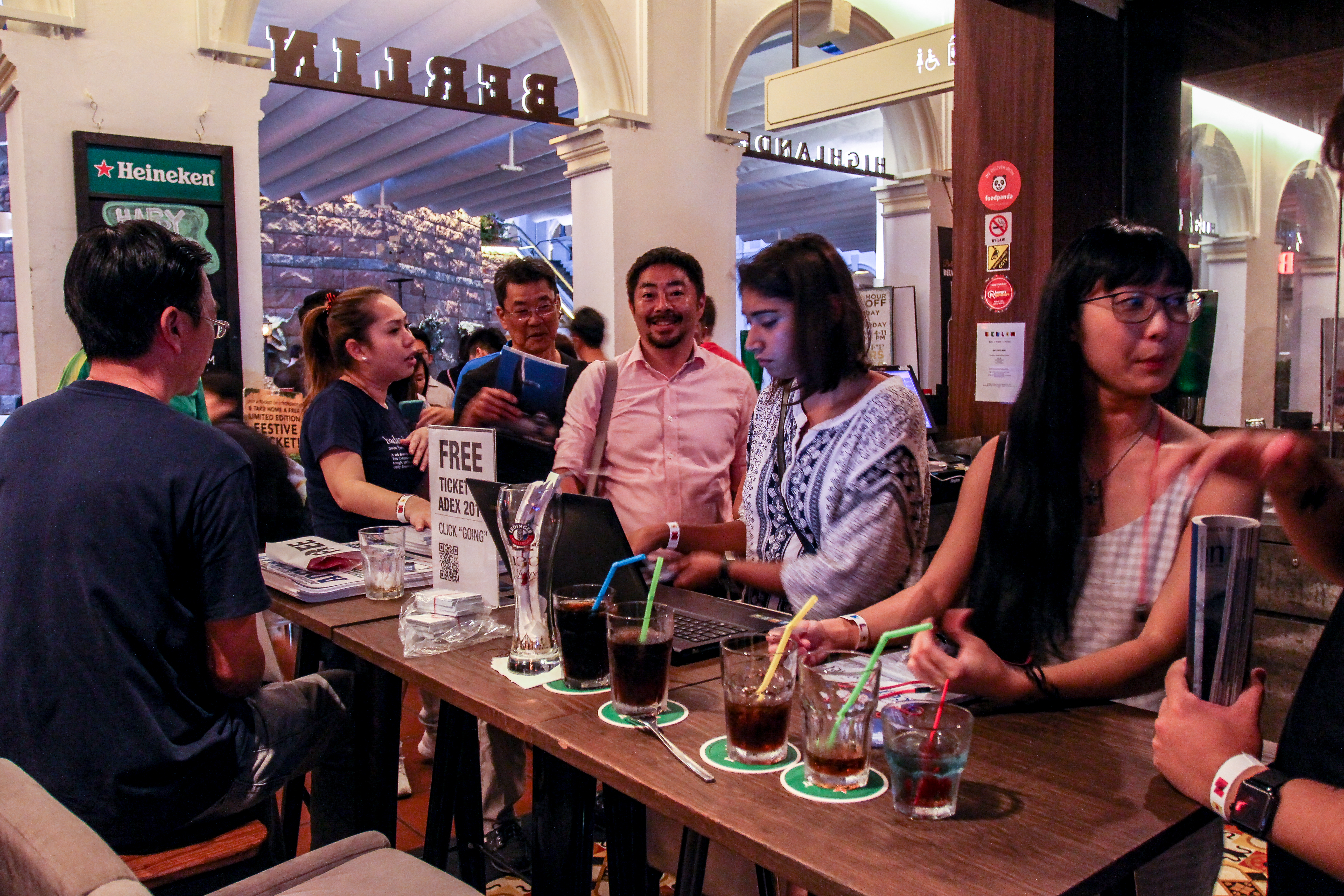
A line of divers queue to enter the Berlin Bar
A total of around 200 guests were entertained by a fantastic lineup of speakers.


The first 100 guests received welcome drinks, a complimentary copy of SD OCEAN PLANET “Inspiring Images of Iconic Locations” and a free entry to ADEX Singapore 2017. Those who signed up for the Diveaholic Membership – which gifts members incredible discounts and deals on dive gear, trips and food – had their name dropped into a hat for the lucky draw.

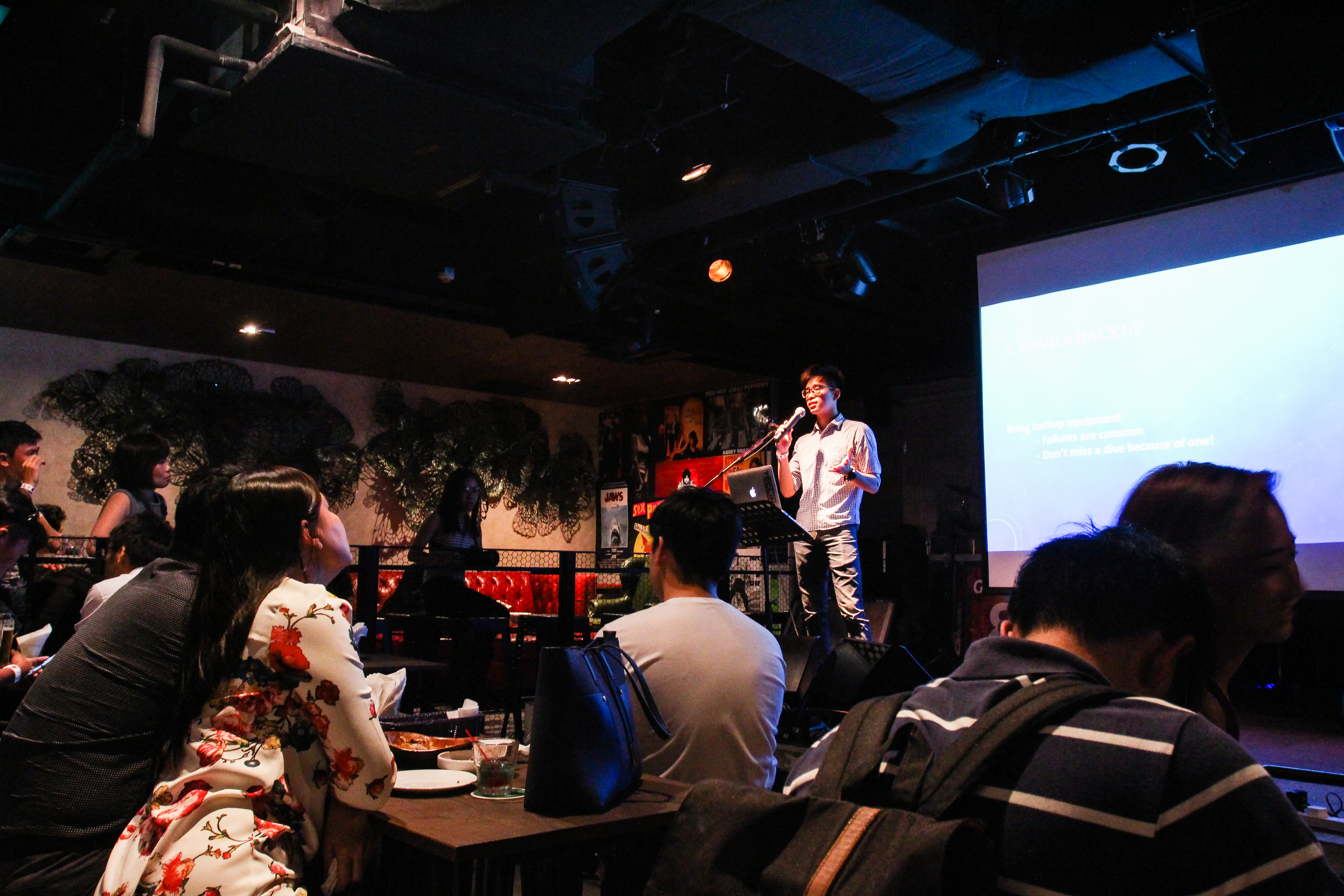
A total of around 200 guests were entertained by a fantastic lineup of speakers. Kicking off the early crowd, and the show, was founder of 300BAR.Asia, Kenneth Tan. Kenneth gave the crowd an insight into diving safety and pointers on how to improve their own techniques underwater. Naturally, it tied in rather well with the 300BAR mission statement, and their aim to provide customers value-for-money scuba diving equipment with a particular emphasis on safety.


Kenneth gave the crowd an insight into diving safety and pointers on how to improve their own techniques underwater.


Next up, award-winning photographer for marine behaviour, Julynn Khor, showcased some of her fantastic images, with unique angles on some of Southeast Asia’s more bizarre critters. The audience was wowed by Julynn’s talent for capturing beautiful compositions of minute marine animals – creatures many of us would miss on a dive.


Julynn Khor, showcased some of her fantastic images, with unique angles on some of Southeast Asia’s more bizarre critters.


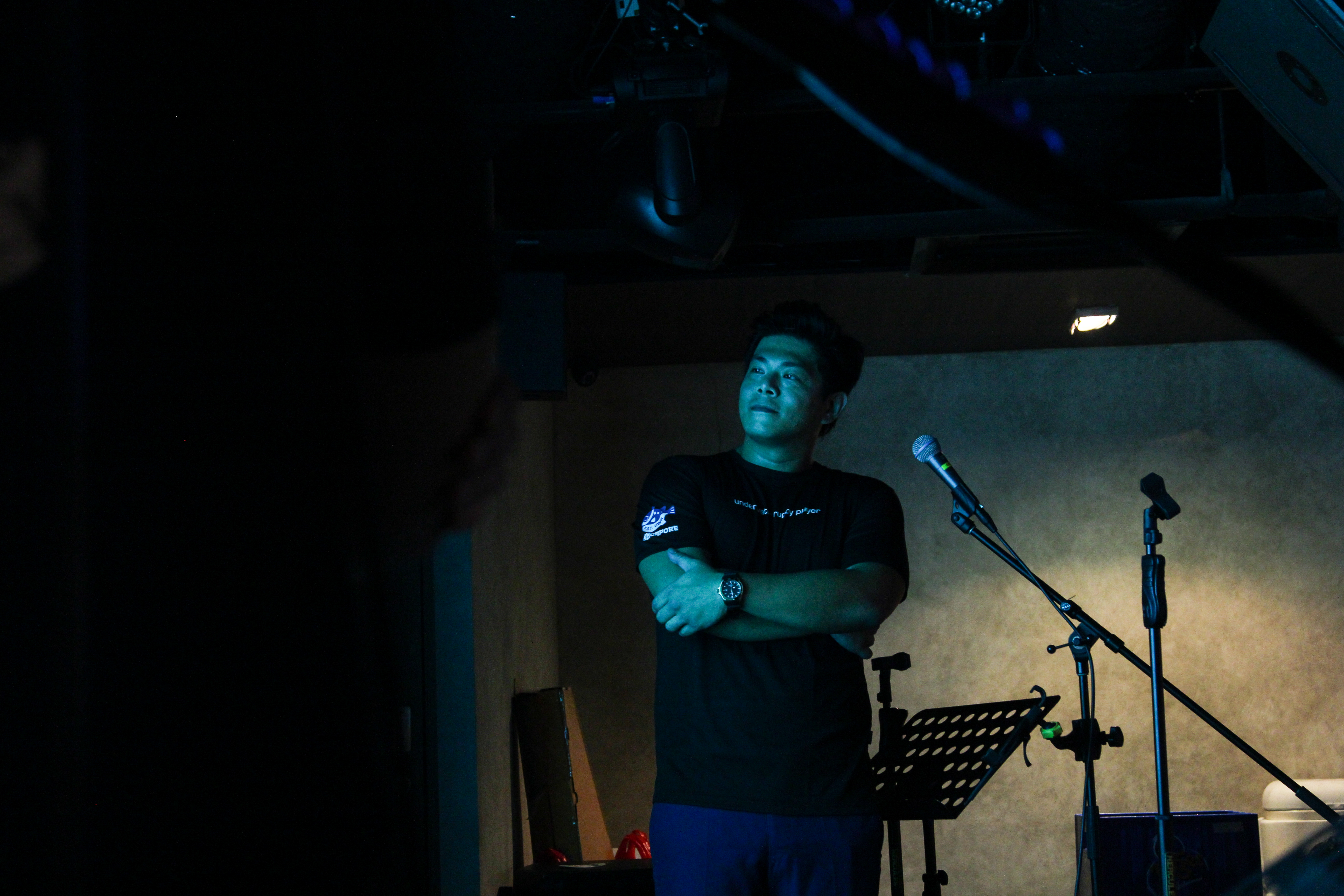
Julynn’s presentation was followed by the first lucky draw announcement, with winners snagging UW3some vintage mugs and Diveaholic T-shirts. Next came the First Asian Team Underwater Rugby Singapore (F.A.T. UWR), with club president Joel Chan and club captain Stanley Ng representing the sport. The audience got the chance to see what exactly the underwater sport was all about, with a video demonstrating the athletic ability and skill required to compete.


Next came the First Asian Team Underwater Rugby Singapore (F.A.T. UWR), with club president Joel Chan and club captain Stanley Ng (pictured) representing the sport.


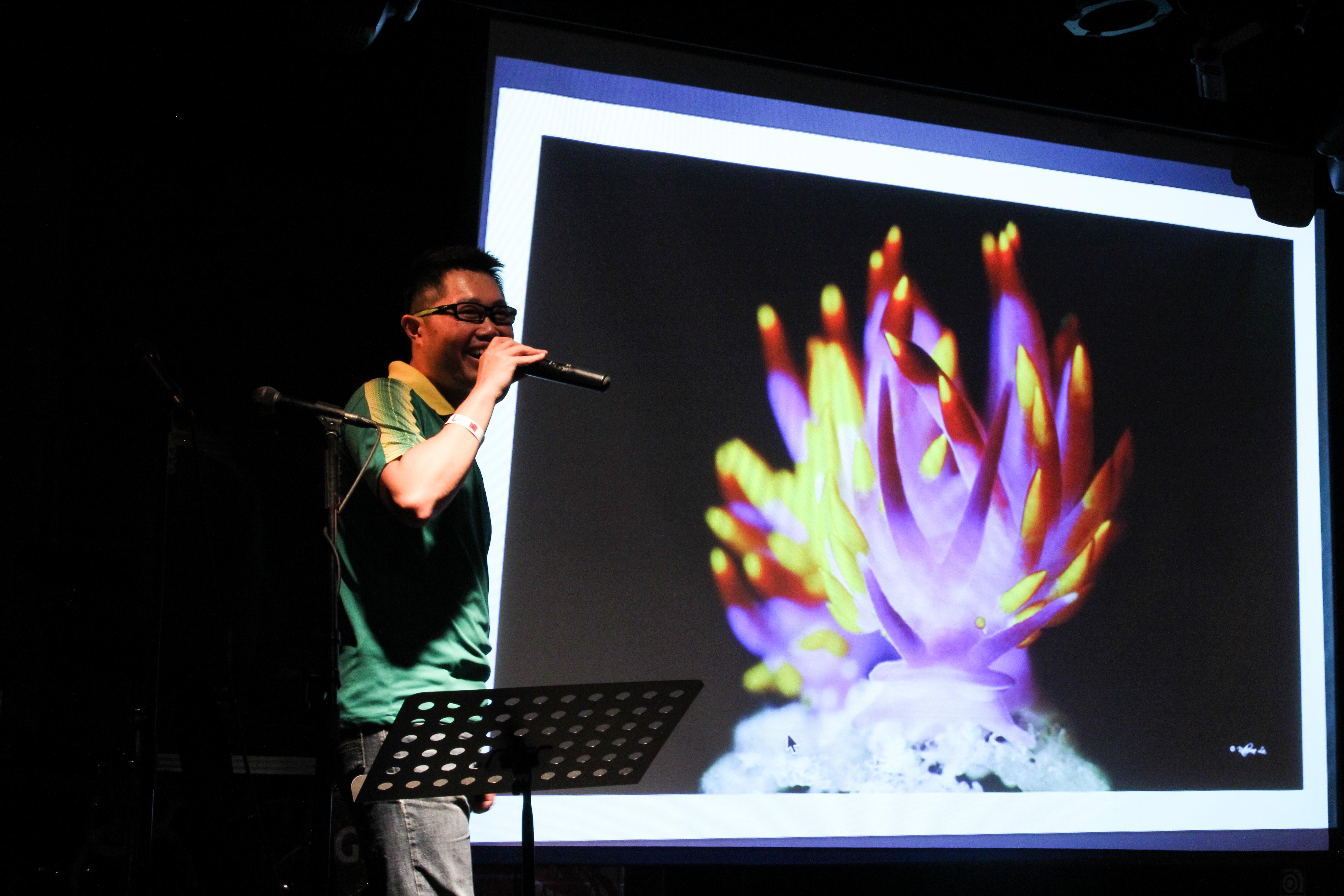
Taking the energy up a notch further was Kelvin Pung, who got the crowd cheering over his macro images captured at Pulau Hantu. Kelvin, an ADEX Singapore 2017 speaker, mesmerising the crowd with his unique shots painting the local dive site in a new light.


Kelvin, an ADEX Singapore 2017 speaker, mesmerising the crowd with his unique shots painting the local dive site in a new light.


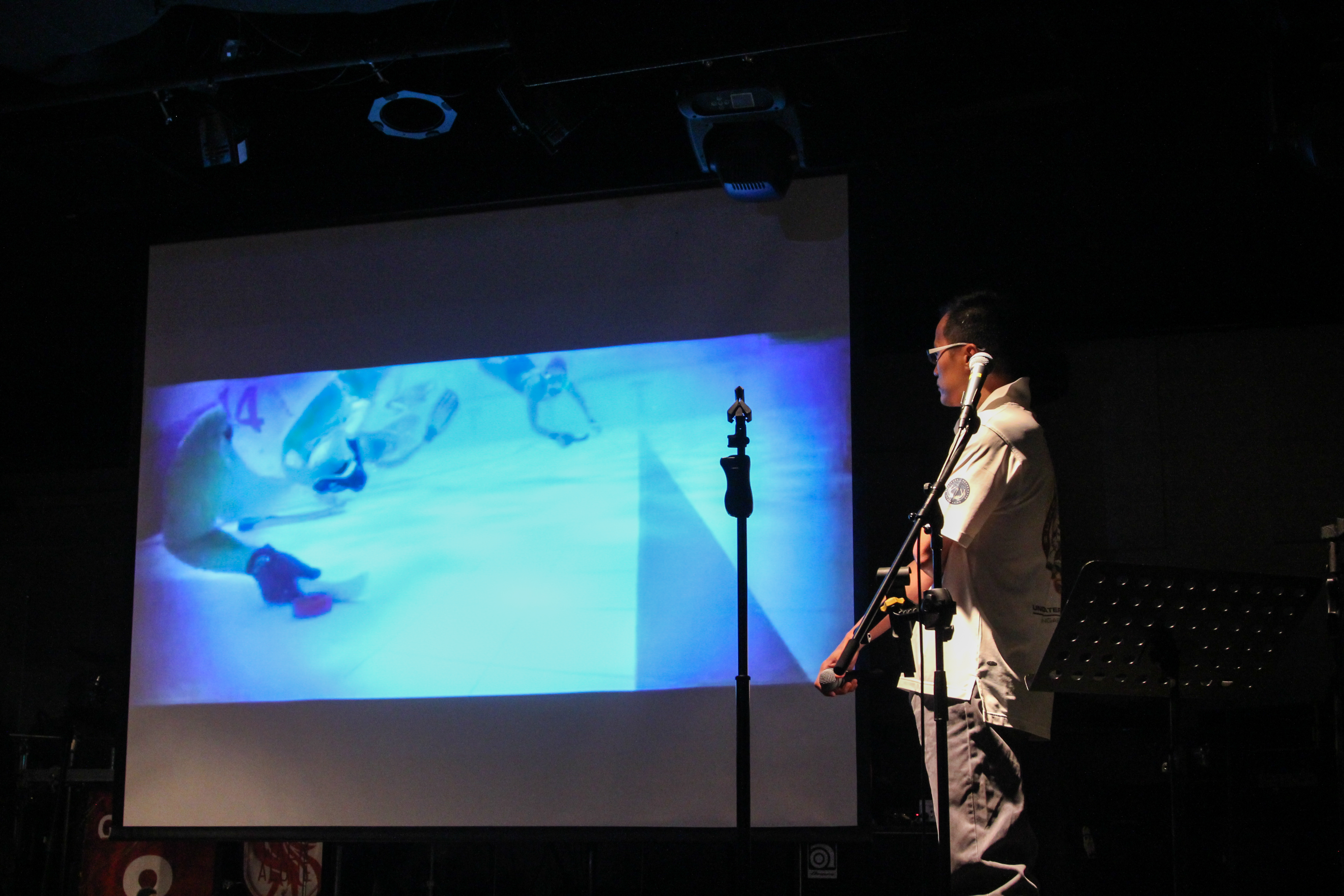
Samuel Wong, Chief Referee of Singapore Underwater Hockey, was next up to show off sub-aqua hockey. Closely tied to the F.A.T. UWR, Samuel showed just how intense underwater hockey can be – and doubtless convinced some members of the audience that this could be the sport for them.


Closely tied to the F.A.T. UWR, Samuel showed just how intense underwater hockey can be.


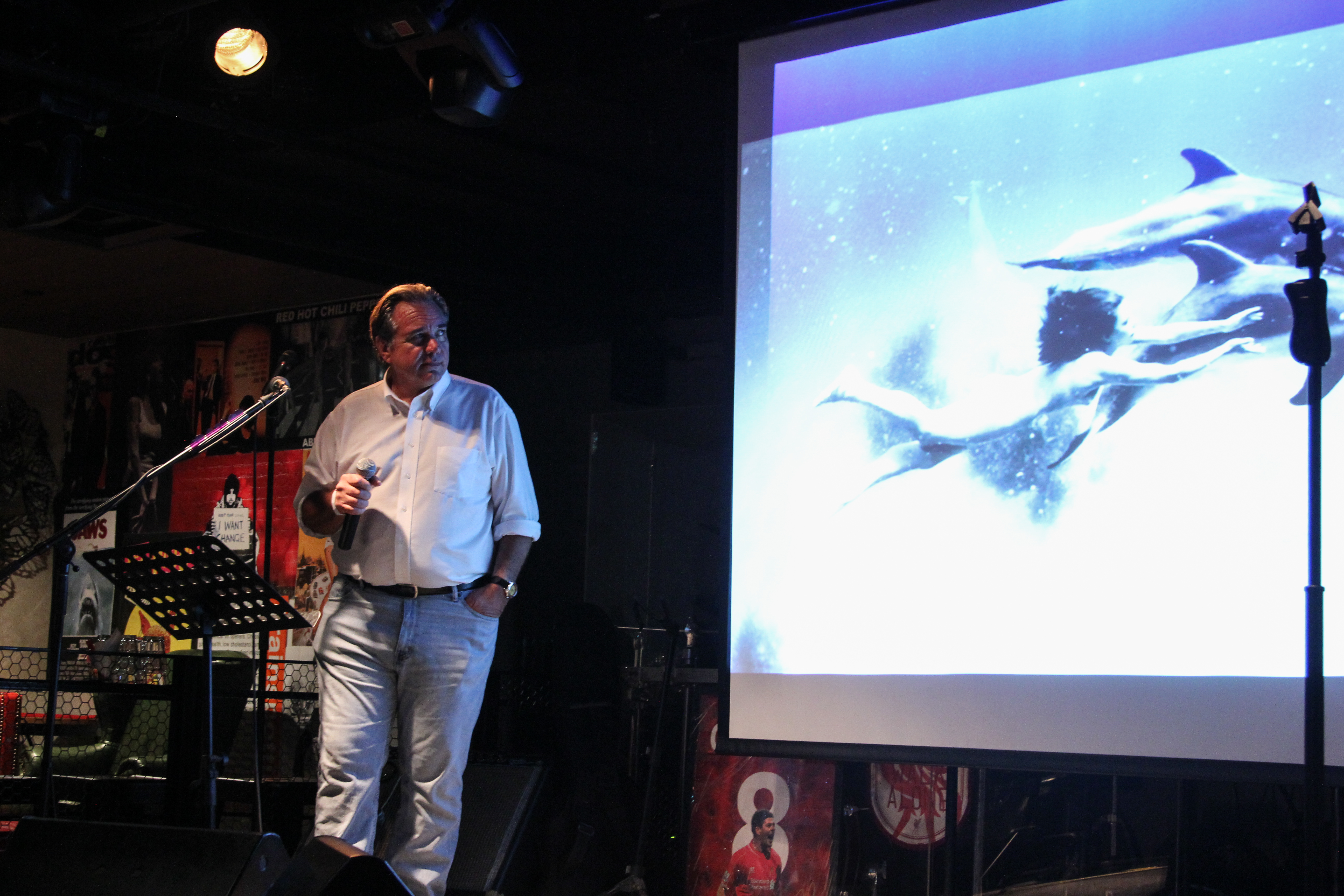
The final speaker and the notable Special Guest Speaker of the night, Todd Essick, presented his career’s work and behind-the-scenes videos to some of his most incredible shoots. The Chicago-raised underwater fine art photographer spoke about his pioneering images that paved the way for much of underwater fashion photography.


The Chicago-raised underwater fine art photographer spoke about his pioneering images that paved the way for much of underwater fashion photography.


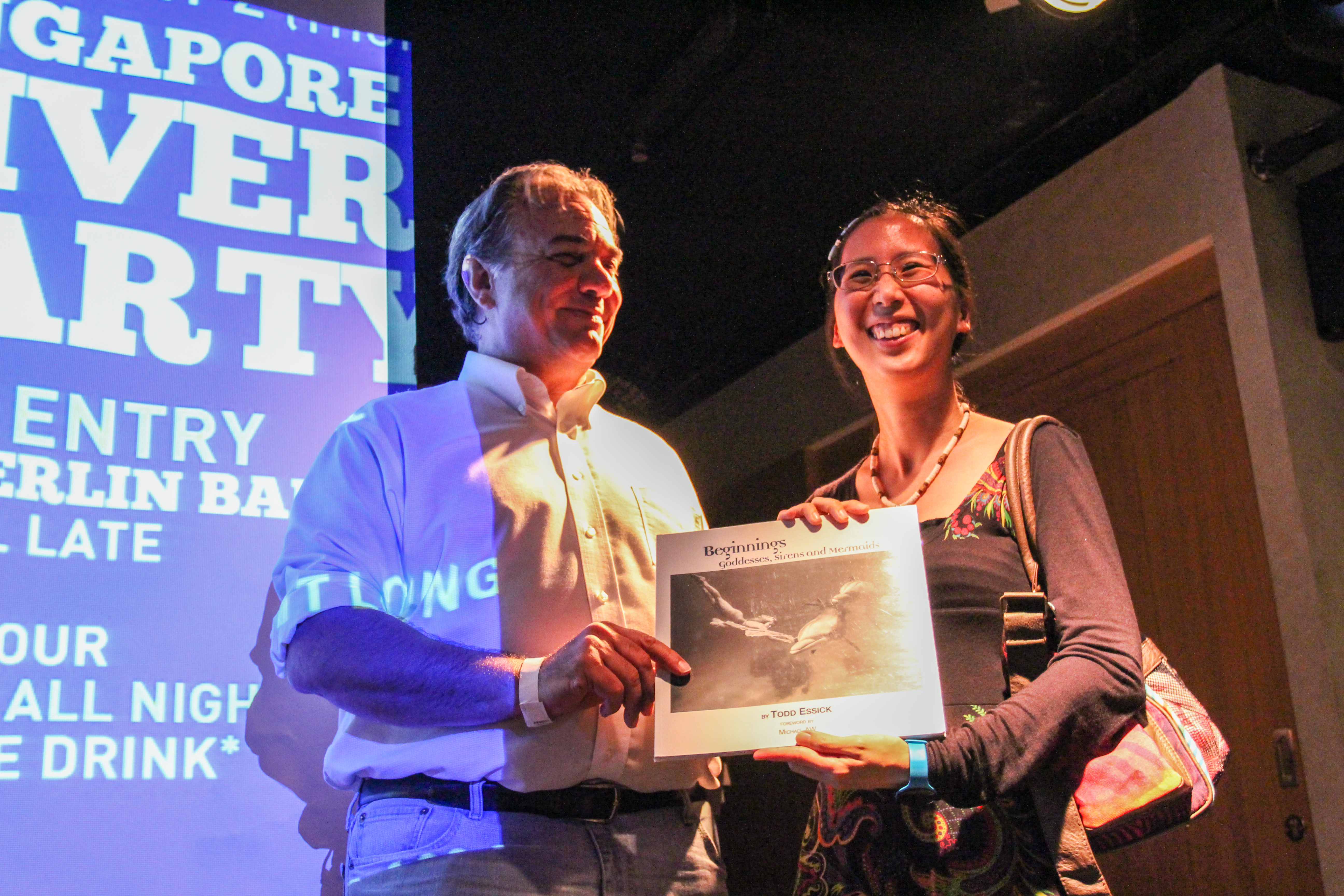
The final prizes were there for the taking, and before UW360 handed the night over to the live band, the lucky draw had to reach a conclusion. First up for grabs were two ADEX Singapore 2017 TekDive conference tickets. Todd Essick presented his timeless photography book, Beginnings: Goddesses, Sirens and Mermaids, which one lucky guest got to walk away with. Both Volumes 1 and 2 of Dive the Big Blue: A Historical Affair were also part of the fantastic list of prizes won.


Todd Essick presented his timeless photography book, Beginnings: Goddesses, Sirens and Mermaids, which one lucky guest got to walk away with.


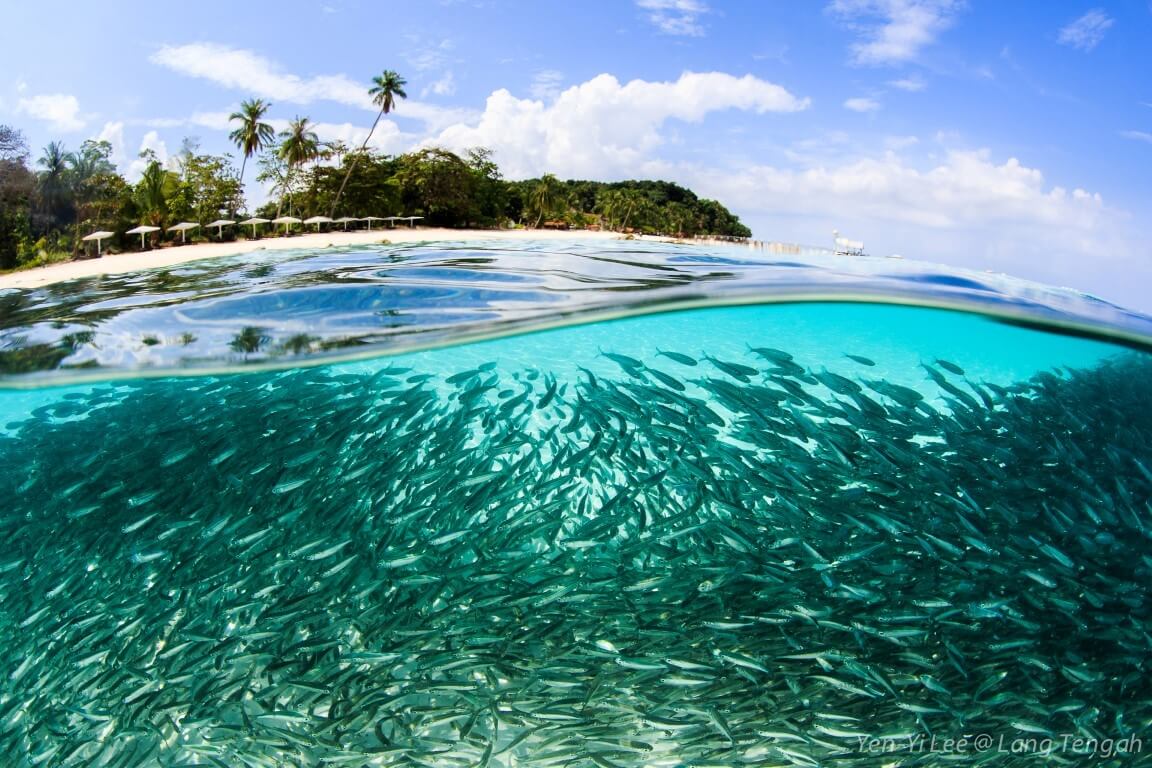
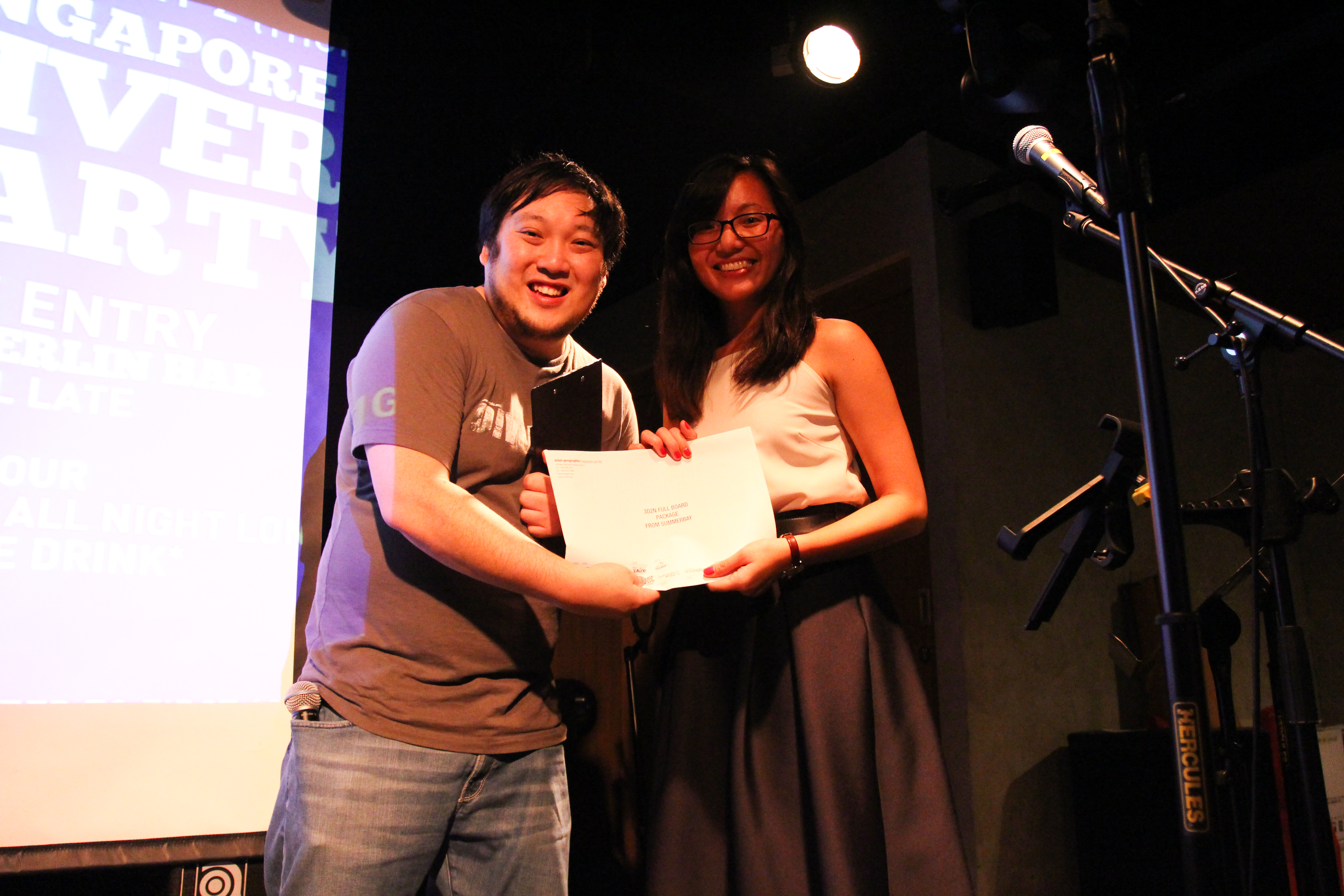
The final prizes, and arguably the most exciting giveaways of the evening, kicked off with a Pandora diver tool kit, a useful instrument for any dive junkie hot on the sport. The next two prize winners received a stunning 3D2N full board package from Summerbay Resort, Terrenganu, Malaysia. A tropical jewel set on Malaysia’s east coast, with bridal white beaches and crystal clear seas, the resort island is perfect for both diving and relaxing.


A tropical jewel set on Malaysia’s east coast, with bridal white beaches and crystal clear seas, the resort island is perfect for both diving and relaxing.
One lucky winner got to walk away with the holiday


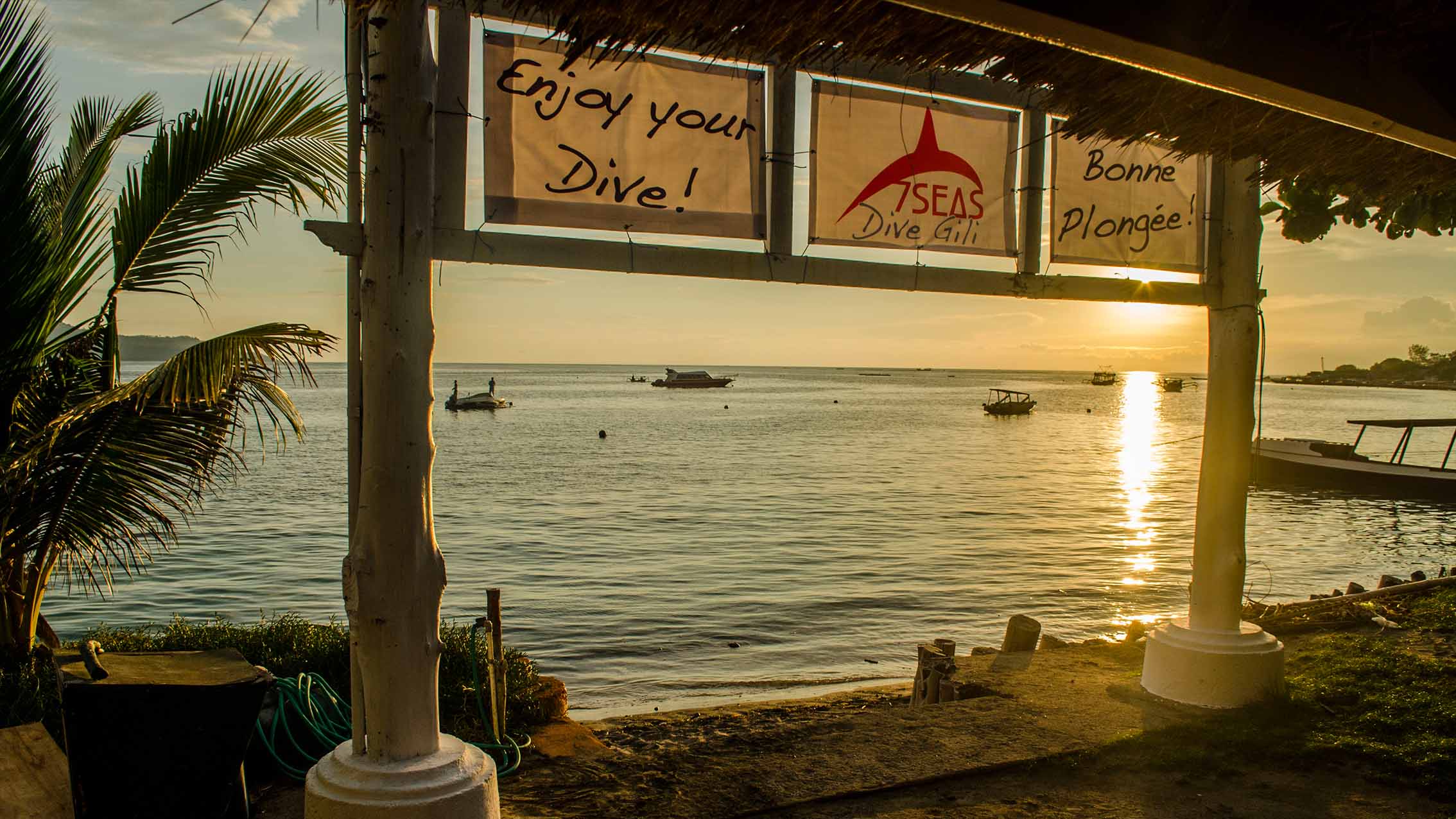
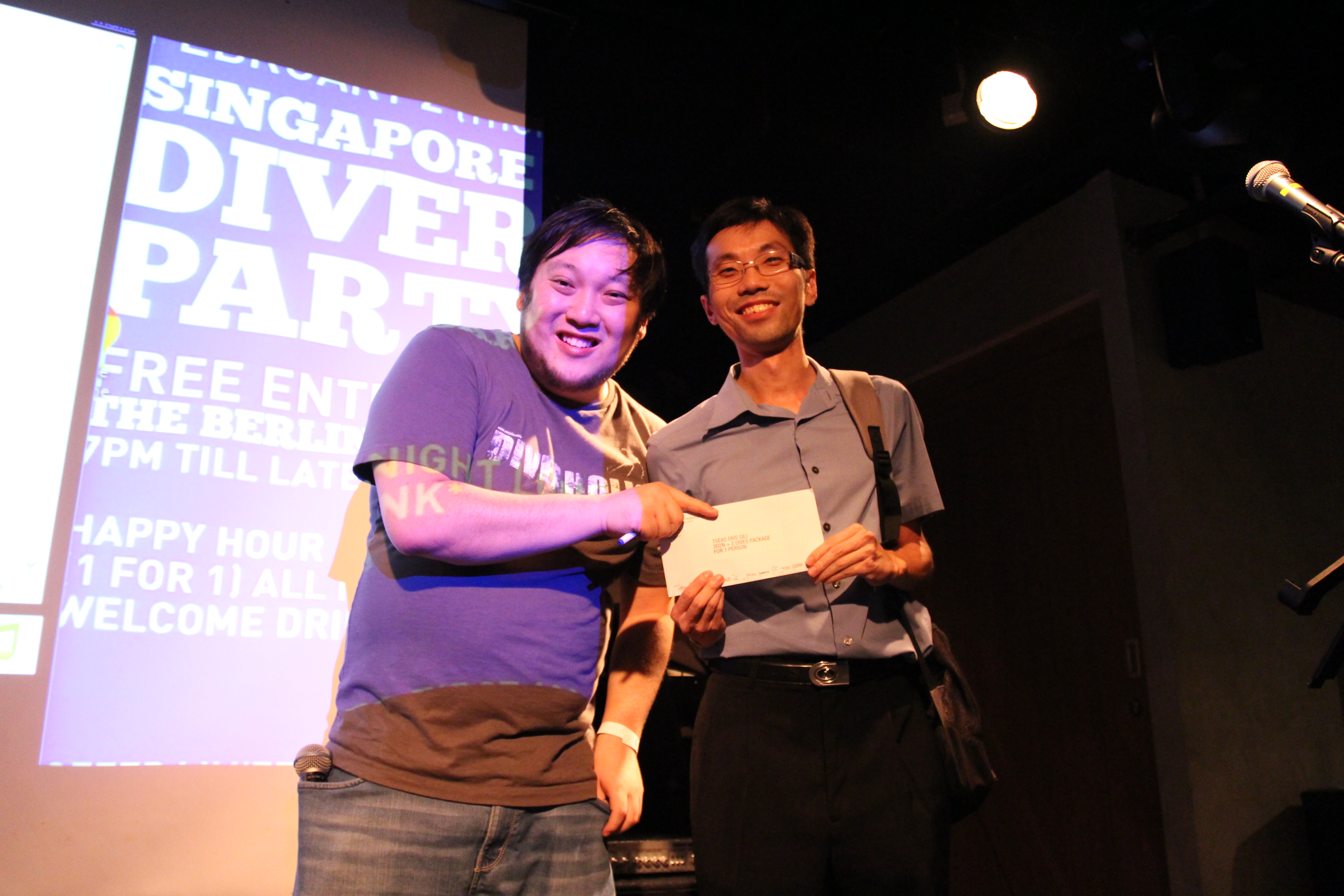
After, a 3D2N dive and accommodation package from 7SEAS Dive Gili was won by one lucky Diveaholic. Located on Gili Air, the 7SEAS Dive Resort has grown to become one of the most popular dive resorts in the Gili Islands, the ideal getaway for Singapore based divers, and offers a range of accommodation options and dive encounters.


Located on Gili Air, the 7SEAS Dive Resort has grown to become one of the most popular dive resorts in the Gili Islands.
Winner Jonathan Yap being presented the 7 Seas Dive Gili prize


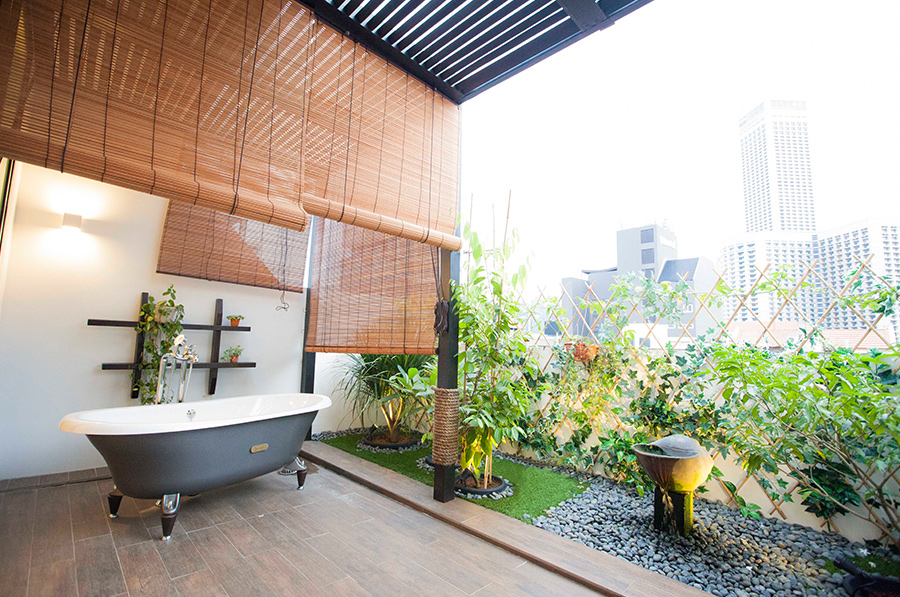
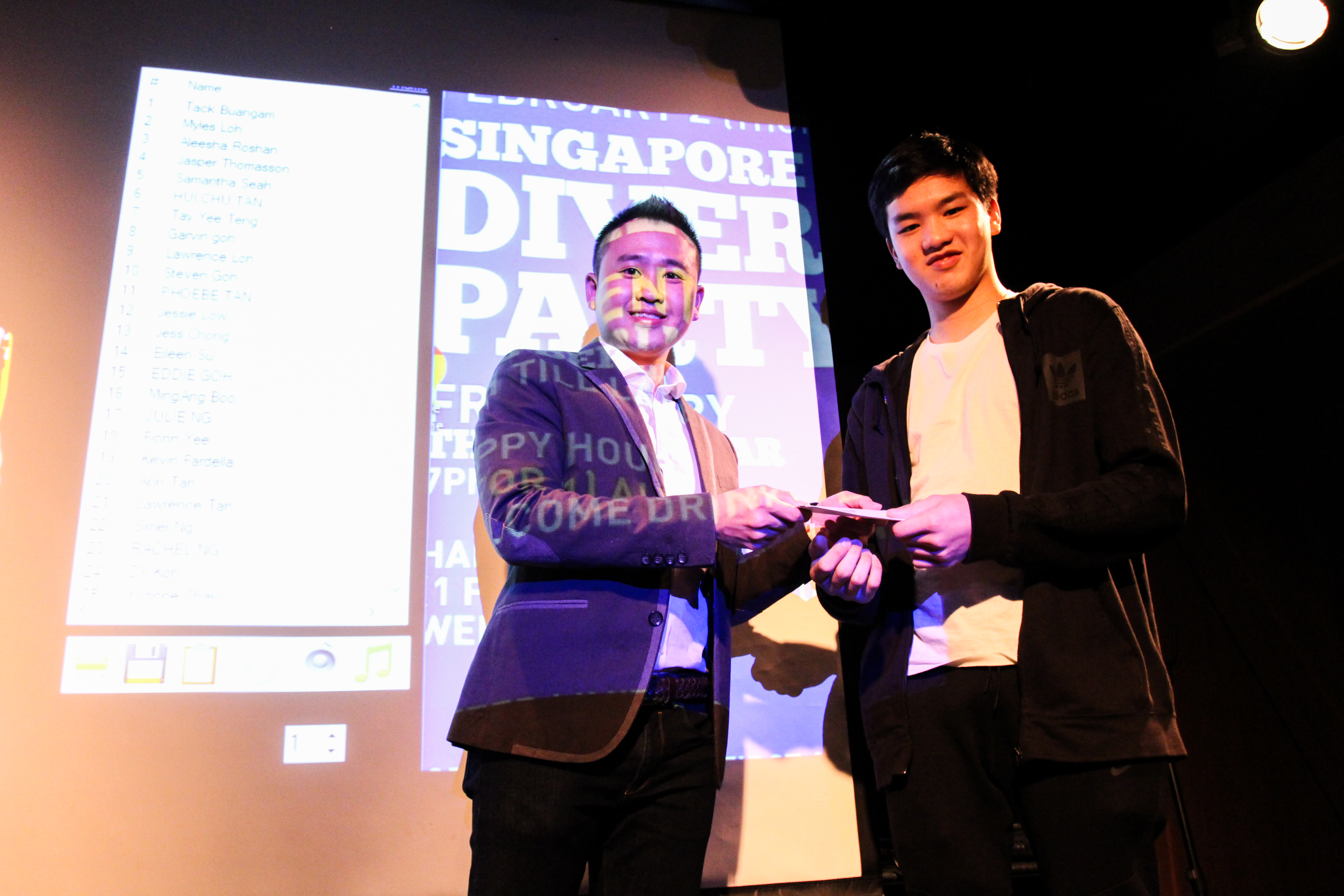
The final prize, a 2D1N staycation at Hotel Nuve Heritage, was presented by the Managing Director, Ben Lim. This relaxing and rejuvenating retreat, tucked away on Purvis Street, offers a stylish getaway for anyone keen to escape Singapore’s hustle and bustle.


This relaxing and rejuvenating retreat, tucked away on Purvis Street, offers a stylish getaway for anyone keen to escape Singapore’s hustle and bustle.
The final prize, a 2D1N staycation at Hotel Nuve Heritage, was presented by the Managing Director, Ben Lim.

After the completion of the lucky draw, the dive party broke into live music and the celebrations continued until late. All that remains is to eagerly await the coming of April and one of the biggest social events on the diver’s calendar – the Big Blue Divers’ Party. See you there!