Home Blog Page 179

Tek Diving: 5 Entry-level Courses

0

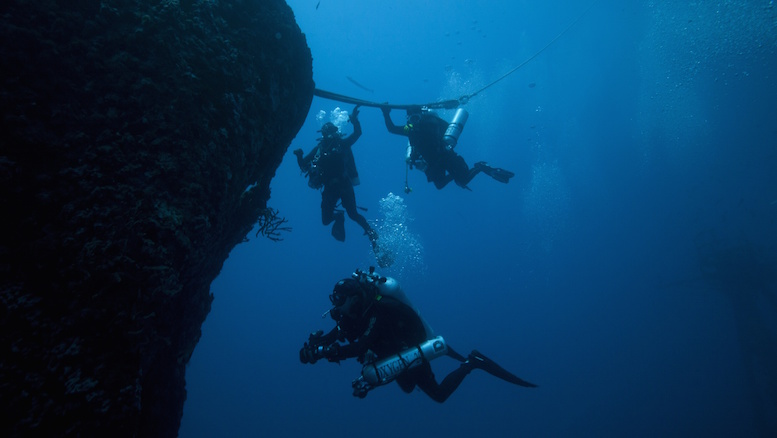
The line between rec and tek is not all that clear. For some, diving itself is already technical, and when you add nitrox into the mix, the line becomes blurred even further; some agencies start to introduce divers to more technical diving by offering foundation courses in the use of more advanced gas blends.

So, if you want to break out of your NDLs and take your diving to the next level, there are a number of ways you can make your foray into the world of tek diving – it all depends on where you want to go with your underwater exploration, and how you want to get there.

Here are some of the entrylevel courses that will let you start extending your bottom time by making planned decompression stops. Welcome to the wonderful world of deco!

GUE Technical Diver Level 1

What it lets you do

• Become familiar with the use of different breathing and decompression mixtures
• Expand on the essential skills required for safe technical diving

Skills learnt
• Safe diving techniques
• Equipment failure procedures
• Surface marker buoy deployment
• Proficiency in switching to a backup mask
• Managing gas sharing scenarios
• Three propulsion techniques that would be appropriate in delicate, silty environments
• Proficiency with a single decompression cylinder
• Effective decompression techniques, including depth and time management
• Dive rescue techniques
• Buoyancy and trim
• Ability to manage a failed decompression cylinder using available team resources

Prerequisites
• Be a non-smoker
• Obtain a physician’s prior written authorisation for the use of prescription drugs
• Have earned a GUE Fundamentals “Technical” pass
• Minimum age 18
• Minimum of 100 logged dives beyond Open Water certification

IANTD Advanced Nitrox Diver

What it lets you do
• Qualifies you to dive to 42 metres and do decompression stops required dives up to 15 minutes
• Further develop diving skills and provide a greater understanding of the EANx concept of diving (the programme employs EANx mixes up to 1.5 PO2)

Skills learnt
• Swim 270 metres underwater in scuba gear
• Swim 15 metres in scuba gear without breathing, then gas sharing and swim 75 metres without a mask
• Remove scuba gear underwater and perform a free ascent
• Simulated emergency lift bag ascent from a depth of 15 metres, including a threeminute safety stop

Prerequisites
• Must be qualified as an IANTD EANx Diver and IANTD Deep Diver
• Minimum age 15
• Minimum of 30 logged dives

PADI Tec 40 Diver

What it lets you do
• Gain experience and begin building the skills you need to continue your tek diver training
• Qualifies you to make limited decompression dives to 40 metres

Skills learnt
• Technical diving’s risks and responsibilities
• Technical diving equipment, proper rigging, and setup
• Gas planning, oxygen limits, and decompression planning
• Team diving techniques and emergency procedures

Prerequisites*
• PADI Advanced Open Water Diver certification
• PADI Enriched Air Diver certification with at least ten dives using enriched air deeper than 18 metres
• PADI Deep Diver certification with at least 10 dives to 30 metres
• Medical statement signed by a physician within the last 12 months
• Minimum age 18
• Minimum of 30 logged dives

*Note that qualifying certifications from other diver training organisations may apply – ask your PADI Tec Deep Instructor

SSI Extended Range Nitrox

What it lets you do
• Dive to 40 metres using nitrox and 15 minutes of accelerated decompression using one stage decompression gas (oxygen)
• Continue to SSI XR Extended Range and XR Limited Trimix courses

Skills learnt
• Supreme buoyancy
• Proper propulsion
• Equipment management
• Effective decompression

Prerequisites
• SSI Deep Diver certification (or qualifying certification from another organisation)
• SSI Enriched Air Nitrox Diver or qualifying prerequisite certification
• Minimum age: 18 years
• Logged 24 dives including six nitrox dives

TDI Decompression Procedures Diver

What it lets you do
• Conduct decompression diving activities without direct supervision provided the diving activities and environment approximate those of training
• Enrol in TDI Advanced Nitrox, TDI Extended Range, TDI Advanced Wreck, TDI Trimix courses

Skills learnt
• Decompression dive planning
• Decompression diving procedures
• Proper trim, buoyancy, and finning techniques
• Emergency procedures
• Equipment considerations, cylinder labelling, analysing nitrox mixtures, and gas blending procedures

Prerequisites
• Minimum certification of SDI Advanced Adventure Diver, Advanced Diver, or equivalent
• Minimum age 18
• Minimum of 25 logged open water dives

The courses here are presented in alphabetical order and are intended to show a small selection of the technical diving courses available. This is not a comprehensive list, nor an endorsement of any specific agencies. Other training agencies, such as NAUI, also offer training in technical diving procedures. The best technical diving course for you is the one that suits your needs, experience and goals.

Australia Launches Shark-tracking Drones and ‘Smart’ Drum Lines to Prevent Shark Attacks

0

Drones will now hover above Australian coastal waters in a bid to reduce shark attacks, Australian government announced this week.

The first drone trial began at Coffs Harbor in the southeastern state of New South Wales (NSW) on Wednesday. These trials will track sharks, and transmit their GPS coordinates back to the drone operators, according to a press release by the government.

The drone trials are a part of a AU $16 million strategy to prevent shark attacks. In 2015, NSW recorded 14 shark attacks, resulting in one death.

“There is no easy way to reduce risks for swimmers and surfers,” Niall Blair, Minister for Primary Industries, and Land and Water, said in the statement. “We are delivering on a commitment to test the best science available, including new technologies, as we try to find an effective long-term solution to keep our beaches safe.”

Blair added that these trials are “first of many that will get underway across the state’s beaches this summer as we take an integrated approach to working out a long-term solution.”

The government also announced installation of “smart” drum lines to physically catch, tag and release sharks.

These “smart” drums, according to the Shark Year Magazine, are anchored buoys or drums that are equipped with GPS, underwater cameras and sensors in addition to hooks that traditional drum lines have. If a shark gets hooked, the additional “smart” features raise an alert signal to the operator. And if a non-target species gets caught, the “smart” technology allows operators to intervene relatively quickly, within two hours, according to Shark Year.

The first set of “smart” drum lines will be deployed at Ballina in New South Wales, Blair said. To provide real time tracking of the tagged sharks, the NSW government will also install two 4G “listening stations”, which will be positioned at Sharpes Beach at Ballina and Clarkes Beach Byron Bay, according to the statement.

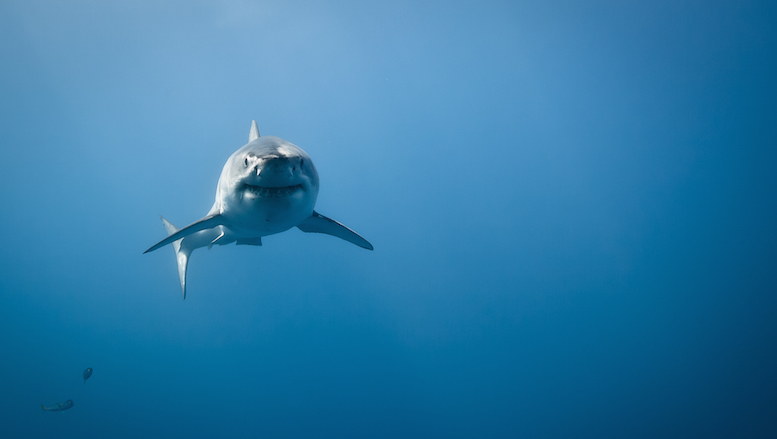
Great White Shark

However, some conservation groups have concerns about this technology. Following the government’s announcement, the Humane Society International (HSI) in Australia expressed regret over the decision.

“Our view is that Smart Drumlines are an unnecessary and lethal addition to the Government’s plans for shark management in NSW,” HSI’s resident marine scientist Jessica Morris said in a statement. “The plan to install these drumlines at places such as Coffs Harbour and Ballina with plans to erect more within NSW later, could result in the deaths of many non-target species such as hammerhead and grey nurse sharks, both of which are protected in NSW…. We have already seen from the drumlines placed in WA, Reunion Islands, and Queensland that these devices are not effective in catching white sharks but have a serious impact on our marine ecosystems. Drumlines catch more marine turtles than white sharks in Queensland and marine mammals such as dolphins are also captured.”

The NSW government also plans to increase aerial helicopter surveillance on the North Coast, the statement said.

“Helicopters will fly at least three hours each day, weather permitting, from 1 December until 26 January 2016, flying from Byron Bay to Evans Head twice daily,” according to the statement.

Source: Mongabay. Article by Shreya Dasgupta

8 of the Most Exciting Masks in 2016

0

For those Diveaholics out there looking for the perfect mask to increase their field of vision, or attach a GoPro to, we showcase some of the most exciting diving masks out now:

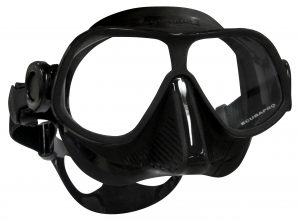
SCUBAPRO Steel CompSteel Com Mask

  • Dual lens frameless design offers the lowest possible internal volume, and compresses under pressure, perfect for deep freediving descents
  • Flat, ultra clear, scratchresistant glass
  • Premium silicone skirt fits a range of faces
  • Rotating buckles and micro-adjustable strap for a comfortable, watertight fit
  • Available in black, white or clear

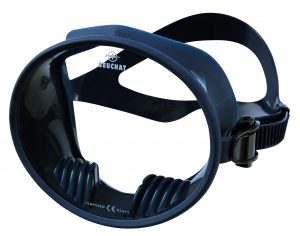
Super Compensator Blue SiliconeBEUCHAT Super Compensator

  •  The iconic mask, updated with modern techniques and materials
  • Offers a huge field of vision
  • Single oval lens with a comfortable hypoallergenic silicon skirt
  • Skirt and rim shaped around the nostrils to simplify equalisation
  • Frameless technology and the angled window reduce the internal volume

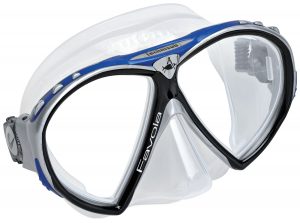
AQUA LUNG FavolaFavola Mask

  • Guarantees an incredible field of vision
  • Inclined lenses provide an exceptional horizontal angle of view
  • Patented Cardanic Joint Buckles rotate both up-and-down and in-and-out, providing maximum adaptability and comfort for any head shape
  • The quick counter-posed push button activation makes the buckle easy to use even when wearing gloves
  • Strap with larger headpiece provides greater stability and comfort

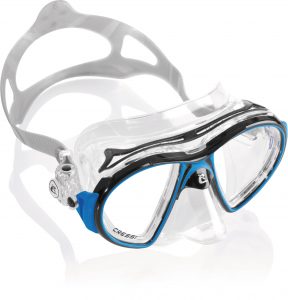
AirTraspaBluAmazonCRESSI Air

  • A compact mask with excellent field of vision
  • Crystal silicone skirt includes a new insert for improved sealing
  • An integrated frame technology system means better fusion of the curved, hydrodynamic frame and skirt
  • Two-tone headband
  • Seven colour options with a crystal skirt, and four colour options with a black skirt


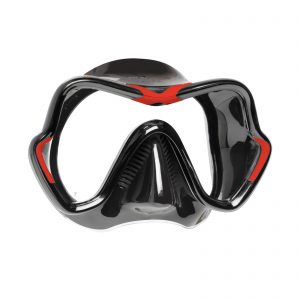
411436-RDKBK-one-vision-mask

MARES One Vision & One Vision Sunrise

  • A new single-lens mask with Mares DNA
  • The benchmark product in single-lens masks has now been surpassed
  • Updated design increases field of vision by 20 percent
  • EZ-adjust buckles positioned directly on skirt for easy fitting, better sealing and lower drag
  • Range of fresh new colours for 2016

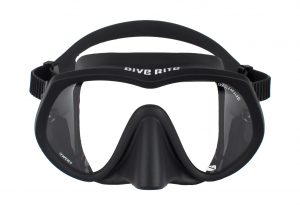
ES155 Mask copyDIVE RITE ES155

  • A low-profile mask offering superior comfort
  • Its wide angle of view is enhanced with ultra clear lenses
  • A matte silicone skirt insures a perfect fit

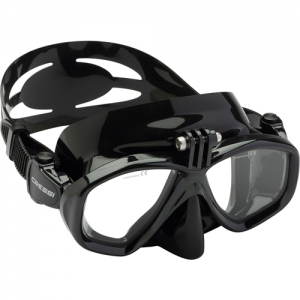
CSBMABK

CRESSI Action

  • High-quality mask with a dedicated fitting for an action camera


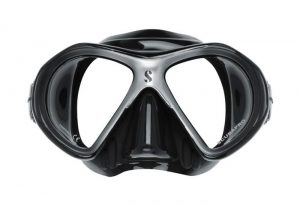
SCUBAPRO Spectra 2

  • Low volume, compact, dual lens design for easy clearing and the best possible field of view
  • Ultra-clear no-tint glass
  • Universal skirt design is super comfortableSpectra2-blacksilver
  • Mirrored lens option
  • Clear skirt available in blue, red, white, pink; black skirt available in black/silver, black/bronze and black/silver with mirrored lenses

New Innovative Carbon Arm System and Optional Floating System from INON

0

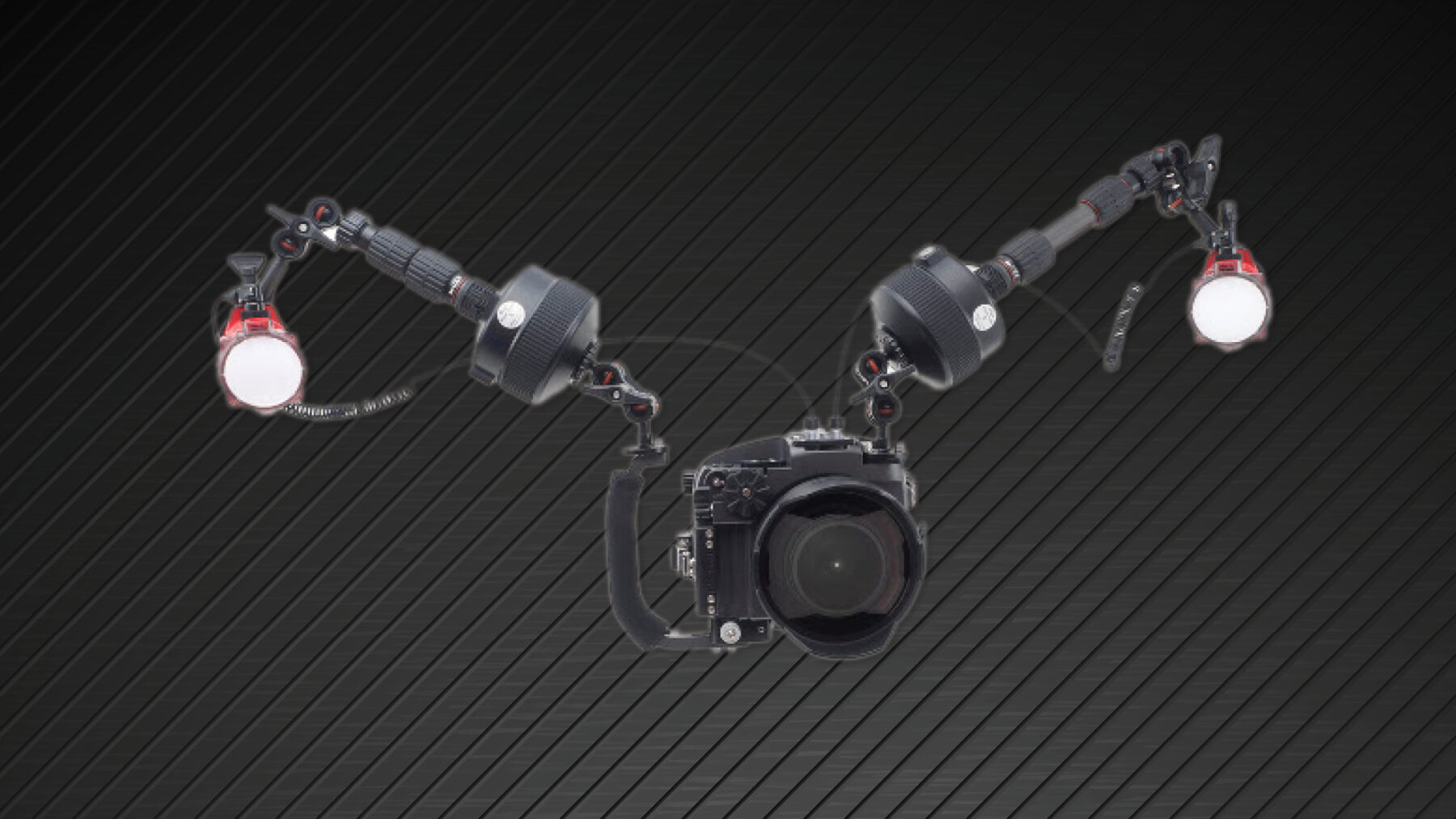
INON INC. manufacturer of underwater imaging gears, strobes, conversion lenses, arms, housing and many more, have released a new innovative carbon arm system to make your underwater camera system more compact and ergonomically friendly.

7972b678-cd20-4976-9160-0c177b50768b

Press Release: 

Carbon Telescopic Arm Series

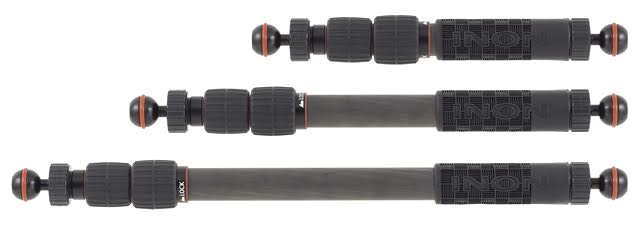
INON INC. is pleased to announce official release of “Carbon Telescopic Arm” series on January 21st, 2016. The Carbon Telescopic Arm series is made of ultra light yet super durable carbon fibre offering telescopic arm section to have any desired length.

•Carbon Telescopic Arm S
–Release date: January 21st, 2016
–JAN code: 456212143 812 5

•Carbon Telescopic Arm M
–Release date: January 21st, 2016
–JAN code: 456212143 813 2

•Carbon Telescopic Arm L
–Release date: January 21st, 2016
–JAN code: 456212143 814 9

Features

  • The Carbon Telescopic Arm System offers free adjustable arm sections by loosening/tightening two lock dials benefitting for easy advanced lighting.
  • As well as making your camera system more compact and comfortable to carry both on land and underwater by collapsing the Carbon Telescopic arm when not in use.
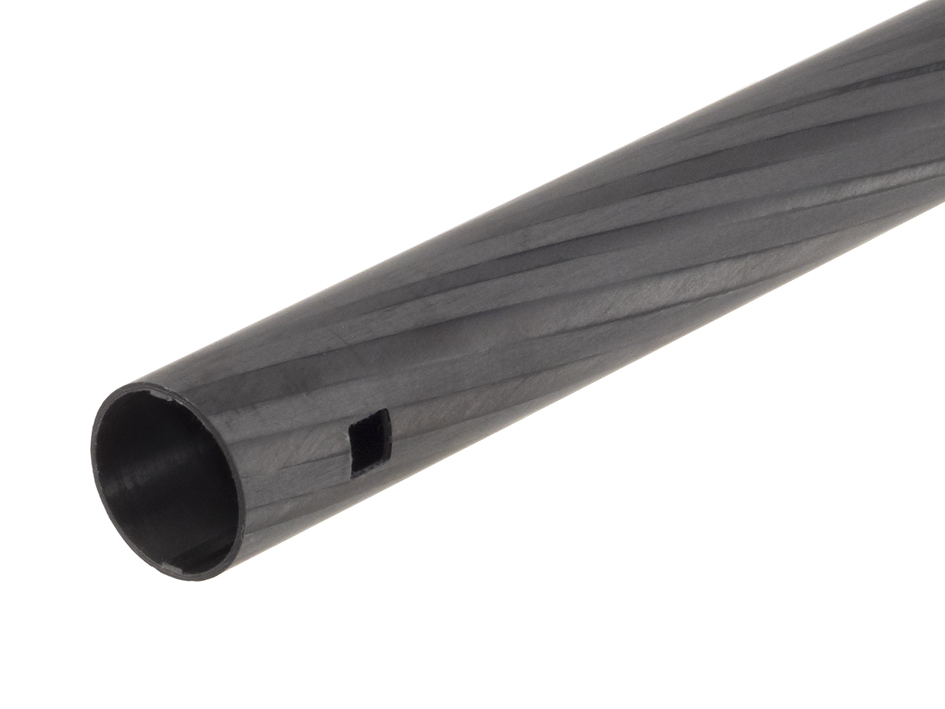
  • The arm section is made from super rigid carbon pipe which greatly reduce underwater weight, water resistant, and enhance the durability.
  • Three different lengths of Carbon Telescopic Arm products are available for different applications.
Extend/Collapse the Carbon Telescopic Arm
Carbon Telescopic Arm S attached on an INON X-2 housing
 
Carbon Telescopic Arm S collapsed at the minimum length (upper image)
Carbon Telescopic Arm S fully extended (lower image)

Carbon Telescopic Arm M collapsed at the minimum length (upper image)
Carbon Telescopic Arm M fully extended (lower image)

Carbon Telescopic Arm L collapsed at the minimum length (upper image)
Carbon Telescopic Arm L fully extended (lower image)
Carbon pipe
Optional float system

Mega Float Tube S and Mega Float Tube M are made of weather resistant light ABS material with the hollow design to generate extraordinary buoyancy underwater to control underwater weight of camera system.

More information on the Float Tube System can be found here.

"Aquatic Cocaine": Illegal Trade in Swim Bladders of Rare Fish Puts World’s Rarest Porpoise at Risk of Extinction

0

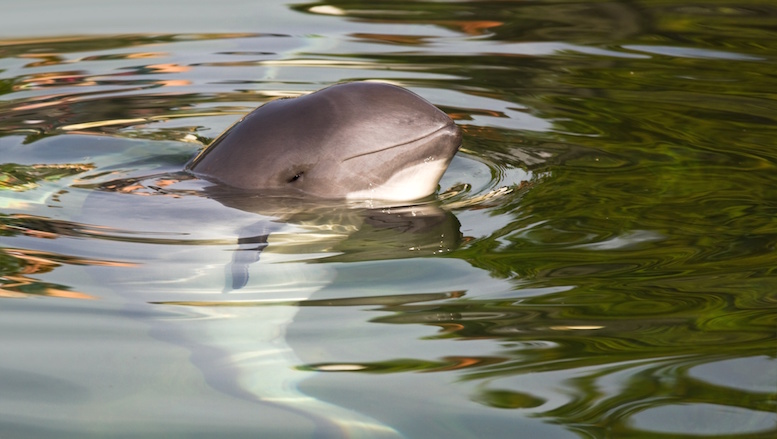
An illegal trade in the swim bladder of the rare totoabas has placed both these fish and the world’s smallest and rarest marine mammal — the vaquita — at risk of extinction, a report by the Environmental Investigation Agency (EIA) has revealed. Both species are critically endangered, and found only in the Gulf of California.

Dried swim bladders of totoabas — organs that help fish float — have been dubbed “aquatic cocaine” due to the high prices they fetch mainly in Chinese markets. For every kilogram of totoaba swim bladders sold, fishermen reportedly receive up to $8,500 in the local black market, according to the report. This demand for swim bladders (also called “maw”), for unproven medicinal benefits, is threatening not just the rare totoabas (Totoaba macdonaldi), but also the vaquita (Phocoena sinus), which get caught illegally in nets used to catch totoabas.

In fact, fewer than 100 vaquitas remain in the Gulf of California. And conservationists estimate that if the current rate of decline continues, vaquitas could become extinct by 2018.

“The vaquita’s extinction clock stands at one minute to midnight and the species is being pushed into oblivion by the demand of a relatively small number of Chinese consumers of totoaba maw,” Clare Perry, Team Leader of EIA’s Oceans Campaign, said in a statement.

Once abundant in the waters of Gulf of California, Totoabas, which can grow more than two meters in length and weigh around 100 kilograms (~220.5 pounds), declined rapidly due to habitat degradation, overfishing, bycatch and illegal fishing. These large-sized fishes are particularly vulnerable to overfishing because of their long life-spans and slow reproduction.

To protect the rare totoabas, trade in these fishes, or any of their parts, is illegal under both Mexican and U.S. law. To protect the vaquitas, Mexico has also implemented a two-year ban on on gillnet fishing — a major cause of vaquita entanglement and death — throughout the vaquita range.

Despite these laws, poachers continue to use gillnets to capture totoabas, the report notes. “Totoaba are captured in anchored, large-mesh gill nets set at night which are left for several days. Illegal activity is especially common during the spawning season, when totoaba are most vulnerable and before the adults are able to spawn,” according to the report.

In the U.S. and Mexico, in areas adjoining the totoaba and vaquita range in the Gulf of California, there have been several totoaba seizures in recent years. In October last year, for instance, Mexican authorities seized 543 totoaba fish in the Sea of Cortez, resulting in 19 arrests, according to the report.

The demand for fish swim bladders or maws is greatest in Hong Kong and mainland southern China, the report notes. Conservationists believe that the recent increase in the illegal trade in totoaba is likely connected to its “perceived kinship to the giant yellow croaker or Chinese bahaba (Bahaba taipingensis), a highly valued sciaenid that has been overfished to such an extent it is listed as critically endangered by the IUCN.”

Locally, both bahaba and totoaba are known as Jin Qian Min, meaning “golden coin maw” due to their high value, rarity and unproven medicinal value. An investigation by EIA in May 2015 revealed that fish maw was easily available in Hong Kong and Chinese markets, indicating a “failure by enforcement agencies to curb their smuggling and sale.”

In fact, EIA’s investigation revealed that the spike in illegal trade in totoaba had resulted in a 60-80 percent decline in the market price for totoaba maw since 2012. Due to the oversupply, traders are now believed to be holding on to stock, the report found, hoping for a hike in totoaba maw price in the future.

EIA also identified numerous online platforms, such as Facebook, that trade in fish maw.  Many users even post information on the best routes to smuggle totoabas into Hong Kong and China.

To protect the totoabas, and in turn the vaquitas, EIA recommends strengthening enforcement efforts and increasing information sharing, cooperation and raising awareness. The report also recommends making the two-year gillnet ban permanent.

“The vaquita and totoaba are both fully protected under national law as well as internationally through their CITES Appendix I listings, but such safeguards are worthless without urgent intervention on the ground to enforce them,” Perry said.

Source: Mongabay. By Shreya Dasgupta

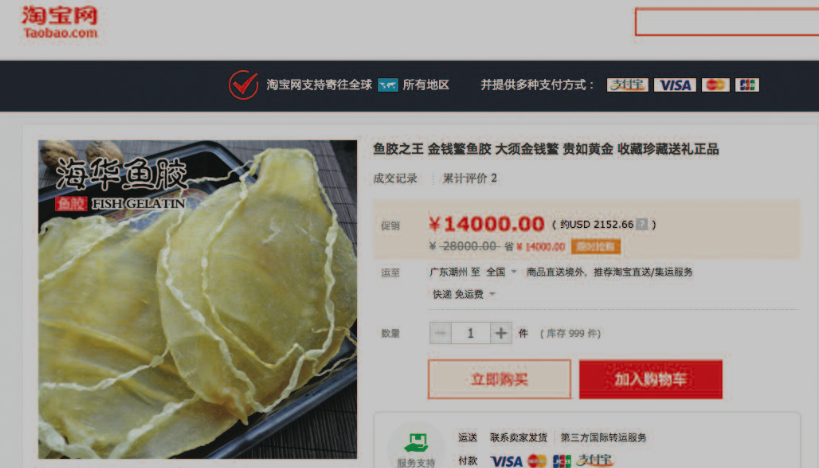
‘Totoaba’ fish maw offered for sale online. The advertisement describes the ’long-tubuled golden coin fish maw’ as ‘precious as gold, ideal for collection and gift’. Photo from EIA report, 2016.
“Totoaba” fish maw offered for sale online. The advertisement describes the “long-tubuled golden coin fish maw” as “precious as gold, ideal for collection and gift”. Photo from EIA report, 2016.

Shooting Animal Behaviour: 5 Pro Tips to Capture Stunning Images

0

Flashback: I sit anxiously and imagine being showered by praise and glory as my mentor quickly rifles through my file of monthly images. After a few minutes he begins shaking his head and finally looks up at me over his glasses and asks if I was proud of these images and did it take me a long time to shoot them. Before I could answer his questions he loudly exclaimed that I had “blown a chance of a lifetime and that I would never get that chance again!” Talk about deflating.

Five professional tips to capture stunning animal behaviour:

Accept outside intervention

Perhaps his methods were a bit rough around the edges but my admiration for him and his work forced me to listen up and to keep my head in the game, as he would challenge each of my photos, demanding:

  1. What am I looking at?
  2. What could I have done to make it a better shot?
  3. Where is the action?

These three questions still resonate with me as loudly today as they did back then, guiding and inspiring me on each and every outing. Taking your underwater photography to a new level often requires outside intervention, to create a new approach and to smash old habits.

The time is always now and you have the tools

Capturing the action in an image, or behaviour as it unfolds, is often as challenging as capturing lightning in a bottle, but it doesn’t need a million dollar set-up to do so. In fact the best camera and lens is probably the one you own right now and the best time to shoot behavioural images is on your very next dive.

Using a simple and regular routine before you set out is highly recommended, and sticking to a system on your dives is a proven way to increase your odds of success. Study, stealth and strategise like a hunter for the toughest of subjects and use a baseline of camera settings for quick action on the sand flats.

Research your subject

Sometimes it takes a while to find your subject. For many travellers this could equate to years or even a lifetime of searching blindly so try to formulate a plan by knowing your subject. Knowing what it looks like at rest and in action, its main food source and its natural habitat and behaviours will help you to limit your search to specific target zones that will increase the odds of finding your subject.

Be stealthy, approach with care

This phase demands that a diver thinks of his diving skills and dive kit as much as the technique required to shoot the images. Many marine creatures are timid so you need to be stealthy in your approach. Frog kicking is best as you should be careful not to disturb the bottom as many delicate creatures live in the sand and are vulnerable to your presence.

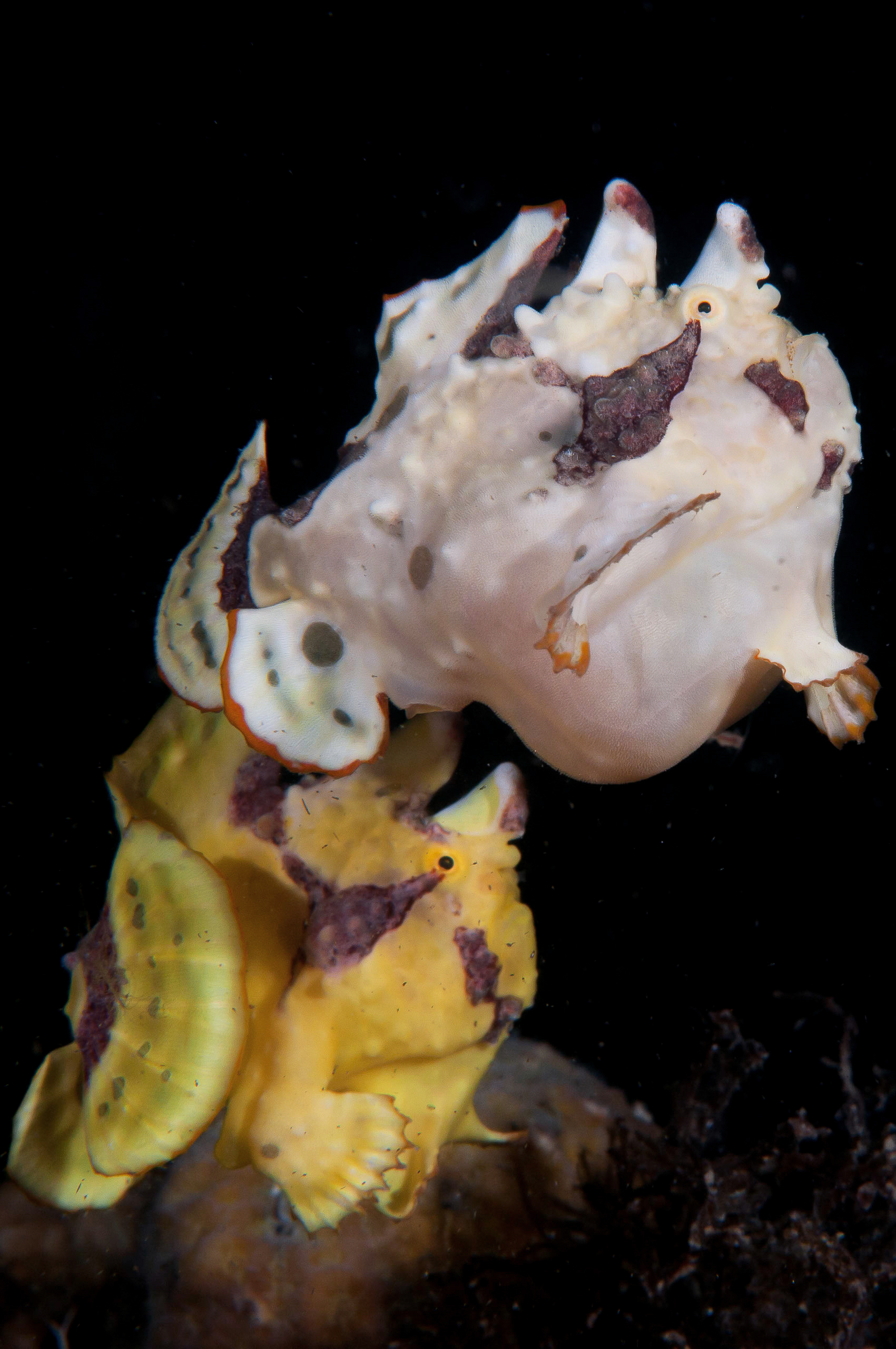
Just after sunset I stumbled upon these two frogfish, Antenarius maculatus, about an hour before they decided to spawn. The female signalled the male with a subtle twitch, he moved in and pushed her away from the rocks, and with all of their effort they swam to the surface where they spawned. I followed them up trying everything I could to keep them framed and in focus. Try not to become overly anxious or overshoot your strobes’ recycling ability. Settings: f/16, 1/100s, ISO 200 © Mike Bartick
I stumbled upon these two frogfish, just before they spawned. The female signalled the male with a twitch, he moved in and pushed her away from the rocks, and with all of their effort they swam to the surface where they spawned. I followed them up trying everything I could to keep them framed and in focus. Try not to become overly anxious or overshoot your strobes’ recycling ability.
Settings: f/16, 1/100s, ISO 200 © Mike Bartick

Stick to simple steps

Lights, Camera, Action! The technical aspects of your photos cannot be ignored as that chance of a lifetime is bound to present itself. Use the simple steps below and try to streamline yourself. A simple set-up is always better and allows you to concentrate on observing your subject.

  • Lights
    Lighting is everything with underwater photography. Pay close attention to your strobe placement and its distance to your subject. This will help to create a better exposure and highlight the details of the action. Take a test shot of something else at the anticipated distance before approaching your subject, make your adjustments early and be ready for that one shot photo op!
  • Camera
    Deciding which lens to use ahead of time is a great way to help you formulate your image. How big is the target subject, how close will you be able to get and is a teleconverter or diopter a good choice? F-stops, shutter speed and ISO settings should all be considered ahead of time.
  • Action
    This is where it all comes together and pays off. Finding the target subject, anticipating its behaviour, setting your strobe positions, and with your camera settings dialed in, making your stealthy approach to capture the image.

Patience pays off and revisiting your subject might be necessary to capture better images. Challenge yourself to create the best possible image of each creature in each situation and settle for nothing less. Remember that there is action and then there is the peak of the action with shooting behaviour, so hold tight and wait for it…

Images © Mike Bartick. This article was featured in SD OCEAN PLANET (Issue 4/2015)

You don't have to be a diver to enjoy ADEX!

0

Asia Dive Expo (ADEX) has the long-standing pride of being the longest and biggest dive expo in Asia celebrating its 21st year in 2016, it attracted a total of 41,053 visitors over three days last year!

And the good news is, you don’t have to be a diver to enjoy ADEX! 

By coming to the show as a non-diver, you’ll have the chance to experience what many longtime divers can’t – that first rush of love and excitement as you discover a whole new world of wonder beneath the waves. Learn about the incredible environment that covers more than 70% of our planet, the threats it faces, and what you can do to help save it. You can also sign up for a scuba course for free and get the price of your entrance ticket refunded.

You may even get to enter for FREE, ADEX has free entry for:

  • Everyone under 16 years old
  • ALL Students (Photo ID required)
  • Anyone born in 1995 (Year ADEX was founded)
  • People with special needs
  • All Navy Personnel
  • People with a real seahorse tattoo
  • People wearing wetsuits
  • People wearing ADEX 2016 Official T-shirts


Highlights of the 21st ADEX include activities for kids, families and friends, non-divers and hardcore scuba junkies alike! Check out what you can expect at the best scuba show:

1. Try Dives for Everyone

5N7A4867

IMG_5017

Not a diver yet? Try it out and discover a new passion!

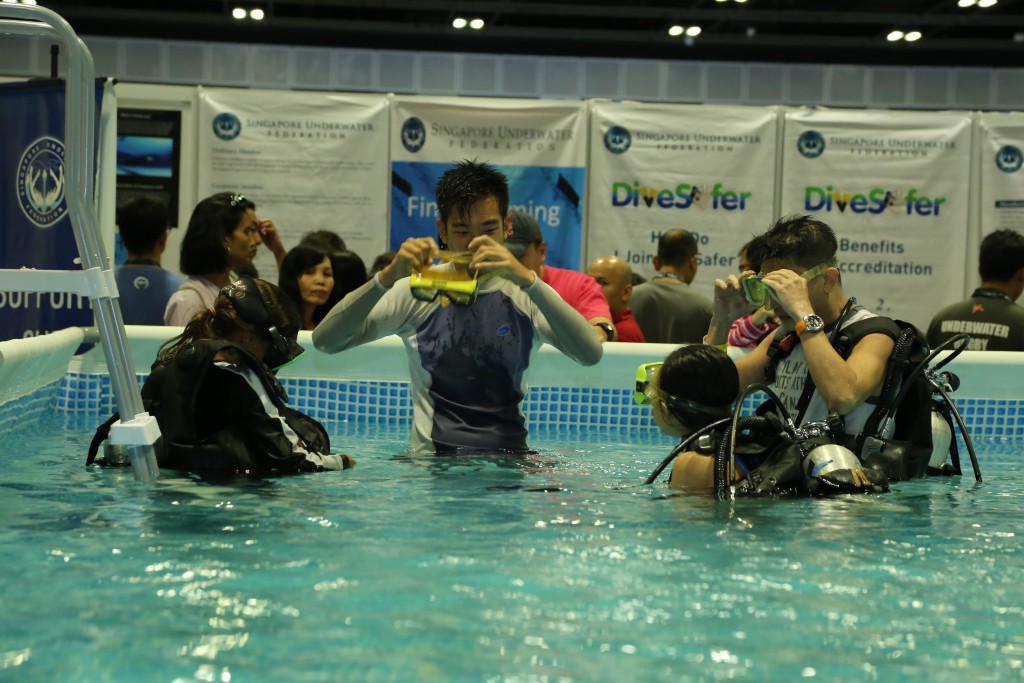
Children above nine years old can get to experience diving for the first time under the close supervision of professional diving instructors at the ADEX pool, while adults can try dive at the ADEX dive tank.

It’s a great way to spend the day trying a new sport with your family!


2. Activities for Kids

IMG_7097

Worried that your kids might be bored at ADEX?

Fear not as kids can come and have fun at the ADEX Activity Zone!

Be immersed with activities, competitions and arts & craft! Learn about conservation and join in as we celebrate the ocean. There will be games, educational talks by conservation experts and many more!


3. Meet the Mermaids

Mermaids

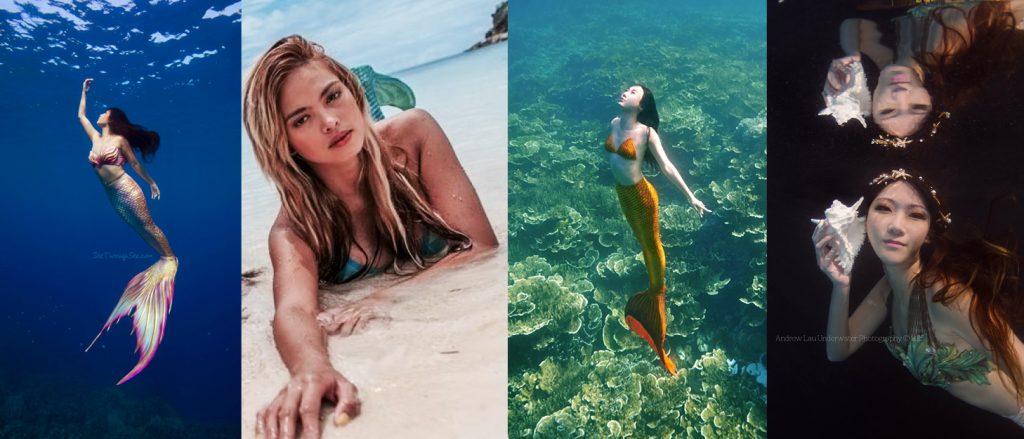
ADEX 2016 is thrilled to have real-life mermaids performing at the event once again! Visitors can see these mythical creatures come alive as they swim and perform in ADEX dive tank. They will also be at the ADEX pool where kids can meet and take photos with their favourite mermaids!


4. Singapore Pavilion

ADEX website banner (marine park)

ADEX 2016 will be joining in the celebration of the launch of Singapore’s First Marine Park, which is organised by Singapore National Parks Board (NParks) and in association with the Blue-Green Alliance. The Singapore Pavilion will be the focal point for three days of exciting discovery, education and awareness about the conservation of marine life in Singapore.

Be sure to visit the booth when you are there!


For more information on ADEX, please visit www.adex.asia.